The Banchan Encyclopedia
Ingredients
재료
From gochugaru to doenjang, the ingredients that give Korean food its flavor, history and character.
A
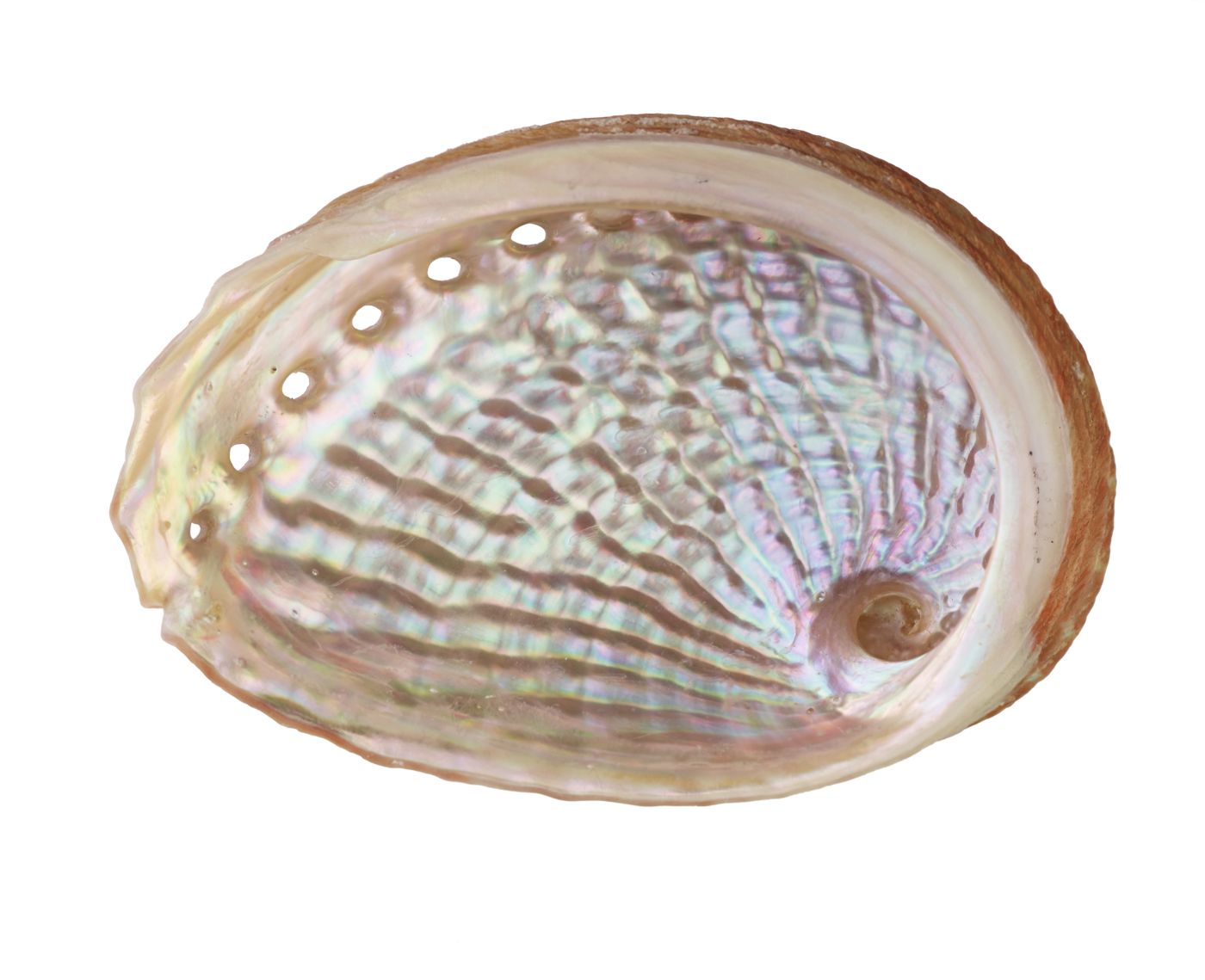 Abalone (jeonbok)전복A prized sea snail with a single pearly shell and a firm, sweet foot. Long gathered by divers and now farmed widely around Wando, it is simmered into Jeju's restorative jeonbok-juk.
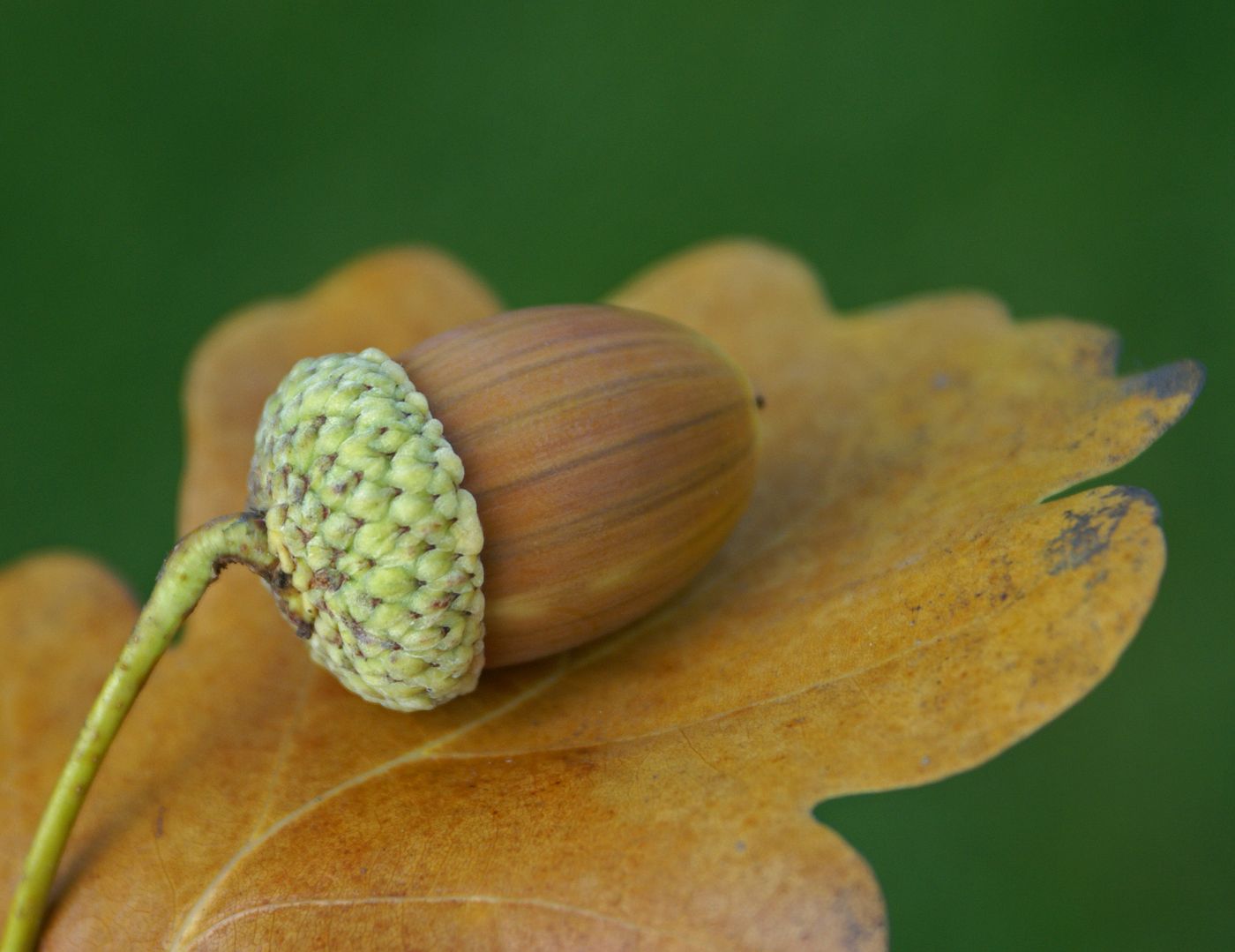 Acorns and acorn starch도토리Oak acorns, leached of their bitterness and ground into a fine brown starch. Cooked with water and set, the starch becomes dotori-muk, a quivering, gently astringent jelly served with a soy-sesame dressing.
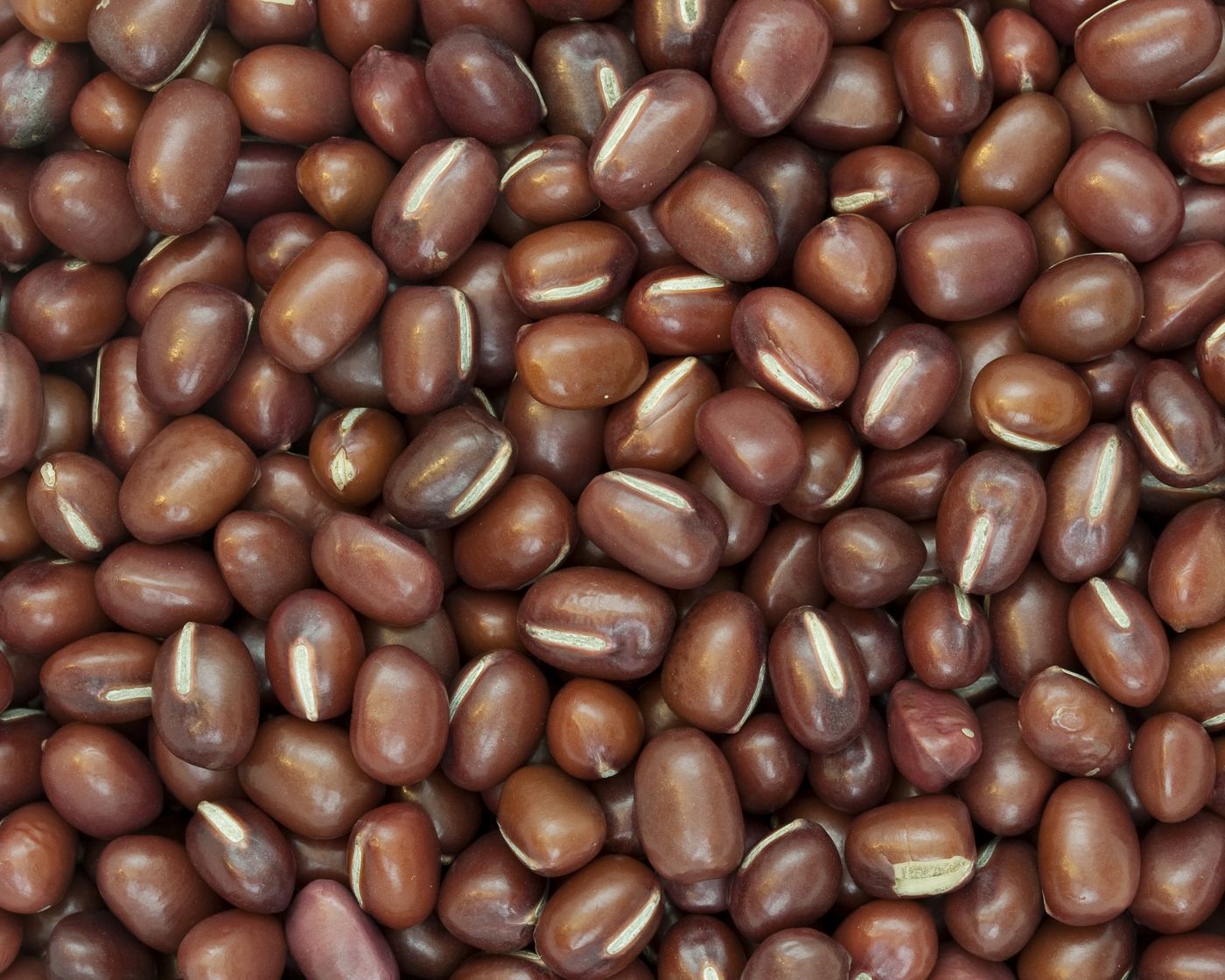 Adzuki beans (red beans)팥Small, glossy, wine-red beans with a thin white seam, simmered into savory porridge, cooked with rice, and mashed sweet for rice-cake fillings and coatings. Their red color was long believed to drive away misfortune.
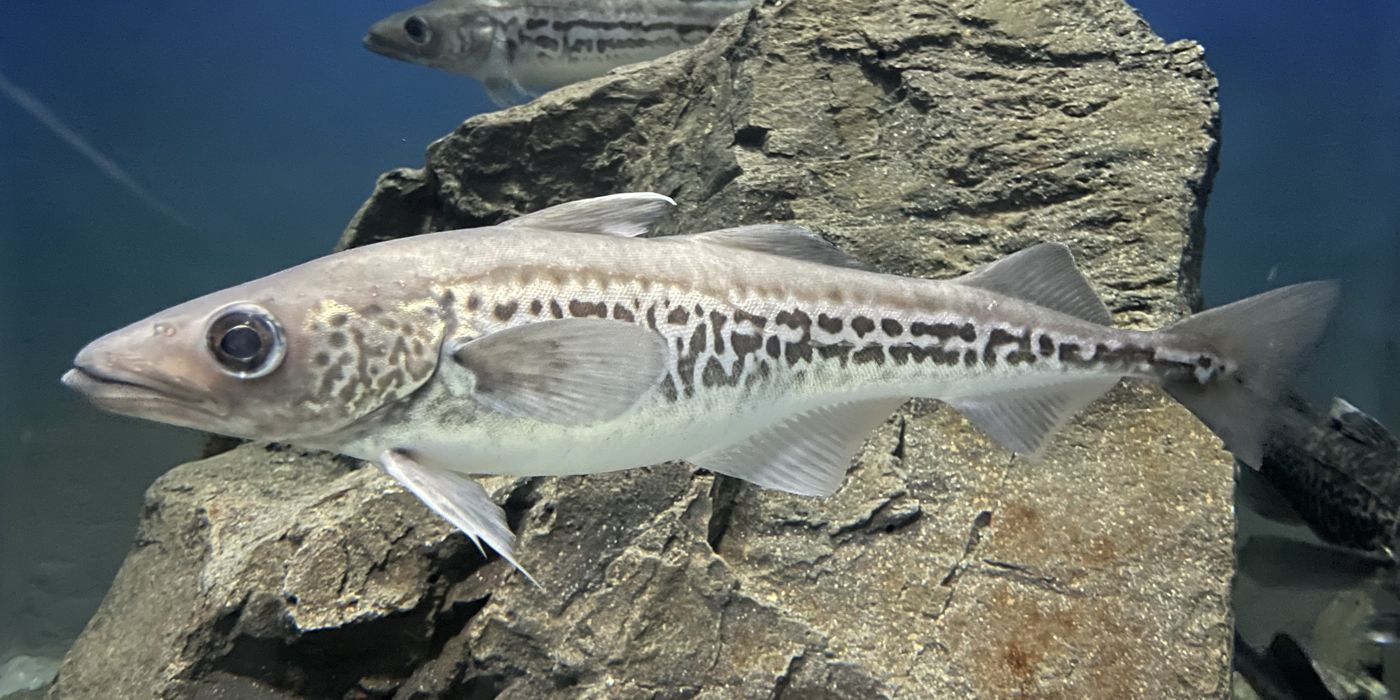 Alaska pollock (myeongtae)명태A lean, mild cold-water fish that Koreans know by a dozen names, depending on how it has been frozen, dried or salted. Dried bugeo simmers into a clear hangover soup, and its roe becomes myeongnan-jeot.
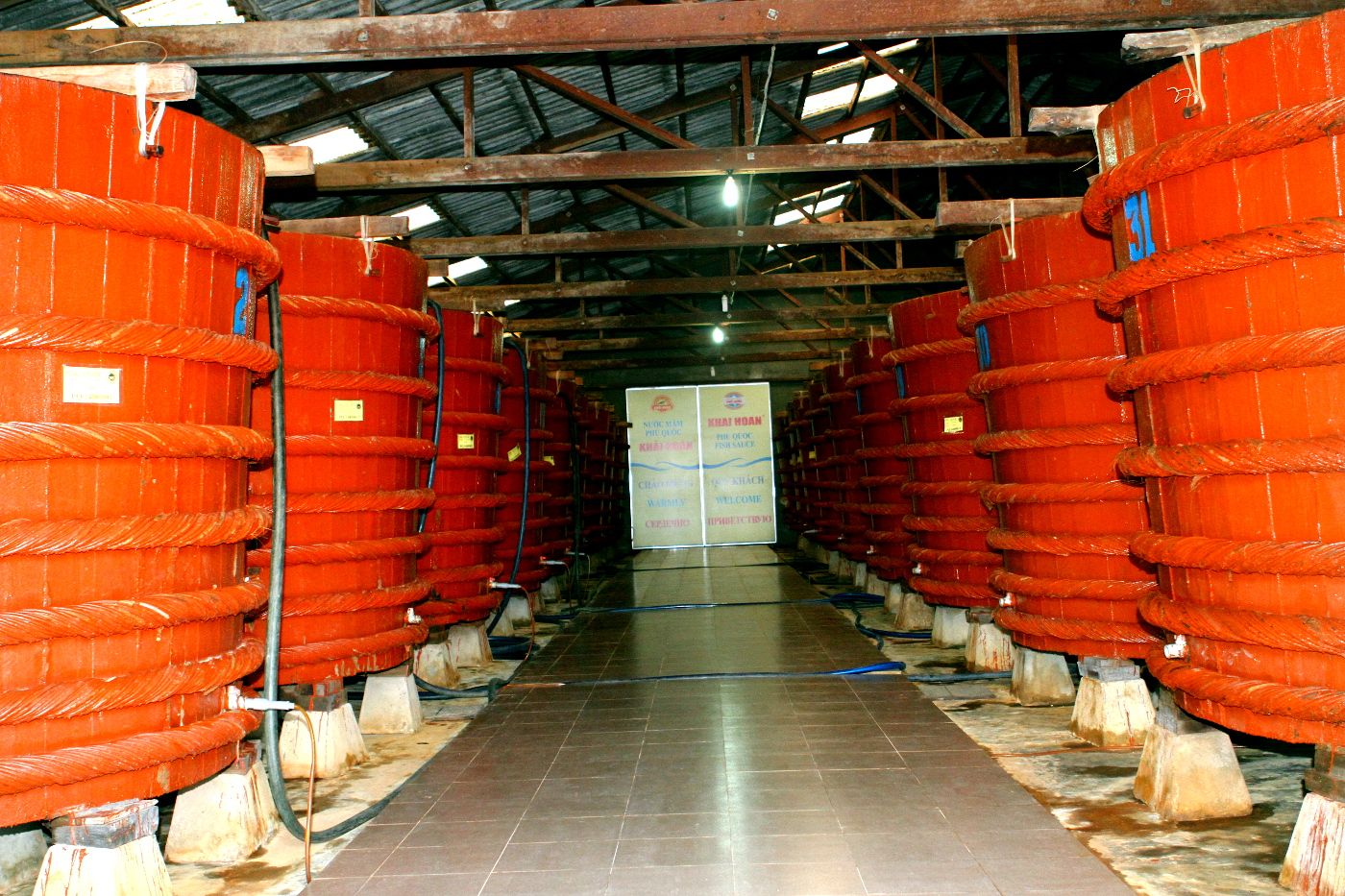 Anchovy fish sauce멸치액젓The clear amber liquid drawn from salted, fermented anchovies. A jeotgal in liquid form, it is the savory backbone of much southern-style kimchi and a quick seasoning for soups and namul.
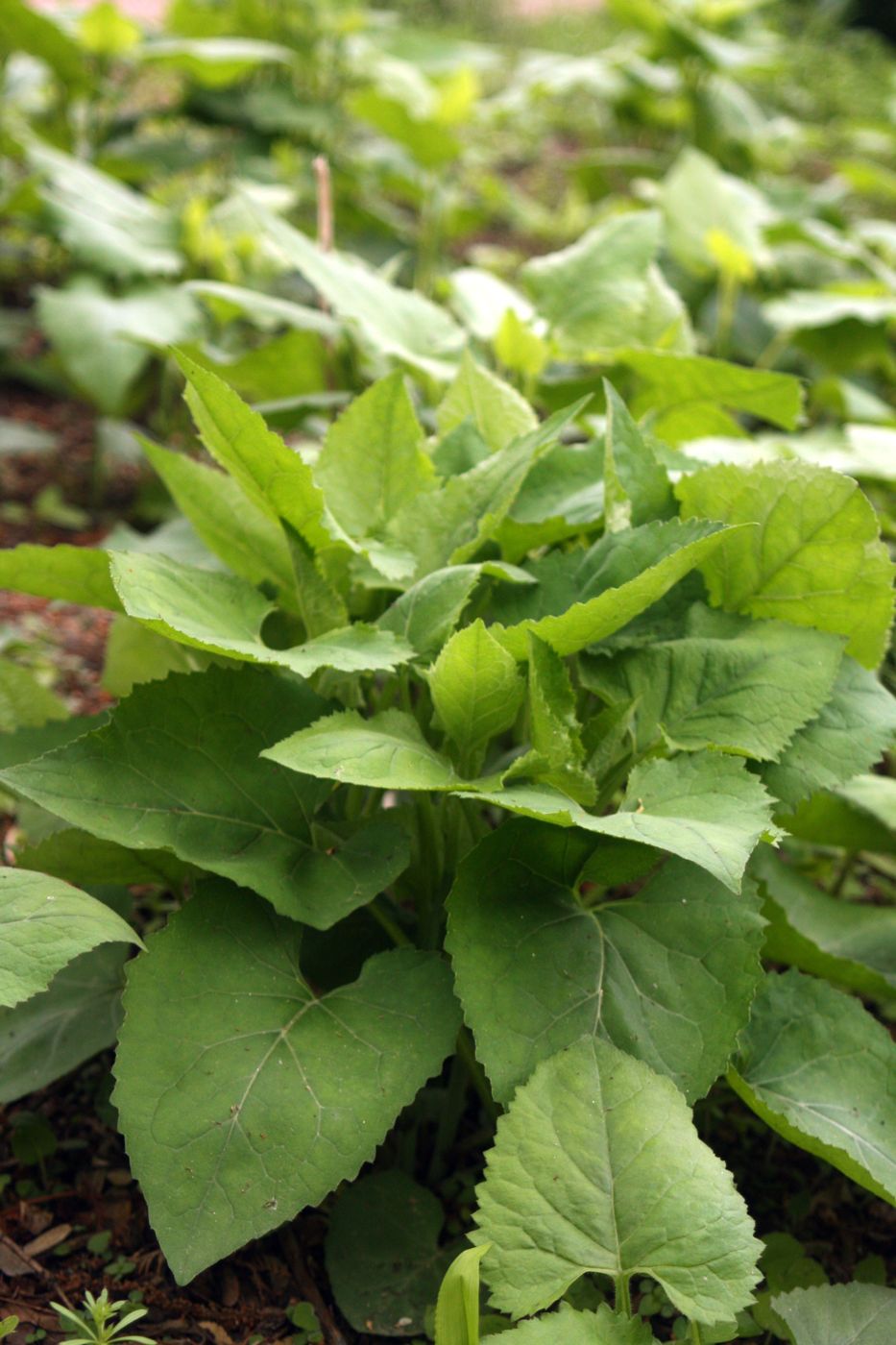 Aster greens (chwi)취나물Aromatic mountain greens from the aster family, led by chamchwi. Eaten fresh in spring and dried for winter, chwinamul is one of the most beloved wild-style namul.
B
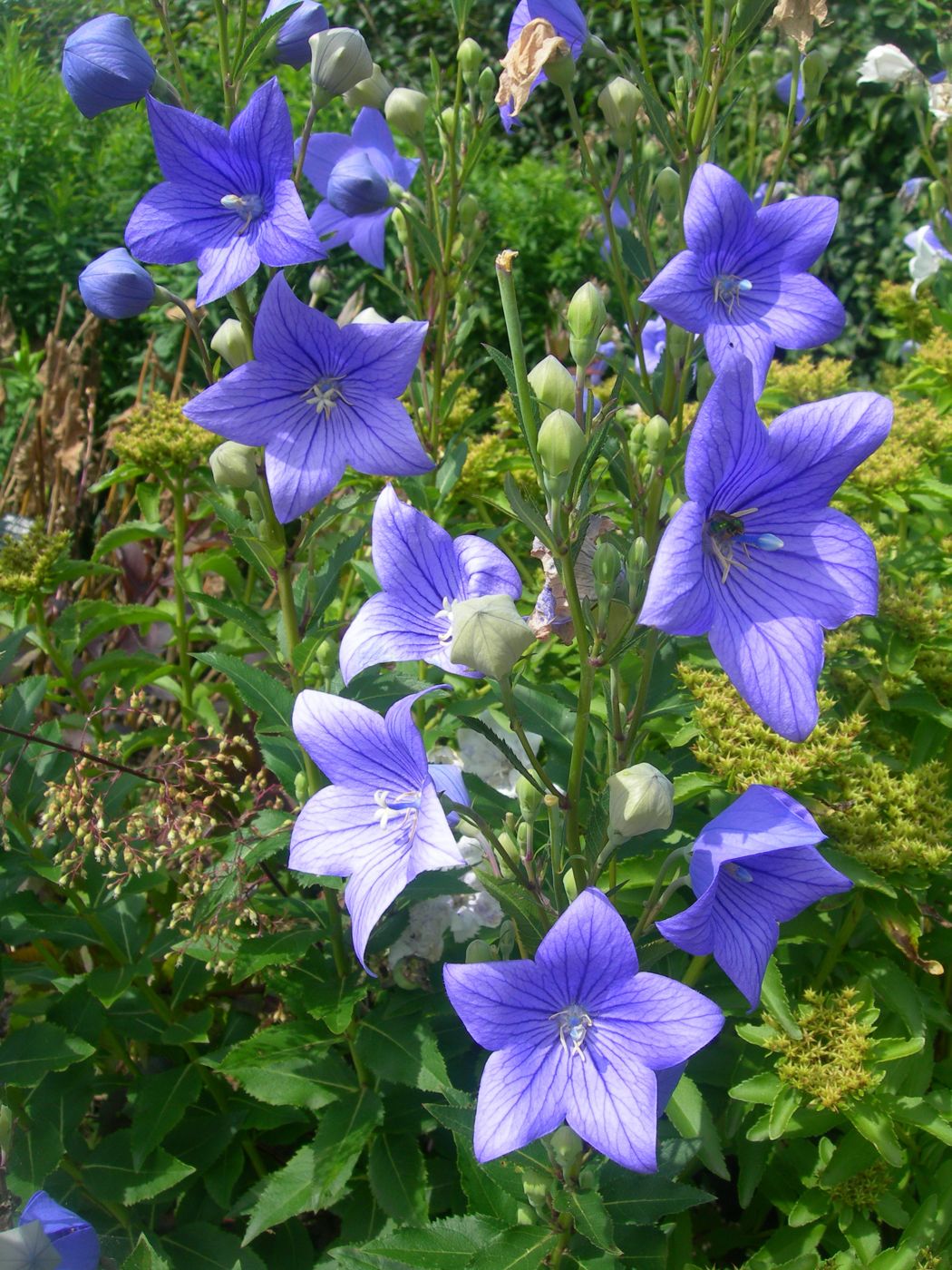 Balloon flower root도라지The pale, fibrous root of the balloon flower, prized for its crunch and gentle bitterness. It is tamed with salt and soaking, then served as a white namul, a tangy raw salad, or threaded onto skewers.
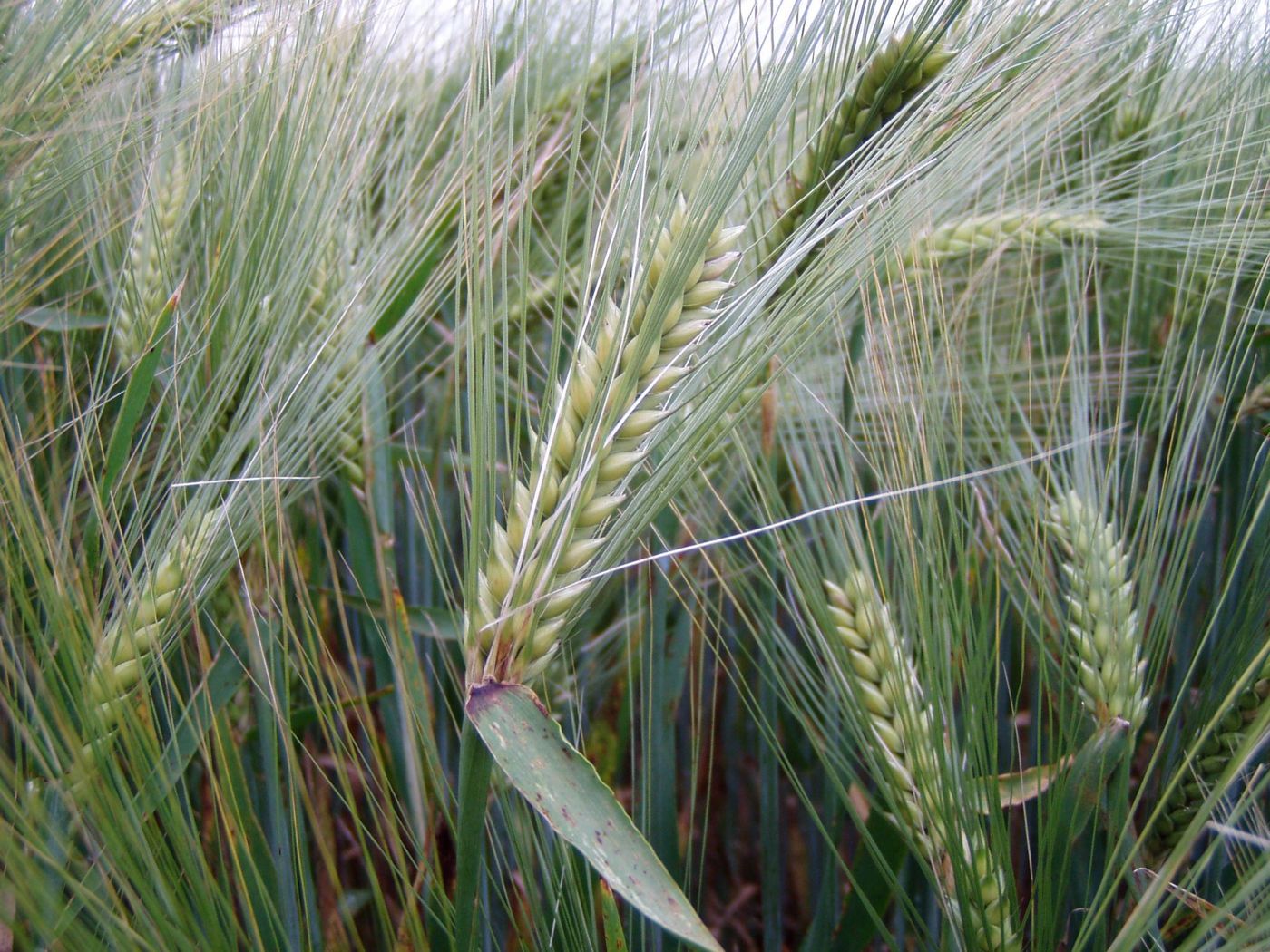 Barley보리Plump, chewy grains with a dark seam down the middle, cooked alone or with rice as boribap and roasted for barley tea. Once the grain of hardship, barley is now eaten by choice for its nutty bite and fiber.
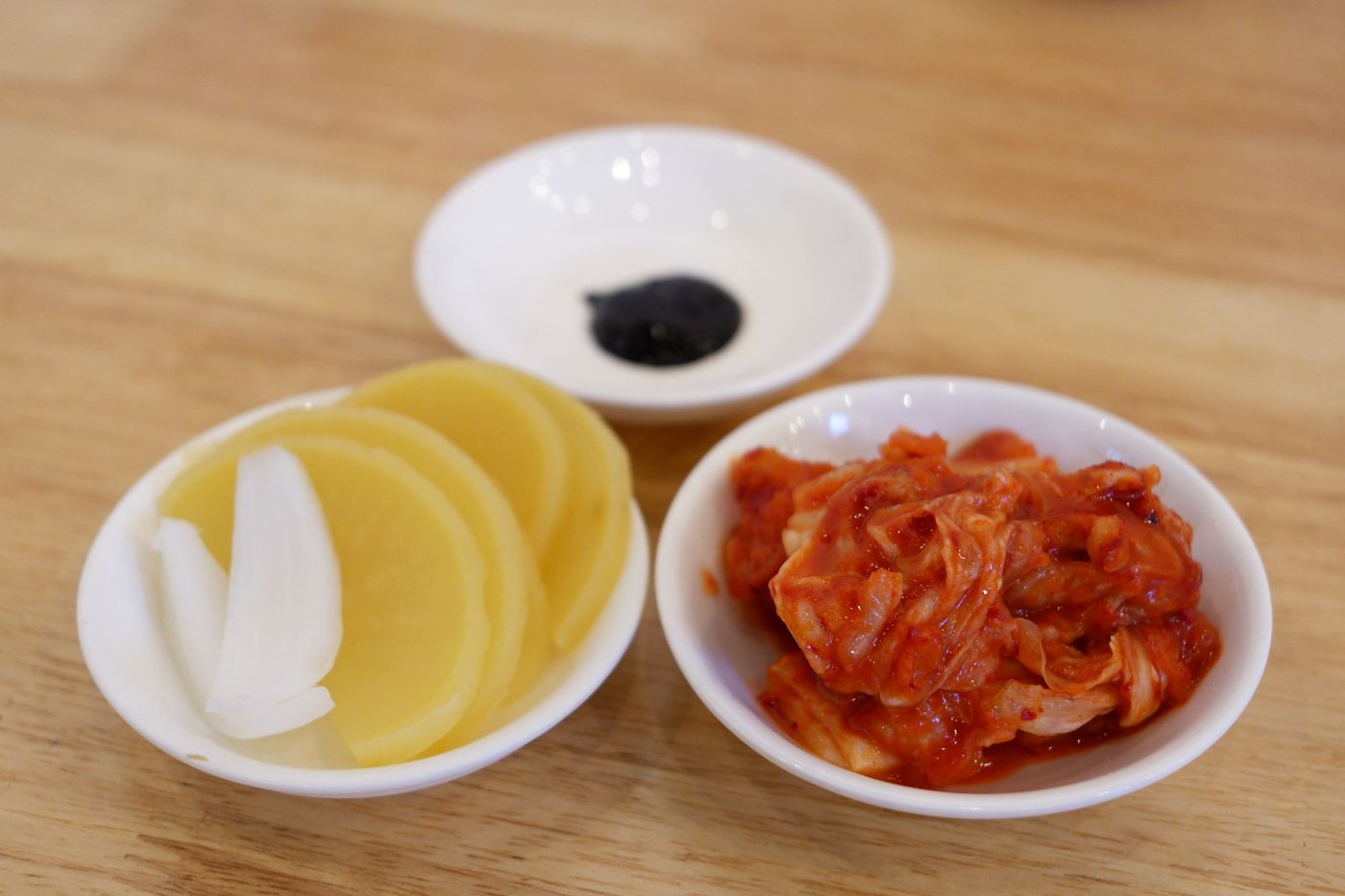 Black bean paste (chunjang)춘장A thick, glossy, nearly black fermented paste, fried in oil with pork and onions to make the sauce for jajangmyeon. It is the defining ingredient of Korean-Chinese cooking, born in Incheon's Chinatown.
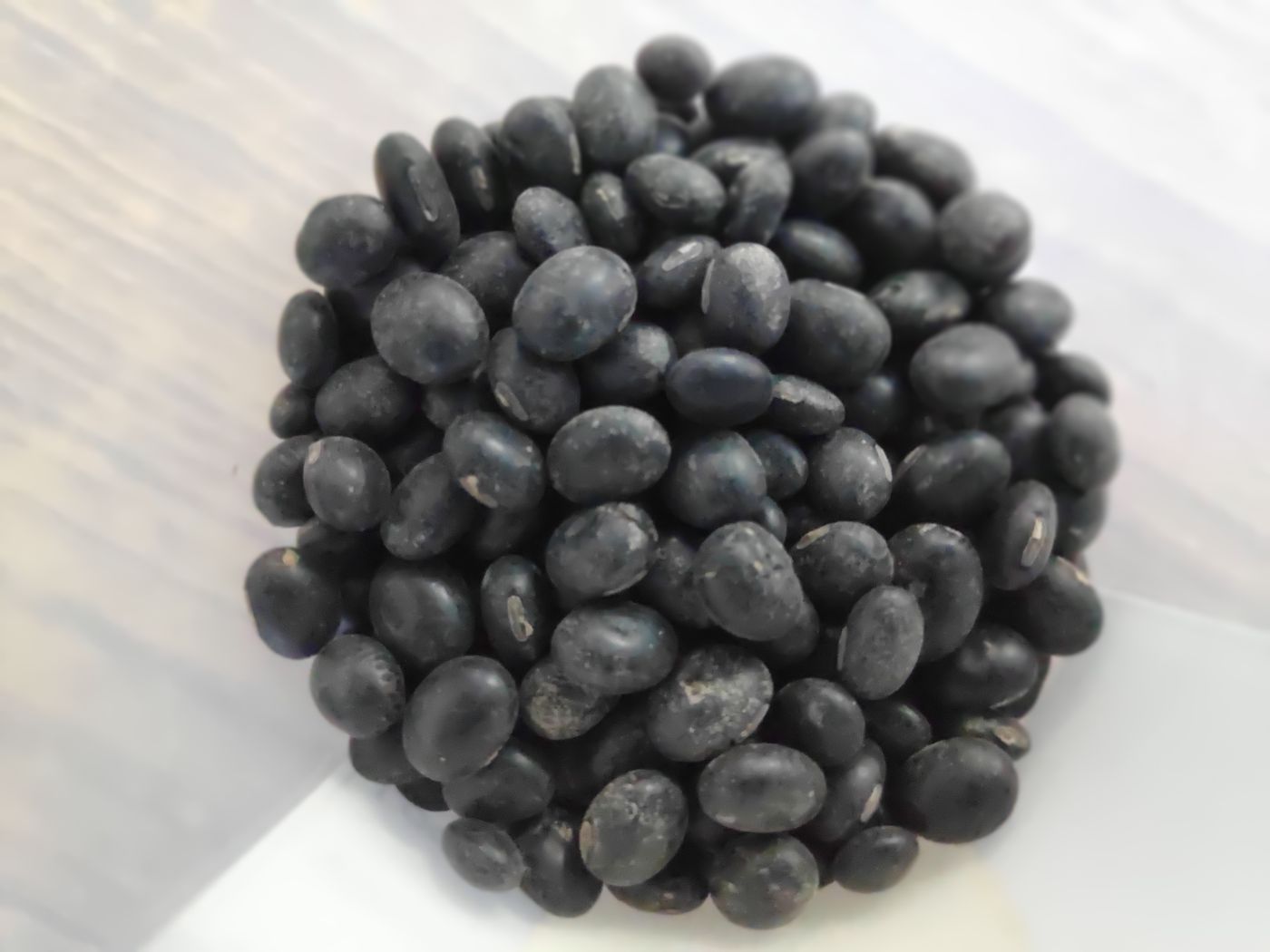 Black soybeans검정콩Glossy black soybeans, led by large, green-hearted seoritae. Simmered in soy sauce and syrup they become the shiny side dish kongjaban; they are also steamed, roasted or ground.
- Bokbunja (Korean black raspberry)복분자Small, glossy black raspberries ripening in early summer, grown above all around Gochang in North Jeolla. Most are pressed into juice, preserves and the deep purple fruit wine bokbunja-ju.
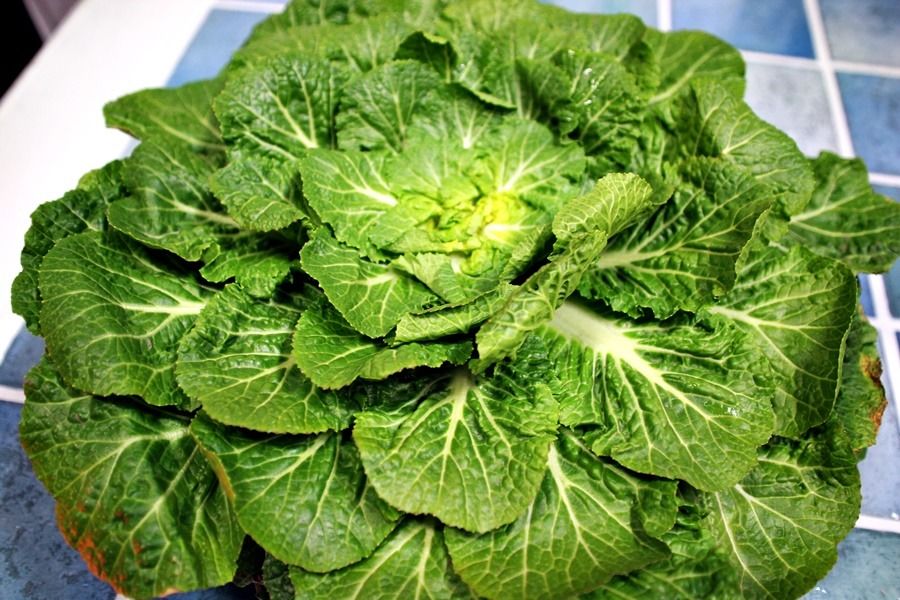 Bomdong (spring cabbage)봄동A loose, flat cabbage that spends the winter in open fields on Korea's southwest coast, its leaves spread wide against the ground. Sweet and crisp, it is dressed raw as bomdong geotjeori when spring is still weeks away.
- Bracken fern shoots고사리The young, tightly curled shoots of bracken fern, picked in spring and almost always sold blanched and dried. Once soaked and thoroughly cooked, gosari turns tender and earthy, and it is a fixture of ancestral-rite tables, bibimbap and yukgaejang.
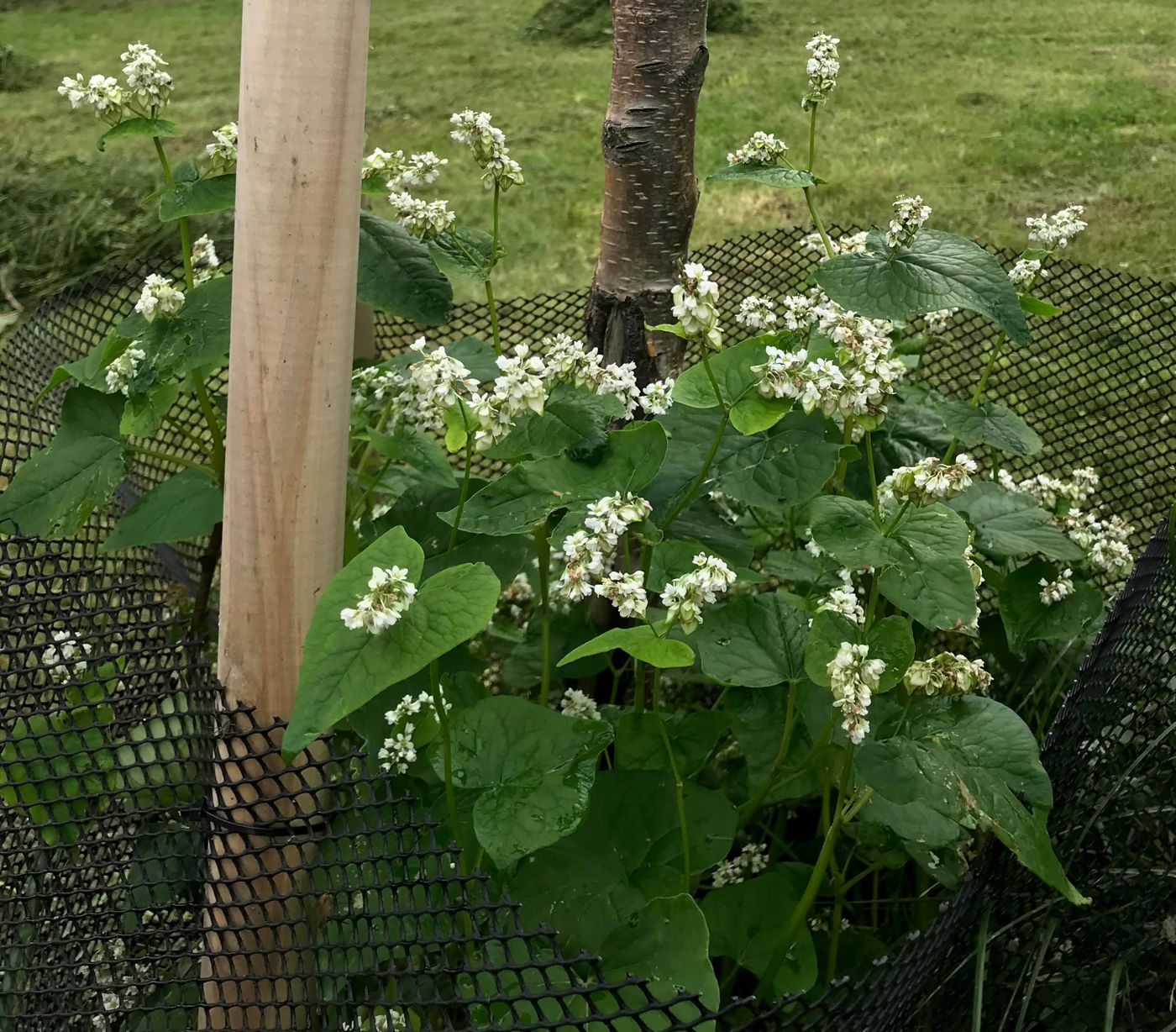 Buckwheat메밀Small, three-cornered seeds ground into a gray, earthy flour for cold noodles, makguksu and silky memil-muk. Buckwheat is the grain of Korea's cool mountain country, above all Gangwon-do.
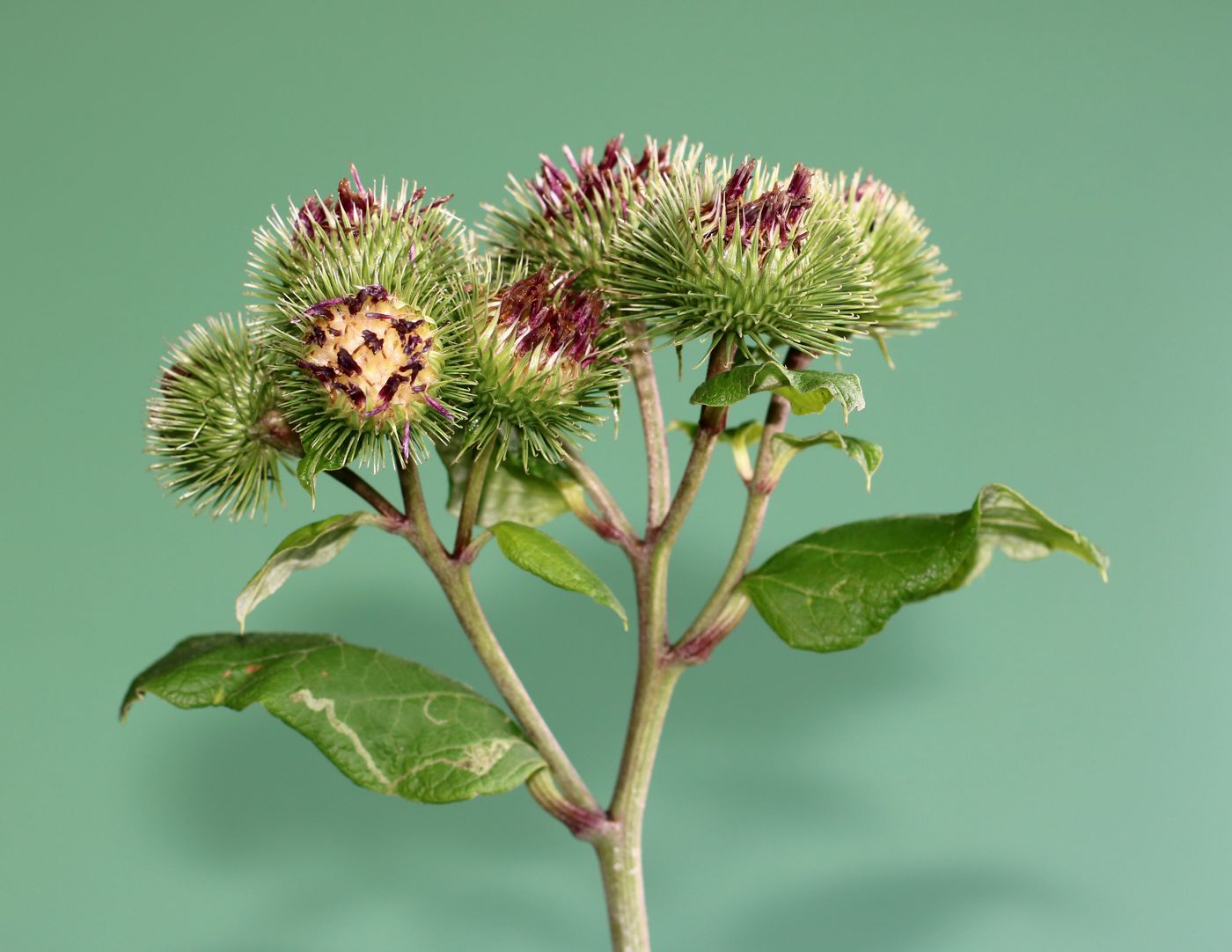 Burdock root우엉A long, slender, earthy root with brown skin and pale flesh. Julienned and braised in soy sauce and syrup, it becomes the sweet, chewy, glossy ueong-jorim.
C
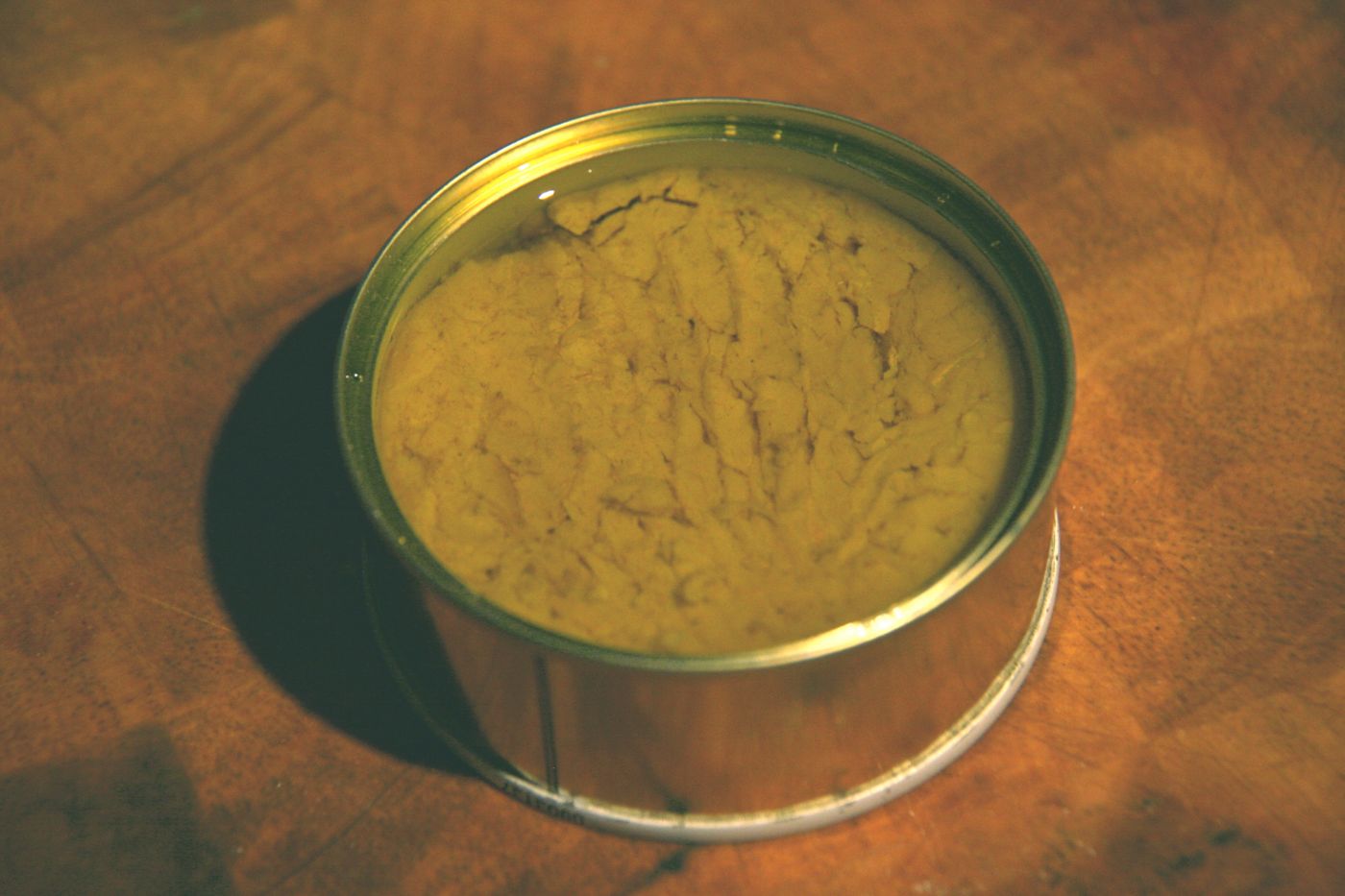 Canned Tuna참치 통조림Oil-packed canned tuna, usually skipjack, has been a pantry staple since the 1980s. It goes into kimchi stew, gimbap, rice balls, fried rice and quick side dishes. Its oil is often cooked into the dish rather than drained away.
- Chamnamul (Korean wild parsley)참나물A cool-loving mountain herb of the carrot family, sold in fragrant bunches of three-part leaves on slender stems. Its celery-and-parsley perfume shines in quick raw chamnamul-muchim and lightly blanched namul.
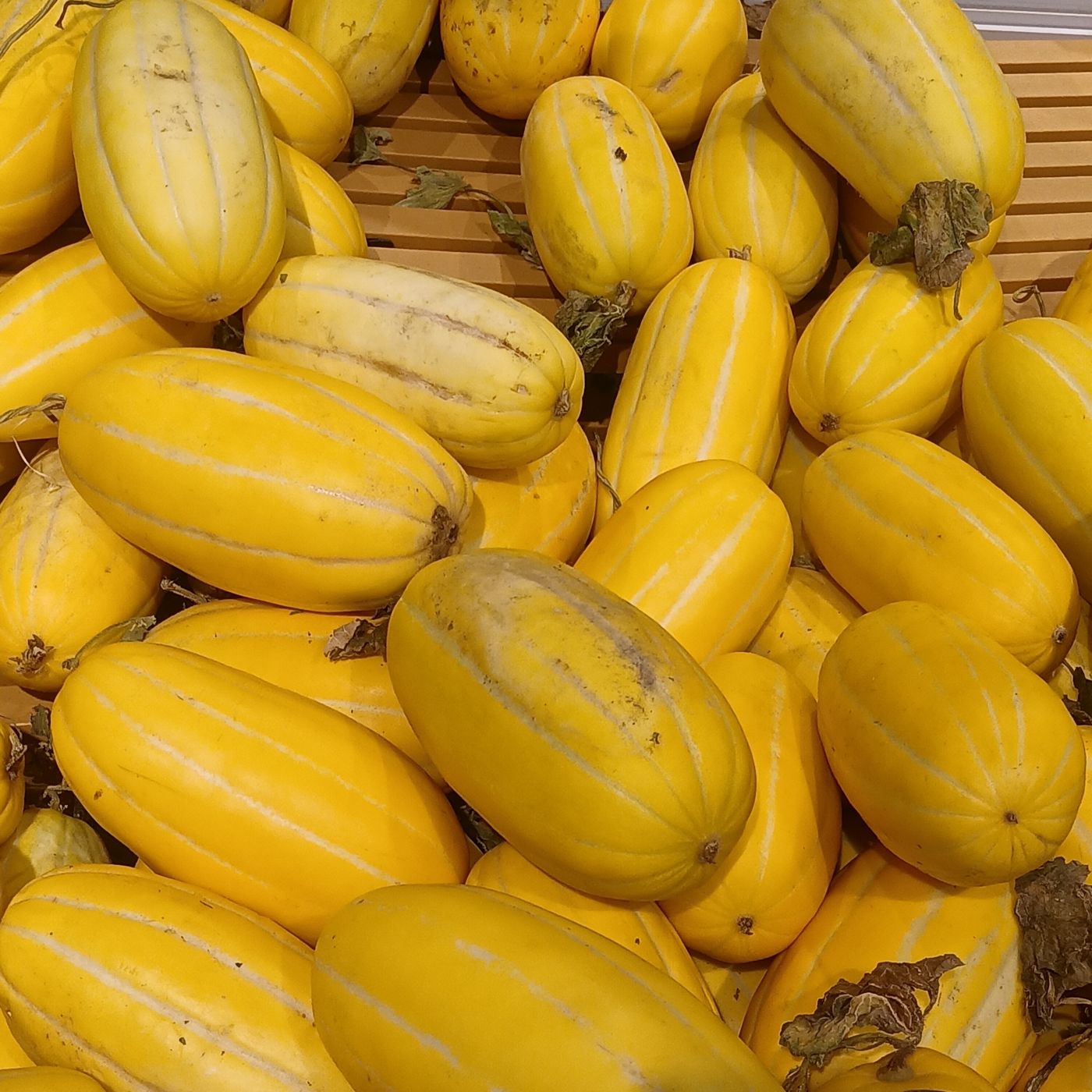 Chamoe (Korean melon)참외A small, oblong melon with bright yellow, white-furrowed skin and crisp white flesh, Korea's quintessential summer fruit. Nearly all of it now comes from Seongju, near Daegu.
- Cheongju (Clear Rice Wine) and Matsul (Cooking Wine)청주Clear, refined rice wine. It is drunk at rites and holidays and used in cooking to soften meat and fish odors. Sweetened cooking wine sold as matsul (맛술) is a related but different seasoning product.
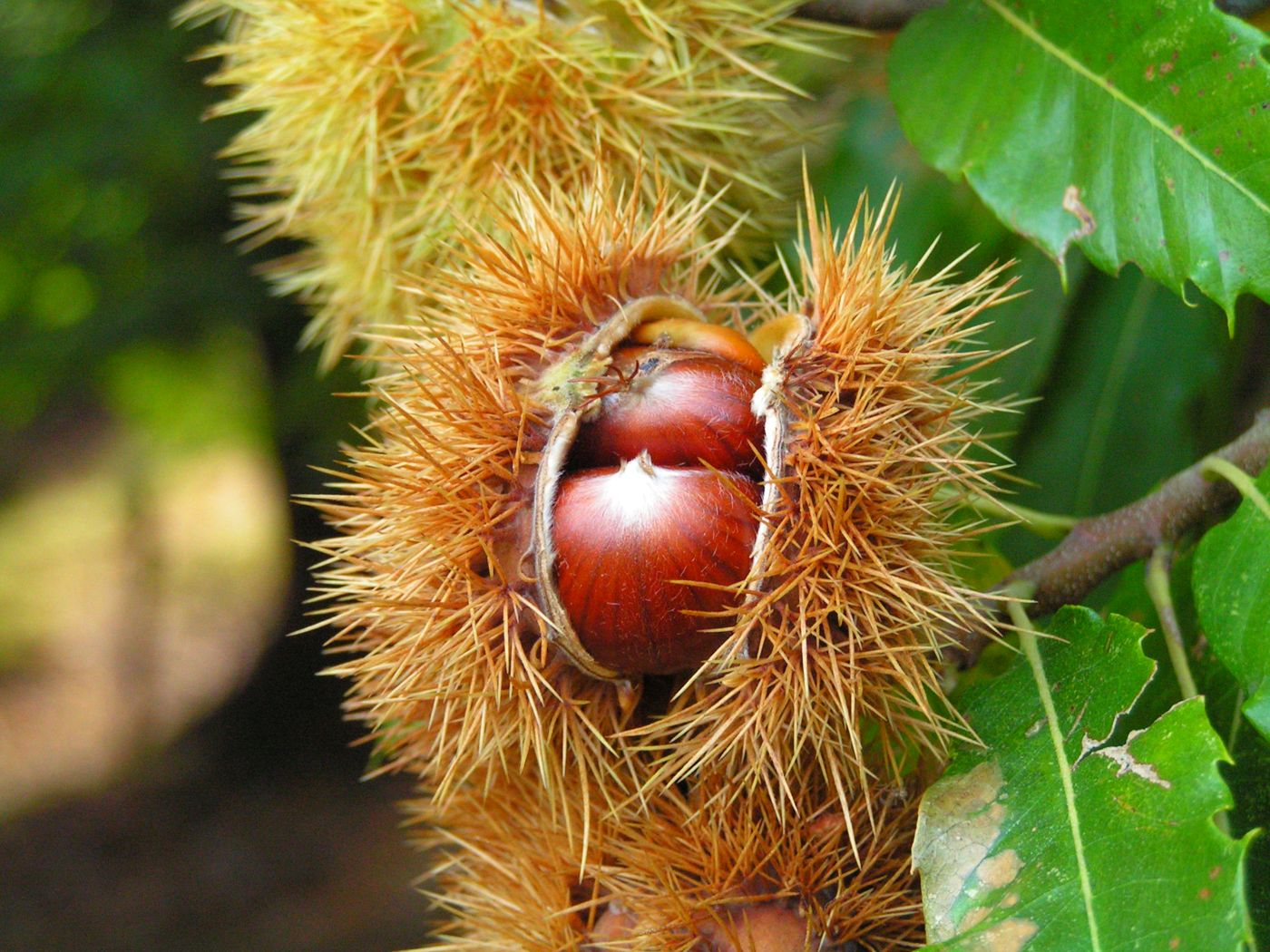 Chestnuts밤Glossy brown nuts with a pale, starchy kernel, roasted on winter street corners, cooked into rice and yaksik, and stacked on the ancestral-rite table. Gongju in South Chungcheong is the best-known growing region.
- Chicken (dak)닭Chicken appears in Korea's founding legends and on its summer tables: young birds simmered whole with ginseng in samgyetang, chili-marinated pieces stir-fried as Chuncheon's dakgalbi, and the fried chicken of modern takeout culture.
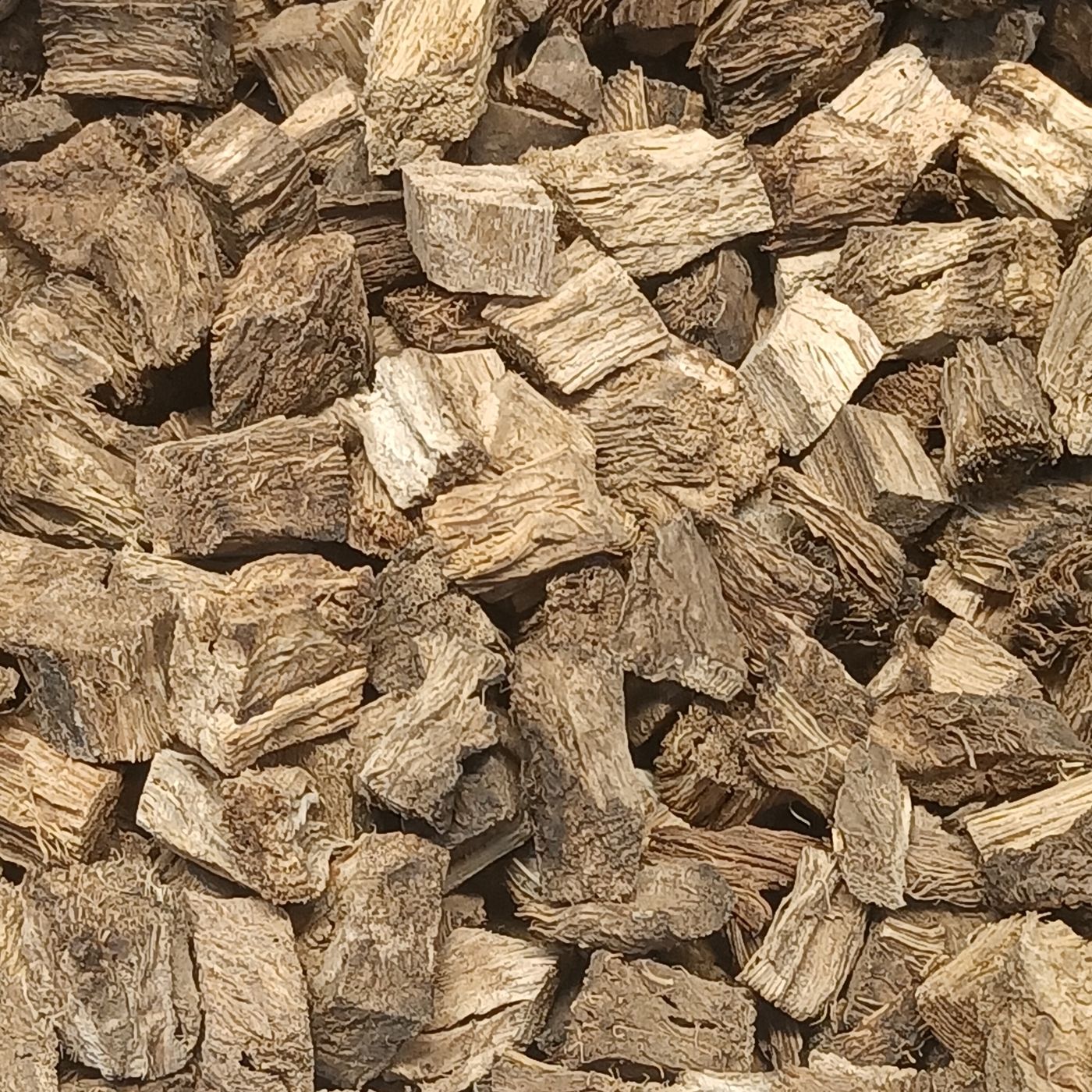 Chik (kudzu root)칡The starchy, fibrous root of the kudzu vine. Pressed for juice, brewed as tea or refined into starch, it gives its earthy taste and dark color to chewy chik-naengmyeon noodles.
- Chogochujang (Vinegared Chili Paste)초고추장Gochujang loosened with vinegar and sweetened with sugar, often with garlic and sesame: a glossy, sweet-sour-hot sauce for raw and blanched fish, shellfish and spring shoots, and a dressing for spicy muchim.
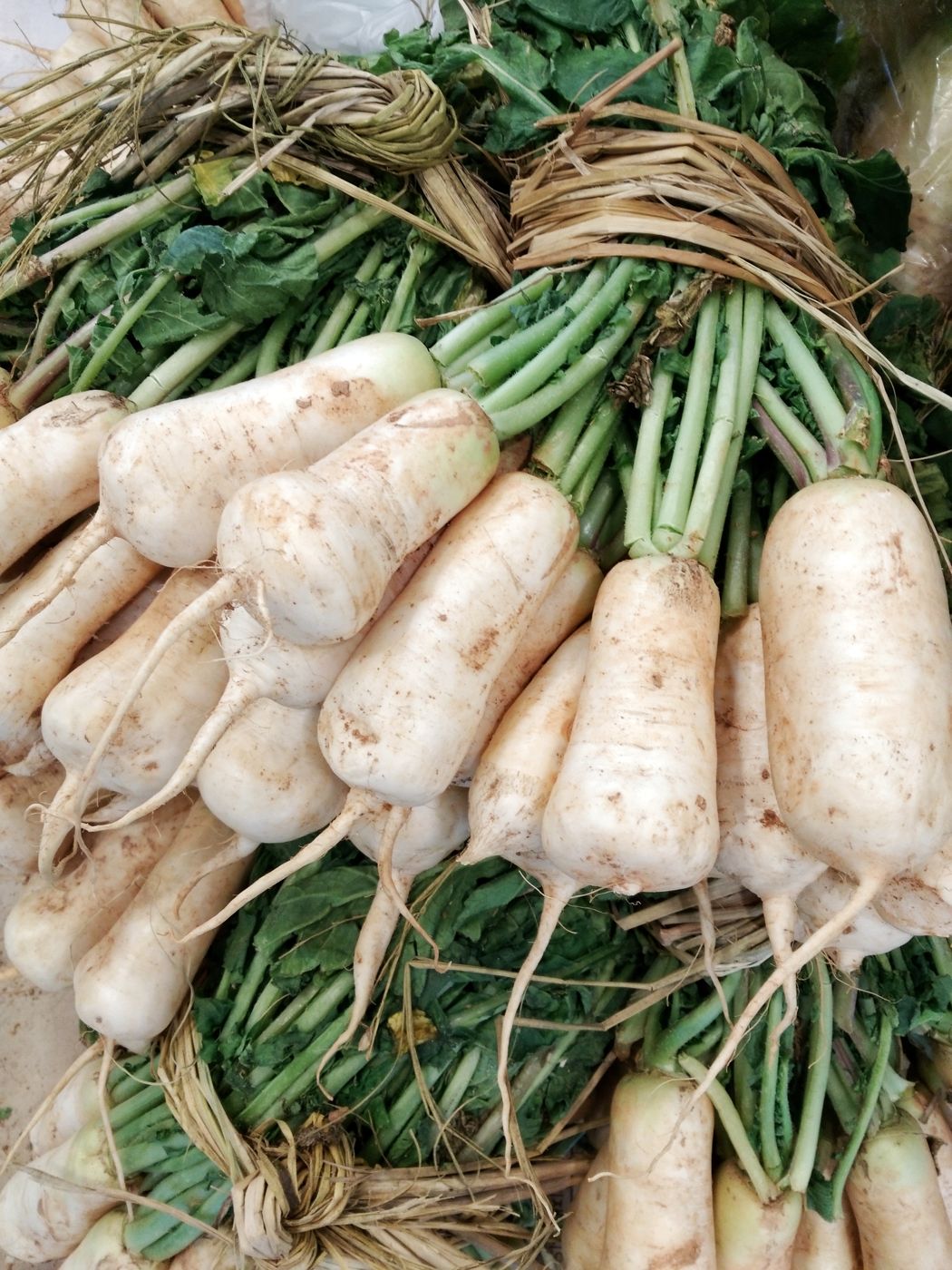 Chonggak radish (ponytail radish)총각무Small, plump, finger-length radishes sold with their long green tops still attached. Pickled whole, roots and leaves together, as crunchy chonggak-kimchi.
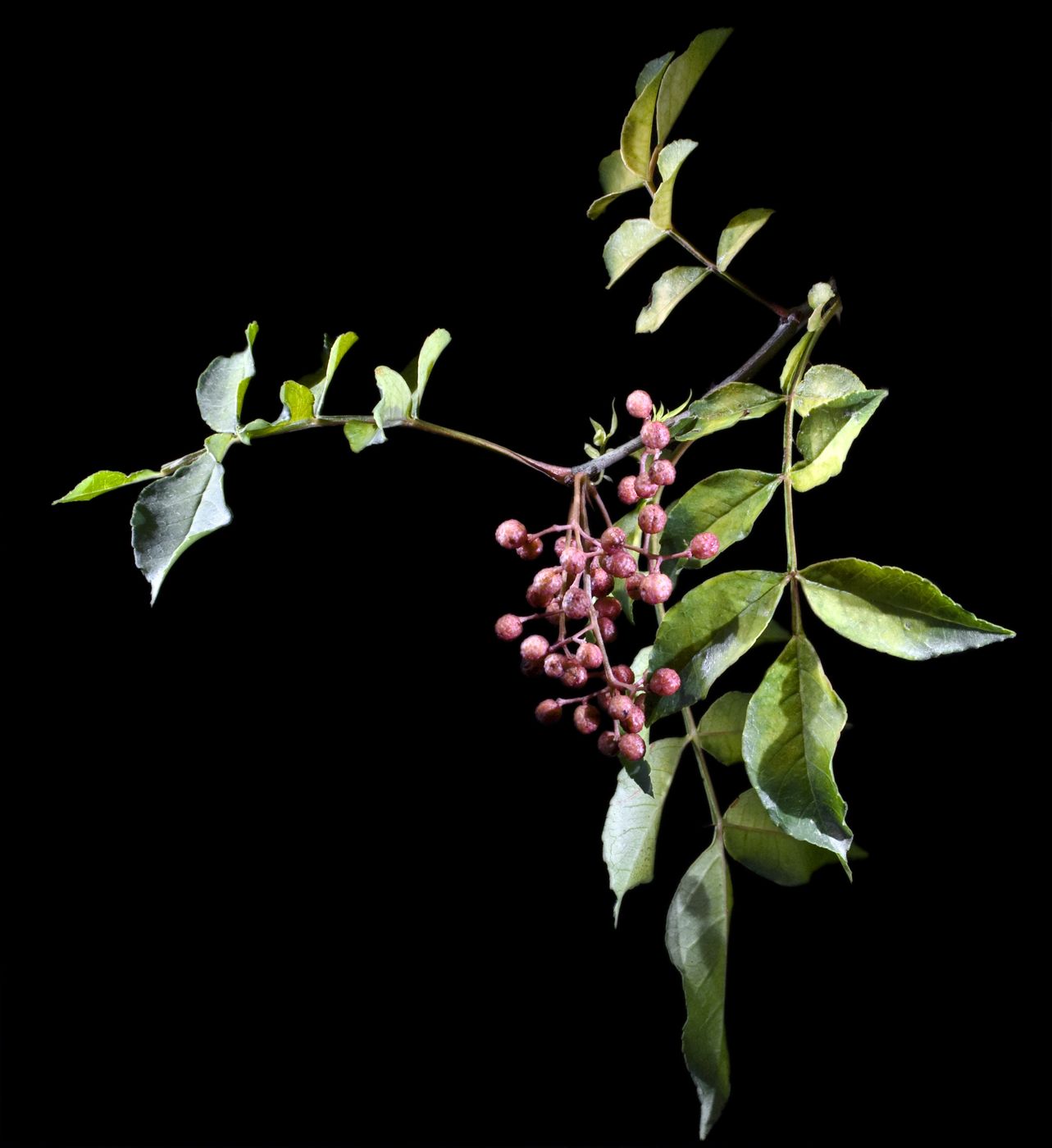 Chopi (Korean Pepper, Zanthoxylum piperitum)초피The dried, ground husks of Zanthoxylum piperitum, a thorny shrub of the citrus family. It gives a citrusy, numbing tingle and is sprinkled into loach soup, freshwater fish stews and kimchi, especially in Gyeongsang, where it is called jepi. It is often mislabeled sancho.
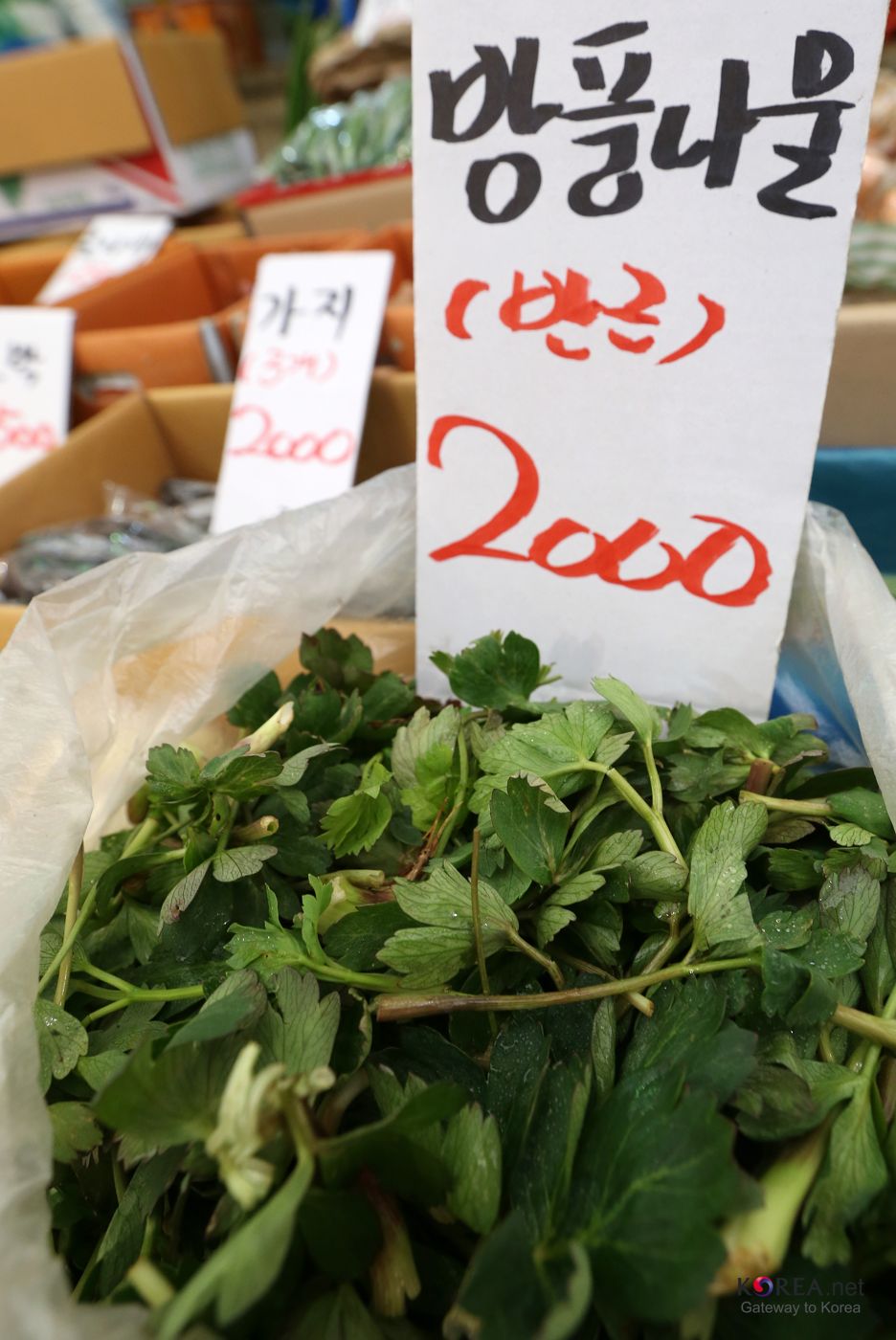 Coastal hog fennel (bangpung-namul)방풍나물The young leaves and shoots of Peucedanum japonicum, a glossy seaside perennial of the carrot family. Cooks blanch them for namul, wrap rice in them, or stir them into porridge.
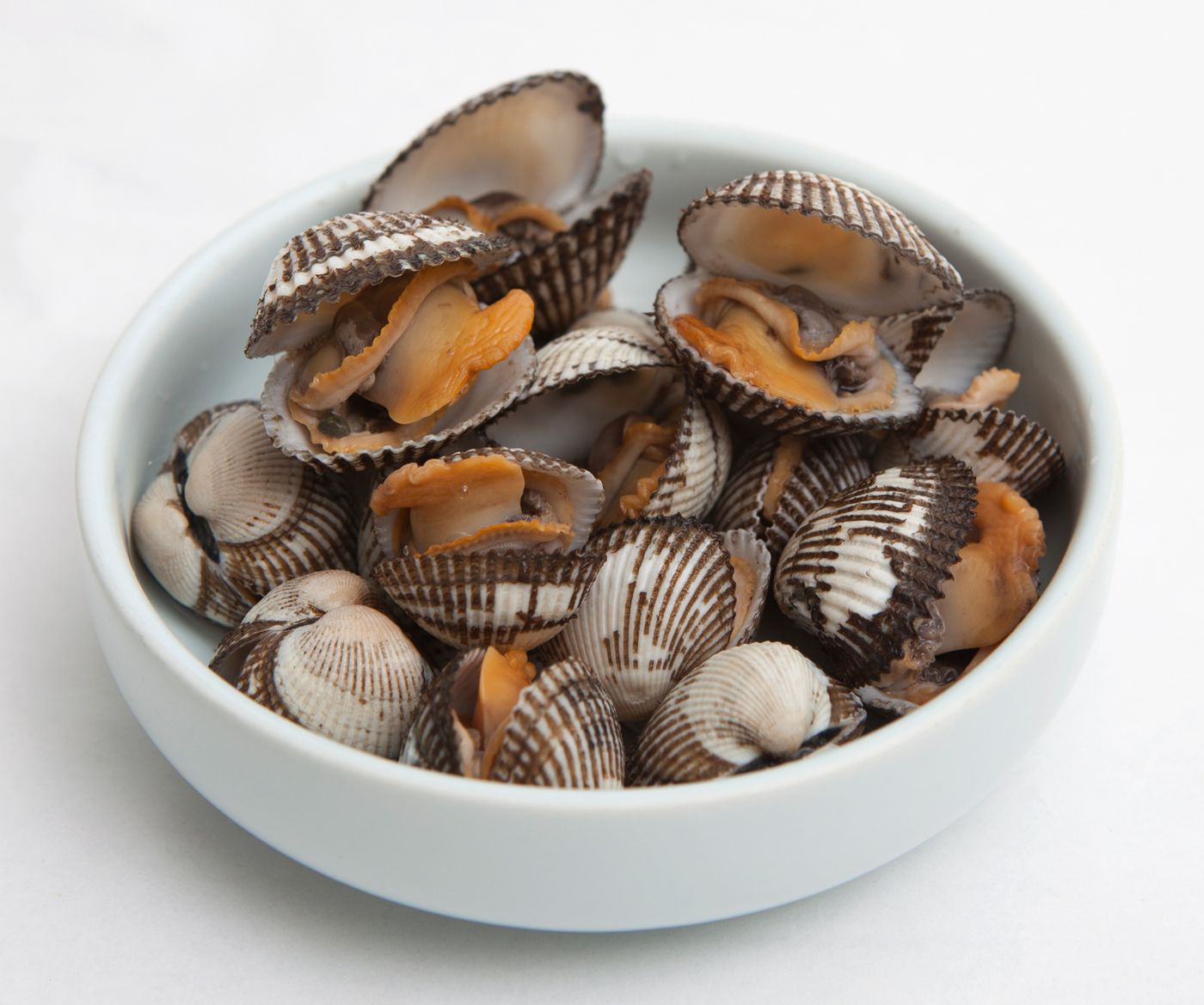 Cockles (kkomak)꼬막Small, deeply ribbed ark clams with red, briny flesh, gathered from the winter mudflats of South Jeolla. Beolgyo in Boseong County is the name every Korean connects with them.
- Cucumber오이Slender, thin-skinned Korean cucumbers, prized for their crunch. Stuffed and fermented as oi-sobagi, dressed quickly as oi-muchim, salted into oiji or floated in chilled summer soup.
D
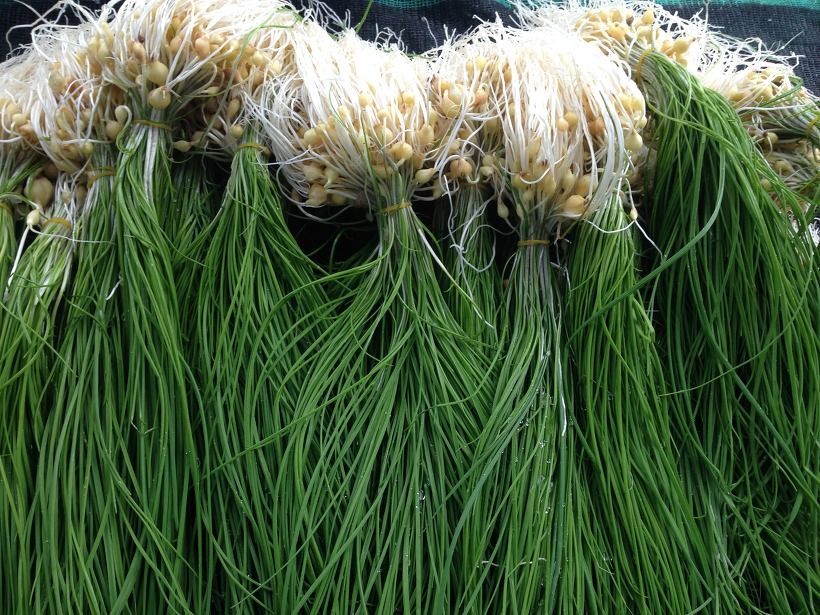 Dallae (Korean wild chive)달래Slender, grass-like leaves with a tiny white bulb at the base, tasting of garlic and green onion at once. Chopped raw into dallae-ganjang for dipping, dressed as dallae-muchim and floated in spring doenjang-guk.
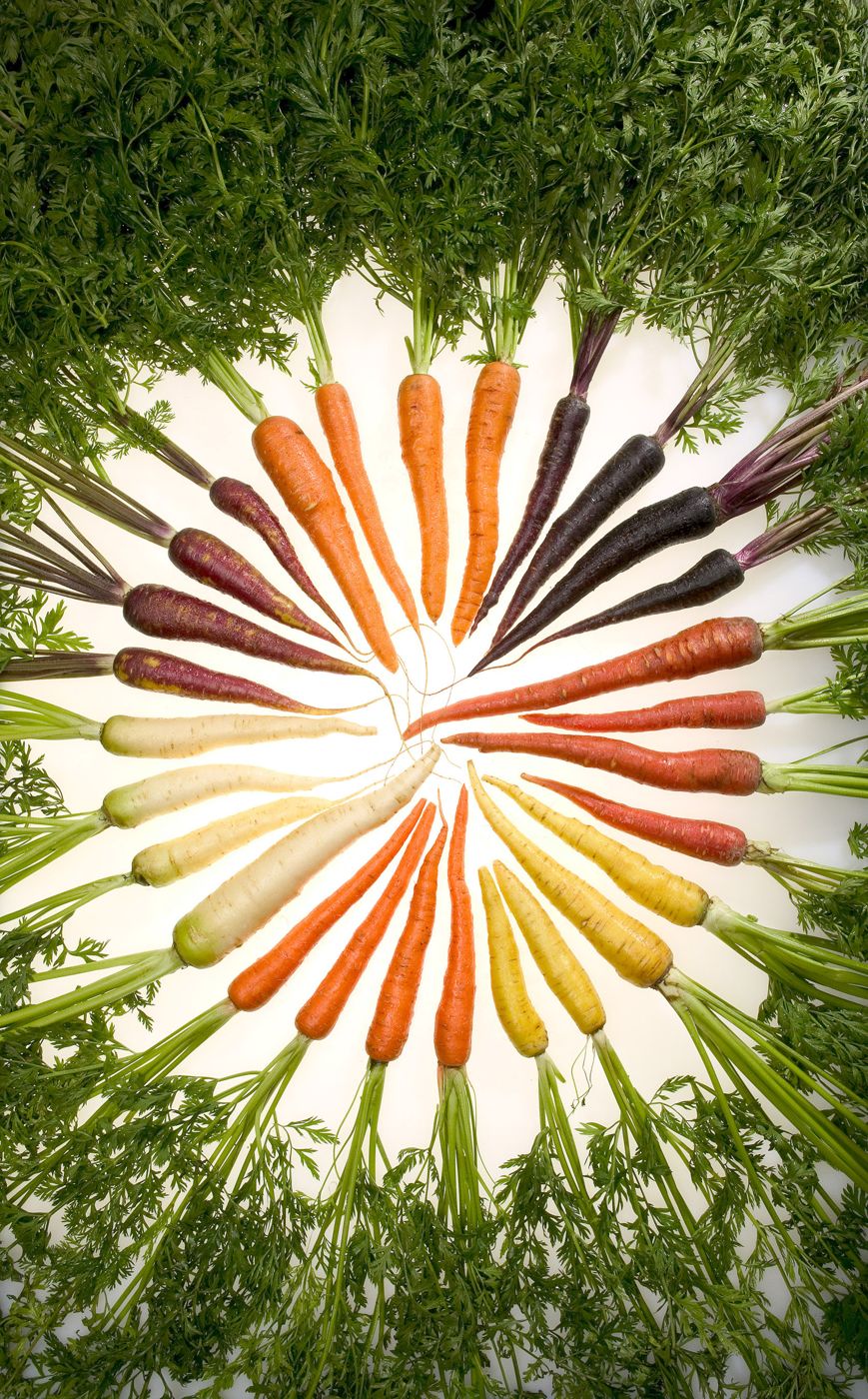 Danggeun (carrot)당근The orange root that brings color to the Korean table: julienned into japchae and gimbap, shredded into jeon batters, stir-fried with dakgalbi. Korea's sweetest winter carrots come from the volcanic fields of eastern Jeju.
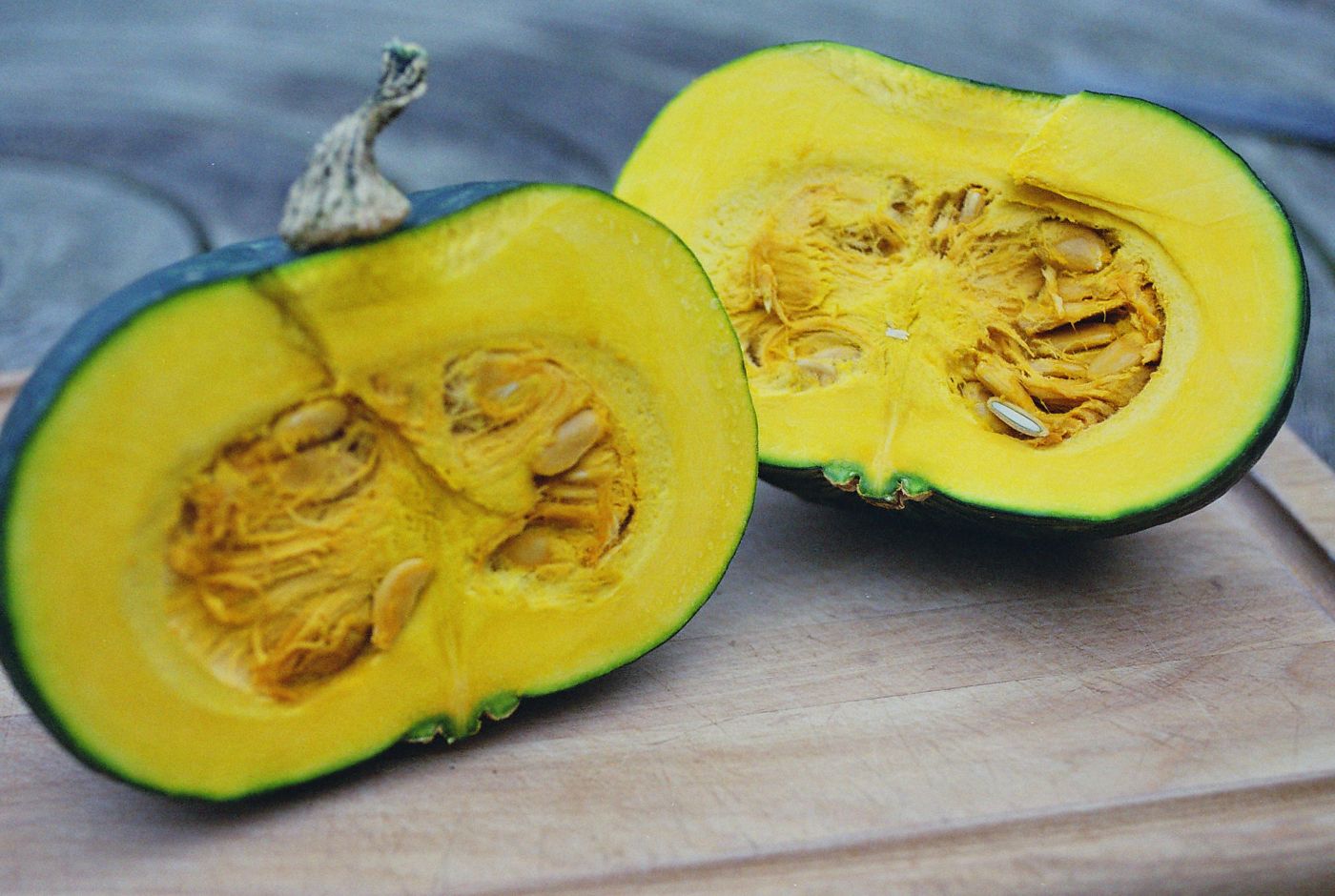 Danhobak (kabocha squash)단호박The "sweet pumpkin": a squat, dark-green winter squash with dense, fluffy, deep-orange flesh. Steamed whole, simmered into porridge or braised in soy sauce, it is one of Korea's most popular squashes.
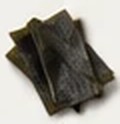 Dashima (dried kelp)다시마Thick, dried kelp that gives Korean broths their quiet savory depth. Beyond the stockpot it is fried into crisp twigak, simmered into soy-glazed side dishes and used as a wrap.
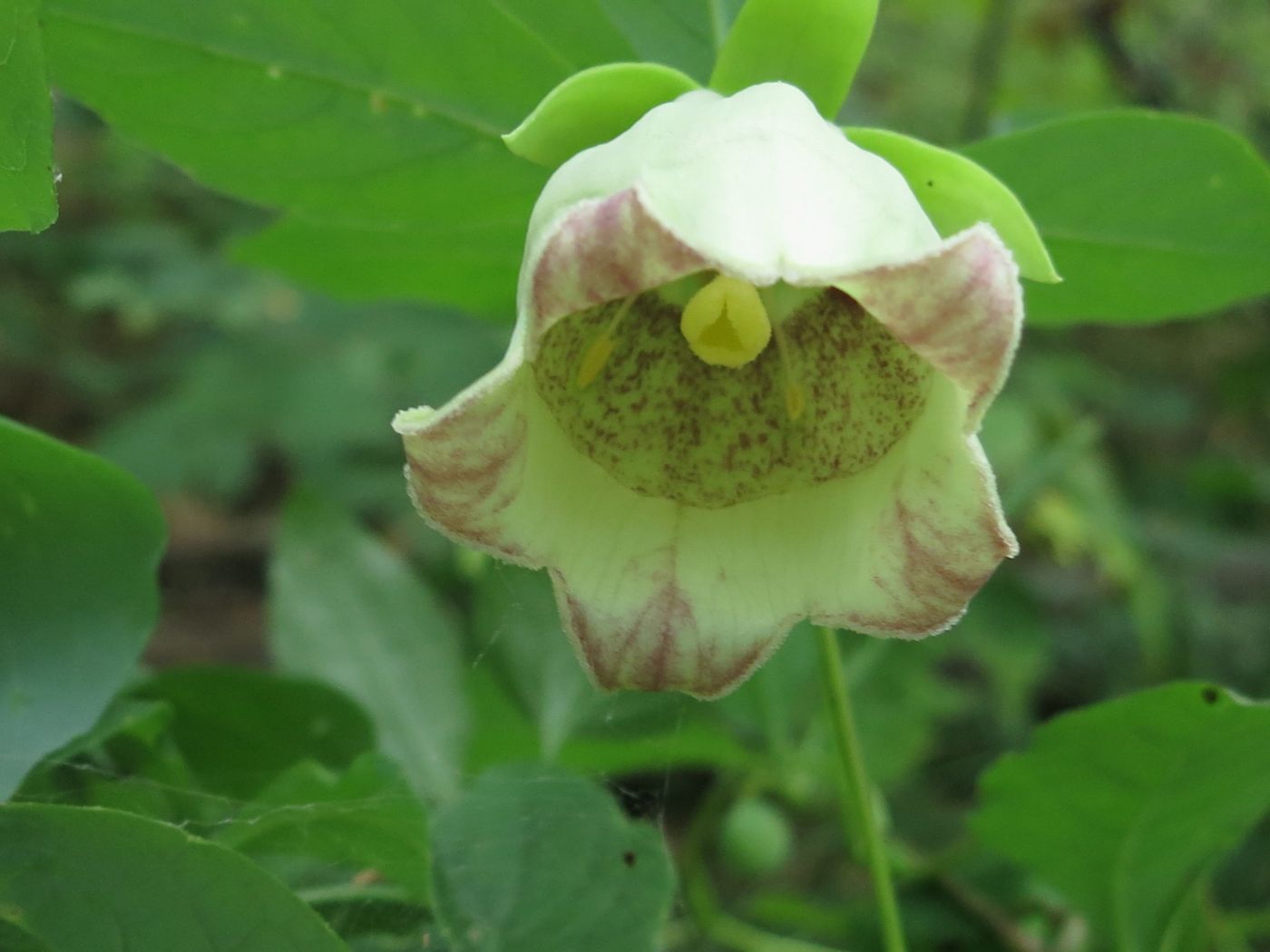 Deodeok (bonnet bellflower root)더덕A gnarled, milky mountain root with a bold, resinous aroma. Pounded flat, brushed with a seasoned glaze and grilled as deodeok-gui, or shredded raw for deodeok-saengchae, it is one of the most savored mountain roots.
 Doenjang된장Fermented soybean paste — the savory foundation of doenjang-jjigae, many soups and dressings for namul. It is one of Korea's core jang, or fermented sauces.
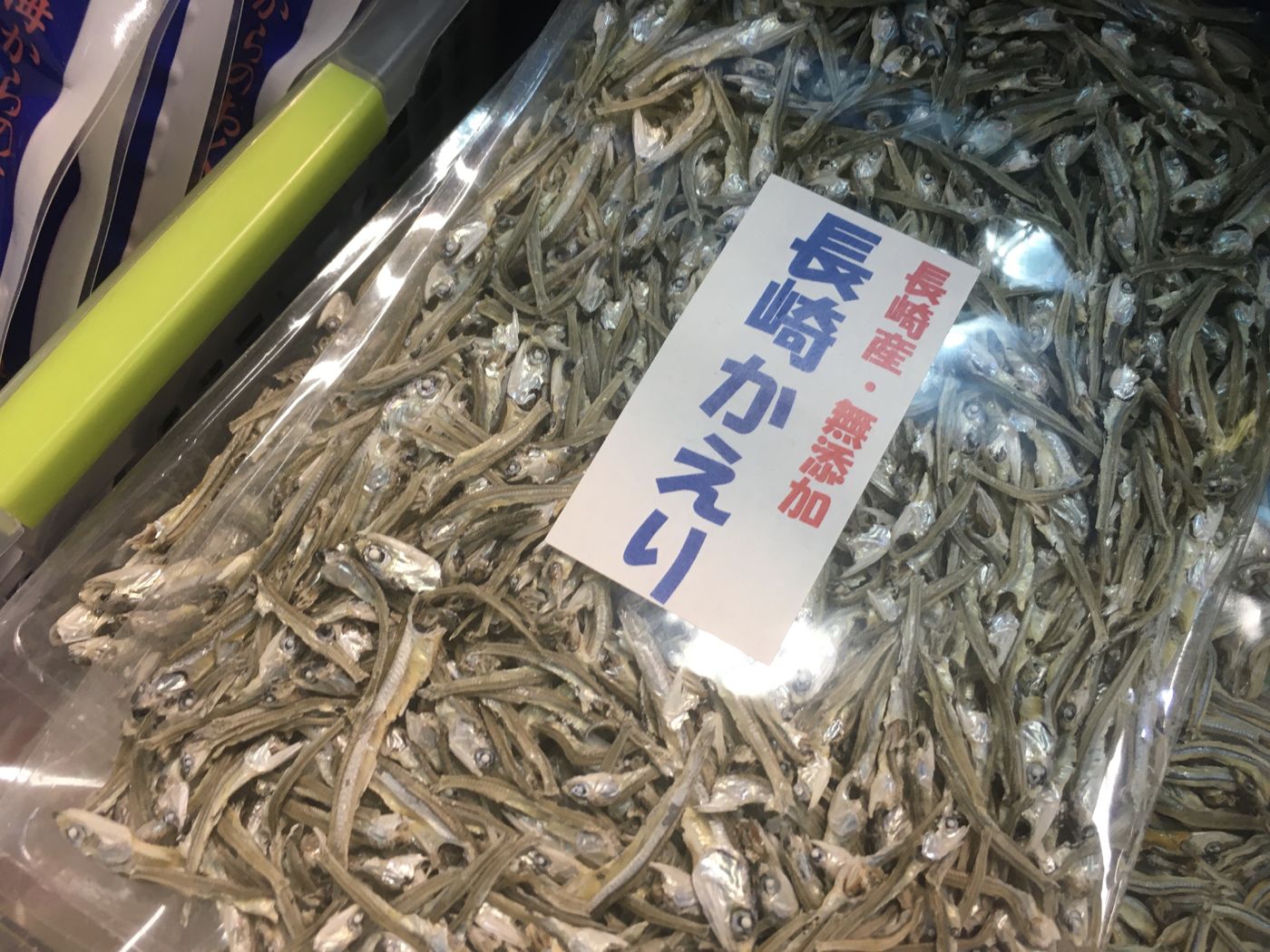 Dried anchovies멸치Small anchovies that are boiled and dried on the coast, then sorted by size. They flavor everyday broths and, stir-fried whole, become the sweet-salty side dish myeolchi-bokkeum.
- Dureup (fatsia / aralia shoots)두릅The plump, resinous spring buds of the prickly Japanese angelica tree, snapped off in April and May. Blanched and dipped in vinegared gochujang as dureup-muchim or dureup-chohoe, they are one of the most prized wild spring vegetables.
E
 Eel (jangeo)장어Jangeo covers several long, snake-like fish: the freshwater eel grilled in Gochang and along Korean rivers, and the sea-going conger and pike conger of the south coast. All are summer stamina foods.
- Egg (gyeran)계란The everyday protein of the Korean table: rolled into gyeran-mari, steamed into puffy gyeran-jjim, simmered in soy for gyeran-jangjorim, and cut into thin yellow and white ribbons of jidan to garnish soups and noodles.
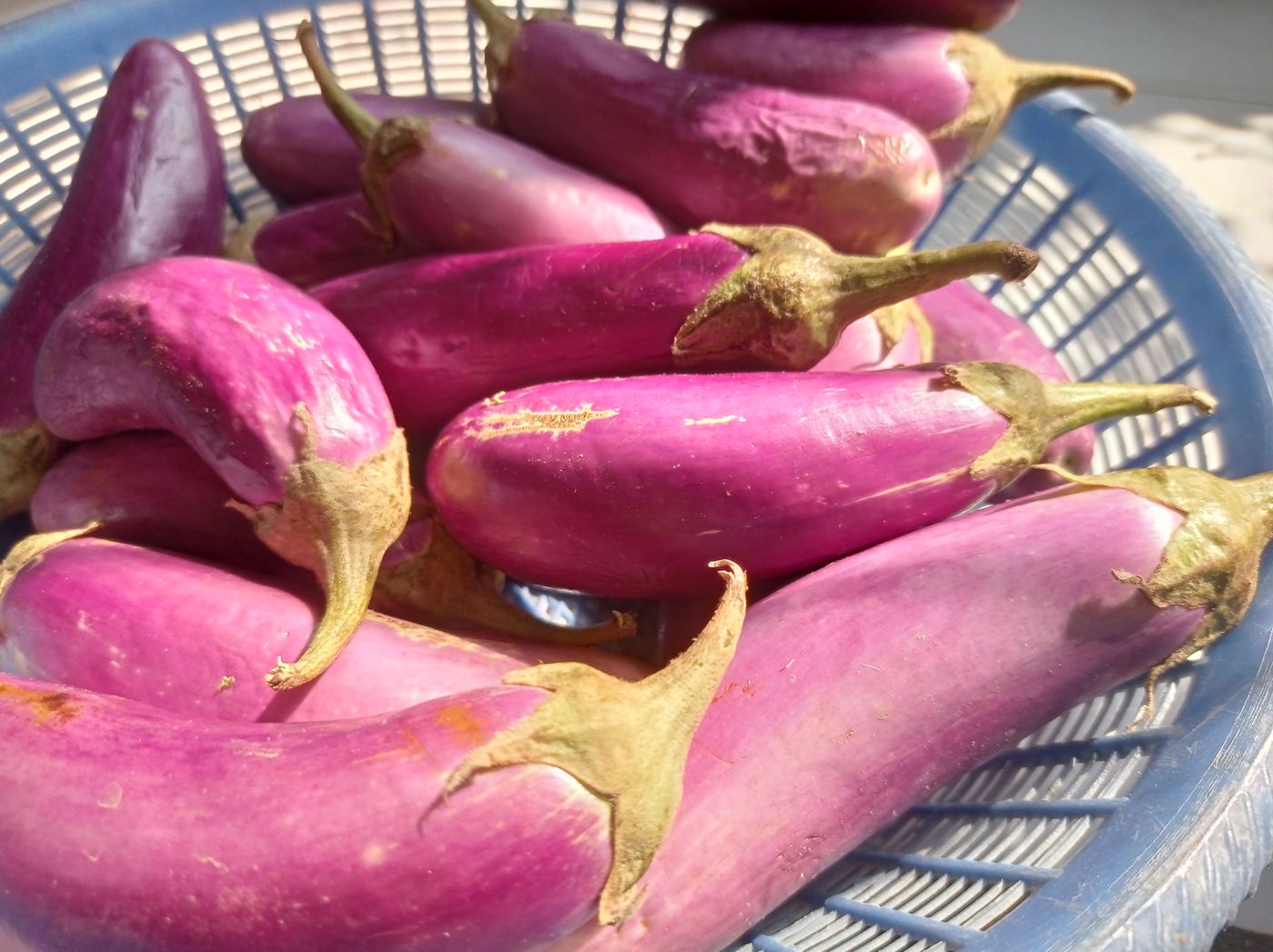 Eggplant가지Slender, glossy purple eggplant, steamed until silky and torn into strips for gaji-namul, one of the gentlest summer banchan. It is also pan-fried, braised, stir-fried and, in the past, sun-dried for winter.
F
- Fish cake어묵A processed food of ground white fish, salt and starch, shaped into sheets, tubes or balls and then fried, steamed or grilled. Busan made it famous, and stir-fried eomuk is a common banchan.
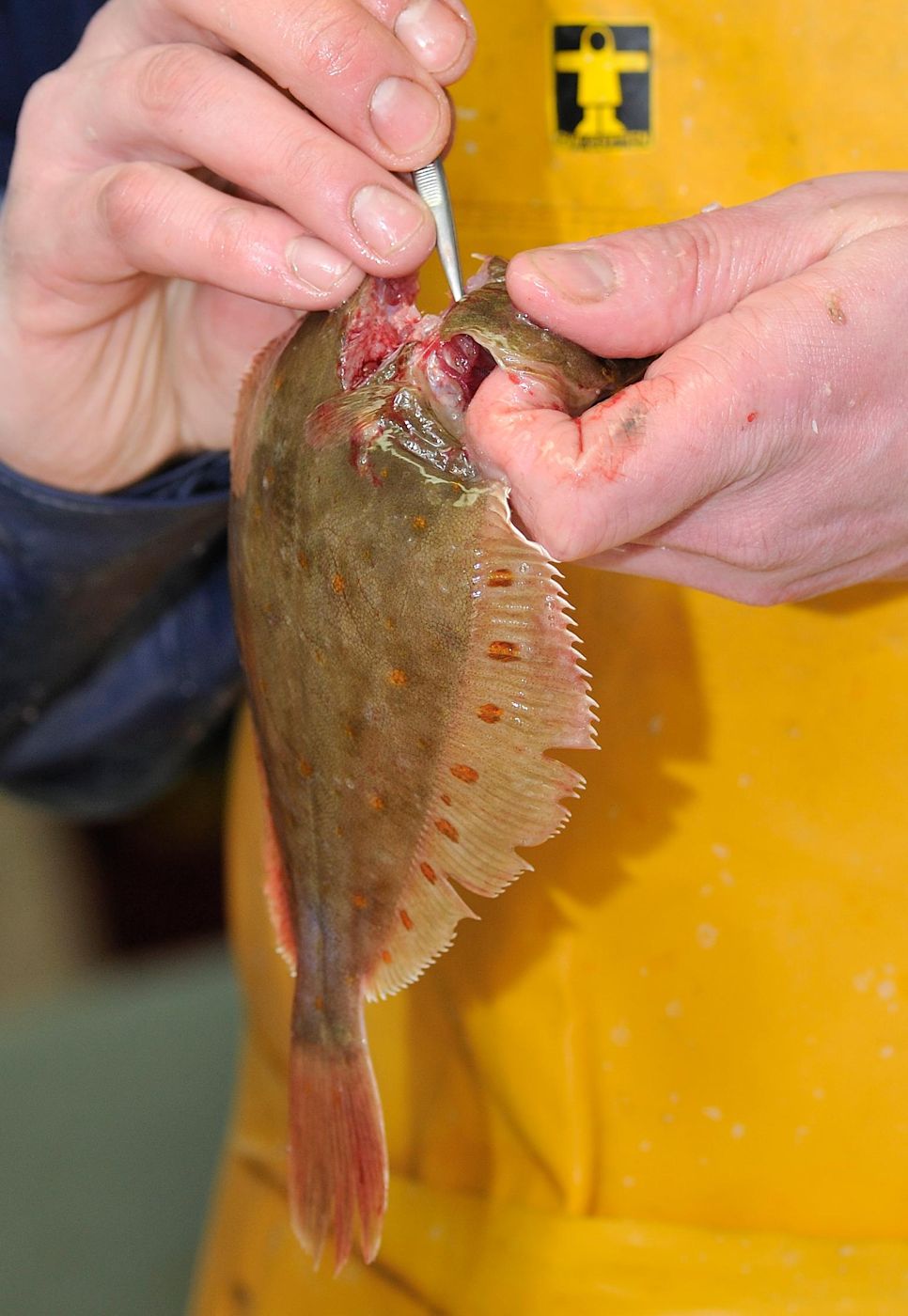 Flatfish (gajami)가자미Right-eyed flatfish of the East Sea, grilled, braised and dried, and best known in gajami-sikhae, the Hamgyeong-style flatfish fermented with millet, radish and chili.
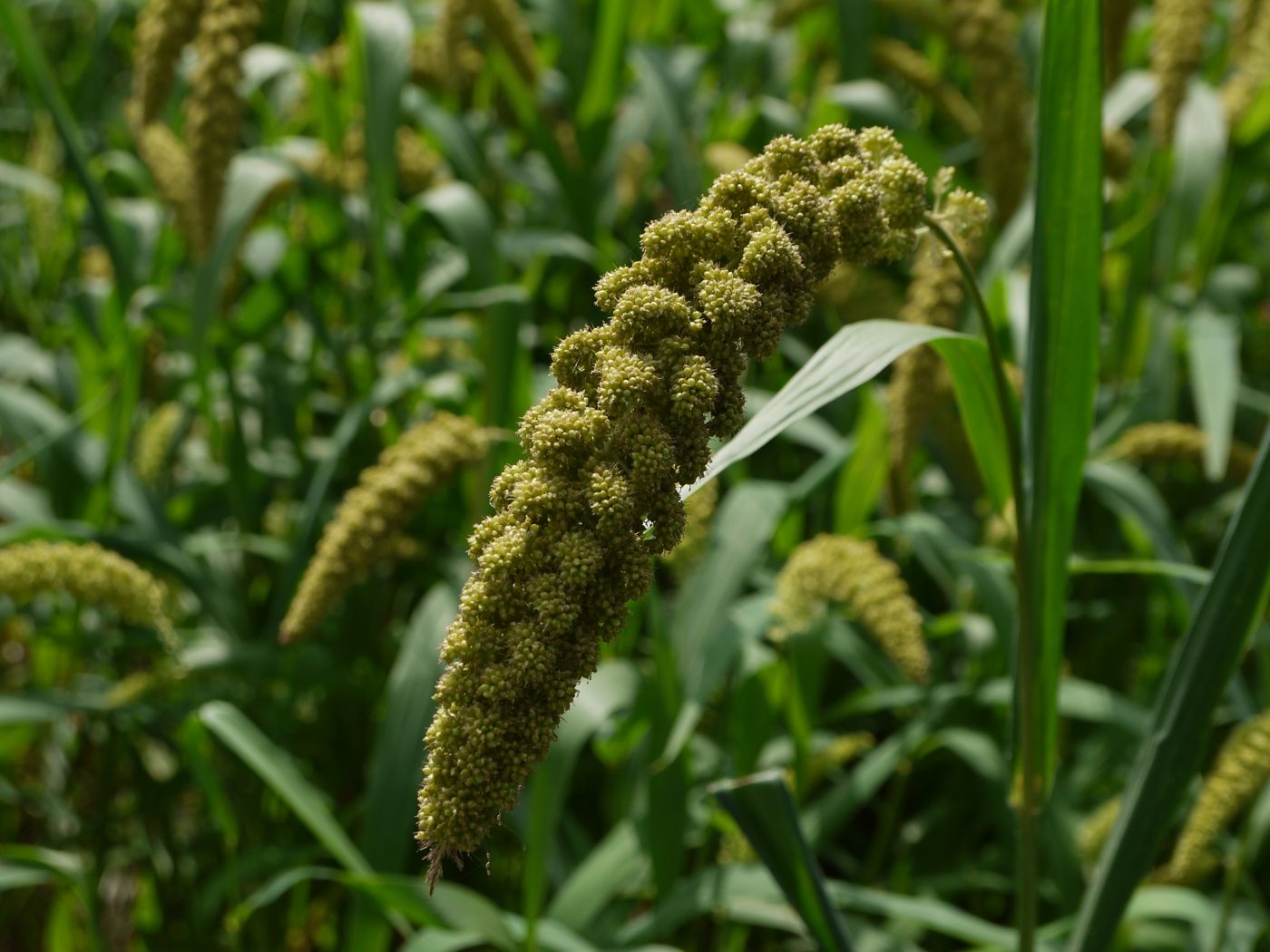 Foxtail millet좁쌀Tiny, round, golden grains of hulled foxtail millet, the grain of the plant Koreans call jo. Once a staple second only to rice, it now appears as a sunny fleck in mixed-grain rice, in five-grain rice for the first full moon, and in the fermented fish of the far northeast.
G
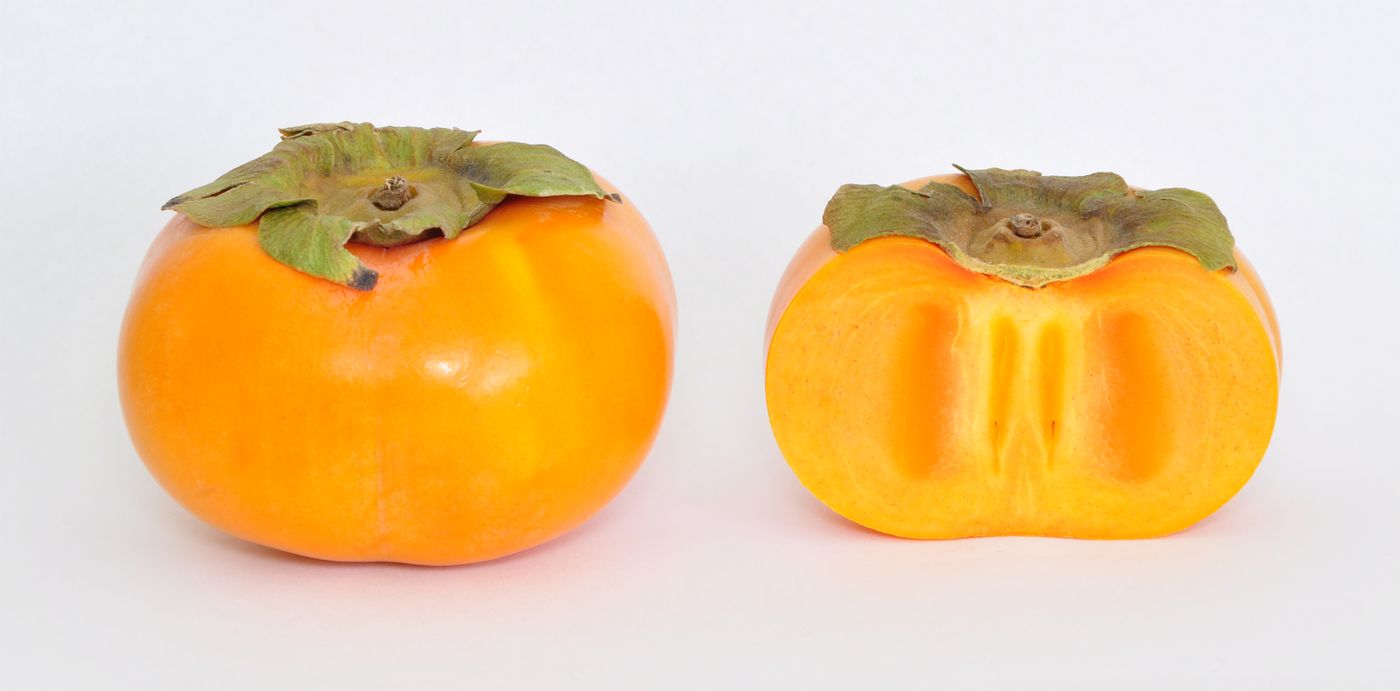 Gam (persimmon), gotgam and hongsi감Korea's emblematic autumn fruit, eaten crisp as dangam, spoon-soft as hongsi, and peeled and air-dried into chewy, sugar-frosted gotgam. Dried persimmons are essential on the ancestral-rite table and steep in sujeonggwa punch.
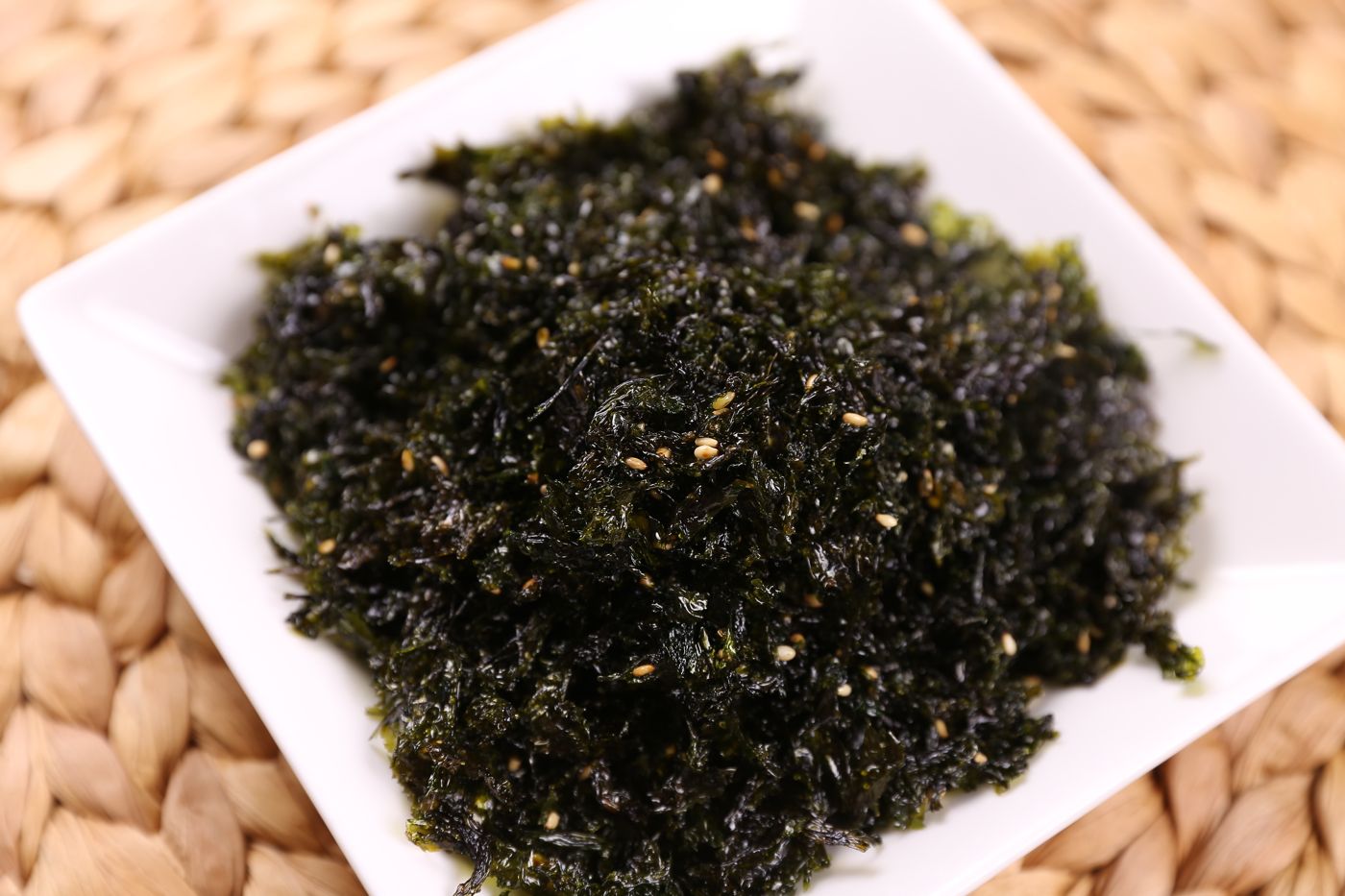 Gamtae (thread-like green seaweed)감태A fine, hair-like green seaweed raked by hand from the winter mudflats of Garorim Bay in Seosan and Taean, then pressed into thin sheets. It is sweeter and more delicate than gim.
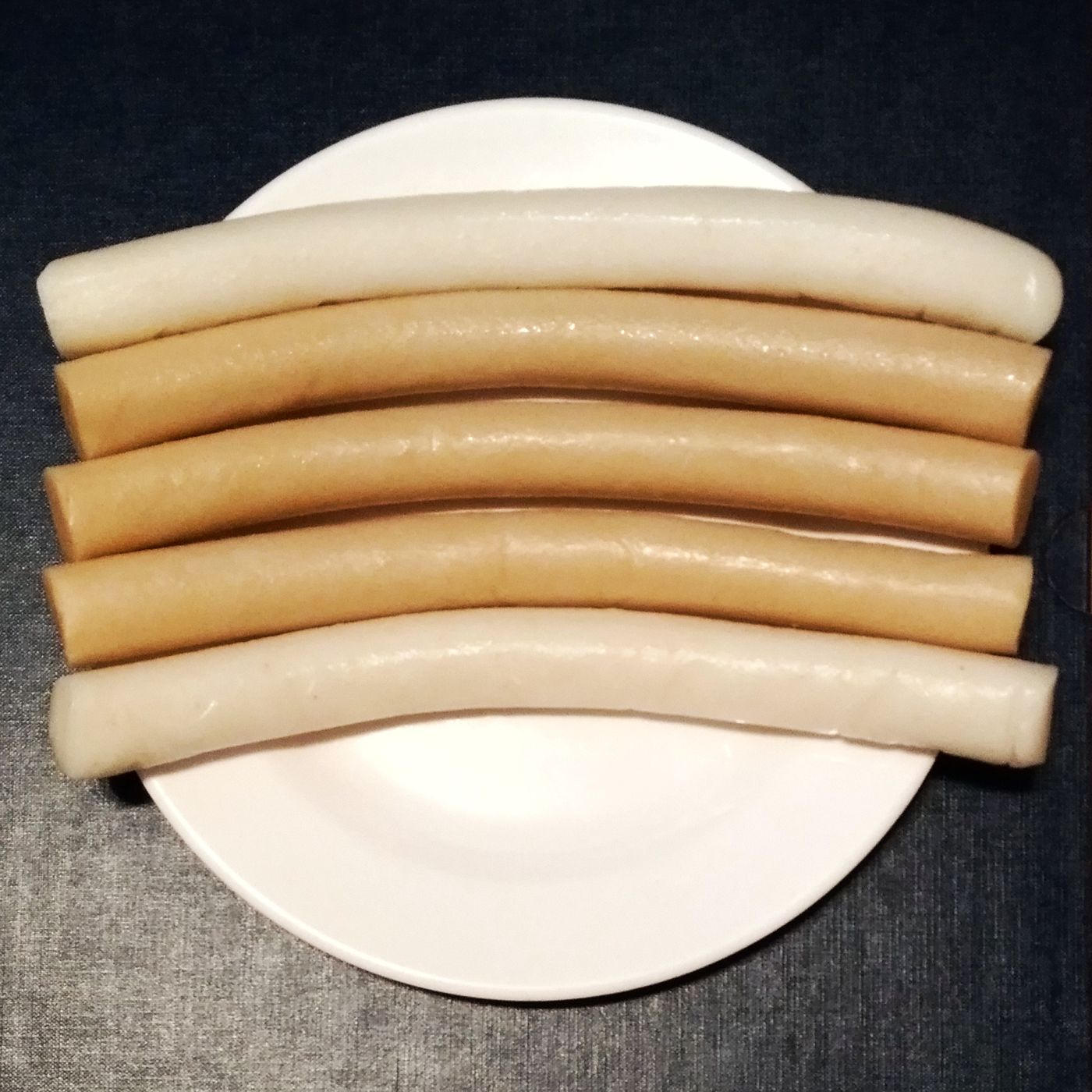 Garaetteok (Cylinder Rice Cake)가래떡Long, white cylinders of pounded non-glutinous rice, also called huin-tteok (white rice cake). Sliced into ovals it becomes tteokguk; cut into fingers it goes into tteokbokki and skewers.
 Garlic마늘Used raw, minced, pickled and roasted, garlic is one of the essential aromatics of Korean food — in seasonings, marinades, kimchi and namul.
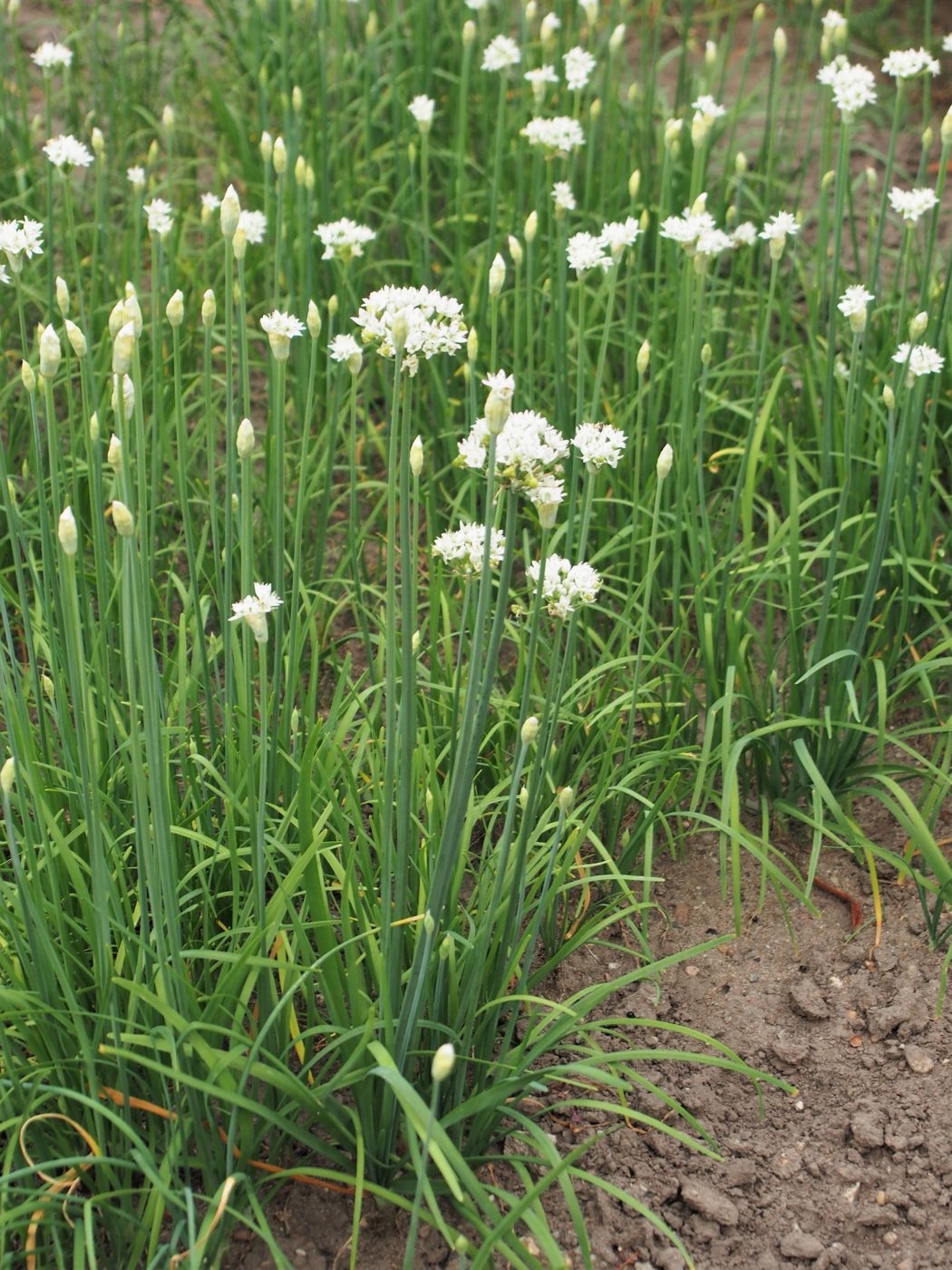 Garlic chives (buchu)부추Flat-leaved garlic chives with a bright, garlicky perfume. Tossed raw into buchu-muchim, folded into savory pancakes and tucked into cucumber kimchi.
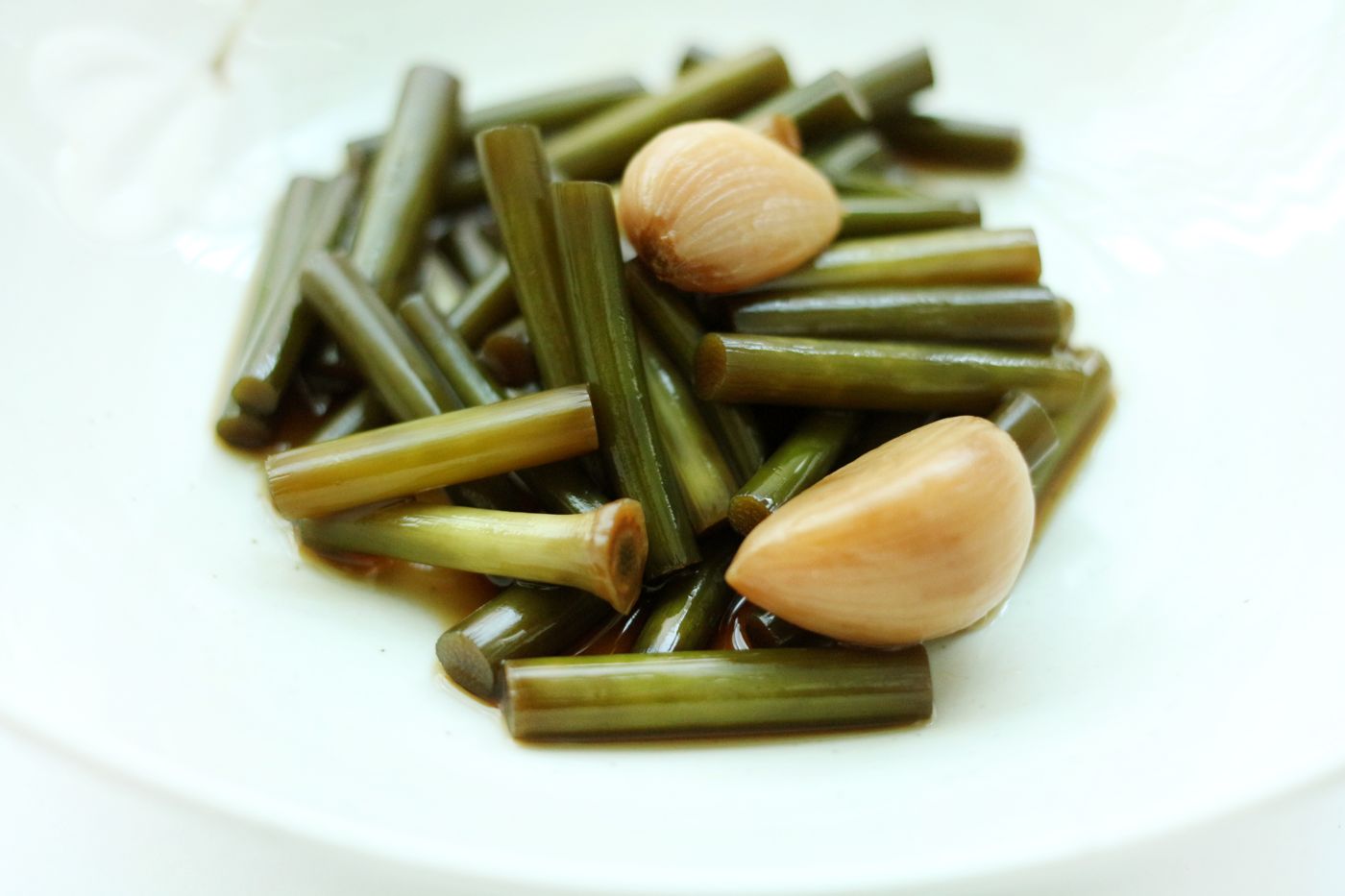 Garlic scapes마늘종The firm green flower stalks of the garlic plant, snapped off in spring. Stir-fried with dried shrimp as maneuljong-bokkeum, or pickled in soy sauce and vinegar.
 Ginger생강Fresh ginger root, used in small amounts to brighten kimchi paste and marinades and to tame the strong smells of fish and meat.
- Ginkgo nuts은행Jade-green kernels from inside the ginkgo seed, pan-roasted with a little oil and salt or used a few at a time as a garnish. Delicious in small numbers — but toxic in large ones.
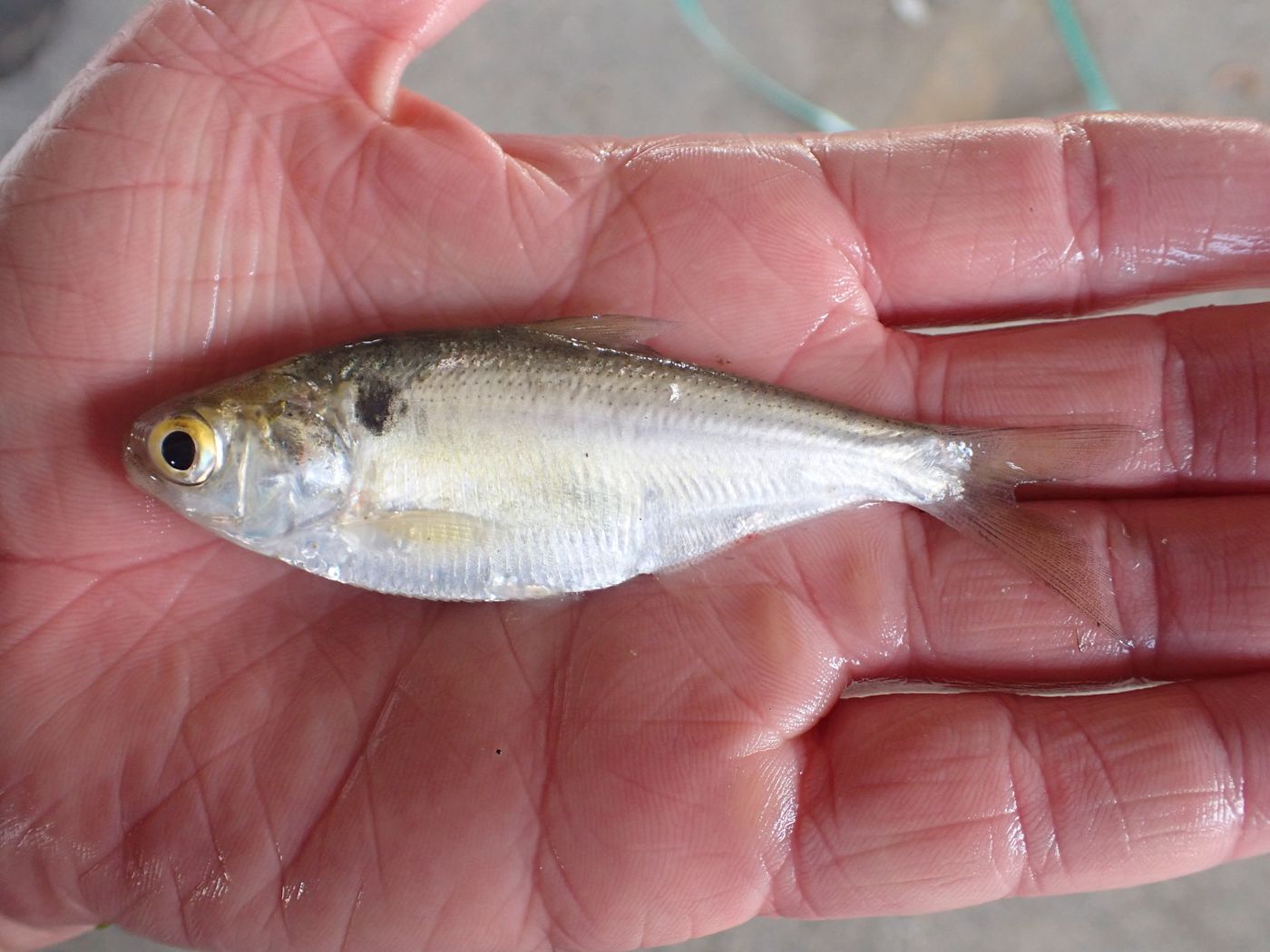 Gizzard Shad전어A small, bony, richly flavored silver fish that Koreans associate with autumn. It is sliced whole and raw with its fine bones, grilled with coarse salt, tossed with vegetables and chili vinegar, or fermented into rare, pea-sized jeotgal.
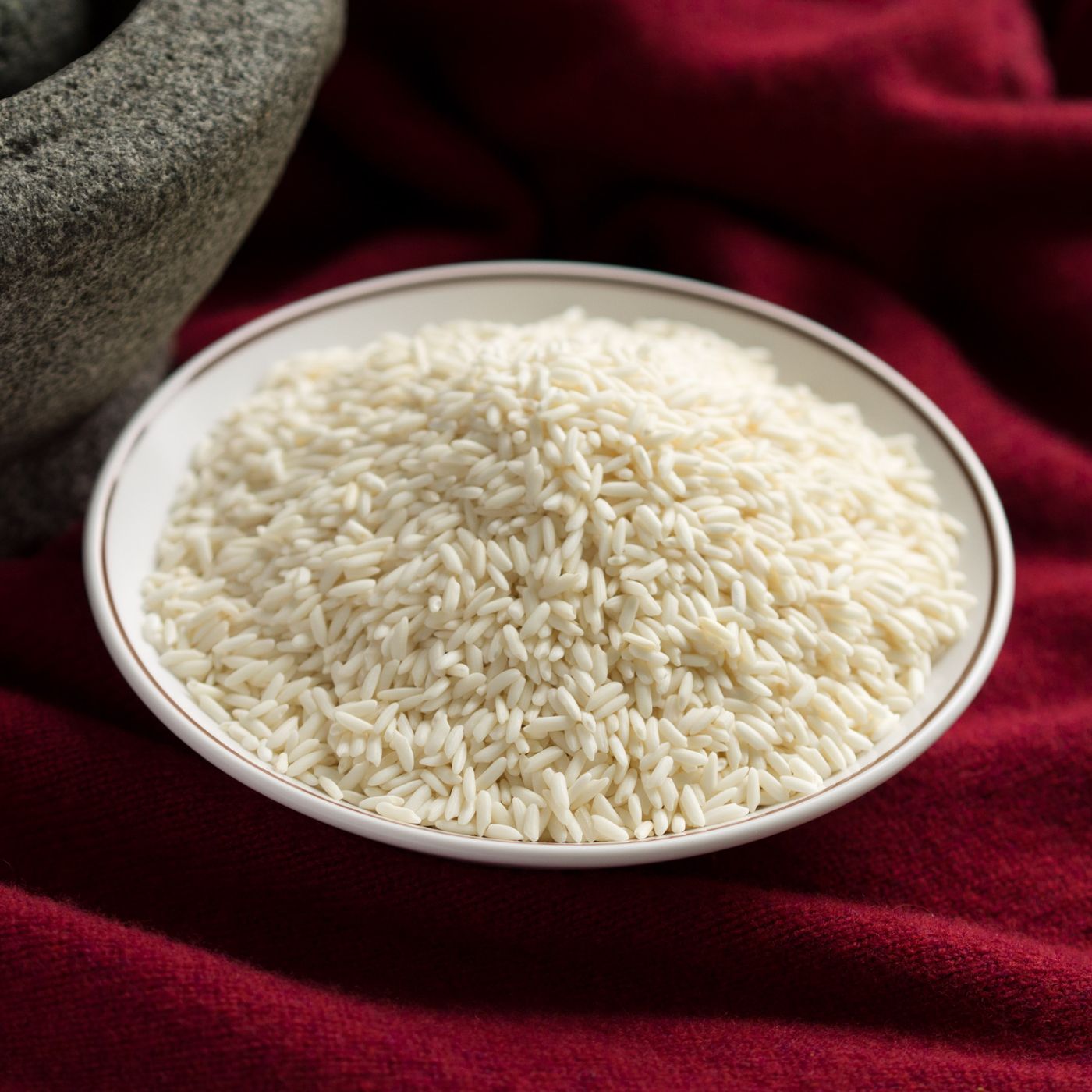 Glutinous rice (sweet rice)찹쌀Opaque, chalk-white grains of glutinous rice that steam into a chewy, elastic mass. Chapssal is the rice of festivals and comfort food: pounded into rice cakes, sweetened into yaksik, and tucked inside the chicken of samgyetang.
 Gochugaru고춧가루Korean red chili powder, made from dried red peppers ground coarse or fine. It gives kimchi, gochujang and countless banchan their color and warmth.
- Gochujang고추장Fermented red chili paste — sweet, savory and hot. Made from meju powder, glutinous rice, malt and gochugaru, it is a later addition to Korea's family of jang.
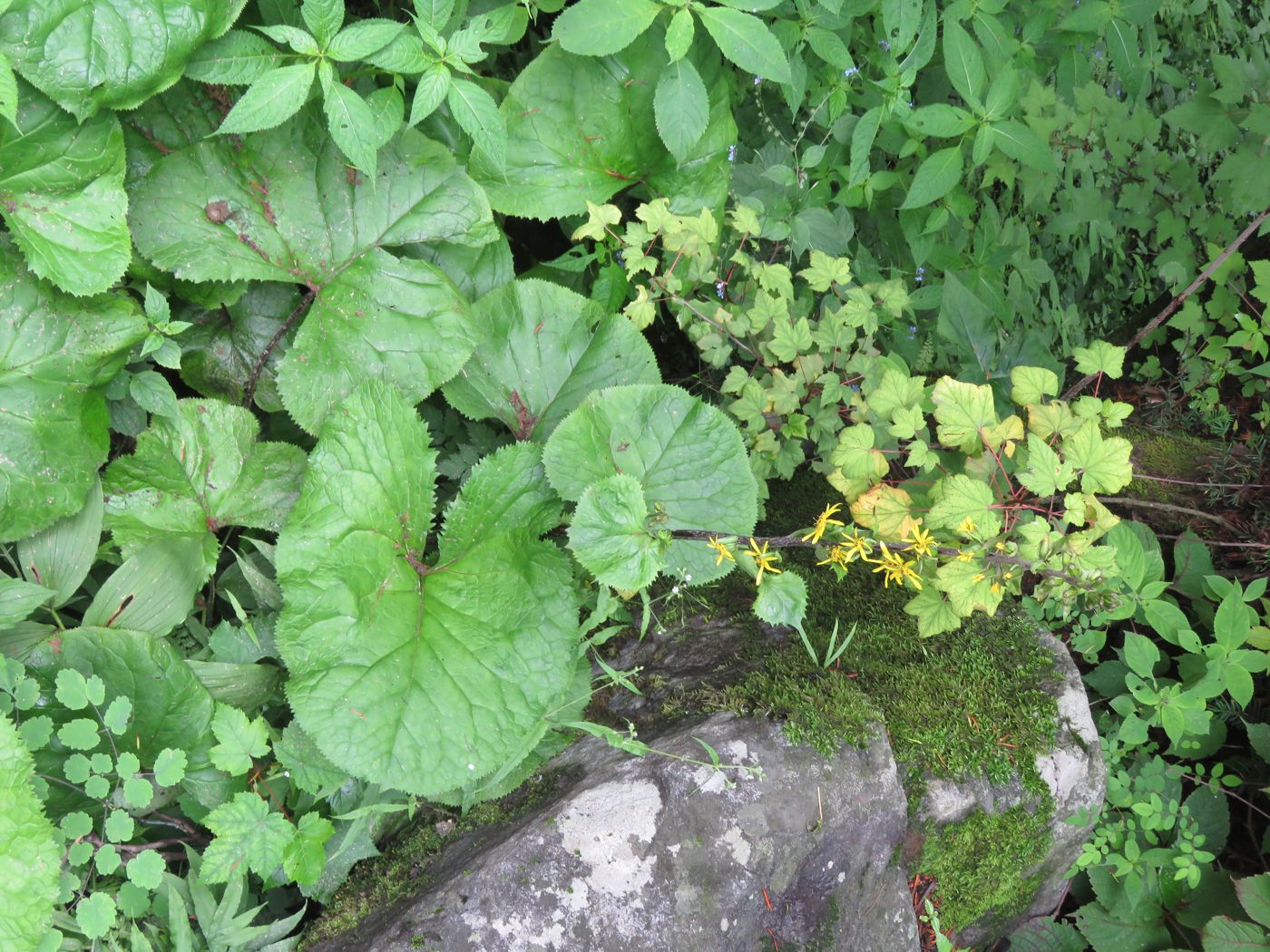 Gomchwi (Fischer's ragwort)곰취A broad, heart-shaped mountain green with a bright, resinous perfume. In spring its large leaves wrap rice and grilled pork, and it is pickled in soy sauce as a keeping banchan.
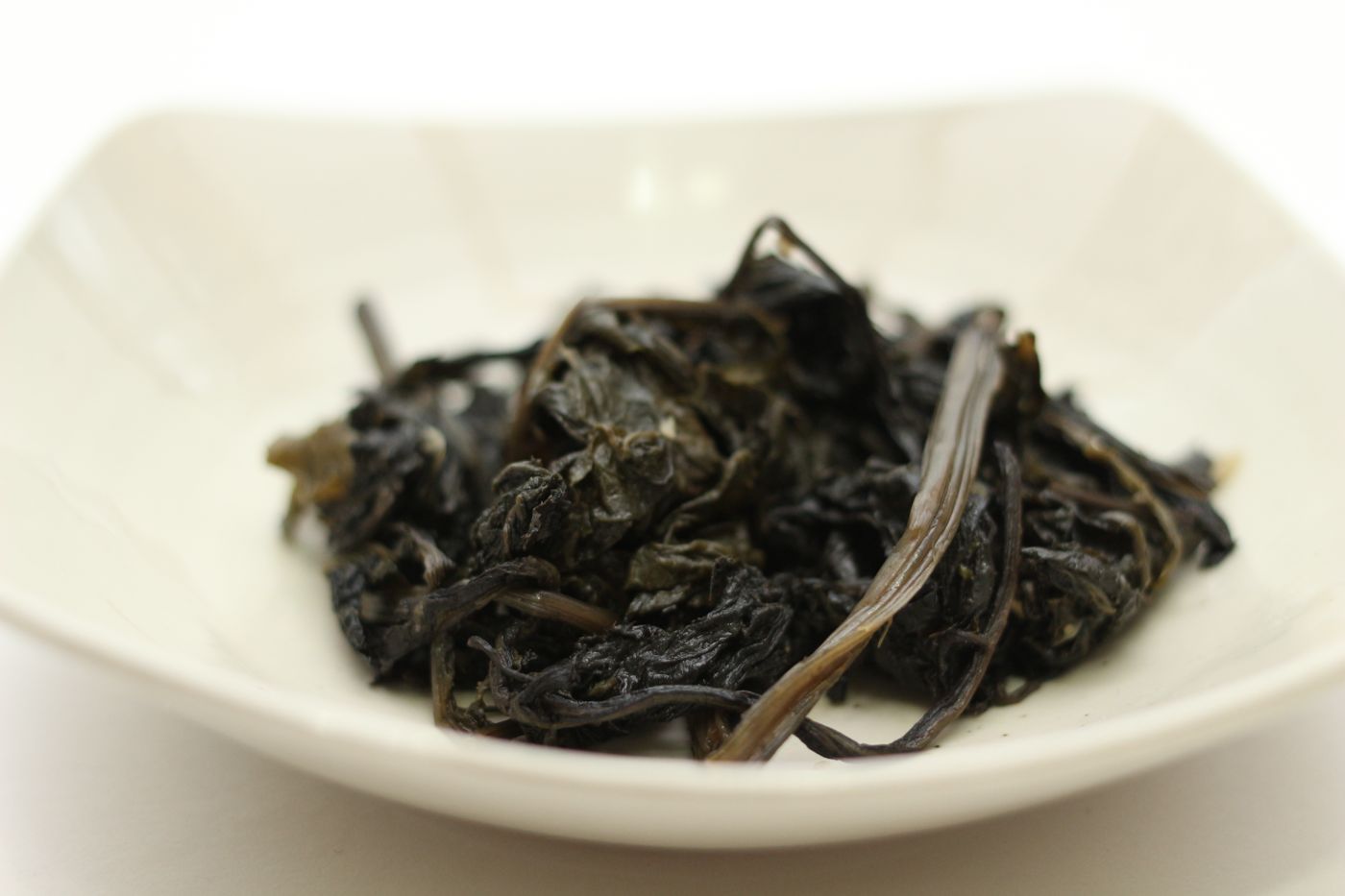 Gondre (Korean thistle)곤드레The soft, spineless leaves of a mountain thistle, blanched, dried and simmered back to tenderness. Best known in gondre-bap, rice steamed with seasoned thistle and mixed with soy-sauce dressing, the signature dish of Jeongseon in Gangwon Province.
 Green onion파Korean green onion (pa), from thick-stemmed daepa to slender scallions — chopped into nearly every seasoning sauce, soup and kimchi, and the star of pa-kimchi.
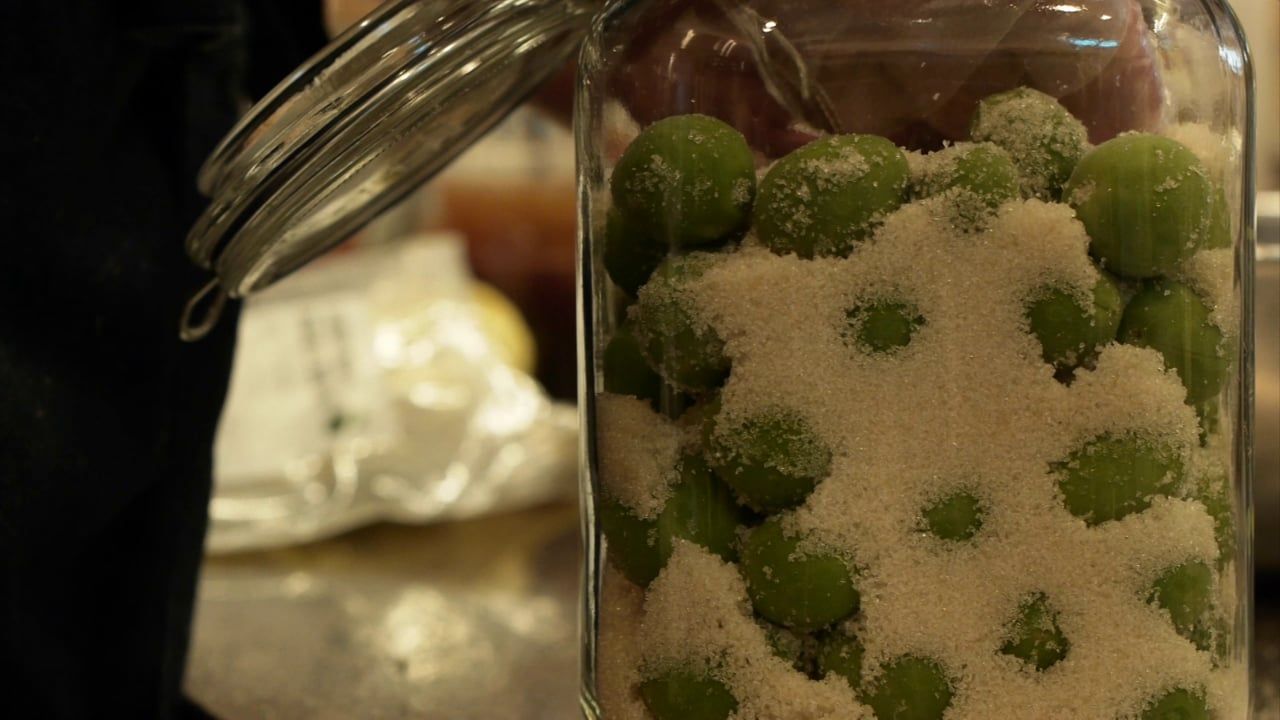 Green Plum Syrup매실청A sweet-tart syrup made by layering green plums (maesil, Prunus mume) with an equal weight of sugar and letting them steep for months. Korean cooks use it in place of sugar in dressings, marinades and drinks.
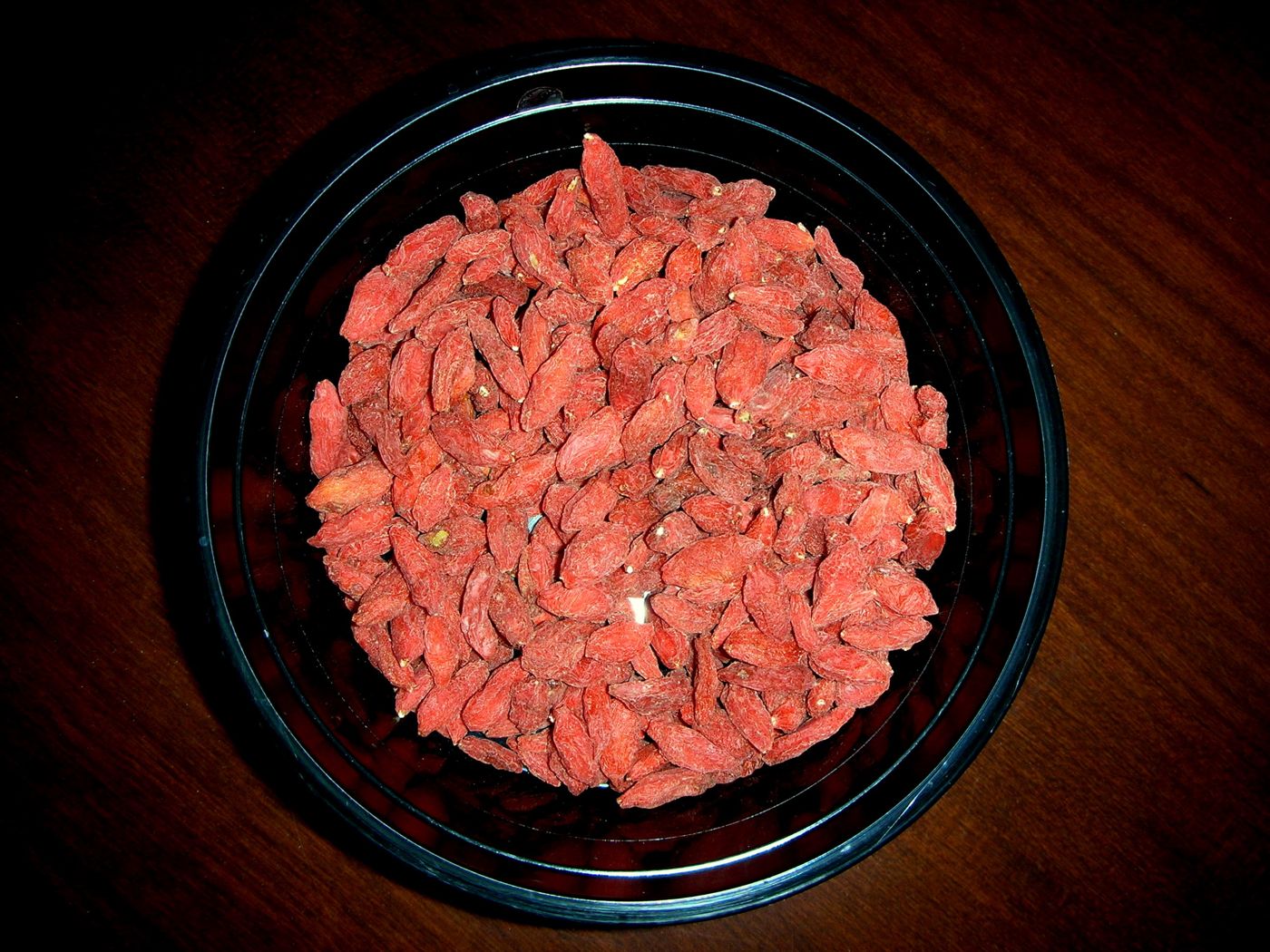 Gugija (goji berry)구기자Small, glossy red berries of the Chinese boxthorn, usually dried. Koreans simmer them into tea, steep them in liquor and add them to tonic soups; Cheongyang and Jindo are the best-known growing areas.
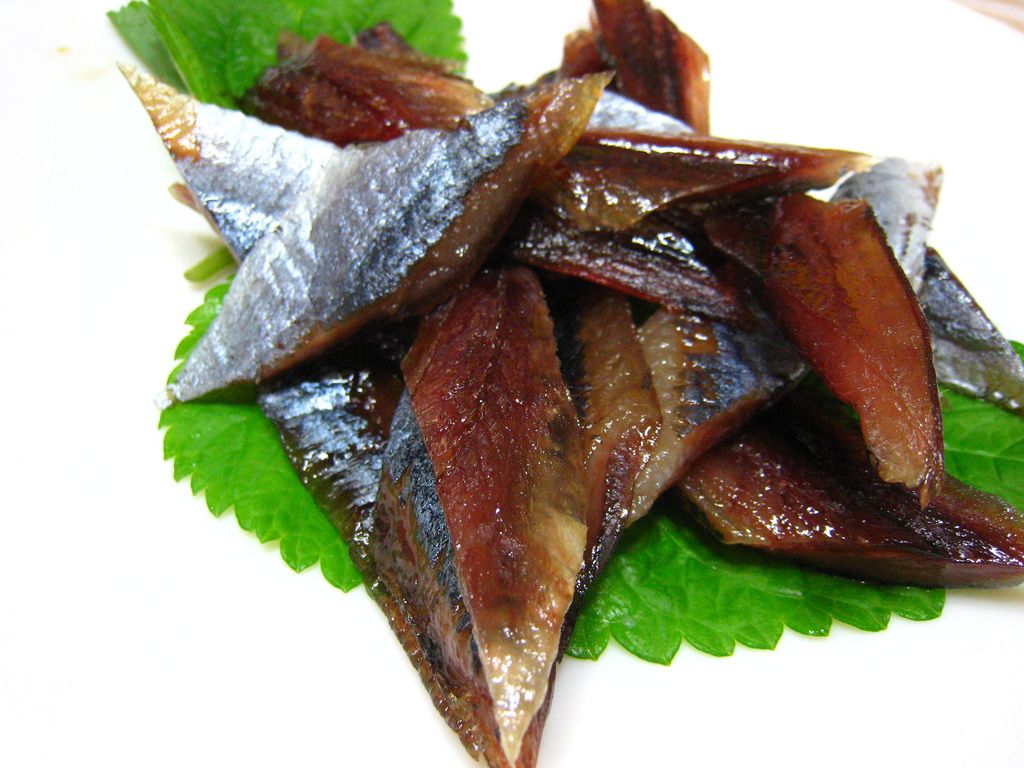 Gwamegi (Half-Dried Saury or Herring)과메기A winter delicacy of the Pohang coast: Pacific saury (or herring) frozen and thawed repeatedly in the sea wind until chewy and half-dried, then wrapped in seaweed or greens with garlic and chili paste.
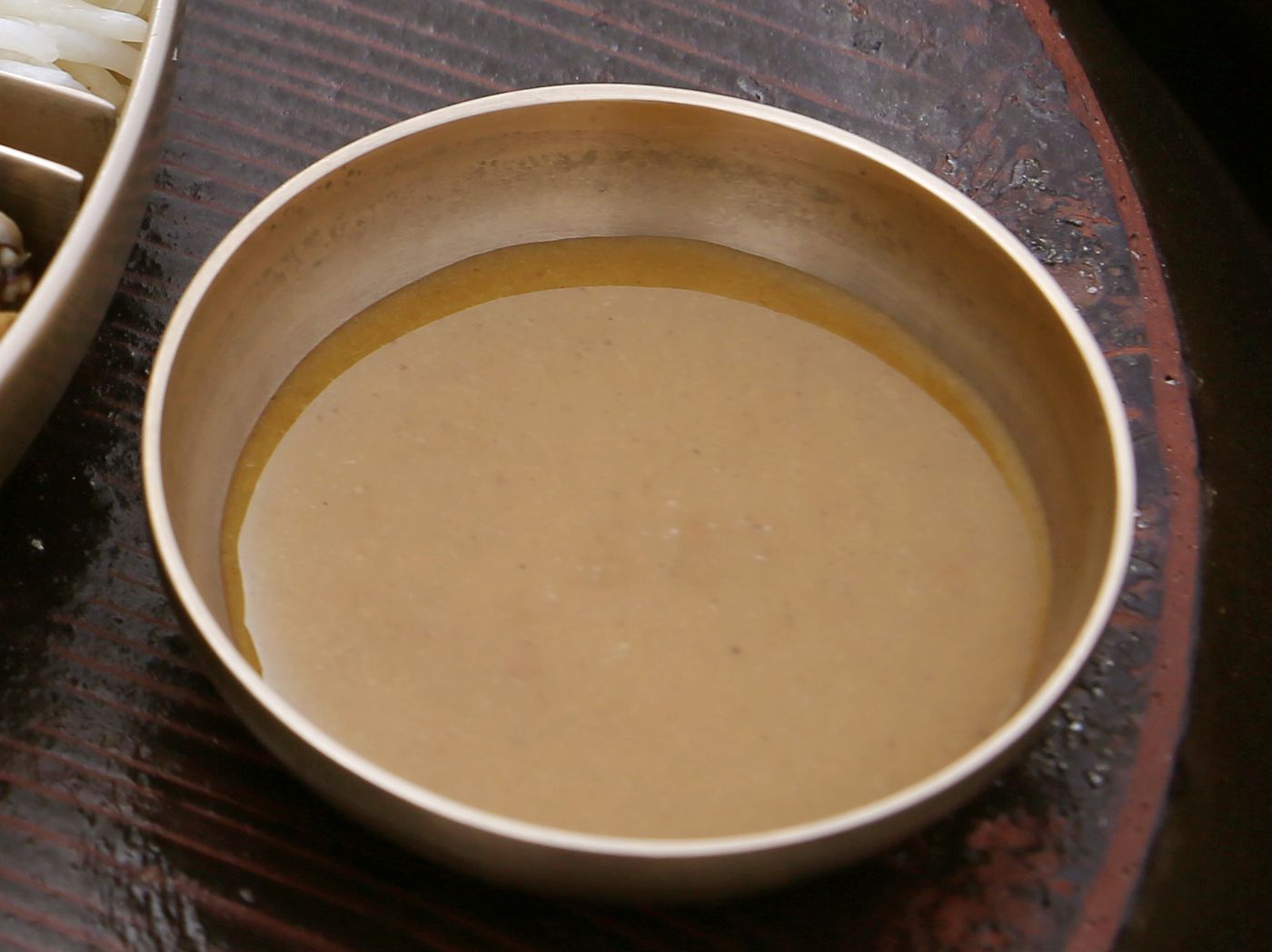 Gyeojja (Korean Mustard)겨자Korean mustard, ground from the seeds of mustard greens (gat) and mixed into a sharp, nose-tingling paste. It seasons cold noodles, dresses the mixed cold salad gyeoja-chae and sharpens dipping sauces for raw fish and boiled meat.
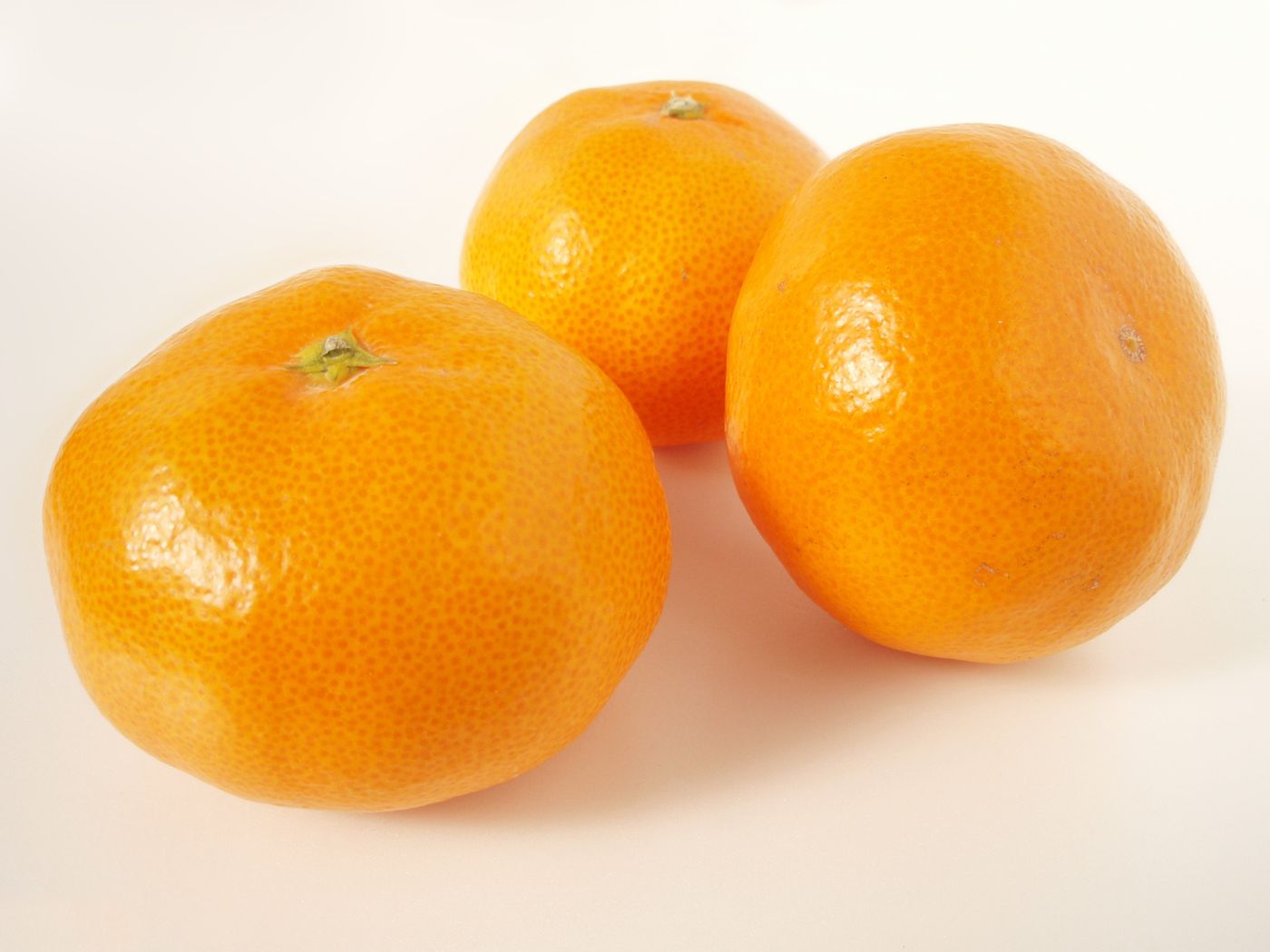 Gyul (Jeju mandarin)귤Small, loose-skinned mandarins from Jeju Island, peeled by the handful through the Korean winter. Once a closely guarded royal tribute, they are now the country's most familiar citrus.
H
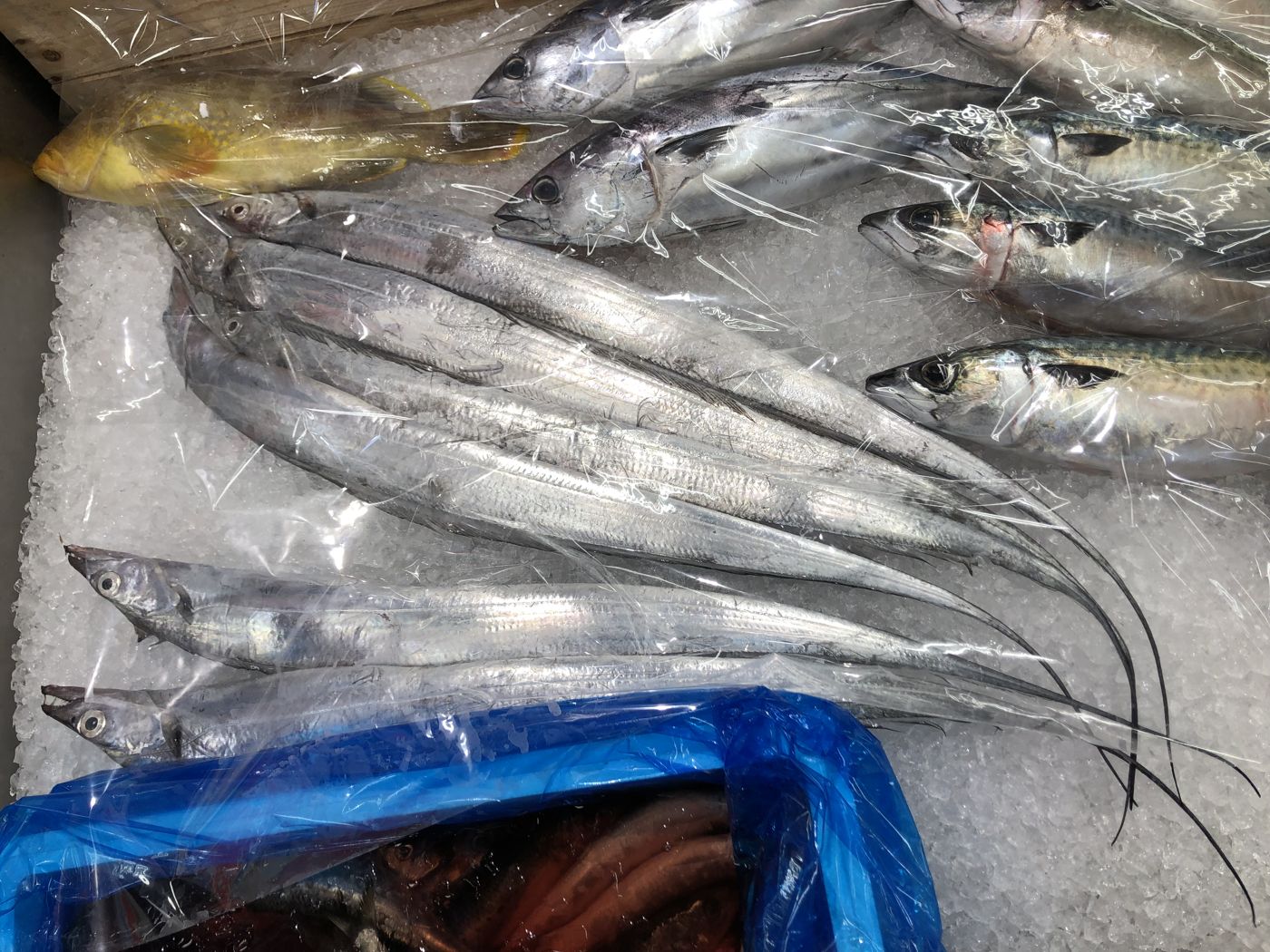 Hairtail (cutlassfish)갈치A long, scaleless, ribbon-like fish with a mirror-bright silver skin. Its soft, sweet flesh is grilled, braised with radish and chili, or — on Jeju — simmered into a clear soup with pumpkin.
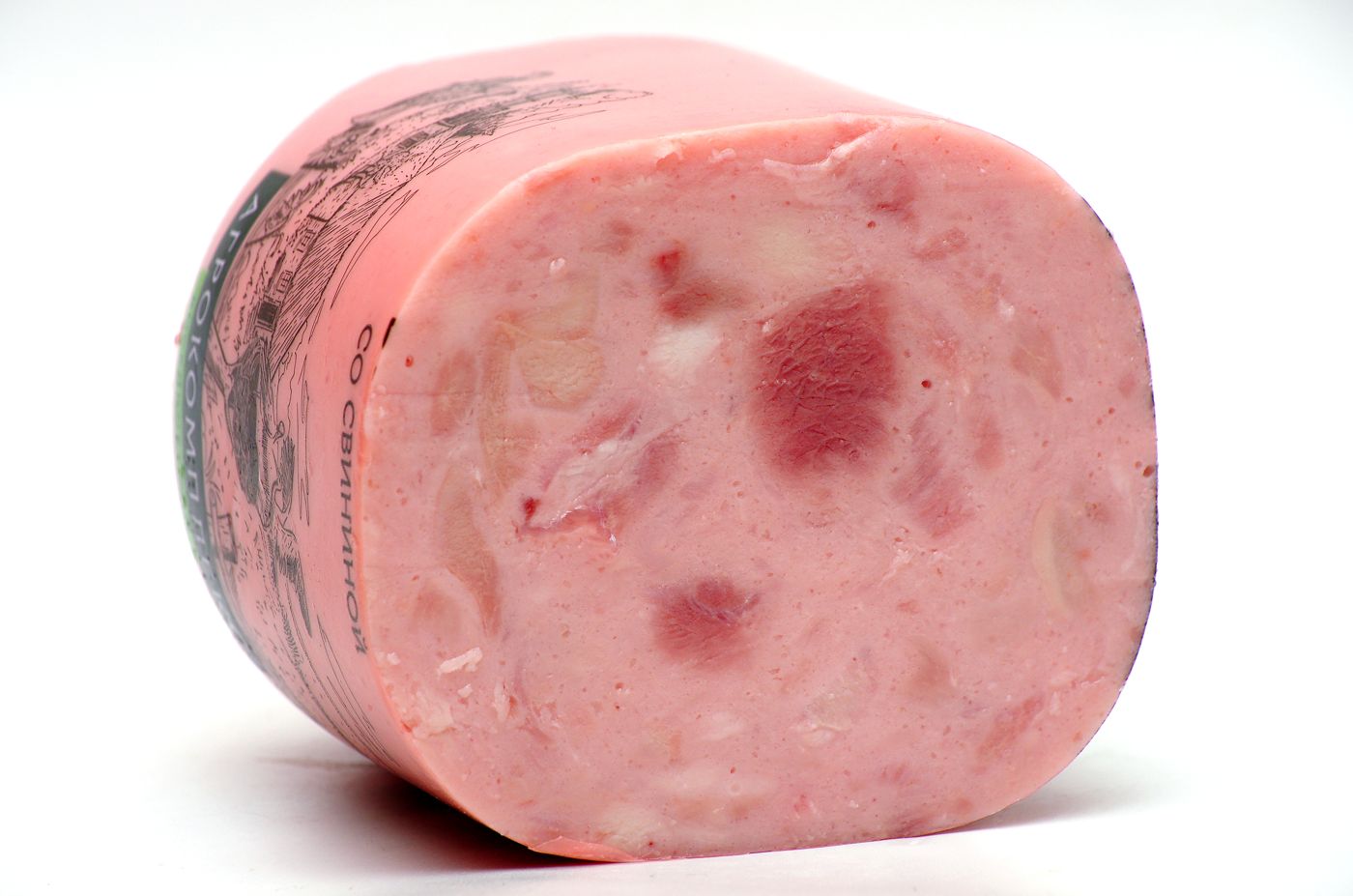 Ham and Canned Luncheon Meat햄In Korean kitchens haem covers sliced and pressed hams, cooked sausages and, above all, canned luncheon meat. It came into Korean cooking after the Korean War. Today it goes into budae-jjigae, gimbap, lunchbox fritters and fried rice.
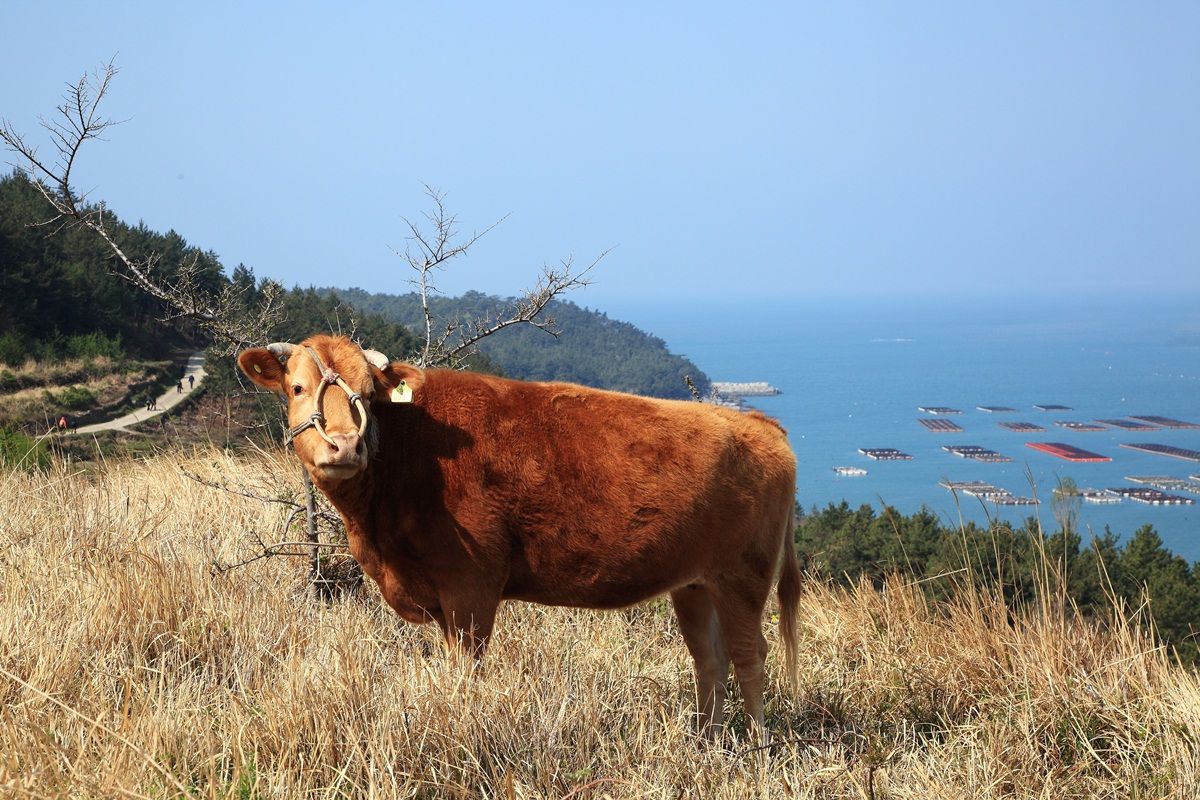 Hanu (Korean native beef)한우Beef from Korea's native cattle, most of them a warm yellow-brown, prized for rich marbling and a deep, beefy flavor. Hanu is the premium beef for grilling, braised galbi-jjim, holiday gift sets and ancestral-rite dishes.
- Hijiki (tot)톳A brown seaweed of short, bead-like branches, farmed around Wando and Jindo and gathered wild on Jeju. It is blanched and dressed as namul or cooked into rice, and must be soaked and boiled first.
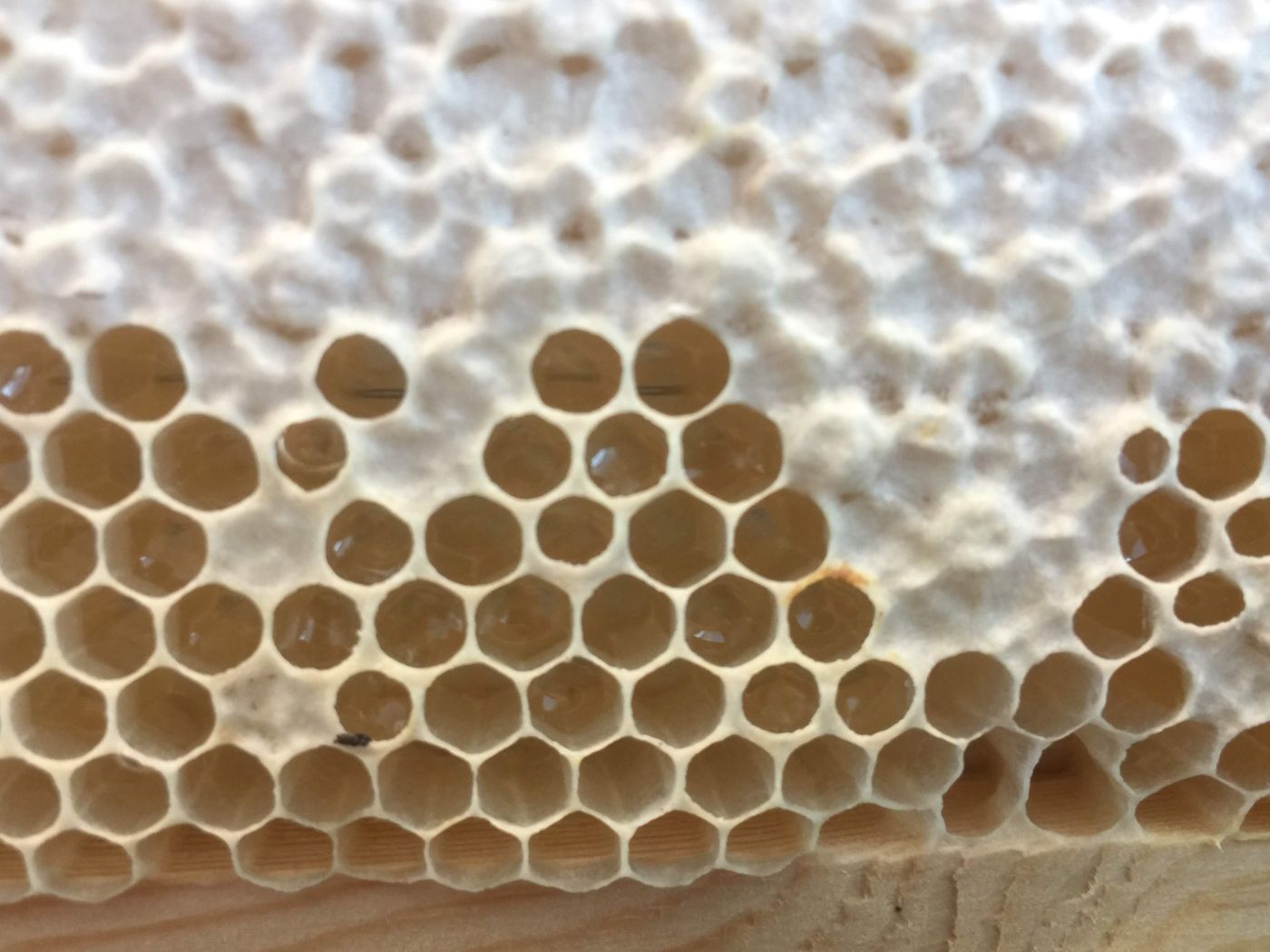 Honey꿀Honey has long been the prized sweetener of the Korean kitchen, used for court sweets like yakgwa and candied jeonggwa, for honey water and for seasoning meat. Korean shops sell native-bee honey (tojongkkul) and the more common Western-bee honey (yangbongkkul).
I
J
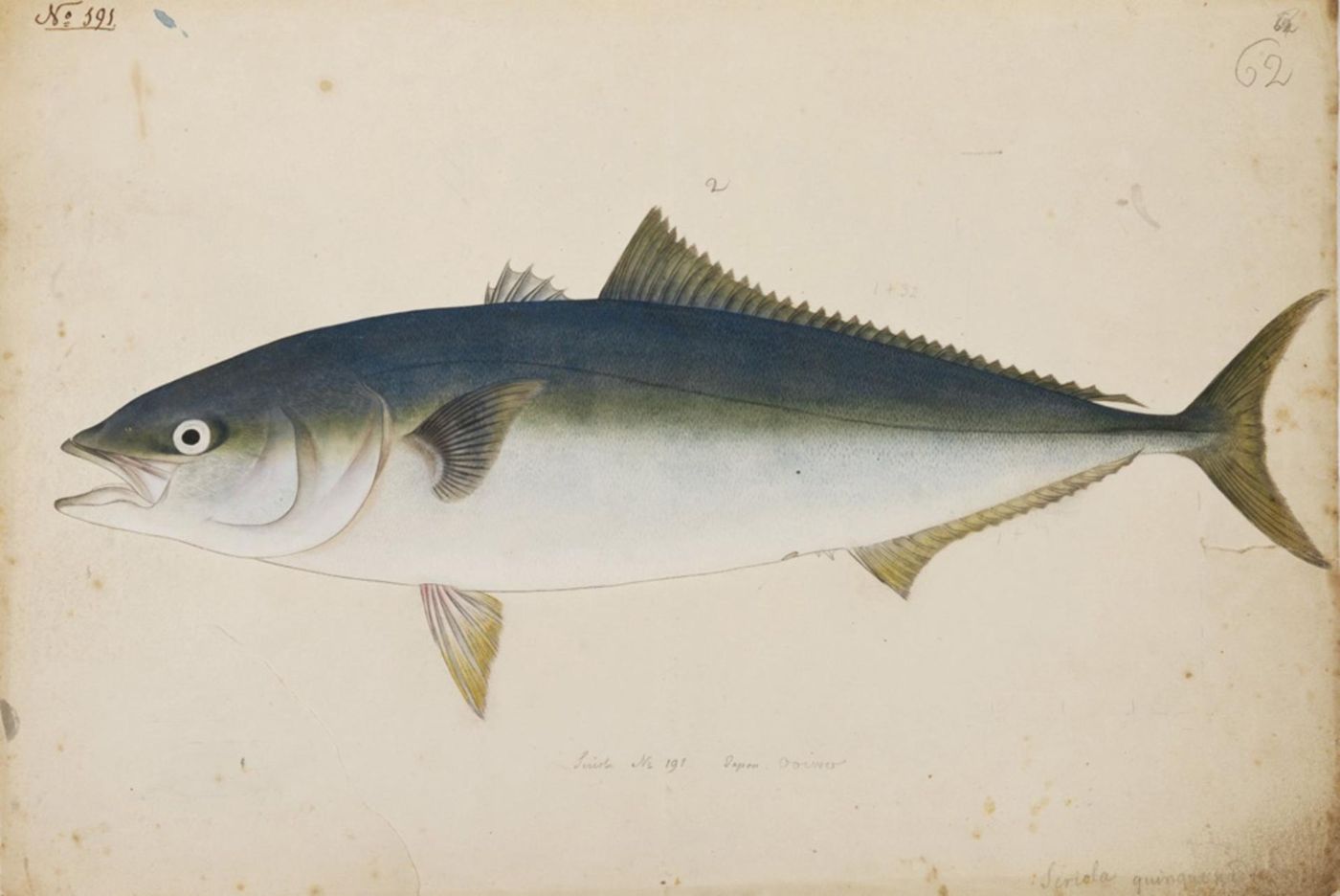 Japanese amberjack (bangeo)방어A big, fast jack whose winter fat makes it one of Korea's most anticipated sashimi fish. Moseulpo on Jeju's southwest tip celebrates it every November.
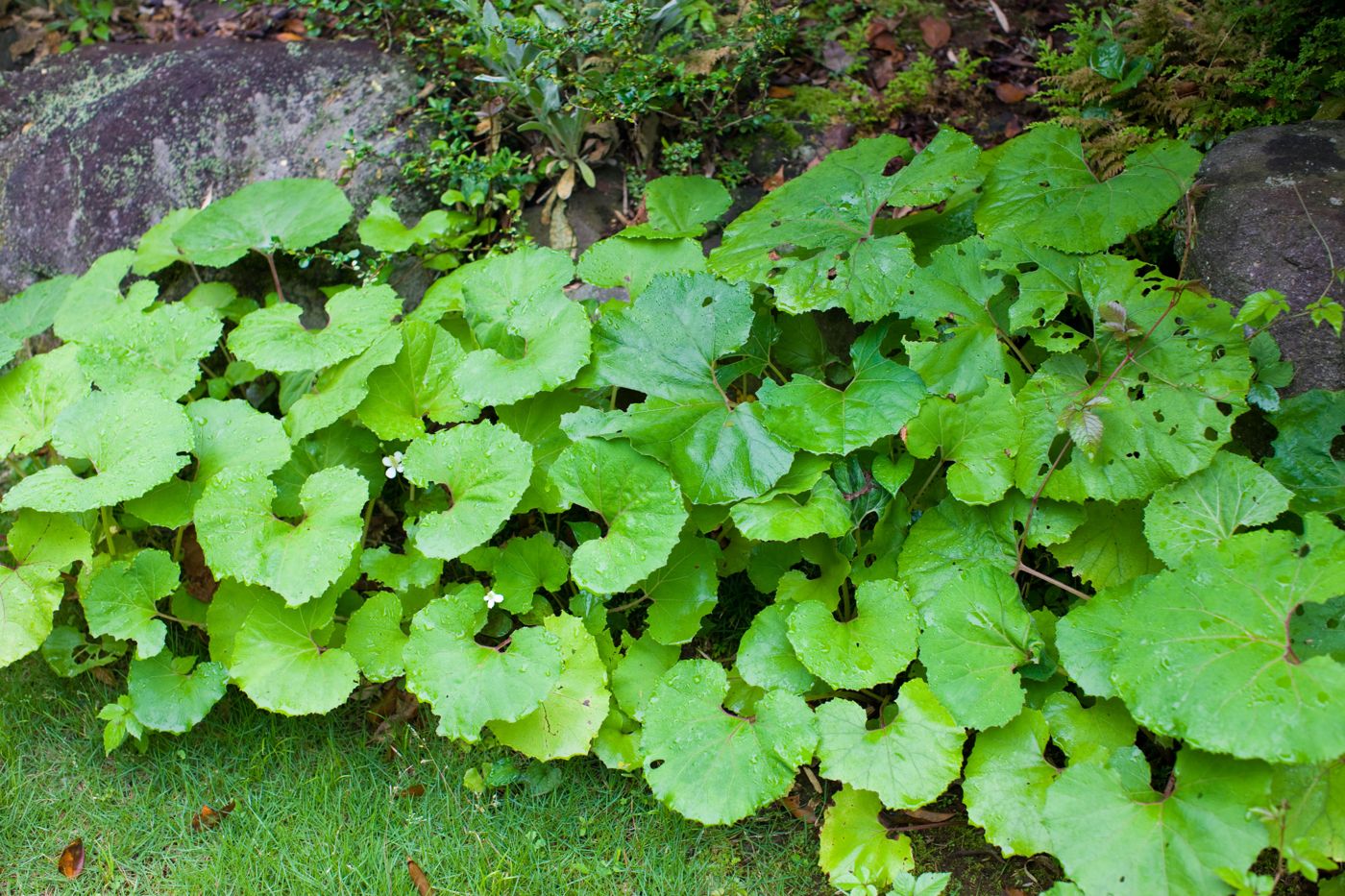 Japanese butterbur (meowi)머위A damp-ground perennial whose long leaf stalks are blanched and dressed as a slightly bitter spring namul. The broad young leaves are also blanched and used as wraps (ssam).
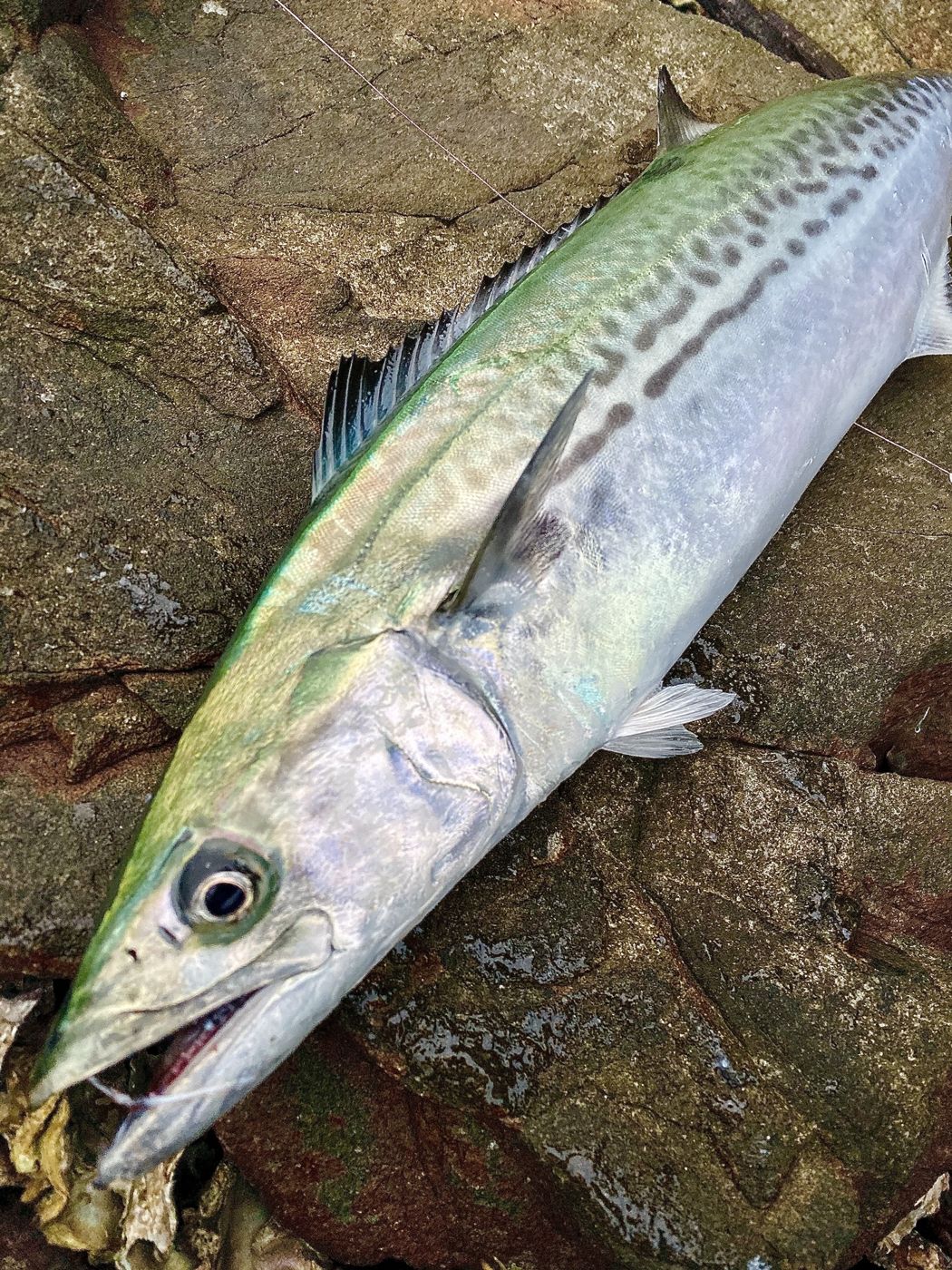 Japanese Spanish mackerel (samchi)삼치A long, silver-blue mackerel that Korean homes salt and grill like godeungeo. On the south-coast islands around Yeosu and Geomundo, big autumn fish are eaten raw, wrapped in ripe kimchi.
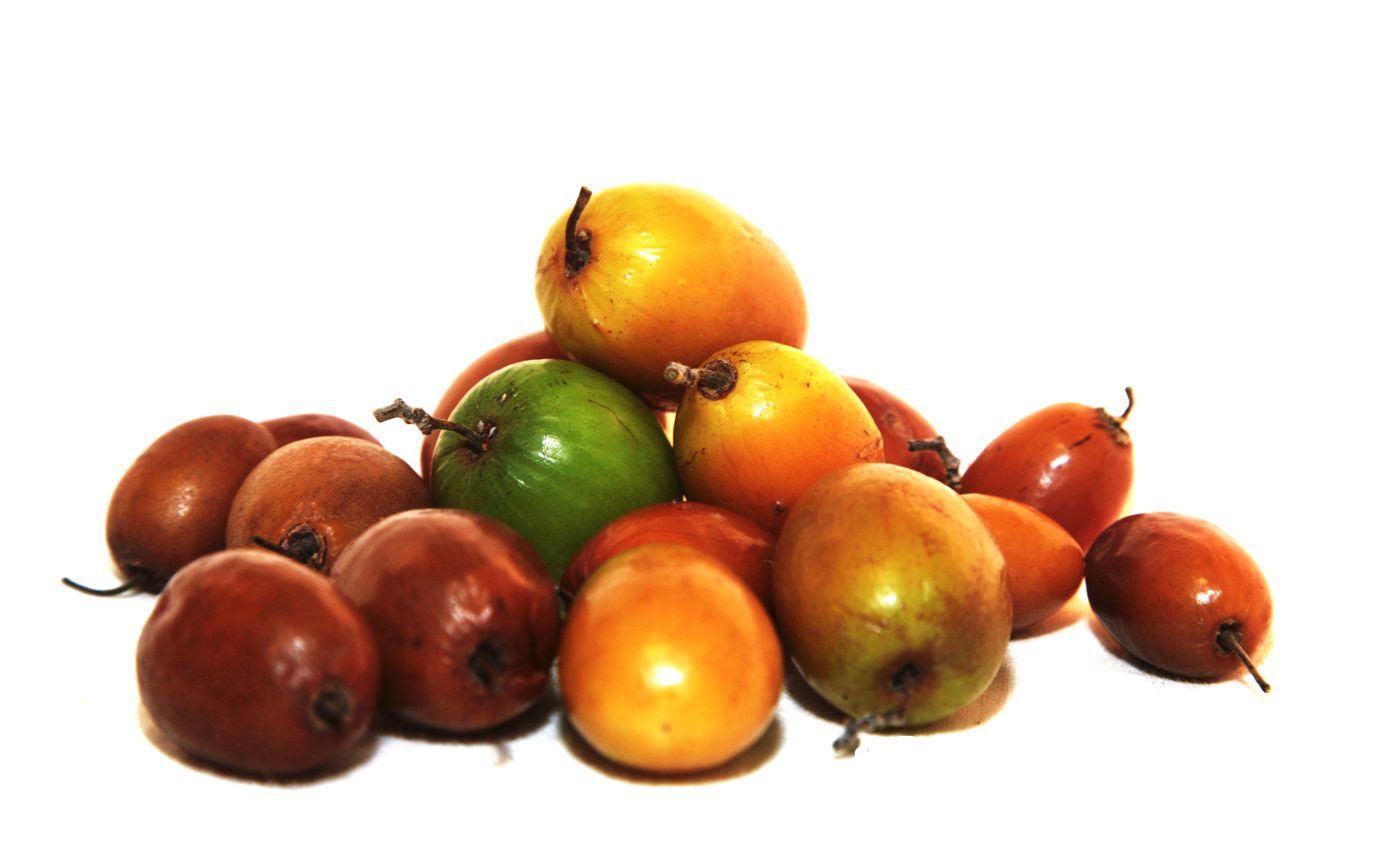 Jujube (red date)대추The small, wrinkled red fruit of the jujube tree, dried until sweet and chewy. An essential of ancestral-rite and wedding tables, it sweetens teas and herbal soups and garnishes rice cakes and festive dishes.
K
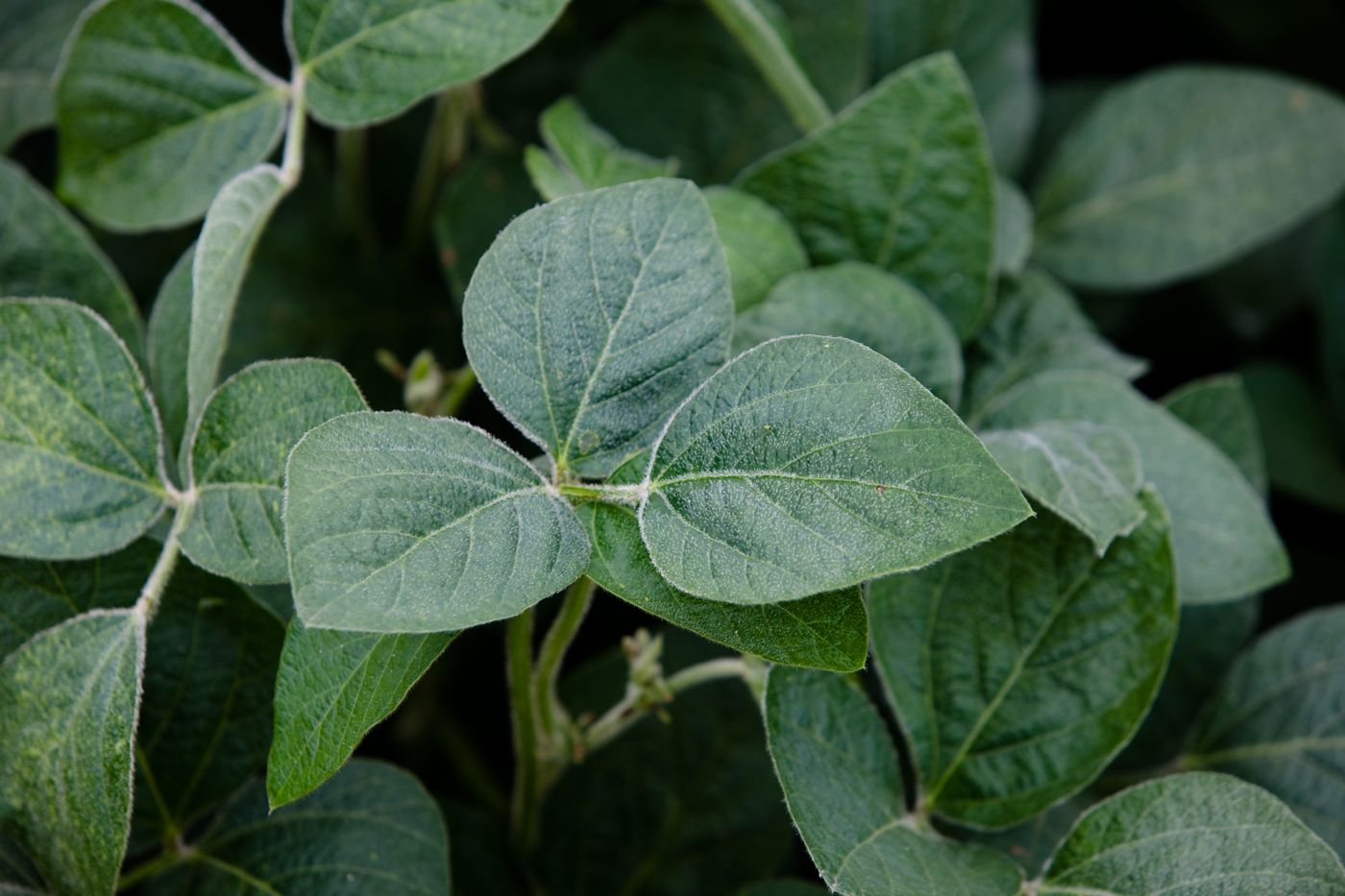 Kongnip (soybean leaves)콩잎The leaves of the soybean plant, eaten green in summer and as autumn-yellowed leaves cured in brine. In Gyeongsang they become the beloved, pungent kongnip-jangajji and kongnip-kimchi.
- Korean Chili Peppers (Fresh)고추Fresh Korean chili peppers, eaten green (putgochu) or red (hong-gochu): from the fiery cheongyang-gochu to the small, wrinkled, mild kkwari-gochu that is braised and stir-fried as banchan.
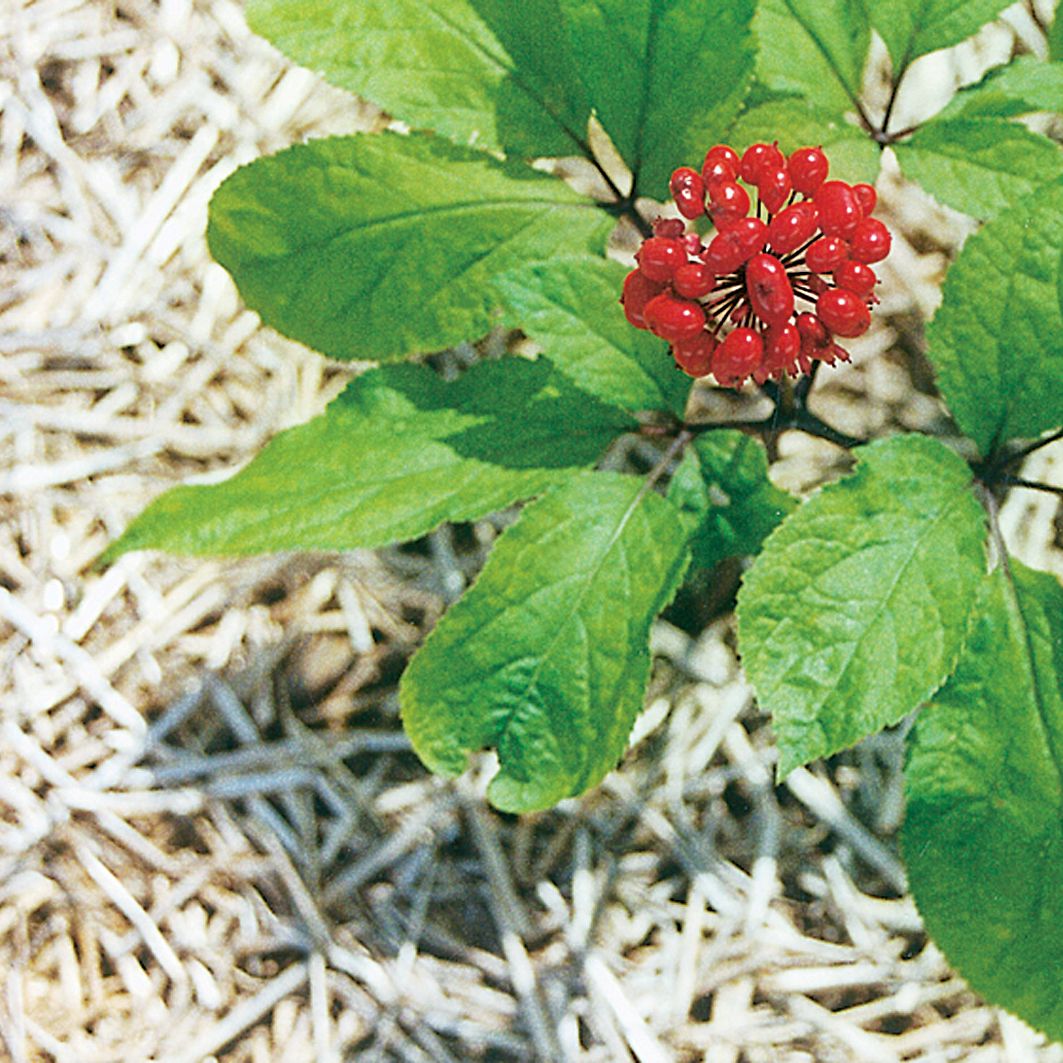 Korean ginseng인삼The forked, pale root of Panax ginseng, eaten fresh as susam or dried and steamed into white and red ginseng. On the table it appears whole in samgyetang, in honeyed slices, teas and liquor, and occasionally as a banchan of its own.
 Korean grain syrup물엿A clear, glossy syrup used to sweeten and glaze braised and stir-fried banchan. Its traditional relative, jocheong, is a darker malt syrup made by slowly boiling down saccharified rice.
- Korean Pear배The large, round, crisp and very juicy Korean pear (bae). Beyond eating fresh, it is grated into meat marinades and sliced into mild kimchi for natural sweetness.
 Korean radish무A stout, heavy white radish, often tinged pale green near the top. It is cubed for kkakdugi, left whole in the clear brine of dongchimi, shredded into salads and simmered into broths.
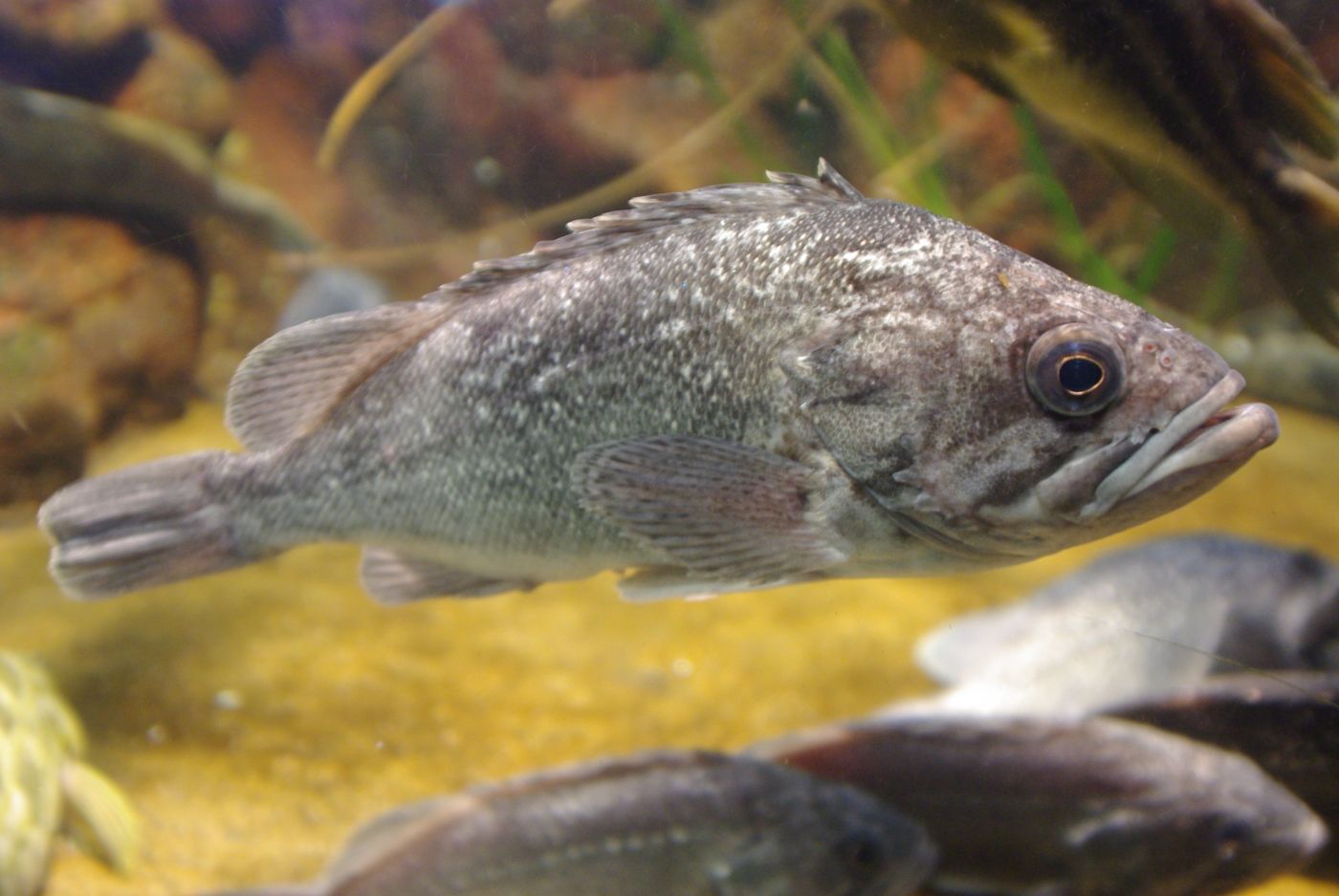 Korean rockfish (ureok)우럭A dark, big-headed rockfish and one of Korea's most farmed fish. Its firm white flesh is a favorite for raw hoe, and its bones make a rich, spicy maeun-tang.
- Korean Vinegar식초Vinegar in the Korean kitchen, from naturally fermented grain and fruit vinegars, such as persimmon vinegar, to everyday brewed vinegar. It sharpens muchim, pickles and the dipping sauce chogochujang.
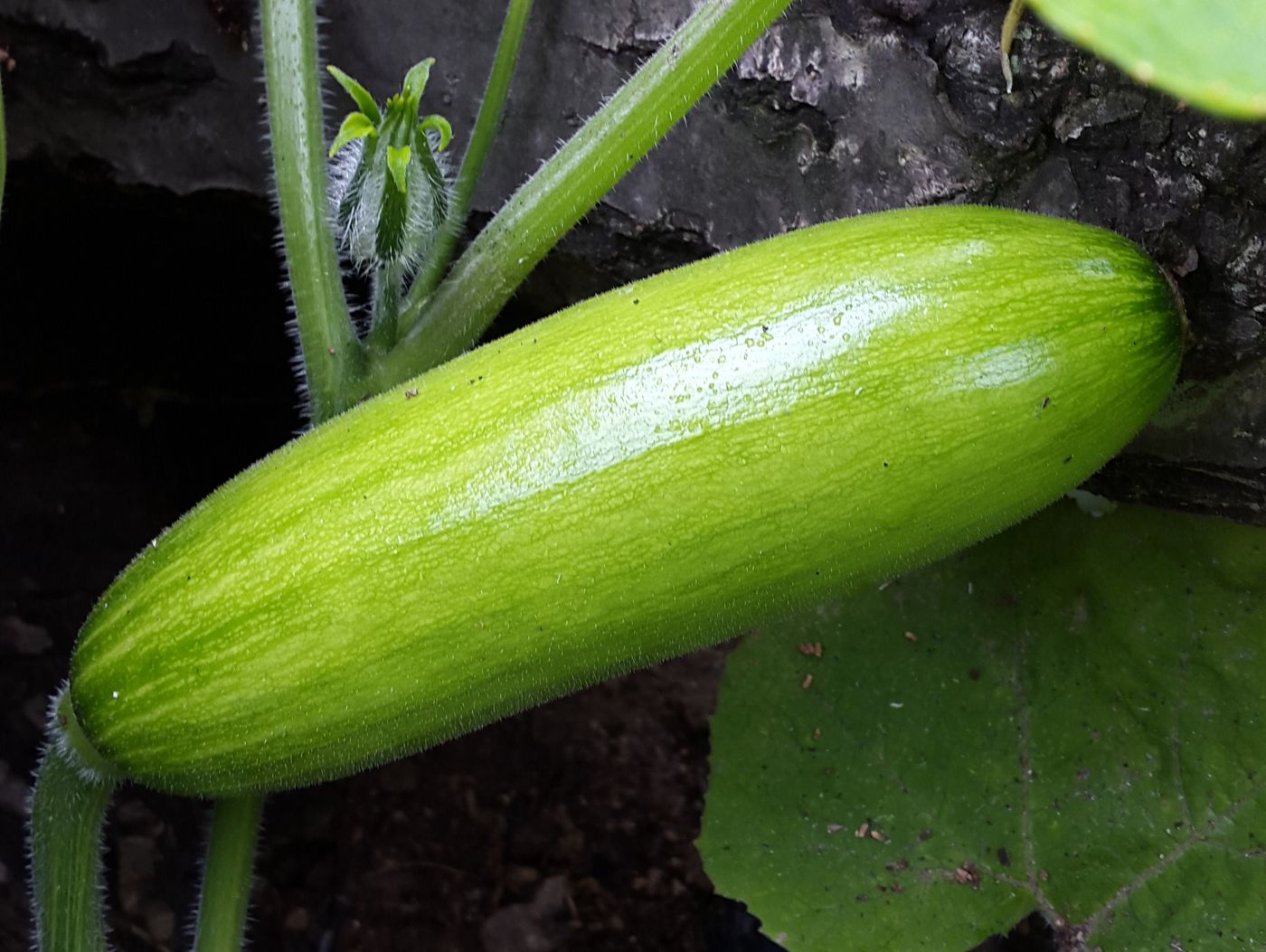 Korean zucchini애호박A pale-green young squash with thin, smooth skin and tender flesh. Sliced into rounds for hobak-jeon, sautéed as namul and added to doenjang stews.
L
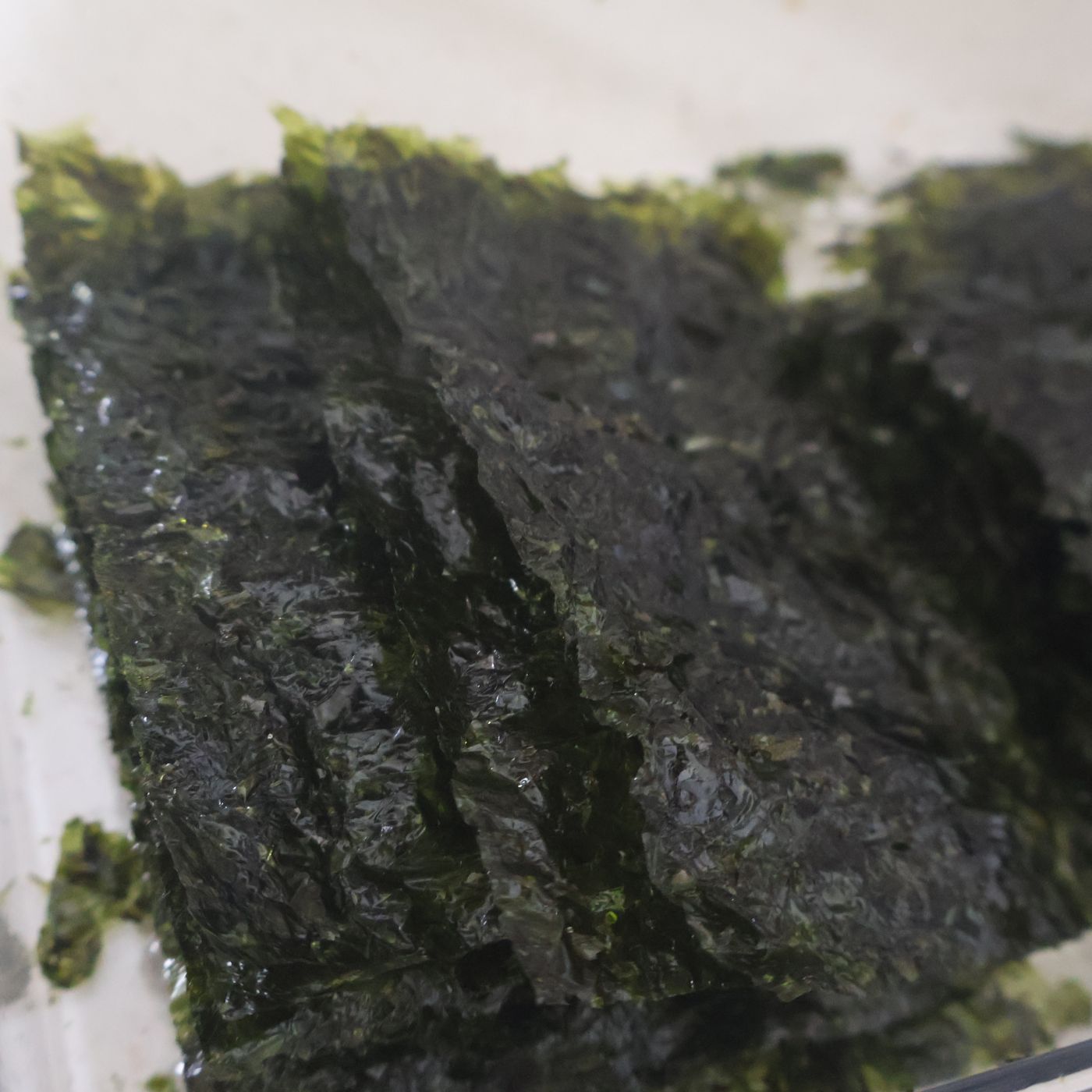 Laver (gim)김Paper-thin sheets of dried red seaweed, toasted until crisp and fragrant. Gim wraps gimbap and rice, crumbles over noodles and soups, and — brushed with oil and salt — becomes the everyday side dish gim-gui.
- Loach (chueo)추어A small, whiskered freshwater fish of rice paddies and muddy ditches, eaten in autumn as chueotang, a thick, peppery soup made from loaches simmered and ground with greens and doenjang.
 Long-arm octopus (nakji)낙지A slender octopus with long, thin arms, dug from the tidal mudflats of South Jeolla. Koreans eat it stir-fried with chili, in clear yeonpo-tang, and famously raw as sannakji.
- Lotus root연근The crunchy, lace-patterned rhizome of the lotus plant. Sliced into rounds, it is simmered in soy sauce and syrup until glossy and chewy as yeongeun-jorim.
M
- Ma (Korean yam)마The pale, mucilaginous tuber of a climbing yam, known in herbal tradition as sanyak. Unusually for a starchy root, it is eaten raw as well as cooked, grated into a slippery paste or blended into a drink.
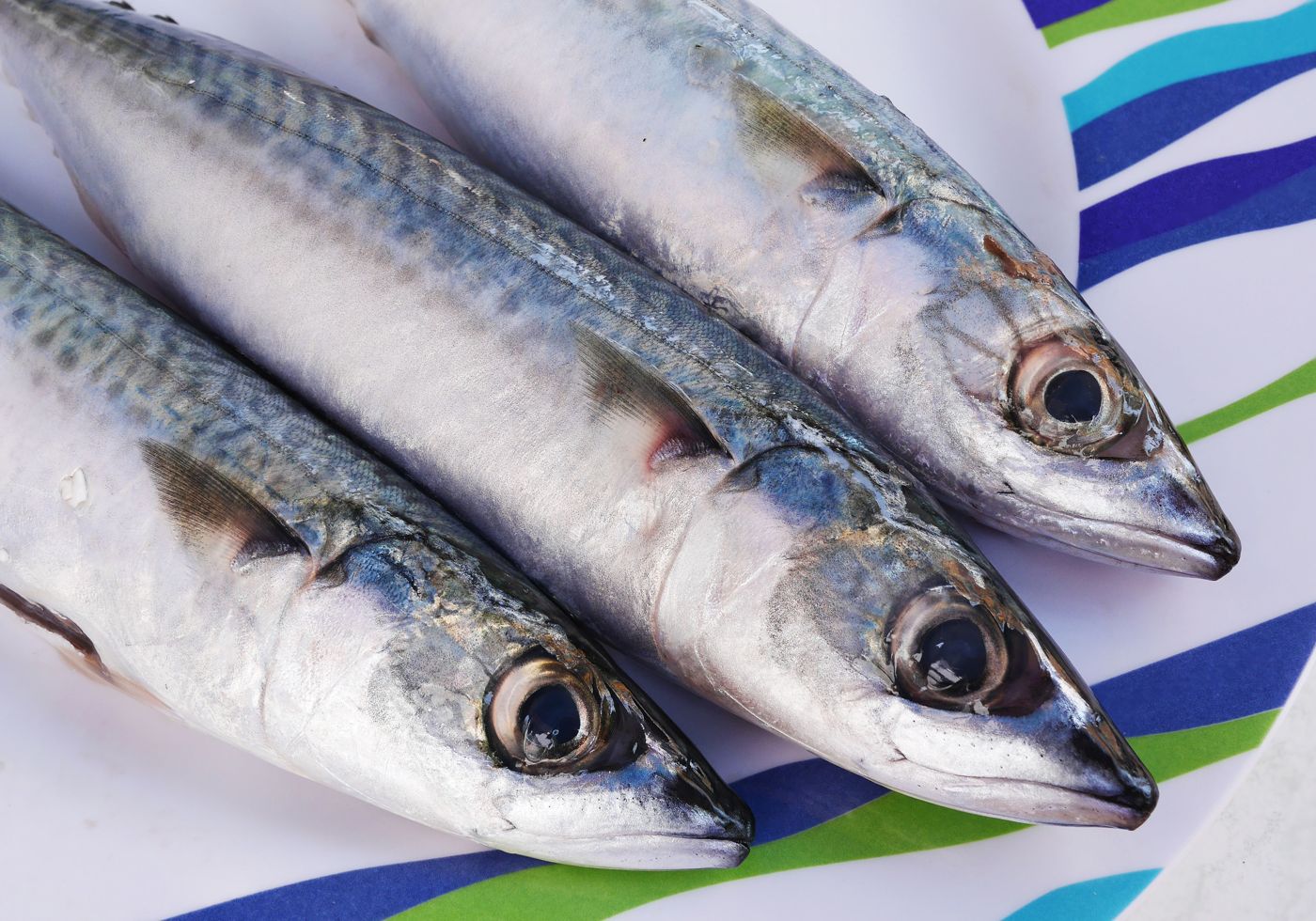 Mackerel고등어Korea's everyday oily fish, blue-green and silver with dark wavy stripes. Grilled until the skin blisters or braised with radish and chili, it is one of the most familiar fish on the home table.
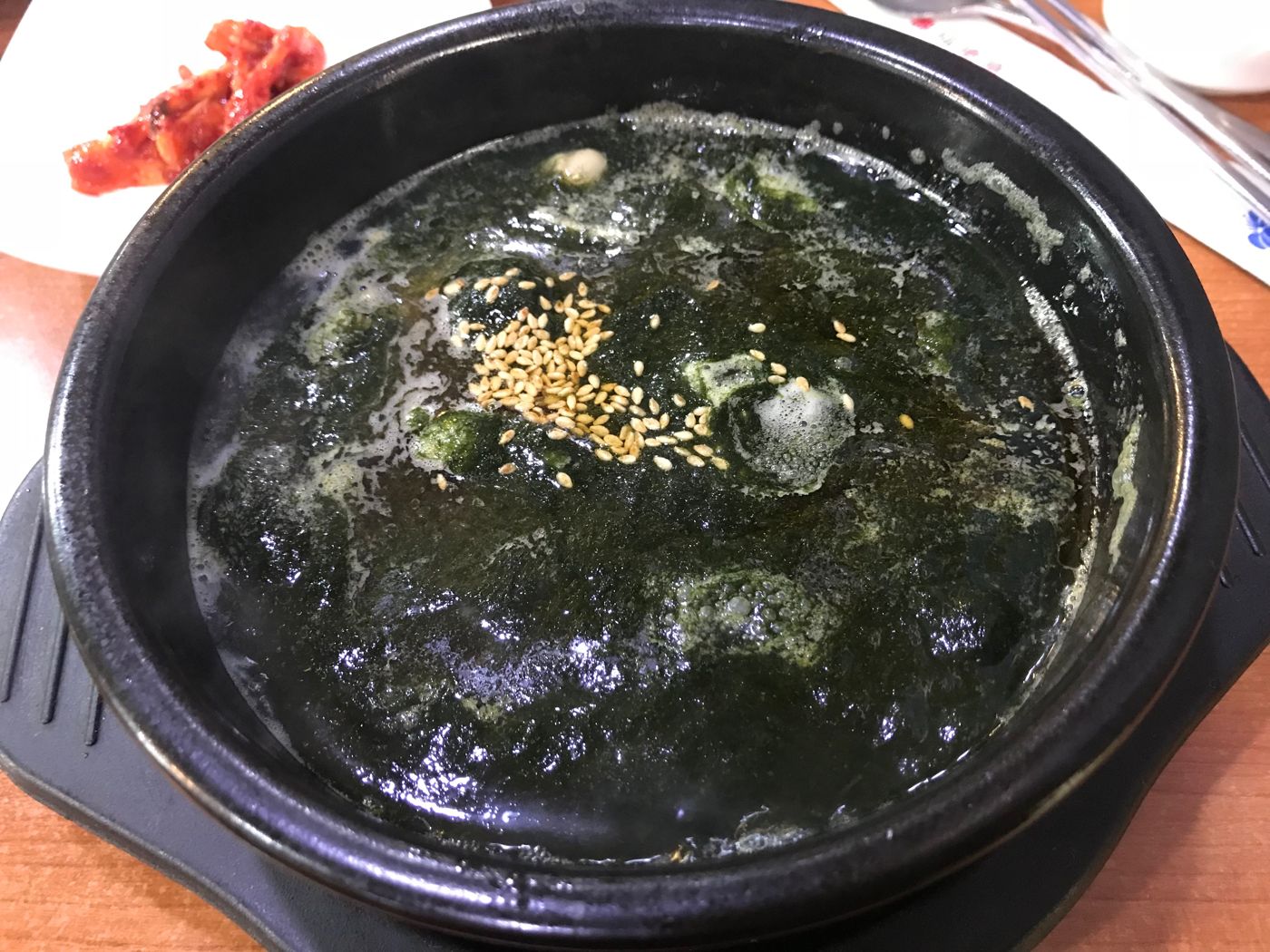 Maesaengi (Fine Green Seaweed)매생이A hair-fine green alga grown on the tidal flats of southwest Korea and harvested in winter. It is cooked into thick, silky soups, rice cake soup and pancakes that stay scalding hot while barely steaming.
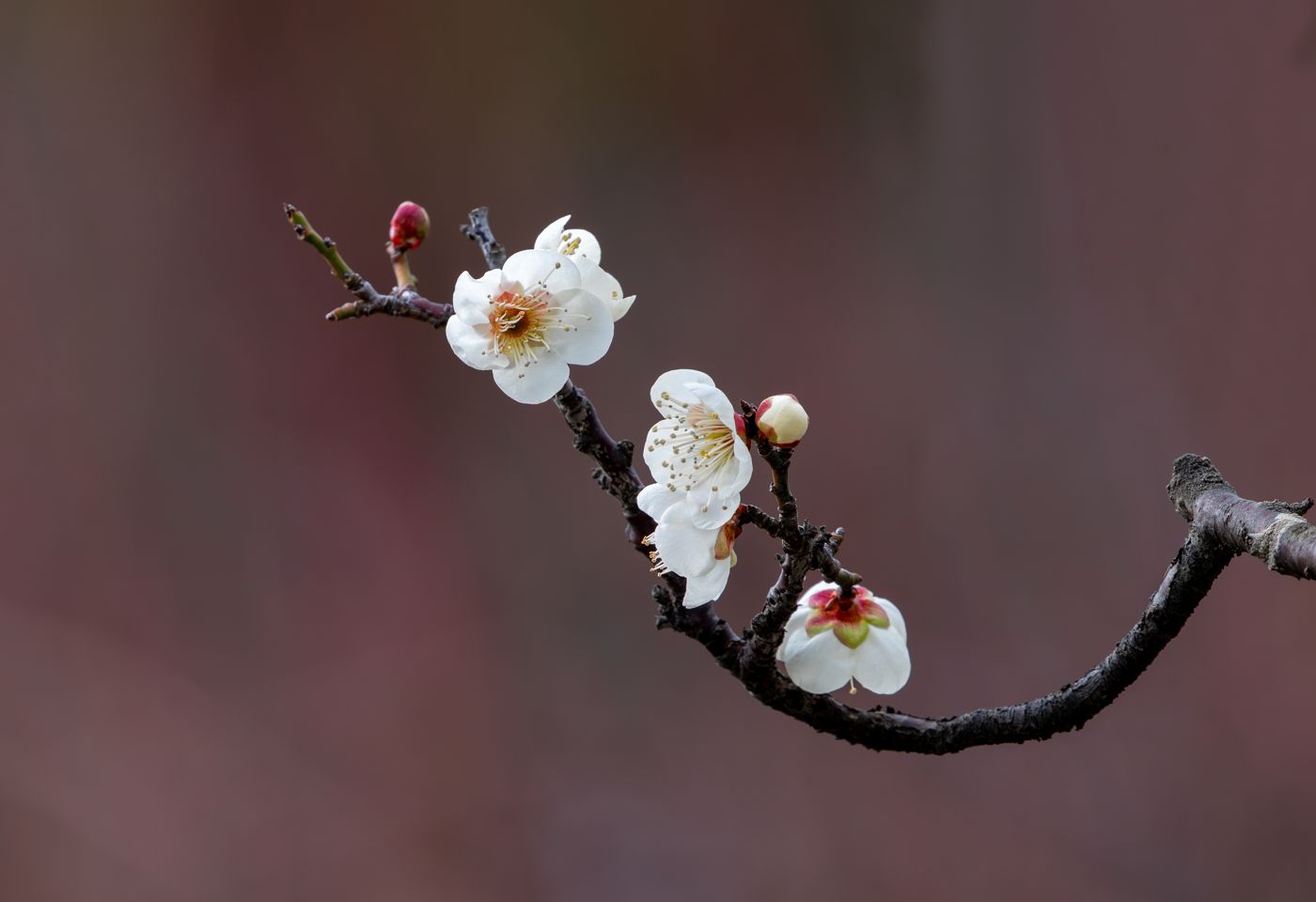 Maesil (green plum)매실The hard, sour fruit of the flowering apricot, harvested green in early summer. Too tart to eat raw, it is steeped with sugar into maesil-cheong, pickled, or brewed into liquor.
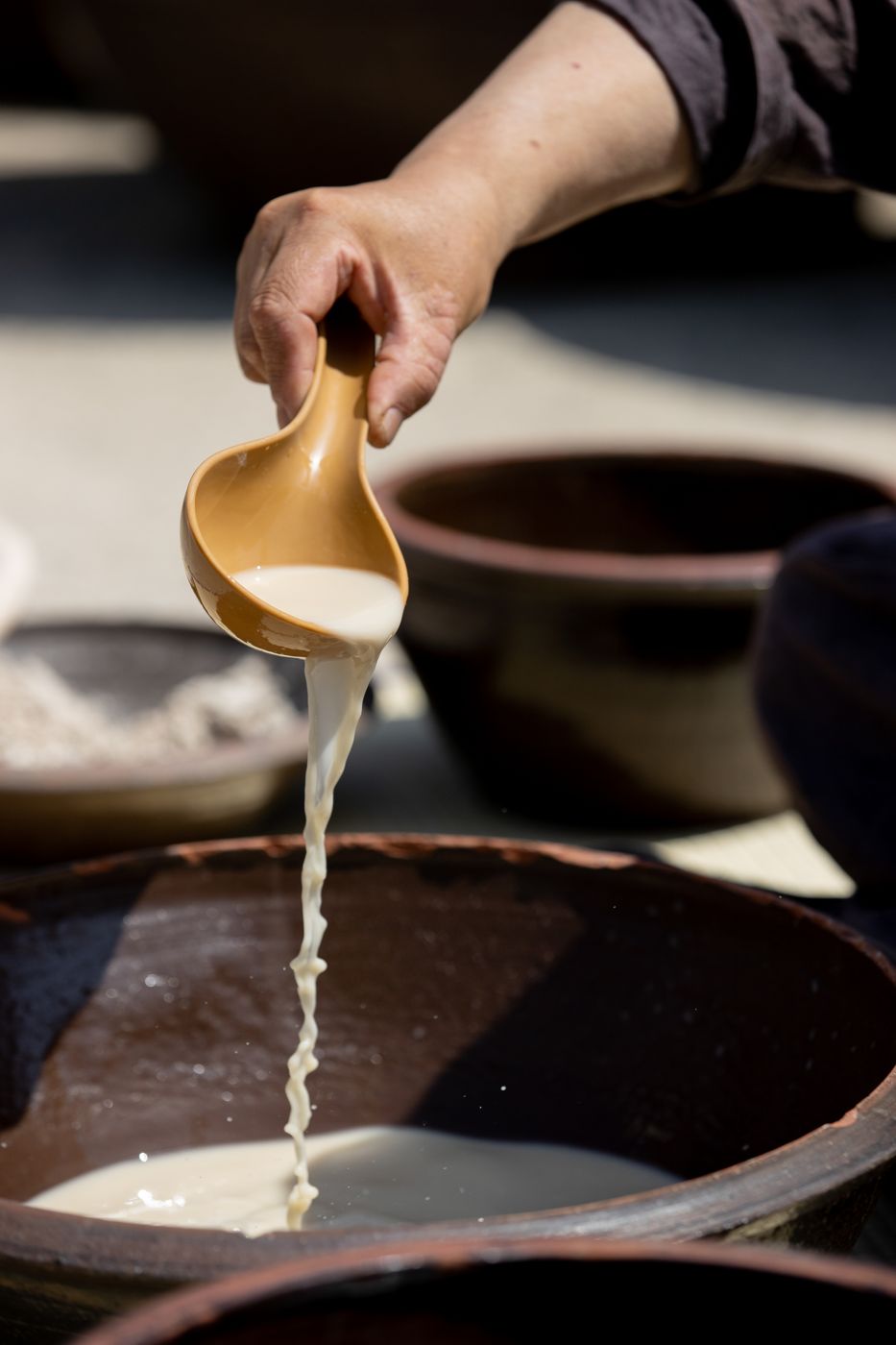 Makgeolli (Unfiltered Rice Wine)막걸리Milky, lightly fizzy Korean rice wine brewed from rice, nuruk and water and strained rather than clarified, usually around 6 to 8 percent alcohol. Drunk with jeon and kimchi, it also leavens steamed buns.
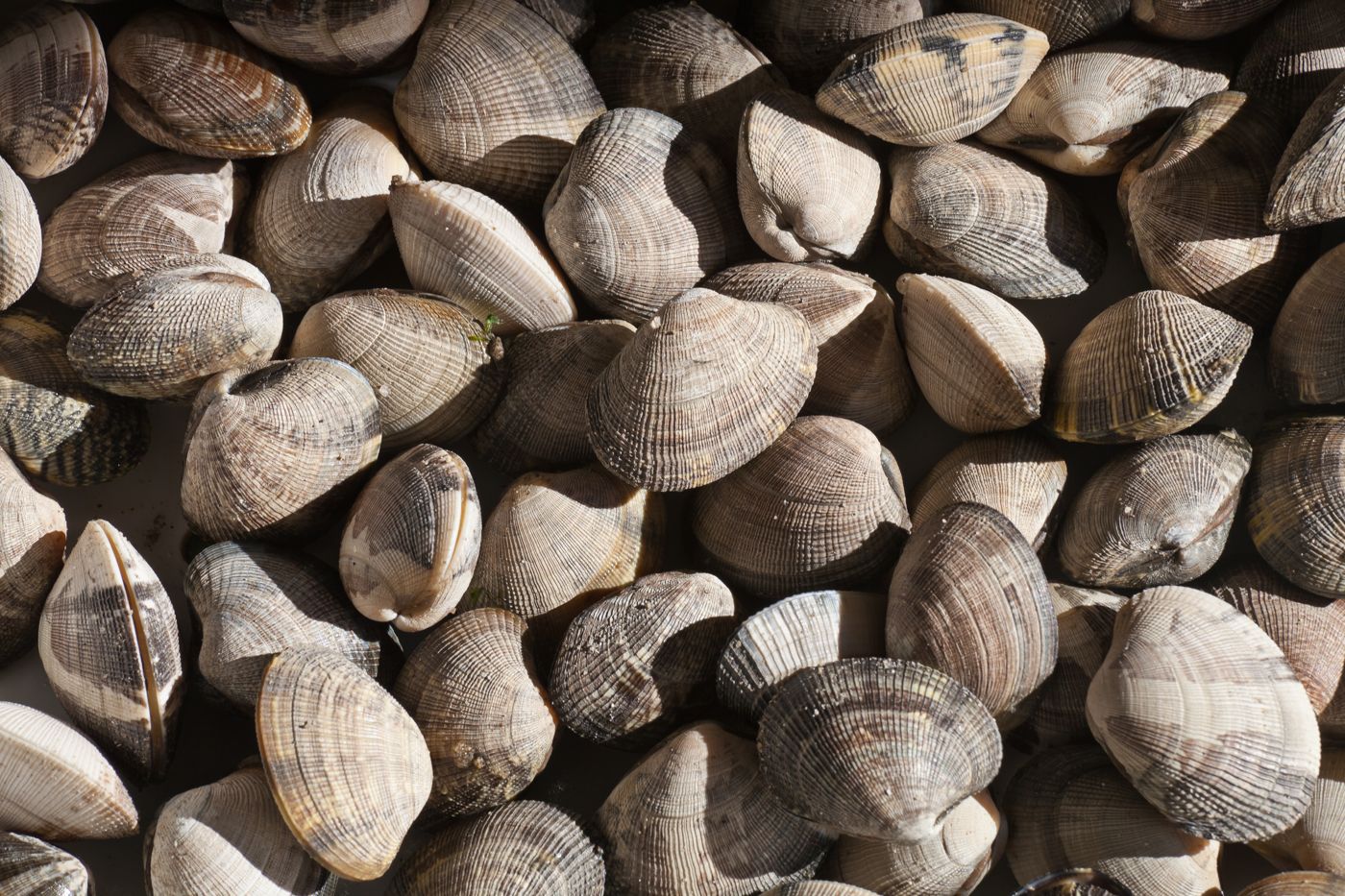 Manila clam (bajirak)바지락Small, ridged tidal-flat clams that give Korean soups and noodle broths their clean, sweet depth. Bajirak are the clams of bajirak-kalguksu, the west coast's clam noodle soup.
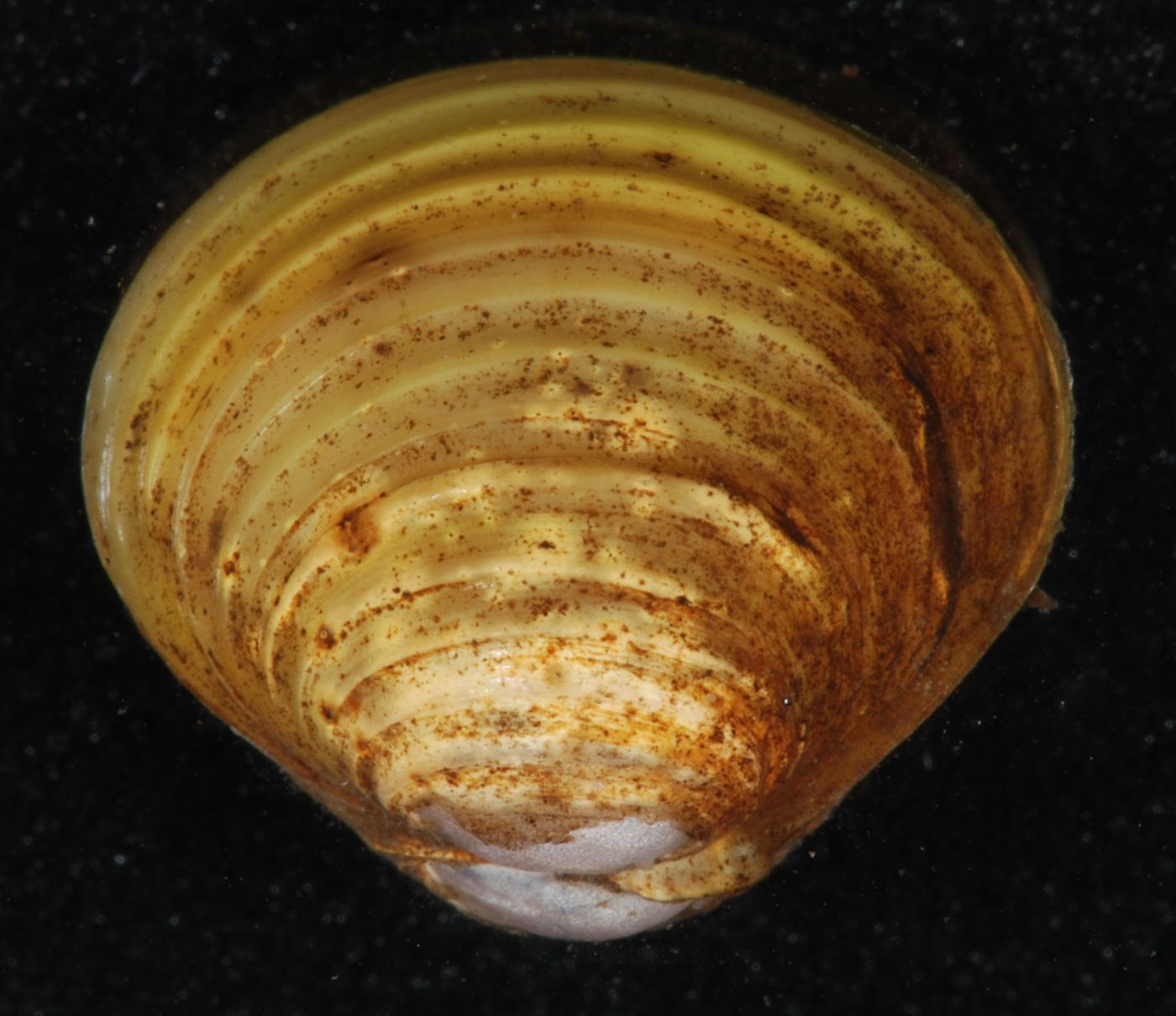 Marsh clams (jaecheop)재첩Tiny river clams raked by hand from the brackish lower Seomjin River at Hadong. Simmered with garlic chives into milky jaecheop-guk, they are a classic hangover soup of the south coast.
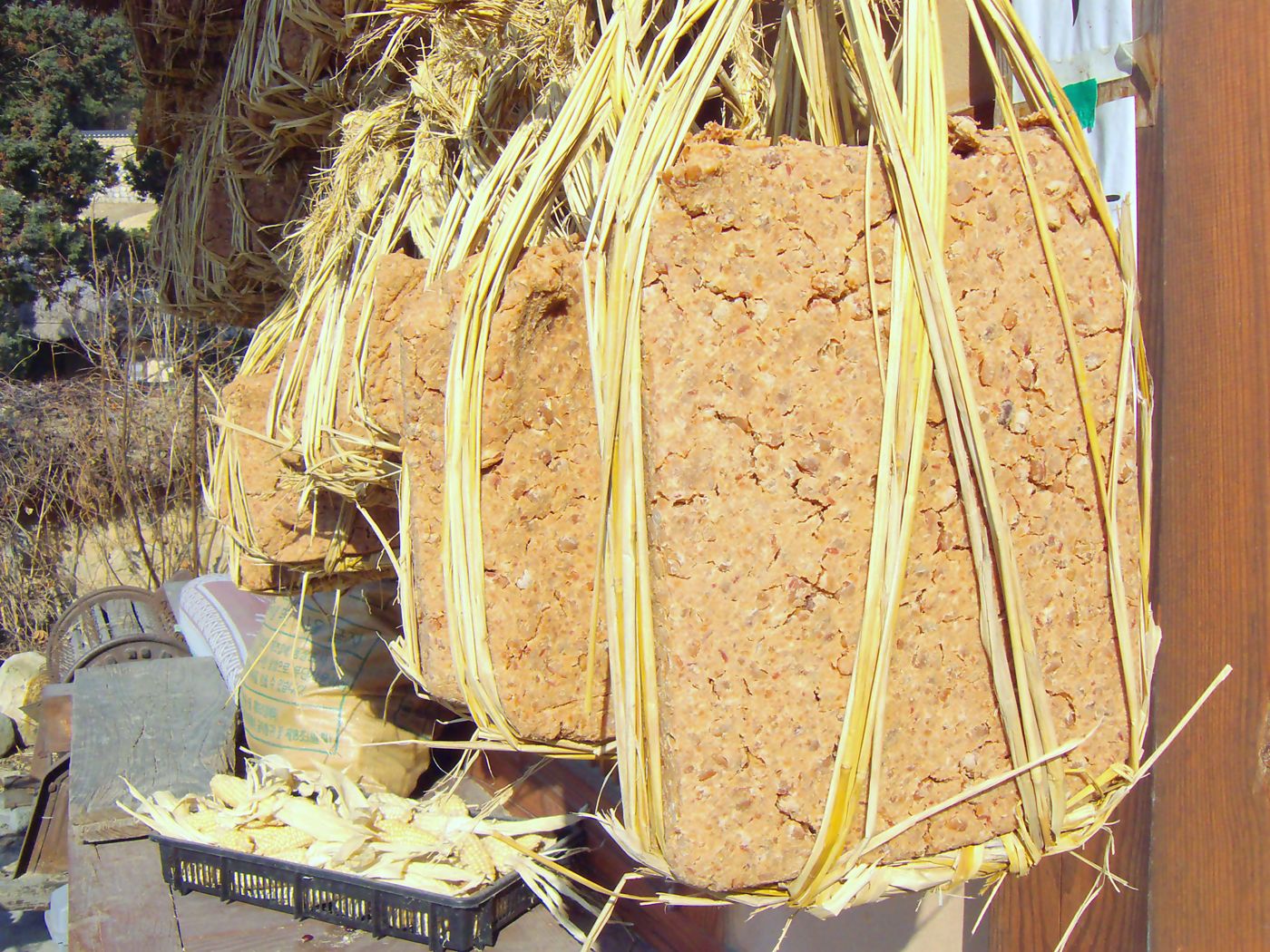 Meju (Fermented Soybean Blocks)메주Blocks of cooked, mashed soybeans dried and fermented by molds and bacteria over the winter. Steeped in brine, meju yields both ganjang and doenjang; ground, it goes into gochujang.
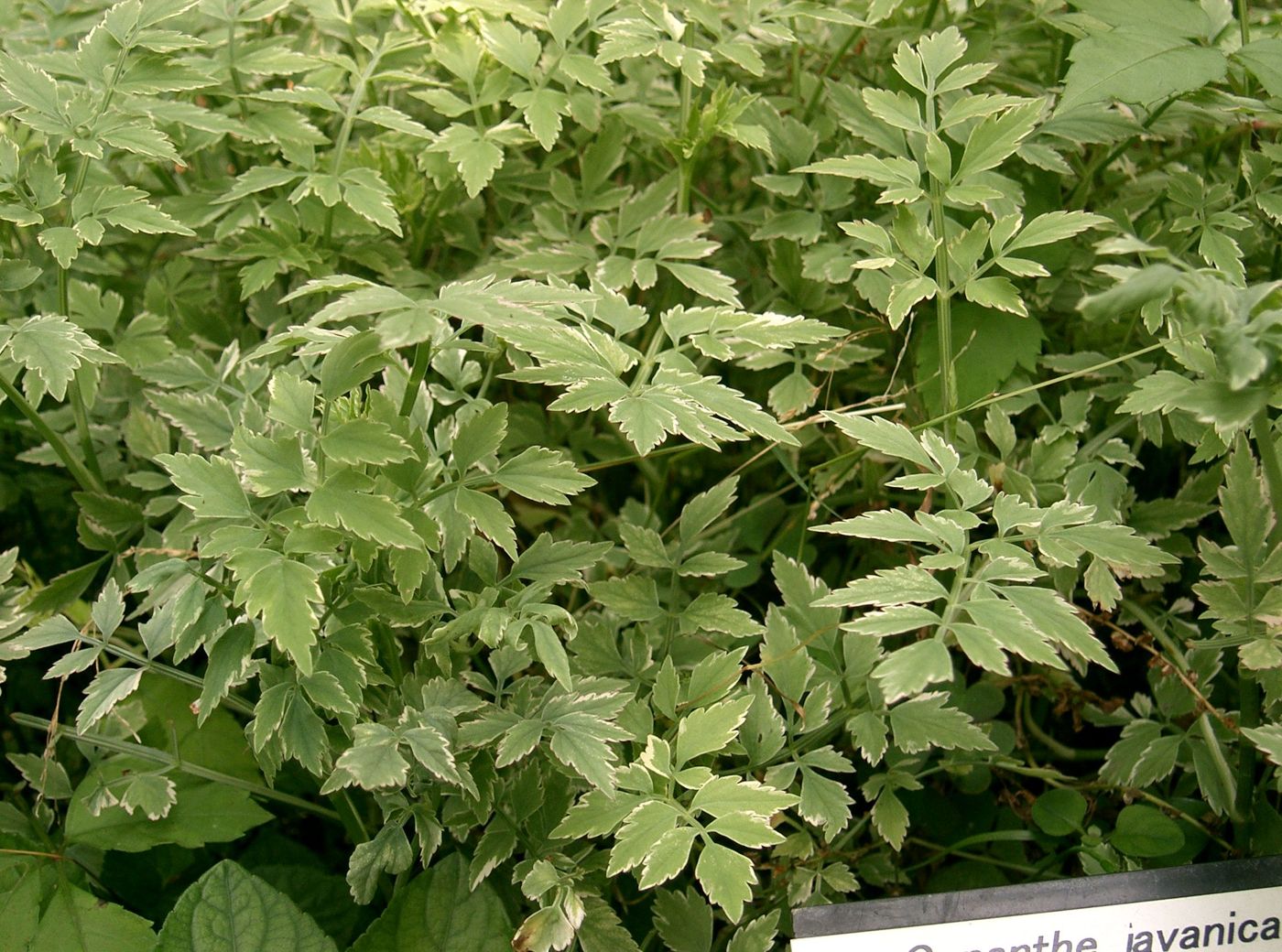 Minari (water dropwort)미나리A long-stemmed, aromatic water plant with a fresh, celery-like perfume. Blanched and dressed as minari-muchim, tucked into kimchi, wrapped into little bundles for minari-ganghoe and piled into fish stews and hot pots.
- Monkfish (agwi)아귀A wide-mouthed, scaleless anglerfish with firm, springy flesh and soft, gelatinous skin. It is the star of agu-jjim, the fiery braise with bean sprouts and minari from the port city of Masan.
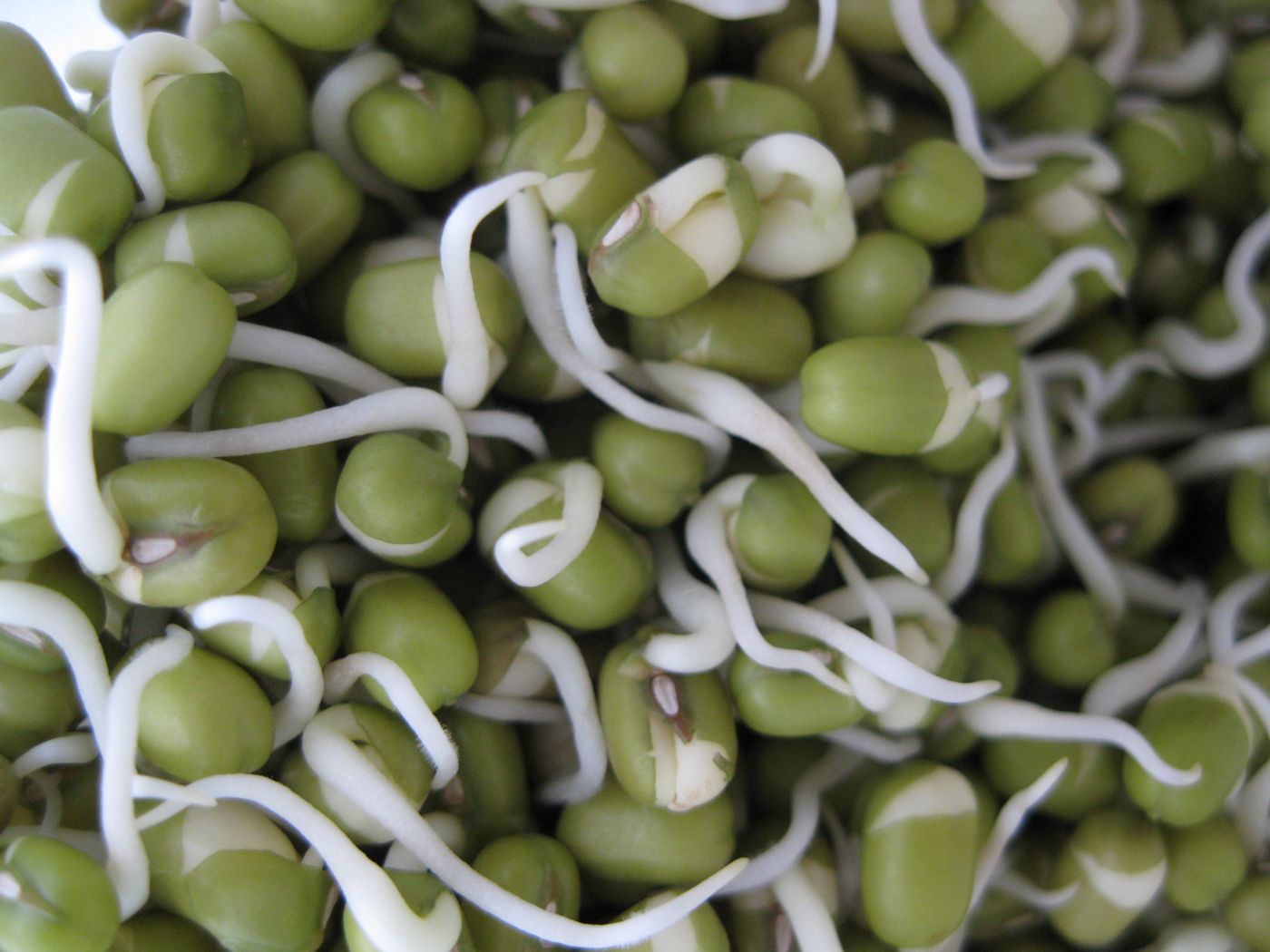 Mung bean sprouts숙주나물Short, plump, delicate sprouts grown from mung beans. Quickly blanched and seasoned as sukju-namul, they are milder and more tender than soybean sprouts.
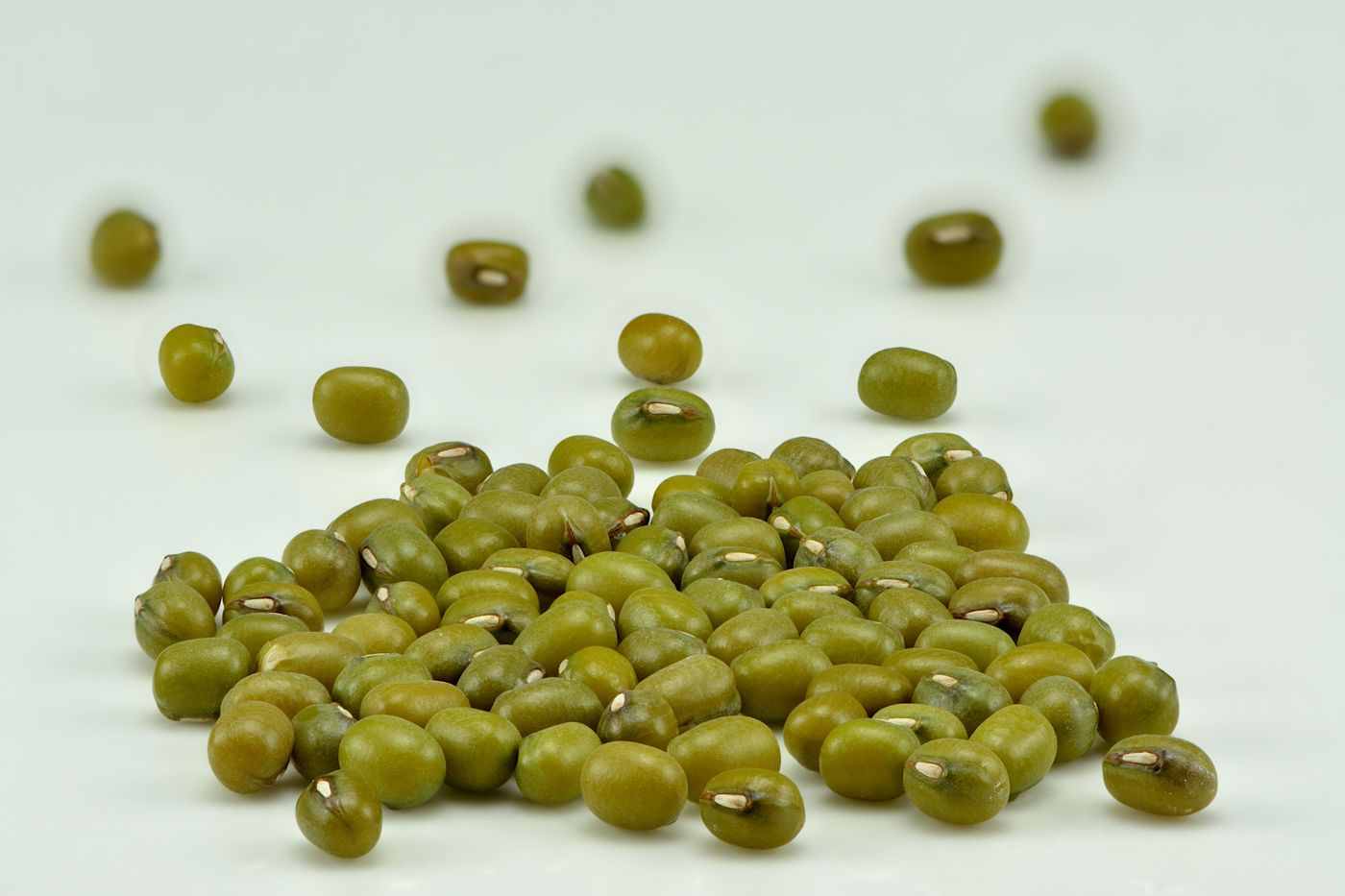 Mung beans녹두Small green beans that give Korean cooking three very different foods: crisp, golden bindaetteok pancakes from the soaked and ground beans, crunchy sukju sprouts, and clear, silky cheongpo-muk jelly from their starch.
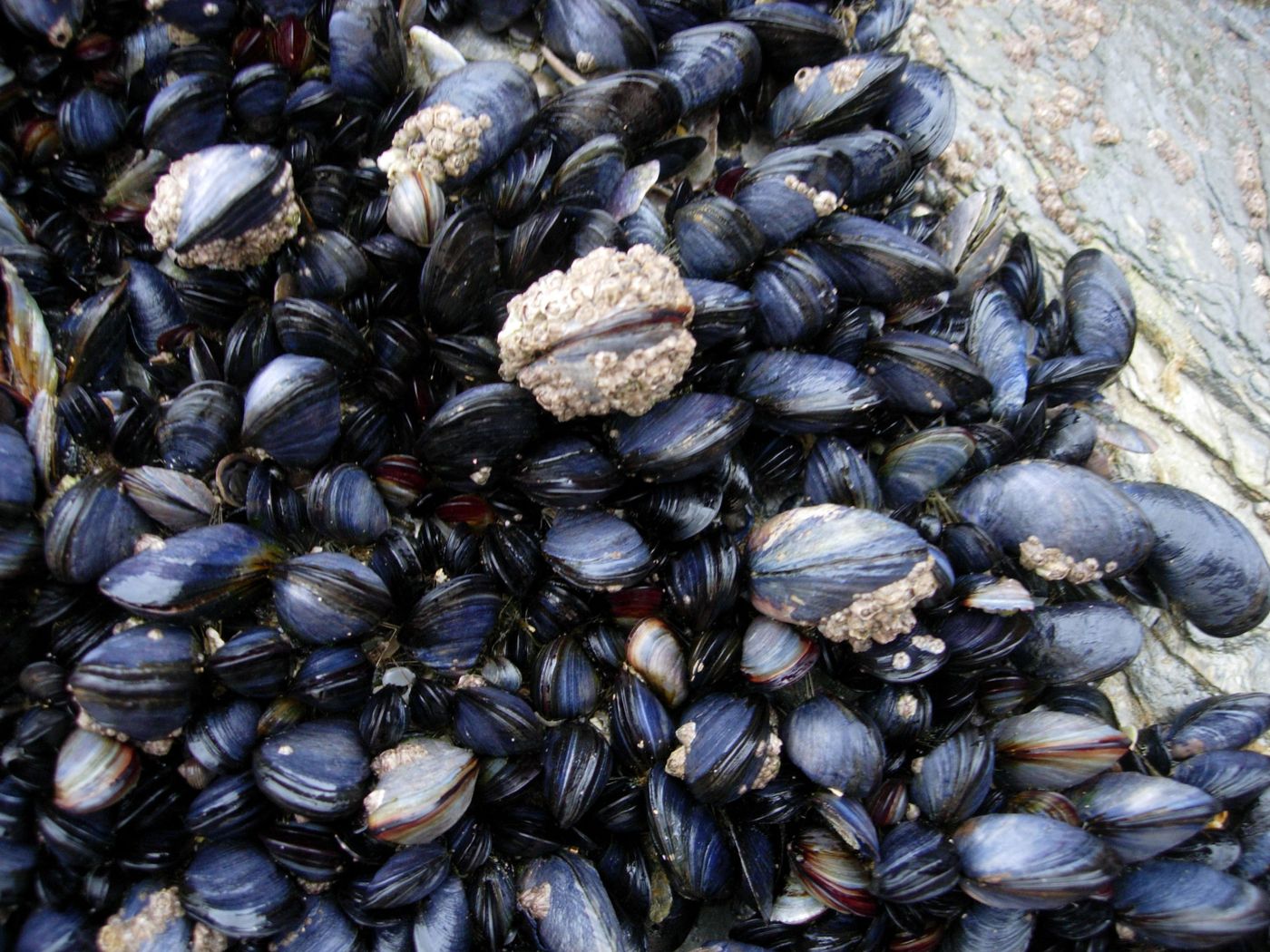 Mussels홍합The dark-shelled mussel behind Korea's milky seafood broths, miyeok soups and street-stall stews. Cooks use it fresh and dried, and braised sweet-salty in the old court dish honghap-cho.
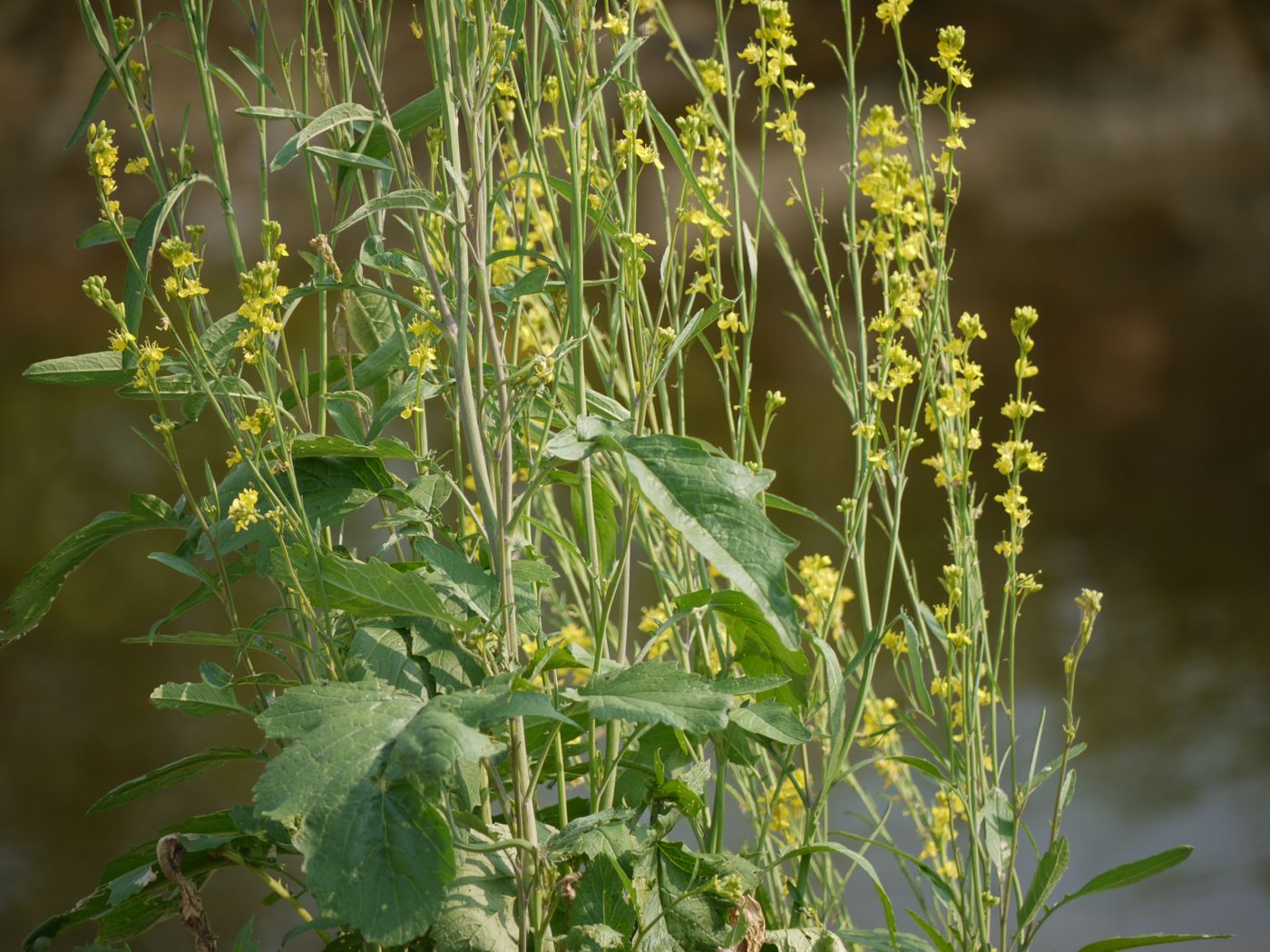 Mustard greens (gat)갓Broad, pungent leaves of Korean leaf mustard, green or deep purple-red. The star of gat-kimchi from Yeosu's Dolsan Island and a sharp, aromatic addition to winter kimchi seasoning.
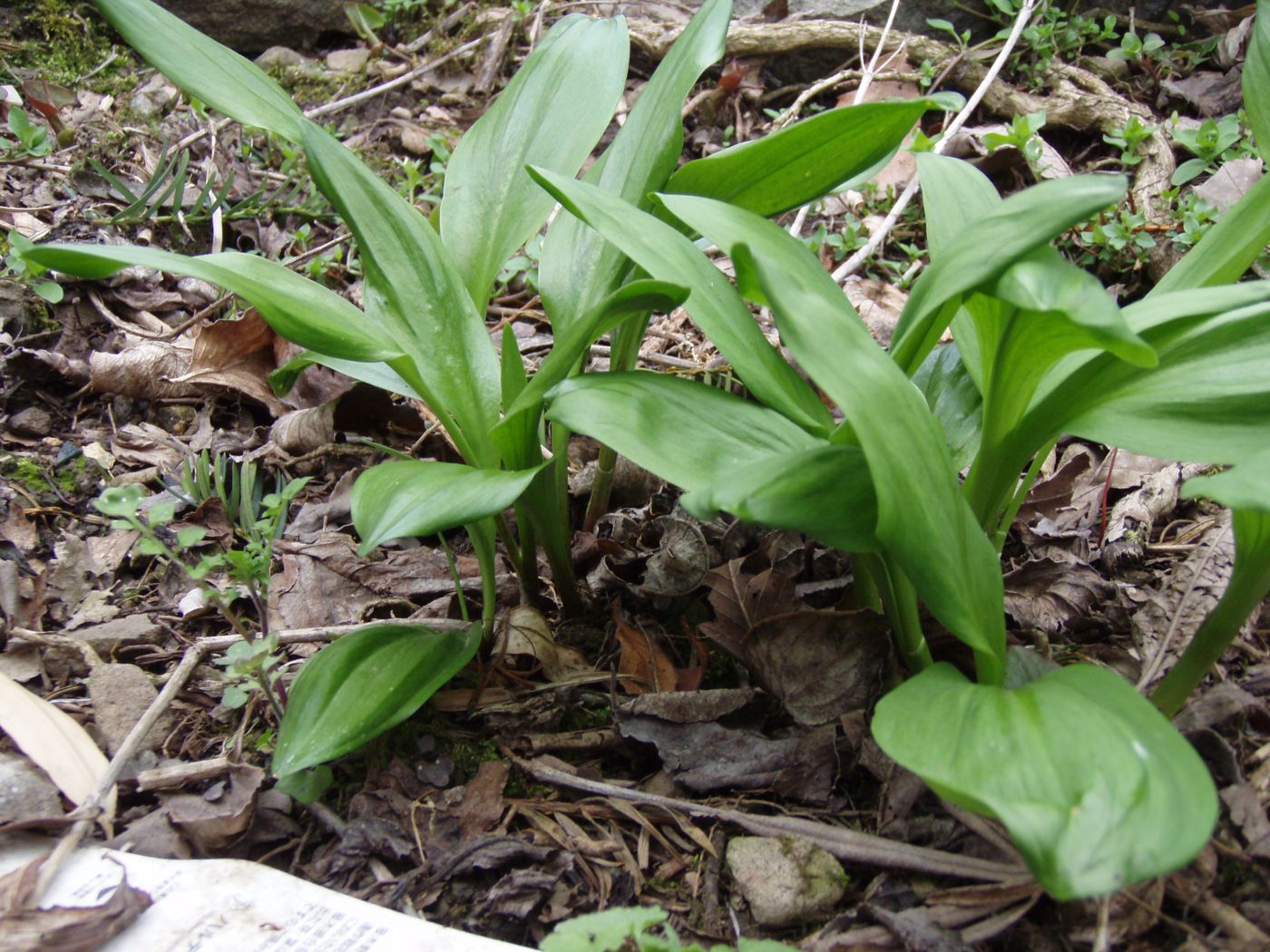 Myeongi (Ulleungdo Wild Garlic, Alpine Leek)명이나물The broad, garlicky leaves of a wild mountain allium, best known from Ulleungdo. They are eaten fresh in wraps or pickled in soy brine, and the early-spring season is short.
N
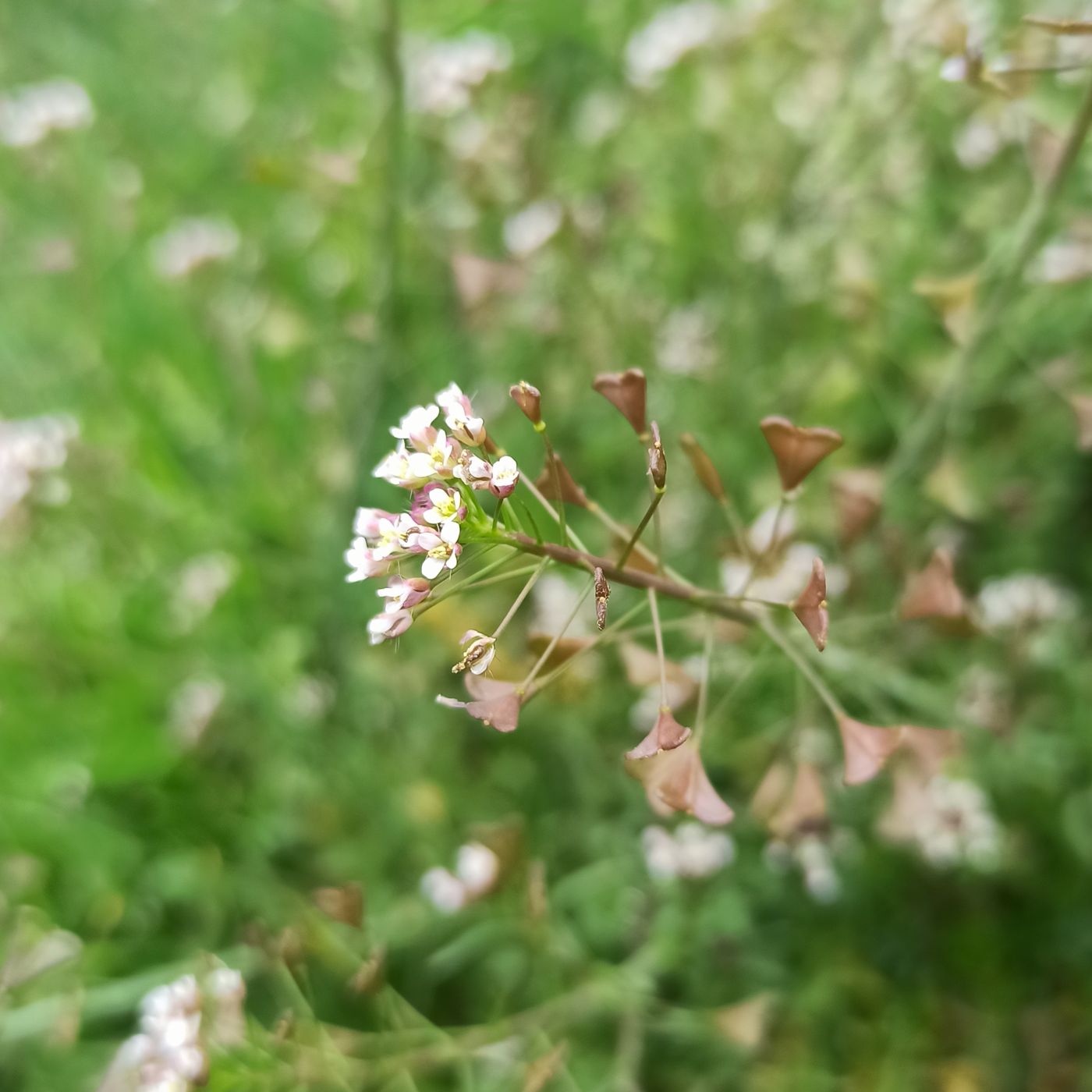 Naengi (shepherd's purse)냉이A low, ground-hugging wild green dug up root and all in late winter and early spring. Its nutty, earthy perfume defines naengi-muchim and naengi doenjang-guk, the first taste of spring on many Korean tables.
 Napa cabbage배추The tall, pale, tightly headed cabbage at the heart of Korea's best-known kimchi. Salted, layered with seasoning and left to ferment, it becomes baechu-kimchi; fresh, it goes into soups, wraps and quick salads.
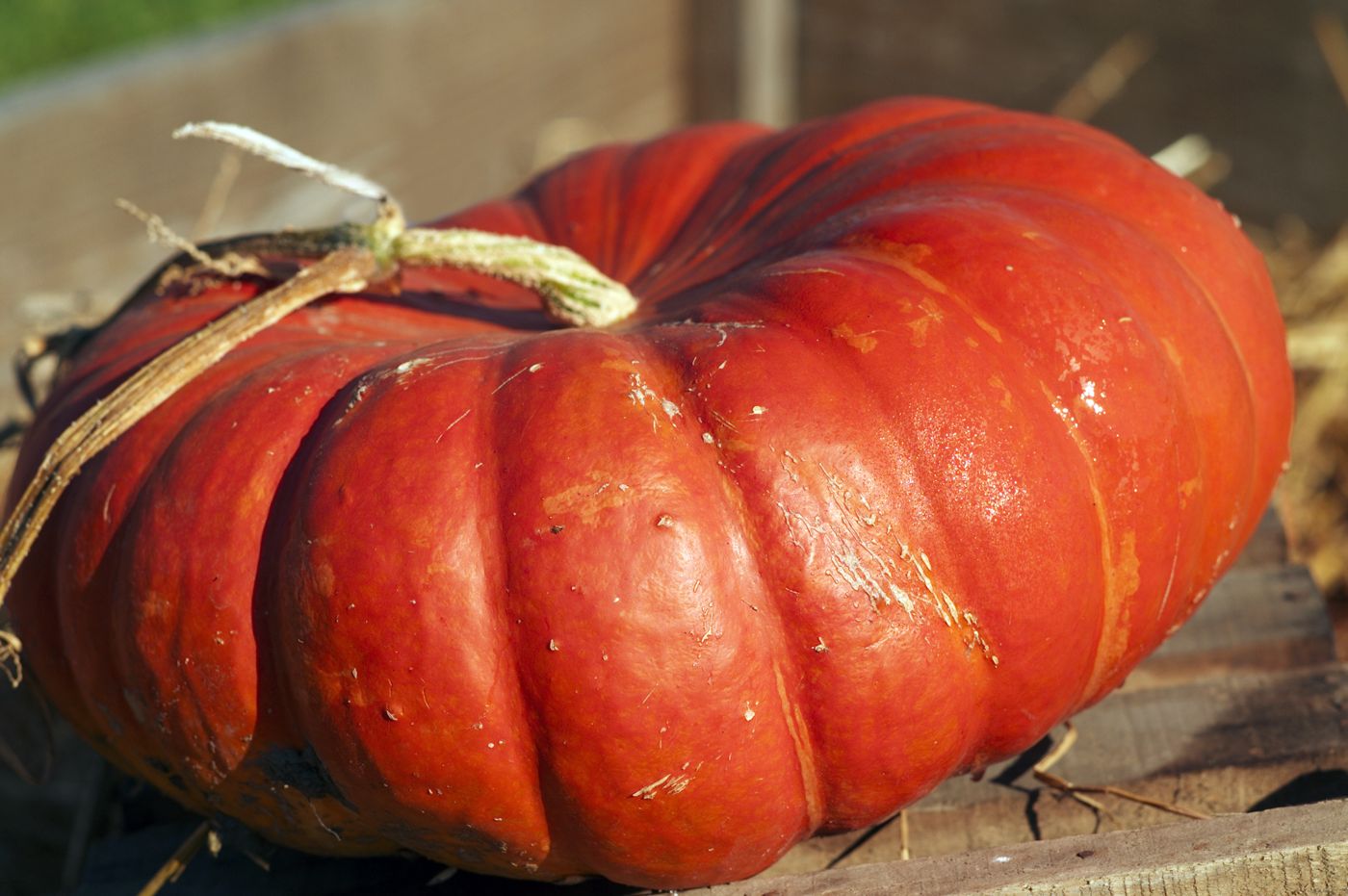 Neulgeun-hobak (mature Korean pumpkin)늙은호박The "old pumpkin": a Korean squash left on the vine until its rind turns hard and tawny and its flesh deep orange. Stored through winter, it is the pumpkin behind velvety hobak-juk porridge.
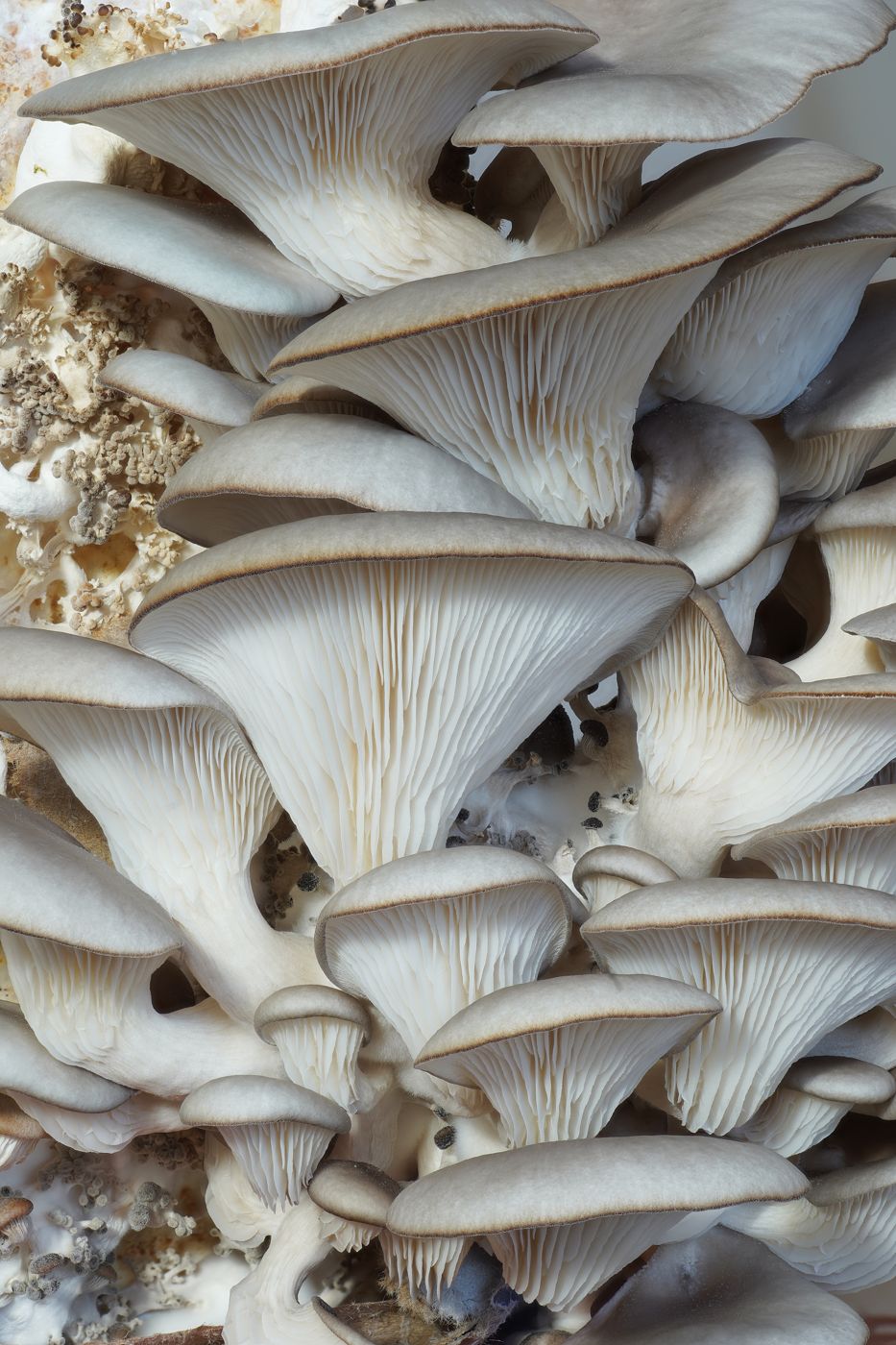 Neutari-beoseot (oyster mushroom)느타리버섯Soft gray-brown mushrooms with fan-shaped caps that grow in overlapping clusters. Mild and silky when cooked, they are Korea's everyday mushroom for namul, soups, stir-fries and jeon.
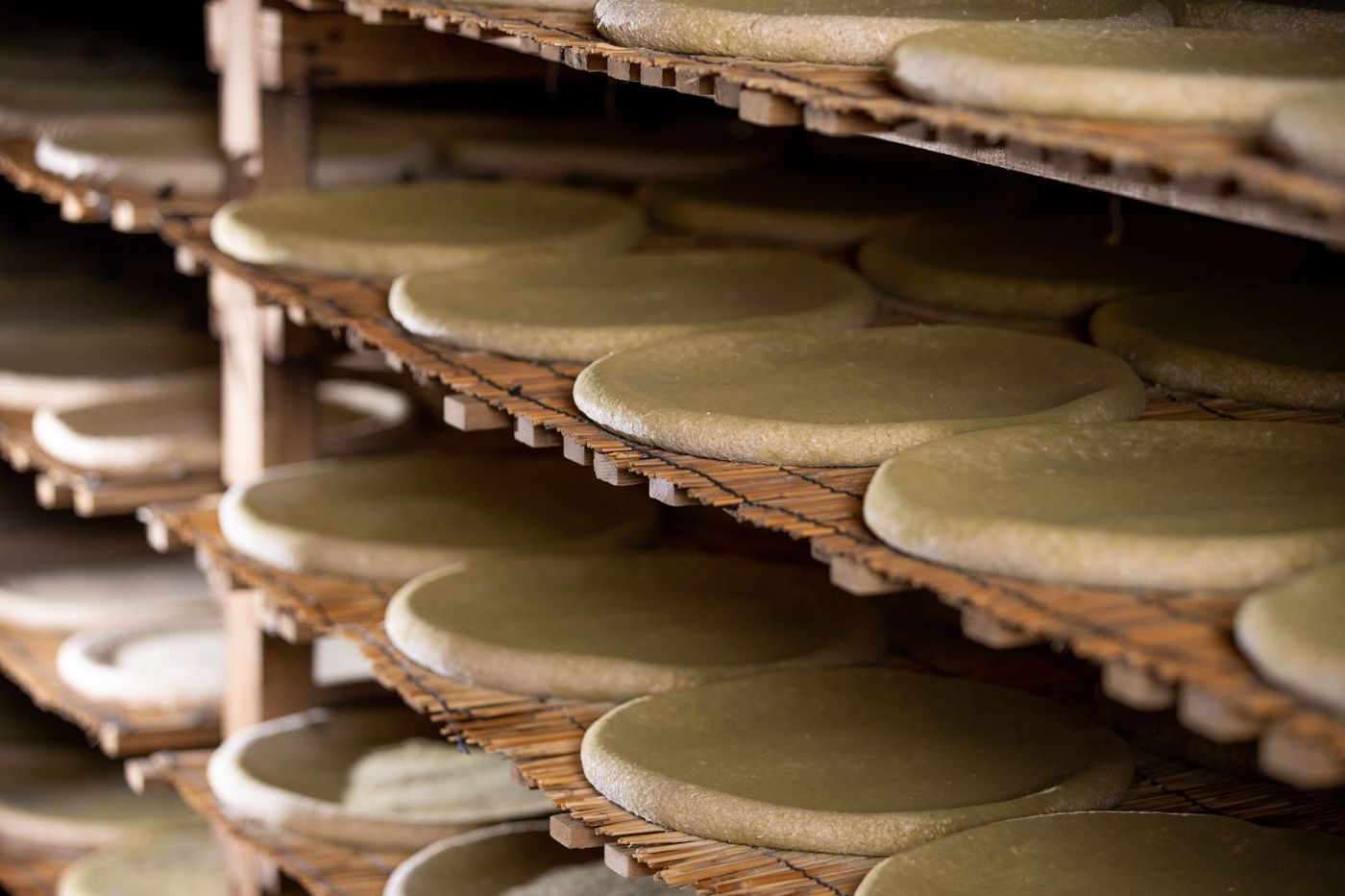 Nuruk (Fermentation Starter)누룩The traditional starter for Korean rice liquors (sul): crushed wheat or other grain pressed into cakes and left until molds and wild yeasts colonize it. It supplies the enzymes and yeasts that turn rice into makgeolli and yakju.
O
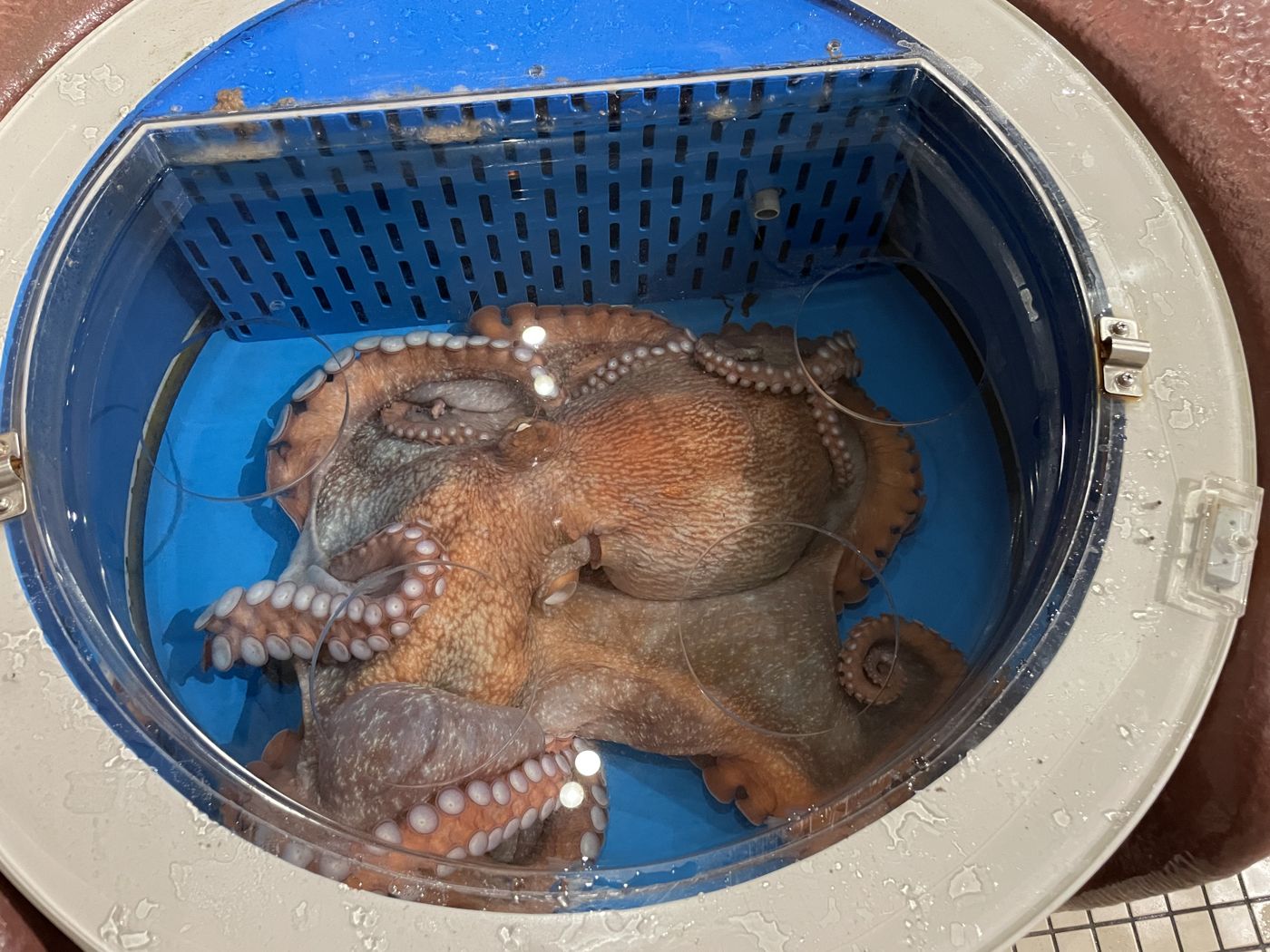 Octopus (muneo)문어Large octopus from the cold East Sea, boiled and sliced into pinkish-white rounds. In Andong and across North Gyeongsang, boiled muneo is a fixture of ancestral rites and feasts.
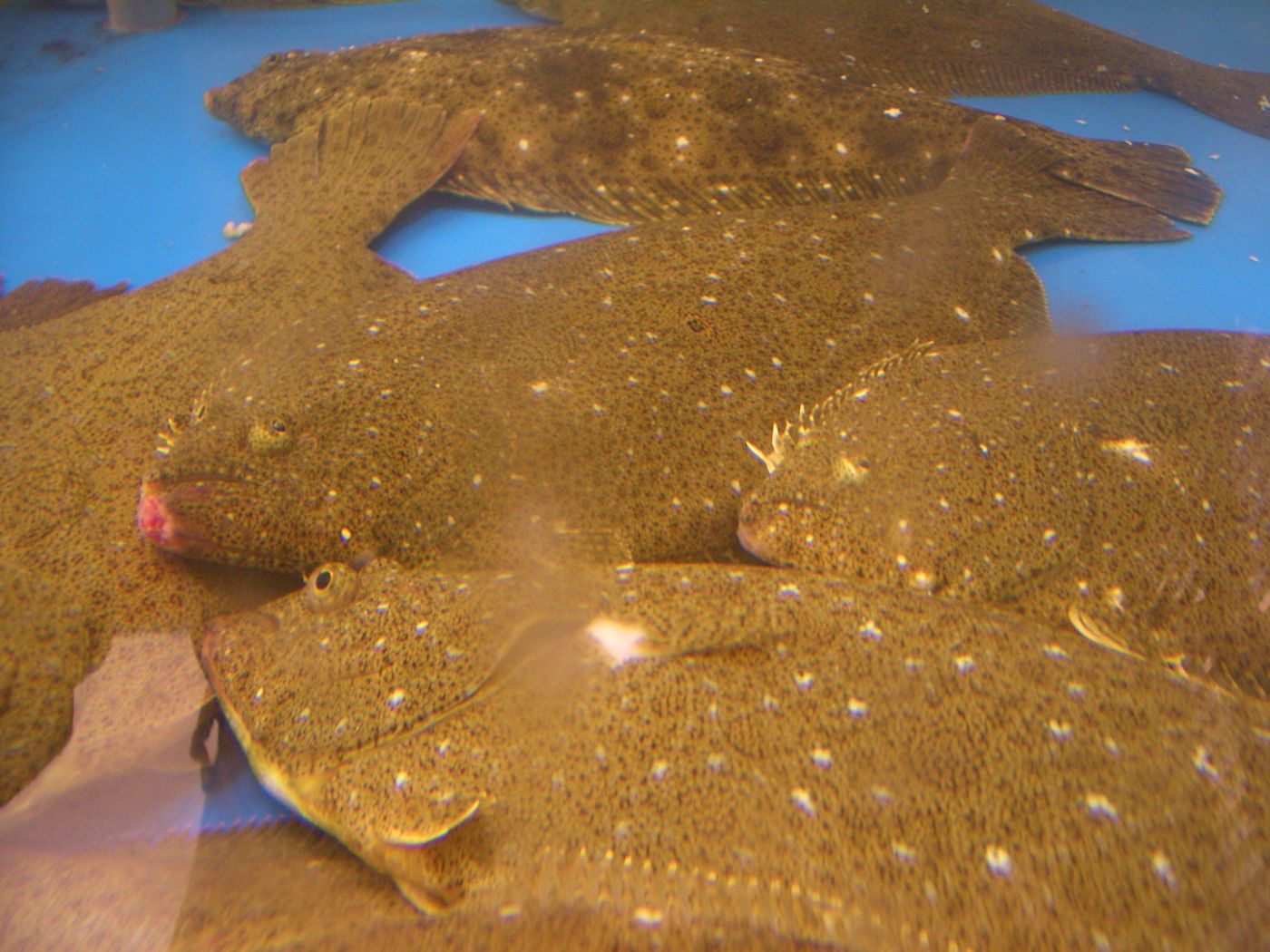 Olive flounder (gwangeo)광어Korea's most-farmed fish and the default choice for raw-fish hoe: a large, left-eyed flatfish raised mostly in shore tanks on Jeju and around Wando, prized for firm, clean white flesh.
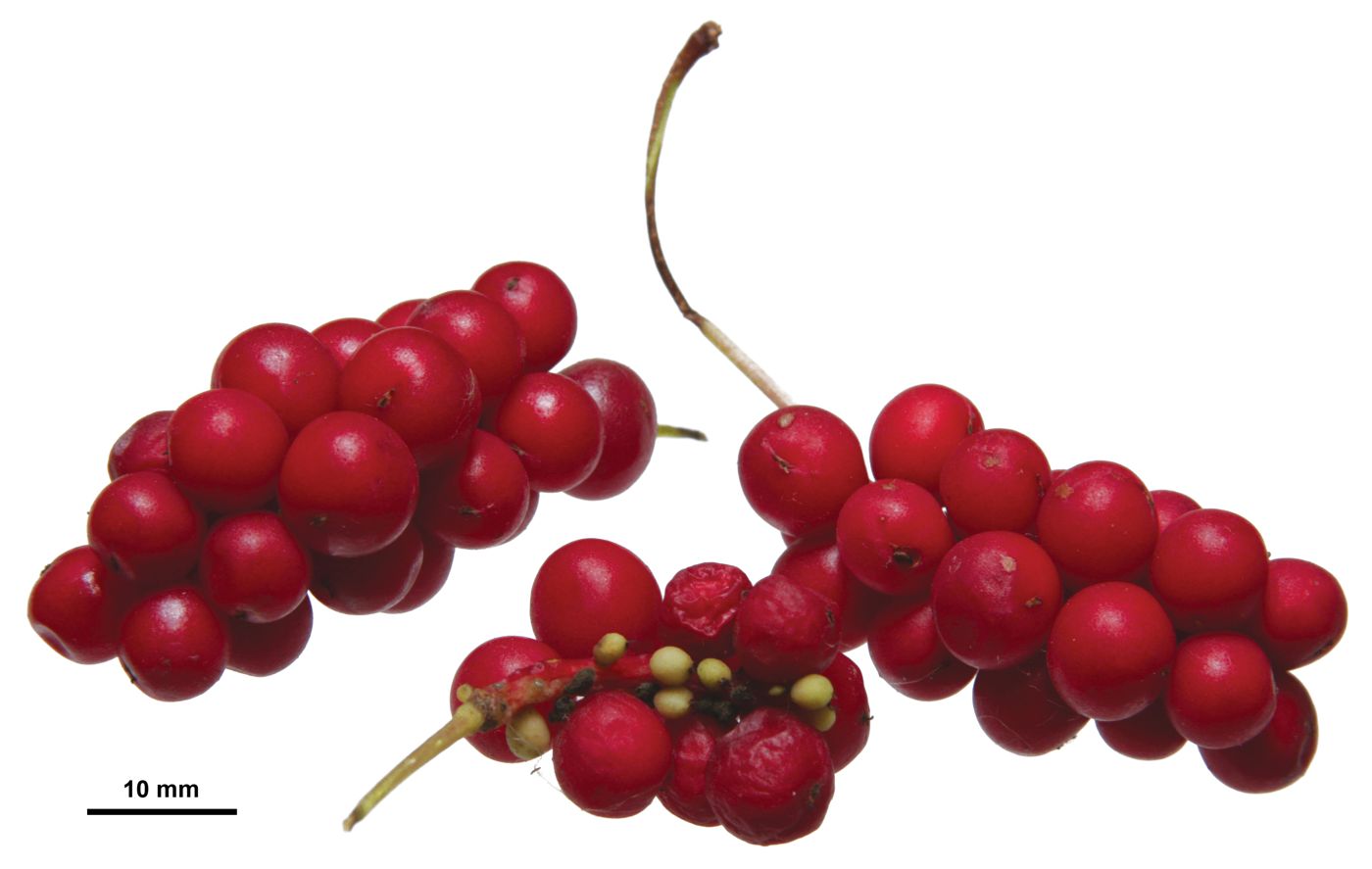 Omija (Schisandra Berry)오미자Small red berries of the Schisandra chinensis vine, named ‘five-flavor fruit’ for their sweet, sour, salty, bitter and pungent notes. They are steeped into a ruby tea, syrup and hwachae.
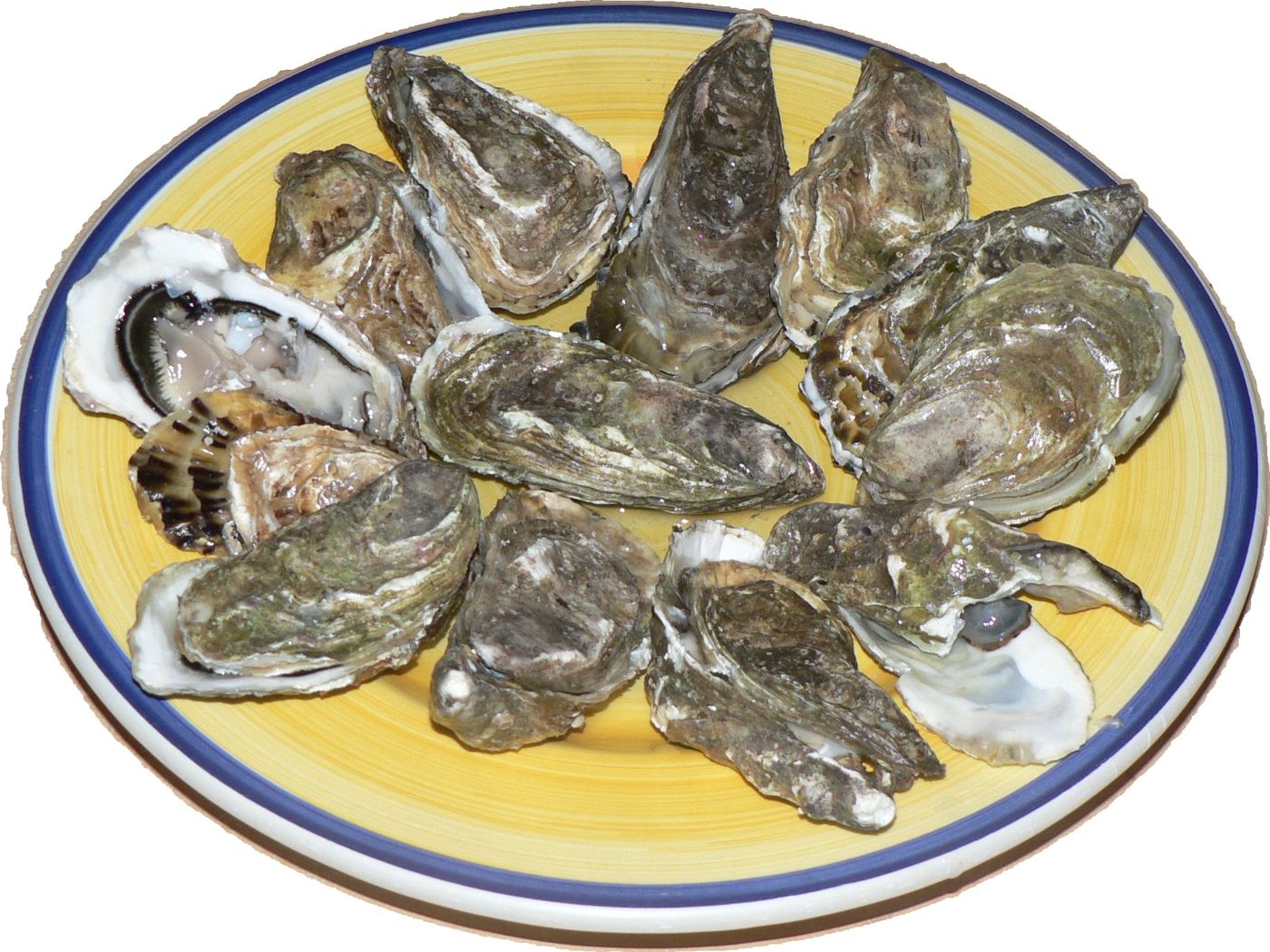 Oyster (gul)굴Plump, briny oysters, many of them grown on hanging lines in the bays around Tongyeong. Koreans eat them raw, cooked into rice, porridge, soup and pan-fried jeon, or salted with chili as eoriguljeot.
P
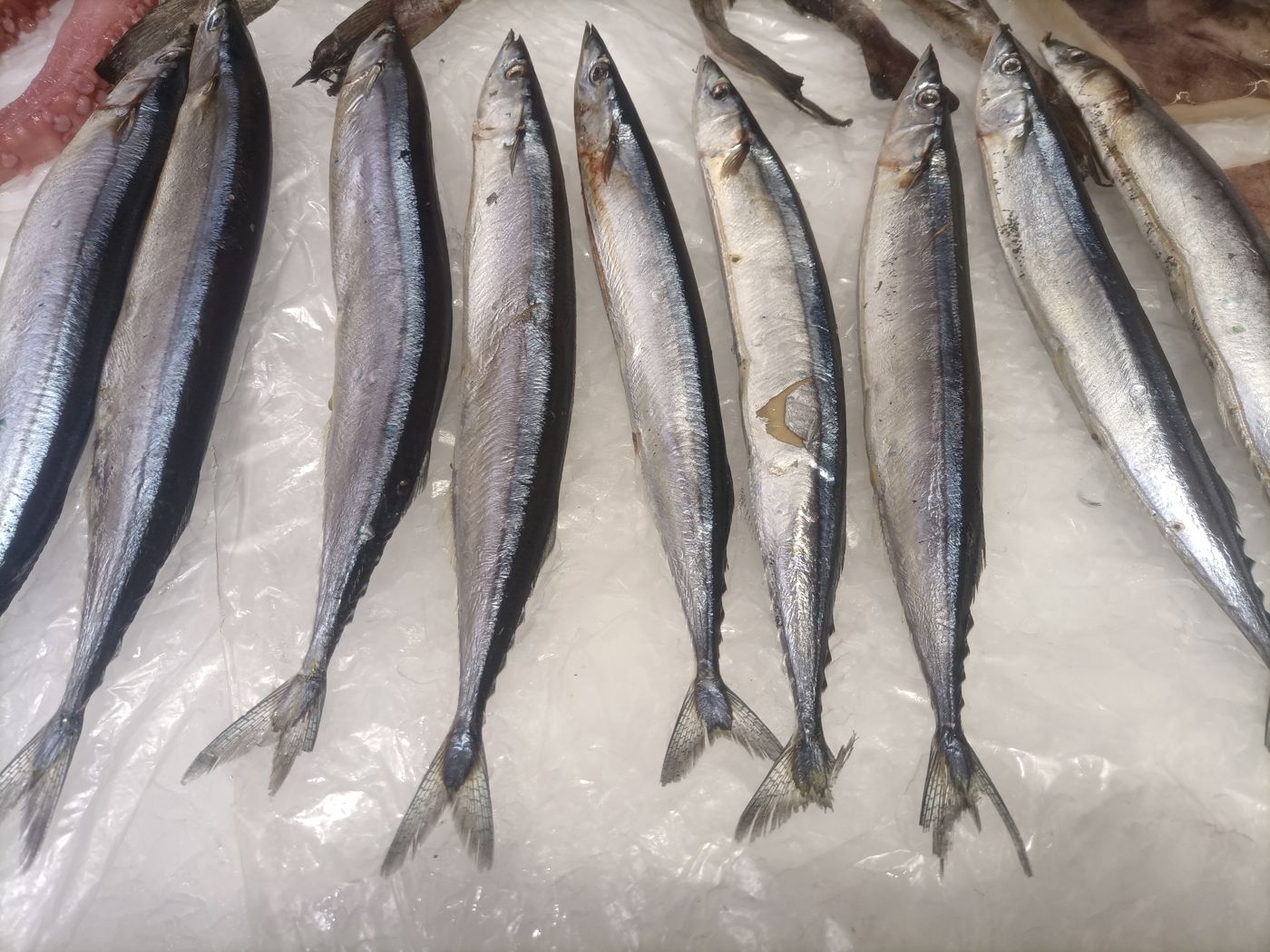 Pacific saury (kkongchi)꽁치A slender, oily autumn fish that Koreans grill, braise, simmer with kimchi from the can, and, around Pohang, wind-dry into gwamegi, the chewy winter delicacy eaten wrapped in seaweed.
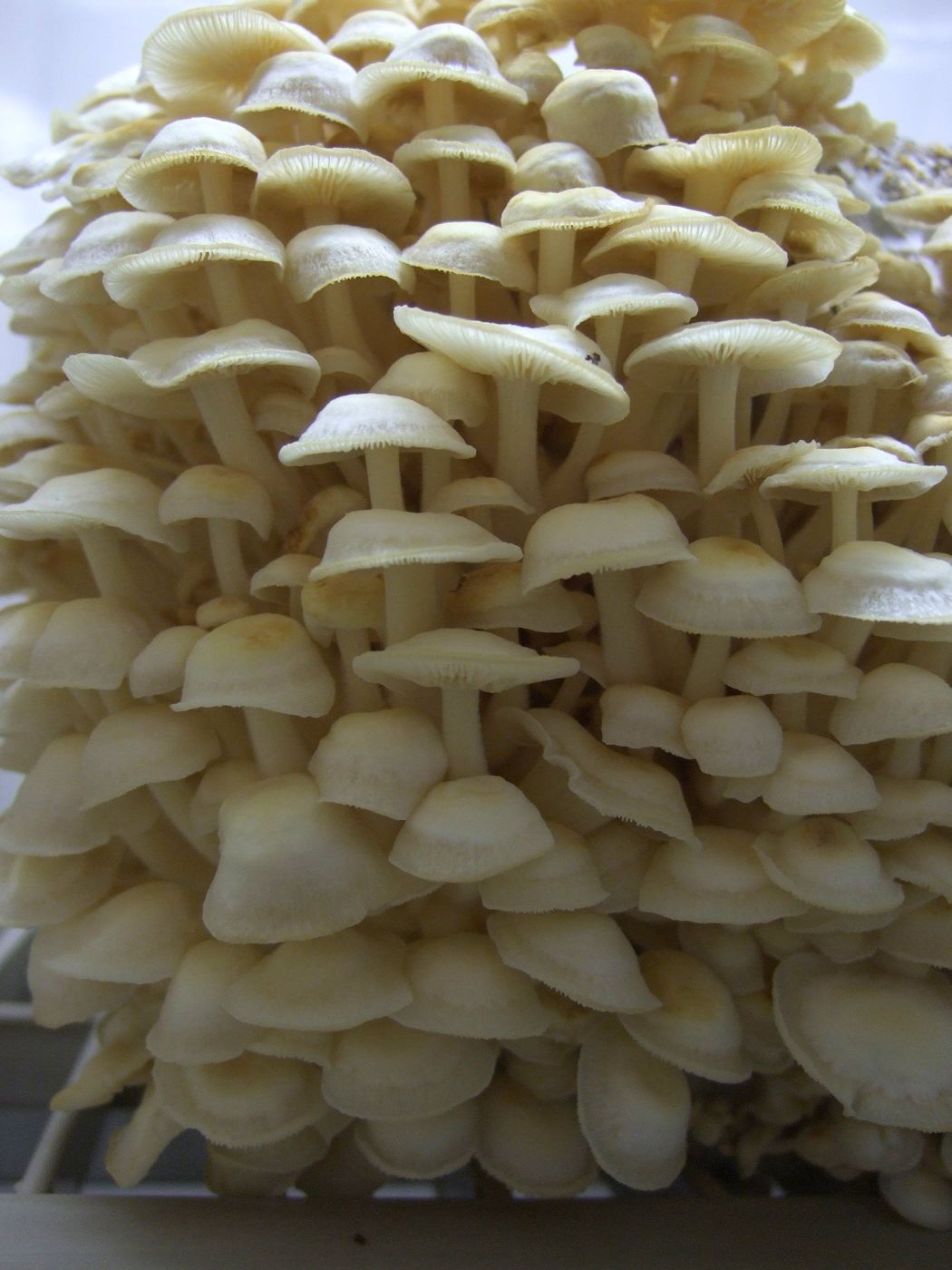 Paengi-beoseot (enoki mushroom)팽이버섯Long, slender, ivory-white stems topped with tiny caps, sold in tight bundles. Crisp-tender and mild, enoki is added at the last minute to stews and hot pots, and should always be eaten well cooked.
- Parae (green laver)파래Fine, bright-green seaweed gathered from tidal rocks and mudflats in winter. Its fresh ocean scent and gentle sweetness star in parae-muchim, often tossed with julienned radish and a vinegary dressing.
 Perilla깻잎Perilla leaves have a bold, minty-herbal scent. They are eaten fresh as a wrap, pickled in soy sauce, or layered with seasoning as kkaennip-jangajji.
- Perilla Seed Powder들깨가루Roasted perilla seeds ground to a coarse, oily powder, sold whole or hulled. Stirred into soups and stews it makes them creamy and nutty; tossed with namul it adds body and fragrance.
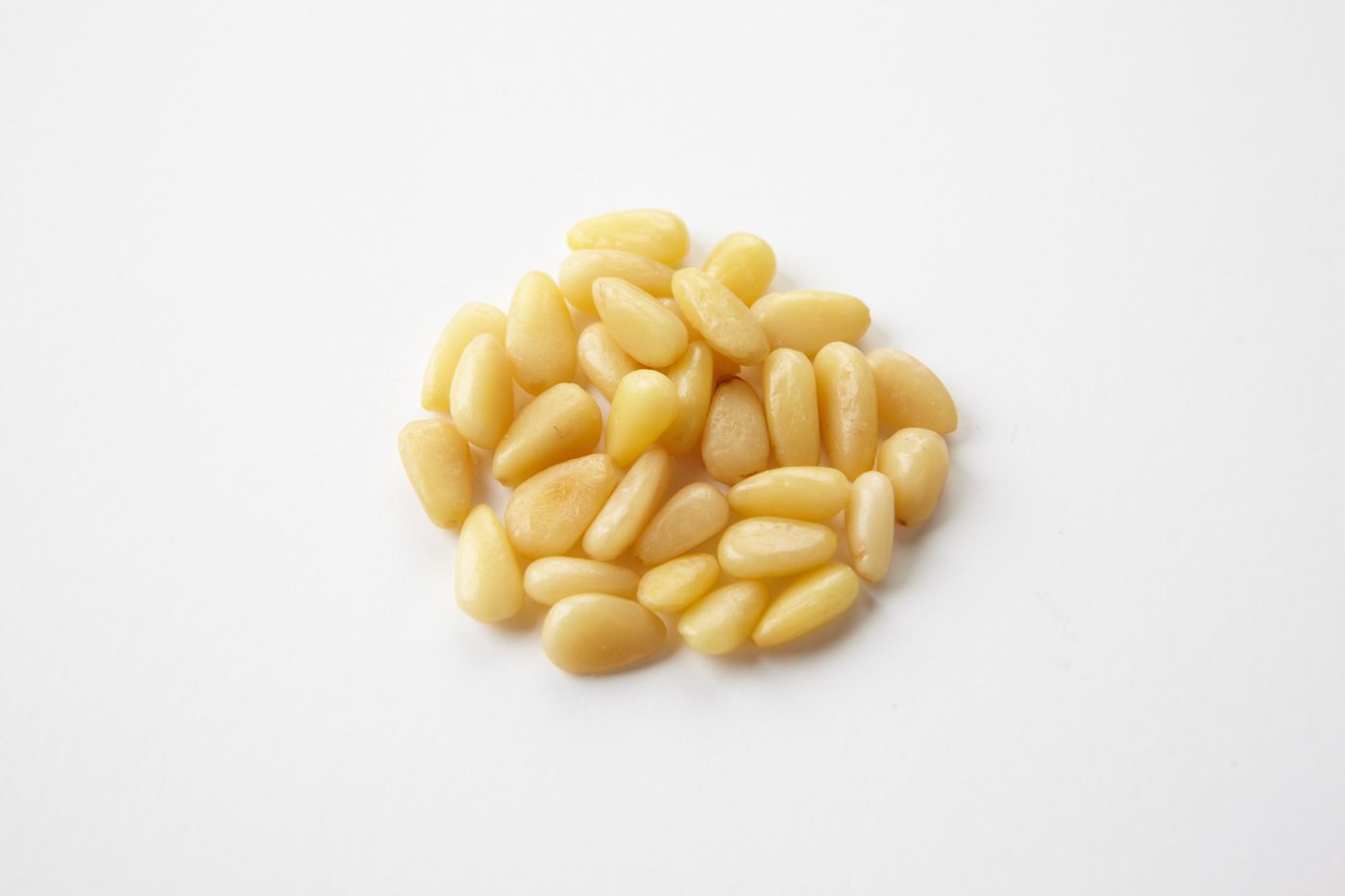 Pine nuts잣Creamy, ivory seeds of the Korean pine, scattered as a finishing garnish on punches, porridges and braises, or ground into the delicate porridge jatjuk. Gapyeong in Gyeonggi-do is the country's pine-nut capital.
- Pollock roe (myeongnan)명란The paired roe sacs of the Alaska pollock, most often salt-cured and seasoned as myeongnan-jeot. It is eaten in slices with sesame oil, grilled, or stirred into steamed eggs and stews.
 Pork (dwaeji-gogi)돼지고기Korea's most widely eaten meat, prized cut by cut: fatty belly for samgyeopsal, neck for the grill, lean legs for boiled suyuk and stir-fried jeyuk. Pork also anchors Jeju Island's feast cooking.
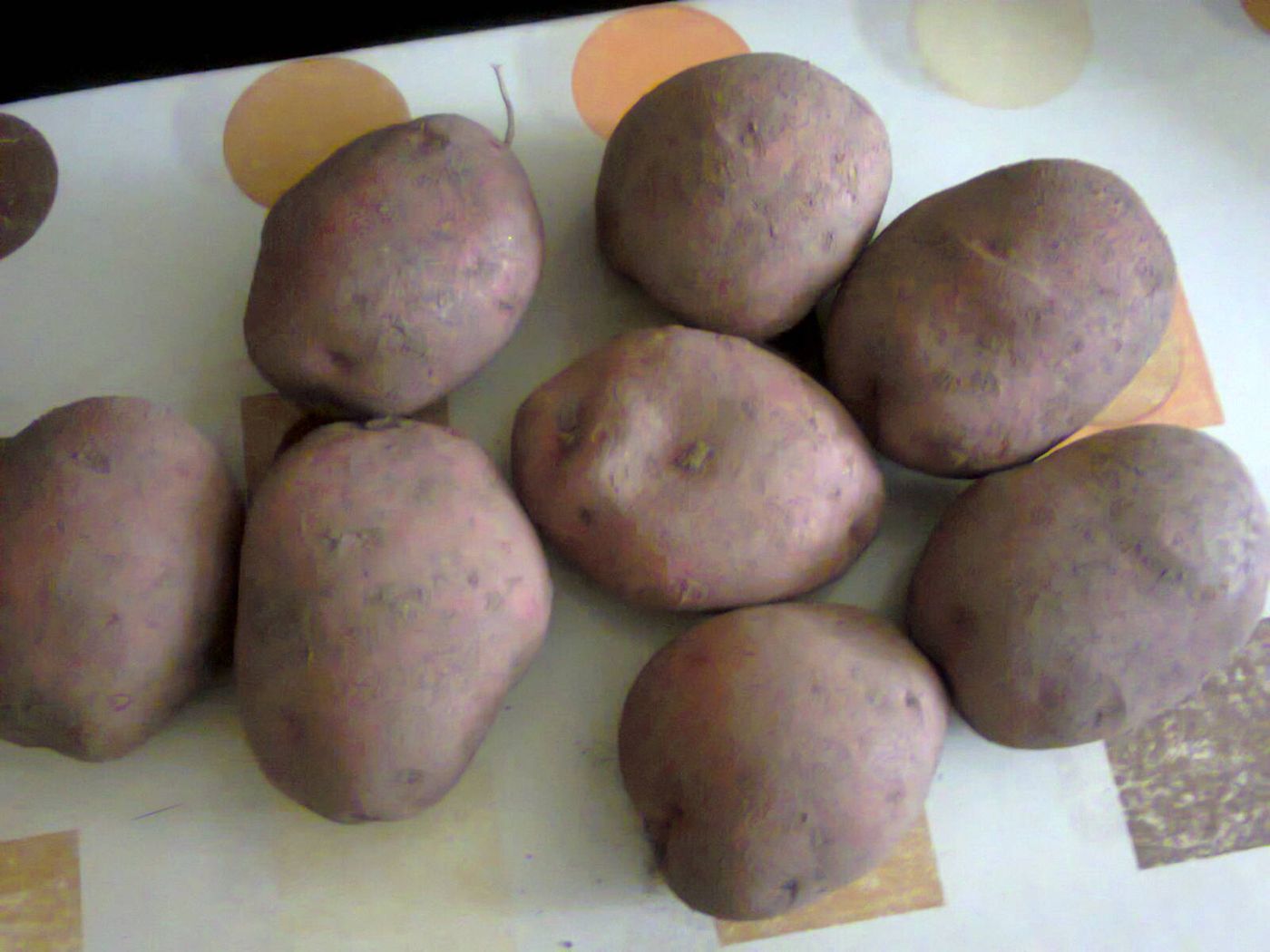 Potato감자A relatively recent arrival that became a mainstay of the mountain provinces. Braised in soy sauce as gamja-jorim, stir-fried in fine matchsticks, grated into crisp gamja-jeon and simmered in countless soups.
Q
R
- Red sea bream (domi / chamdom)도미The rosy red sea bream, chamdom, is Korea's festive white fish: steamed whole for birthdays and weddings, set on ancestral-rite tables, and sliced as sashimi. Its head is said to be the best part.
 Rice쌀Short, round grains of japonica rice that cook up glossy, soft and gently clinging. Steamed white rice, bap, is the center of the Korean table: every banchan, soup and stew is planned to be eaten with it.
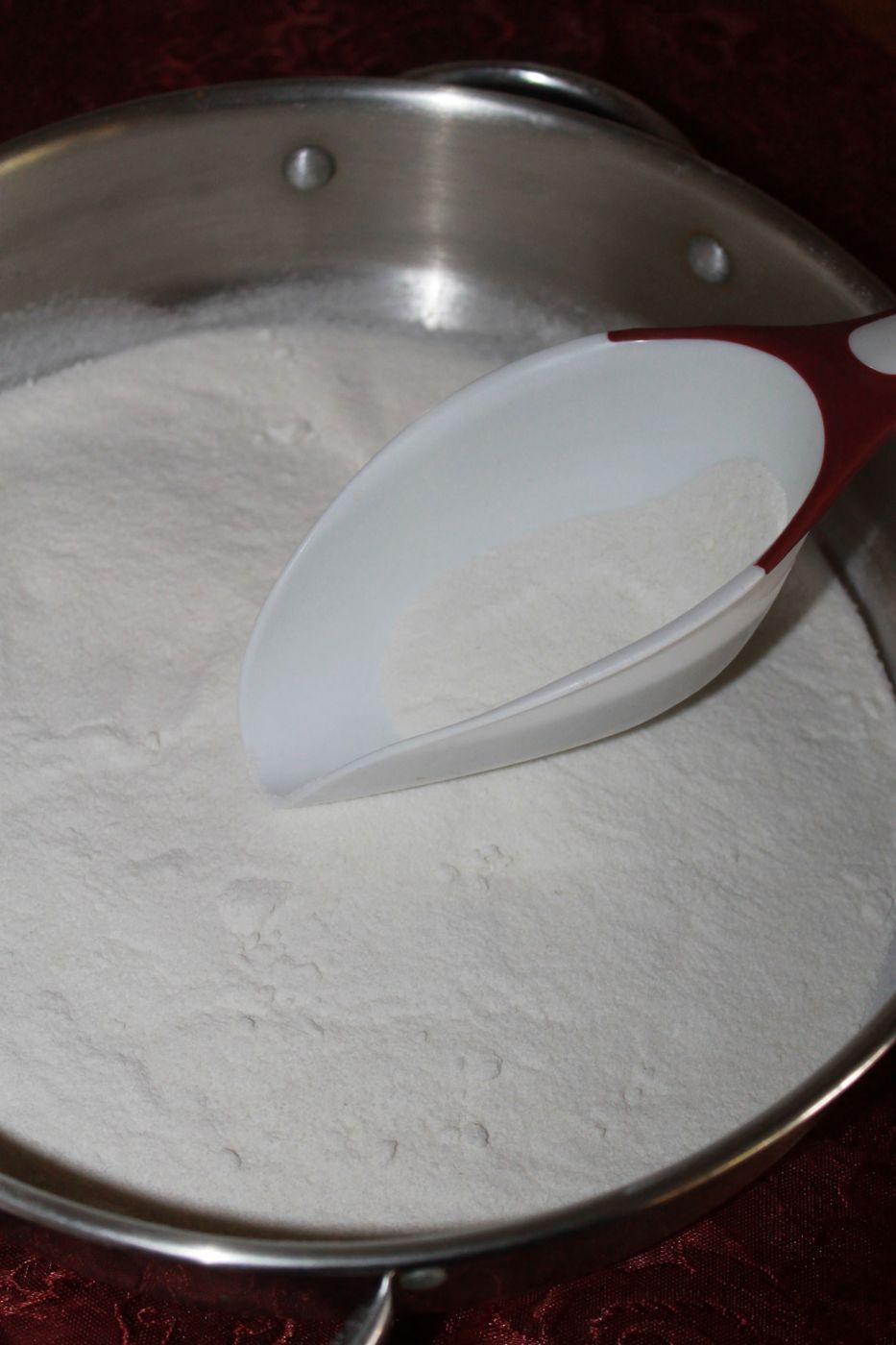 Rice flour쌀가루Flour ground from rice — usually non-glutinous maepssal for steamed cakes and rice-cake sticks, glutinous chapssal for chewy, pounded or fried ones. It is the essential ingredient of tteok, and how it is milled shapes the texture of the finished cake.
S
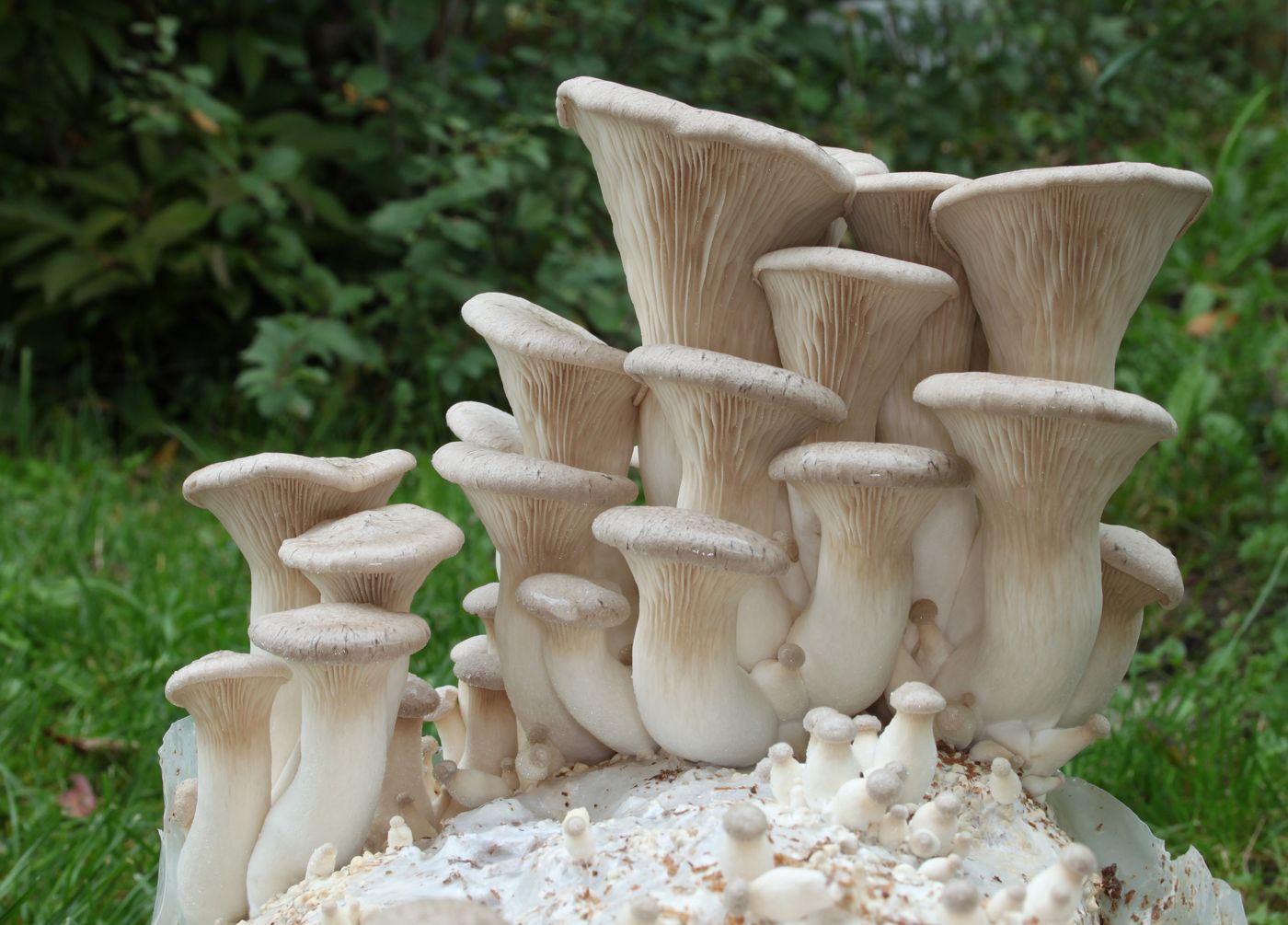 Saesongi-beoseot (king oyster mushroom)새송이버섯A thick, ivory-stemmed mushroom with a small brown cap, firm enough to slice into coins or planks. Meaty and mild, it is grilled with samgyeopsal, braised, stir-fried and pan-fried across Korean home cooking.
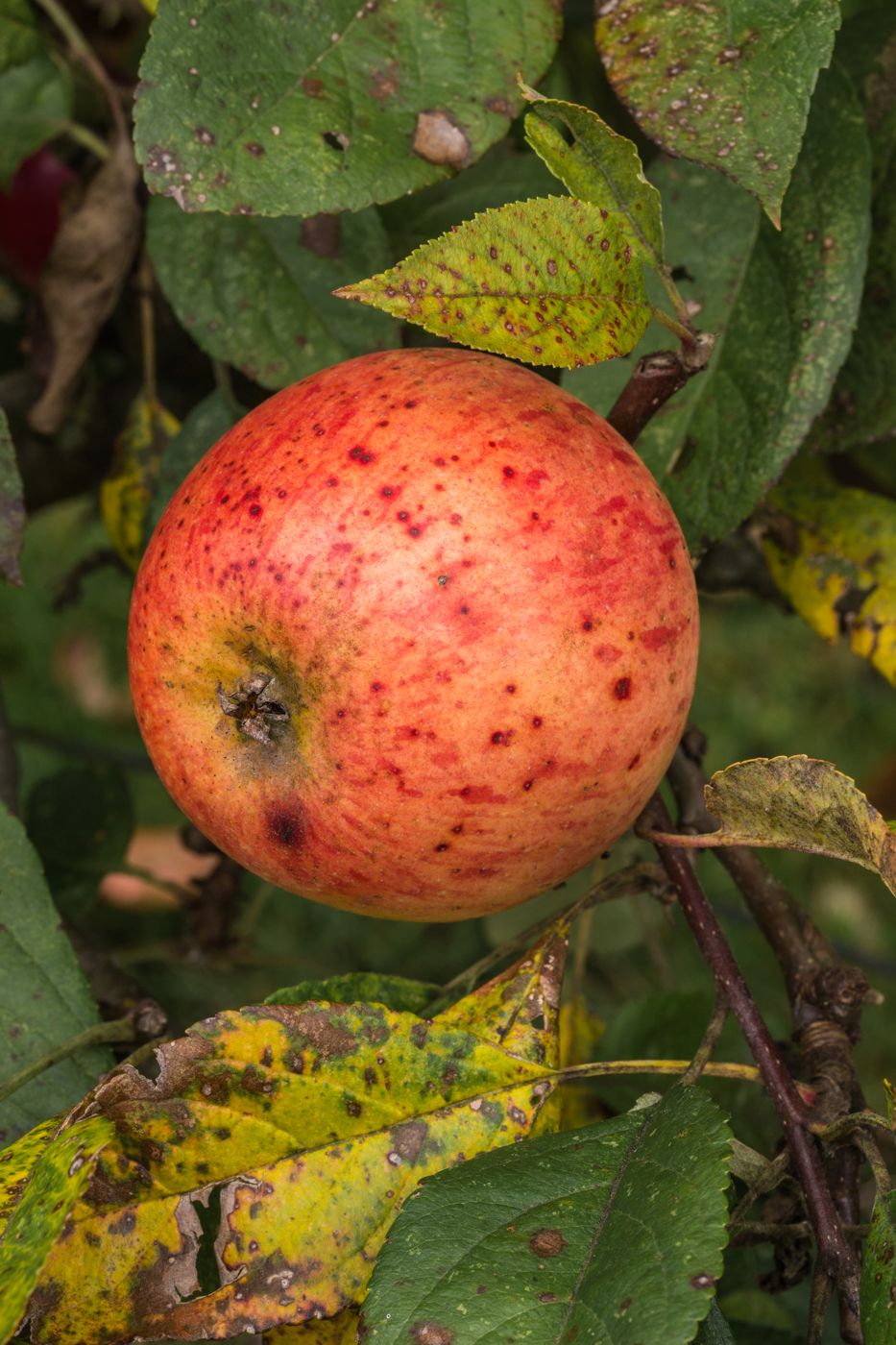 Sagwa (apple)사과Korea's everyday fruit and the classic ending to a meal, sliced and shared at the table. Crisp, juicy Fuji-type apples dominate; they also sweeten kimchi seasoning, marinades and dipping sauces.
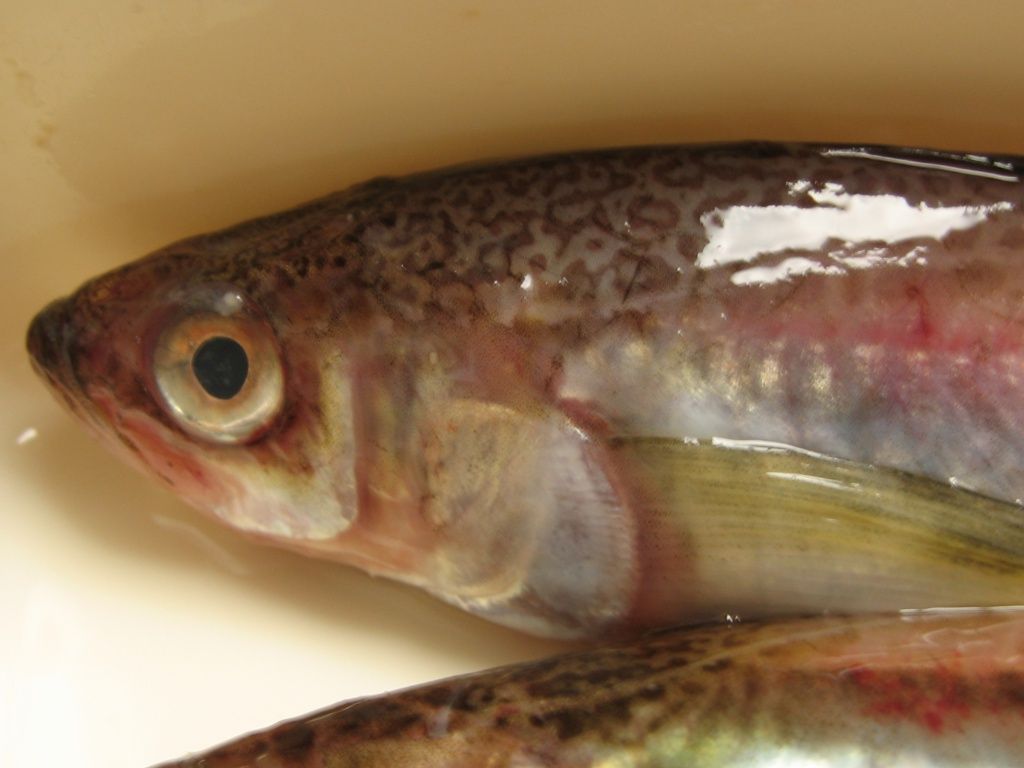 Sailfin sandfish (dorumuk)도루묵A small, scaleless fish of the East Sea that comes inshore in early winter to spawn. Cooks prize the females for their roe and braise, grill or stew the whole fish. Its name comes from a well-known folktale.
 Salted fermented shrimp새우젓Tiny shrimp packed in salt and left to ferment — a jeotgal (salted seafood) that seasons kimchi and stews and accompanies boiled pork with briny, savory depth.
- Sand Lance Fish Sauce까나리액젓A salty, savory fish sauce made by fermenting small sand lance (kkanari) in salt for well over a year. A west-coast specialty of Baengnyeong Island, it seasons kimchi, soups and namul.
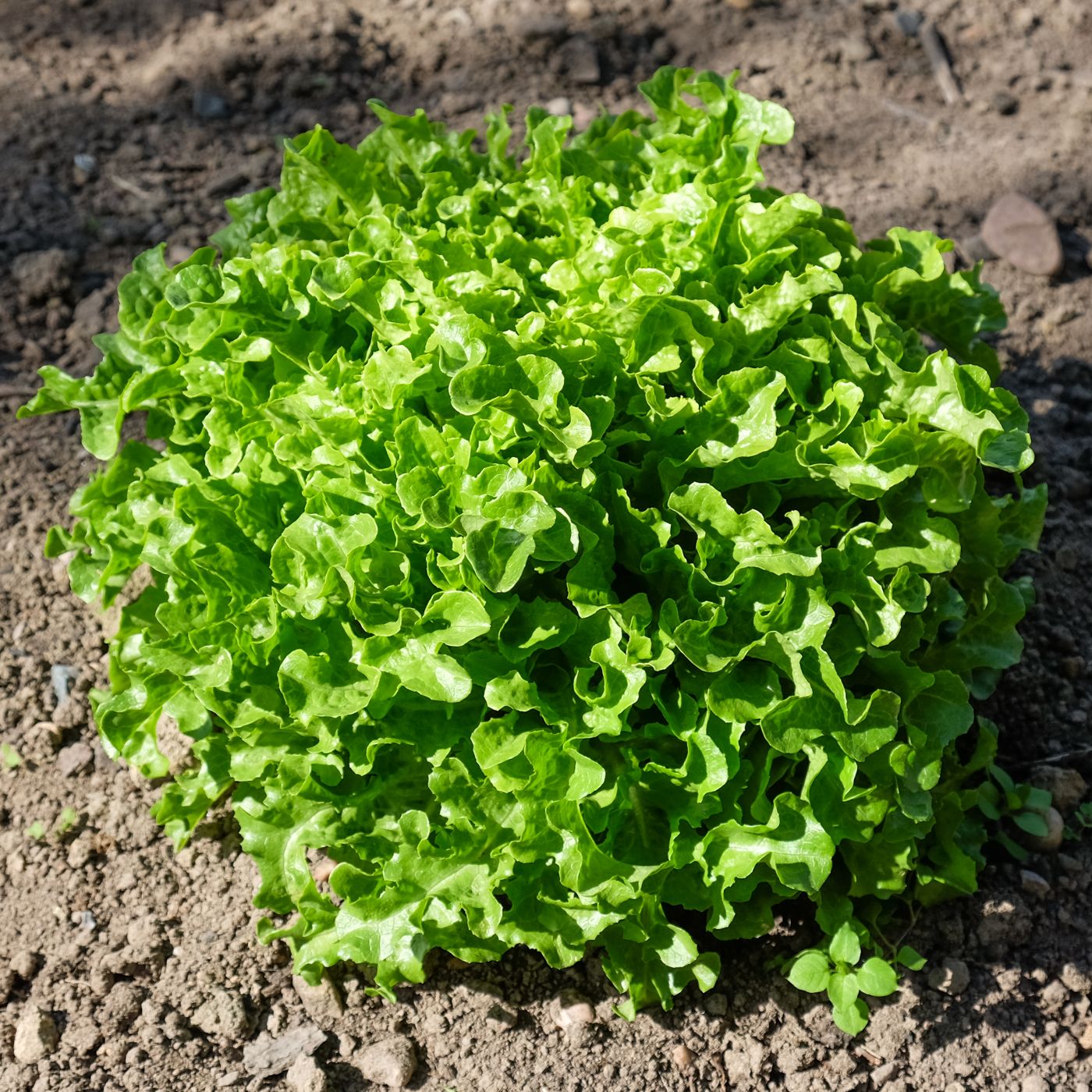 Sangchu (lettuce)상추Soft, loose-leaf lettuce, green or red-tinged, that anchors the Korean habit of ssam: wrapping rice, grilled meat and a dab of ssamjang in a fresh leaf. It is also dressed quickly as sangchu-geotjeori.
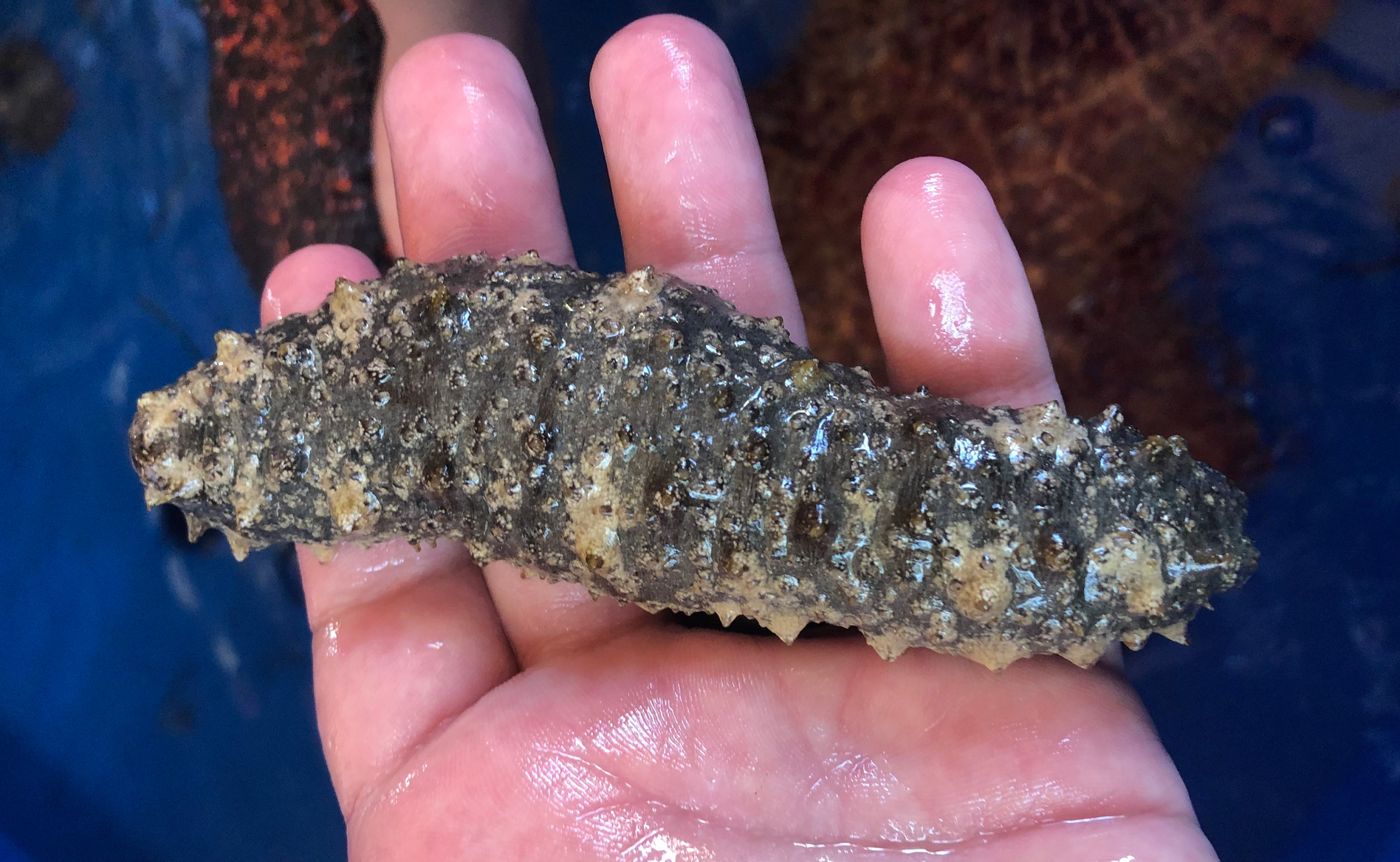 Sea cucumber (haesam)해삼A soft-bodied echinoderm eaten raw with vinegared chili paste in Korea and, once dried, treated as a luxury that appeared on Joseon royal banquet tables. Its name means "sea ginseng."
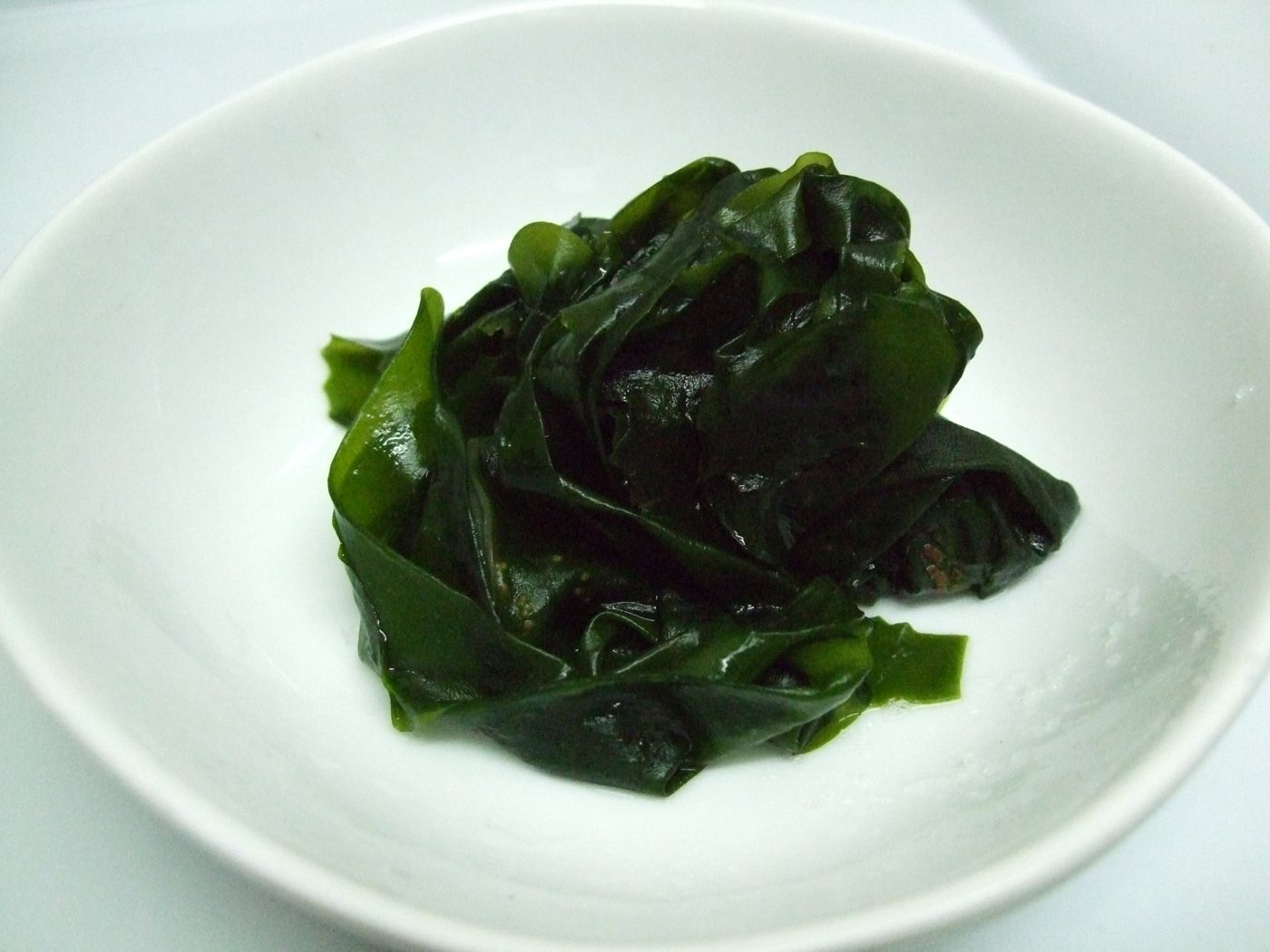 Sea mustard (miyeok, wakame)미역A tender brown seaweed sold dried in dark, crinkled strands that swell many times over in water. Simmered into miyeok-guk, it is the soup of birthdays and of a mother's first meals after giving birth.
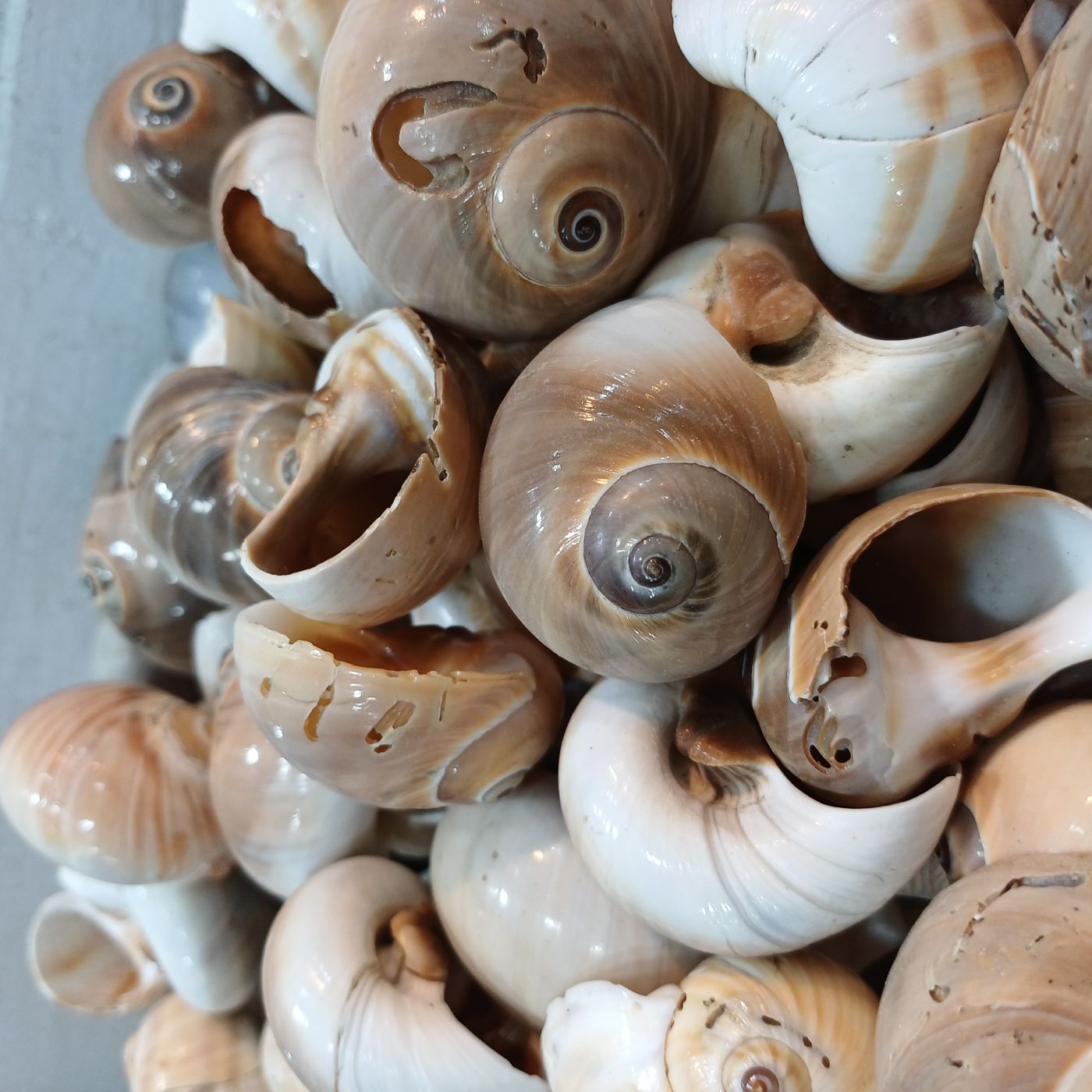 Sea snail / whelk (golbaengi)골뱅이A chewy marine snail, mostly canned and imported, tossed with chili, vinegar, vegetables and noodles into golbaengi-muchim, one of Korea's best-loved snacks to eat with beer.
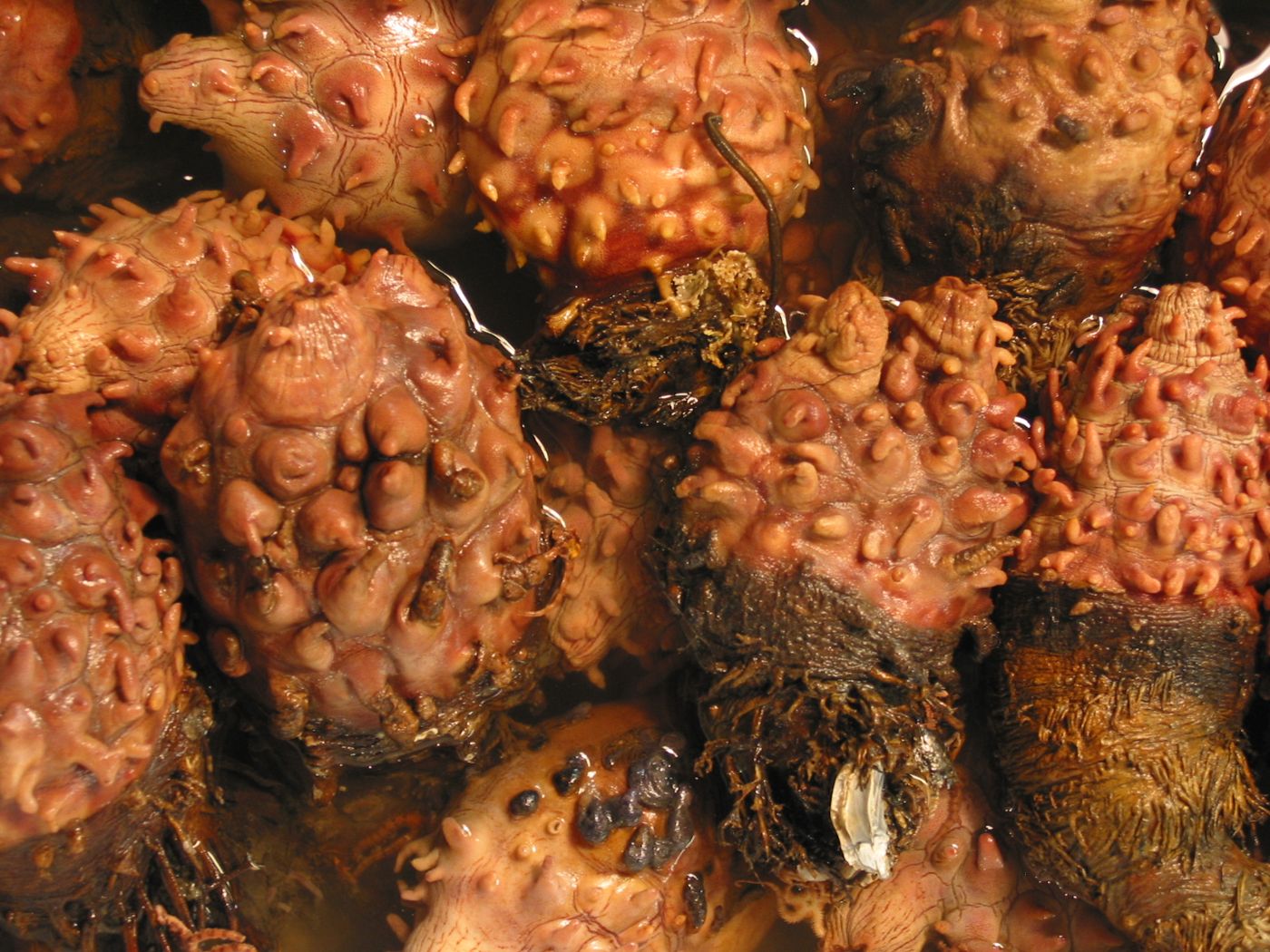 Sea squirt (meongge)멍게A knobbly orange-red sea creature with a bracing, oceanic sweetness and a bitter-iodine finish. Most of Korea's supply is farmed around Tongyeong and Geoje, and it is eaten raw or tossed over rice in spring.
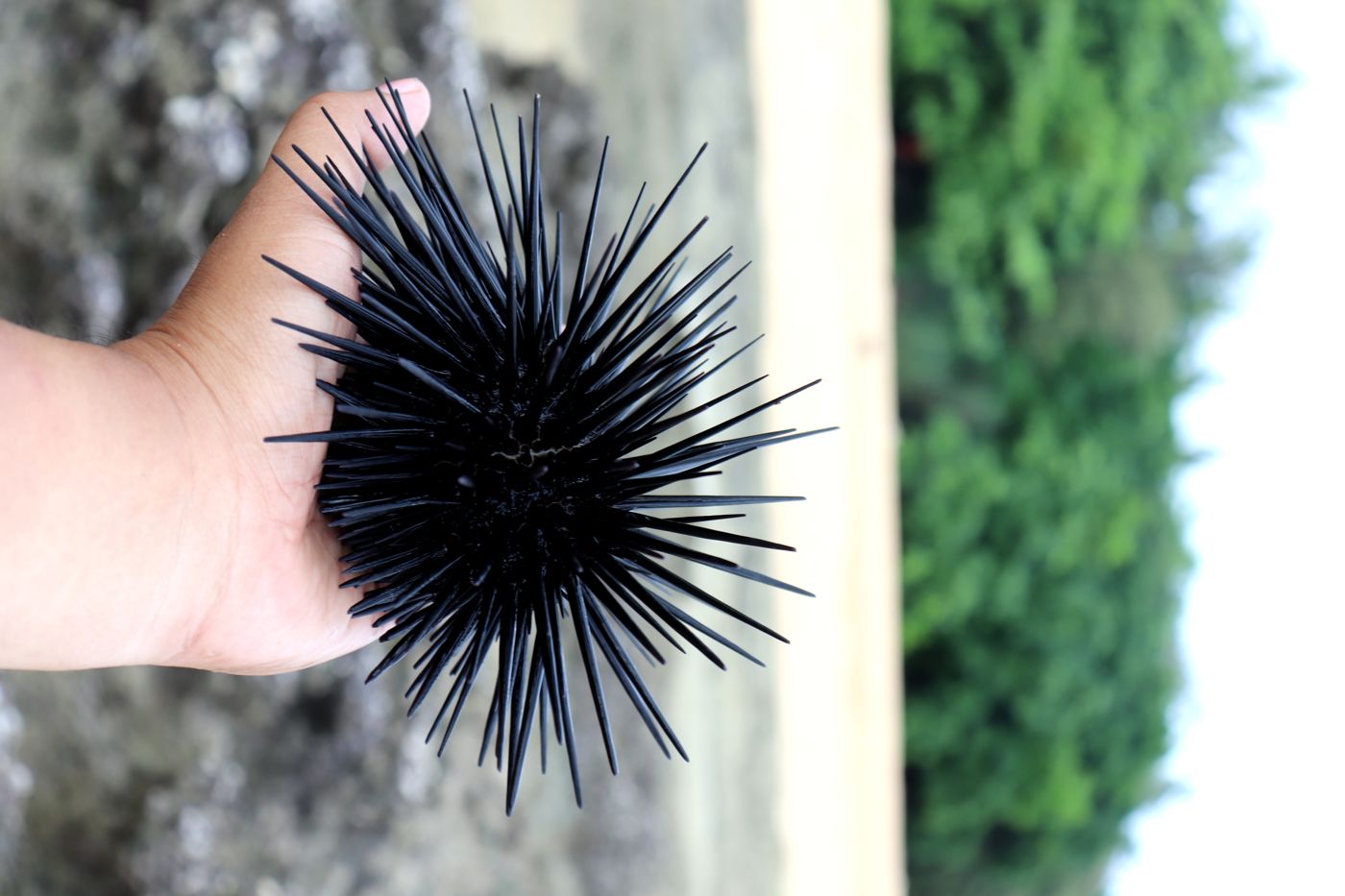 Sea urchin (seonggye)성게Spiny sea urchins whose golden roe is scooped out and eaten raw, folded into rice, or simmered with seaweed. On Jeju, haenyeo divers gather them in early summer and cook them into a celebratory seaweed soup.
 Sesame참깨Toasted sesame seeds and sesame oil (chamgireum) finish countless Korean dishes, adding a nutty aroma and gloss.
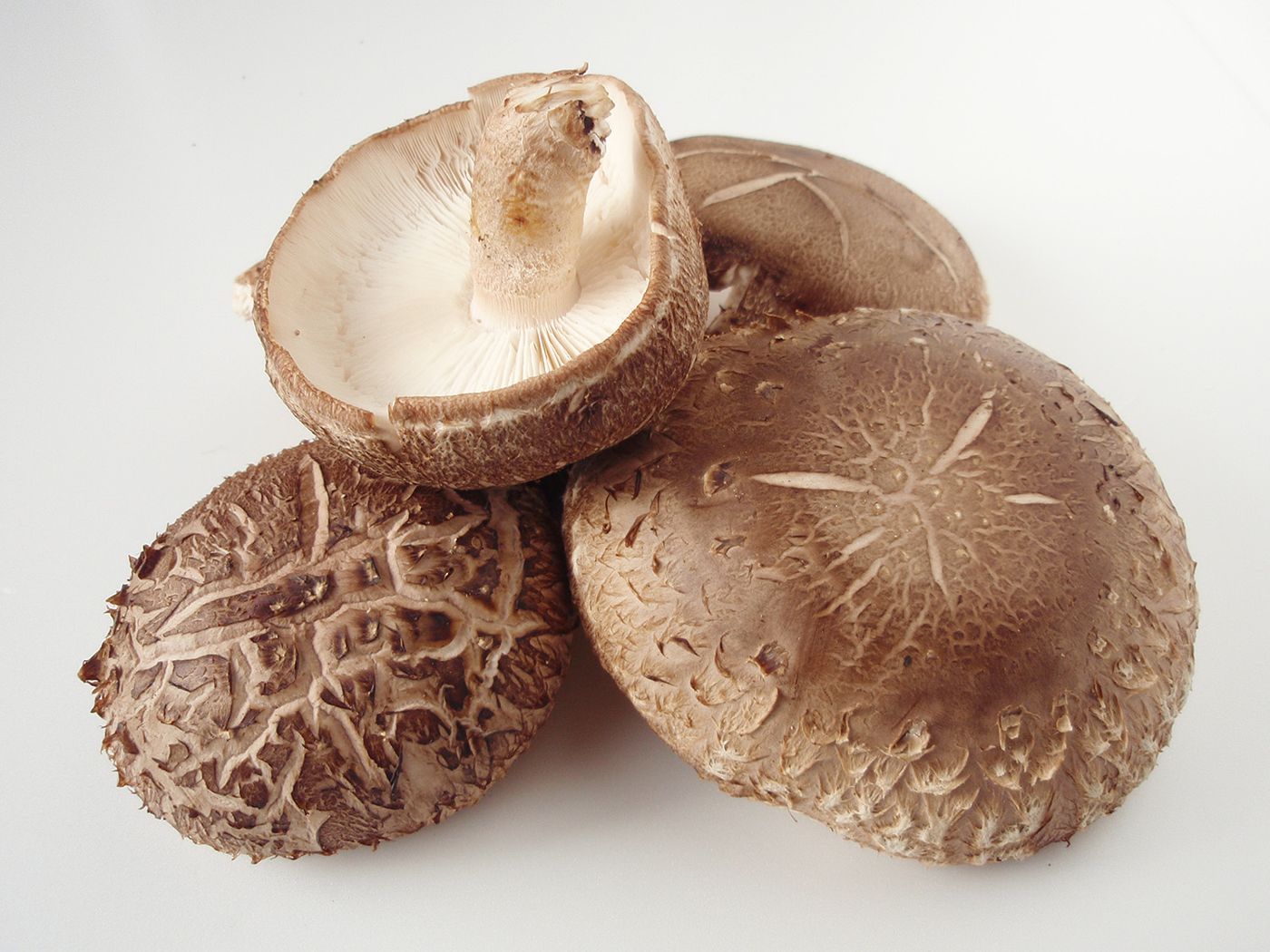 Shiitake mushroom표고Dark-capped, meaty mushrooms known in Korean as pyogo or pyogo-beoseot. Used fresh in stir-fries and pan-fried dishes, and dried for a deeply savory broth and an intensely aromatic bite.
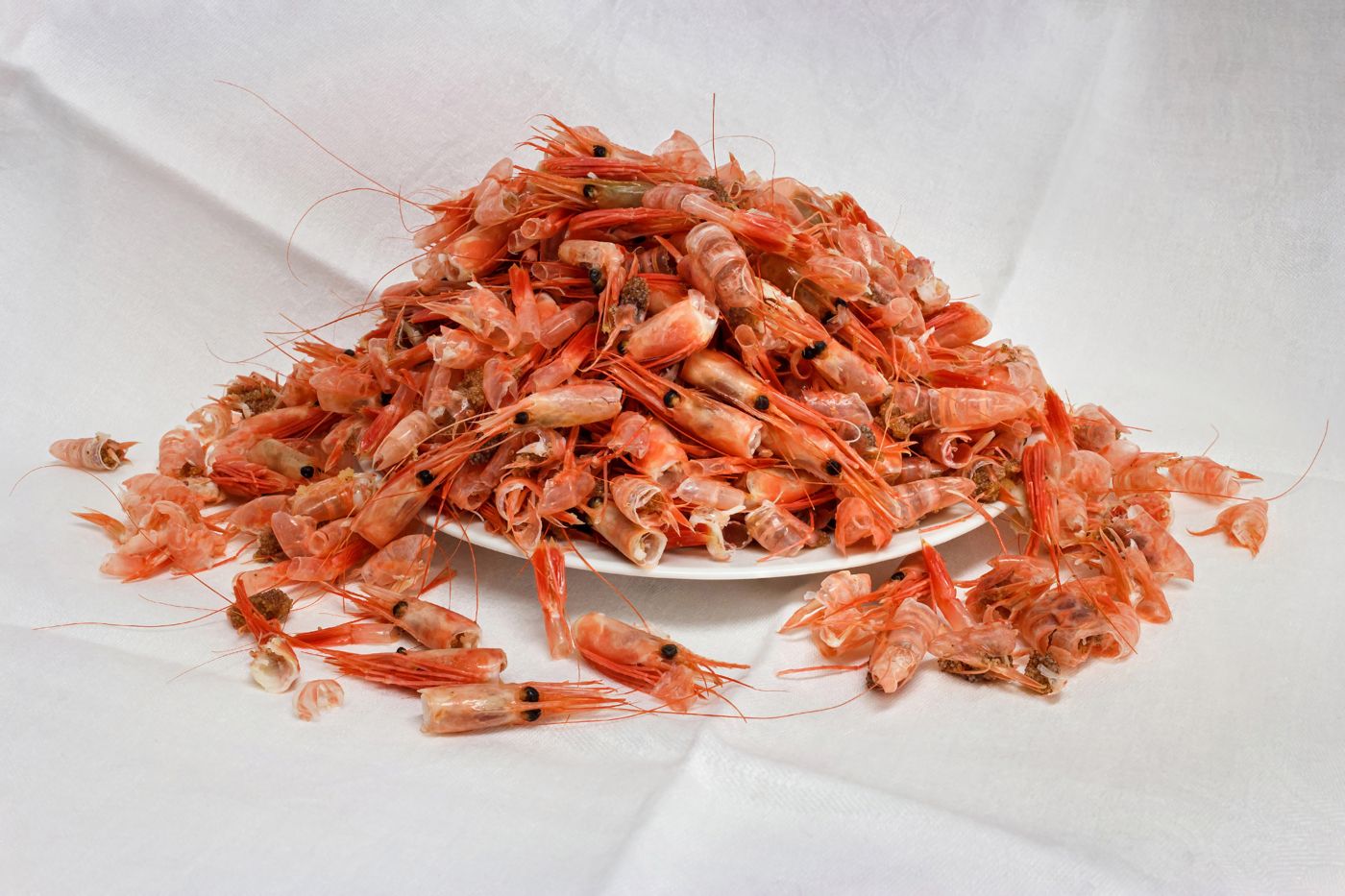 Shrimp (saeu)새우Shrimp in every size, from the tiny jeotsaeu salted to season kimchi to the large daeha. Mostly a West Sea catch, shrimp turn up across the Korean table, fresh, fried, braised and dried.
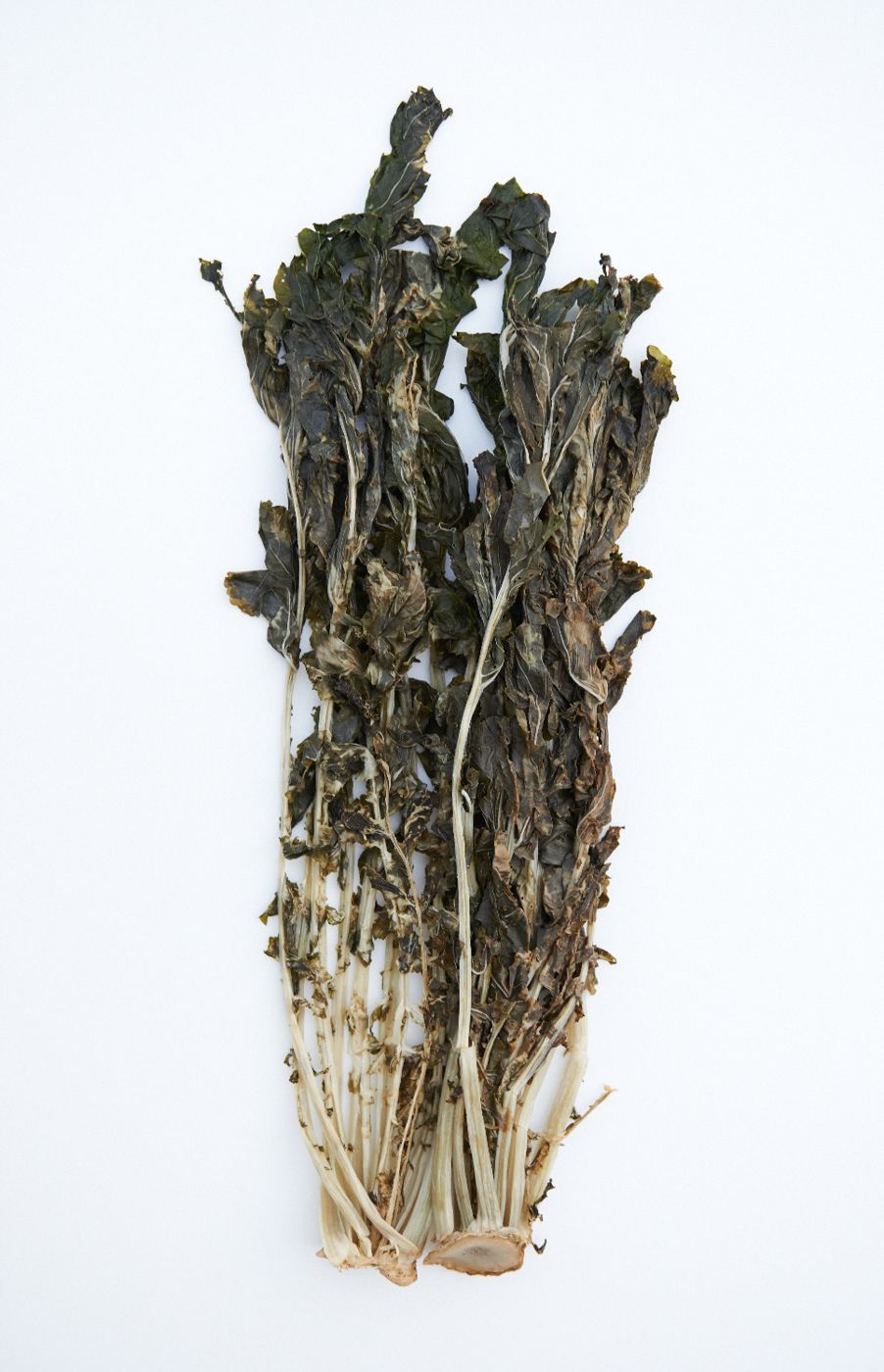 Siraegi (dried radish greens)시래기Radish tops dried in the shade until dark and brittle, then soaked and simmered back to tenderness. A winter staple for earthy namul, doenjang soups and rice cooked with greens.
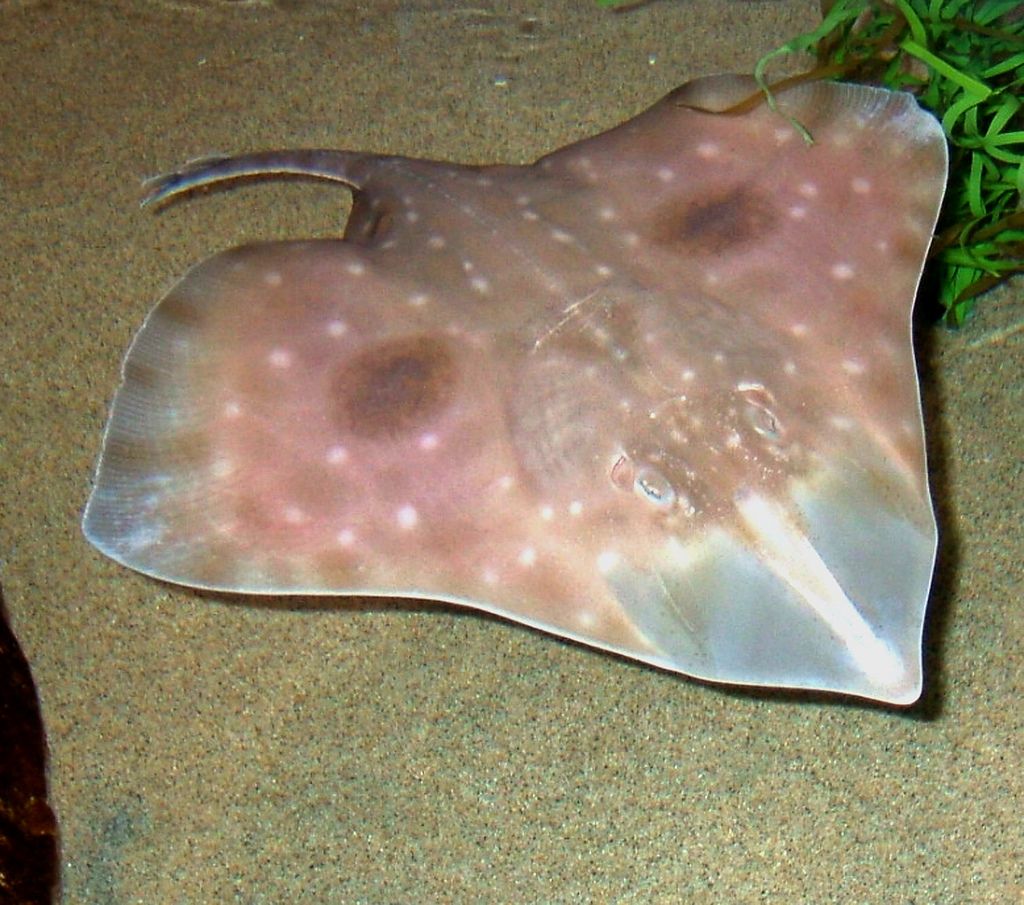 Skate (hongeo)홍어A broad, diamond-shaped ray famous in Jeolla for being eaten fermented, when its flesh gives off a sharp blast of ammonia. Fresh or fermented, hongeo is a centerpiece of southwestern feasts.
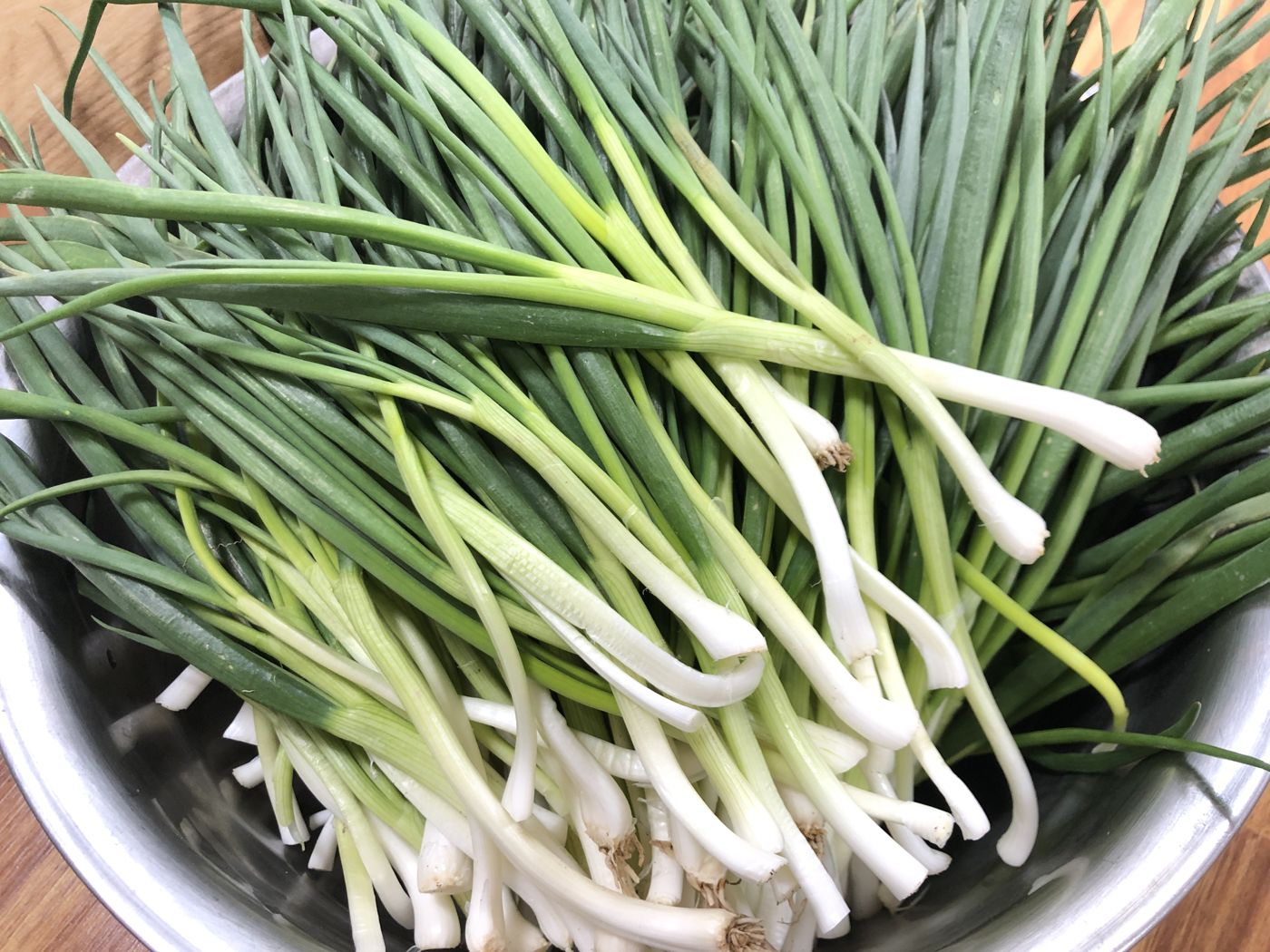 Slender Korean scallion (jjokpa)쪽파A thin, mild scallion with a small bulb at its base, grown mostly in the south and harvested in autumn for the kimchi season. It is the usual choice for pa-kimchi and also goes into pancakes and quick banchan.
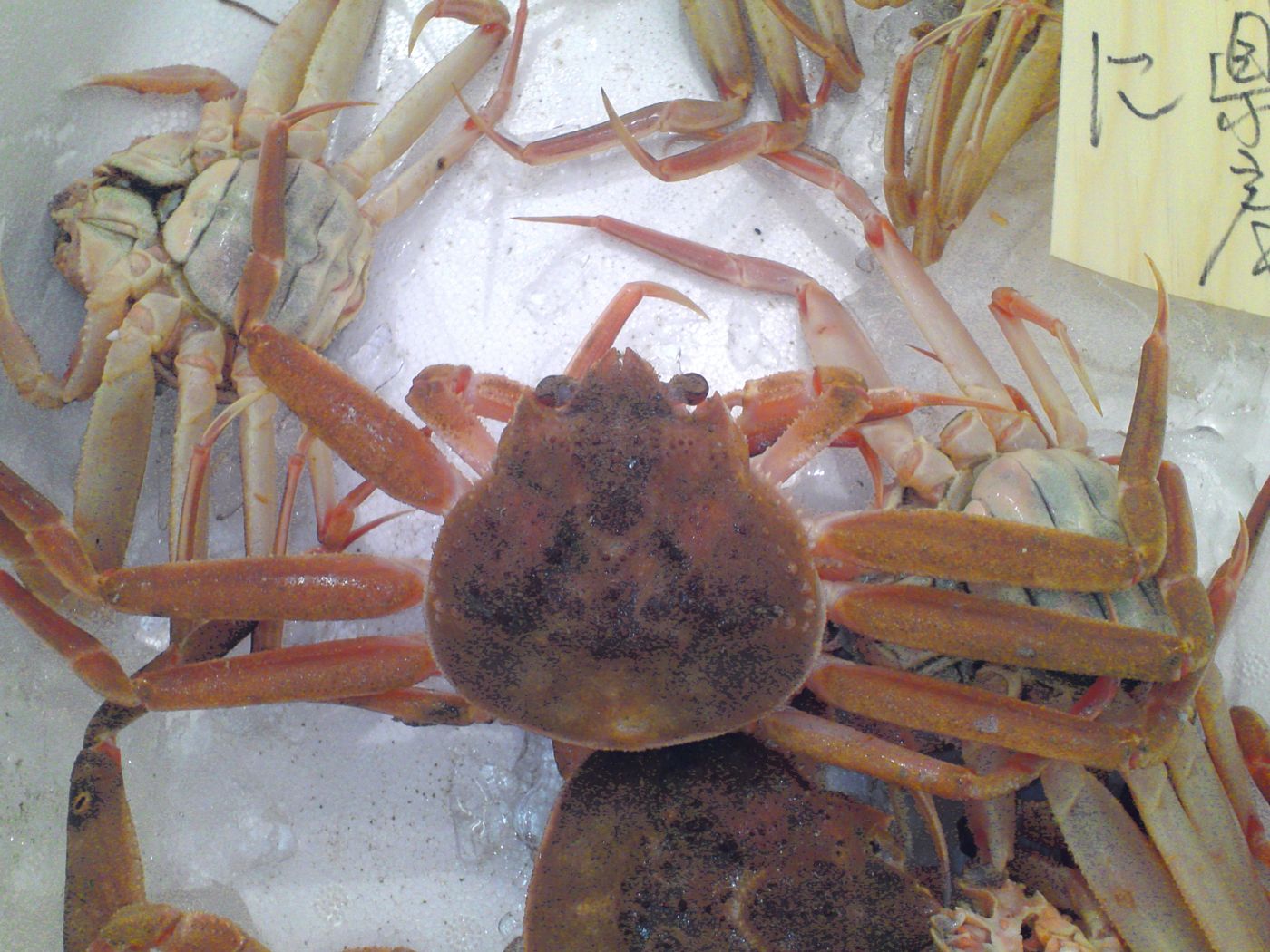 Snow crab (daege)대게A long-legged cold-water crab of the deep East Sea, sweet and delicate, caught in winter and spring. Yeongdeok and Uljin both claim it as their own.
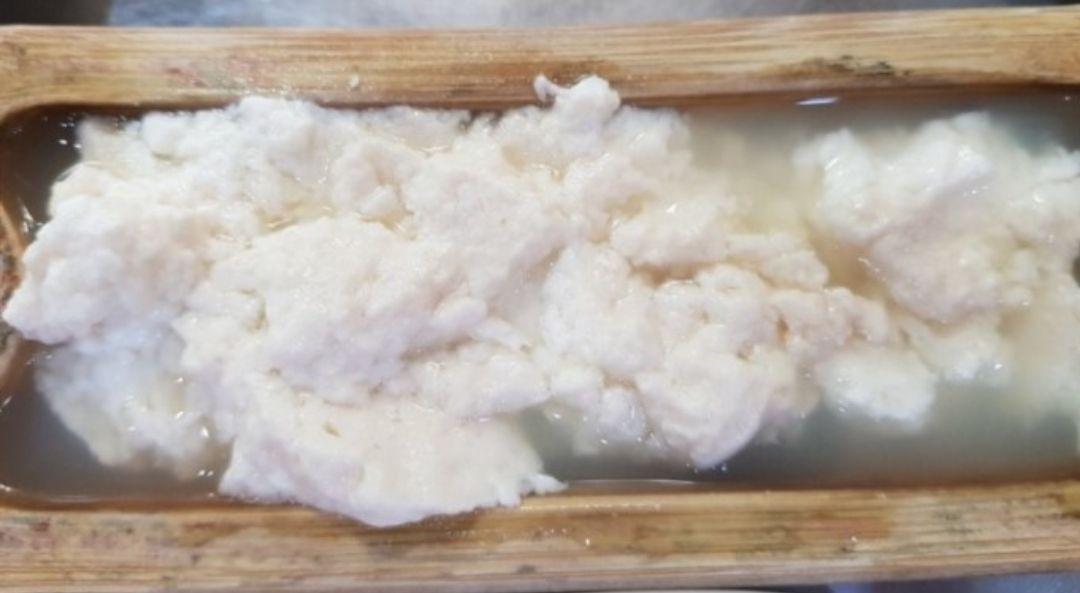 Soft tofu (sundubu)순두부Silky, custard-soft tofu ladled out as soon as the soy milk curdles, before it is pressed into blocks. It is the star of fiery sundubu-jjigae and of the seawater-curdled tofu of Chodang village in Gangneung.
- Soju (Korean Distilled Spirit)소주Korea's clear spirit, in two forms: traditional distilled soju from fermented rice and other grains, and the far more common diluted (huiseoksik) soju, neutral alcohol cut with water and sweeteners. It is drunk with food and also steeps fruit liqueurs.
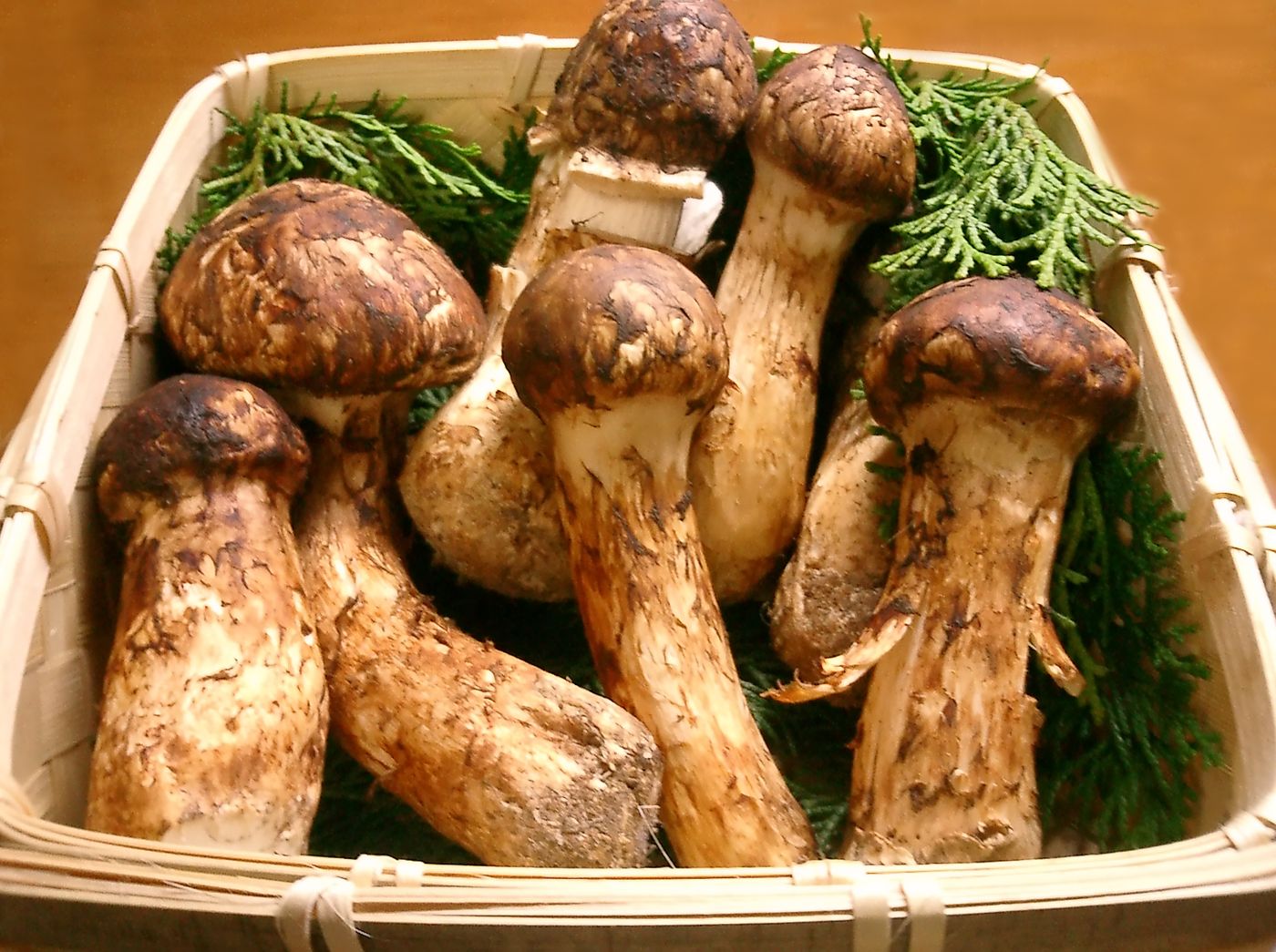 Songi-beoseot (pine mushroom)송이버섯Korea's most prized wild mushroom: a thick-stemmed, brown-capped autumn mushroom that grows only among the roots of living red pines. Its piney, spicy aroma is so valued that it is sold by grade at auction and eaten simply.
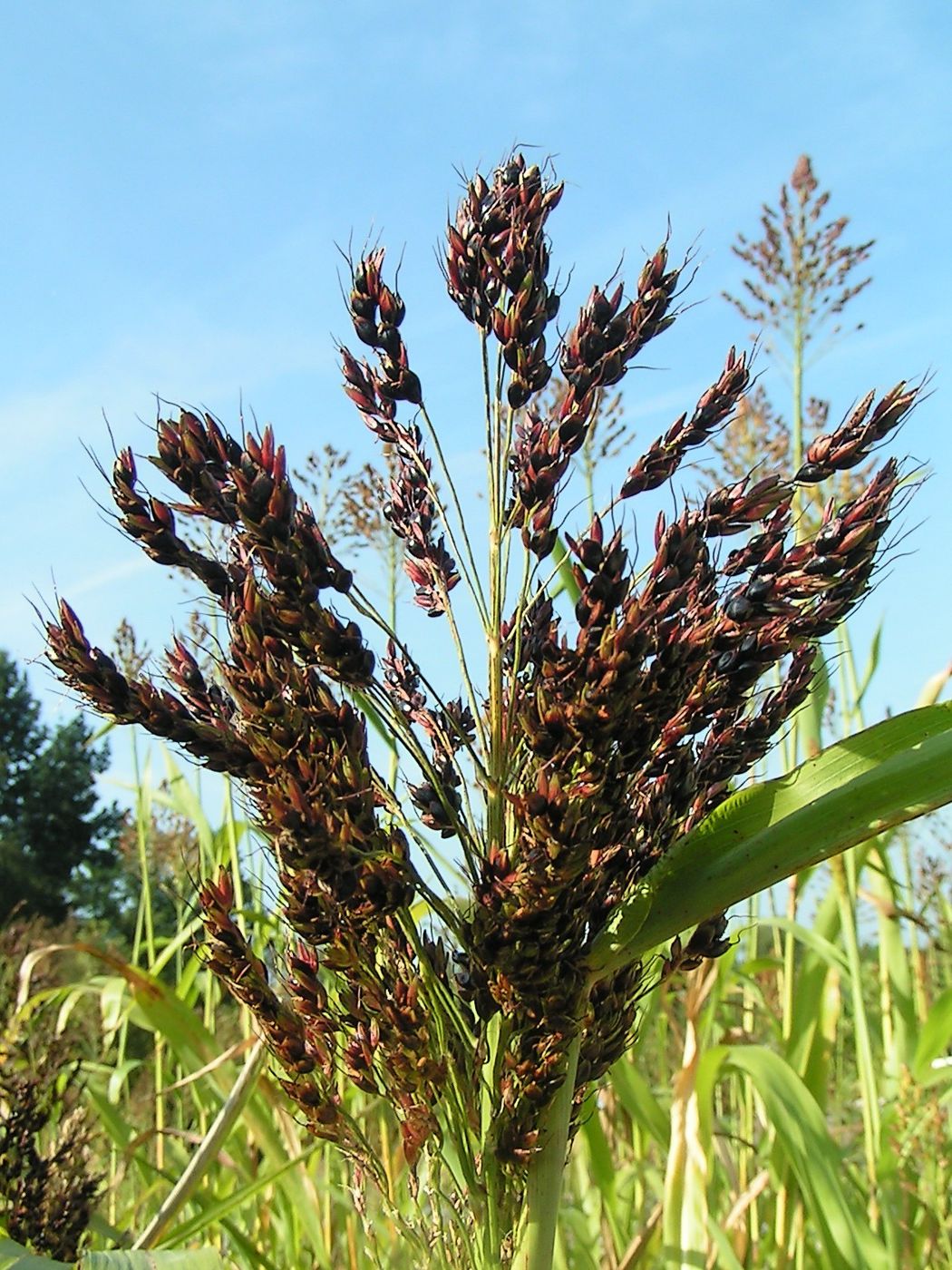 Sorghum수수Small, round, reddish-brown grains of sorghum, cooked into mixed-grain rice and ground into flour for rice cakes. Its red color gives it a protective meaning: sorghum balls rolled in red bean are a traditional first-birthday food.
 Soy sauce간장Korean soy sauce, in two main kitchen forms: pale, salty guk-ganjang (soup soy sauce) brewed the traditional way from meju, and darker, sweeter jin-ganjang for braises and marinades.
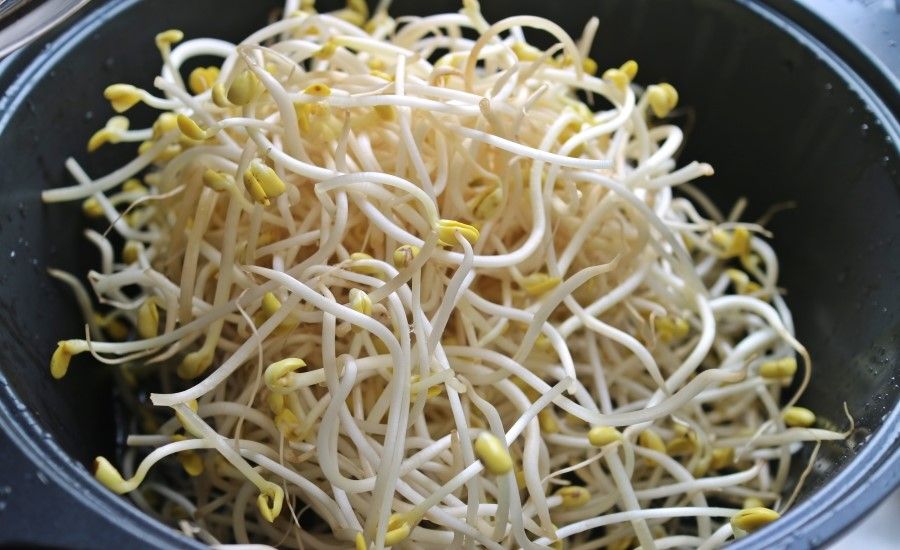 Soybean sprouts콩나물Soybeans sprouted in the dark until they grow long, pale stems topped with a yellow bean. A staple of everyday Korean cooking in kongnamul-muchim, clear sprout soup and sprout rice.
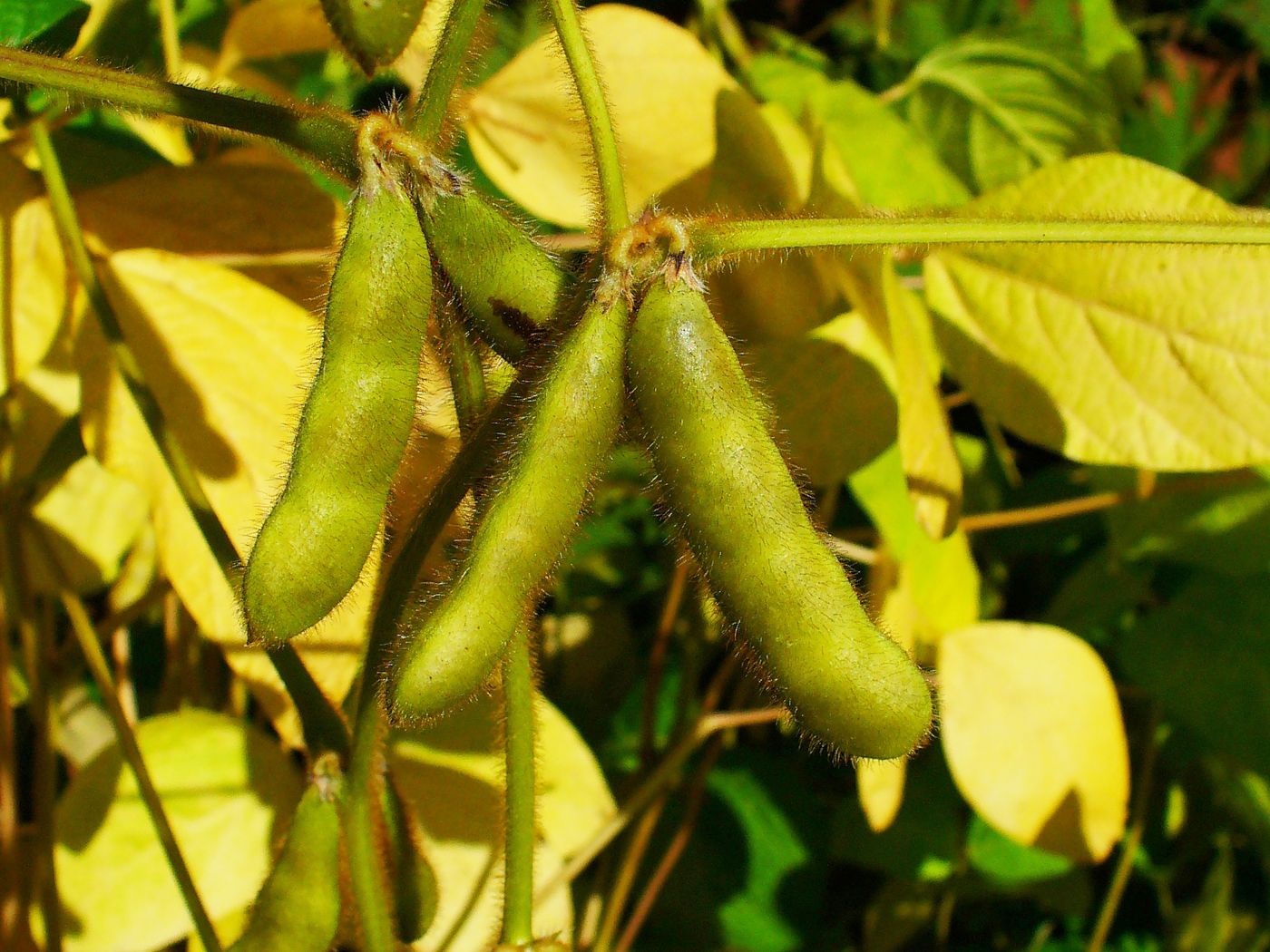 Soybeans대두Dried yellow soybeans, called kong in everyday speech and daedu ("big bean") on labels and in agriculture. They are the quiet foundation of the Korean table: the raw material for jang, tofu, soybean sprouts and soy milk, and a bean cooked into rice and braised as banchan.
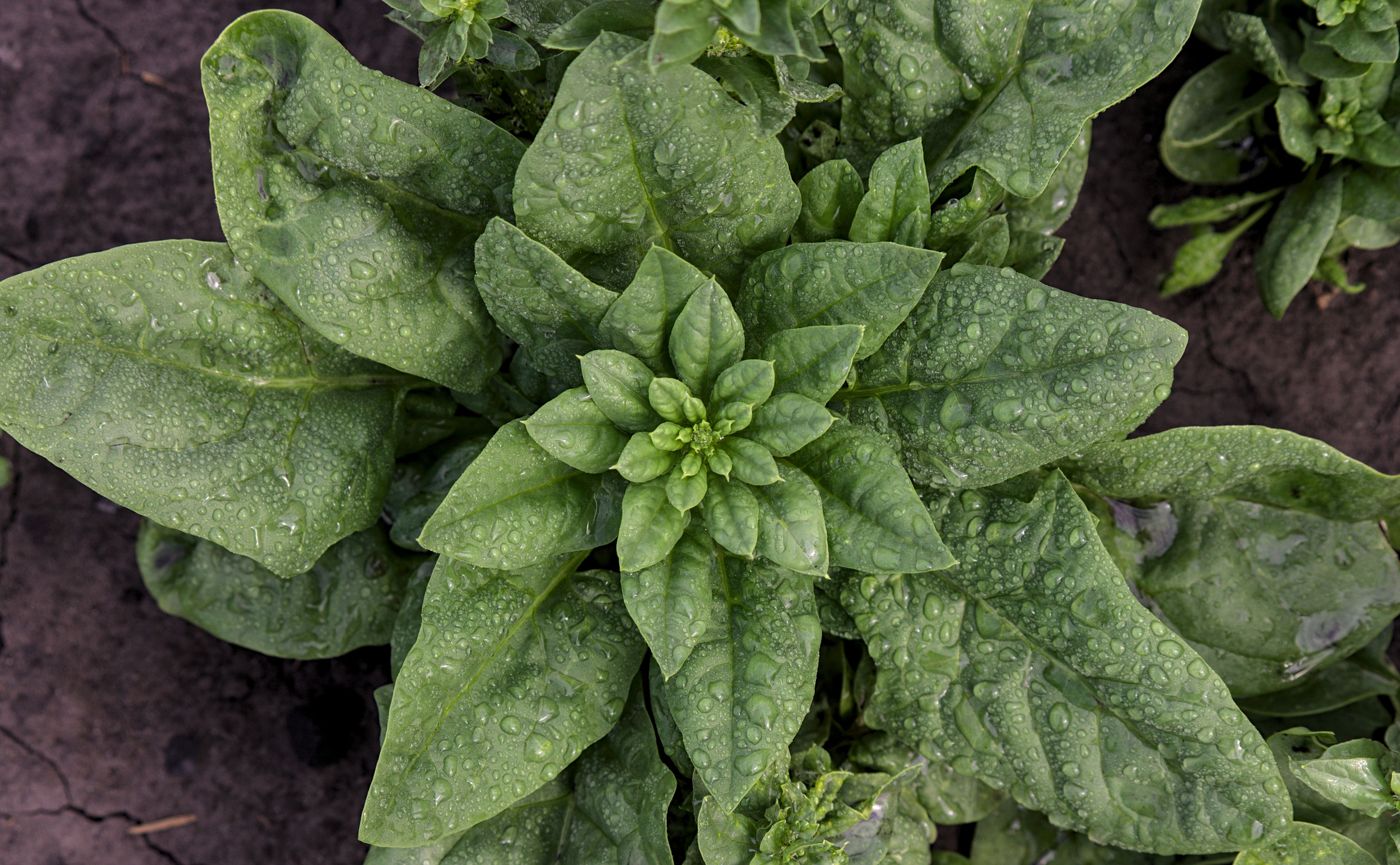 Spinach시금치Tender, deep-green spinach, most often blanched, squeezed and dressed with sesame oil as sigeumchi-namul, one of the most familiar banchan on the Korean table.
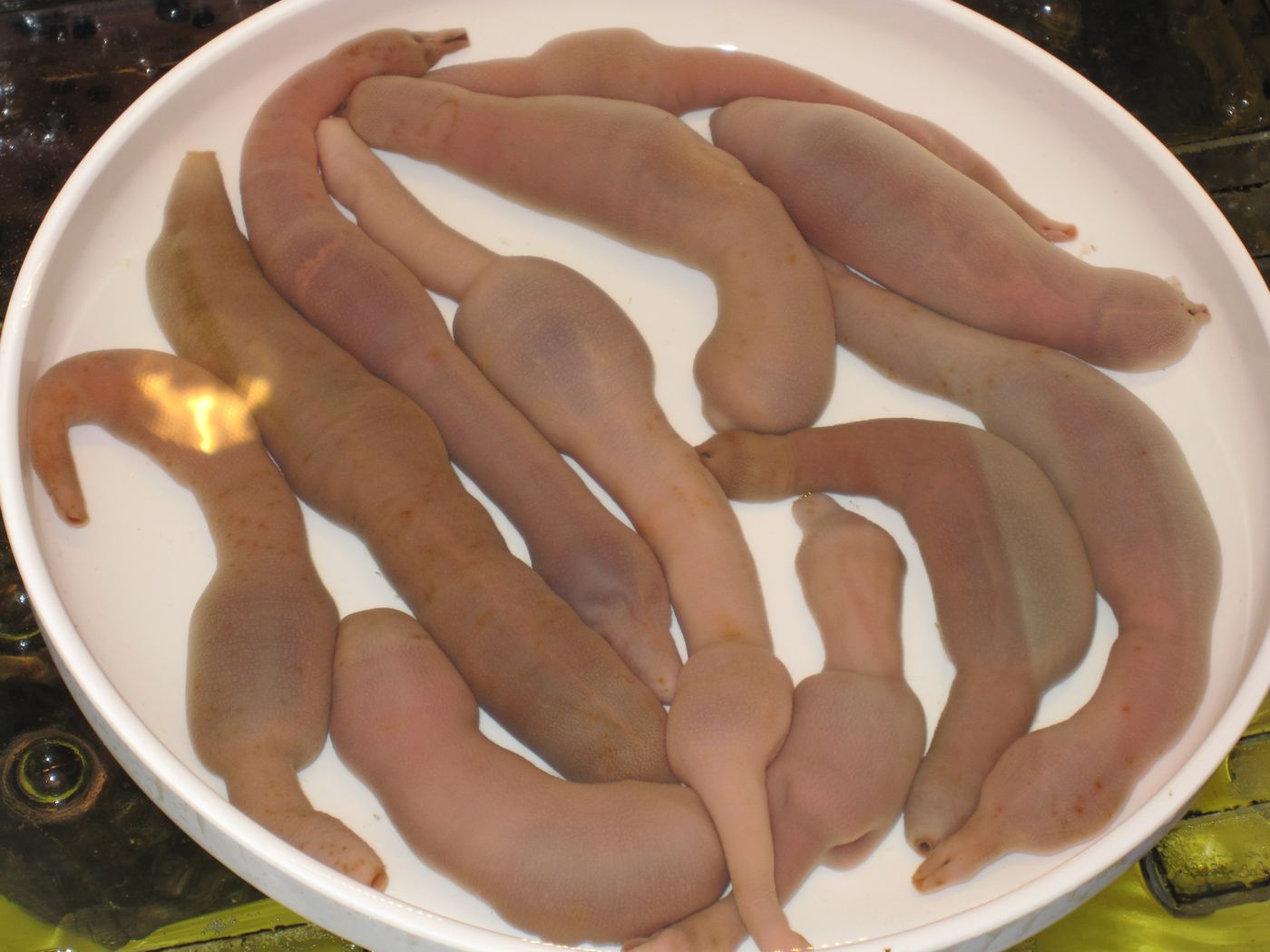 Spoon worm (gaebul)개불A plump, pink marine worm that burrows in the sandy mud of the south and west coasts. It is a winter delicacy, sliced raw for its crunchy, sweet chew or tossed with vinegared chili paste.
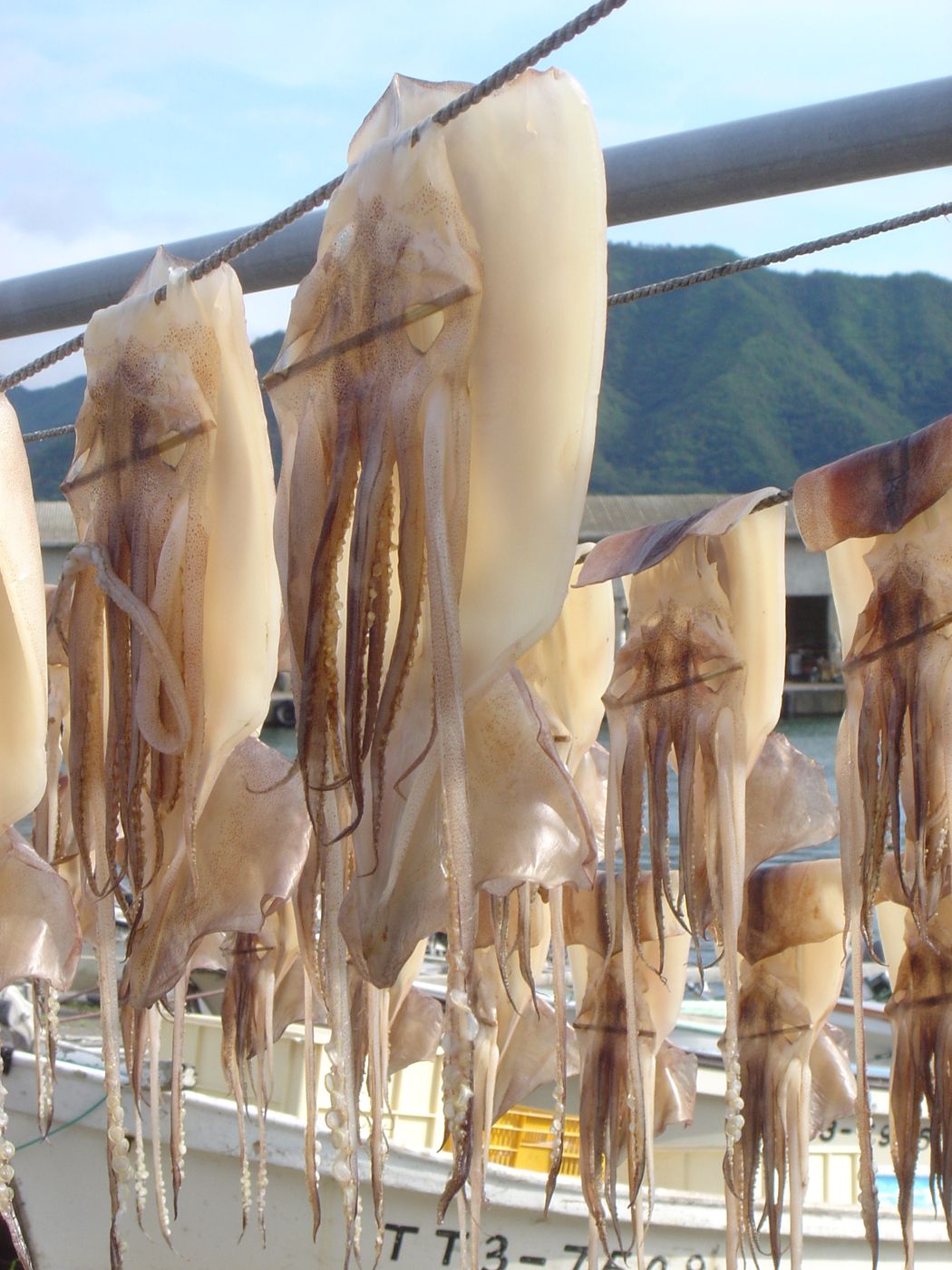 Squid오징어Fresh squid for stir-fries, pancakes and stuffed ojingeo-sundae, and dried squid — whole, sun-cured bodies or sweet-salty shredded jinmichae — that has become one of Korea's best-loved pantry foods.
- Ssamjang (Wrap Dipping Paste)쌈장A thick, savory-sweet paste of doenjang and gochujang with garlic, sesame and other seasonings, made to be dabbed onto lettuce wraps with rice and grilled meat. It is also a dip for raw vegetables.
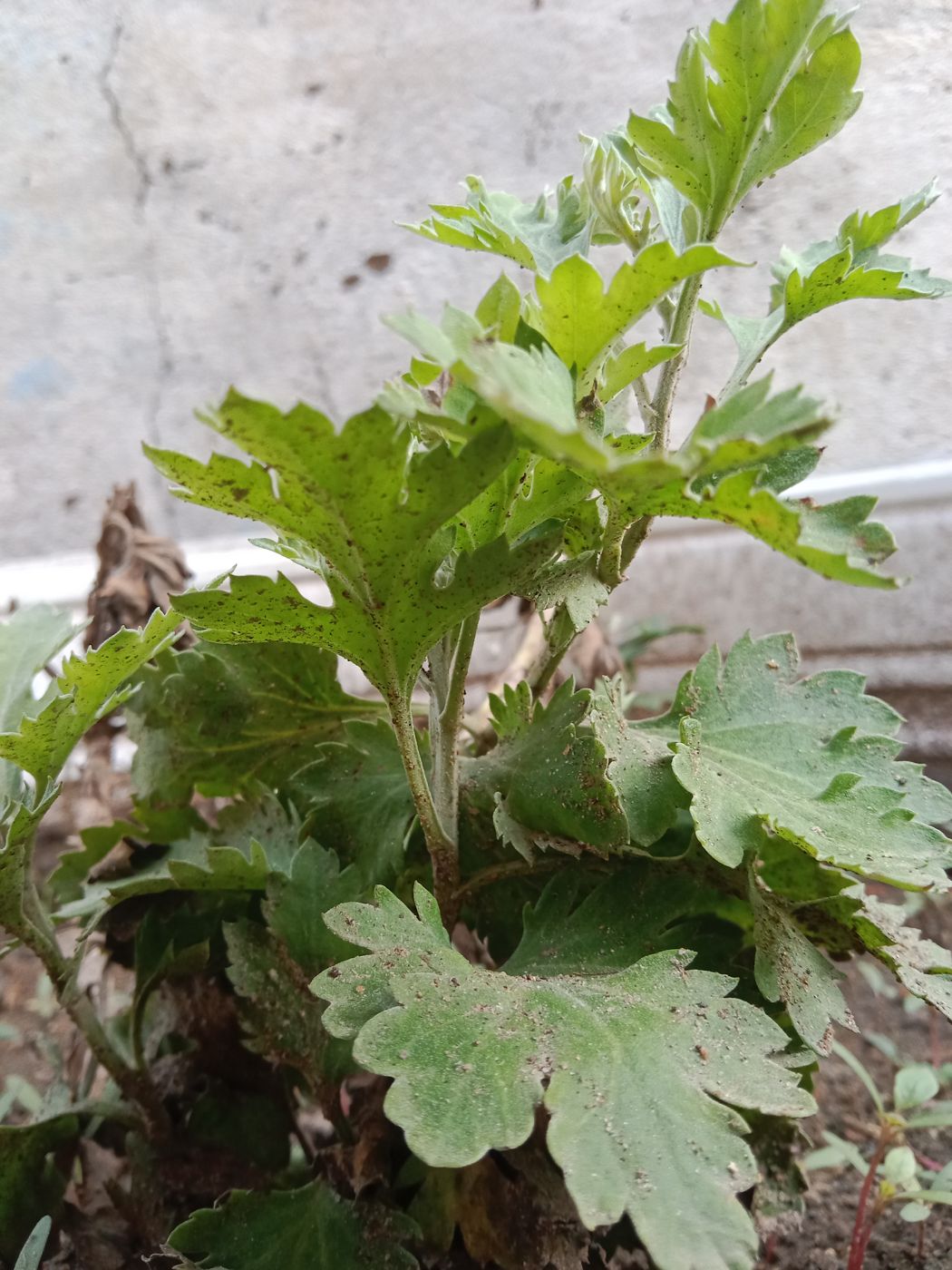 Ssuk (Korean mugwort)쑥A silvery-backed, intensely aromatic wild herb that colors rice cakes green and perfumes spring soups. Young leaves go into ssuk-tteok, ssuk-beomuri and ssuk-guk; dried mugwort has long served for moxibustion and smudging.
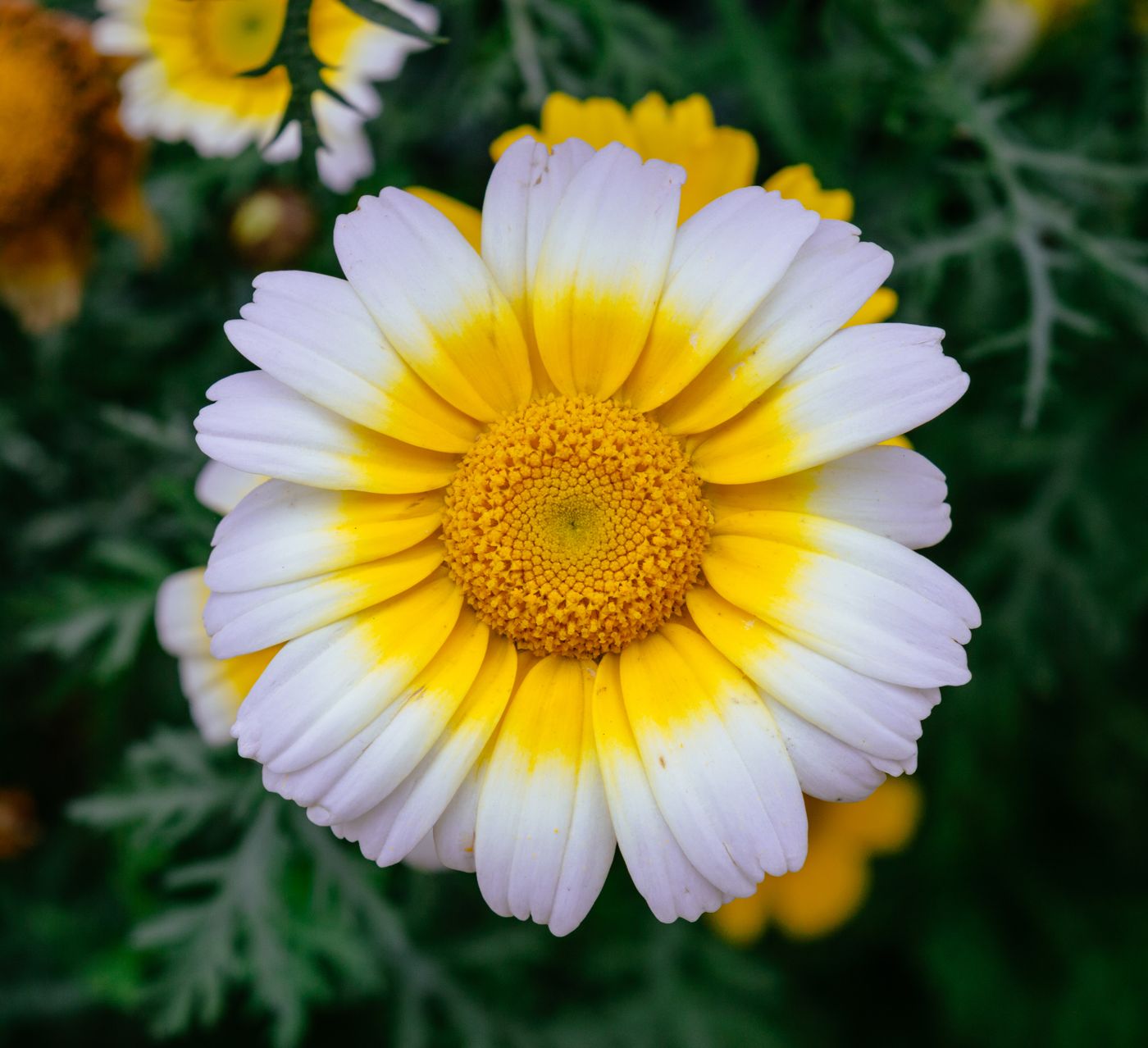 Ssukgat (crown daisy)쑥갓An edible chrysanthemum grown for its feathery, deeply lobed leaves and tender stems. Its bold, resinous perfume finishes spicy fish stews and hot pots, and it is a classic leaf for the ssam basket and quick namul.
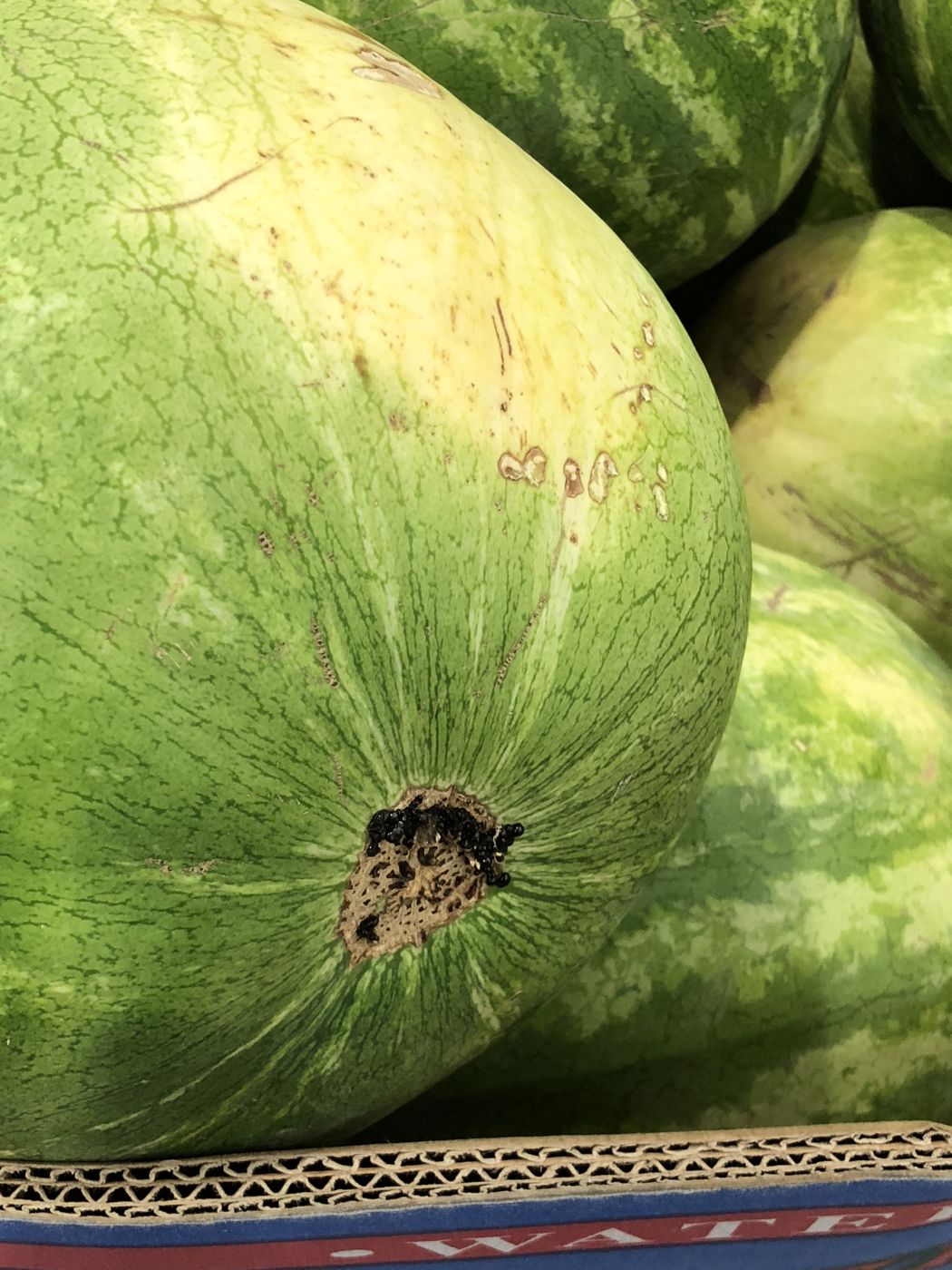 Subak (watermelon)수박The defining fruit of the Korean summer: big, striped melons with sweet red flesh, cut into wedges after a meal or scooped into chilled fruit punch on the hottest days.
 Sun-Dried Sea Salt천일염Coarse sea salt made by evaporating seawater with sun and wind in tidal-flat salt pans, most of it from Sinan County off Korea's southwest coast. It is the everyday salt for salting cabbage and making jang.
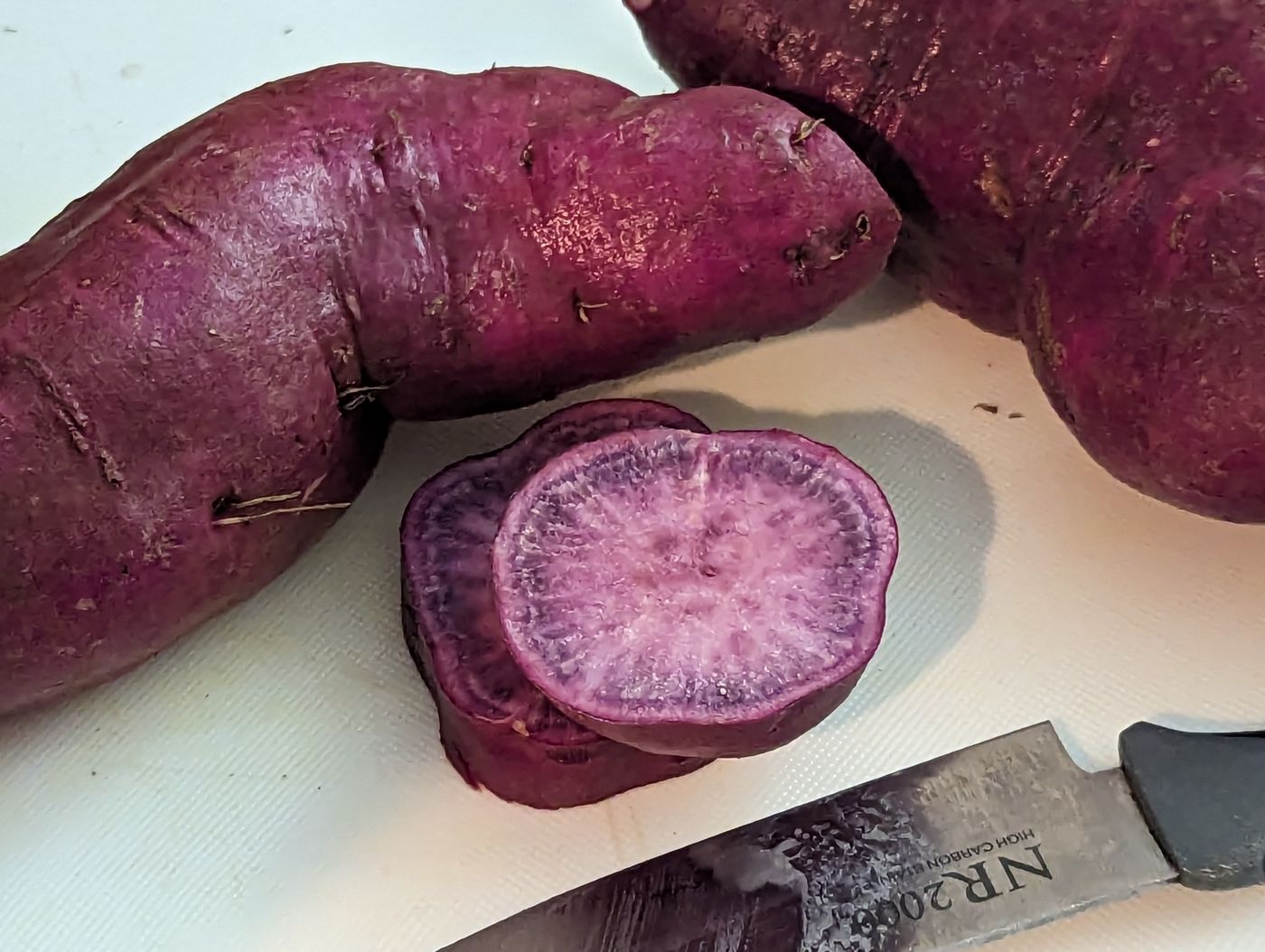 Sweet potato고구마Red-skinned, pale- or golden-fleshed Korean sweet potatoes, steamed or roasted whole as a snack, braised and candied as banchan, and milled into the starch that becomes dangmyeon. The tender stems are blanched and stir-fried as goguma-julgi namul.
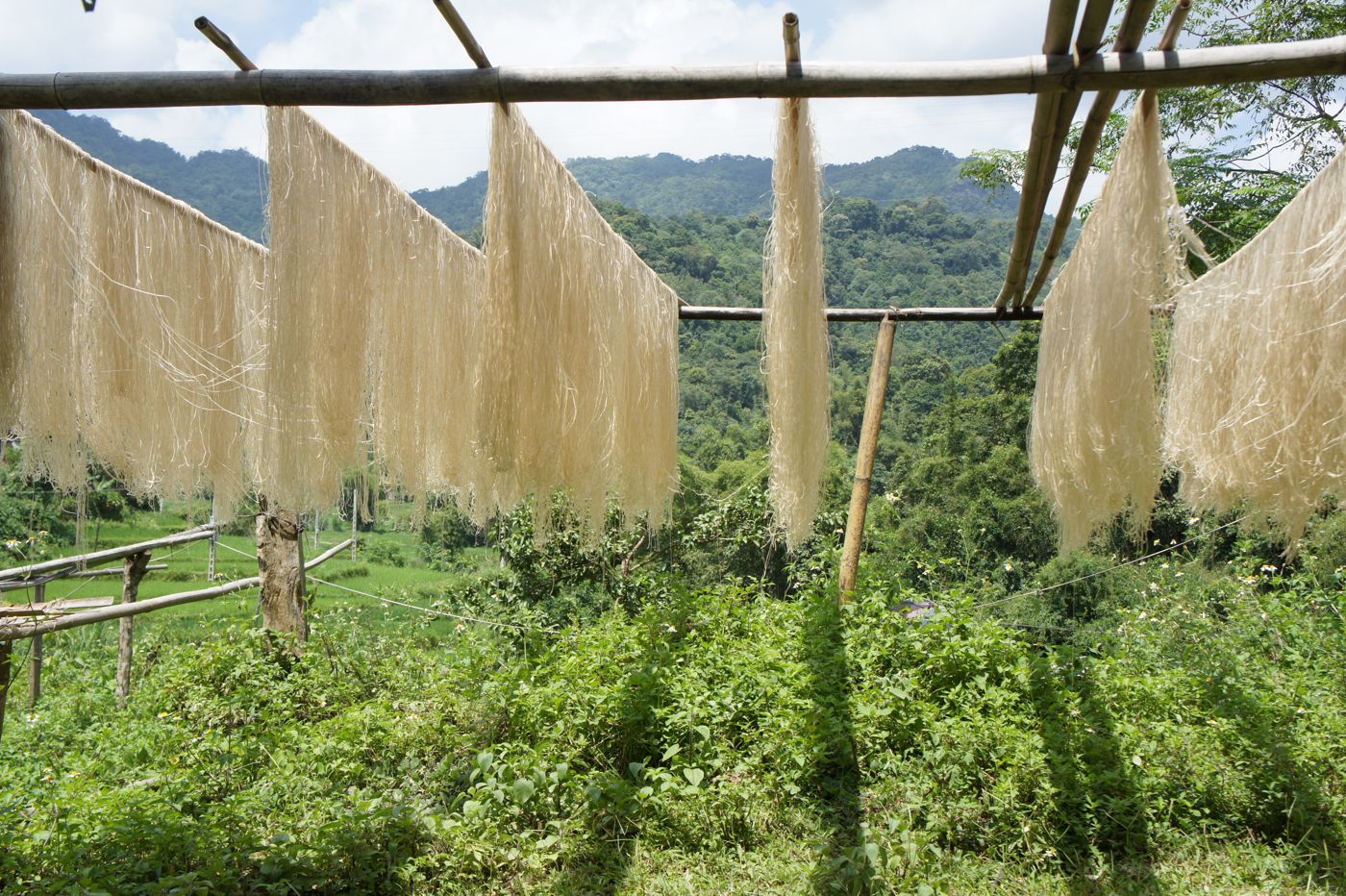 Sweet potato glass noodles당면Chewy, translucent noodles made from sweet potato starch. Introduced from China in the late Joseon period and mass-produced from 1919, they became the heart of modern japchae.
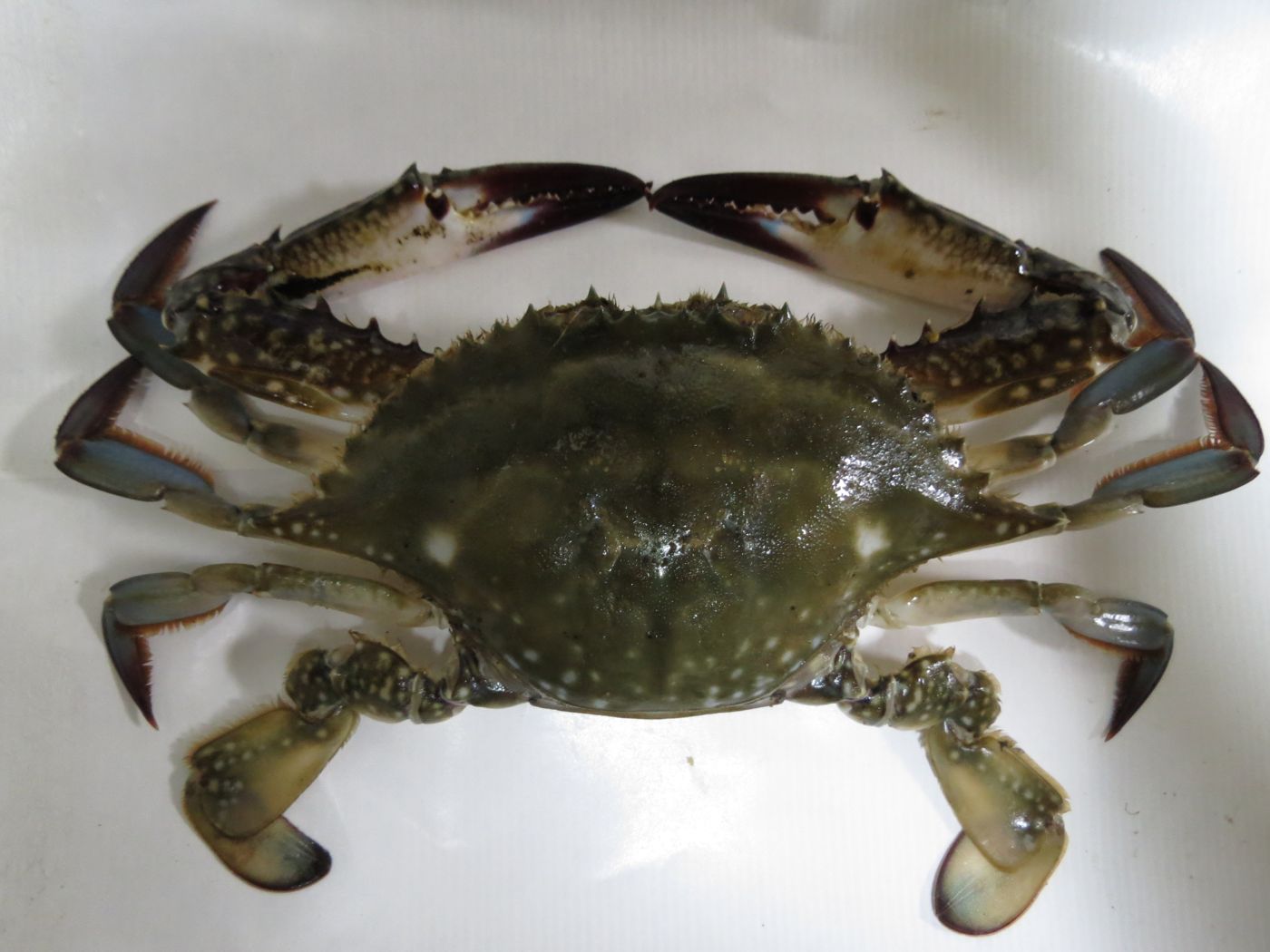 Swimming crab (kkotge)꽃게Korea's everyday crab: a blue-green swimming crab from the West Sea, sweet-fleshed and rich with roe in season. It is steamed, cooked into stews, and steeped raw in soy sauce as ganjang-gejang.
T
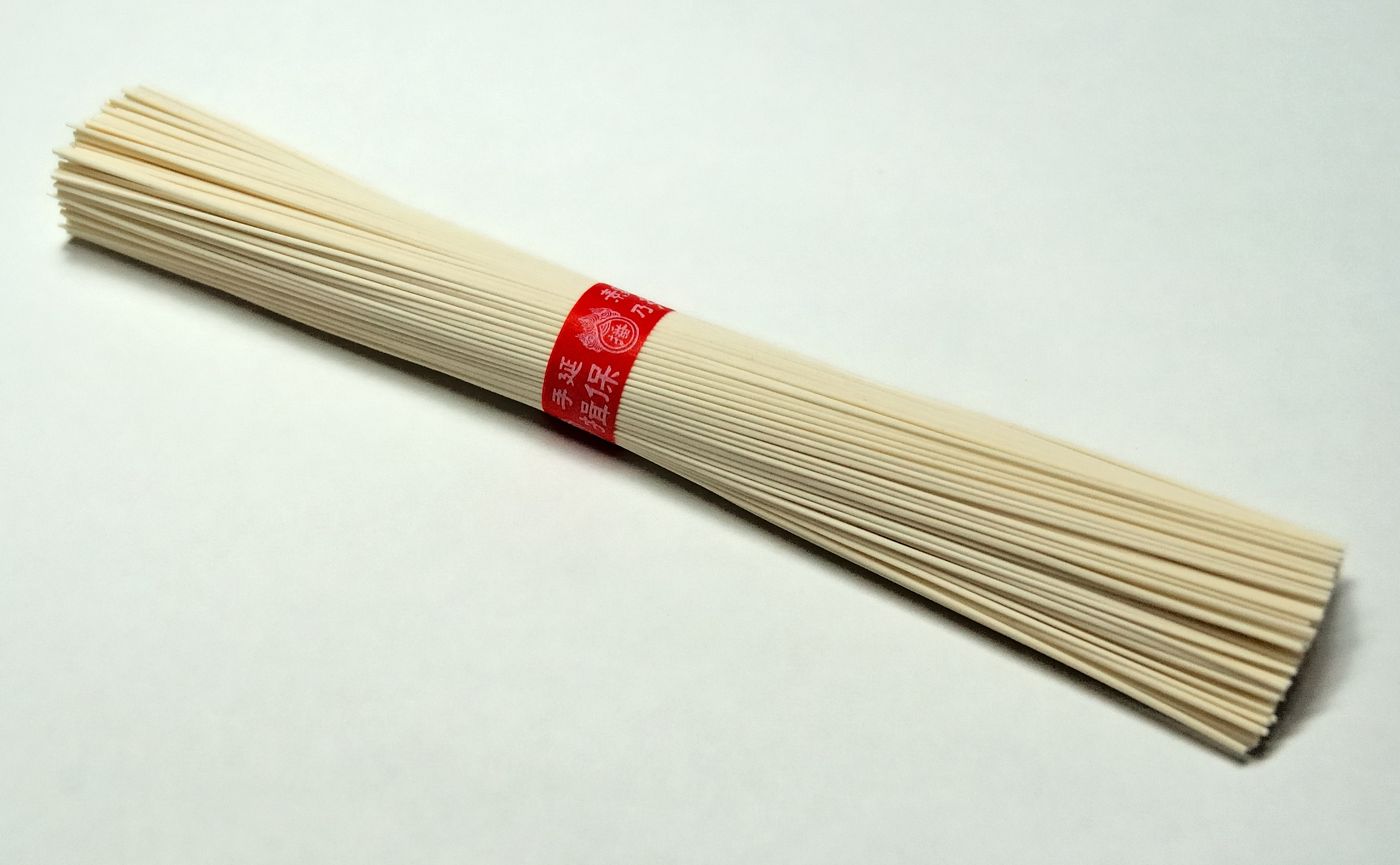 Thin wheat noodles (somyeon)소면Very thin, dried white wheat noodles sold in long bundles. They cook in a few minutes and are the noodle of janchi-guksu, the warm anchovy-broth "banquet noodles" served at celebrations, as well as of spicy cold bibim-guksu.
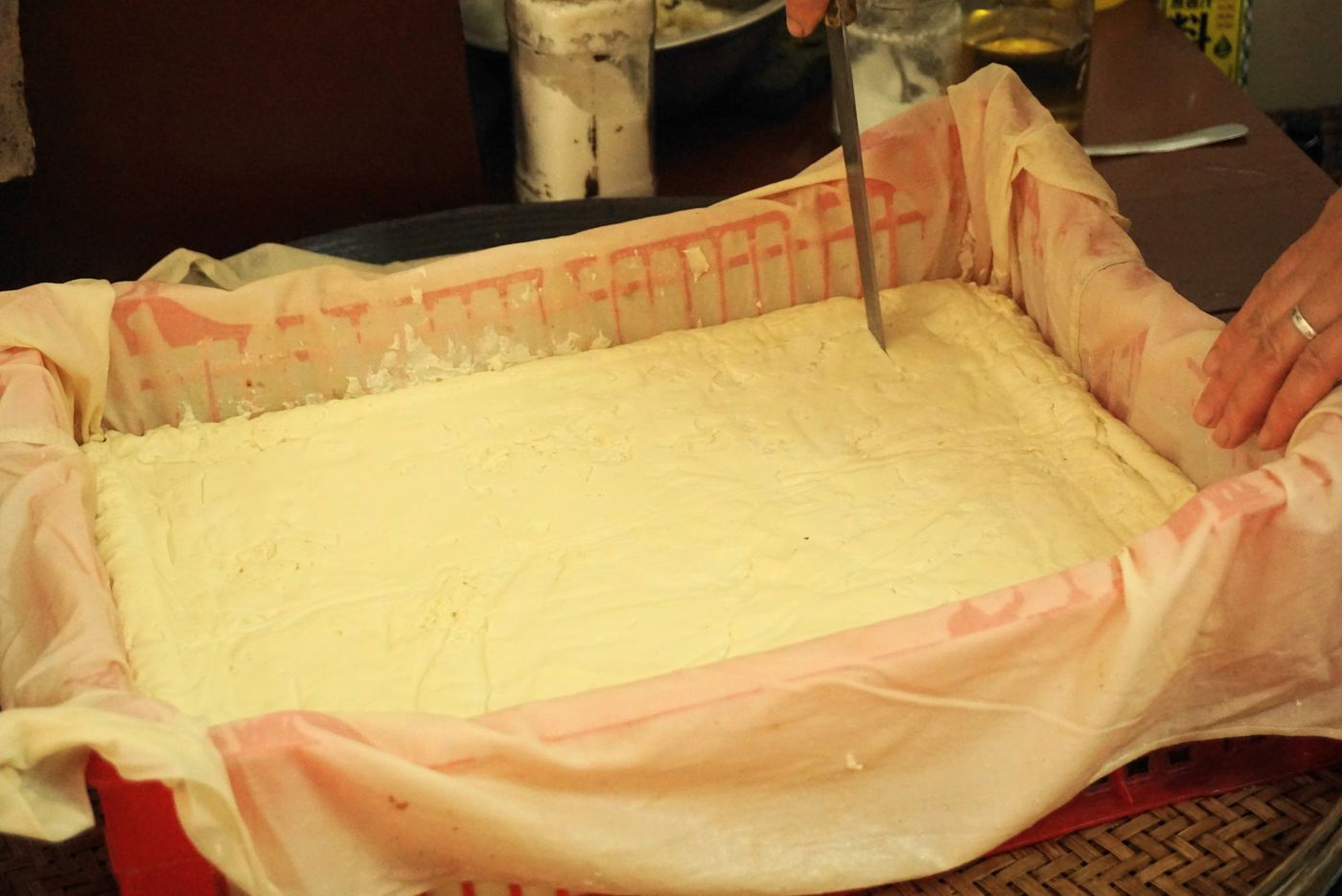 Tofu두부Fresh bean curd made by coagulating soy milk and pressing the curds. A quiet staple of Korean cooking since at least the late Goryeo period, it is pan-fried, braised in spicy soy glaze, or simmered in stews.
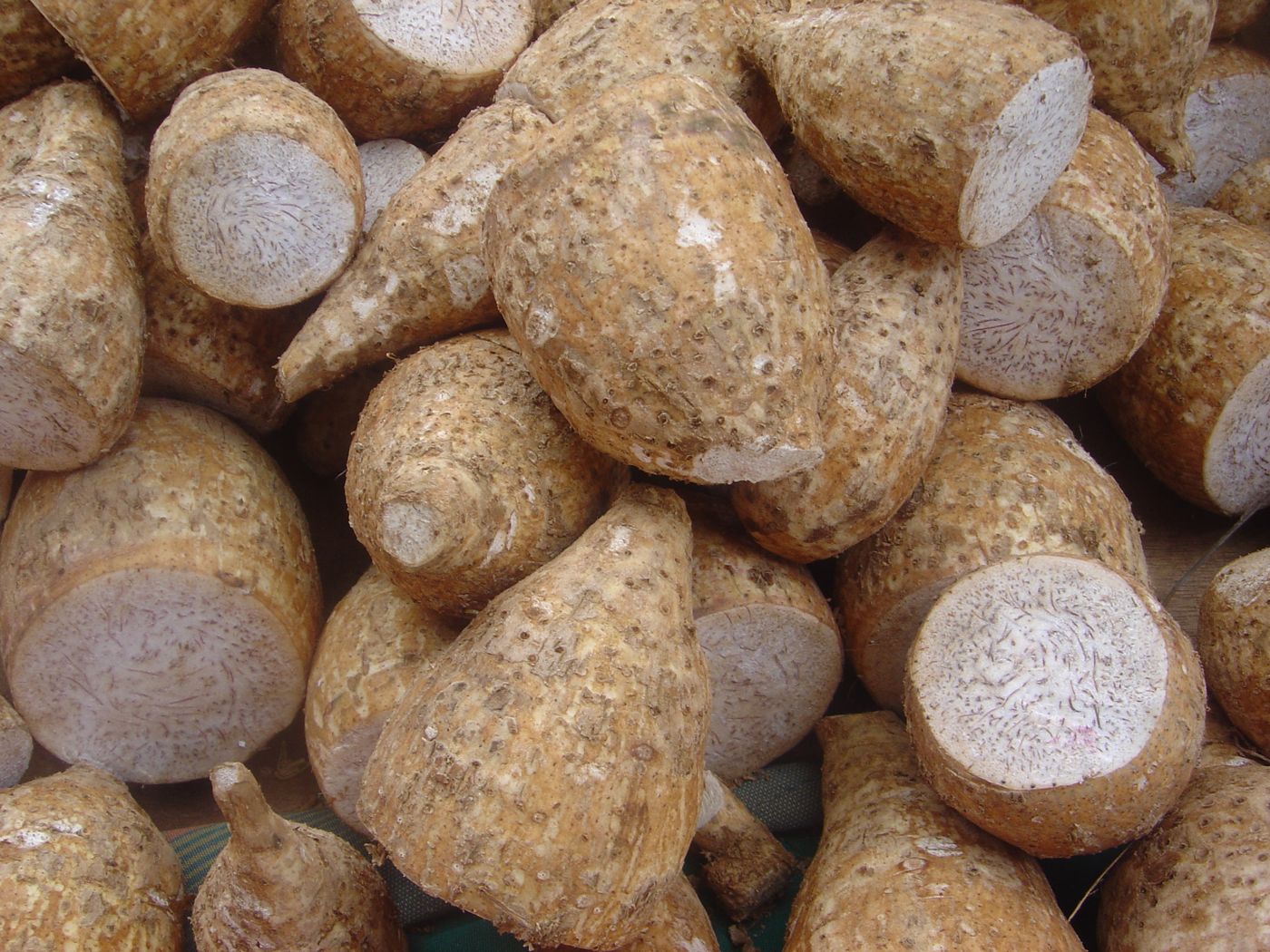 Toran (taro)토란Small, hairy brown corms with slippery white flesh, harvested just in time for Chuseok. Simmered in clear beef broth as toran-guk, they are a defining taste of the autumn harvest festival, especially in Seoul and Gyeonggi.
W
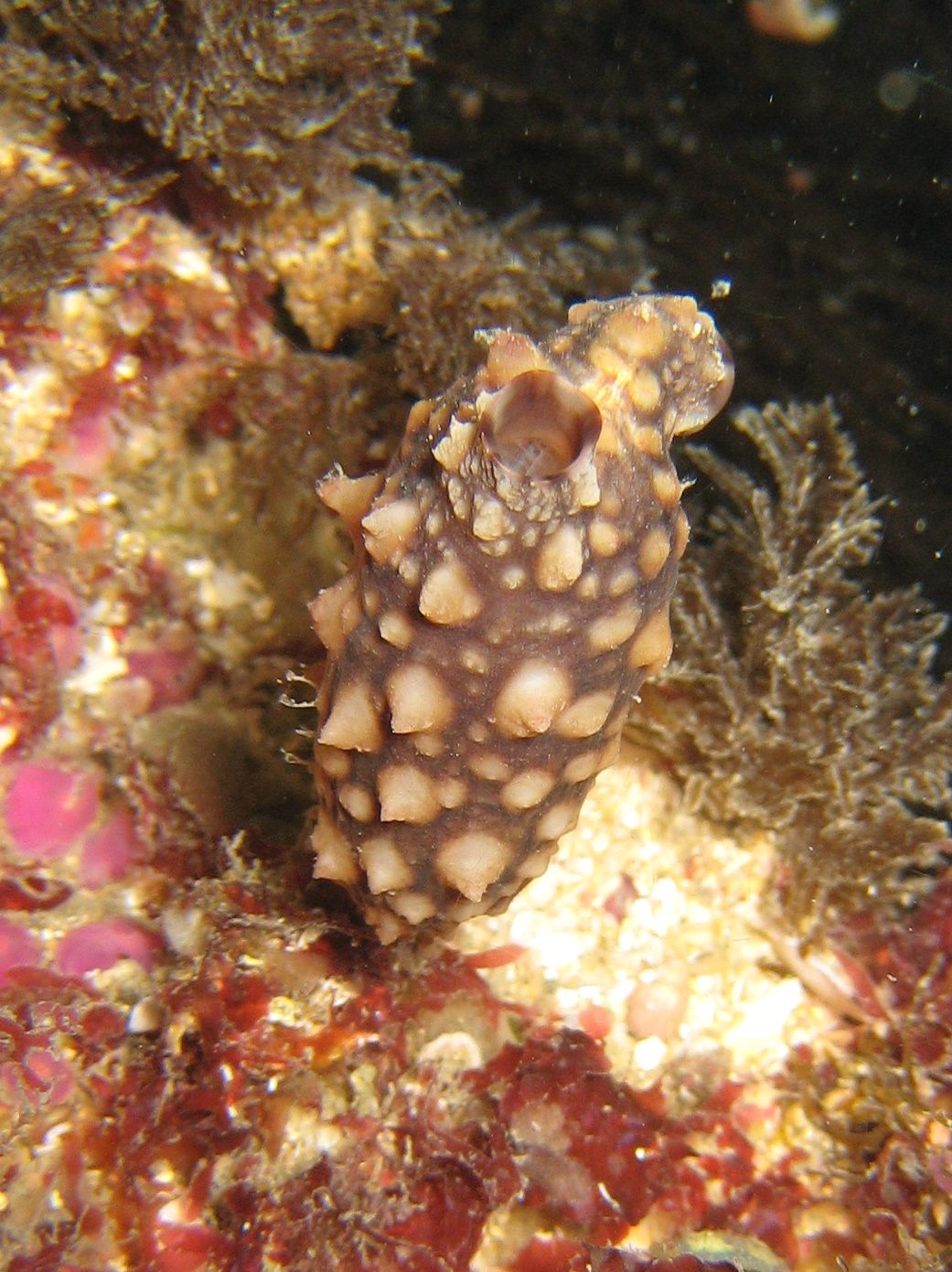 Warty sea squirt (mideodeok)미더덕A small, stalked sea squirt farmed in Jindong Bay near Masan. Its crunchy, briny pouch bursts with sea-scented liquid and flavors doenjang stews and Masan's braised dishes.
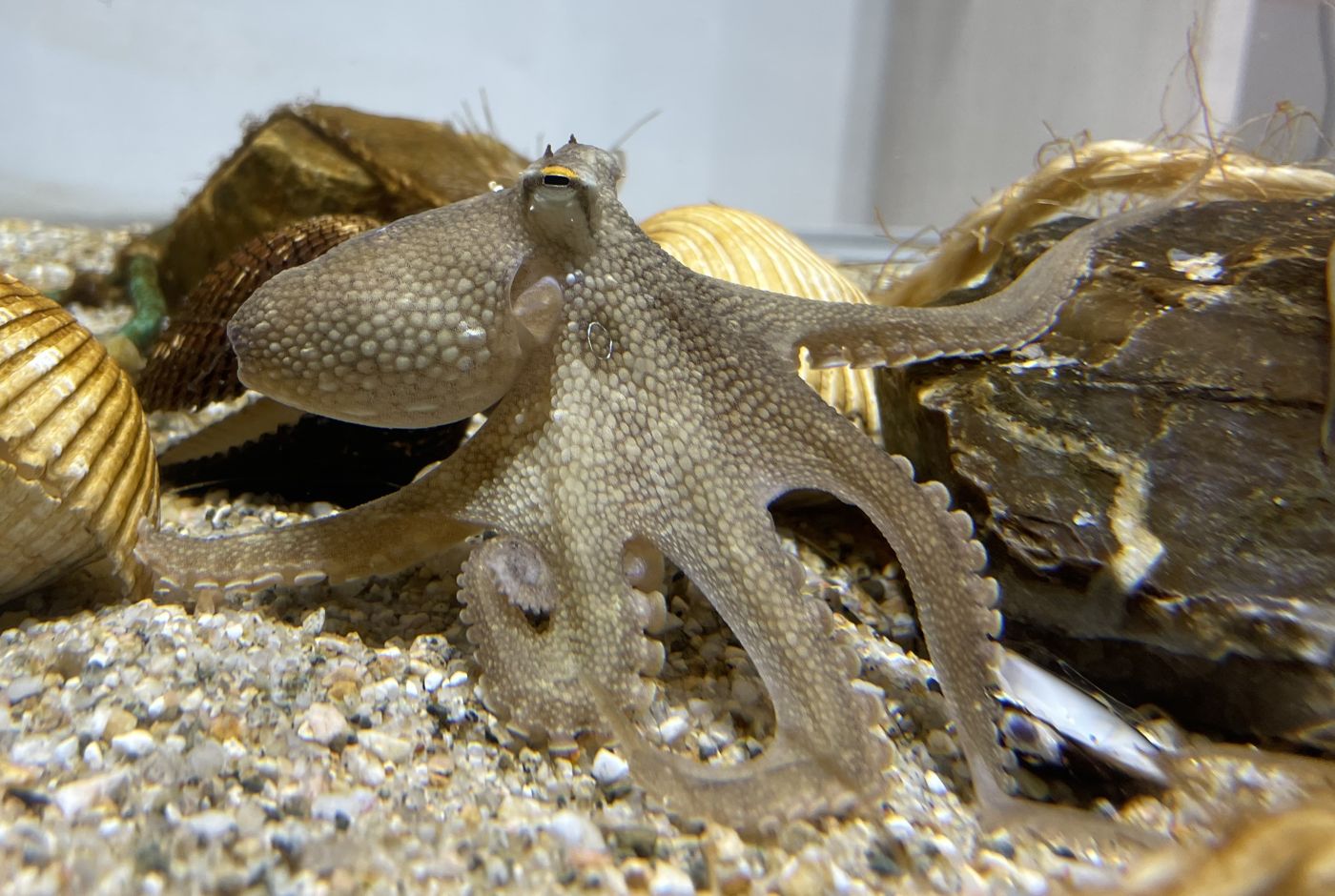 Webfoot octopus (jjukkumi)주꾸미A small, short-armed octopus of the west and south coasts, best known in spring, when females are full of rice-like eggs. It is stir-fried with chili, blanched for dipping, or simmered in hot pots.
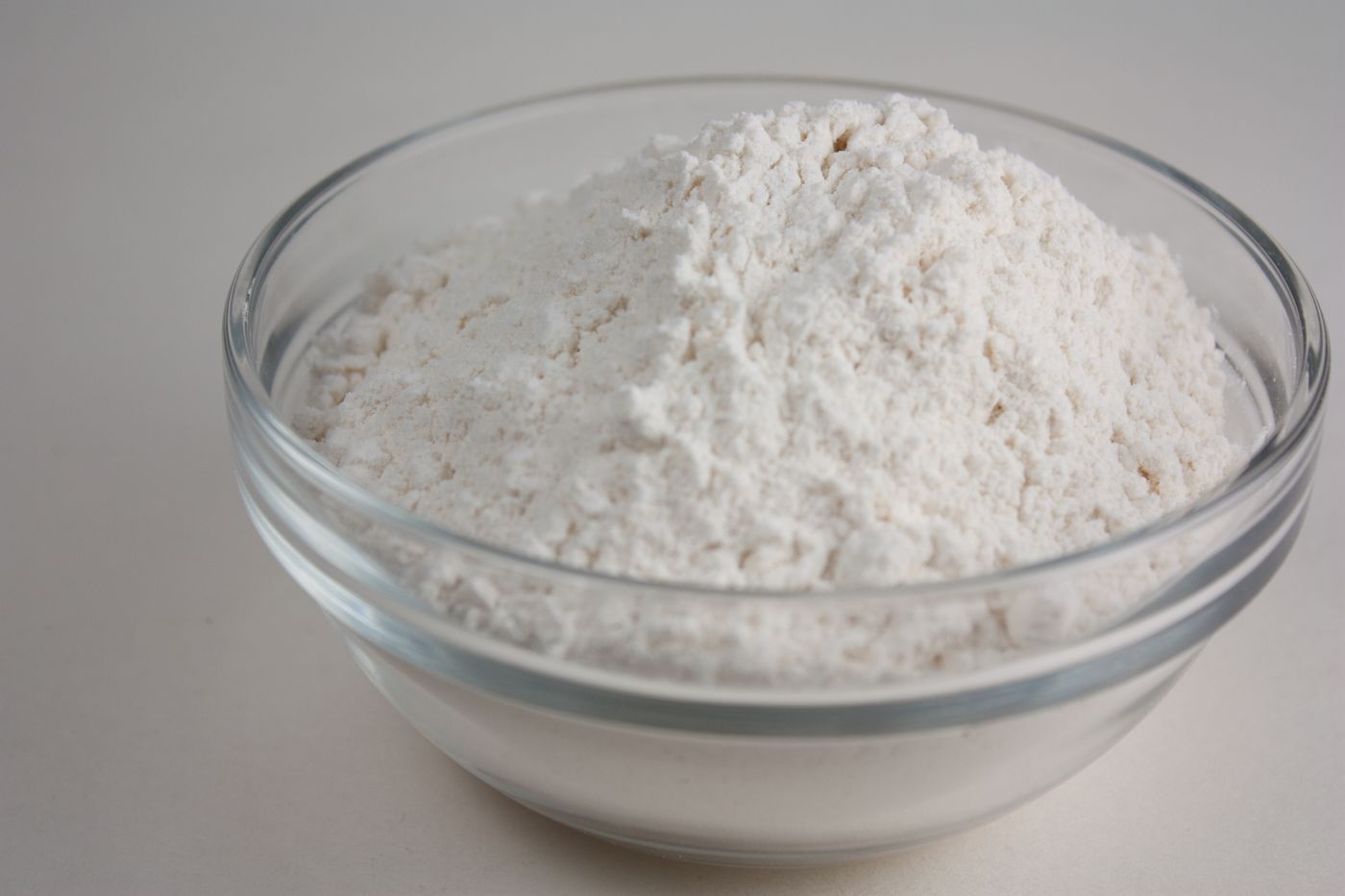 Wheat flour밀가루Finely milled wheat flour, the base of Korean noodles, dumpling wrappers, pancake batters and ramyeon. A luxury for most of Korean history, it became an everyday staple only after the Korean War, when American aid flour flooded the market.
Y
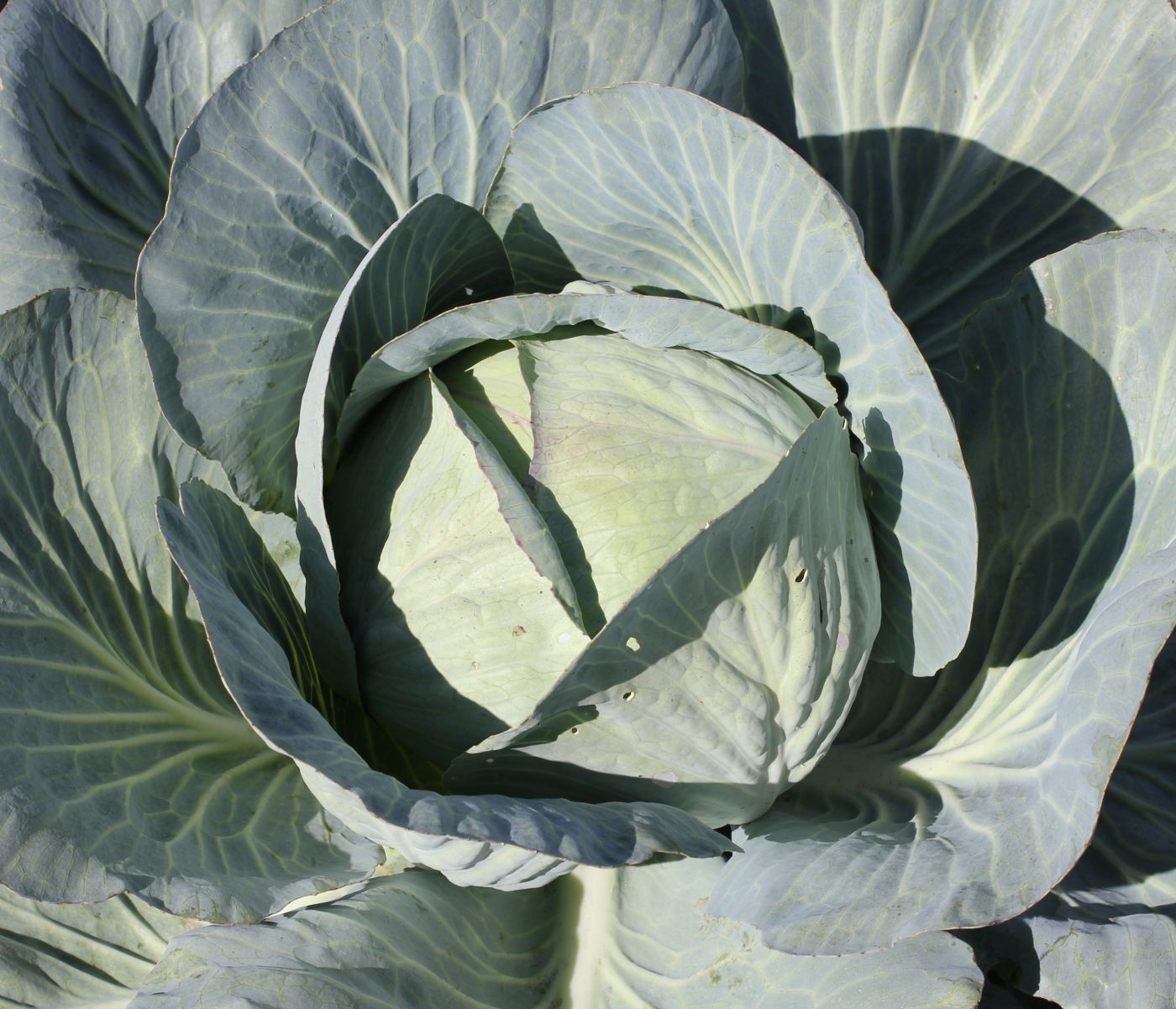 Yangbaechu (cabbage)양배추The round, tightly headed European cabbage — the "Western baechu." Crunchy and sweet, it is shredded raw, made into quick kimchi, steamed as a wrap and stir-fried into dakgalbi and tteokbokki.
 Yangpa (onion)양파The bulb onion, literally the "Western scallion." A latecomer to Korea, it is now everywhere: sweetening stir-fries and braises, pickled in soy sauce as yangpa-jangajji, and served raw beside grilled meat.
- Yellow croaker (jogi)조기A golden-skinned West Sea fish, prized above all as gulbi: whole croakers salted and air-dried, a specialty of Yeonggwang. Gulbi was once sent as tribute to the court and is still a prized gift.
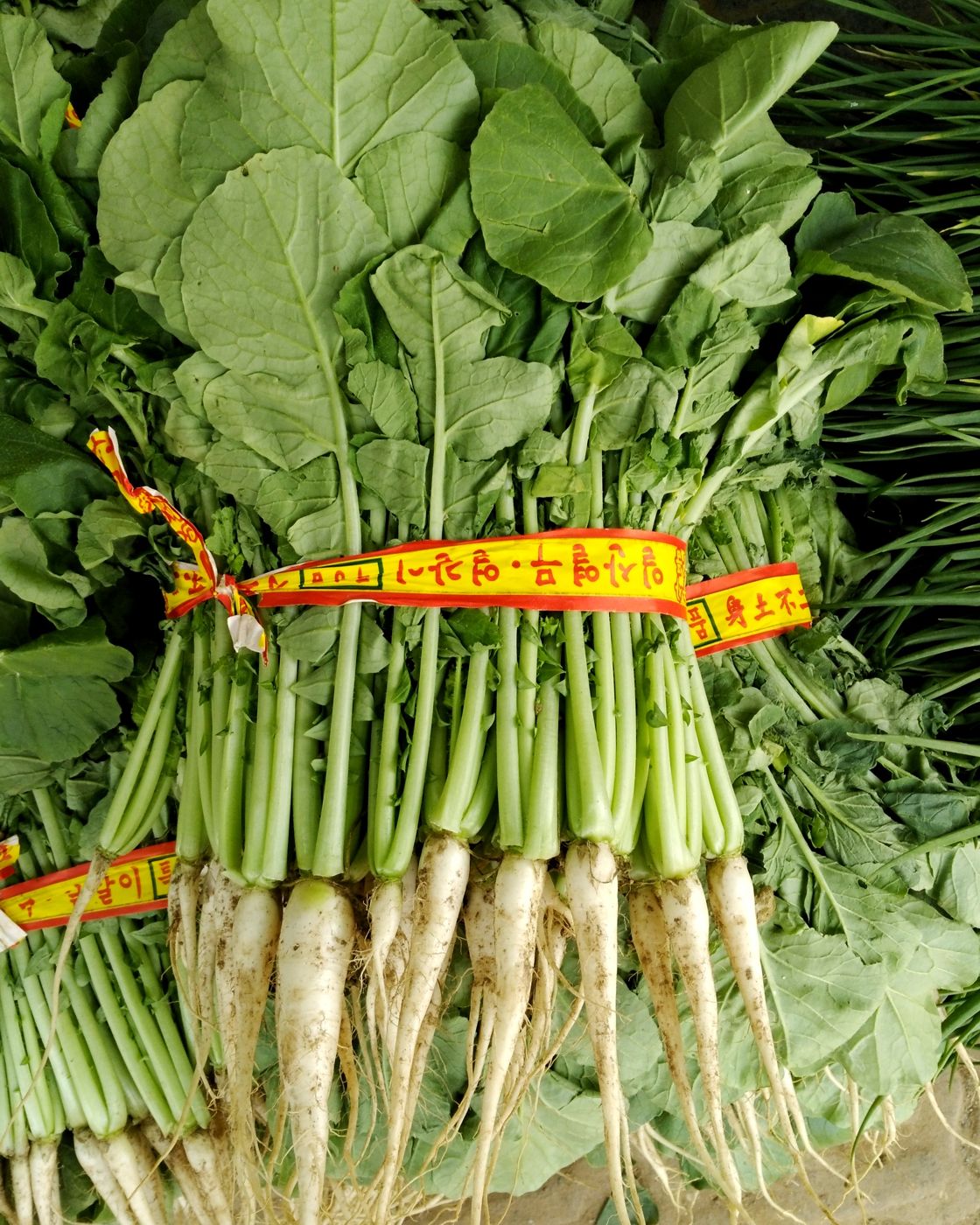 Yeolmu (young summer radish)열무Young radish plants pulled for their tender greens and thin roots. The essential summer kimchi vegetable, made into tangy yeolmu-kimchi that is spooned over cold noodles and barley rice.
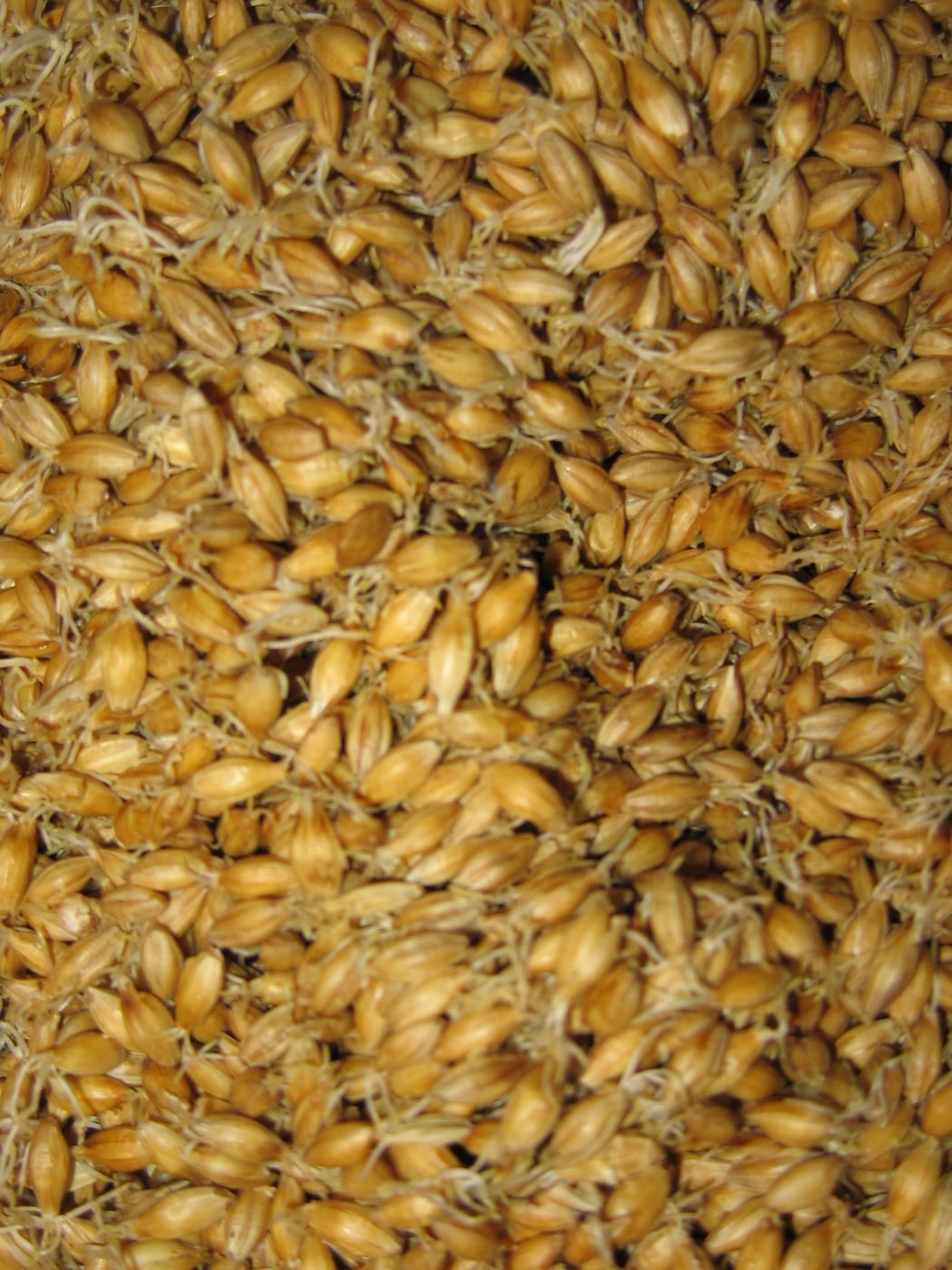 Yeotgireum (Barley Malt Powder)엿기름Barley sprouted for a few days, dried and ground. Soaked and strained, its enzyme-rich water turns starch into sugar, which makes it the engine of sikhye, yeot, jocheong and traditional gochujang.
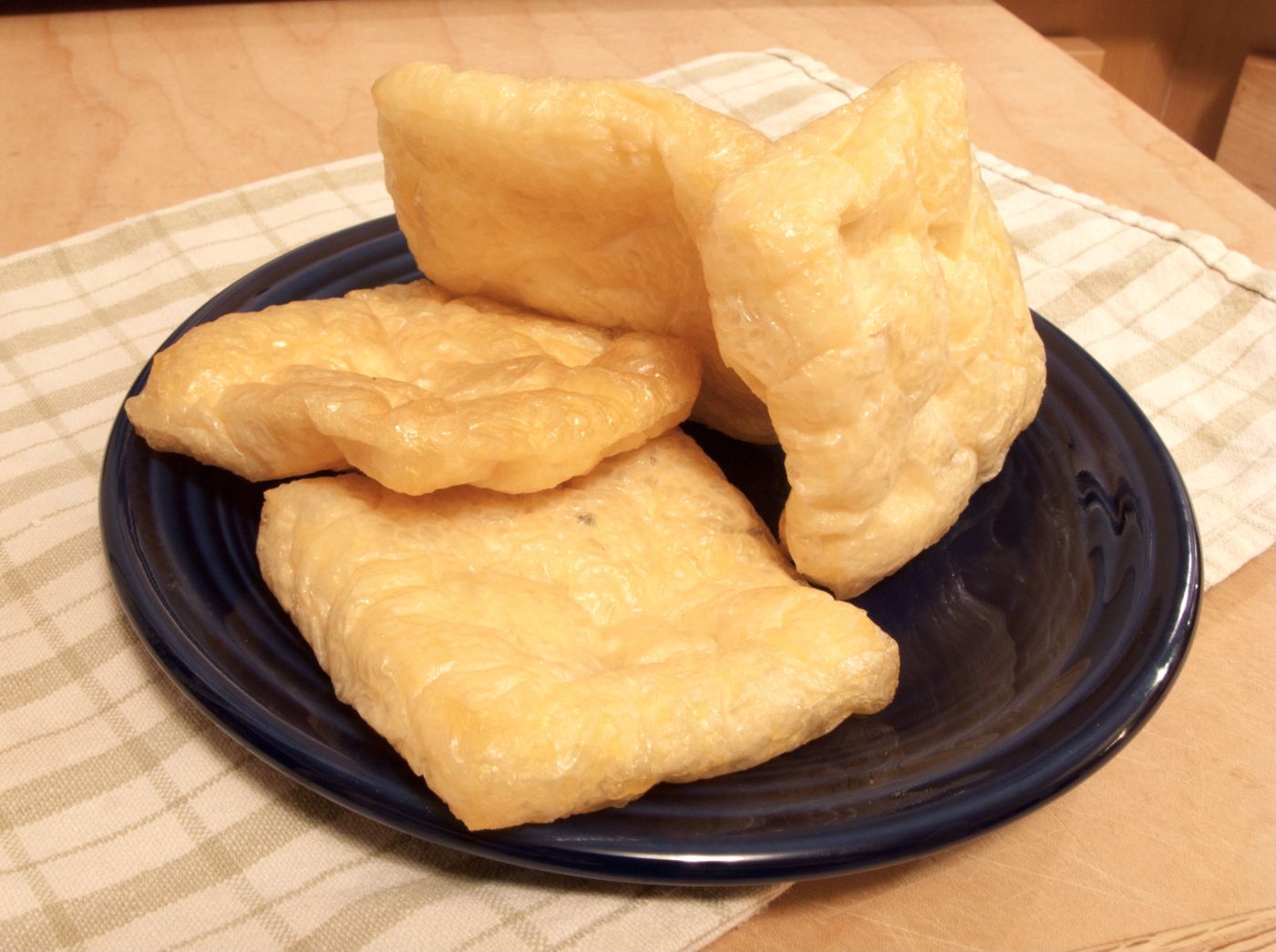 Yubu (Fried Tofu Pouches)유부Thin slices of pressed tofu, deep-fried until puffed and golden. The fried slices can be split open into pouches. Simmered sweet and salty, they are stuffed with seasoned rice for yubu-chobap. Sliced, they go into fish-cake soup, noodle soups and hot pots.
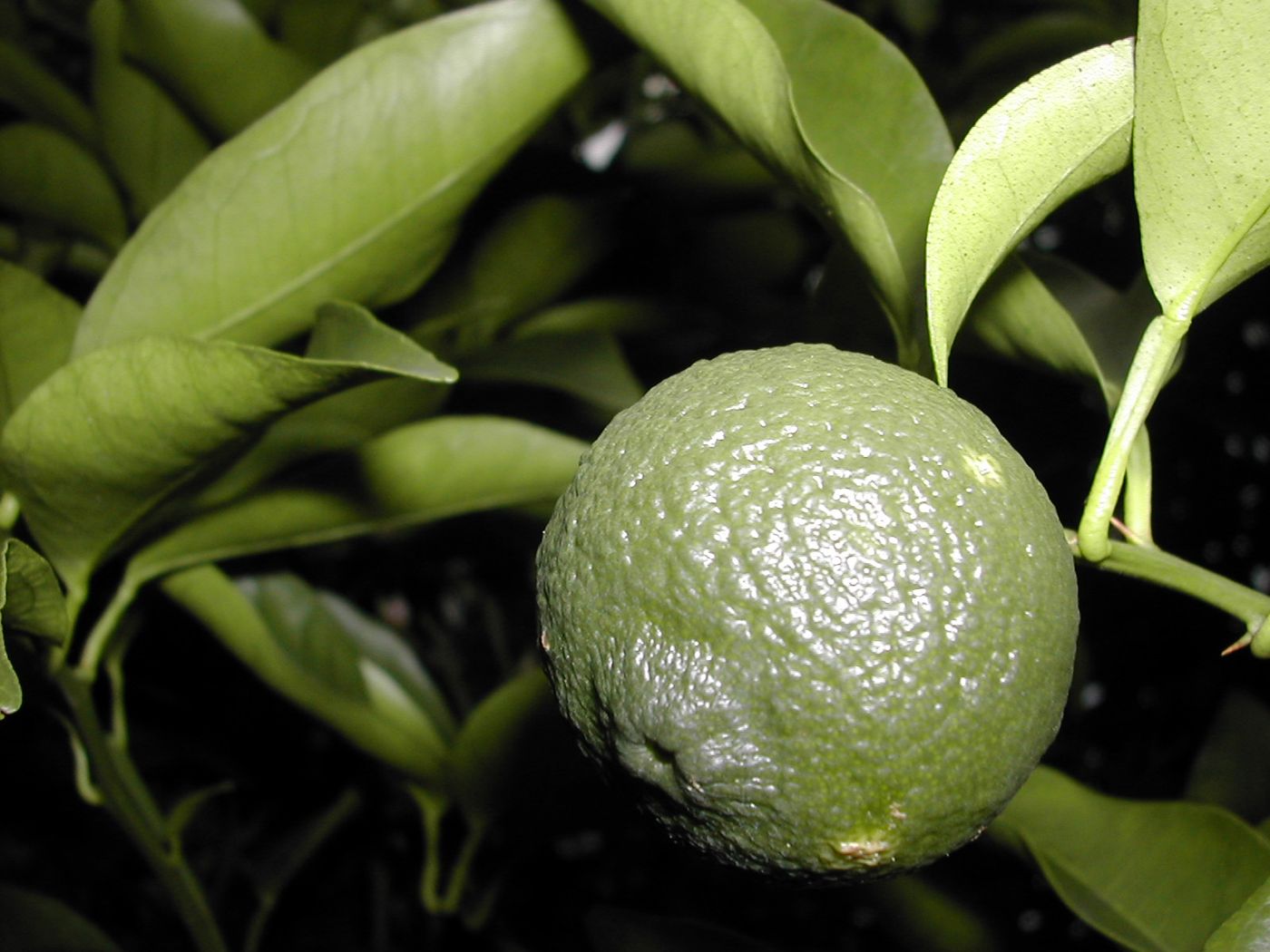 Yuja (Korean Citron)유자A fragrant, thick-skinned citrus (Citrus junos) grown on Korea's warm southern coast. Sliced whole and preserved in honey or sugar, it becomes yuja-cheong, the base of the winter tea yuja-cha.