Ingredient
Yuja (Korean Citron)
유자
Romanization: yuja
A fragrant, thick-skinned citrus (Citrus junos) grown on Korea's warm southern coast. Sliced whole and preserved in honey or sugar, it becomes yuja-cheong, the base of the winter tea yuja-cha.
Flavor
Intensely floral and aromatic, somewhere between lemon, mandarin and grapefruit, with a sharp sourness and a pleasantly bitter peel. As *yuja-cheong* it turns sweet, tangy and marmalade-like.
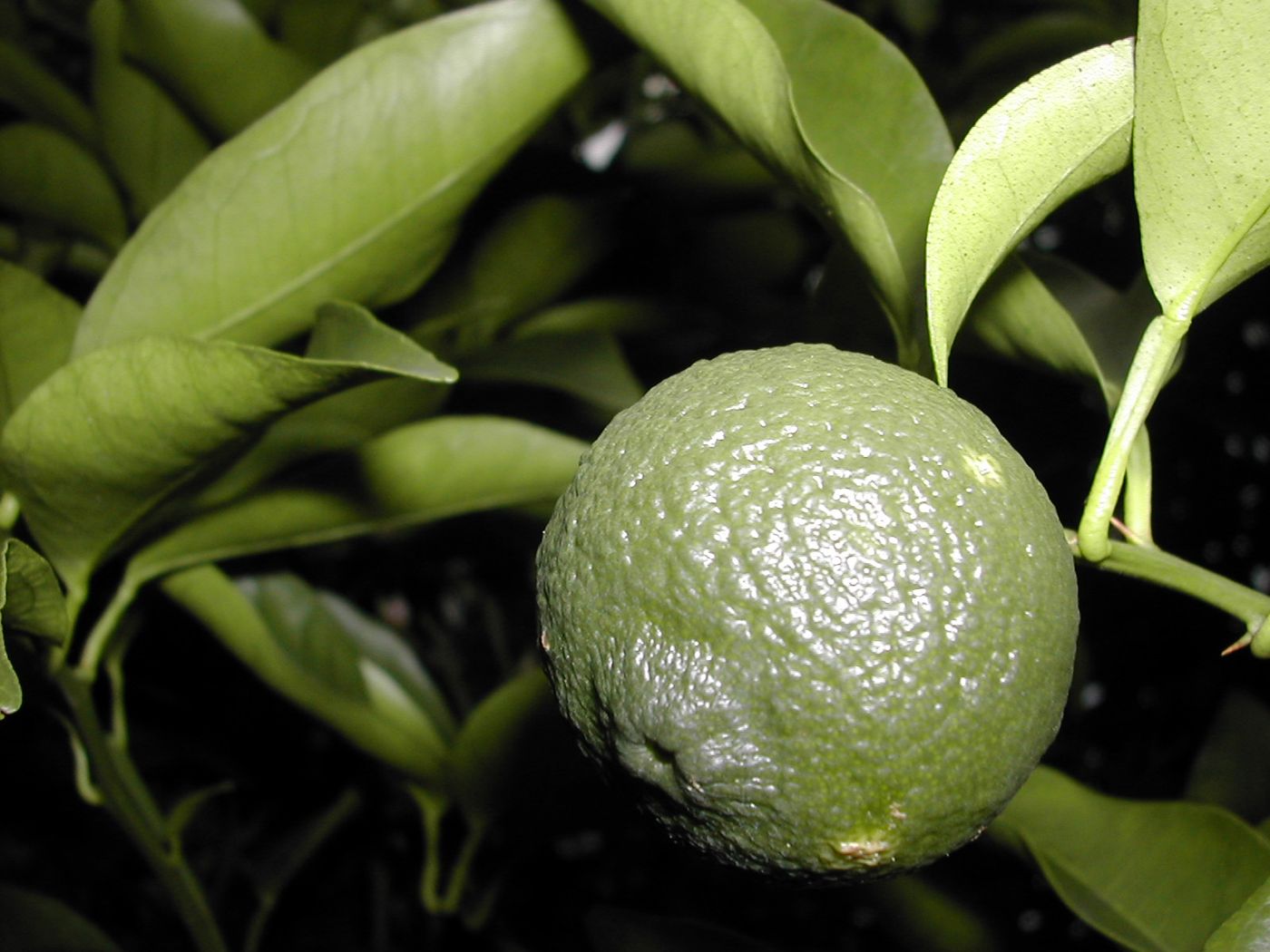 Photo: Imuzak, Public domain, via Wikimedia Commons
Origin & History
Yuja is a hardy citrus usually traced to China's Yangtze region; a popular legend credits the Silla-era maritime trader Jang Bogo with bringing it to Korea. It is an evergreen shrub with long thorns that flowers white in June and ripens in autumn. The Encyclopedia of Korean Culture notes that it cannot tolerate hard cold, so it is grown only along the coasts of South Gyeongsang and South Jeolla, in sunny spots sheltered from northwest winds.
Geoje Island was long the best-known producer. A local Geoje newspaper traces cultivation there back to the 15th century and recalls that a few trees could pay a child's university fees, earning yuja the nickname ‘university tree.’ From the 1980s, grafted seedlings from Geoje nurseries spread widely to Goheung in South Jeolla, and Goheung became the country's leading yuja county; the same report cites 2019 figures putting it at roughly two-thirds of national production. The harvest peaks in November.
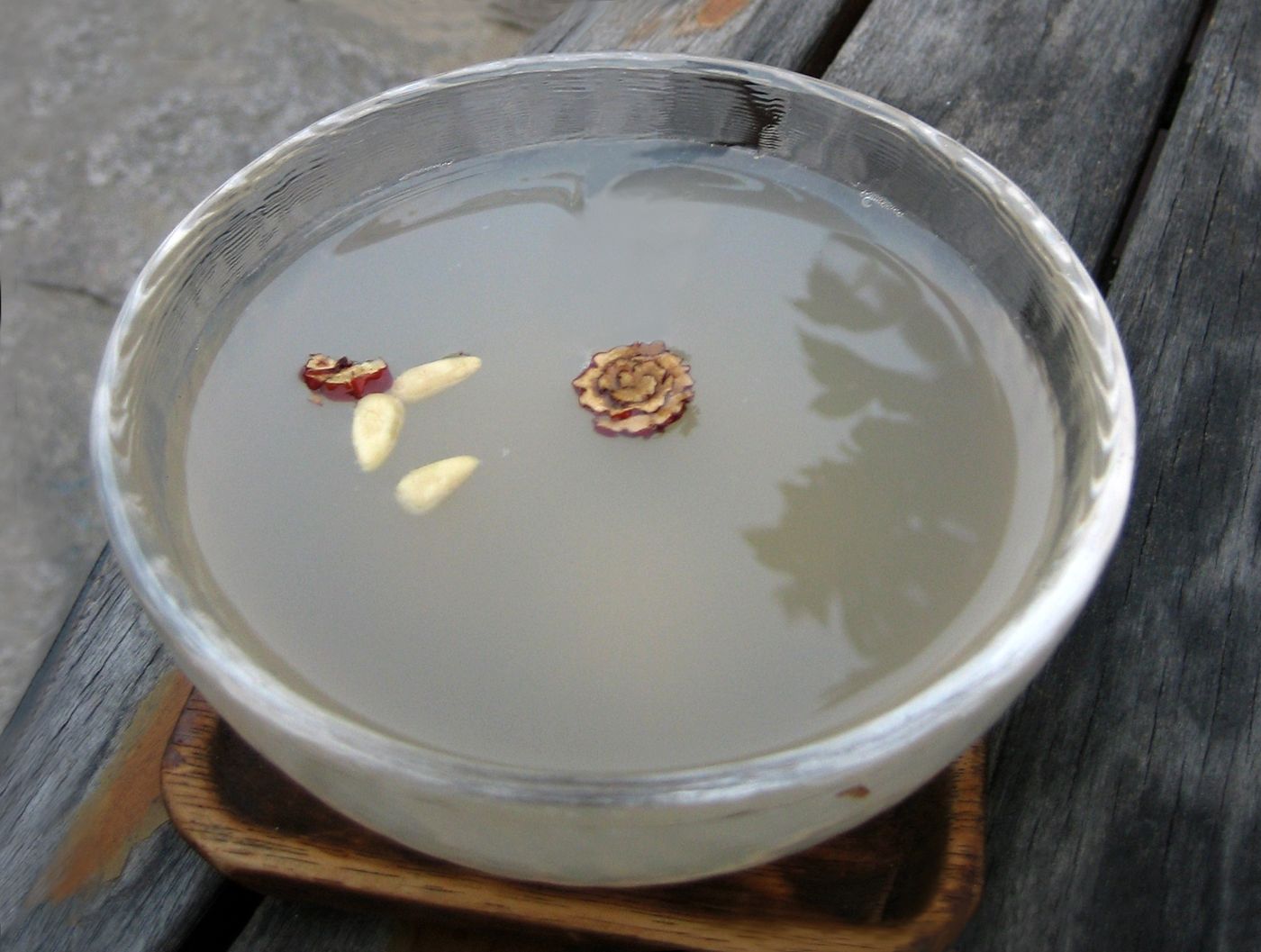
Because the fruit has little flesh, lots of seeds and a very aromatic peel, it is used whole. The Encyclopedia of Korean Culture describes the classic method: slice the fruit thinly, pack it with honey or sugar in a jar, and leave it in a cool, dry place for two to three weeks until clear syrup collects. A spoonful of this yuja-cheong stirred into hot water, sometimes topped with pine nuts, is yuja-cha. Yuja also flavors hwachae, sweets and dressings.
Nutrition
| Calories | 49 kcal |
|---|---|
| Protein | 0.93 g |
| Fat | 0.09 g |
| Carbohydrates | 12.59 g |
| Fiber | 3.7 g |
| Sodium | 3 mg |
Notable forVitamin C · Dietary fiber
Values from the Korean Food Composition Table (RDA, 2015 data), which lists about 95 mg vitamin C per 100 g of whole fruit (about 105 mg in the peel). Yuja-cheong (유자청, 2019 data) is far richer: 251 kcal, 58.8 g sugars and about 27 mg vitamin C per 100 g. Actual values vary with ingredients, portion size and preparation.
Health Benefits
- Vitamin C in the peel: Whole raw yuja is rich in vitamin C, much of it in the peel, which is why the fruit is preserved whole.
- Traditional winter drink: Yuja-cha has long been drunk in cold weather and is traditionally believed to soothe colds and aid digestion; these are traditional beliefs rather than proven effects.
- Sugar in the syrup: Per 100 g, yuja-cheong is mostly sugar (about 59 g in the Korean table). A spoonful in tea adds noticeable sugar; people watching sugar intake should use it sparingly.
- Citrus sensitivity: People with citrus allergies or sensitivity to acidic foods should take care.
Informational, not medical advice. Talk to a qualified professional about your own health and diet.
Sources
- 01유자나무 (Yuja tree) — Encyclopedia of Korean Culture
- 02유자차 (Yuja-cha) — Encyclopedia of Korean Culture
- 03대한민국 유자 1번지 고흥…유자 재배면적만 거제의 6배 (Goheung, Korea's top yuja region) — Geoje Shinmun
- 04고흥 유자, 그 향기에 취하다 (Goheung yuja) — Korea Tourism Organization, VisitKorea
- 05Korean Food Composition Table (National Standard Food Composition Table) search — Rural Development Administration