Ingredient
Jujube (red date)
대추
Romanization: daechu
The small, wrinkled red fruit of the jujube tree, dried until sweet and chewy. An essential of ancestral-rite and wedding tables, it sweetens teas and herbal soups and garnishes rice cakes and festive dishes.
Flavor
Dried jujubes are sweet and gently tart, with notes of caramel and apple and a chewy, spongy flesh; fresh fruit is crisp and lightly sweet, like a small apple.
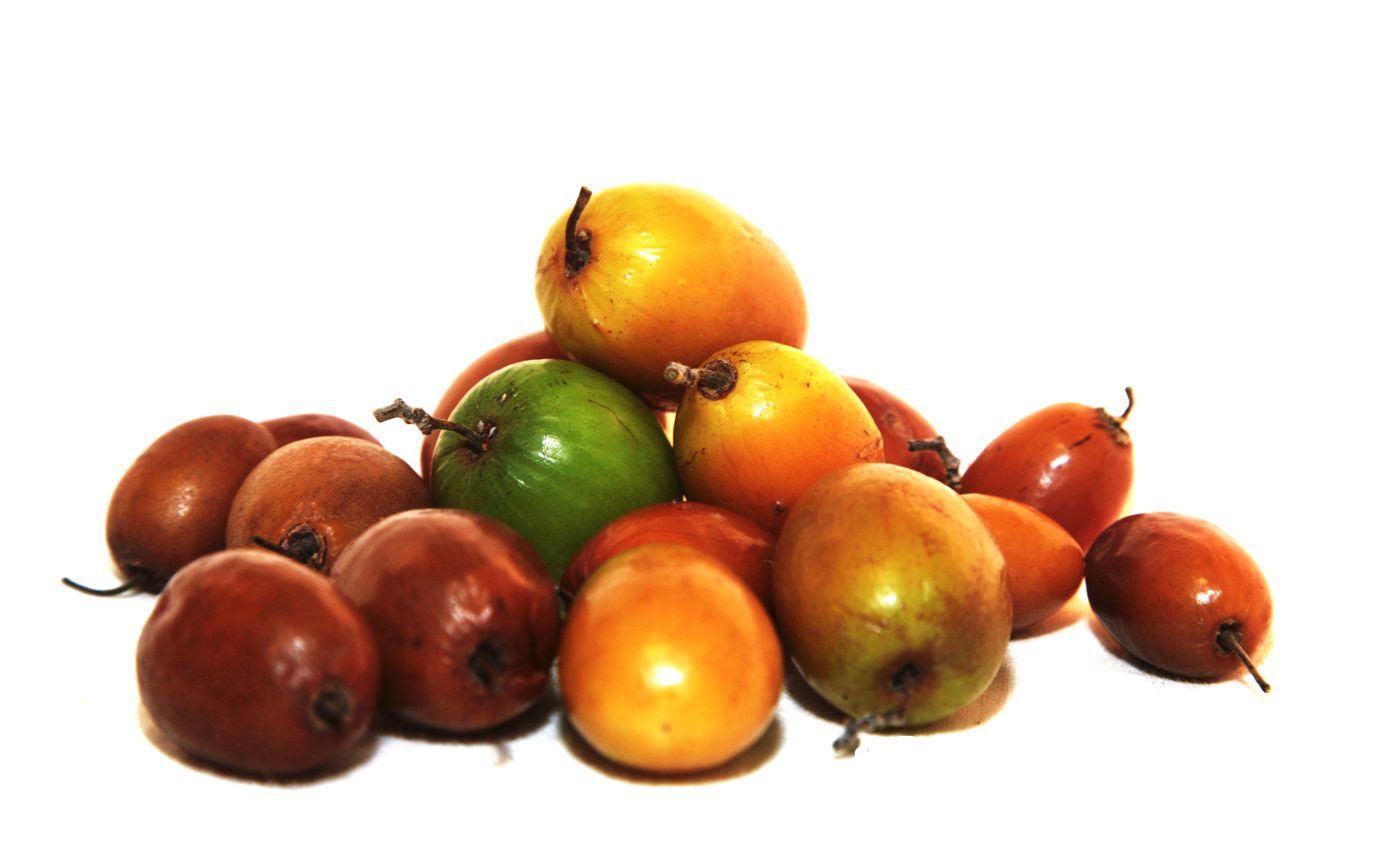 Photo: Rémi Tournebize, CC BY-SA 3.0, via Wikimedia Commons
Origin & History
Daechu is the fruit of the jujube tree (Ziziphus jujuba), a deciduous tree of the buckthorn family that grows 10–15 m tall. Small yellow-green flowers open in May and June, and the round to oval stone fruits ripen red-brown in September and October. Because of their color, dried jujubes are also called hongjo ('red jujube'); the best are said to be those dried after cold autumn dew.
The tree is native to China. When it reached Korea is unclear, but cultivation was officially encouraged from 1188 in the Goryeo period. It thrives in dry, sunny places and needs dry air at flowering, which is why heavy summer rain can ruin a crop. Korean jujubes are known by place rather than variety — Boeun in North Chungcheong and Gyeongsan, Gunwi and Cheongdo in North Gyeongsang are famous. A Boeun saying held that rain during the summer sambok days would bring tears to the eyes of the town's marriageable daughters, since the harvest paid for weddings.
Jujubes are rich in symbolism. Associated with sons and fertility, they are thrown into the bride's skirt by her new parents-in-law at the pyebaek ceremony, and folk belief held that dreaming of jujubes foretold a son. The Dongguk sesigi records 'marrying' the jujube tree at noon on Dano, wedging a stone into the fork of its trunk to encourage fruit.
The fruit is indispensable on jesa and banquet tables, either whole or made into confections such as joran and daechu-cho. It is used as a garnish for rice cakes and festive dishes, steamed and tossed with toasted sesame in grain syrup as daechu-jingjo, a Gyeongsang specialty for holidays and rites, and simmered into teas and herbal soups. Fruits are often steamed before drying so they keep longer.
Nutrition
| Calories | 276 kcal |
|---|---|
| Protein | 3.73 g |
| Fat | 0.25 g |
| Carbohydrates | 72.57 g |
| Fiber | 9.5 g |
| Sodium | 2 mg |
Notable forDietary fiber (9.5 g) · Potassium (805 mg) · Total sugars (59 g)
Values copied from the Korean Food Composition Table (Rural Development Administration / National Institute of Crop Science) for this exact food, per 100 g edible portion. Fresh jujube in the same table: 105 kcal, 24.3 g sugars and 86 mg vitamin C per 100 g — drying concentrates the sugars and loses most of the vitamin C. Actual values vary with ingredients, portion size and preparation.
Health Benefits
- Fiber and potassium: Dried jujubes supply dietary fiber and potassium, according to the Korean Food Composition Table.
- Naturally very sweet: Dried jujubes are about 59% sugars by weight, so they are best enjoyed a few at a time, particularly by people managing blood sugar.
- A long herbal tradition: Jujube fruit and seeds are widely used in traditional Korean and Chinese herbal medicine as a tonic and calming ingredient. That use is part of the fruit's heritage; it should not be relied on to treat any condition.
- Mind the pits: Whole jujubes have a hard, pointed stone, a choking hazard for young children; pit or slice them before serving.
Informational, not medical advice. Talk to a qualified professional about your own health and diet.
Dishes with Jujube (red date)
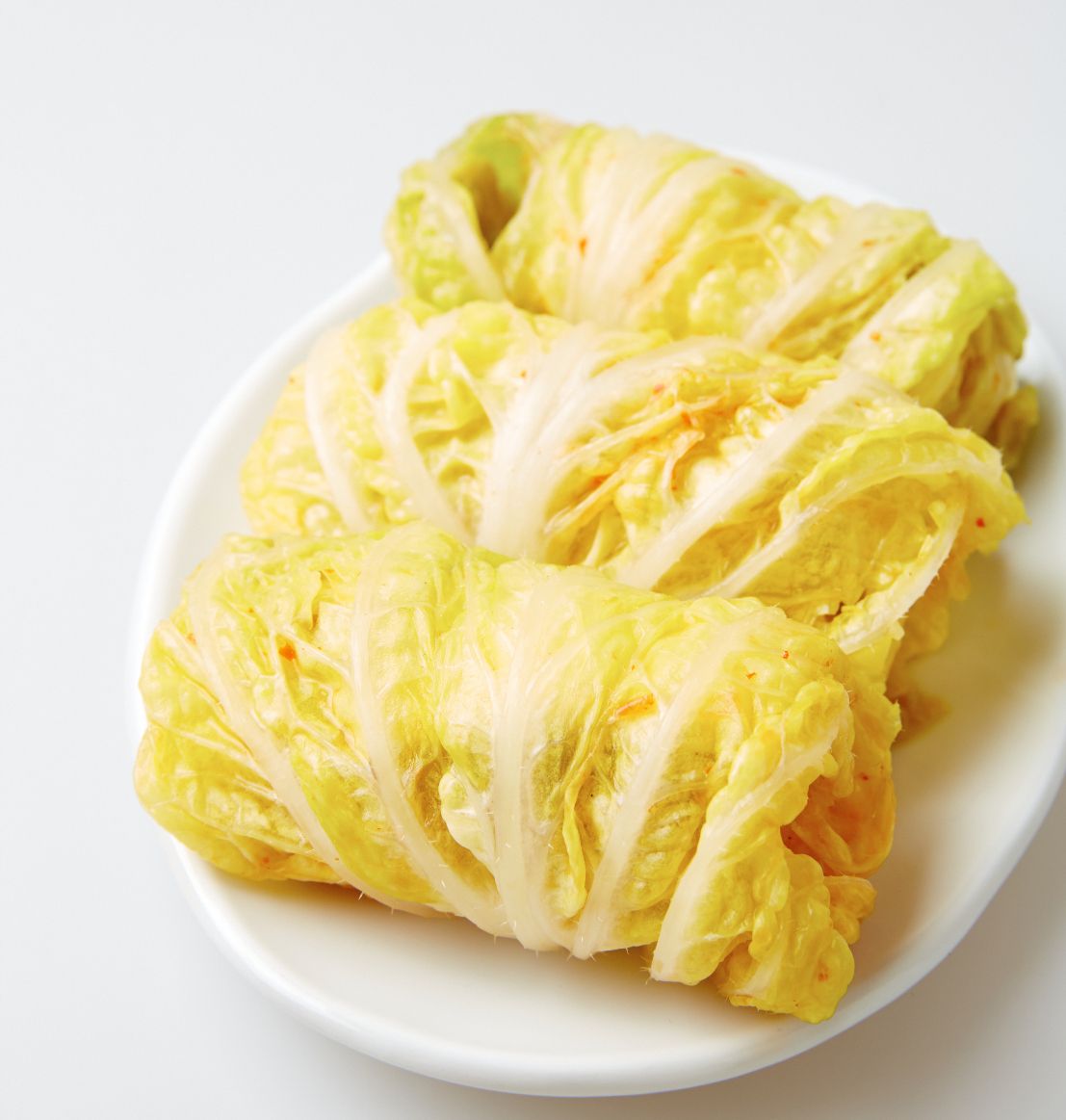 White Kimchi백김치Napa cabbage stuffed with radish, pear, chestnut and jujube and ripened in a clear, cool brine — kimchi with no chili flakes, mild and refreshing.
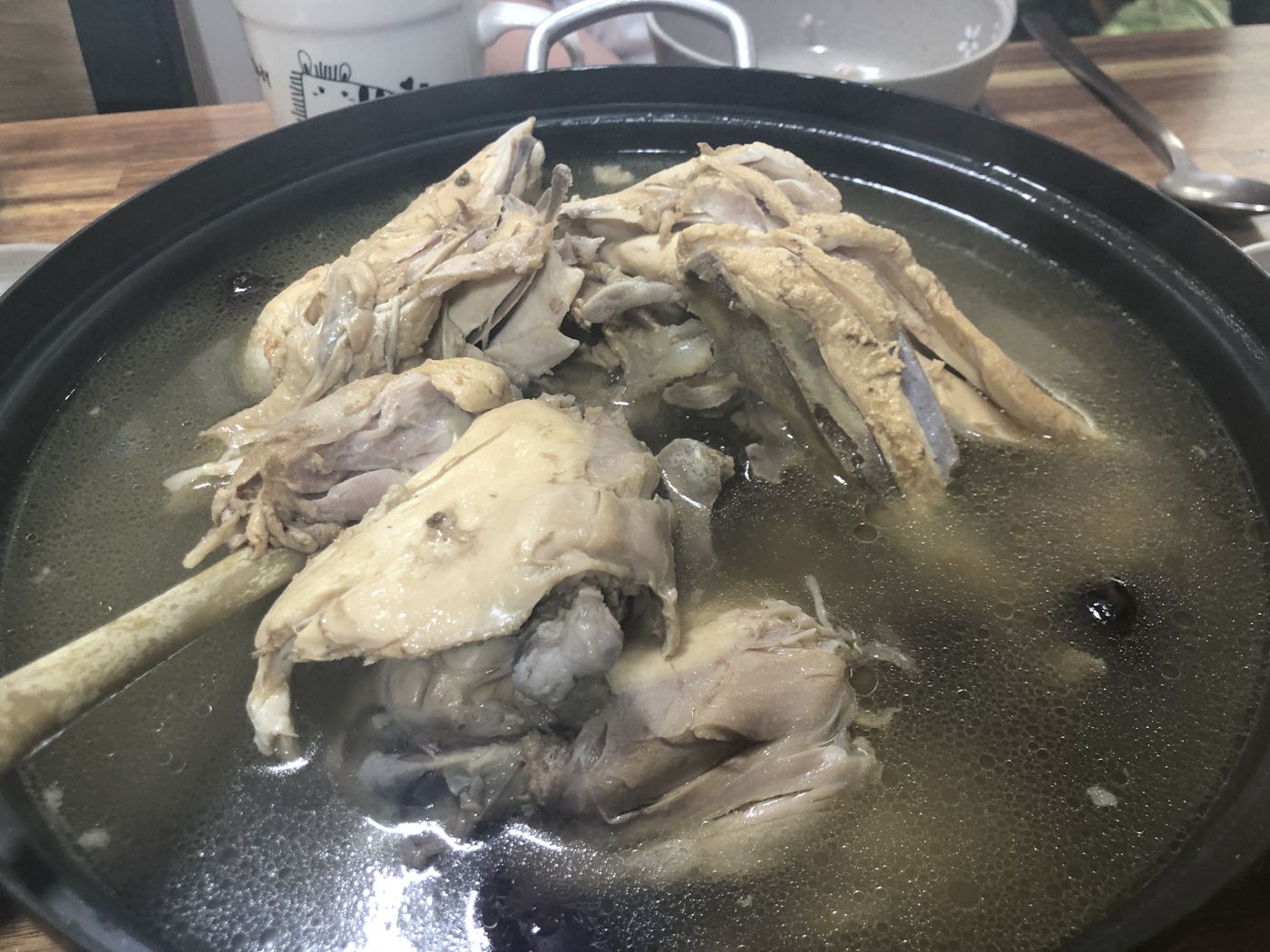 Baeksuk (Plain Whole Boiled Chicken)백숙A whole chicken simmered in plain water with garlic until falling-apart tender, eaten with salt and pepper, then followed by rice porridge cooked in the broth.
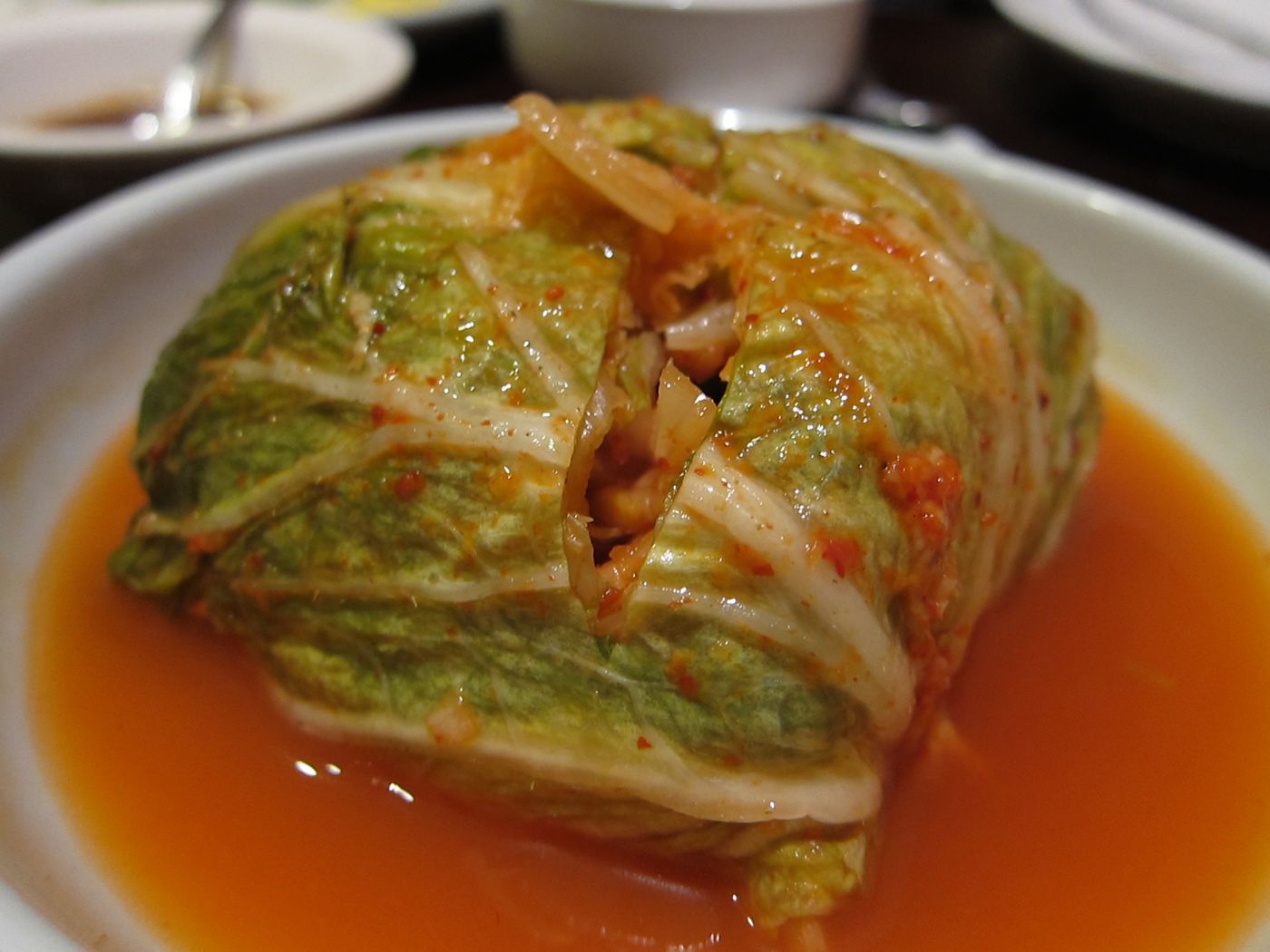 Wrapped Kimchi보쌈김치Cabbage, radish, fruit, nuts and seafood bundled inside whole cabbage leaves — the lavish wrapped kimchi of Gaeseong, made for honored guests.
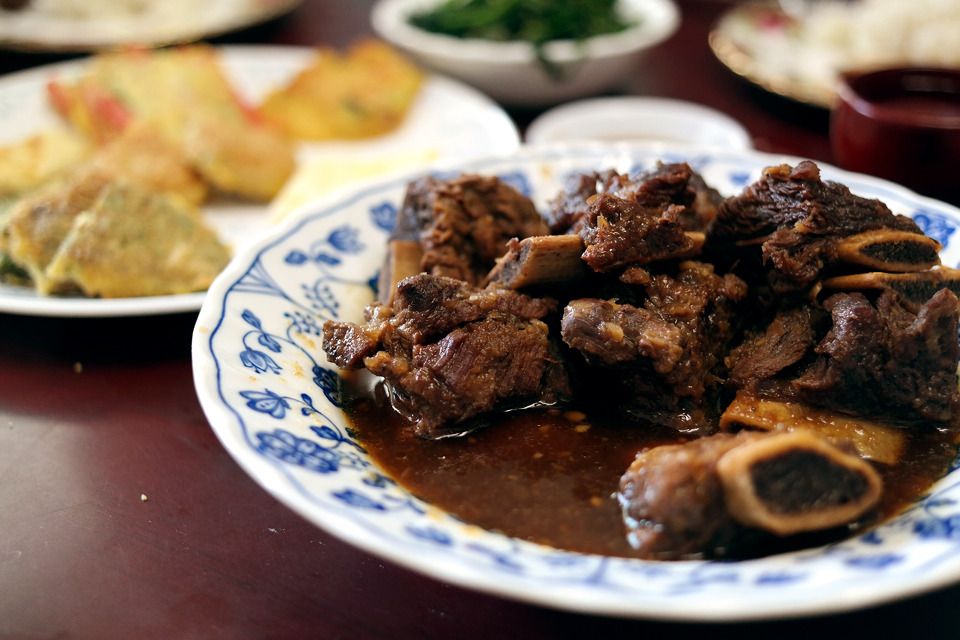 Galbi-jjim (Braised Beef Short Ribs)갈비찜Beef short ribs simmered slowly in soy sauce, pear and garlic with radish, carrot, chestnuts and jujubes until glossy and tender — a dish for holidays and honored guests.
- Soy Sauce Water Kimchi장김치Cabbage and radish cured in soy sauce instead of salt, floated in a lightly sweet soy brine with pear, chestnut and pine nuts — a court and gentry kimchi.
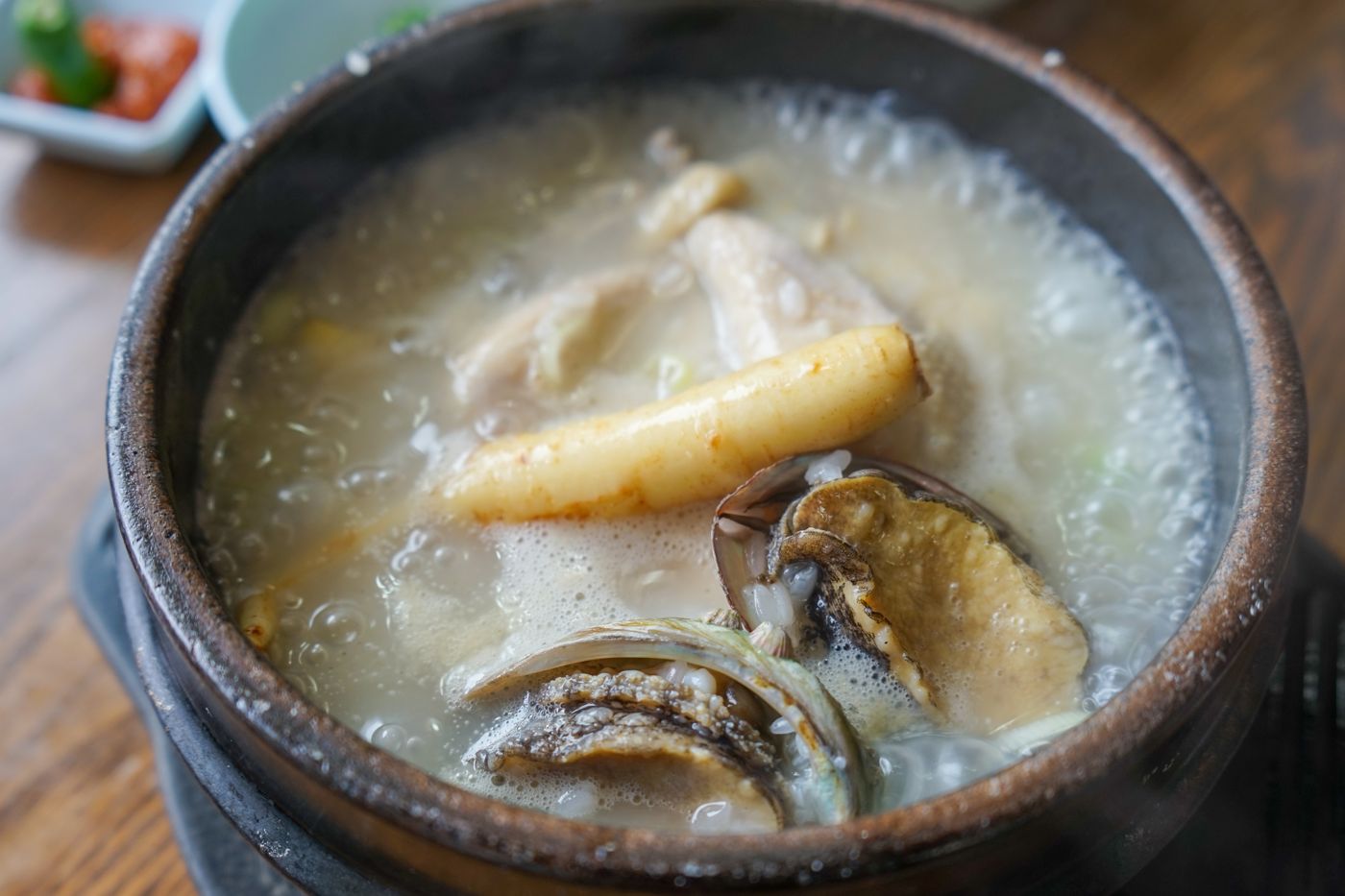 Samgyetang (Ginseng Chicken Soup)삼계탕A whole young chicken stuffed with glutinous rice, ginseng, jujubes and garlic and simmered until tender — the classic hot soup for Korea's dog days of summer.
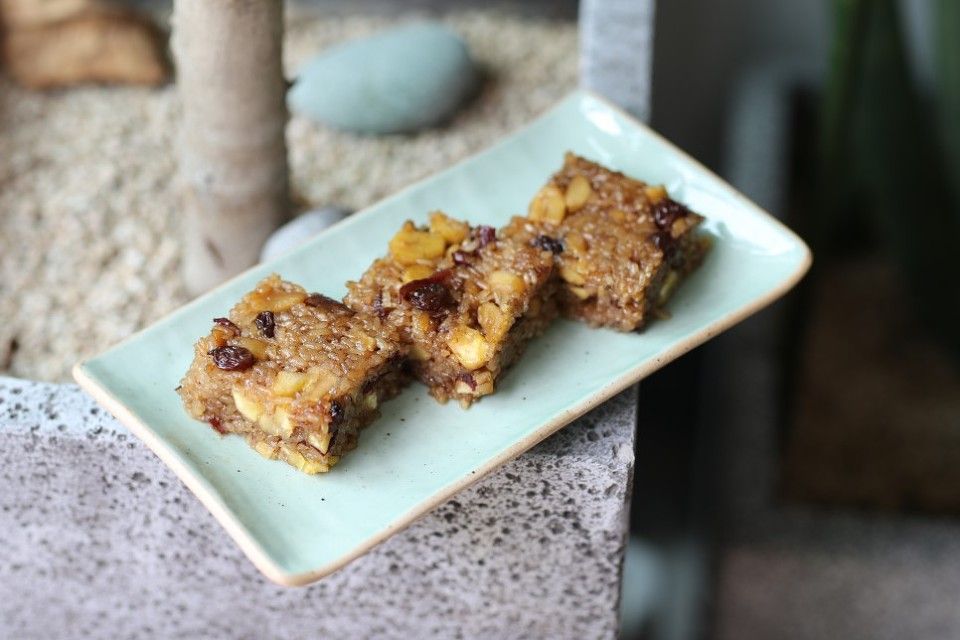 Yaksik (Sweet Rice with Chestnuts, Jujubes and Pine Nuts)약식Steamed glutinous rice darkened with soy sauce, brown sugar and honey and studded with chestnuts, jujubes and pine nuts — a full-moon festival food also called yakbap.