Ingredient
Green Plum Syrup
매실청
Romanization: maesil-cheong
A sweet-tart syrup made by layering green plums (maesil, Prunus mume) with an equal weight of sugar and letting them steep for months. Korean cooks use it in place of sugar in dressings, marinades and drinks.
Flavor
Very sweet with a bright, plummy sourness and a faint almond-like fragrance. In dressings it rounds out vinegar and soy sauce; diluted, it is tart and refreshing.
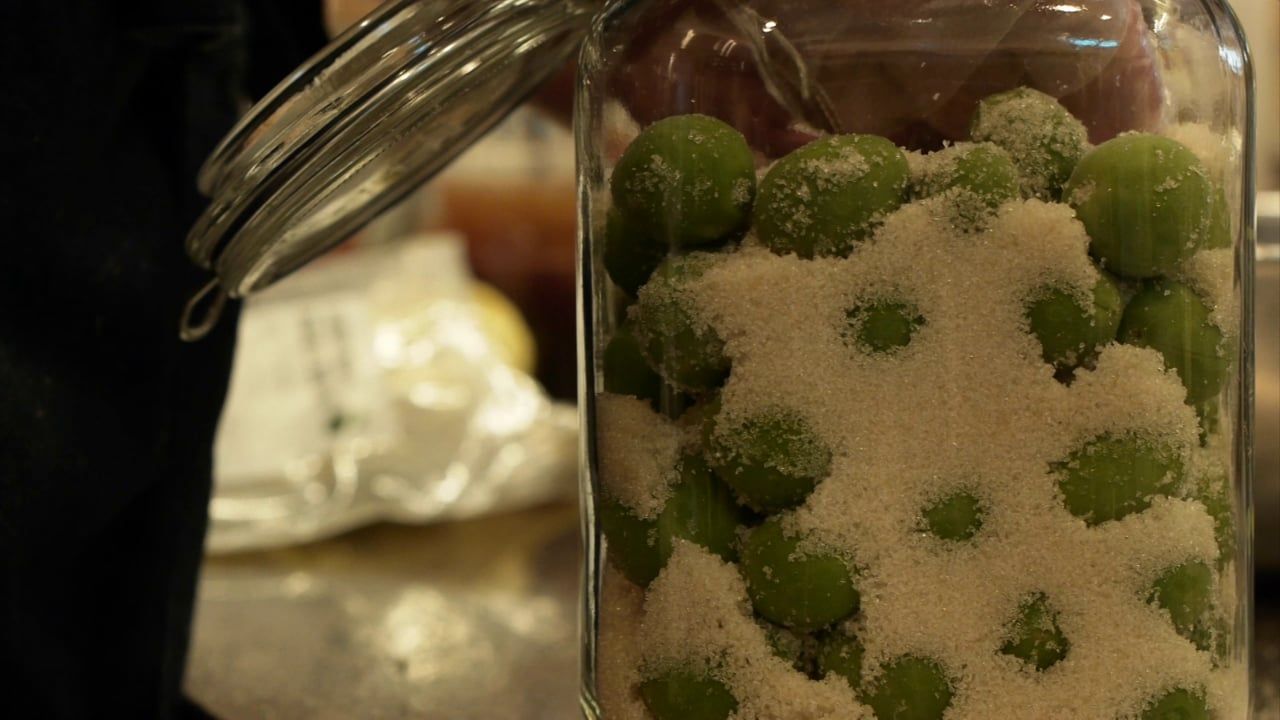 Photo: 29cm, CC BY-SA 3.0, via Wikimedia Commons
Origin & History
The maesil tree is better known in East Asia for its blossoms than its fruit. It flowers in early spring before the leaves appear, and the Encyclopedia of Korean Culture describes how Joseon scholars prized it as an emblem of integrity for blooming through the cold. The fruit looks like a small green apricot and is intensely sour; it turns yellow around July. In traditional medicine, unripe plums were salted and sun-dried (baengmae) or smoked over burning straw (omae), and the 17th-century cookbook Gyugon siuibang describes a powdered plum vinegar made from omae.
Maesil-cheong is a home preserve in the same cheong family as citron and omija syrups. Washed, stemmed plums are packed into a sterilized jar in layers with sugar at roughly 1:1 by weight, left at room temperature for three to four months until the sugar has drawn out the juice, then strained; the syrup is aged further before use. Green plums come to market in early summer, which is when most home batches are made.
In the kitchen, a spoonful of the syrup brings sweetness and gentle acidity to muchim dressings, vegetable pickles and meat marinades, and it is diluted with cold water as a summer drink. The Korean Food Composition Table lists several plum cultivars grown in Korea, including Namgo and Cheonmae.
Nutrition
| Calories | 213 kcal |
|---|---|
| Protein | 0.23 g |
| Fat | 0.18 g |
| Carbohydrates | 52.72 g |
| Fiber | 0.3 g |
| Sodium | 1 mg |
Values from the Korean Food Composition Table (RDA, 2020 data), which lists about 44 g sugars per 100 g. Homemade syrups vary with the plum-to-sugar ratio and steeping time. Actual values vary with ingredients, portion size and preparation.
Health Benefits
- Mostly sugar: Per 100 g, plum syrup in the Korean Food Composition Table contains about 44 g of sugars and little else of nutritional note. Treat it as a sweetener, not a health tonic.
- Traditional use: Plum preparations have long been used in Korean traditional medicine; the Encyclopedia of Korean Culture lists traditional uses for diarrhea and coughs. These uses are traditional rather than clinically established.
- Amygdalin in seeds and unripe fruit: Maesil seeds contain amygdalin, a cyanogenic compound that can release hydrogen cyanide in the body; Korea's Ministry of Food and Drug Safety (MFDS) notes that large amounts can cause headache, dizziness and breathing difficulty.
- Making it safer: MFDS guidance says removing the seeds cuts cyanide compounds by about 95 percent, and using ripe yellow plums instead of green ones cuts them by about 70 percent; it also advises straining out the fruit after three to four months and aging the syrup at least six more months. A 2024 study found amygdalin in syrups fell sharply over the first nine months and was below 5 mg/L by twelve months, regardless of fruit ripeness.
- Never eat the pits: Do not crack or eat plum seeds, and do not eat raw, unripe plums.
Informational, not medical advice. Talk to a qualified professional about your own health and diet.
Dishes with Green Plum Syrup
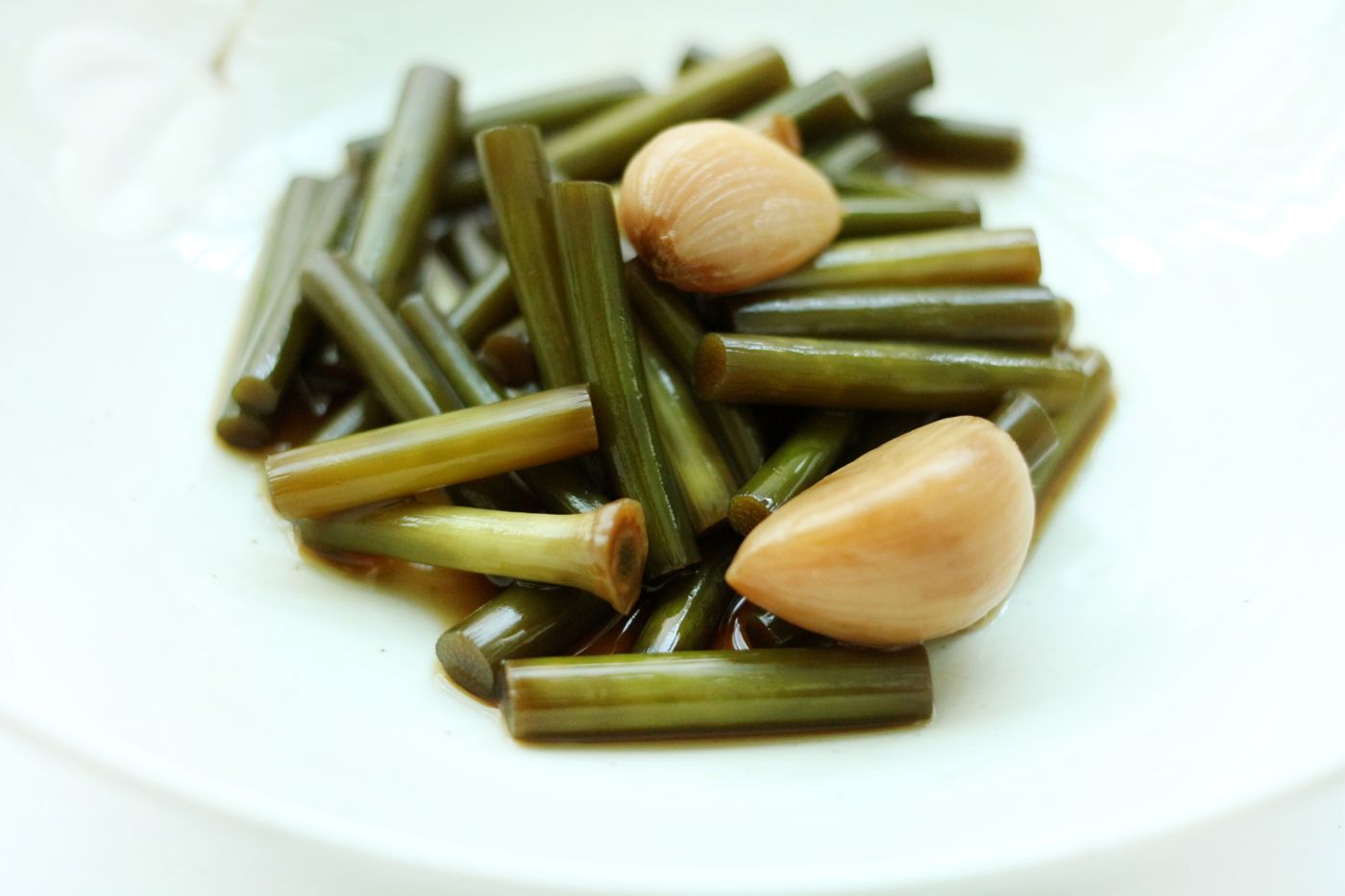 Pickled Garlic Scapes마늘종장아찌Spring garlic scapes cut into short lengths and steeped in a sweet-sour soy brine — crisp, gently garlicky jangajji that keeps for months.
- Soy-Pickled Onions양파장아찌Chunks of onion steeped in a sweet, tangy soy brine until mellow and crunchy — a quick modern jangajji that cuts through grilled meats and fried foods.
Sources
- 01매실나무 (Maesil tree) — Encyclopedia of Korean Culture
- 02매실청 안전하게 담그려면? (How to make maesil-cheong safely) — Ministry of Food and Drug Safety, via Korea.kr
- 03The Effect of One-Year Fermentation of Maesil Fruit (Prunus mume) Sugar Syrup on Amygdalin Level: A Natural Toxic Compound — Foods (2024)
- 04Korean Food Composition Table (National Standard Food Composition Table) search — Rural Development Administration