Ingredient
Dashima (dried kelp)
다시마
Romanization: dashima
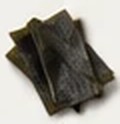
Thick, dried kelp that gives Korean broths their quiet savory depth. Beyond the stockpot it is fried into crisp twigak, simmered into soy-glazed side dishes and used as a wrap.
Flavor
Briny and deeply savory (umami) with a faint natural sweetness.
Origin & History
Dashima is kelp (Saccharina japonica), a large brown seaweed of the Laminariaceae family with a broad, ribbon-like blade and a root-like holdfast that anchors it to rock. Classical texts call it haedae or gonpo.
Kelp has been used in Korea as food and medicine for more than four centuries: it is described in Heo Gyun's 1611 food survey Domun daejak and in the medical classic Donguibogam. Wild kelp originally grew only in colder waters north of Wonsan. Farming began in 1968, when a Hokkaido strain was introduced, and production rose quickly from the mid-1970s; Korea harvested more than 600,000 tons in 2019, much of it destined for abalone feed as well as the table.
Most Korean seaweed farming is concentrated off the southwest coast in South Jeolla Province. Around Wando County, islands such as Chungdo are lined with drying yards where harvested kelp is spread out in the sun before being cut and packed.
Squares of dashima are simmered with dried anchovies to make a light broth for noodle soups, stews and other dishes. Kelp is also coated with glutinous rice paste and fried as bugak or twigak, simmered with anchovies or dried pollack in soy sauce, or softened and used to wrap rice as dashima-ssam.
Health Benefits
- A concentrated source of iodine: Seaweeds, including kelp, are among the best food sources of iodine, a mineral the thyroid needs to make its hormones.
- Iodine content varies widely: The NIH Office of Dietary Supplements notes that iodine in commercial seaweeds ranges from about 16 to nearly 3,000 mcg per gram, and kelp tends toward the high end. The tolerable upper intake level for adults is 1,100 mcg a day.
- Too much can affect the thyroid: Excess iodine can cause goiter, hypothyroidism or hyperthyroidism, and people with autoimmune thyroid disease may react at intakes that are safe for others. Anyone with a thyroid condition should ask a healthcare professional about regular kelp intake.
- Minerals and sodium: The Korean Food Composition Table lists dried kelp as rich in potassium and calcium, but also high in sodium — another reason dashima works best as a broth base or garnish rather than an everyday large portion.
Informational, not medical advice. Talk to a qualified professional about your own health and diet.
Dishes with Dashima (dried kelp)
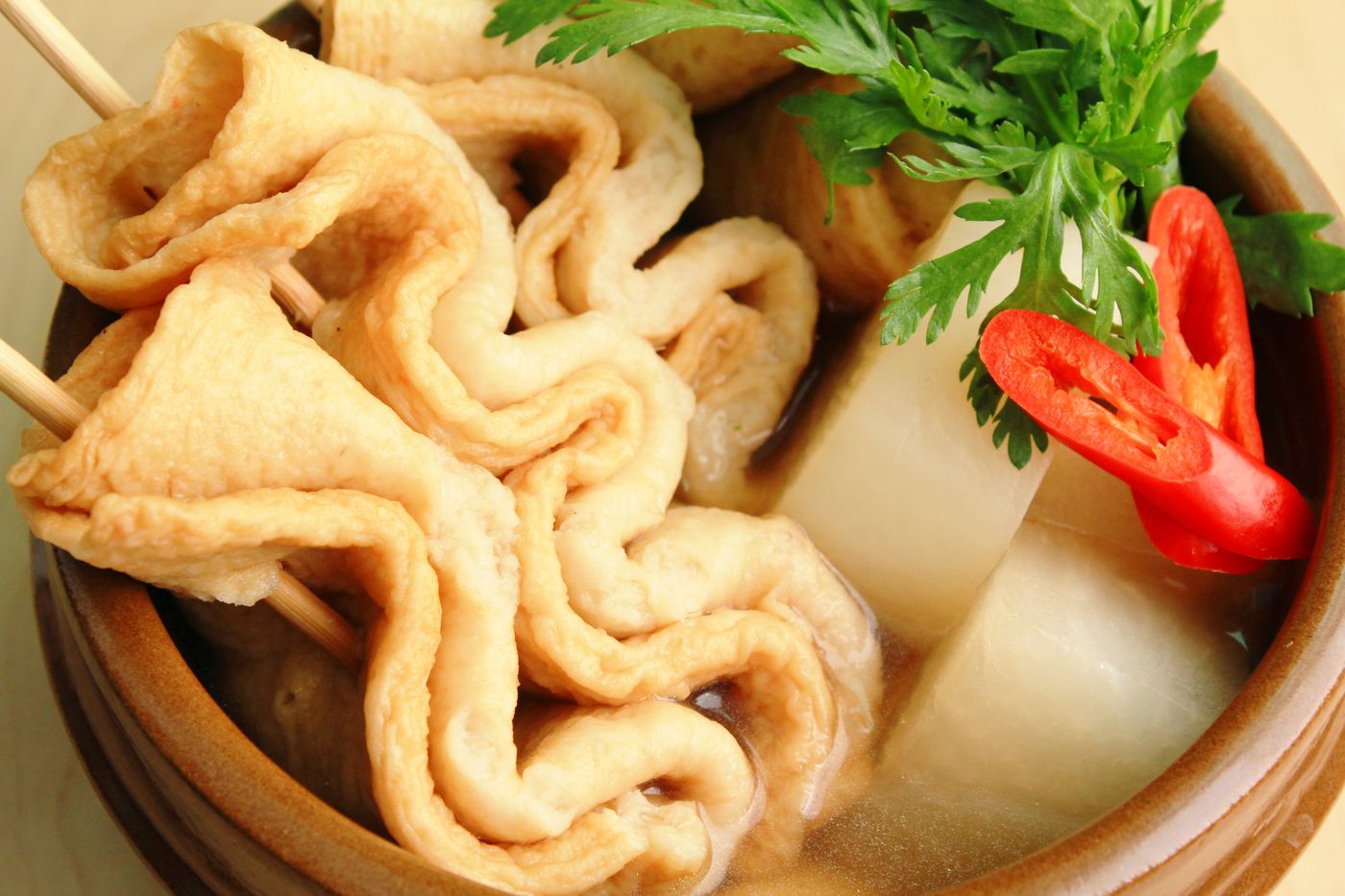 Eomuk Tang (Fish Cake Soup)어묵탕Fish cakes, often threaded on skewers, simmered in a clear anchovy, kelp and radish broth — Busan's winter street-stall soup and a quick home dish.
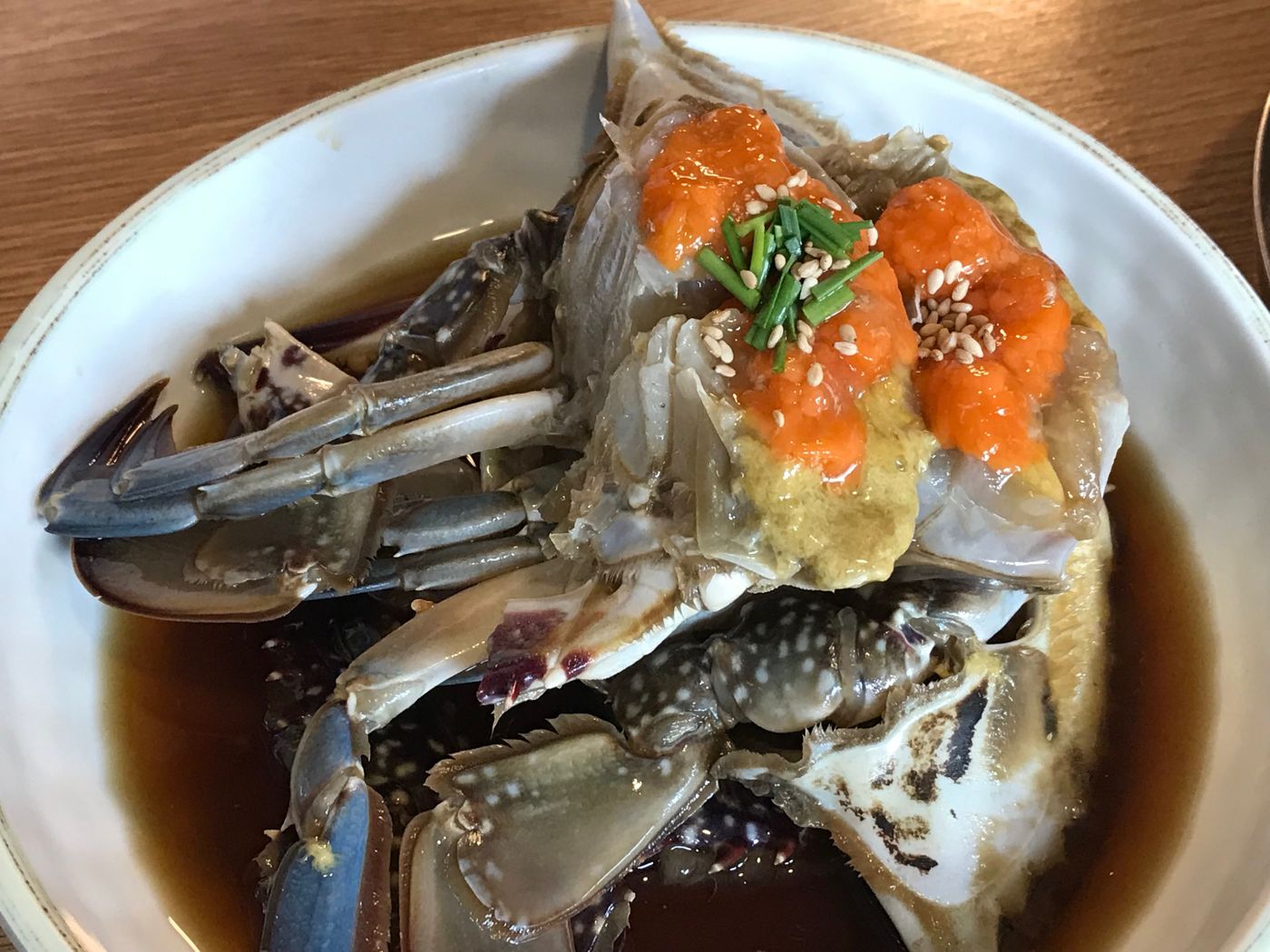 Soy-Marinated Raw Crab간장게장Raw crabs steeped in a boiled-and-cooled soy marinade until silky and savory — a centuries-old preserve, eaten by spooning rice into the shell.
- Gul Guk (Oyster Soup)굴국Fresh oysters dropped into a clear radish broth with tofu and green onion and cooked for barely a minute — a delicate cold-season soup of the south and west coasts.
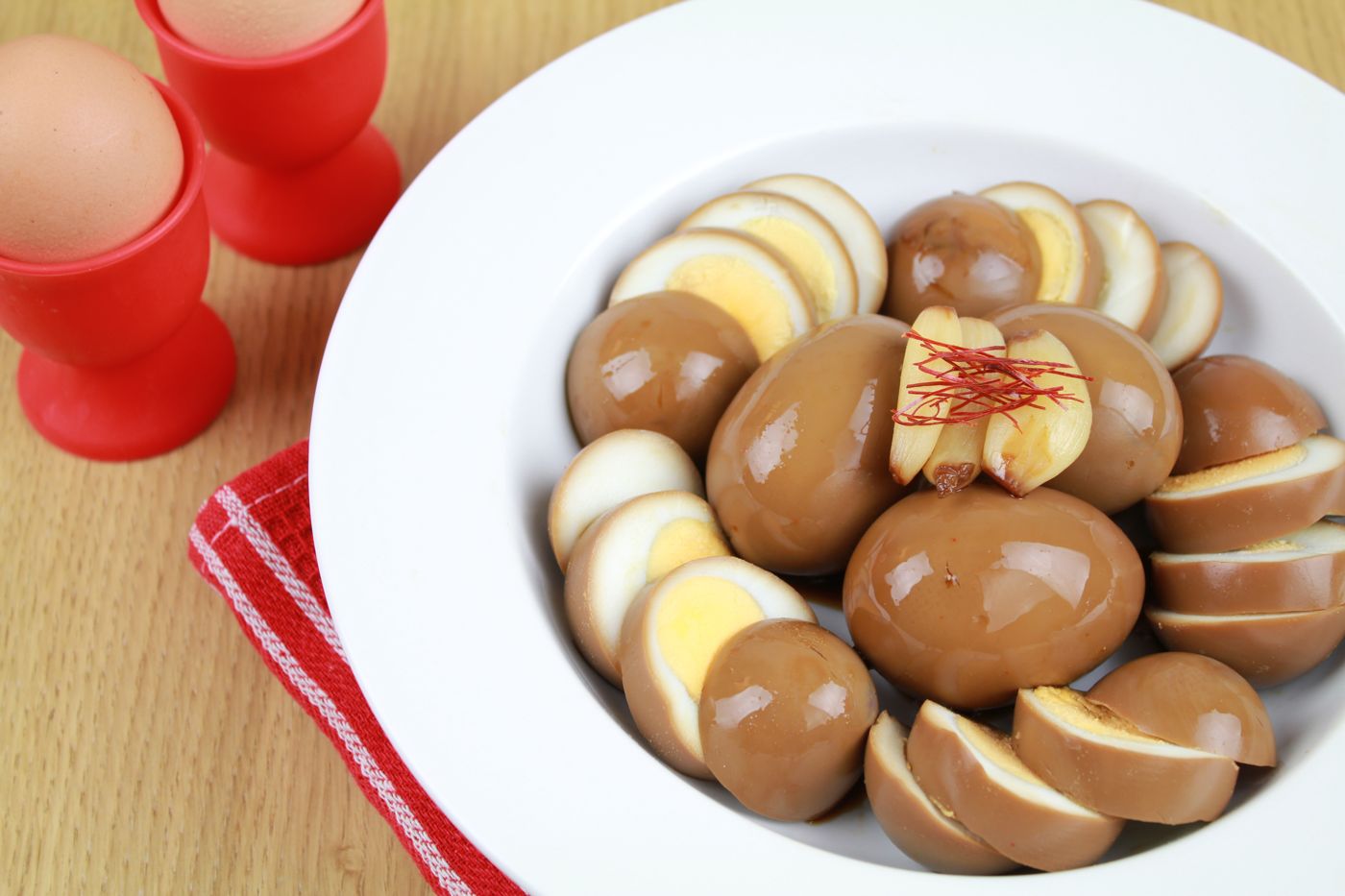 Gyeran Jangjorim (Soy-Braised Eggs)계란장조림Peeled hard-boiled eggs simmered in sweetened soy sauce with garlic and mild peppers until amber — a keep-in-the-fridge banchan for rice and lunchboxes.
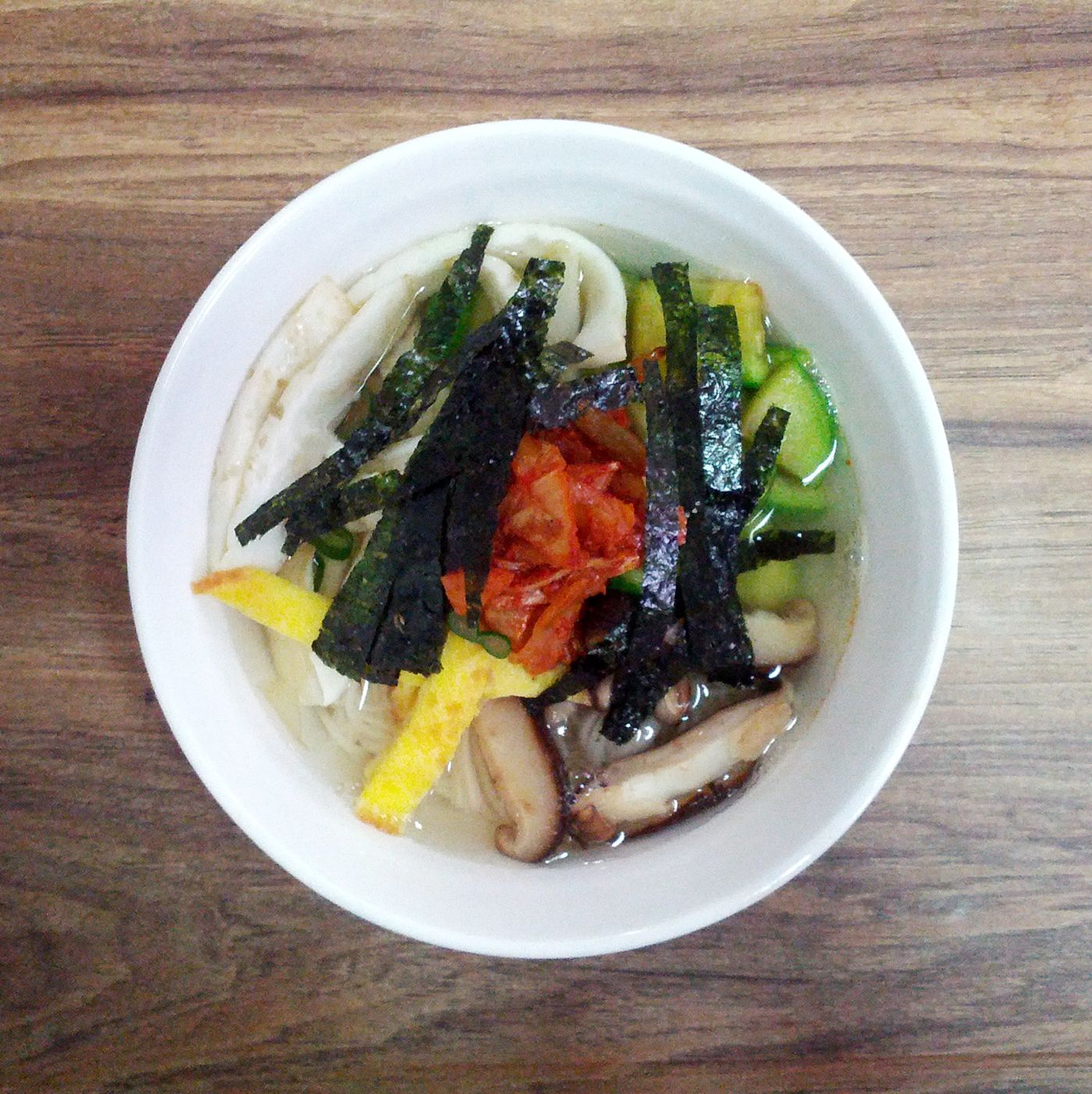 Janchi Guksu (Banquet Noodles)잔치국수Thin wheat noodles in a hot, clear anchovy or beef broth, topped with egg strips, zucchini and kimchi — the long-life noodles served at weddings and birthdays.
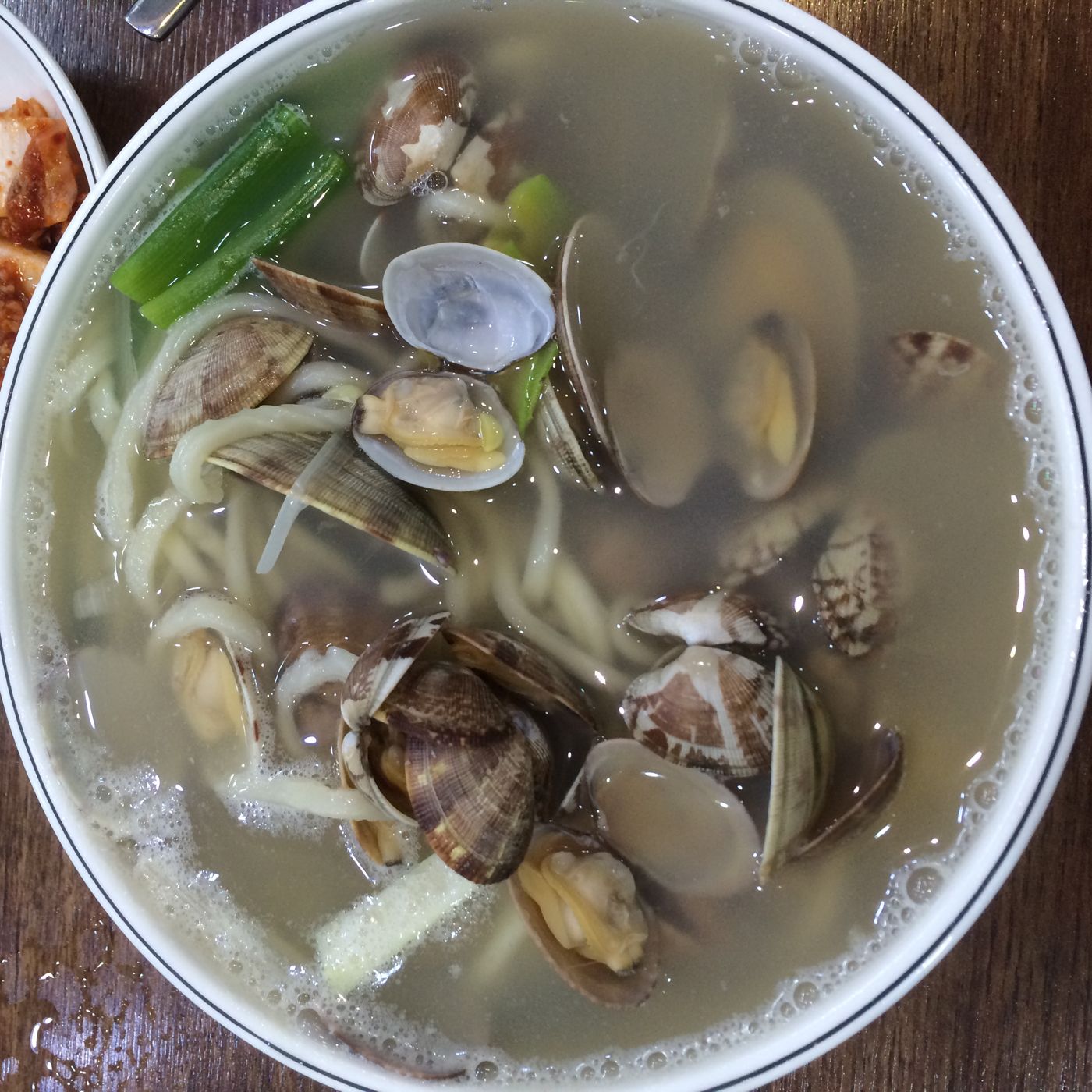 Kalguksu (Knife-Cut Noodle Soup)칼국수Hand-rolled wheat dough cut into ribbons with a knife and cooked right in anchovy, chicken or clam broth with potato and zucchini — Korea's homely noodle soup.
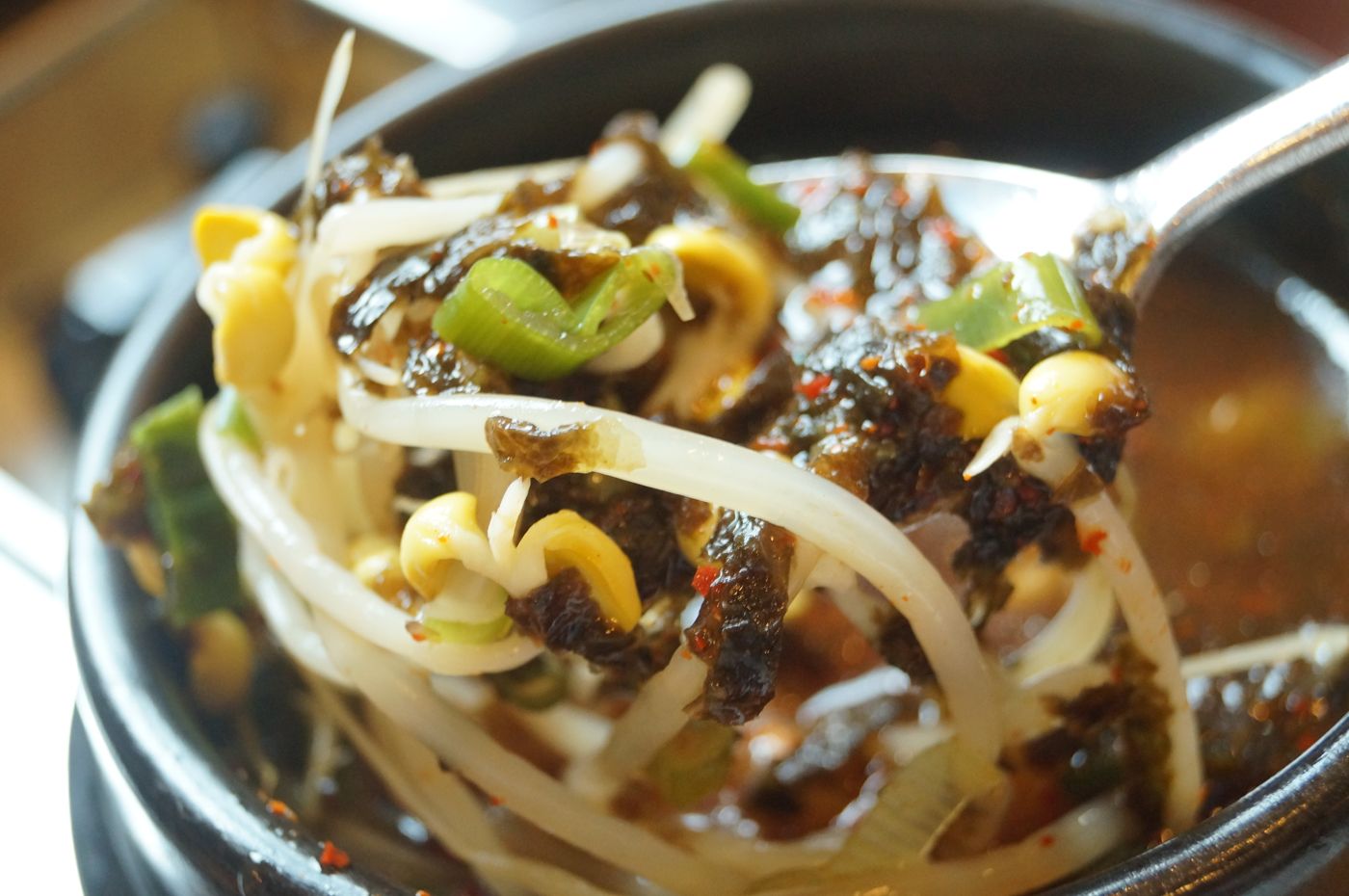 Kongnamul Guk (Soybean Sprout Soup)콩나물국A clear, light soup of soybean sprouts in anchovy-kelp stock, seasoned with salt or soup soy sauce — an everyday guk and a favorite morning-after cure.
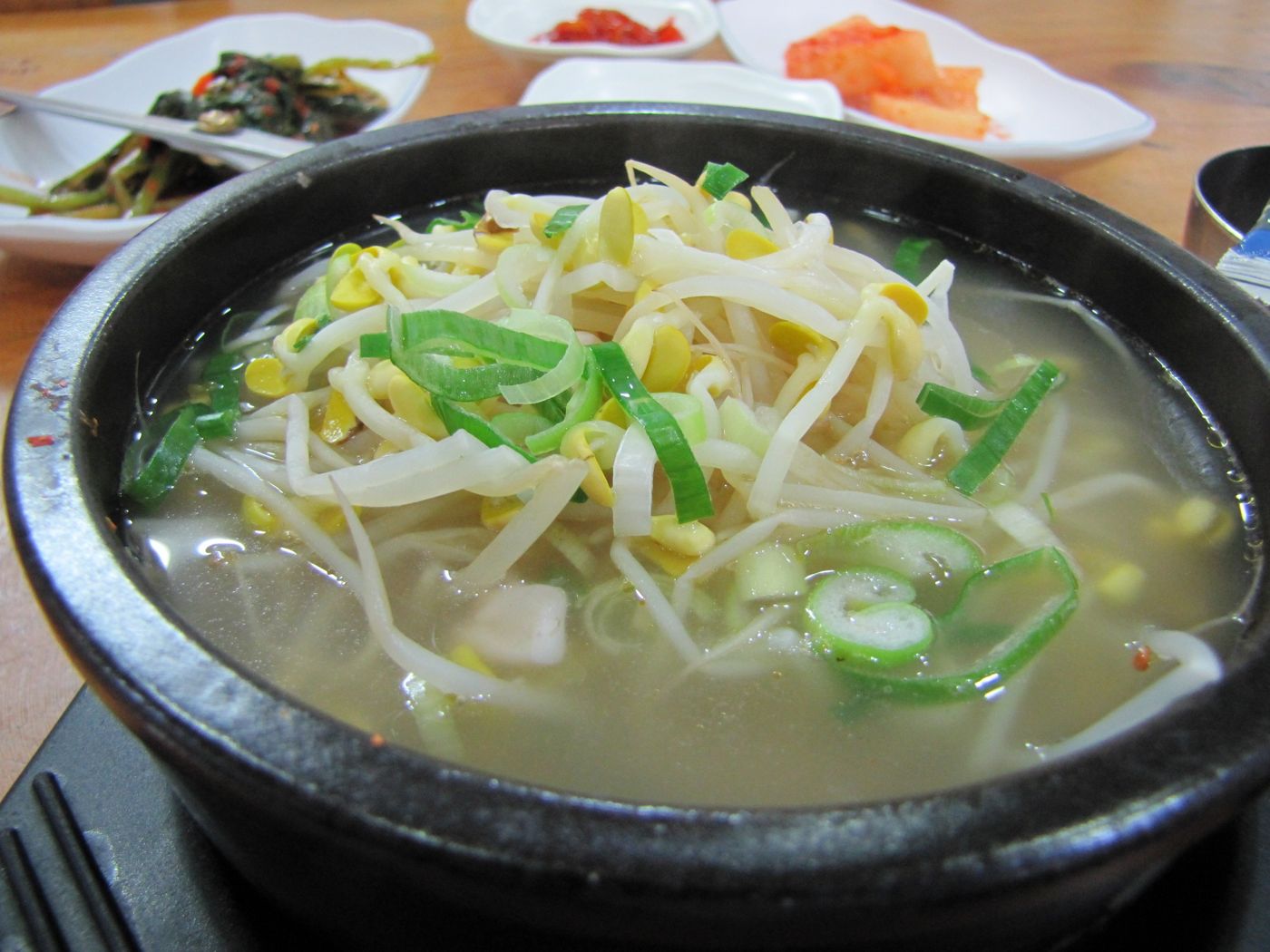 Kongnamul Gukbap (Jeonju Soybean-Sprout Rice Soup)콩나물국밥Rice and crisp soybean sprouts in a clear, savory broth, finished with egg, salted shrimp and kimchi. Jeonju's market breakfast and morning-after bowl.
- Mu Guk (Beef and Radish Soup)뭇국Thin squares of Korean radish and beef stir-fried in sesame oil, then simmered into a clear, gently sweet broth seasoned with soup soy sauce — a year-round everyday guk.
- Mu Jorim (Braised Radish)무조림Thick rounds of Korean radish simmered in anchovy stock with soy sauce and chili until tender, sweet and amber — humble, warming winter banchan.
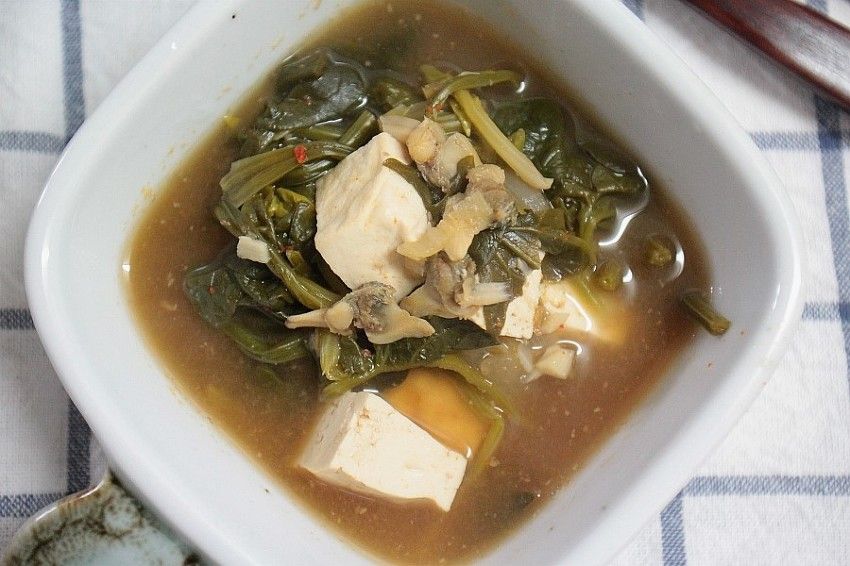 Sigeumchi Doenjang Guk (Spinach Soybean-Paste Soup)시금치된장국Tender spinach simmered in an anchovy broth seasoned with doenjang — a mild, everyday soup that is at its sweetest in winter and early spring.
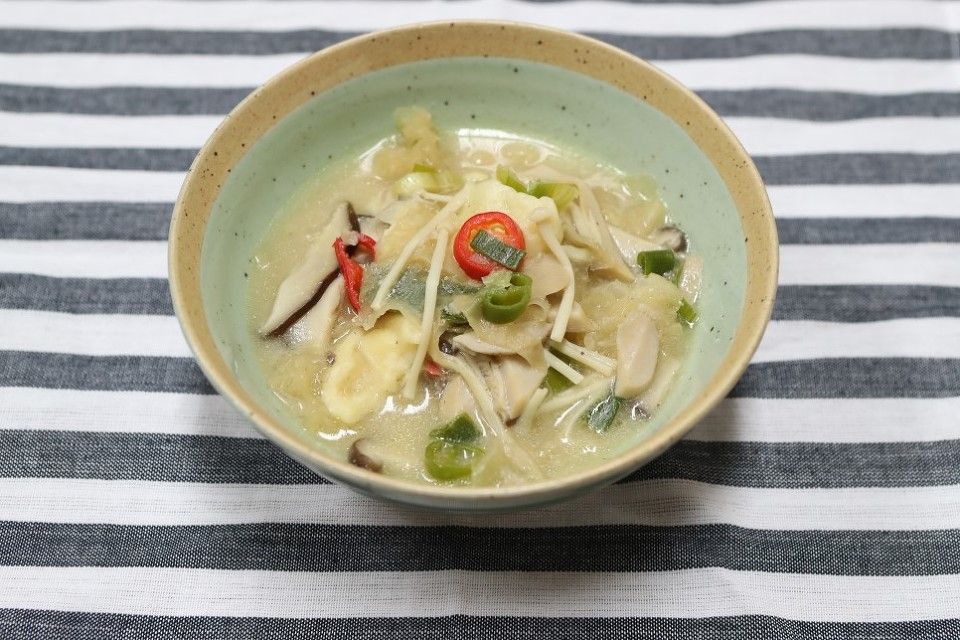 Sujebi (Hand-Torn Dough Soup)수제비Thin pieces of wheat dough pulled by hand into a simmering anchovy broth with zucchini and potato — a cozy, inexpensive one-pot meal, traditionally a summer staple.
- Toran Guk (Taro Soup)토란국Parboiled taro simmered in a clear beef-and-kelp broth seasoned with soup soy sauce — a soft, gently slippery soup made for the Chuseok harvest table.
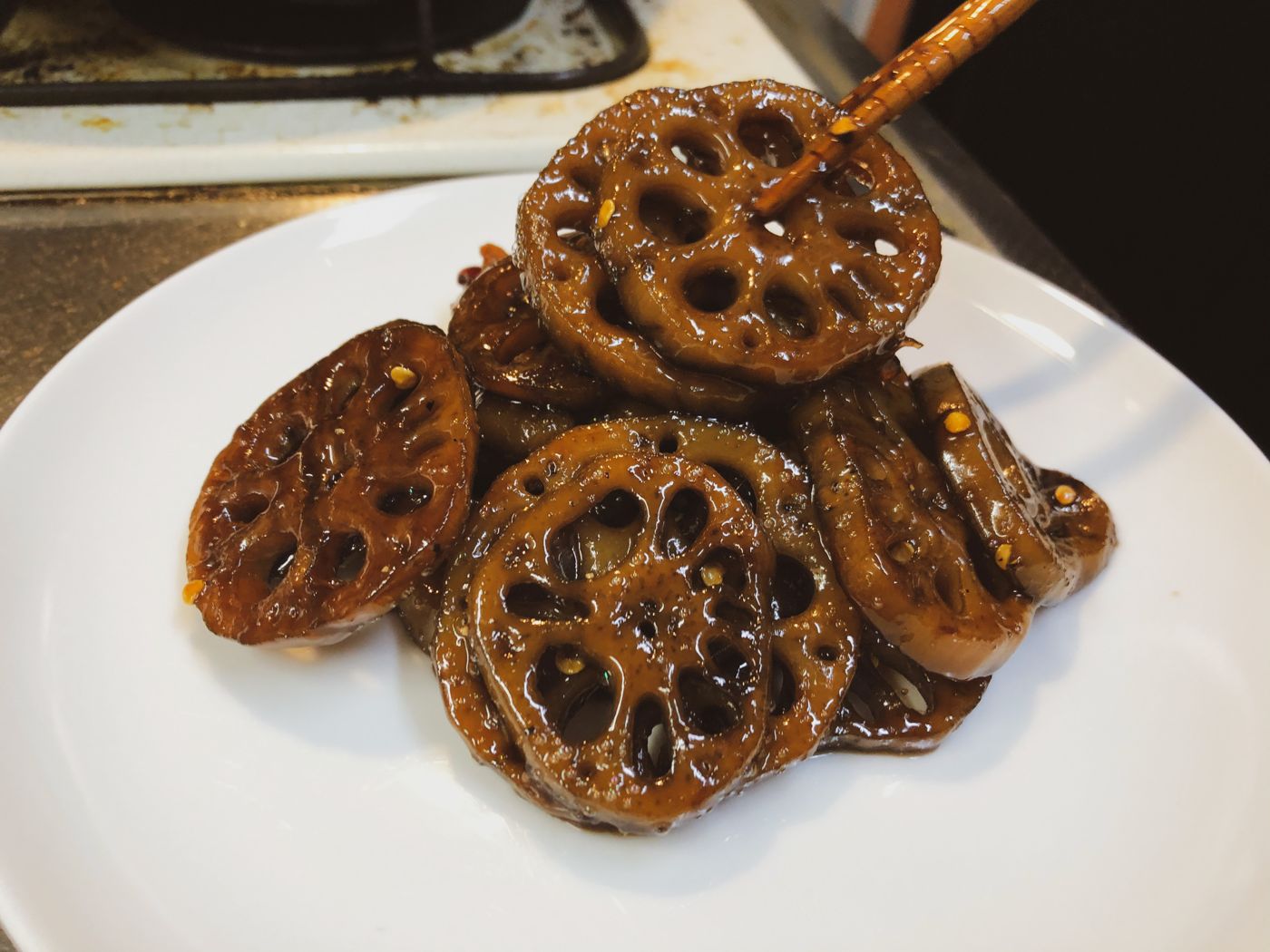 Yeongeun Jorim연근조림Rounds of lotus root simmered in soy sauce and glazed with syrup until glossy and pleasantly chewy, with a crisp bite and lace-like pattern of holes.
Sources
- 01다시마 (Kelp) — Encyclopedia of Korean Culture
- 02Kelps in Korea: from population structure to aquaculture to potential carbon sequestration (Algae, 2022)
- 03충도 (Chungdo island, Wando) — Encyclopedia of Korean Culture
- 04건진국수 (Geonjin-guksu) — Encyclopedia of Korean Culture
- 05Iodine — Health Professional Fact Sheet, NIH Office of Dietary Supplements
- 06Korean Food Composition Table — Brown Kelp, Dried