Ingredient
Mung bean sprouts
숙주나물
Romanization: sukjunamul
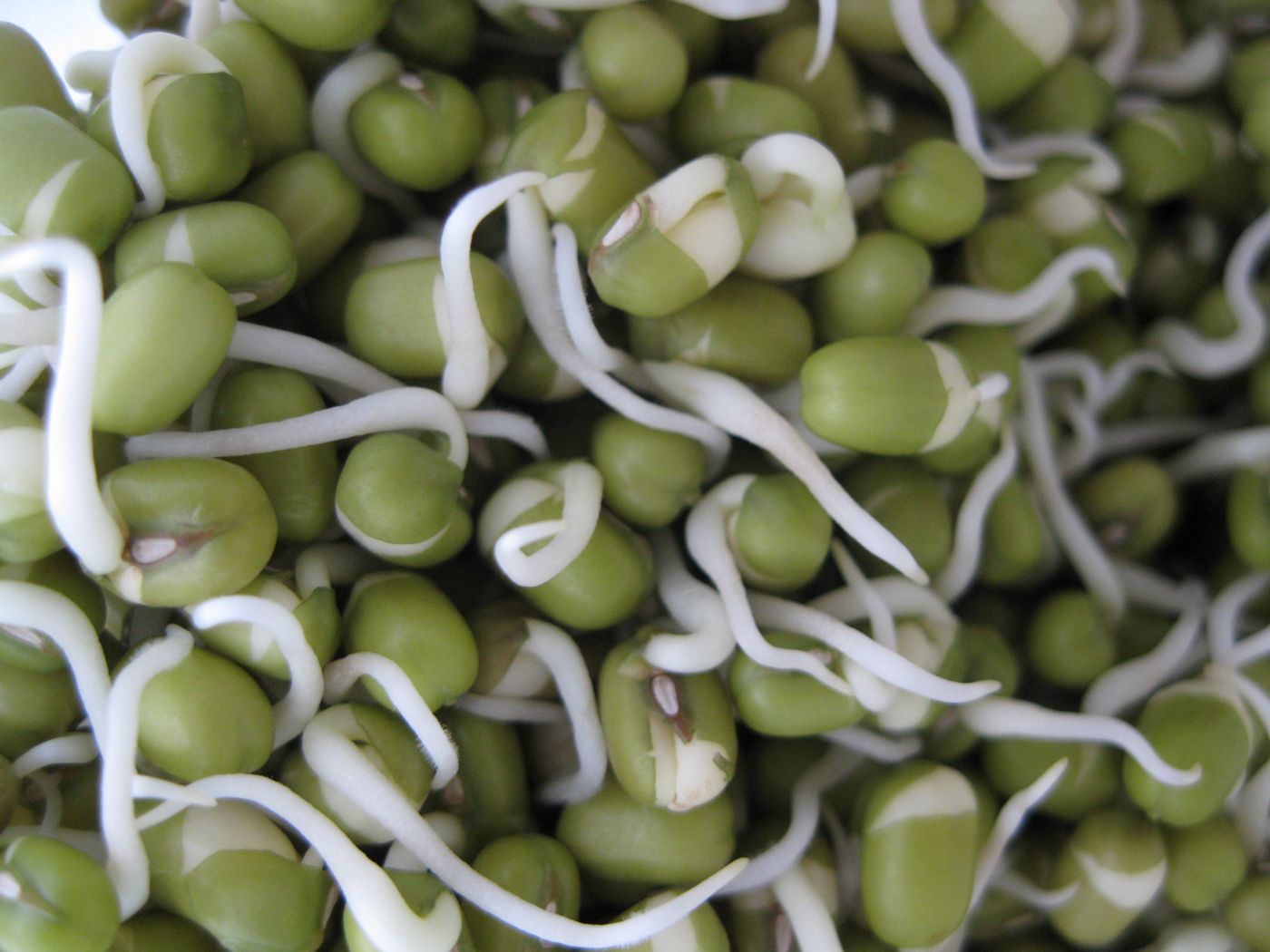
Short, plump, delicate sprouts grown from mung beans. Quickly blanched and seasoned as sukju-namul, they are milder and more tender than soybean sprouts.
Flavor
Light, watery and gently sweet, with a delicate crunch that softens quickly. They spoil fast and wilt easily, so they are best cooked briefly and eaten soon.
Origin & History
Mung bean sprouts are mung beans (Vigna radiata) germinated in the dark. The traditional method was to soak the beans for a couple of days, spread them out under a cover and sprinkle them with water twice a day until they sprouted.
A Yuan-dynasty Chinese household compendium describes a sprout dish called douyacai that was prepared much as Koreans prepare it, and the dish probably reached Korea during the Goryeo period, when contact with the Yuan court was close. In Joseon times, seasoned mung bean sprouts were a special-occasion dish served at birthday breakfasts and first-birthday celebrations; today they are an everyday banchan.
The Korean name sukju is often linked to a popular story about Sin Suk-ju, a fifteenth-century scholar-official who sided with King Sejo against the deposed boy-king Danjong; in the tale, resentful commoners named the sprout after him. The Encyclopedia of Korean Culture treats this as folklore: it is passed down in popular tradition, but there is little historical evidence for it.
Like soybean sprouts, mung bean sprouts are grown indoors and sold year-round. In Korean cooking they are usually blanched, squeezed and dressed simply with sesame oil and salt as namul.
Nutrition
| Calories | 30 kcal |
|---|---|
| Protein | 3.04 g |
| Fat | 0.18 g |
| Carbohydrates | 5.94 g |
| Fiber | 1.8 g |
| Sodium | 6 mg |
Notable forVitamin C · Folate · Vitamin K
Values from USDA FoodData Central (SR Legacy), "Mung beans, mature seeds, sprouted, raw" (FDC ID 169957). Actual values vary with ingredients, portion size and preparation.
Health Benefits
- Light: Mung bean sprouts are very low in calories and fat.
- Vitamins: They are a source of vitamin C, folate and vitamin K.
- Food safety: Raw and lightly cooked sprouts, including mung bean sprouts, have been linked to outbreaks of Salmonella, Listeria and E. coli. Health authorities advise cooking sprouts thoroughly, until steaming hot, rather than relying on rinsing. Children, older adults, pregnant people and people with weakened immune systems should avoid raw or lightly cooked sprouts.
- Freshness: Because they spoil quickly, buy them fresh, keep them refrigerated and use them promptly.
Informational, not medical advice. Talk to a qualified professional about your own health and diet.
Dishes with Mung bean sprouts
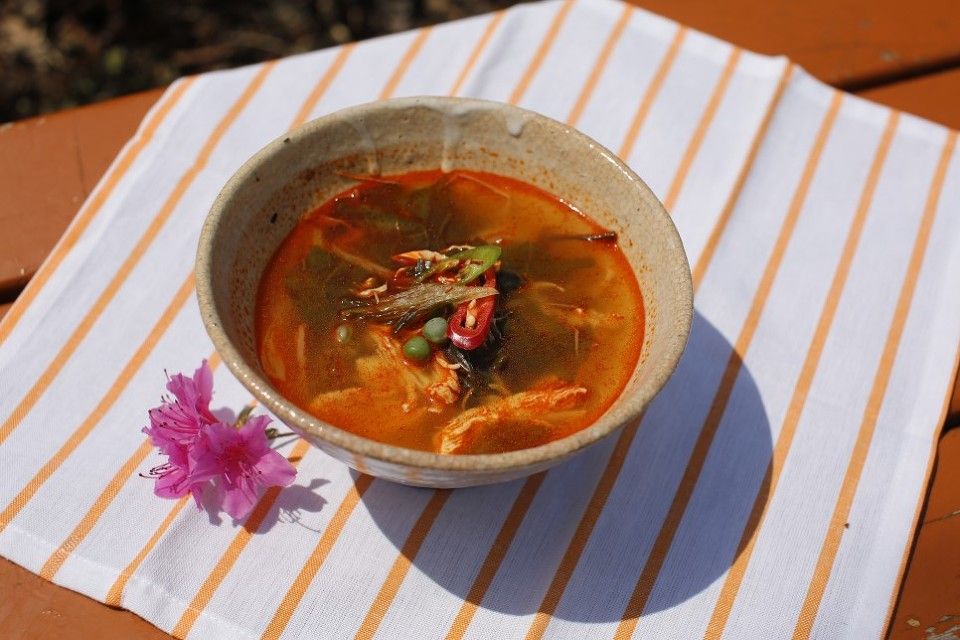 Dakgaejang (Spicy Chicken Soup)닭개장Shredded chicken simmered with bracken, taro stems and plenty of green onion in a fiery chili-oil broth — the chicken cousin of yukgaejang.
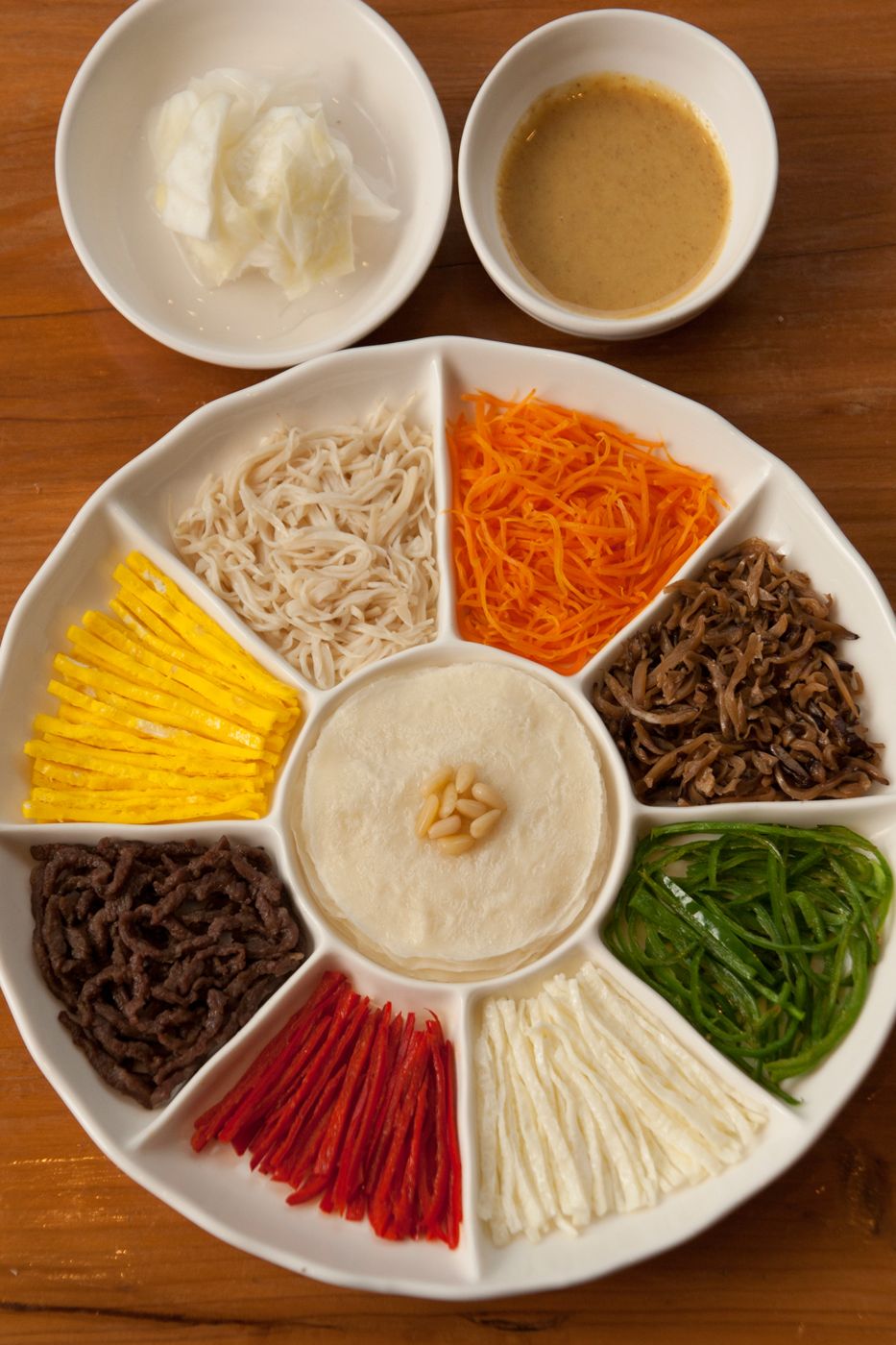 Gujeolpan (Platter of Nine Delicacies)구절판Eight finely cut fillings arranged by color around a stack of paper-thin crepes in a nine-compartment dish, wrapped at the table — an elegant banquet dish.
 Mandu (Korean Dumplings)만두Thin wrappers folded around pork, tofu, kimchi and sprouts, then steamed or boiled — a Goryeo-era arrival from China that became a winter staple of the North.
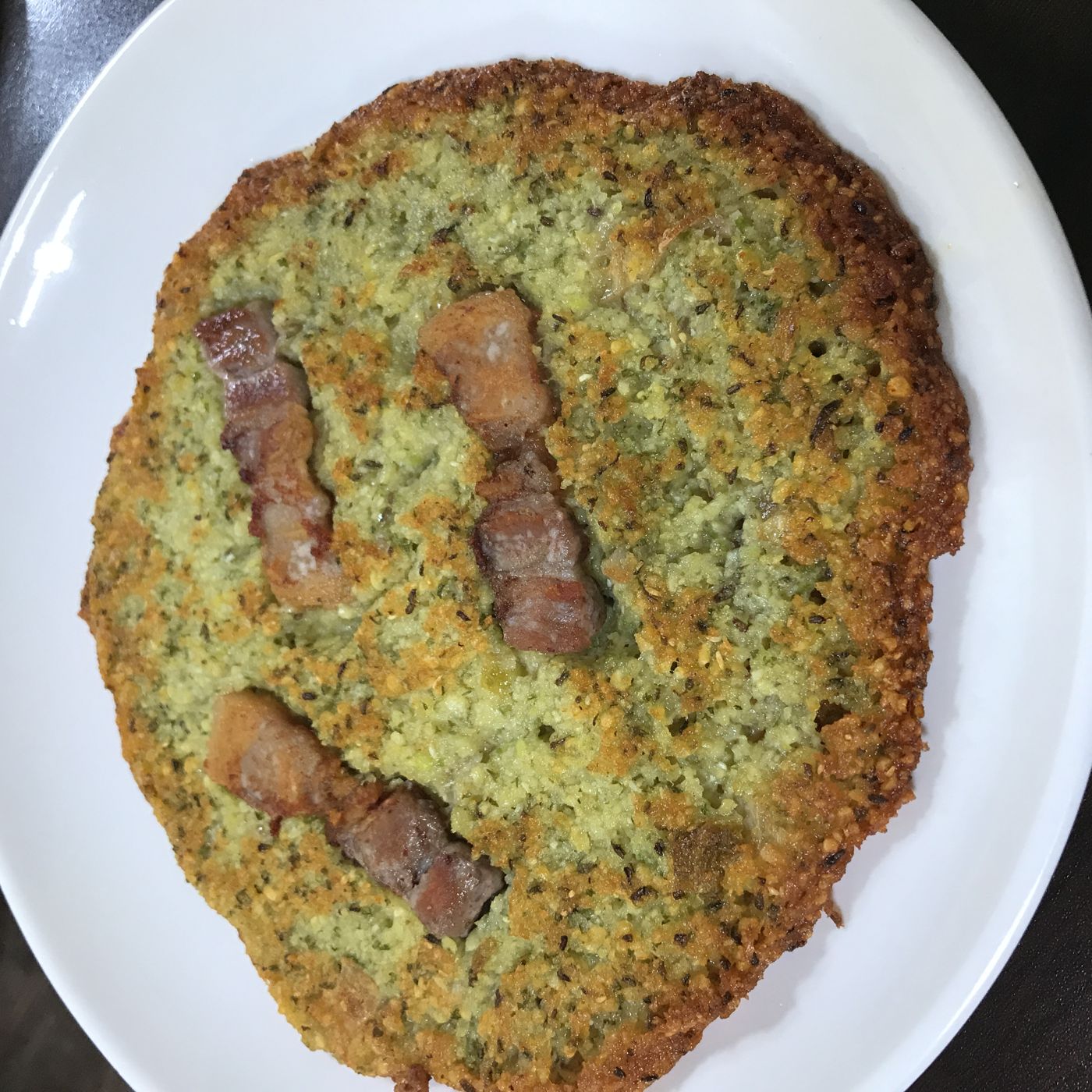 Nokdu Bindaetteok (Mung Bean Pancake)녹두빈대떡Soaked mung beans ground into a thick batter with kimchi, sprouts and pork, then fried crisp in generous oil — a northern specialty and a Seoul market favorite.
- Sukju Namul숙주나물Mung bean sprouts blanched briefly and dressed with salt, garlic and sesame oil — lighter, juicier and more delicate than soybean sprouts.
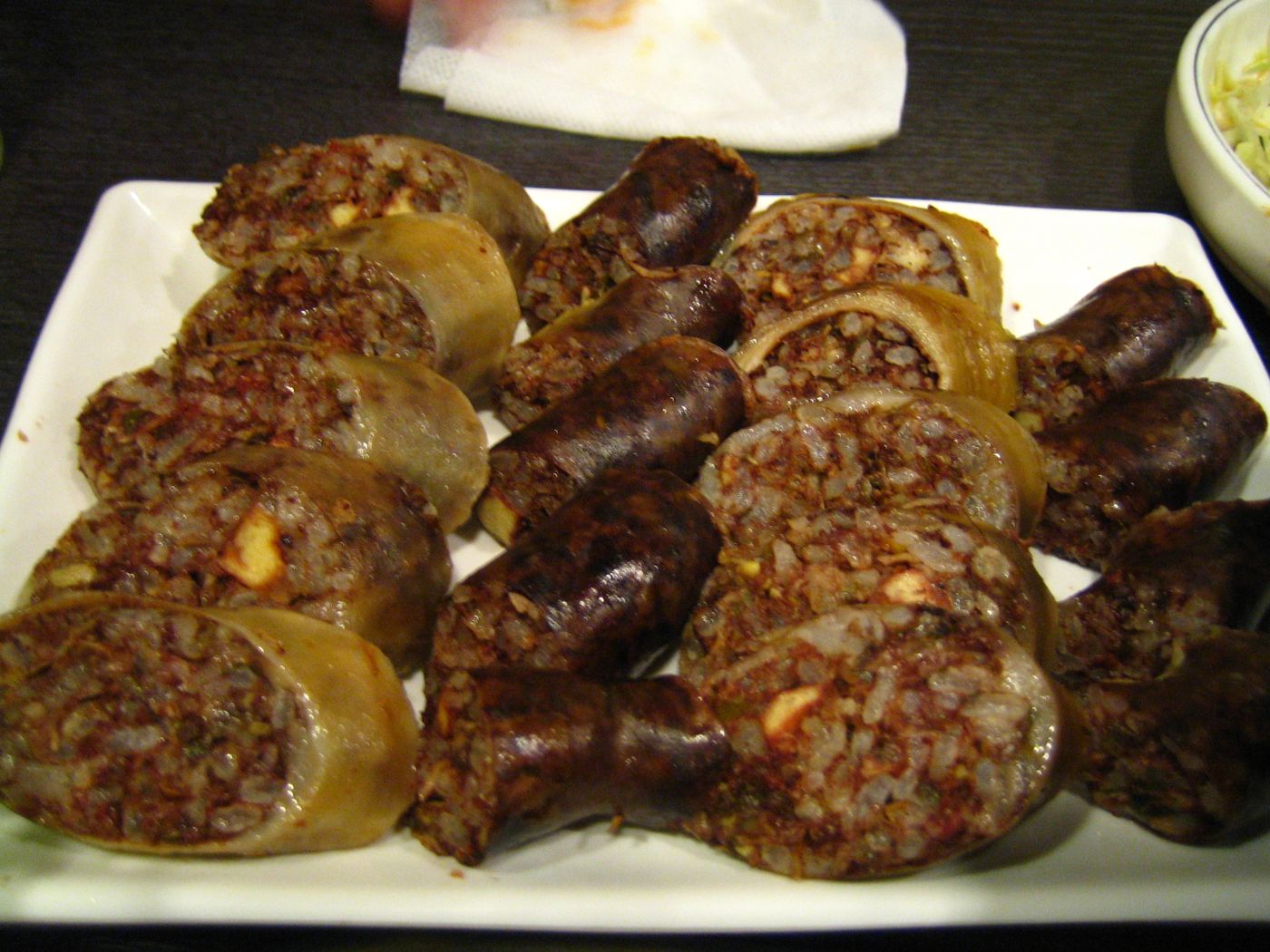 Sundae (Korean Blood Sausage)순대Pork intestine stuffed with pig's blood, glutinous rice, glass noodles and vegetables, then steamed — a northern farmhouse food that became a nationwide street snack.
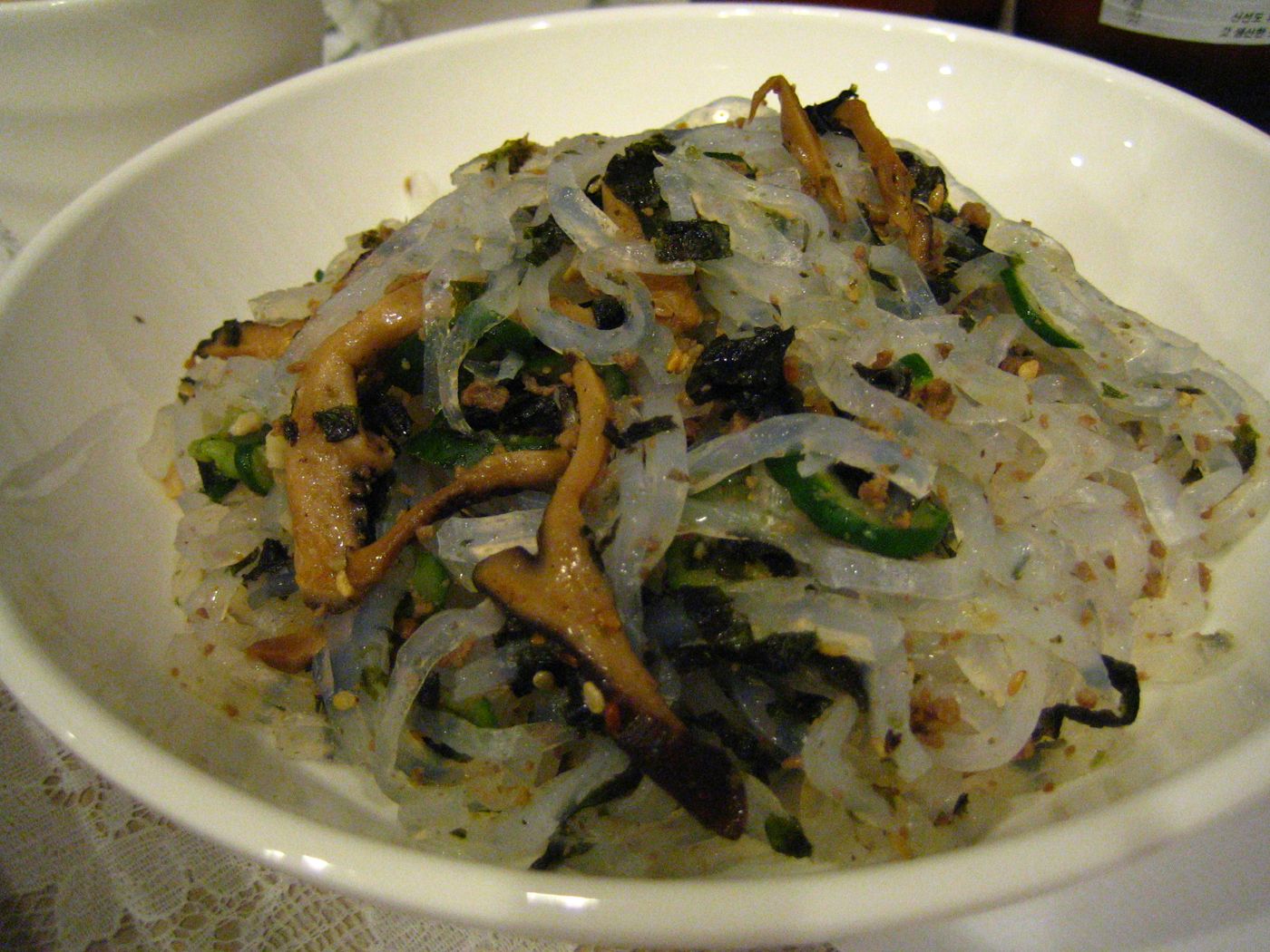 Tangpyeongchae탕평채Mung bean jelly tossed with beef, sprouts, water dropwort, egg and roasted gim in a soy-vinegar dressing — a classic spring dish named after a Joseon policy of political harmony.
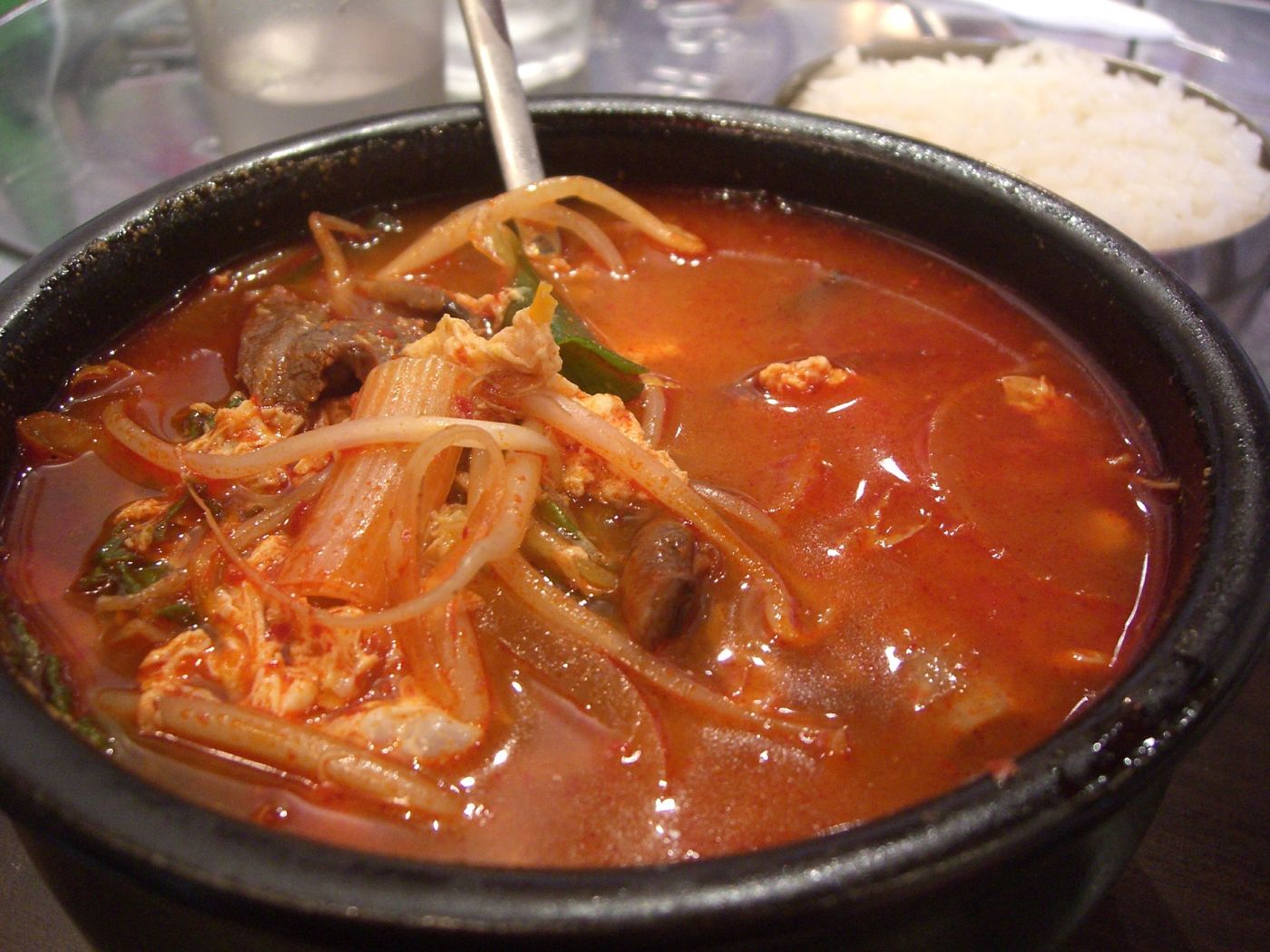 Yukgaejang (Spicy Beef Soup)육개장Shredded beef simmered with bracken, bean sprouts and plenty of green onion in a red, chili-spiked broth — a fiery summer restorative and a gathering-day soup.
Sources
- 01숙주나물 — Encyclopedia of Korean Culture
- 02Mung beans, mature seeds, sprouted, raw — USDA FoodData Central
- 03Selecting and Serving Produce Safely — U.S. Food and Drug Administration
- 04Safer Food Choices — Centers for Disease Control and Prevention
- 05Listeria Infections Linked to Wholesome Soy Products, Inc. Sprouts (2014) — Advice to Consumers, CDC