Ingredient
Glutinous rice (sweet rice)
찹쌀
Romanization: chapssal
Opaque, chalk-white grains of glutinous rice that steam into a chewy, elastic mass. Chapssal is the rice of festivals and comfort food: pounded into rice cakes, sweetened into yaksik, and tucked inside the chicken of samgyetang.
Flavor
Sweeter and richer-tasting than ordinary rice, with a dense, chewy, almost stretchy bite when steamed; it takes on the flavors of honey, soy and broth readily.
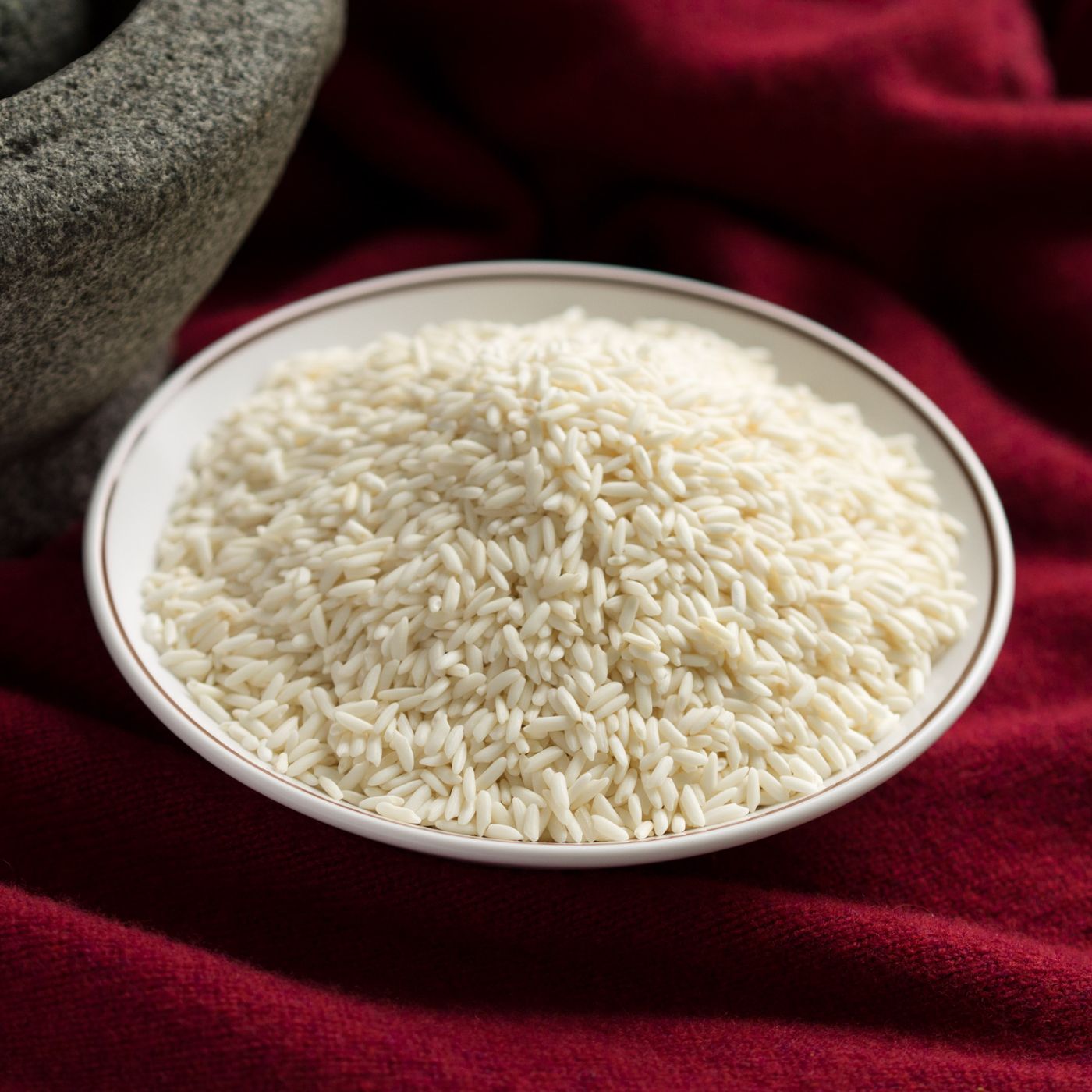 Photo: Takeaway, CC BY-SA 4.0, via Wikimedia Commons
Origin & History
Chapssal is the glutinous form of rice, the counterpart to everyday non-glutinous maepssal. Its starch is made almost entirely of amylopectin, with virtually no amylose, which is why it turns sticky and stretchy when cooked. Uncooked, the two are easy to tell apart: ordinary rice is translucent, while glutinous rice is milky white and opaque. Glutinous forms also exist in millet and other grains, a trait that arose in the warm temperate zone of East Asia.
Glutinous rice cooks unevenly when boiled in a pot, scorching on the bottom while staying raw on top, so it was traditionally steamed in an earthenware steamer, the siru. Scholars still debate whether glutinous or ordinary rice reached Korea first. The Samguk yusa records a legend in which glutinous rice was offered to crows, suggesting that while ordinary rice was the daily grain, sticky rice was reserved for rites and special occasions — a pattern that holds today.
That legend is also the traditional origin story of yaksik (also yakbap): steamed glutinous rice tossed with honey or sugar, soy sauce and sesame oil and studded with chestnuts, jujubes and pine nuts. It is a seasonal dish for Jeongwol Daeboreum, the first full moon of the lunar year, and a fixture of big celebrations; the name comes from the old habit of calling honey yak. Glutinous rice is also steamed and pounded into injeolmi and other tteok, shaped into the little rice balls (saealsim) that float in winter-solstice patjuk, used to batter bugak, brewed into many traditional liquors, and stuffed with ginseng and jujubes into the young chicken of samgyetang.
Nutrition
| Calories | 363 kcal |
|---|---|
| Protein | 6.64 g |
| Fat | 0.99 g |
| Carbohydrates | 78.17 g |
| Fiber | 1.2 g |
| Sodium | 1 mg |
Notable forManganese (1.02 mg) · Niacin (1.42 mg)
Values copied from the Korean Food Composition Table (Rural Development Administration / National Institute of Crop Science) for this exact food, per 100 g edible portion. Values are for dry grain; steaming adds considerable water weight. Actual values vary with ingredients, portion size and preparation.
Health Benefits
- Similar to ordinary rice in nutrients: Per the Korean Food Composition Table, glutinous rice is close to white rice in energy, protein and fiber; the difference is in the type of starch, not in nutrition.
- Gluten-free despite the name: "Glutinous" refers to stickiness, not gluten. Rice is on the NIDDK list of gluten-free grains, though tteok and sweets made with it may include other ingredients.
- Sweet preparations add sugar: Yaksik, filled rice cakes and sweet red-bean chapssaltteok are made with honey, sugar or sweetened bean paste, so they are richer than plain steamed rice.
- Choking caution with rice cakes: Dense, sticky rice cakes should be cut small and eaten slowly, especially by young children and older adults.
Informational, not medical advice. Talk to a qualified professional about your own health and diet.
Dishes with Glutinous rice (sweet rice)
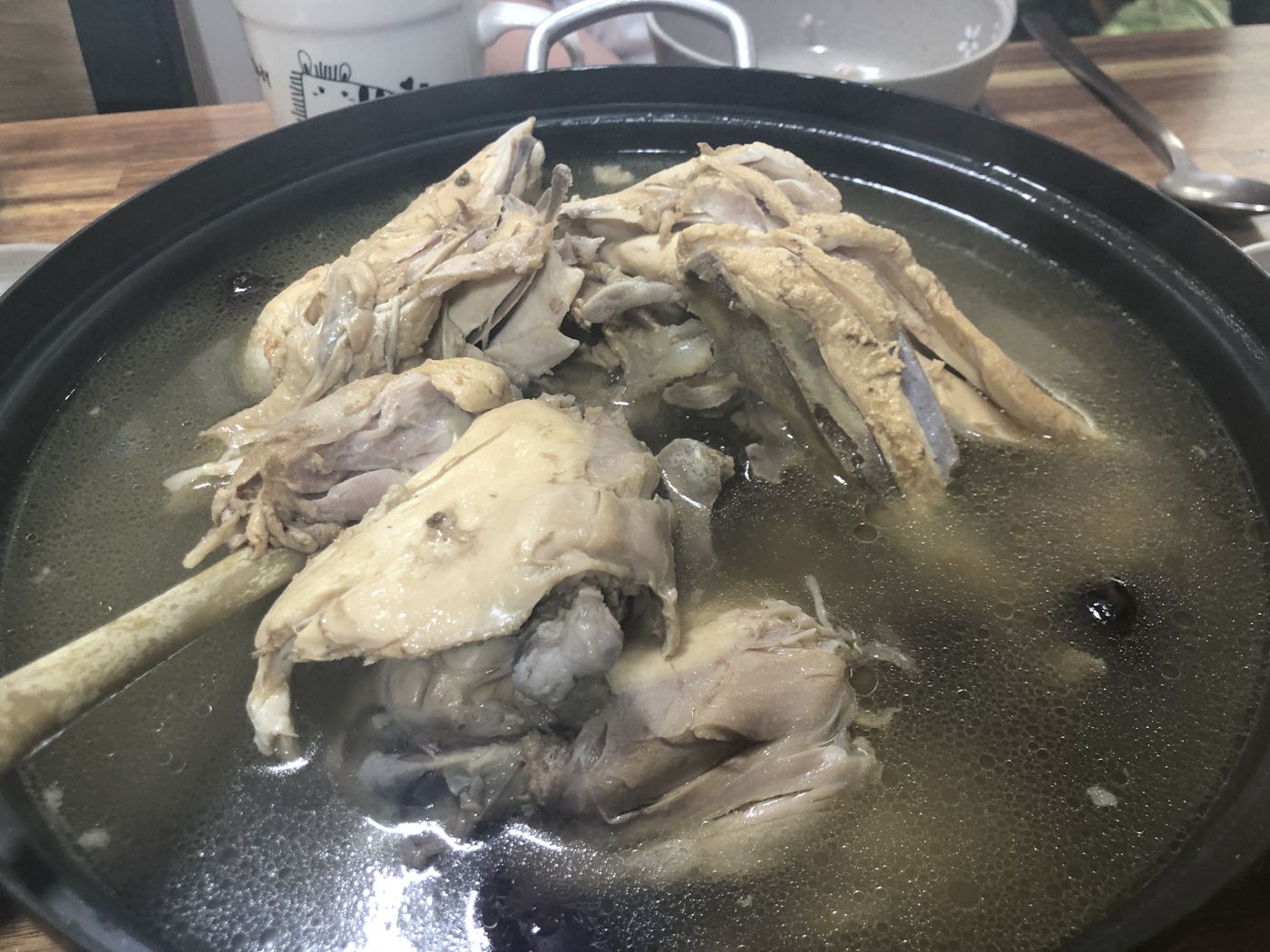 Baeksuk (Plain Whole Boiled Chicken)백숙A whole chicken simmered in plain water with garlic until falling-apart tender, eaten with salt and pepper, then followed by rice porridge cooked in the broth.
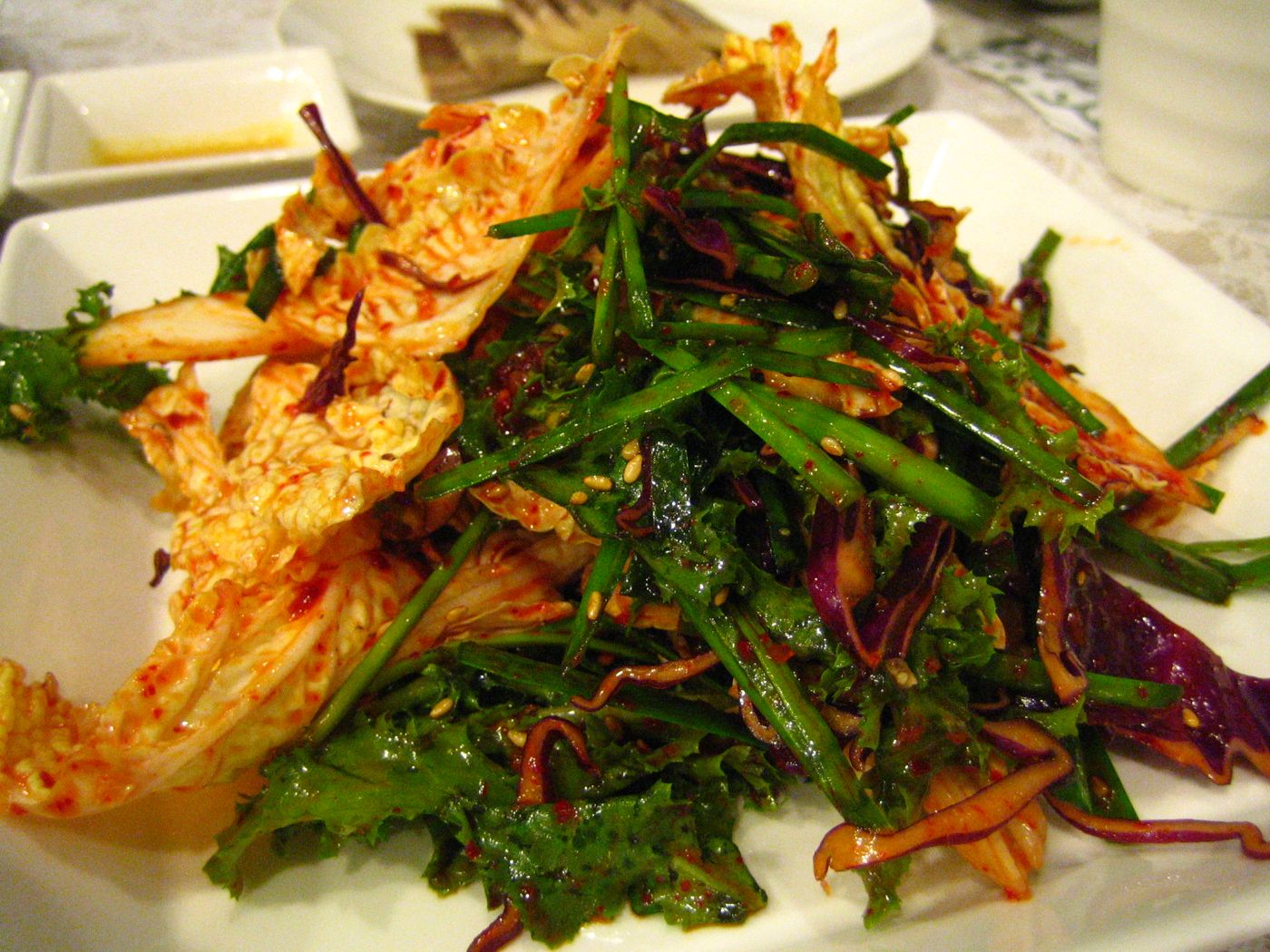 Garlic Chive Kimchi부추김치Whole garlic chives tossed with anchovy fish sauce and plenty of chili — a quick kimchi eaten fresh or ripe, known by a different name in nearly every province.
- Spicy Lightly Salted Oysters어리굴젓Fresh oysters lightly salted and ripened with chili — a short-keeping winter jeotgal famous in Seosan and Ganwoldo in South Chungcheong.
- Gim Bugak (Fried Laver Chips)김부각Sheets of laver pasted together with seasoned glutinous rice, dried, then fried until they puff into airy, crackling chips — a keeping banchan and a famous Namwon specialty.
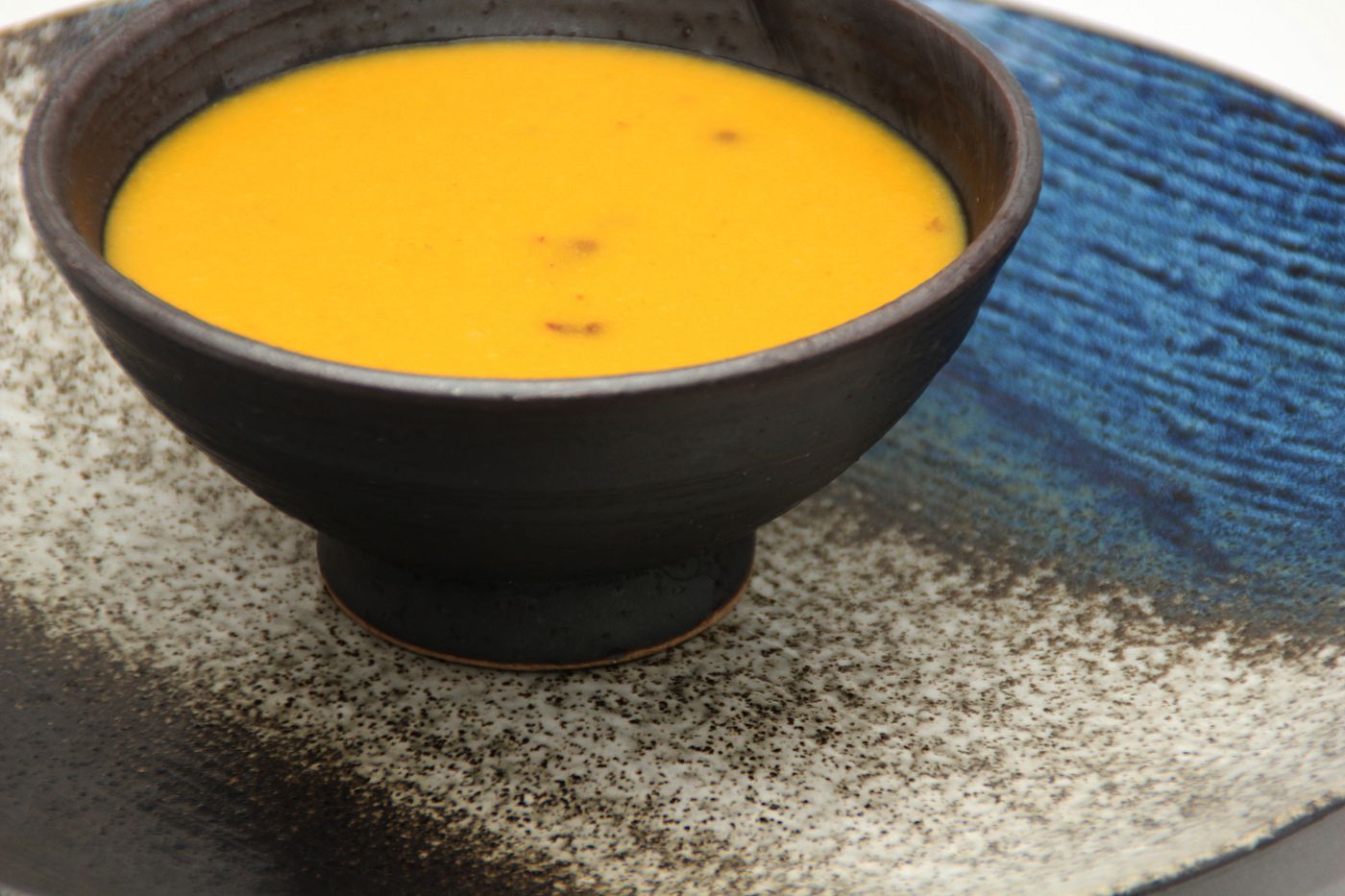 Hobak-juk (Pumpkin Porridge)호박죽Ripe winter pumpkin cooked to a purée and thickened with glutinous rice, often with red beans — a smooth, gently sweet porridge for cold days and convalescence.
- Pumpkin Kimchi for Stew호박김치Thick slices of pumpkin fermented with cabbage or young radish greens, then simmered into a mellow stew — a Hwanghae and Chungcheong cooking kimchi.
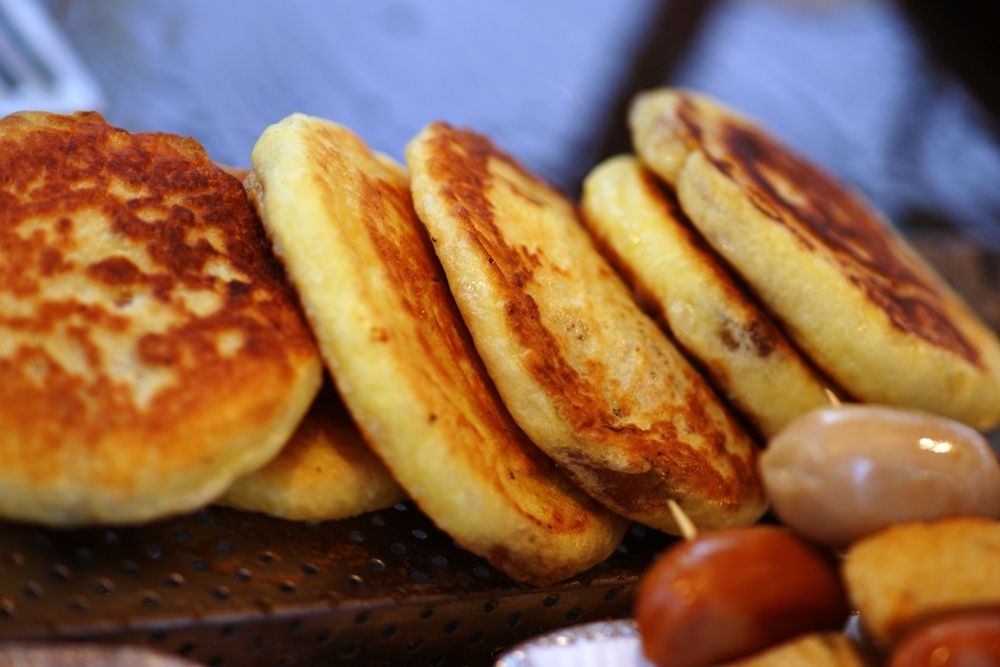 Hotteok (Sweet Filled Pancakes)호떡Yeasted dough wrapped around brown sugar, cinnamon and nuts and pressed flat on an oiled griddle — a winter street snack brought to Korea by Chinese immigrants.
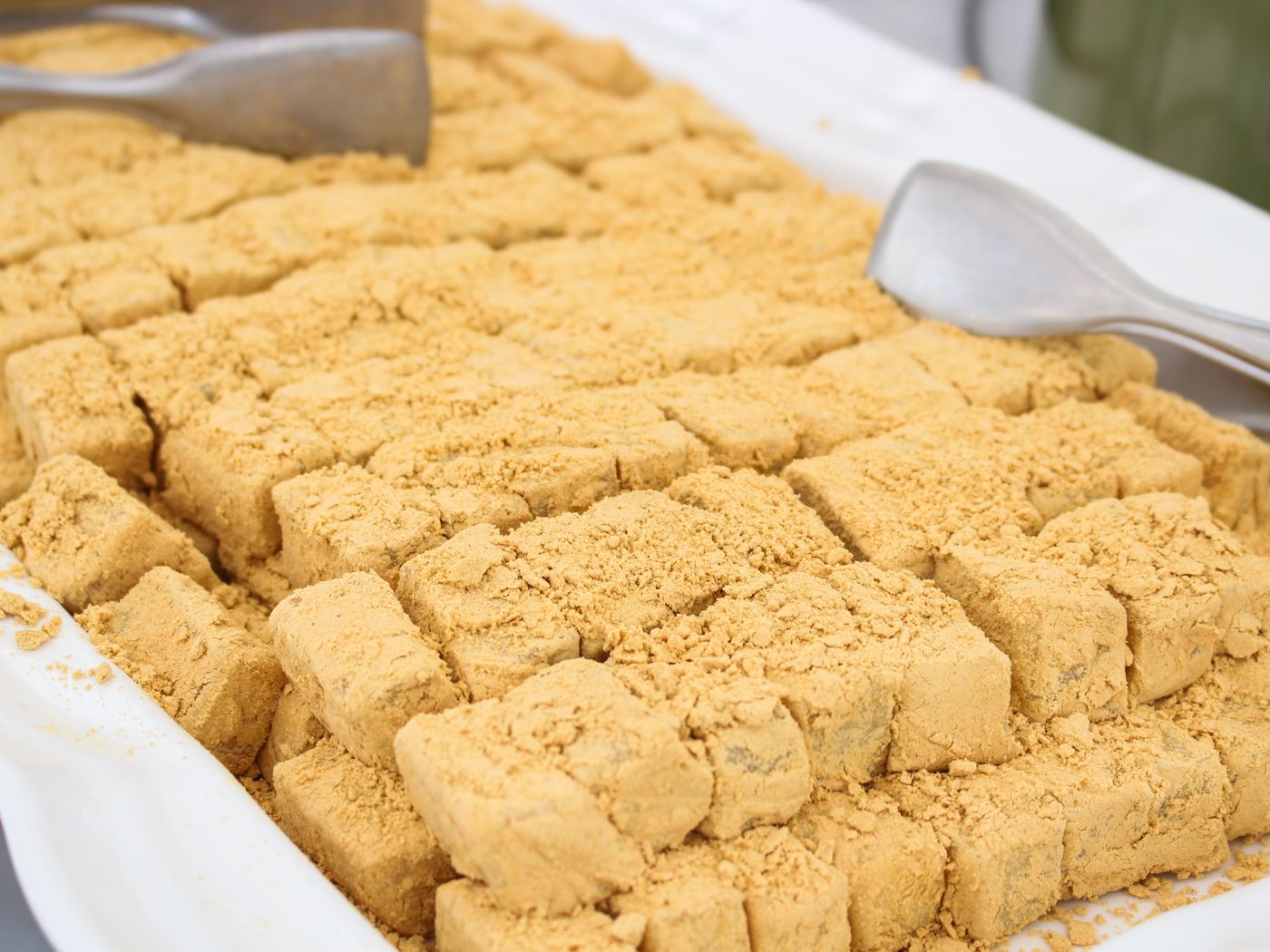 Injeolmi (Pounded Sticky Rice Cake with Bean Powder)인절미Steamed glutinous rice pounded until smooth and elastic, cut into pieces and rolled in roasted soybean powder — the chewy, nutty rice cake of markets, weddings and harvest time.
- Perilla Leaf Kimchi깻잎김치Stacks of perilla leaves layered with a soy, fish-sauce and chili seasoning — fragrant, slightly bitter summer kimchi peeled off one leaf at a time over rice.
- Cut Cabbage Kimchi막김치Napa cabbage cut into bite-size pieces before salting and tossed with the seasoning all at once — the quick, everyday way to make cabbage kimchi.
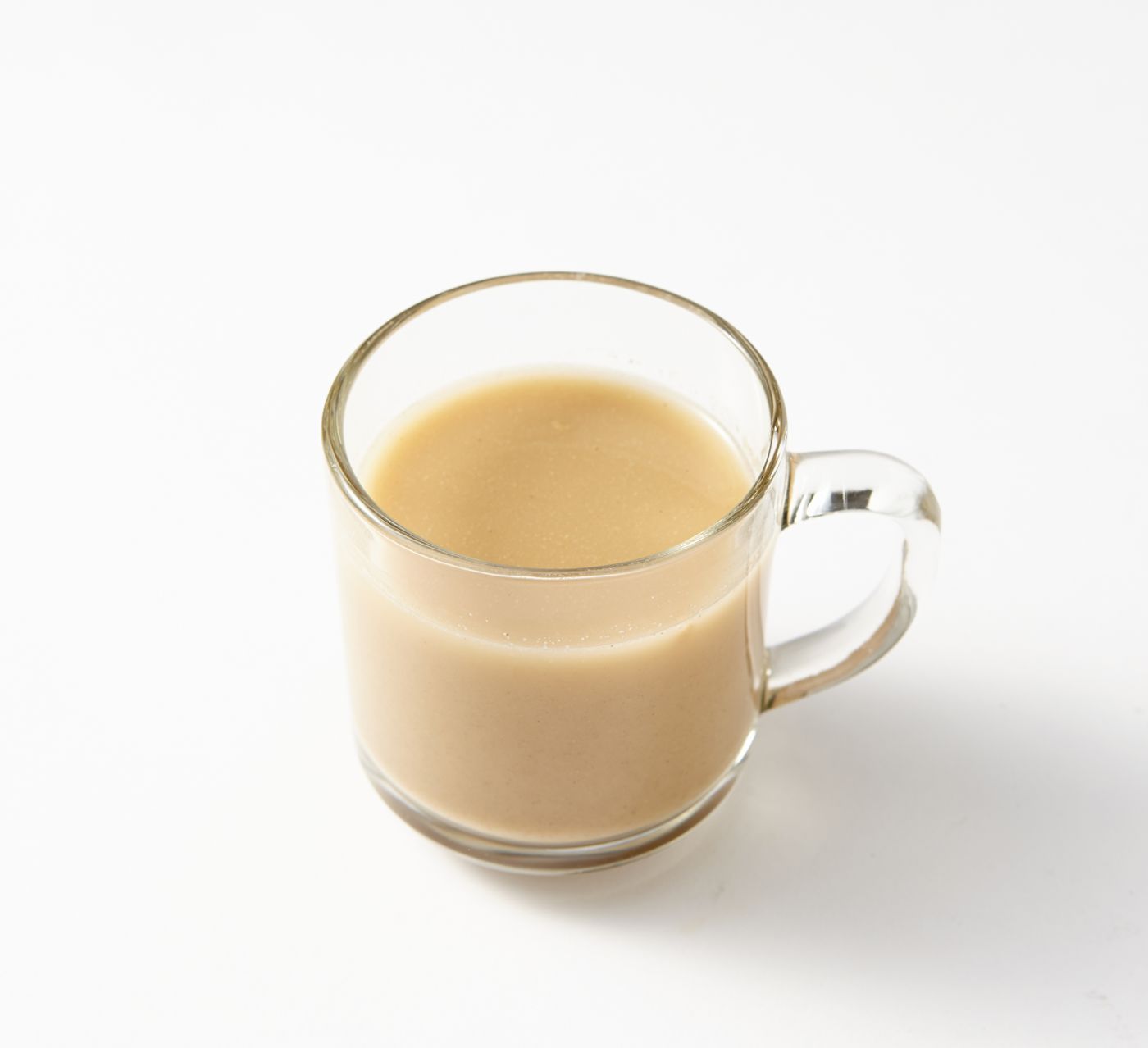 Misutgaru (Roasted Grain Drink)미숫가루A fine powder of steamed, dried and roasted grains stirred into cold water with honey — a nutty summer drink that doubled for centuries as travel food and famine ration.
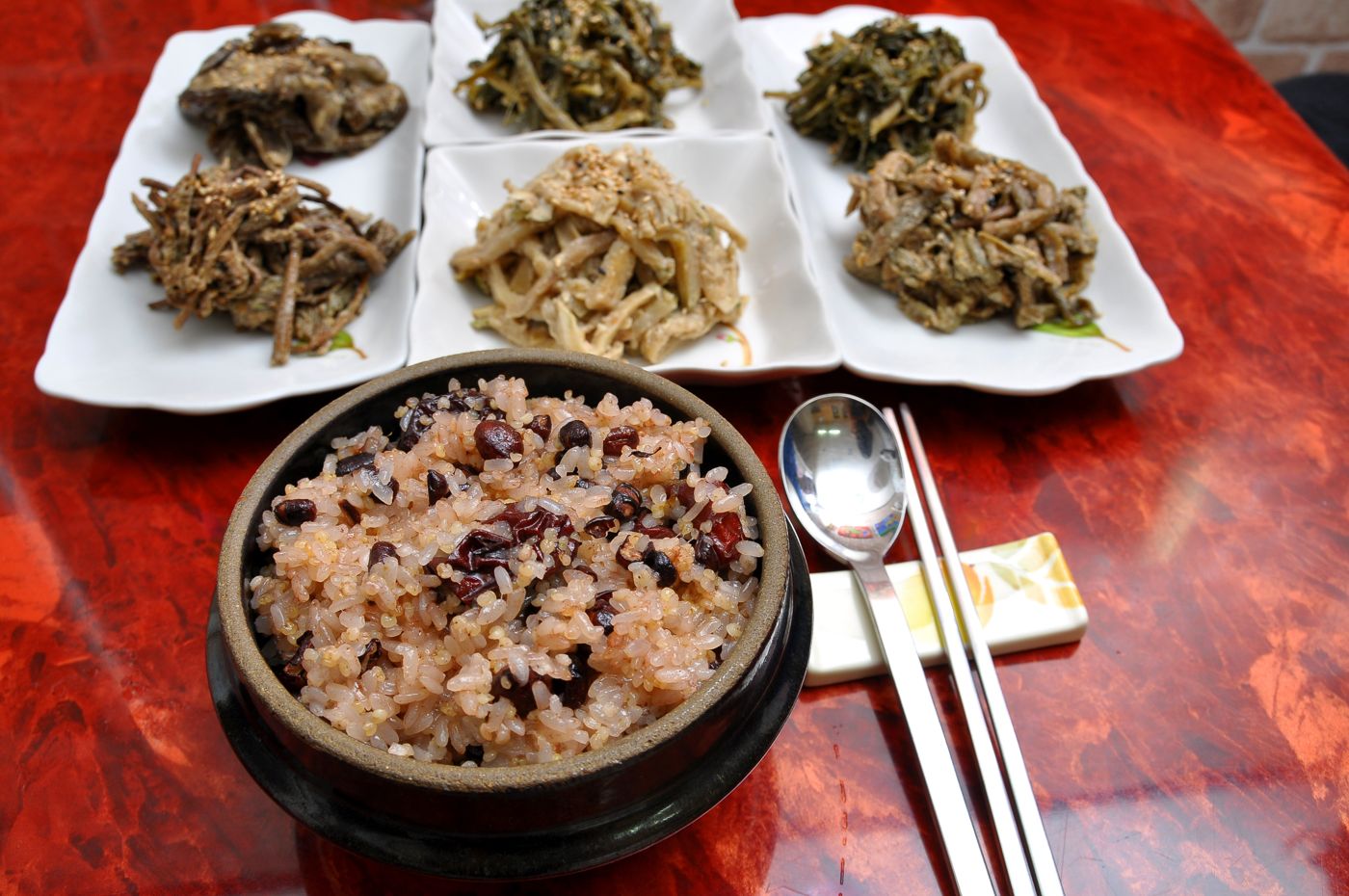 Ogokbap (Five-Grain Rice)오곡밥Glutinous rice cooked with sorghum, millet, red beans and black soybeans for Daeboreum, the first full moon of the lunar year, and shared among neighbors for a good harvest.
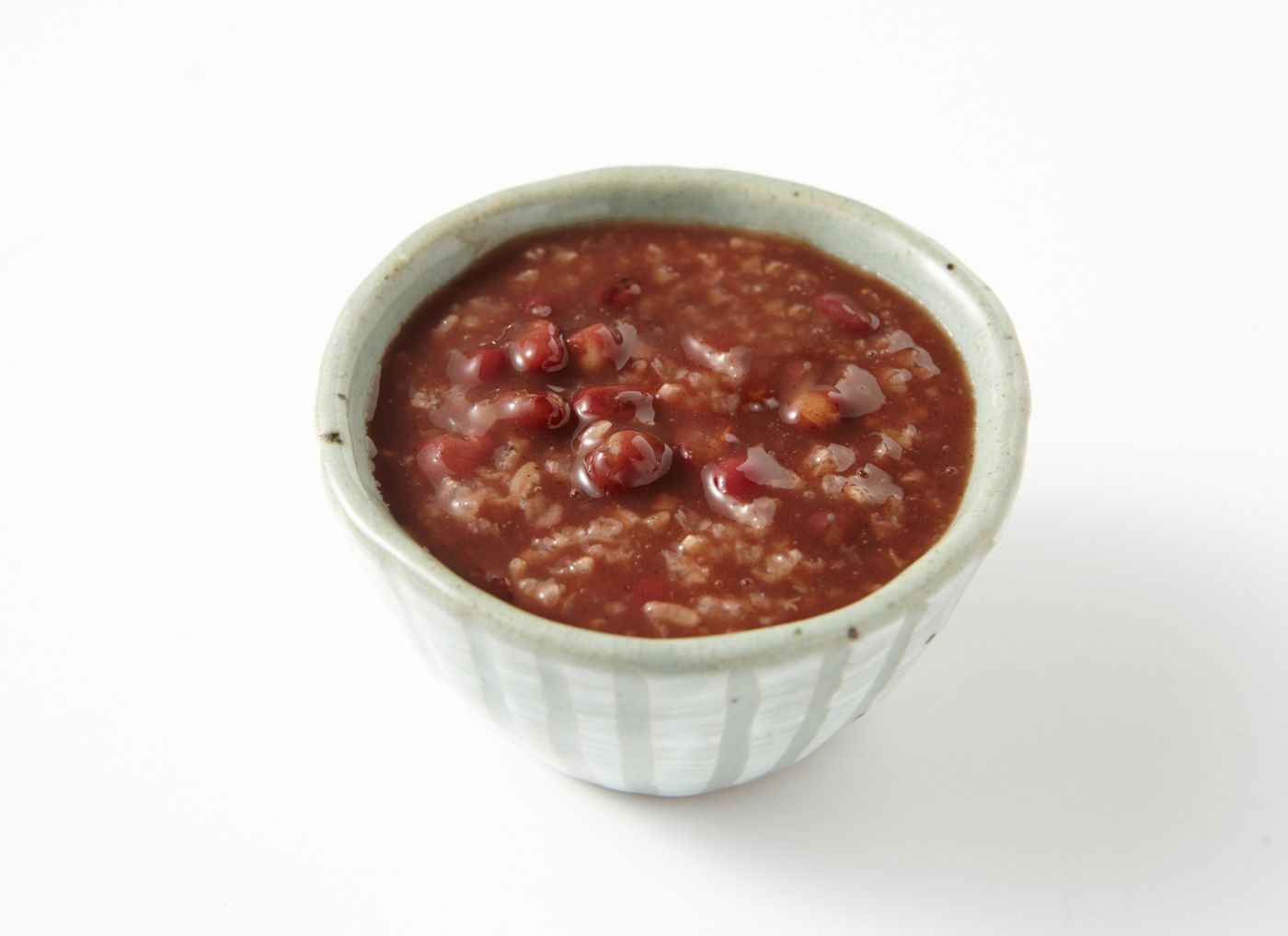 Patjuk (Red Bean Porridge)팥죽Porridge of puréed red adzuki beans and rice with chewy glutinous rice balls, eaten at the winter solstice to ward off misfortune and shared with neighbors.
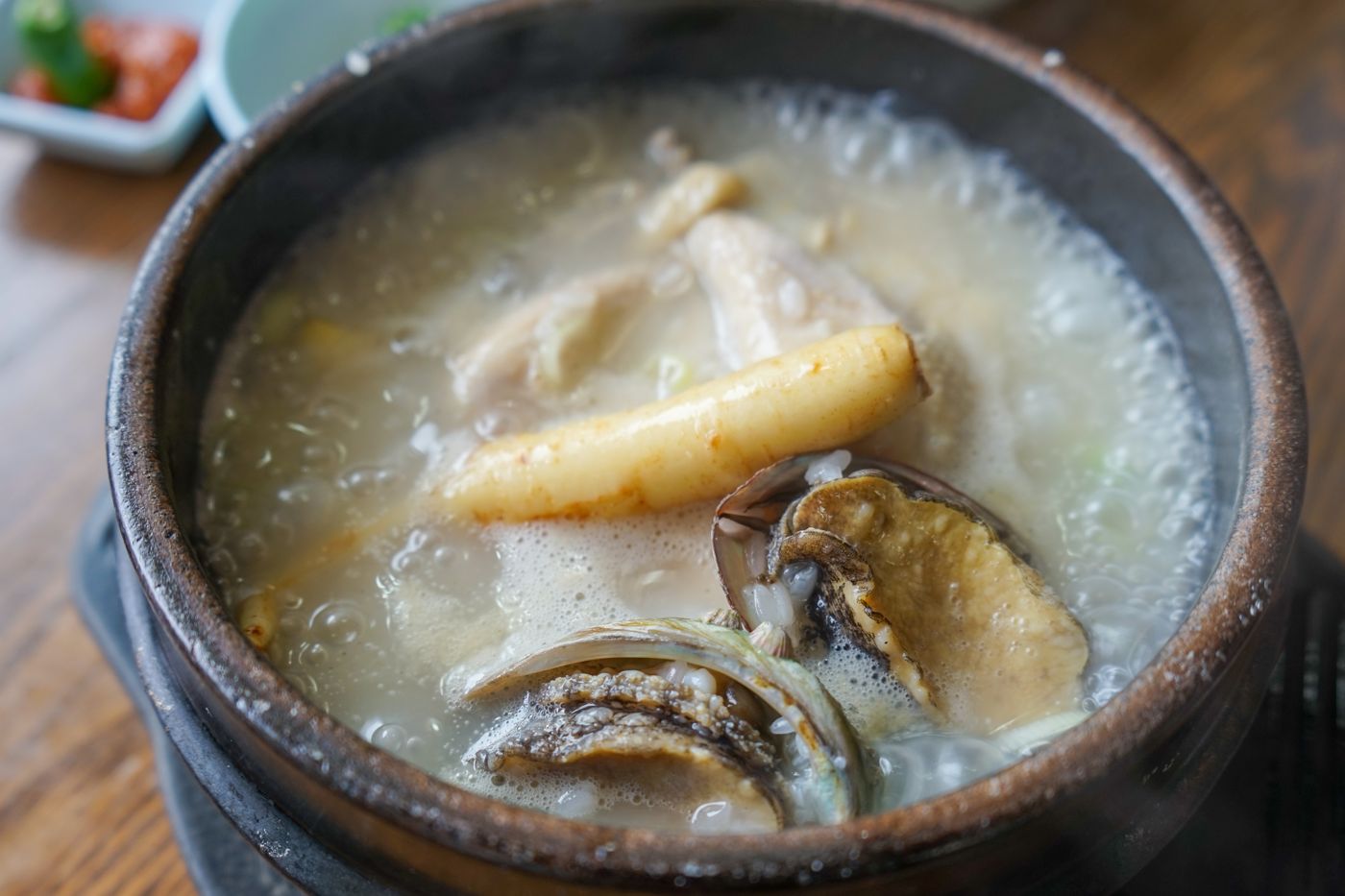 Samgyetang (Ginseng Chicken Soup)삼계탕A whole young chicken stuffed with glutinous rice, ginseng, jujubes and garlic and simmered until tender — the classic hot soup for Korea's dog days of summer.
- Chunky Radish and Cabbage Kimchi섞박지Big, flat-cut pieces of radish and cabbage mixed in one chili and jeotgal seasoning — a late-autumn “mixed” kimchi, and the name for big radish kimchi today.
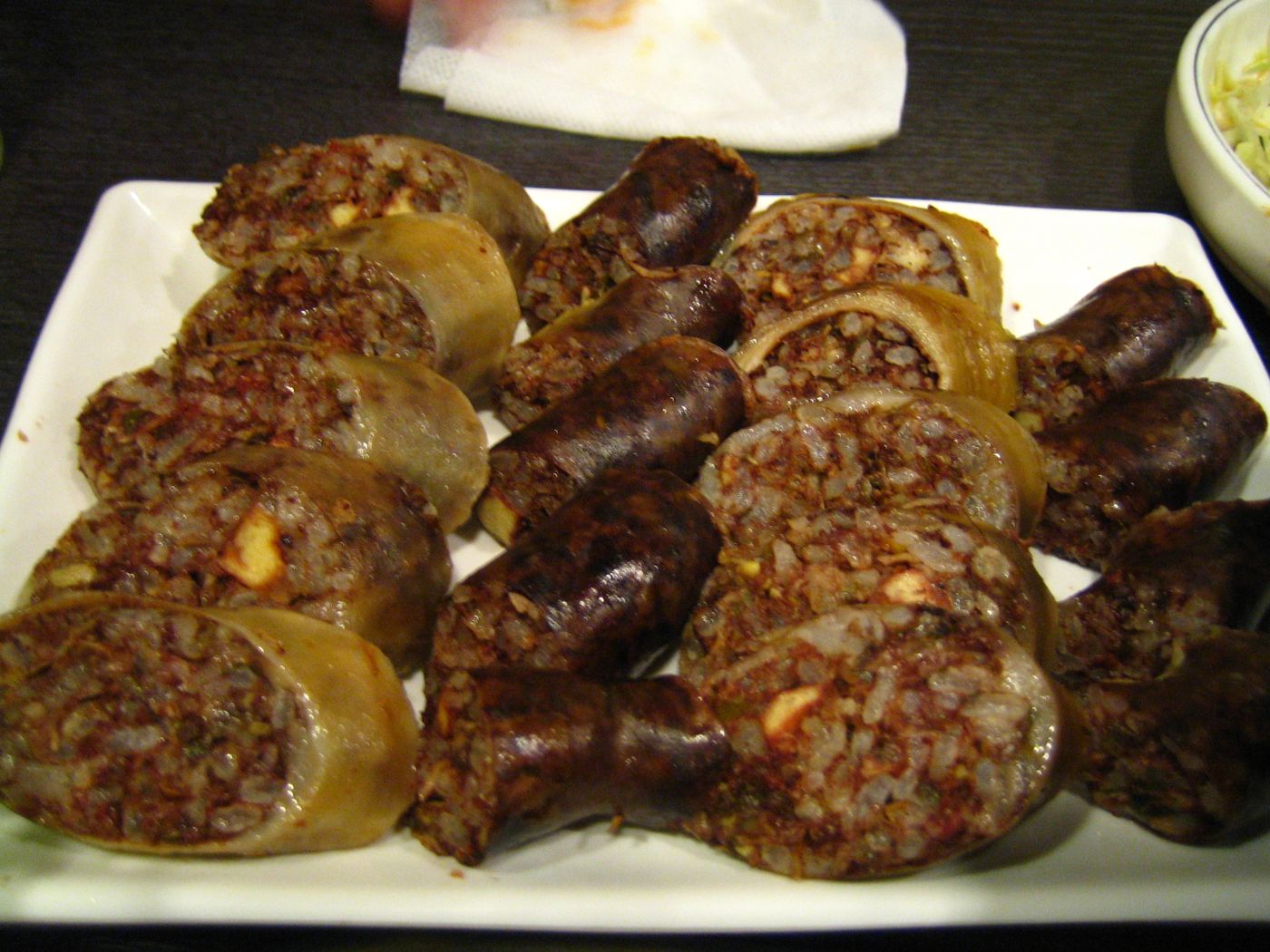 Sundae (Korean Blood Sausage)순대Pork intestine stuffed with pig's blood, glutinous rice, glass noodles and vegetables, then steamed — a northern farmhouse food that became a nationwide street snack.
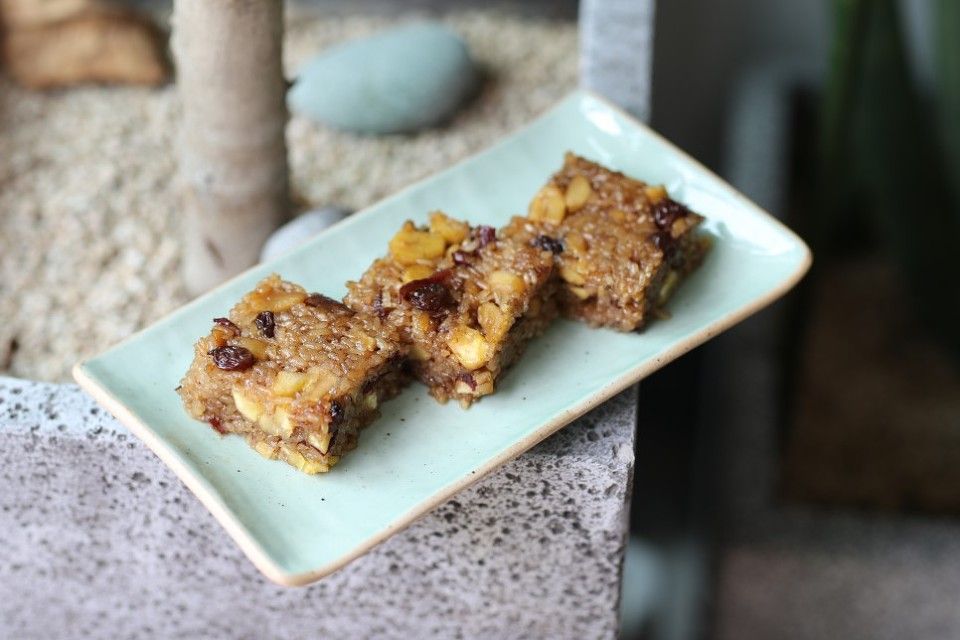 Yaksik (Sweet Rice with Chestnuts, Jujubes and Pine Nuts)약식Steamed glutinous rice darkened with soy sauce, brown sugar and honey and studded with chestnuts, jujubes and pine nuts — a full-moon festival food also called yakbap.
- Green Cabbage Kimchi양배추김치Crisp, quick kimchi of round green cabbage — once South Korea's stand-in when napa ran short, and still an everyday summer kimchi in North Korea.