Ingredient
Honey
꿀
Romanization: kkul
Honey has long been the prized sweetener of the Korean kitchen, used for court sweets like yakgwa and candied jeonggwa, for honey water and for seasoning meat. Korean shops sell native-bee honey (tojongkkul) and the more common Western-bee honey (yangbongkkul).
Flavor
Sweet and floral, with flavor that follows the flower. Acacia honey is pale, delicate and clean; chestnut honey is dark, bitter and almost medicinal; buckwheat honey is dark and earthy. In cooking it adds sweetness with gloss, moisture and a gentle caramel note when heated.
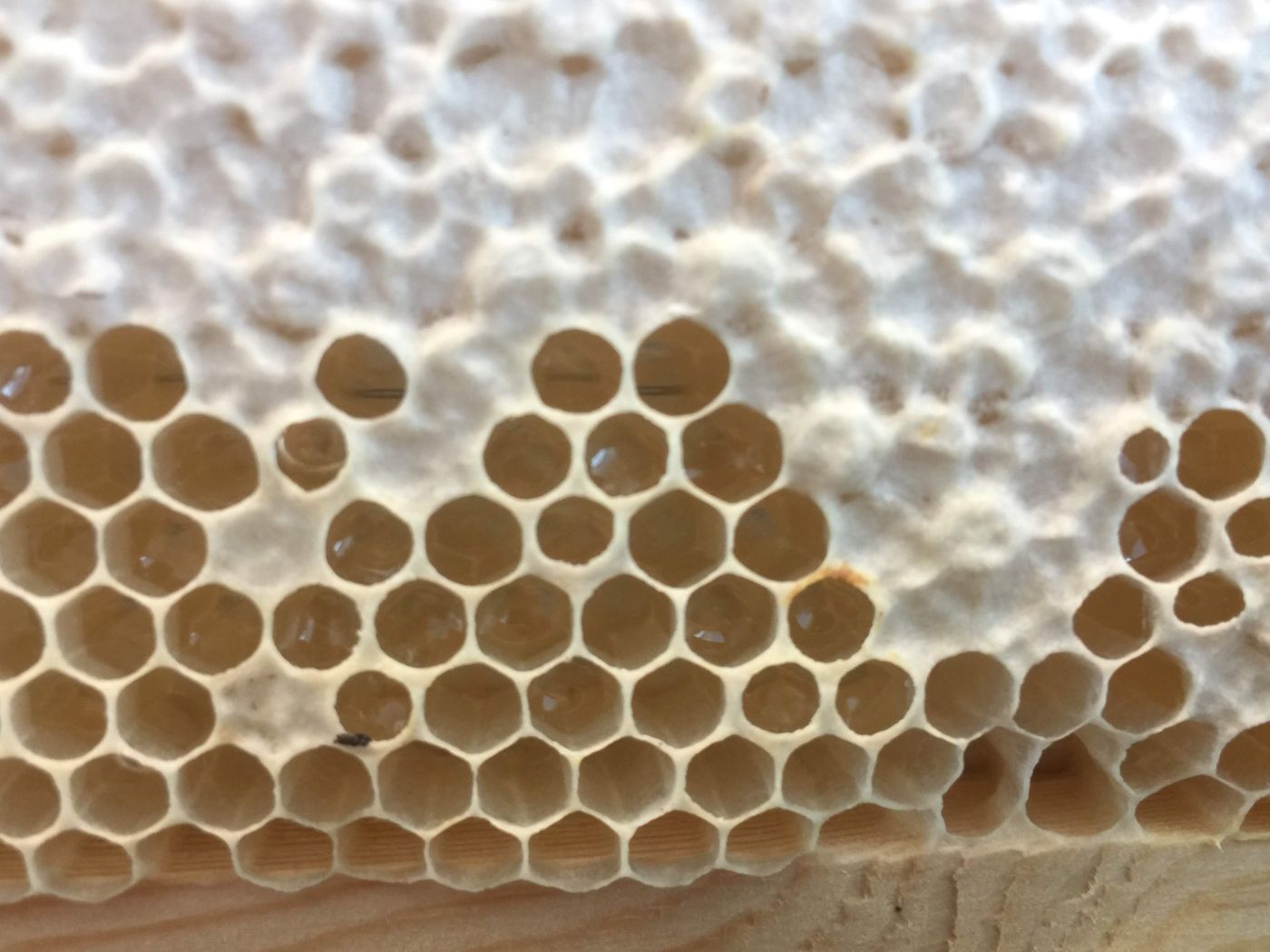 Photo: Einebillion, CC BY 4.0, via Wikimedia Commons
Origin & History
Honey is one of the oldest sweeteners on the peninsula. The Encyclopedia of Korean Culture points to a mention of honey in Silla in the Samguk sagi. It also notes a record in Japan's Nihon shoki that a Baekje prince brought beekeeping to Japan. Honey stirred into water (milsu) was drunk well before the Three Kingdoms, according to the Encyclopedia of Korean Folk Culture. In the Joseon period, when tea drinking had faded, honey drinks were popular. Herbal tonics were steeped, sweetened with honey and taken almost as medicine.
Honey's name is attached to some of Korea's best-known sweets. Yakgwa is a fried pastry of wheat flour kneaded with honey and sesame oil, pressed into a mold, fried and soaked in syrup or honey. The Encyclopedia of Korean Culture explains that the yak (medicine) in its name comes from the honey in the dough, the same reasoning behind yaksik. Jeonggwa are roots, fruits and nuts such as lotus root, ginger, quince and citron, simmered or steeped in honey until very sweet so they keep. The fruit could later be floated in honey water as a drink, related to sujeonggwa. Honey also sweetened dasik tea cakes, steamed rice cakes, grilled beef and the enriched chili paste yak-gochujang. See hangwa and yakgwa.
Honey was not everyday food for most people. The folk encyclopedia says the royal court used it lavishly in banquet and ritual sweets, while ordinary households relied on grain syrups like jocheong (see mulyeot) and saved honey as a precious medicine. Today most Korean honey comes from Western honeybees and is named for its main flower: acacia (black locust) honey is pale and mild, chestnut honey dark and bitter, buckwheat honey dark and strong. Tojongkkul, from the native Asian honeybee, is far less common.
Nutrition
| Calories | 313 kcal |
|---|---|
| Protein | 0.28 g |
| Fat | 0.01 g |
| Carbohydrates | 84.83 g |
| Fiber | 0 g |
| Sodium | 1 mg |
Notable forSugars (fructose and glucose)
Values from the Korean Food Composition Table (RDA), which lists about 44 g fructose and 28 g glucose per 100 g. Its entry for native-bee honey (꿀, 토종) is almost identical in energy and carbohydrate. Honey supplies only traces of vitamins and minerals at normal serving sizes. Actual values vary with ingredients, portion size and preparation.
Health Benefits
- Never for babies under 1: Honey can carry spores of Clostridium botulinum, which can grow in an infant's gut and cause infant botulism. MedlinePlus advises that honey (and corn syrup, which can also carry the spores) not be given to children younger than 1 year.
- It is sugar: About 85 percent of honey is carbohydrate, almost all of it simple sugars. Traditional belief treats honey as a tonic, but nutritionally it is a sweetener to use sparingly. See sugar in Korean food.
- Honey-soaked sweets add up: Yakgwa, jeonggwa and other hangwa are fried, soaked or simmered in honey or syrup, so a small piece carries a lot of sugar and, for fried sweets, fat.
- Traditional uses: Joseon texts used honey to carry medicinal herbs and nuts in tonic drinks. These were traditional practices, not proven treatments.
Informational, not medical advice. Talk to a qualified professional about your own health and diet.
Dishes with Honey
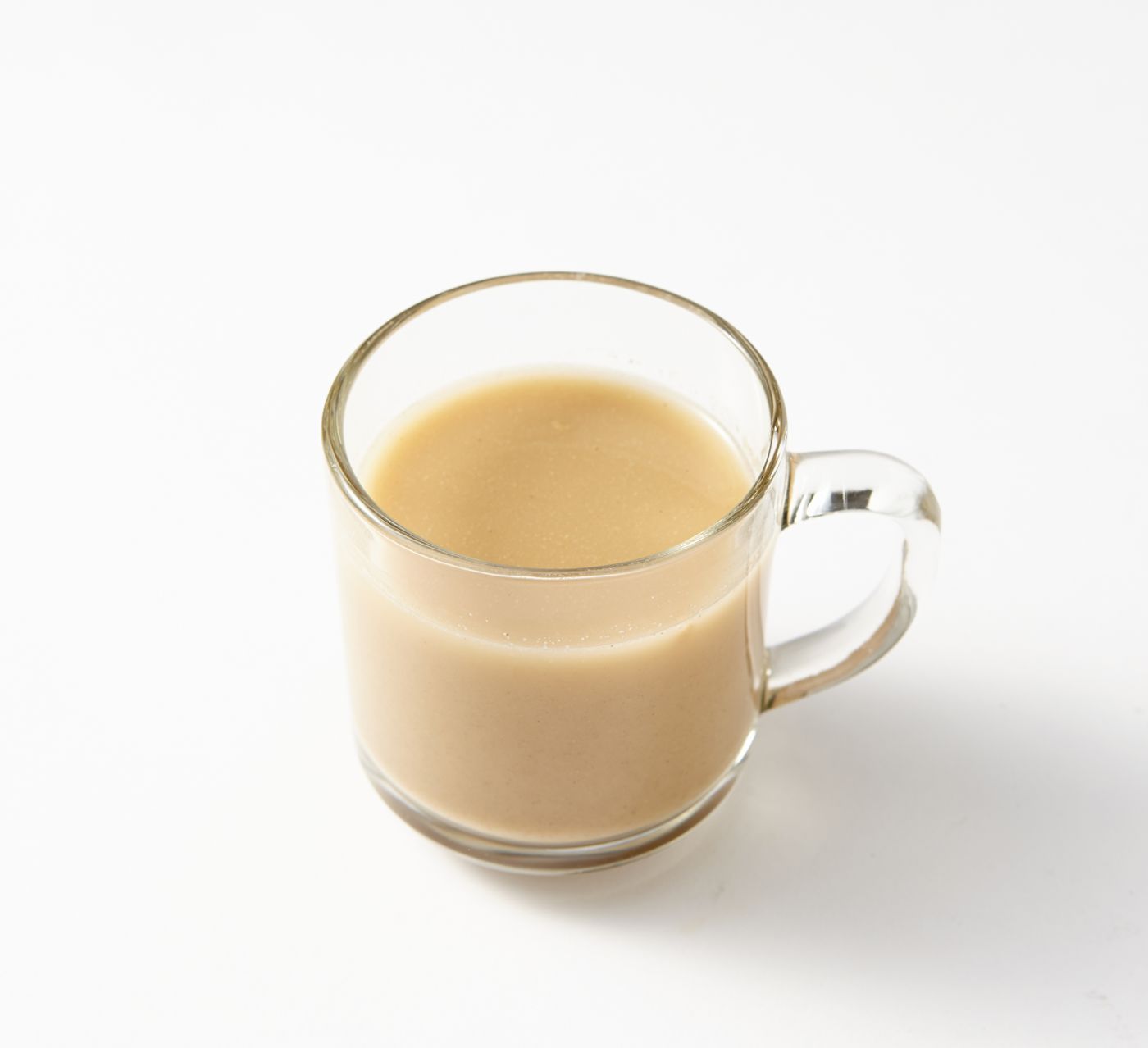 Misutgaru (Roasted Grain Drink)미숫가루A fine powder of steamed, dried and roasted grains stirred into cold water with honey — a nutty summer drink that doubled for centuries as travel food and famine ration.
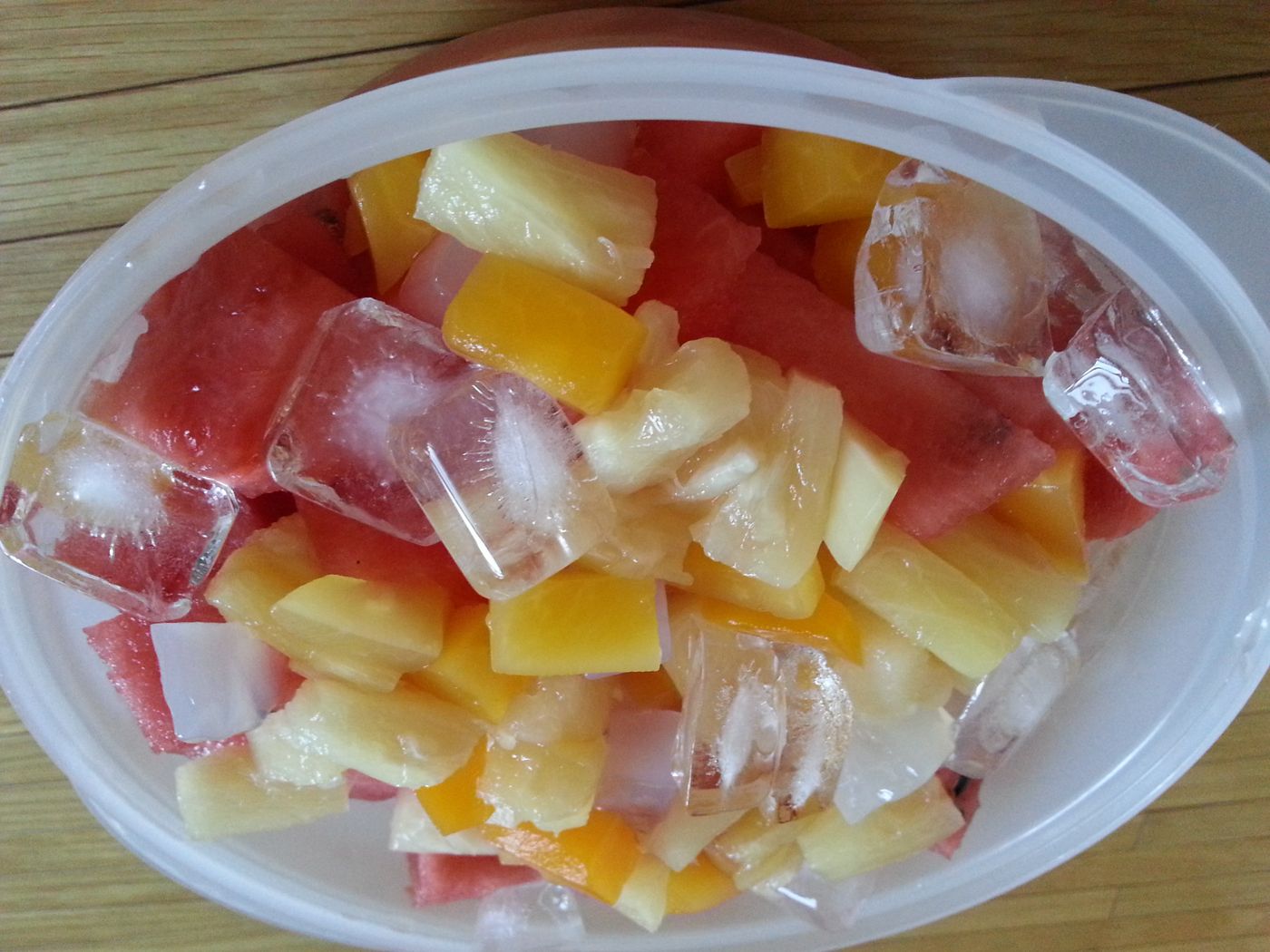 Subak-hwachae (Watermelon Punch)수박화채Scooped watermelon floating in its own sweetened juice, or in fizzy soda over ice — the most familiar member of the hwachae family of cold fruit punches.
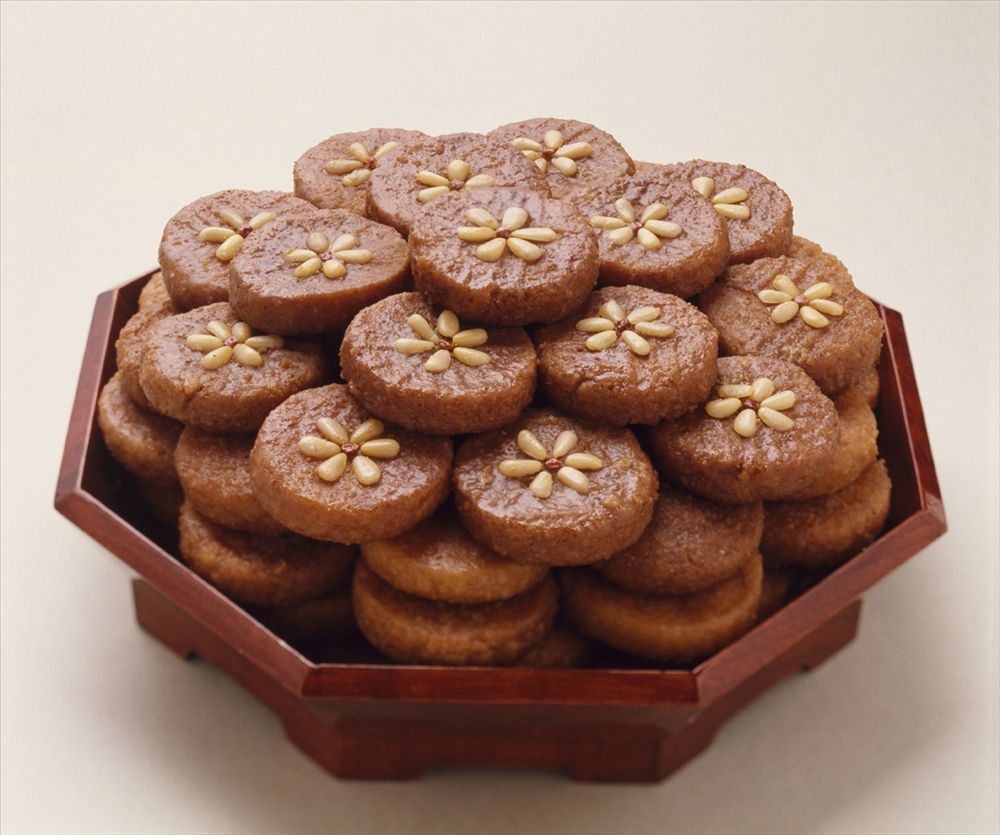 Yakgwa (Honey Cookies)약과Wheat dough rubbed with sesame oil and bound with honey, pressed into a carved mold, slow-fried and soaked in syrup — the best-known of Korea's honey-and-oil pastries.
Sources
- 01꿀 (Honey) — Encyclopedia of Korean Culture
- 02꿀 (Honey) — Encyclopedia of Korean Folk Culture (한국의식주생활사전)
- 03약과 (Yakgwa) — Encyclopedia of Korean Culture
- 04정과 (Jeonggwa) — Encyclopedia of Korean Culture
- 05꿀 (Honey) — Korean Food Composition Table, RDA
- 06Infant botulism — MedlinePlus Medical Encyclopedia (NIH)