Ingredient
Gyul (Jeju mandarin)
귤
Romanization: gyul
Small, loose-skinned mandarins from Jeju Island, peeled by the handful through the Korean winter. Once a closely guarded royal tribute, they are now the country's most familiar citrus.
Flavor
Bright, sweet and gently tart, with thin, easy-peeling skin and tender, juicy segments. Early-season fruit is sharper and greener; midwinter fruit is sweeter and more fragrant.
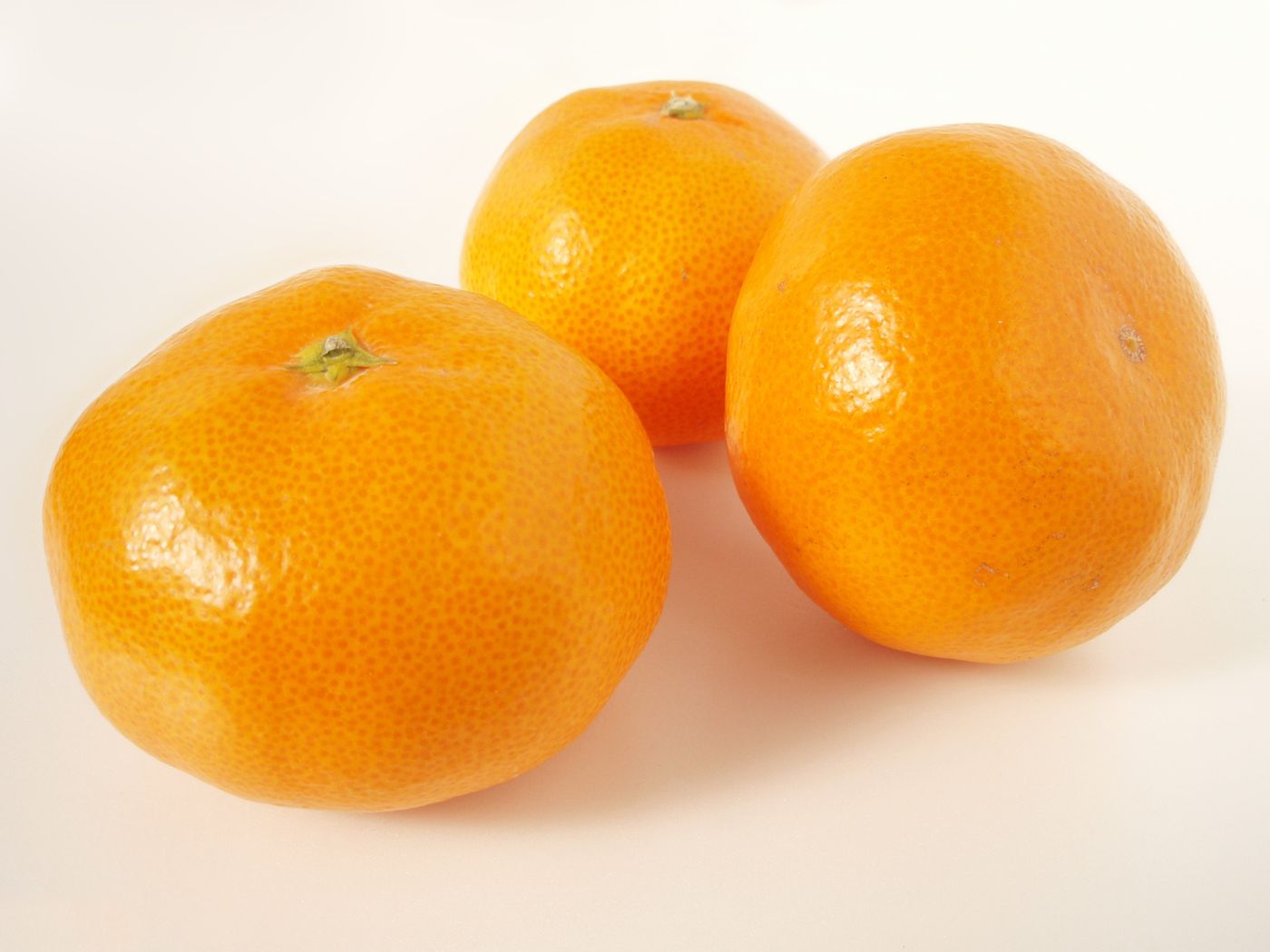 Photo: Batholith, Public domain, via Wikimedia Commons
Origin & History
Gyul is the Korean word for mandarin oranges, and in practice it means the mandarins of Jeju, the only part of Korea warm enough to grow them in the open. The Encyclopedia of Korean Culture explains that citrus needs mild winters, and that the satsuma-type onju milgam now grown on Jeju is safe only where January and February average above 5°C. When citrus first reached the island is unknown, but Japanese chronicles describe citrus coming from the southern Korean states and from Tamna, the old kingdom of Jeju, which the encyclopedia takes as evidence of cultivation by the Three Kingdoms period.
For most of its history Jeju citrus belonged to the court. The Goryeosa records that in 1052 the regular tribute of mandarins from Tamna was raised to 100 bundles, and in 1392 the new Joseon court reclassified the fruit as a special tribute. When the winter shipment arrived around the solstice, the king rewarded Jeju's governor with cloth and held a special examination for Confucian students in the capital, called hwanggamje, distributing mandarins to the candidates. See jinsang tribute foods.
The burden fell on islanders. Officials tagged and recorded individual fruits on village trees, punished any shortfall, and used the system to extort households. In his Jeju travel record Namsarok, the Joseon official Kim Sang-heon described governors inspecting and registering trees each summer and noted that families cut down their own trees to escape the levy. The encyclopedia's survey of Jeju food adds that dried abalone and mandarins were so busily sent off as tribute that islanders rarely ate them. Early records list many local kinds, including cheonggyul, a green mandarin that ripened in spring, but only about ten native types survive.
Modern gyul is a 20th-century crop. Satsuma mandarins introduced from Japan in 1911 make up most of the harvest, and planting expanded quickly from the early 1960s until mandarins became an everyday fruit in the 1970s. Most are eaten fresh, and a growing share goes into juice and other drinks.
Nutrition
| Calories | 39 kcal |
|---|---|
| Protein | 0.53 g |
| Fat | 0.1 g |
| Carbohydrates | 10.04 g |
| Fiber | 1.6 g |
| Sodium | 2 mg |
Notable forVitamin C · Folate · Potassium
Korean Food Composition Table entry "Mandarin (Gyul), Raw" (귤, 온주밀감, 생것): also 30.69 mg vitamin C, 21 µg folate, 101 mg potassium and 7.99 g total sugars per 100 g. Actual values vary with ingredients, portion size and preparation.
Health Benefits
- Vitamin C: Per the Korean Food Composition Table, a 100 g serving of satsuma mandarin (roughly one or two small fruits) supplies about 31 mg of vitamin C, plus folate and potassium, for few calories.
- Whole fruit over juice: Juice and gyul-cheong concentrate the fruit's sugars without its fiber; see sugar in Korean food.
- Pollen-food allergy: The American College of Allergy, Asthma and Immunology lists oranges among foods that can trigger mouth and throat itching in some people with grass-pollen allergy.
- Wash the peel: If you use the zest or peel in tea or syrup, scrub the fruit well first; the FDA advises washing all produce, including fruit you will peel.
Informational, not medical advice. Talk to a qualified professional about your own health and diet.
Dishes with Gyul (Jeju mandarin)
Dish guides featuring gyul (jeju mandarin) are coming soon.
Sources
- 01감귤 — Encyclopedia of Korean Culture
- 02향토음식 — Encyclopedia of Korean Culture
- 03Korean Food Composition Table: Mandarin (Gyul), Raw — National Institute of Agricultural Sciences
- 04Pollen Food Allergy Syndrome — American College of Allergy, Asthma and Immunology
- 05Selecting and Serving Produce Safely — U.S. Food and Drug Administration