Ingredient
Wheat flour
밀가루
Romanization: milgaru
Finely milled wheat flour, the base of Korean noodles, dumpling wrappers, pancake batters and ramyeon. A luxury for most of Korean history, it became an everyday staple only after the Korean War, when American aid flour flooded the market.
Flavor
Neutral and faintly sweet when cooked; it gives noodles a springy chew and pancakes a tender, crisp-edged crust, and carries the flavor of the broths and sauces around it.
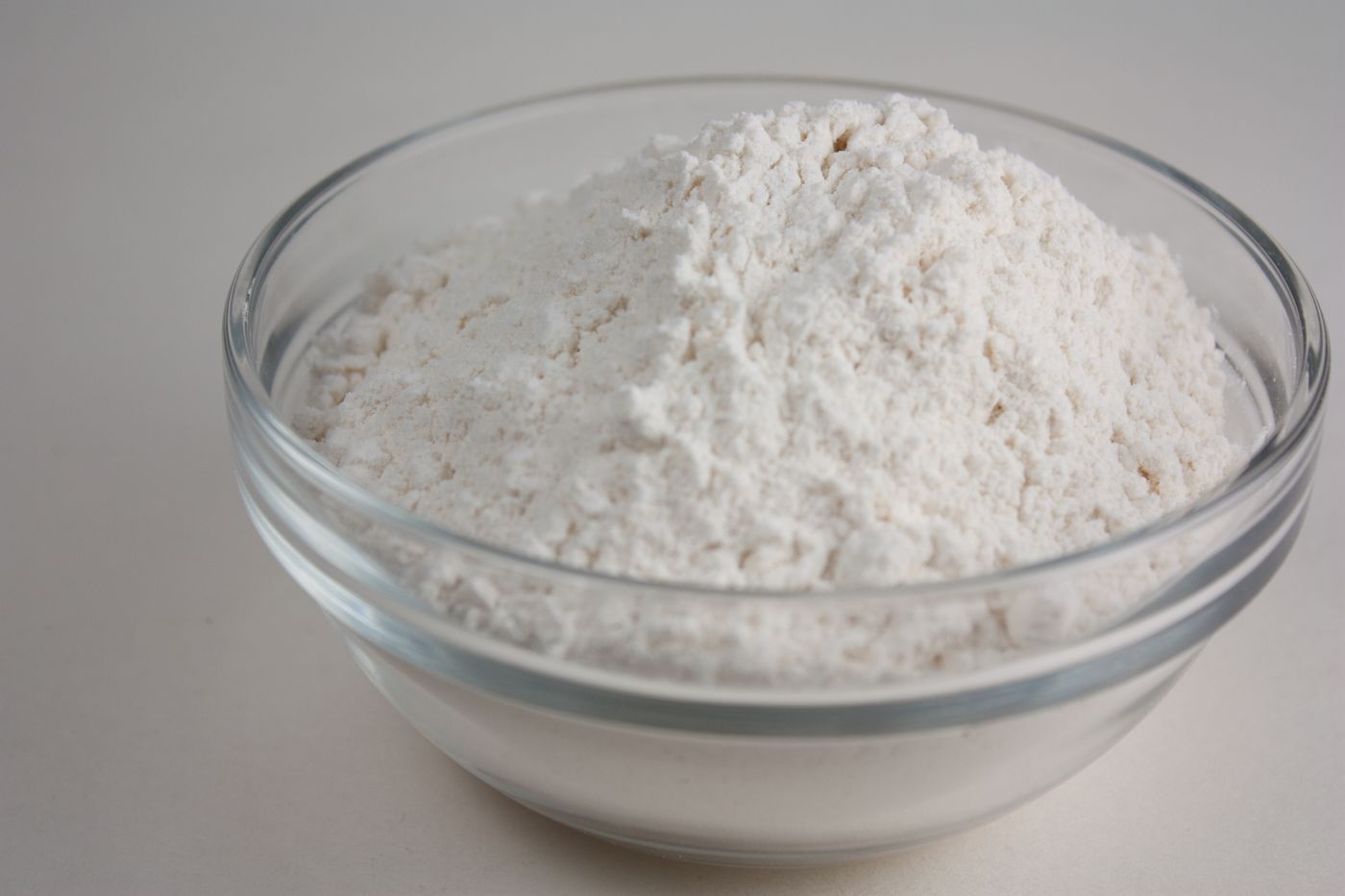 Photo: Veganbaking.net from USA, CC BY-SA 2.0, via Wikimedia Commons
Origin & History
Milgaru is flour ground from wheat (mil, Triticum aestivum), sifted to remove the bran. Wheat came to Korea from China, and carbonized grains from the Wolseong palace site in Gyeongju and from a Baekje granary show it was grown by the Three Kingdoms period. It arrived somewhat later than the native millets. Yet for more than a thousand years it stayed scarce. A twelfth-century Chinese envoy's account of Goryeo, the Gaoli tujing, recorded that wheat was so rare it had to be imported from northern China, and that flour was too expensive to eat except at feasts.
That scarcity shaped how flour was used. It went into special-occasion foods — wheat crepes (miljeonbyeong), fried honey cookies (yumilgwa), and noodles for weddings and birthdays — and into nuruk, the fermentation starter for traditional liquor (see nuruk). Korean noodles were as often made from buckwheat or mung bean starch as from wheat.
Everything changed after the Korean War. Large quantities of wheat flour arrived as American aid, and noodles and hand-torn sujebi became filling substitutes for rice in poor households. Milling, along with sugar refining and cotton spinning, became one of the 1950s "three white industries" built on cheap aid commodities; the Encyclopedia of Korean Culture notes that surplus grain shipped under U.S. Public Law 480 from 1956 undercut Korea's own wheat farmers. As diets westernized, bread, cakes and snacks pushed flour consumption higher still. Korea grows only a few thousand tonnes of wheat a year and imports the vast majority, mostly from the United States, Australia and Canada. For the full story see noodles in Korean history and food in modern Korea.
Korean flour is sold by protein strength. Strong flour goes into bread and pizza and soft flour into cakes and snacks, while all-purpose (jungnyeokbun) is the workhorse for the dishes on this site: mandu wrappers, kalguksu, sujebi, the batter for jeon, and ramyeon.
Nutrition
| Calories | 375 kcal |
|---|---|
| Protein | 10.34 g |
| Fat | 1.01 g |
| Carbohydrates | 76.64 g |
| Fiber | 2.7 g |
| Sodium | 1 mg |
Notable forSelenium (25.5 µg) · Manganese (0.62 mg)
Values copied from the Korean Food Composition Table (Rural Development Administration / National Institute of Crop Science) for this exact food, per 100 g edible portion. Whole-wheat flour is listed separately in the table and retains more of the bran's fiber and minerals. Actual values vary with ingredients, portion size and preparation.
Health Benefits
- Mostly starch: White flour is largely carbohydrate with moderate protein and little fat, fiber or sodium; the Korean Food Composition Table lists selenium among its more notable micronutrients.
- Contains gluten: NIDDK lists wheat in all its forms among the grains people with celiac disease must avoid. In Korean food that includes noodles, mandu, jeon batters, ramyeon, many gochujang and soy sauces, and fried coatings.
- Major allergen: Wheat is one of the nine major food allergens the U.S. FDA requires on labels.
- Prepared mixes add salt: Seasoned pancake and frying mixes (buchimgaru, twigimgaru) contain added salt and seasonings, unlike plain flour.
Informational, not medical advice. Talk to a qualified professional about your own health and diet.
Dishes with Wheat flour
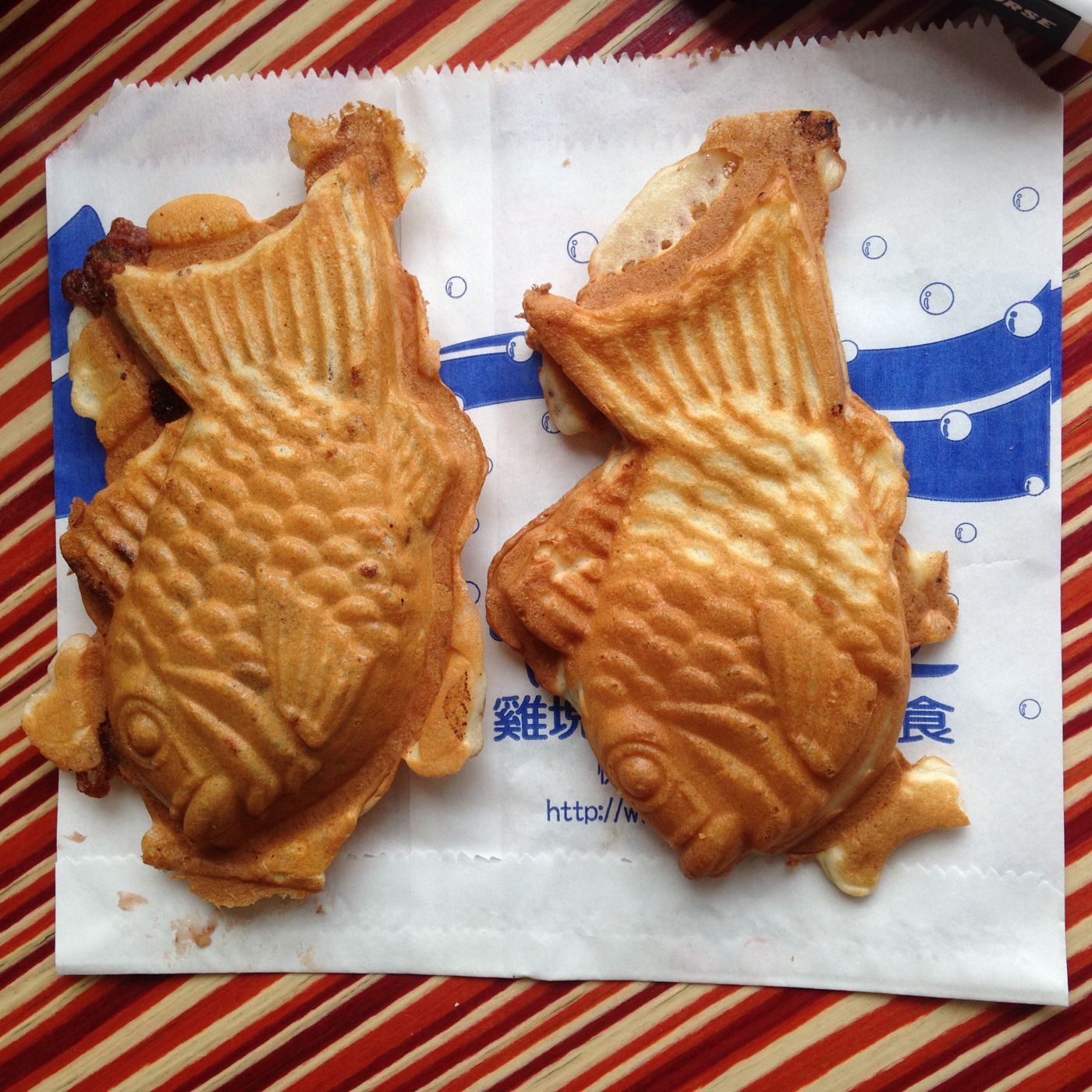 Bungeoppang (Fish-Shaped Red Bean Pastry)붕어빵Thin wheat batter baked in a fish-shaped iron mold around sweet red bean paste — a winter street snack descended from Japan's taiyaki.
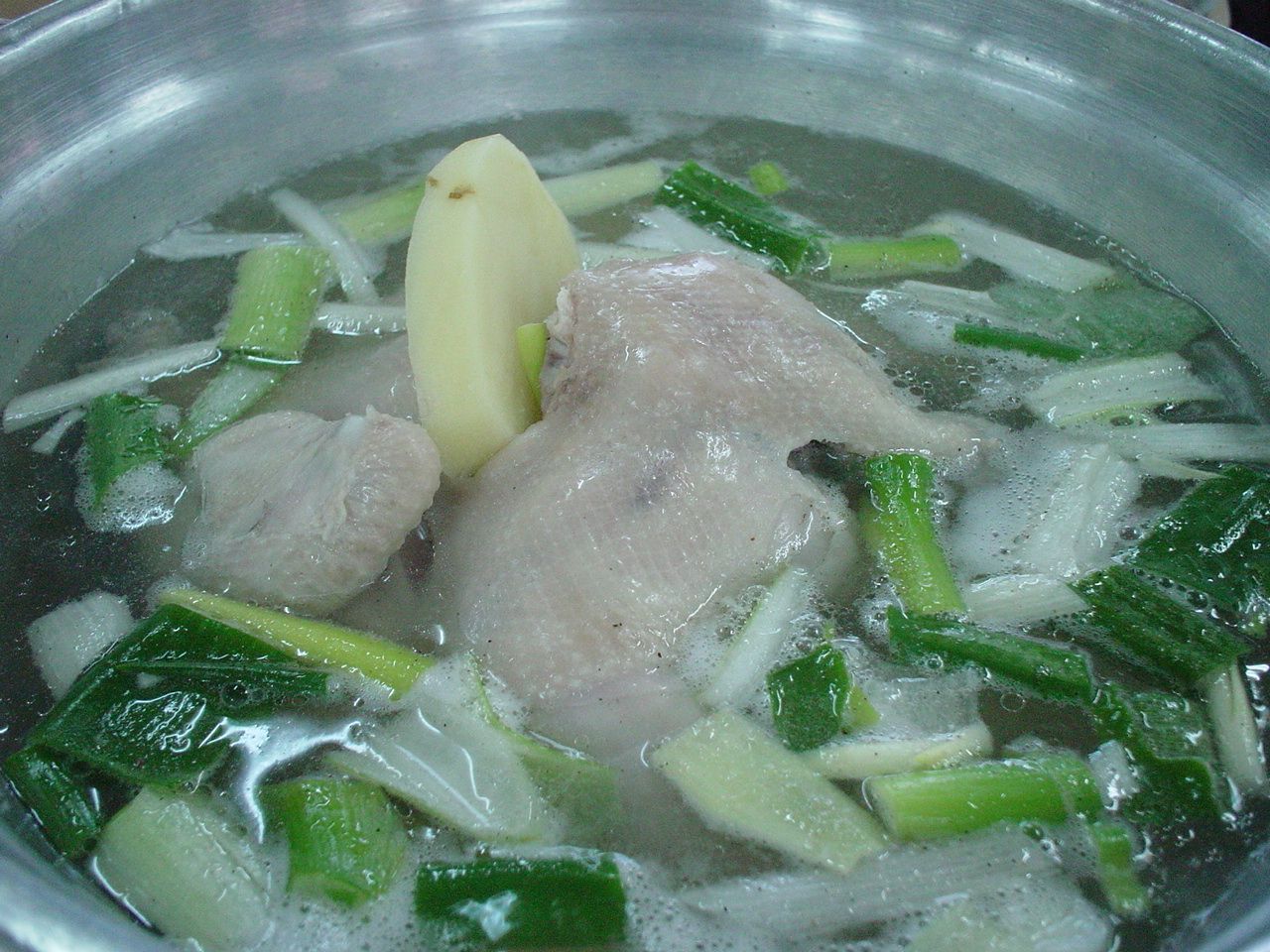 Dak Hanmari ("One Whole Chicken" Hot Pot)닭한마리A whole chicken simmered at the table with potatoes, rice cakes and green onion, dipped in a vinegar-mustard sauce, then finished with noodles in the broth — a Dongdaemun original.
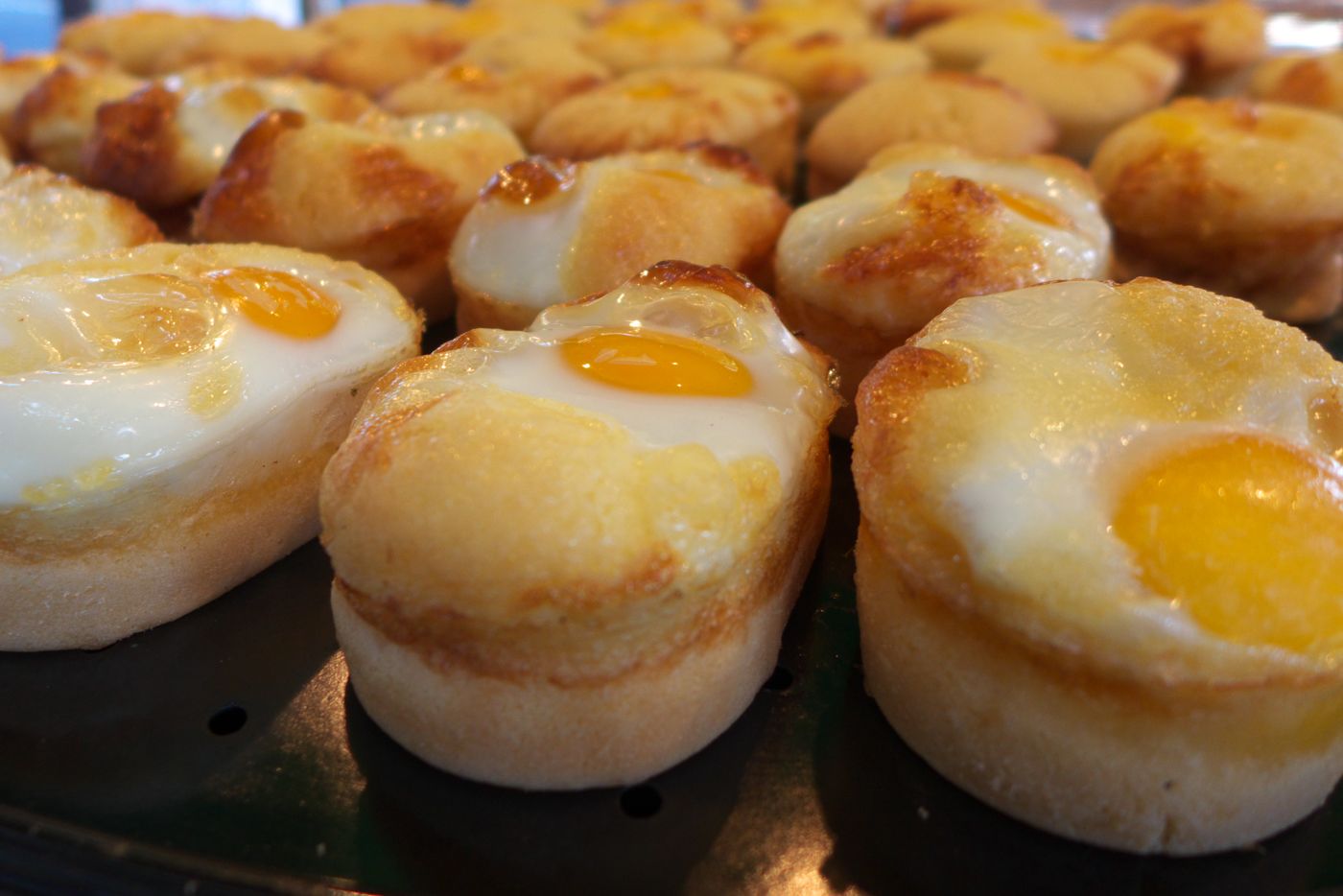 Gyeranppang (Egg Bread)계란빵A small oval of lightly sweet batter baked around a whole egg in a hinged metal mold — a warm, filling street snack of Korean winters since the 1970s and 80s.
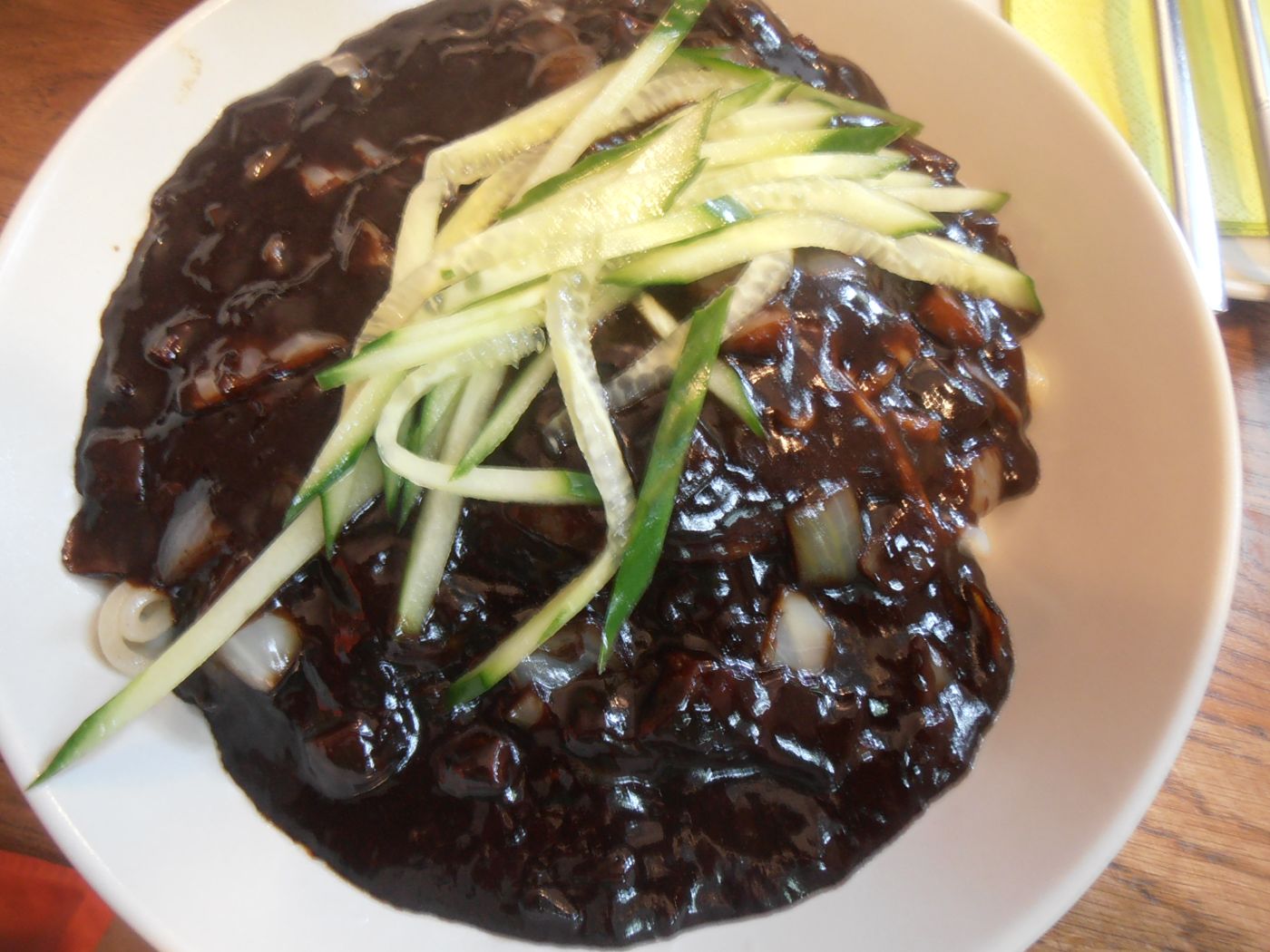 Jajangmyeon (Noodles in Black Bean Sauce)자장면Wheat noodles under a glossy sauce of chunjang fried with pork, onion and potato — the Korean-Chinese dish born among Shandong migrants in Incheon, contested origin claims and all.
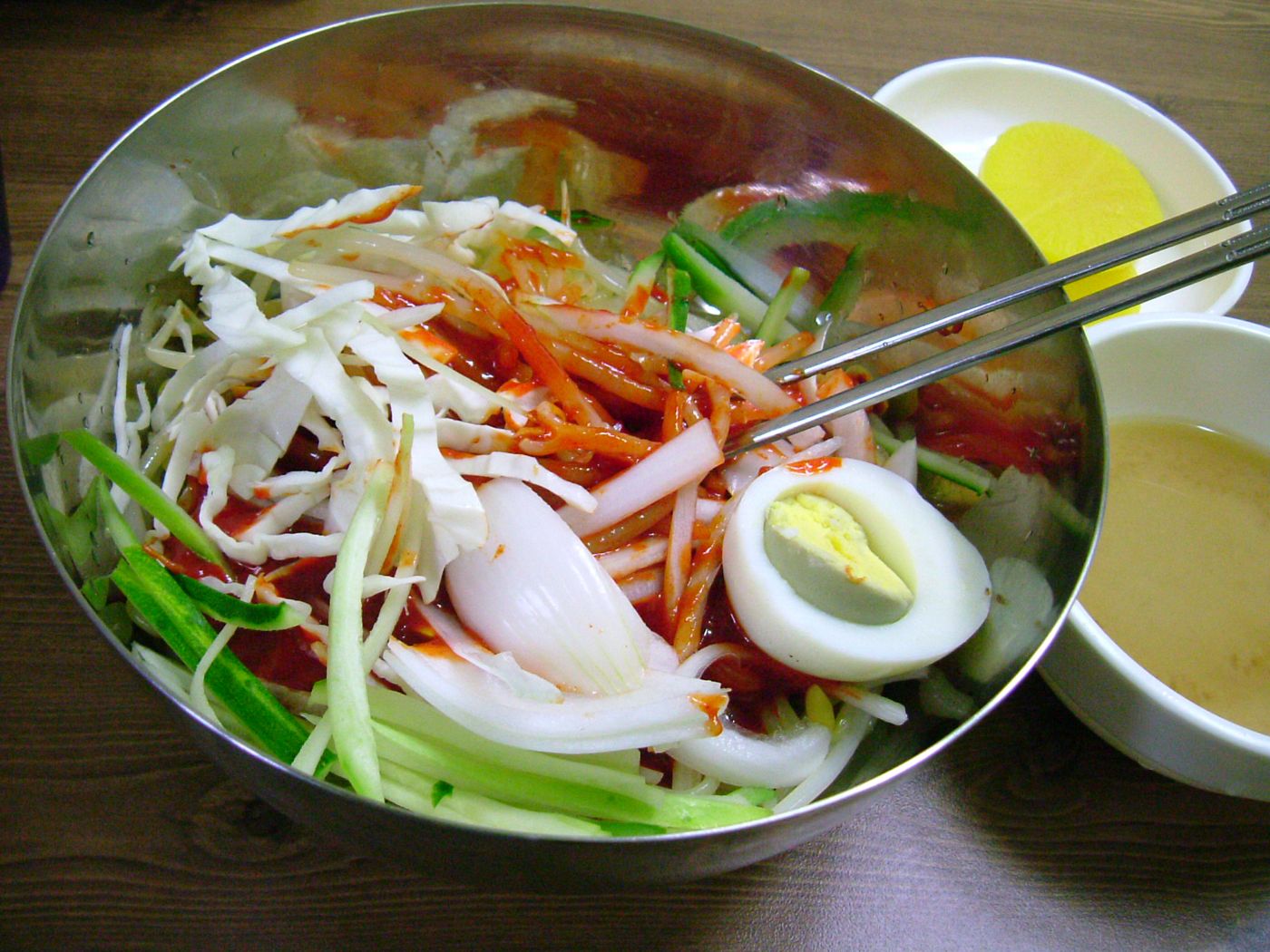 Jjolmyeon (Chewy Spicy Noodles)쫄면Thick, rubbery-chewy wheat noodles tossed cold in a sweet-sour gochujang sauce with cabbage, sprouts and egg — a snack-bar classic invented in 1970s Incheon.
 Mandu (Korean Dumplings)만두Thin wrappers folded around pork, tofu, kimchi and sprouts, then steamed or boiled — a Goryeo-era arrival from China that became a winter staple of the North.
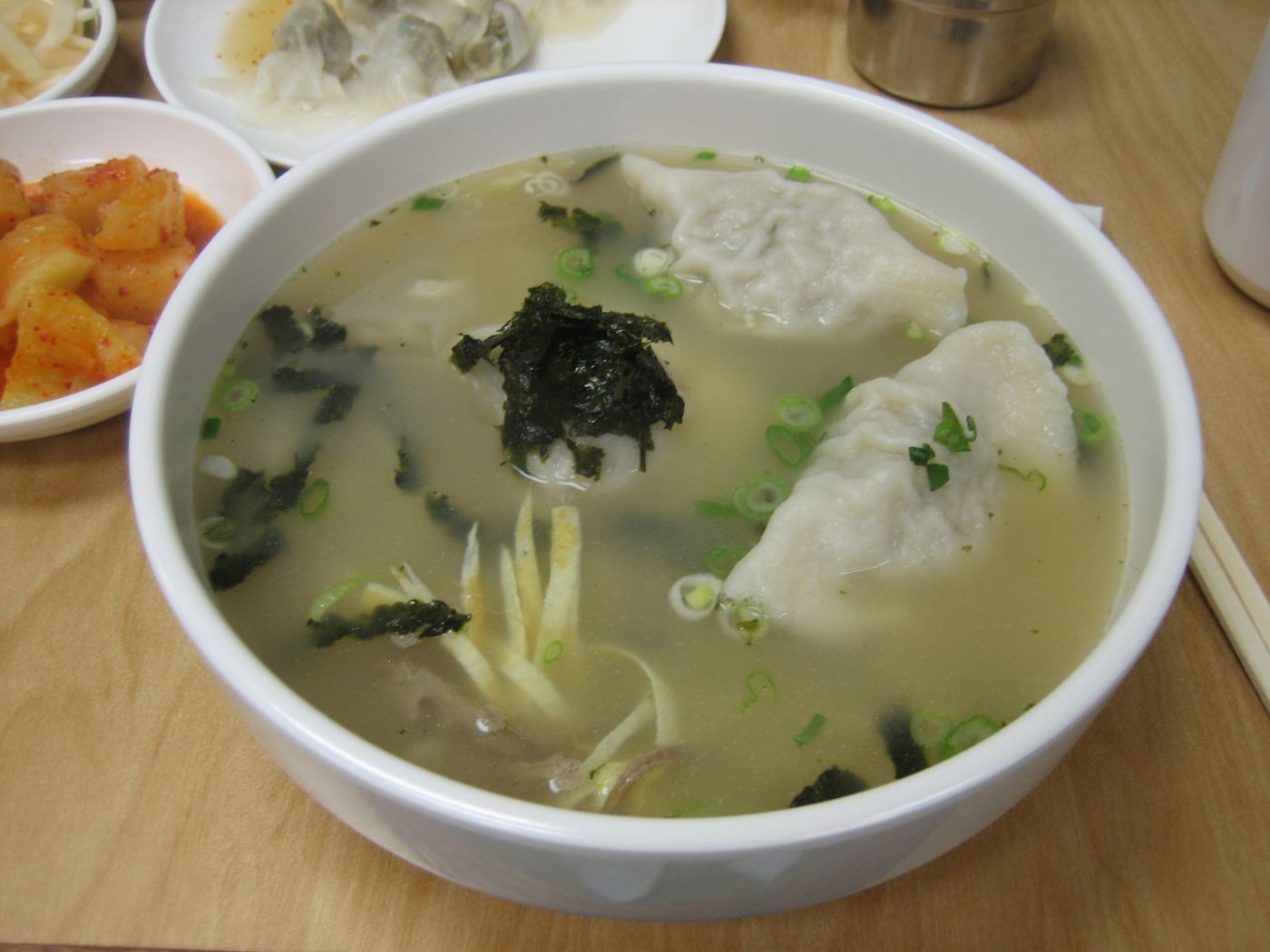 Manduguk (Dumpling Soup)만둣국Stuffed dumplings simmered in a clear, savory broth, usually beef-based and topped with egg strands and green onion. A winter and New Year dish with northern roots.
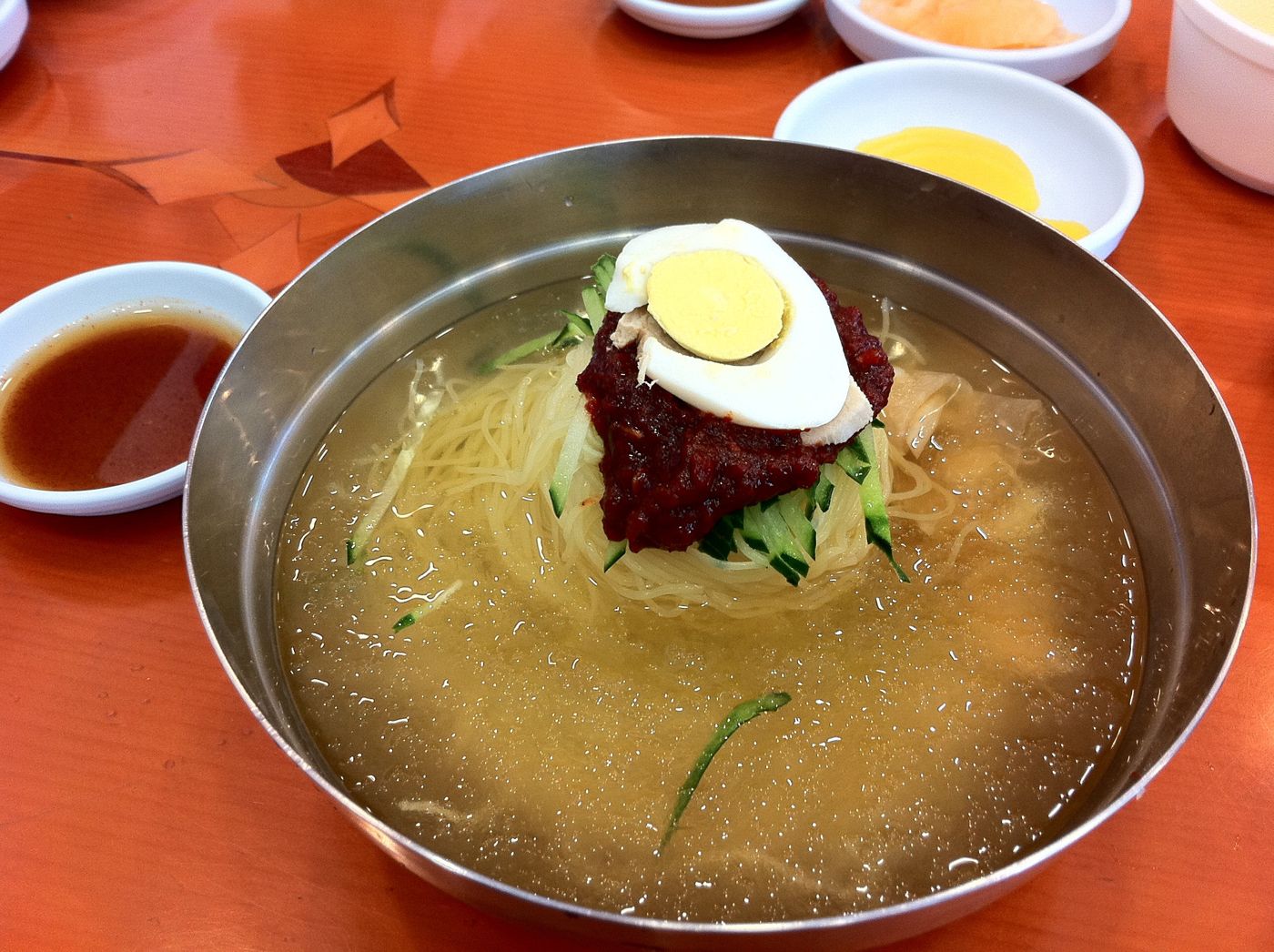 Milmyeon (Busan Wheat Cold Noodles)밀면Chewy wheat-and-starch noodles in an icy, sweet-sour beef broth or tossed in chili paste — Busan's refugee-era answer to northern naengmyeon.
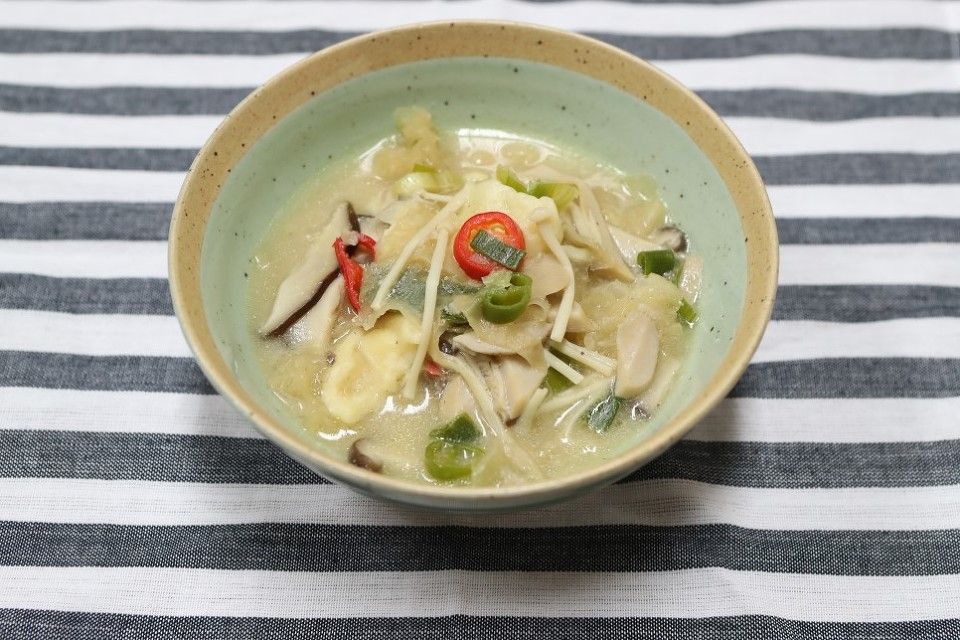 Sujebi (Hand-Torn Dough Soup)수제비Thin pieces of wheat dough pulled by hand into a simmering anchovy broth with zucchini and potato — a cozy, inexpensive one-pot meal, traditionally a summer staple.
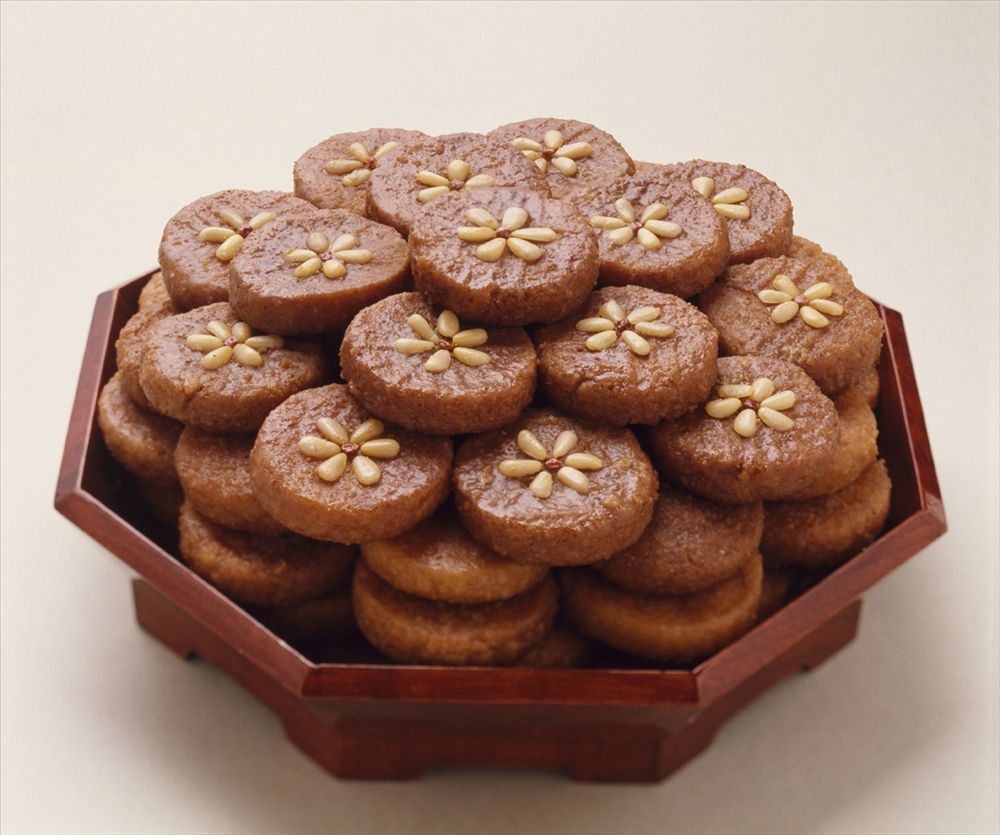 Yakgwa (Honey Cookies)약과Wheat dough rubbed with sesame oil and bound with honey, pressed into a carved mold, slow-fried and soaked in syrup — the best-known of Korea's honey-and-oil pastries.
Sources
- 01밀 (Wheat) — Encyclopedia of Korean Culture
- 02밀가루 (Wheat flour) — Encyclopedia of Korean Culture
- 03삼백공업 (The "three white" industries) — Encyclopedia of Korean Culture
- 04Korean Food Composition Table — Wheat flour, White, All-purpose
- 05Eating, Diet, & Nutrition for Celiac Disease — NIDDK
- 06Food Allergies — U.S. Food and Drug Administration