Ingredient
Adzuki beans (red beans)
팥
Romanization: pat
Small, glossy, wine-red beans with a thin white seam, simmered into savory porridge, cooked with rice, and mashed sweet for rice-cake fillings and coatings. Their red color was long believed to drive away misfortune.
Flavor
Earthy and gently sweet, with a fine, floury texture when cooked; savory *patjuk* tastes deep and nutty, while sweetened paste is mellow and dessert-like.
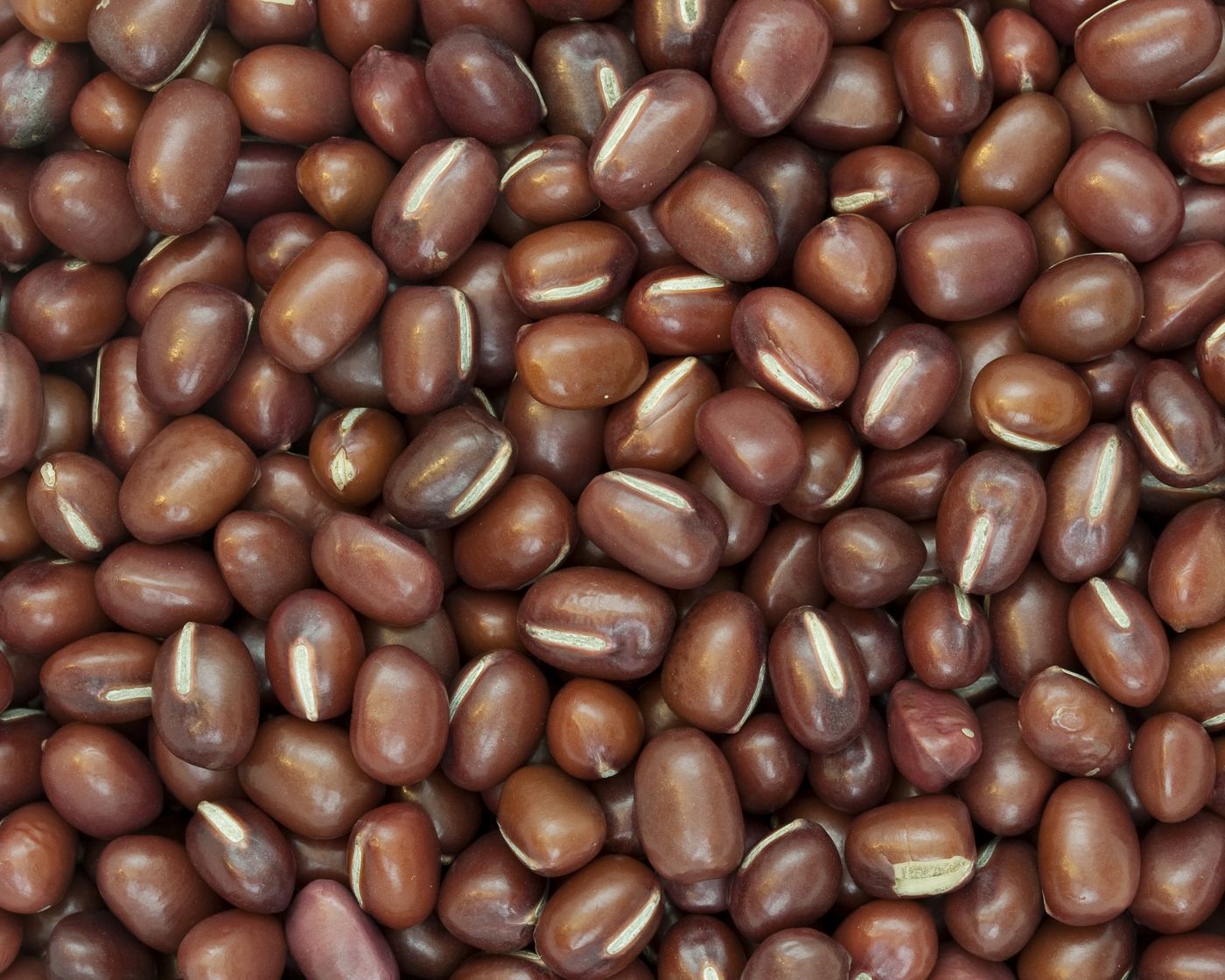 Photo: Sanjay Acharya, CC BY-SA 3.0, via Wikimedia Commons
Origin & History
Pat is the adzuki bean, Vigna angularis, also called sodu in older Korean. It is an East Asian crop with a long history in China, Korea and Japan. In Korea it has turned up at a Bronze Age site at Odong in North Hamgyeong and, together with mung beans, in a Baekje granary. Traders still sort the beans by size and color — large red, small red, greenish, black — and Korean landraces such as those from Hongcheon, Jincheon and Yeongdong have been considered especially good.
Adzuki beans go into patbap (rice cooked with beans), sweetened paste for filled rice cakes, and gomul, the crumbly bean powder pressed onto gyeongdan or layered through steamed sirutteok. Red-bean sirutteok is the standard offering at gosa, household rites for good fortune, because the red color was thought to ward off evil.
The best-known adzuki dish is patjuk, porridge made by boiling the beans soft, sieving out the skins, and cooking rice in the bean liquid, often with small glutinous-rice balls called saealsim. It is the food of Dongji, the winter solstice. The custom probably came from China, where a red-bean gruel was used to chase away a disease spirit; Goryeo poems already mention eating it at the solstice, and Joseon seasonal almanacs record it too. Families flicked a little patjuk on gates and storage jars before eating, sometimes adding one rice ball for each year of a person's age, and the porridge was also made when moving into a new house, shared with neighbors, and sent to households in mourning.
Nutrition
| Calories | 337 kcal |
|---|---|
| Protein | 21.59 g |
| Fat | 1.1 g |
| Carbohydrates | 59.29 g |
| Fiber | 15.5 g |
| Sodium | 6 mg |
Notable forPotassium (1,333 mg) · Folate (165 µg) · Iron (5.49 mg) · Thiamin (0.66 mg)
Values copied from the Korean Food Composition Table (Rural Development Administration / National Institute of Crop Science) for this exact food, per 100 g edible portion. Values are for dry beans; cooked beans and porridge are much less concentrated. Actual values vary with ingredients, portion size and preparation.
Health Benefits
- Plant protein and fiber: Dried adzuki beans are about one-fifth protein and rich in dietary fiber, per the Korean Food Composition Table.
- A source of potassium, folate and iron: The dried beans are notably high in all three.
- Sweet paste is a different food: Red-bean fillings for buns and rice cakes are cooked down with a lot of sugar, so they carry far more added sugar than savory patjuk or patbap.
- Traditional beliefs: Old herbal texts credited adzuki beans with easing swelling and helping milk flow after childbirth; these remain traditional ideas rather than established medical effects.
Informational, not medical advice. Talk to a qualified professional about your own health and diet.
Dishes with Adzuki beans (red beans)
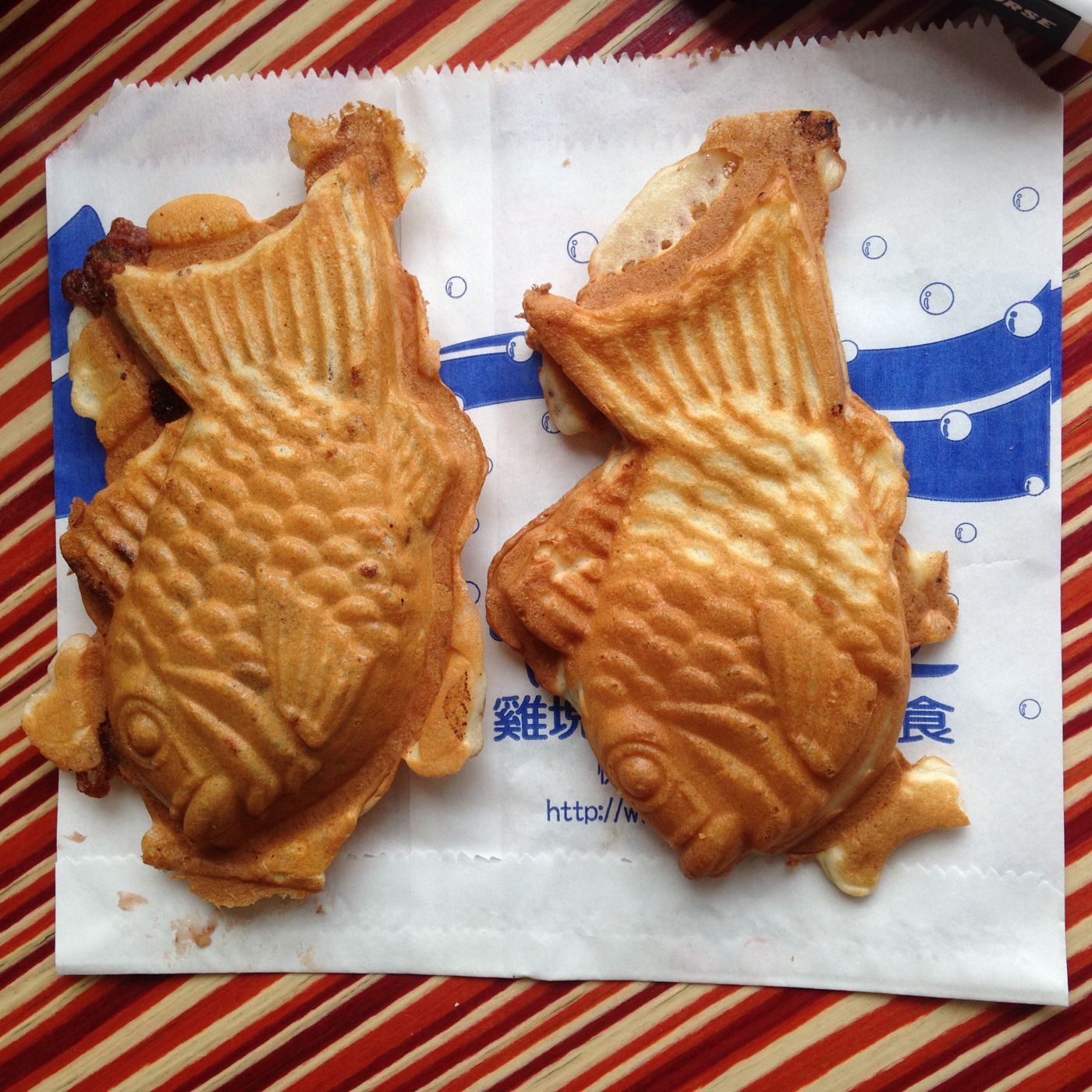 Bungeoppang (Fish-Shaped Red Bean Pastry)붕어빵Thin wheat batter baked in a fish-shaped iron mold around sweet red bean paste — a winter street snack descended from Japan's taiyaki.
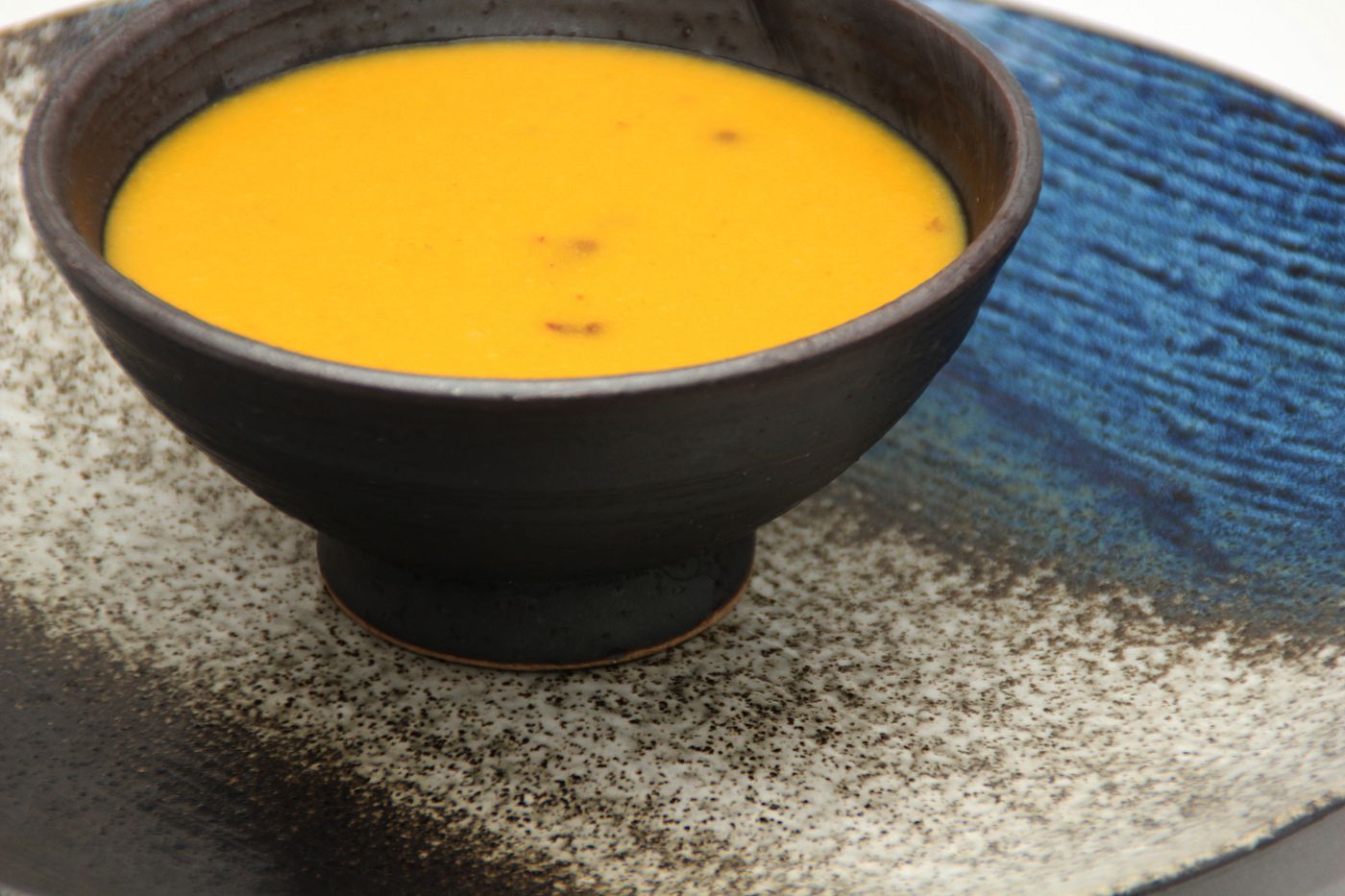 Hobak-juk (Pumpkin Porridge)호박죽Ripe winter pumpkin cooked to a purée and thickened with glutinous rice, often with red beans — a smooth, gently sweet porridge for cold days and convalescence.
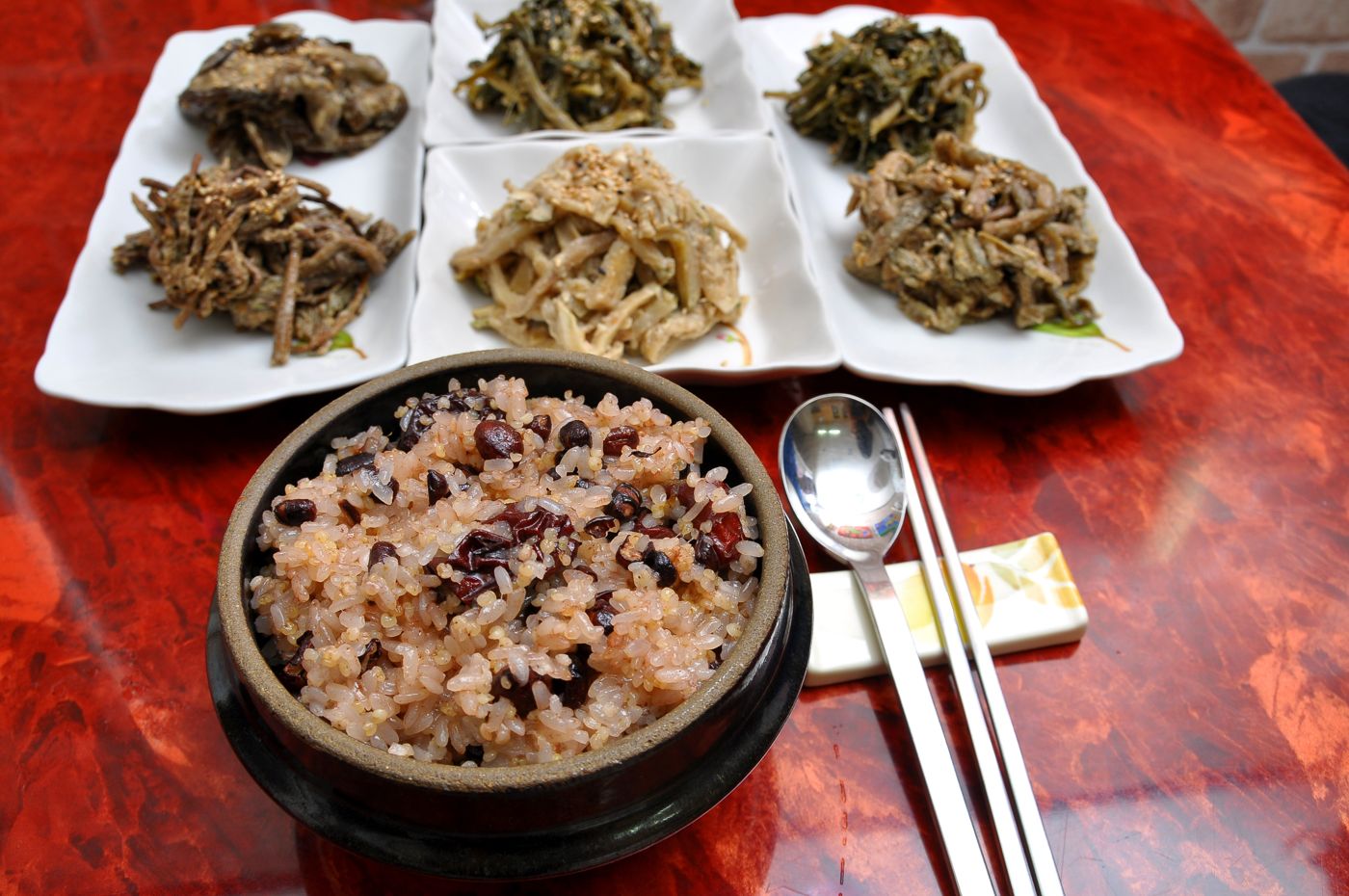 Ogokbap (Five-Grain Rice)오곡밥Glutinous rice cooked with sorghum, millet, red beans and black soybeans for Daeboreum, the first full moon of the lunar year, and shared among neighbors for a good harvest.
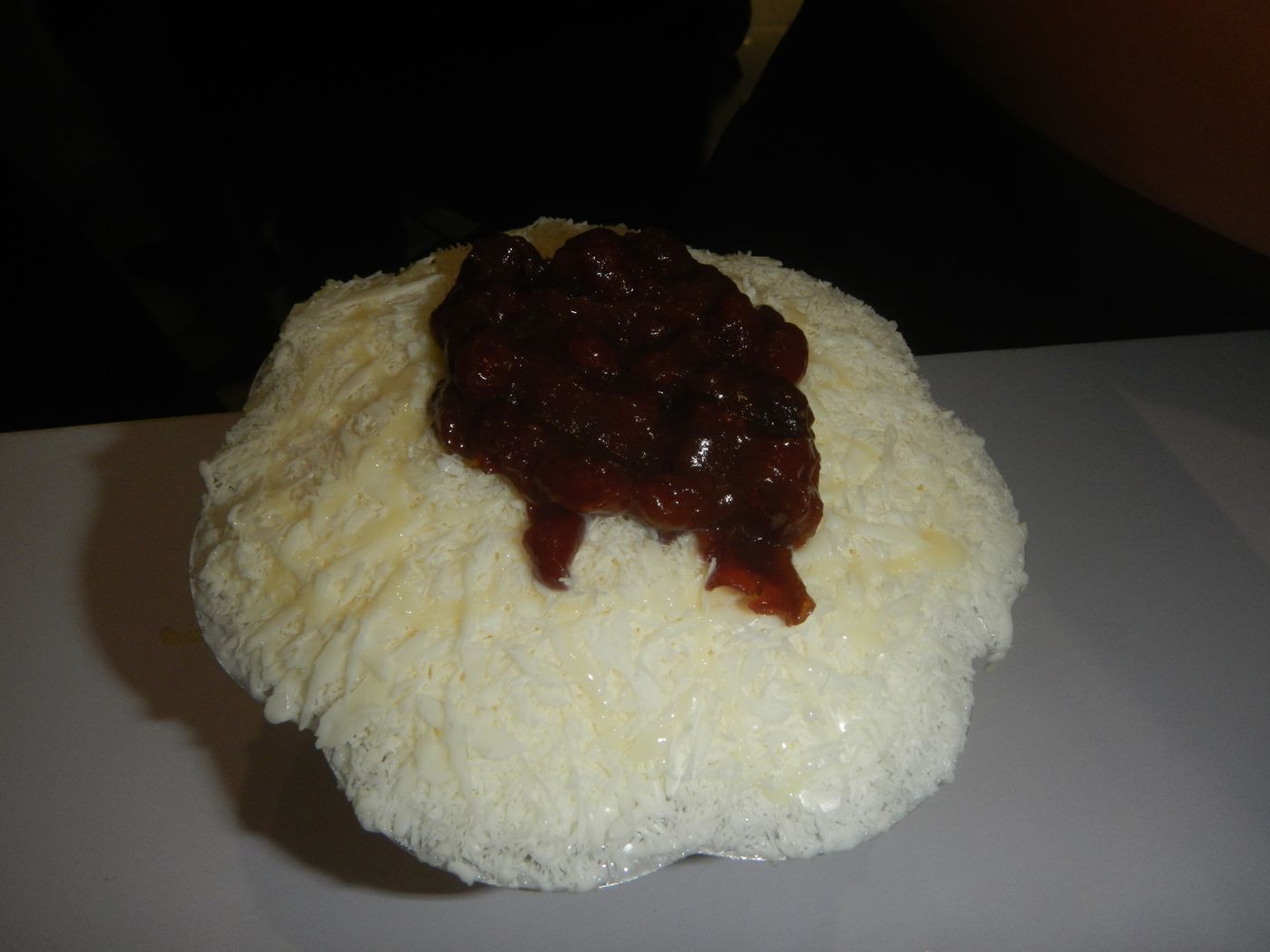 Patbingsu (Shaved Ice with Sweet Red Beans)팥빙수A mound of finely shaved ice crowned with sweetened red beans and milk: Korea's signature summer dessert, built on a centuries-old taste for ice.
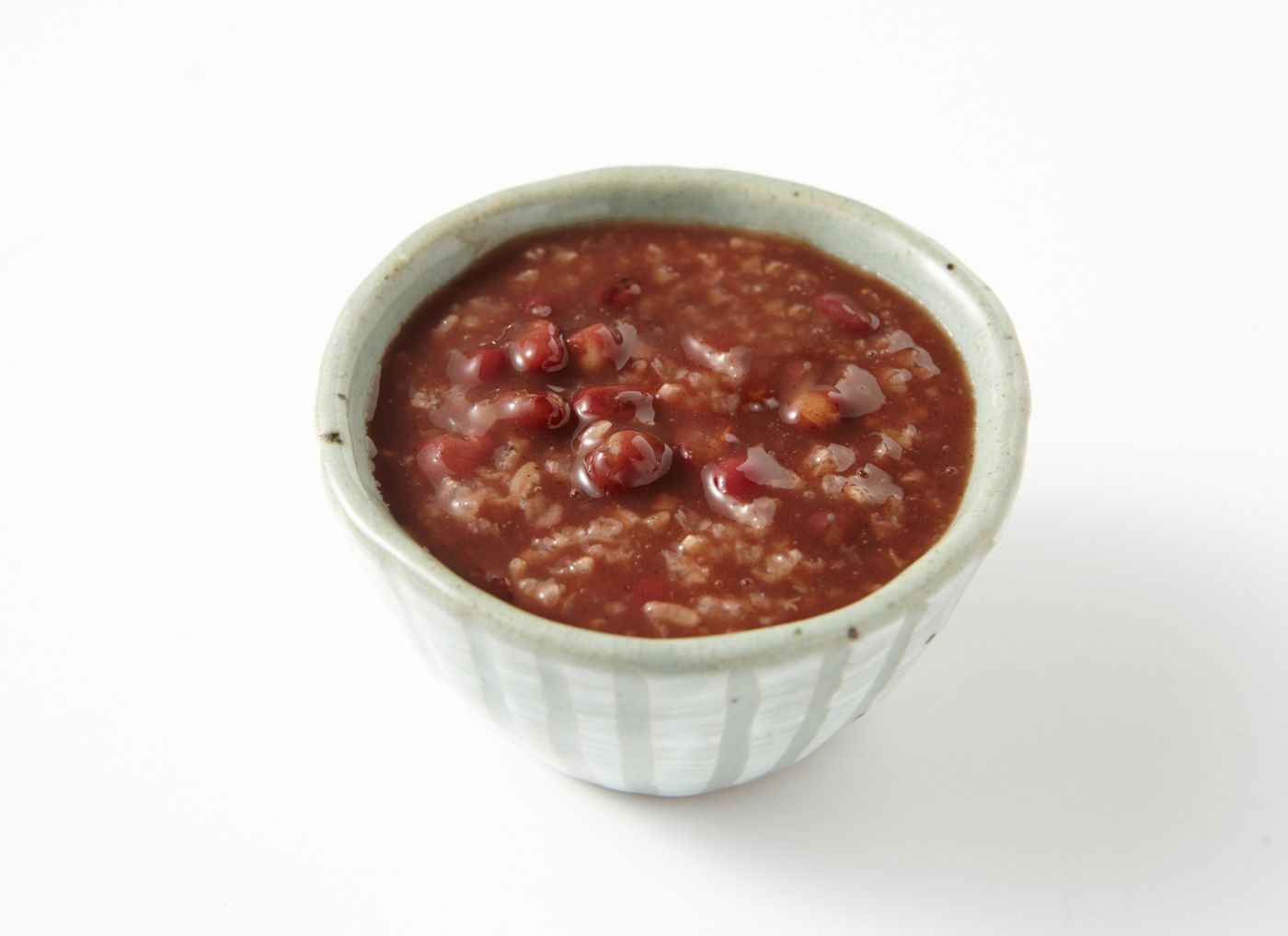 Patjuk (Red Bean Porridge)팥죽Porridge of puréed red adzuki beans and rice with chewy glutinous rice balls, eaten at the winter solstice to ward off misfortune and shared with neighbors.