Ingredient
Mung beans
녹두
Romanization: nokdu
Small green beans that give Korean cooking three very different foods: crisp, golden bindaetteok pancakes from the soaked and ground beans, crunchy sukju sprouts, and clear, silky cheongpo-muk jelly from their starch.
Flavor
Clean, mildly sweet and nutty, with a soft, creamy texture when cooked; ground and fried, the batter turns crisp-edged and fluffy inside.
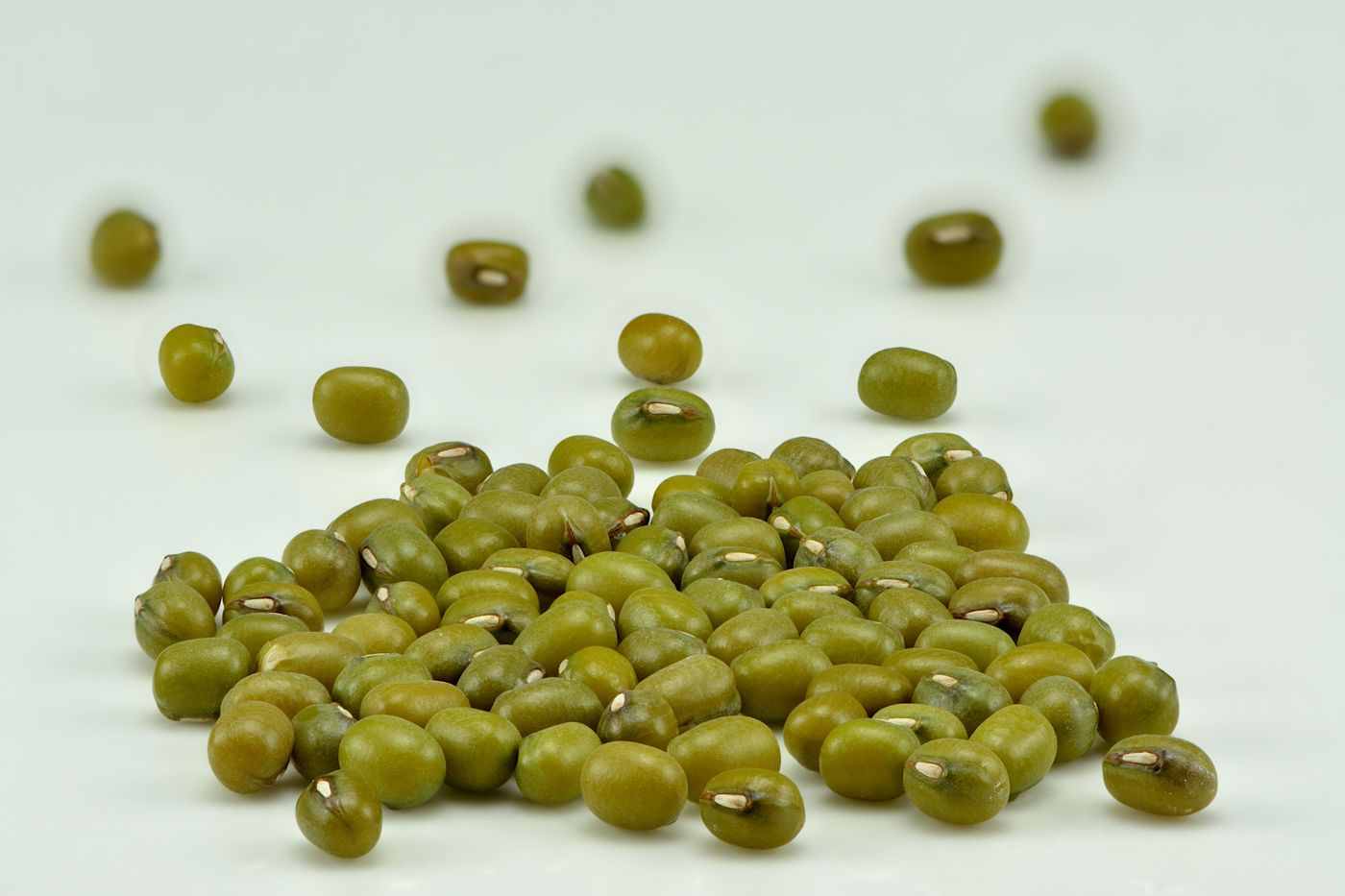 Photo: Ivar Leidus, CC BY-SA 4.0, via Wikimedia Commons
Origin & History
Nokdu is the mung bean (Vigna radiata, classified by older sources as Phaseolus radiatus), an annual legume about 60–80 cm tall with yellow flowers and slender, hairy pods that turn black and split easily as they ripen. It is thought to come from India and has been cultivated for more than 3,000 years. Mung beans recovered from a Baekje military granary at Busosanseong suggest the crop has a long history in Korea, possibly reaching back to the Bronze Age.
The plant tolerates heat and drought, and its short season allows both a spring crop and a second crop sown after barley. Because ripe pods burst, farmers harvest them in several passes, ideally in the morning. Dried beans are roughly half starch and a quarter protein; the encyclopedia notes that nokmal, the Korean word for starch, is said to derive from the mung bean.
Mung beans have a rich place in festive and folk food. The 19th-century Dongguk sesigi describes noodles of mung-bean dough floated in omija or honey water for Samjinnal in spring. The beans also gave a nickname to Jeon Bong-jun, leader of the 1894 Donghak uprising — 'General Mung Bean' — and the folk song Saeya saeya parangsaeya ('Bird, bird, bluebird, do not land in the mung bean field') is still sung across Korea.
Soaked, skinned and ground, mung beans become batter for nokdu-bindaetteok. Early recipes, such as those in Gyugon siuibang, made it as a sweet pancake filled with red bean; today it is savory, with pork, kimchi and sprouts, and Pyongan-style versions are especially large. Sprouted, the beans become sukju-namul; their starch sets into cheongpo-muk, the base of tangpyeongchae; and they are cooked into porridge and used as a coating for rice cakes.
Nutrition
| Calories | 352 kcal |
|---|---|
| Protein | 24.51 g |
| Fat | 1.52 g |
| Carbohydrates | 60.15 g |
| Fiber | 22.4 g |
| Sodium | 1 mg |
Notable forFolate (428 µg) · Dietary fiber (22.4 g) · Potassium (1,420 mg) · Magnesium (174 mg)
Values copied from the Korean Food Composition Table (Rural Development Administration / National Institute of Crop Science) for this exact food, per 100 g edible portion. Beans roughly double in weight when boiled; the same table lists boiled mung beans at 158 kcal, 11.3 g protein and 9.8 g fiber per 100 g. Actual values vary with ingredients, portion size and preparation.
Health Benefits
- Plant protein and fiber: Dried mung beans are a good source of protein and dietary fiber, and the Korean Food Composition Table lists notable folate, potassium and magnesium.
- A traditional 'cooling' food: In Korean folk medicine, mung beans were valued for clearing heat and detoxifying, and were applied to skin ailments. These beliefs are part of the bean's cultural story, not proven treatments.
- How it's cooked matters: Bindaetteok is pan-fried in generous oil and often includes pork and kimchi, so it is richer and saltier than plain beans or muk.
- Sprouts need care: Raw or lightly cooked sprouts carry a risk of foodborne illness; sukju-namul is traditionally blanched.
Informational, not medical advice. Talk to a qualified professional about your own health and diet.
Dishes with Mung beans
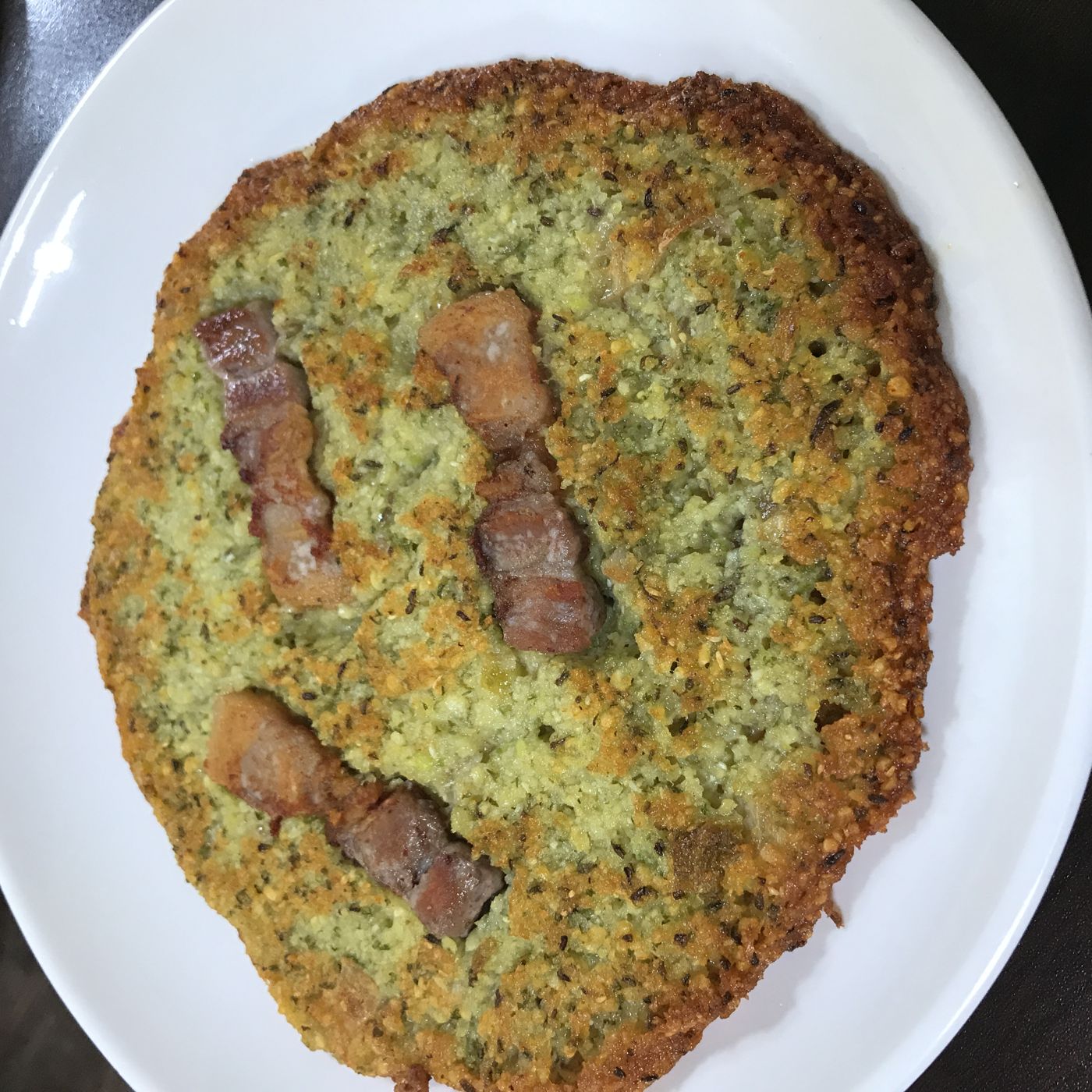 Nokdu Bindaetteok (Mung Bean Pancake)녹두빈대떡Soaked mung beans ground into a thick batter with kimchi, sprouts and pork, then fried crisp in generous oil — a northern specialty and a Seoul market favorite.
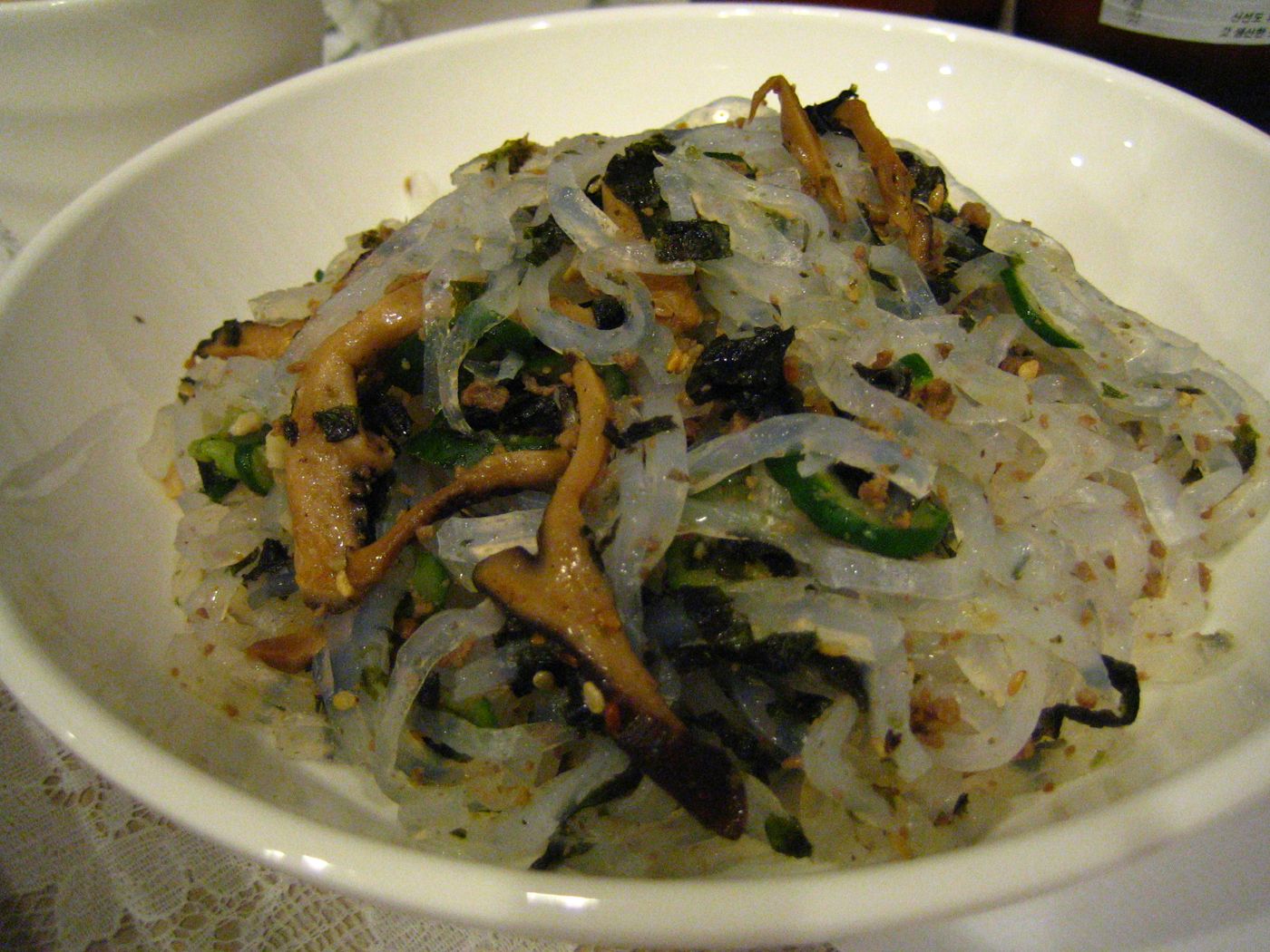 Tangpyeongchae탕평채Mung bean jelly tossed with beef, sprouts, water dropwort, egg and roasted gim in a soy-vinegar dressing — a classic spring dish named after a Joseon policy of political harmony.