Ingredient
Sangchu (lettuce)
상추
Romanization: sangchu
Soft, loose-leaf lettuce, green or red-tinged, that anchors the Korean habit of ssam: wrapping rice, grilled meat and a dab of ssamjang in a fresh leaf. It is also dressed quickly as sangchu-geotjeori.
Flavor
Mild, juicy and faintly sweet, with a soft leaf, a crisp rib and, in red and older leaves, a light bitterness. Its neutrality is the point: it cools and frames rich, salty and spicy fillings.
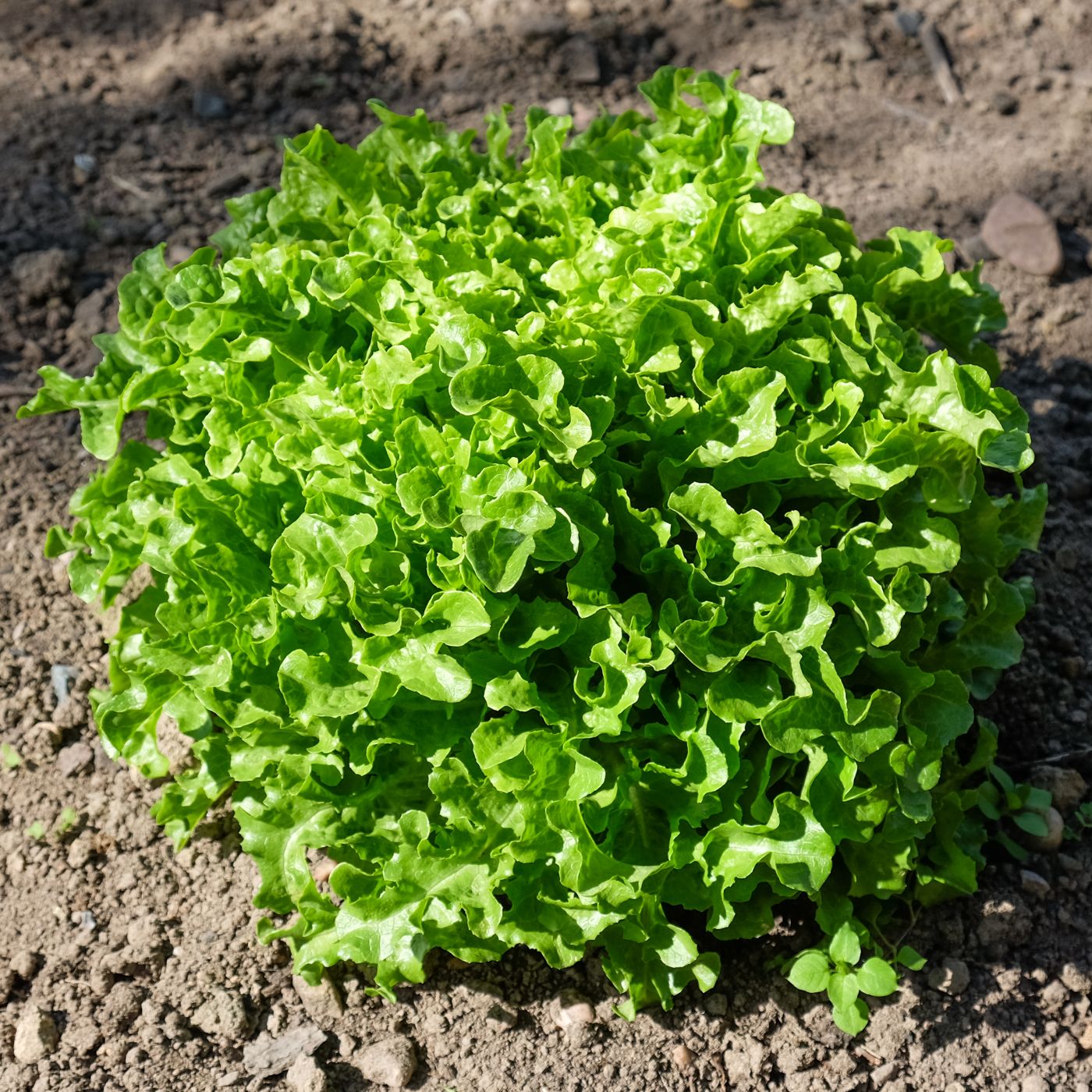 Photo: DeFacto, CC BY-SA 4.0, via Wikimedia Commons
Origin & History
Lettuce (Lactuca sativa) is an annual or biennial of the daisy family (Asteraceae), thought to have originated in Europe and western Asia and cultivated since antiquity. It probably reached Korea by way of China, though when is not known. The Sino-Korean names are wageo and wachae.
Korean lettuce earned a reputation abroad early. A Chinese text, Tianlu shiyu, reports that lettuce seed brought by Goryeo envoys was so prized it could be had only for a fortune, earning the name "thousand-gold vegetable" (cheongeumchae). The Yuan-dynasty poet Yang Yunfu praised Goryeo lettuce above fragrant mushrooms and noted that Goryeo people wrapped rice in raw greens; a story holds that Goryeo women taken to the Yuan court planted lettuce in the palace gardens and ate rice wrapped in it to ease their homesickness, starting a fashion among the Mongols. The late-Joseon cookbook Siui jeonseo describes washing lettuce, coating the leaves with a little oil, and serving them with gochujang cooked with minced beef and fish, accompanied by thin green onions and crown daisy. The custom of bokssam, wrapping rice in leaves "to wrap up good fortune," recorded in Dongguk sesigi, echoes the same idea.
In Korea lettuce is grown in spring and autumn on the plains, in summer in the highlands, and under cover in winter, so it is available year-round. Koreans mainly eat leaf lettuces rather than heading types; long-leaved chima sangchu and frilly green and red chukmyeon types are typical, picked leaf by leaf as the plant grows.
Sangchu-ssam is the essential use: a leaf in the palm, a spoonful of rice, a slice of grilled pork or bulgogi, a little ssamjang or doenjang, garlic or green chili, folded into one bite. Lettuce is also tossed with chili flakes, soy sauce and sesame oil as a quick geotjeori, and a milky sap in the stems was long believed to make one drowsy, a folk belief recorded in Korean sources.
Nutrition
| Calories | 20 kcal |
|---|---|
| Protein | 1.88 g |
| Fat | 0.36 g |
| Carbohydrates | 3.48 g |
| Fiber | 2.4 g |
| Sodium | 17 mg |
Notable forVitamin K · Vitamin A · Folate · Potassium
Korean Food Composition Table entry "Lettuce (Sangchu), Leaf type, Cheongchima, Green, Raw" (상추, 잎상추, 청치마, 생것): also 236.94 µg vitamin K, 239 µg RAE vitamin A, 64 µg folate and 591 mg potassium per 100 g. Red leaf lettuce (상추, 잎상추, 적색, 생것) lists 19 kcal and 112.23 µg vitamin K per 100 g. Actual values vary with ingredients, portion size and preparation.
Health Benefits
- Light leafy green: Raw leaf lettuce is mostly water, about 20 kcal per 100 g, and provides vitamin K, vitamin A (as beta-carotene), folate and potassium (Korean Food Composition Table).
- Balancing the meal: Wrapping grilled meat and rice in lettuce adds fresh vegetables and volume to a rich meal, though the ssamjang and marinades bring sodium.
- Vitamin K and warfarin: Lettuce, especially green leaf types, contains significant vitamin K. MedlinePlus advises people on warfarin not to eat large amounts of leafy greens and to keep vitamin K intake consistent week to week.
- Raw-produce safety: The CDC notes that foodborne illness outbreaks have been linked to leafy greens eaten raw, including lettuce. Rinse leaves under running water, discard damaged outer leaves and keep cut greens refrigerated.
- Folk belief: The idea that lettuce makes you sleepy comes from Korean folk tradition about the milky sap in its stems, not from established evidence.
Informational, not medical advice. Talk to a qualified professional about your own health and diet.
Dishes with Sangchu (lettuce)
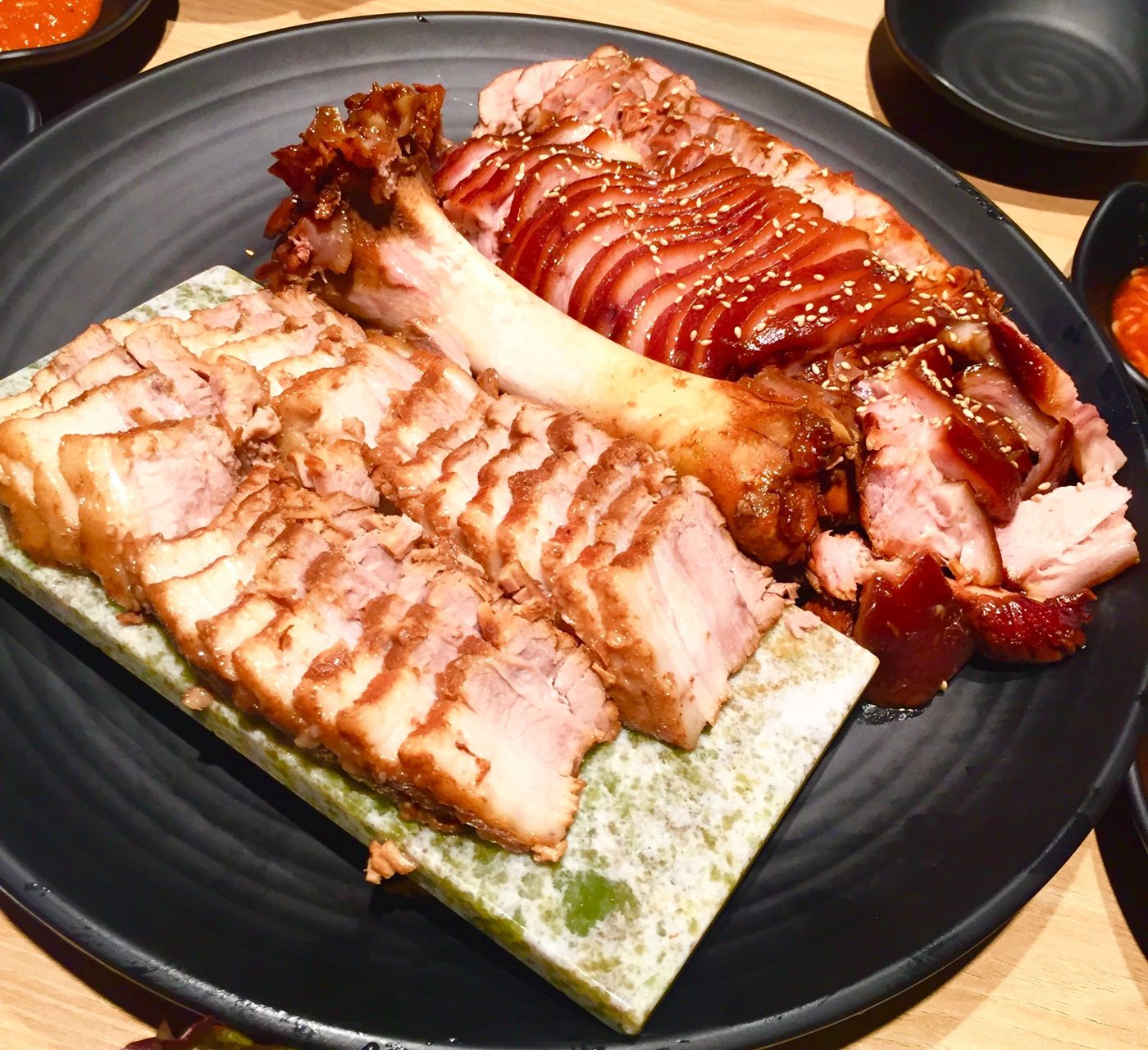 Bossam (Boiled Pork Wraps)보쌈Pork belly simmered with doenjang and aromatics, pressed and sliced, then wrapped in salted cabbage with spicy radish and salted shrimp — a feast dish built for sharing.
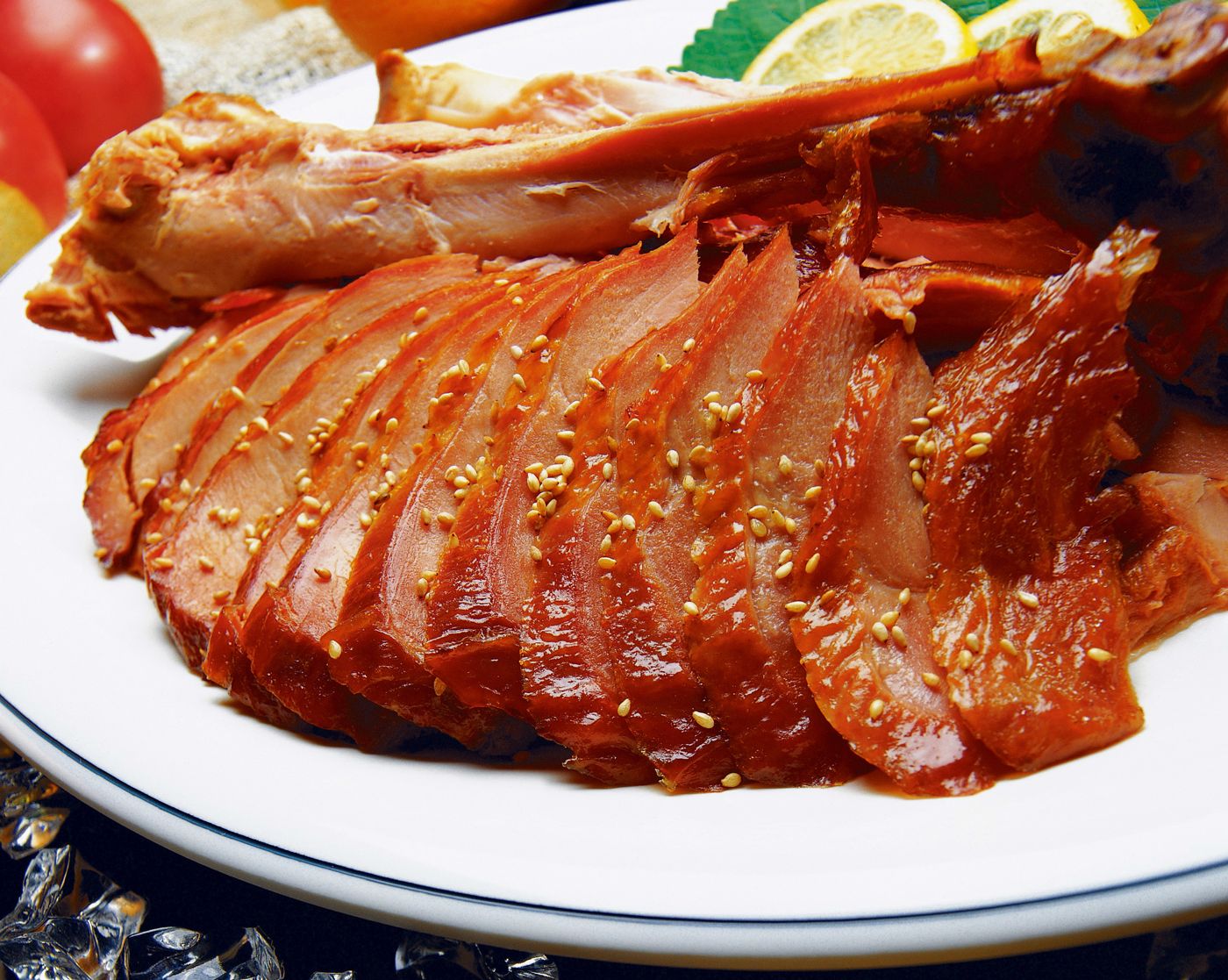 Jokbal (Braised Pig's Trotters)족발Pig's trotters simmered until tender, then braised in soy sauce and spices until glossy and sliced — a postwar Seoul specialty of Jangchung-dong.
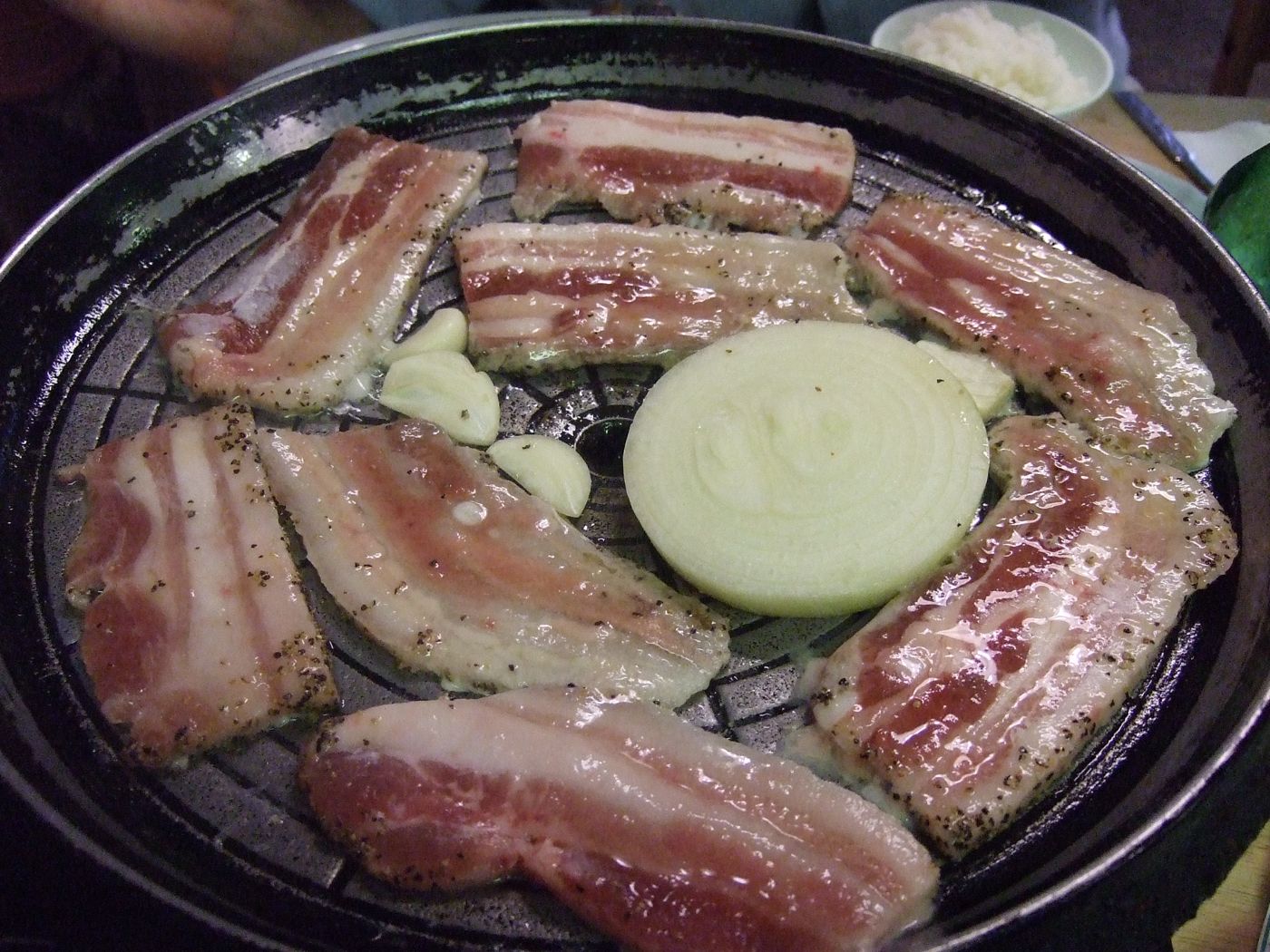 Samgyeopsal-gui (Grilled Pork Belly)삼겹살구이Thick, unseasoned slices of pork belly grilled at the table and wrapped in lettuce with garlic and ssamjang — Korea's favorite barbecue, though only since the late 1970s.
- Sangchu Geotjeori (Fresh Lettuce Salad, Kimchi-Style)상추겉절이Tender leaf lettuce dressed at the last minute with soy sauce, chili flakes, green onion and sesame — the crisp, spicy salad served beside grilled pork.