Ingredient
Yeotgireum (Barley Malt Powder)
엿기름
Romanization: yeotgireum
Barley sprouted for a few days, dried and ground. Soaked and strained, its enzyme-rich water turns starch into sugar, which makes it the engine of sikhye, yeot, jocheong and traditional gochujang.
Flavor
Dry malt powder smells sweet, grassy and cereal-like. Its strained water is cloudy and faintly sweet; once it has worked on rice, it gives sikhye its gentle, malty sweetness and soft grain aroma.
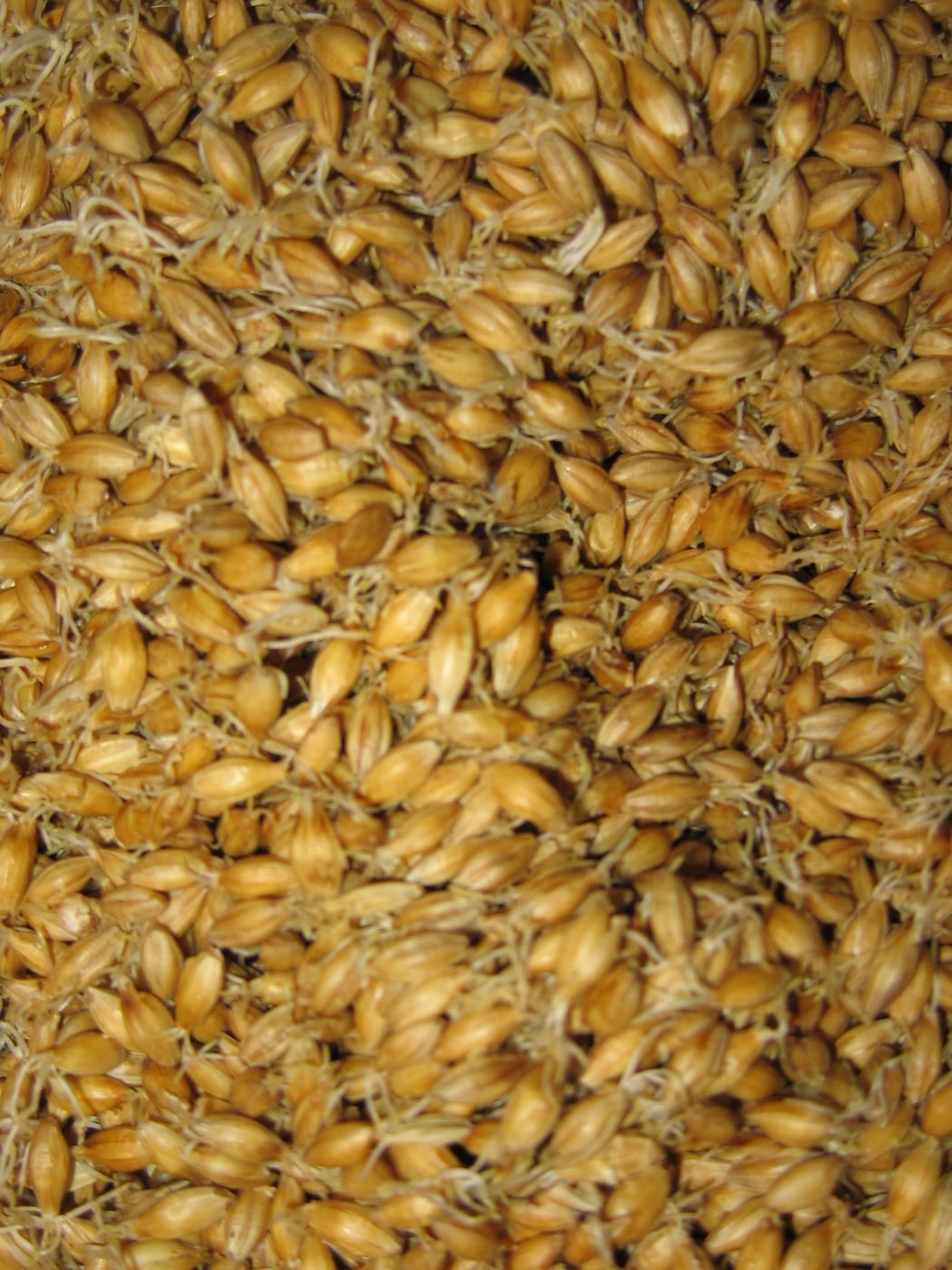 Photo: my friend, Y. Kohno, CC BY-SA 3.0, via Wikimedia Commons
Origin & History
Yeotgireum means, roughly, ‘the stuff for making yeot.’ The Encyclopedia of Korean Culture describes a careful home process. Hulled barley is picked over, washed and soaked for a day, then drained into a steamer basket under a damp cotton cloth and sprinkled with water as it begins to warm and sprout. It is rinsed several times to untangle the roots, and around the sixth day, when the sprouts are a little shorter than the grain, it is spread out and dried in a breezy place, rubbed by hand so it does not heat up. Sprouts that grow too long yield less powder and less sweetness. The encyclopedia notes that malt grown in the cool of late autumn is best.
Sprouting wakes up the grain's starch-digesting enzymes, and Korean cooks put them to work on rice. For sikhye, malt powder is rubbed in warm water and strained; the clear liquid is poured over cooked rice and held at about 60–70°C for four to five hours until the rice turns sweet and the grains float. Cook the sweet liquid down and it becomes the syrup jocheong, and further still the candy yeot. The encyclopedia's entry on yeot notes that malt-sweetened yeot and drinks were already used as sweeteners in the Goryeo period.
Malt is also quietly essential to traditional gochujang: in a common modern home method, glutinous rice dumplings are mashed with malt-strained water, meju powder and chili powder, and sweet-potato and sorghum gochujang also rely on malt to sweeten their starch. Industrial syrups and yeot now often use microbial enzymes instead, but yeotgireum remains a standard pantry item for sikhye and jang.
Nutrition
| Calories | 358 kcal |
|---|---|
| Protein | 14.65 g |
| Fat | 2.71 g |
| Carbohydrates | 71.68 g |
| Fiber | 20.4 g |
| Sodium | 10 mg |
Notable forDietary fiber · Iron · Folate · Thiamin
Values from the Korean Food Composition Table (RDA) for dried malt, which also lists about 10 g total sugars, 8.6 mg iron, 194 µg folate and 0.8 mg thiamin per 100 g. In cooking, malt is soaked and strained and the husks discarded, so a glass of sikhye contains little of the fiber or minerals listed here. Actual values vary with ingredients, portion size and preparation.
Health Benefits
- Natural enzymes, not added nutrition: Yeotgireum is valued for its enzymes, which convert rice starch into sugars. Its own nutrients, rich in fiber and iron per 100 g of dry malt, mostly stay behind in the strained husks.
- Sugar in what it makes: Sikhye, jocheong and yeot are sweet by design; the malt makes sugar from rice, and recipes often add more. Treat them as sweets.
- Gluten: Malt is made from barley. NIDDK lists barley, including malt and malt extract, among the gluten sources people with celiac disease must avoid.
- Keep it dry: Store malt powder airtight in a cool, dry place; damp malt can mold.
Informational, not medical advice. Talk to a qualified professional about your own health and diet.
Dishes with Yeotgireum (Barley Malt Powder)
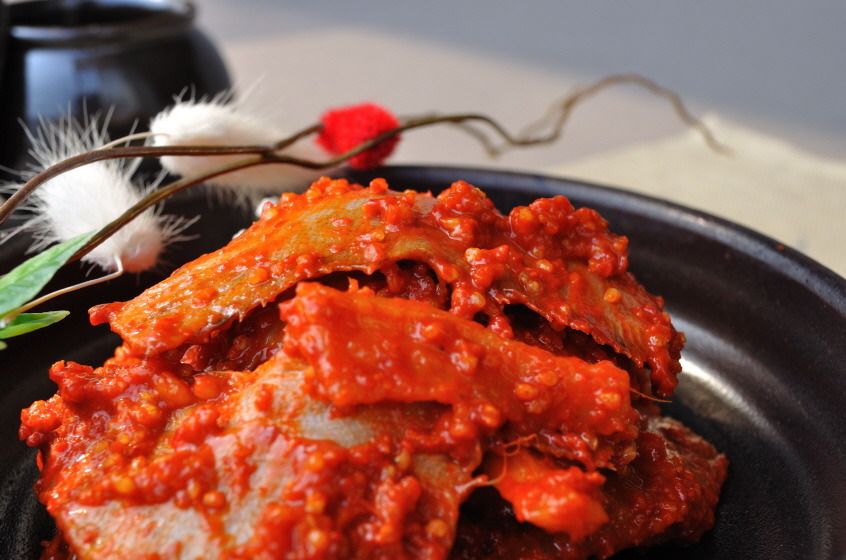 Fermented Flatfish with Millet가자미식해Salted flatfish fermented with foxtail millet, malt, radish and chili — the tangy, spicy sikhae of Hamgyeong, carried south to the Gangwon coast.
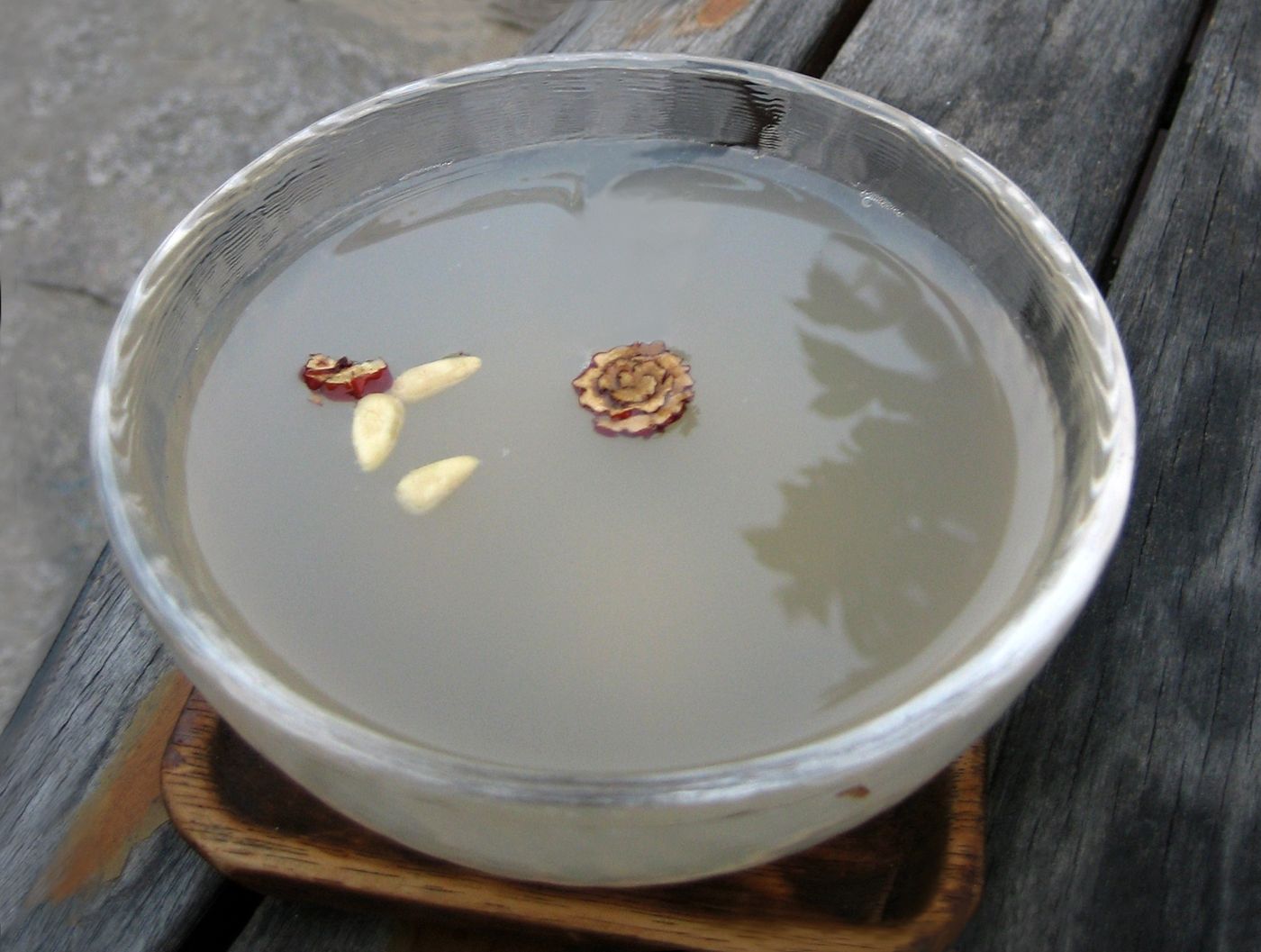 Sikhye (Sweet Malted Rice Drink)식혜Cooked rice steeped in barley-malt water until it sweetens and the grains float, then chilled — the traditional after-feast drink of Korean holidays.
Sources
- 01엿기름 (Yeotgireum) — Encyclopedia of Korean Culture
- 02식혜 (Sikhye) — Encyclopedia of Korean Culture
- 03엿 (Yeot) — Encyclopedia of Korean Culture
- 04고추장 (Gochujang) — Encyclopedia of Korean Culture
- 05보리, 엿기름 (Barley malt, dried) — Korean Food Composition Table, RDA
- 06Eating, Diet, & Nutrition for Celiac Disease — NIDDK