Ingredient
Ham and Canned Luncheon Meat
햄
Romanization: haem
In Korean kitchens haem covers sliced and pressed hams, cooked sausages and, above all, canned luncheon meat. It came into Korean cooking after the Korean War. Today it goes into budae-jjigae, gimbap, lunchbox fritters and fried rice.
Flavor
Salty, savory and soft, with a smooth, uniform texture and a faint smoky-sweet cure. Pan-fried, the edges crisp and caramelize. In stews the fat melts into the broth, and its richness balances sour kimchi and chili paste.
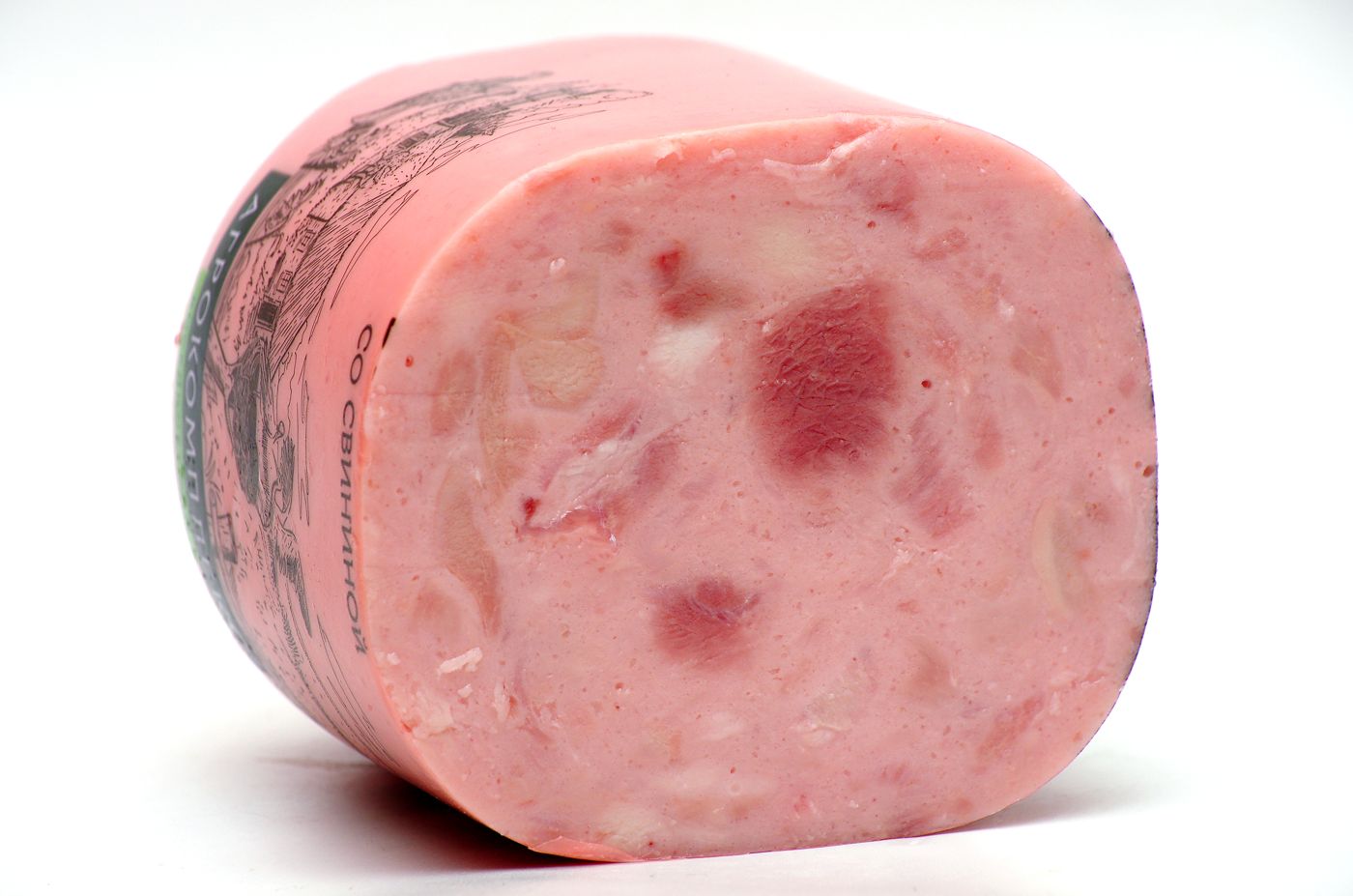 Photo: Pannet, CC BY-SA 4.0, via Wikimedia Commons
Origin & History
Ham reached the Korean table through hardship. After the Korean War, food was scarce, but around US military bases the ham, sausage and bacon shipped to American troops could be found. Koreans called this budae gogi, 'base meat.' The Encyclopedia of Korean Culture and the Encyclopedia of Korean Folk Culture describe how people living near bases in Uijeongbu, Dongducheon, Songtan and elsewhere simmered these meats with gochujang and kimchi so the unfamiliar fatty flavors suited Korean taste. Early ingredients were often leftovers or goods slipped out of base supplies. The result was budae-jjigae, also nicknamed Johnson-tang after the US president. The folk encyclopedia singles out canned Spam, which spread in Korea through the US military during the war, as an essential ingredient.
Canning grew alongside. The Encyclopedia of Korean Culture traces Korean canneries to crab canning off Wonsan in the early 1900s. It says supplying the military during the Korean War revived the industry. Among canned meats, it names luncheon meat, a blend of sausage meat and ham, and corned beef as the main products. Ham also entered home cooking through gimbap: the encyclopedia's gimbap entry finds luncheon meat or ham in a 1958 newspaper recipe for picnic rolls. In the 1980s and 1990s, domestic meat processors made higher-quality luncheon meats and even ham cut specifically for gimbap.
Today a slab of canned ham is pantry food. It is fried in egg batter as a lunchbox jeon, cubed into kimchi fried rice and simmered with ramyeon noodles, beans and cheese in budae-jjigae. Gift sets of canned ham are a familiar holiday present. Its story is part of food in modern Korea.
Nutrition
| Calories | 197 kcal |
|---|---|
| Protein | 15.43 g |
| Fat | 11.53 g |
| Carbohydrates | 7.92 g |
| Fiber | 0 g |
| Sodium | 778 mg |
Notable forSodium · Protein · Selenium
Values from the Korean Food Composition Table (RDA), which also lists about 3.7 g saturated fat and 55 mg cholesterol per 100 g. Fat and salt vary widely between products; check the label of the product you use. Actual values vary with ingredients, portion size and preparation.
Health Benefits
- Processed meat: The World Health Organization's cancer agency (IARC) classifies processed meat, a category that includes ham, sausages and canned meat, as carcinogenic to humans (Group 1), based on evidence that eating it causes colorectal cancer. Risk rises with the amount eaten. Treat canned ham as an occasional ingredient rather than an everyday protein.
- Sodium: Canned ham is salty on its own, and dishes like budae-jjigae also add kimchi, gochujang and instant noodle seasoning. See sodium in Korean food.
- Lightening the pot: Using less ham and adding more tofu, mushrooms and vegetables keeps the flavor of budae-jjigae while cutting processed meat and salt.
- Protein source: It does supply protein, and that is why it mattered in the hungry postwar years. Today fresher proteins are easy to find.
Informational, not medical advice. Talk to a qualified professional about your own health and diet.
Dishes with Ham and Canned Luncheon Meat
Dish guides featuring ham and canned luncheon meat are coming soon.
Sources
- 01부대찌개 (Budae-jjigae) — Encyclopedia of Korean Culture
- 02부대찌개 (Budae-jjigae) — Encyclopedia of Korean Folk Culture (한국의식주생활사전)
- 03통조림 (Canned food) — Encyclopedia of Korean Culture
- 04김밥 (Gimbap) — Encyclopedia of Korean Culture
- 05햄, 통조림, 돼지고기와 닭고기 함유 (Ham, canned, pork and chicken) — Korean Food Composition Table, RDA
- 06Cancer: Carcinogenicity of the consumption of red meat and processed meat (Q&A) — World Health Organization