Ingredient
Soybean sprouts
콩나물
Romanization: kongnamul
Soybeans sprouted in the dark until they grow long, pale stems topped with a yellow bean. A staple of everyday Korean cooking in kongnamul-muchim, clear sprout soup and sprout rice.
Flavor
Crunchy and juicy, with a clean, nutty bean flavor in the yellow heads. Undercooked sprouts can taste raw and grassy, so they are always cooked through.
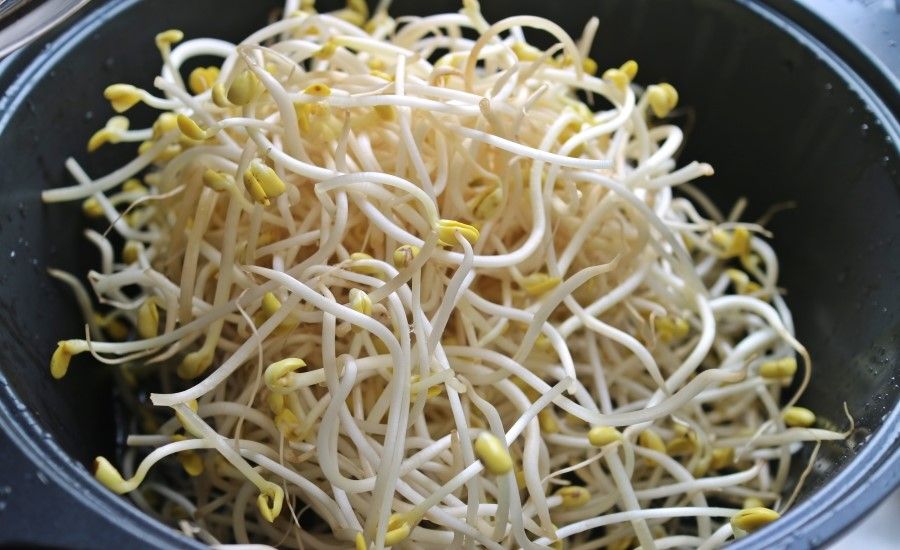 Photo: parkyang1021, CC BY 2.5, via Wikimedia Commons
Origin & History
Soybean sprouts are not a separate plant but soybeans (Glycine max) germinated in darkness. Traditionally the beans were placed in a vessel with holes in the bottom, kept out of the light and watered over and over for five or six days, until the shoots were long and the roots well developed.
They have a long history in Korea. The thirteenth-century Goryeo medical text Hyangyak gugeupbang records daeduhwang, sprouted soybeans dried in the sun for medicinal use, and the Joseon-period household manual Sallim gyeongje lists them as duachae together with preparation methods. Because sprouting produces vitamin C that dry beans lack, sprouts were a valued fresh vegetable in winter, when other greens were scarce.
Because they need only beans, water and darkness, sprouts can be grown in any season, and today they are sold year-round.
In the kitchen soybean sprouts are blanched and seasoned as namul, simmered into a clear, refreshing soup, cooked with rice, stir-fried and added to bibimbap. The city of Jeonju is especially associated with them, both in its bibimbap and in its bean-sprout rice dishes.
Nutrition
| Calories | 122 kcal |
|---|---|
| Protein | 13.1 g |
| Fat | 6.7 g |
| Carbohydrates | 9.57 g |
| Fiber | 1.1 g |
| Sodium | 14 mg |
Notable forProtein · Folate · Vitamin C · Iron
Values from USDA FoodData Central (SR Legacy), "Soybeans, mature seeds, sprouted, raw" (FDC ID 169284). Commercial Korean sprouts with long stems may differ in composition. Actual values vary with ingredients, portion size and preparation.
Health Benefits
- Plant protein: Soybean sprouts contain more protein than most vegetables.
- Vitamins: They are a source of folate and vitamin C; sprouting produces vitamin C that dried soybeans do not contain.
- Minerals: They also provide iron, magnesium and potassium.
- Food safety: Raw and lightly cooked sprouts have been linked to outbreaks of foodborne illness, because the warm, humid conditions used to grow them also suit bacteria such as Salmonella, Listeria and E. coli. Health authorities advise cooking sprouts thoroughly, until steaming hot. Children, older adults, pregnant people and anyone with a weakened immune system should avoid raw or lightly cooked sprouts.
- Soy allergy: Soybean sprouts are a soy food and are not suitable for people with a soy allergy.
Informational, not medical advice. Talk to a qualified professional about your own health and diet.
Dishes with Soybean sprouts
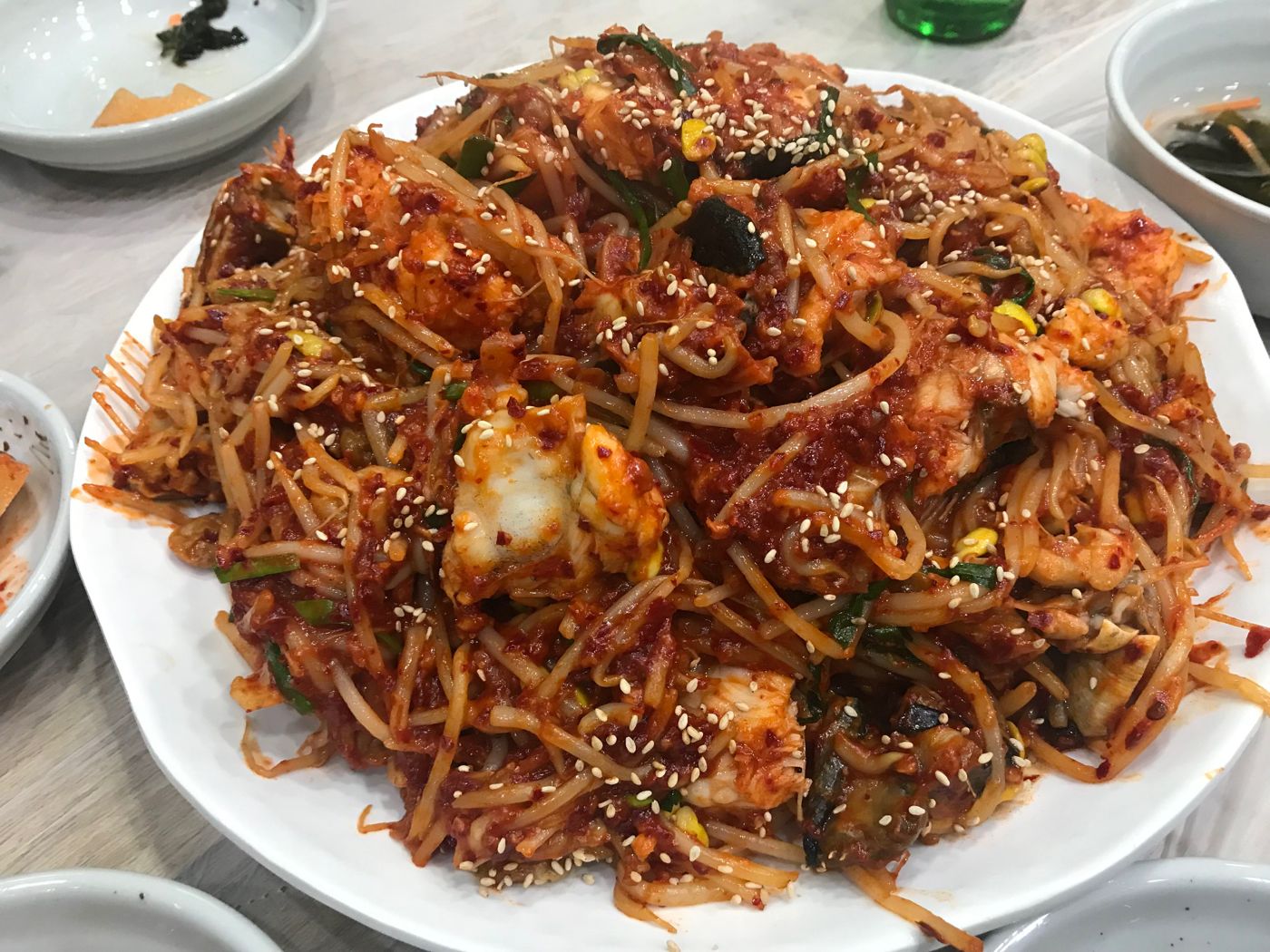 Agu-jjim (Spicy Braised Monkfish)아귀찜Monkfish braised with a mountain of soybean sprouts and minari in a fiery chili sauce thickened with starch — a Masan specialty now eaten across Korea.
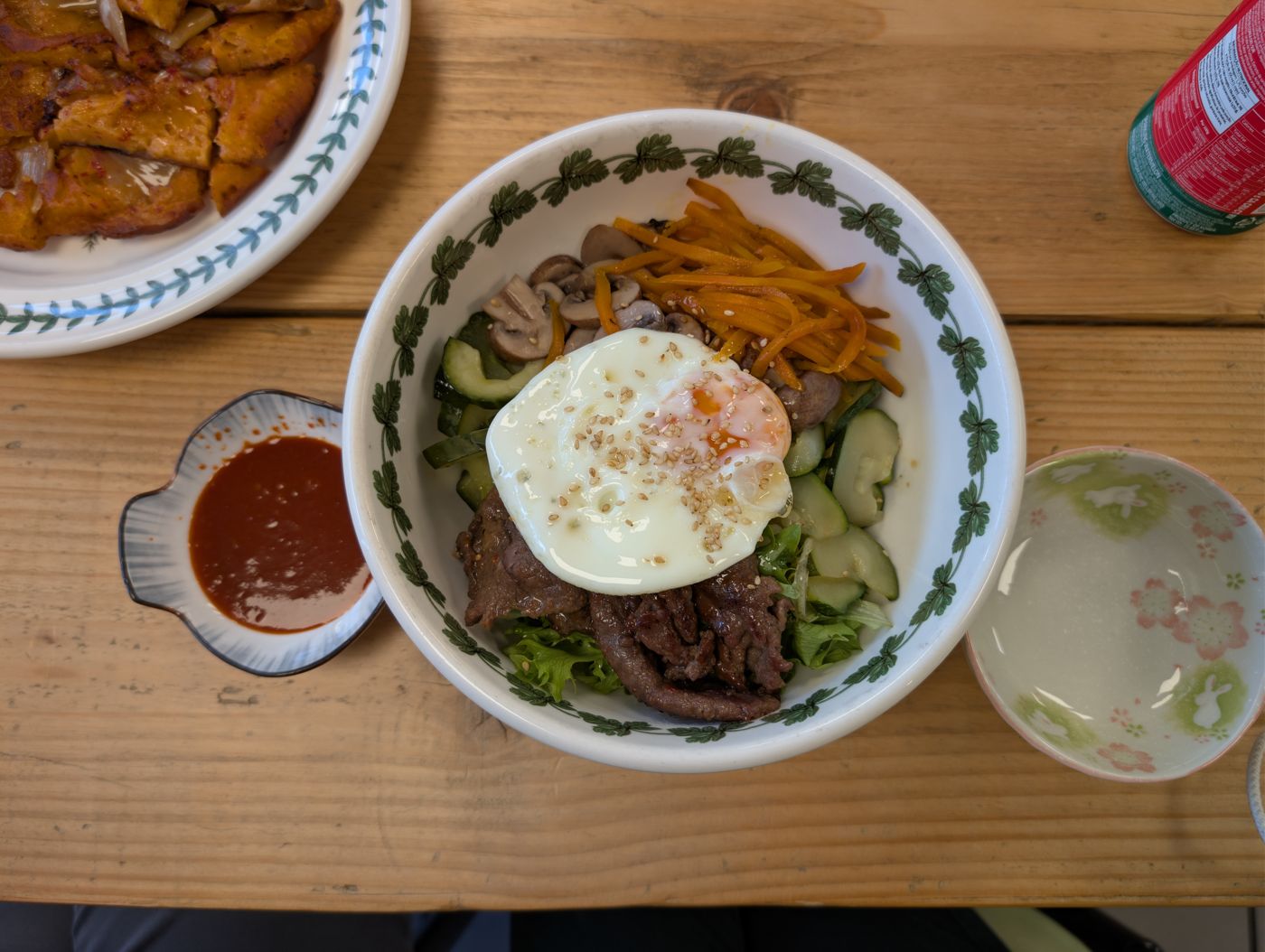 Bibimbap (Mixed Rice with Namul)비빔밥A bowl of rice topped with seasoned namul, beef and egg, mixed at the table with chili paste and sesame oil — banchan gathered into a single meal.
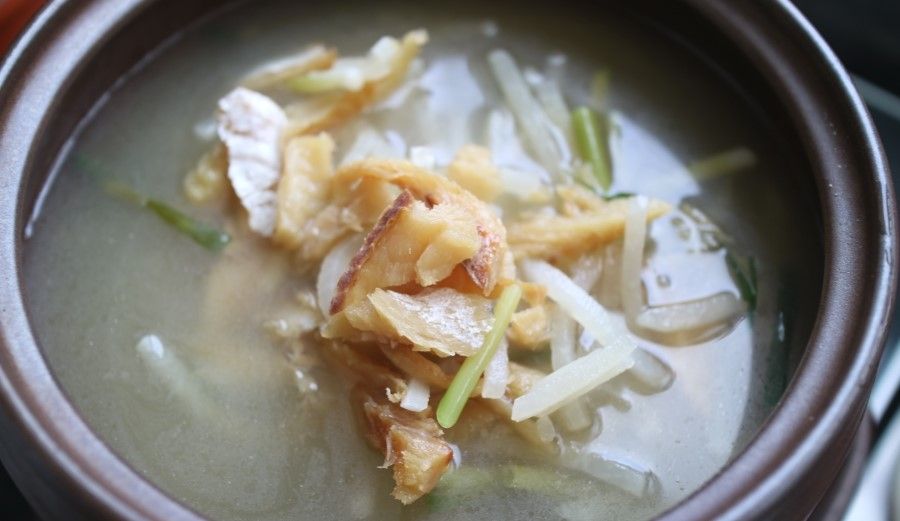 Bugeo Guk (Dried Pollock Soup)북엇국Shredded dried pollock sautéed in sesame oil and simmered into a milky, savory broth with radish, tofu and a ribbon of egg — Korea's favorite morning-after soup.
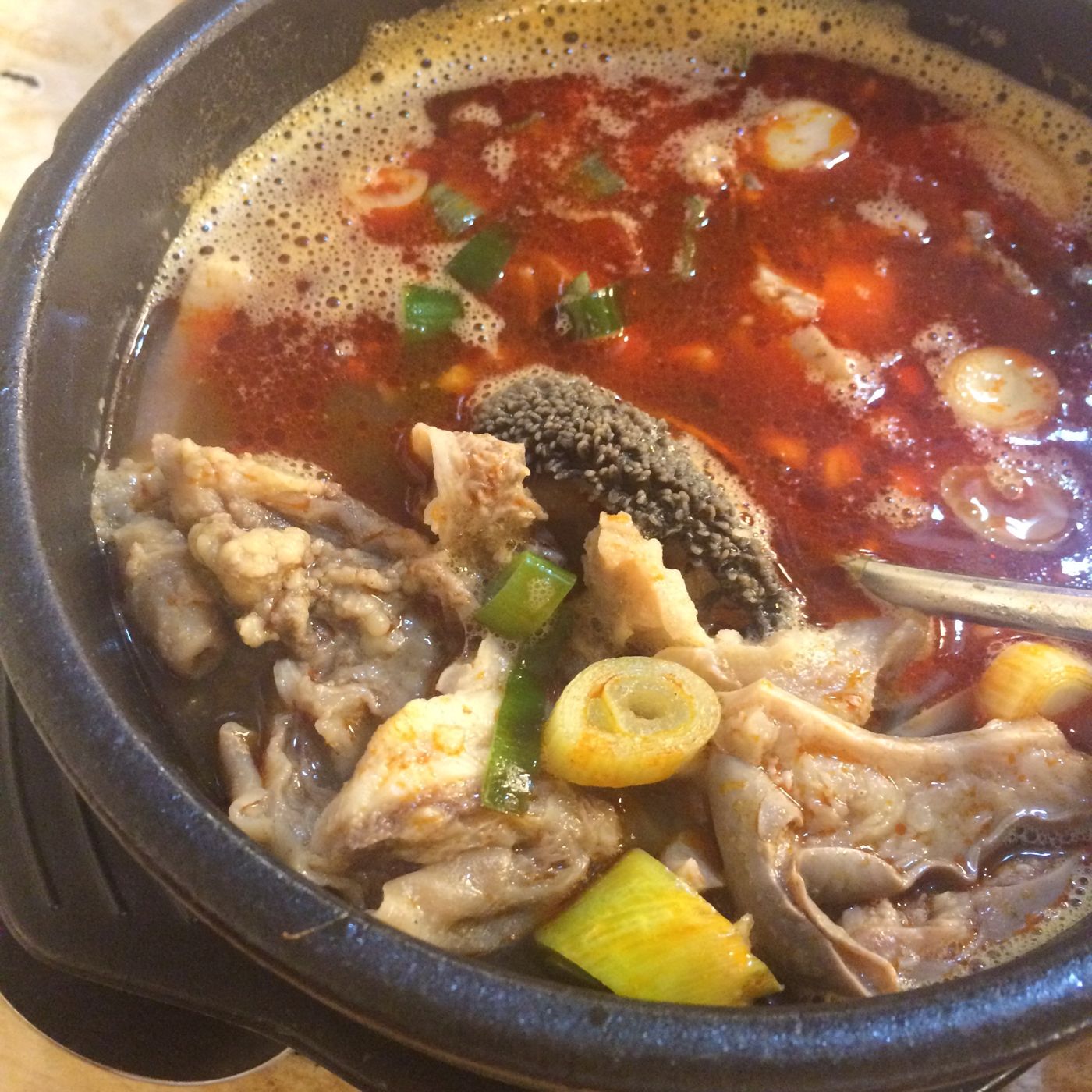 Haejangguk (Hangover Soup)해장국A hot, hearty morning soup — classically beef-bone broth with cabbage greens, bean sprouts and seonji (beef blood curd) — eaten over rice after a night of drinking.
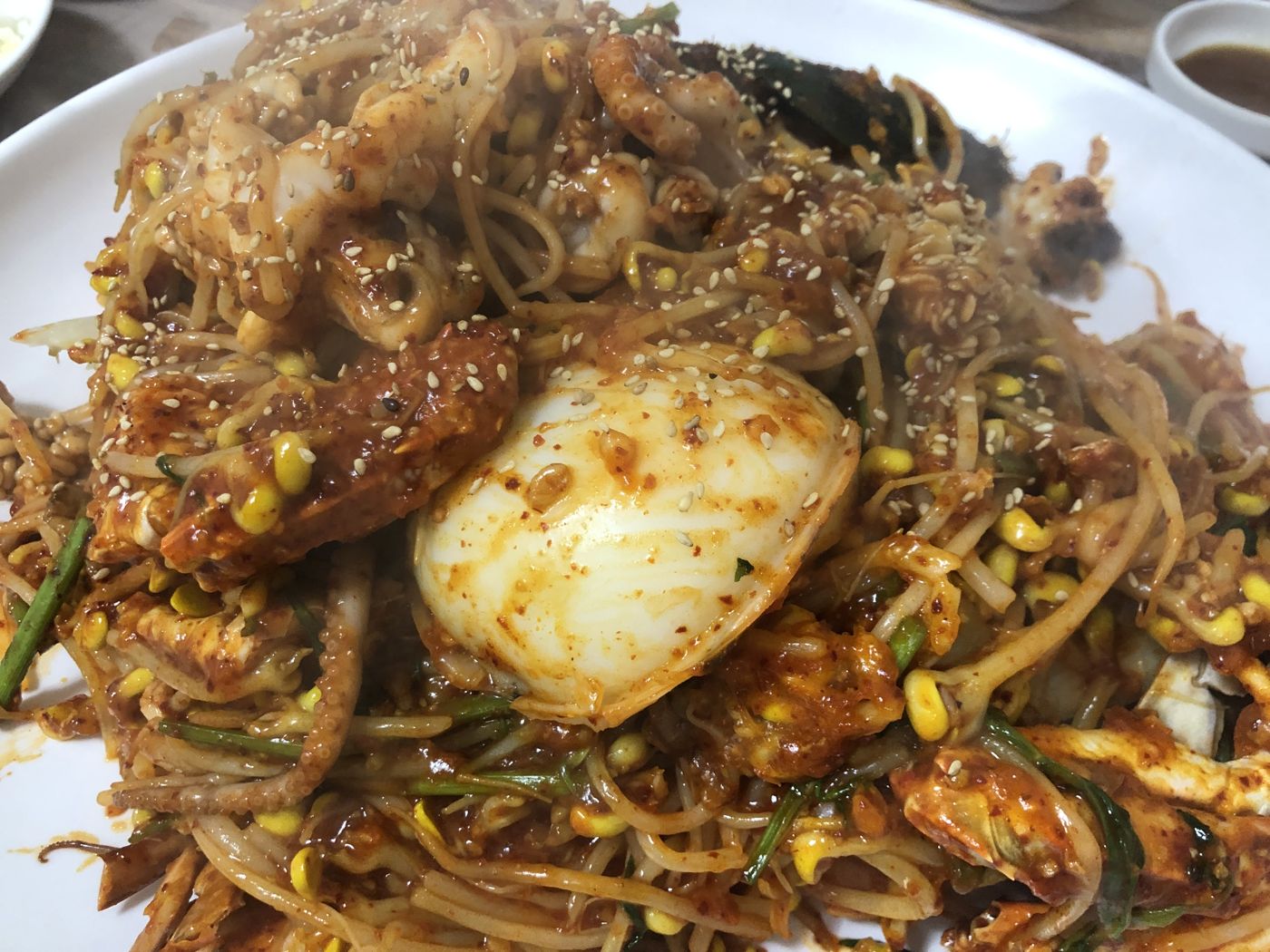 Haemul-jjim (Spicy Braised Seafood with Bean Sprouts)해물찜Squid, shrimp and shellfish piled over crisp bean sprouts and simmered in a thick, fiery red sauce — a modern Gyeongsang coastal dish now served at restaurants nationwide.
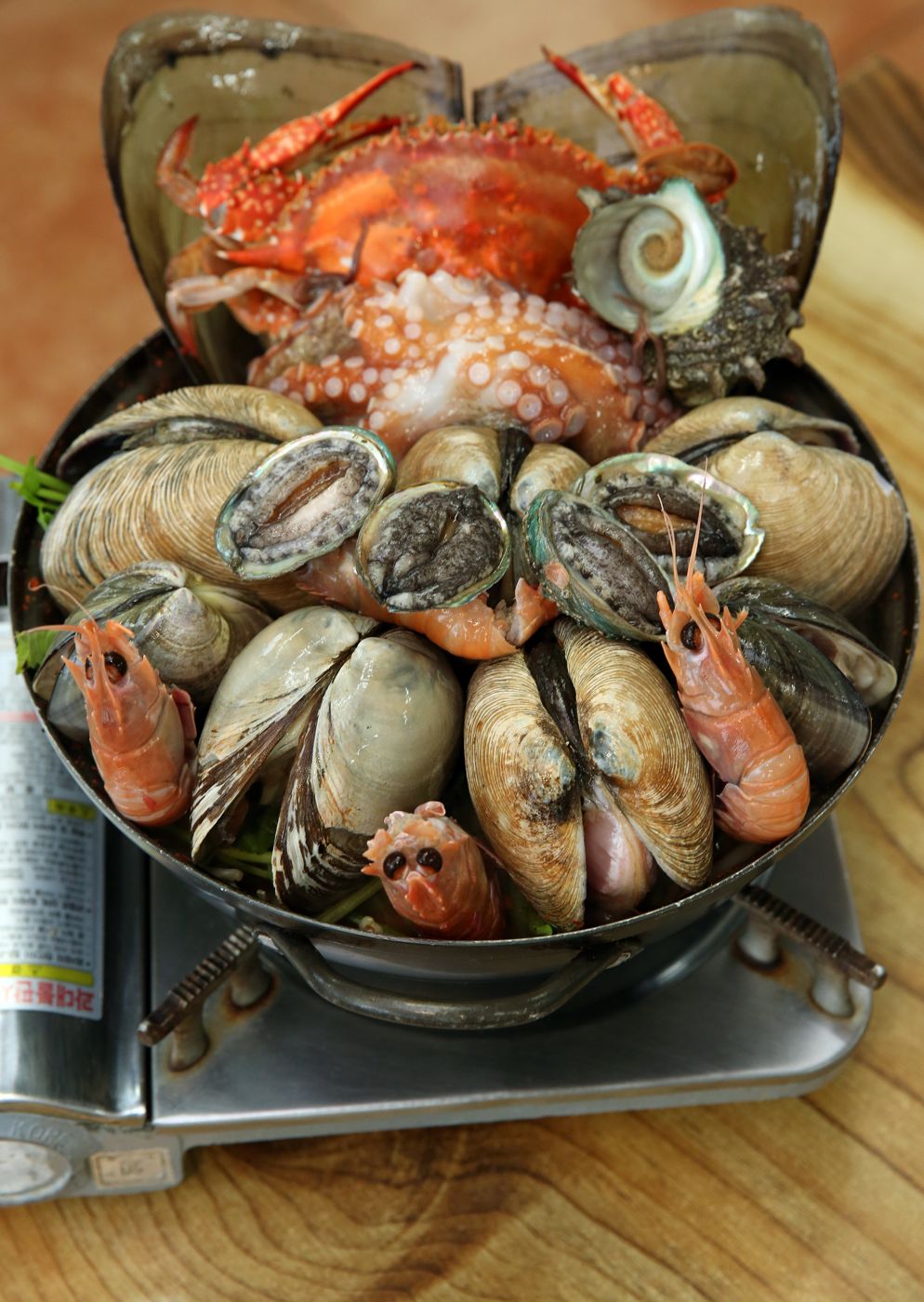 Haemul Tang (Spicy Seafood Hot Pot)해물탕Blue crab, octopus, shrimp, clams and sea squirt simmered with radish and water dropwort in a bright, spicy gochujang broth — a seafood feast in one pot.
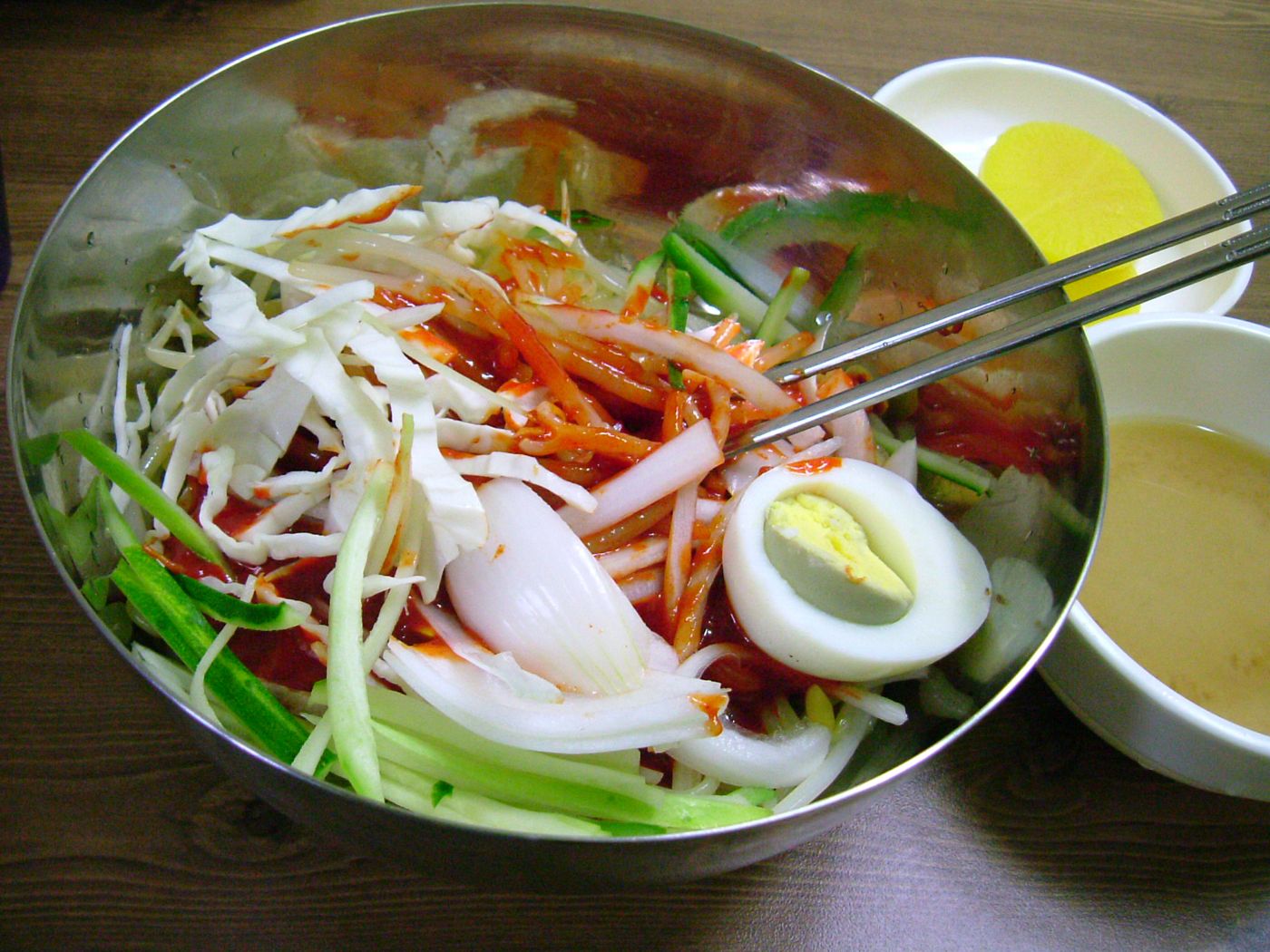 Jjolmyeon (Chewy Spicy Noodles)쫄면Thick, rubbery-chewy wheat noodles tossed cold in a sweet-sour gochujang sauce with cabbage, sprouts and egg — a snack-bar classic invented in 1970s Incheon.
- Kongnamul-bap (Soybean Sprout Rice)콩나물밥Rice steamed over a bed of soybean sprouts, often with a little beef, and eaten with a spoonful of soy-and-scallion sauce — a thrifty one-pot meal from Chungcheong.
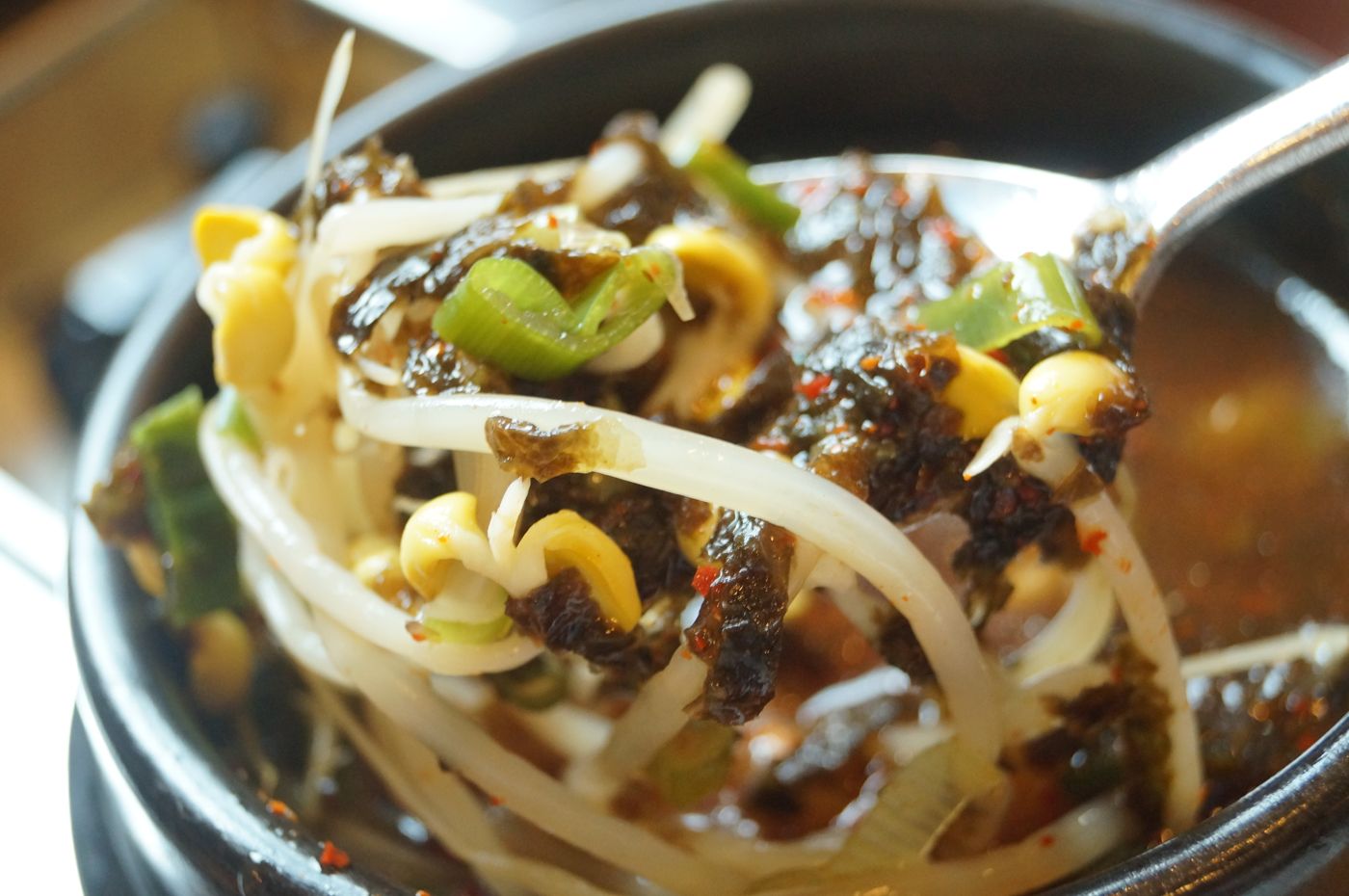 Kongnamul Guk (Soybean Sprout Soup)콩나물국A clear, light soup of soybean sprouts in anchovy-kelp stock, seasoned with salt or soup soy sauce — an everyday guk and a favorite morning-after cure.
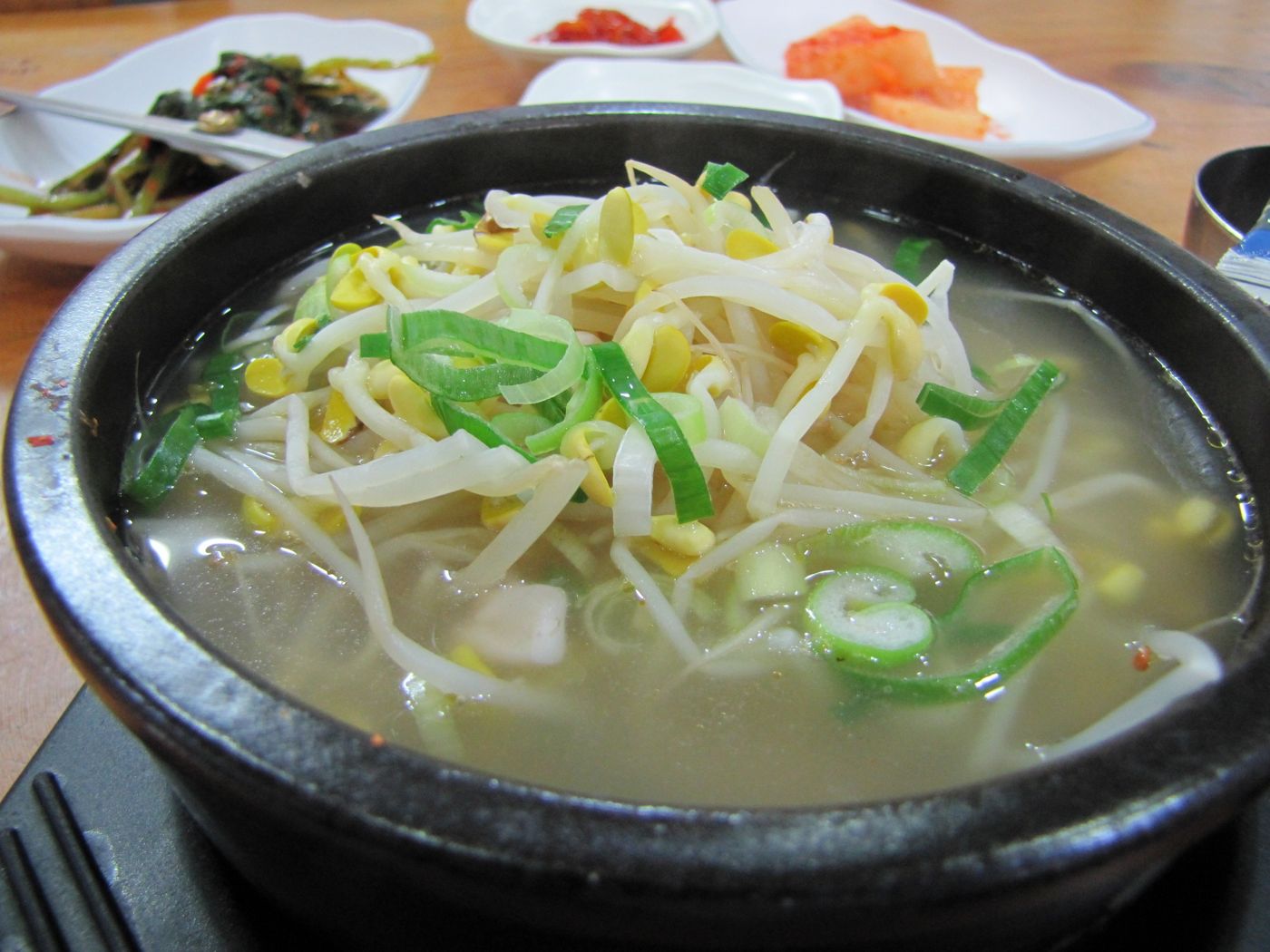 Kongnamul Gukbap (Jeonju Soybean-Sprout Rice Soup)콩나물국밥Rice and crisp soybean sprouts in a clear, savory broth, finished with egg, salted shrimp and kimchi. Jeonju's market breakfast and morning-after bowl.
 Kongnamul Muchim콩나물무침Soybean sprouts cooked under a lid until just tender, then tossed with garlic, green onion and sesame oil — crisp, nutty and on tables across Korea.
Sources
- 01콩나물 — Encyclopedia of Korean Culture
- 02Soybeans, mature seeds, sprouted, raw — USDA FoodData Central
- 03Selecting and Serving Produce Safely — U.S. Food and Drug Administration
- 04Safer Food Choices — Centers for Disease Control and Prevention
- 05Listeria Infections Linked to Wholesome Soy Products, Inc. Sprouts (2014) — Advice to Consumers, CDC