The Banchan Encyclopedia
Beauty
뷰티
Korean beauty culture from the kitchen outward — shared ingredients, bathhouse rituals, history and modern K-beauty, with what the evidence does and doesn't show.
- Camellia Oil동백기름Pressed from the seeds of the coastal camellia, dongbaek-gireum was a lamp oil, a table oil in some places and the classic Korean hair oil. Here is what is documented, and what has been tested.
- Cosmetics and Beauty Ideals in Joseon and Earlier조선시대 화장과 미의 기준Face powder, safflower rouge, hair oils and a mung-bean cleanser: what is known about how women cared for their appearance in Joseon Korea, and the ideals behind it.
- Diet and Skin: What the Evidence Says식단과 피부Does the Korean diet explain good skin? A cautious look at acne, dairy and glycemic load, probiotic research, and why the evidence for kimchi or tea is thin.
- Fermented Ingredients in K-Beauty발효 화장품 성분Kimchi, jang and makgeolli made fermentation familiar in Korea. How that idea shaped skincare ferments, and where marketing runs ahead of evidence.
- Ginseng in Korean Beauty인삼 화장품From samgyetang and tea to the first ginseng cosmetics of the 1970s, how a prized root crossed from the Korean kitchen to skincare, and what research can and cannot say.
- Green Tea in Korean Beauty녹차 화장품From the terraced fields of Boseong and Jeju to face masks and creams: how Korean green tea became a skincare ingredient, and why the research is still mostly laboratory work.
- Hanbang Beauty한방 화장품How Korean traditional medicine ideas and classical herb texts inform cosmetics, and why traditional use is a starting point for research, not proof of results.
- Honey and Propolis in Beauty꿀과 프로폴리스Honey sweetens Korean court sweets, and kkul has become a beauty compliment. Here is the topical evidence, and the gap between medical-grade honey and the jar in your pantry.
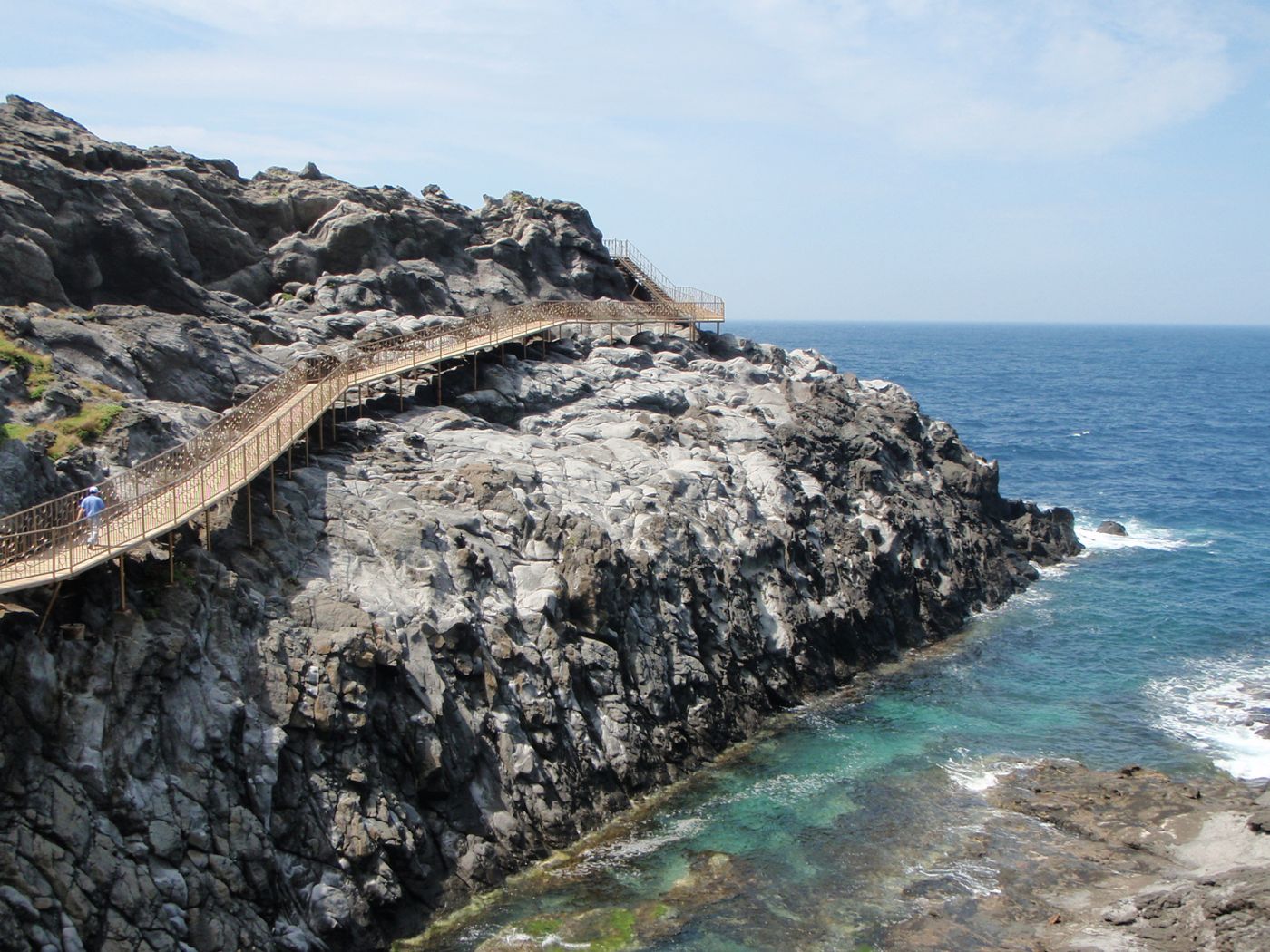 Jeju in Beauty제주와 뷰티Tangerines, green tea, camellia and volcanic ash tie Jeju's land to its cosmetics. The farm history is solid; the skin claims mostly come from brands and the lab.
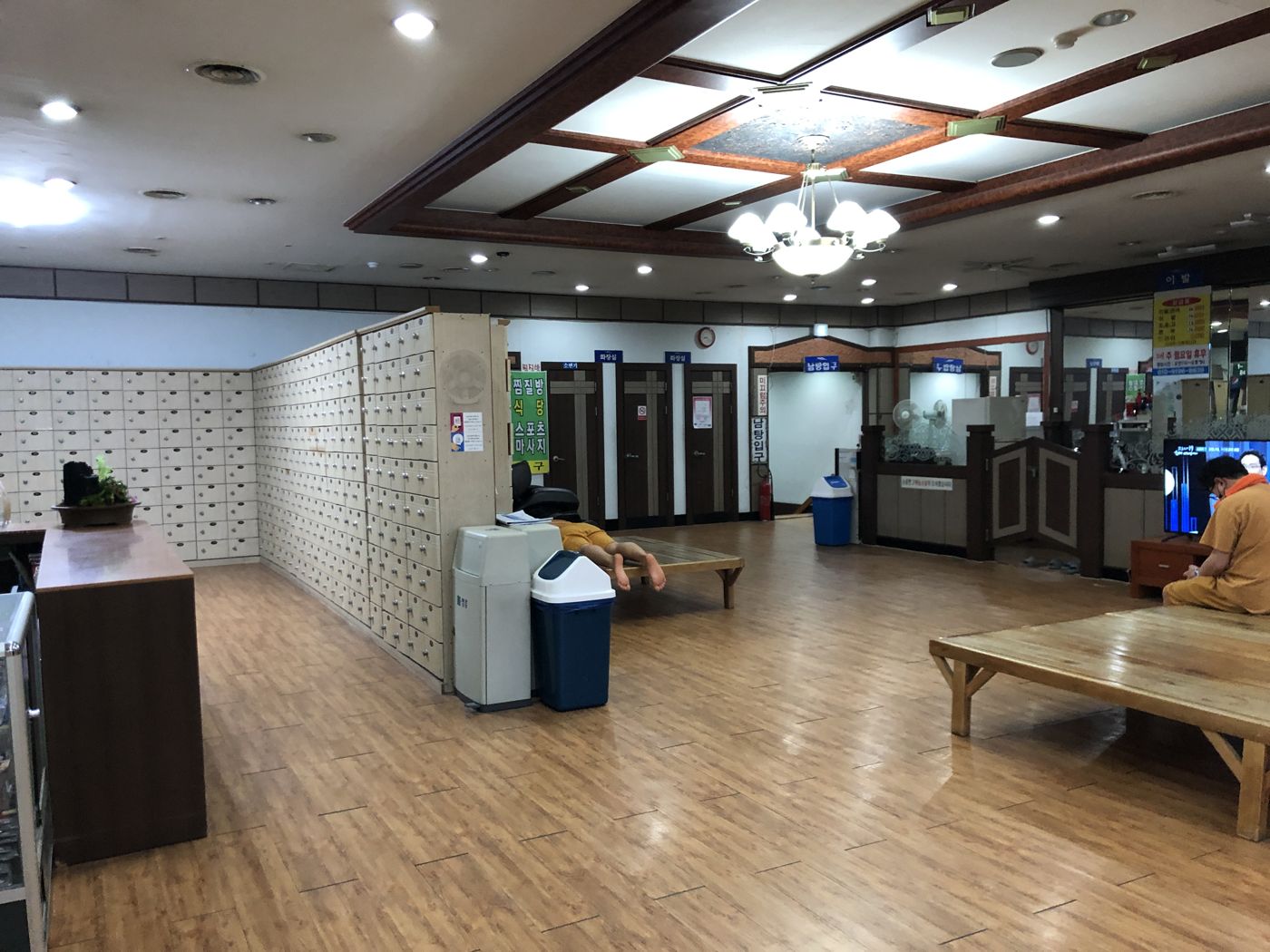 Jjimjilbang: Korea's Heated-Room Spa찜질방The all-day Korean bathhouse-and-sauna complex: its clay, salt and ice rooms, the sikhye and baked eggs sold inside, its role as a family space, and sensible heat-safety cautions.
- K-Beauty VocabularyK-뷰티 용어A short glossary of Korean skincare words, from chokchok and glass skin to essence, cushion and skip-care, noting which are everyday Korean and which are export labels.
- Mogyoktang: The Neighborhood Bathhouse목욕탕Korea's neighborhood public bathhouse: how communal bathing took hold in the 20th century, what a weekly visit looks like, why bathhouses declined, and the banana milk that follows.
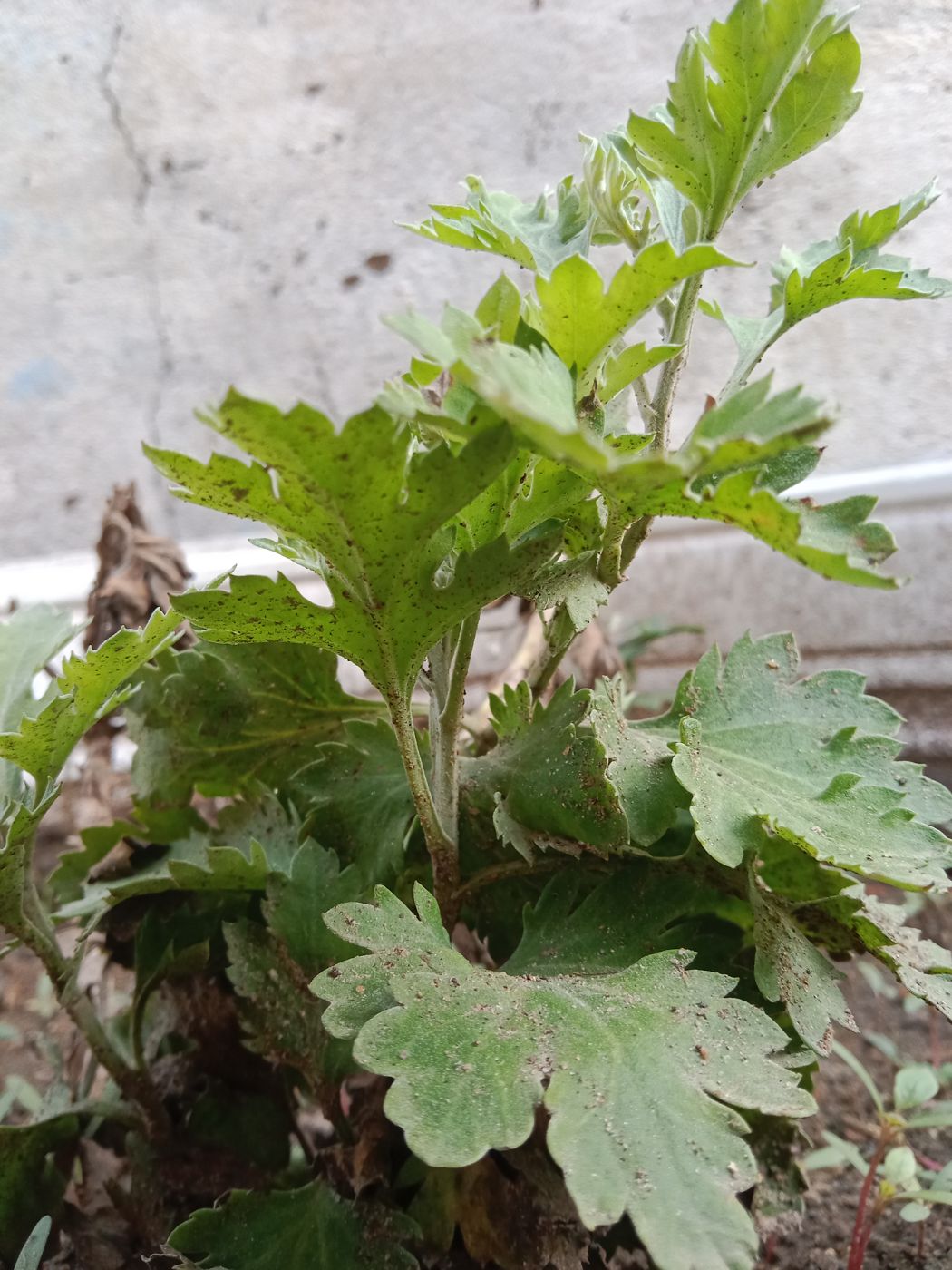 Mugwort in Korean Beauty쑥Spring rice cakes and soups, baths, and now essences and masks: how mugwort moved from the Korean table to skincare, and why a ragweed allergy matters.
- Mung Bean in Beauty녹두와 뷰티Ground mung bean was part of the old Korean face-washing powder jodu. The history is documented; the evidence that mung bean helps skin today is early laboratory work.
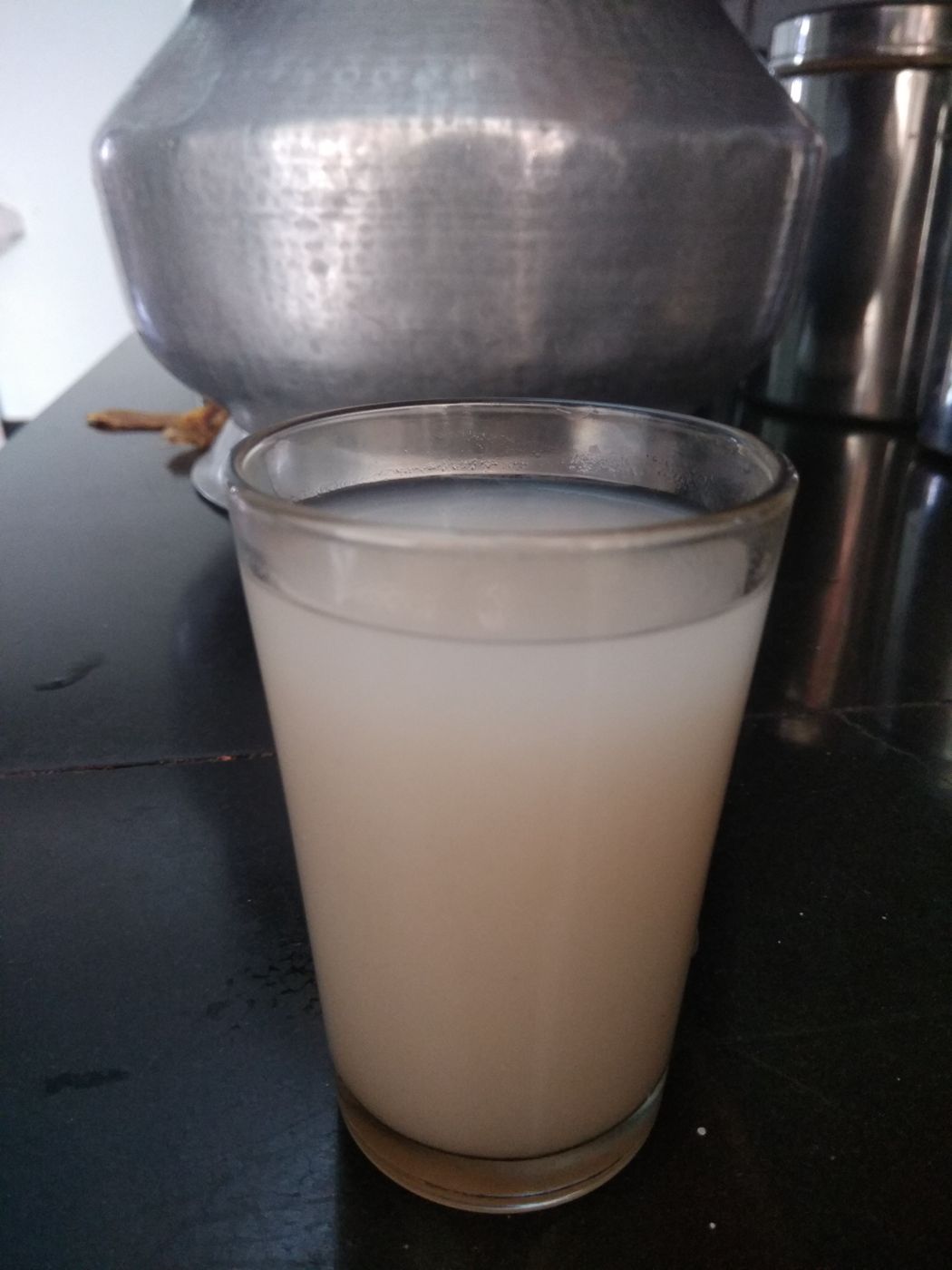 Rice Water쌀뜨물The cloudy water left from rinsing rice has long thickened Korean stews and, by tradition, washed faces and hair. What is known about its use on skin and hair is limited.
- Salt in Beauty소금과 뷰티Sea salt and bamboo salt (jukyeom) turn up in scrubs, rinses and toothpaste. The salt history is real, the beauty claims are thin, and sodium still matters.
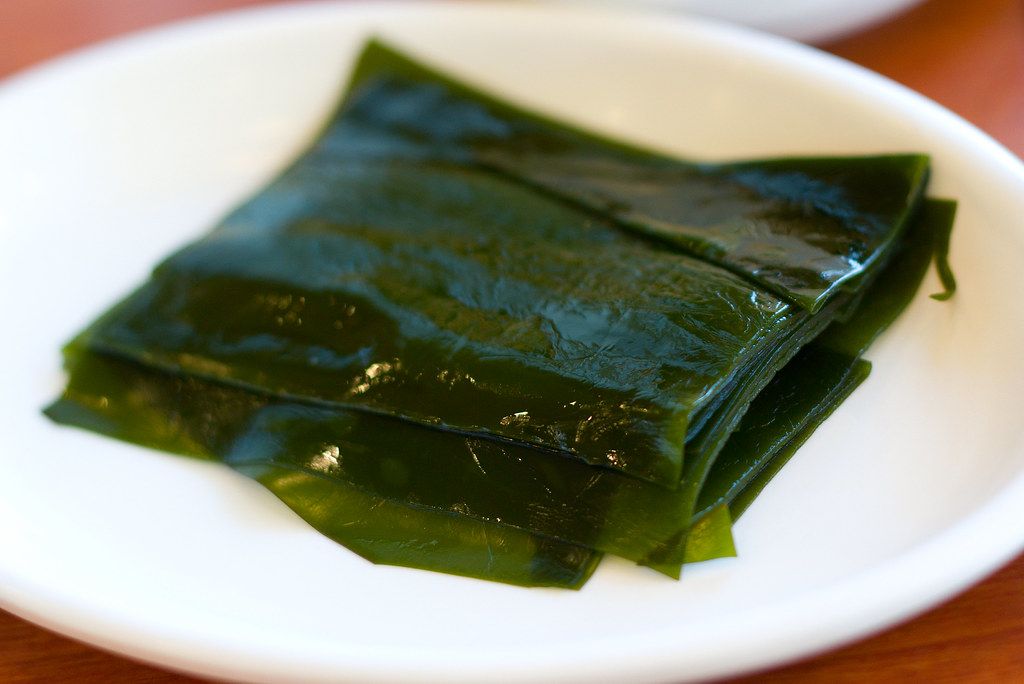 Seaweed in Beauty해조류와 뷰티From miyeok soup to roasted gim and kelp snacks, seaweed is everyday Korean food. Here is how it reached the sheet mask, and what small studies do and do not show.
- Soybeans in Beauty콩과 뷰티Soy is the base of Korean food, from tofu to doenjang. As a cosmetic ingredient the old record is thin, and modern studies are small and mixed.
- Sunscreen and Sun-Avoidance Culture자외선 차단 문화Pale skin as a long-held ideal, what surveys show about sunscreen use in Korea, the Japanese-born PA rating, and how Korea and the US regulate sunscreens differently.
- The Cucumber Face Pack오이 마사지Cucumber water was a documented Joseon-era facial toner. The slices-on-the-face ritual is better known than documented, and the evidence points to cold as the active part.
- The K-Beauty Routine한국 스킨케어 루틴What the multi-step Korean skincare routine consists of, where the famous "10 steps" came from, and how everyday habits in Korea are often simpler.
- The Rise of K-BeautyK-뷰티의 성장How Korean cosmetics grew from a Gaeseong camellia-oil shop to a global export industry, with the Hallyu effect, the cushion compact and official export figures.
- Traditional Hair Care전통 머리 관리On Dano, people boiled sweet flag and washed their hair in it, then pinned it with a binyeo. Old hair oils, ornaments and today's scalp-care culture share one thread: hair as part of the season.
- Ttaemiri and the Italy Towel때밀이와 이태리타월The Korean bathhouse body scrub: where the green 'Italy towel' came from, the professional scrubbers who use it, and why dermatologists urge moderation.
- Yuja in Beauty유자와 뷰티Yuja turns into yuja-cha in a winter jar of honey or sugar. Its peel now appears in skincare, but the evidence so far comes from cell studies, and the yuja bath is a Japanese custom.