Ingredient
Abalone (jeonbok)
전복
Romanization: jeonbok
A prized sea snail with a single pearly shell and a firm, sweet foot. Long gathered by divers and now farmed widely around Wando, it is simmered into Jeju's restorative jeonbok-juk.
Flavor
Delicately sweet and oceanic; raw abalone is crisp and crunchy, while gentle cooking turns it tender and springy.
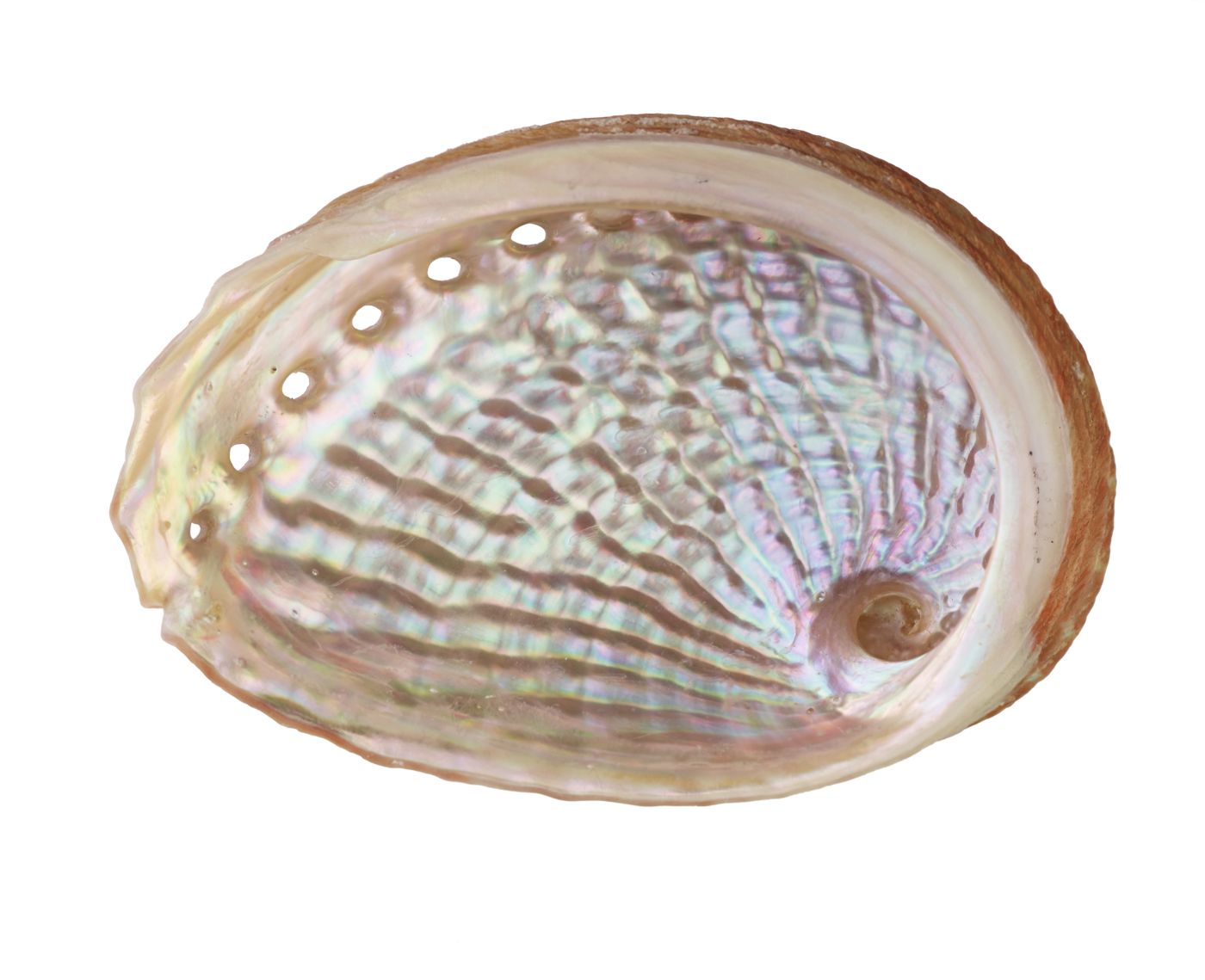 Photo: Te Papa Tongarewa/ Museum of New Zealand, CC BY 4.0, via Wikimedia Commons
Origin & History
Jeonbok is the abalone, a large marine snail that grazes on seaweed over clean, rocky shores. Several species live in Korean waters; the most important today is the Pacific abalone, Haliotis discus hannai (cham-jeonbok), which is farmed along the coast. The Encyclopedia of Korean Culture also describes larger, deeper-water species found mainly around Jeju, and notes that abalone shells turn up in ancient shell middens, showing how long Koreans have eaten it.
Wild abalone has long been taken by breath-hold divers. On Jeju, the women divers called haenyeo still gather shellfish such as abalone and sea urchin about 10 m down on a single breath, a culture UNESCO added to its Representative List of intangible heritage in 2016. Farming grew from state hatchery work: seed production began at the national fisheries research institute in the 1960s, and from 1974 young abalone were handed out to coastal farmers.
Today most abalone is farmed in sea cages, where growers feed it kelp and sea mustard they raise themselves; the Aquaculture Stewardship Council reports a grow-out of about two years and says Wando County in South Jeolla produces over 70 percent of the country's abalone. Hot summers are a growing problem, since sudden temperature swings cause heavy losses in cage culture.
Abalone is eaten raw, cooked, dried and canned, and the Korean Food Composition Table also lists fried abalone, salted jeonbok-jeot and the viscera. Its best-known dish is jeonbok-juk, rice porridge simmered in abalone broth, which the Encyclopedia of Korean Culture calls a Jeju specialty prized both as a restorative food and as a delicacy. The shells, with their bright nacre, have long been used in crafts.
Nutrition
| Calories | 91 kcal |
|---|---|
| Protein | 15 g |
| Fat | 0.7 g |
| Carbohydrates | 5.1 g |
| Fiber | 0 g |
| Sodium | Not reported |
Notable forIron (2.4 mg) · Phosphorus (141 mg) · Thiamin (0.26 mg)
Values copied from the Korean Food Composition Table (Rural Development Administration / National Institute of Crop Science) for this exact food, per 100 g edible portion. The table leaves dietary fiber blank; it is shown as 0 because fish and shellfish contain none. The table does not report sodium for this food. Actual values vary with ingredients, portion size and preparation.
Health Benefits
- Lean protein: Abalone is high in protein and very low in fat, with some iron and phosphorus.
- A traditional restorative food: Jeonbok-juk is valued in Korea as a nourishing boyang dish. That reflects custom; no specific health effect is established.
- Raw shellfish caution: Abalone is often eaten raw. CDC links vibriosis to raw or undercooked shellfish, and the FDA advises pregnant women, young children, older adults and people with weakened immunity to avoid raw shellfish.
- Shellfish allergy: Abalone is a mollusk; people with shellfish allergy should check with an allergist.
Informational, not medical advice. Talk to a qualified professional about your own health and diet.
Dishes with Abalone (jeonbok)
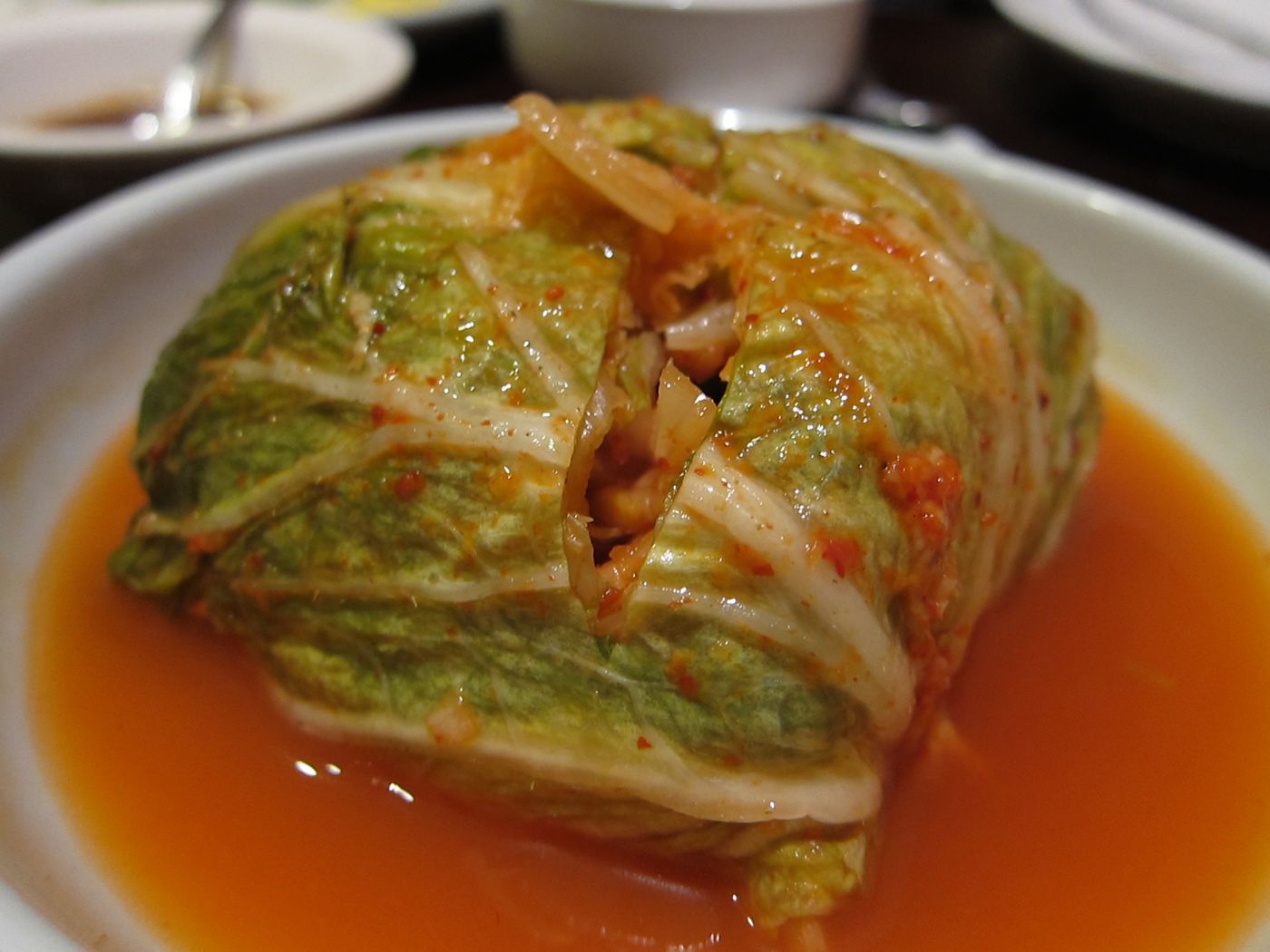 Wrapped Kimchi보쌈김치Cabbage, radish, fruit, nuts and seafood bundled inside whole cabbage leaves — the lavish wrapped kimchi of Gaeseong, made for honored guests.
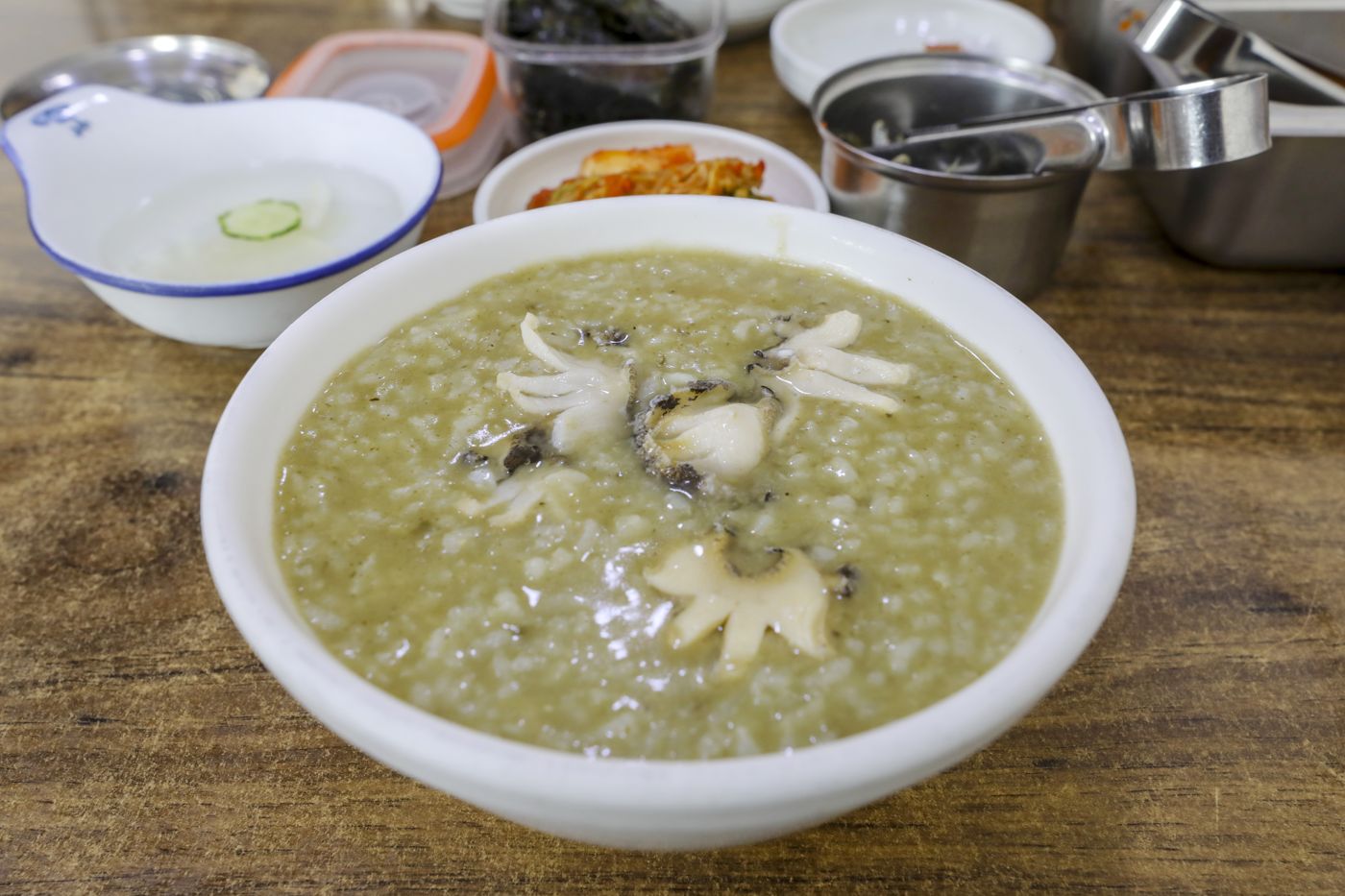 Jeonbok-juk (Abalone Rice Porridge)전복죽Rice simmered with sliced abalone and its green viscera in sesame oil until silky — Jeju's restorative porridge for convalescents, new mothers and anyone in need of comfort.
Sources
- 01전복 (Abalone) — Encyclopedia of Korean Culture
- 02전복죽 (Jeonbok-juk) — Encyclopedia of Korean Culture
- 03The Beating Heart of ASC Certified Abalone Farming in South Korea — Aquaculture Stewardship Council
- 04Genotyping of Haliotis discus hannai and machine learning models to predict the heat resistant phenotype (Front Genet, 2023)
- 05Culture of Jeju Haenyeo (women divers) — UNESCO Intangible Cultural Heritage
- 06Korean Food Composition Table — Abalone, Raw