The Banchan Encyclopedia
Techniques
조리법
Blanching, seasoning, fermenting and braising — the methods behind the Korean table.
- Blanching and Seasoning Namul나물 데치기와 무치기The two-step method behind dozens of Korean vegetable side dishes: a quick blanch, a firm squeeze, then seasoning worked in by hand.
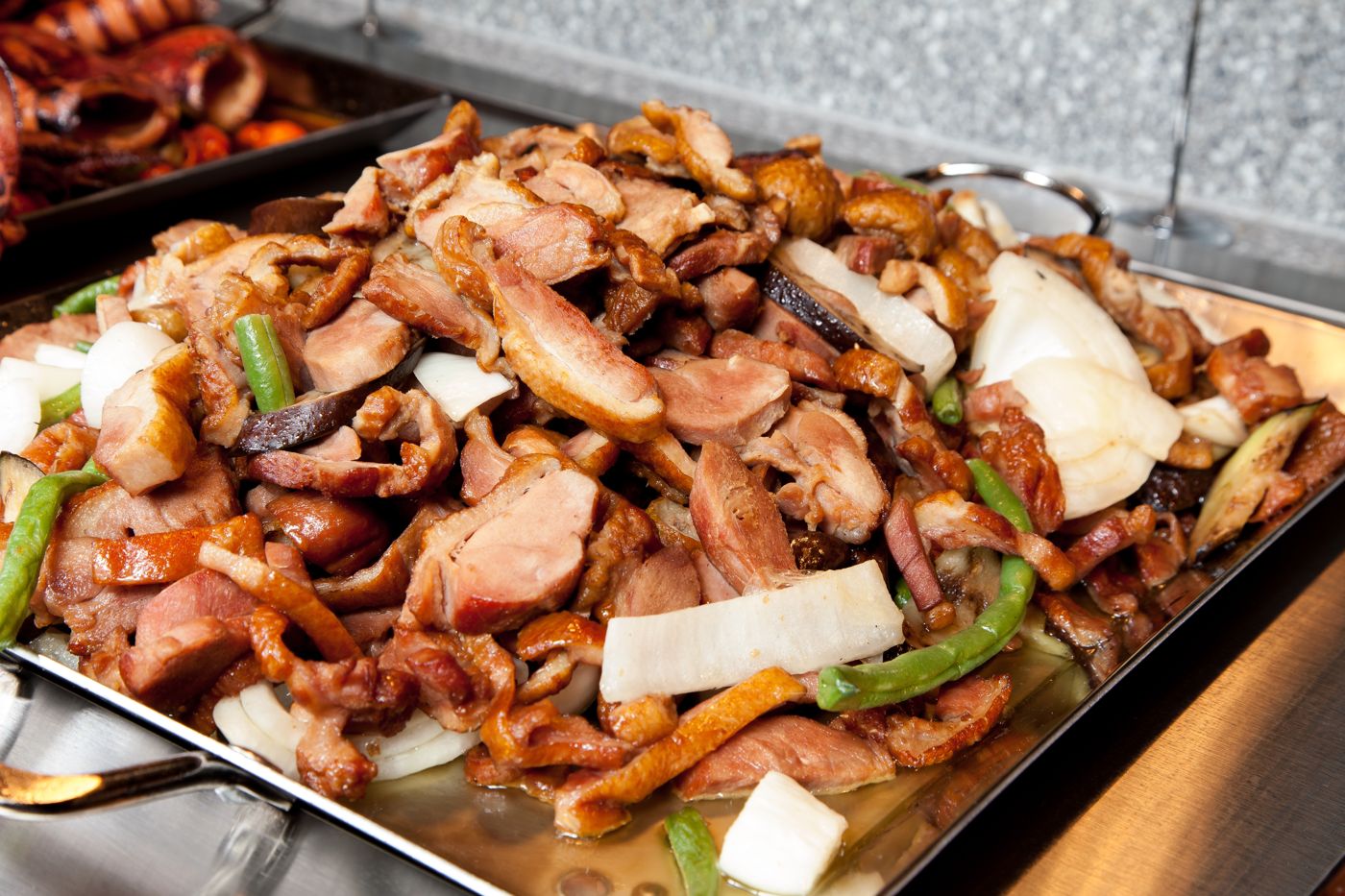 Bokkeum: Korean Stir-Frying볶음Cooking over brisk heat with oil and a little seasoning, from dry, crisp anchovies to saucy fish cakes and the separately sautéed parts of japchae.
- Cooking Bap밥 짓기How Korean cooks wash, soak and cook rice so every grain is tender but separate, and how the scorched layer in the pot became nurungji and sungnyung.
- Drying and Rehydrating Vegetables채소 말리기와 불리기Sun-dried greens, radish strips and bracken carried Korean households through winter. How vegetables are dried, stored and brought back to life for namul.
- Gomyeong: Korean Garnishes고명Egg-strip jidan, threads of red chili, pine nuts and mushrooms: how Korean cooks finish a dish with garnishes chosen to show the five traditional colors.
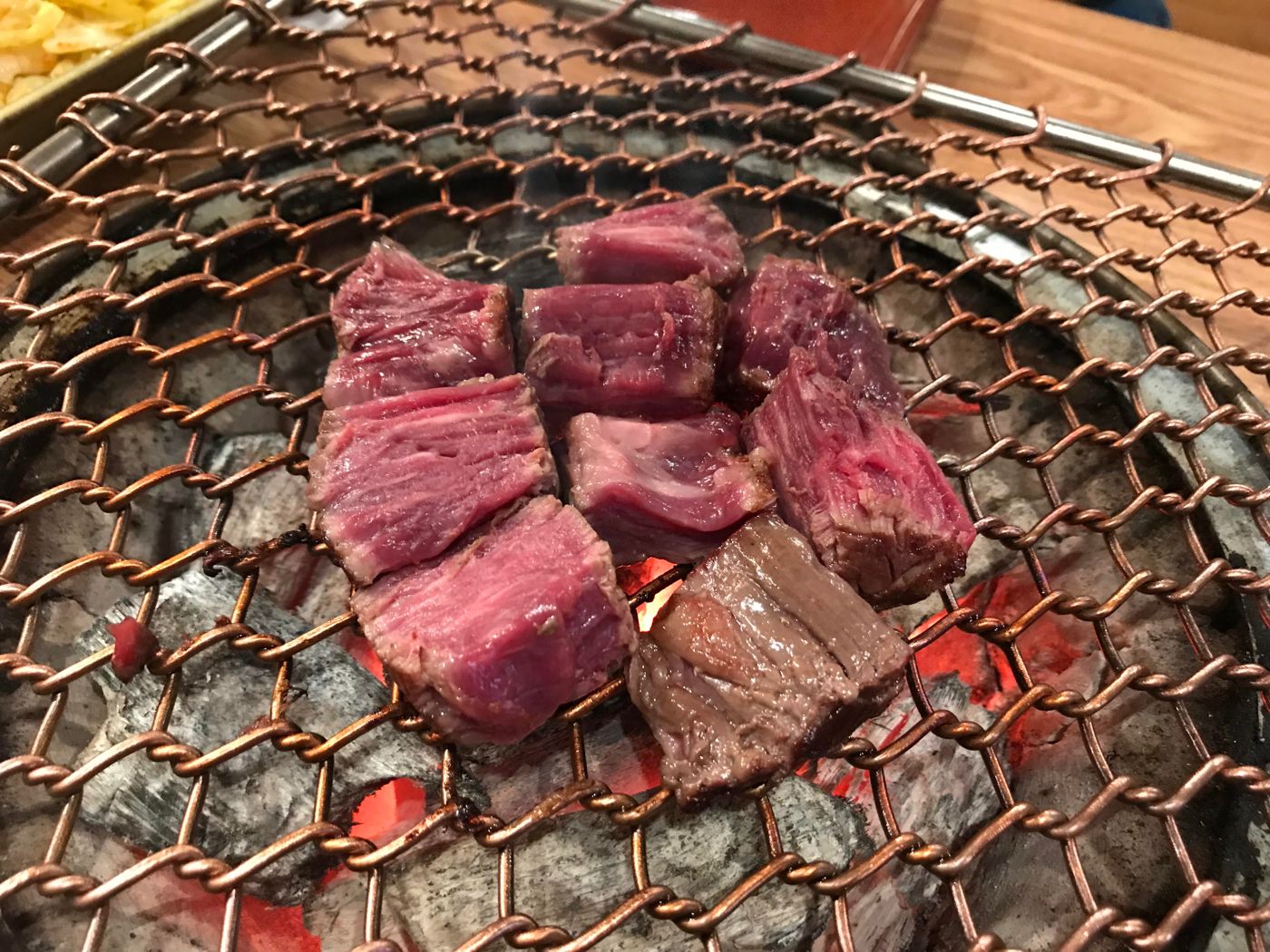 Grilling Gui구이Gui covers anything cooked over direct heat: soy-marinated beef, salt-grilled ribs and fish, and oiled sheets of laver toasted for the rice bowl.
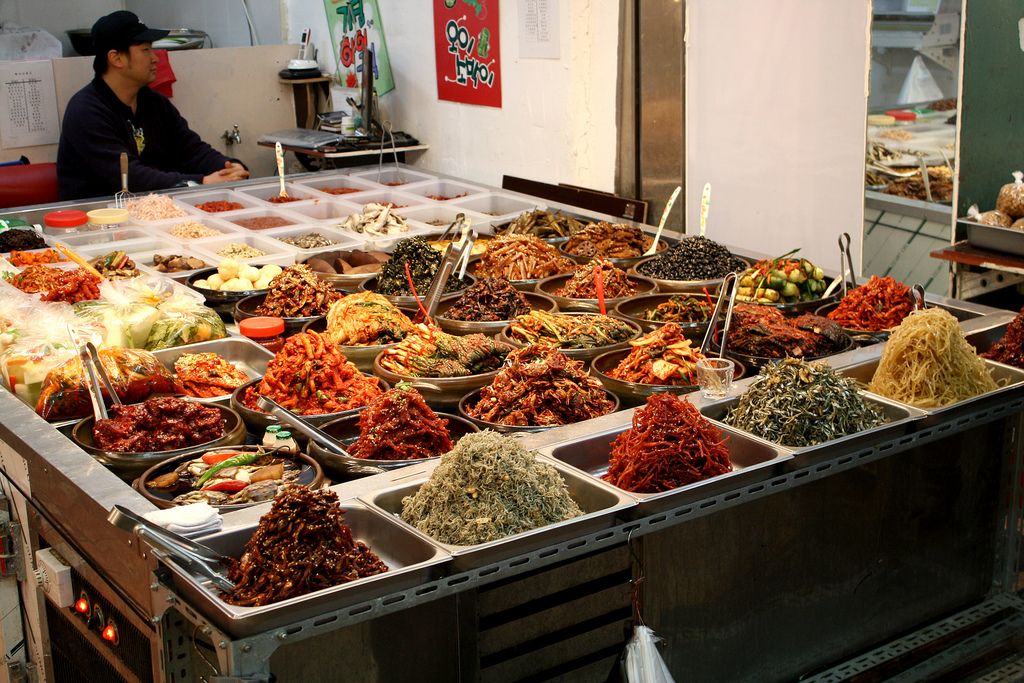 Jangajji: Pickling in Jang장아찌Preserving vegetables in soy sauce, doenjang, gochujang or salt so they keep for months: the method behind perilla-leaf and garlic jangajji.
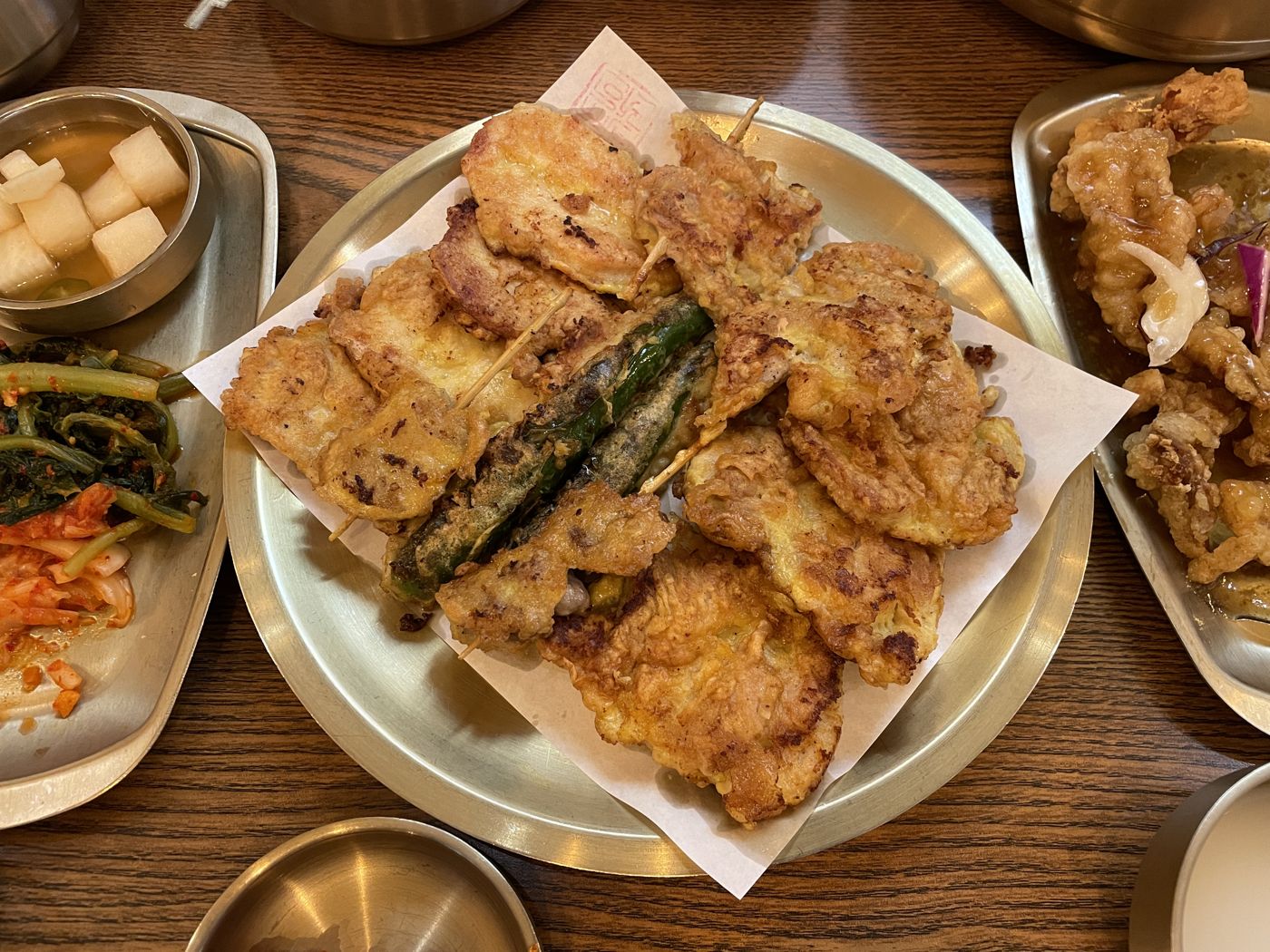 Jeon: Pan-Frying in Flour and Egg전Thin slices dusted in flour, dipped in egg and fried gently in oil: the method behind hobak-jeon and the jeon platters of Korean holidays.
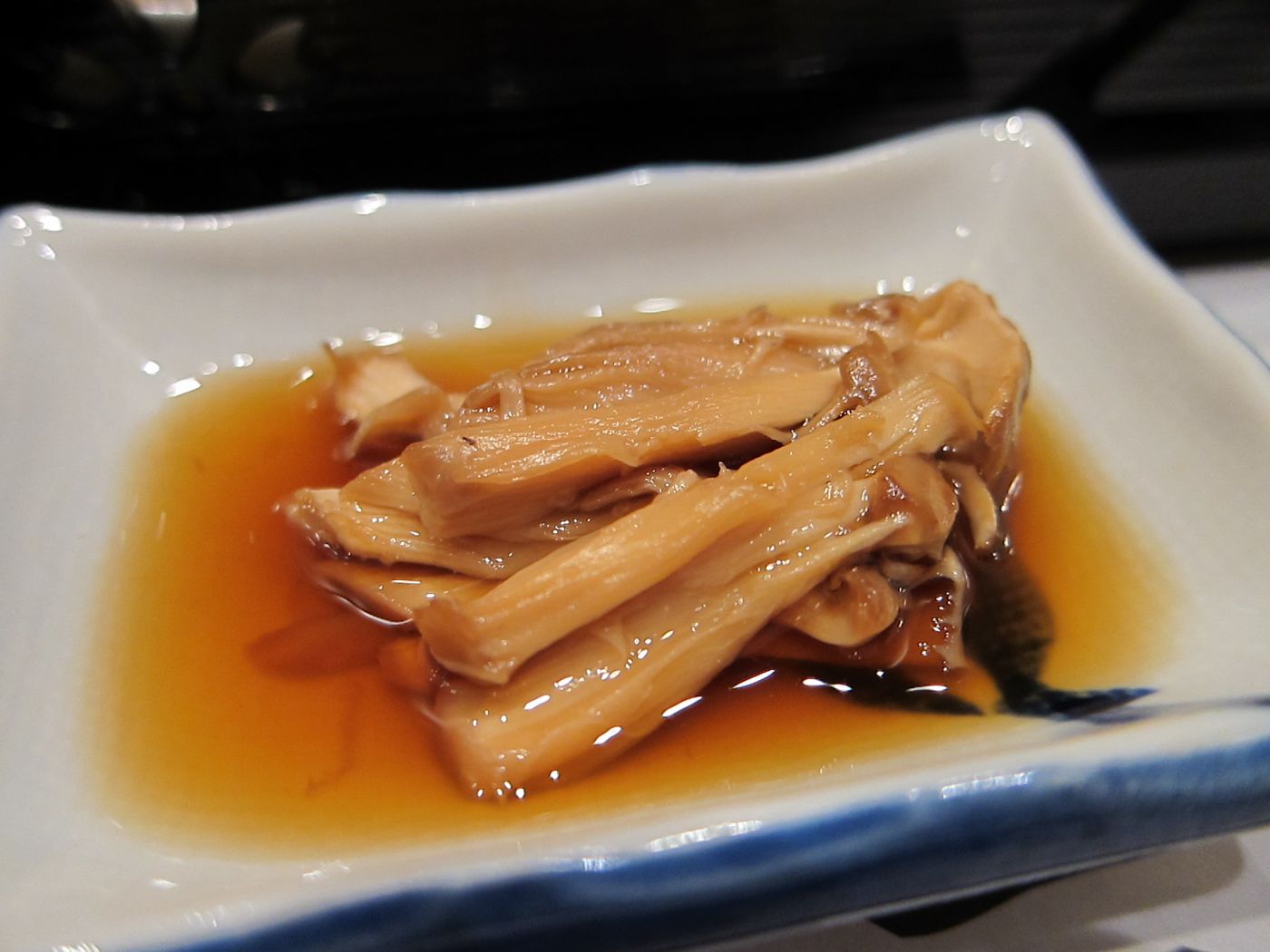 Jorim: Braising in Seasoned Liquid조림Simmering ingredients in a soy-based liquid until it reduces to a glossy glaze: the method behind gamja-jorim, jangjorim and more.
- Making Dubu (Tofu)두부 만들기Soak, grind, cook, strain, curdle, press: how Korean households and Gangneung's Chodang village turn soybeans into soft sundubu and firm modubu, with bittern or seawater.
- Making Gejang: Marinated Raw Crab게장 담그기Live crabs steeped in soy sauce that is boiled and cooled again and again, or cut and dressed in chili: how gejang is made, its Joseon roots, and why raw crab calls for caution.
- Making Guk and Jjigae국과 찌개 끓이기Guk, tang, jjigae and jeongol: how Korean soups and stews differ, how their broths are built, and how ganjang, doenjang and gochujang season them.
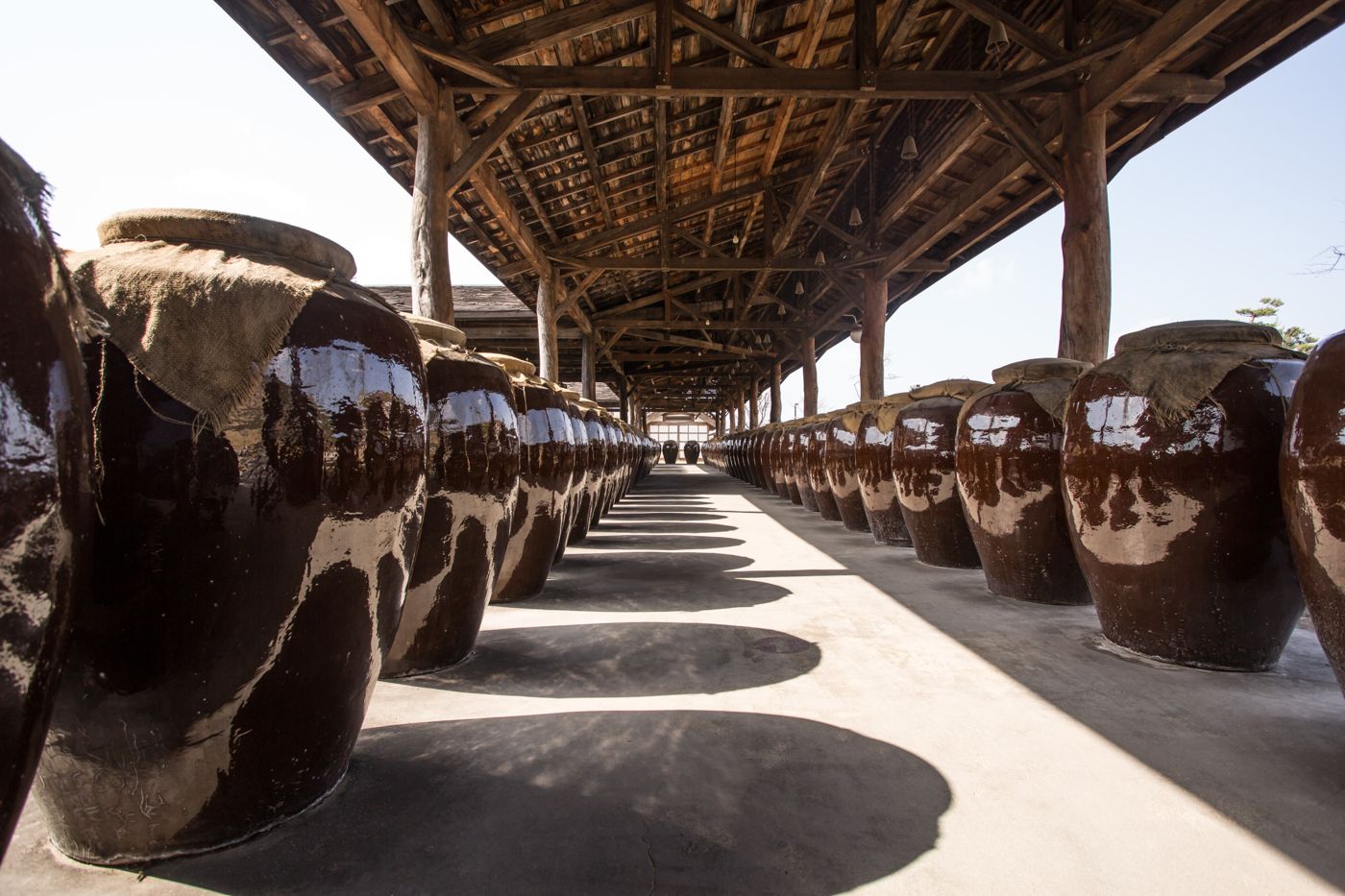
 Making Jang장 담그기From soybean meju to soy sauce and doenjang aged in onggi jars: the household craft UNESCO inscribed as intangible heritage in 2024.
- Making Jeotgal젓갈 담그기Salted, fermented seafood is one of Korea's oldest preserved foods: a seasoning for kimchi, a side dish on its own, and a careful exercise in salt and time.
- Making Juk죽 쑤기Korean porridges range from thick rice juk to strained mieum and silky starch eungi; for centuries they were breakfast, comfort and food for the sick.
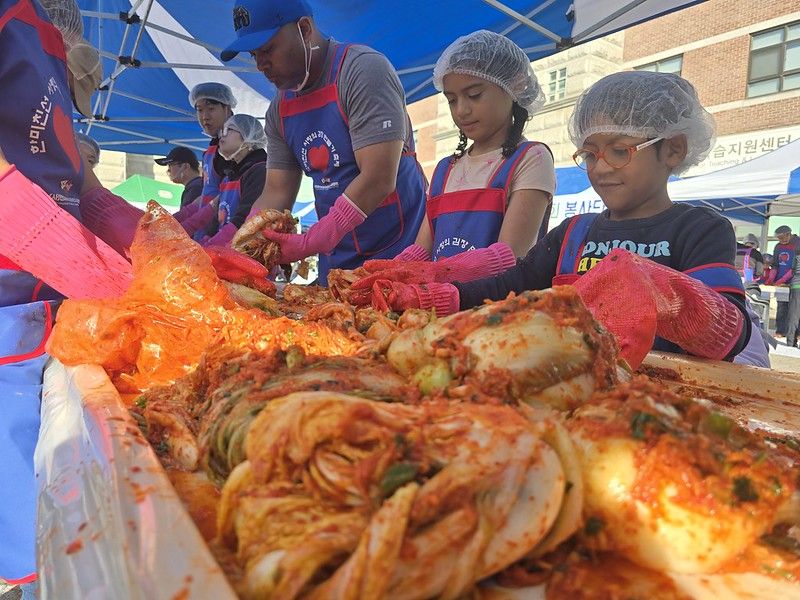 Making Kimchi김치 담그기Salt, season, ferment: how vegetables become kimchi, why salt and cool temperatures matter, and how to store it safely.
 Making Makgeolli막걸리 빚기Nuruk, steamed rice and water, left to ferment and then pressed through a sieve: the traditional process behind Korea's cloudy rice drink, now a National Intangible Heritage.
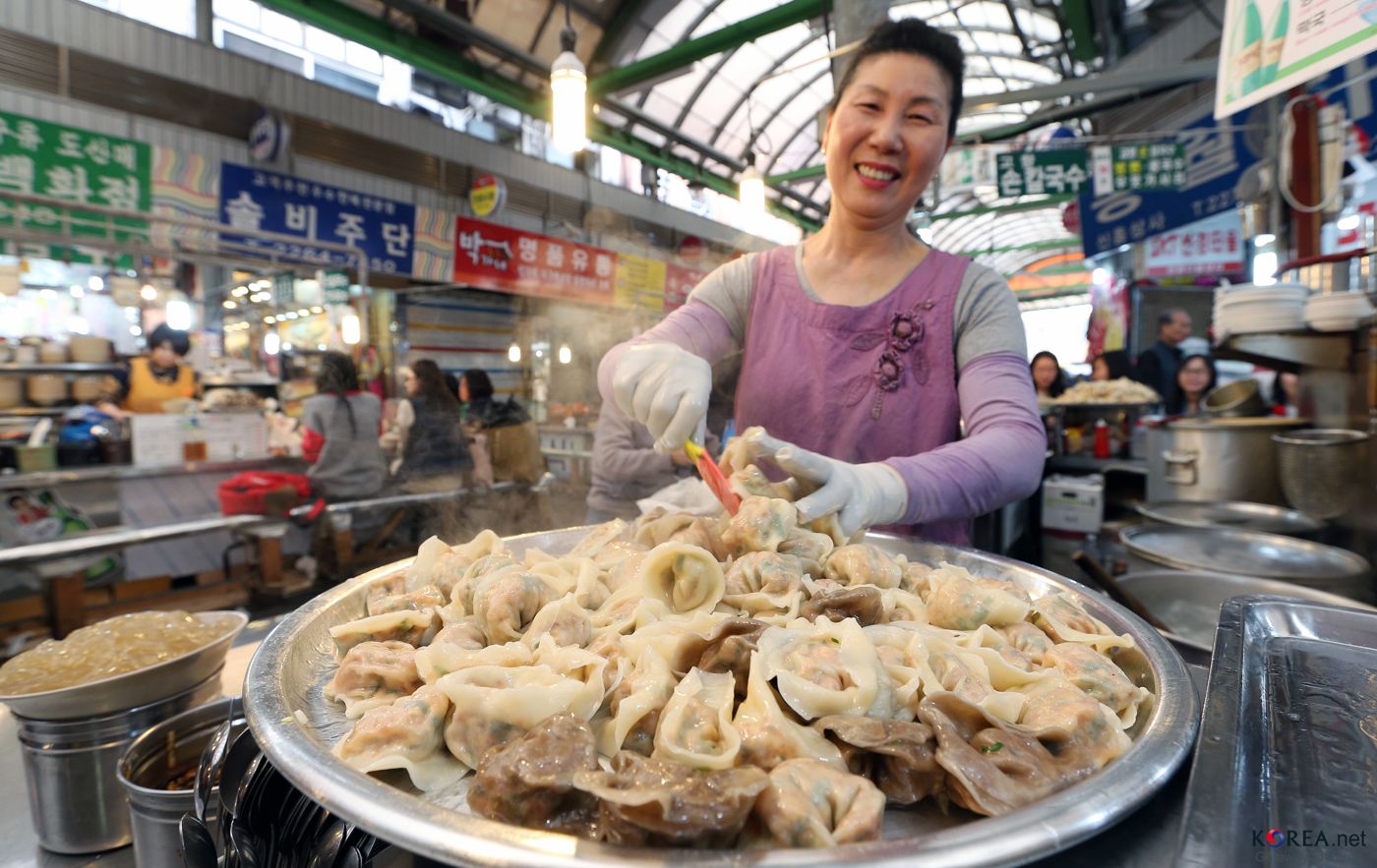 Making Mandu만두 빚기Wheat or buckwheat skins, fillings squeezed dry, half-moons, pleats and squares: how Korean dumplings are shaped, then boiled in broth, steamed or served in chilled soup.
- Making Muk묵 쑤기How Korean cooks turn acorn, mung bean and buckwheat starch into soft, sliceable jellies, and how to season them before they firm up too much.
- Making Ssam and Wraps쌈 싸기How Koreans wrap rice, meat and banchan in lettuce and other leaves: the classic ssam greens, ssamjang, bossam, and how to build a good one-bite wrap.
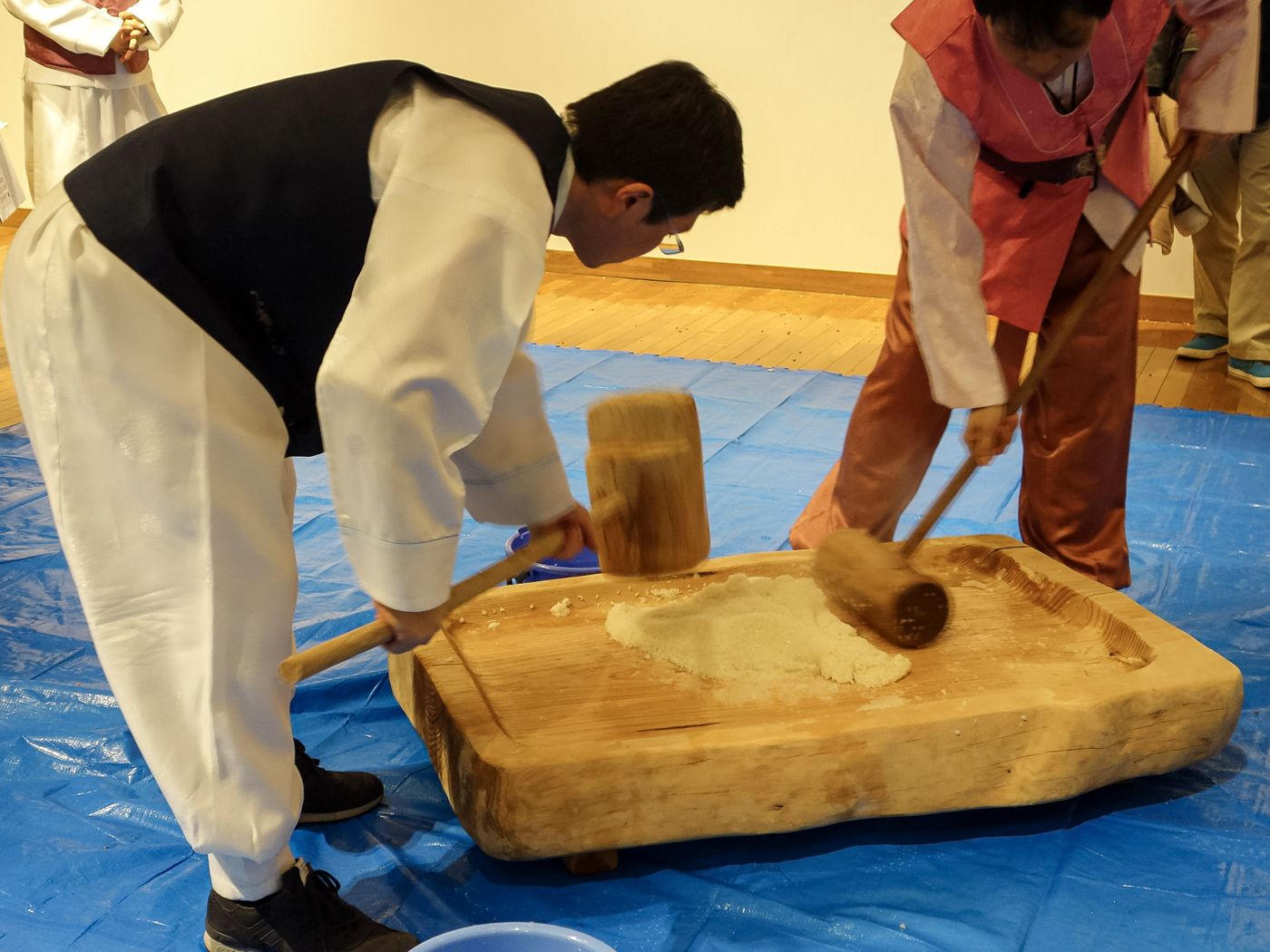 Making Tteok떡 만들기Steamed, pounded, boiled and pan-fried: the four classic ways Korean cooks turn rice and rice flour into tteok, and the siru steamer at the heart of them.
- Making Yeot and Jocheong엿과 조청 만들기Sprouted barley turns cooked rice into sweet liquid, then hours of boiling turn it into runny jocheong or hard yeot: Korea's grain-based sweeteners, made by hand.
- Making Yuksu: Anchovy-Kelp Stock멸치 다시마 육수The quick everyday stock of dried anchovy and kelp that underpins Korean soups, stews and braises, and why the two ingredients work so well together.
- Preparing Hoe: Raw and Lightly Cooked Seafood회 손질Saenghoe sliced raw, sukhoe blanched, mulhoe in an icy chili broth: how Korean cooks prepare fish and seafood for hoe, and the food-safety rules that come with eating it raw.
- Soaking and Desalting불리기와 짠맛 빼기Drawing salt out of salted fish, pickles and jeotgal-cured foods, and putting water back into bracken, dried seafood and beans: the quiet first step behind many banchan.
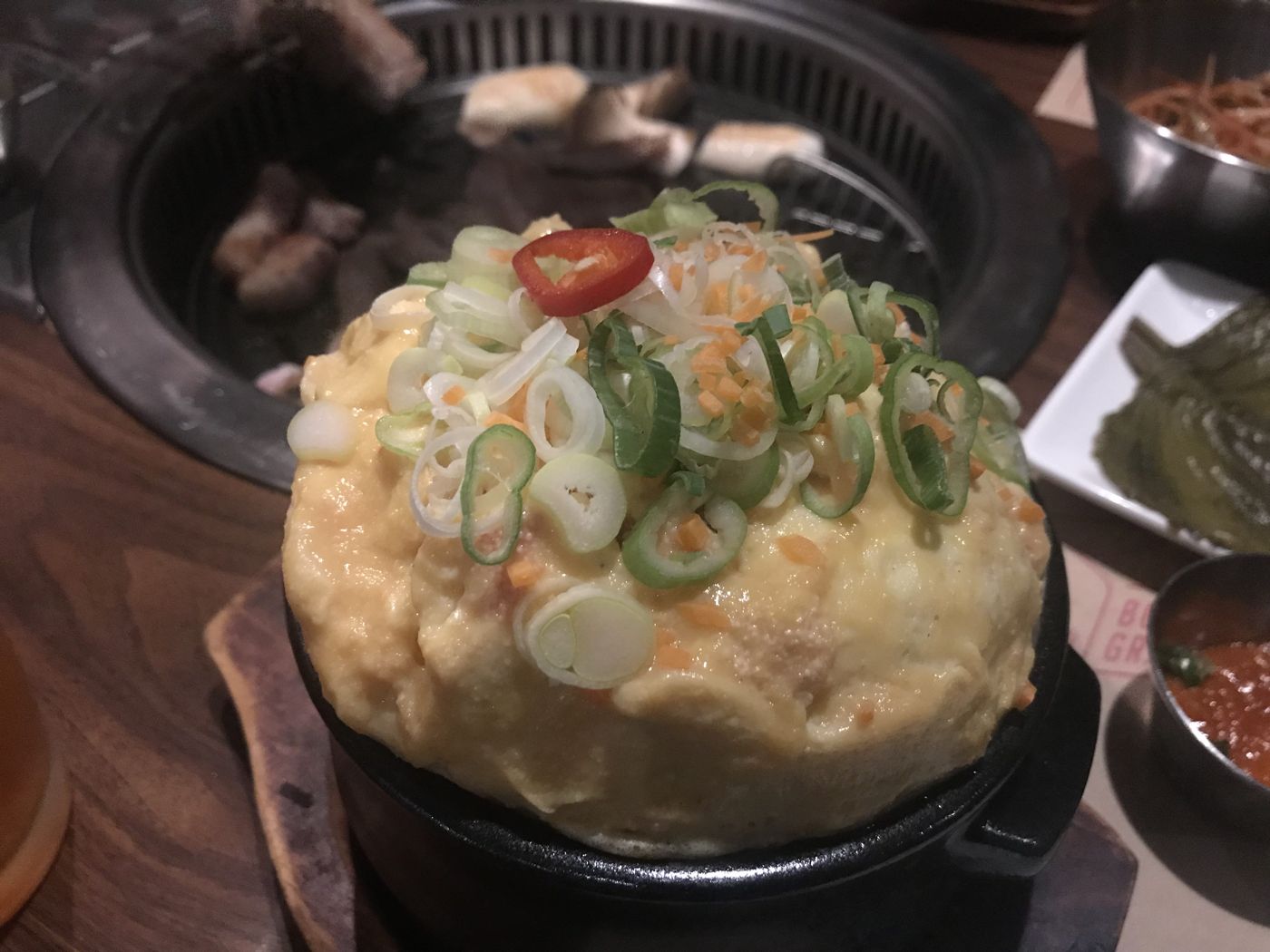 Steaming and Jjim찜In Korean cooking, jjim means both true steaming and slow cooking in a little liquid. How gyeran-jjim, galbi-jjim and fish jjim fit under one word.
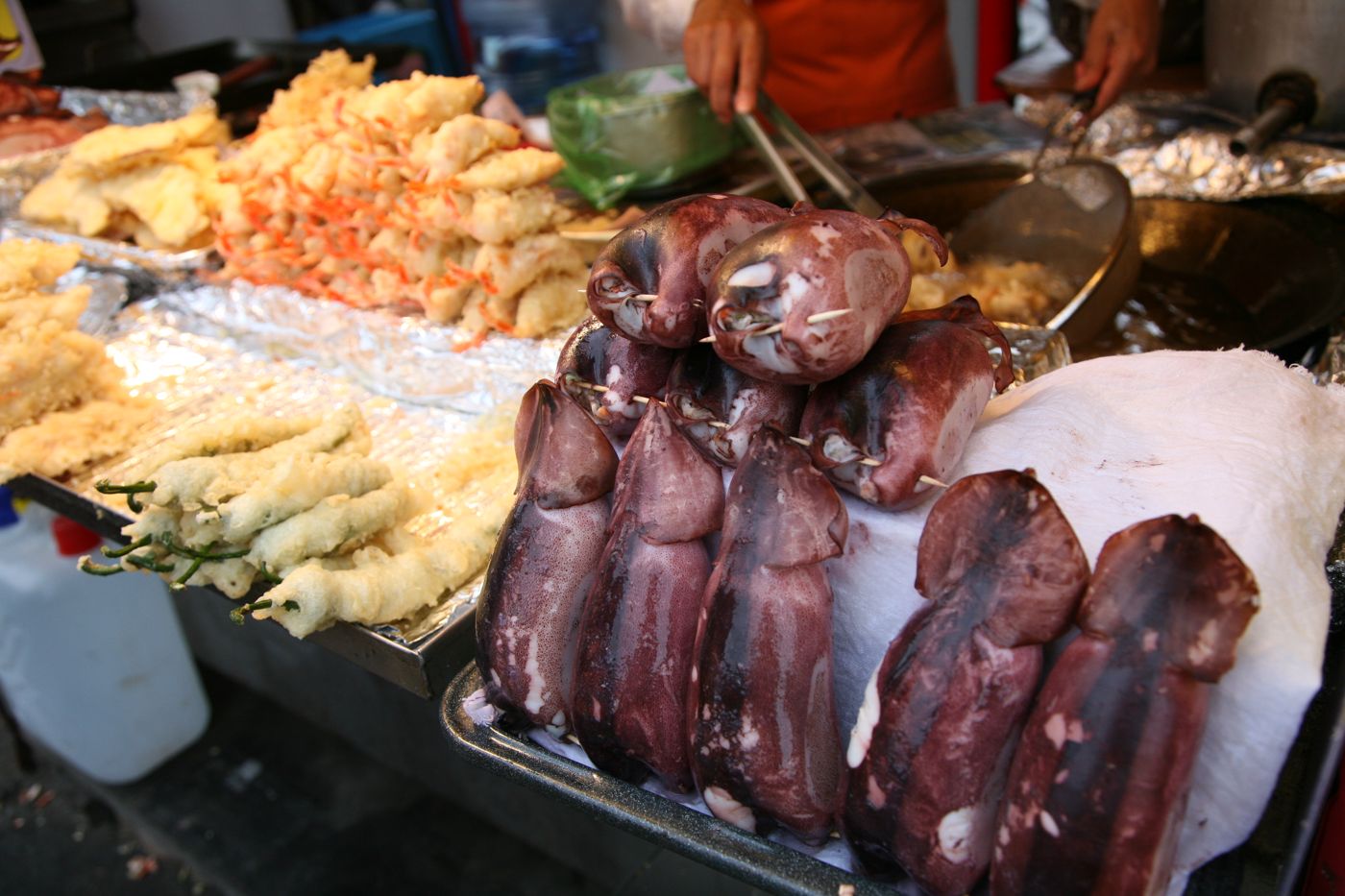 Twigim: Korean Deep-Frying튀김Twigak and bugak from temple kitchens, gangjeong for feasts, battered twigim from the snack stall: how Korea came late to deep-frying, and how to fry safely at home.
- Yangnyeom: Seasoning Basics양념What yangnyeom means, the core seasonings of the Korean kitchen, and the everyday sauces built from them: yangnyeomjang, chogochujang, gireumjang and ssamjang.