Ingredient
Ssamjang (Wrap Dipping Paste)
쌈장
Romanization: ssamjang
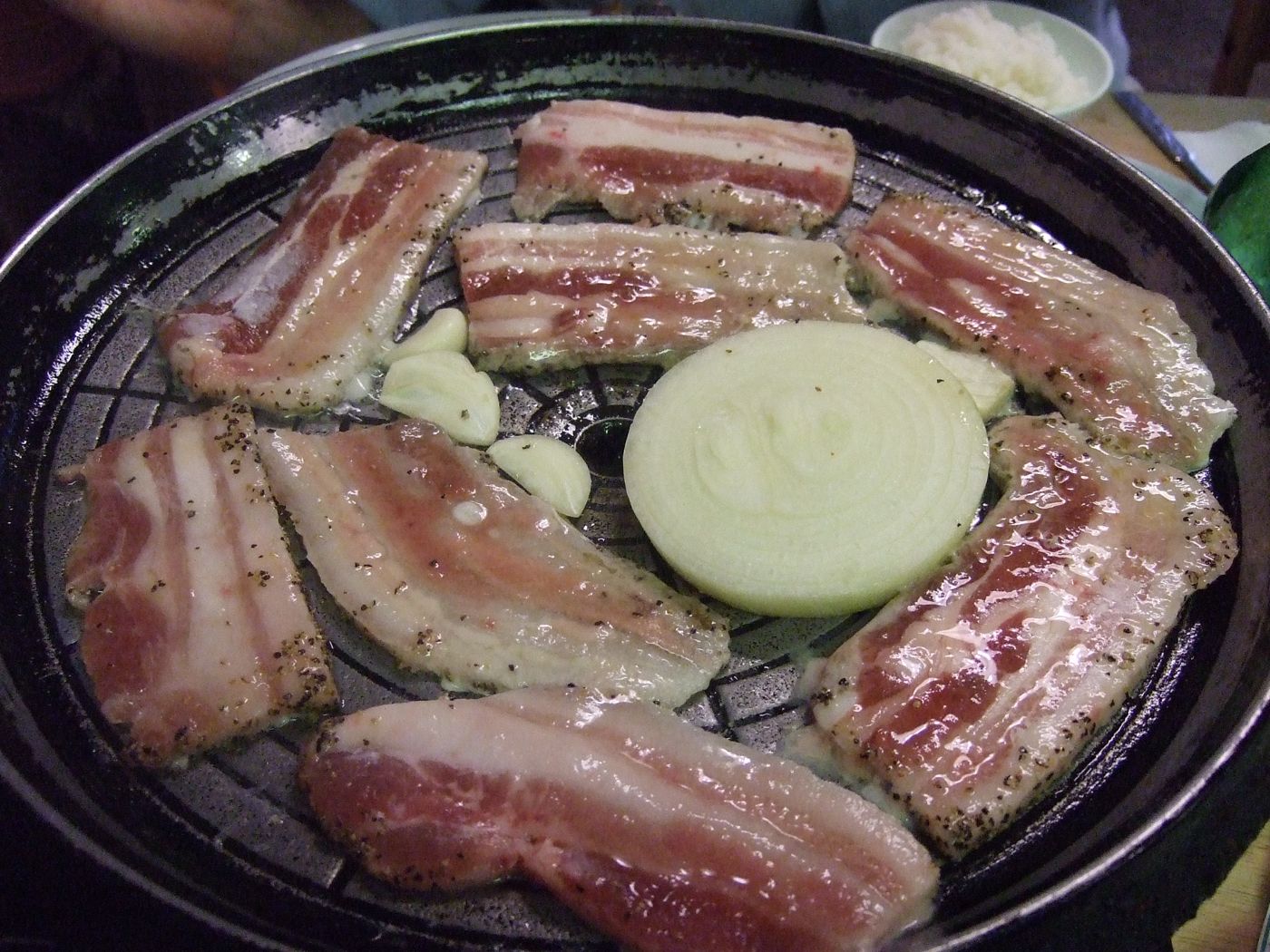
A thick, savory-sweet paste of doenjang and gochujang with garlic, sesame and other seasonings, made to be dabbed onto lettuce wraps with rice and grilled meat. It is also a dip for raw vegetables.
Flavor
Salty, nutty and savory from fermented soybean paste, with gentle heat and sweetness from gochujang. Thick enough to cling to a leaf, it adds a concentrated burst of seasoning to plain lettuce, rice and unsalted grilled meat.
Origin & History
Wrapping rice in leaves is old in Korea. The Encyclopedia of Korean Culture retells the story of Goryeo women taken to the Yuan court who grew lettuce in the palace garden and wrapped rice in it, a habit Mongol courtiers reportedly adopted. It also cites the Dongguk sesigi, which records bokssam, rice wrapped in greens on the first full moon of the year to ‘wrap up good fortune.’ Leaves for ssam ranged from lettuce and soybean leaves to chwinamul, pumpkin leaves, napa cabbage hearts, seaweed and gim.
A dab of seasoned paste always went inside, but it was not one fixed product. A National Folk Museum of Korea webzine article notes that strong doenjang, plain gochujang and, at court, richer sauces were used. The late-Joseon cookbook Siuijeonseo, as summarized by the Encyclopedia of Korean Culture, describes lettuce wraps eaten with gochujang cooked with minced beef, fish and green onion: a cooked, enriched paste close in spirit to today's ssamjang.
Ssamjang as a jarred condiment is modern. According to CJ CheilJedang's own corporate newsroom, an employee at Samwon Foods (now part of CJ) began mixing gochujang and doenjang as a sauce for meat, and in 1983 the company launched what it calls Korea's first commercial ssamjang, combining the two pastes with assorted seasonings. Today it is the usual dip at Korean barbecue tables. Many households still mix their own from doenjang, gochujang, minced garlic, green onion, sesame oil and sesame seeds.
Nutrition
| Calories | 240 kcal |
|---|---|
| Protein | 9.88 g |
| Fat | 4.81 g |
| Carbohydrates | 39.18 g |
| Fiber | 9.7 g |
| Sodium | 2619 mg |
Notable forSodium · Potassium · Dietary fiber
Values from the Korean Food Composition Table (RDA), which also lists about 21 g total sugars and 472 mg potassium per 100 g. Commercial and homemade ssamjang vary widely in salt and sugar. A typical dab is a teaspoon or two, so a single wrap carries a small fraction of these amounts. Actual values vary with ingredients, portion size and preparation.
Health Benefits
- Vegetable vehicle: Ssamjang is mainly eaten tucked into lettuce, perilla leaves and other fresh greens, or as a dip for raw cucumber, pepper and garlic, so it travels with vegetables.
- Sodium: At about 2,600 mg of sodium per 100 g in the Korean Food Composition Table, ssamjang is salty. The FDA notes that U.S. dietary guidelines advise adults to keep sodium below 2,300 mg a day; a small dab per wrap goes a long way.
- Sugar: The same table lists about 21 g of total sugars per 100 g, largely from gochujang and added sweeteners. Homemade versions let you control both salt and sugar.
- Allergens: Ssamjang is made from soybean pastes, and many commercial gochujang and ssamjang products also contain wheat; sesame is a common addition. Check labels for soy, wheat and sesame.
Informational, not medical advice. Talk to a qualified professional about your own health and diet.
Sources
- 01쌈 (Ssam) — Encyclopedia of Korean Culture
- 02상추쌈 (Sangchu-ssam) — Encyclopedia of Korean Culture
- 03한입 가득 ‘복’ 한가득 (A mouthful of good fortune: ssam) — National Folk Museum of Korea webzine
- 04삼겹살과 최강 궁합! 쌈장을 대체 누가 개발했대?! (Who invented ssamjang?) — CJ Newsroom
- 05쌈장 (Ssamjang) — Korean Food Composition Table, RDA
- 06Sodium in Your Diet — U.S. Food and Drug Administration