The Banchan Encyclopedia
Wellness
웰빙
Korean ingredients and food traditions for everyday balance — informational, not medical advice.
- Allergens in Korean Food한식과 식품 알레르기Soy, wheat, sesame, shellfish, fish, nuts, buckwheat and eggs in Korean cooking, how Korea's allergen labeling list differs from the US major allergens, and where each one hides.
- Boknal and Summer Foods복날과 여름 보양식Chobok, jungbok and malbok mark the hottest days of the Korean summer. The customs and restorative dishes of boknal, and how to stay safe in the heat.
- Capsaicin and Spicy Food캡사이신과 매운 음식Why gochugaru feels hot, how the body senses capsaicin, what population studies on chili eating suggest, and when spicy food is worth easing off.
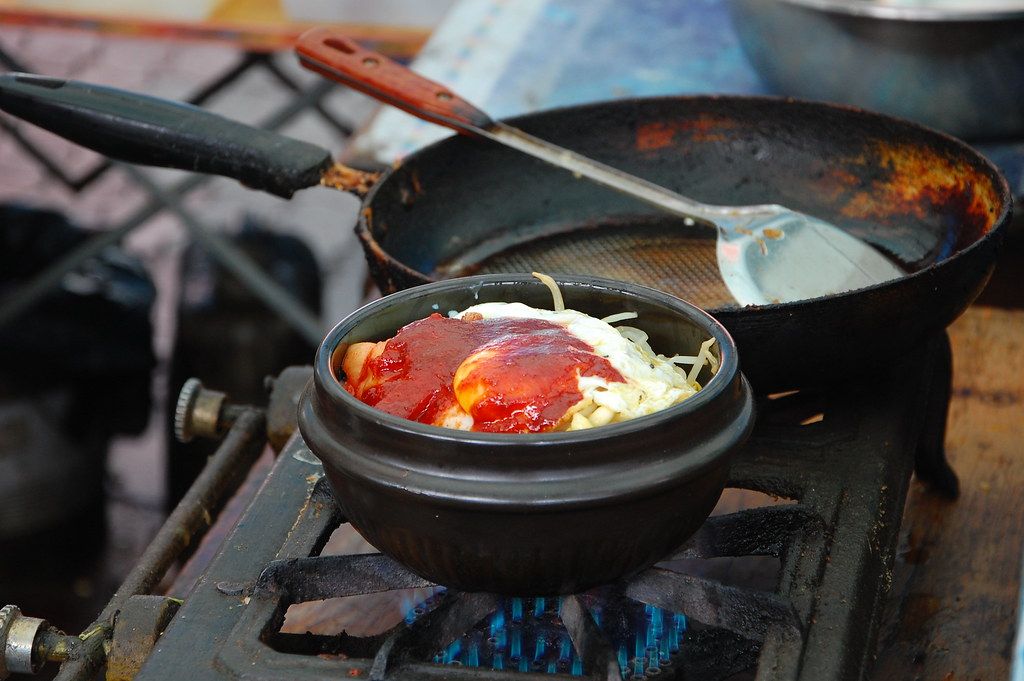 Eating Out at Korean Restaurants한식당에서 건강하게 먹기Practical tips for Korean restaurants: refilled banchan, salty broths, sharing, self-serve side-dish bars, and how to ask about salted seafood, fish sauce and other allergens.
- Fermented Foods and Histamine발효 식품과 히스타민Why aged and fermented Korean foods contain histamine and tyramine, what histamine intolerance is, and what people taking MAOI medications should know.
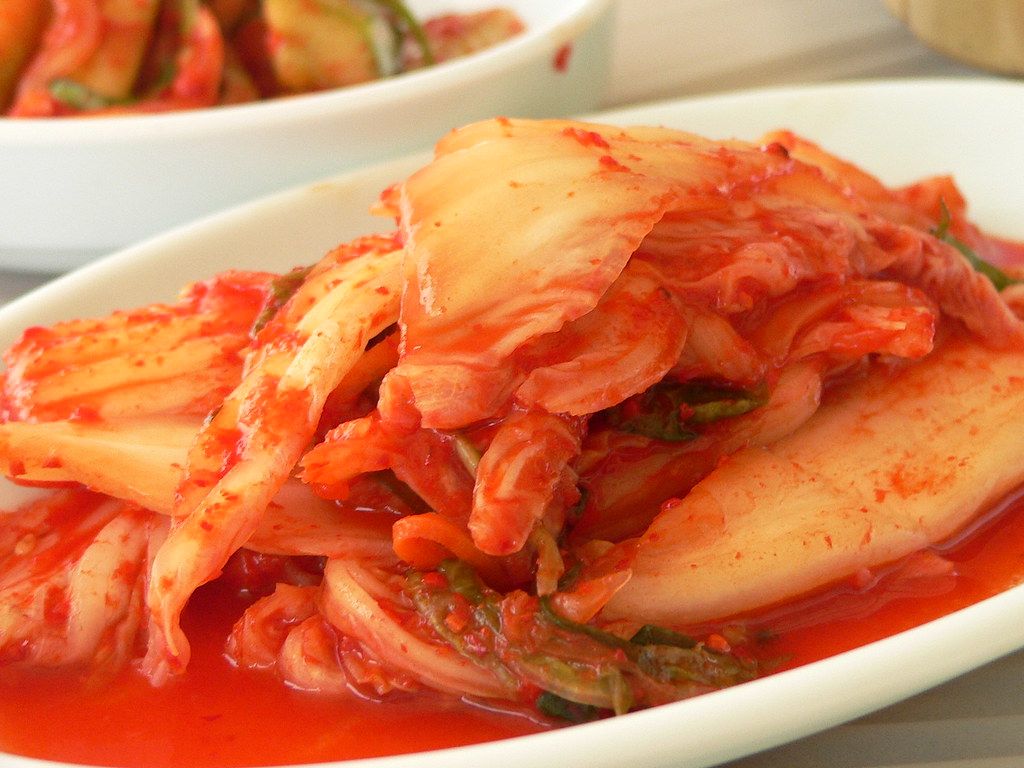 Fermented Foods: Kimchi, Jang and Jeotgal발효 음식What fermentation does to kimchi, jang and jeotgal, and what research on fermented foods and the gut does, and does not yet, show.
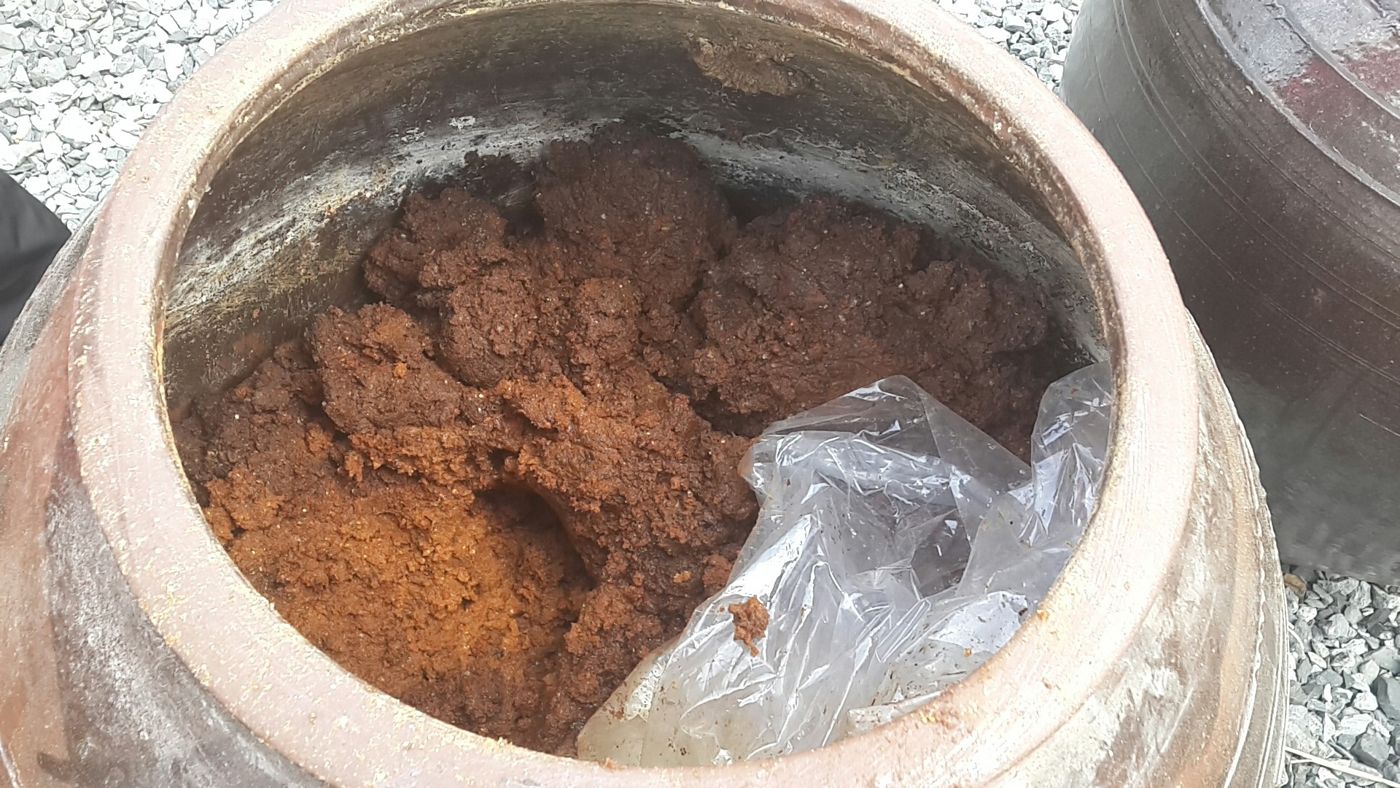 Fermented Soybeans: Doenjang, Cheonggukjang and Ganjang발효 콩 식품How doenjang, cheonggukjang and ganjang are made, what fermentation changes in the soybean, and what research says about benefits, sodium and biogenic amines.
- Food Safety at Home가정에서의 식품 안전Keeping banchan, kimchi, soups and packed lunches safe: the 2-hour rule, cooling and reheating, raw seafood and sprouts, drawing on US and Korean guidance.
- Food Waste and Banchan음식물 쓰레기와 반찬How a table of shared side dishes shapes Korea's food waste, how pay-by-amount disposal and recycling work, and practical ways to waste less banchan at home and out.
- Gluten-Free Korean Eating글루텐 프리 한식Rice, glass noodles and starch jellies are naturally gluten-free, but wheat and barley hide in soy sauce, jang, batters, noodles and malt. How to read labels in Korea and the US.
- Korean Food for Children아이들을 위한 한식Introducing banchan to babies and young children: mild first dishes, easing in spice and salt, choking hazards such as rice cakes and whole nuts, and Korea's school lunch culture.
- Korean Food for Older Adults어르신을 위한 한식Soft, protein-rich Korean dishes for later life, from steamed egg and soft tofu to juk, plus choking risks with rice cakes, sodium in soups, and staying hydrated.
- Korean Food in Pregnancy임신 중 한식Applying pregnancy food-safety advice to the Korean table: raw seafood and gejang, jeotgal, alcohol, ginseng, seaweed and fish, drawing on US and Korean guidance.
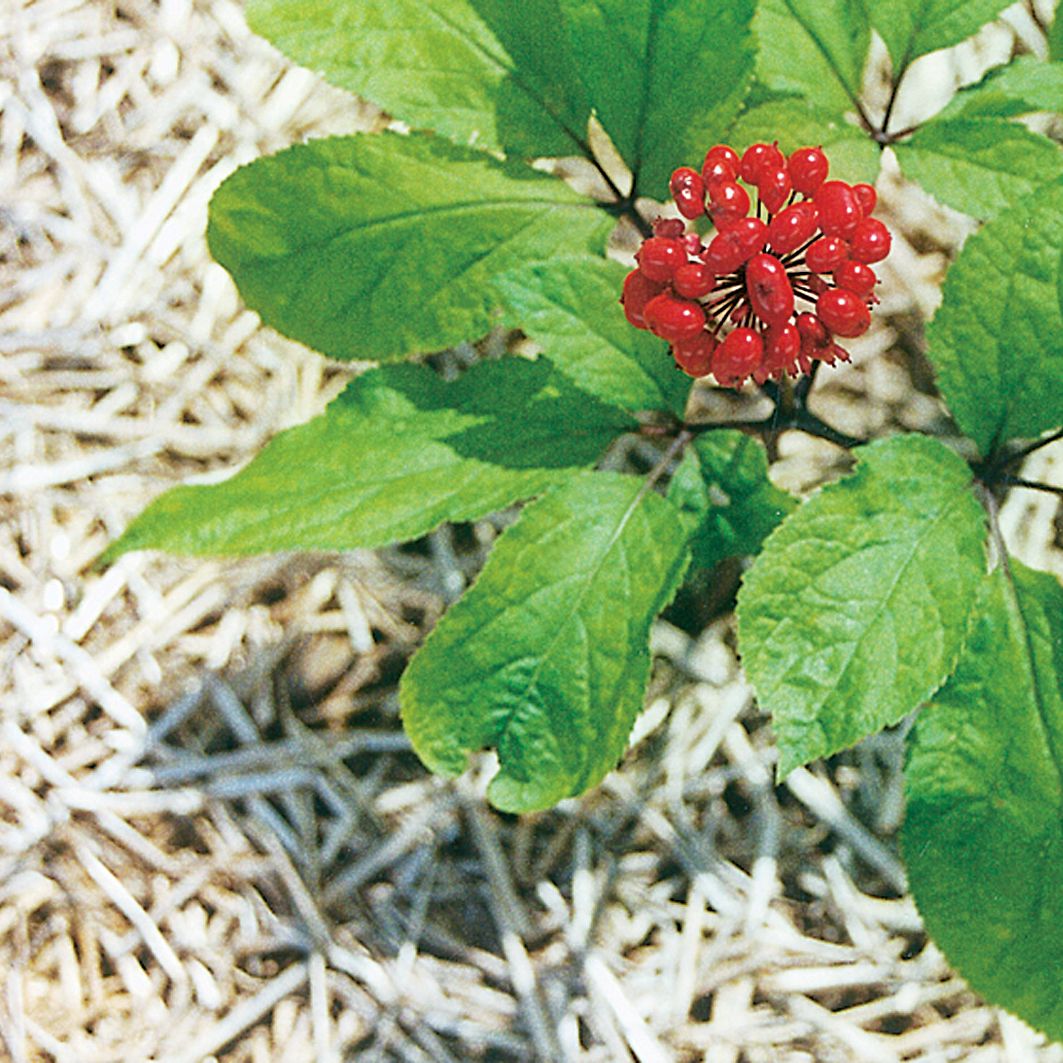 Korean Ginseng: Tradition, Research and Safety고려인삼Fresh, white and red ginseng, what clinical research does and doesn't show, how Korea regulates red ginseng products, and the interactions worth knowing about.
- Plant-Based Korean Eating채식으로 즐기는 한식Which banchan are naturally plant-based, what temple cooking teaches about building flavor without meat, and where fish and seafood hide in everyday Korean dishes.
- Postpartum Food Traditions산후조리와 음식Sanhujori, Korea's tradition of postpartum rest and warm food, and miyeok-guk as a new mother's first meal. What is custom, what research shows, and why iodine deserves attention.
- Seafood, Omega-3s and Mercury생선과 오메가-3, 그리고 수은Fish and shellfish in the Korean diet, what omega-3 fats are, and how US and Korean mercury advice applies to mackerel, anchovies, tuna and other familiar seafood.
- Seaweed and Iodine해조류와 요오드Gim, miyeok and dashima are rich in iodine, in very different amounts. Measured ranges, upper limits, thyroid cautions and the postpartum miyeok-guk tradition.
- Sesame and Perilla Oils참기름과 들기름Korea's two traditional cooking oils: how their fats differ, why perilla oil goes rancid quickly, how to store both, and how they are used.
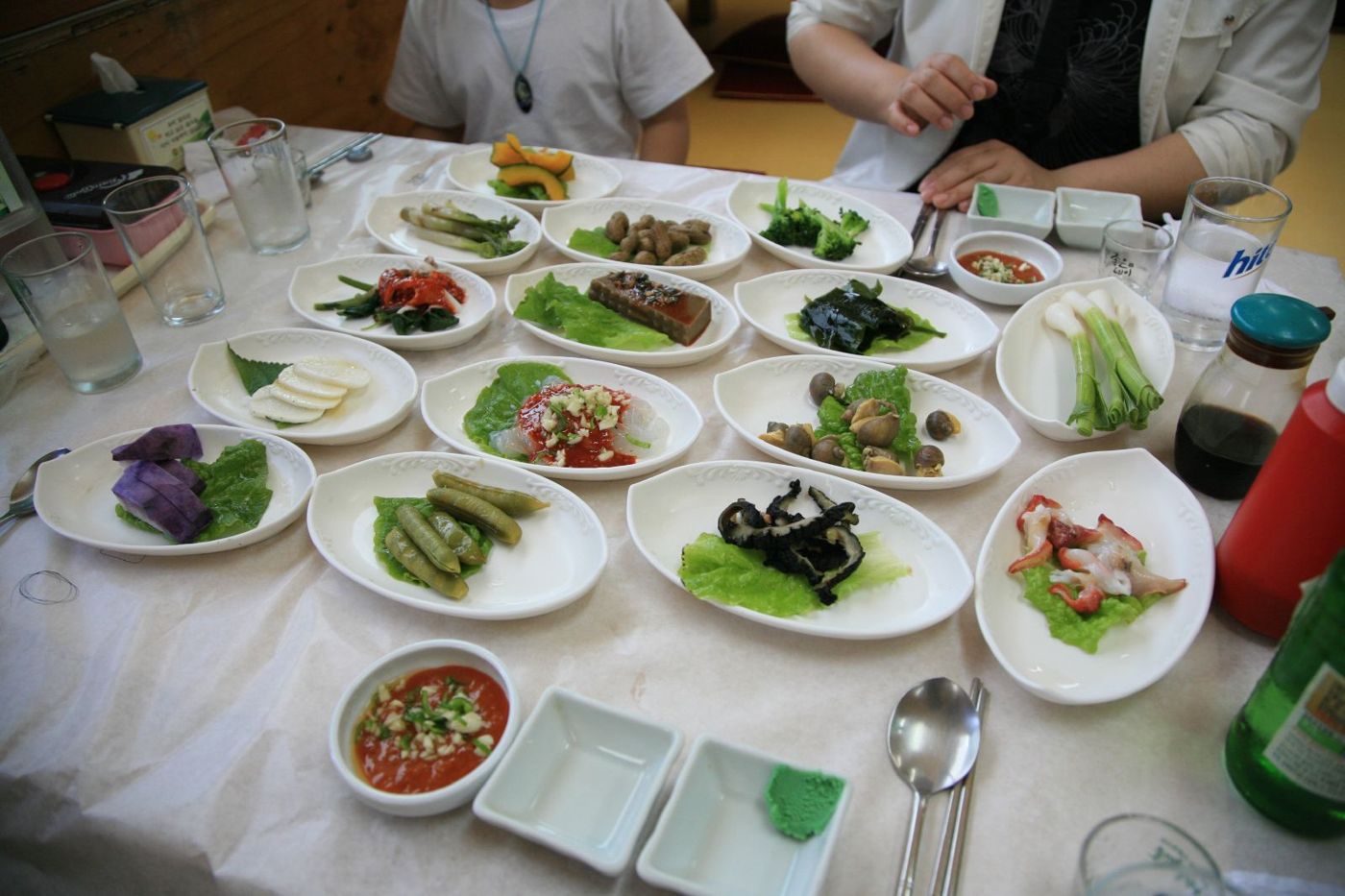 Sharing Banchan: Eating Together함께 나누는 반찬Shared side dishes are the heart of the Korean table. The customs and manners around them, how hygiene habits have changed, and portions that suit sharing.
- Sodium in Korean Food한식과 나트륨Where the salt in Korean cooking comes from, how Korean intake compares with the WHO recommendation, and ways to cut back without losing flavor.
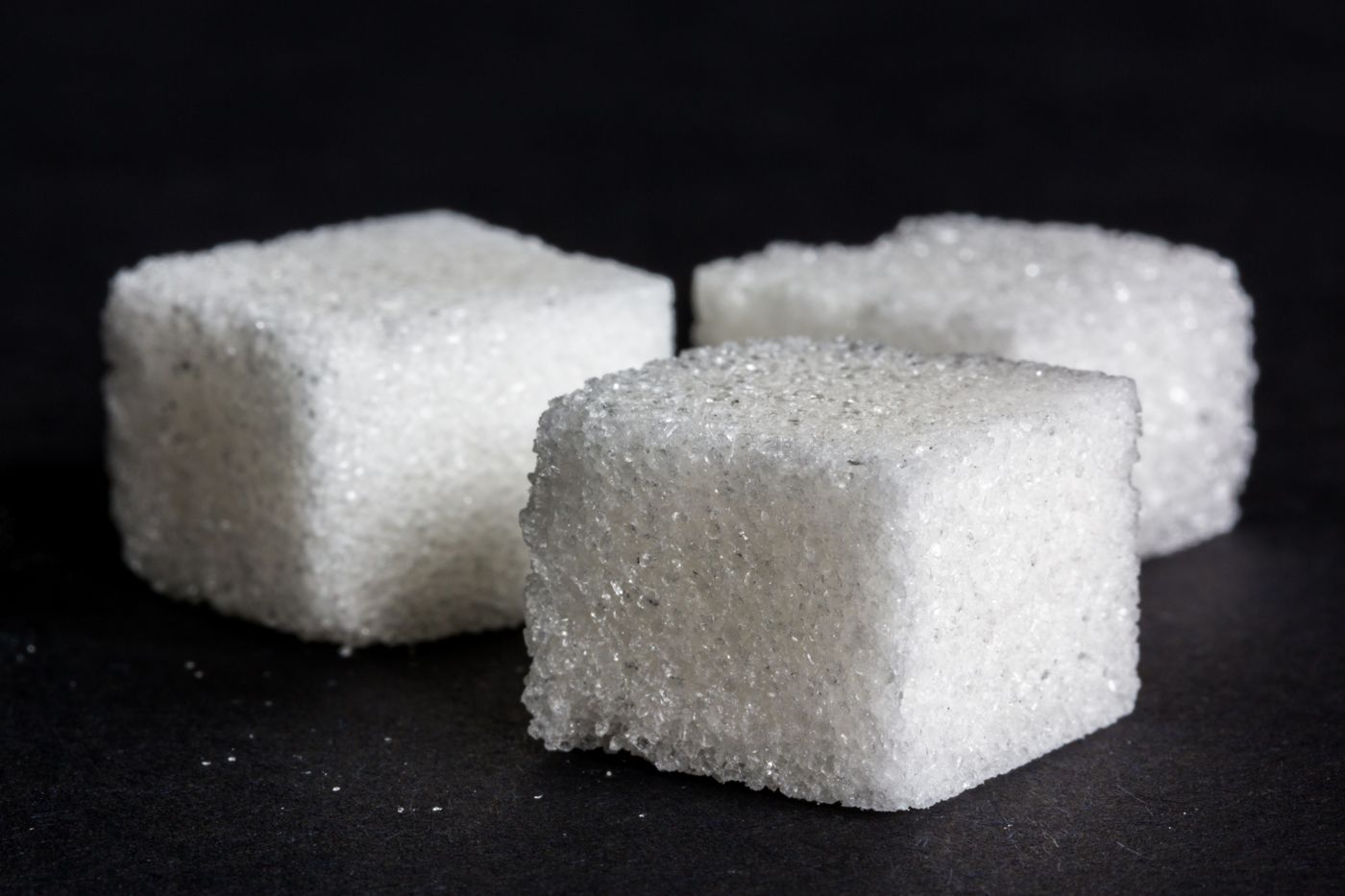 Sugar in Korean Food한식과 당류Where sugar and syrups hide in Korean cooking, from glossy jorim and bulgogi marinades to sweet drinks, how Korean intake compares with WHO advice, and easy ways to cut back.
- The Balanced Korean Meal균형 잡힌 한식 밥상Rice, soup, kimchi and a spread of banchan: how the everyday Korean table is built, and what nutrition research says about it.
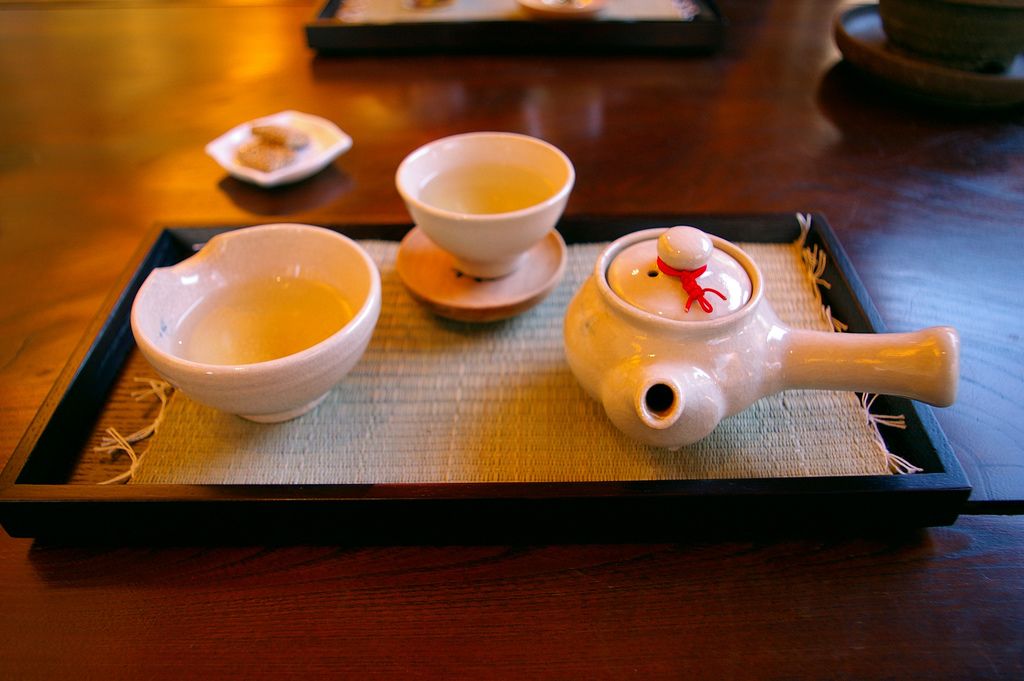 Traditional Korean Teas한국의 전통차Barley, corn, yuja, omija, ginger and jujube: the grain, fruit and root infusions Koreans call cha, how they are made and the traditions around them.
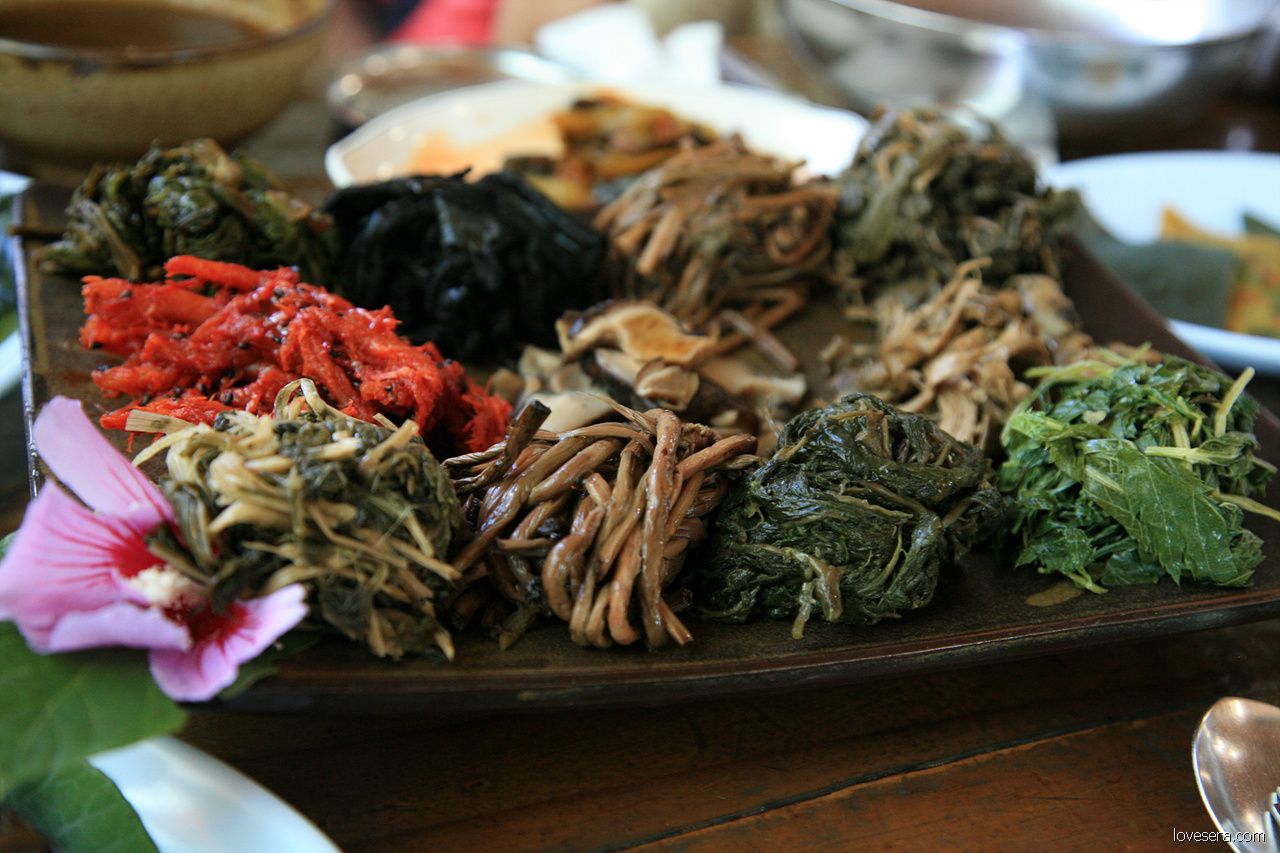 Vegetables and Namul채소와 나물From spinach and bean sprouts to foraged mountain greens, namul show how Korean cooking turns a wide range of vegetables into everyday side dishes.
- Vitamin K and Leafy Greens비타민 K와 잎채소Perilla leaves, spinach, crown daisy and other Korean greens are rich in vitamin K. What that means for everyday eating, and why people on warfarin aim for consistency.
- What Research Says About the Korean Diet한식 식단 연구A plain-language look at studies of the traditional Korean diet: survey-based patterns, cohort and trial findings, the limits of the evidence, and the sodium trade-off.
- Whole Grains and Japgokbap잡곡밥과 통곡물Mixed-grain rice and barley rice, from everyday necessity to a modern choice. What whole-grain research shows, and practical mixes to cook at home.
- Yaksik Dongwon: Food and Medicine From One Source약식동원The saying that food and medicine share a source: where the phrase really comes from, its older roots, and how it colors Korean eating as a cultural belief.