Ingredient
Egg (gyeran)
계란
Romanization: gyeran
The everyday protein of the Korean table: rolled into gyeran-mari, steamed into puffy gyeran-jjim, simmered in soy for gyeran-jangjorim, and cut into thin yellow and white ribbons of jidan to garnish soups and noodles.
Flavor
Mild, rich and savory, with a creamy yolk; eggs take on soy, salted shrimp or broth readily, and their texture ranges from silky steamed custard to tender layered omelet to firm, chewy soy-braised whites.
Origin & History
Koreans use two words for the hen's egg: dalgyal, the native word, and gyeran, from the Sino-Korean characters for "chicken" and "egg"; both are standard and appear side by side in recipe names. Eggs have been eaten since ancient times. The Encyclopedia of Korean Culture notes that a pottery vessel holding eggs was found in Gyeongju's Tomb No. 155, the Silla royal tomb known as Cheonmachong, yet no egg recipes survive from before the Joseon period.
Joseon cookbooks such as the 17th-century Gyugon siuibang (also known as Eumsik dimibang) record a wide range of egg dishes: nantang, eggs cracked into boiling broth and lifted out as they set, much like a poached egg; aljjim, beaten eggs seasoned with salted shrimp and steamed in an earthenware pot set on the rice; paengnan, hard-boiled eggs; and alssam, thin egg sheets folded around a filling and pan-fried. Thin omelet sheets were also cut into garnishes and used to coat jeon. Aljjim is a clear forerunner of today's gyeran-jjim.
For much of the 20th century eggs were a luxury. The Korean Food Promotion Institute recalls that a fried egg on top of a school lunchbox was once something classmates envied; only as poultry farming expanded did eggs become the cheap, ubiquitous ingredient they are now. Today they appear in rolled omelets, steamed custards, soy-braised banchan, as a fried egg on bibimbap, and as jidan on tteokguk and noodles.
Nutrition
| Calories | 140 kcal |
|---|---|
| Protein | 12.86 g |
| Fat | 8.51 g |
| Carbohydrates | 1.07 g |
| Fiber | 0 g |
| Sodium | 137 mg |
Notable forVitamin A (119 µg) · Riboflavin (0.32 mg) · Selenium (27 µg) · Iodine (42 µg)
Values copied from the Korean Food Composition Table (Rural Development Administration / National Institute of Crop Science) for this exact food, per 100 g edible portion. The same entry lists about 388 mg of cholesterol per 100 g, nearly all of it in the yolk. Actual values vary with ingredients, portion size and preparation.
Health Benefits
- Compact nutrition: Eggs provide high-quality protein along with vitamin A, riboflavin, selenium and iodine; the Encyclopedia of Korean Culture notes that most of the fat and vitamins sit in the yolk.
- Egg allergy: Eggs are one of the nine major food allergens under U.S. law. They also hide in jeon batters, fish cakes and many noodle dishes.
- Salmonella risk: The FDA warns that even clean, uncracked eggs may carry Salmonella. It advises refrigerating eggs at 40°F (4°C) or below, cooking them until both yolk and white are firm, and cooking egg dishes such as gyeran-jjim to 160°F (71°C).
- Soft and raw egg toppings: A runny yolk on bibimbap or a raw egg stirred into hot noodles may not be fully cooked; for dishes where eggs are served raw or undercooked, the FDA suggests eggs that have been treated to destroy Salmonella, such as in-shell pasteurized eggs.
- Soy-braised eggs: Gyeran-jangjorim absorbs a salty soy braise, so it is meant as a small side rather than a main portion.
Informational, not medical advice. Talk to a qualified professional about your own health and diet.
Dishes with Egg (gyeran)
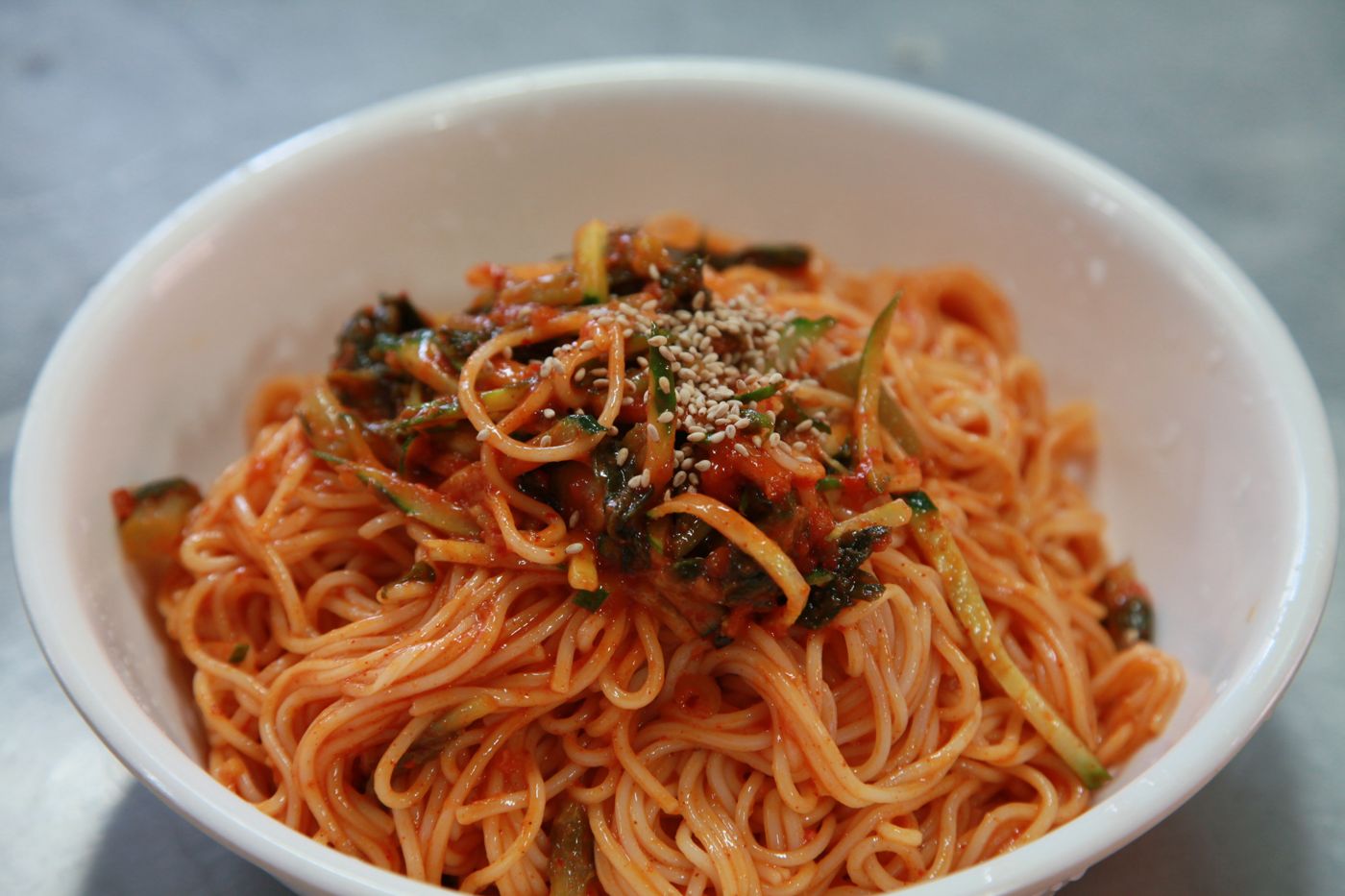 Bibim-guksu (Spicy Mixed Noodles)비빔국수Thin wheat noodles tossed cold in a sweet, sour and spicy gochujang dressing with cucumber, kimchi and egg — a modern turn on the soy-dressed goldongmyeon of Joseon.
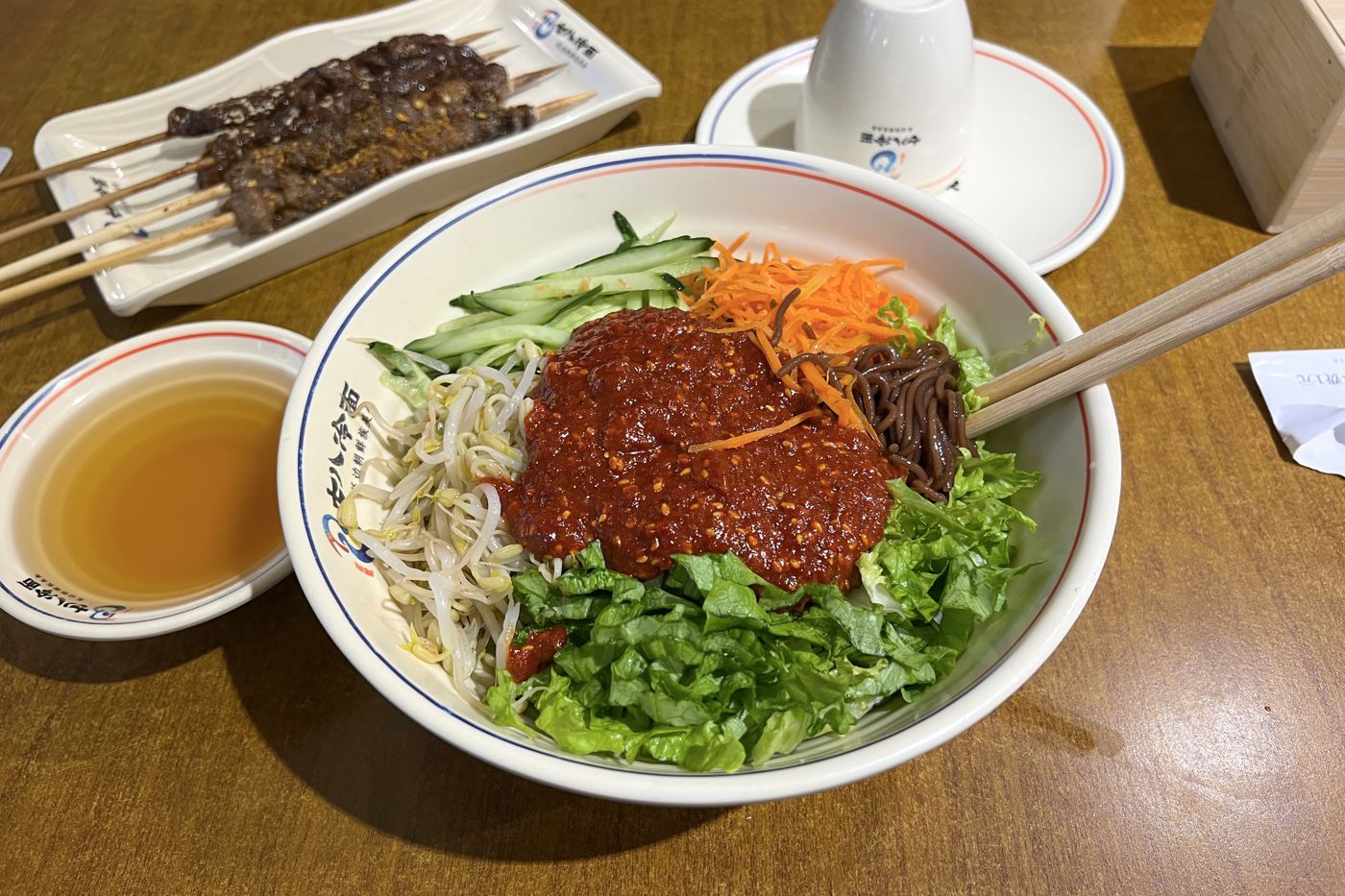 Bibim-naengmyeon (Spicy Mixed Cold Noodles)비빔냉면Chewy starch noodles tossed in a sweet, vinegary chili sauce, topped with cucumber, pear and egg — the Hamheung tradition of hoe-naengmyeon, carried south by refugees.
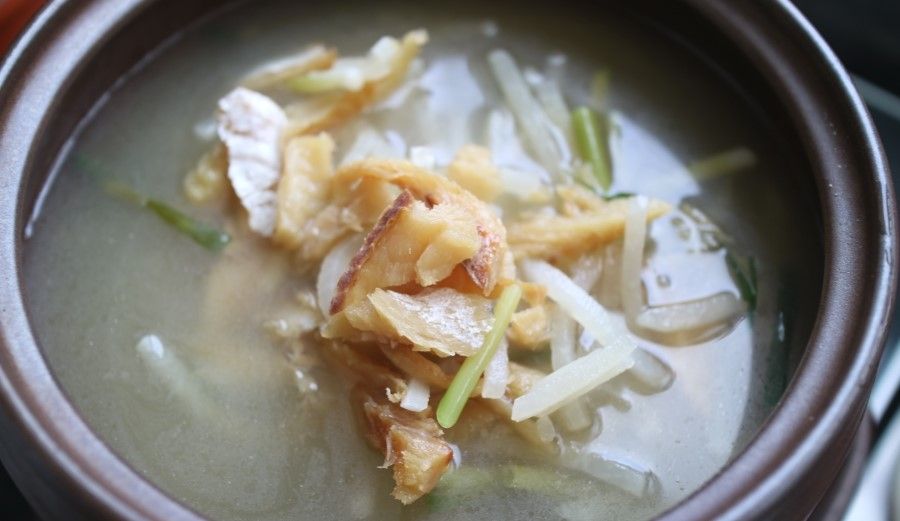 Bugeo Guk (Dried Pollock Soup)북엇국Shredded dried pollock sautéed in sesame oil and simmered into a milky, savory broth with radish, tofu and a ribbon of egg — Korea's favorite morning-after soup.
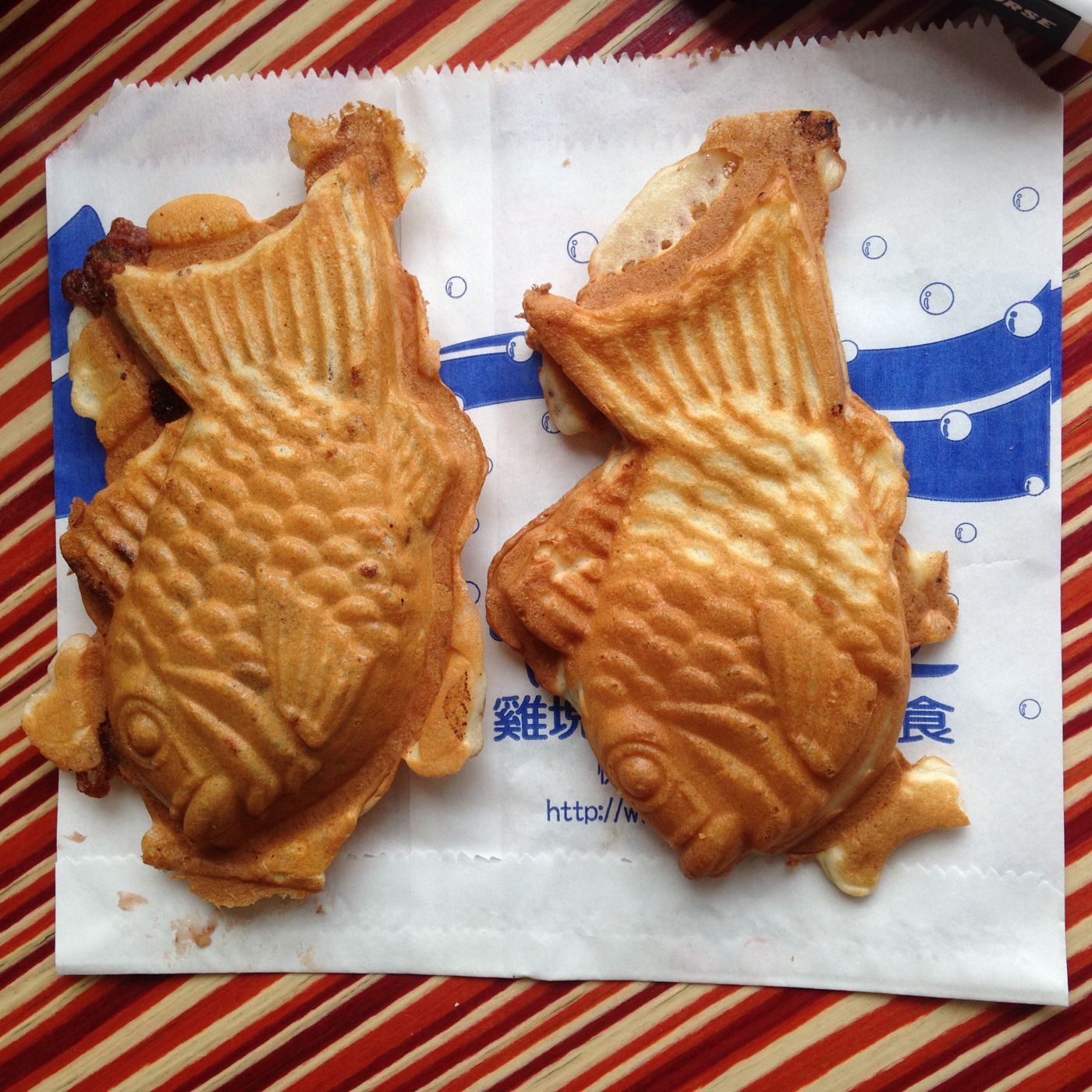 Bungeoppang (Fish-Shaped Red Bean Pastry)붕어빵Thin wheat batter baked in a fish-shaped iron mold around sweet red bean paste — a winter street snack descended from Japan's taiyaki.
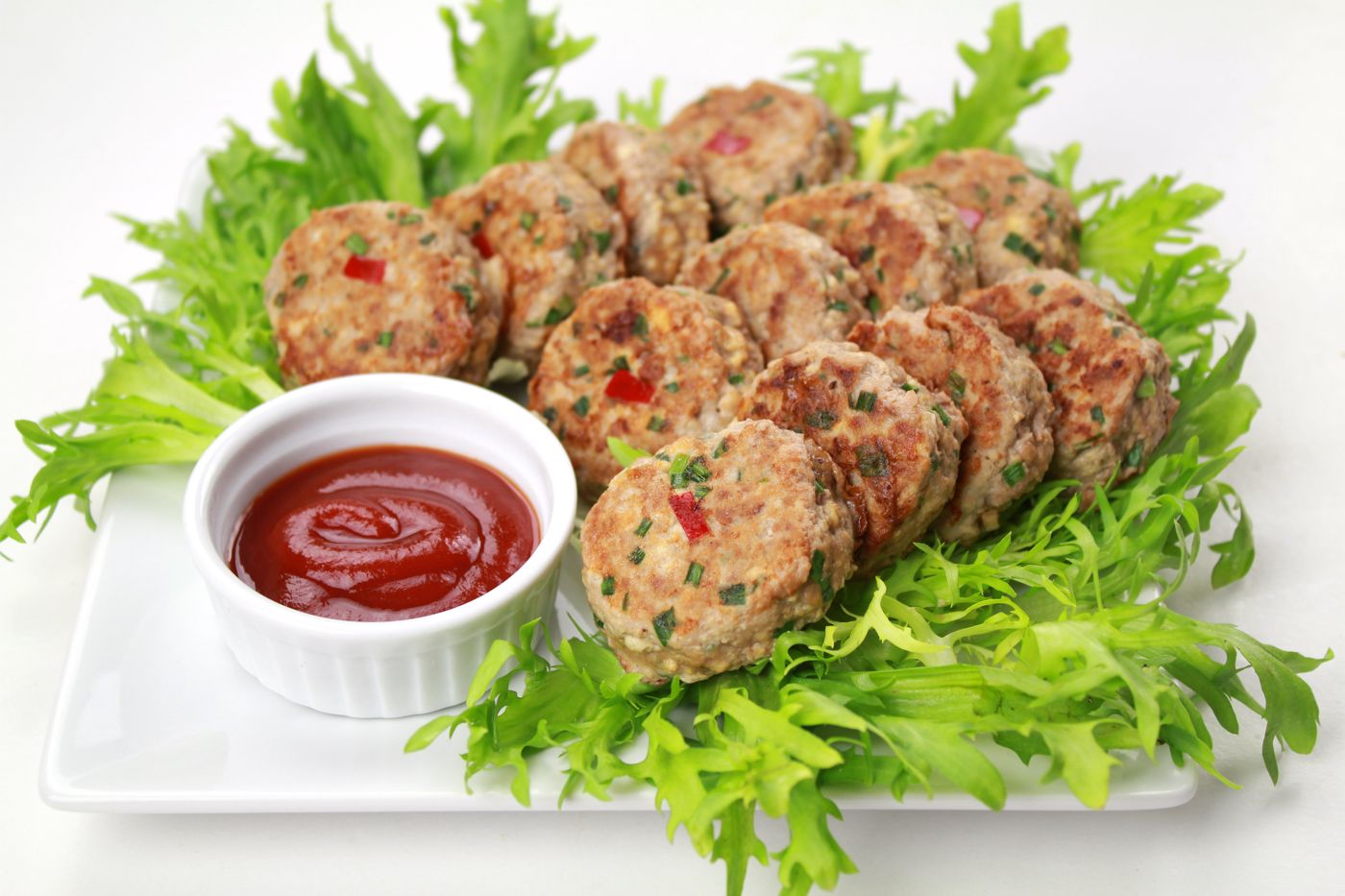 Donggeurang-ttaeng (Meat and Tofu Patties)동그랑땡Coin-sized patties of minced pork or beef and mashed tofu, dipped in flour and egg and pan-fried — a fixture of holiday jeon platters and lunchboxes.
- Gaji Jjim (Steamed Stuffed Eggplant)가지찜Short lengths of eggplant slit and packed with seasoned beef and mushroom, steamed until silky and dressed with a light soy sauce — a refined summer banchan.
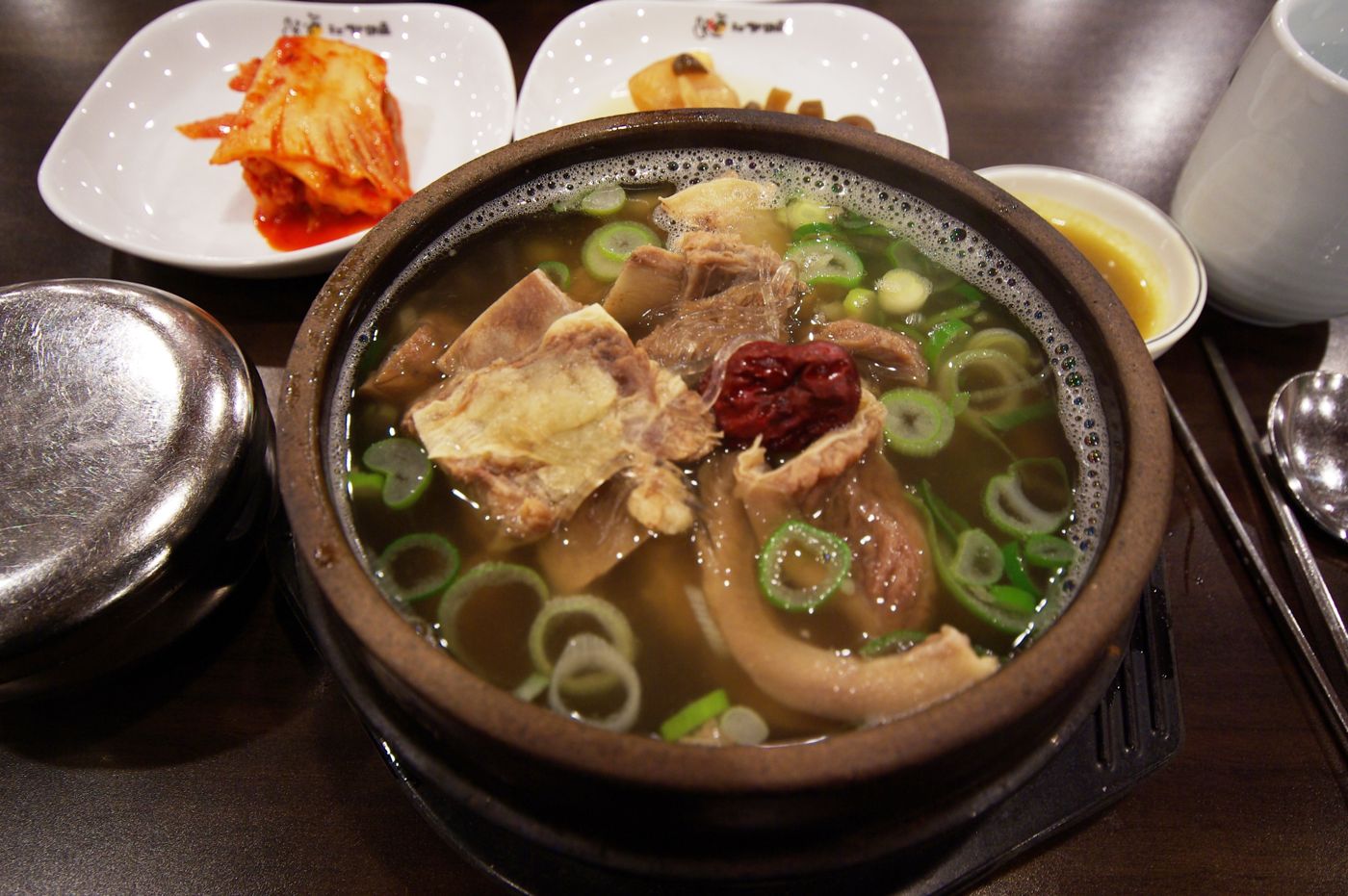 Galbitang (Beef Short Rib Soup)갈비탕Beef short ribs simmered until the meat slips from the bone, served in a clear, soy-seasoned broth with radish — a court banquet soup turned everyday restaurant bowl.
- Gamja Salad (Korean Potato Salad)감자샐러드Mashed boiled potato folded with egg, cucumber, carrot and mayonnaise — a soft, mildly sweet modern banchan served alongside rice, kimchi and namul.
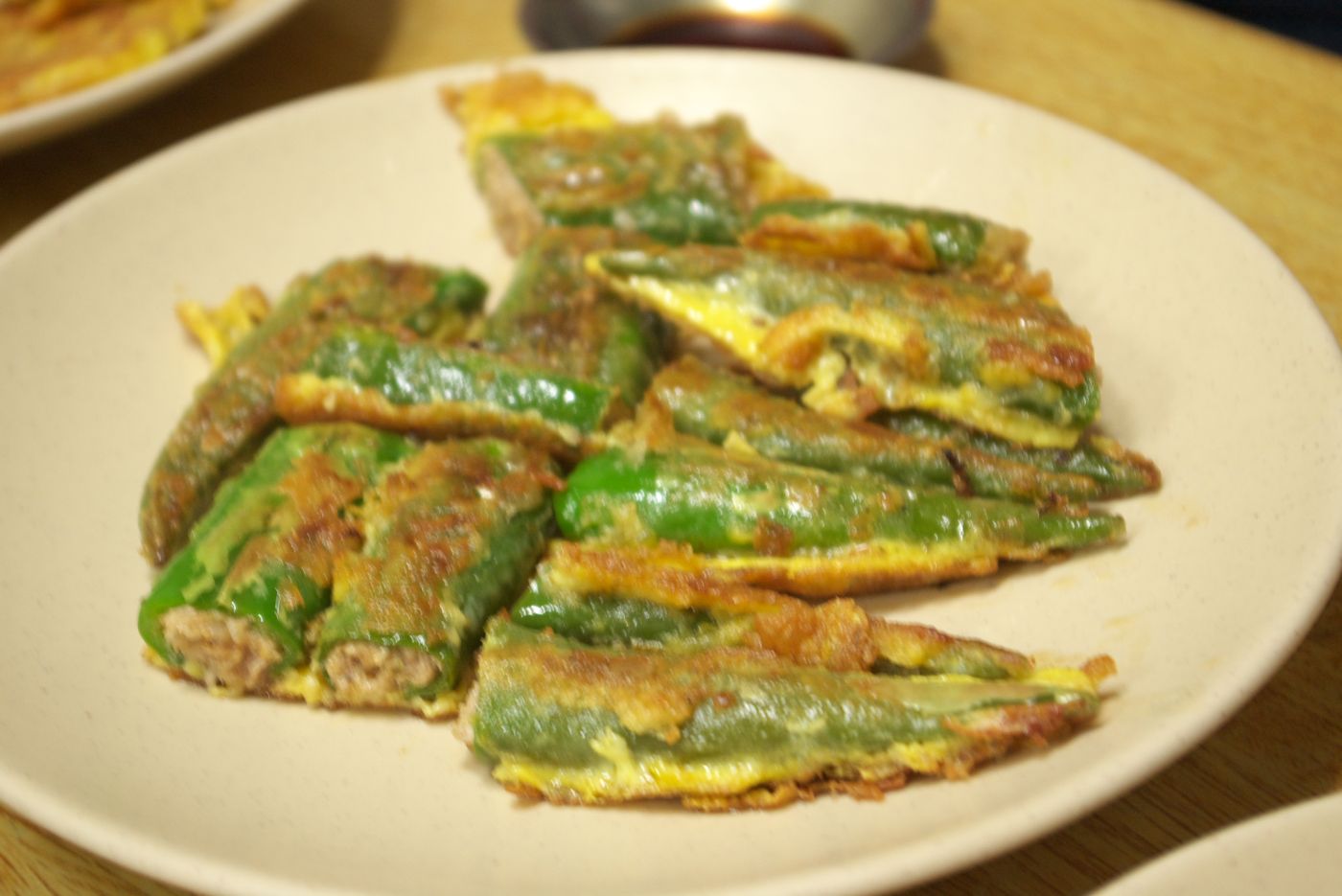 Gochu-jeon (Stuffed Green Chili Peppers)고추전Mild green chili peppers split, filled with seasoned meat and tofu, then coated in flour and egg and pan-fried — a bright green, gently spicy jeon.
- Gul-jeon (Pan-Fried Oysters)굴전Plump oysters dusted with flour, dipped in beaten egg and pan-fried until golden: a briny, tender jeon for banquet tables and everyday banchan.
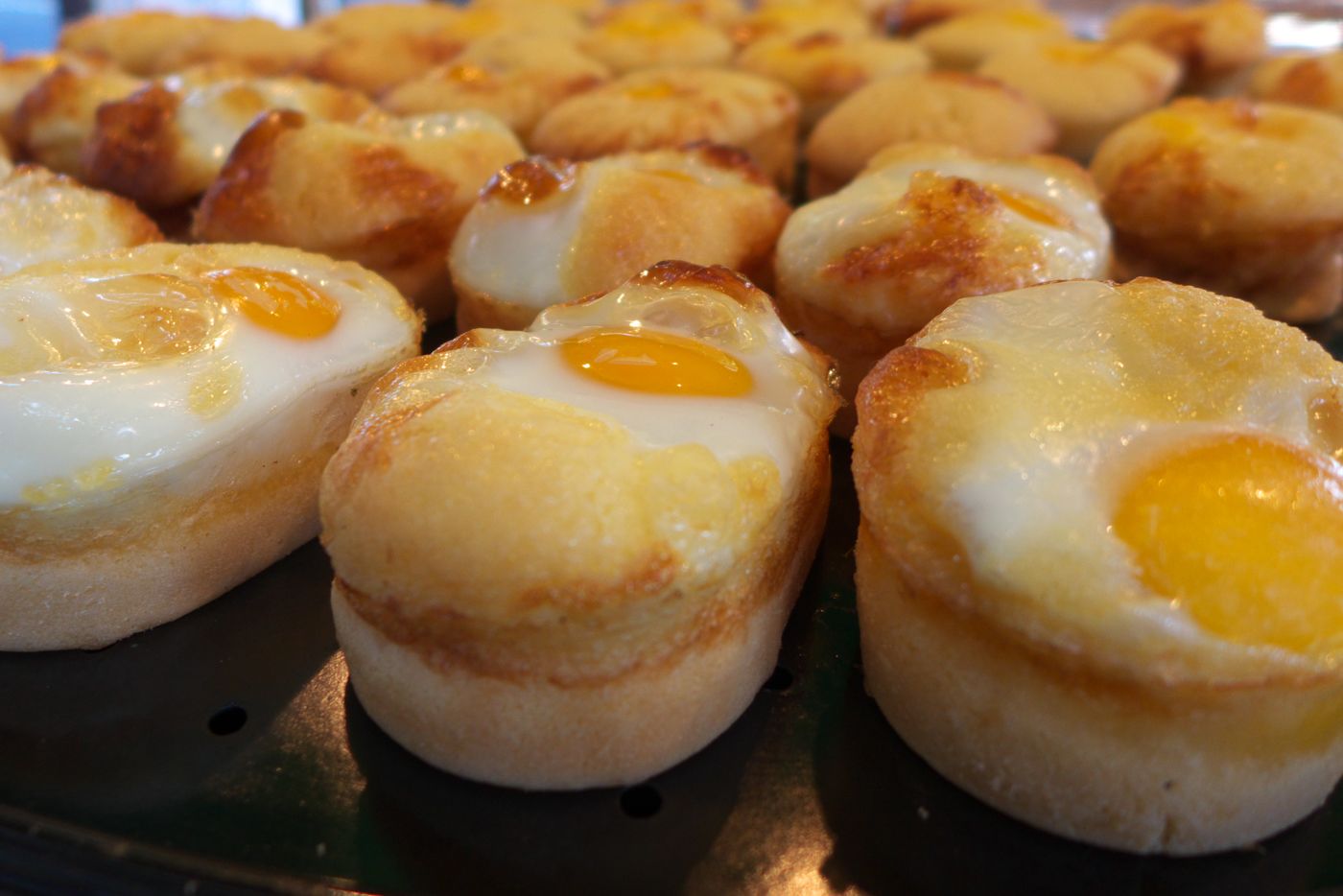 Gyeranppang (Egg Bread)계란빵A small oval of lightly sweet batter baked around a whole egg in a hinged metal mold — a warm, filling street snack of Korean winters since the 1970s and 80s.
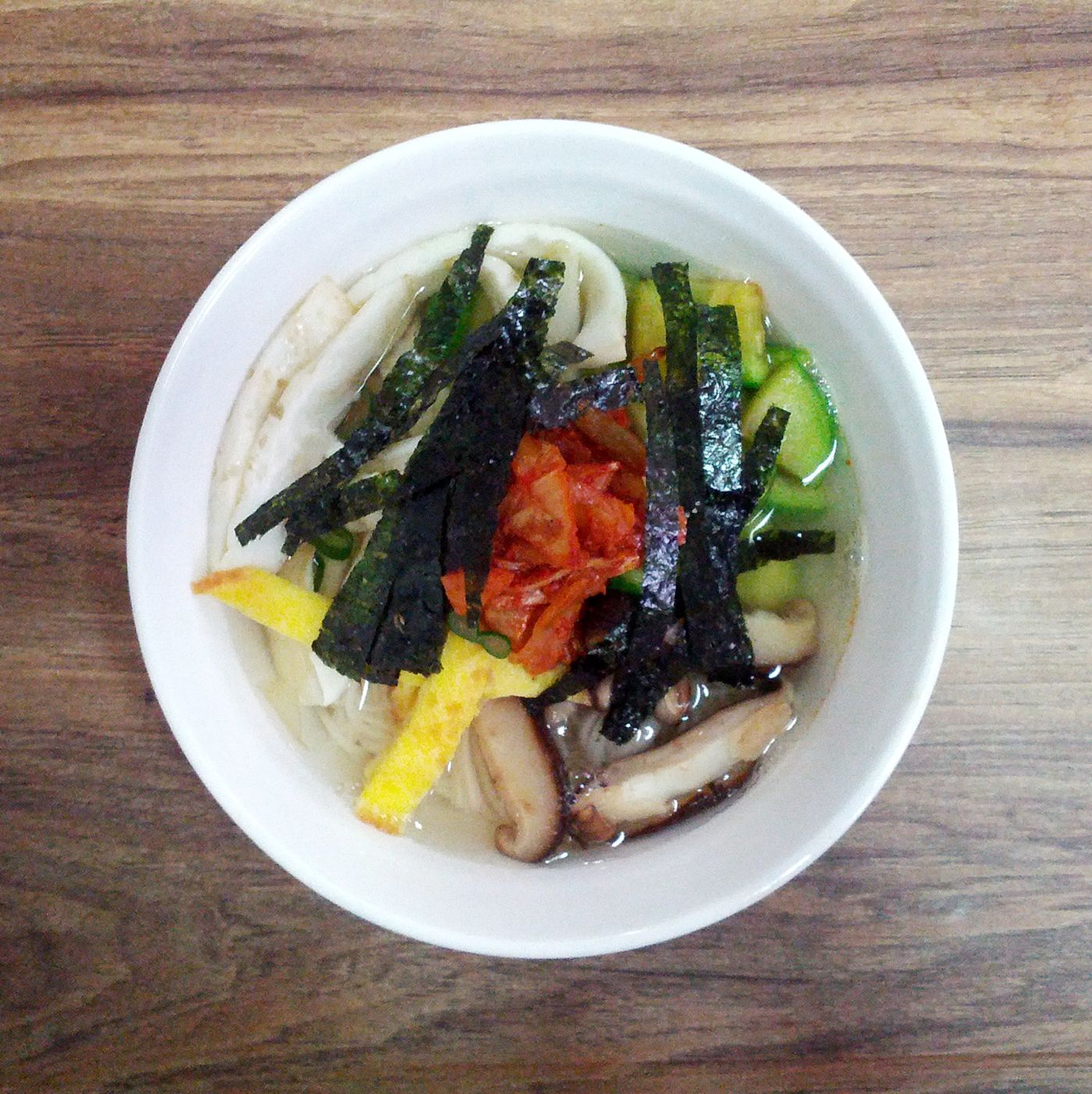 Janchi Guksu (Banquet Noodles)잔치국수Thin wheat noodles in a hot, clear anchovy or beef broth, topped with egg strips, zucchini and kimchi — the long-life noodles served at weddings and birthdays.
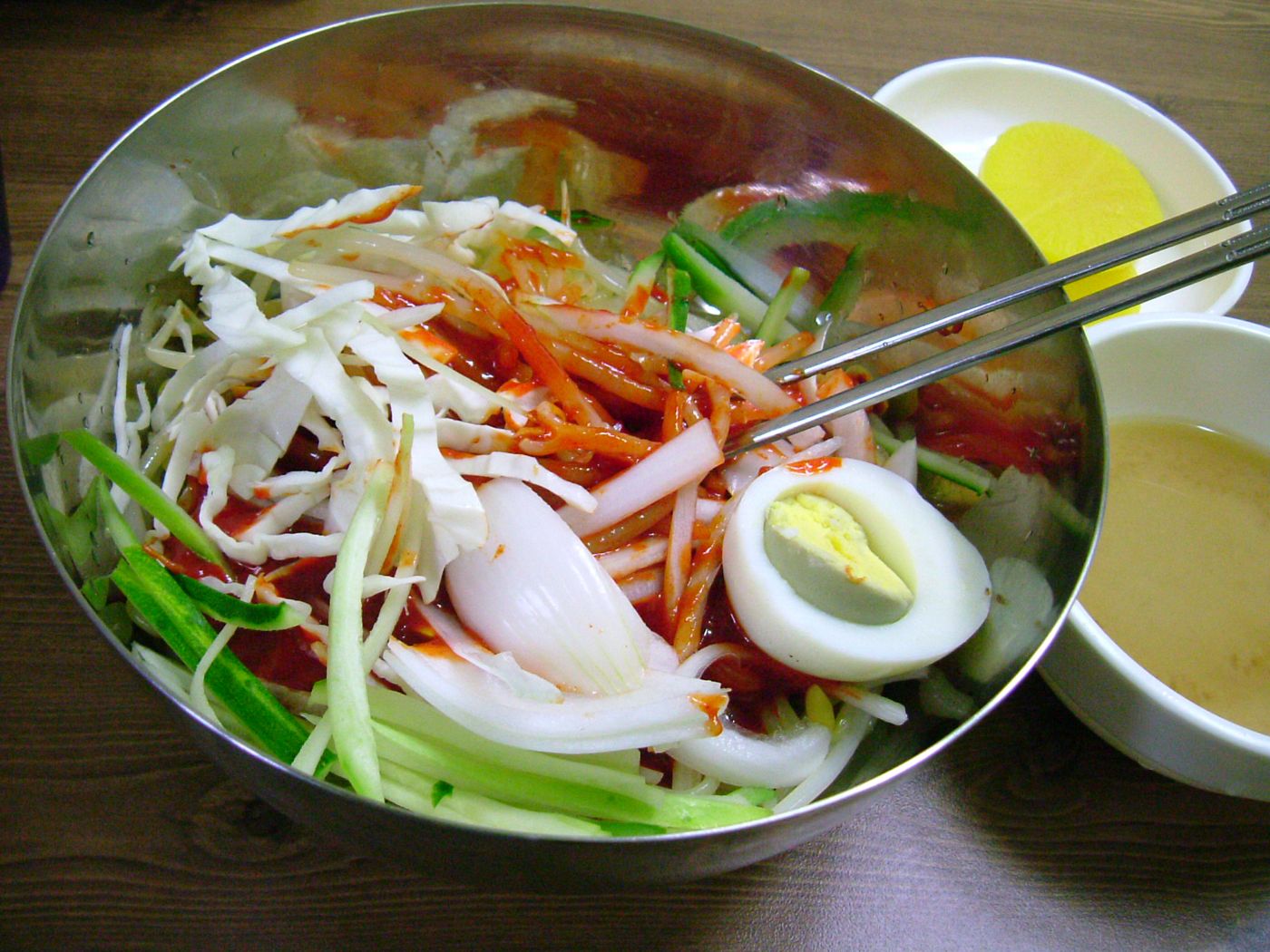 Jjolmyeon (Chewy Spicy Noodles)쫄면Thick, rubbery-chewy wheat noodles tossed cold in a sweet-sour gochujang sauce with cabbage, sprouts and egg — a snack-bar classic invented in 1970s Incheon.
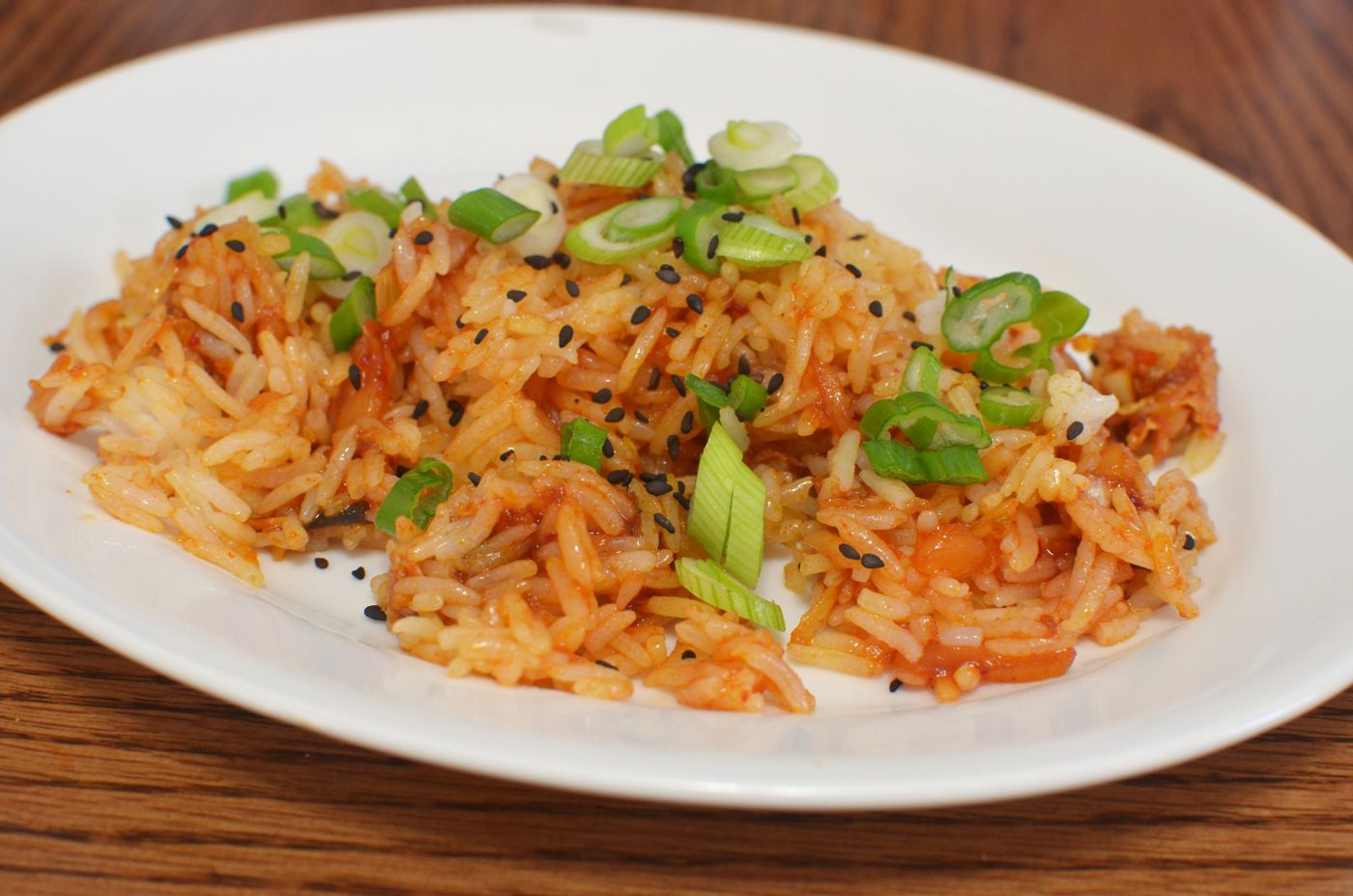 Kimchi-bokkeumbap (Kimchi Fried Rice)김치볶음밥Leftover rice stir-fried with sour, well-fermented kimchi and a little pork, usually topped with a fried egg — a home staple that spread with frying pans and cooking oil.
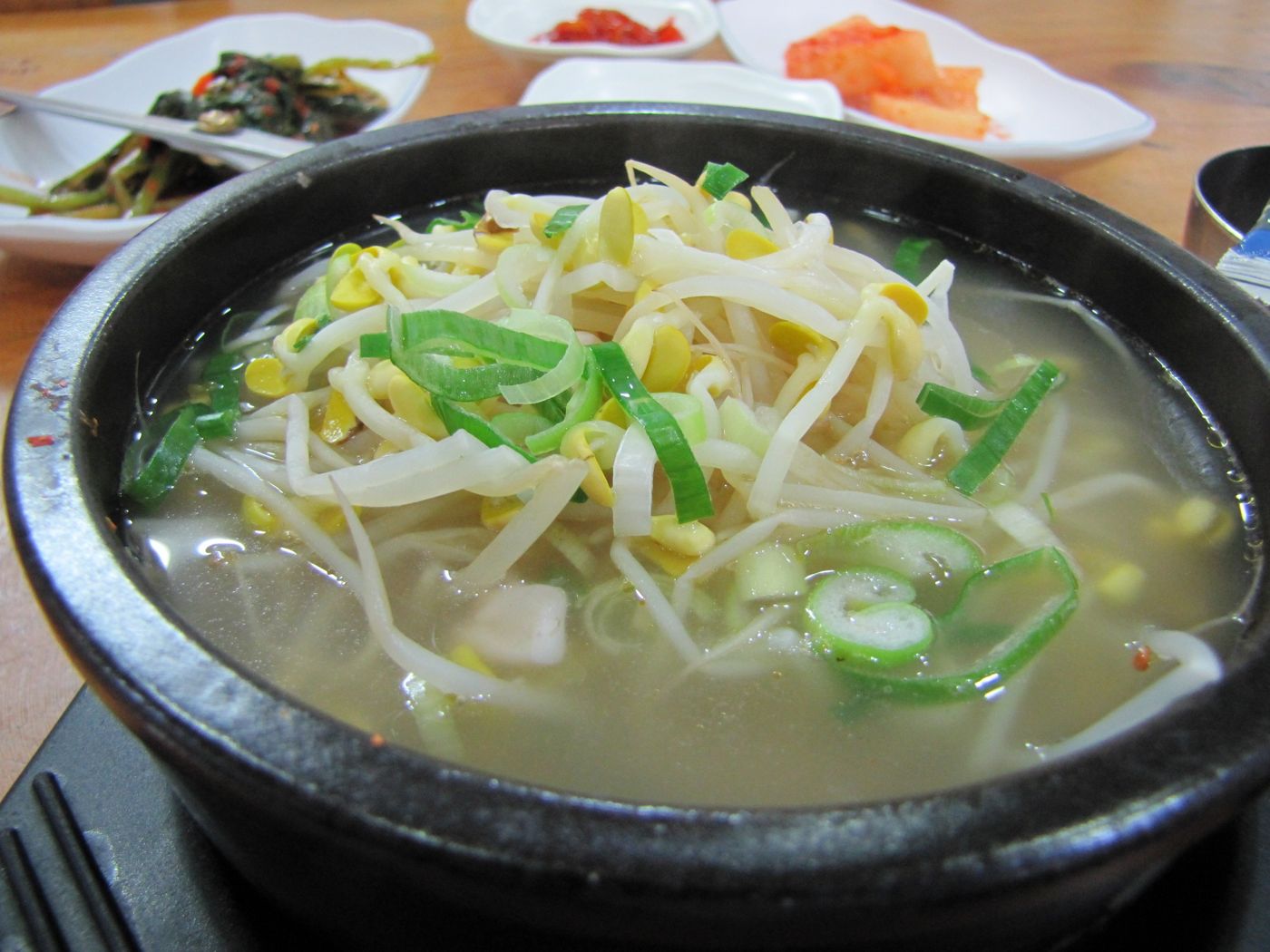 Kongnamul Gukbap (Jeonju Soybean-Sprout Rice Soup)콩나물국밥Rice and crisp soybean sprouts in a clear, savory broth, finished with egg, salted shrimp and kimchi. Jeonju's market breakfast and morning-after bowl.
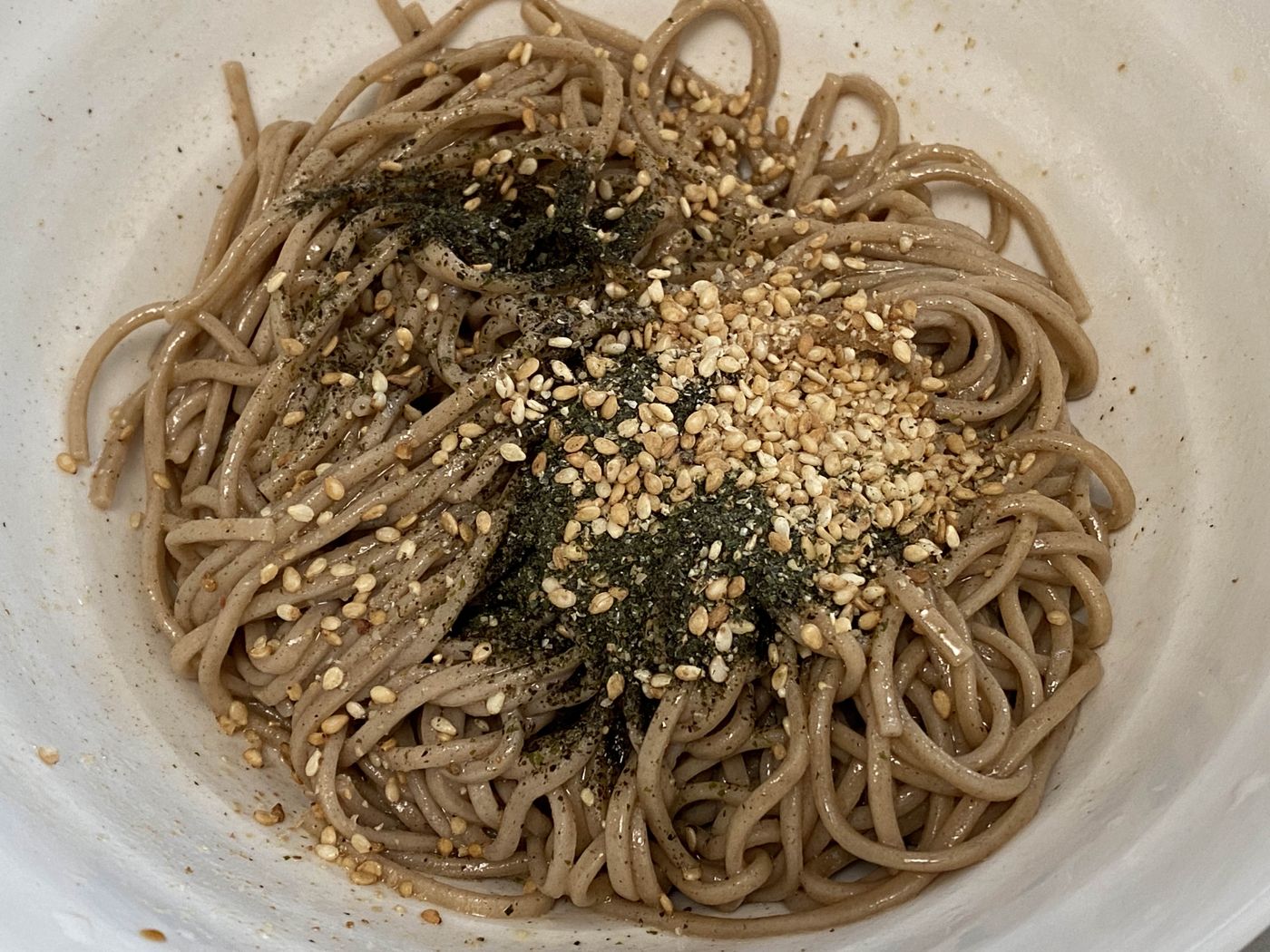 Makguksu (Gangwon Buckwheat Noodles)막국수Coarse, grayish buckwheat noodles served in cold dongchimi broth or tossed with spicy sauce — a Gangwon mountain dish most famously eaten in Chuncheon.
 Mandu (Korean Dumplings)만두Thin wrappers folded around pork, tofu, kimchi and sprouts, then steamed or boiled — a Goryeo-era arrival from China that became a winter staple of the North.
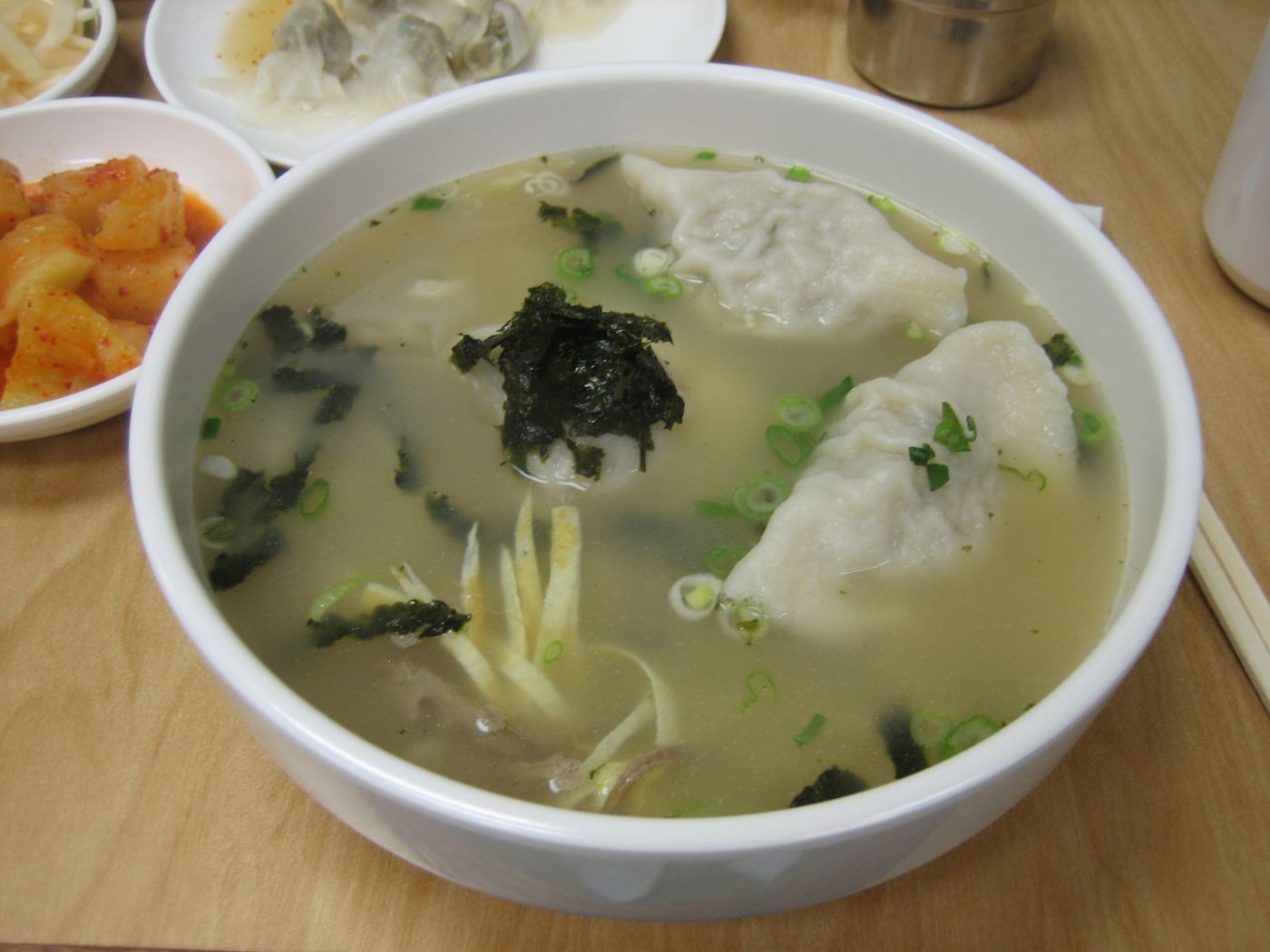 Manduguk (Dumpling Soup)만둣국Stuffed dumplings simmered in a clear, savory broth, usually beef-based and topped with egg strands and green onion. A winter and New Year dish with northern roots.
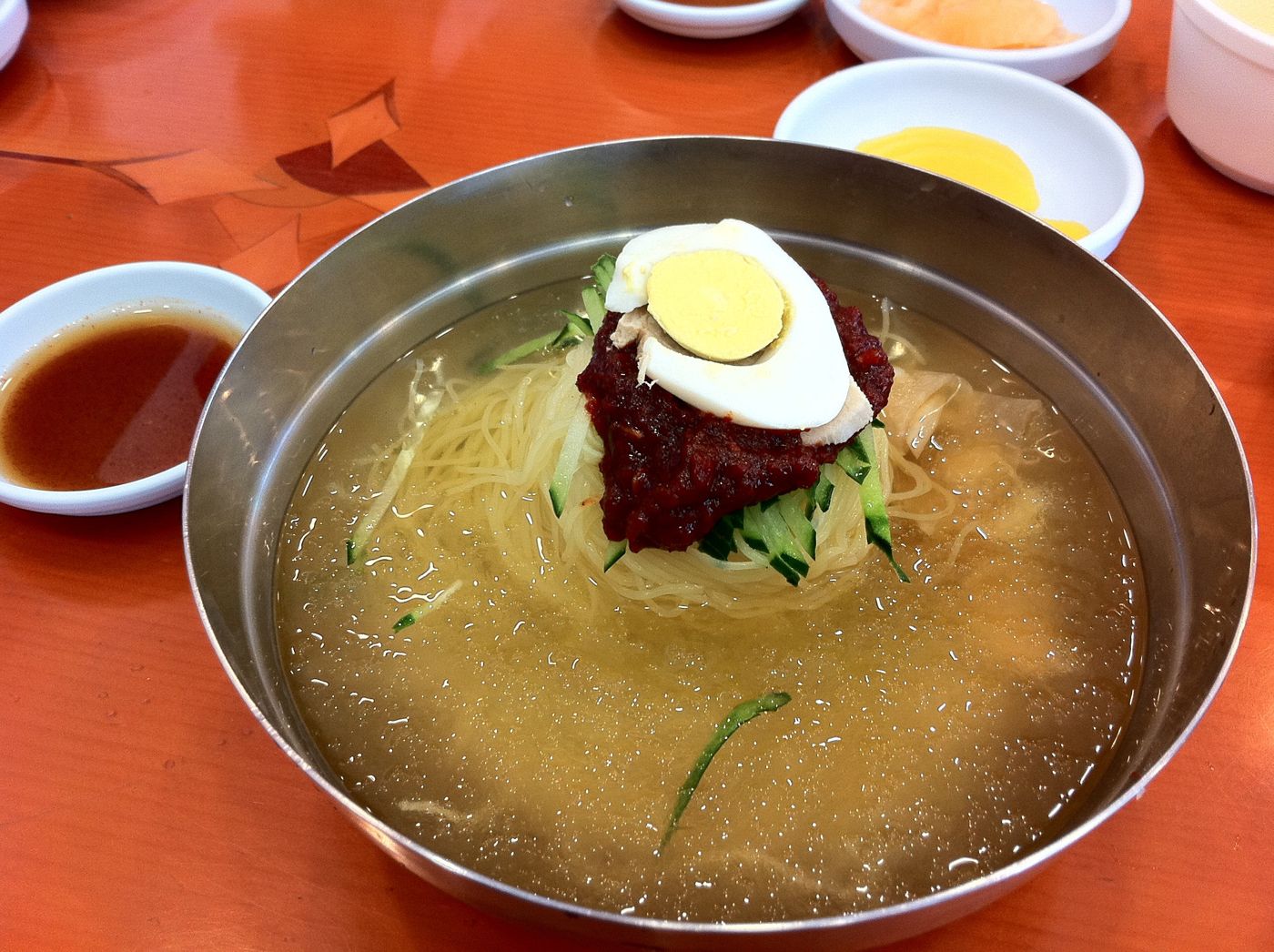 Milmyeon (Busan Wheat Cold Noodles)밀면Chewy wheat-and-starch noodles in an icy, sweet-sour beef broth or tossed in chili paste — Busan's refugee-era answer to northern naengmyeon.
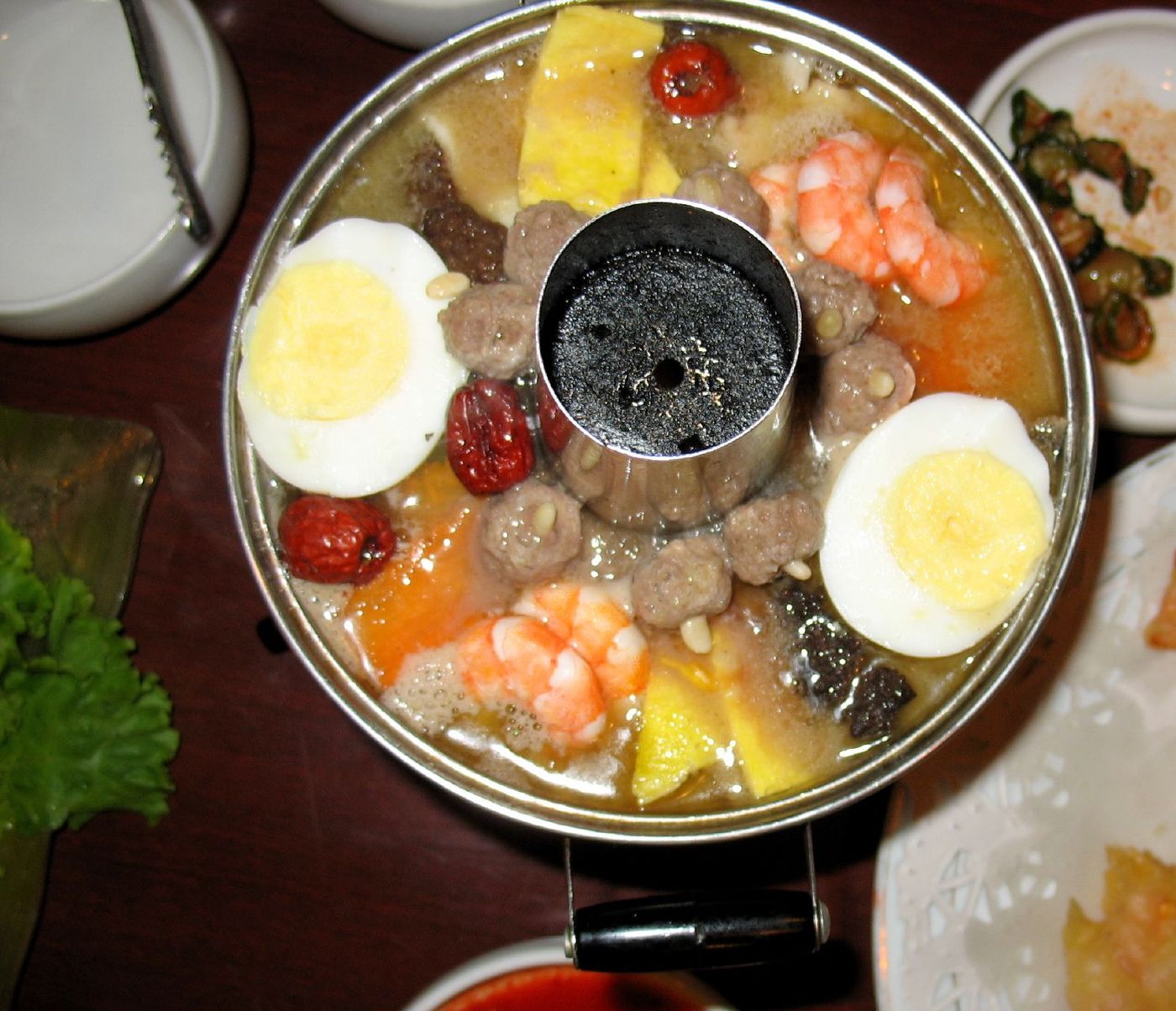 Sinseollo (Royal Hot Pot)신선로A court banquet dish of colorful beef, fish, egg, mushrooms and vegetables arranged in a chimney-centered brazier pot, with hot broth poured over and kept warm at the table.
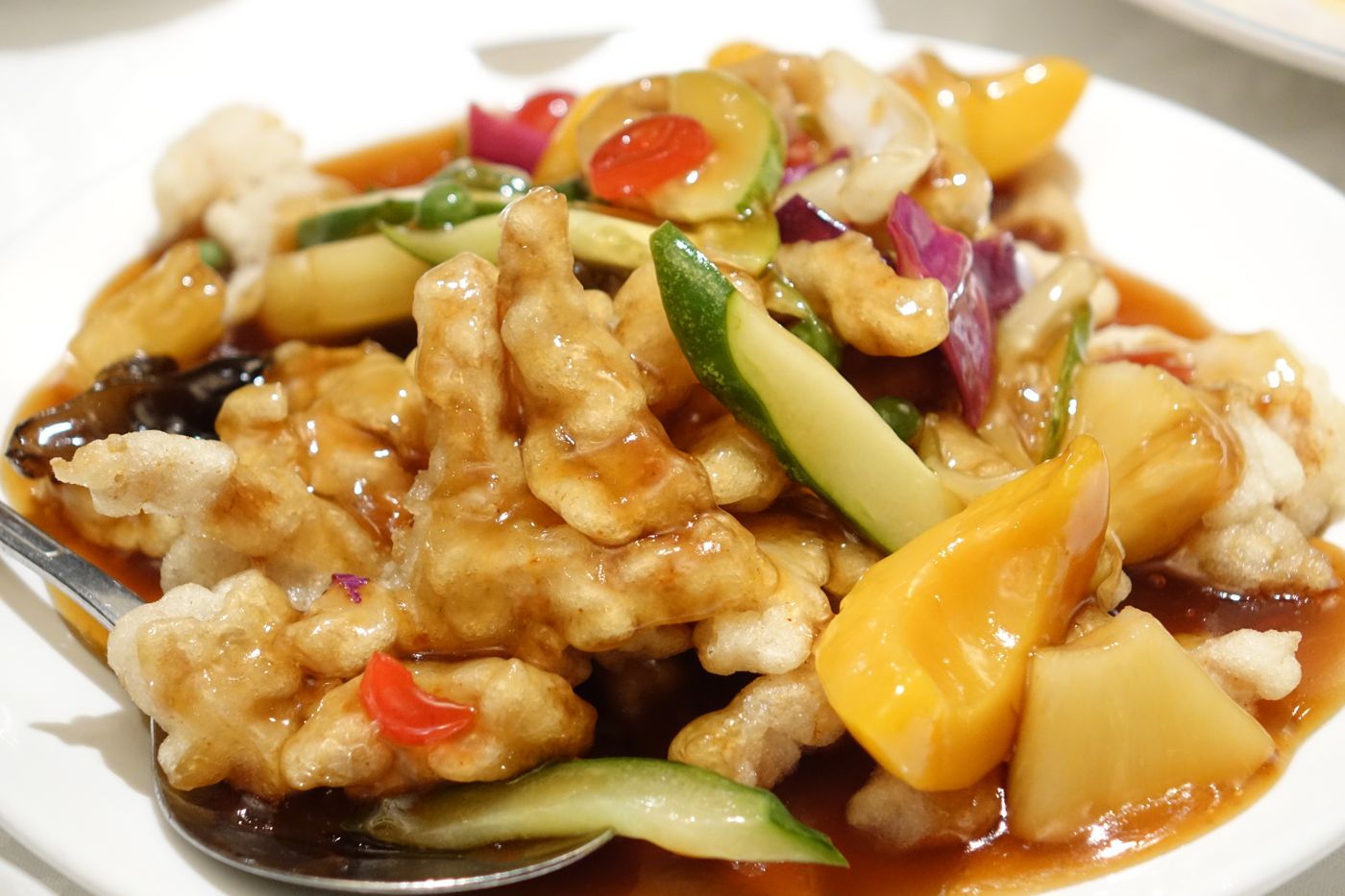 Tangsuyuk (Sweet and Sour Pork)탕수육Strips of pork in a crisp starch batter, fried twice and dressed with a glossy sweet-and-sour vegetable sauce — the shared platter of the Korean-Chinese restaurant.
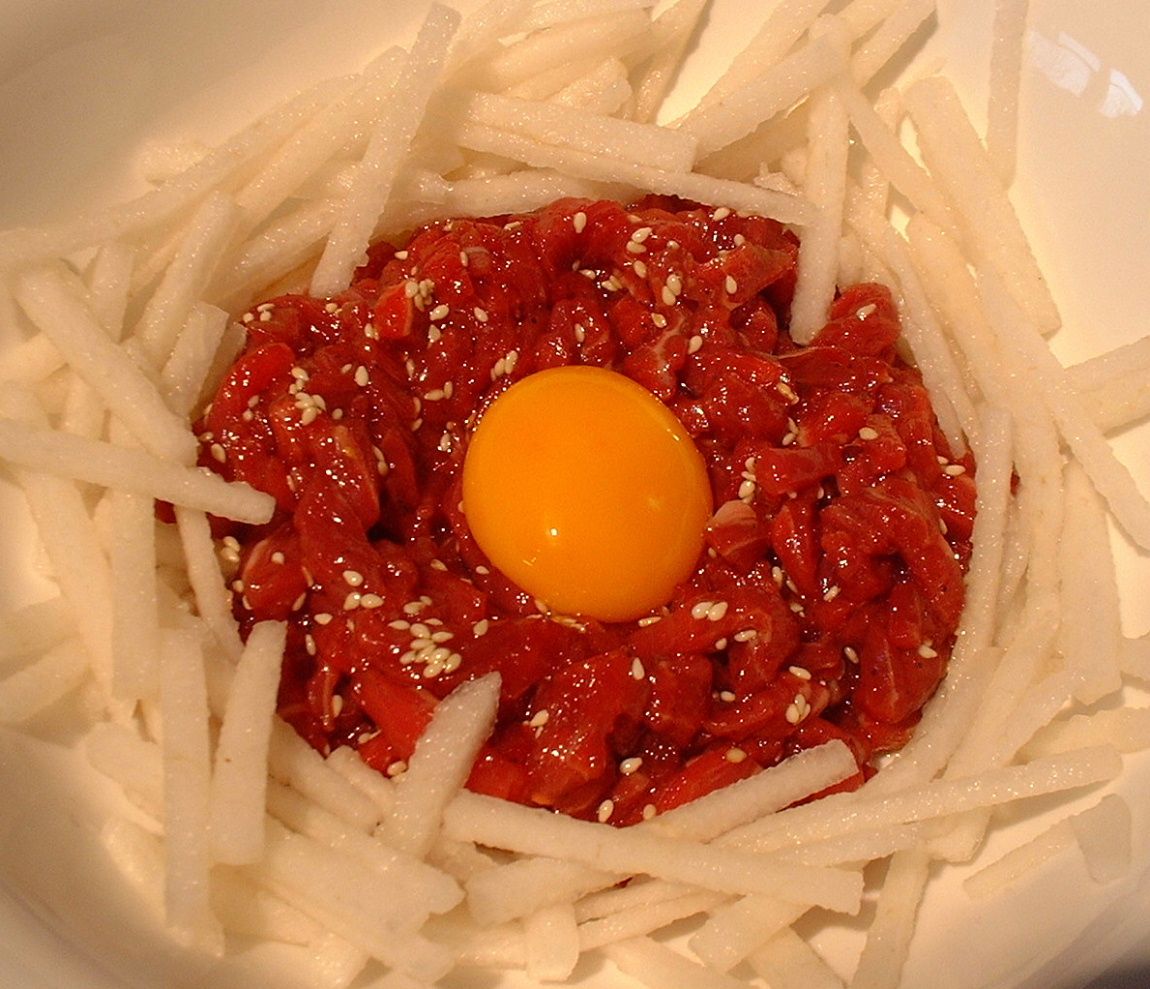 Yukhoe (Korean Seasoned Raw Beef)육회Thinly cut raw lean beef dressed with soy, sesame oil and garlic, served over Korean pear with an egg yolk. A festive, long-standing dish that needs the freshest meat and careful handling.
- Yukjeon (Beef Jeon)육전Thin slices of lean beef, lightly marinated, dipped in flour and egg and pan-fried — an ancestral-rite jeon that Gwangju has made into a specialty.
Sources
- 01달걀 (Egg) — Encyclopedia of Korean Culture
- 02변신의 귀재, 달걀 (The Master of Transformation: Eggs) — Hansik magazine, Korean Food Promotion Institute
- 03Korean Food Composition Table — Egg (Dalgyal), Whole, Raw
- 04What You Need to Know About Egg Safety — U.S. Food and Drug Administration
- 05Food Allergies — U.S. Food and Drug Administration