The Banchan Encyclopedia
Regions
지역
How climate, coastline and history shape the food of each part of Korea.
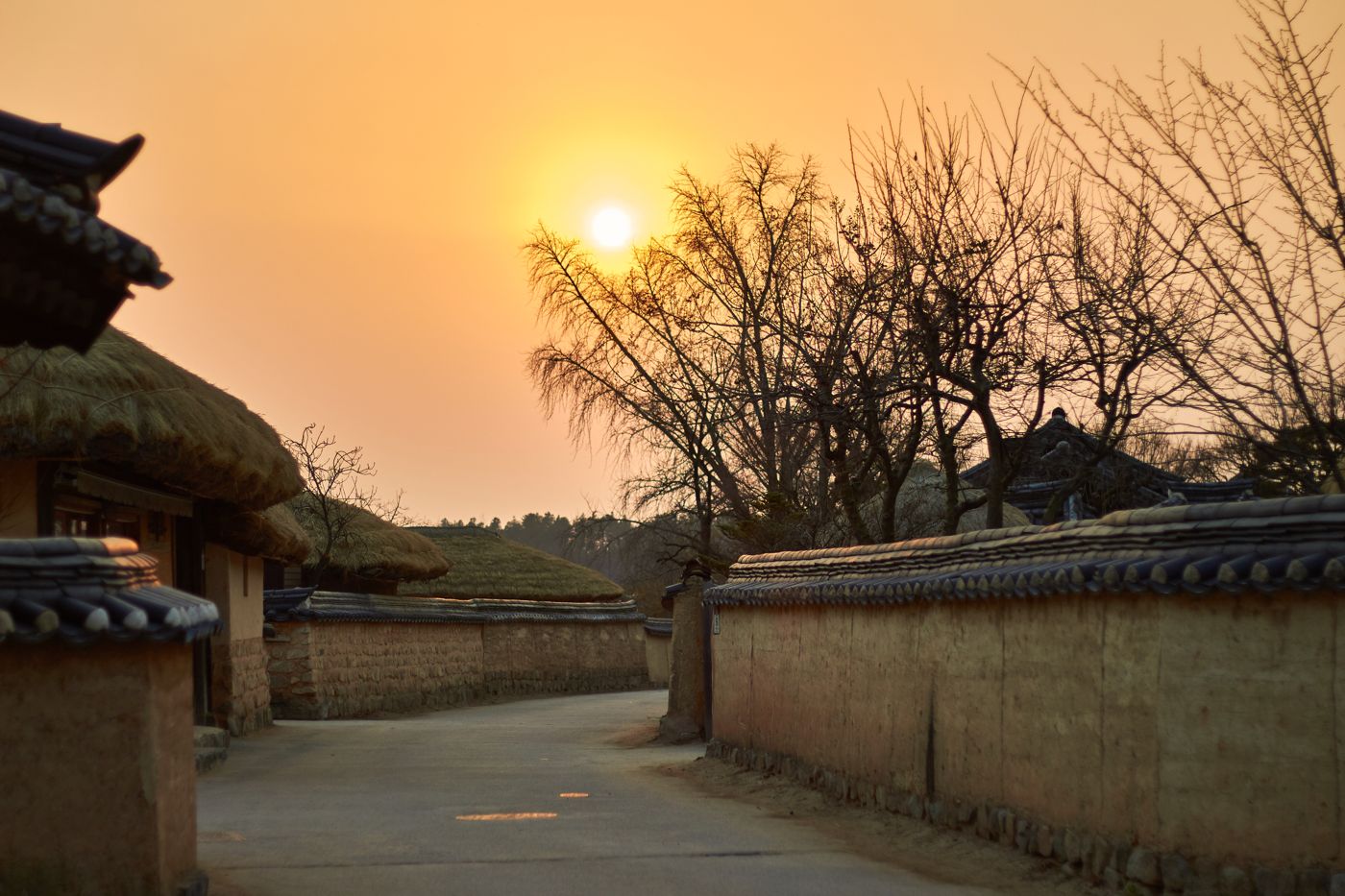 Andong안동An inland Confucian town whose food grew from ancestral rites: 'fake' ritual rice, salted mackerel carried in from the coast, distilled soju and a modern jjimdak.
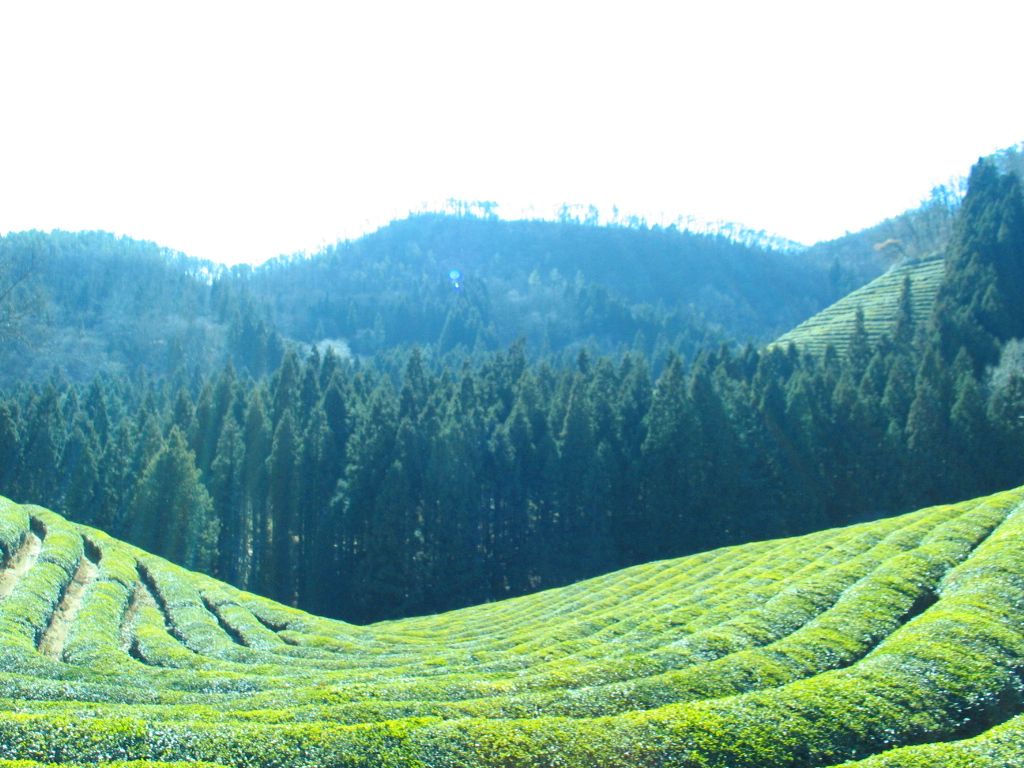 Boseong보성A South Jeolla county of terraced green tea on misty hills and, in its seaside town of Beolgyo, the cockles of Yeoja Bay's rich mudflats.
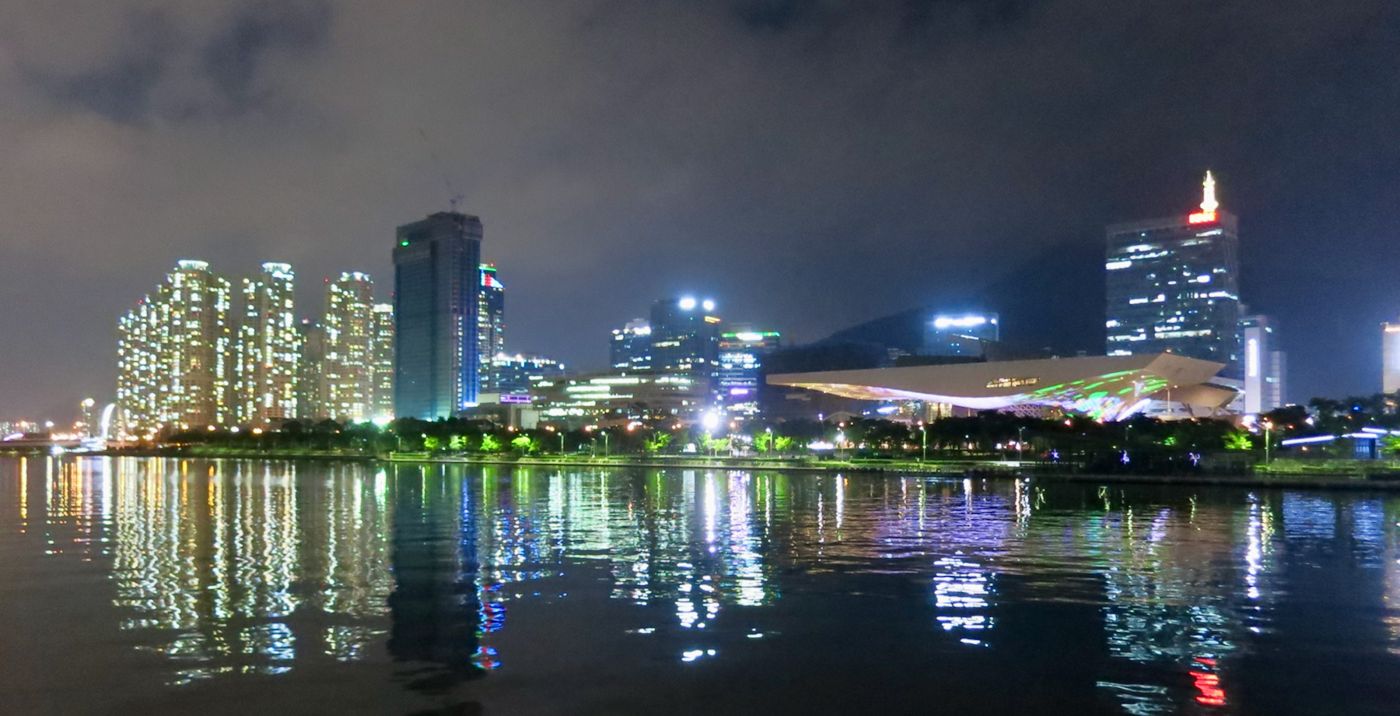 Busan부산Korea's great port: a seafood market run by women vendors, and dishes like fish cakes, wheat noodles and pork soup that grew out of the Korean War refugee years.
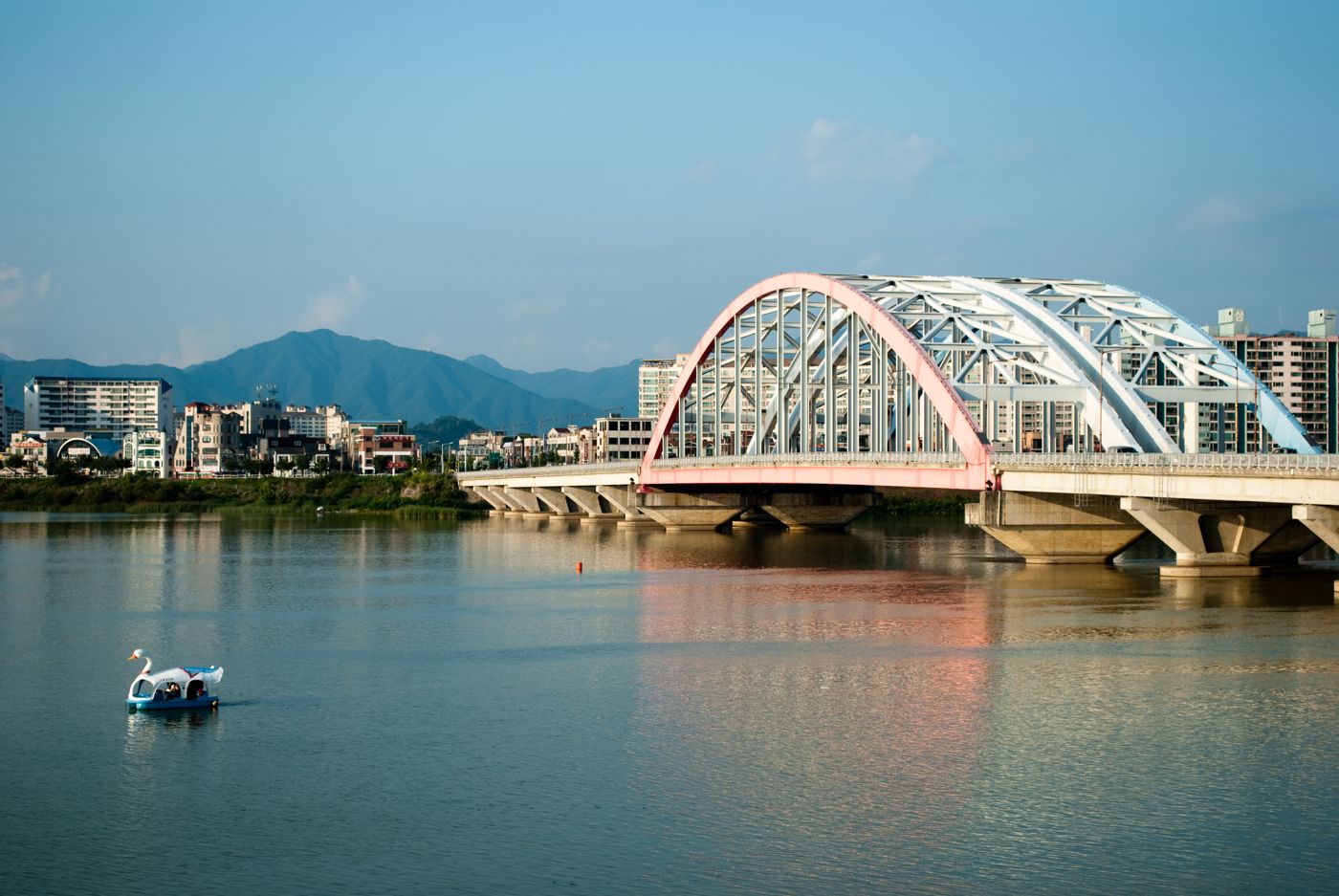 Chuncheon춘천Gangwon's lakeside capital is known for two inexpensive, modern classics: spicy stir-fried dakgalbi and cold buckwheat makguksu, each with a well-told origin story.
- Chungcheong충청Korea's agricultural middle ground: gentle seasoning, skillfully cooked grains, aged pumpkin, and kimchi that leans on salted seafood more than chili.
- Daegu대구A hot basin city whose food is fiery and modern: the Daegu 10-mi brand gathers ttaro-gukbap, grilled makchang, garlicky Dongin-dong jjimgalbi, flat dumplings and more.
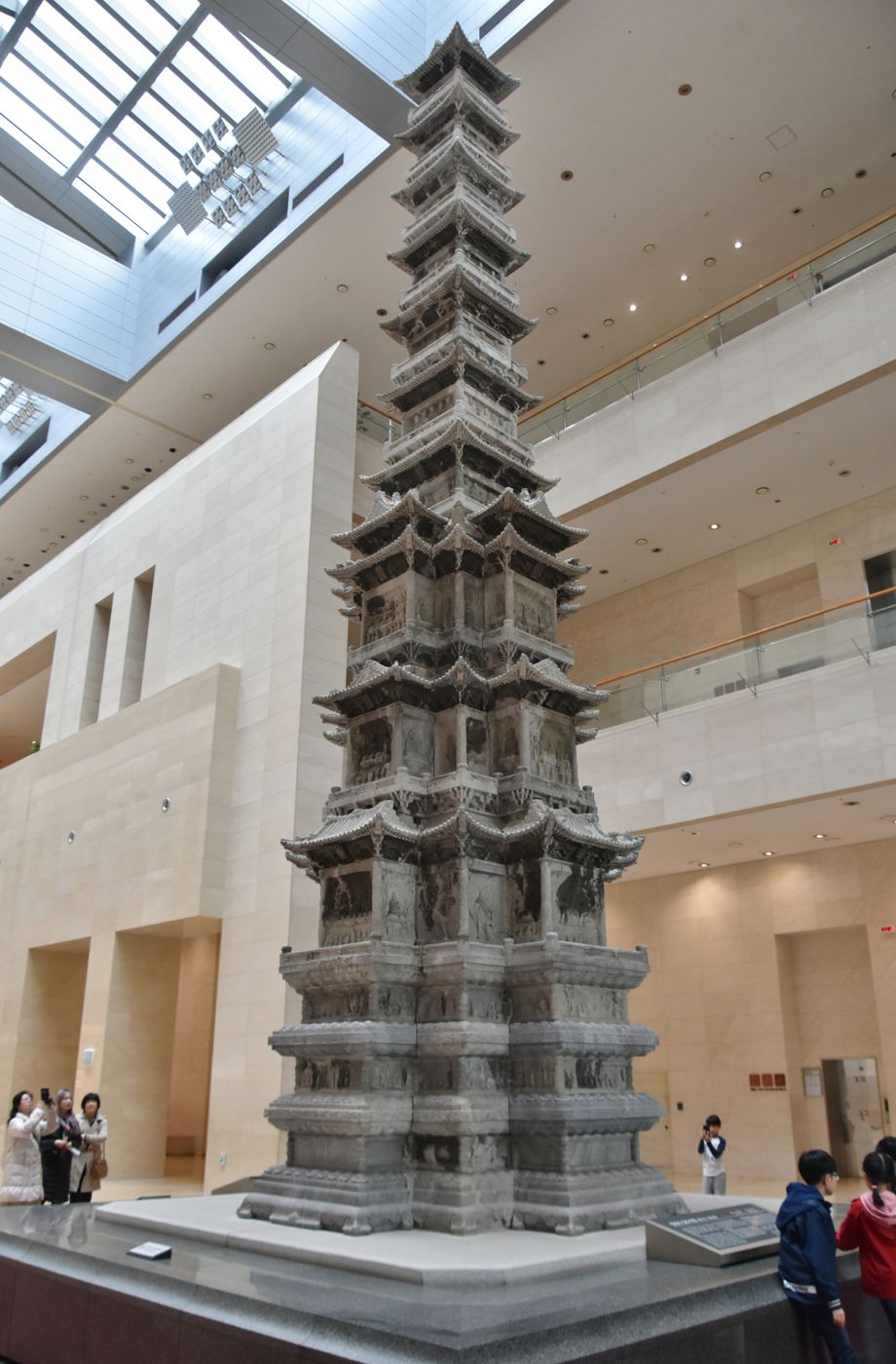 Gaeseong개성The old Goryeo capital, remembered for an elaborate, conservative cuisine: cocoon-shaped rice-cake soup, summer pyeonsu dumplings, wrapped kimchi and square yakgwa.
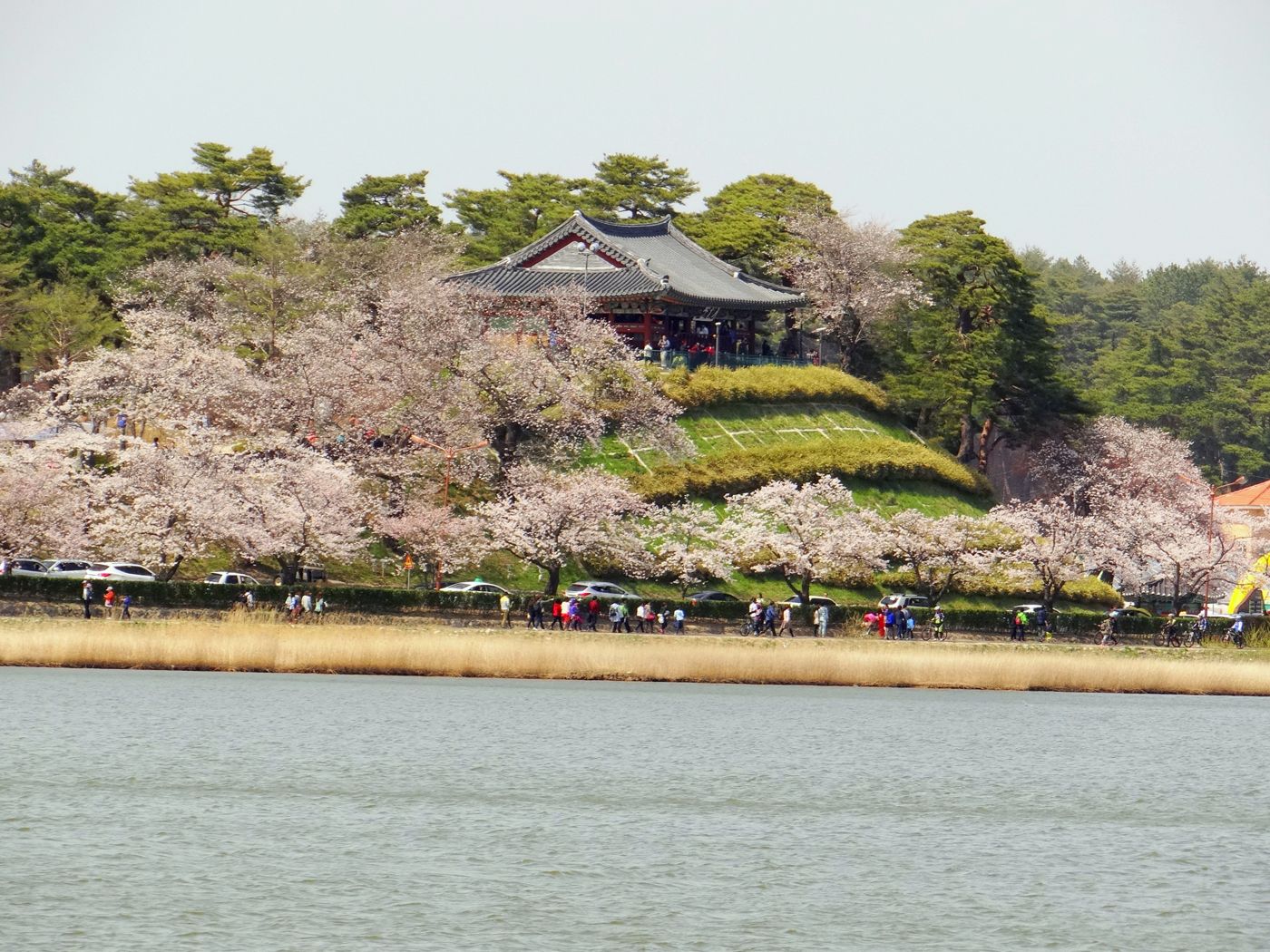 Gangneung강릉An East Sea city between mountains and coast, known for Chodang sundubu set with seawater, potato ongsimi, buckwheat noodles and a changing catch of squid and pollack.
- Gangwon강원A mountain-and-sea province: potatoes, corn and buckwheat from the highlands, squid and pollack from the East Sea, and cooking known for its simplicity.
 Gwangju광주The southwest's largest city brands itself on five flavors: Songjeong tteokgalbi, Mudeungsan barley rice, duck stew with perilla, Gwangju kimchi and the full hanjeongsik table.
- Gyeongsang경상The southeast, where fish is king: anchovy-based broths and salted anchovies, robustly salty and spicy seasoning, and cooking that favors substance over show.
- Incheon인천The port where Korea met the modern world: Chinatown and the jajangmyeon story, chewy jjolmyeon from a noodle factory, and Sinpo Market's spicy dakgangjeong.
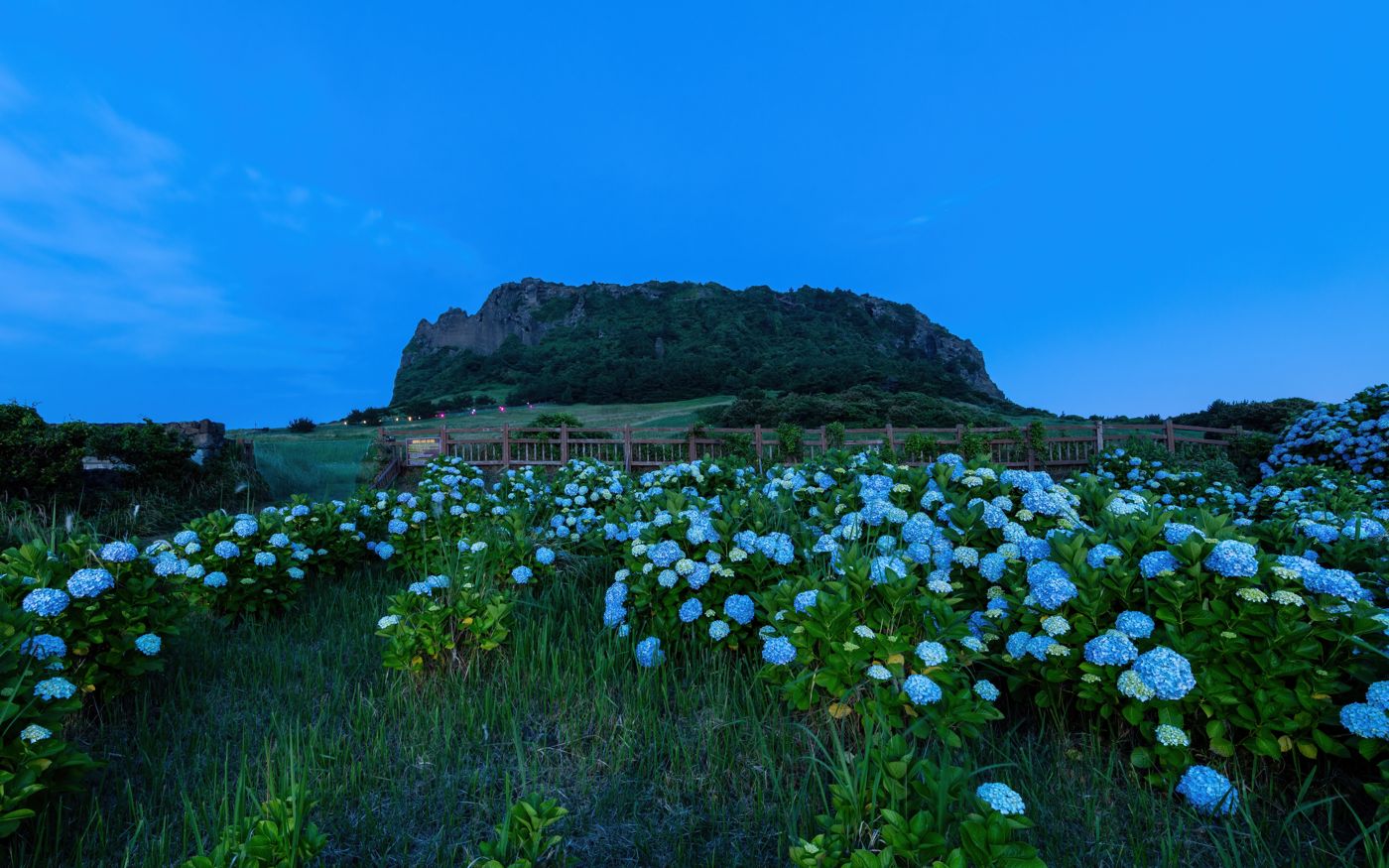 Jeju제주Island foodways built on millet, barley and buckwheat rather than rice, pork rather than beef, and seafood gathered by Jeju's diving women.
- Jeolla전라Korea's rice bowl and its most celebrated food region: abundant tables, bold salted seafood, deeply seasoned kimchi and dishes like Jeonju bibimbap.
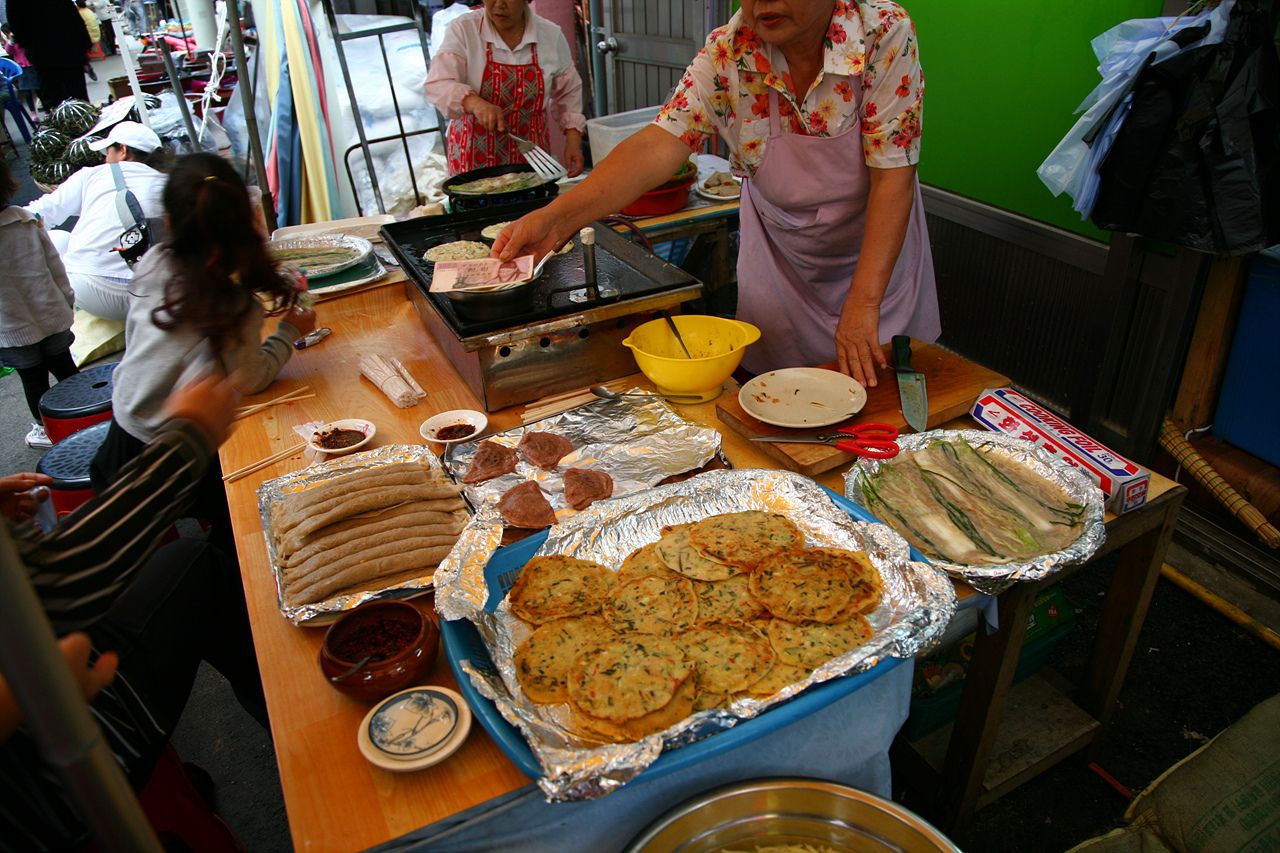 Jeongseon정선A Gangwon mountain county where coal gave way to tourism: the Jeongseon five-day market, gondre thistle rice, buckwheat kotdungchigi noodles and corn tadpole noodles.
- Jeonju전주A UNESCO Creative City of Gastronomy since 2012, Jeonju is known for bibimbap, bean-sprout soup with rice, yellow mung bean jelly and lavish hanjeongsik tables.
- Jinju진주A historic river city in South Gyeongsang famed in the 1920s for bibimbap with beef tartare and clam broth, and for buckwheat naengmyeon in seafood broth, revived after a 1966 fire.
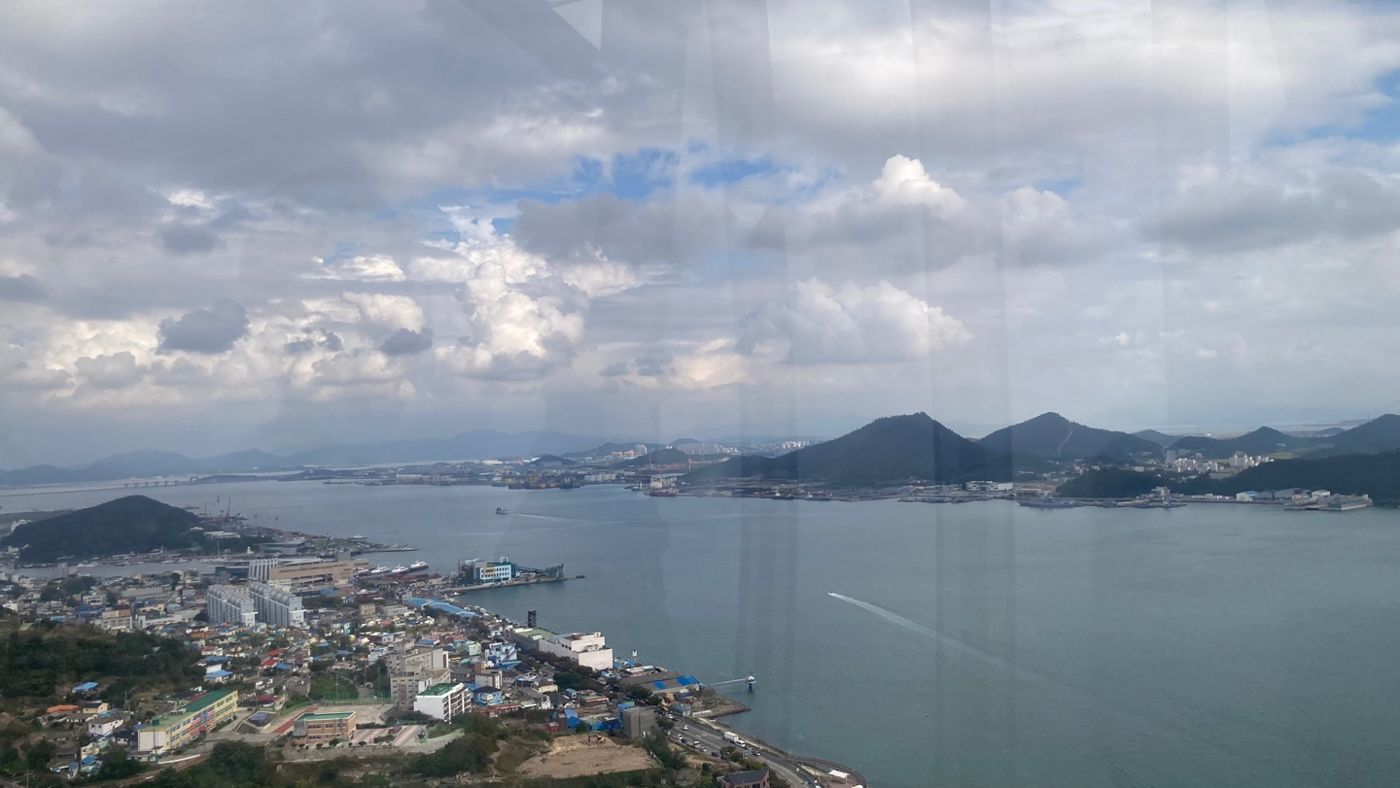 Mokpo목포The southwestern port where the Yeongsan River meets the island sea is famous for long-legged octopus, pungent fermented skate and a city-designated list of signature flavors.
- Naju나주The old capital of southern Jeolla on the Yeongsan River, known for clear-broth Naju gomtang and for Yeongsanpo, the river port where skate from Heuksando turned pungent.
- Northern Provinces (Hwanghae, Pyeongan, Hamgyeong)북부 지방 (황해·평안·함경)The historical cuisines of Hwanghae, Pyeongan and Hamgyeong: lightly salted, generously portioned food known for cold noodles, large dumplings and clear kimchi.
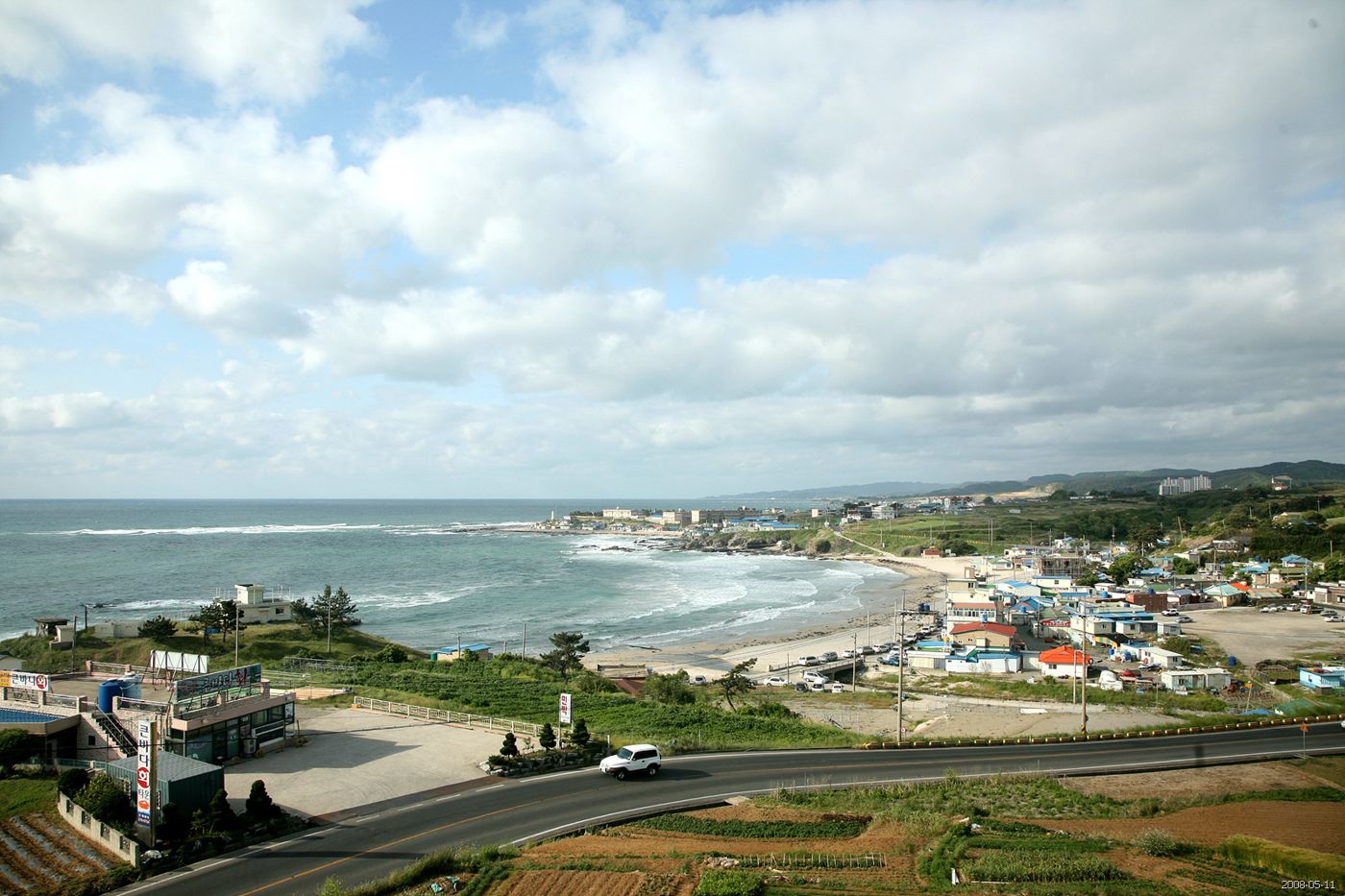 Pohang포항A steel city on Yeongil Bay with a fishing port's appetite: wind-dried gwamegi from Guryongpo, fishermen's mulhoe in icy chili broth, and Jukdo Market, the east coast's largest.
- Seoul & Gyeonggi서울·경기The capital's cooking, shaped by the royal court and the yangban table, alongside the plainer, hearty food of the surrounding Gyeonggi countryside.
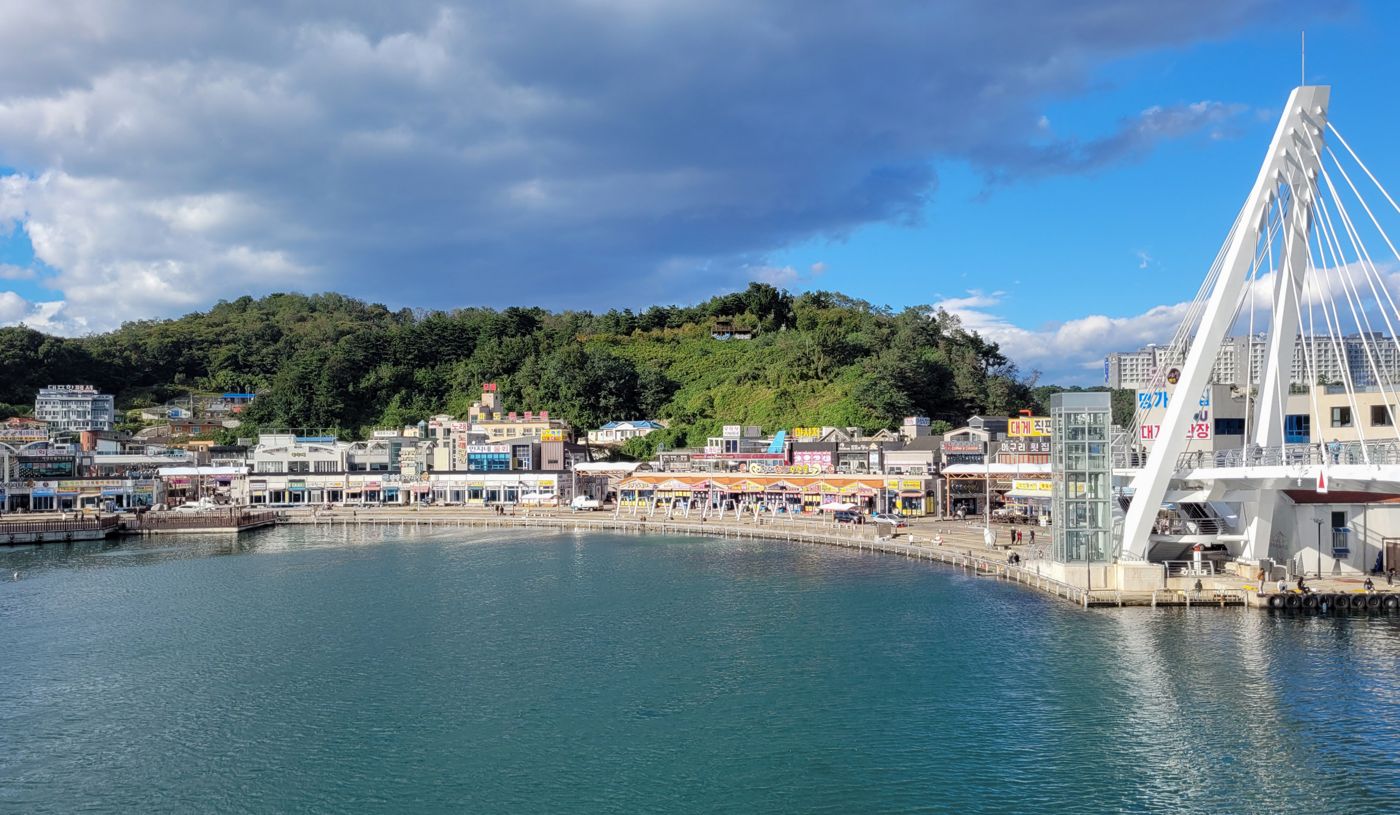 Sokcho속초A northern East Sea port shaped by wartime refugees from Hamgyeong: Abai Village sundae, squid stuffed in place of intestines, and the raw-fish stalls of Daepo port.
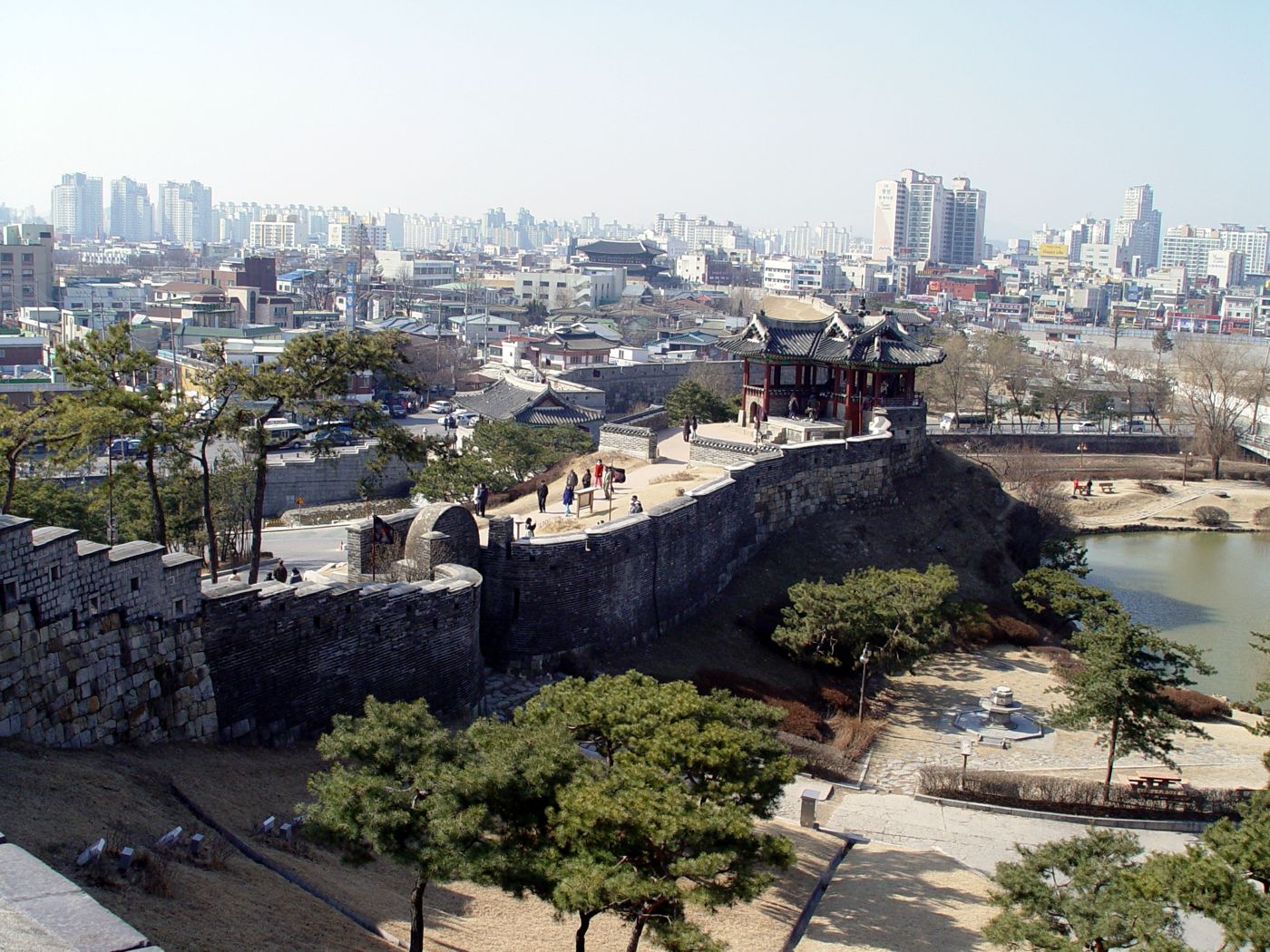 Suwon수원The fortress city south of Seoul is synonymous with galbi: oversized, salt-seasoned beef ribs that grew out of a famous cattle market and one 1940s restaurant.
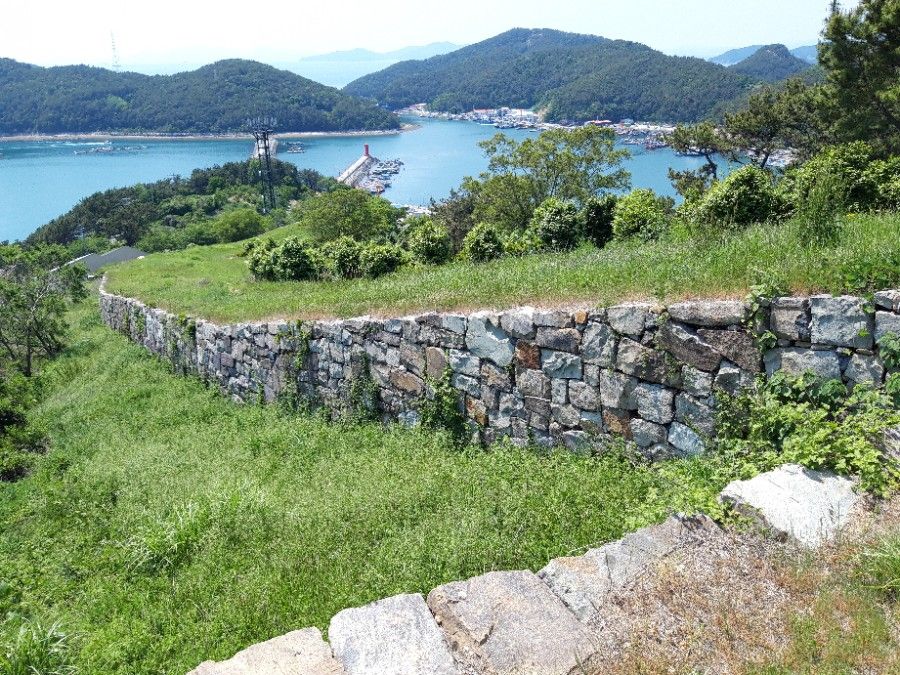 Tongyeong통영A south-coast naval town turned fishing port, Tongyeong is known for farmed oysters, rice-only chungmu gimbap, syrup-glazed kkulppang and its harbor markets.
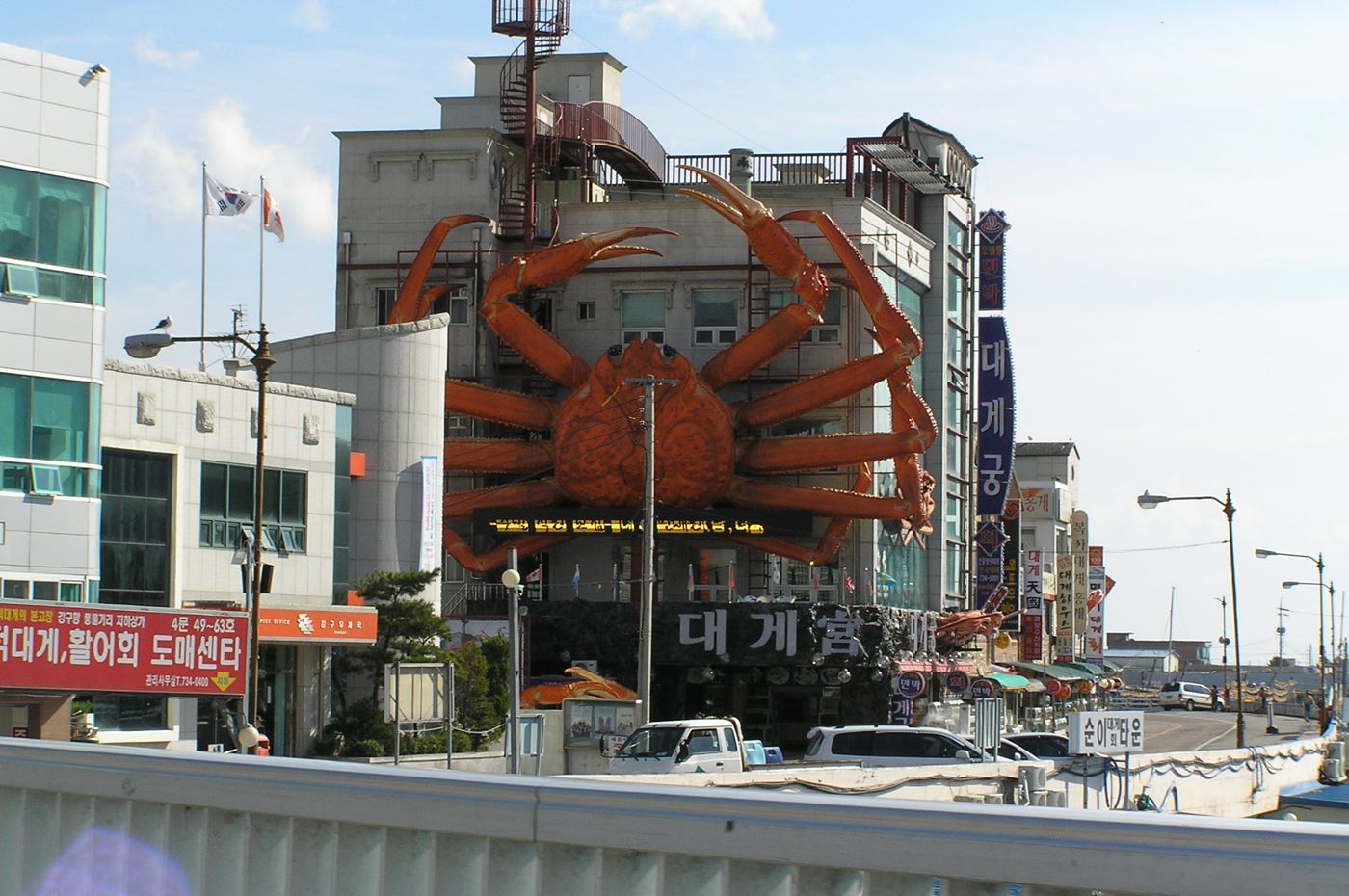 Yeongdeok영덕A county on the East Sea known for snow crab, daege, named for its bamboo-straight legs, served along Ganggu port's crab street, and claimed just as proudly by neighboring Uljin.
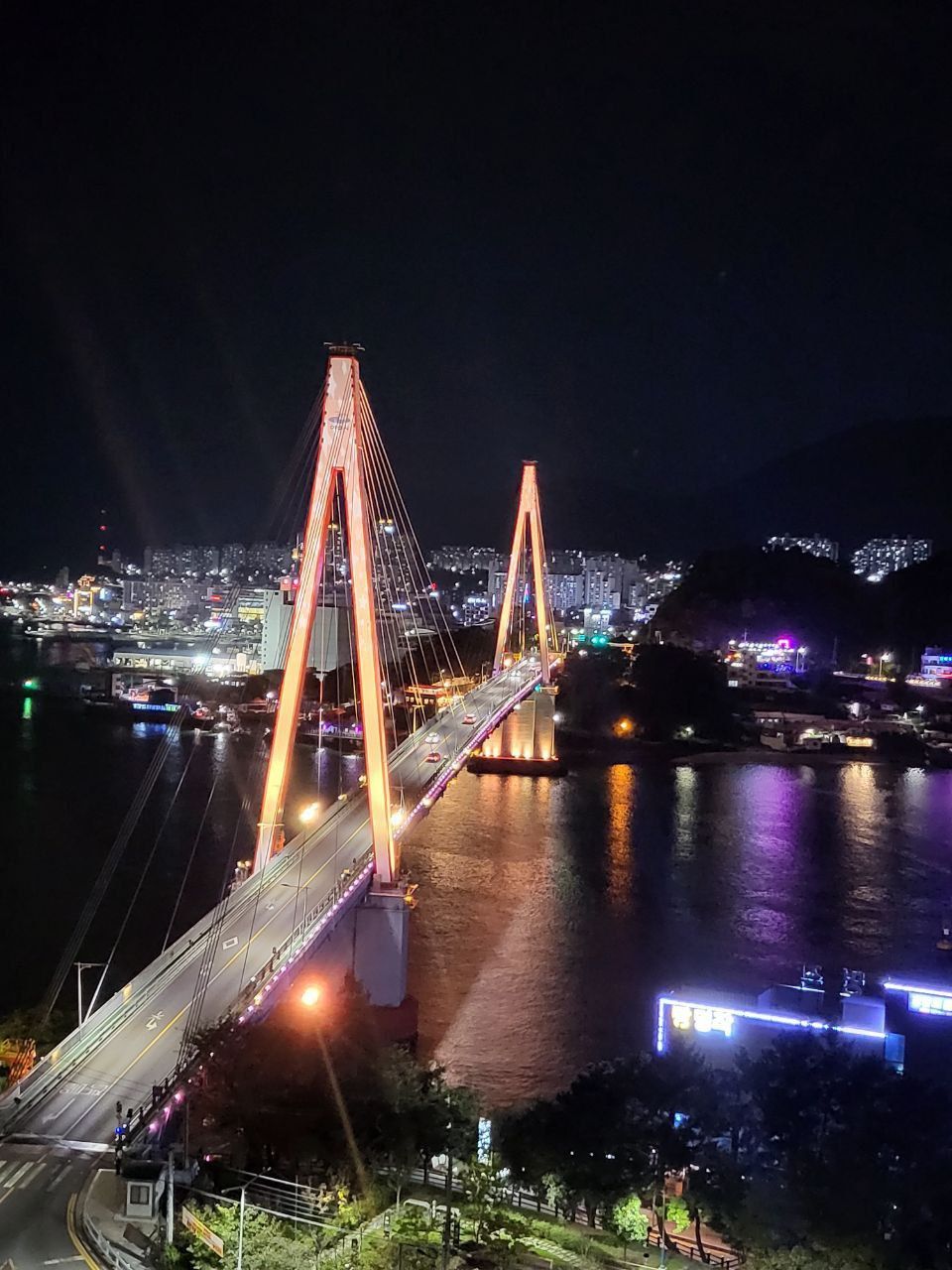 Yeosu여수A southern port of islands and tidal flats, known for Dolsan mustard-leaf kimchi, crab-marinade rice tables, vinegar-dressed seodae and a generous hanjeongsik.