Ingredient
Doenjang
된장
Romanization: doenjang
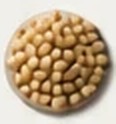
Fermented soybean paste — the savory foundation of doenjang-jjigae, many soups and dressings for namul. It is one of Korea's core jang, or fermented sauces.
Flavor
Deeply savory, salty and earthy, with a funk that mellows and rounds out when simmered.
Origin & History
Doenjang begins with meju: in autumn, soybeans are boiled, pounded and shaped into blocks, which ferment with naturally occurring molds and bacteria in a warm room and are dried in the sun the following spring. The blocks are then submerged in brine in earthenware onggi jars. After about 30–40 days the liquid is drawn off and boiled to become soup soy sauce (guk-ganjang); the softened solids are mashed with salt and left to mature as doenjang. Some households make doenjang without separating the liquid at all.
Fermented soybean sauces have deep roots in Korea. The Chinese Records of the Three Kingdoms describe the people of Goguryeo as skilled at fermentation, and the Samguk sagi lists jang among the betrothal gifts sent by Silla's King Sinmun in 683. Detailed written recipes appear in the Joseon period.
Regional and household variations abound, from quick-fermented cheonggukjang to makjang and dambukjang. In 2018 South Korea designated jang-damgeugi (jang-making) as a National Intangible Cultural Heritage, and in December 2024 UNESCO inscribed “Knowledge, beliefs and practices related to jang making in the Republic of Korea” on its Representative List of the Intangible Cultural Heritage of Humanity.
Nutrition
| Calories | 142 kcal |
|---|---|
| Protein | 13.6 g |
| Fat | 6.9 g |
| Carbohydrates | 7.3 g |
| Fiber | 4.8 g |
| Sodium | 5152 mg |
Notable forProtein · Magnesium · Iron
Values from the Korean Food Composition Table (RDA, 2020 data) for traditional doenjang. Commercial (개량) doenjang in the same table: 193 kcal and 4,339 mg sodium per 100 g. Sodium varies widely by brand and household. Actual values vary with ingredients, portion size and preparation.
Health Benefits
- Plant protein: Doenjang is made almost entirely from soybeans, and per 100 g it provides a meaningful amount of protein along with minerals such as magnesium and iron.
- A fermented food: UNESCO notes that fermentation in jang produces amino acids that complement Korea's rice-based diet. Traditional medicine also credited doenjang with aiding digestion — a traditional belief rather than an established finding.
- Very high in sodium: A single tablespoon can supply a substantial share of the FDA's recommended daily limit of less than 2,300 mg. Diluting it in soups and stews and pairing it with plenty of vegetables helps.
- Allergen: Contains soy; some commercial doenjang also contains wheat.
Informational, not medical advice. Talk to a qualified professional about your own health and diet.
Dishes with Doenjang
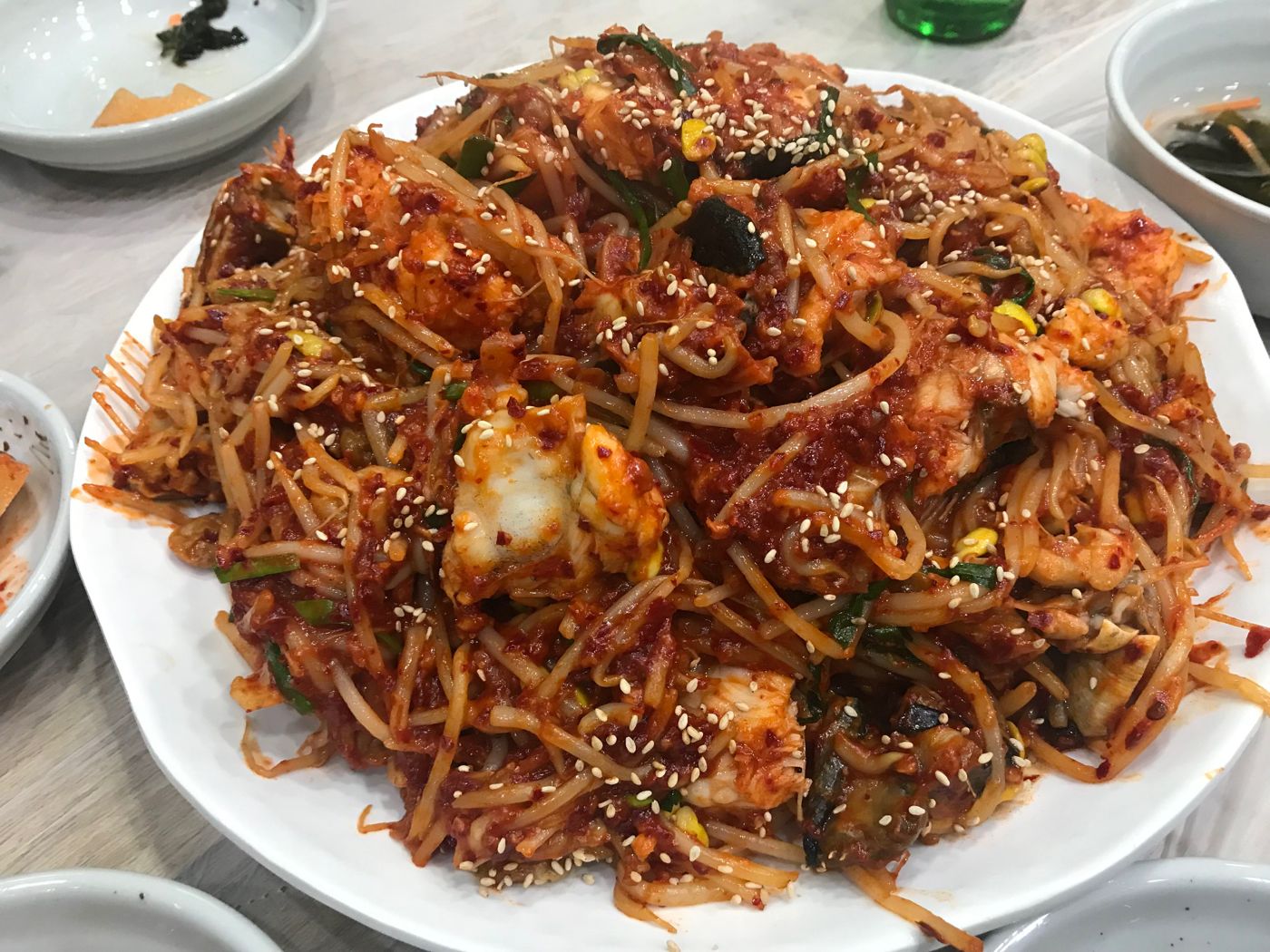 Agu-jjim (Spicy Braised Monkfish)아귀찜Monkfish braised with a mountain of soybean sprouts and minari in a fiery chili sauce thickened with starch — a Masan specialty now eaten across Korea.
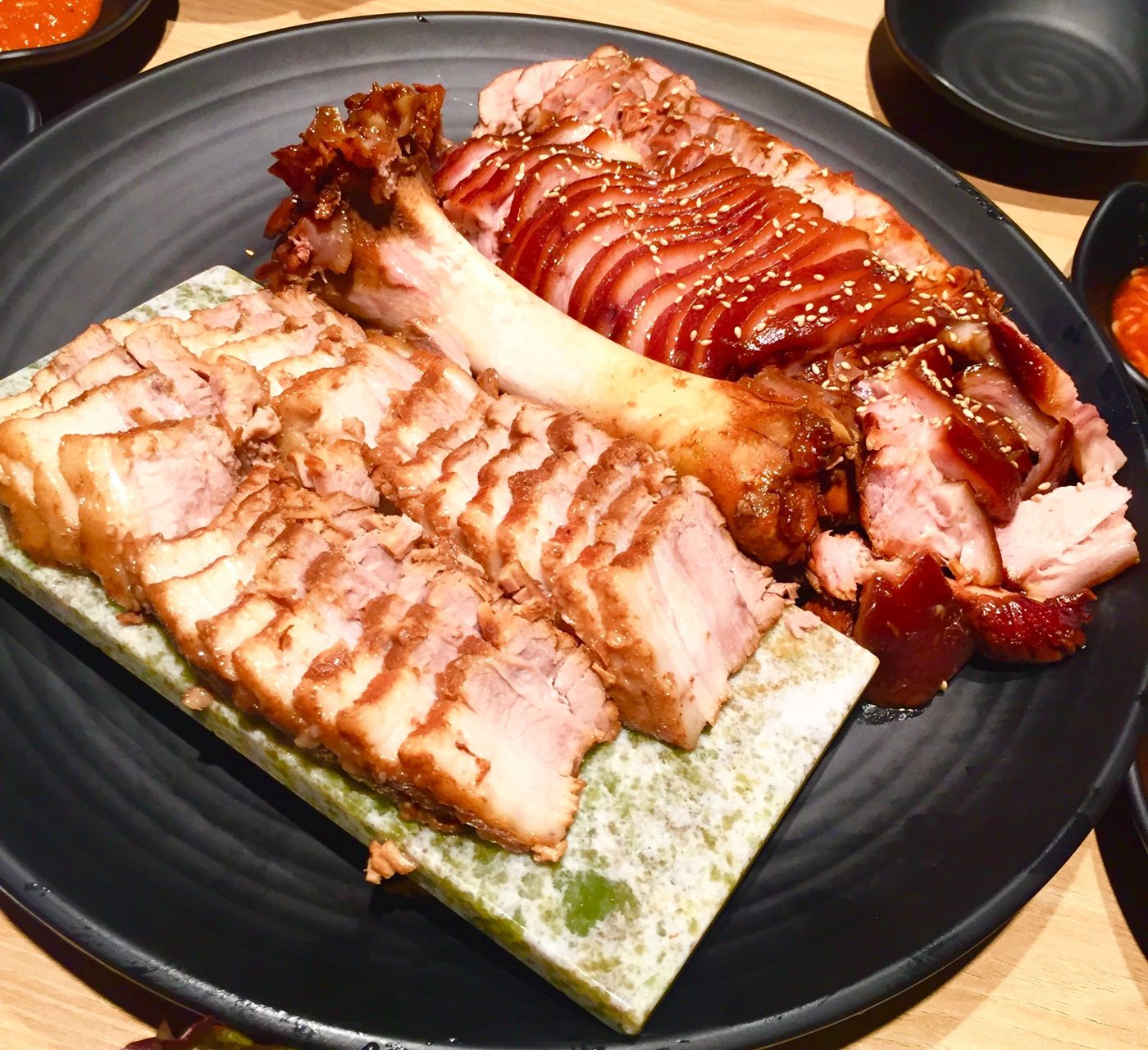 Bossam (Boiled Pork Wraps)보쌈Pork belly simmered with doenjang and aromatics, pressed and sliced, then wrapped in salted cabbage with spicy radish and salted shrimp — a feast dish built for sharing.
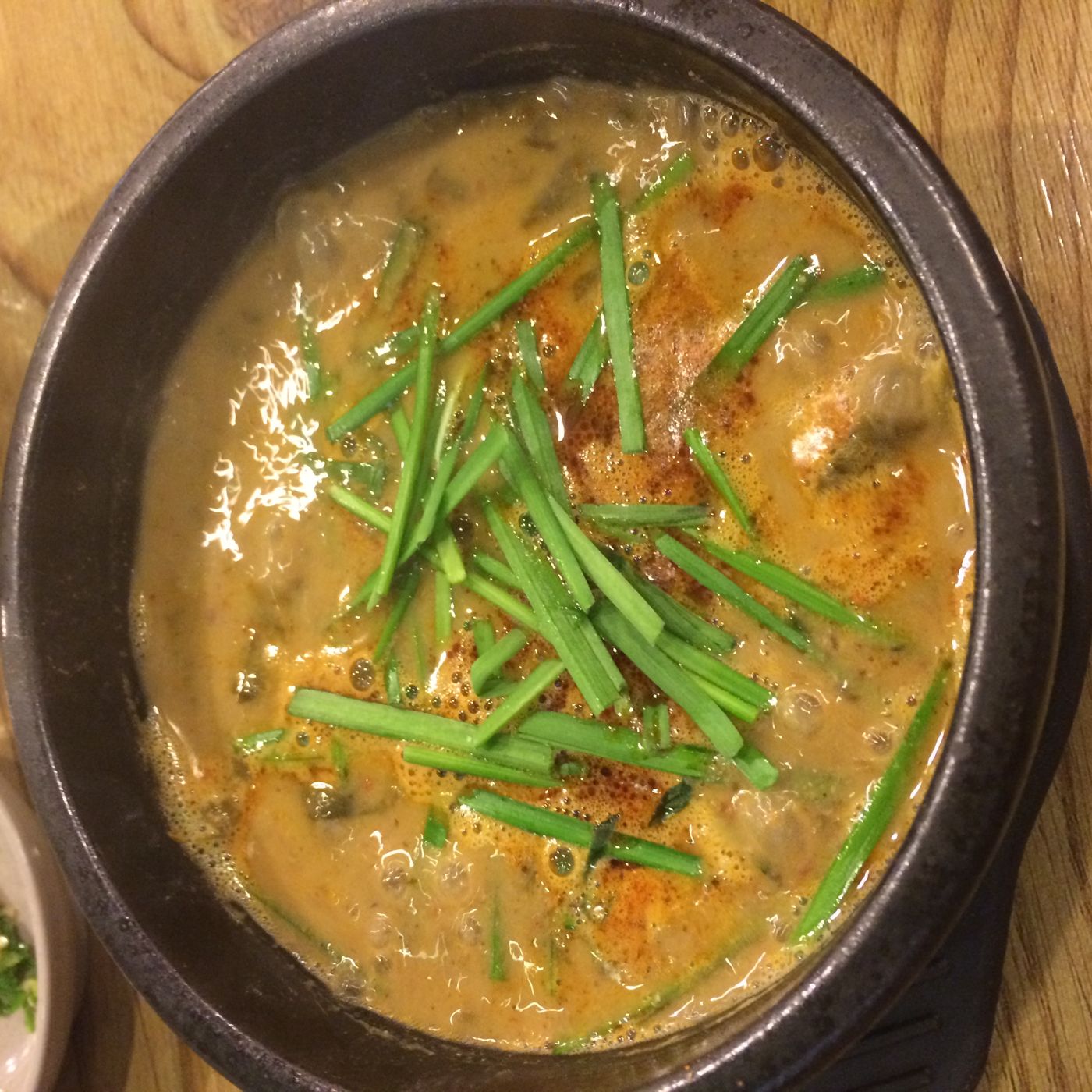 Chueotang (Loach Soup)추어탕Pond loaches simmered and ground into a thick, earthy soup with dried greens, doenjang and perilla, sharpened with chopi pepper — an autumn harvest dish turned year-round restorative.
- Chwinamul Muchim취나물무침Aster scaber, a fragrant mountain green, blanched and dressed with soup soy sauce or doenjang and sesame oil — a taste of Korean spring.
 Doenjang Jjigae (Soybean Paste Stew)된장찌개A thick, savory stew of fermented soybean paste with tofu, zucchini and whatever the season offers — the everyday pot at the center of the Korean table.
- Dongtae-jjigae (Frozen Pollack Stew)동태찌개A spicy, clean-tasting stew of frozen Alaska pollack with radish, tofu and fresh greens in a gochugaru-and-jang broth — a winter staple at the Korean table.
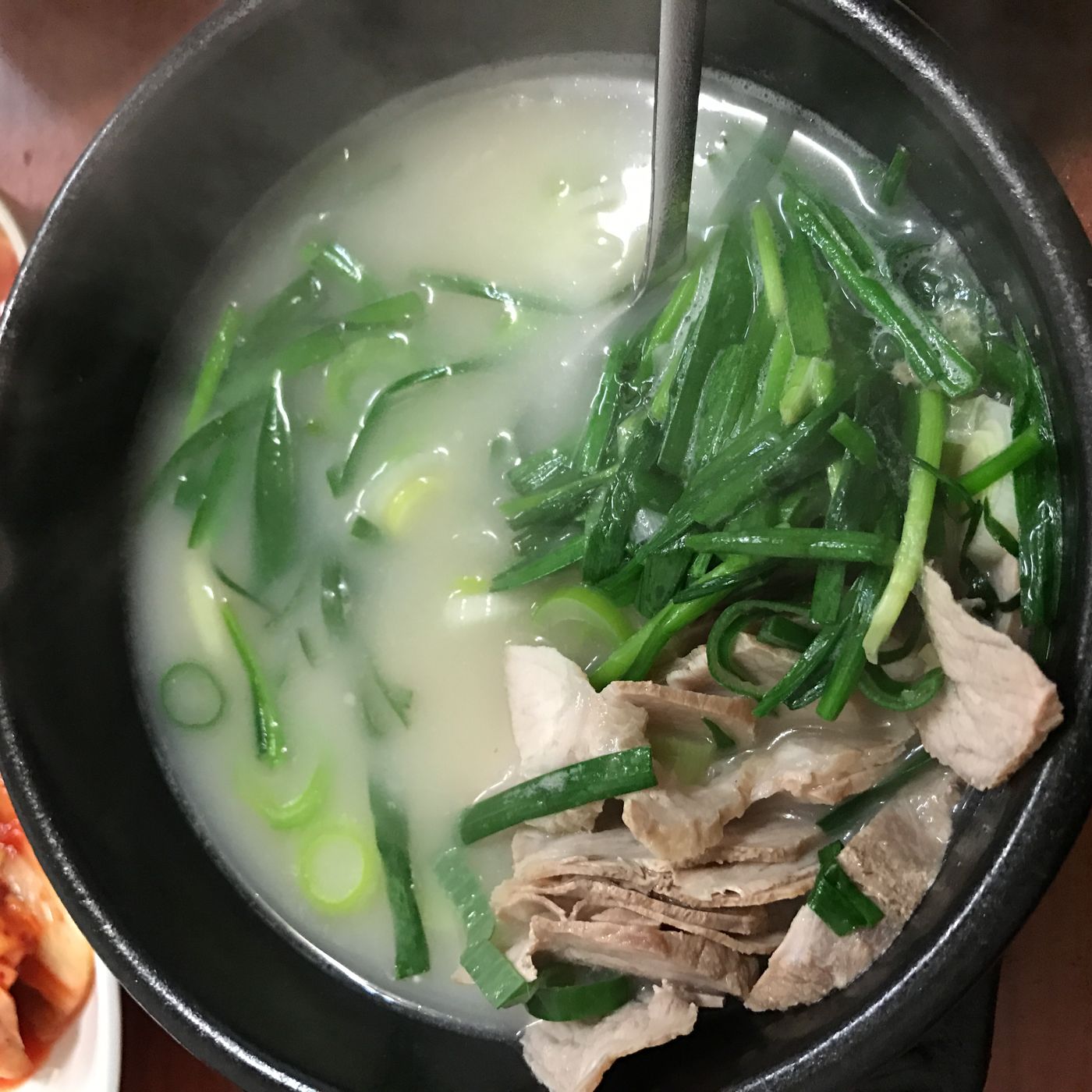 Dwaeji Gukbap (Busan Pork and Rice Soup)돼지국밥Slices of boiled pork in a milky pork-bone broth over rice, seasoned at the table with salted shrimp and garlic chives — Busan's signature everyday bowl.
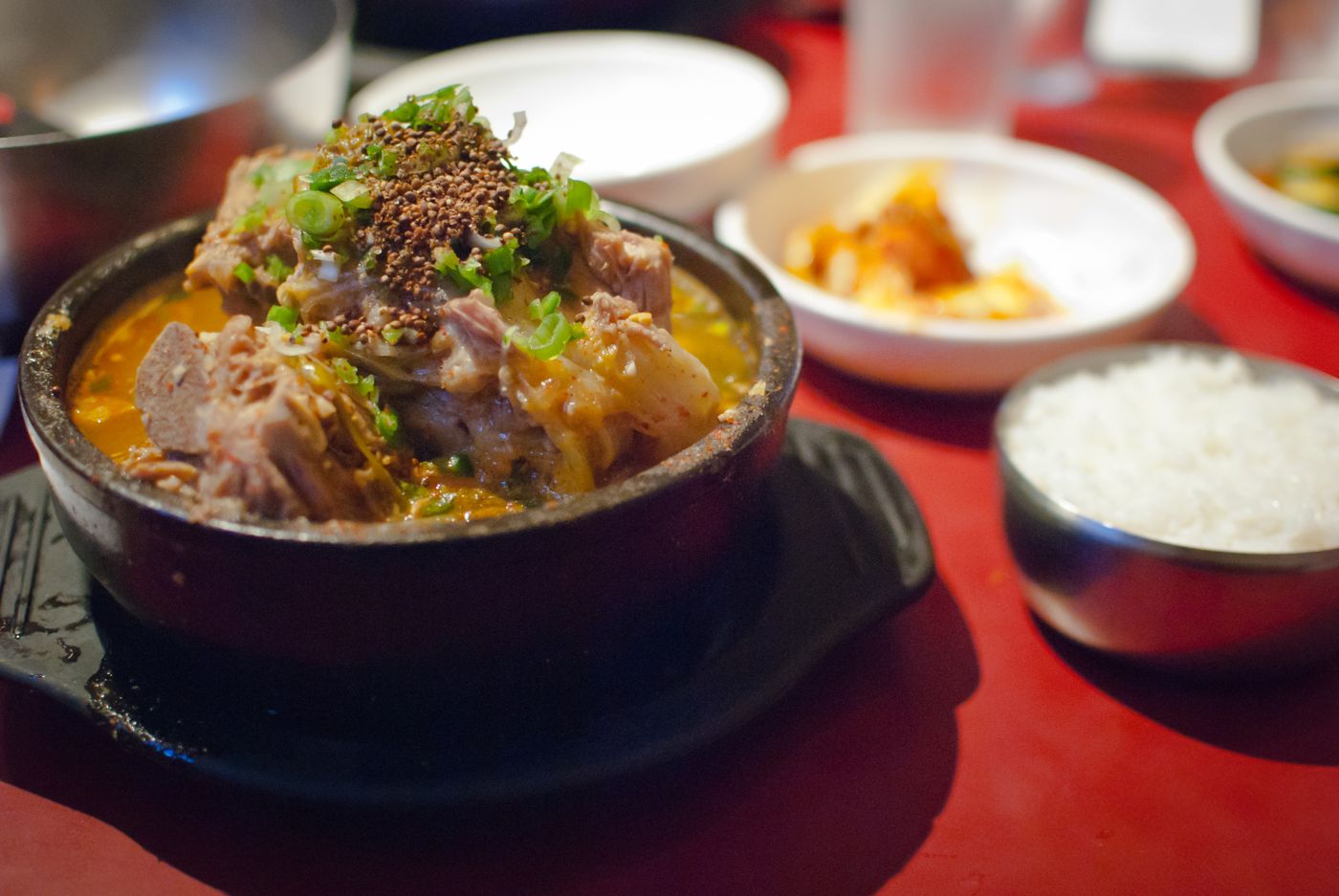 Gamjatang (Pork Bone and Potato Stew)감자탕Meaty pork spine simmered with potatoes, cabbage greens and perilla in a spicy doenjang-chili broth — a big shared pot of picking meat off the bones.
- Gochu Doenjang Muchim (Green Chilies in Doenjang)고추된장무침Crisp, mild green chilies cut into rounds and tossed with doenjang, garlic and sesame oil — a five-minute summer banchan built on the old habit of dipping peppers in jang.
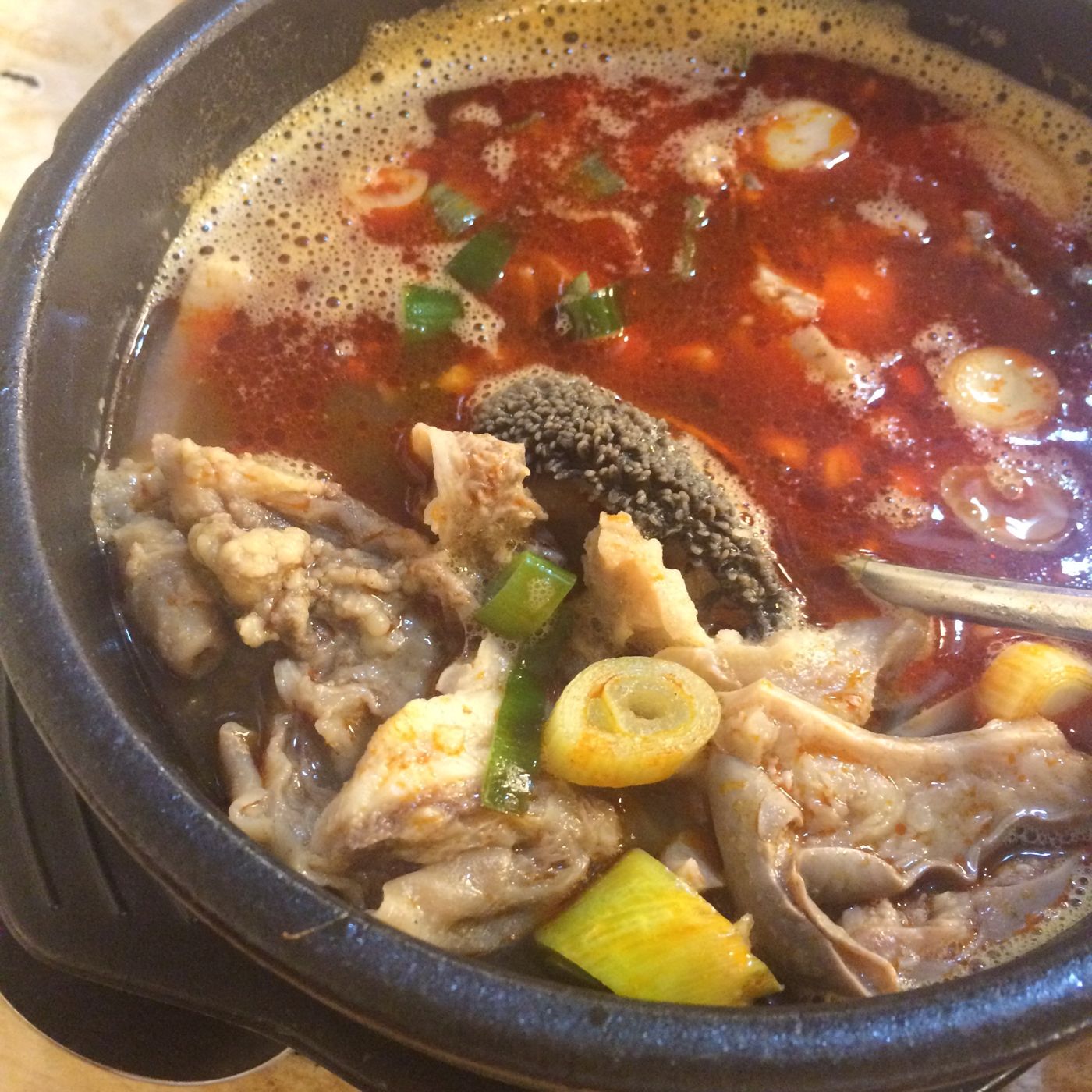 Haejangguk (Hangover Soup)해장국A hot, hearty morning soup — classically beef-bone broth with cabbage greens, bean sprouts and seonji (beef blood curd) — eaten over rice after a night of drinking.
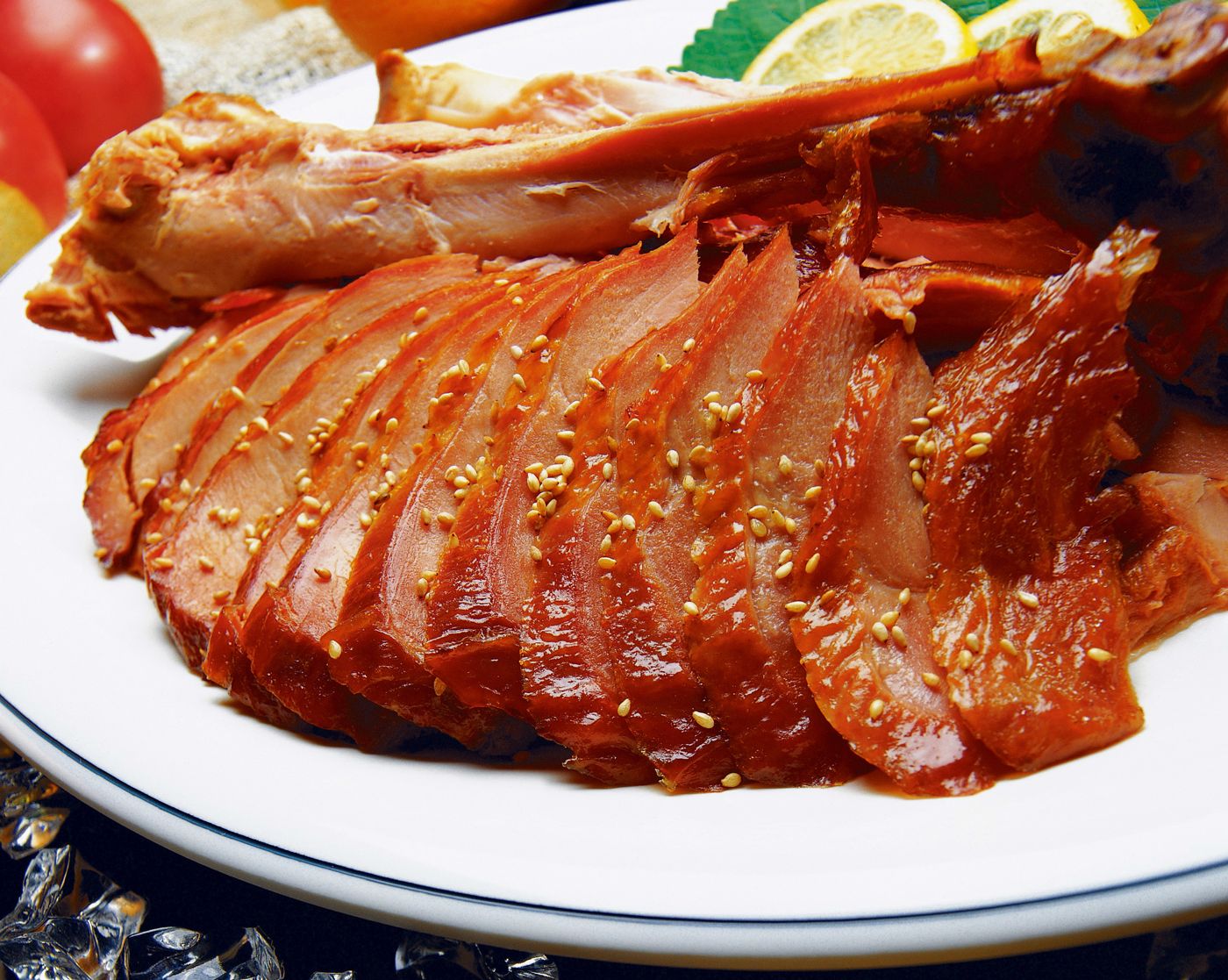 Jokbal (Braised Pig's Trotters)족발Pig's trotters simmered until tender, then braised in soy sauce and spices until glossy and sliced — a postwar Seoul specialty of Jangchung-dong.
- Naengi Muchim (Seasoned Shepherd's Purse)냉이무침Young shepherd's purse, roots and all, blanched for seconds and dressed with doenjang, garlic and sesame — the earthy, faintly bitter taste of early spring.
- Saengtae Jjigae (Fresh Pollock Stew)생태찌개Chunks of fresh, never-frozen pollock simmered with radish, tofu and a red chili broth, finished with water dropwort and crown daisy — a winter stew prized for its clean, bracing taste.
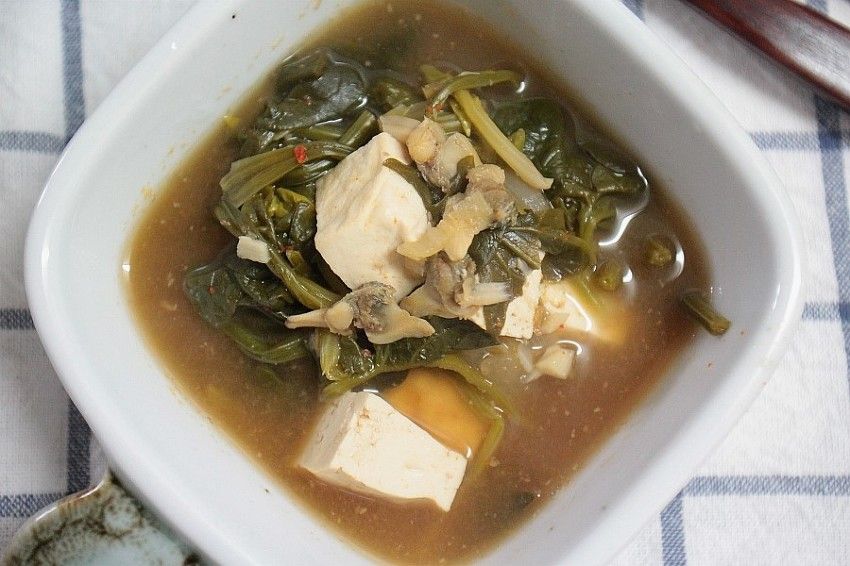 Sigeumchi Doenjang Guk (Spinach Soybean-Paste Soup)시금치된장국Tender spinach simmered in an anchovy broth seasoned with doenjang — a mild, everyday soup that is at its sweetest in winter and early spring.
- Siraegi Namul시래기나물Dried radish greens soaked, simmered until tender and seasoned with doenjang and perilla or sesame oil — a deep, earthy winter namul.
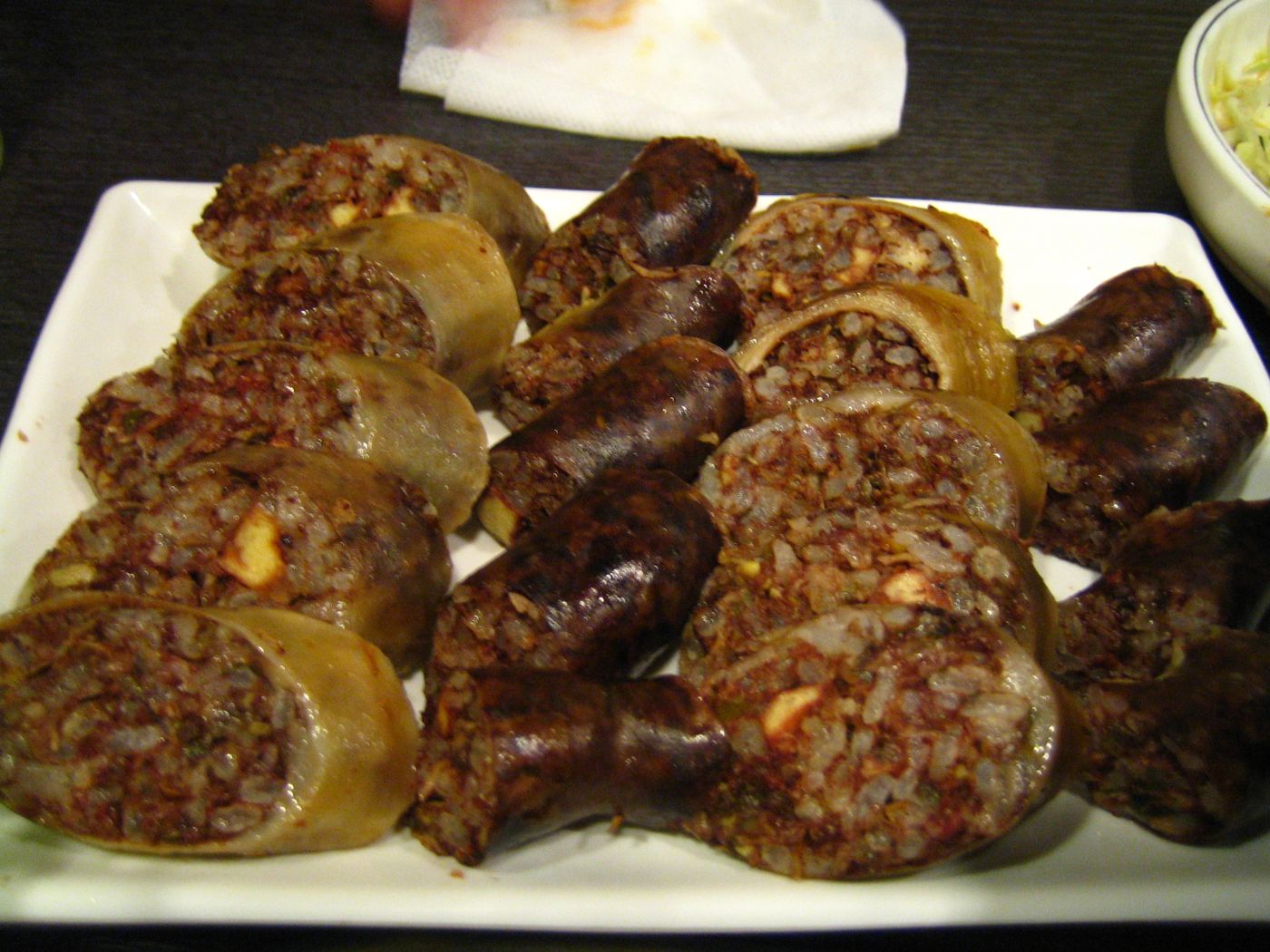 Sundae (Korean Blood Sausage)순대Pork intestine stuffed with pig's blood, glutinous rice, glass noodles and vegetables, then steamed — a northern farmhouse food that became a nationwide street snack.
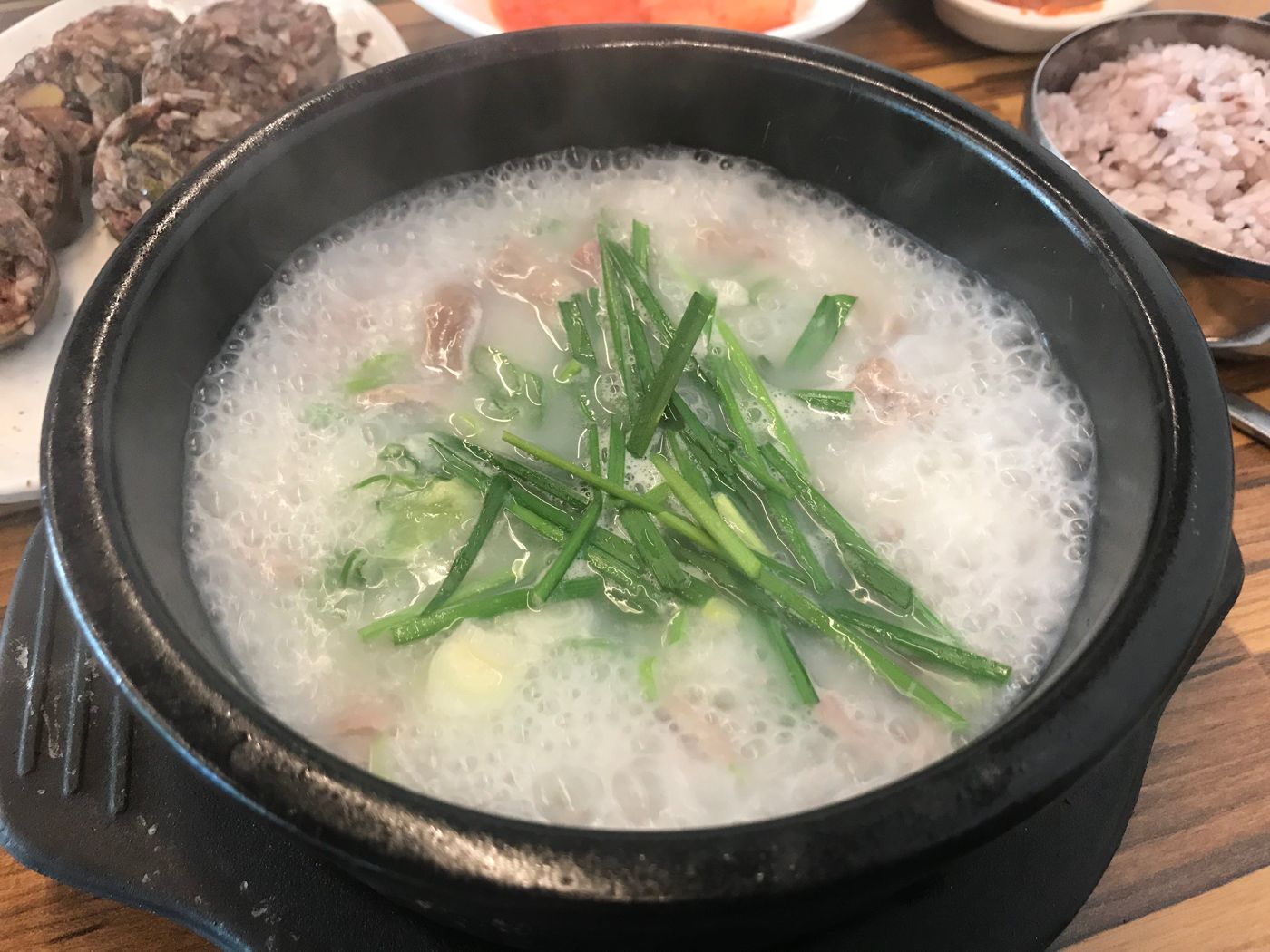 Sundaeguk (Blood Sausage Soup)순댓국Slices of Korean blood sausage and pork offal in a rich pork-bone broth, seasoned at the table with salted shrimp — a cheap, hearty market-day bowl served with rice.
Sources
- 01된장 (Doenjang) — Encyclopedia of Korean Culture
- 02장 담그기 (Jang-making) — Encyclopedia of Korean Culture
- 03Knowledge, beliefs and practices related to jang making in the Republic of Korea — UNESCO Intangible Cultural Heritage
- 04Korean Food Composition Table (National Standard Food Composition Table) search — Rural Development Administration
- 05Sodium in Your Diet — U.S. Food and Drug Administration