Ingredient
Cheongju (Clear Rice Wine) and Matsul (Cooking Wine)
청주
Romanization: cheongju
Clear, refined rice wine. It is drunk at rites and holidays and used in cooking to soften meat and fish odors. Sweetened cooking wine sold as matsul (맛술) is a related but different seasoning product.
Flavor
Drinking cheongju is clean and mildly sweet, with soft rice and fruit aromas; nuruk-brewed yakju is golden and more complex. In cooking, it gently masks fishy and gamey odors and rounds out soy-based sauces. Matsul is distinctly sweet and syrupy, adding gloss and sugar along with its alcohol.
Origin & History
Cheongju simply means 'clear wine.' In the traditional method described by the Encyclopedia of Korean Folk Culture, steamed rice, wheat nuruk and water ferment in a jar for about twenty days. A woven bamboo strainer (yongsu) is then pushed into the mash, and the clear wine that collects inside is ladled off. It is the refined counterpart of cloudy makgeolli. Many Joseon recipes used repeated additions of rice and long, cold fermentations. Clear wines such as Gyeongju Gyodong beopju survive as heritage liquors. Cheongju was also widely called yakju. One story holds that during Joseon prohibitions the elite passed off clear wine as medicine (yak).
The word changed meaning under Japanese rule. According to both encyclopedias, the colonial administration reserved 'cheongju' for Japanese-style sake, brewed with white rice koji, while Korean clear wine was labeled yakju. Japanese breweries opened in Masan, Busan and Incheon, and the sake brand name Masamune (jeongjong in Korean) became a common word for cheongju. Korea's liquor tax law still divides the two by starter: cheongju uses less than 1 percent traditional nuruk, and yakju 1 percent or more. Wartime rice shortages also brought in sake stretched with added alcohol and sugars, a practice the Encyclopedia of Korean Culture says continued in later mass-market cheongju. See colonial-era food and traditional liquor.
In the kitchen, cheongju goes into jesa offerings and holiday cooking, and into marinades for beef, fish and shellfish. The Encyclopedia of Korean Culture's recipe for yakgwa kneads honey, ginger juice and cheongju into the dough. Matsul means 'flavor wine,' a general term for alcohol used to season food. On store shelves it now usually means a sweetened cooking wine; the Korean Food Composition Table lists matsul as a seasoning with far more sugar than drinking cheongju. In this it resembles Japanese mirin. Many recipes treat cheongju and matsul as interchangeable, but matsul adds sweetness.
Nutrition
| Calories | 132 kcal |
|---|---|
| Protein | 0.41 g |
| Fat | 0 g |
| Carbohydrates | 4.24 g |
| Fiber | 0 g |
| Sodium | 3 mg |
Values from the Korean Food Composition Table (RDA). Most of the energy comes from alcohol. The table's entry for matsul (맛술, cooking alcohol) lists 146 kcal, 35.5 g carbohydrate and 32 mg sodium per 100 g, with fiber not reported, which reflects its added sweeteners. A tablespoon or two is typical in a recipe. Actual values vary with ingredients, portion size and preparation.
Health Benefits
- It is alcohol: Cheongju is an alcoholic drink. The National Cancer Institute notes that alcohol is a known human carcinogen, that risk rises with the amount consumed, and that US guidelines advise non-drinkers not to start and drinkers to keep to two drinks or less a day for men and one or less for women.
- Matsul is sweet: With about 35 g of carbohydrate per 100 g in the Korean Food Composition Table, matsul works partly as a sugar. Swapping in plain cheongju lowers the sugar in a sauce.
- Who should avoid drinking it: People who are pregnant, underage, on interacting medicines or in recovery from alcohol use disorder.
Informational, not medical advice. Talk to a qualified professional about your own health and diet.
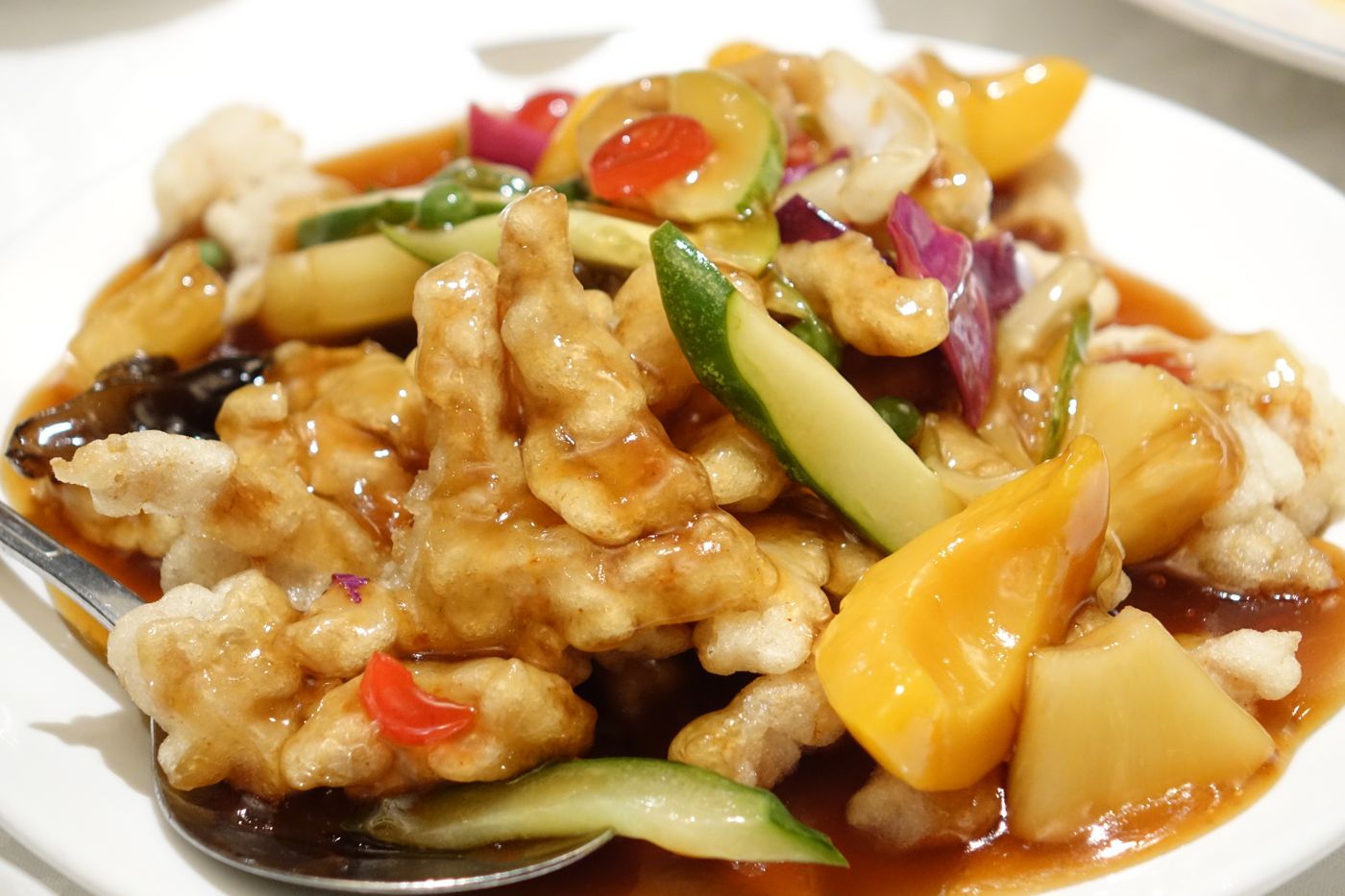
Dishes with Cheongju (Clear Rice Wine) and Matsul (Cooking Wine)
Sources
- 01청주 (Cheongju) — Encyclopedia of Korean Culture
- 02청주 (Cheongju) — Encyclopedia of Korean Folk Culture (한국의식주생활사전)
- 03약과 (Yakgwa) — Encyclopedia of Korean Culture
- 04발효주, 청주, 알코올 16% (Cheongju, 16% alcohol) — Korean Food Composition Table, RDA
- 05맛술 (Matsul, cooking alcohol) — Korean Food Composition Table, RDA
- 06Alcohol and Cancer Risk — National Cancer Institute (NIH)