Ingredient
Korean radish
무
Romanization: mu
A stout, heavy white radish, often tinged pale green near the top. It is cubed for kkakdugi, left whole in the clear brine of dongchimi, shredded into salads and simmered into broths.
Flavor
Crisp and juicy, mildly sweet with a peppery bite that is strongest near the root tip and gentlest near the green shoulder. Cooking makes it soft, sweet and almost translucent.

Origin & History
Korean radish is a form of Raphanus sativus, a mustard-family root crop thought to have originated around the Mediterranean and to have reached China along the Silk Road. Traditional Korean radishes are rounder and denser than the long, slender radishes typical of Japan. Regional names include musu and musi, and the Sino-Korean name is nabok.
Radish cultivation is believed to have come to Korea with Buddhism during the Three Kingdoms period, and by the Goryeo dynasty it was an important vegetable. Older local varieties include Jinju Daepyeong radish and Uiseong Bancheong radish. Today radish occupies more farmland than any other vegetable in Korea.
Most radishes are grown for an autumn harvest, which supplies the kimchi season. Summer radishes come from highland fields above roughly 600 meters, and spring crops are started under low tunnels for an early harvest in May and June.
Together with napa cabbage, radish is a pillar of kimjang, the late-autumn making of winter kimchi; an 1816 farming calendar describes freshly harvested radish and cabbage being washed, seasoned with chili, garlic and ginger, and stored for winter. Radish is the base of kkakdugi (cubed radish kimchi) and of dongchimi, a mild water kimchi of whole radishes in brine that predates chili peppers in Korea and whose cold broth was traditionally served with noodles in the north. It is also shredded for musaengchae, sliced into nabak-kimchi, simmered in soups and broths, and dried for winter use.
Nutrition
| Calories | 18 kcal |
|---|---|
| Protein | 0.6 g |
| Fat | 0.1 g |
| Carbohydrates | 4.1 g |
| Fiber | 1.6 g |
| Sodium | 21 mg |
Notable forVitamin C · Potassium
Values from USDA FoodData Central (SR Legacy), "Radishes, oriental, raw" (FDC ID 168451), the closest database match. That entry covers East Asian (daikon-type) white radishes generally rather than Korean cultivars specifically. Actual values vary with ingredients, portion size and preparation.
Health Benefits
- Low in calories: Raw radish is mostly water and very low in fat.
- Vitamin C: It provides a modest amount of vitamin C.
- Fiber: It contributes some dietary fiber.
- Sodium caveat: Radish kimchi and pickled radish are salted, so their sodium content is far higher than that of fresh radish.
Informational, not medical advice. Talk to a qualified professional about your own health and diet.
Dishes with Korean radish
 Napa Cabbage Kimchi배추김치Salted napa cabbage layered with a red paste of chili, garlic, ginger and fermented seafood, then left to ripen: the kimchi most people picture first.
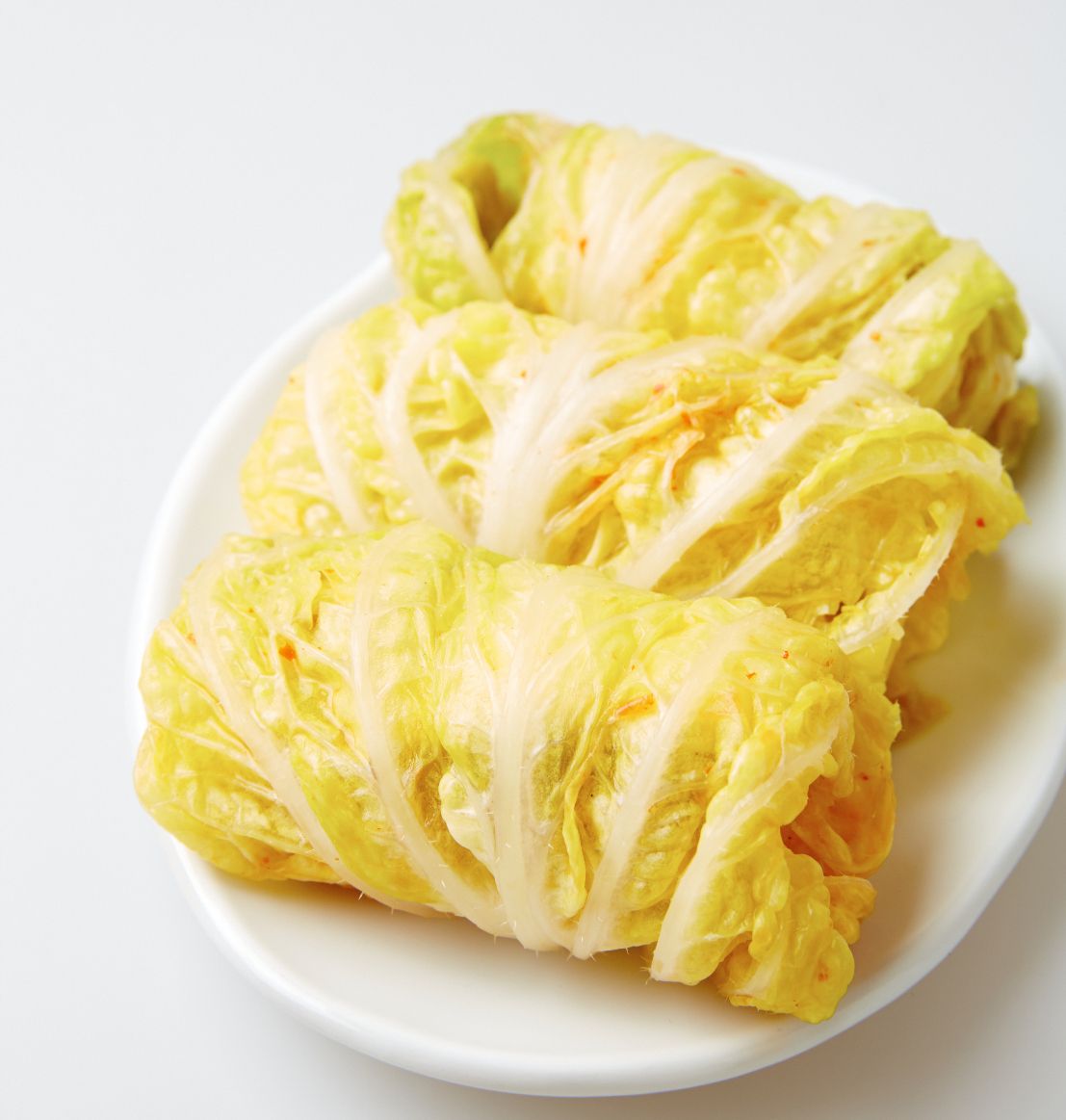 White Kimchi백김치Napa cabbage stuffed with radish, pear, chestnut and jujube and ripened in a clear, cool brine — kimchi with no chili flakes, mild and refreshing.
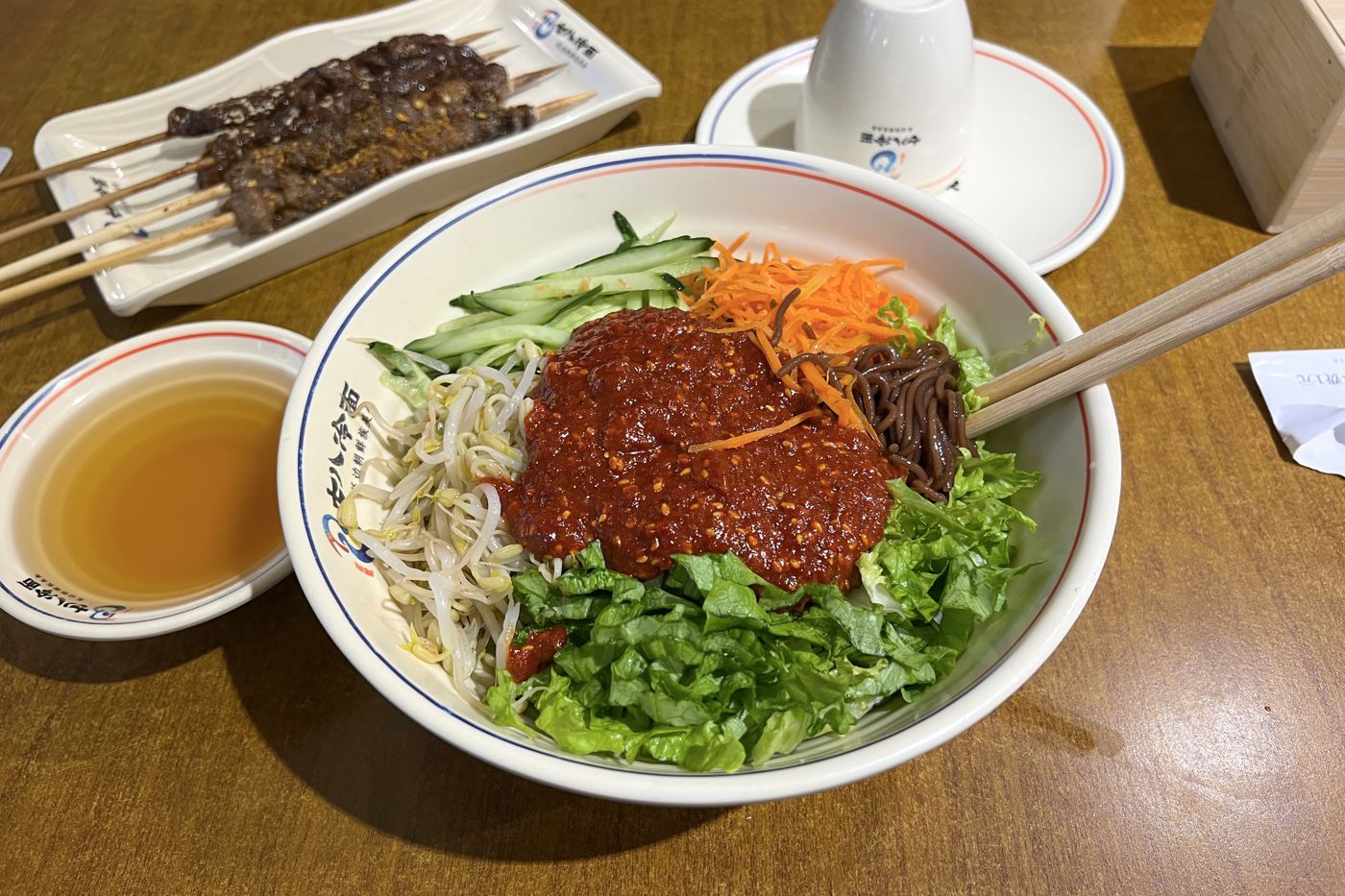 Bibim-naengmyeon (Spicy Mixed Cold Noodles)비빔냉면Chewy starch noodles tossed in a sweet, vinegary chili sauce, topped with cucumber, pear and egg — the Hamheung tradition of hoe-naengmyeon, carried south by refugees.
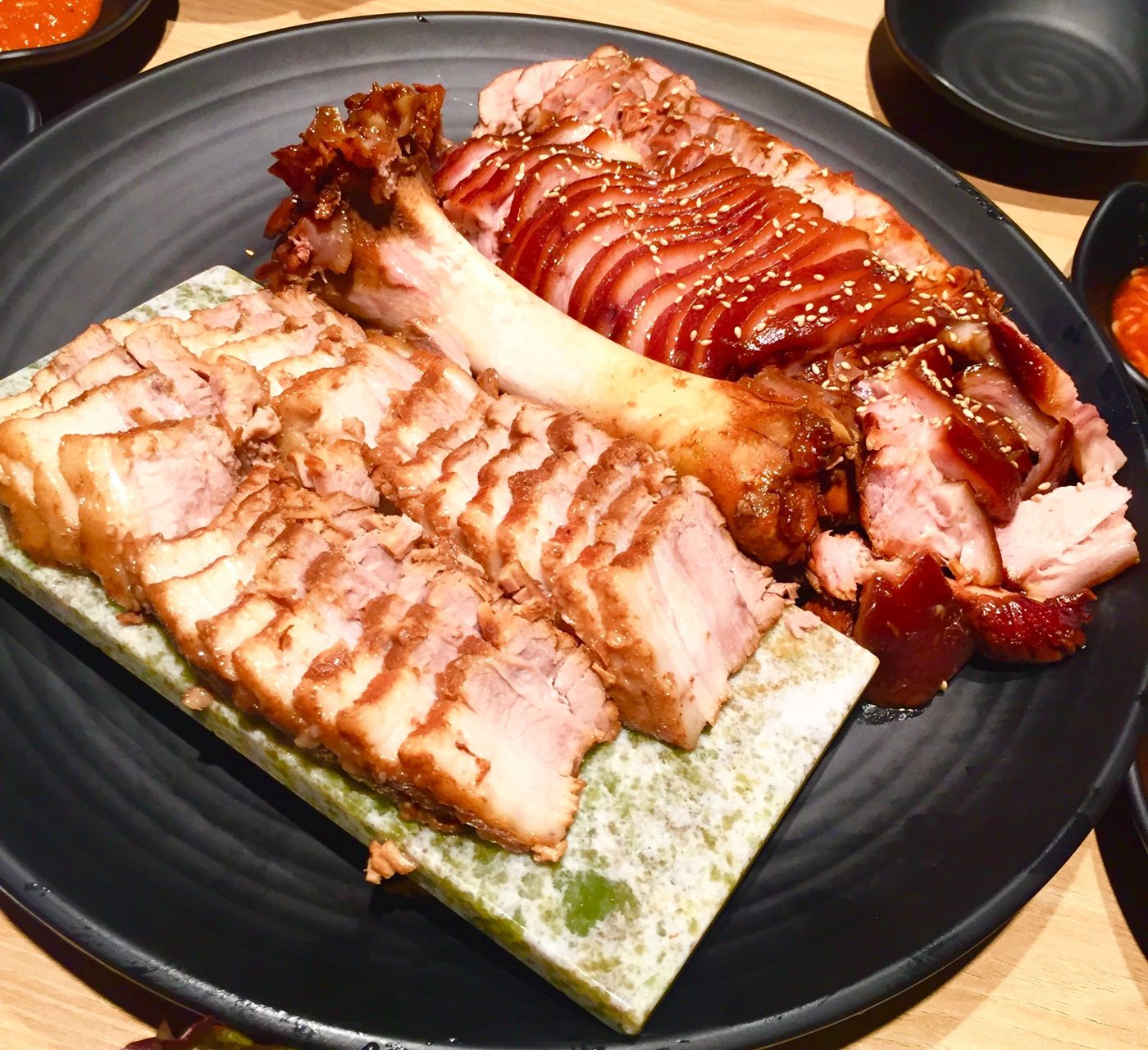 Bossam (Boiled Pork Wraps)보쌈Pork belly simmered with doenjang and aromatics, pressed and sliced, then wrapped in salted cabbage with spicy radish and salted shrimp — a feast dish built for sharing.
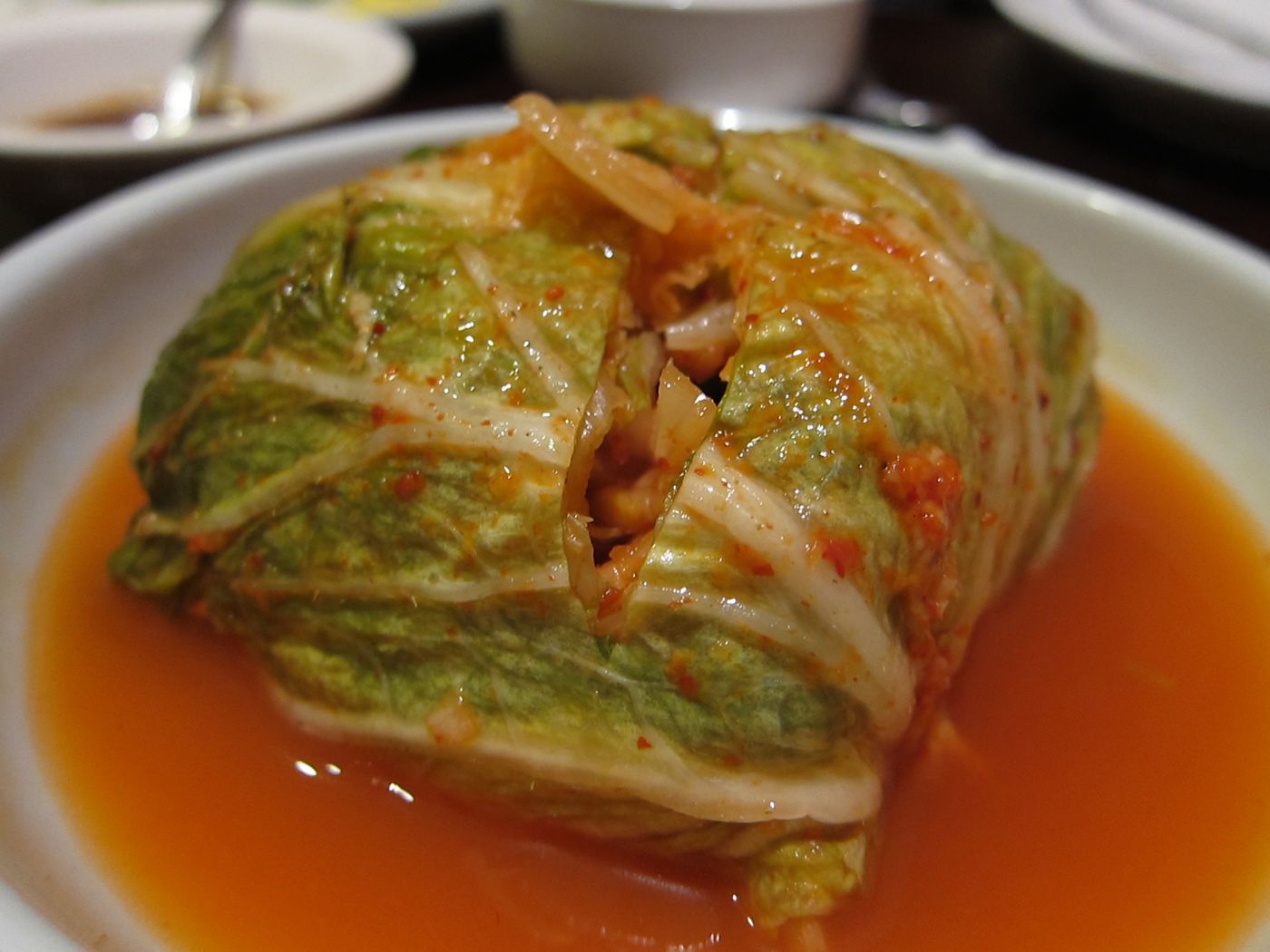 Wrapped Kimchi보쌈김치Cabbage, radish, fruit, nuts and seafood bundled inside whole cabbage leaves — the lavish wrapped kimchi of Gaeseong, made for honored guests.
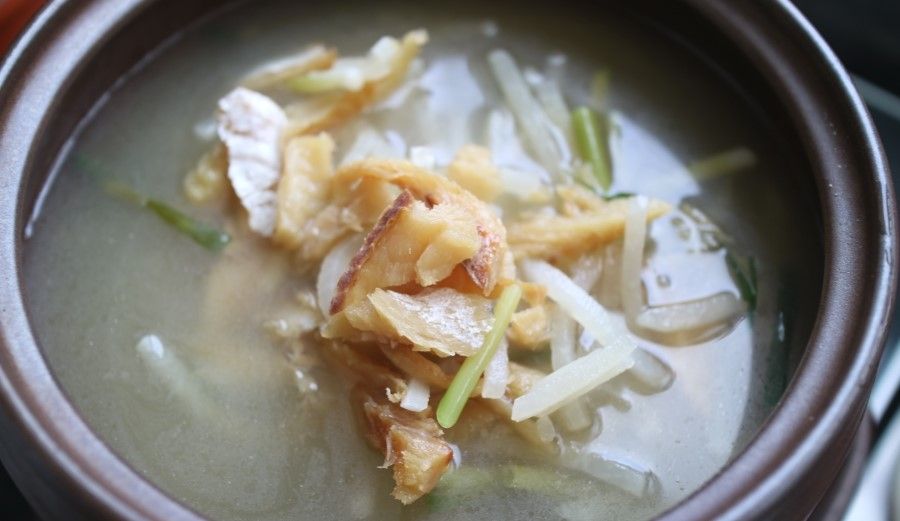 Bugeo Guk (Dried Pollock Soup)북엇국Shredded dried pollock sautéed in sesame oil and simmered into a milky, savory broth with radish, tofu and a ribbon of egg — Korea's favorite morning-after soup.
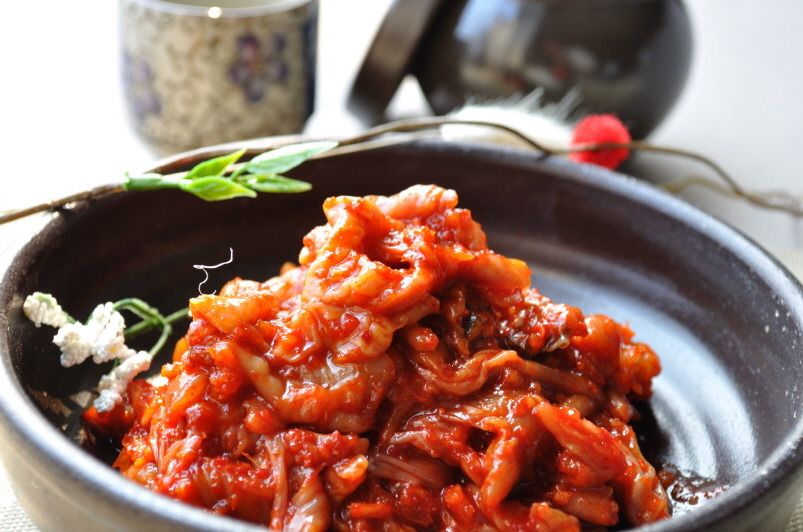 Salted Pollock Tripe창난젓Pollock intestines cured in salt, then cut and dressed with chili, garlic and green onion — a chewy, savory East Sea jeotgal, often mixed with radish.
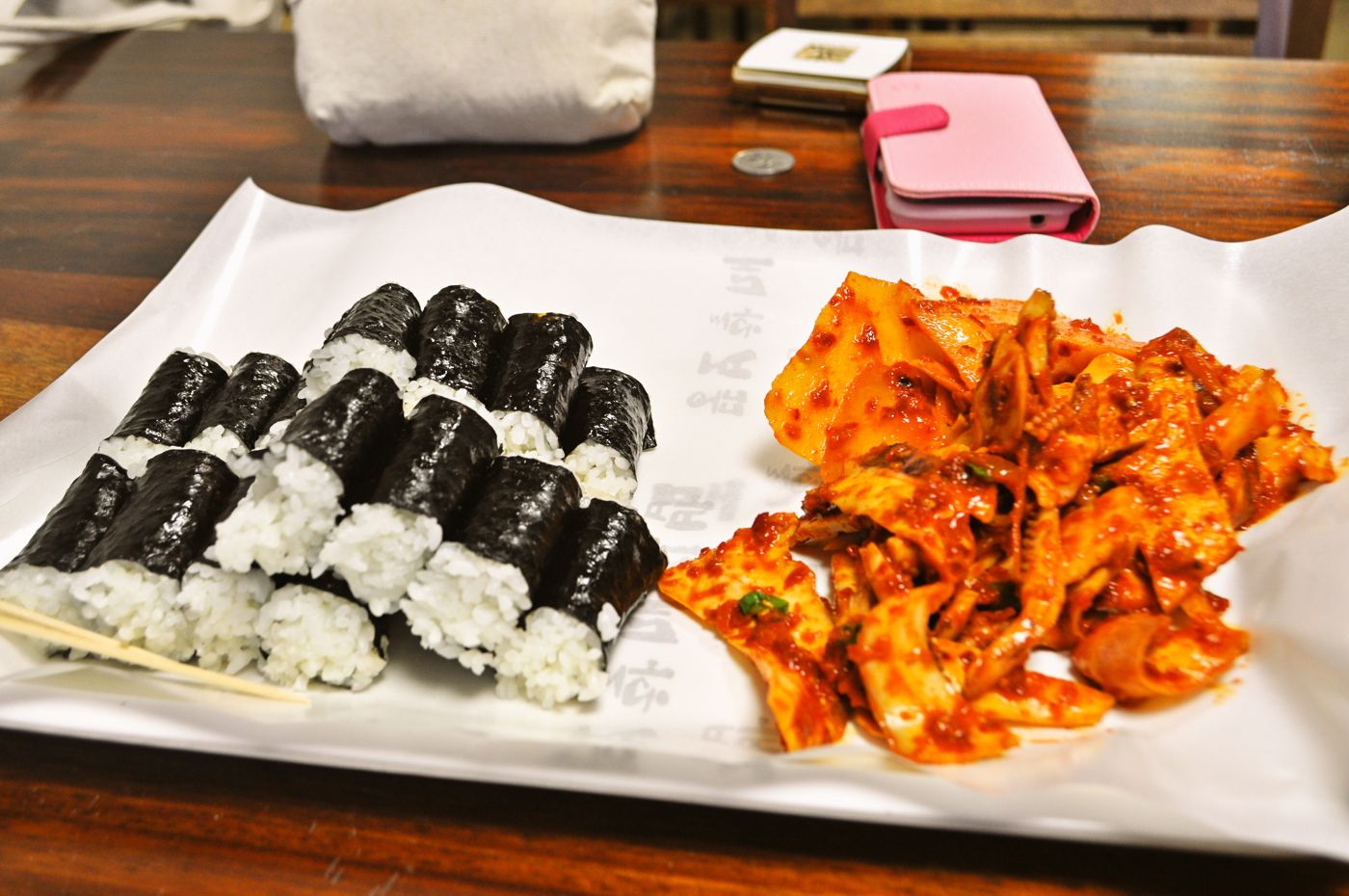 Chungmu Gimbap (Tongyeong Rice Rolls)충무김밥Finger-sized rolls of plain rice in laver, eaten with spicy squid and chunky radish kimchi on the side — Tongyeong's harbor food, built to survive summer heat.
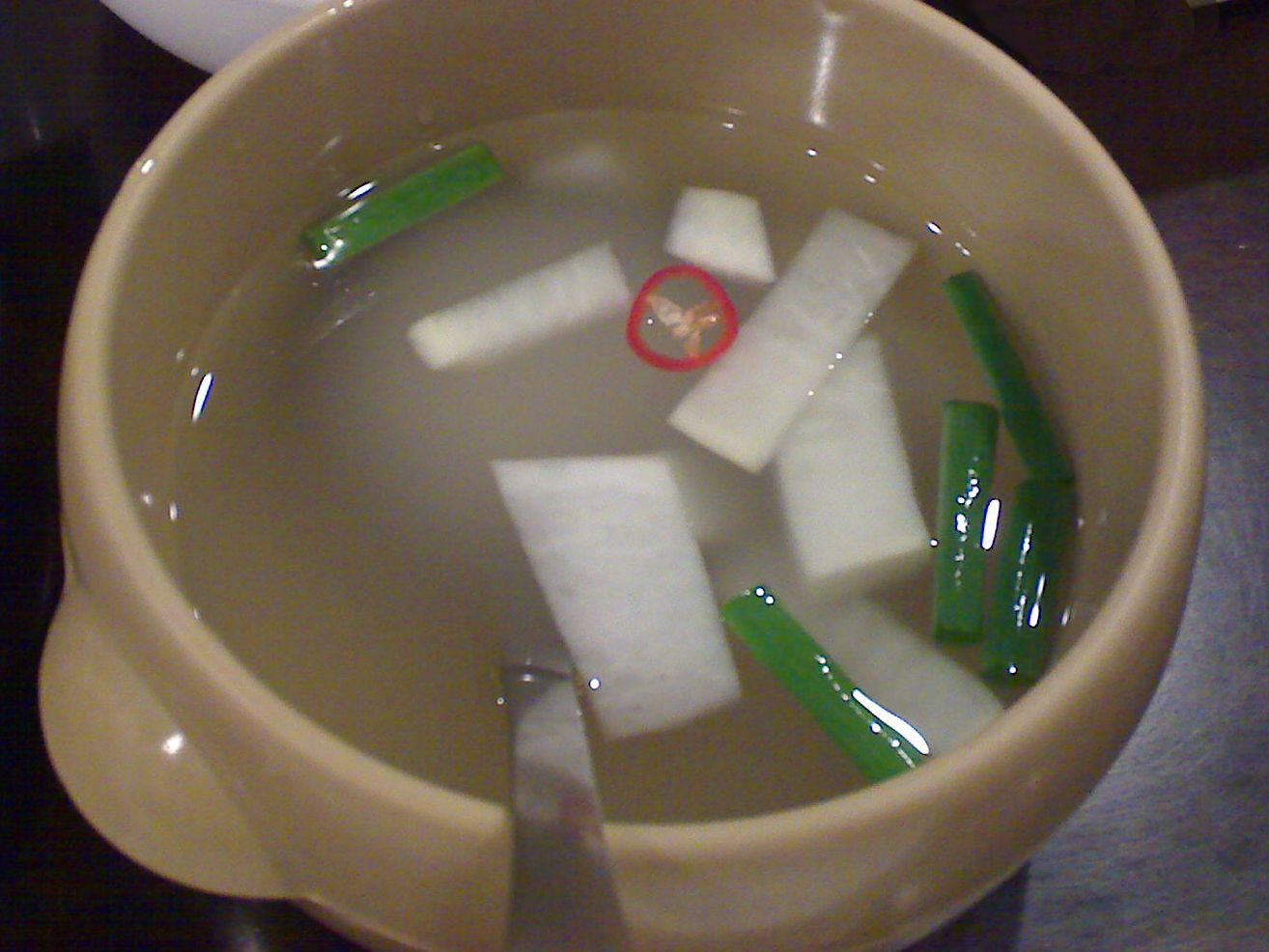 Radish Water Kimchi동치미Whole radishes steeped in a clear salt brine with pear, ginger and green chili — a winter water kimchi whose tangy broth is prized on its own.
- Dongtae-jjigae (Frozen Pollack Stew)동태찌개A spicy, clean-tasting stew of frozen Alaska pollack with radish, tofu and fresh greens in a gochugaru-and-jang broth — a winter staple at the Korean table.
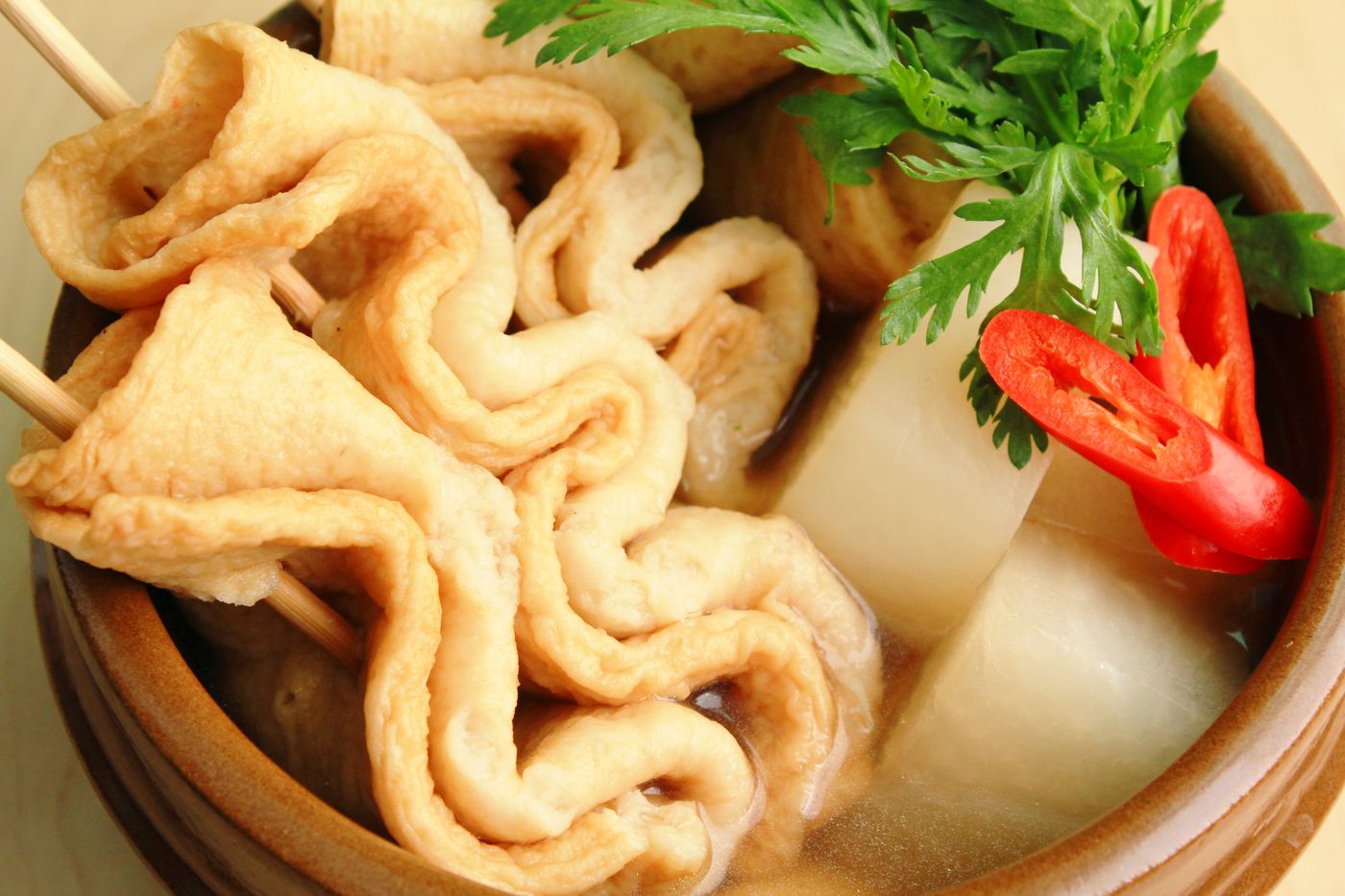 Eomuk Tang (Fish Cake Soup)어묵탕Fish cakes, often threaded on skewers, simmered in a clear anchovy, kelp and radish broth — Busan's winter street-stall soup and a quick home dish.
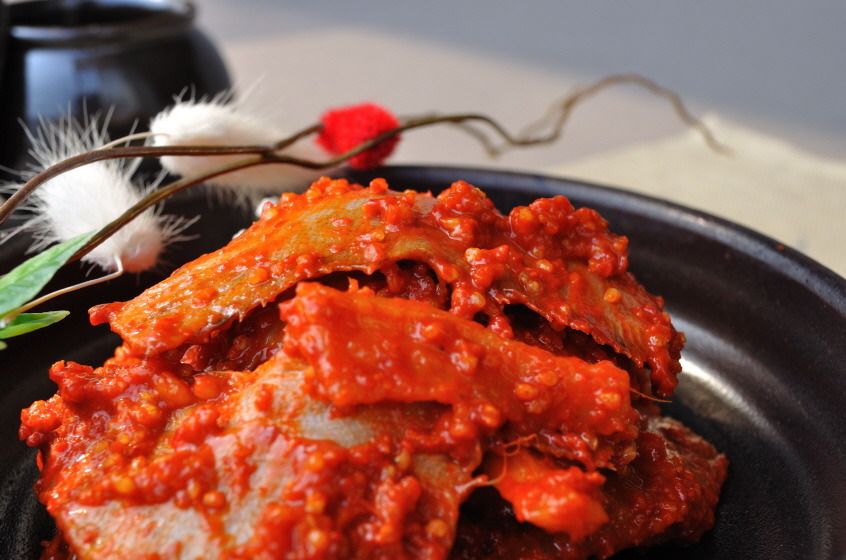 Fermented Flatfish with Millet가자미식해Salted flatfish fermented with foxtail millet, malt, radish and chili — the tangy, spicy sikhae of Hamgyeong, carried south to the Gangwon coast.
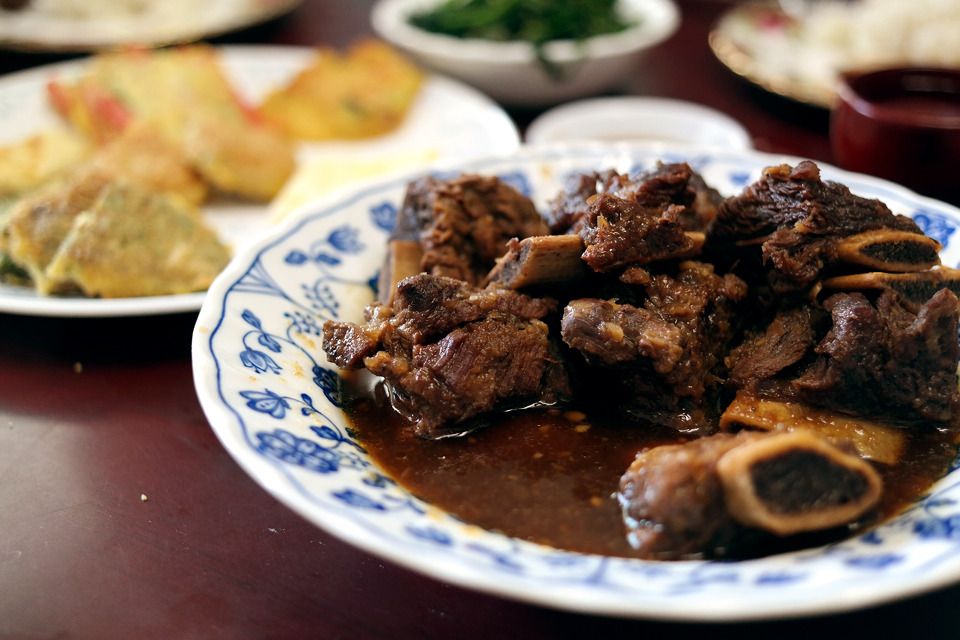 Galbi-jjim (Braised Beef Short Ribs)갈비찜Beef short ribs simmered slowly in soy sauce, pear and garlic with radish, carrot, chestnuts and jujubes until glossy and tender — a dish for holidays and honored guests.
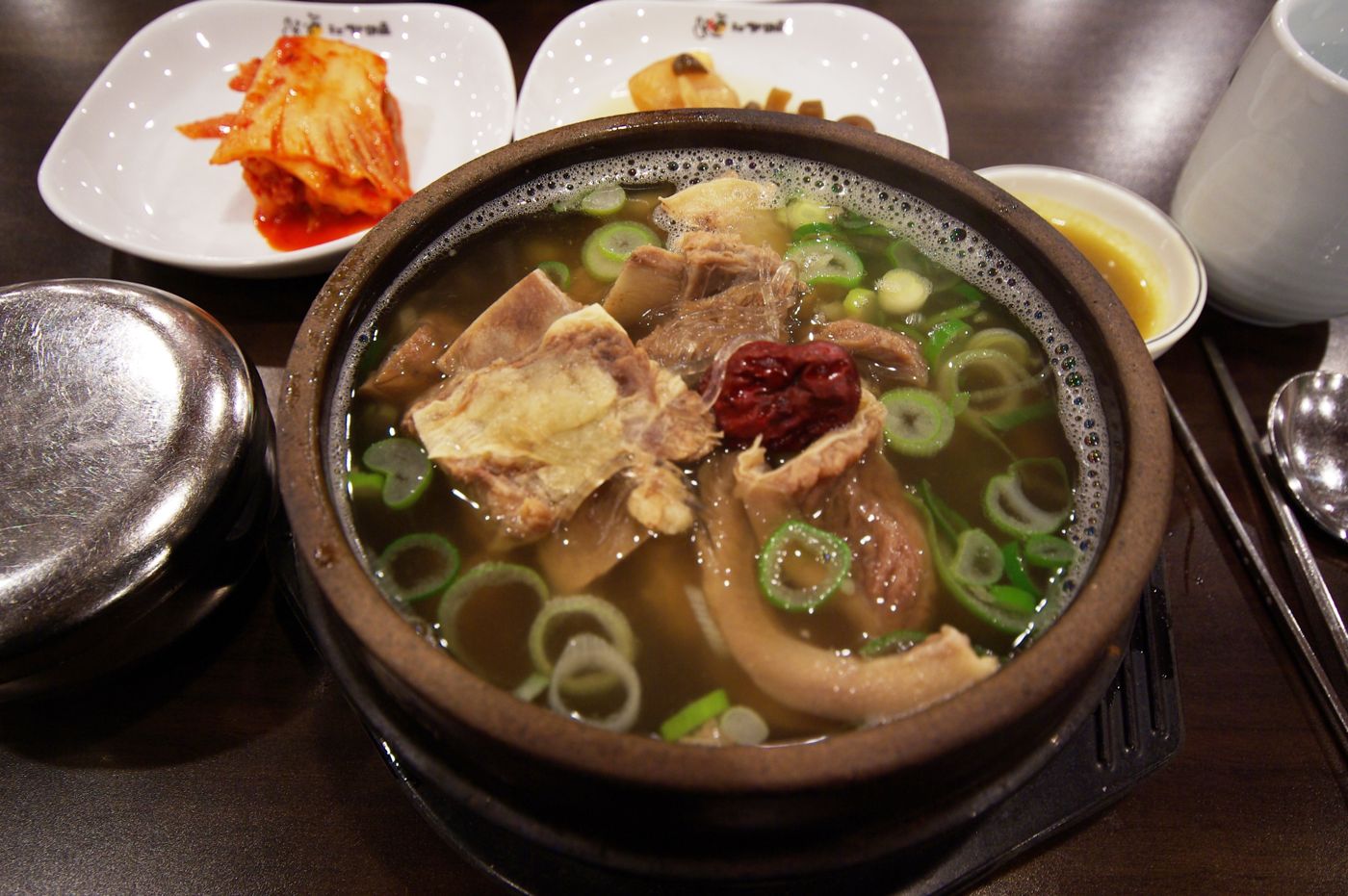 Galbitang (Beef Short Rib Soup)갈비탕Beef short ribs simmered until the meat slips from the bone, served in a clear, soy-seasoned broth with radish — a court banquet soup turned everyday restaurant bowl.
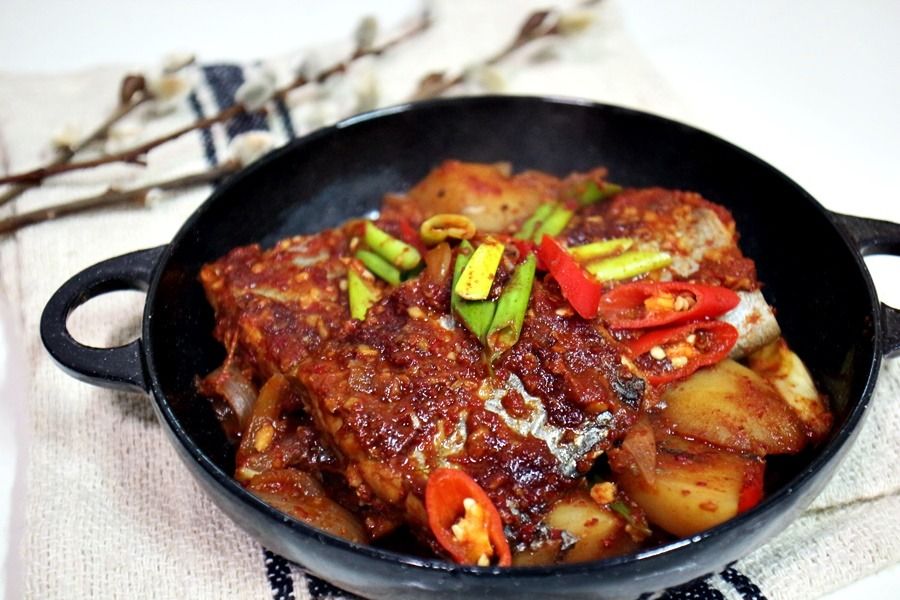 Galchi Jorim갈치조림Silvery hairtail braised with radish in a red, garlicky soy and chili sauce — a Jeju specialty and a favorite across Korea's southern coast.
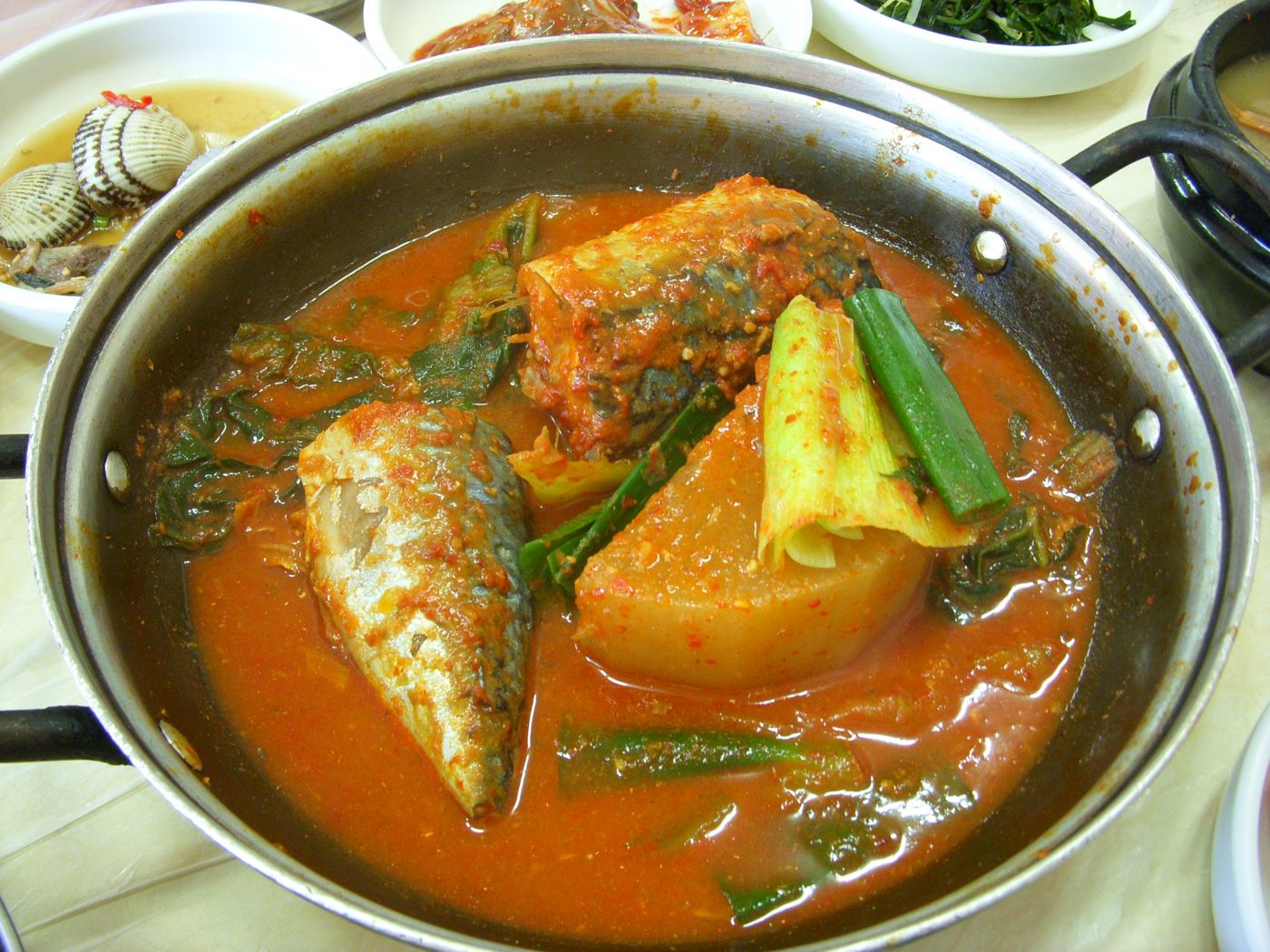 Godeungeo Jorim고등어조림Mackerel braised on a bed of Korean radish in a spicy soy and chili sauce — a warming, rice-friendly dish where the radish is often the best part.
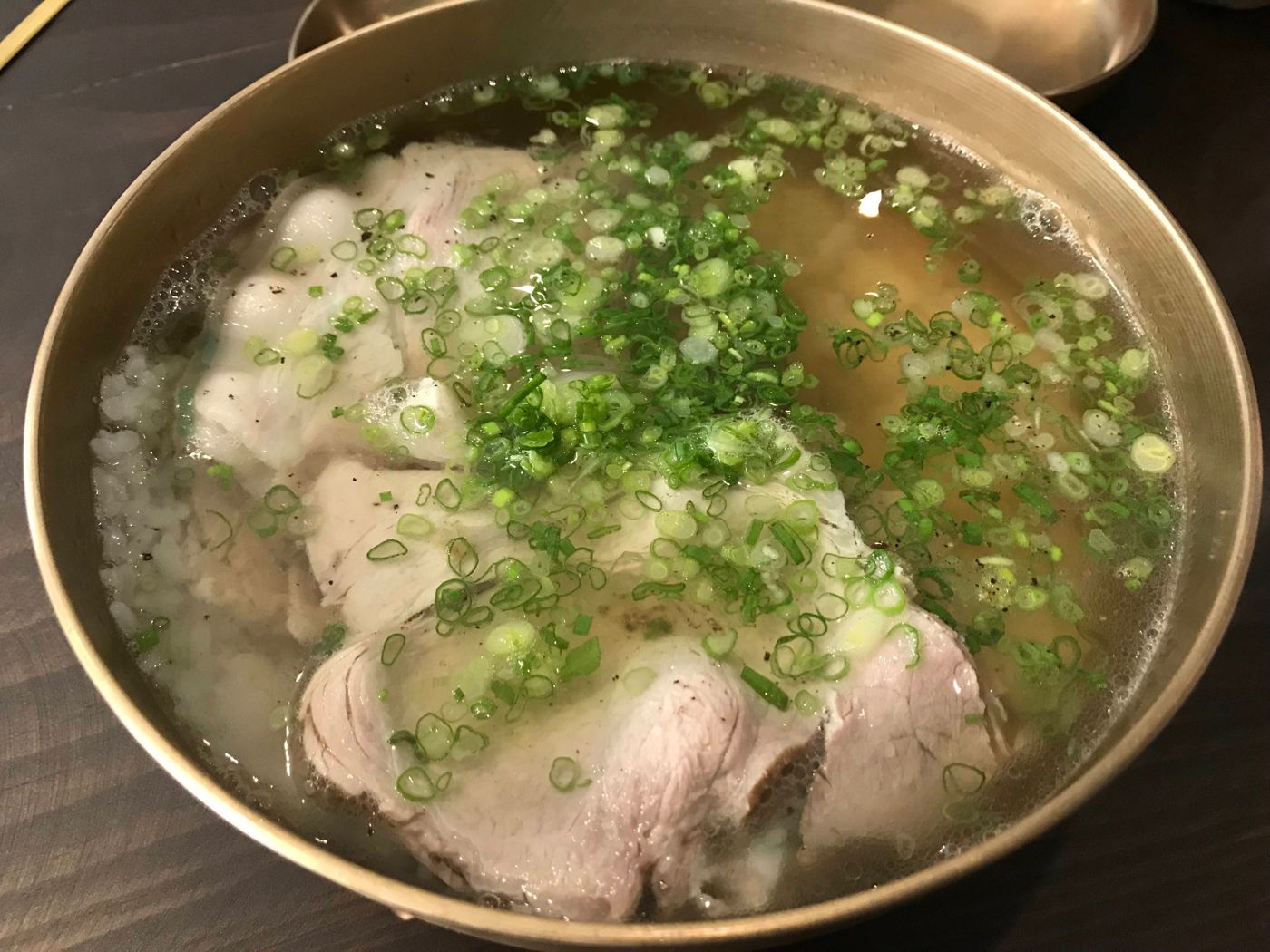 Gomtang (Beef Bone and Brisket Soup)곰탕A long-simmered beef soup, usually built on brisket, shank and offal and served over rice, with a broth that is lightly salted at the table. A pillar of the Korean gukbap tradition.
- Gul Guk (Oyster Soup)굴국Fresh oysters dropped into a clear radish broth with tofu and green onion and cooked for barely a minute — a delicate cold-season soup of the south and west coasts.
- Oyster Radish Kimchi굴깍두기Cubed radish kimchi folded through with fresh raw oysters — a short-lived winter kimchi, eaten within days while the oysters are still sweet.
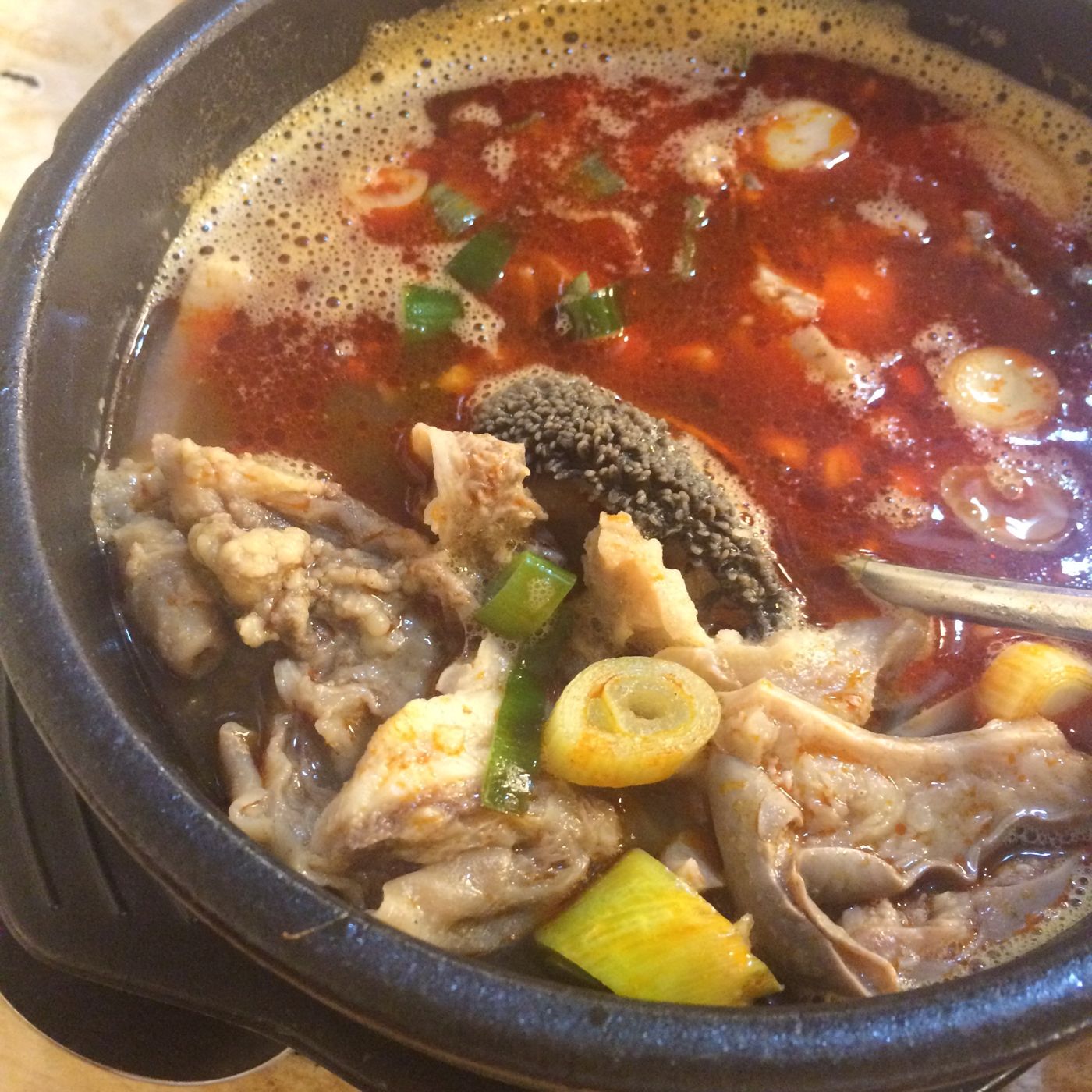 Haejangguk (Hangover Soup)해장국A hot, hearty morning soup — classically beef-bone broth with cabbage greens, bean sprouts and seonji (beef blood curd) — eaten over rice after a night of drinking.
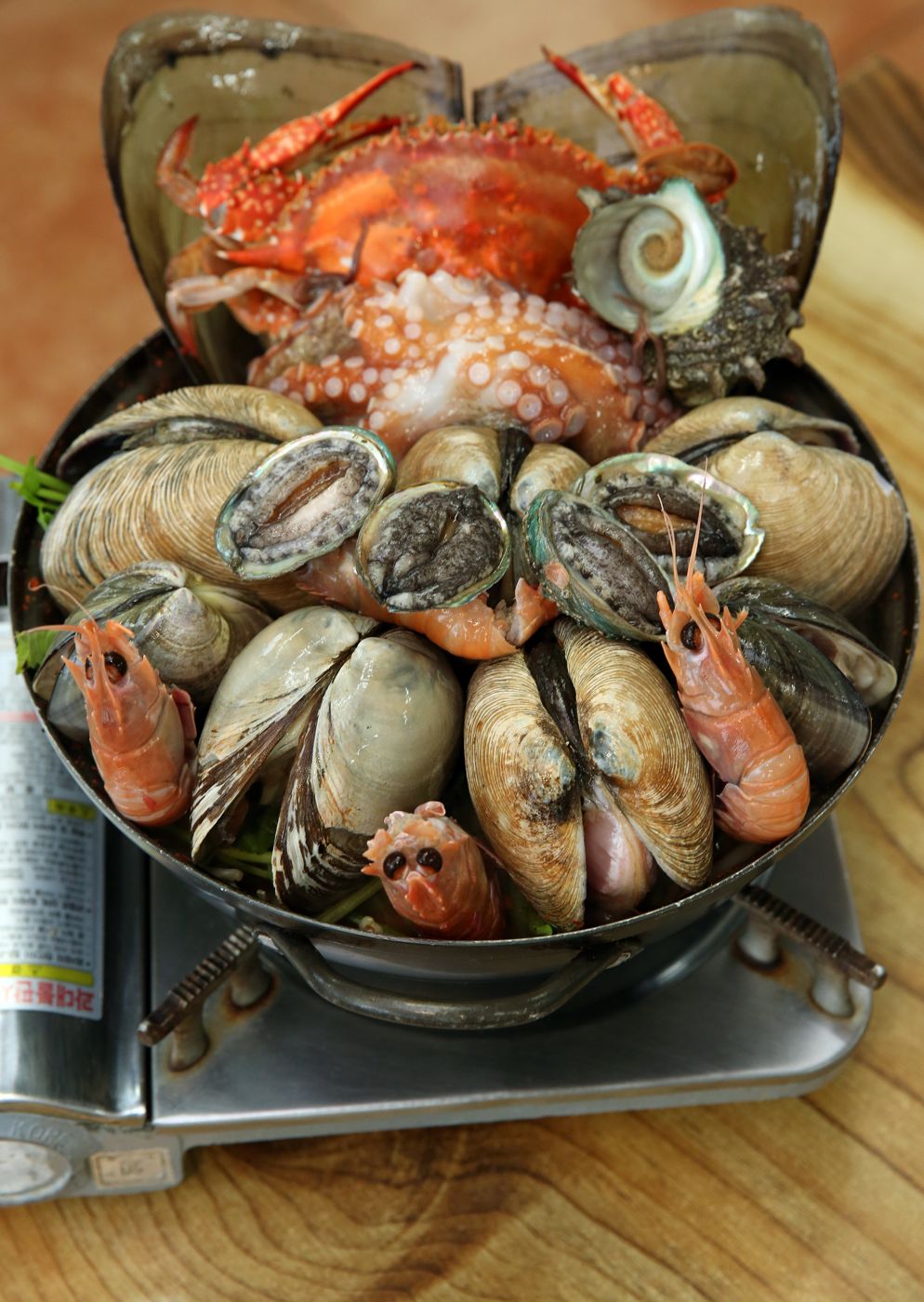 Haemul Tang (Spicy Seafood Hot Pot)해물탕Blue crab, octopus, shrimp, clams and sea squirt simmered with radish and water dropwort in a bright, spicy gochujang broth — a seafood feast in one pot.
- Pumpkin Kimchi for Stew호박김치Thick slices of pumpkin fermented with cabbage or young radish greens, then simmered into a mellow stew — a Hwanghae and Chungcheong cooking kimchi.
- Spicy Skate Salad홍어회무침Strips of raw or lightly fermented skate, firmed in vinegar and tossed with minari, radish and a sweet-sour gochujang dressing — Jeolla's feast-day salad.
- Soy Sauce Water Kimchi장김치Cabbage and radish cured in soy sauce instead of salt, floated in a lightly sweet soy brine with pear, chestnut and pine nuts — a court and gentry kimchi.
- Salted Radish Pickle짠지Whole radishes packed in heavy salt over winter and opened in spring — soaked, sliced thin and served in vinegared cold water or dressed with chili.
 Cubed Radish Kimchi깍두기Korean radish cut into neat cubes and tossed with chili, garlic and salted shrimp — crunchy, juicy and a classic partner to rich soups.
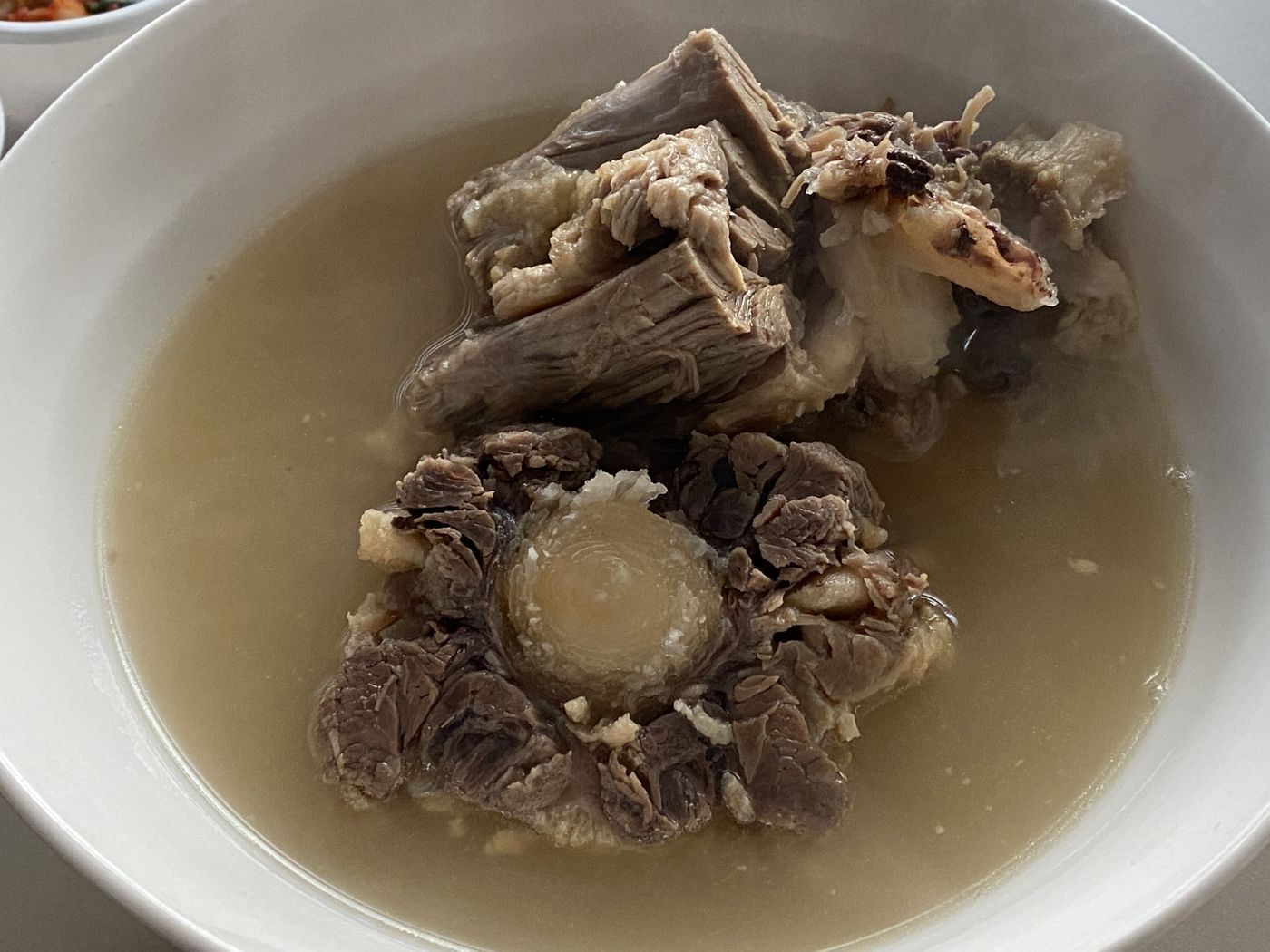 Kkori-gomtang (Oxtail Soup)꼬리곰탕Oxtail simmered for hours until the meat slips from the bone, in a rich, savory broth ladled over rice. A gomtang built on a single cut.
- Kodari Jorim (Braised Semi-Dried Pollock)코다리조림Half-dried Alaska pollock braised with radish in a sweet, spicy soy-gochugaru sauce until the chewy flesh soaks up the glaze.
- Kongbiji Jjigae (Okara Stew)콩비지찌개Soybean pulp left from tofu-making — or freshly ground soaked soybeans — simmered thick with pork and sour kimchi and seasoned with salted shrimp; a nutty, homely winter stew.
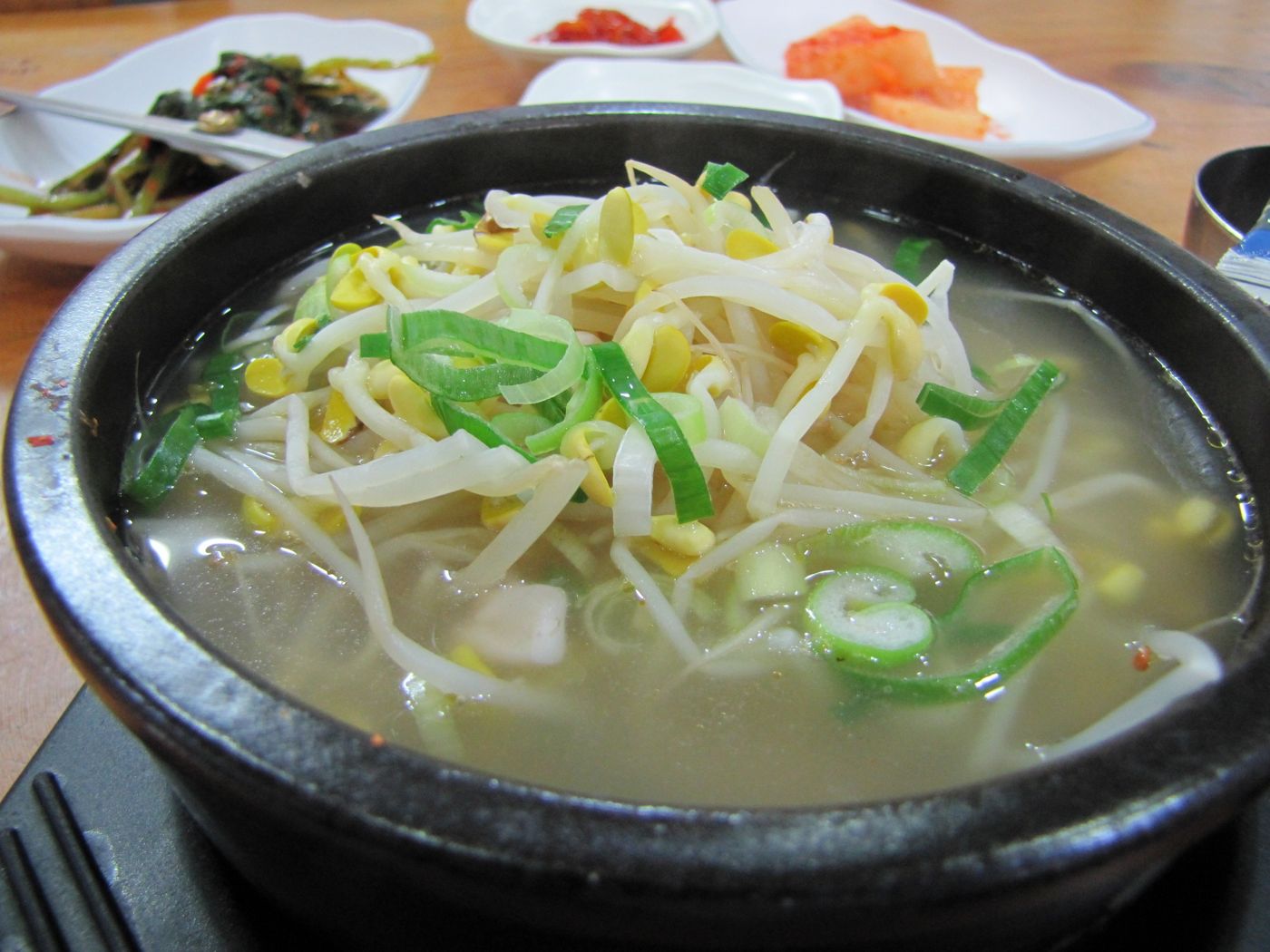 Kongnamul Gukbap (Jeonju Soybean-Sprout Rice Soup)콩나물국밥Rice and crisp soybean sprouts in a clear, savory broth, finished with egg, salted shrimp and kimchi. Jeonju's market breakfast and morning-after bowl.
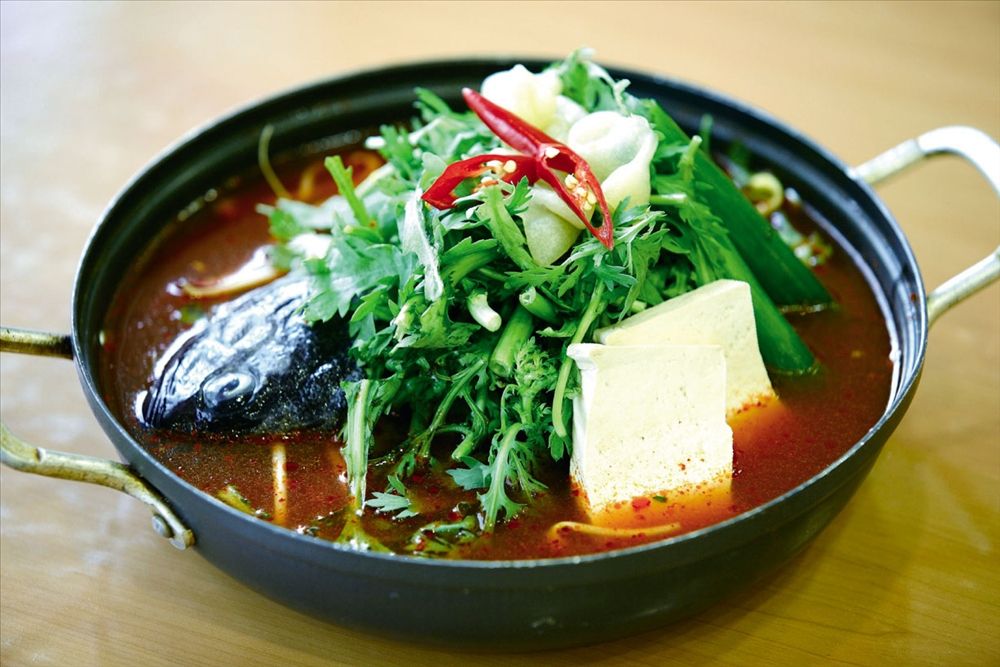 Maeuntang (Spicy Fish Stew)매운탕Fish — freshwater or sea — simmered with radish, tofu and fragrant greens in a fiery gochugaru and gochujang broth; the stew that follows sashimi and fills riverside restaurants.
- Cut Cabbage Kimchi막김치Napa cabbage cut into bite-size pieces before salting and tossed with the seasoning all at once — the quick, everyday way to make cabbage kimchi.
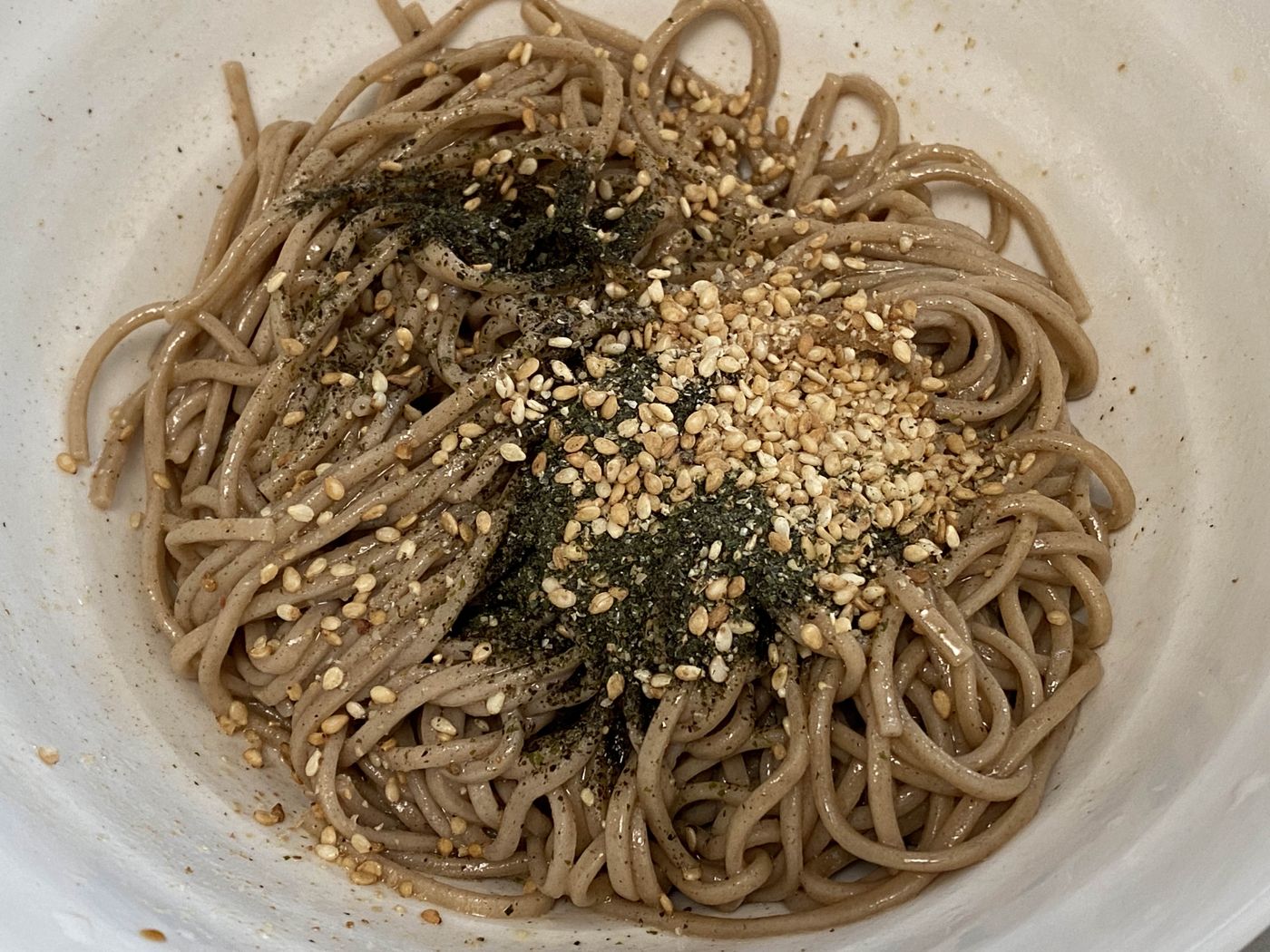 Makguksu (Gangwon Buckwheat Noodles)막국수Coarse, grayish buckwheat noodles served in cold dongchimi broth or tossed with spicy sauce — a Gangwon mountain dish most famously eaten in Chuncheon.
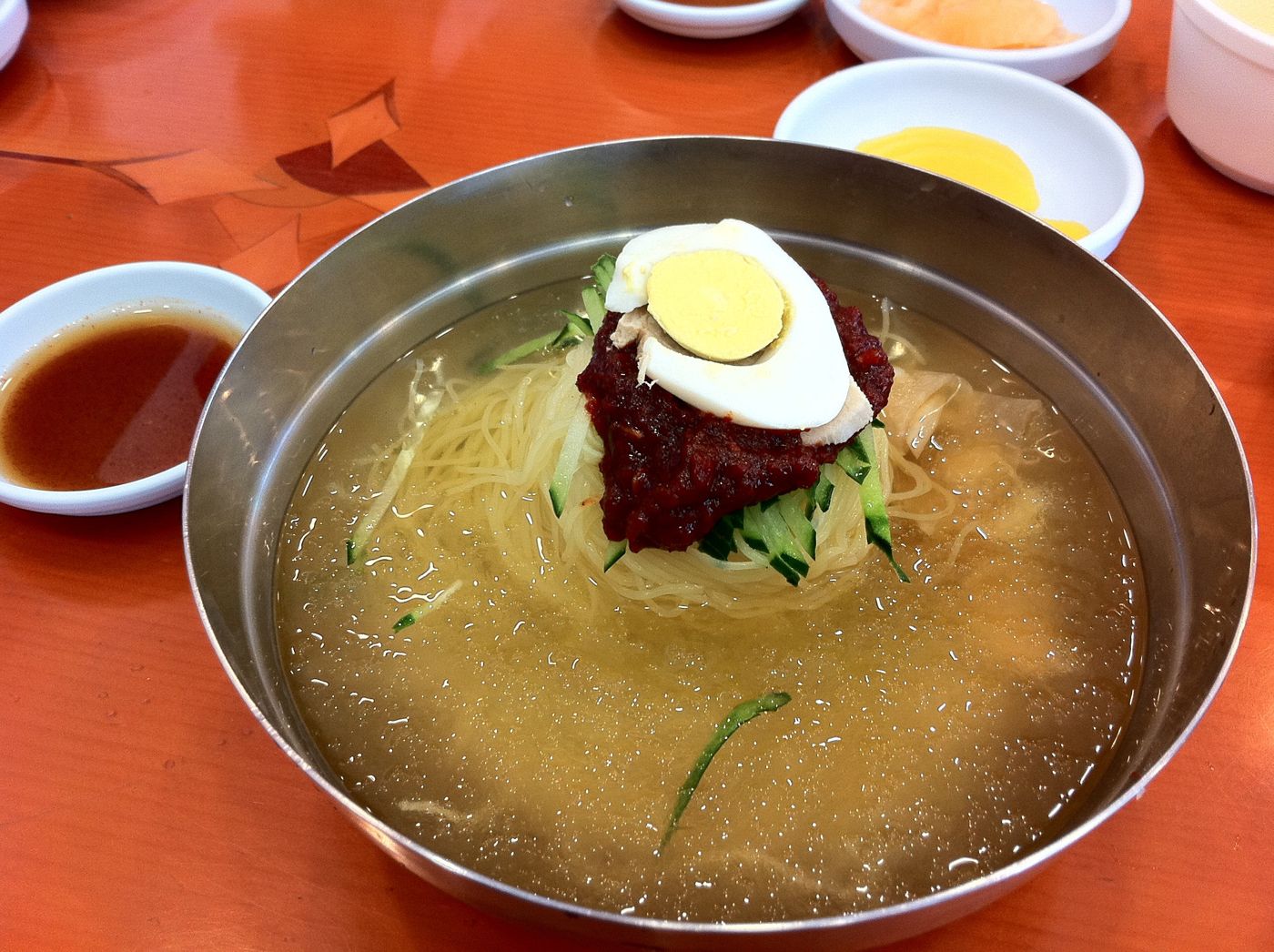 Milmyeon (Busan Wheat Cold Noodles)밀면Chewy wheat-and-starch noodles in an icy, sweet-sour beef broth or tossed in chili paste — Busan's refugee-era answer to northern naengmyeon.
- Mu Guk (Beef and Radish Soup)뭇국Thin squares of Korean radish and beef stir-fried in sesame oil, then simmered into a clear, gently sweet broth seasoned with soup soy sauce — a year-round everyday guk.
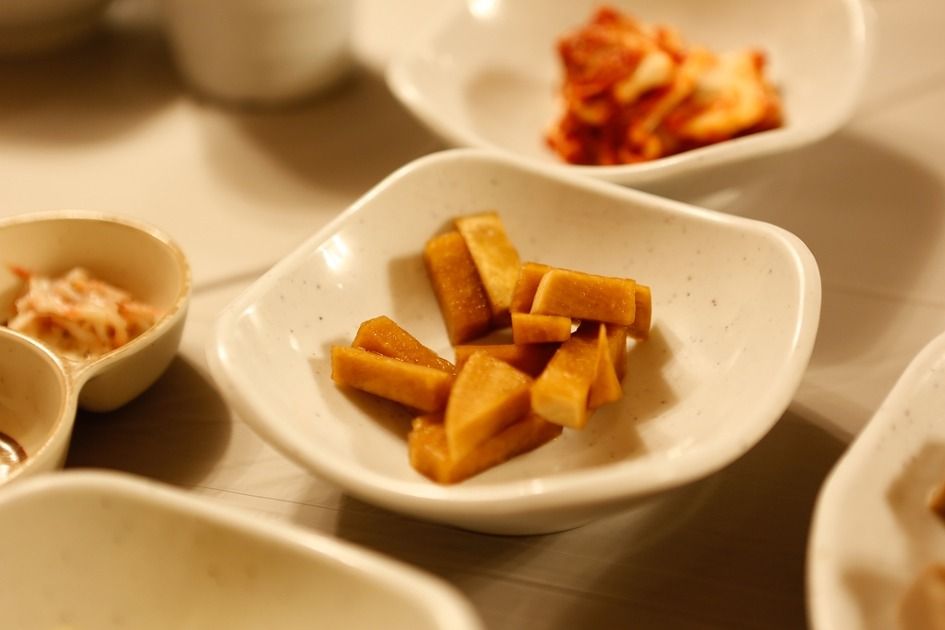 Chili Paste–Cured Radish무장아찌Korean radish salted, dried until leathery and buried in gochujang for weeks, then sliced thin with sesame oil — chewy, savory and deeply seasoned.
- Mu Jorim (Braised Radish)무조림Thick rounds of Korean radish simmered in anchovy stock with soy sauce and chili until tender, sweet and amber — humble, warming winter banchan.
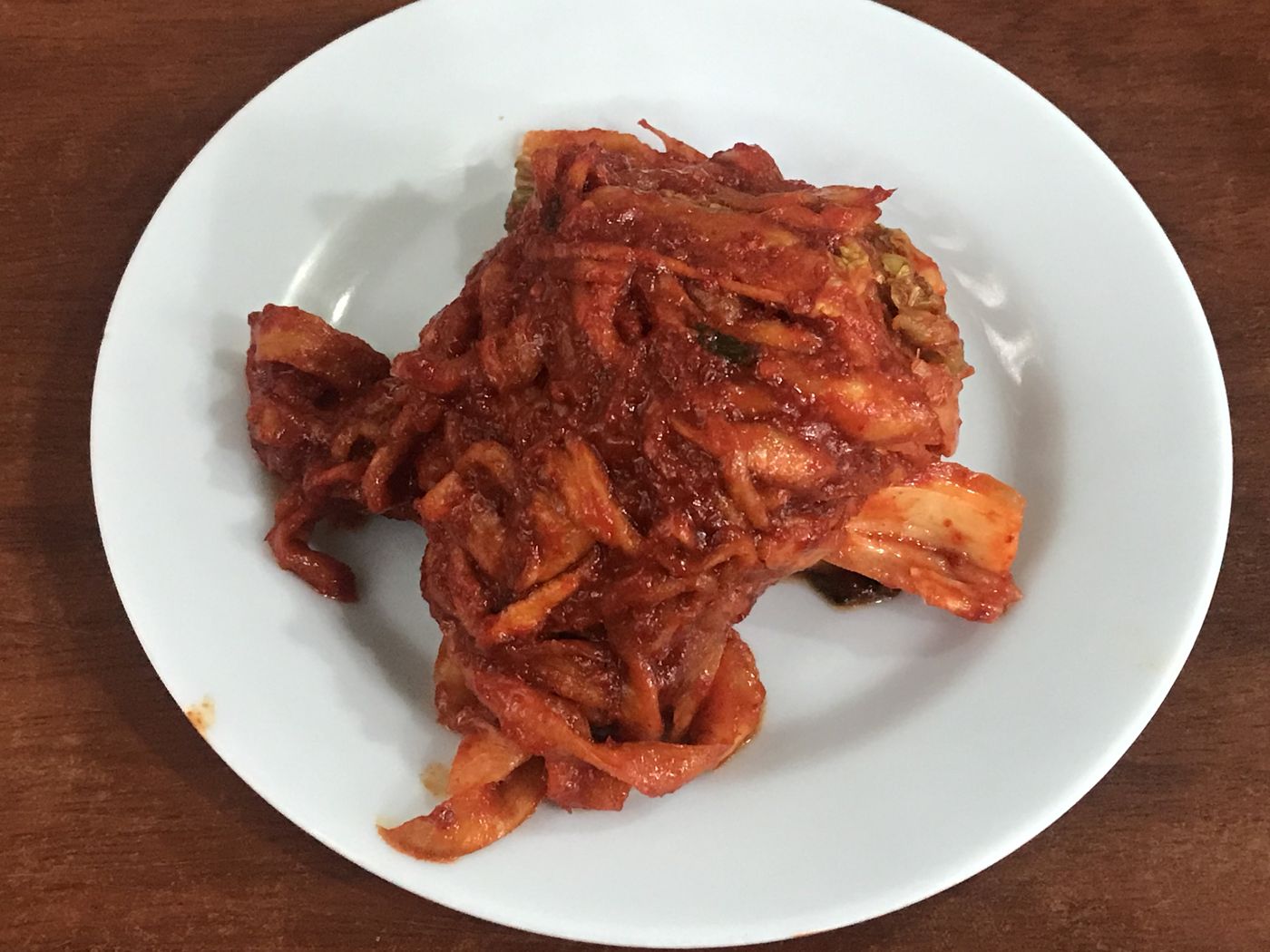 Mu Mallaengi Muchim무말랭이무침Sun-dried radish strips soaked until springy and tossed in a sweet, spicy chili dressing — crunchy, chewy and a long-keeping winter staple.
- Mu Namul (Stir-Fried Radish Namul)무나물Julienned Korean radish stir-fried in perilla oil, then steamed in a splash of water until sweet and translucent — a soft, mild namul for rites and everyday rice.
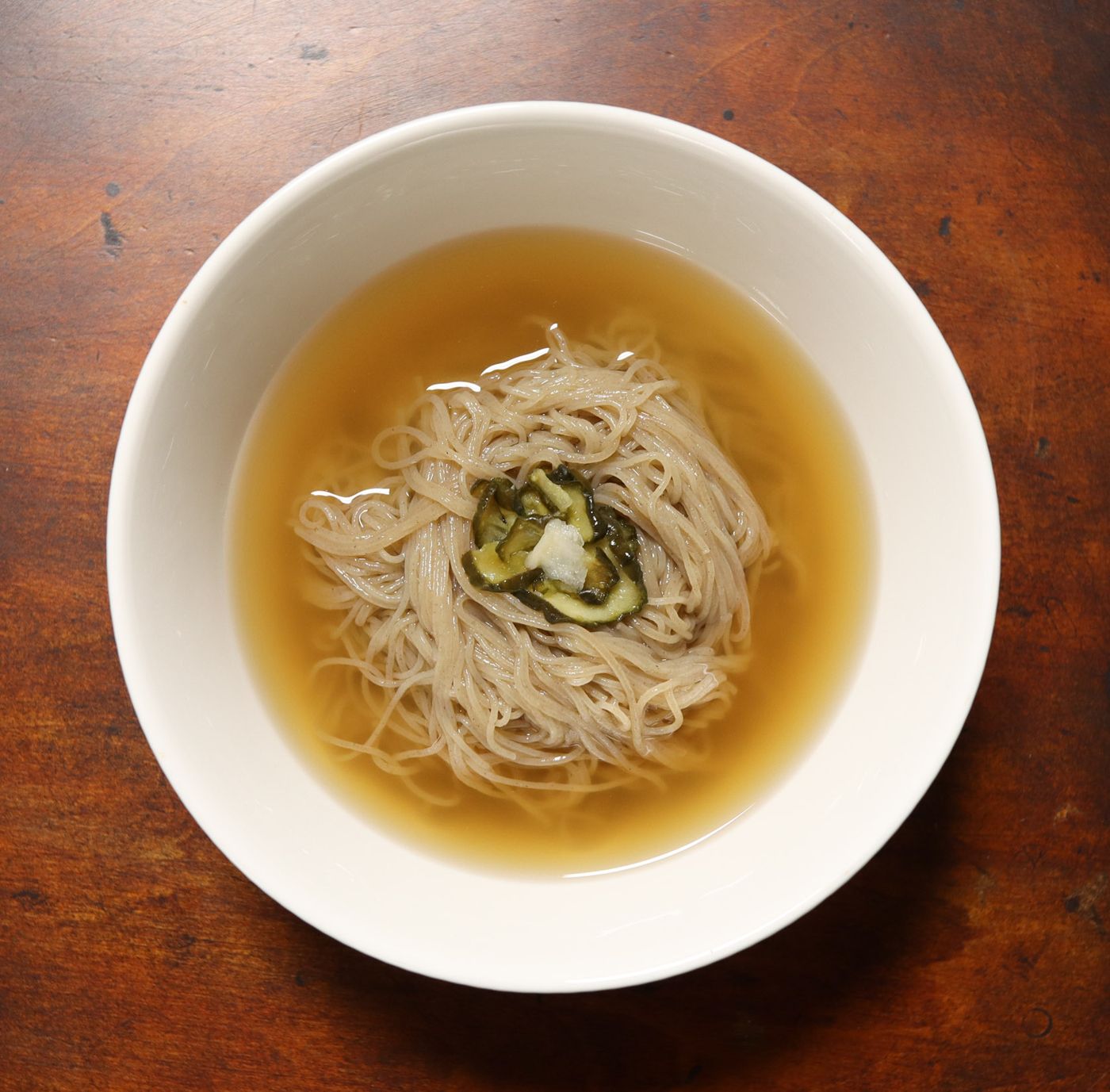 Mul-naengmyeon (Cold Buckwheat Noodles in Broth)물냉면Buckwheat noodles in an icy mix of beef broth and dongchimi, topped with sliced beef, pear, radish and egg — a Pyongyang winter dish now loved in summer.
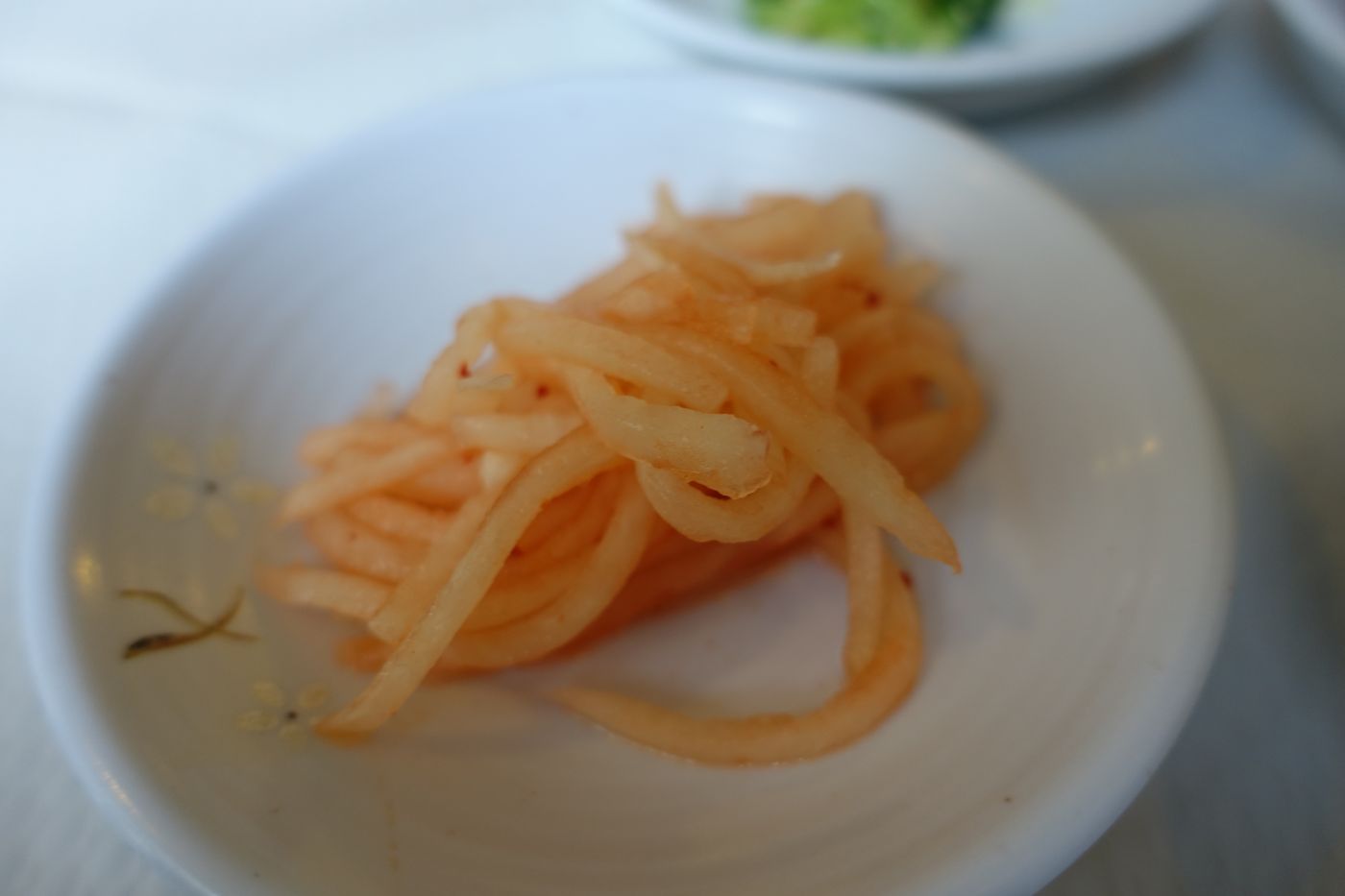 Musaengchae무생채Fine matchsticks of Korean radish dressed raw with chili flakes, a little vinegar and sugar — crisp, sweet-sharp and best made just before the meal.
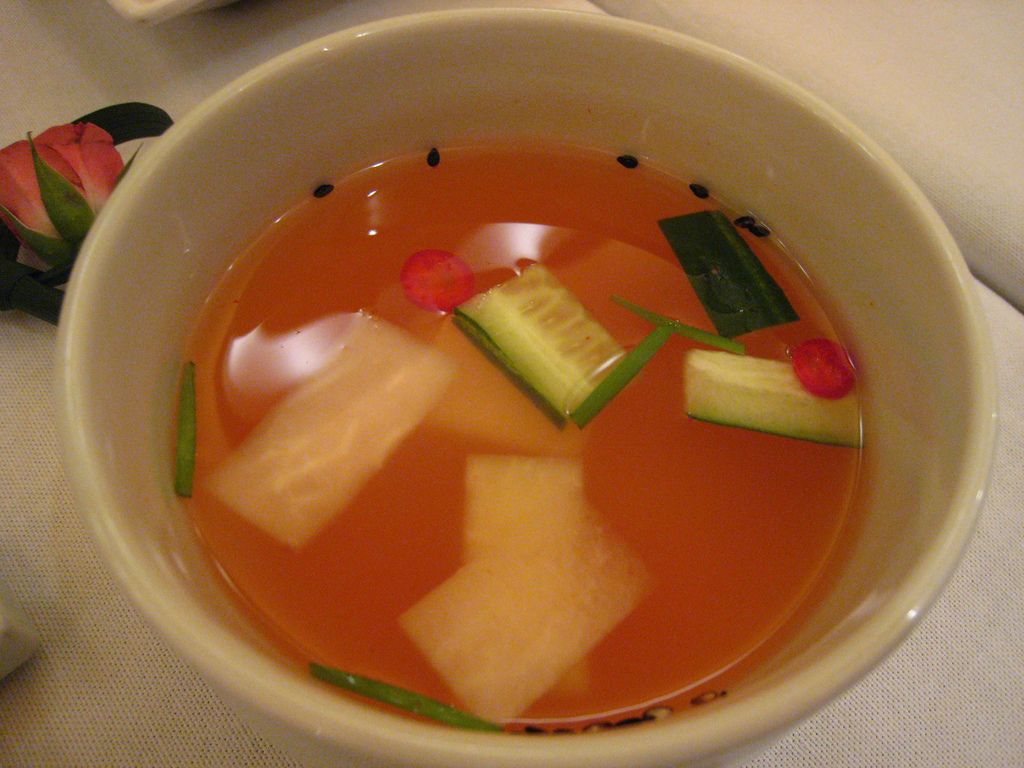 Radish and Cabbage Water Kimchi나박김치Thin squares of radish and napa cabbage in a lightly salted, pink-tinted broth — a mild, refreshing water kimchi eaten by the spoonful.
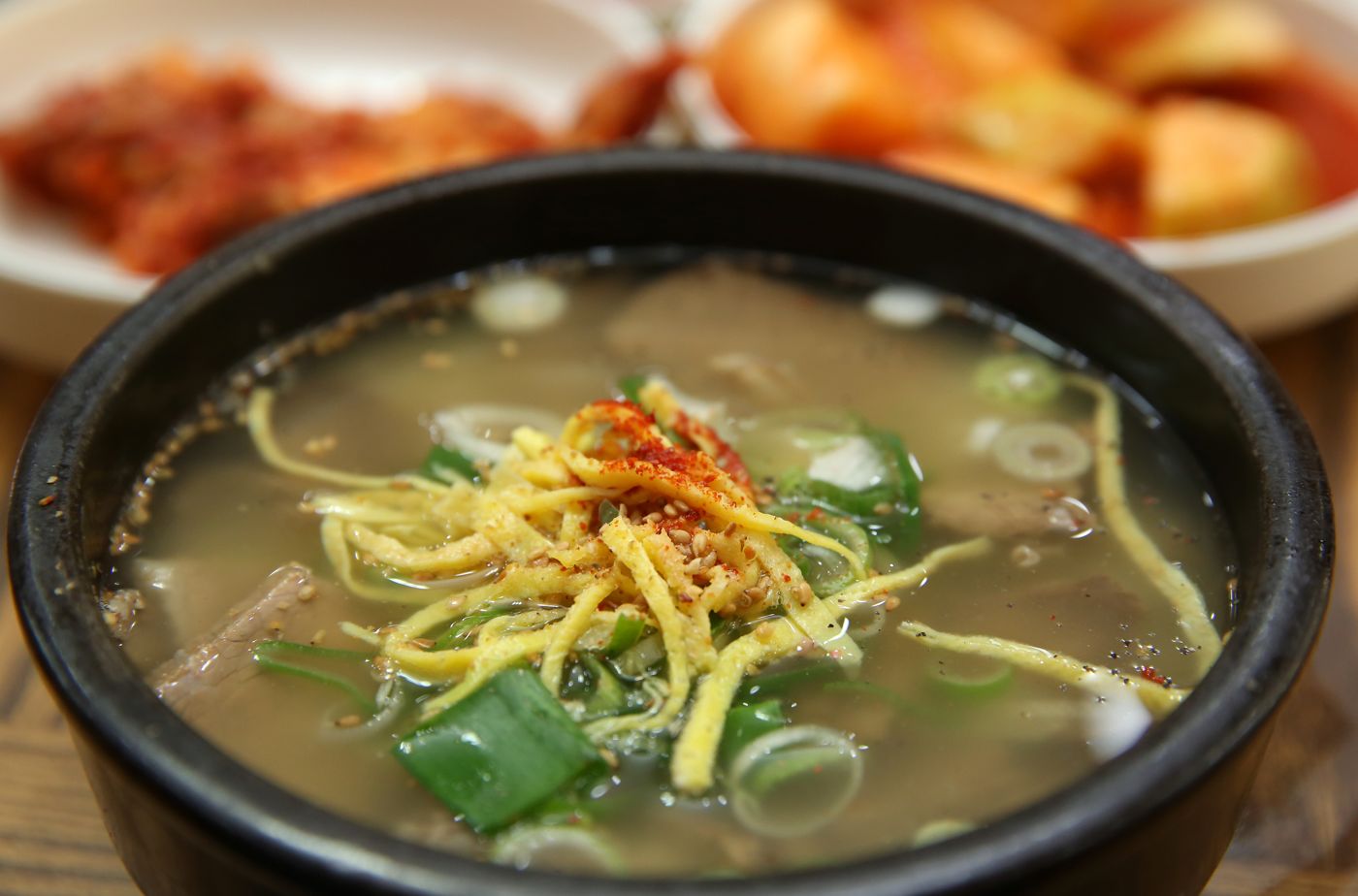 Naju Gomtang (Naju Clear Beef Soup)나주곰탕Brisket, shank and other beef cuts simmered into a clear, gently rich broth, poured over rice and topped with green onion — the market-day soup of Naju in South Jeolla.
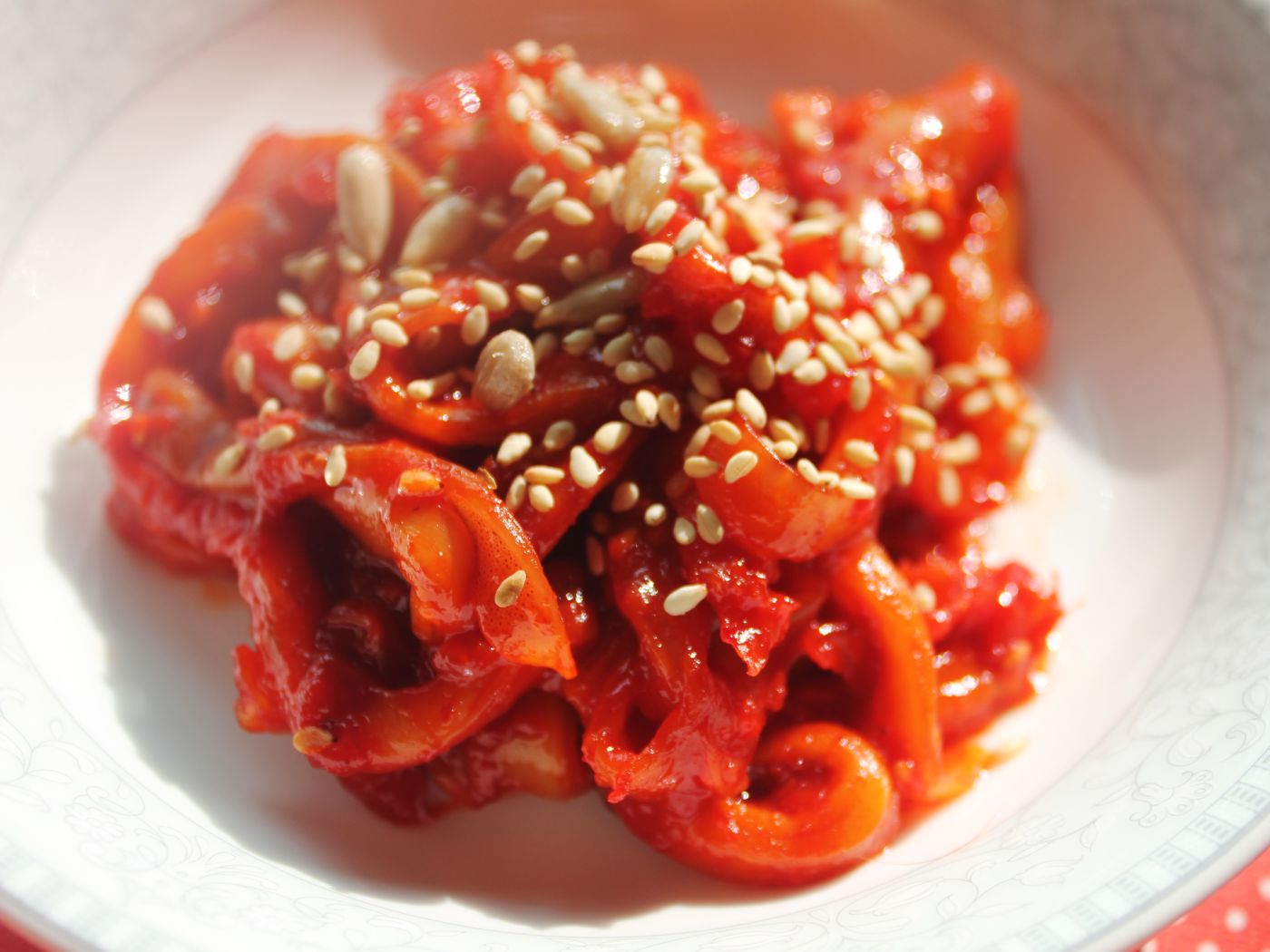 Salted Squid오징어젓Squid cured in salt, then sliced and tossed with chili, garlic and a touch of syrup — chewy, sweet-savory jeotgal from the East Sea coast.
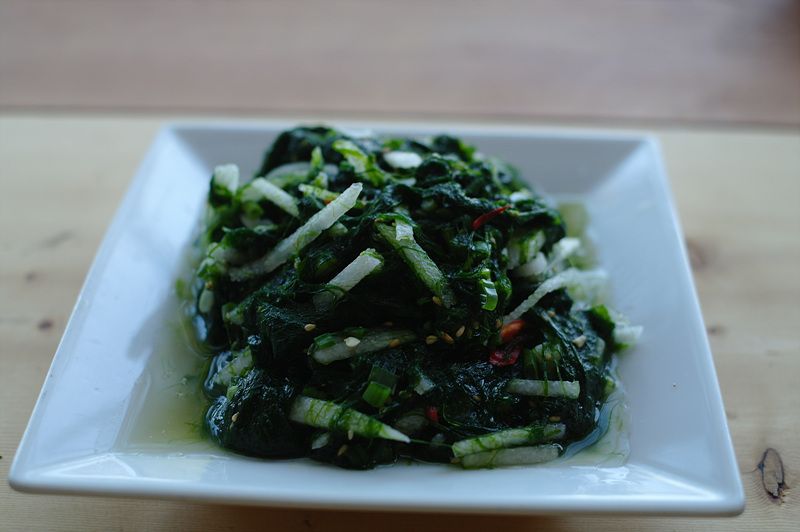 Parae Muchim (Green Laver Salad)파래무침Fresh green laver rinsed, squeezed and tossed with salted radish in a sweet-sour dressing — a bright, briny winter banchan from Korea's southwest coast.
- Saengtae Jjigae (Fresh Pollock Stew)생태찌개Chunks of fresh, never-frozen pollock simmered with radish, tofu and a red chili broth, finished with water dropwort and crown daisy — a winter stew prized for its clean, bracing taste.
- Chunky Radish and Cabbage Kimchi섞박지Big, flat-cut pieces of radish and cabbage mixed in one chili and jeotgal seasoning — a late-autumn “mixed” kimchi, and the name for big radish kimchi today.
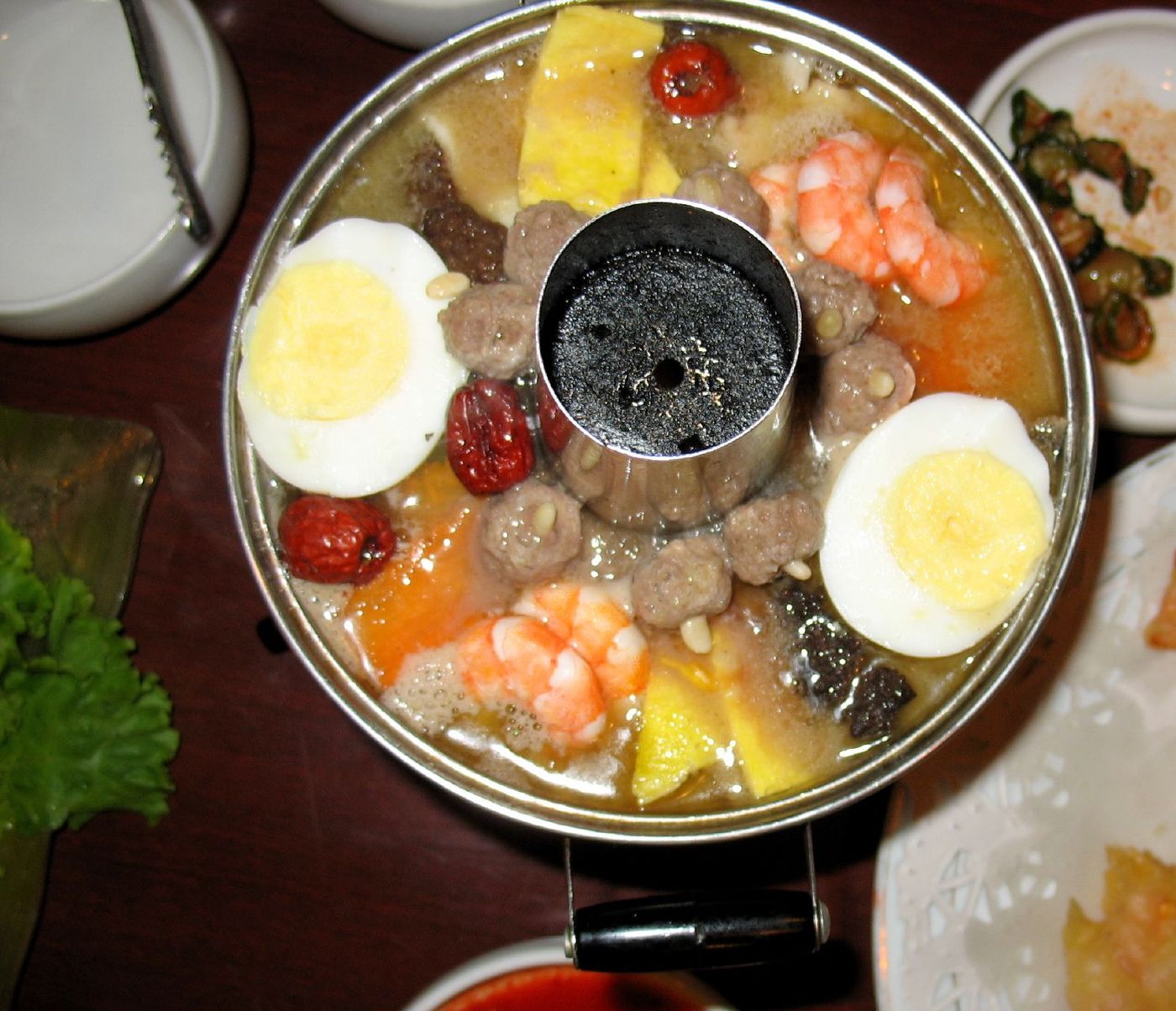 Sinseollo (Royal Hot Pot)신선로A court banquet dish of colorful beef, fish, egg, mushrooms and vegetables arranged in a chimney-centered brazier pot, with hot broth poured over and kept warm at the table.
- Siraegi Namul시래기나물Dried radish greens soaked, simmered until tender and seasoned with doenjang and perilla or sesame oil — a deep, earthy winter namul.