Ingredient
Barley
보리
Romanization: bori
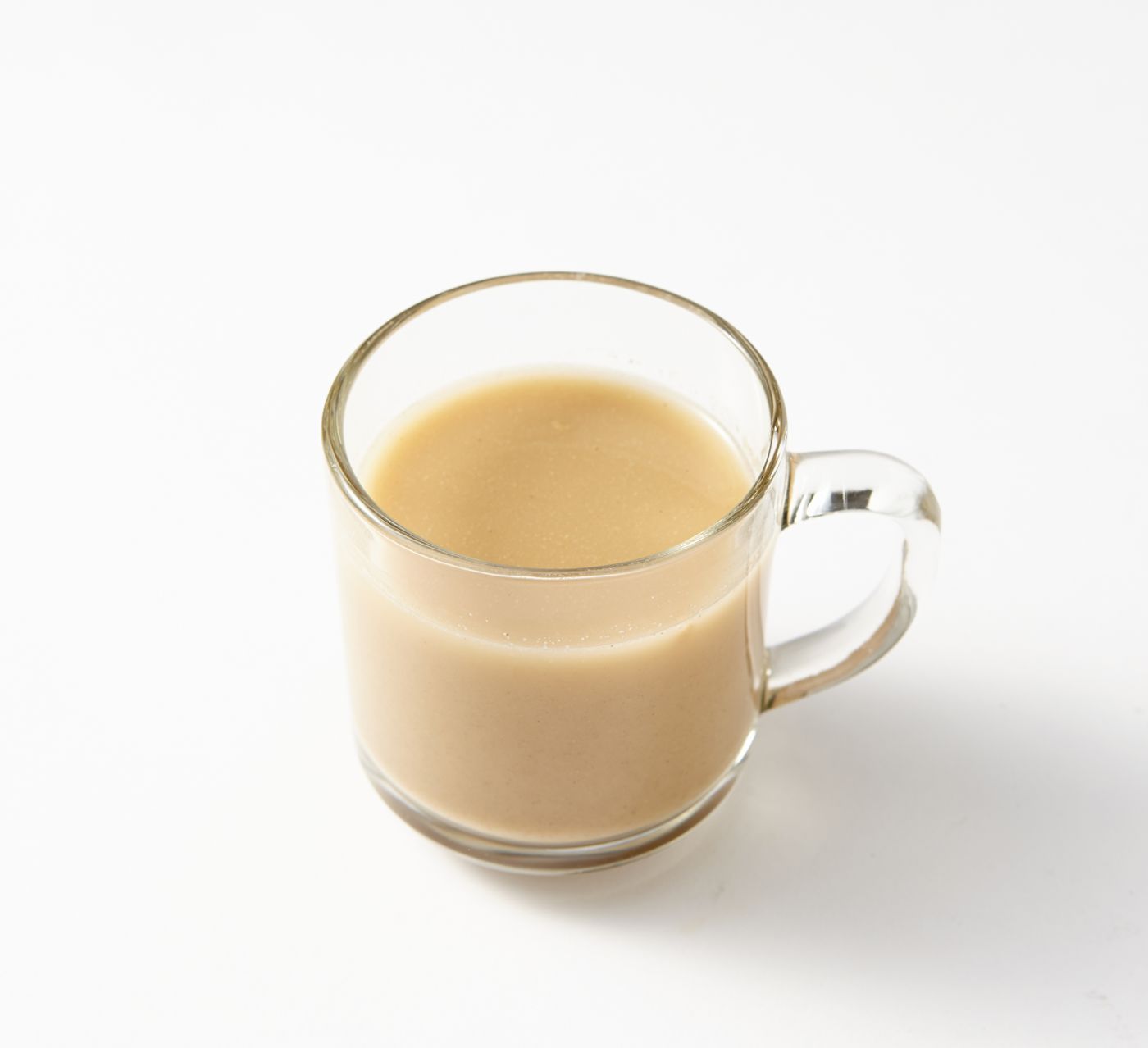
Plump, chewy grains with a dark seam down the middle, cooked alone or with rice as boribap and roasted for barley tea. Once the grain of hardship, barley is now eaten by choice for its nutty bite and fiber.
Flavor
Nutty and earthy, with a springy, slightly slippery chew; roasted barley tastes toasty and faintly bitter, like a mild, caffeine-free coffee.
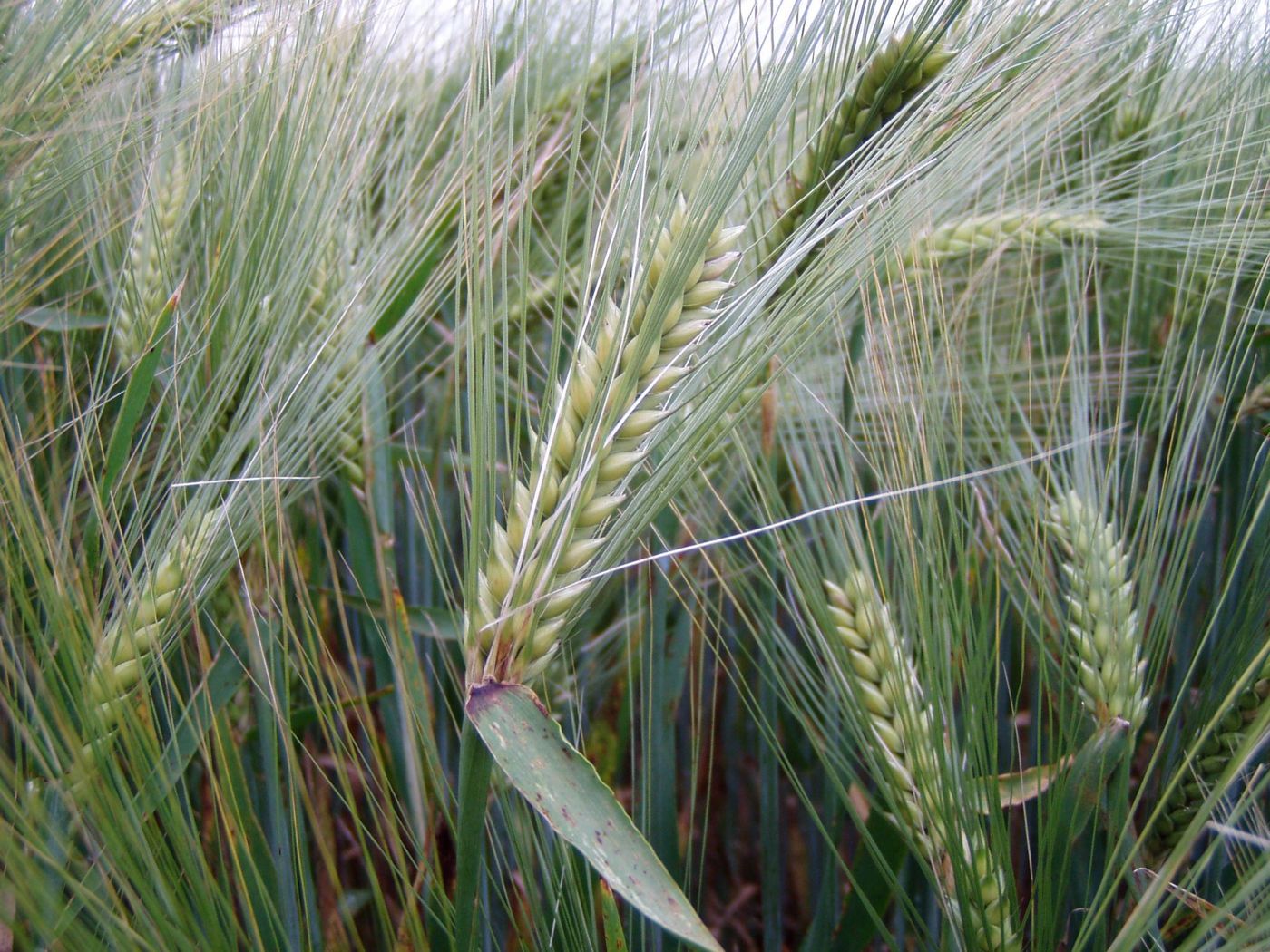 Photo: raul.dupagne, Public domain, via Wikimedia Commons
Origin & History
Bori is barley, Hordeum vulgare, one of the oldest cultivated grains. Korean farmers grow two main kinds: covered barley (gyeotbori), whose husk clings to the grain, and naked barley (ssalbori), whose husk falls away at threshing. It is sown in autumn, survives the winter in the fields, flowers in late April or early May and ripens about a month later.
The Samguk yusa tells how the mother of Jumong, founder of Goguryeo, sent barley seed to her son tied to the neck of a dove, and the Samguk sagi records hail damaging barley and beans in the second and third centuries. Those entries suggest barley was already widespread by then, grown in a two-crop rotation with beans planted after the summer harvest. Because it tolerates poor soil and needs little weeding, barley became the everyday staple of ordinary people for most of Korean history, while rice went to landlords, taxes and markets.
That dependence gave the language borigogae, the "barley hump": the hungry months of the fourth and fifth lunar months, when the autumn rice was gone and the new barley not yet ripe. Families got through it on wild greens, tree bark and debt. The Encyclopedia of Korean Culture describes it as a recurring structural crisis under colonial rule, when much of the rice crop left the country, and as lingering into the early 1960s. In the 1960s and 70s the government even campaigned for mixing barley into rice to save grain.
As rice became plentiful, barley consumption fell steeply, from about 37 kg per person a year in 1965 to under 2 kg by the late 1990s. It survives in boribap, often mixed with rice and eaten with young-radish kimchi or gochujang and greens; roasted, as the caffeine-free grain tea boricha; and sprouted as malt (yeotgireum), the enzyme source for sikhye and mulyeot.
Nutrition
| Calories | 341 kcal |
|---|---|
| Protein | 8.66 g |
| Fat | 1.66 g |
| Carbohydrates | 75.04 g |
| Fiber | 12.5 g |
| Sodium | 5 mg |
Notable forDietary fiber (12.5 g) · Iron (2.28 mg) · Magnesium (64 mg)
Values copied from the Korean Food Composition Table (Rural Development Administration / National Institute of Crop Science) for this exact food, per 100 g edible portion. Values are for dry grain; pressed covered barley (another common boribap grain) lists similar figures, with 11 g fiber. Actual values vary with ingredients, portion size and preparation.
Health Benefits
- High in fiber: Even polished, barley carries several times the dietary fiber of white rice per the Korean Food Composition Table, which is one reason mixing it into rice has become popular again.
- A source of minerals: Barley supplies more iron and magnesium than polished rice.
- Contains gluten: NIDDK lists barley — including malt, malt extract and malt vinegar — among the gluten grains people with celiac disease must avoid. That includes boribap, barley tea and malt-based sikhye.
- Traditional claims, modest evidence: Korean sources have long credited barley with aiding digestion and regularity; the fiber content supports the latter, but specific health claims for boribap have not been well studied.
Informational, not medical advice. Talk to a qualified professional about your own health and diet.