The Banchan Encyclopedia
History & Culture
역사와 문화
The people, rituals and traditions behind Korean food.
- A Field Guide to Kimchi Types김치의 종류How to tell kimchi apart: by main vegetable, by whether it sits in brine, by season and by region, with links to the kimchi on this site.
- A History of Banchan반찬의 역사How the Korean habit of eating rice with many small side dishes took shape, from early records of jang and jeotgal to the Joseon table, and where the evidence runs out.
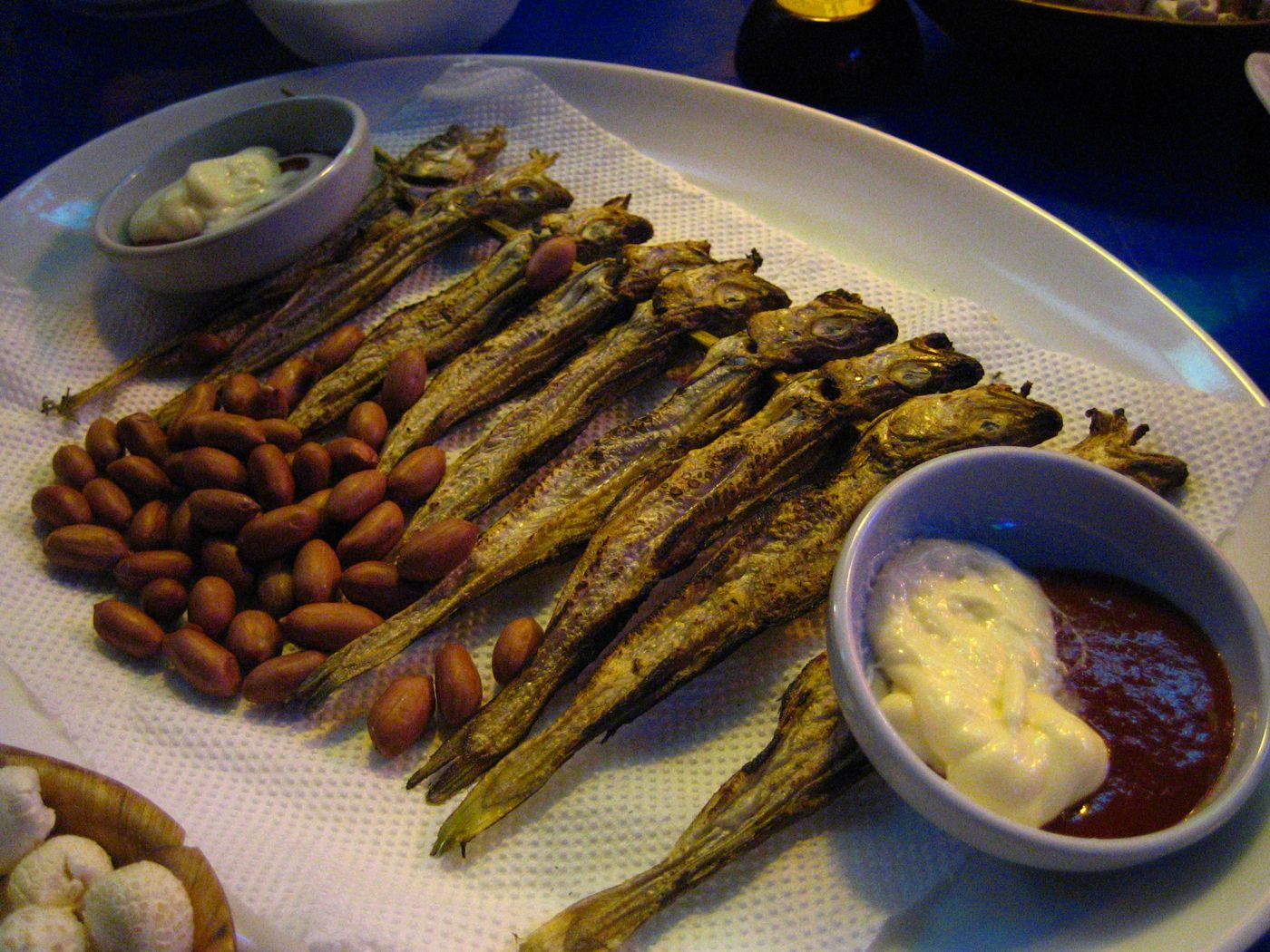 Anju: Food for the Drinking Table안주와 술자리 문화From the guest's juansang to tented pojangmacha and pork belly with soju, Korean drinking has always been about the food served alongside, the dishes called anju.
- Baekban and Gisa-sikdang: The Everyday Korean Set Meal백반What baekban means, why the plain word describes a rice-and-soup meal with side dishes, and how taxi-driver restaurants turned the quick set meal into a city institution.
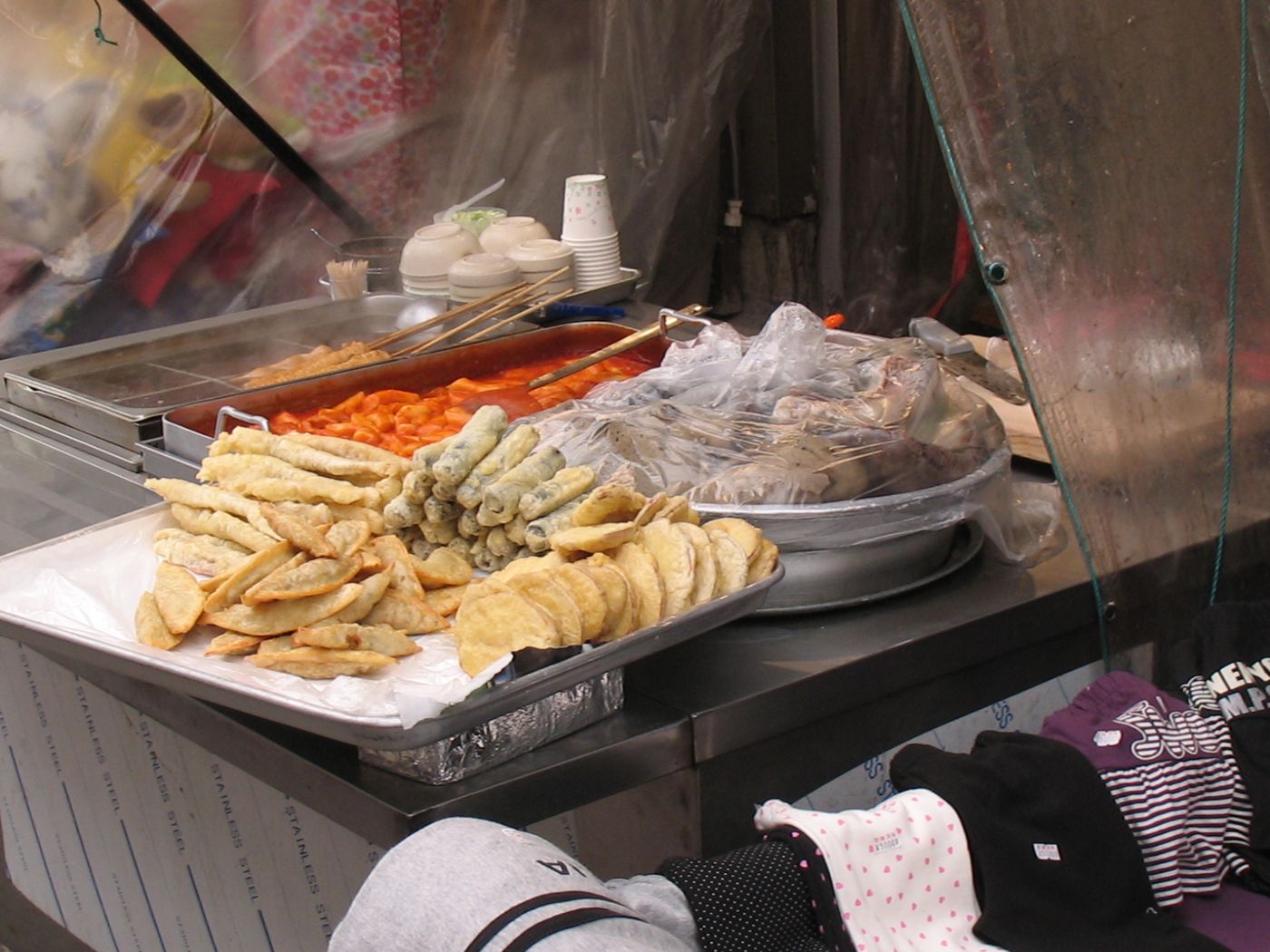 Bunsik: Korea's Flour-Food Snack Shops분식How a rice-saving campaign of the 1960s and 70s helped turn flour into the basis of Korea's snack-shop table: tteokbokki, gimbap, ramyeon and sundae.
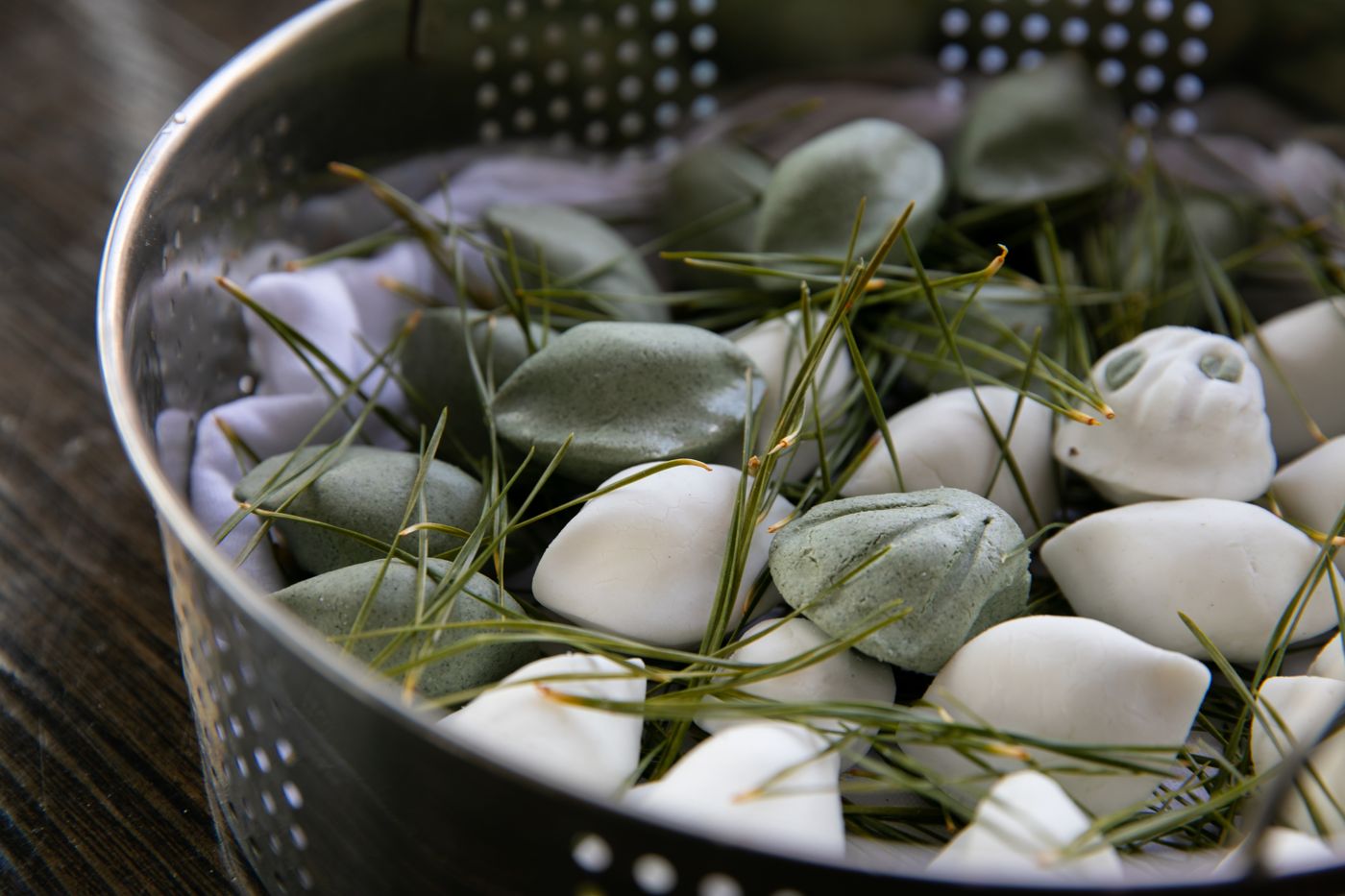 Chuseok Foods: Songpyeon, New Rice and the Harvest Table추석 음식The foods of the autumn harvest holiday: songpyeon steamed on pine needles, new-crop rice and liquor, fruit, taro soup, and how the Chuseok charye table differs from Seollal's.
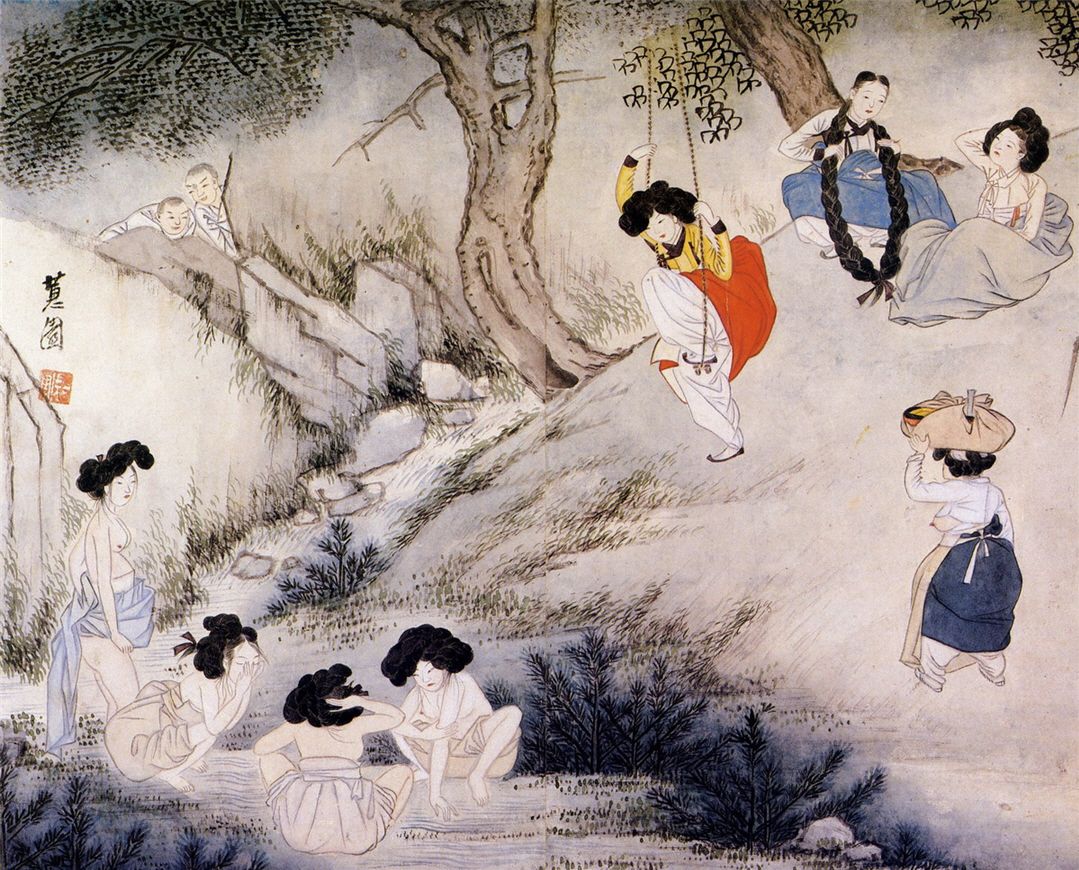 Dano: Wheel Cakes, Mugwort and Iris Water단오The fifth day of the fifth lunar month, once ranked beside Seollal and Chuseok: surichwi-tteok, mugwort, iris-water hair washing and the swings and wrestling of early summer.
- Dongji: Winter Solstice and Red Bean Porridge동지The winter solstice, once called the little New Year: why Koreans cook patjuk with glutinous rice balls, sprinkle it for protection, and say a bowl adds a year.
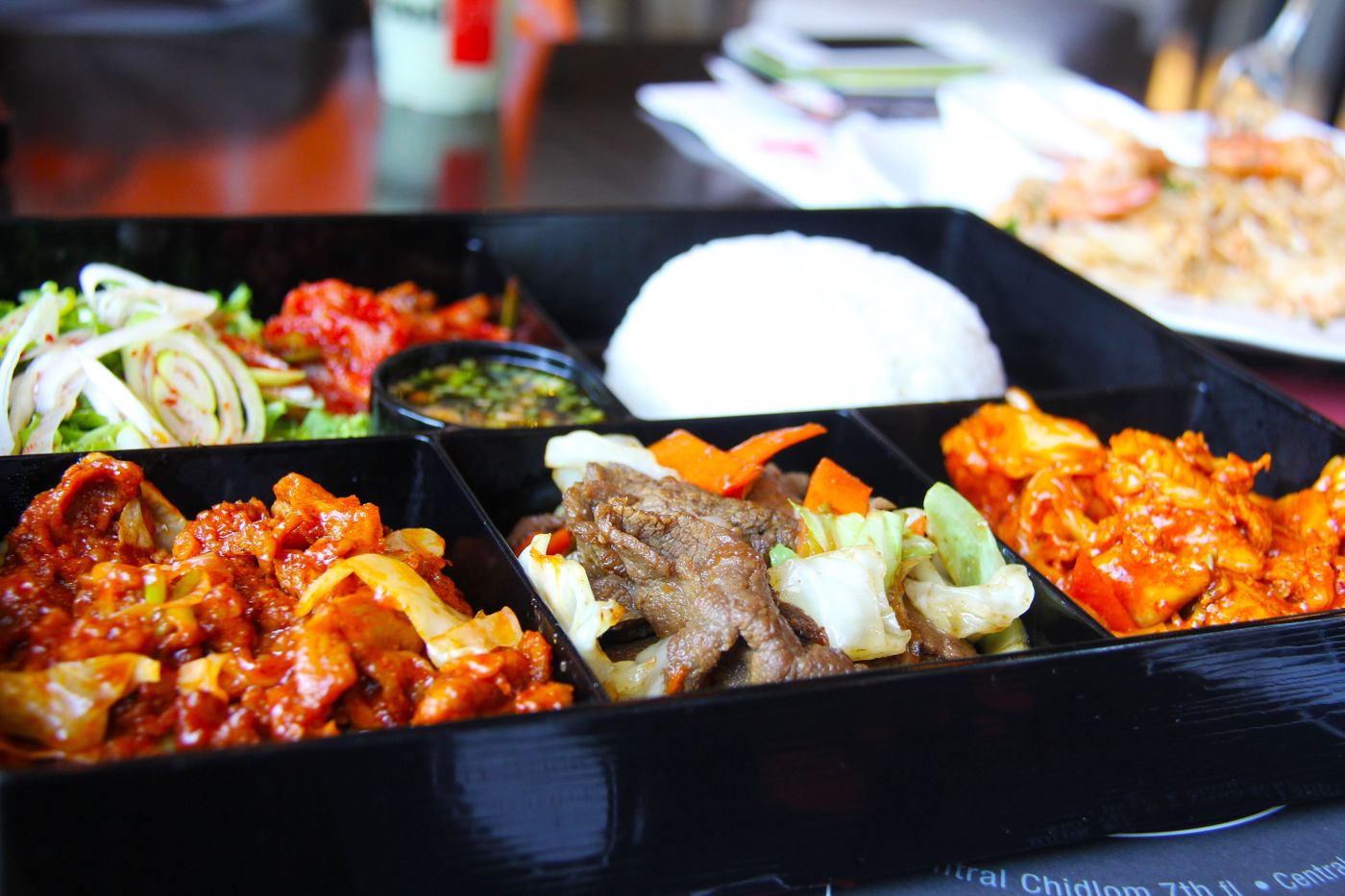 Dosirak: The Korean Lunchbox도시락From woven lunch baskets to dented aluminum tins warmed on a classroom stove and today's convenience-store meals, the Korean lunchbox tells the story of modern eating.
- Food in Korean Proverbs and Idioms음식 속담과 관용구Mount Geumgang after a meal, kimchi broth before the rice cake, noodles at a wedding: what Korea's food sayings reveal about rice, tteok, ritual and the value of a full stomach.
- Food in Modern Korea근현대 한국의 음식Colonial rice exports, wartime scarcity, budae-jjigae, instant ramyeon, the apartment and the kimchi refrigerator: how the twentieth century remade the Korean table.
- Food Under Japanese Colonial Rule, 1910–1945일제강점기의 음식Rice shipped to Japan while Koreans ate Manchurian millet, MSG sold with Korean recipes, the first Korean-cuisine restaurants, and wartime forced deliveries and rationing.
- Foods for Ancestral Rites제사 음식What goes on the table for jesa and charye, the familiar rules for arranging it, which of those rules have classical roots, and why every family's table differs.
- Foods for Life's Milestones통과의례 음식The rice cakes, seaweed soup, noodles, jujubes and towering tables Koreans prepare for a baby's 100th day, first birthday, wedding and sixtieth birthday.
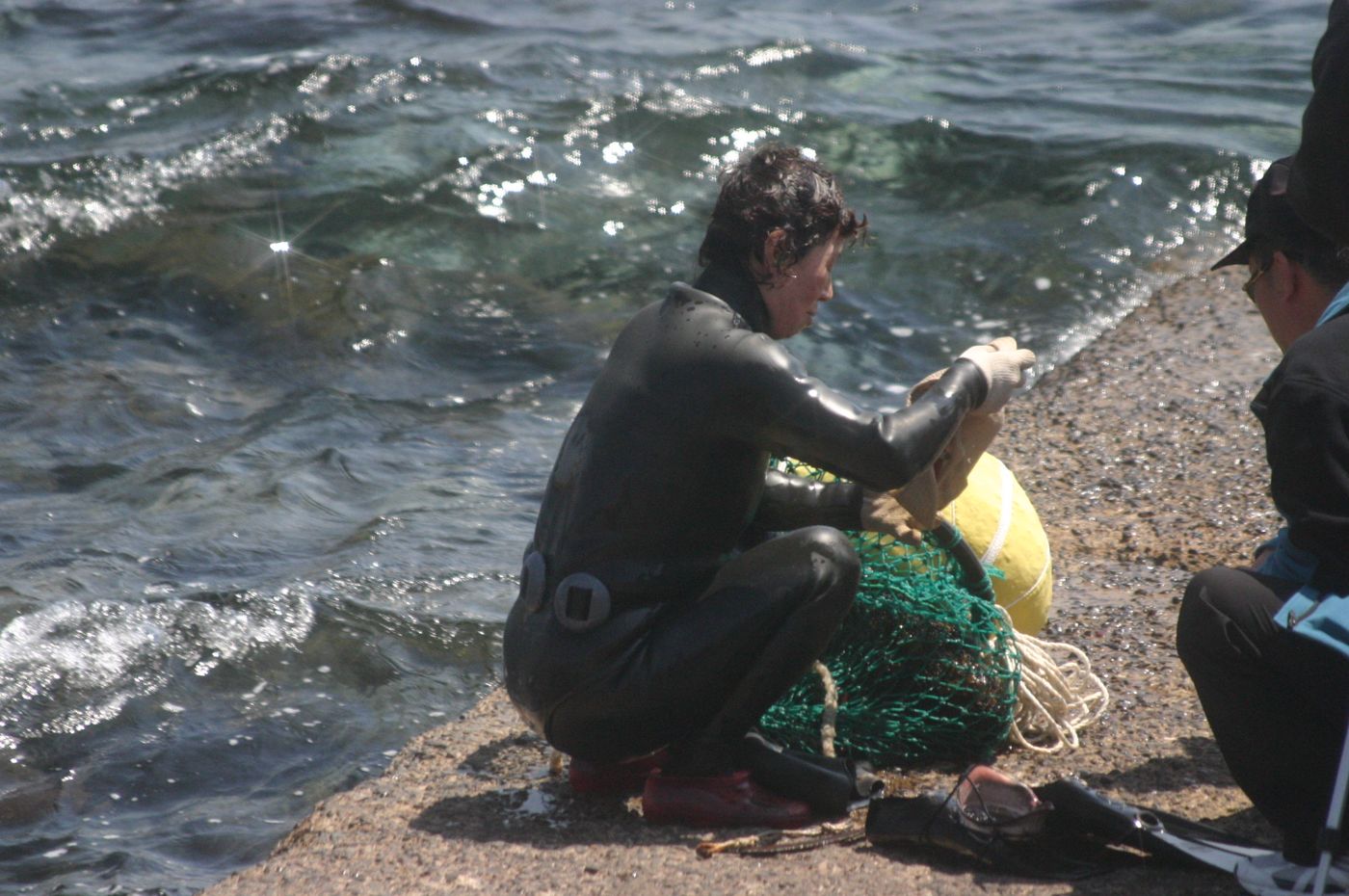 Haenyeo: The Women Divers of Jeju해녀Jeju's haenyeo free-dive for abalone, sea urchin and turban shells. Their skills, cooperatives and rituals were inscribed by UNESCO in 2016, but the community is aging fast.
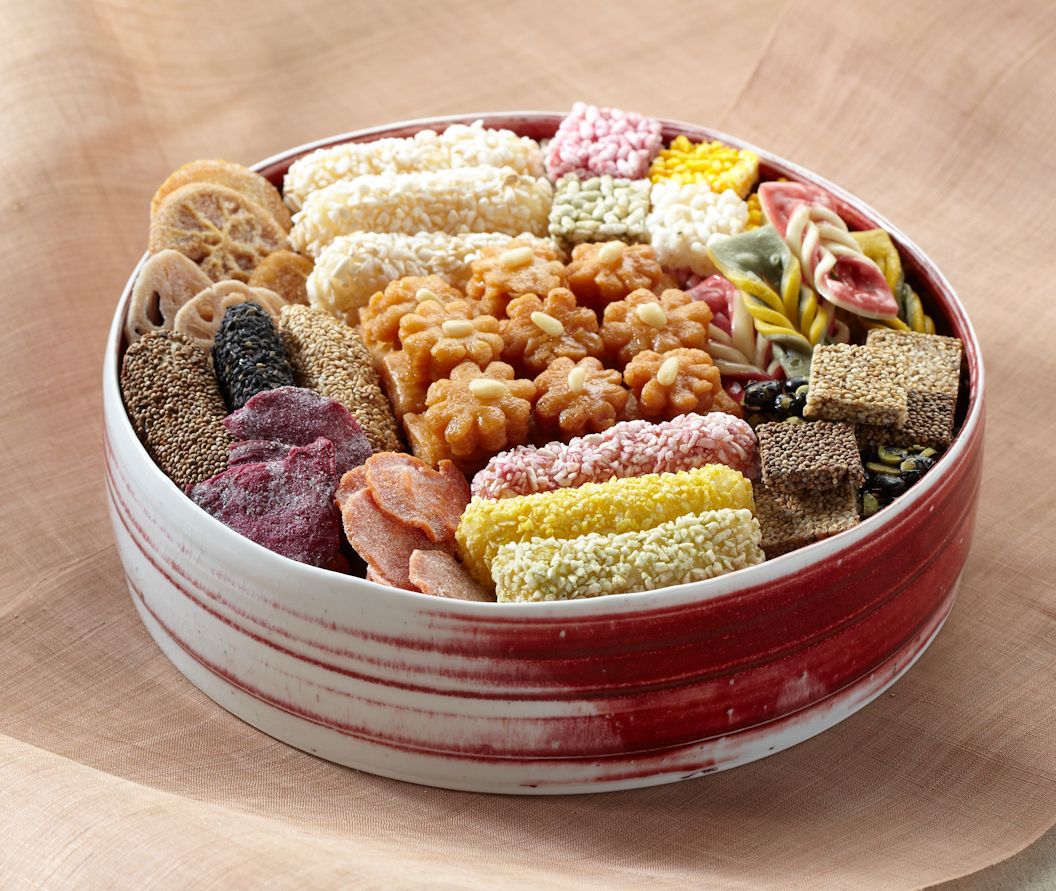 Hangwa: Traditional Korean Confections한과Honey-soaked yakgwa, puffed rice gangjeong, pressed dasik, candied jeonggwa and yeot: the grain-and-honey sweets that Korea stacked high on its ritual tables.
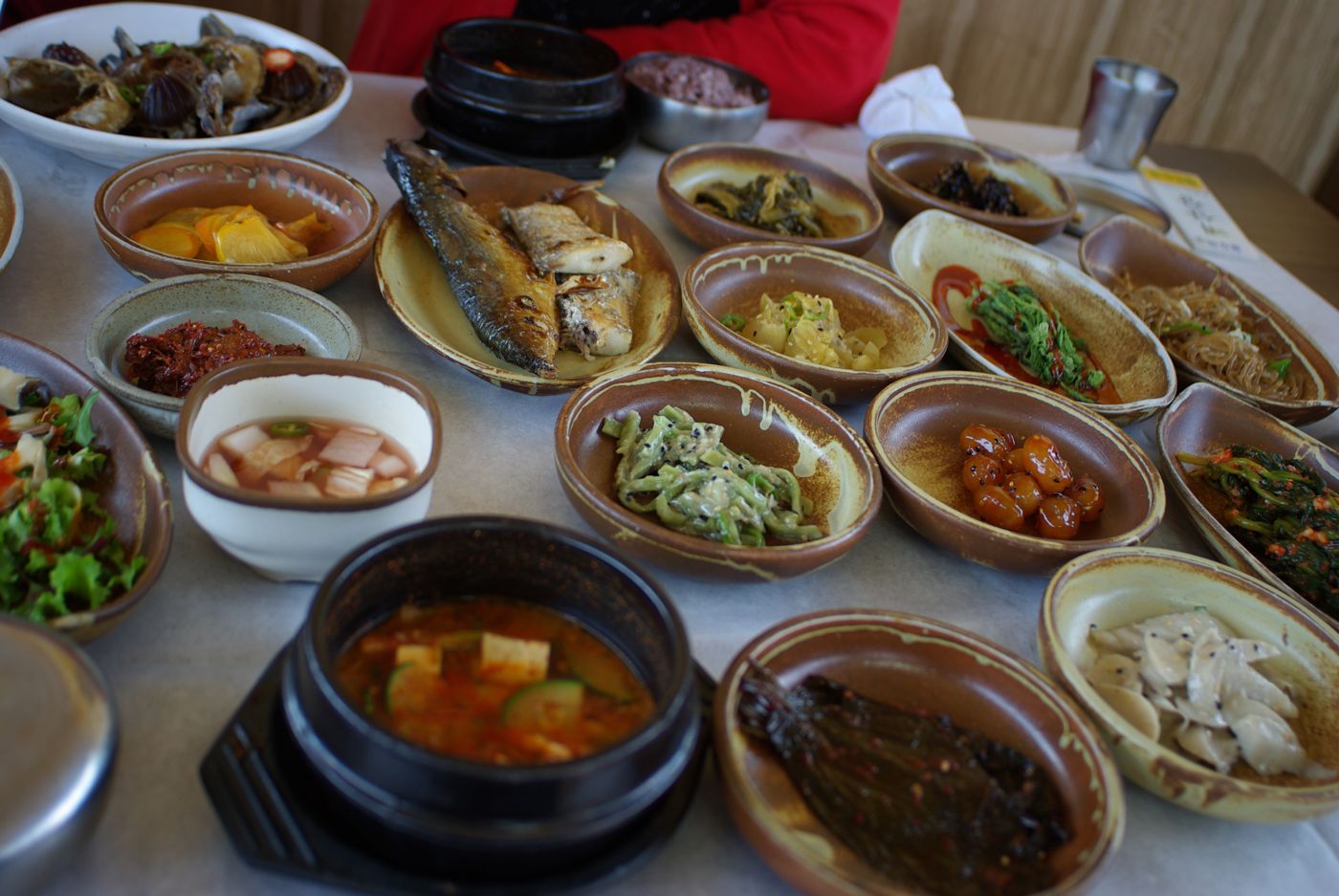 Hanjeongsik: The Full Korean Set Meal한정식The table-filling Korean set meal is younger than it looks: born in colonial-era restaurants, reshaped by yojeong politics and course service, and still debated today.
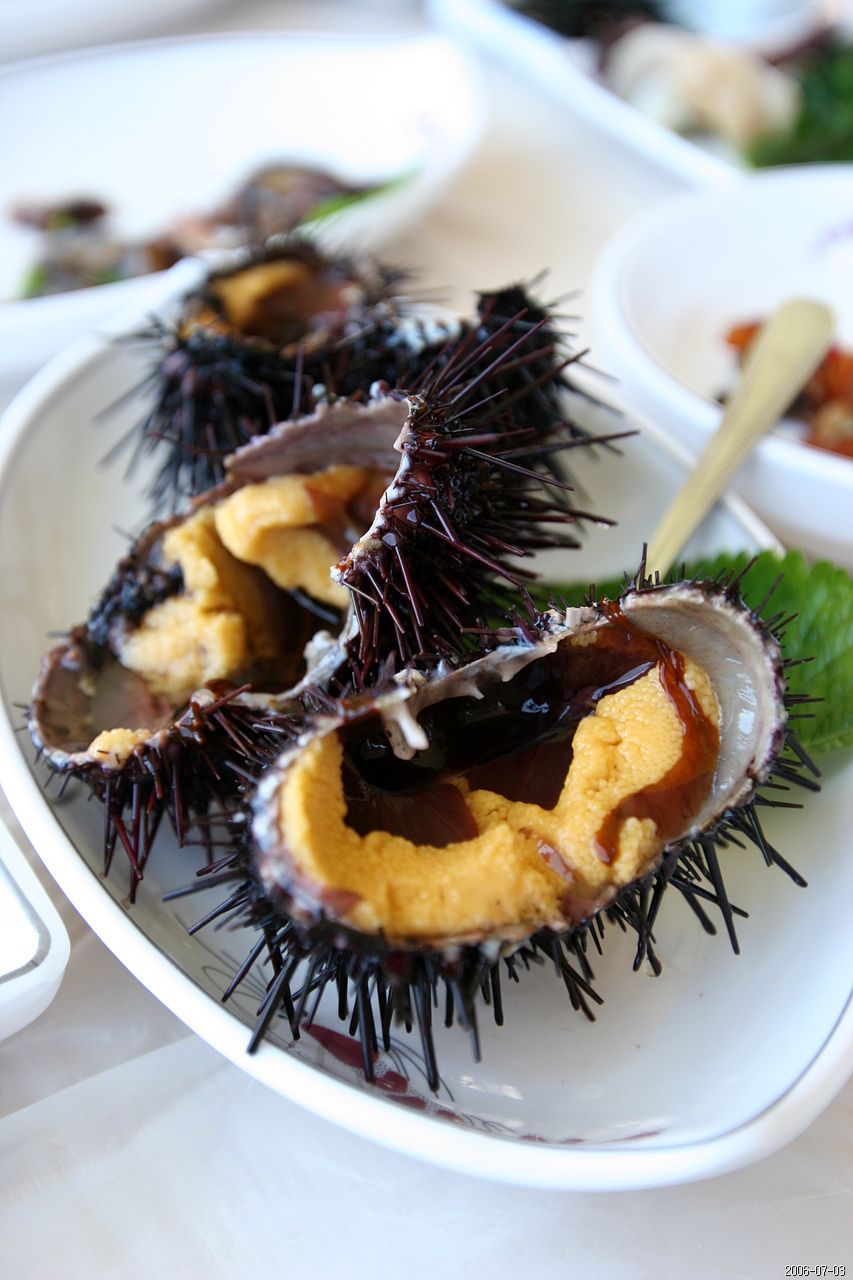 Hoe: Raw Fish and Meat in Korea회 문화Korea's long tradition of eating fish and meat raw or lightly blanched: what old texts record, how hoe differs from sashimi, and the regional styles from icy mulhoe to fermented skate.
- How Chili Peppers Came to Korea고추의 전래Chili peppers reached Korea around the turn of the seventeenth century and, over the next two hundred years, turned kimchi red and gave rise to gochujang.
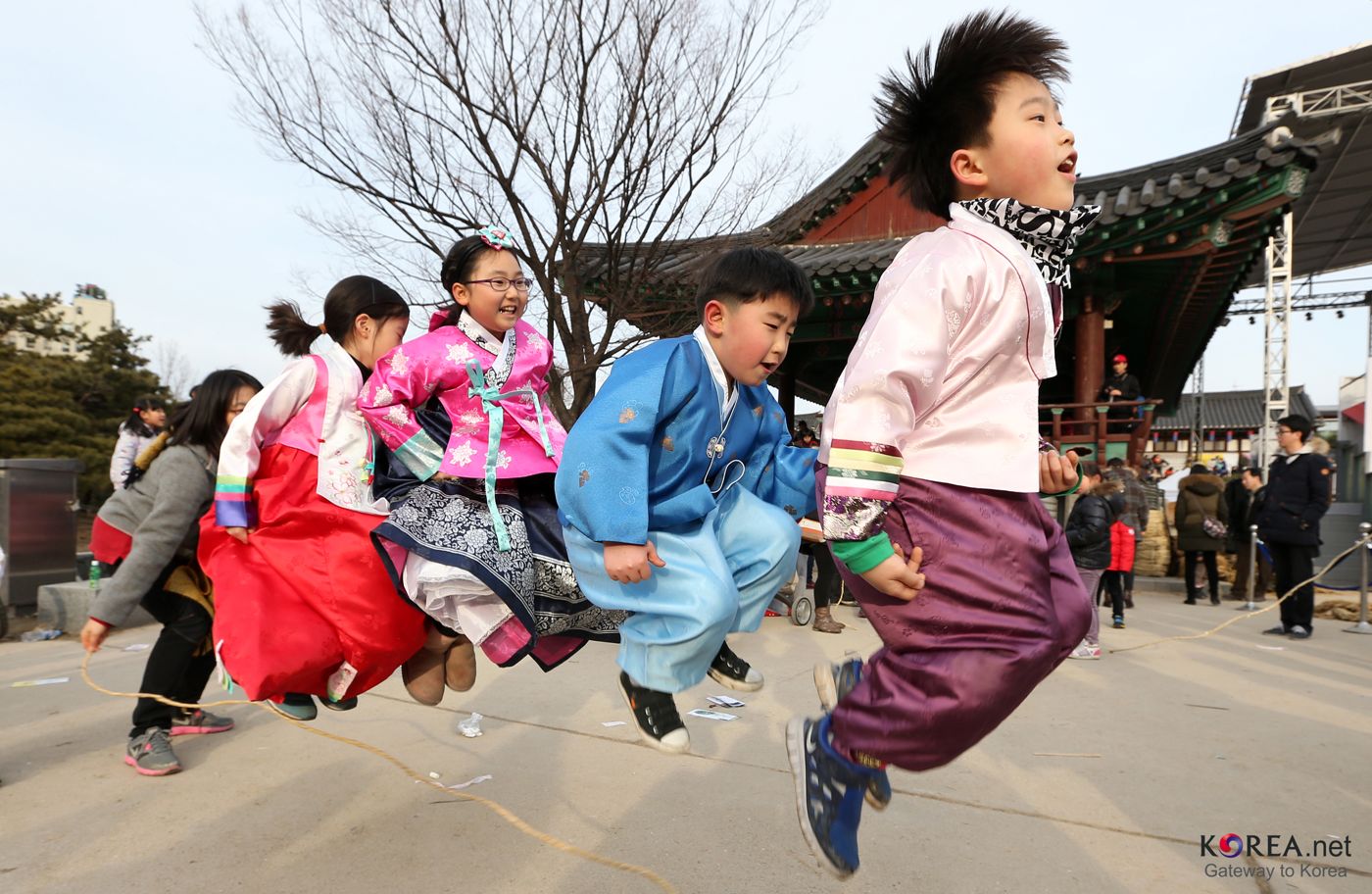 Jeongwol Daeboreum: Five-Grain Rice, Nuts and Aged Greens정월대보름The first full moon of the lunar year and its foods: ogokbap shared among neighbors, bureom nuts cracked at dawn, mugeun-namul, bokssam and ear-brightening wine.
- Jinsang: Regional Tribute Foods for the Joseon Court진상 음식How Joseon provinces fed the palace with local specialties, from Jeju citrus to inland game and herbs, and how a burdensome tribute system was reformed by the Daedongbeop.
- Jongga Cuisine: Food of the Head Families종가 음식How Korea's lineage head houses kept ancestral rites, fed every guest and guarded century-old seed soy sauce, and how researchers have recorded their dishes since 2010.
- Joseon Cookbooks and the Written Record of Korean Food조선시대 조리서The household manuals and cookbooks, from Sallim gyeongje to Gyuhap chongseo and a 1924 bestseller, that let historians see how Koreans cooked before the modern era.
- Joseon Royal Banquets and Their Uigwe조선의 궁중 연향Jinyeon, jinchan and the illustrated uigwe that recorded them, with the 1795 Hwaseong banquet for Lady Hyegyeong's sixtieth birthday as the best-documented feast of the Joseon court.
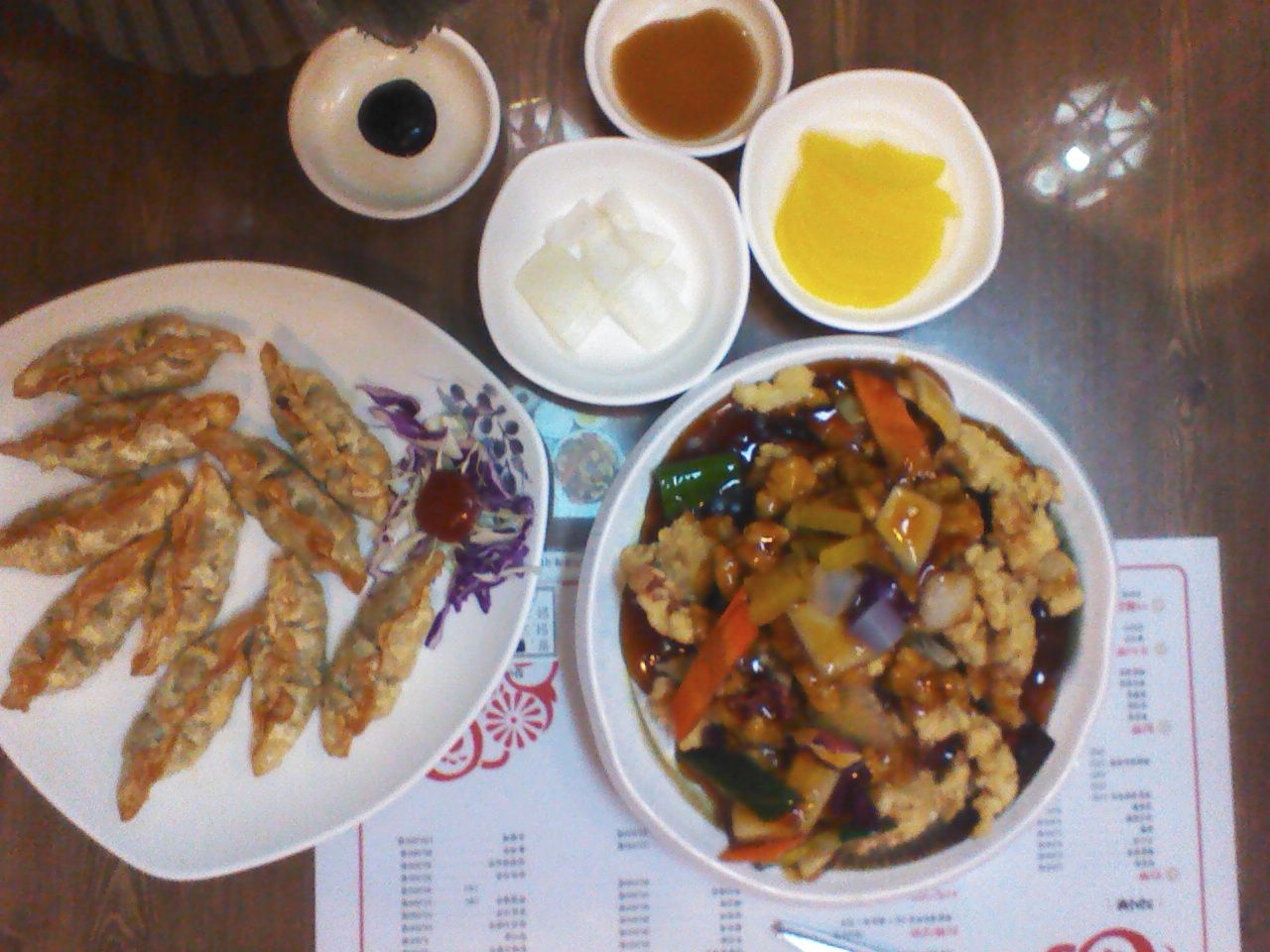 Junghwa Yori: Korea's Chinese Food한국식 중화요리From Shandong migrants in 1880s Incheon to the delivery bowl: how jajangmyeon, jjamppong and tangsuyuk became Korean food, and why their origin stories are still argued over.
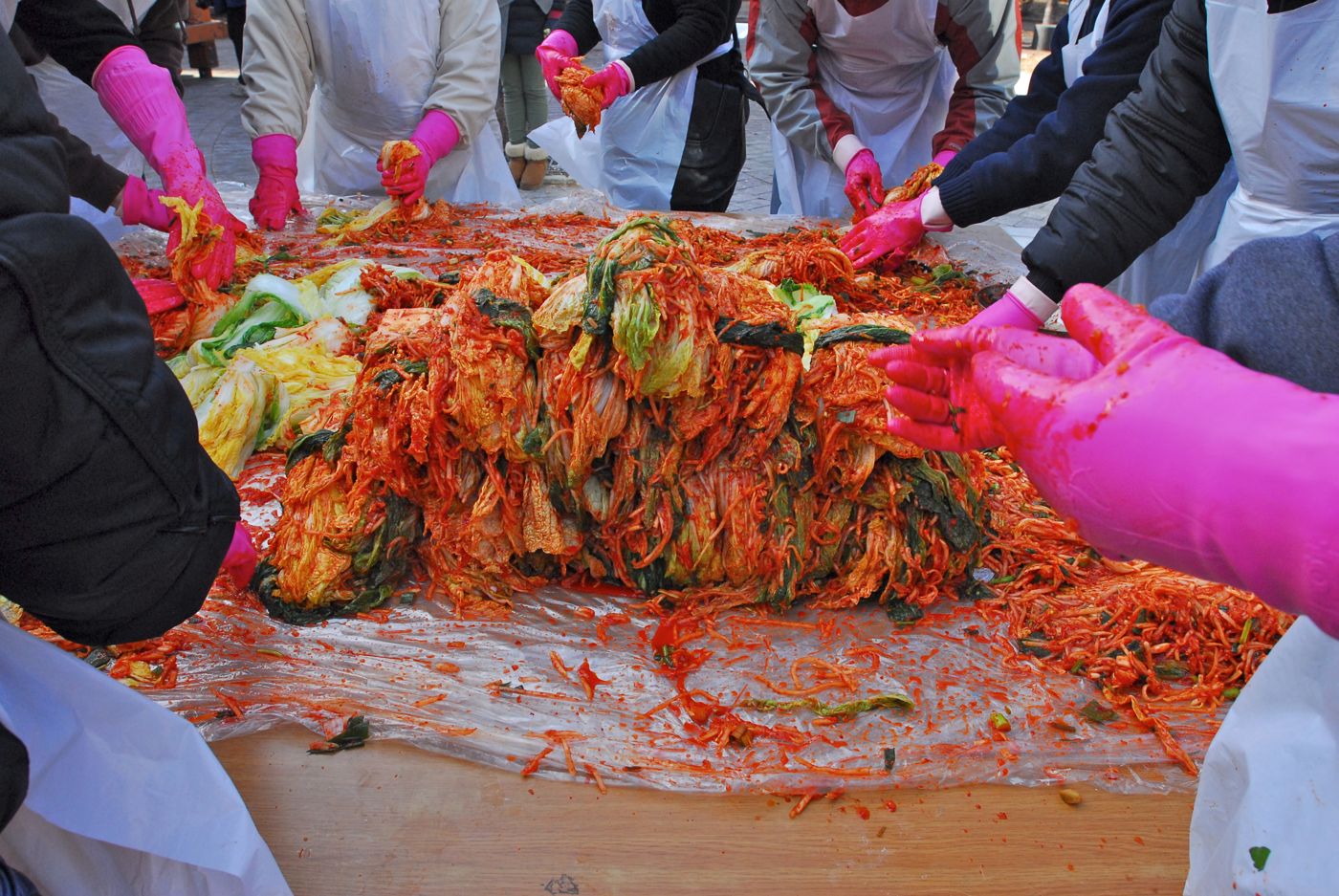 Kimjang: Making Kimchi Together김장The late-autumn gathering in which families and neighbors make winter kimchi together, recognized by UNESCO for both South and North Korea.
- Korean Bakery Culture: From Postwar Bread to Bread Tours한국의 빵집 문화A short history of bread in Korea: colonial-era bakeries, postwar flour, shops that outlasted their founders, bake-off chains and the modern habit of traveling for a loaf.
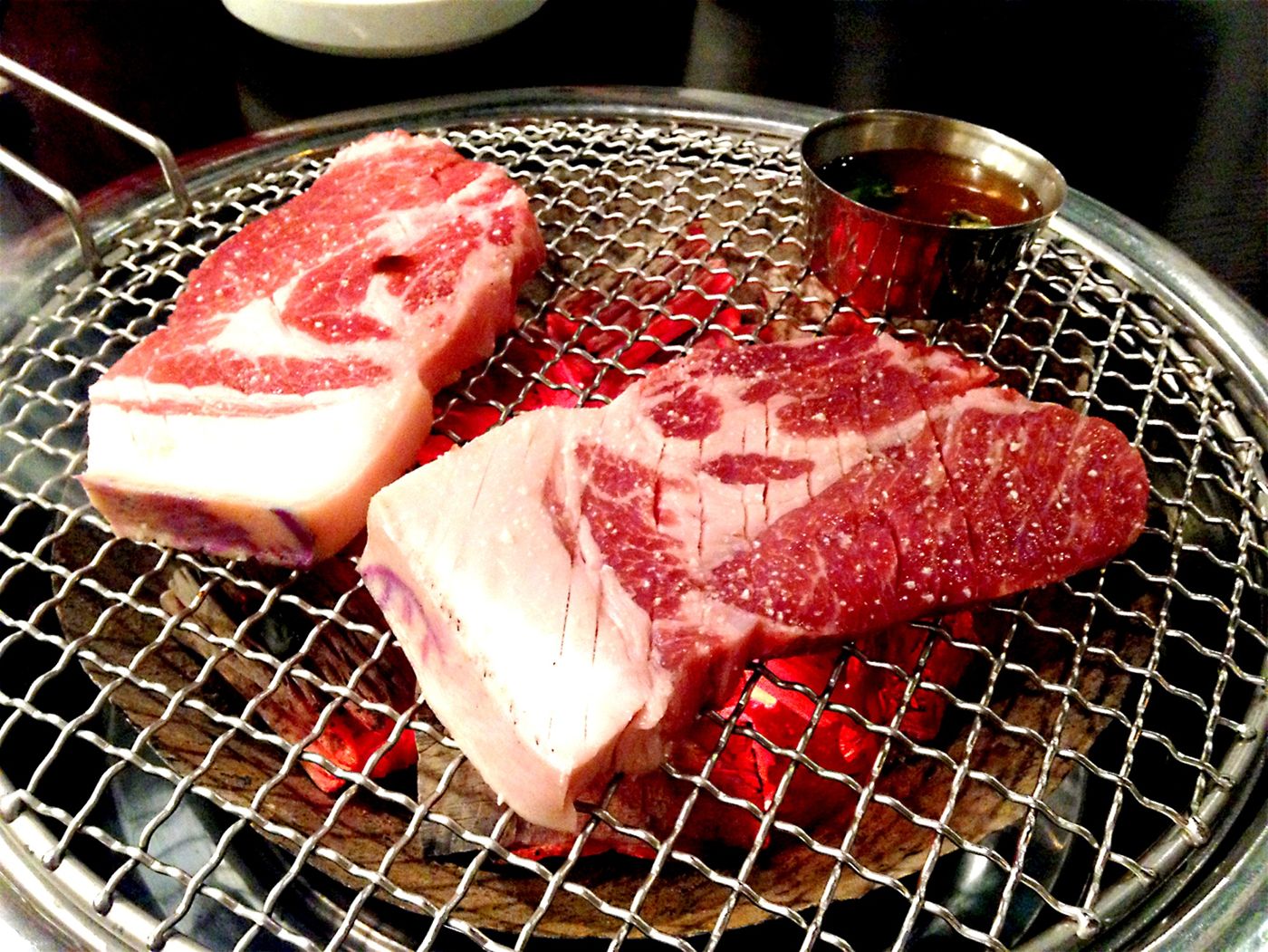 Korean Barbecue: A History of Gogi-gui고기구이 문화From the ancient maekjeok to neobiani, bulgogi, Suwon galbi and the late rise of samgyeopsal, and why the lettuce wrap and banchan matter as much as the grill.
- Korean Café and Dessert Culture: From Dabang to Bingsu카페와 디저트 문화From early tea rooms and music dabang to specialty cafés, with a look at bingsu and the revival of yakgwa, gangjeong and other traditional sweets.
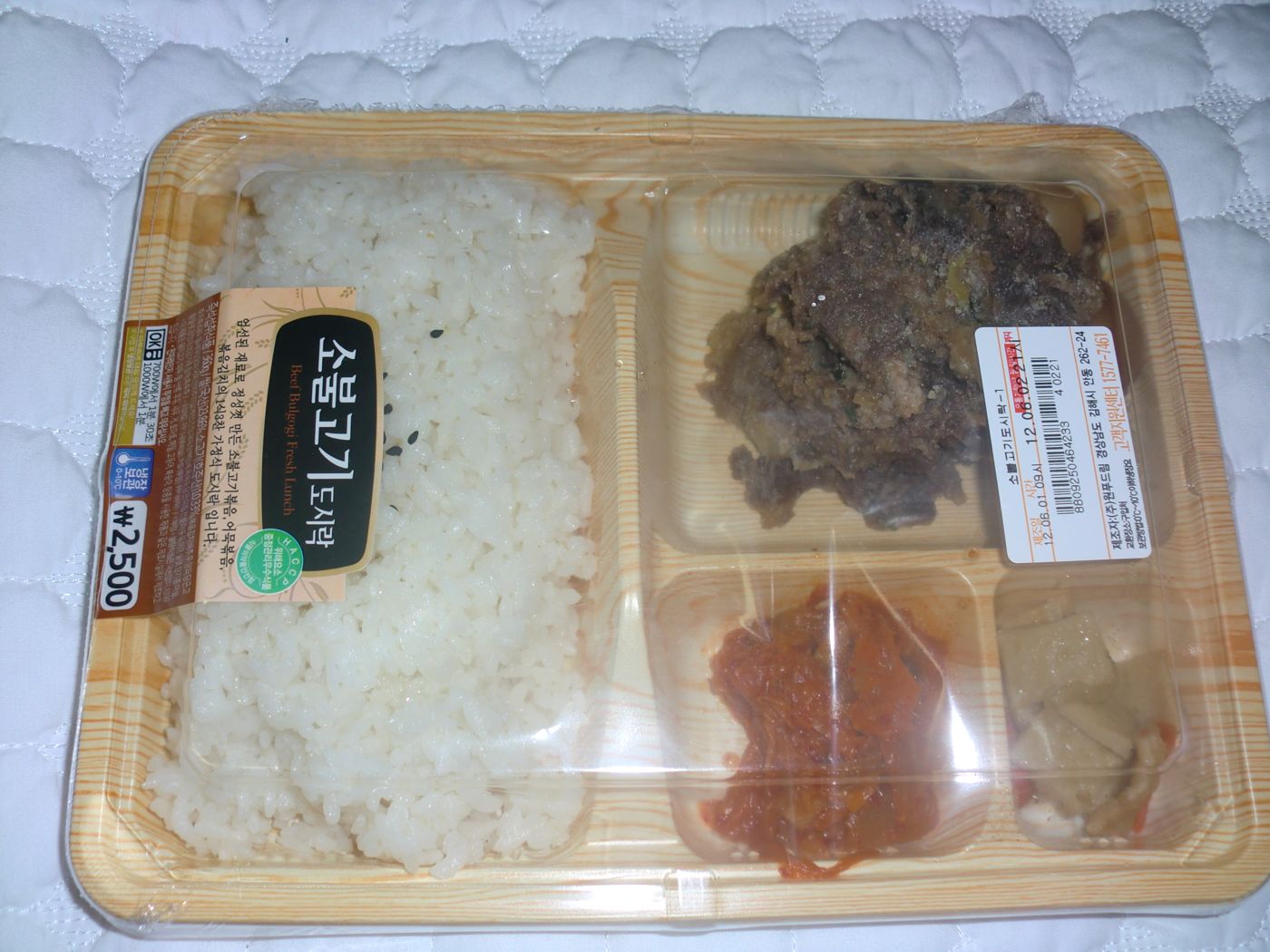 Korean Convenience-Store Food편의점 음식Triangle gimbap, packed dosirak and instant ramyeon eaten at the window counter: how South Korea's dense network of convenience stores became part of the everyday food landscape.
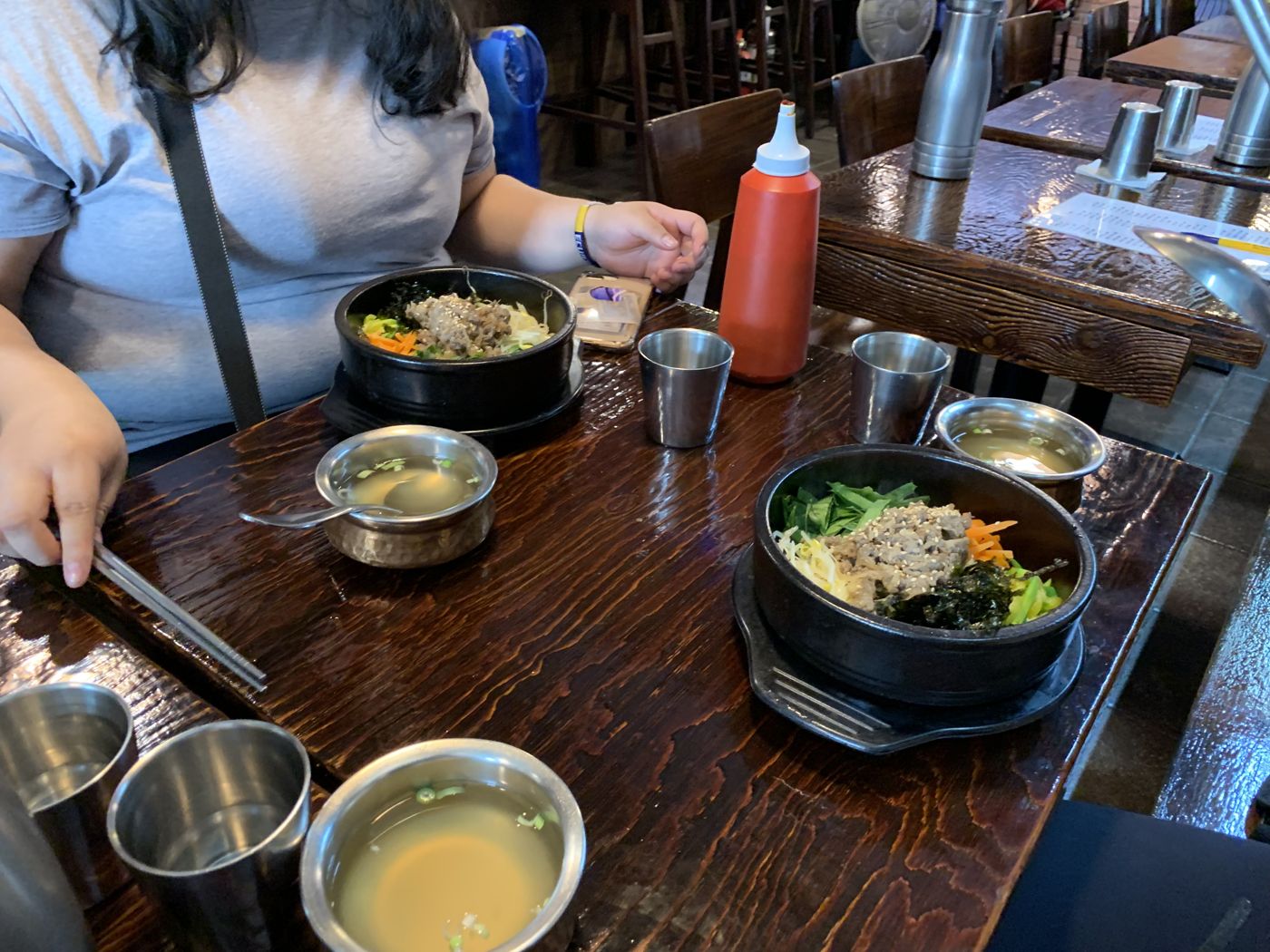 Korean Food Abroad: Diaspora Foodways해외 한인의 음식 문화Carrot salad in Tashkent, offal grills and new kimchi in Osaka, short-rib tacos in Los Angeles: how Korean emigrants rebuilt their table with what they could find.
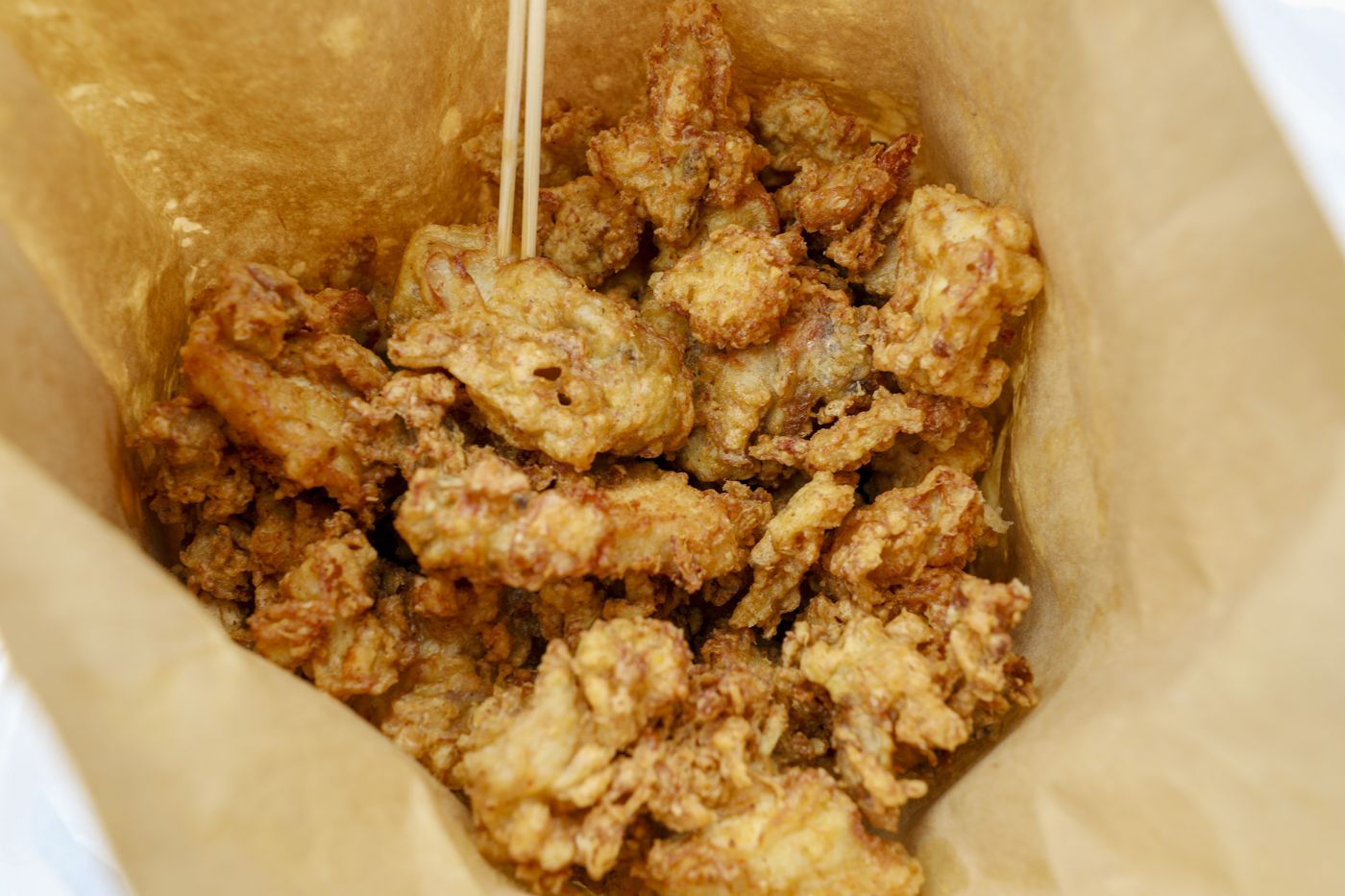 Korean Fried Chicken: From Tongdak to Chimaek한국 치킨의 역사How rotisserie birds, cheap cooking oil, department-store franchises and a sticky red glaze turned fried chicken into one of South Korea's most loved foods.
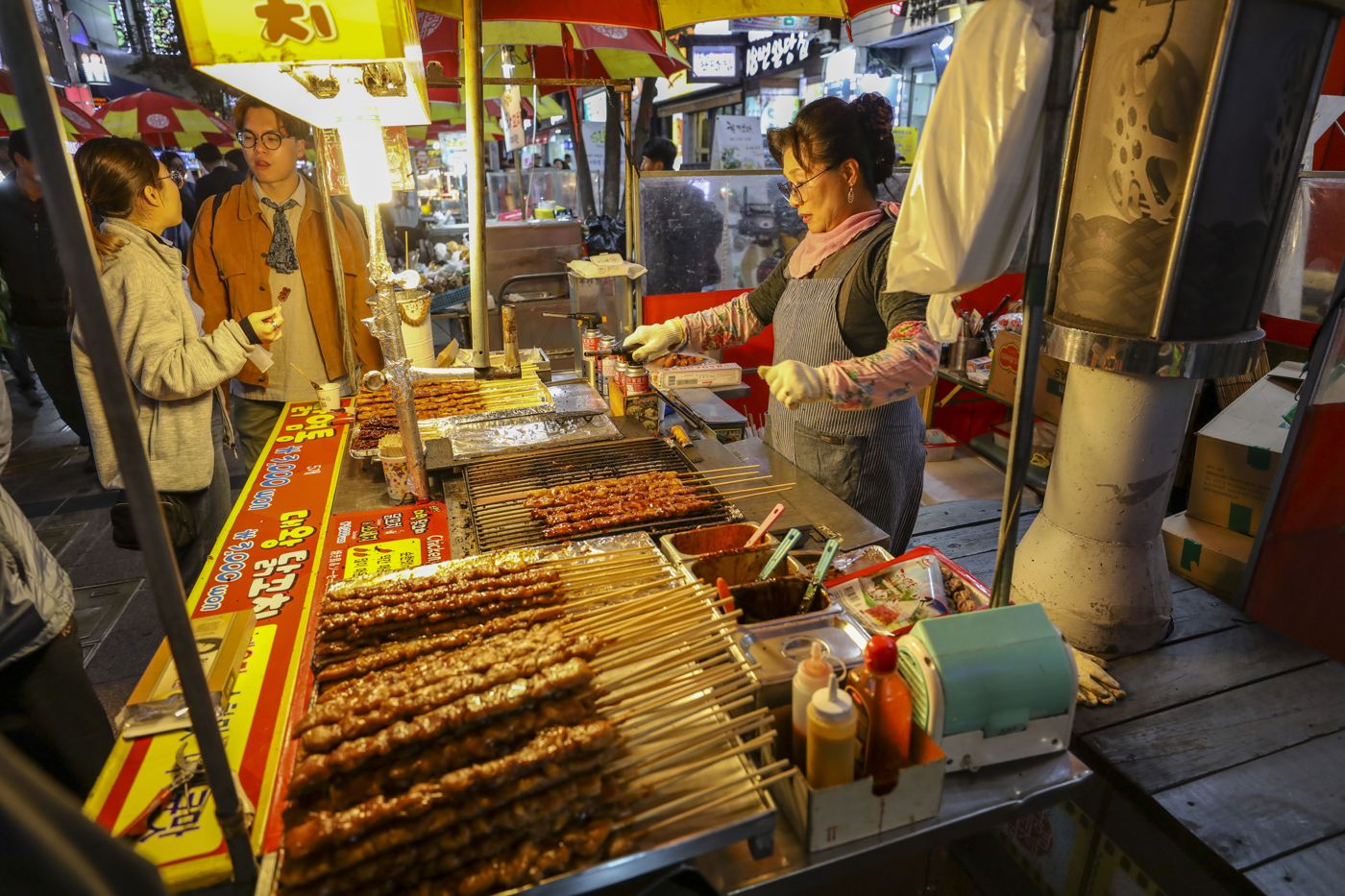 Korean Street Food: Pojangmacha to Bungeoppang길거리 음식How tented carts, Chinese-immigrant hotteok, fish-shaped pastries, Busan fishcakes and gochujang tteokbokki became Korea's street food after liberation and the war.
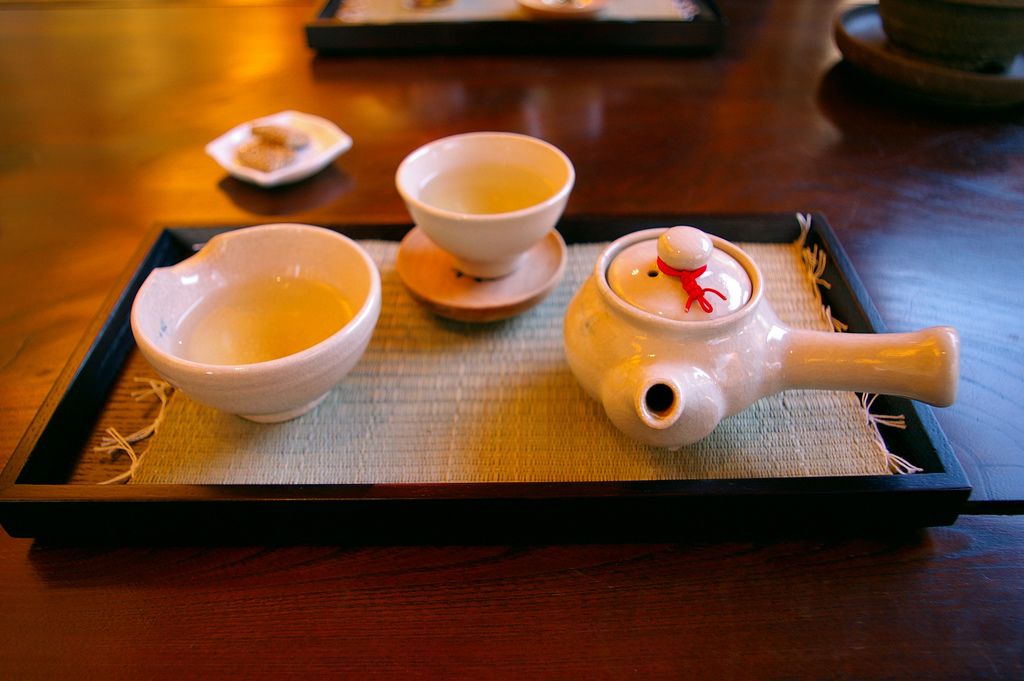 Korean Tea Culture: From Temple Tea to Darye한국의 차 문화How green tea arrived with Silla, flourished in Goryeo's temples and court, faded under Joseon, was revived by the monk Cho Ui, and lives on in Boseong, Hadong and the many herbal cha.
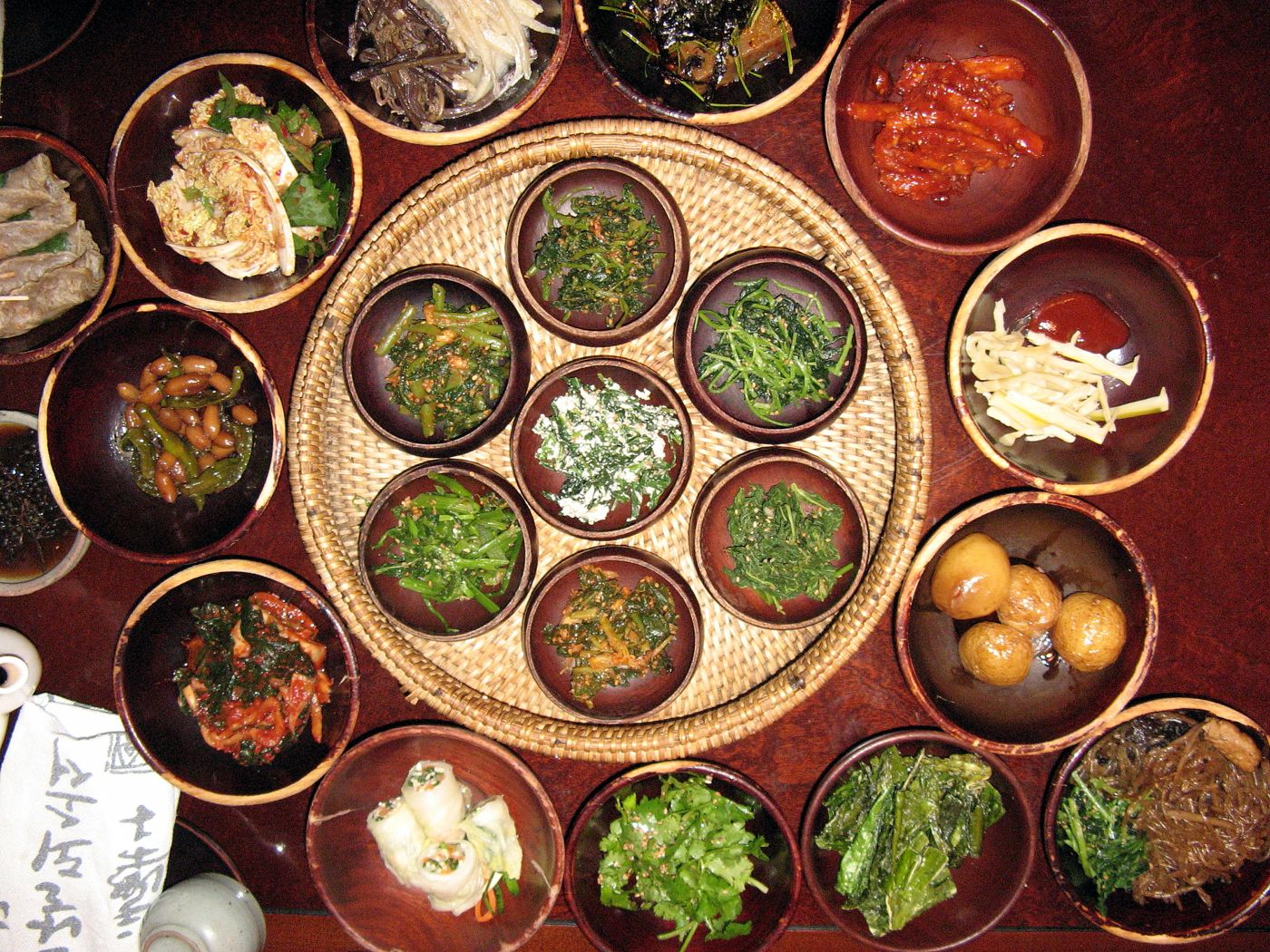 Korean Temple Food사찰음식The plant-based cooking of Korean Buddhist monasteries: no meat, none of the five pungent vegetables, and a deep reliance on the seasons and on fermentation.
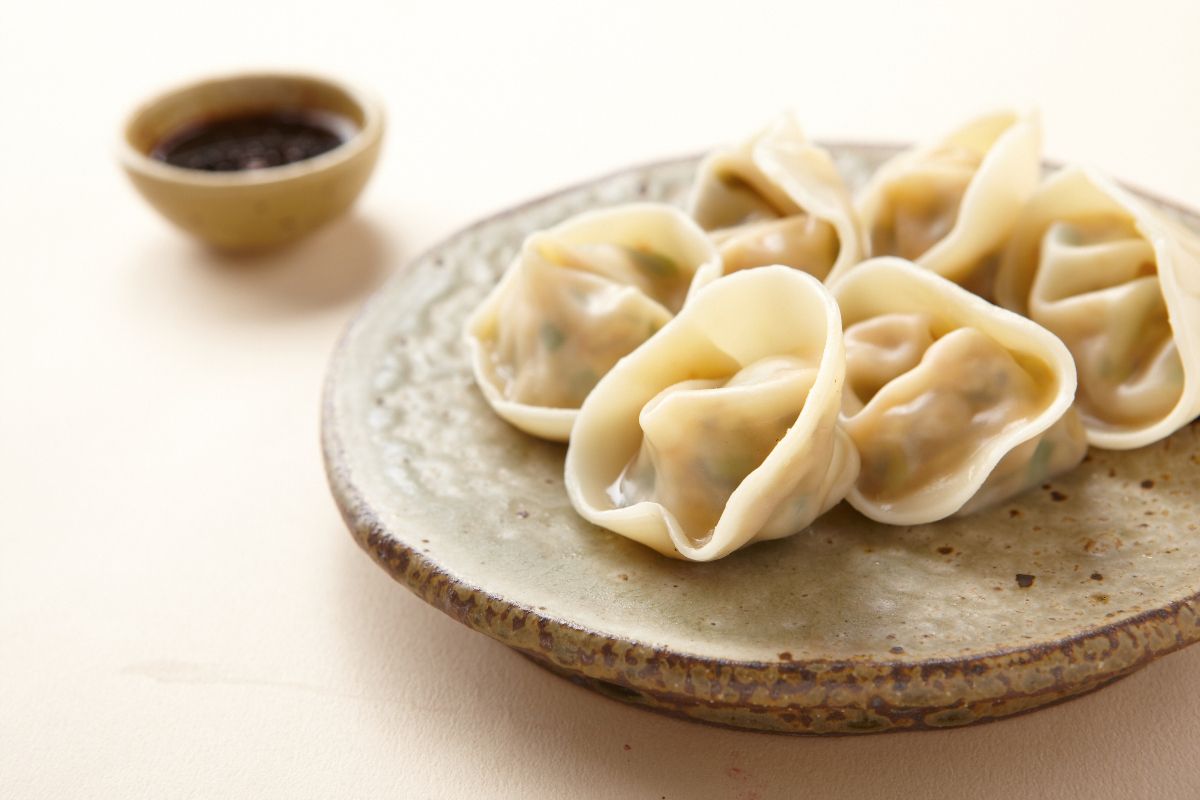 Mandu: A History of Korean Dumplings만두의 역사From a Goryeo song about a dumpling shop to court fish dumplings, northern winter mandu and supermarket freezers: how dumplings settled into the Korean table.
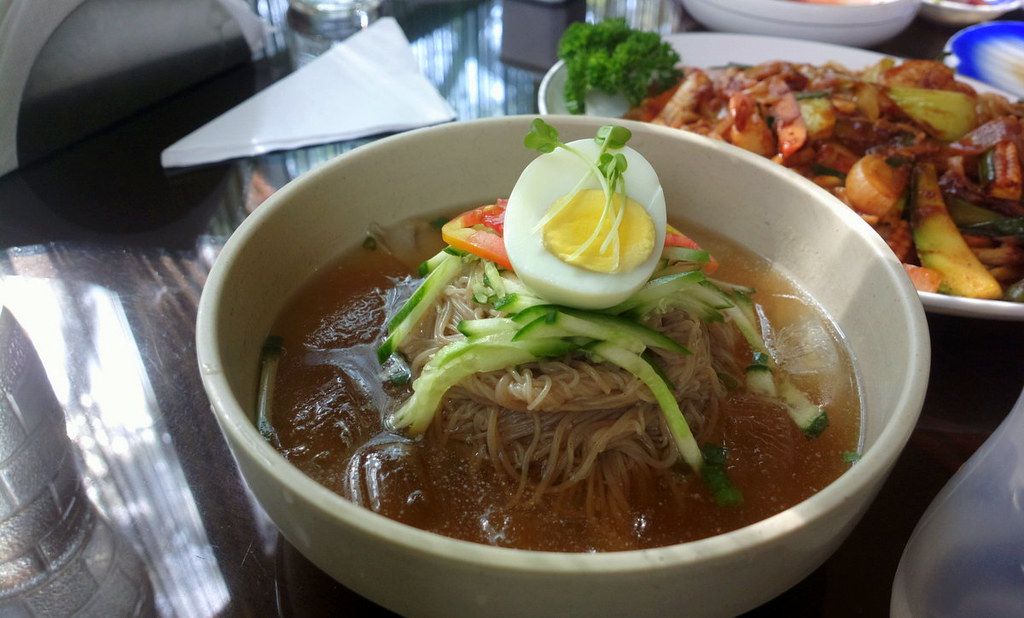 Noodles in Korean History국수의 역사Why noodles were once a celebration food in wheat-poor Korea, and how naengmyeon, kalguksu, Incheon's jajangmyeon and instant ramyeon each came to the table.
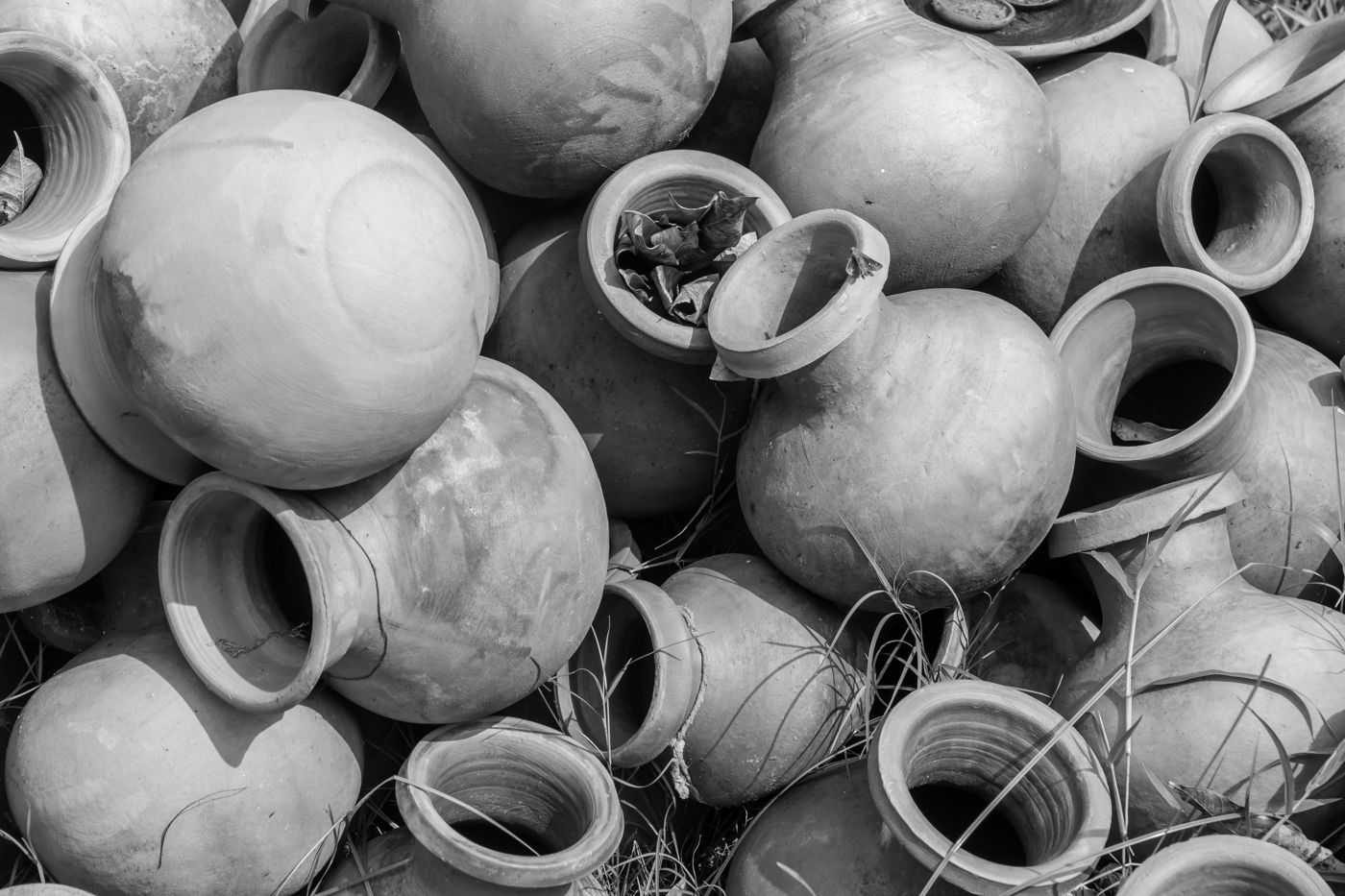 Onggi: Korea's Fermentation Jars옹기The glazed earthenware jars that hold Korea's jang, kimchi and jeotgal: how onggi are made, what the 'breathing' claim means, and the jangdokdae where they stand.
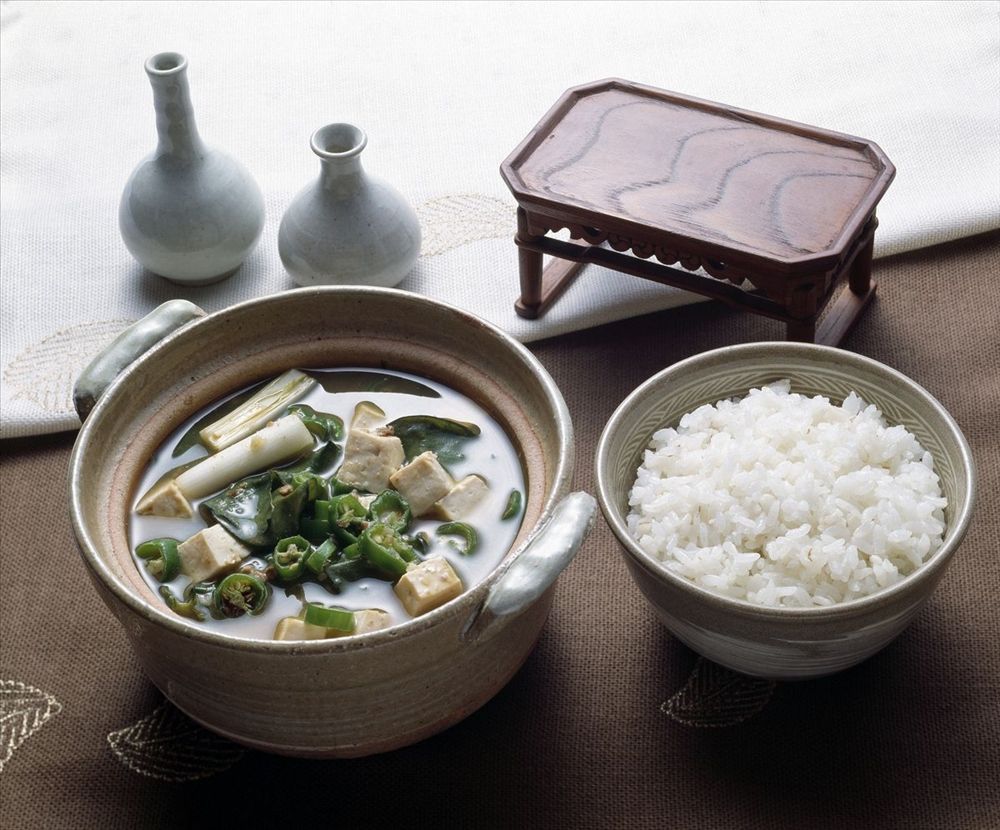 Rice in Korean Culture한국인의 밥과 쌀Bap is the center of the Korean meal: how rice farming spread, why mixed-grain rice was the norm for centuries, and how fast rice consumption is falling today.
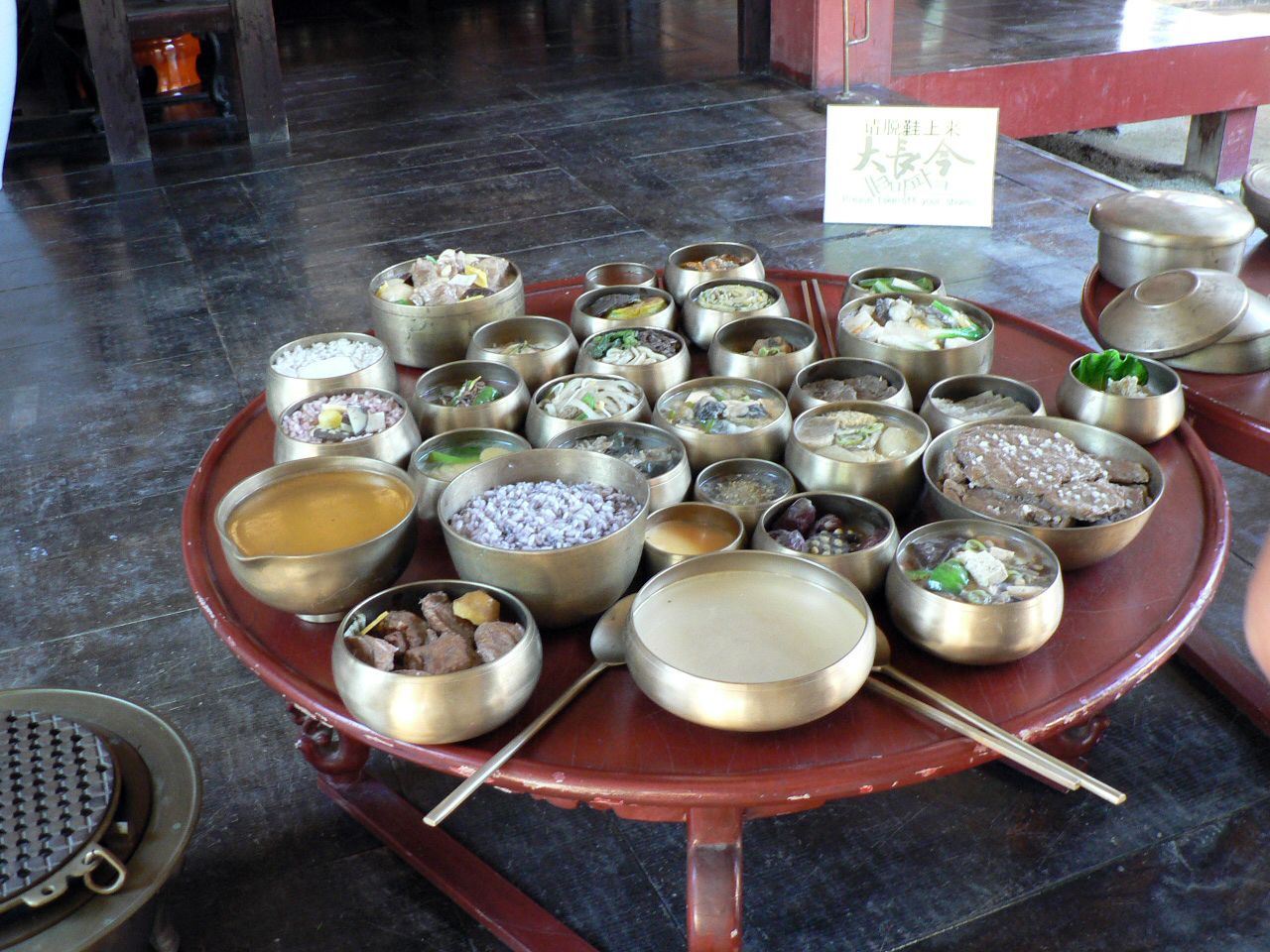 Royal Court Cuisine of the Joseon Dynasty조선왕조 궁중음식The cooking of the Joseon palace kitchens, the king's twelve-dish surasang, and how court cooks and scholars preserved it in the twentieth century.
- Seasonal and Festival Foods세시음식From New Year's tteokguk to winter-solstice red bean porridge, the foods that mark the Korean year and the old beliefs behind them.
- Seollal Foods: Tteokguk, Sechan and the New Year Table설날 음식What Koreans eat on Lunar New Year: tteokguk and the age it adds, the sechan holiday dishes, and how the ancestral charye table differs from an everyday meal.
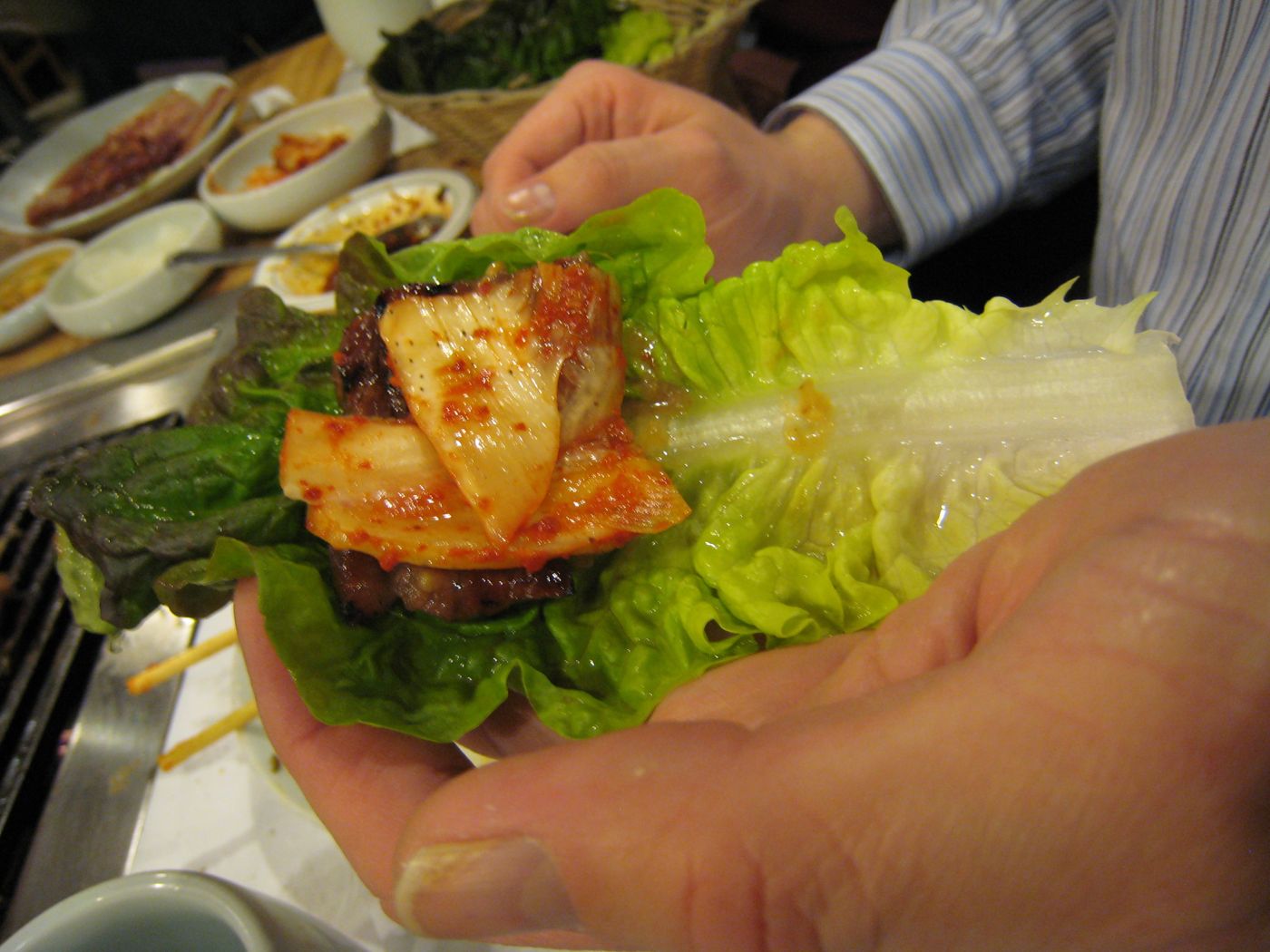 Ssam: Korea's Culture of Wrapping쌈 문화Rice and seasoning folded into lettuce, perilla, pumpkin leaves or seaweed: a habit that Yuan-era poetry noticed, Joseon etiquette regulated and the barbecue table made famous.
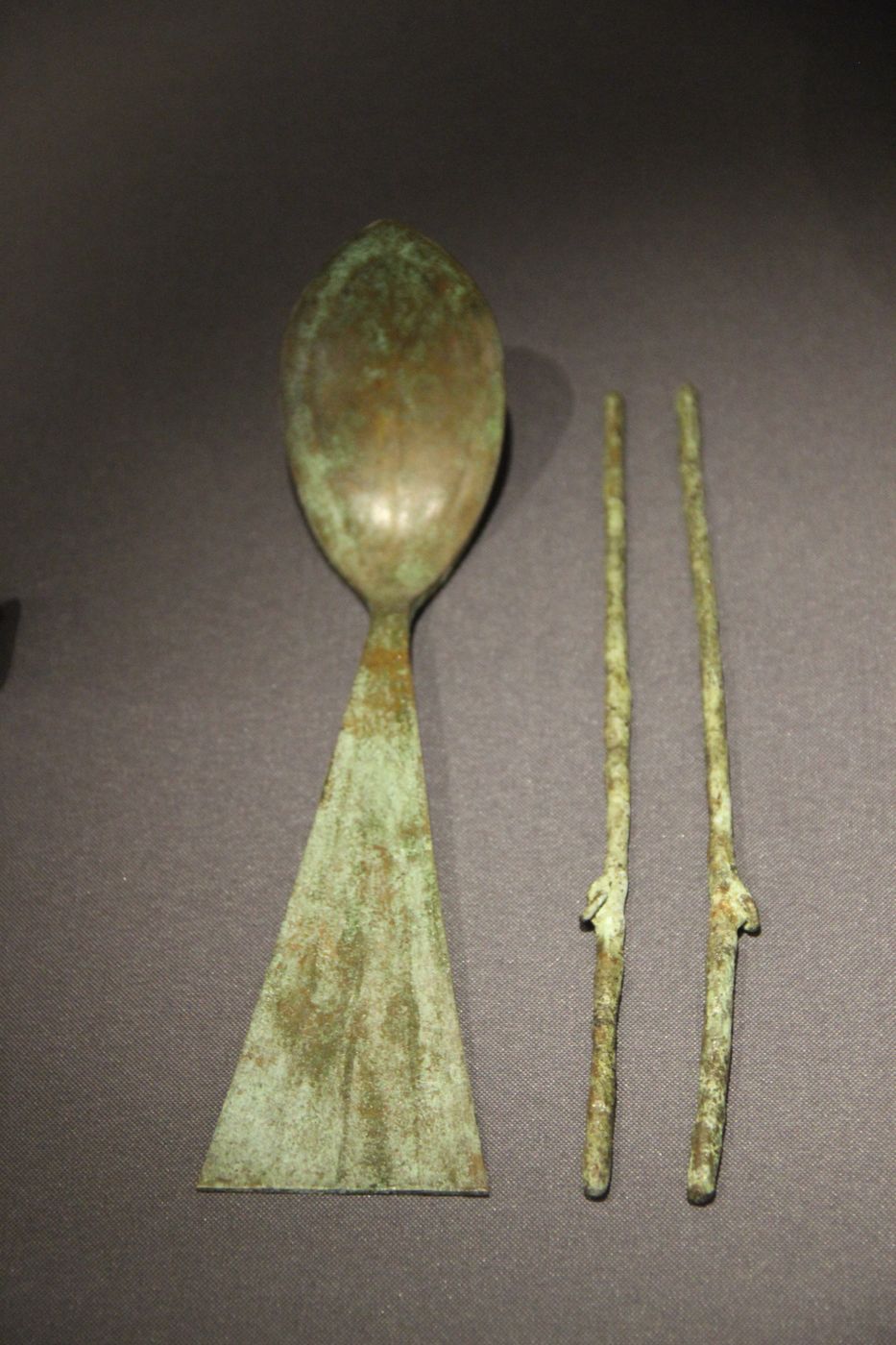 Sujeo: Korea's Spoon and Chopsticks수저Why Koreans eat rice with a spoon, why their chopsticks are metal and flat, and how the paired sujeo set grew from Baekje bronze to stainless steel.
- Sul: Korea's Traditional Liquors전통주Makgeolli, clear yakju and distilled soju: how Korea's rice liquors are made with nuruk, how soju arrived in the Goryeo era, and how sul has long sat beside the banchan table.
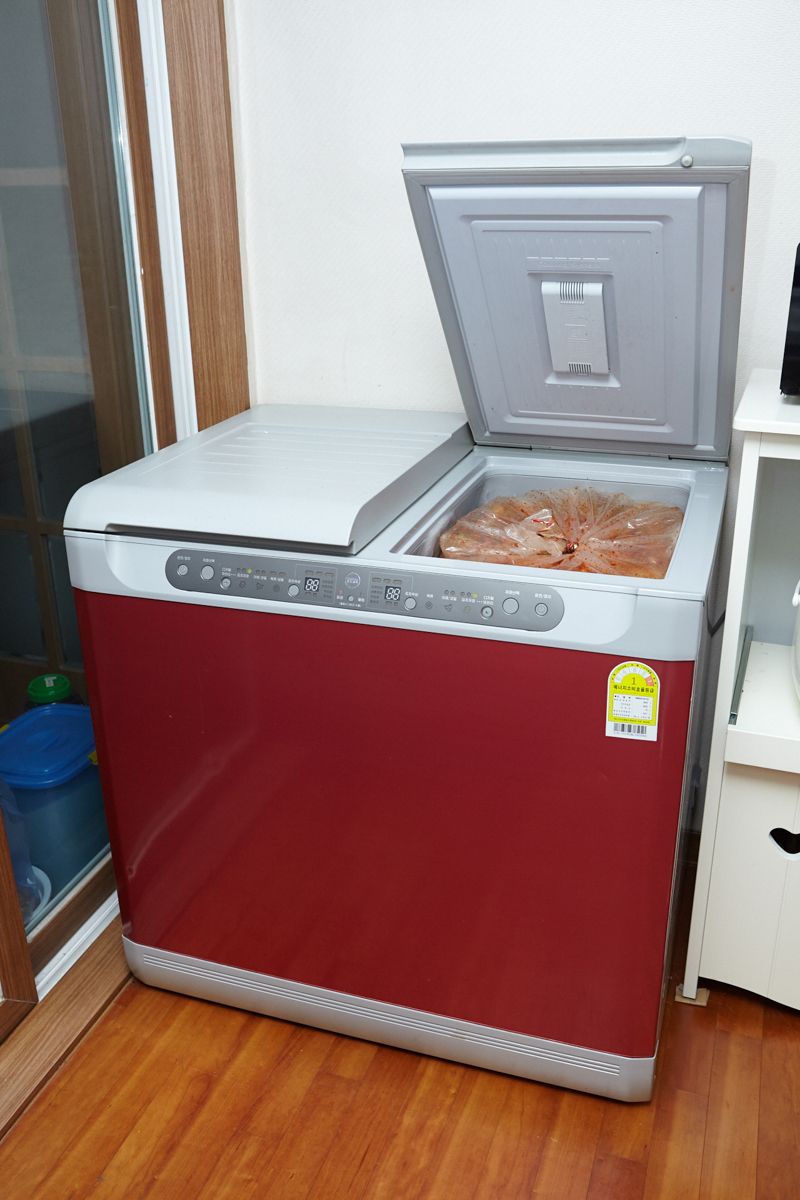 The Kimchi Refrigerator: A Modern Kimjang Jar김치냉장고Why Korea invented a refrigerator just for kimchi, how it stands in for the buried jar of the past, and how it reshaped winter kimchi-making in apartments.
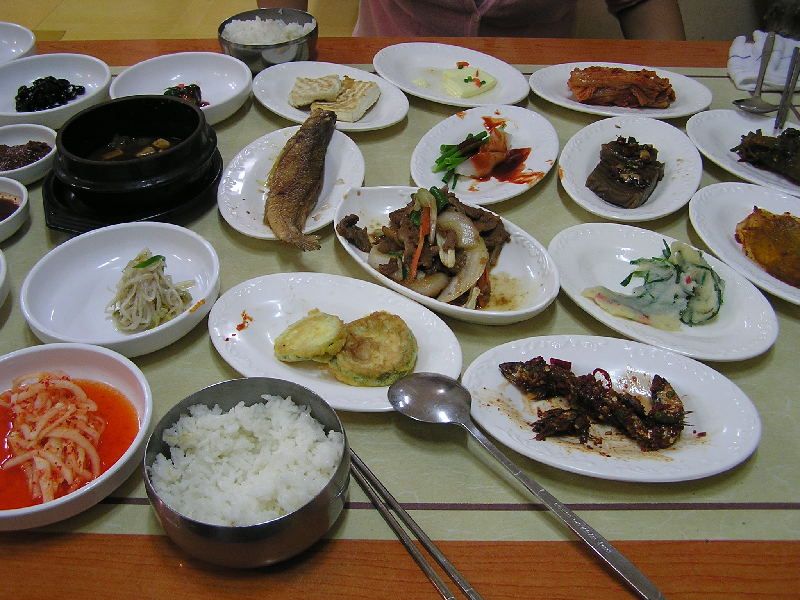 The Korean Table: Bapsang and the Cheop System반상 차림How a Korean meal is built around rice, soup and banchan, what the 3- to 12-cheop table settings mean, and how side dishes came to be shared.
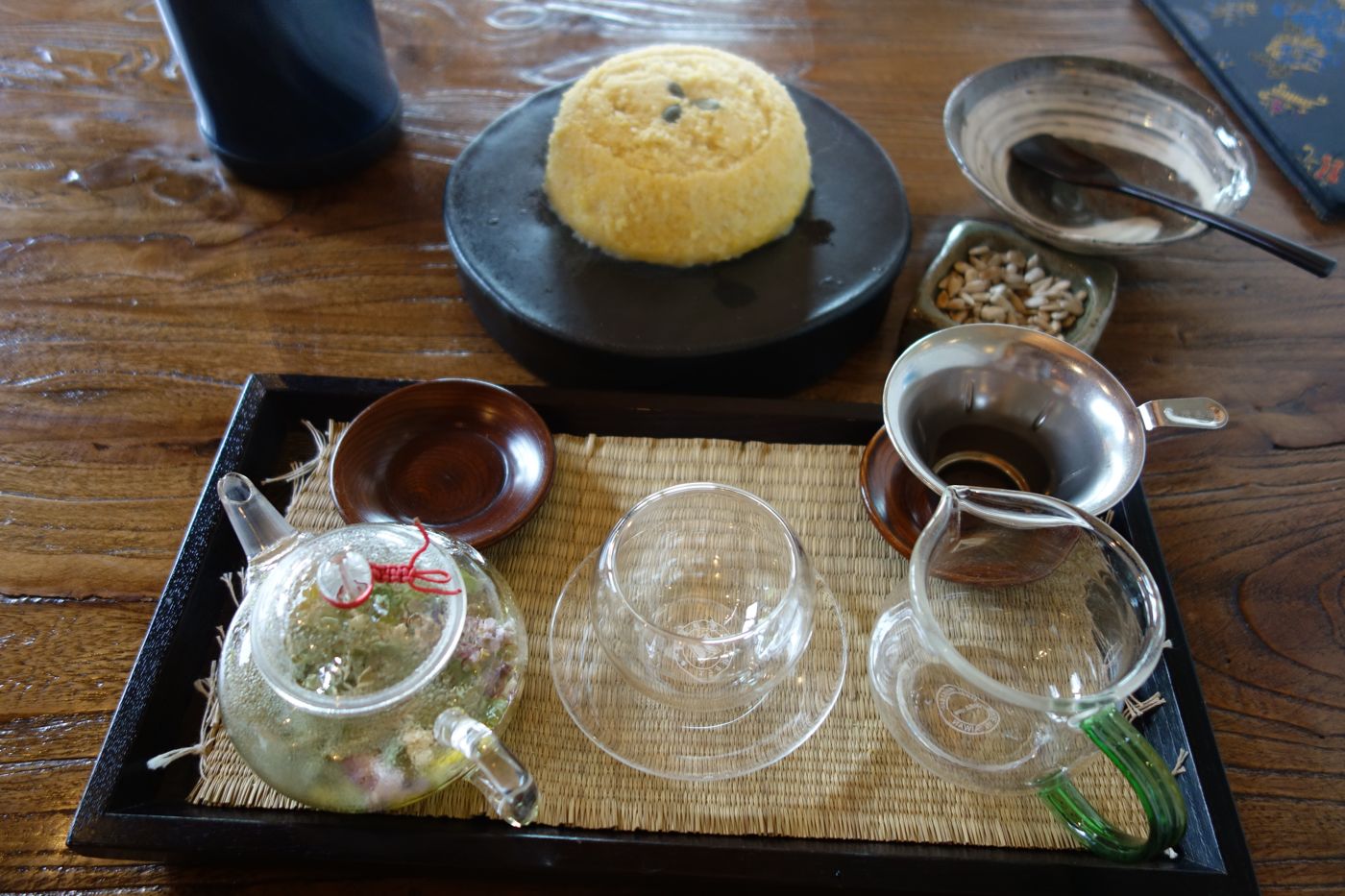 Traditional Korean Beverages음청류Sikhye, sujeonggwa, hwachae and misutgaru: the malted, spiced, fruit and grain drinks of the Korean table, and the seasons and occasions they belong to.
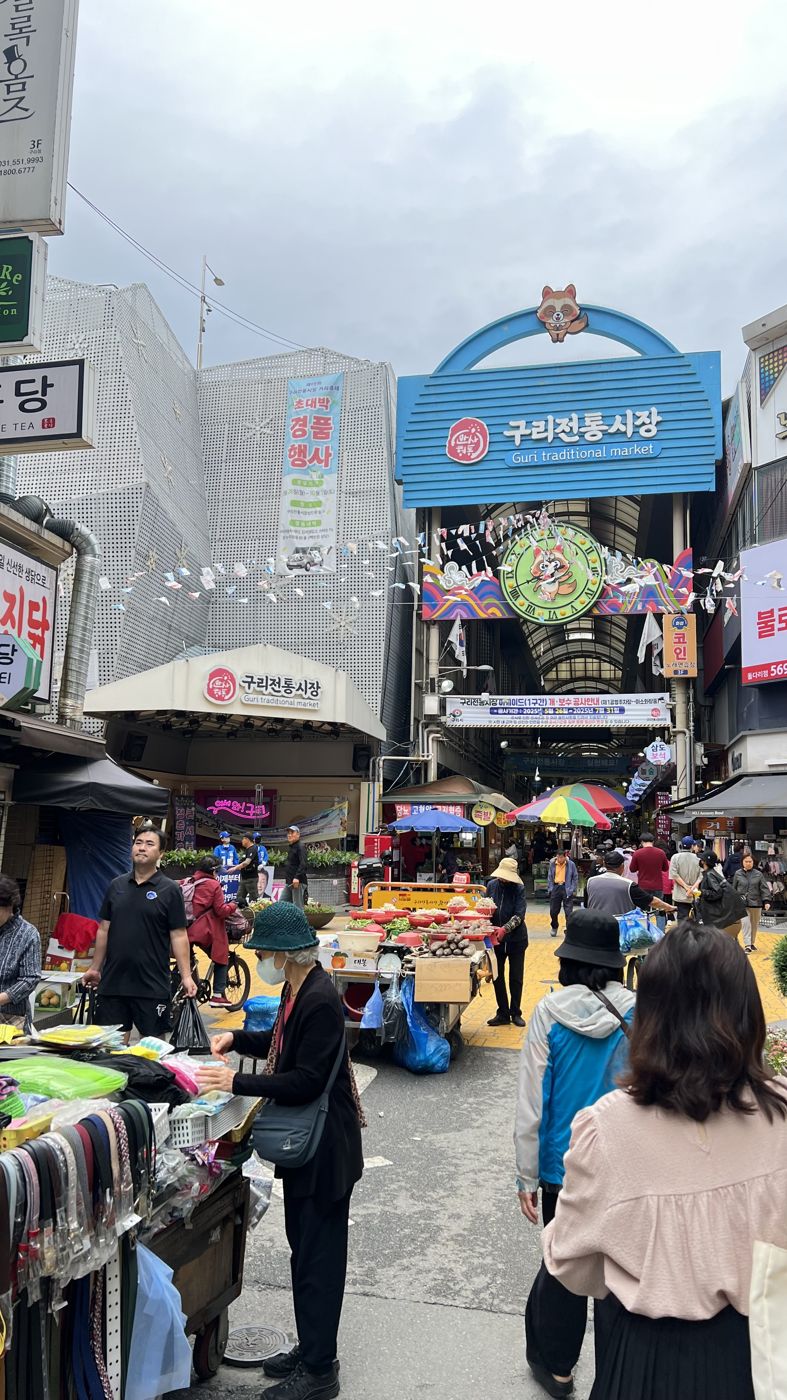 Traditional Markets: Jangteo and Sijang전통시장Five-day country markets and the great city markets of Namdaemun, Gwangjang, Seomun and Jagalchi, and the soups, pancakes and snacks that feed the people who shop there.
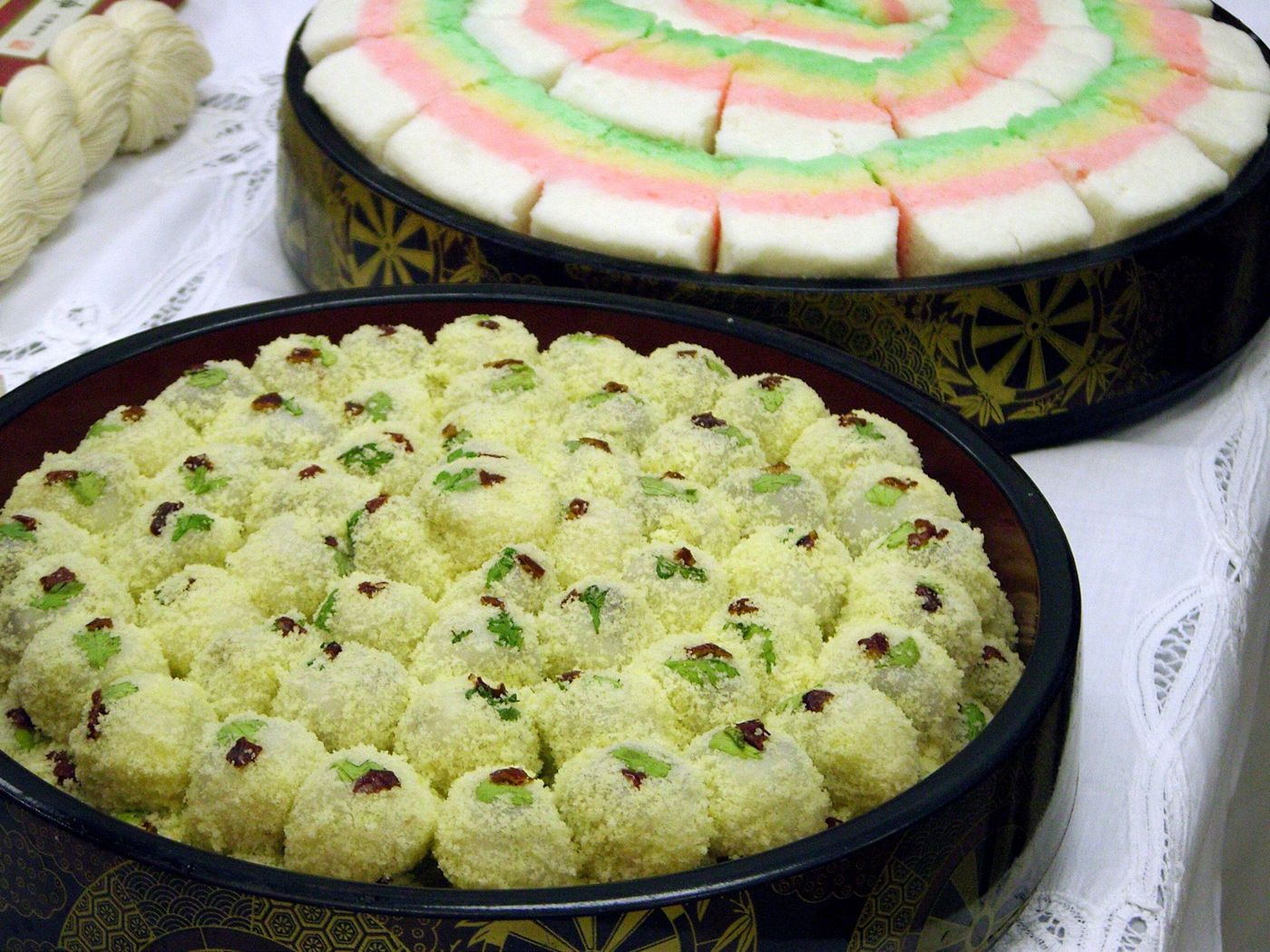 Tteok: Korean Rice Cakes떡Steamed, pounded, pan-fried or boiled, tteok are the foods of Korean rites and celebrations, from a baby's hundredth day to the new year's rice-cake soup.