Ingredient
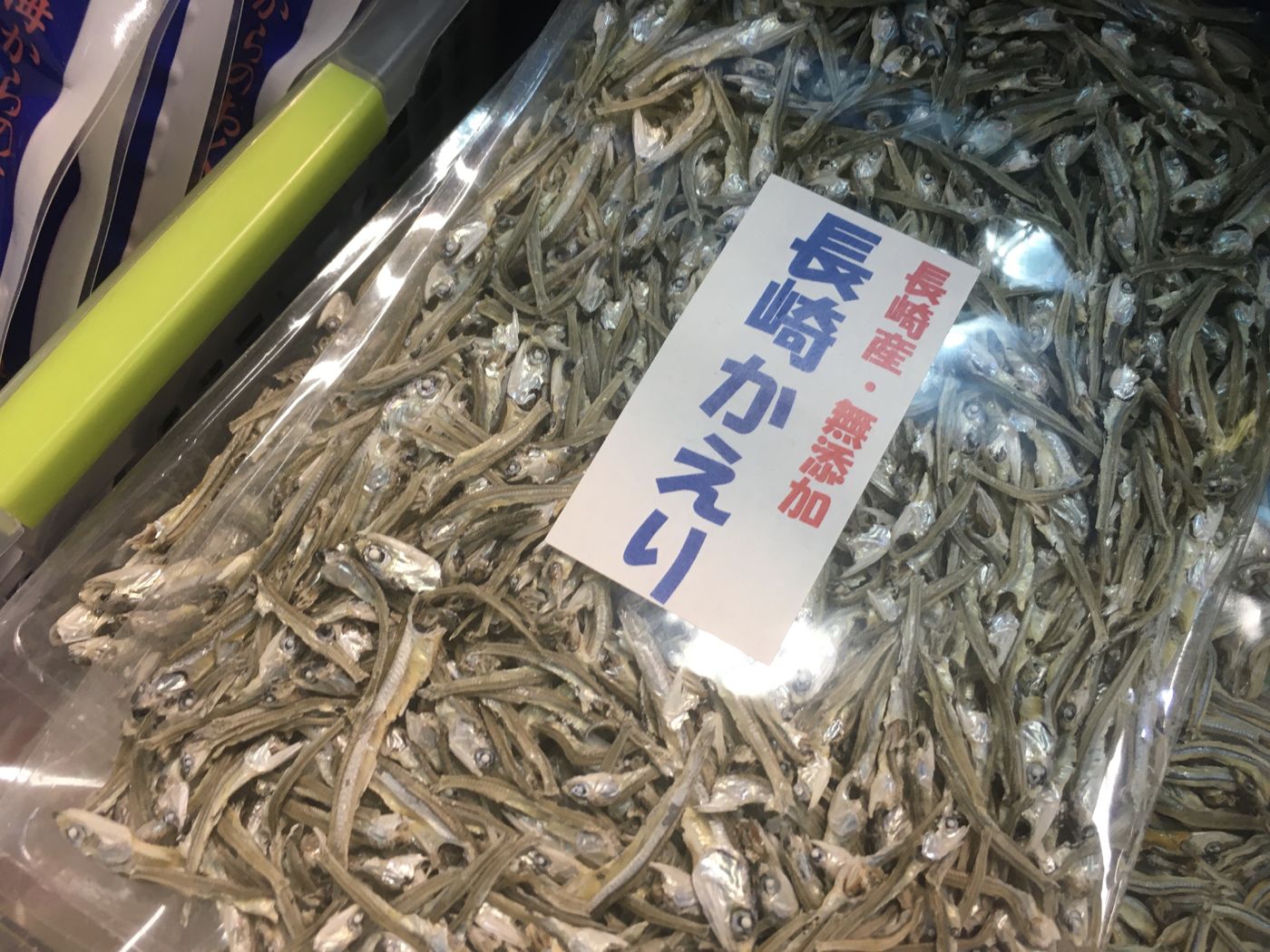
Dried anchovies
멸치
Romanization: myeolchi
Small anchovies that are boiled and dried on the coast, then sorted by size. They flavor everyday broths and, stir-fried whole, become the sweet-salty side dish myeolchi-bokkeum.
Flavor
Salty, briny and intensely savory; small fish are crisp and mild when roasted, larger fish give a fuller, more pronounced 'sea' flavor to broth.
Origin & History
Myeolchi is the Japanese anchovy (Engraulis japonicus), a small, slender schooling fish with a blue-black back and silvery belly that migrates along all of Korea's coasts. It is today the most heavily caught fish in Korean coastal waters.
Written records show anchovies being landed in great quantities by the late Joseon period. Jeong Yak-jeon's 1814 fish guide Jasan eobo describes luring the light-loving fish with torches at night and scooping them up with nets, and the 19th-century scholar Yi Gyu-gyeong noted that dried anchovies had become an everyday side dish. Anchovy fishing expanded in the same era for jeotgal (salted fish) used in kimchi, and before dried anchovies became commonplace, cooks flavored doenjang soups with dried herring instead.
Most anchovies destined for the pantry are boiled soon after landing and then dried; the south coast is the main producing region, with Tongyeong in South Gyeongsang Province a major center. The finished fish are graded by size, from tiny whole fry to large fish several centimeters long.
In the kitchen, the larger grades are usually simmered with dashima for broth, while the smallest are pan-roasted and glazed with a sweet soy seasoning for myeolchi-bokkeum. Anchovies are also fermented into myeolchi-jeot and myeolchi-aekjeot, the fish sauce used in kimchi.
Nutrition
| Calories | 226 kcal |
|---|---|
| Protein | 42.94 g |
| Fat | 4.59 g |
| Carbohydrates | 0.32 g |
| Fiber | 0 g |
| Sodium | 2646 mg |
Notable forCalcium (620 mg) · Vitamin D (17 µg) · Selenium (111 µg) · Vitamin B12 (6.5 µg)
Values copied from the Korean Food Composition Table (Rural Development Administration / National Institute of Crop Science) for this exact food, per 100 g edible portion. Composition varies a good deal by size and moisture: the table's medium and large grades list higher calcium, and all grades are high in sodium. Actual values vary with ingredients, portion size and preparation.
Health Benefits
- Protein and calcium, bones and all: Because the whole fish is eaten, dried anchovies are a concentrated source of protein and calcium, and the Korean Food Composition Table also lists notable vitamin D, vitamin B12 and selenium.
- High in sodium: Boiled-and-dried anchovies are processed with salt, and the small grade lists about 2,600 mg of sodium per 100 g — more than the 2,300 mg daily limit recommended for adults. Bokkeum adds soy sauce on top, so portions are best kept small.
- Fish allergy: Fish is a major food allergen. Anchovy broth, anchovy jeotgal and fish sauce all carry the same allergen, which is easy to overlook in soups and kimchi.
Informational, not medical advice. Talk to a qualified professional about your own health and diet.
Dishes with Dried anchovies
 Doenjang Jjigae (Soybean Paste Stew)된장찌개A thick, savory stew of fermented soybean paste with tofu, zucchini and whatever the season offers — the everyday pot at the center of the Korean table.
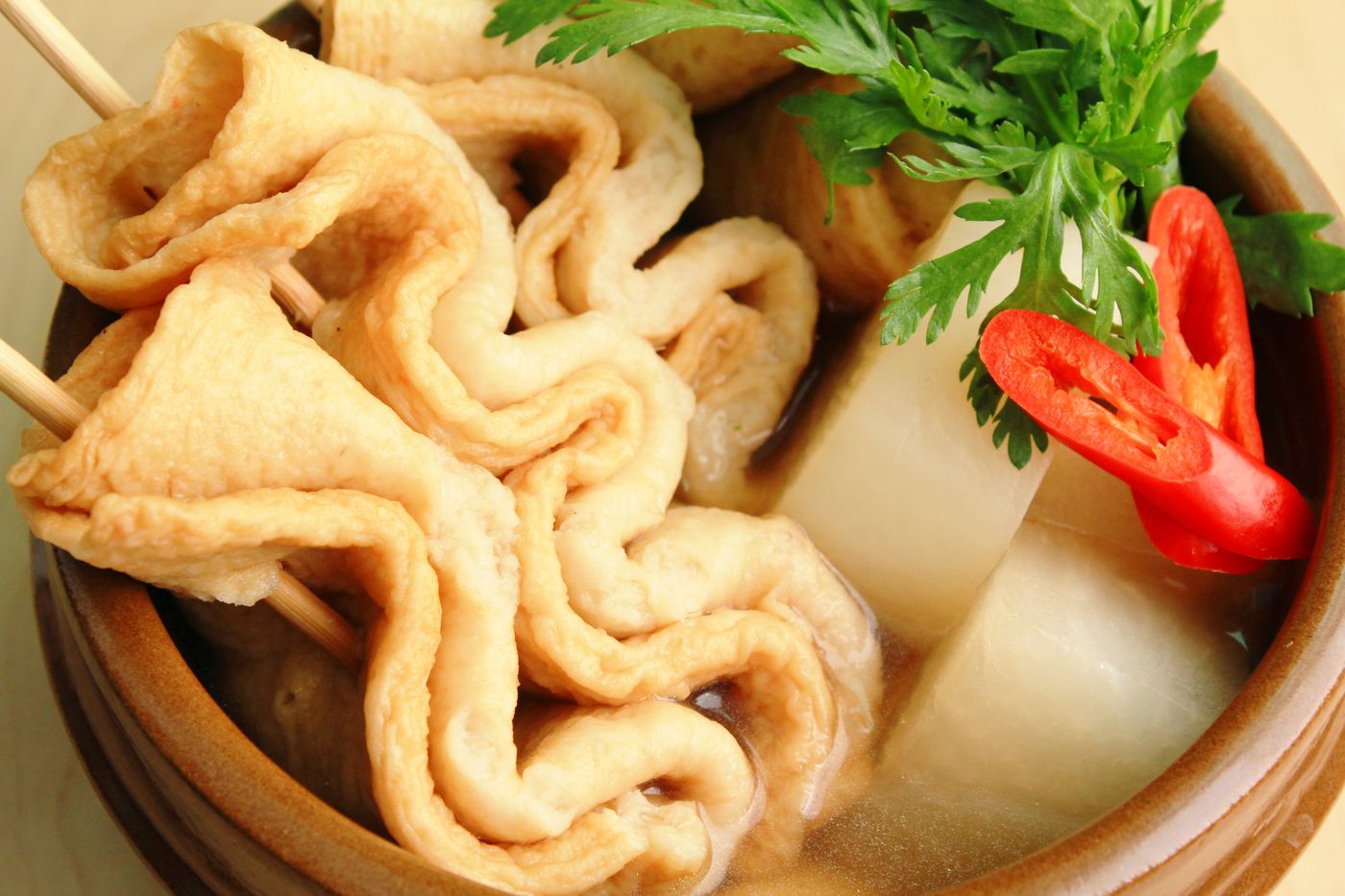 Eomuk Tang (Fish Cake Soup)어묵탕Fish cakes, often threaded on skewers, simmered in a clear anchovy, kelp and radish broth — Busan's winter street-stall soup and a quick home dish.
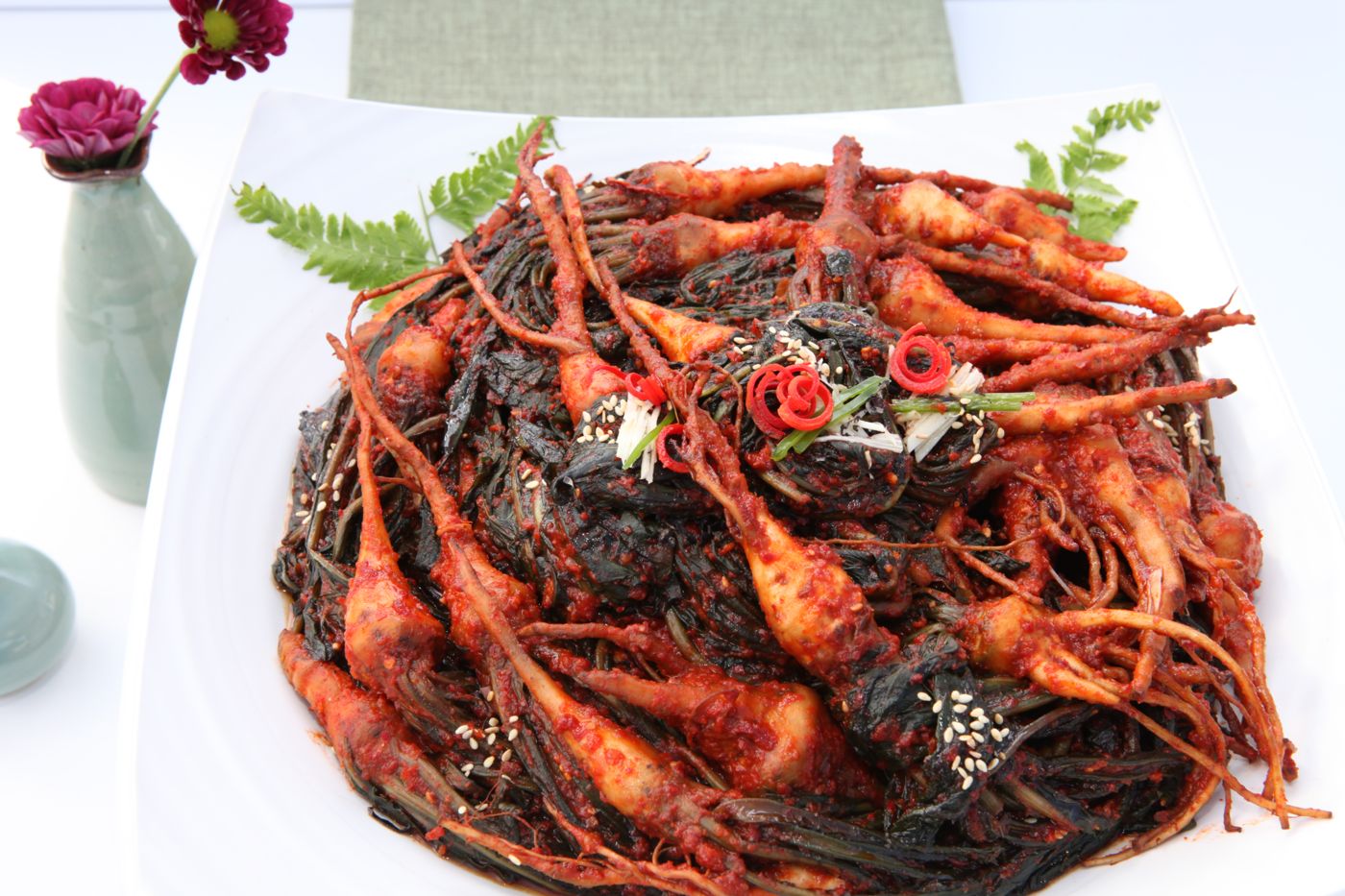 Bitter Godeulppaegi Kimchi고들빼기김치A bittersweet Jeolla kimchi of whole godeulppaegi greens and roots, soaked for days to tame the bitterness and dressed with anchovy jeotgal and chili.
- Gul Guk (Oyster Soup)굴국Fresh oysters dropped into a clear radish broth with tofu and green onion and cooked for barely a minute — a delicate cold-season soup of the south and west coasts.
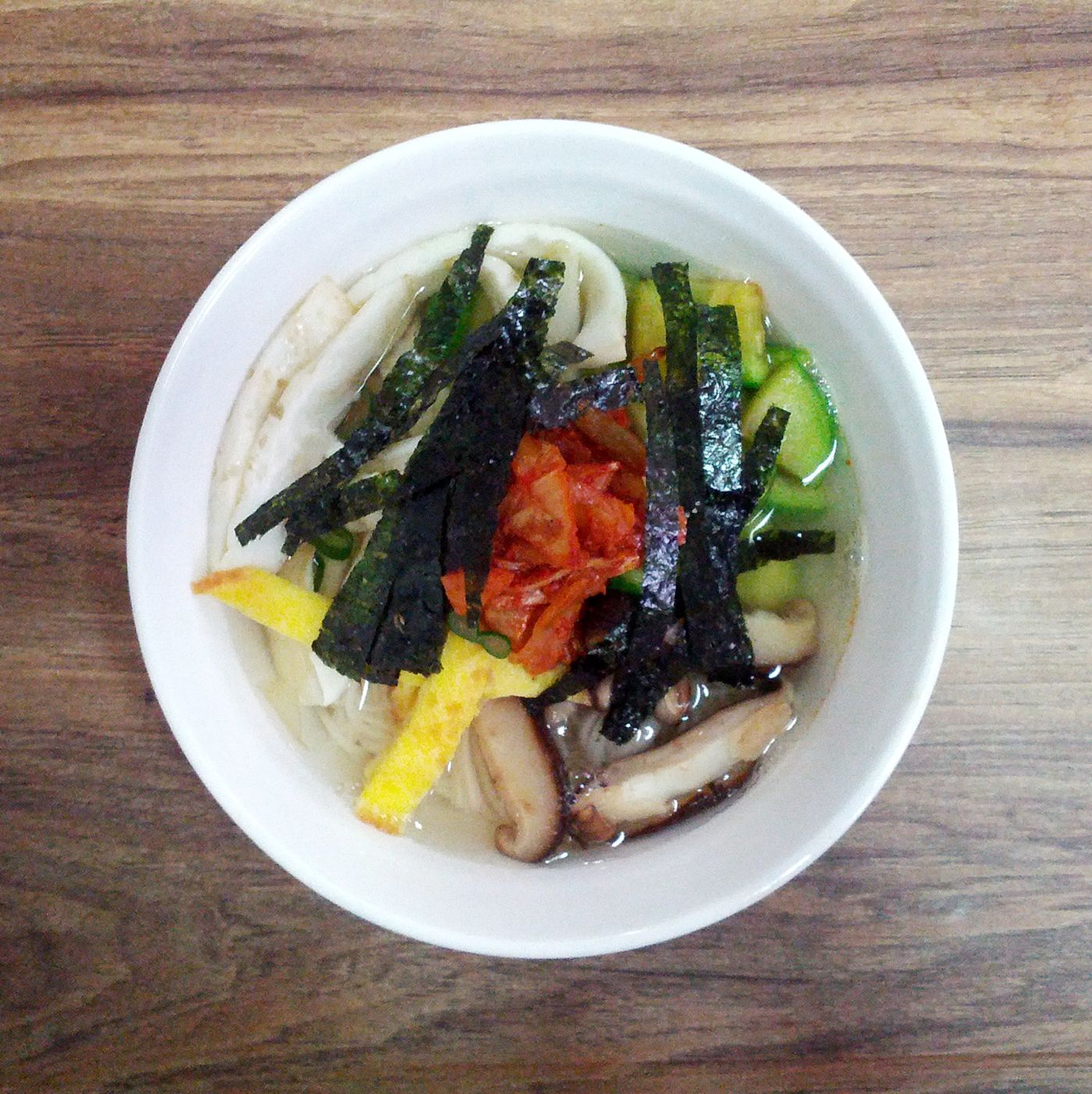 Janchi Guksu (Banquet Noodles)잔치국수Thin wheat noodles in a hot, clear anchovy or beef broth, topped with egg strips, zucchini and kimchi — the long-life noodles served at weddings and birthdays.
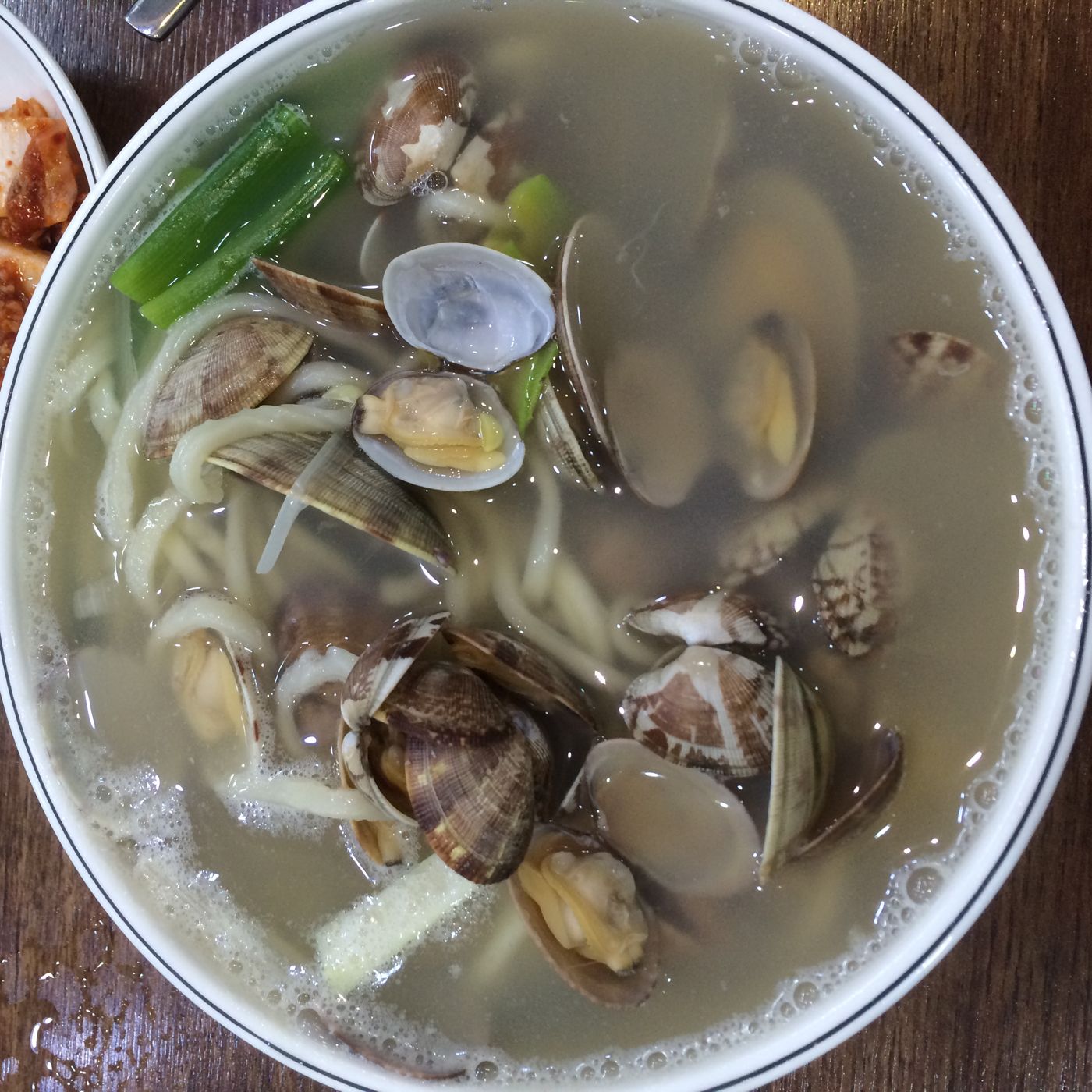 Kalguksu (Knife-Cut Noodle Soup)칼국수Hand-rolled wheat dough cut into ribbons with a knife and cooked right in anchovy, chicken or clam broth with potato and zucchini — Korea's homely noodle soup.
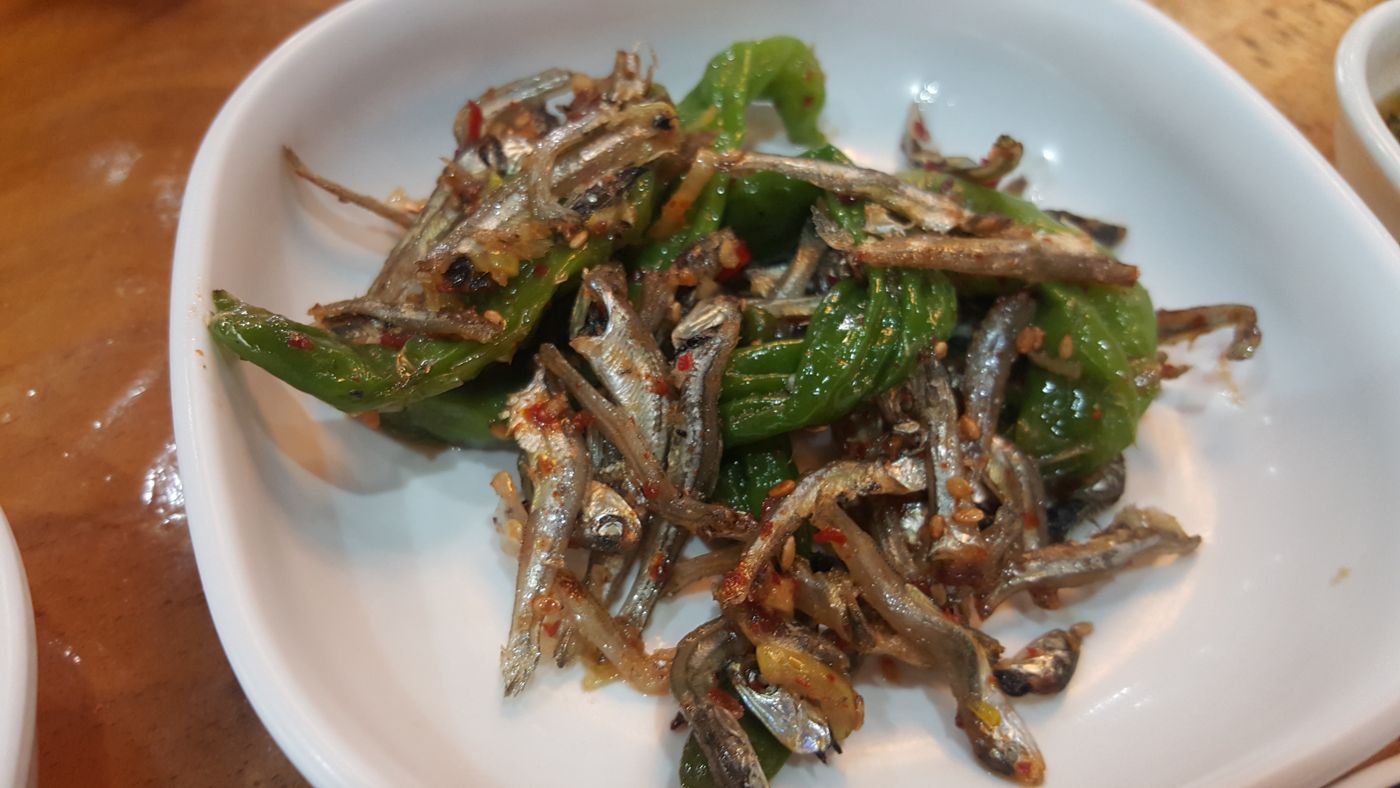 Kkwarigochu Myeolchi Bokkeum (Shishito Peppers with Anchovies)꽈리고추멸치볶음Small dried anchovies and wrinkled shishito-type peppers glazed in soy sauce and rice syrup — a sweet, salty, gently grassy lunchbox staple.
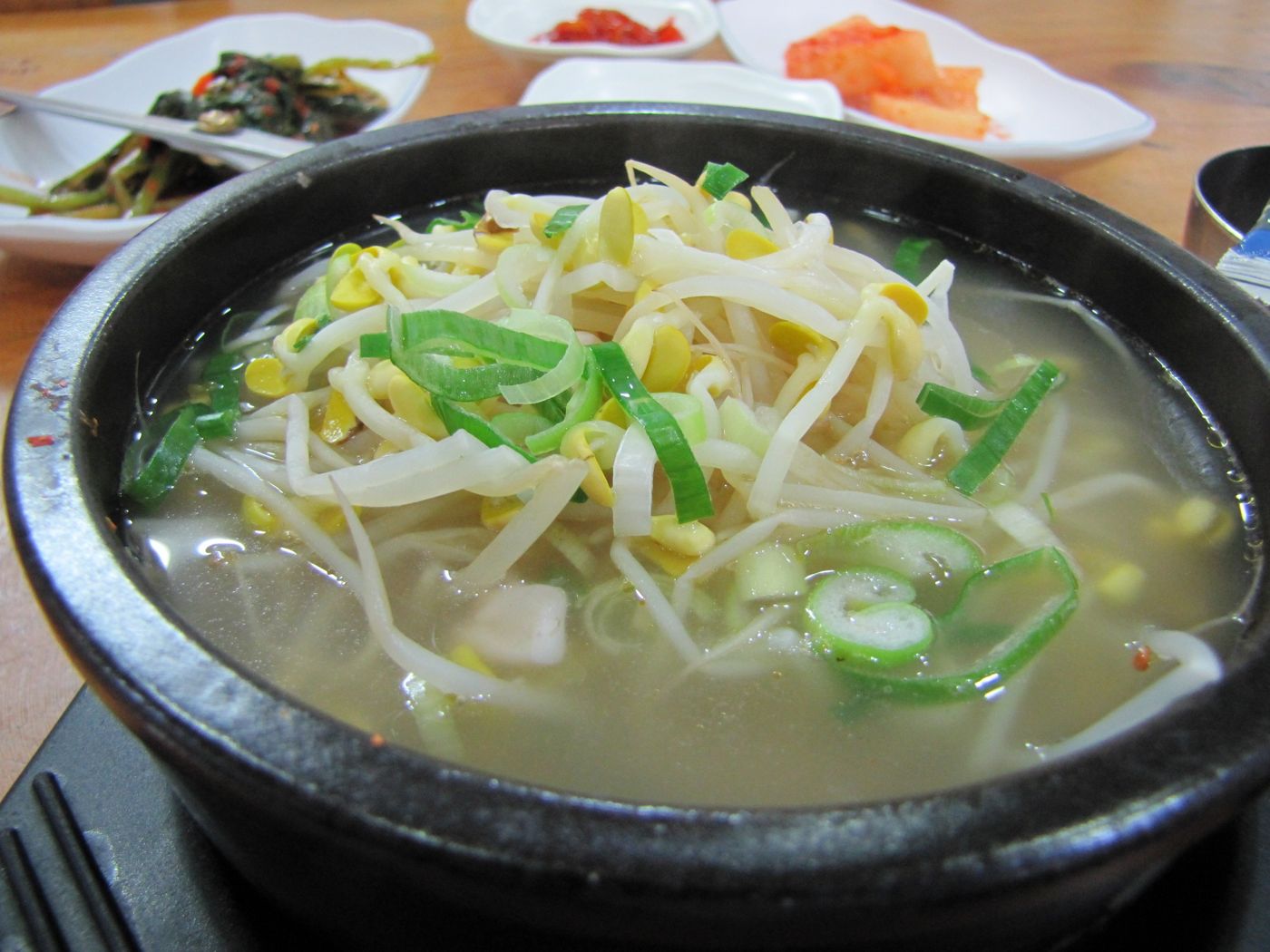
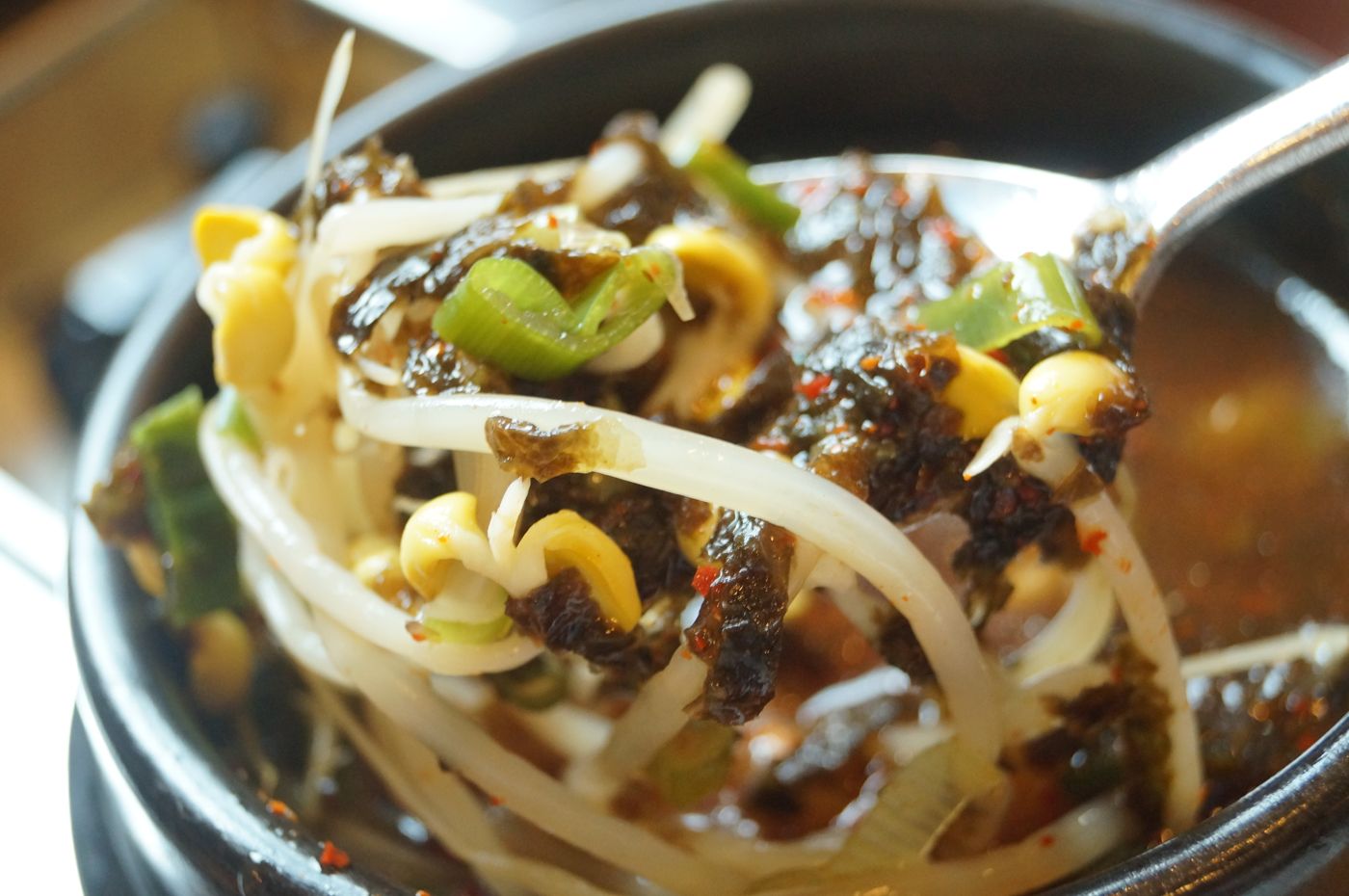 Kongnamul Guk (Soybean Sprout Soup)콩나물국A clear, light soup of soybean sprouts in anchovy-kelp stock, seasoned with salt or soup soy sauce — an everyday guk and a favorite morning-after cure.
 Kongnamul Gukbap (Jeonju Soybean-Sprout Rice Soup)콩나물국밥Rice and crisp soybean sprouts in a clear, savory broth, finished with egg, salted shrimp and kimchi. Jeonju's market breakfast and morning-after bowl.
- Mu Jorim (Braised Radish)무조림Thick rounds of Korean radish simmered in anchovy stock with soy sauce and chili until tender, sweet and amber — humble, warming winter banchan.
 Myeolchi Bokkeum멸치볶음Small dried anchovies stir-fried until crisp, then glazed in a sweet soy and garlic syrup — a keeping banchan found in refrigerators across Korea.
- Salted Anchovies멸치젓Whole anchovies packed in heavy salt and aged for months — the south coast's kimchi jeotgal, also boned, dressed with chili and eaten with rice or in ssam.
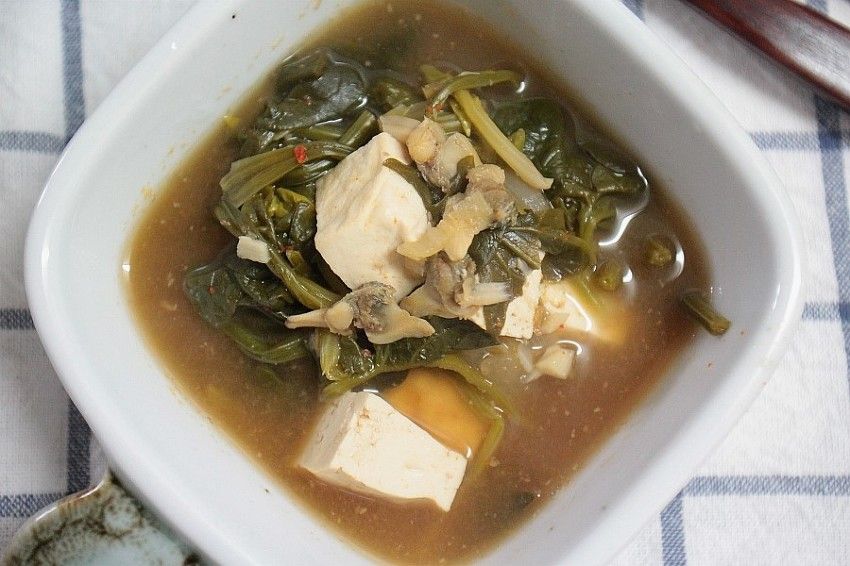 Sigeumchi Doenjang Guk (Spinach Soybean-Paste Soup)시금치된장국Tender spinach simmered in an anchovy broth seasoned with doenjang — a mild, everyday soup that is at its sweetest in winter and early spring.
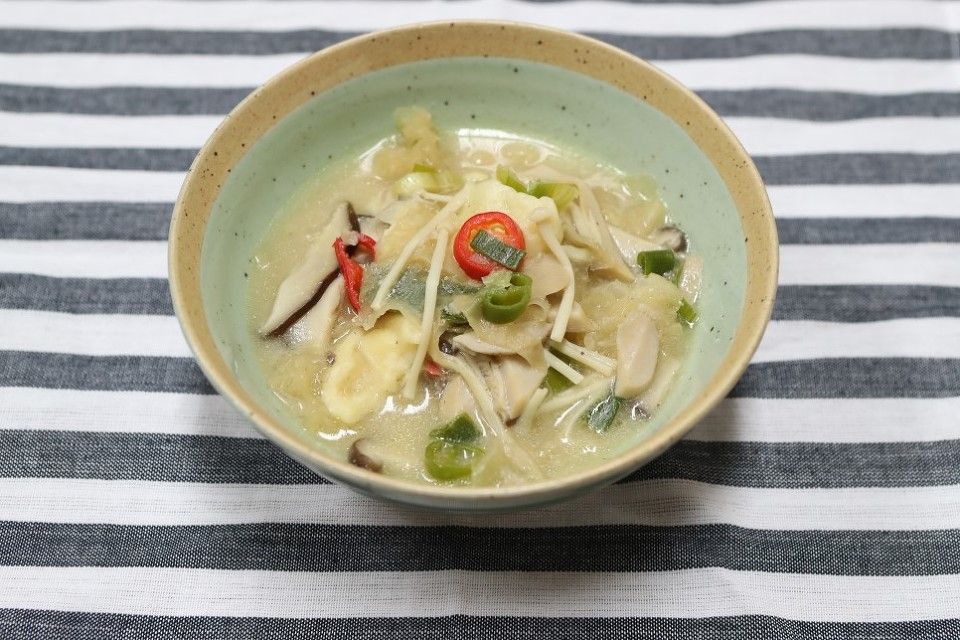 Sujebi (Hand-Torn Dough Soup)수제비Thin pieces of wheat dough pulled by hand into a simmering anchovy broth with zucchini and potato — a cozy, inexpensive one-pot meal, traditionally a summer staple.
Sources
- 01멸치 (Anchovy) — Encyclopedia of Korean Culture
- 02건어물 (Dried fish products) — Encyclopedia of Korean Culture
- 03토장국 (Tojangguk) — Encyclopedia of Korean Culture
- 04Korean Food Composition Table — Anchovy, Small, Boiled and dried
- 05Sodium in Your Diet — U.S. Food and Drug Administration
- 06Food Allergies — U.S. Food and Drug Administration