The Banchan Encyclopedia
Travel
여행
Where and how to eat across Korea — markets, regional food trips, temple stays, festivals and table etiquette.
- Dining Etiquette for Visitors한국 식사 예절The table manners a visitor is most likely to meet in Korea: elders first, spoon and chopsticks, bowls that stay down, pouring drinks, and how shared side dishes work.
- Eating in Andong안동 먹거리 여행What to eat in Andong: soy-braised jjimdak, the "pretend ritual meal" heotjesabap, salted mackerel, a distilled soju tradition, and Hahoe village nearby.
- Eating in Busan부산 먹거리 여행A food-first guide to Busan: milky pork-and-rice soup, chewy cold wheat noodles, fish cakes, seed-filled hotteok and the market alleys around Gukje Market.
- Eating in Chuncheon춘천 먹거리 여행A short food guide to Chuncheon: the dakgalbi alley and its two cooking styles, and makguksu, buckwheat noodles served in kimchi broth.
- Eating in Daegu대구 먹거리 여행A guide to eating in Daegu: ttaro-gukbap, grilled makchang, flat dumplings, and how to read the city's ten-flavors list alongside Seomun Market.
- Eating in Gangneung강릉 먹거리 여행A food-first guide to Gangneung: soft tofu from Chodang village, a beachfront coffee street, and the East Sea catch, from squid and lumpsucker to cold mulhoe.
- Eating in Gyeongju경주 먹거리 여행What to eat in Gyeongju, the old Silla capital: a leaf-wrap rice meal, red bean Hwangnam bread, a heritage-listed rice liquor and the Gyochon village where it is made.
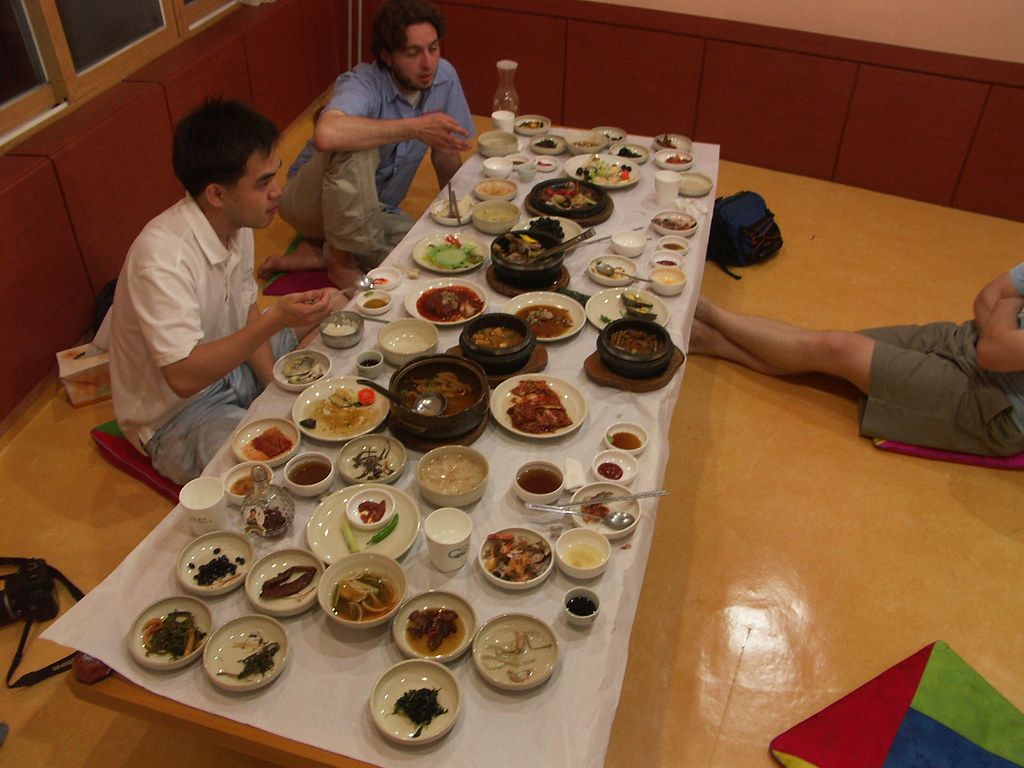 Eating in Jeonju전주 먹거리 여행A food-first guide to Jeonju, the UNESCO Creative City of Gastronomy: bibimbap, bean-sprout rice soup, makgeolli alleys and a hanok district to walk between meals.
- Eating in Mokpo목포 먹거리 여행A guide to eating in Mokpo: how to approach fermented skate, what to order when you want octopus, and what the city's five and nine flavors lists actually contain.
- Eating in Sokcho속초 먹거리 여행A guide to eating in Sokcho: Abai Village and its refugee history, abai-sundae, squid sundae and chilled mulhoe from the East Sea.
- Eating in Tongyeong통영 먹거리 여행A harbor-town food guide to Tongyeong: rice-only chungmu gimbap with spicy squid, winter oysters, syrup-coated kkulppang and the fish market by the water.
- Eating in Yeosu여수 먹거리 여행A food-first guide to Yeosu: Dolsan mustard-leaf kimchi, soy- and chili-marinated crab, makgeolli-vinegar sole and the city's ten-flavors list.
- Eating on Jeju제주 먹거리 여행A food guide to Jeju: black pork and its many forms, haenyeo-harvested seafood, pork noodle soup, winter tangerines, and the island's traditional markets.
- Eating With Dietary Needs in Korea식이 제한과 한국 여행Why vegetarian and vegan eating takes planning in Korea, how temple food helps, which allergens are common, and a few Korean phrases with hangul for explaining what you cannot eat.
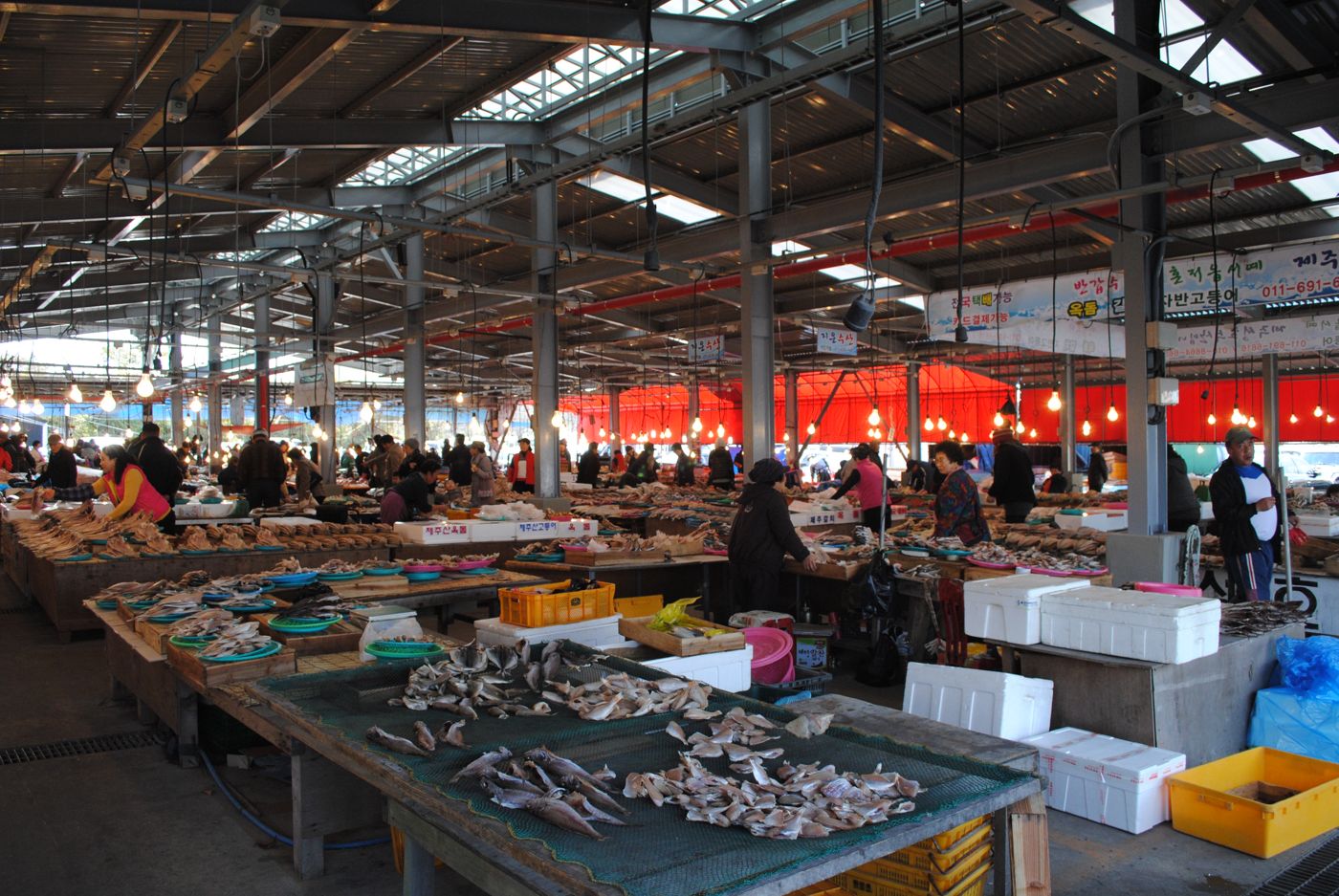 Five-Day Markets (Oiljang)오일장The rotating rural markets that have fed Korean villages for centuries: how the five-day cycle works, what you find at one, and well-known examples such as Jeongseon and Moran.
- Food Festivals in Korea한국의 음식 축제A seasonal tour of Korean food festivals, from kimchi in autumn to snow crab in spring and mountain trout on the ice in winter, with typical timing rather than fixed dates.
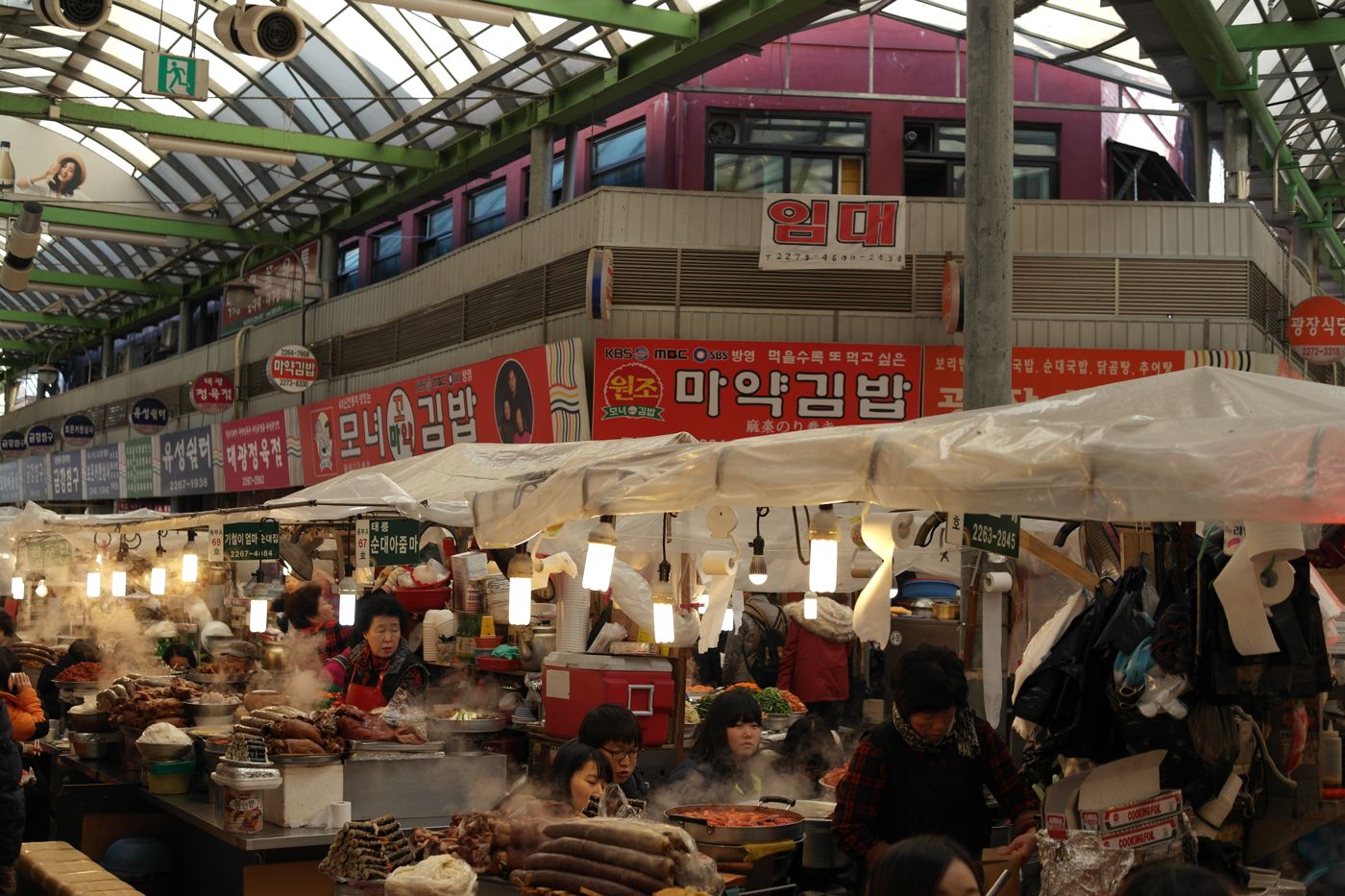 Gwangjang Market광장시장Seoul's best-known market food alley: where it came from, what the stalls serve, and how to eat your way through bindaetteok, gimbap and more.
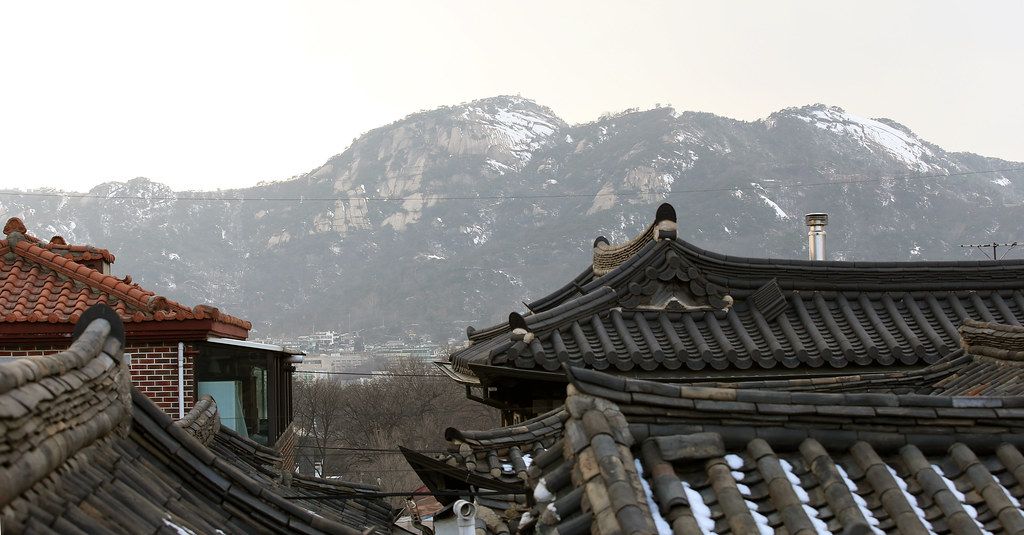 Hanok Villages and Hanok Stays한옥마을과 한옥 숙박Where to see and sleep in traditional Korean houses: Bukchon, Jeonju, Hahoe and Yangdong, how ondol floors work, and what a hanok-stay breakfast is usually like.
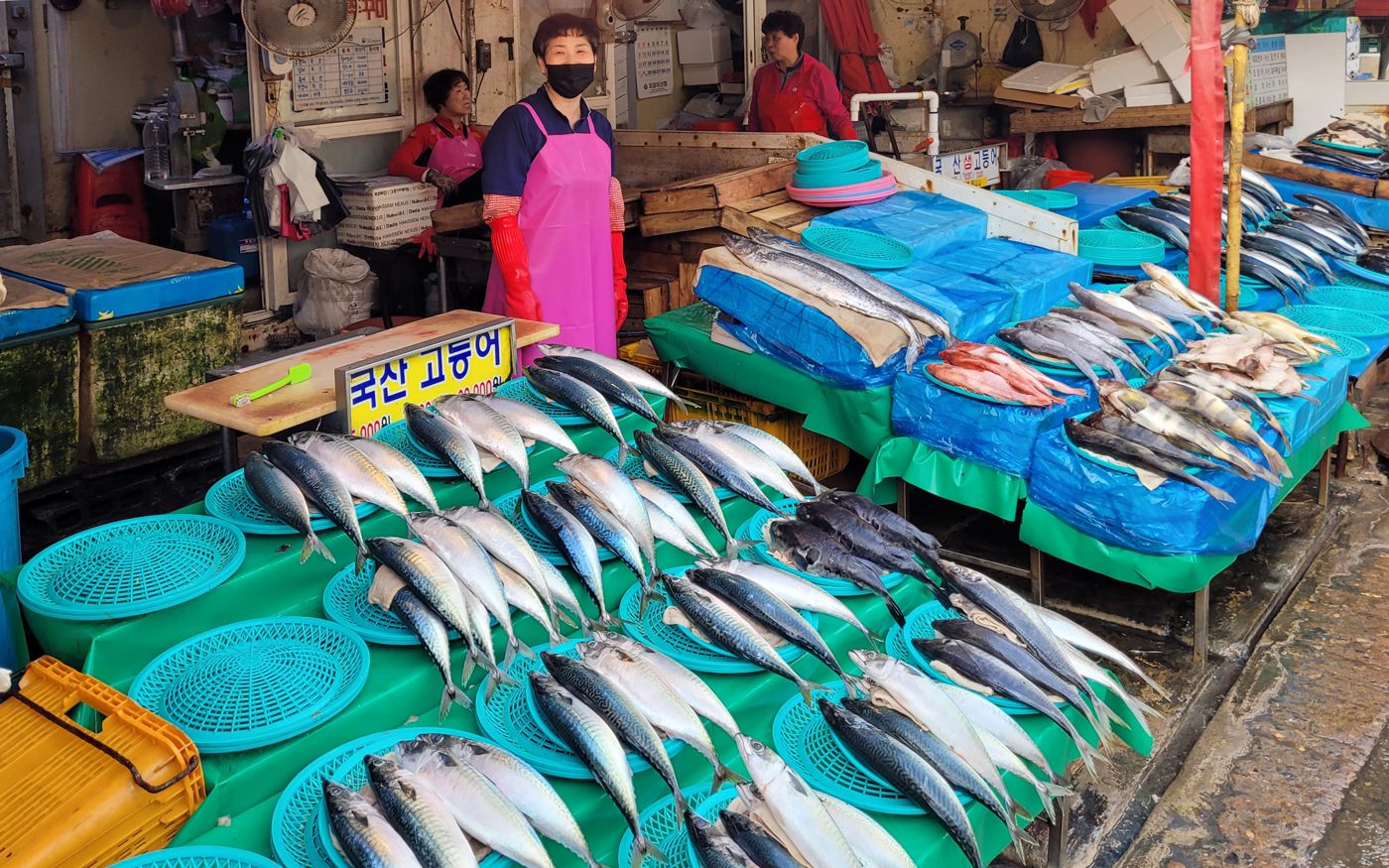 Jagalchi Market자갈치시장Busan's waterfront seafood market: the women known as ajime who built it, the grilled hagfish and raw fish it is known for, and how to approach eating there.
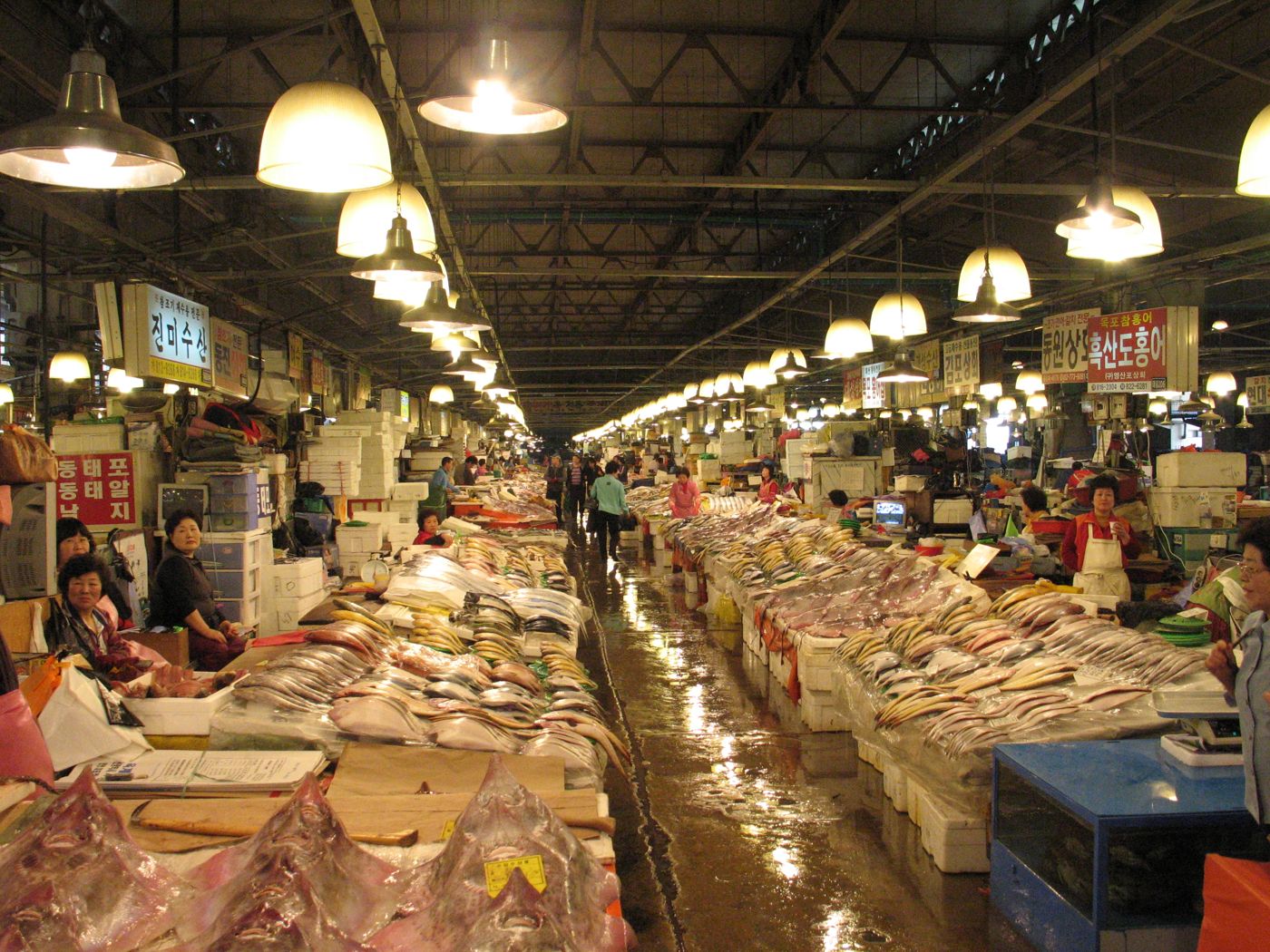 Noryangjin Fish Market노량진수산시장Seoul's largest fish market: how buying seafood at a stall and having a nearby restaurant prepare it works, and why the 2016 move to a new building caused a long dispute.
- Ordering and Paying in Korean Restaurants주문과 계산How ordering and paying usually work in a Korean restaurant: free side dishes and refills, call bells, two-serving minimums, kiosks, paying at the counter and why you do not tip.
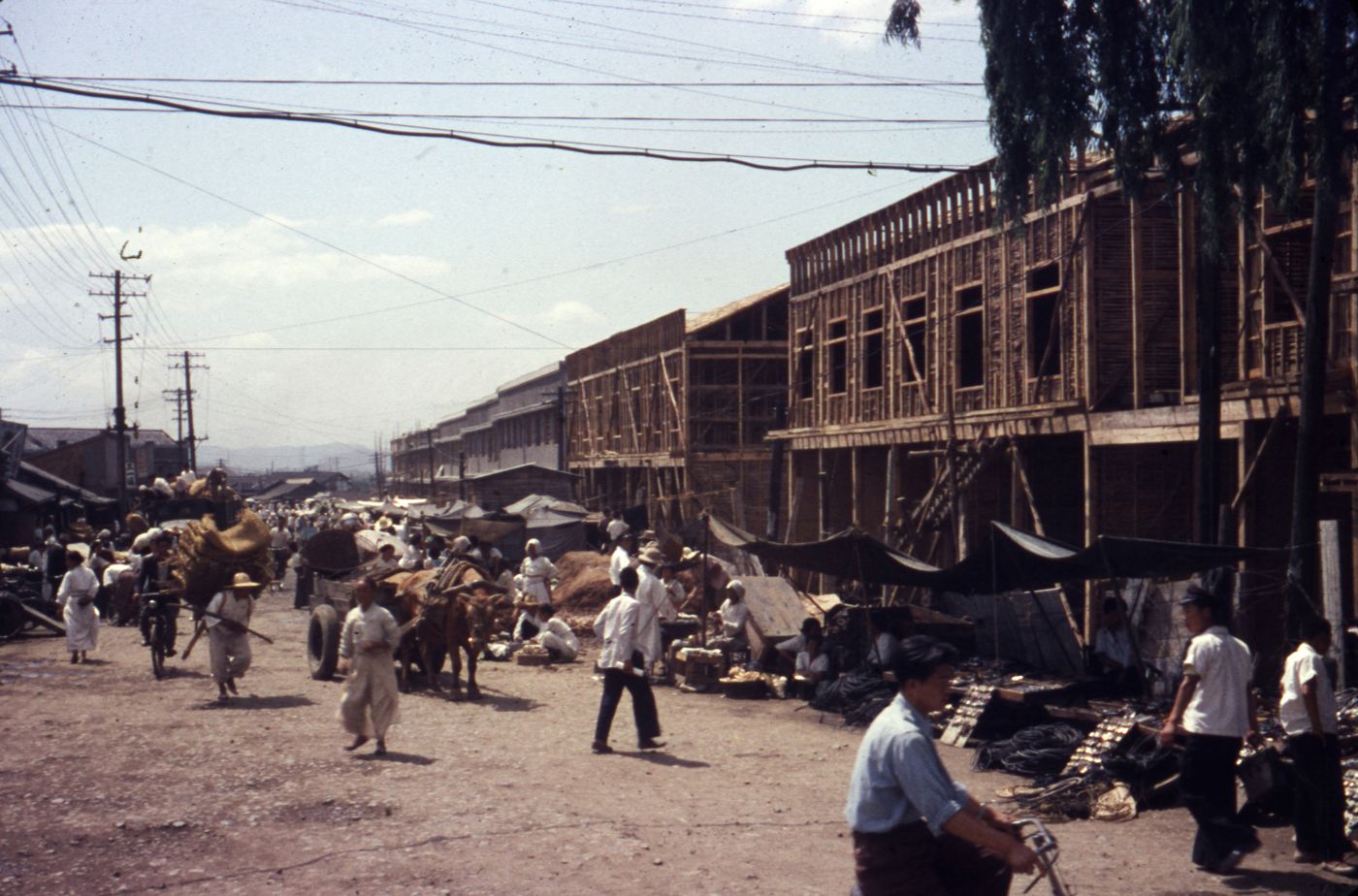 Seomun Market서문시장Daegu's great historic market, once counted among Joseon's three largest, plus its weekend night market and the noodles, dumplings and snacks to look for.
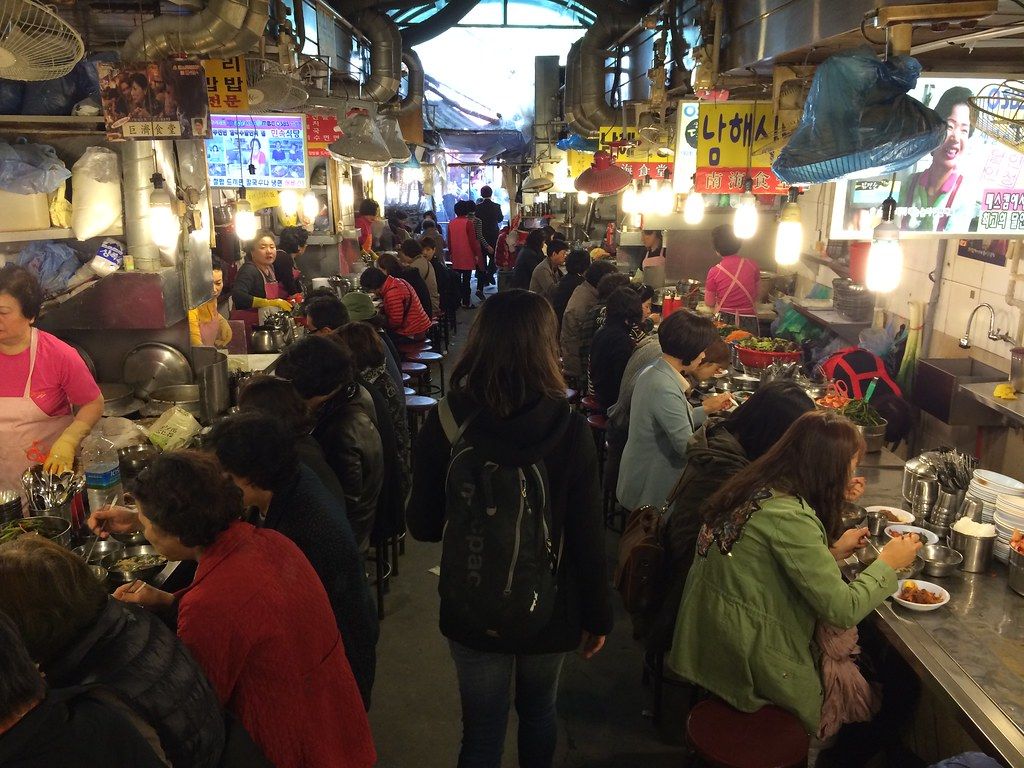 Seoul's Food Alleys서울의 먹자골목A guide to four Seoul food alleys and the dishes behind them: tteokbokki in Sindang-dong, jokbal in Jangchung-dong, nogari and draft beer in Euljiro, and pork galbi in Mapo.
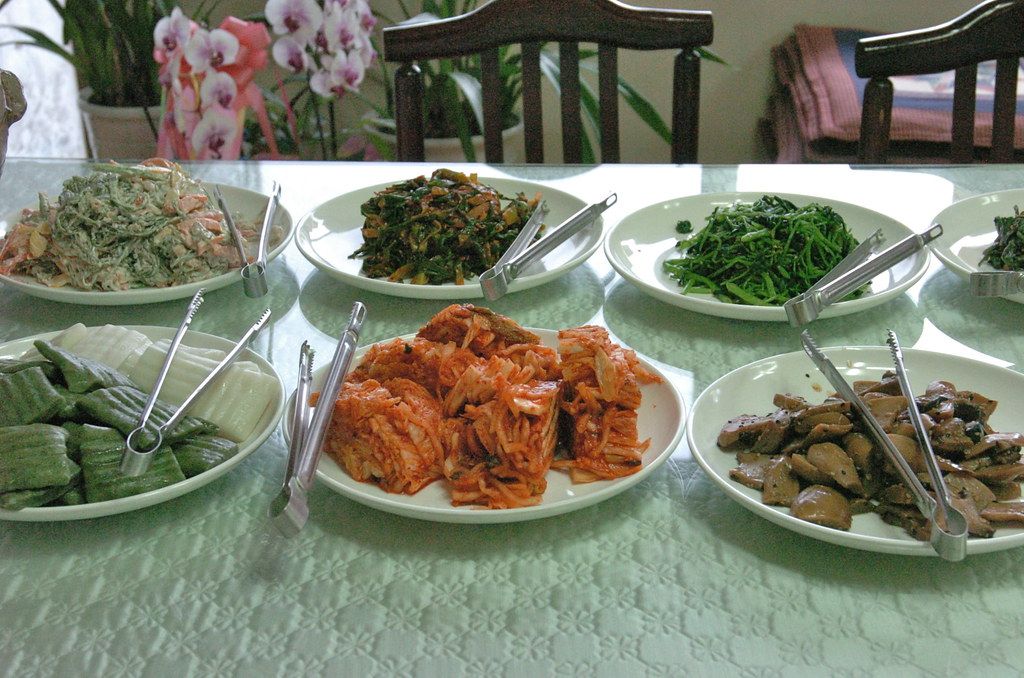 Templestay and Temple Food템플스테이와 사찰음식What a Templestay involves, how the formal monastic meal (barugongyang) works, and why temple food leaves out the five pungent vegetables.
- Traveling for Seasonal Food제철 음식 여행Plan a Korea trip by season: spring greens and webfoot octopus, summer restorative foods, autumn shad and new rice, and winter crab, oysters, gwamegi and kimjang.