Regions
Jeolla
전라
Korea's rice bowl and its most celebrated food region: abundant tables, bold salted seafood, deeply seasoned kimchi and dishes like Jeonju bibimbap.
Jeolla, in the southwest of the peninsula, has a reputation within Korea as the region where people eat best. That reputation rests on geography — wide rice plains, two seas and rich mountains — and on a long tradition of generous, elaborate home cooking.
Geography and climate
The Encyclopedia of Korean Culture describes Jeolla as wrapped by the Yellow Sea to the west and the South Sea to the south, with the fertile Honam plain providing abundant rice and well-known mountains supplying prized wild foods. The region's mild climate also makes it important for winter vegetables: the Korean Culture and Information Service reports that Haenam, at the southwestern tip, grows the majority of Korea's winter napa cabbage.
Character of the cuisine
The same encyclopedia ranks Jeolla's cooking alongside that of Gaeseong for its luxury, attributing this to wealthy landed families who passed down fine cooking over generations. Tables traditionally carried a large number of dishes, which often surprises visitors.
On seasoning, the encyclopedia is explicit: because of the warm climate, Jeolla's salted seafood is very strongly salted, and kimchi is made with plenty of chili powder, a salty edge and little liquid — in sharp contrast to the watery kimchi of the north. This matches the broader pattern the encyclopedia describes, in which food becomes saltier and spicier, with more seasoning and jeotgal, the farther south one goes.
Signature dishes and banchan
- Jeonju bibimbap: rice topped with bean sprouts, mung bean jelly colored yellow (hwangpo-muk), beef, gochujang, sesame oil and egg, among other vegetables. The encyclopedia notes it is also called bean-sprout bibimbap and is known nationwide.
- Kongnamul-gukbap: bean-sprout soup with rice, another Jeonju dish that has spread across the country. The encyclopedia notes that Jeolla had a distinctive way of growing soybean sprouts.
- Hongeo (skate): raw or fermented skate is closely tied to Jeolla celebrations; the encyclopedia describes hongeo-hoe as indispensable at weddings and sixtieth-birthday feasts.
- Porridges: a wide range of juk, from sesame to clam, valued as restorative food.
- Banchan: the encyclopedia's list includes many kinds of salted seafood, wild mountain greens, mustard-dressed japchae (compare japchae), hijiki and seaweed salads, and crisp fried bugak made from greens and seaweed.
Kimchi styles
Jeolla is especially known for leafy kimchi beyond napa cabbage. The Encyclopedia of Korean Culture names bitter godeulppaegi kimchi, whole-cabbage kimchi (baechu-kimchi), oyster kkakdugi and banji, a white kimchi. The Korea Herald adds gat-kimchi made with mustard greens and describes the region's kimchi as rich in chili powder and seasoned with salted anchovy or similar fish.
The Korean Culture and Information Service notes a difference in salted-fish preference: Jeolla cooks favor salted hairtail, while the Seoul area more often uses anchovy or sand lance. Buan's Gomso port, on the region's west coast, is known for its salted seafood.
Local specialties
- Rice cakes and sweets: as the country's leading rice region, Jeolla has a long list of rice cakes, many made with persimmon or pumpkin, and sweets such as yugwa and candied ginger and lotus root (see lotus-root).
- Citron: citron punch and dried-persimmon sujeonggwa are listed among local drinks.
- Dried and salted fish: dried croaker (gulbi) and dried fish fillets appear frequently on the Jeolla table.
Dishes from this region
- Aehobak Namul애호박나물Young Korean squash cut into half-moons and stir-fried with garlic and a little salted shrimp — sweet, tender and quick to make.
- Beoseot Bokkeum (Stir-Fried Mushrooms)버섯볶음Oyster mushrooms torn by hand and stir-fried with onion, garlic and a little soy sauce — a quick, savory, meaty-textured banchan.
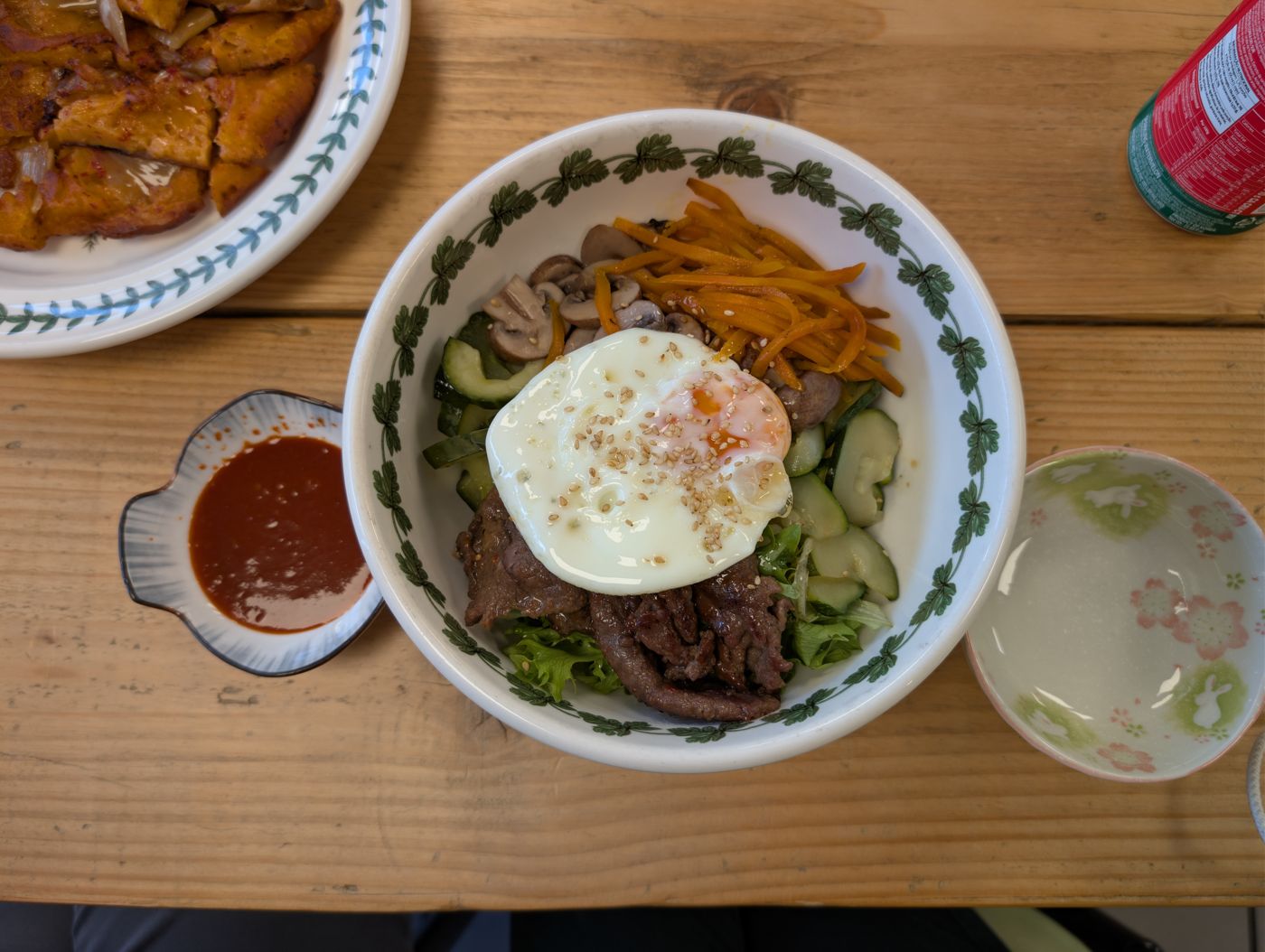 Bibimbap (Mixed Rice with Namul)비빔밥A bowl of rice topped with seasoned namul, beef and egg, mixed at the table with chili paste and sesame oil — banchan gathered into a single meal.
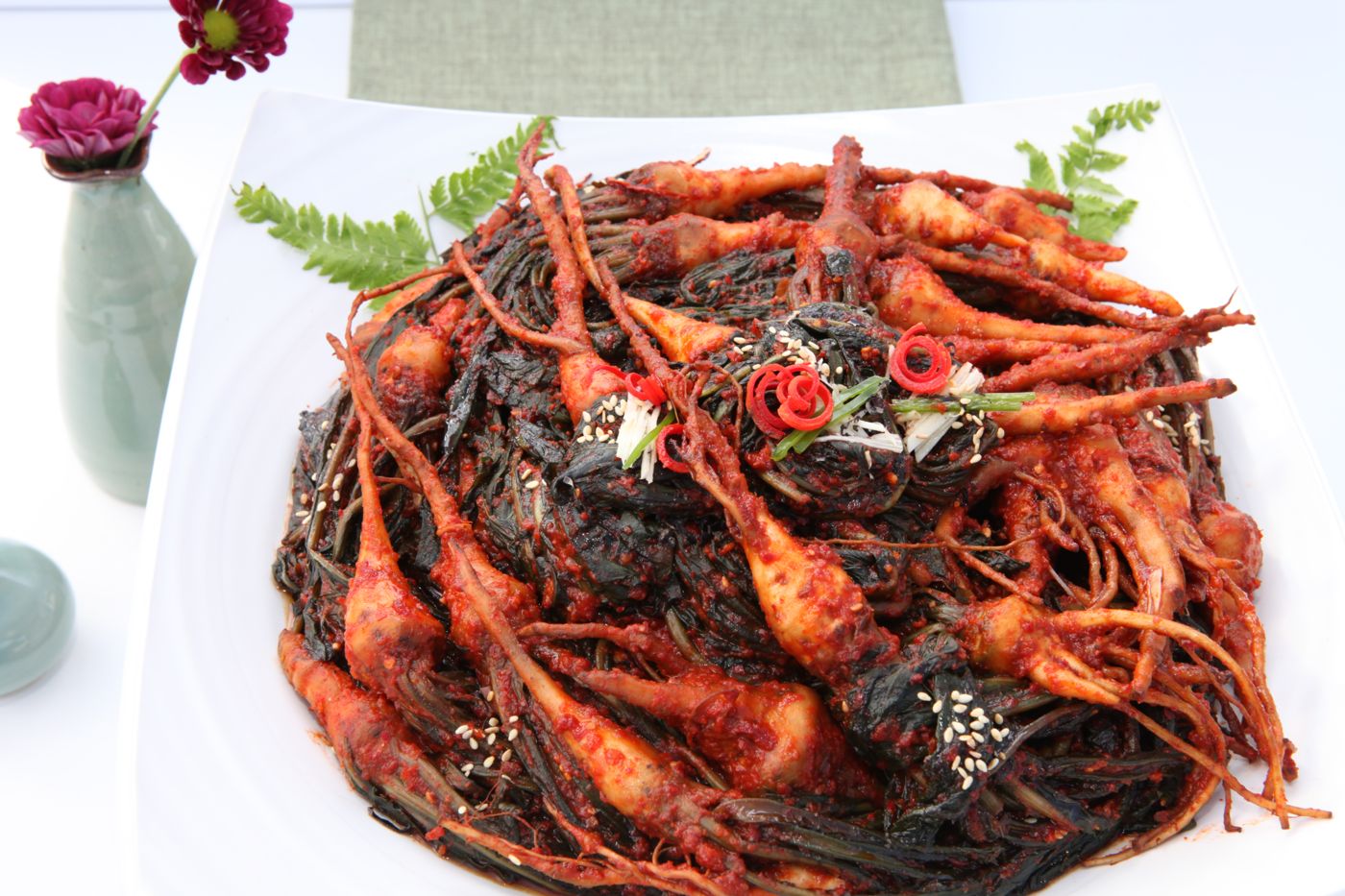 Bitter Godeulppaegi Kimchi고들빼기김치A bittersweet Jeolla kimchi of whole godeulppaegi greens and roots, soaked for days to tame the bitterness and dressed with anchovy jeotgal and chili.
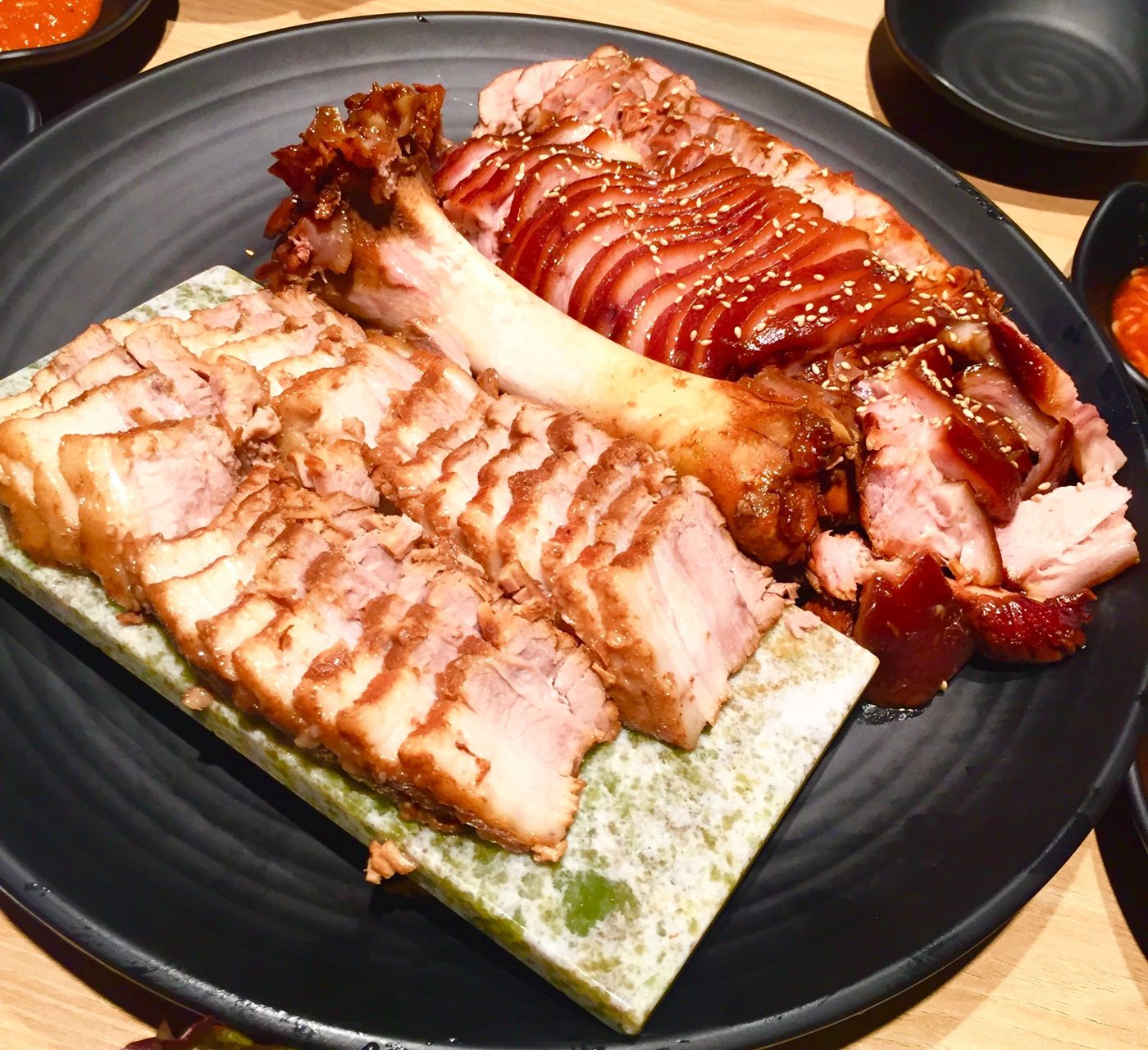 Bossam (Boiled Pork Wraps)보쌈Pork belly simmered with doenjang and aromatics, pressed and sliced, then wrapped in salted cabbage with spicy radish and salted shrimp — a feast dish built for sharing.
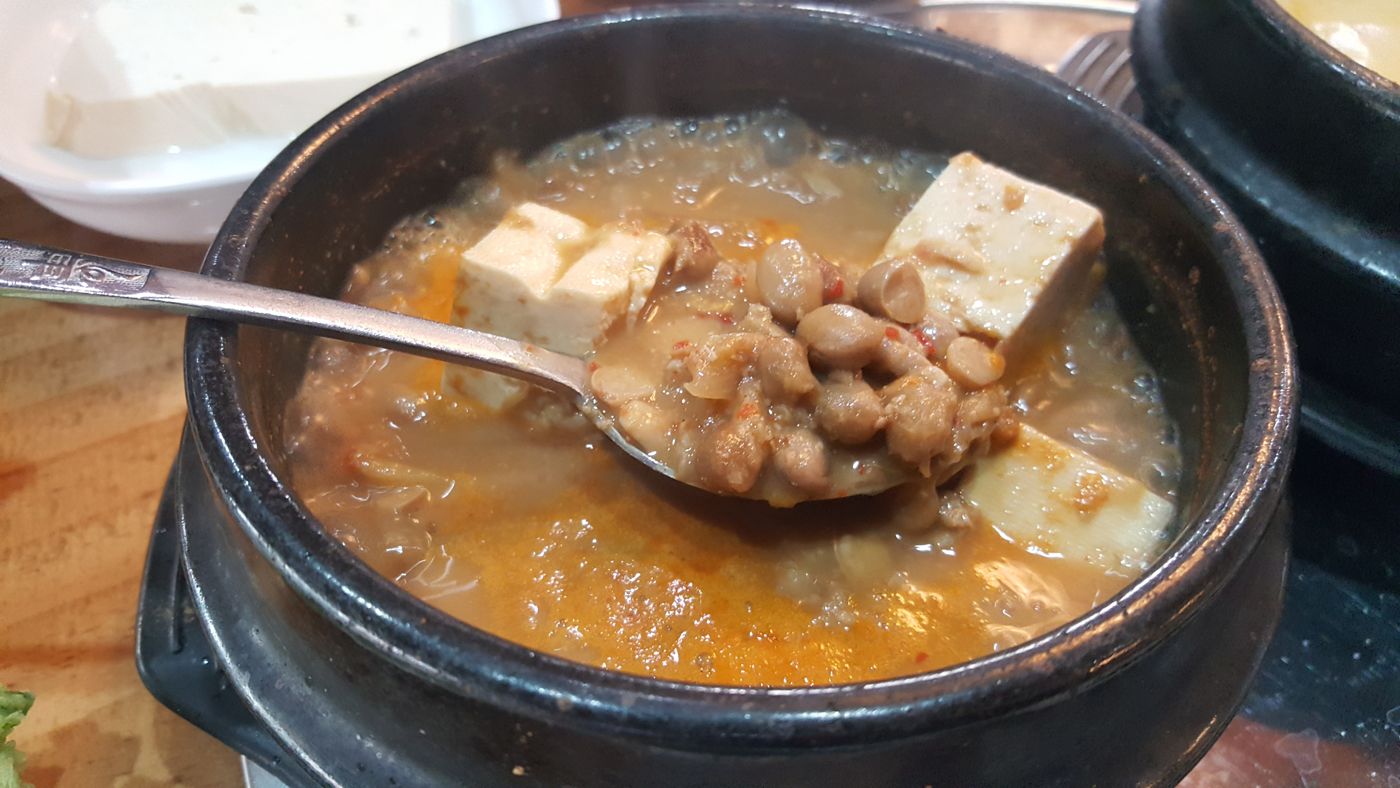 Cheonggukjang Jjigae (Quick-Fermented Soybean Stew)청국장찌개A thick, pungent winter stew of quick-fermented whole soybeans simmered with sour kimchi, tofu and a little pork or beef — loved for its earthy depth, notorious for its smell.
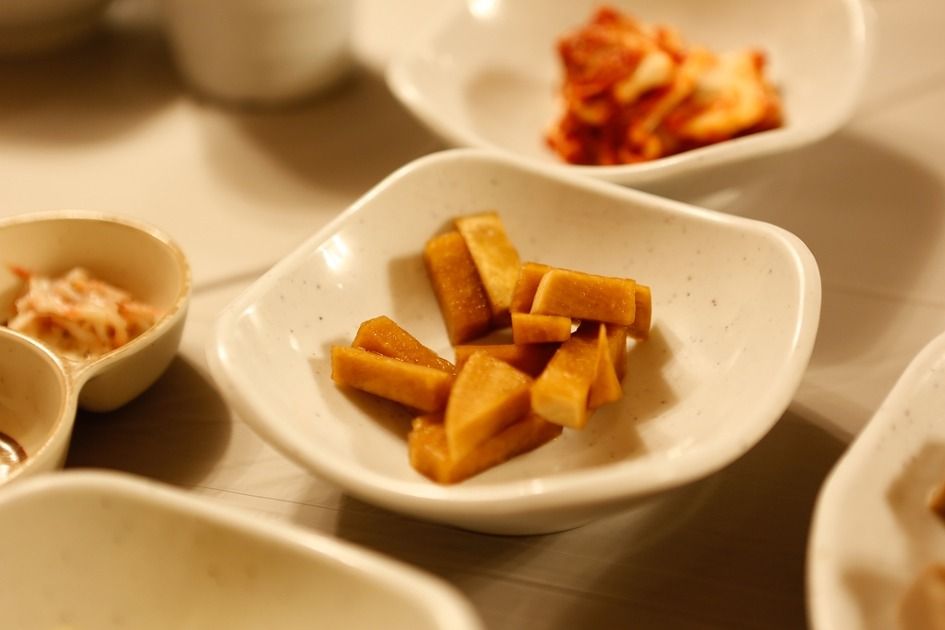 Chili Paste–Cured Radish무장아찌Korean radish salted, dried until leathery and buried in gochujang for weeks, then sliced thin with sesame oil — chewy, savory and deeply seasoned.
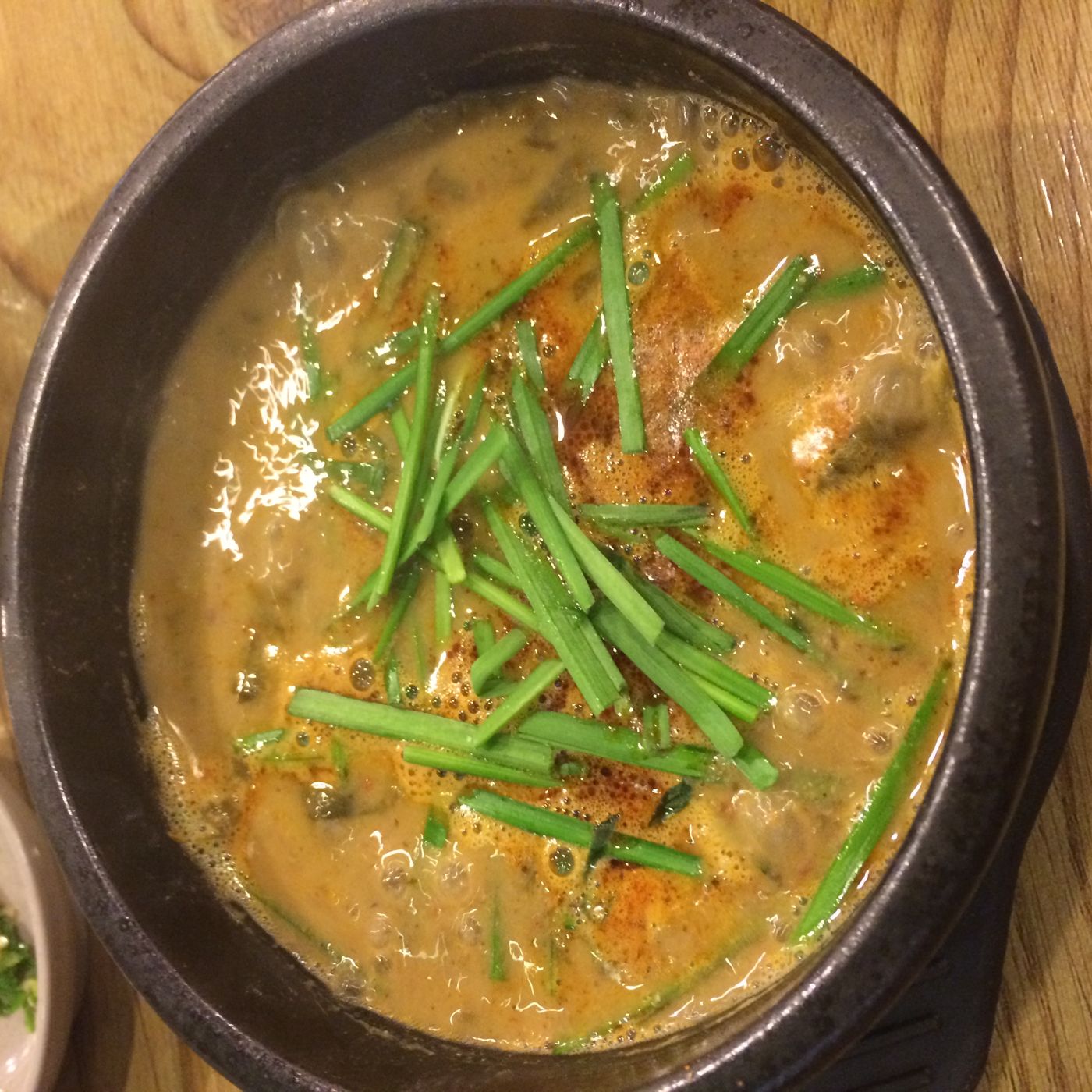 Chueotang (Loach Soup)추어탕Pond loaches simmered and ground into a thick, earthy soup with dried greens, doenjang and perilla, sharpened with chopi pepper — an autumn harvest dish turned year-round restorative.
 Cubed Radish Kimchi깍두기Korean radish cut into neat cubes and tossed with chili, garlic and salted shrimp — crunchy, juicy and a classic partner to rich soups.
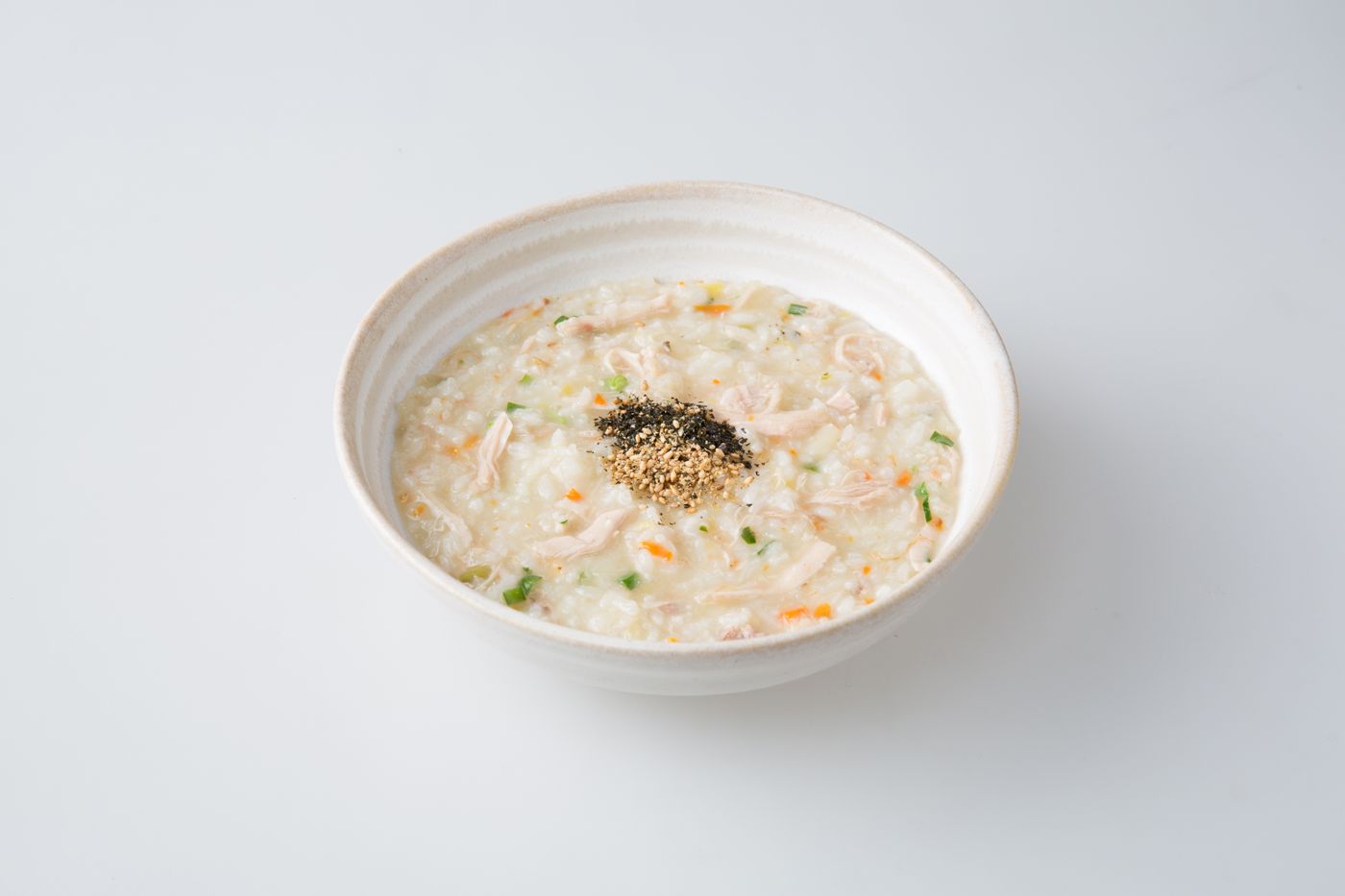 Dakjuk (Chicken Rice Porridge)닭죽Soft rice simmered in a clear chicken broth with shredded meat — a gentle, easy-to-digest porridge long served as summer restorative and sick-day food.
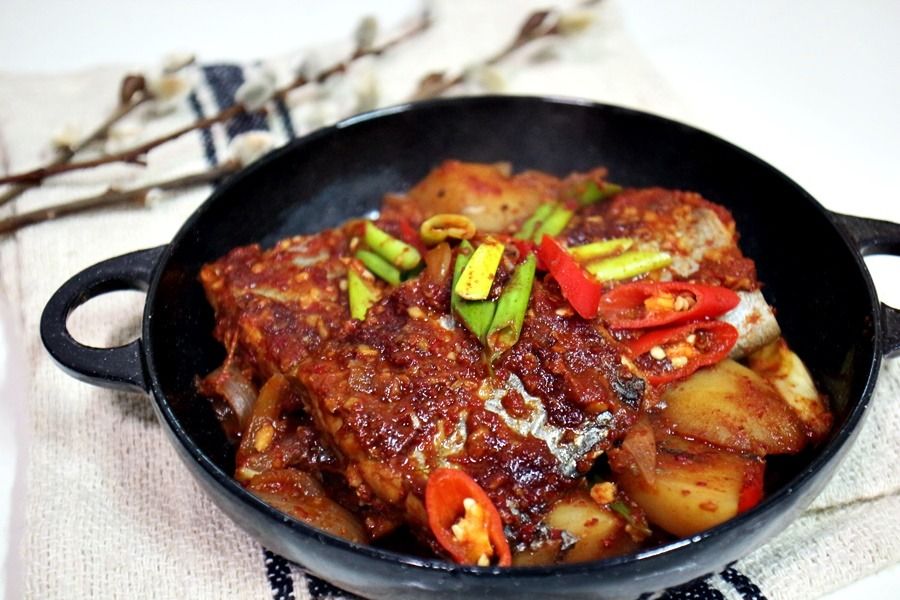 Galchi Jorim갈치조림Silvery hairtail braised with radish in a red, garlicky soy and chili sauce — a Jeju specialty and a favorite across Korea's southern coast.
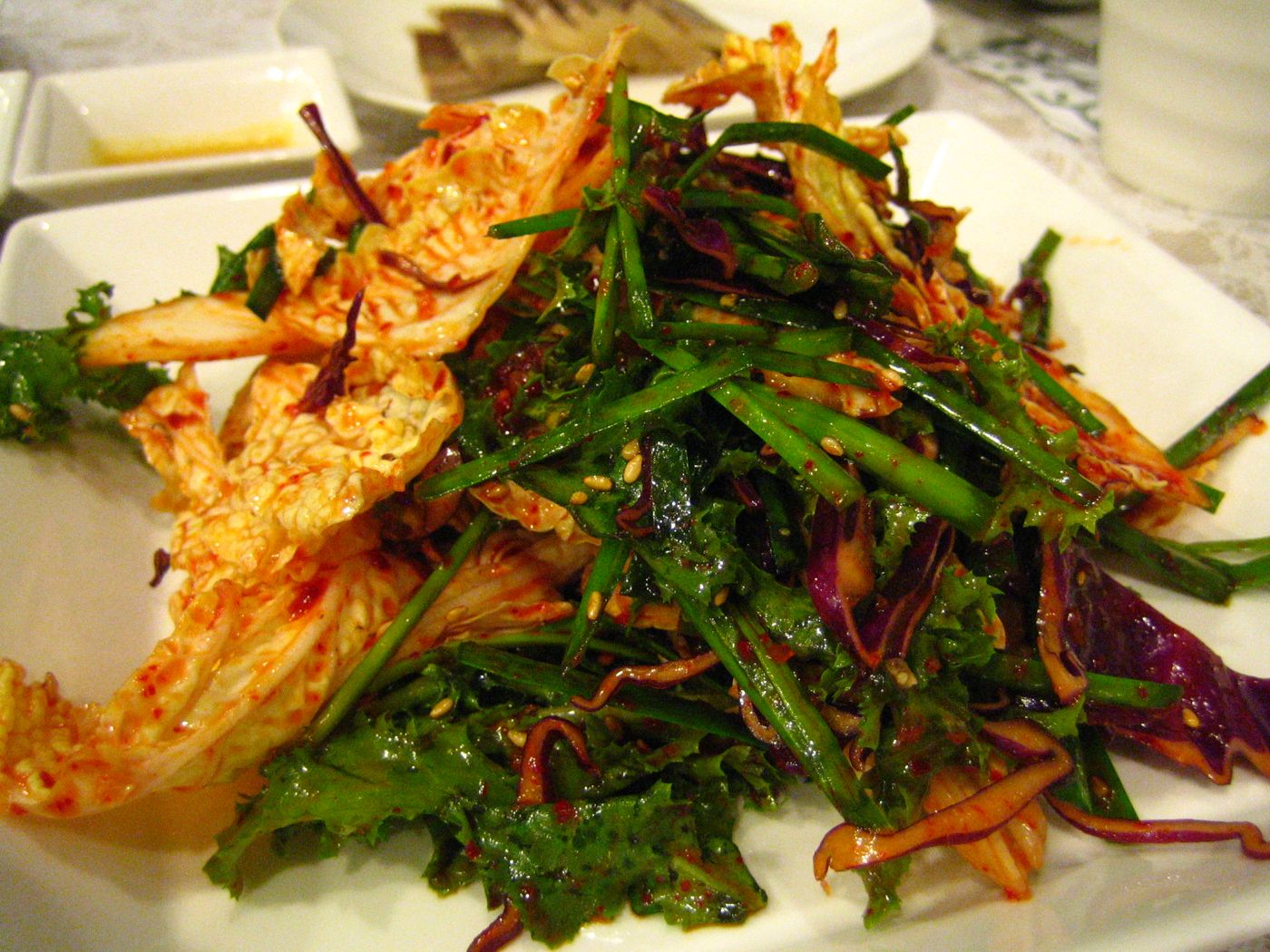 Garlic Chive Kimchi부추김치Whole garlic chives tossed with anchovy fish sauce and plenty of chili — a quick kimchi eaten fresh or ripe, known by a different name in nearly every province.
- Gim Bugak (Fried Laver Chips)김부각Sheets of laver pasted together with seasoned glutinous rice, dried, then fried until they puff into airy, crackling chips — a keeping banchan and a famous Namwon specialty.
- Gim Gui (Seasoned Roasted Laver)김구이Sheets of laver brushed with sesame or perilla oil, sprinkled with salt and toasted until crisp — eaten wrapped around spoonfuls of rice.
- Gim Muchim (Seasoned Laver Flakes)김무침Toasted laver crumbled into flakes and tossed with soy sauce, garlic, green onion and sesame oil — a savory, five-minute banchan that tastes of the sea.
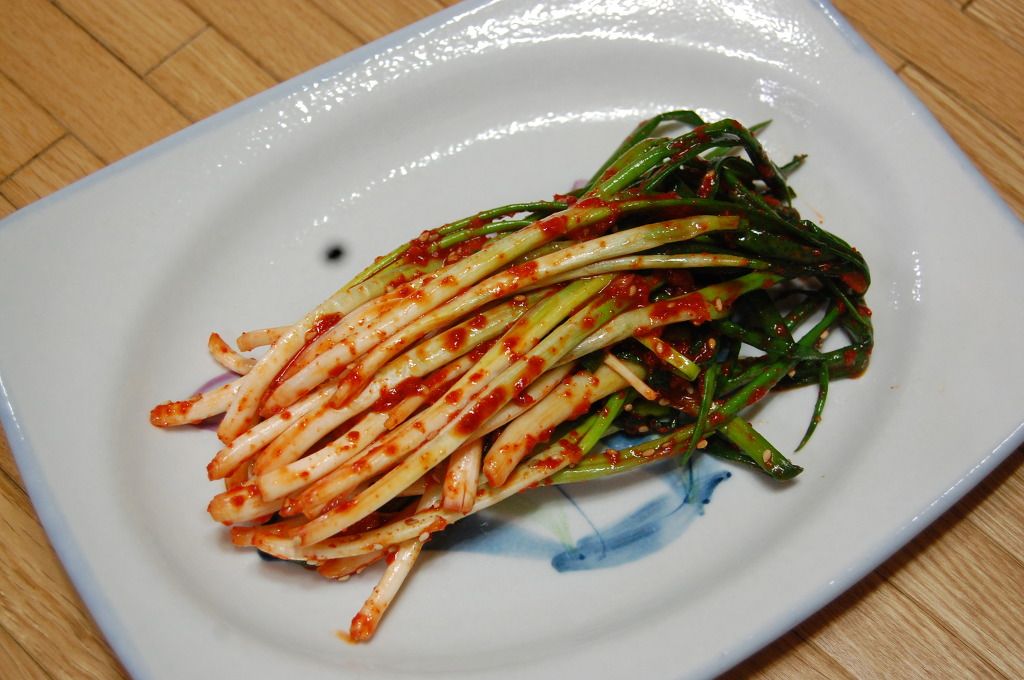 Green Onion Kimchi파김치Slender Korean green onions coated in a thick chili and anchovy-sauce paste — pungent when fresh, mellow and savory once ripe.
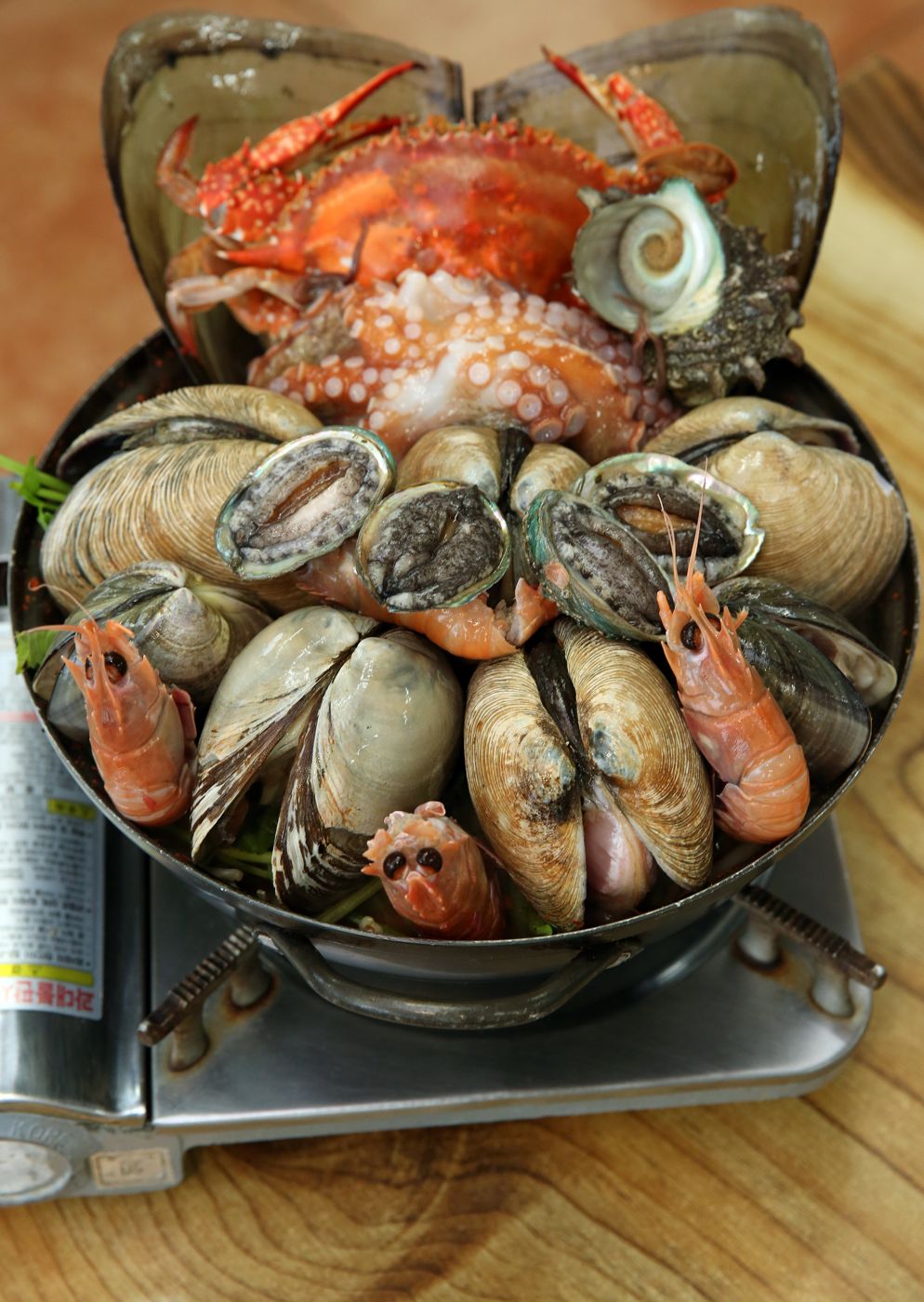 Haemul Tang (Spicy Seafood Hot Pot)해물탕Blue crab, octopus, shrimp, clams and sea squirt simmered with radish and water dropwort in a bright, spicy gochujang broth — a seafood feast in one pot.
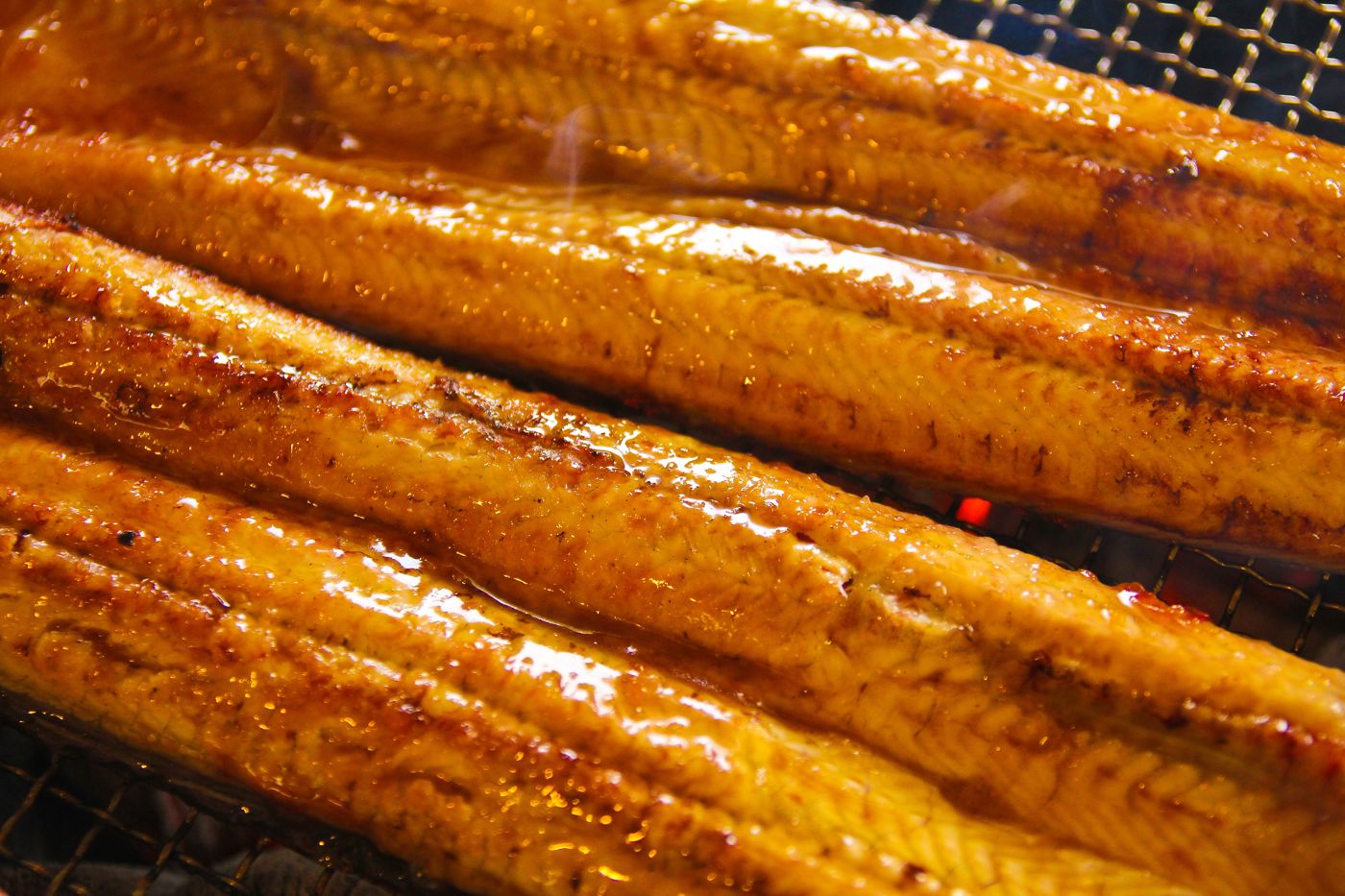 Jangeo-gui (Grilled Eel)장어구이Freshwater eel grilled over a flame, then brushed with a sweet-savory soy and gochujang glaze: a rich summer stamina dish tied to Gochang's pungcheon eel.
 Japchae (Glass Noodles with Vegetables)잡채Chewy sweet potato glass noodles tossed with stir-fried vegetables, mushrooms and beef in soy sauce and sesame oil — Korea's essential celebration dish.
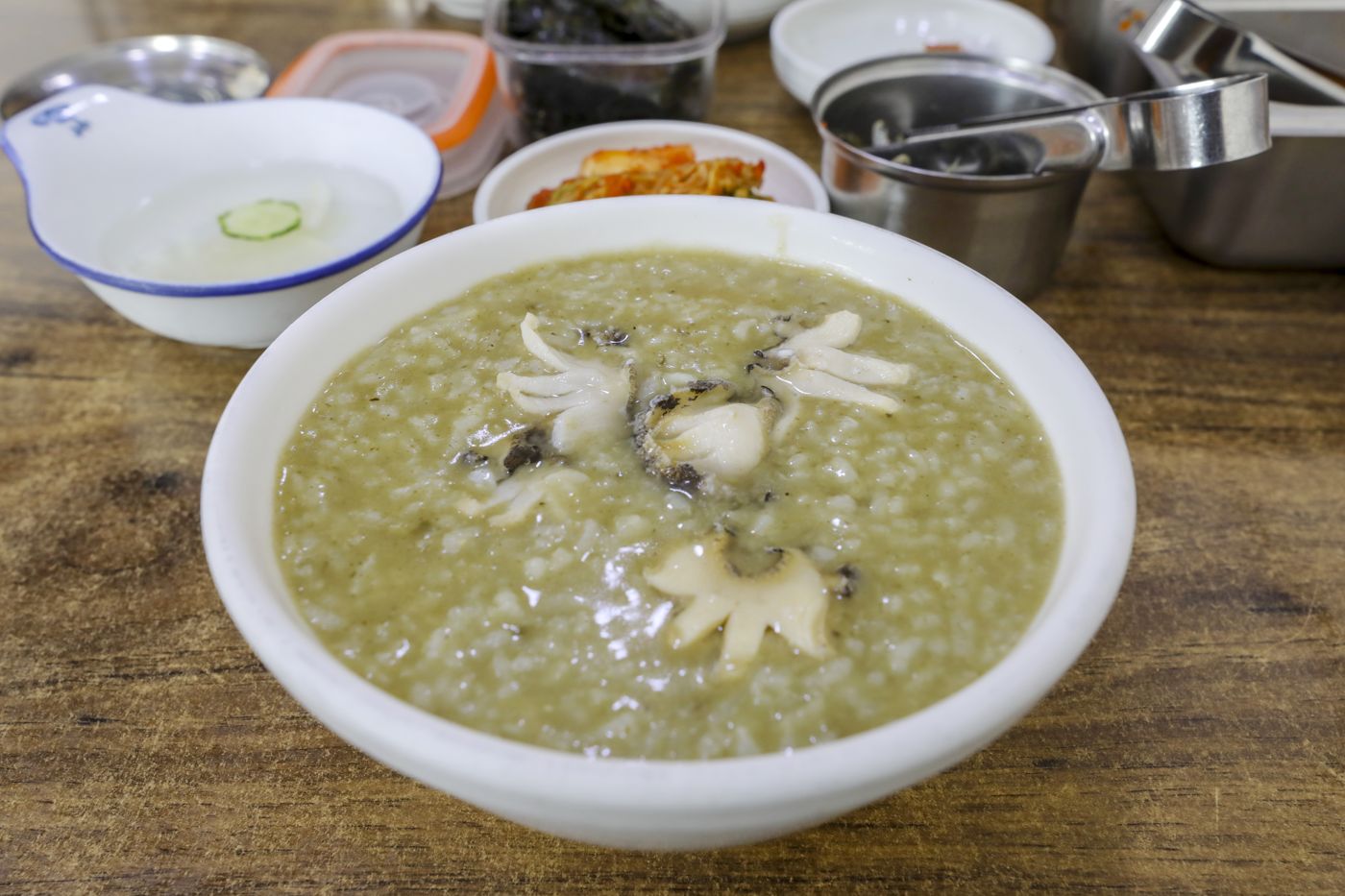 Jeonbok-juk (Abalone Rice Porridge)전복죽Rice simmered with sliced abalone and its green viscera in sesame oil until silky — Jeju's restorative porridge for convalescents, new mothers and anyone in need of comfort.
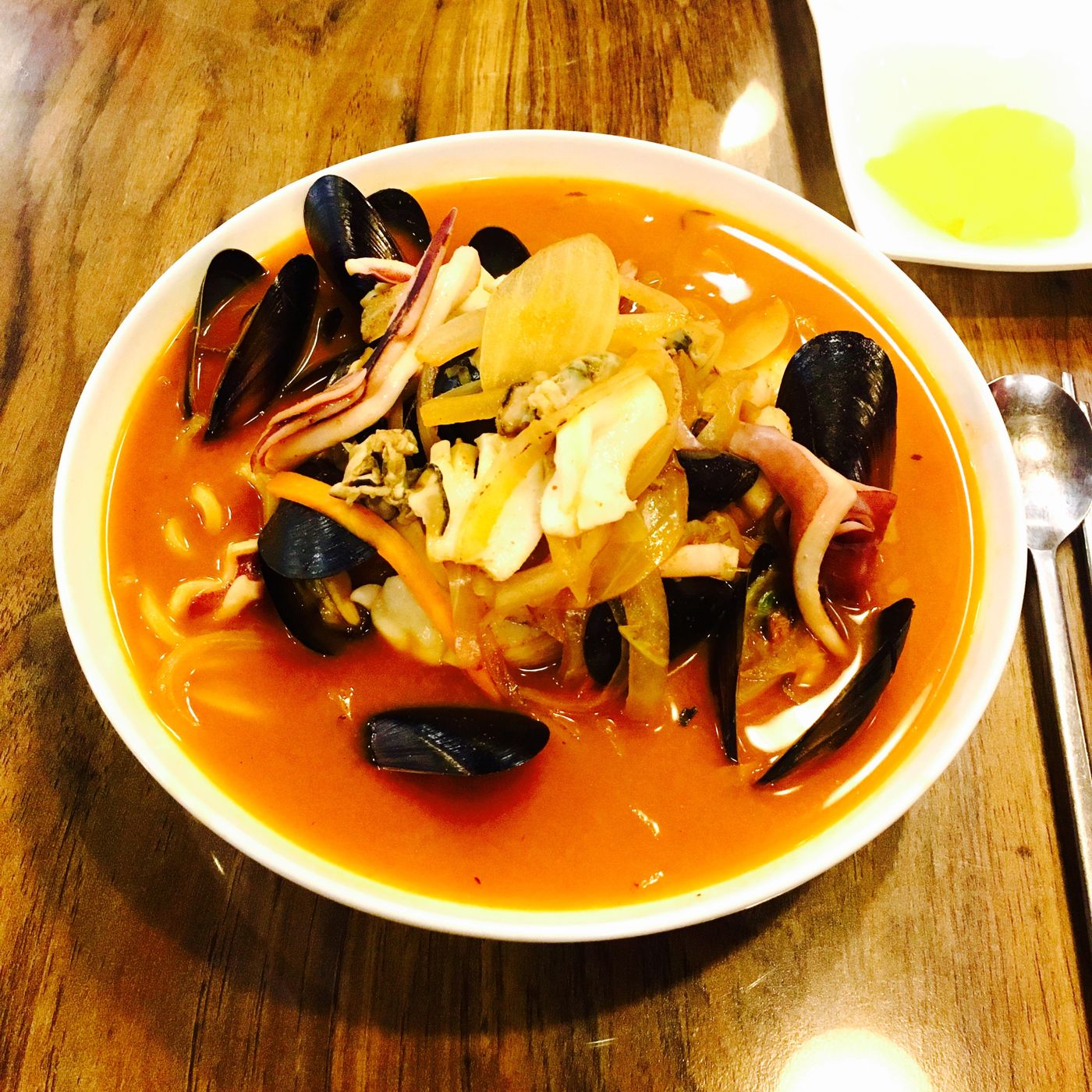 Jjamppong (Spicy Seafood Noodle Soup)짬뽕Thick wheat noodles in a fiery red broth of stir-fried pork, squid, shellfish and vegetables — the Korean-Chinese restaurant's spicy counterpart to jajangmyeon.
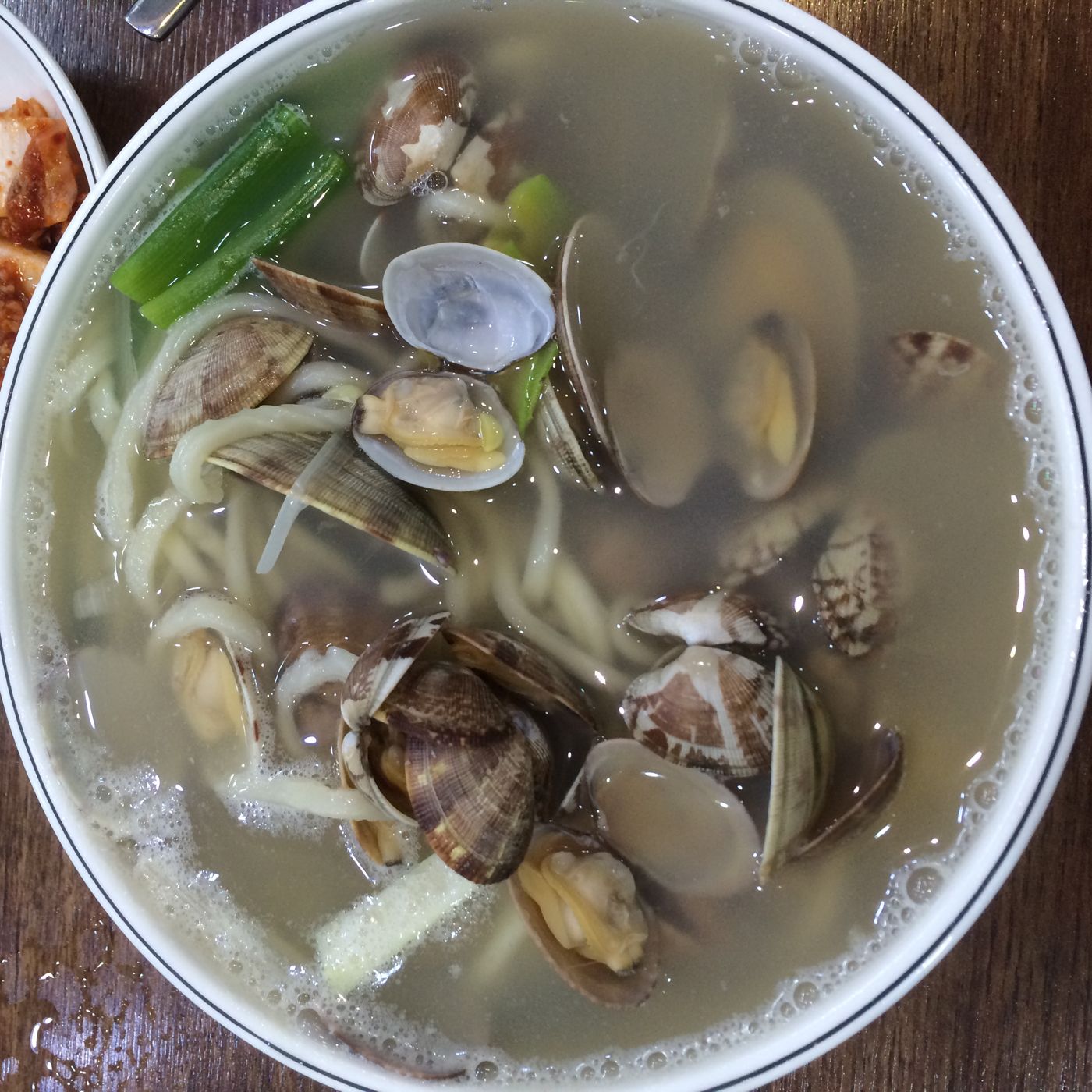 Kalguksu (Knife-Cut Noodle Soup)칼국수Hand-rolled wheat dough cut into ribbons with a knife and cooked right in anchovy, chicken or clam broth with potato and zucchini — Korea's homely noodle soup.
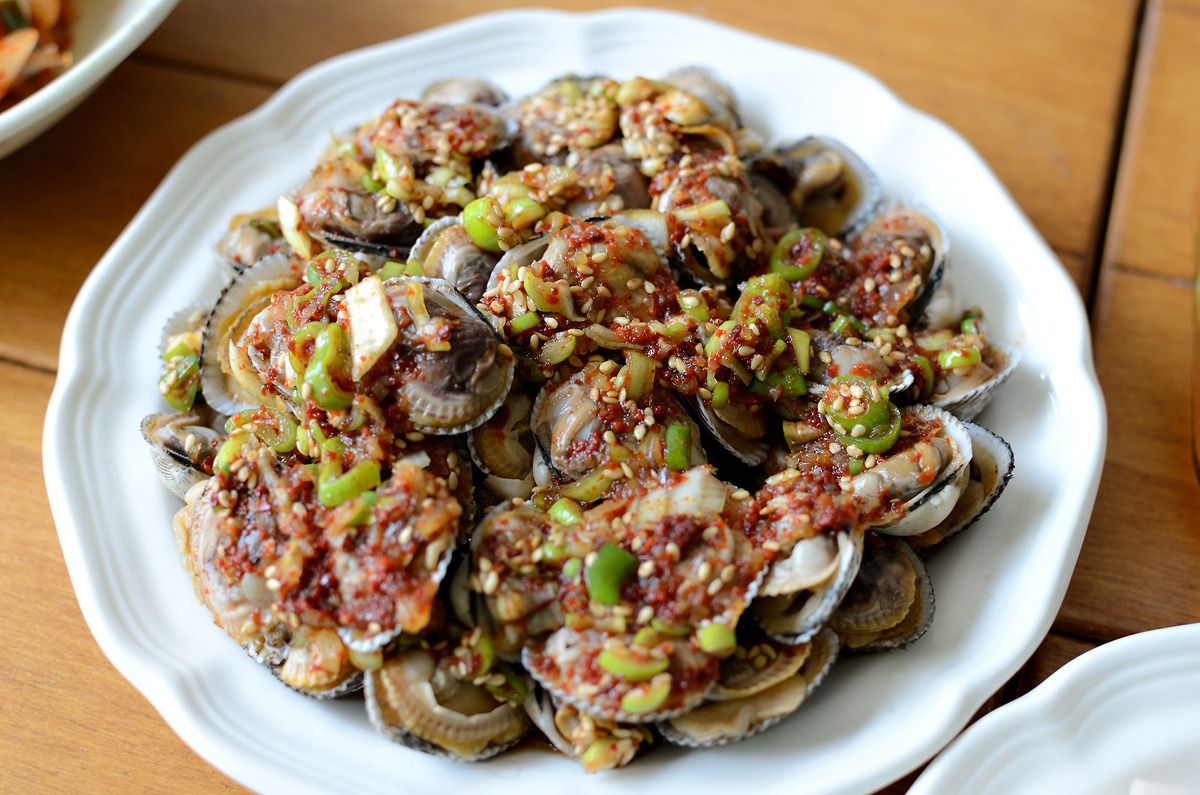 Kkomak Muchim (Seasoned Cockles)꼬막무침Briefly boiled cockles, opened on the half shell and spooned with a garlicky soy-chili sauce — a winter specialty of South Jeolla, above all of Beolgyo.
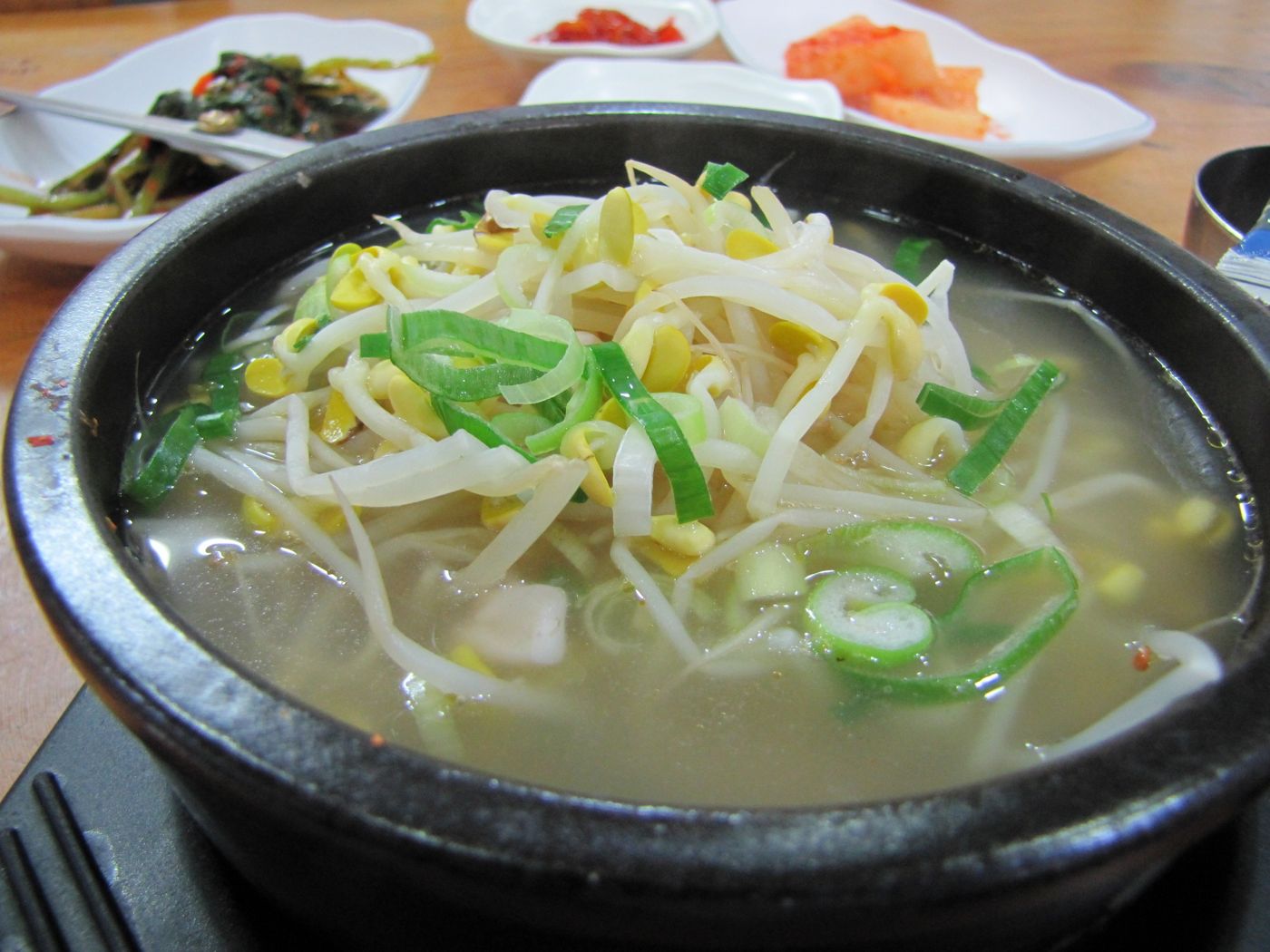 Kongnamul Gukbap (Jeonju Soybean-Sprout Rice Soup)콩나물국밥Rice and crisp soybean sprouts in a clear, savory broth, finished with egg, salted shrimp and kimchi. Jeonju's market breakfast and morning-after bowl.
 Kongnamul Muchim콩나물무침Soybean sprouts cooked under a lid until just tender, then tossed with garlic, green onion and sesame oil — crisp, nutty and on tables across Korea.
- Mareun Hobak Namul (Dried Squash Namul)호박고지나물Sun-dried strips of young squash soaked and stir-fried with perilla oil and soy sauce — chewy and sweet, one of the stored "old greens" eaten on the first full moon.
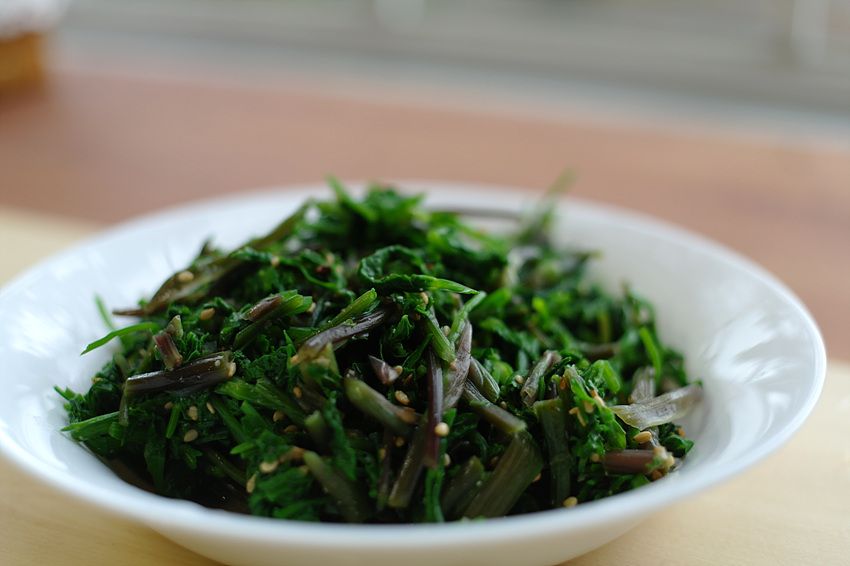 Minari Muchim미나리무침Korean water dropwort blanched for a few seconds and dressed with tangy gochujang and vinegar — fresh, herbal and very much a taste of spring.
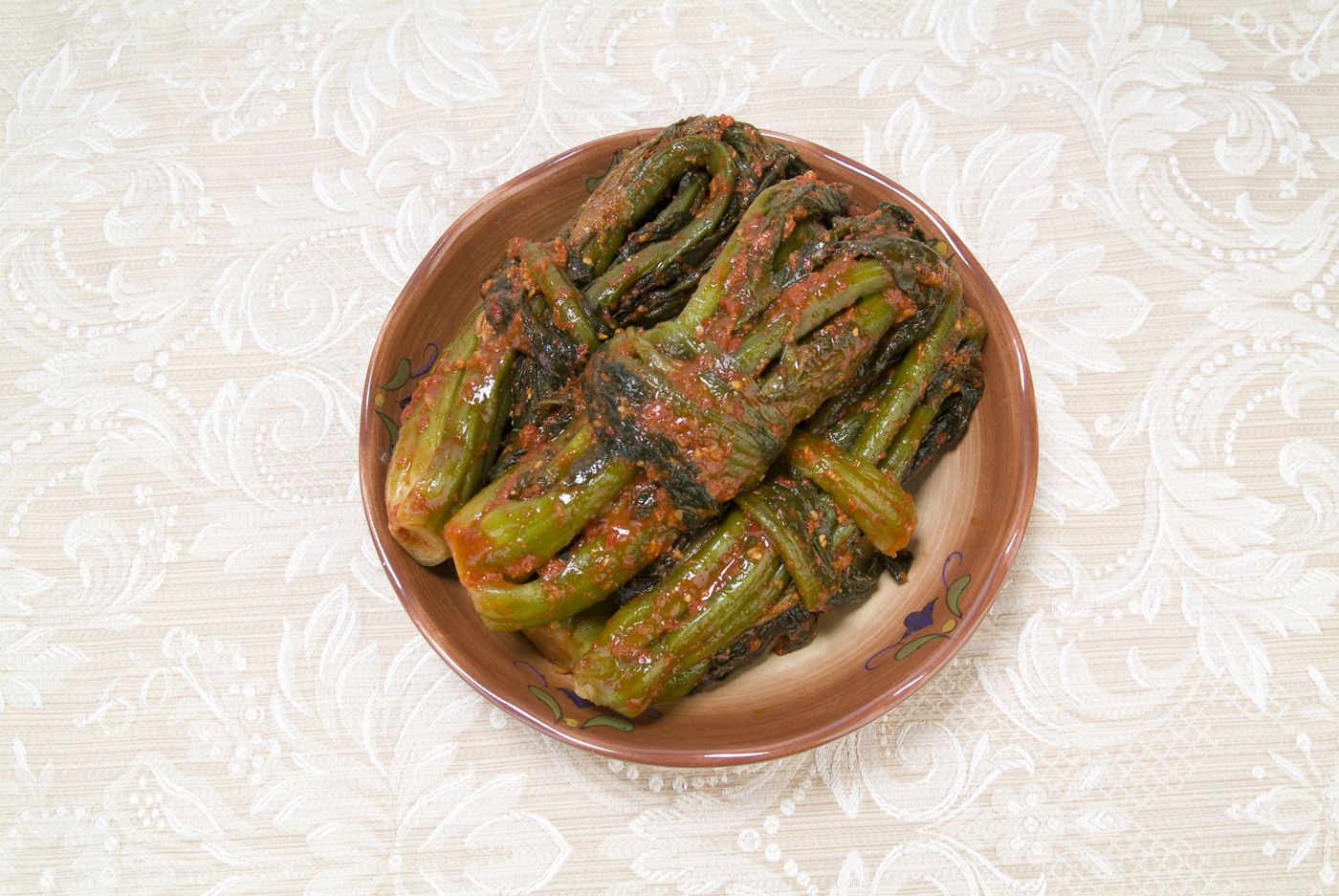 Mustard Leaf Kimchi갓김치Leaf mustard rolled in a chili and anchovy paste and fermented until its nose-tingling bite mellows — a Jeolla specialty, famously from Dolsan in Yeosu.
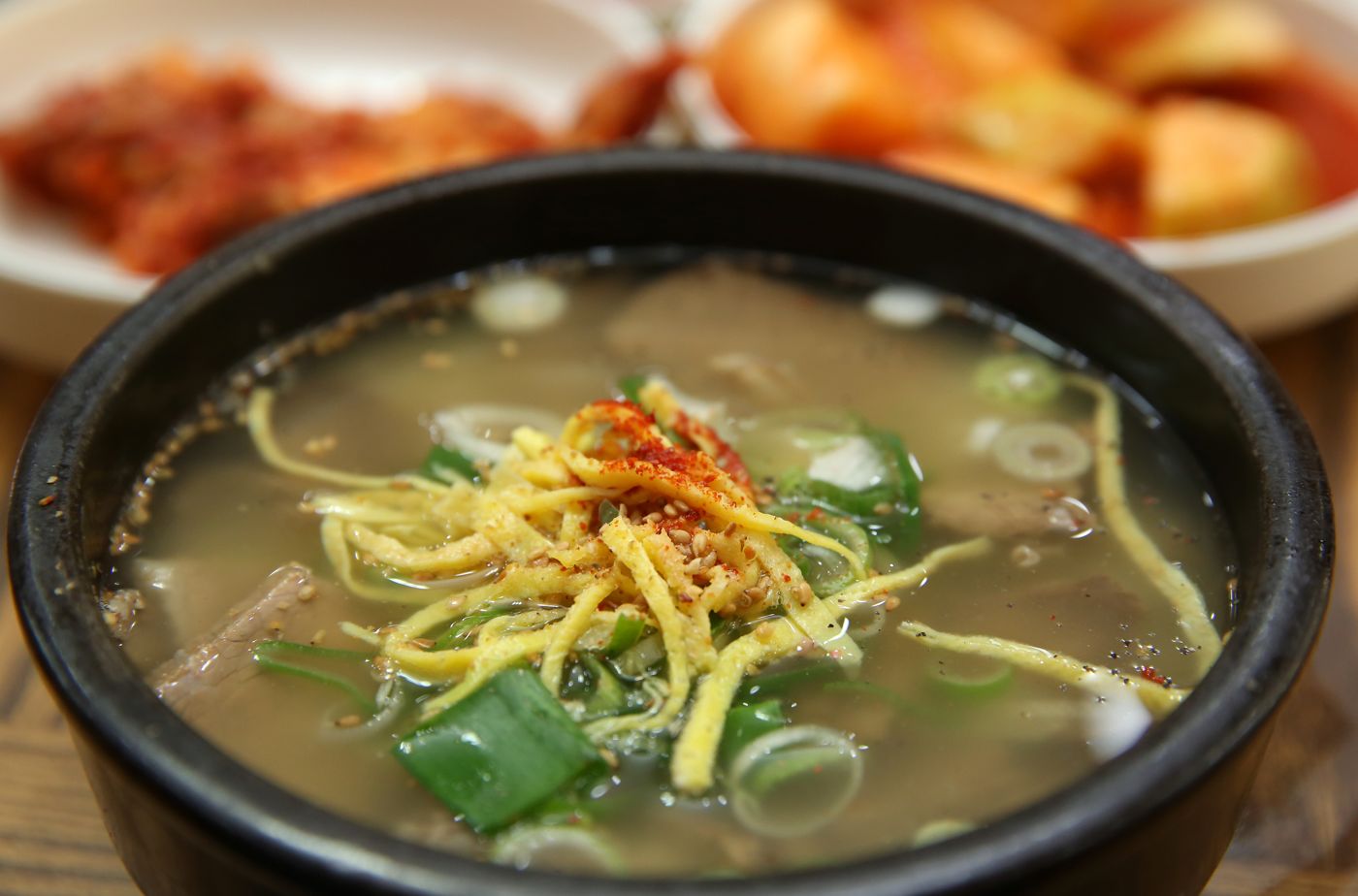 Naju Gomtang (Naju Clear Beef Soup)나주곰탕Brisket, shank and other beef cuts simmered into a clear, gently rich broth, poured over rice and topped with green onion — the market-day soup of Naju in South Jeolla.
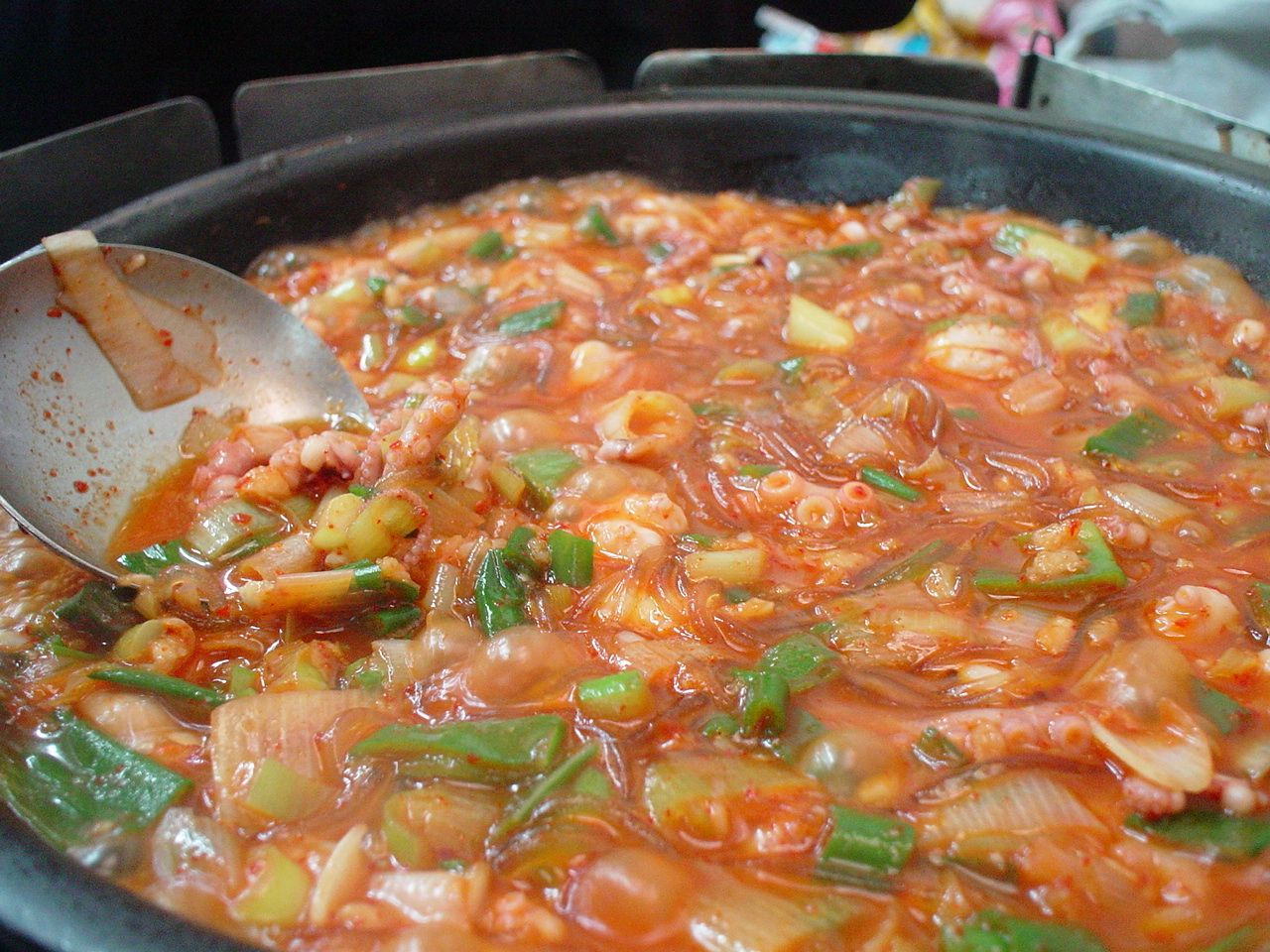 Nakji Bokkeum (Spicy Stir-Fried Octopus)낙지볶음Long-arm octopus stir-fried fast over high heat with onion and a fiery gochugaru sauce, usually served with rice and a mild soup to calm the heat.
 Napa Cabbage Kimchi배추김치Salted napa cabbage layered with a red paste of chili, garlic, ginger and fermented seafood, then left to ripen: the kimchi most people picture first.
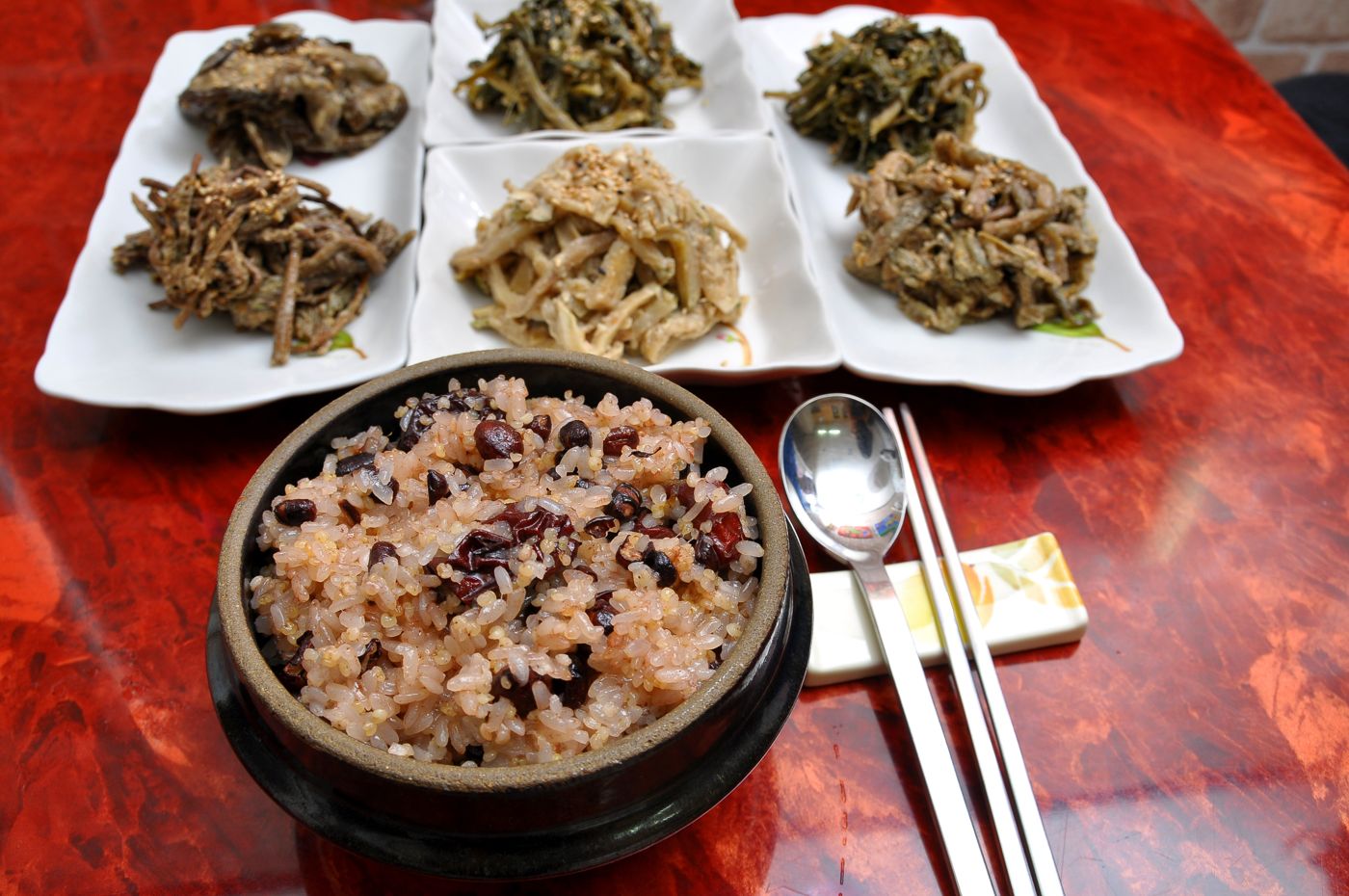 Ogokbap (Five-Grain Rice)오곡밥Glutinous rice cooked with sorghum, millet, red beans and black soybeans for Daeboreum, the first full moon of the lunar year, and shared among neighbors for a good harvest.
- Oyster Radish Kimchi굴깍두기Cubed radish kimchi folded through with fresh raw oysters — a short-lived winter kimchi, eaten within days while the oysters are still sweet.
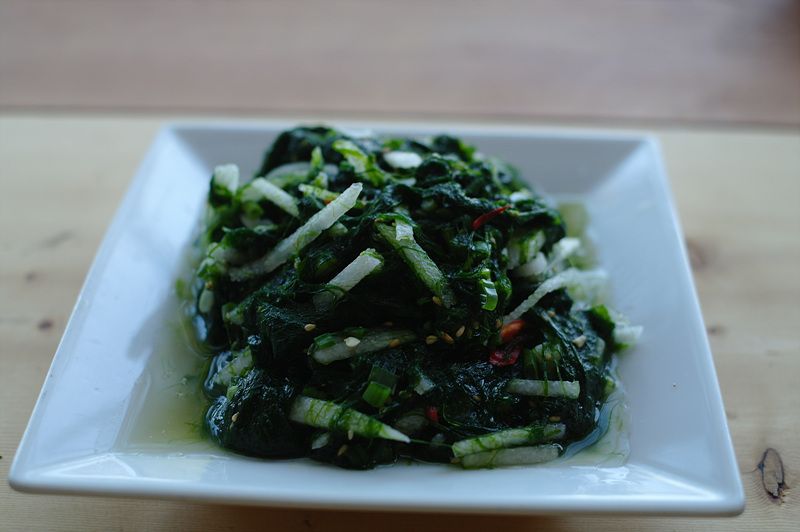 Parae Muchim (Green Laver Salad)파래무침Fresh green laver rinsed, squeezed and tossed with salted radish in a sweet-sour dressing — a bright, briny winter banchan from Korea's southwest coast.
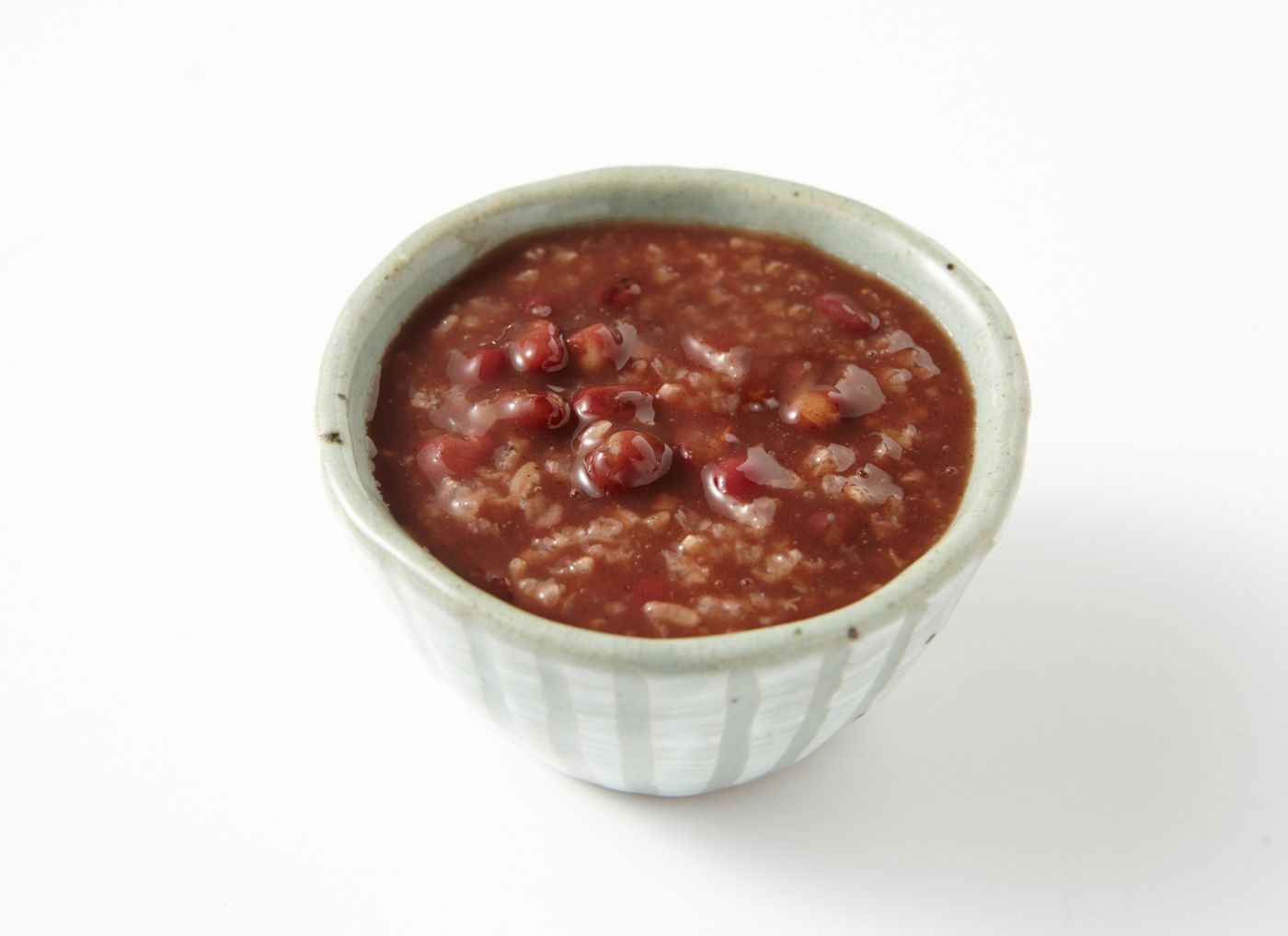 Patjuk (Red Bean Porridge)팥죽Porridge of puréed red adzuki beans and rice with chewy glutinous rice balls, eaten at the winter solstice to ward off misfortune and shared with neighbors.
- Perilla Leaf Kimchi깻잎김치Stacks of perilla leaves layered with a soy, fish-sauce and chili seasoning — fragrant, slightly bitter summer kimchi peeled off one leaf at a time over rice.
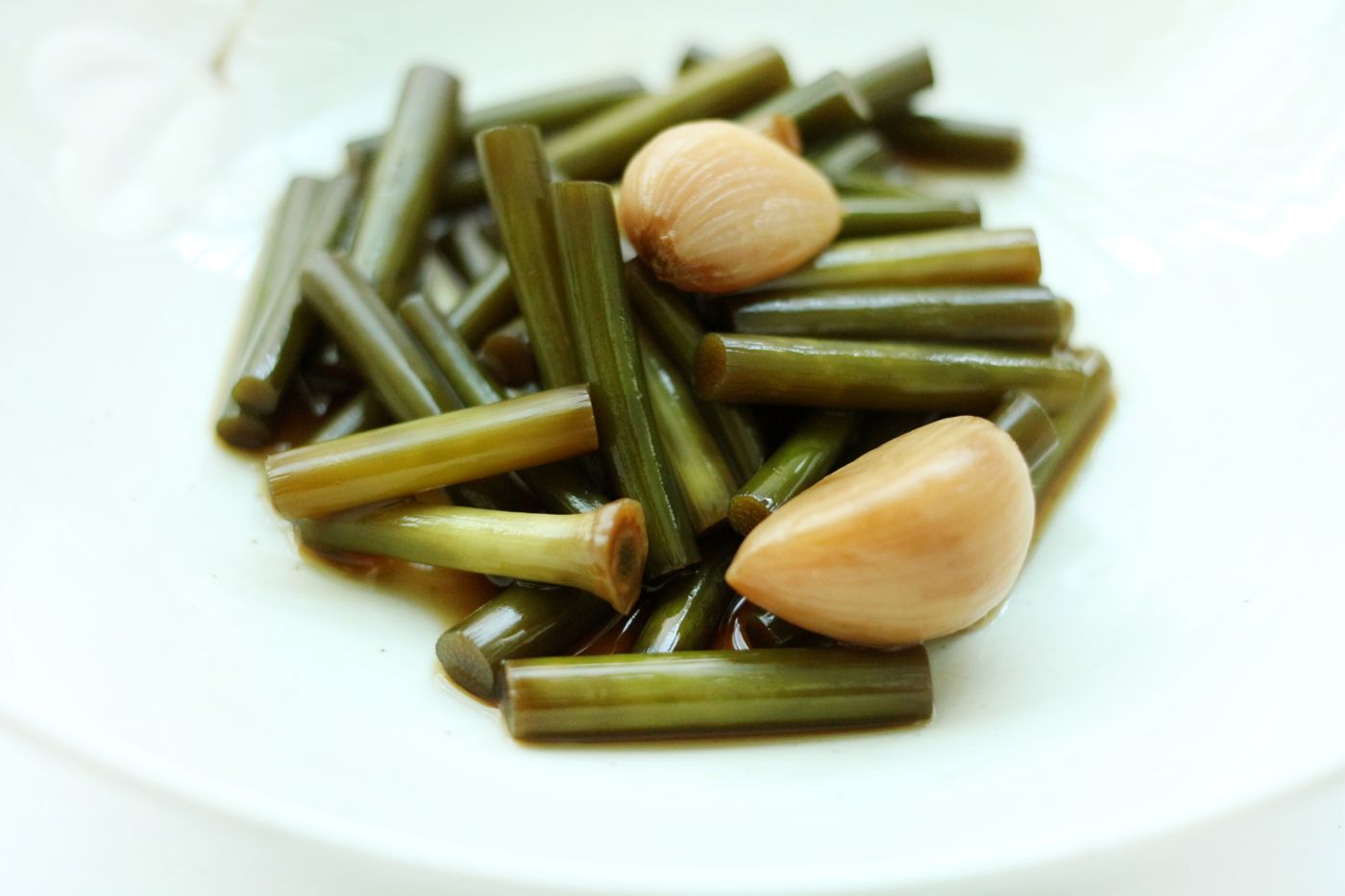 Pickled Garlic Scapes마늘종장아찌Spring garlic scapes cut into short lengths and steeped in a sweet-sour soy brine — crisp, gently garlicky jangajji that keeps for months.
- Salted Anchovies멸치젓Whole anchovies packed in heavy salt and aged for months — the south coast's kimchi jeotgal, also boned, dressed with chili and eaten with rice or in ssam.
- Salted Clams조개젓Small shucked clams salted in their own boiled juices for a few weeks, then dressed with chili and green onion — an early-summer rice companion.
- Salted Radish Pickle짠지Whole radishes packed in heavy salt over winter and opened in spring — soaked, sliced thin and served in vinegared cold water or dressed with chili.
 Sigeumchi Namul시금치나물Spinach blanched for a few seconds, squeezed dry and dressed with garlic, soy sauce and sesame — one of the simplest and most familiar namul.
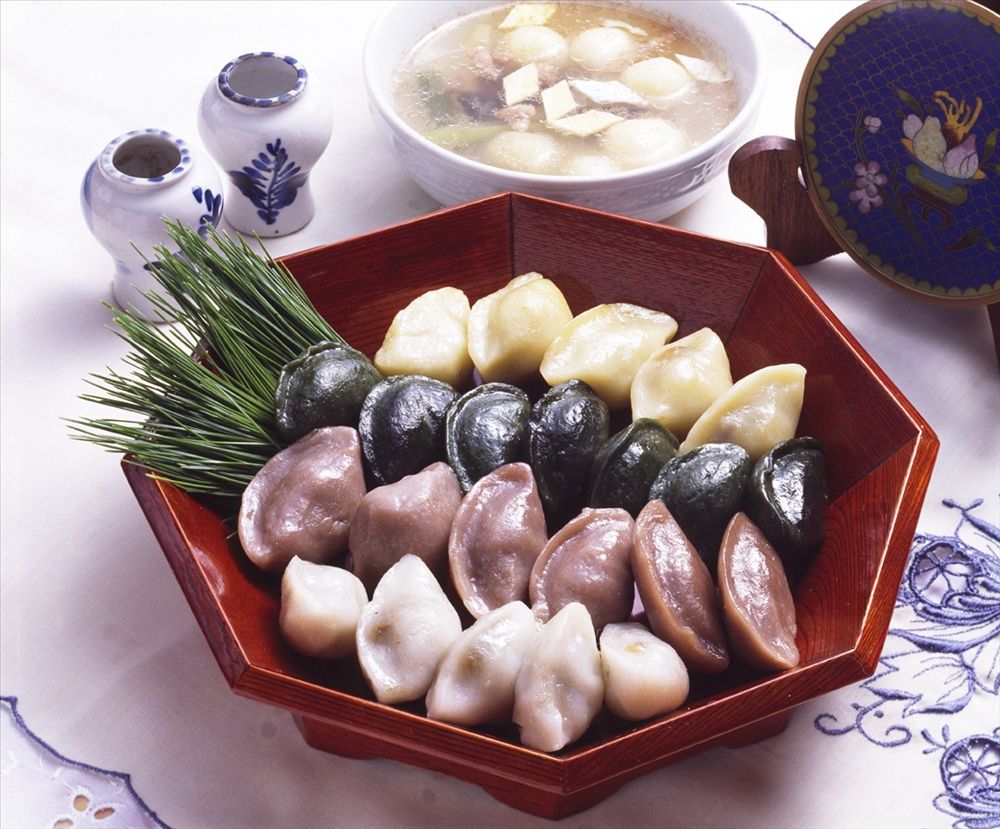 Songpyeon (Half-Moon Rice Cakes)송편Small half-moon cakes of rice dough filled with sweet sesame, beans or chestnut and steamed on a bed of pine needles — the rice cake of Chuseok, made with the new harvest.
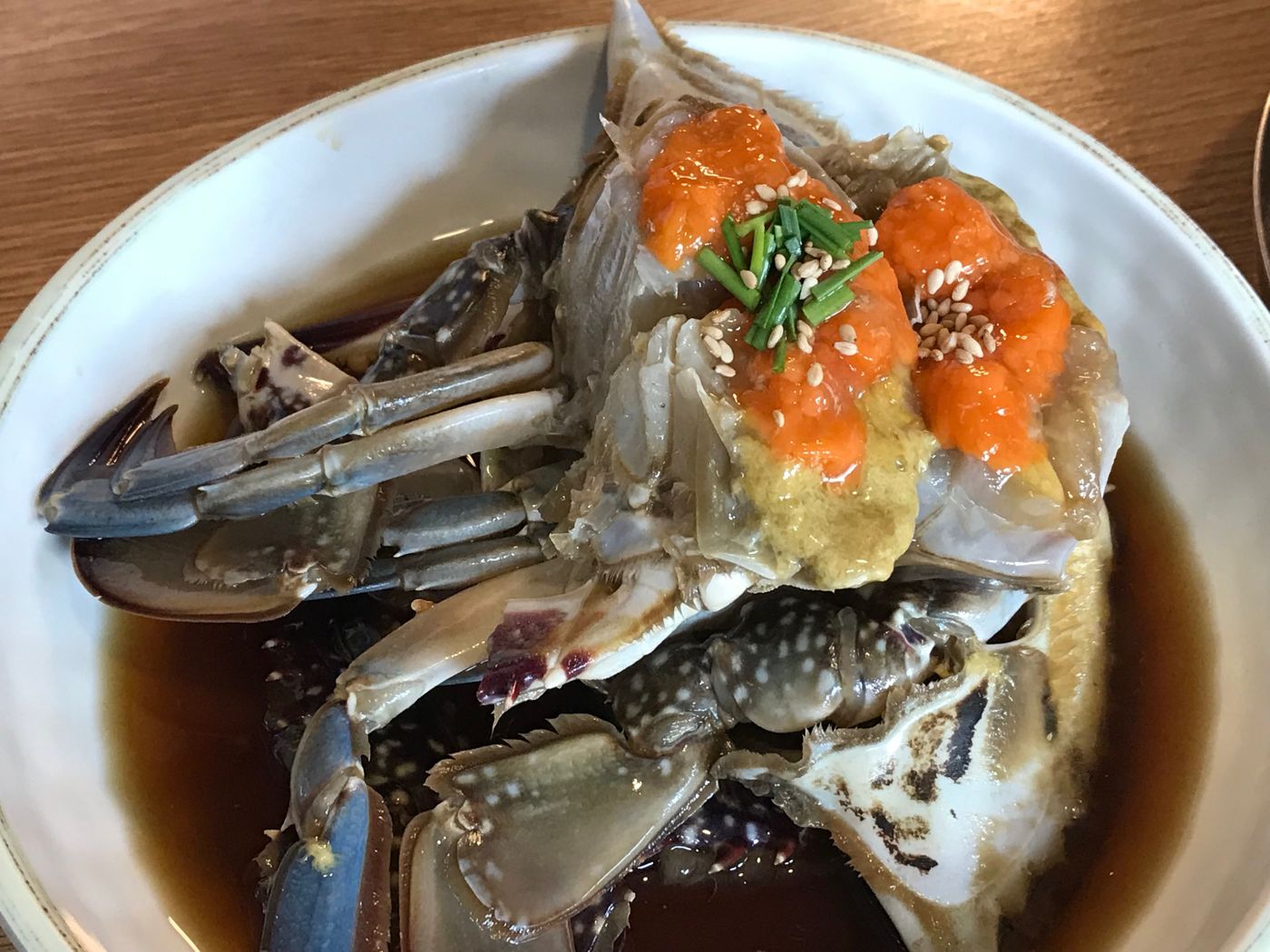 Soy-Marinated Raw Crab간장게장Raw crabs steeped in a boiled-and-cooled soy marinade until silky and savory — a centuries-old preserve, eaten by spooning rice into the shell.
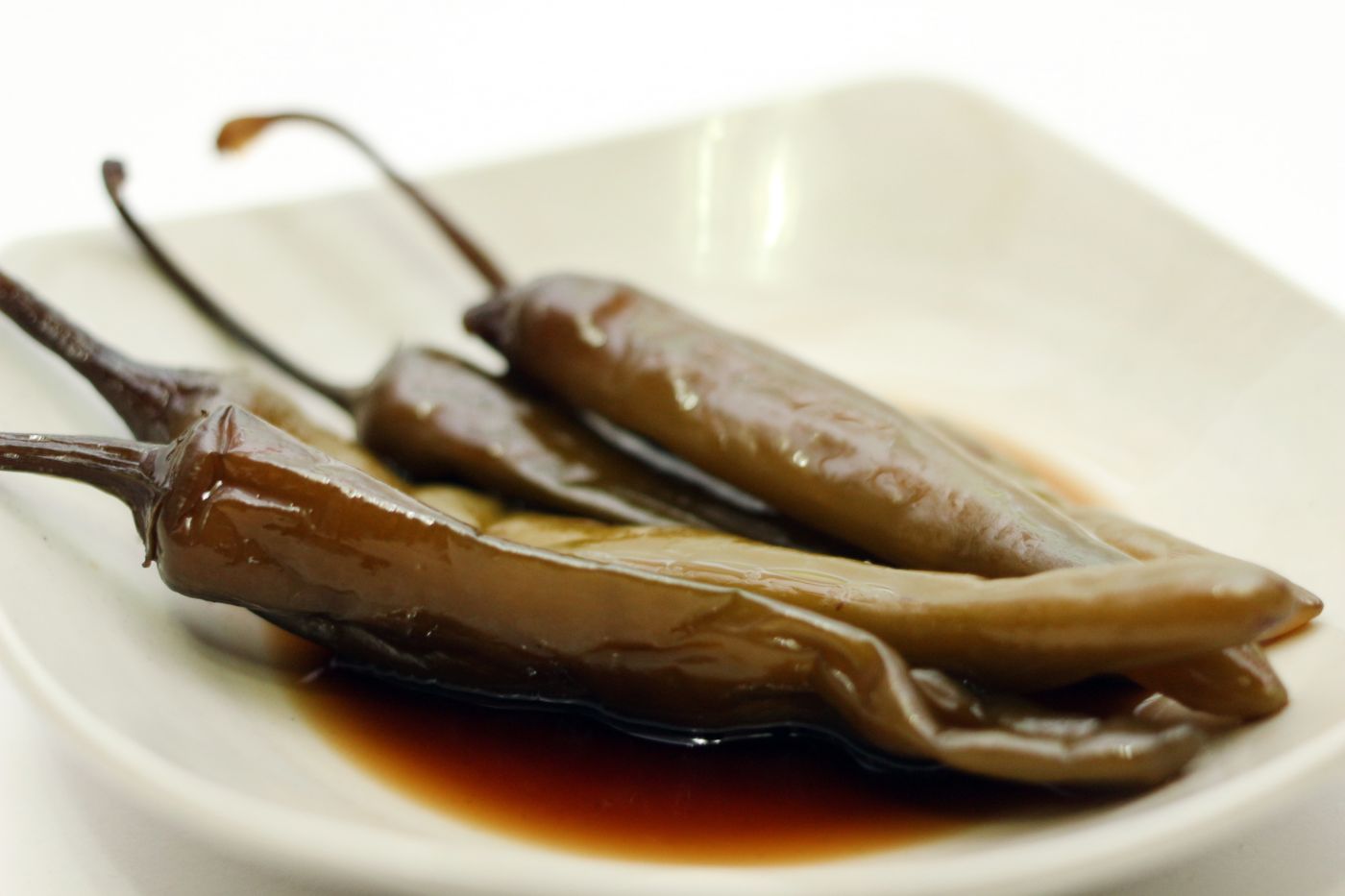 Soy-Pickled Green Chilies고추장아찌Whole green chilies cured in a sweet, tangy soy brine until olive-drab and tender-crisp — a keeping pickle that brings heat and salt to plain rice.
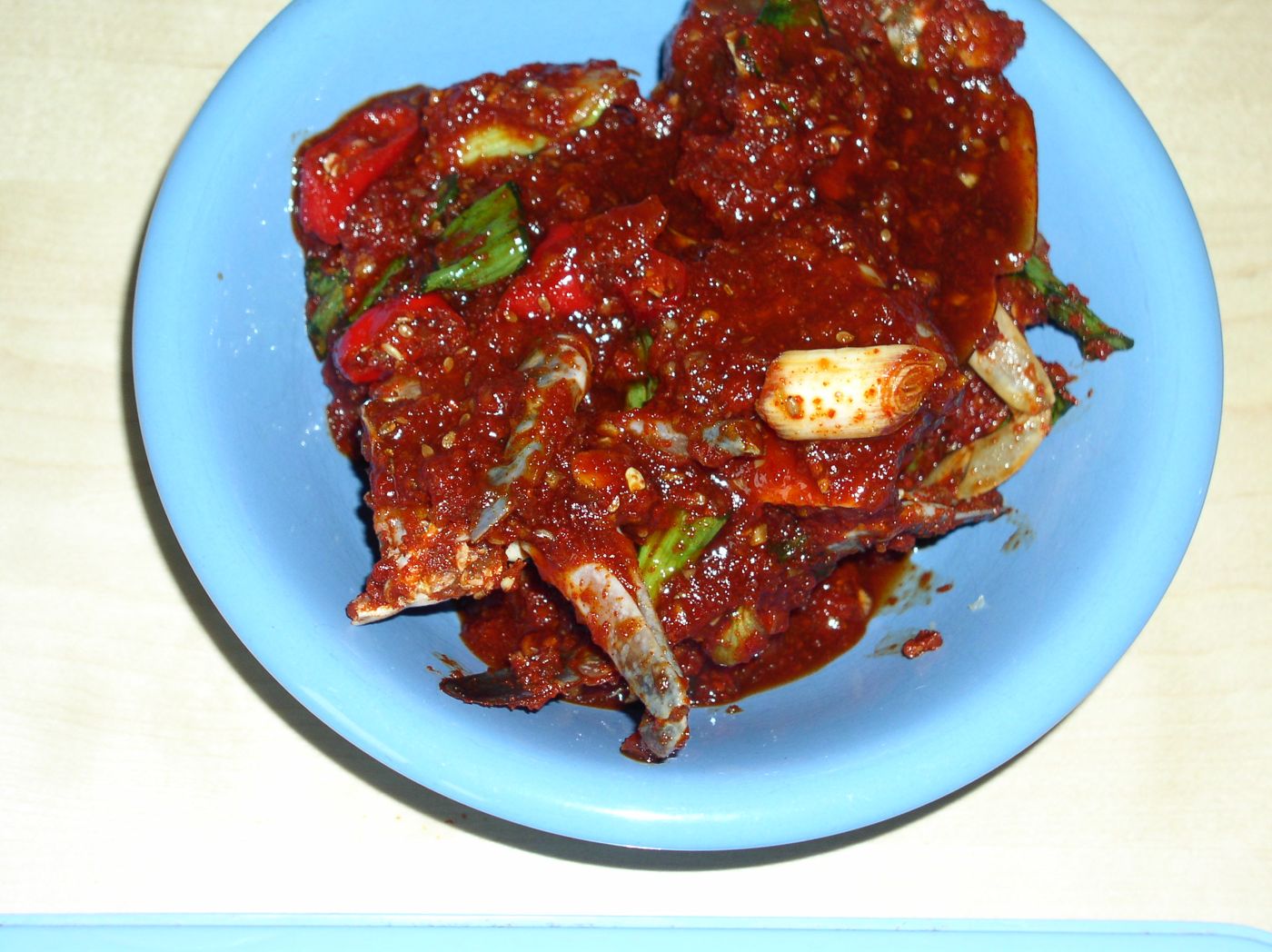 Spicy Marinated Raw Crab양념게장Raw crab pieces tossed in a glossy chili, garlic and soy dressing and eaten within days — sweet, fiery and a specialty of Yeosu's gejang restaurants.
- Spicy Skate Salad홍어회무침Strips of raw or lightly fermented skate, firmed in vinegar and tossed with minari, radish and a sweet-sour gochujang dressing — Jeolla's feast-day salad.
- Toran Guk (Taro Soup)토란국Parboiled taro simmered in a clear beef-and-kelp broth seasoned with soup soy sauce — a soft, gently slippery soup made for the Chuseok harvest table.
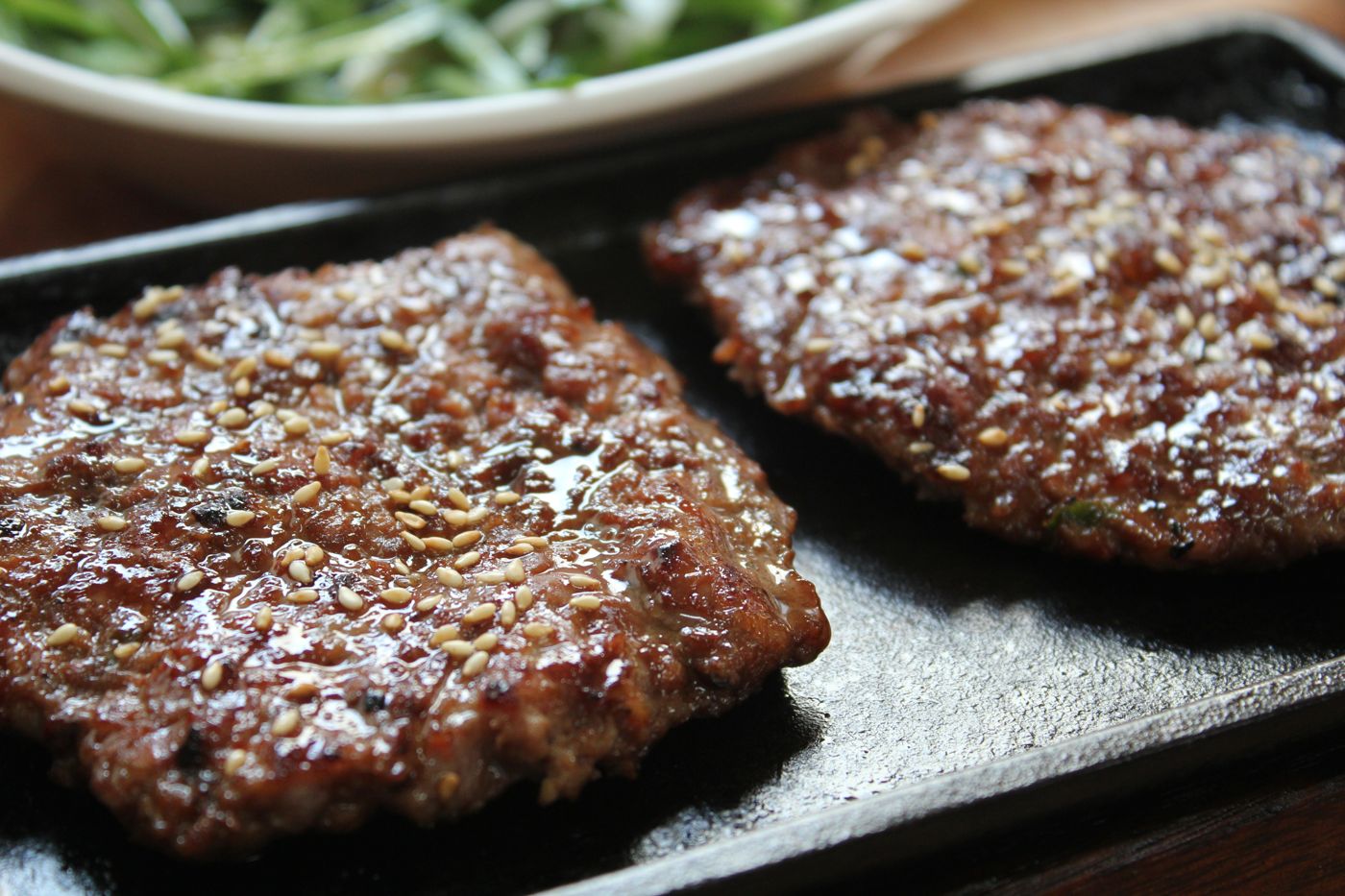 Tteokgalbi (Minced Short-Rib Patties)떡갈비Short-rib meat minced, seasoned sweet-savory and shaped into a patty, then grilled. Damyang presses it back onto the bone; Gwangju's Songjeong style is a flat boneless square.
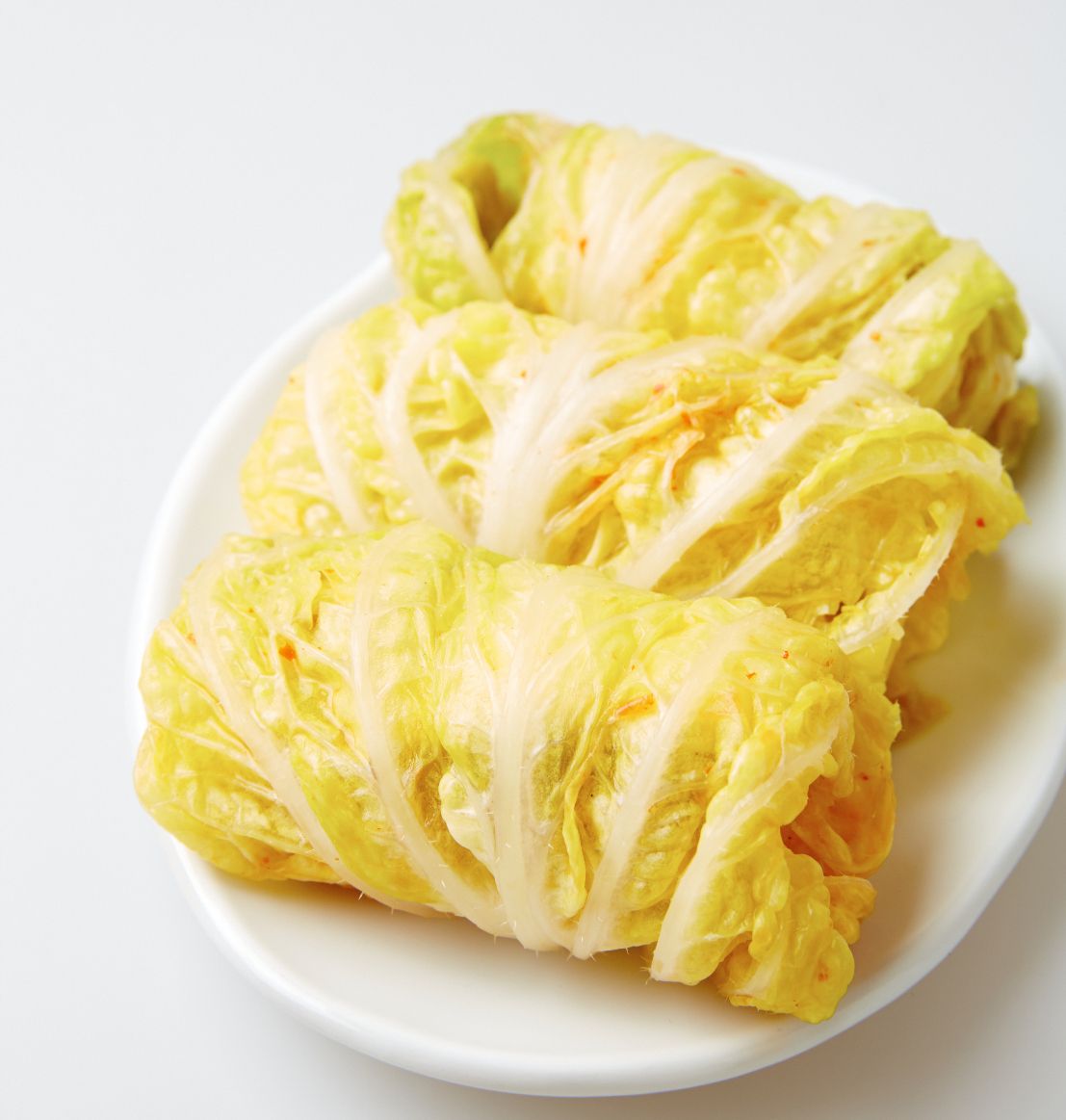 White Kimchi백김치Napa cabbage stuffed with radish, pear, chestnut and jujube and ripened in a clear, cool brine — kimchi with no chili flakes, mild and refreshing.
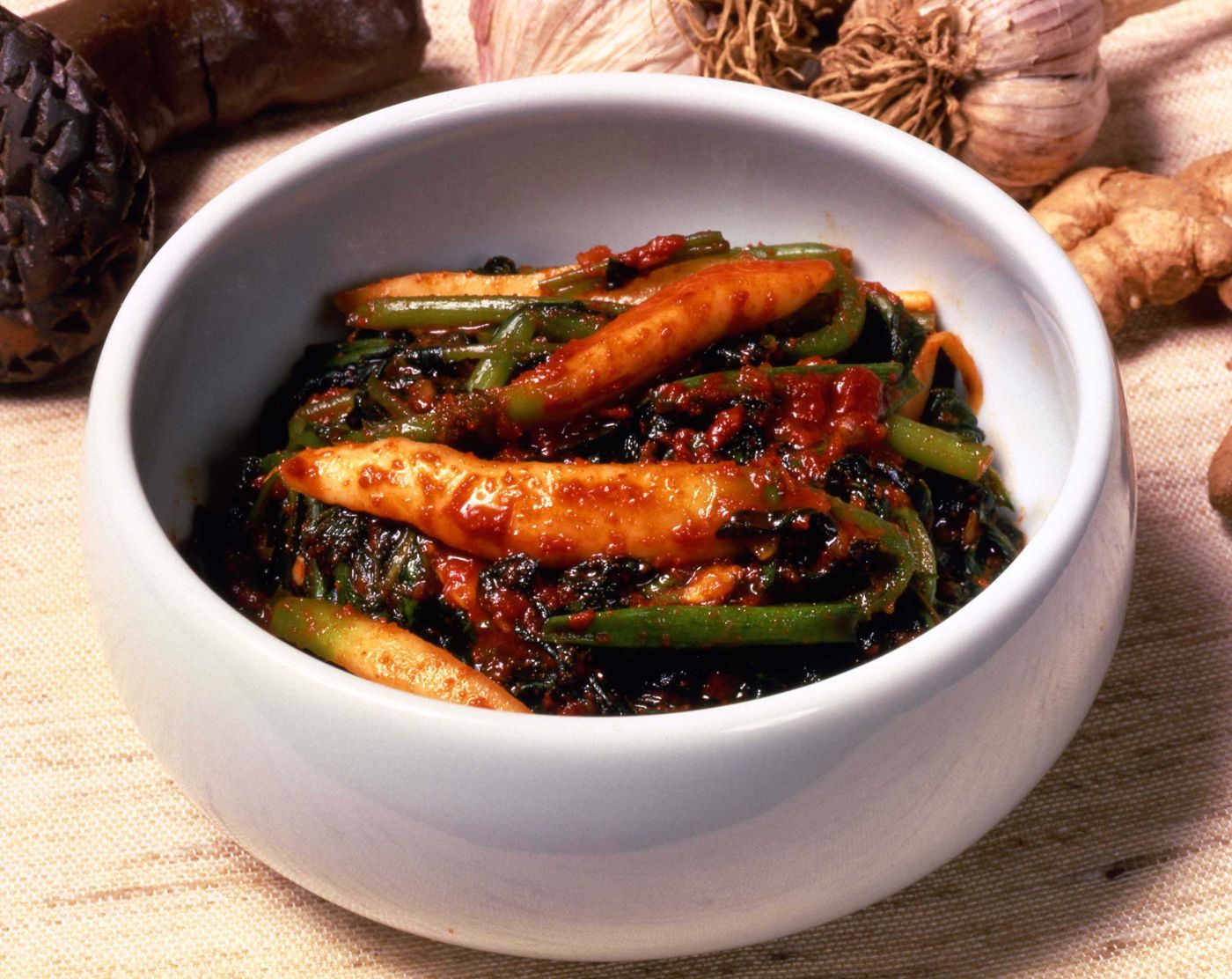 Young Summer Radish Kimchi열무김치Tender young radish greens in a loose, lightly spicy brine thickened with flour or rice paste — the classic summer kimchi, served over noodles and barley rice.
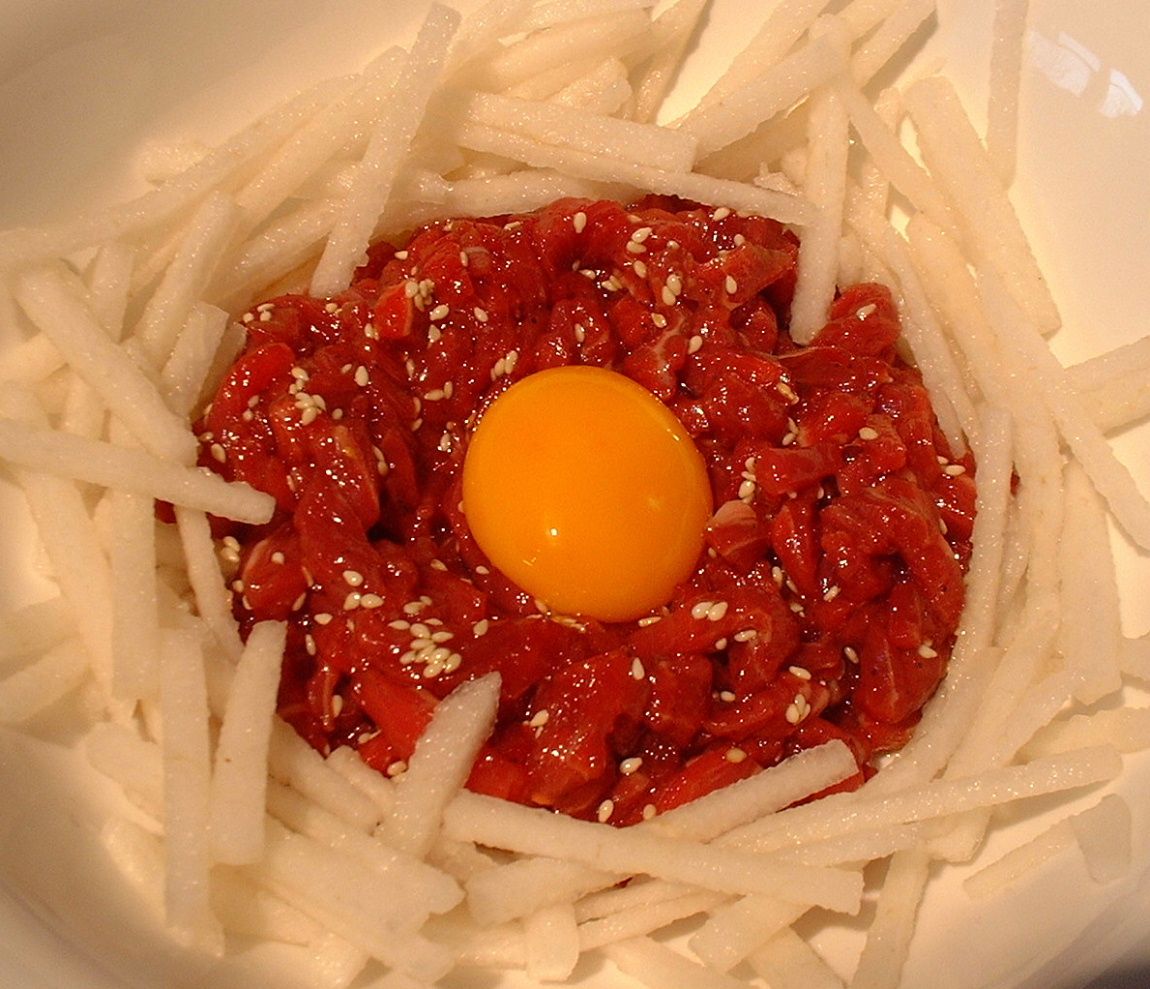 Yukhoe (Korean Seasoned Raw Beef)육회Thinly cut raw lean beef dressed with soy, sesame oil and garlic, served over Korean pear with an egg yolk. A festive, long-standing dish that needs the freshest meat and careful handling.
- Yukjeon (Beef Jeon)육전Thin slices of lean beef, lightly marinated, dipped in flour and egg and pan-fried — an ancestral-rite jeon that Gwangju has made into a specialty.