Kimchi 김치
Perilla Leaf Kimchi
깻잎김치
Romanization: kkaennip-kimchi
Stacks of perilla leaves layered with a soy, fish-sauce and chili seasoning — fragrant, slightly bitter summer kimchi peeled off one leaf at a time over rice.
- Serves
- 12
- Prep
- 40 min
- Cook
- 3 min
RegionChungcheong · Jeolla · Gyeongsang · Andong
Jump to recipeRecipe
Ingredients · Serves 12
- 100 leavesPerilla leaves (kkaennip)about 200 g
- 1 tbspGlutinous rice flourfor the paste
- 100 mlWaterfor the paste
- 4 tbspSoy sauce (ganjang)
- 2 tbspAnchovy fish sauce (myeolchi-aekjeot)
- 3 tbspGochugaru (Korean chili flakes)
- 1 tbspGarlicminced
- 30 gGarlic chives (buchu) or green onionfinely chopped
- ¼ Onionabout 50 g, finely diced
- 30 gCarrotfinely julienned; optional
- 1 tbspToasted sesame seeds
- 1 tspSugar
Method
Technique: Making Kimchi
Step 1: Wash the leaves a few at a time under running water, rubbing both sides gently. Stack them stems aligned and stand them upright in a colander to drain thoroughly; trim the stems to about 1 cm.
Step 2: Whisk the rice flour into the water and cook over low heat, stirring, for 2–3 minutes until thin and glossy. Let it cool completely.
Step 3: Stir the cooled paste together with the soy sauce, fish sauce, gochugaru, garlic, chives, onion, carrot, sesame seeds and sugar. The seasoning should be loose and spreadable; add a spoonful of water if it is stiff.
Step 4: Place two leaves in a shallow container and spread about 1 tsp of seasoning over the top leaf. Add two more leaves, turning the stems in the opposite direction, and continue until all the leaves are layered. Pour any leftover seasoning over the stack and press down gently.
Step 5: Cover and leave at room temperature for about 6 hours, then refrigerate. It is good to eat the next day and at its best after 2–3 days; it keeps for about 2 weeks chilled, softening and turning more sour.
Step 6: To serve, lift off a few leaves with chopsticks and wrap them around a bite of rice. Use clean utensils, keep the stack pressed into its liquid, and discard if slimy or moldy.
Origin & History
Perilla leaves (kkaennip) are best known as a wrap for grilled meat, but they are also pickled into kimchi and jangajji. Kkaennip-kimchi is a summer specialty: the Encyclopedia of Korean Folk Culture groups it with young-radish kimchi and fresh cabbage geotjeori as kimchi that revive the appetite in hot weather, and says it was traditionally made mainly in Chungcheong, Jeolla and Gyeongsang.
The general method it describes starts by soaking the leaves in salt water for about a day to soften them. The leaves are rinsed, stacked three or four at a time and layered with a seasoning of finely shredded radish, chestnut, garlic and ginger bound with anchovy fish sauce and chili, then packed in a crock to ripen until they turn a mellow yellow-green. Because perilla is strongly aromatic and a little bitter, it is seasoned with fish sauce rather than plain salt, and ginger is used sparingly so it does not mask the leaf.
Before refrigerators, perilla leaves softened too quickly in summer heat, so some households made their main batch in autumn or winter. With leaves now available year round, kkaennip-kimchi is made in every season and every region, usually as a quick fresh-leaf version.
Key Ingredients
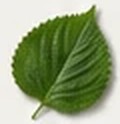 Perilla깻잎Perilla leaves have a bold, minty-herbal scent. They are eaten fresh as a wrap, pickled in soy sauce, or layered with seasoning as kkaennip-jangajji.
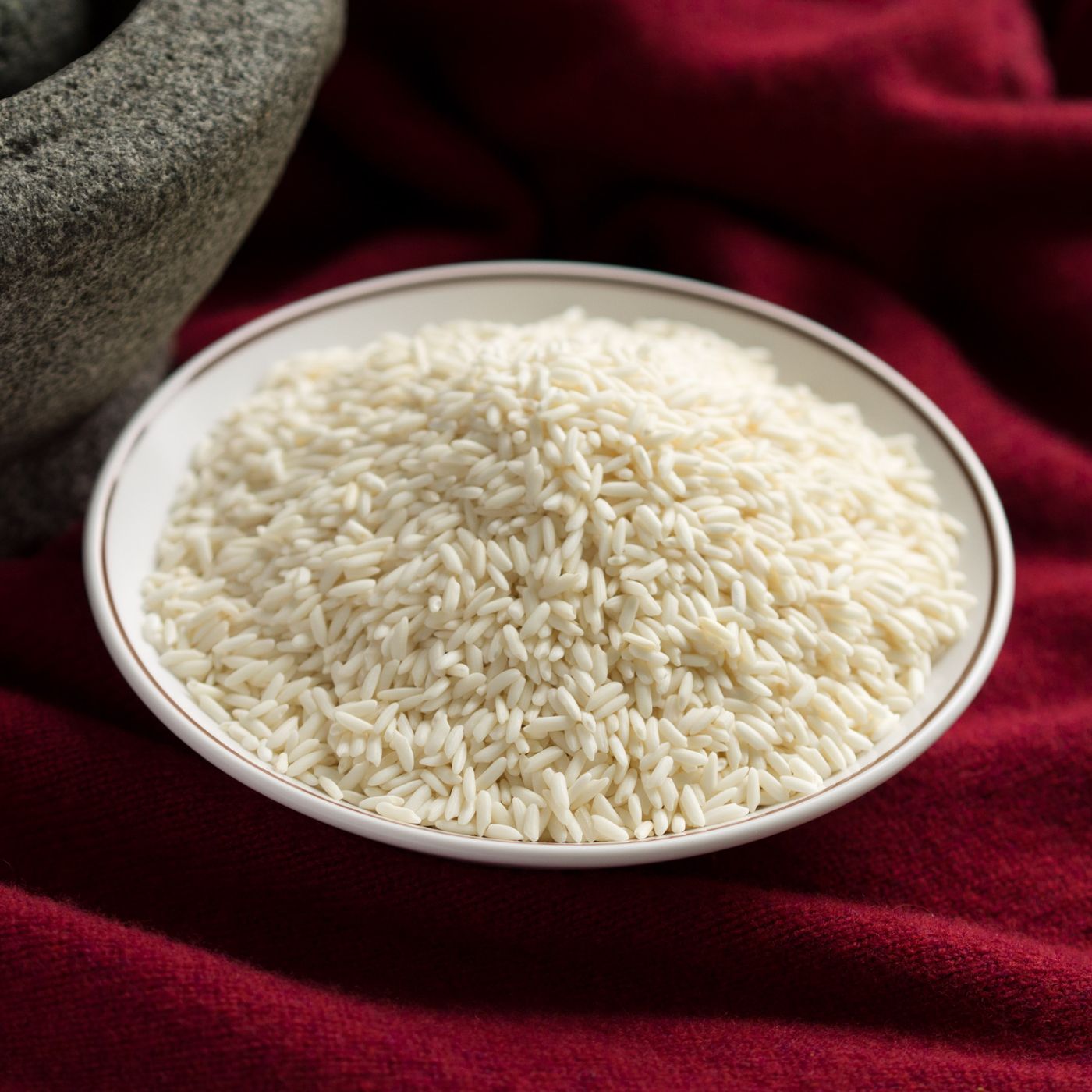 Glutinous rice (sweet rice)찹쌀Opaque, chalk-white grains of glutinous rice that steam into a chewy, elastic mass. Chapssal is the rice of festivals and comfort food: pounded into rice cakes, sweetened into yaksik, and tucked inside the chicken of samgyetang.
 Soy sauce간장Korean soy sauce, in two main kitchen forms: pale, salty guk-ganjang (soup soy sauce) brewed the traditional way from meju, and darker, sweeter jin-ganjang for braises and marinades.
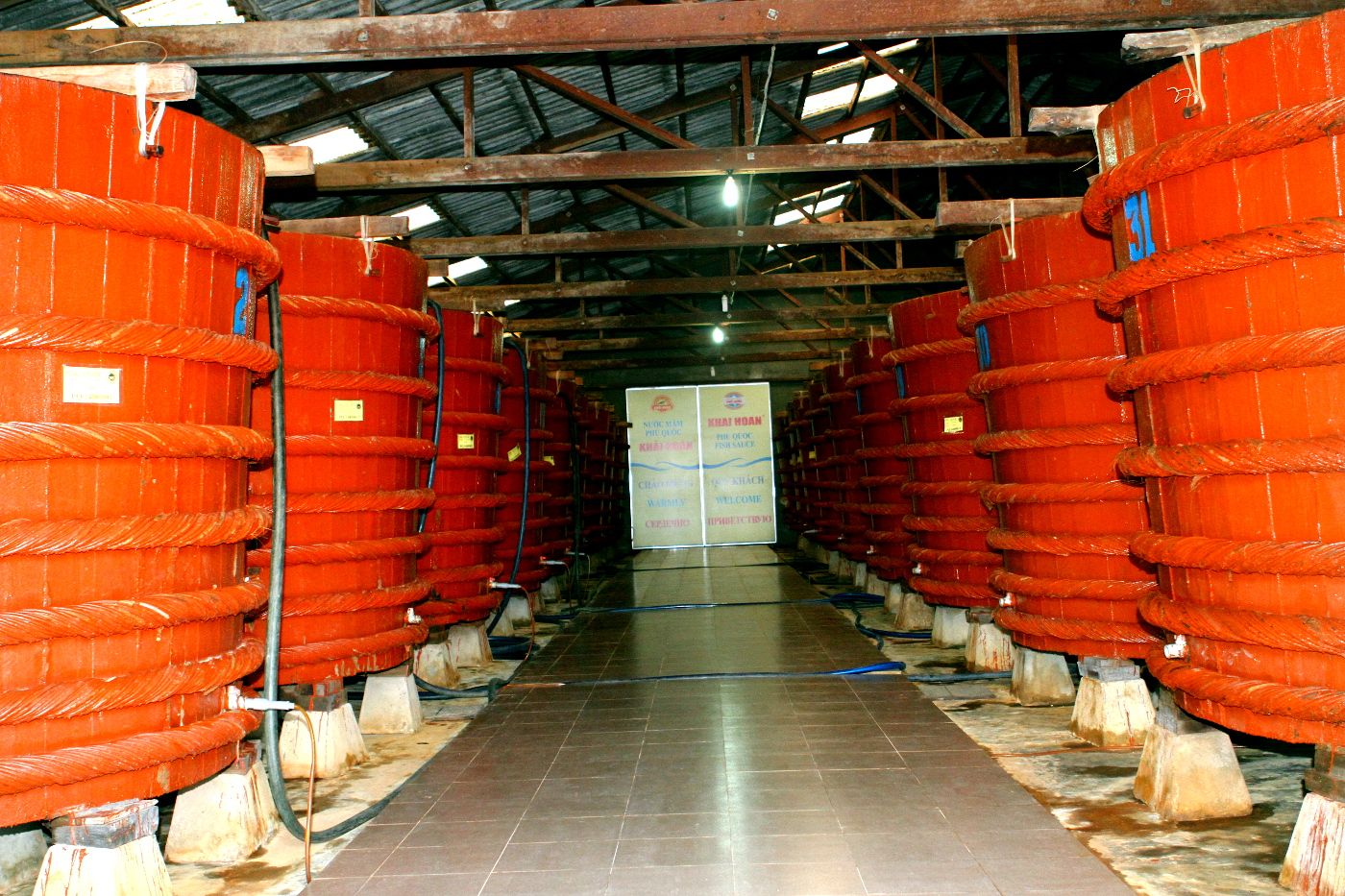 Anchovy fish sauce멸치액젓The clear amber liquid drawn from salted, fermented anchovies. A jeotgal in liquid form, it is the savory backbone of much southern-style kimchi and a quick seasoning for soups and namul.
 Gochugaru고춧가루Korean red chili powder, made from dried red peppers ground coarse or fine. It gives kimchi, gochujang and countless banchan their color and warmth.
 Garlic마늘Used raw, minced, pickled and roasted, garlic is one of the essential aromatics of Korean food — in seasonings, marinades, kimchi and namul.
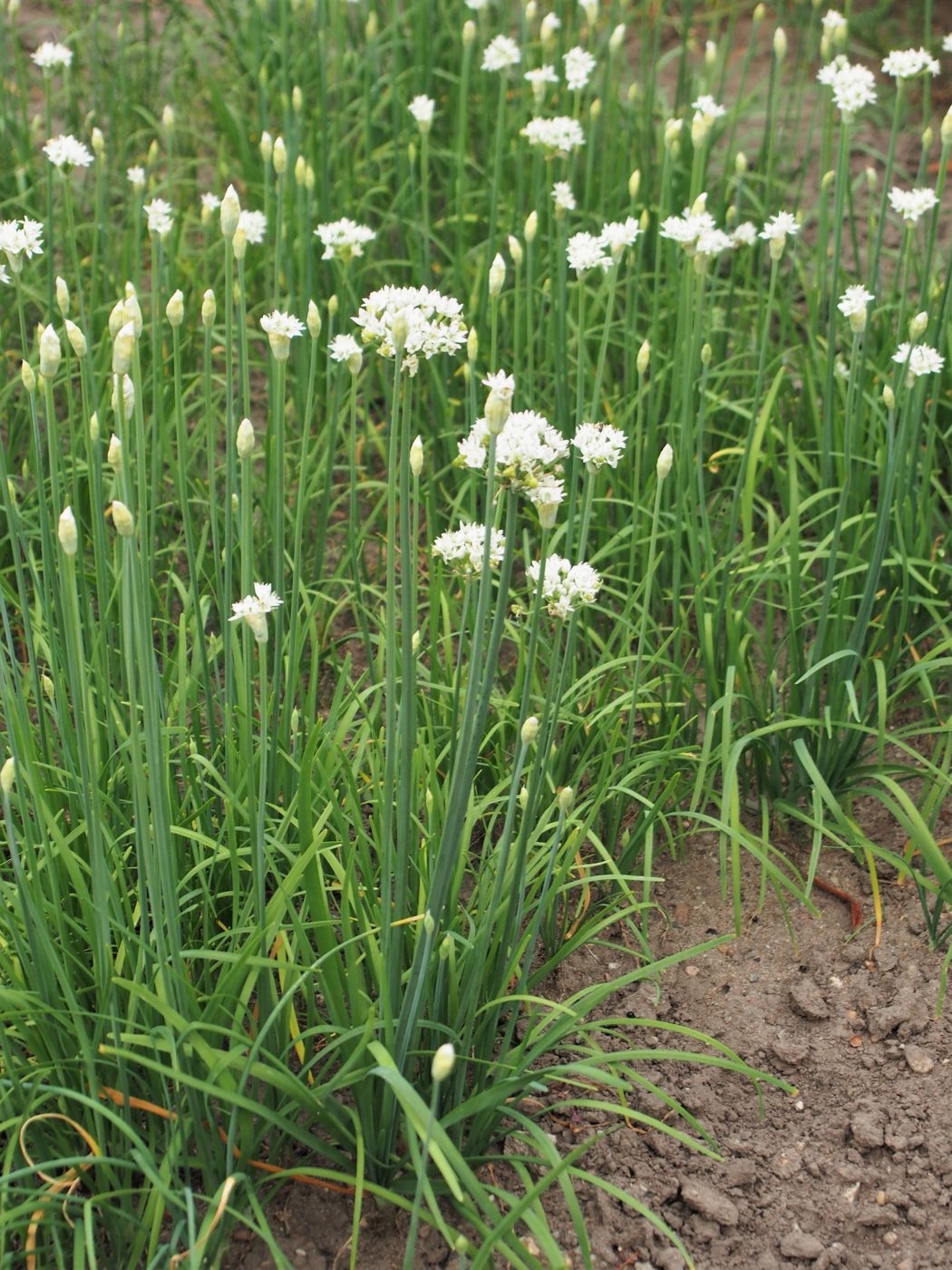 Garlic chives (buchu)부추Flat-leaved garlic chives with a bright, garlicky perfume. Tossed raw into buchu-muchim, folded into savory pancakes and tucked into cucumber kimchi.
 Sesame참깨Toasted sesame seeds and sesame oil (chamgireum) finish countless Korean dishes, adding a nutty aroma and gloss.
Nutrition
| Calories | ~32 kcal |
|---|---|
| Protein | ~2.1 g |
| Fat | ~0.6 g |
| Carbohydrates | ~5.5 g |
| Fiber | ~2 g |
| Sodium | ~520 mg |
Notable forVitamin K · Vitamin A · Calcium
Estimated by summing Korean Food Composition Table values for the raw ingredients in this recipe (perilla leaf, soy sauce, anchovy fish sauce, chili powder, garlic, chives, onion, carrot, sesame, sugar and glutinous rice flour) and dividing by 12 servings, assuming all the seasoning is eaten. The table has no entry for perilla leaf kimchi itself. Actual values vary with ingredients, portion size and preparation.
Health Benefits
- Leafy-green nutrients: raw perilla leaves are notably rich in vitamin K, beta-carotene (vitamin A) and calcium in the composition table; a serving of this kimchi supplies an estimated 130 µg or so of vitamin K.
- Aromatic and appetizing: Korean references prize the leaf's distinctive fragrance and slight bitterness, which is why a few leaves can carry a whole bowl of rice.
- Fermented vegetables: like other kimchi it ripens with naturally occurring lactic acid bacteria; research on the health effects of fermented vegetables is ongoing.
Regional Variations
- Brined leaves: the general style — leaves softened in salt water for a day, then layered with a radish, chestnut, garlic and ginger seasoning and anchovy fish sauce.
- Jeolla (fresh leaves): washed raw leaves brushed one by one with a glutinous-rice paste seasoning of chives, jjokpa, chili, garlic, ginger, sesame and anchovy fish sauce; a Jeongeup family recipe makes chives its hallmark.
- Andong (steamed leaves): the head family of the Uiseong Kim clan steams the leaves, presses out the water, dries them briefly in the sun and layers them with coarse chili, soy sauce, garlic and sesame, eating some fresh and ageing some for five or six months.
- Soy-sauce seasoning: a common modern shortcut brushes drained fresh leaves with soy sauce, fish sauce and chili — close in spirit to kkaennip-jangajji but meant to be eaten within weeks.
Pairings
 Gyeran Mari (Rolled Omelet)계란말이Beaten egg cooked in thin layers and rolled into a soft, striped log, then sliced — a gentle, everyday banchan and a lunchbox classic.
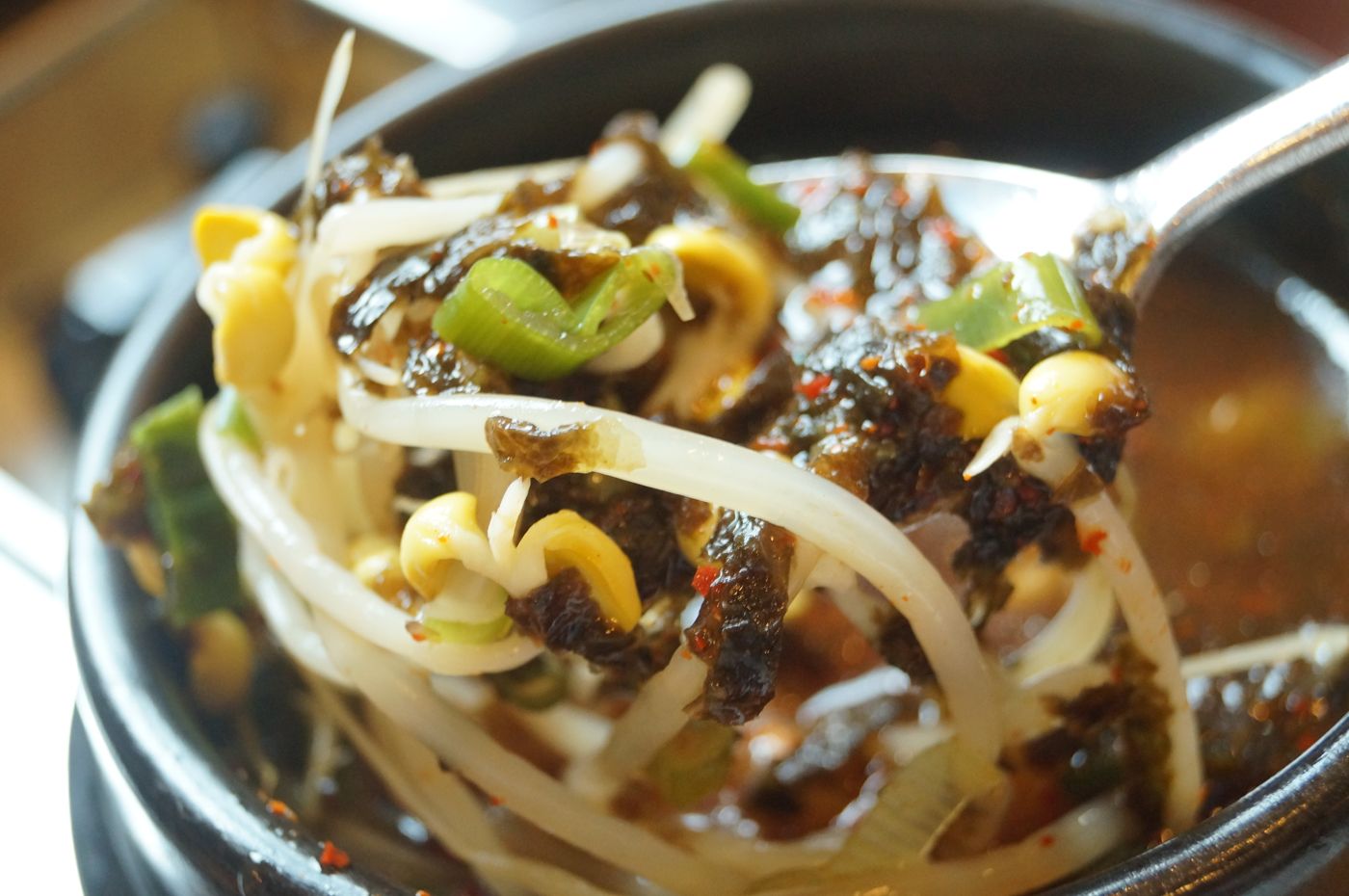 Kongnamul Guk (Soybean Sprout Soup)콩나물국A clear, light soup of soybean sprouts in anchovy-kelp stock, seasoned with salt or soup soy sauce — an everyday guk and a favorite morning-after cure.
 Myeolchi Bokkeum멸치볶음Small dried anchovies stir-fried until crisp, then glazed in a sweet soy and garlic syrup — a keeping banchan found in refrigerators across Korea.