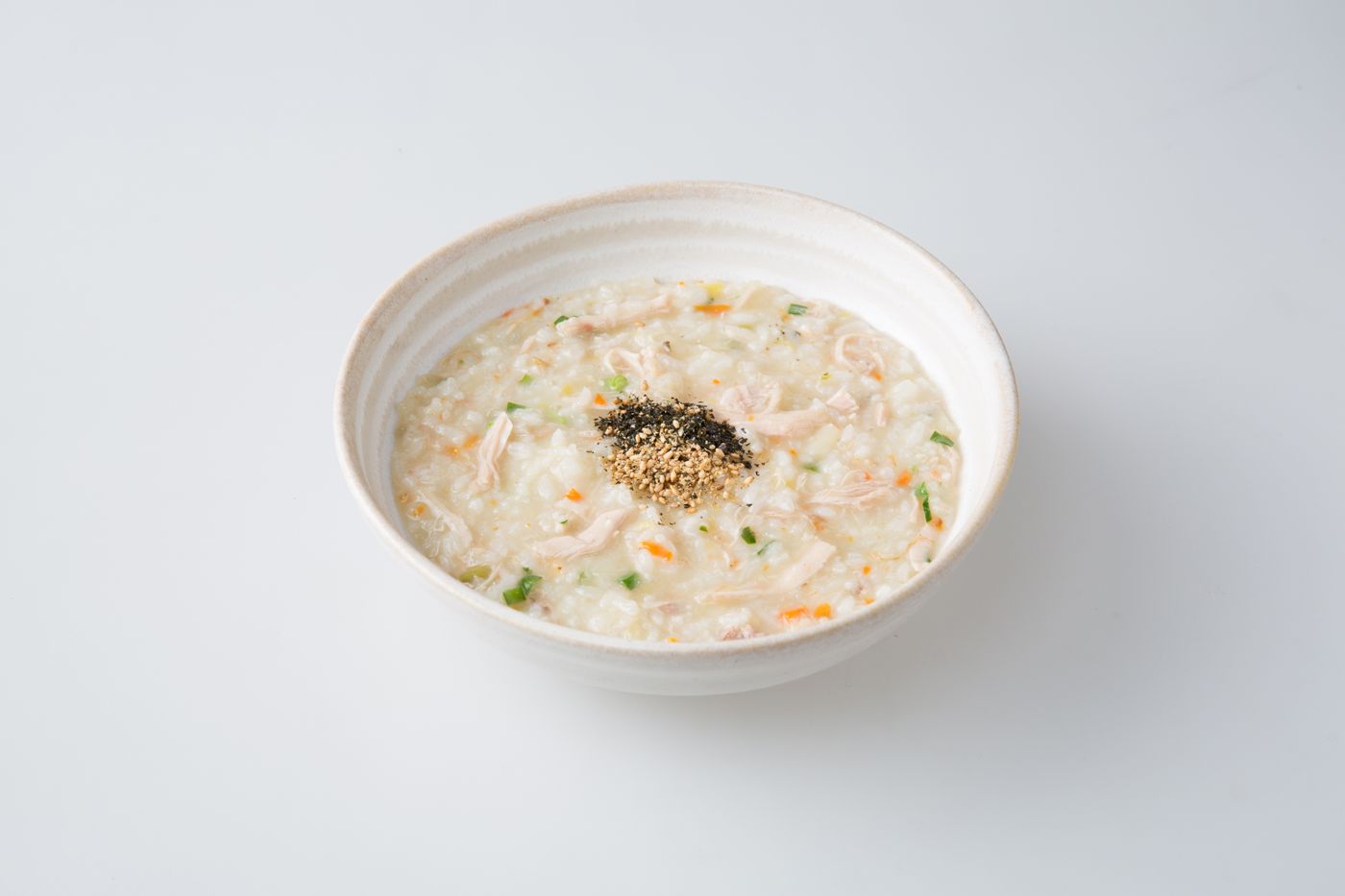
 Photo: 국립국어원, CC BY-SA 2.0 kr, via Wikimedia Commons
Juk · Porridges 죽
Dakjuk (Chicken Rice Porridge)
닭죽
Romanization: dak-juk
Soft rice simmered in a clear chicken broth with shredded meat — a gentle, easy-to-digest porridge long served as summer restorative and sick-day food.
- Serves
- 4
- Prep
- 40 min
- Cook
- 60 min
RegionJeolla · Northern Provinces (Hwanghae, Pyeongan, Hamgyeong) · Jeju
Jump to recipeRecipe
Ingredients · Serves 4
- 800 gBone-in chicken thighs and drumsticksabout 400 g meat; skin removed
- 200 gShort- or medium-grain riceabout 1 cup, rinsed and soaked 30 minutes
- 1.6 LWater
- 3 clovesGarlicwhole, about 15 g
- 2 slicesGingerabout 5 g
- 1 stalkGreen onionone half in the pot, one half sliced to garnish
- 60 gCarrotfinely diced
- 80 gKorean zucchinifinely diced
- 1 tspSesame oil
- 1 tspSaltplus to taste at the table
Method
Technique: Making Juk, Making Yuksu: Anchovy-Kelp Stock
Step 1: Put the chicken, garlic, ginger and half the green onion in a pot with the water. Bring to a boil, skim off the foam, then simmer, partly covered, for 30–35 minutes until the chicken is cooked through (165 °F / 74 °C).
Step 2: Lift out the chicken. Strain the broth, skim off the fat, and return the clear broth to the pot. When the chicken is cool enough to handle, pull the meat from the bones and shred it finely.
Step 3: Drain the soaked rice and stir it into the simmering broth with the carrot. Cook over medium-low heat, stirring often with a wooden spoon so the rice does not stick, for about 25 minutes.
Step 4: When the grains have burst and the porridge is creamy, stir in the zucchini and shredded chicken and cook 5 minutes more. Add water if it becomes too thick.
Step 5: Season with salt, the sesame oil and sliced green onion. Serve very hot; the porridge thickens as it sits.
Origin & History
Dakjuk is one of the old meat-and-rice porridges of the Korean table. The Encyclopedia of Korean Folk Culture explains that cooks added meat to grain porridge for better flavor and nutrition, and that chicken, the easiest meat for ordinary households to obtain, was used most often. It was served as a special dish in both the court and common homes, and eaten in summer as a seasonal food (jeolsik) to restore stamina in the heat.
Old texts show the same method. The eighteenth-century farm manual Sallim gyeongje records chicken porridge (gyejuk): a fat old hen is boiled until it falls apart, the bones are removed, the broth is strained and skimmed, and well-seasoned non-glutinous rice is cooked until soft before the meat and a few beaten eggs are added. The 1924 Joseon musang sinsik yori jebeop gives a similar recipe, seasoned with soy sauce, oil, green onion and pepper.
The folk encyclopedia counts dakjuk as a regional dish of Jeolla, Pyeongan and Jeju, and notes that sesame oil is sometimes stirred in. It also mentions the riverside outings (cheonyeop) of Pyeongan's Daedong River, where people made fish porridge, and says some took a chicken along instead to cook porridge by the water. In the modern kitchen the dish is often made from the broth of baeksuk or samgyetang.
Key Ingredients
- Chicken (dak)닭Chicken appears in Korea's founding legends and on its summer tables: young birds simmered whole with ginseng in samgyetang, chili-marinated pieces stir-fried as Chuncheon's dakgalbi, and the fried chicken of modern takeout culture.
 Rice쌀Short, round grains of japonica rice that cook up glossy, soft and gently clinging. Steamed white rice, bap, is the center of the Korean table: every banchan, soup and stew is planned to be eaten with it.
 Garlic마늘Used raw, minced, pickled and roasted, garlic is one of the essential aromatics of Korean food — in seasonings, marinades, kimchi and namul.
 Ginger생강Fresh ginger root, used in small amounts to brighten kimchi paste and marinades and to tame the strong smells of fish and meat.
 Green onion파Korean green onion (pa), from thick-stemmed daepa to slender scallions — chopped into nearly every seasoning sauce, soup and kimchi, and the star of pa-kimchi.
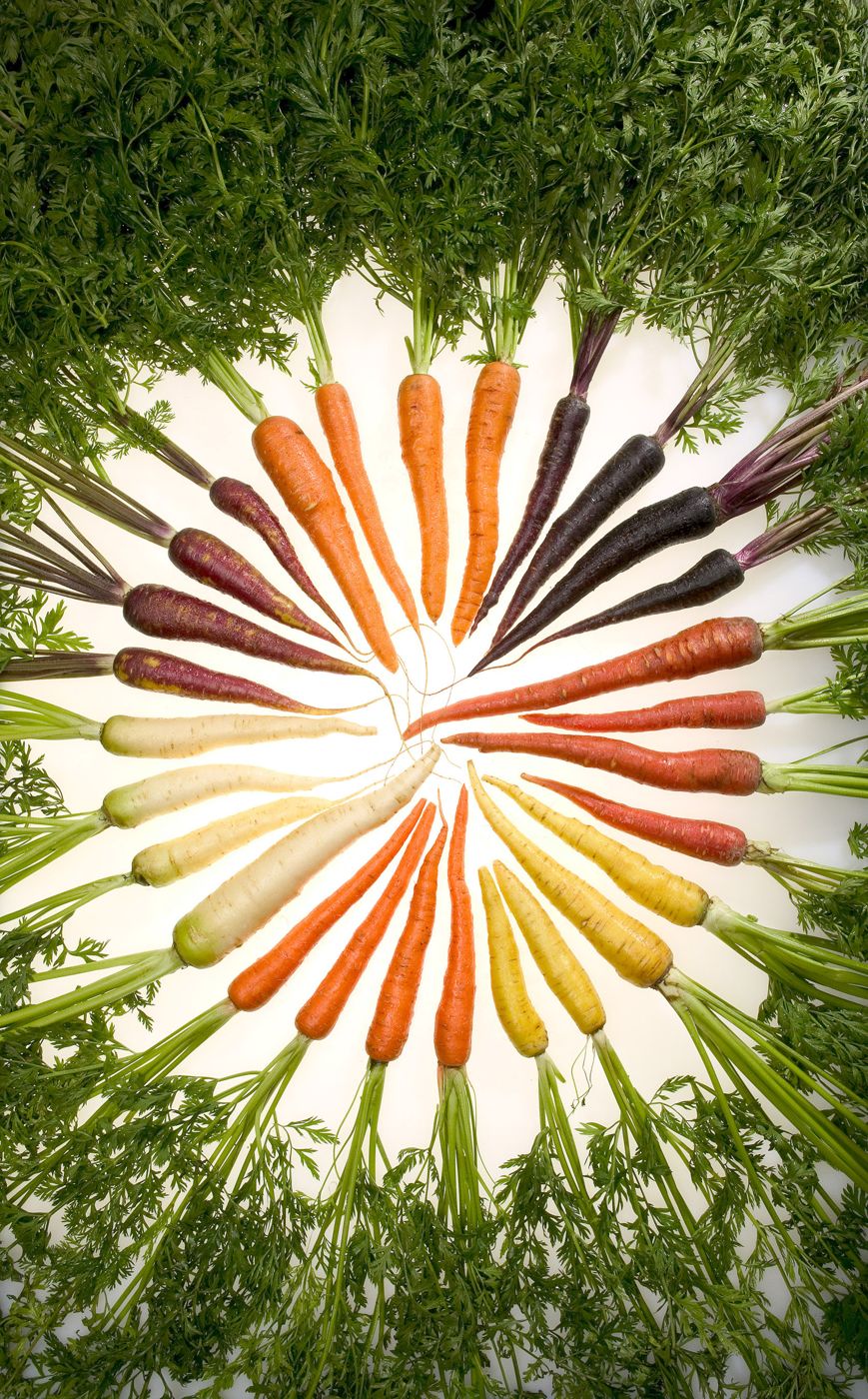 Danggeun (carrot)당근The orange root that brings color to the Korean table: julienned into japchae and gimbap, shredded into jeon batters, stir-fried with dakgalbi. Korea's sweetest winter carrots come from the volcanic fields of eastern Jeju.
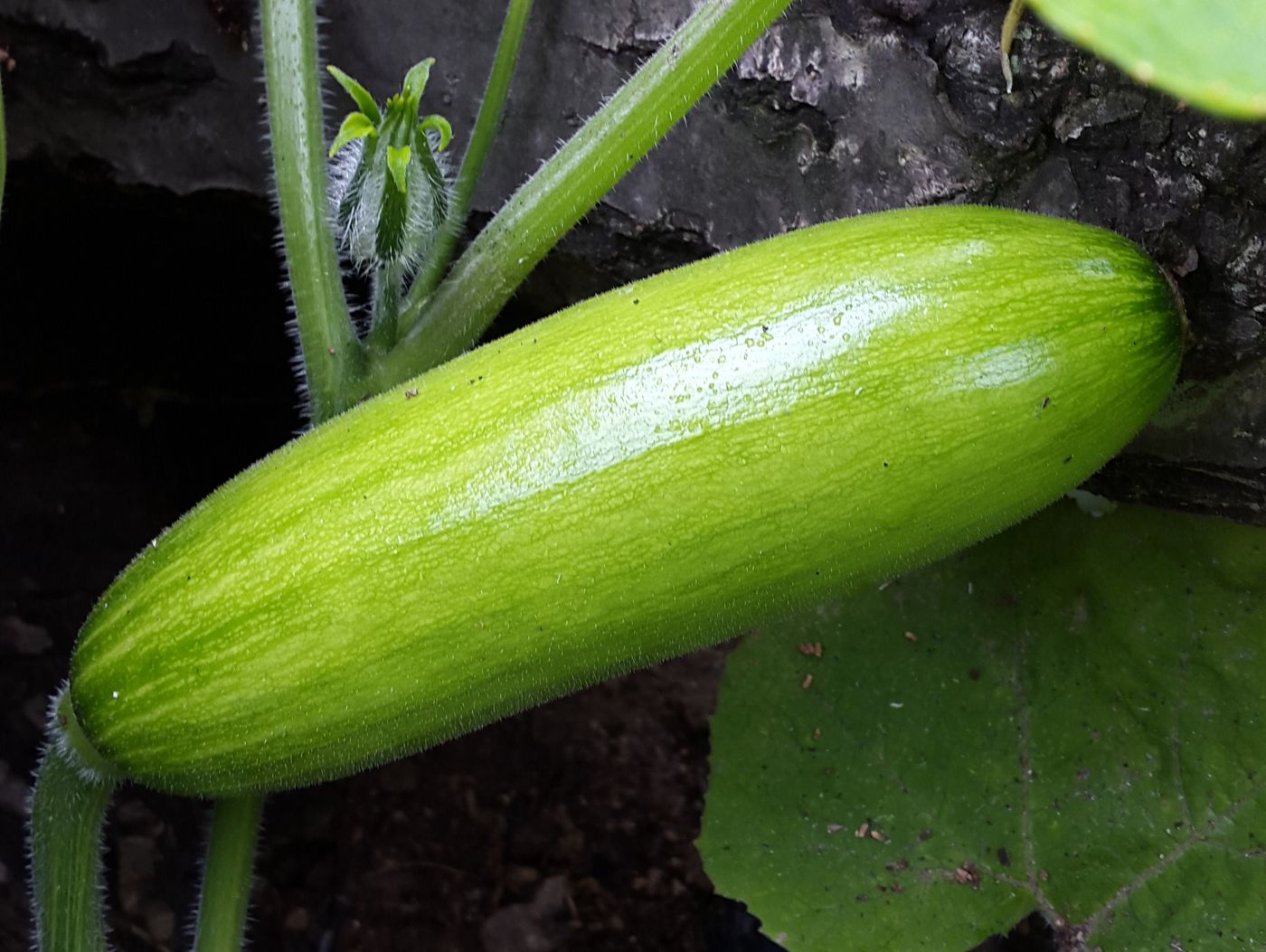 Korean zucchini애호박A pale-green young squash with thin, smooth skin and tender flesh. Sliced into rounds for hobak-jeon, sautéed as namul and added to doenjang stews.
Nutrition
| Calories | ~330 kcal |
|---|---|
| Protein | ~23.7 g |
| Fat | ~5.8 g |
| Carbohydrates | ~43.5 g |
| Fiber | ~1.6 g |
| Sodium | ~594 mg |
Notable forProtein
Sums USDA FoodData Central values for raw, skinless chicken thigh meat, medium-grain rice, carrot, zucchini, garlic, ginger, scallion, sesame oil and table salt, divided by four. Fat skimmed from the broth and the broth's own sodium from the bones are not counted separately, and the salt (5 g) is taken as the full 1 tsp. Actual values vary with ingredients, portion size and preparation.
Health Benefits
- Easy to digest: the Encyclopedia of Korean Folk Culture notes the porridge is mild, light and easy to digest, which is why it is recommended for children, older adults and students under pressure.
- Protein with rice: the estimate above provides about 24 g of protein per serving from the chicken, plus carbohydrate from the rice.
- Traditional restorative: Korean herbal tradition holds that chicken restores strength and warms the body, which is why it was eaten in summer as a restorative; this reflects folk belief rather than a tested effect.
Regional Variations
- Glutinous or non-glutinous rice: the encyclopedia describes using soaked non-glutinous rice or glutinous rice; glutinous rice gives a thicker porridge.
- Ginseng and garlic: some cooks add ginseng or garlic to the broth (see ginseng).
- Jeju: sesame oil is sometimes added to the porridge, as in the folk encyclopedia's account of the Jeju dish.
- Vegetable additions: finely diced carrot, zucchini and mushrooms are common in modern home versions, and beaten egg appears in the older cookbooks.
Pairings
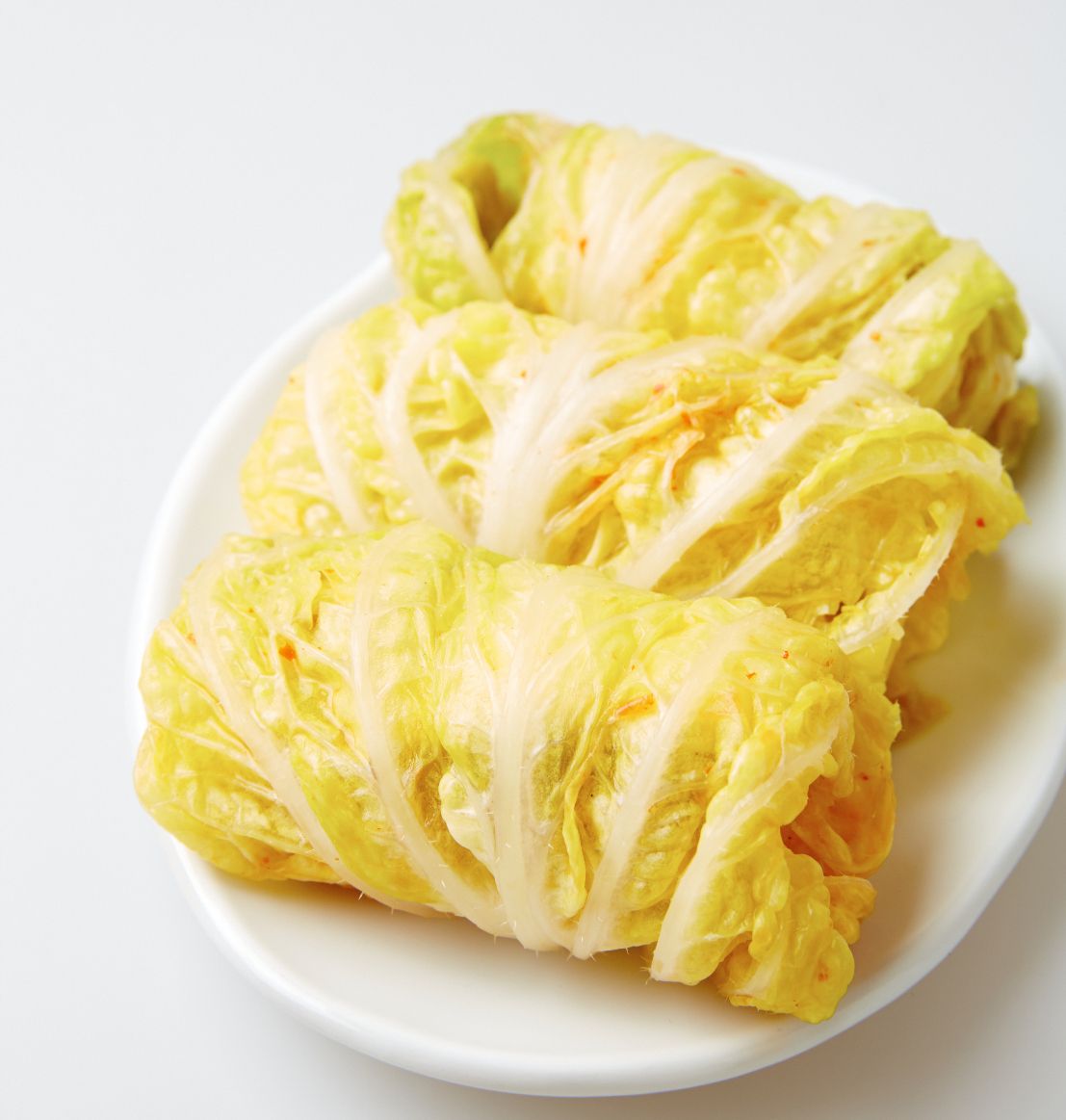 White Kimchi백김치Napa cabbage stuffed with radish, pear, chestnut and jujube and ripened in a clear, cool brine — kimchi with no chili flakes, mild and refreshing.
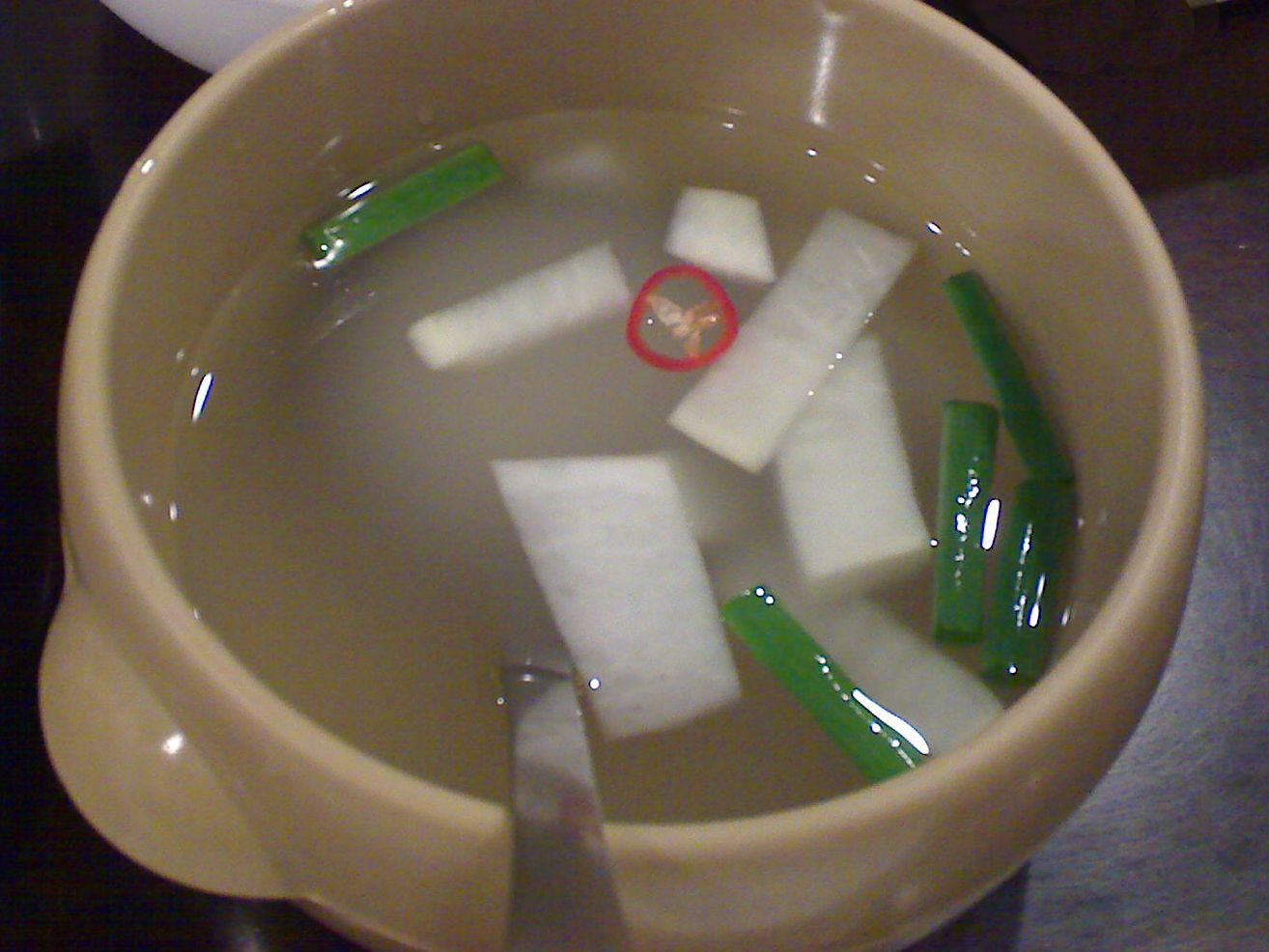 Radish Water Kimchi동치미Whole radishes steeped in a clear salt brine with pear, ginger and green chili — a winter water kimchi whose tangy broth is prized on its own.
 Cubed Radish Kimchi깍두기Korean radish cut into neat cubes and tossed with chili, garlic and salted shrimp — crunchy, juicy and a classic partner to rich soups.
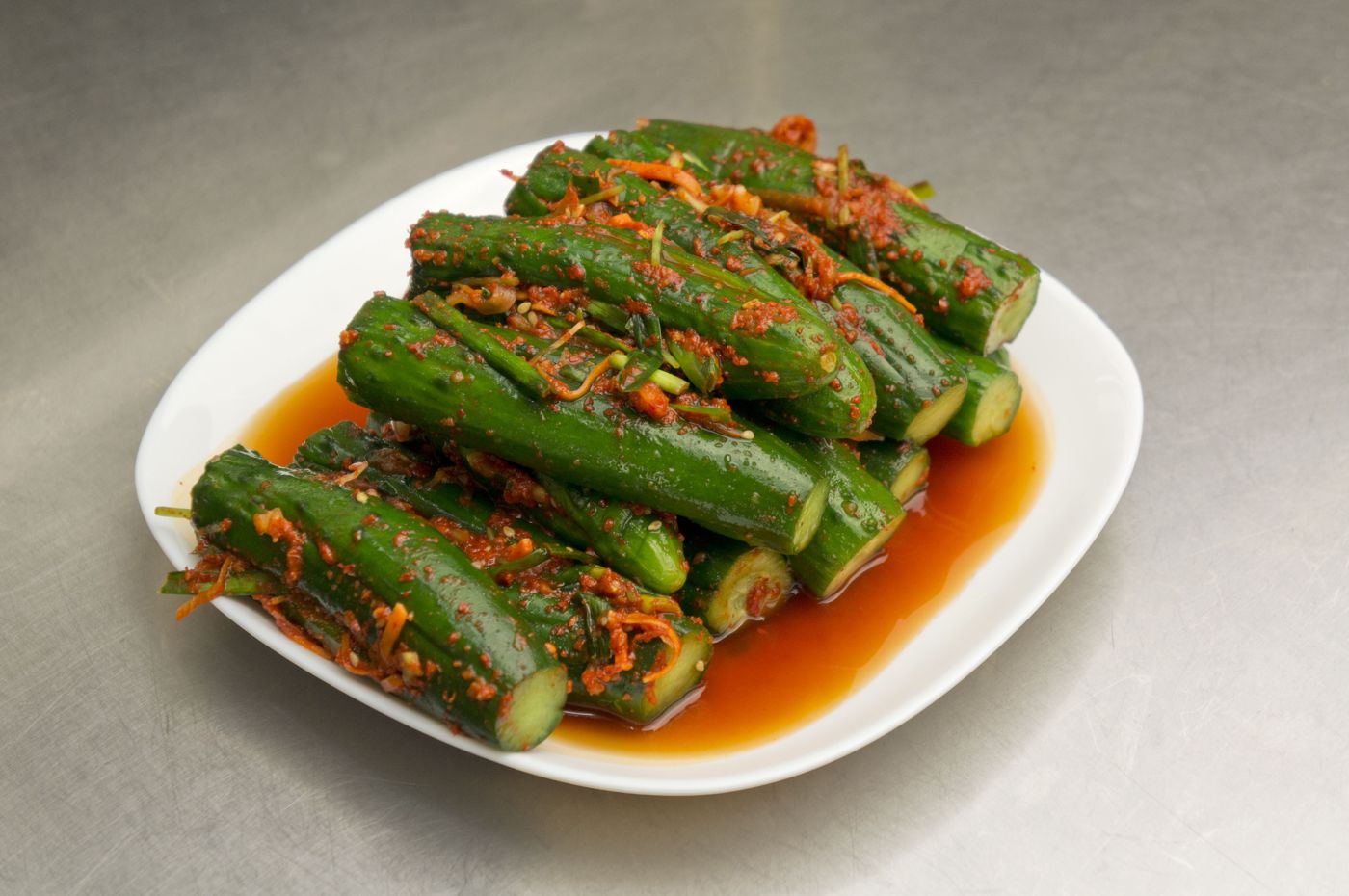 Stuffed Cucumber Kimchi오이소박이Cucumbers slit and stuffed with garlic chives, chili and garlic — a crisp, refreshing summer kimchi meant to be eaten young.
Sources
- 01닭죽 (Dakjuk) — Encyclopedia of Korean Folk Culture (한국의식주생활사전), National Folk Museum of Korea
- 02Chicken, broilers or fryers, dark meat, thigh, meat only, raw — USDA FoodData Central
- 03Rice, white, medium-grain, raw, enriched — USDA FoodData Central
- 04Safe Food Handling — U.S. Food and Drug Administration
- 05Food Allergies — U.S. Food and Drug Administration
Last updated