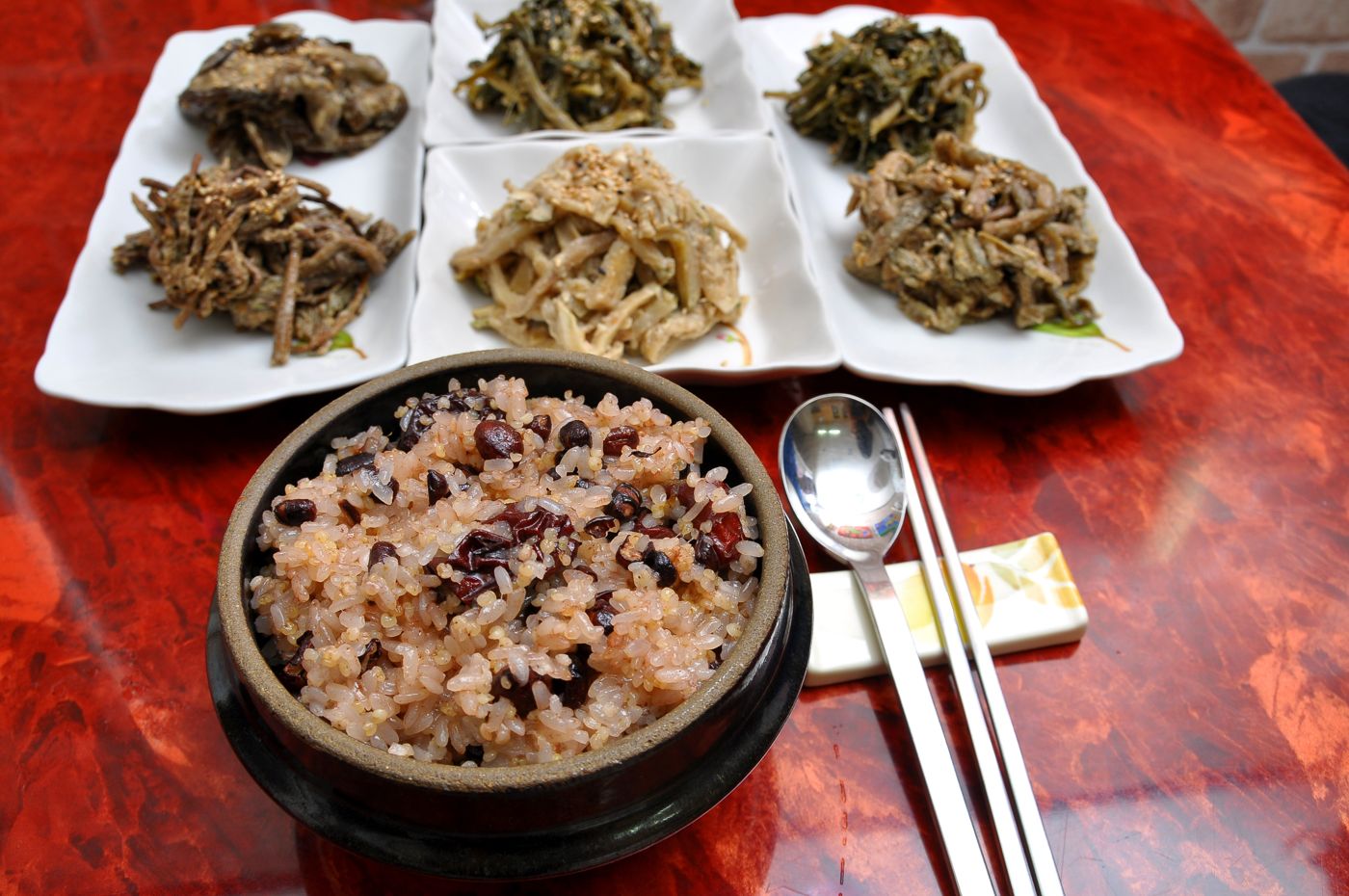
 Photo: jyleen21, CC0, via Wikimedia Commons
Bap · Rice dishes 밥
Ogokbap (Five-Grain Rice)
오곡밥
Romanization: ogokbap
Glutinous rice cooked with sorghum, millet, red beans and black soybeans for Daeboreum, the first full moon of the lunar year, and shared among neighbors for a good harvest.
- Serves
- 6
- Prep
- 30 min
- Cook
- 55 min
RegionSeoul & Gyeonggi · Chungcheong · Gangwon · Jeolla · Gyeongsang
Jump to recipeRecipe
Ingredients · Serves 6
- 150 gGlutinous (sweet) riceabout ¾ cup
- 100 gShort-grain white riceabout ½ cup
- 50 gGlutinous sorghumabout ¼ cup
- 40 gGlutinous millet (foxtail or proso)about 3 tbsp
- 60 gRed adzuki beansabout ⅓ cup
- 50 gBlack soybeansabout ¼ cup, soaked overnight
- 1 scant tspSaltabout 5 g
- about 500 mlWaterincluding the bean cooking liquid
Method
Technique: Cooking Bap
Step 1: Soak the black soybeans overnight (or at least 6 hours). Wash each grain separately; soak the glutinous rice, white rice and sorghum together for 1 hour, and the millet separately for 30 minutes. Drain all.
Step 2: Put the adzuki beans in a pot with water to cover, boil for 5 minutes and discard the water. Add 600 ml fresh water and simmer for 20–25 minutes, until just tender but not split. Drain, keeping the purple cooking liquid.
Step 3: Spread the soybeans over the bottom of a heavy pot. Mix the rices, sorghum and adzuki beans and layer them on top. Dissolve the salt in the bean liquid, top it up with water to about 500 ml, and pour it over; sticky grains need less water than plain rice.
Step 4: Cover and bring to a boil over medium-high heat, then cook at a lively simmer for 5 minutes. Scatter the millet evenly over the surface, cover, reduce to low and cook for 15 minutes without lifting the lid.
Step 5: Turn off the heat and let stand, covered, for 10–15 minutes. Fold the grains together gently with a paddle and serve warm with seasoned dried namul and toasted laver. (In a rice cooker, add everything at once and use the mixed-grain setting.)
Origin & History
Ogokbap means "five-grain rice," and it is the defining dish of Daeboreum, the first full moon of the lunar year. The Encyclopedia of Korean Folk Culture stresses that the number is more idea than recipe: ogok, the five grains, comes from the East Asian five-phase scheme and stands for all grains, so households used whatever they grew. A typical mix is glutinous rice, red beans (pat), sorghum, foxtail or proso millet, and soybeans; some regions use plain rice instead of glutinous rice, and barley is usually left out because it was everyday fare. In Gyeonggi, Chungcheong and Gangwon the dish is called ogokbap, while in Gyeongsang and Jeolla people more often say chalbap (sticky rice) or japgokbap (mixed-grain rice), and some southern versions add chestnuts, jujubes or dried persimmon.
The nineteenth-century almanac Dongguk sesigi records mixed-grain rice for the full moon, notes that it was given away to others, and links the habit to the older custom of sharing food after a rite. Joseon cookbooks fixed their own proportions: Gyuhap chongseo calls for equal parts glutinous rice, sticky sorghum and white adzuki beans, with smaller amounts of millet, soybeans and jujubes. The folk encyclopedia traces the custom of sticky rice at the full moon to the same Samguk yusa story of a crow and a Silla king that is told for yaksik, and suggests two deeper meanings: a wish to "stick" well to the order of the new year, and a prayer for an abundant harvest. One theory recorded there holds that ogokbap stood in for yaksik among households that could not afford its chestnuts, jujubes and pine nuts.
Customs around the dish were playful and communal. People tried to eat ogokbap from at least three households with different surnames for good luck; children went door to door with bamboo strainers collecting a spoonful from each house, which in South Jeolla was said to prevent heatstroke in summer; and it was considered lucky to eat nine small meals of it through the day, a reminder to work diligently all year. The rice was traditionally cooked the evening before and served with nine kinds of dried, rehydrated namul such as gosari-namul and siraegi-namul. See seasonal foods, whole grains and japgokbap and cooking bap.
Key Ingredients
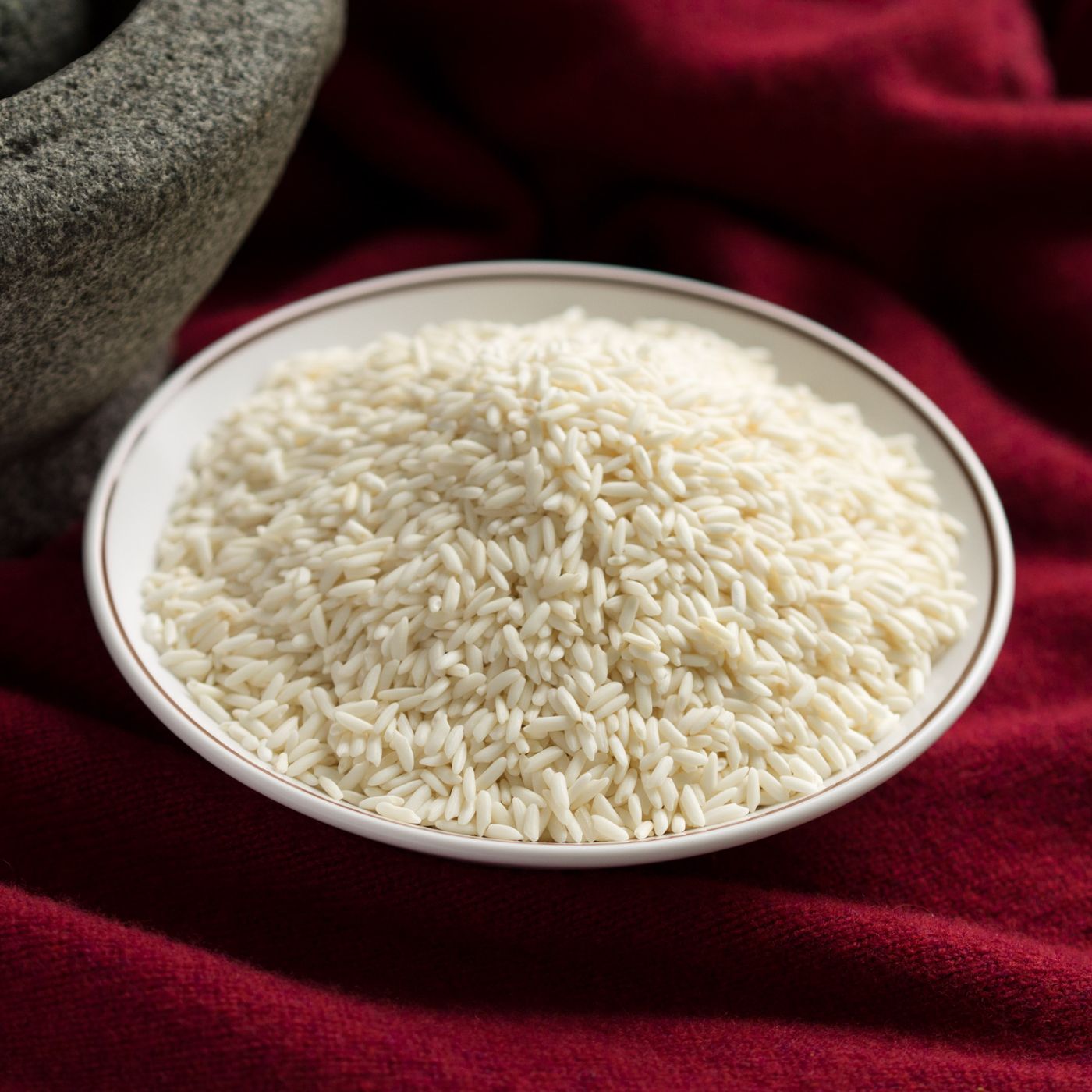 Glutinous rice (sweet rice)찹쌀Opaque, chalk-white grains of glutinous rice that steam into a chewy, elastic mass. Chapssal is the rice of festivals and comfort food: pounded into rice cakes, sweetened into yaksik, and tucked inside the chicken of samgyetang.
 Rice쌀Short, round grains of japonica rice that cook up glossy, soft and gently clinging. Steamed white rice, bap, is the center of the Korean table: every banchan, soup and stew is planned to be eaten with it.
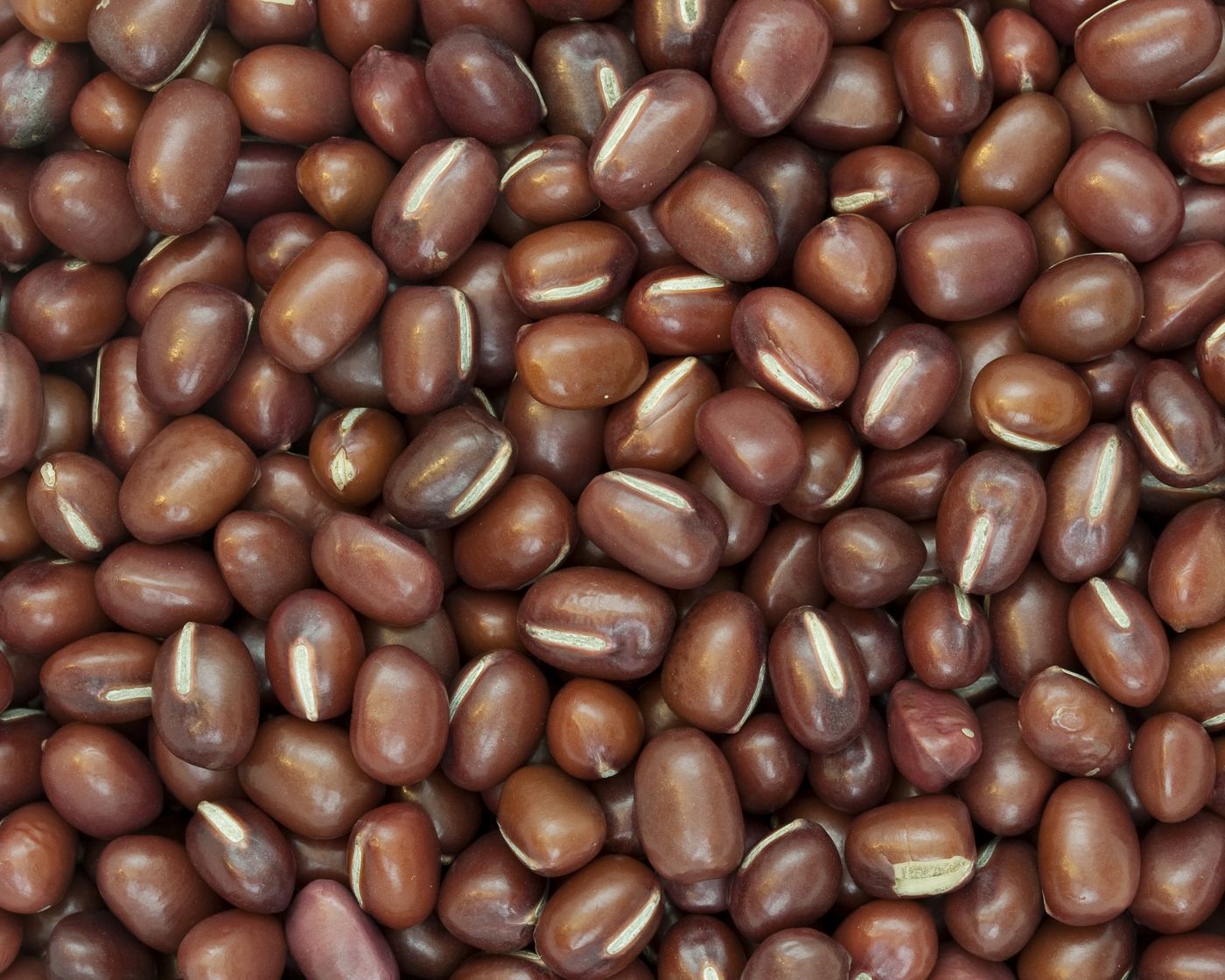 Adzuki beans (red beans)팥Small, glossy, wine-red beans with a thin white seam, simmered into savory porridge, cooked with rice, and mashed sweet for rice-cake fillings and coatings. Their red color was long believed to drive away misfortune.
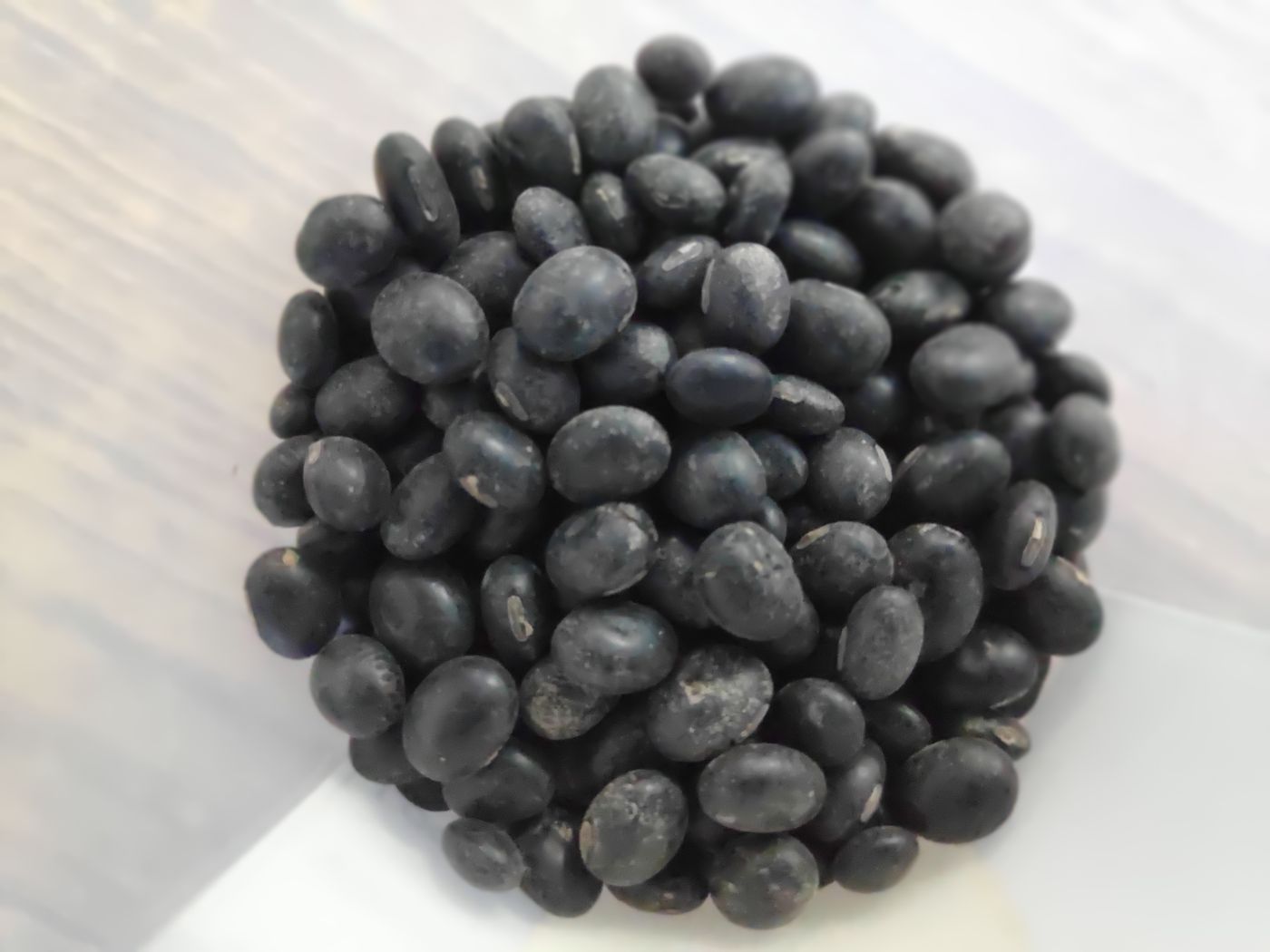 Black soybeans검정콩Glossy black soybeans, led by large, green-hearted seoritae. Simmered in soy sauce and syrup they become the shiny side dish kongjaban; they are also steamed, roasted or ground.
Nutrition
| Calories | ~275 kcal |
|---|---|
| Protein | ~9.5 g |
| Fat | ~2.5 g |
| Carbohydrates | ~53 g |
| Fiber | ~4.1 g |
| Sodium | ~325 mg |
Notable forManganese · Folate · Magnesium
Estimated by summing USDA FoodData Central (SR Legacy) values for raw glutinous rice (FDC 168883), medium-grain white rice (FDC 168879, standing in for short-grain), sorghum grain (FDC 169716), millet (FDC 169702), adzuki beans (FDC 173727), mature soybeans (FDC 174270, standing in for black soybeans) and table salt (FDC 173468), divided by 6. Folate is counted from the beans and unenriched grains only; some is lost in boiling. Discarding the first bean water removes a little of the potassium and B vitamins. Actual values vary with ingredients, portion size and preparation.
Health Benefits
- More fiber than white rice: the beans and whole grains give a serving several times the fiber of the same amount of plain white rice. See whole grains and japgokbap.
- Grain plus legume: adzuki beans and soybeans add protein and complement the amino acids of the grains, making the bowl more filling.
- Minerals and folate: sorghum, millet and beans contribute manganese, magnesium and folate.
Regional Variations
- Central regions (Gyeonggi, Chungcheong, Gangwon): called ogokbap and made with the classic five: glutinous rice, red beans, sorghum, millet and soybeans.
- Gyeongsang and Jeolla: often called chalbap or japgokbap; the folk encyclopedia notes that some households cook glutinous rice with red beans, chestnuts, jujubes and dried persimmon instead of a strict five-grain mix.
- Steamed version: for large quantities, the Encyclopedia of Korean Culture recommends steaming only sticky grains (no plain rice) in an earthenware steamer (siru), sprinkling with cold water from time to time, since steaming will not scorch.
- Everyday japgokbap: the same idea scaled down to a spoonful of mixed grains in daily rice, now sold as ready-mixed packs.
Pairings
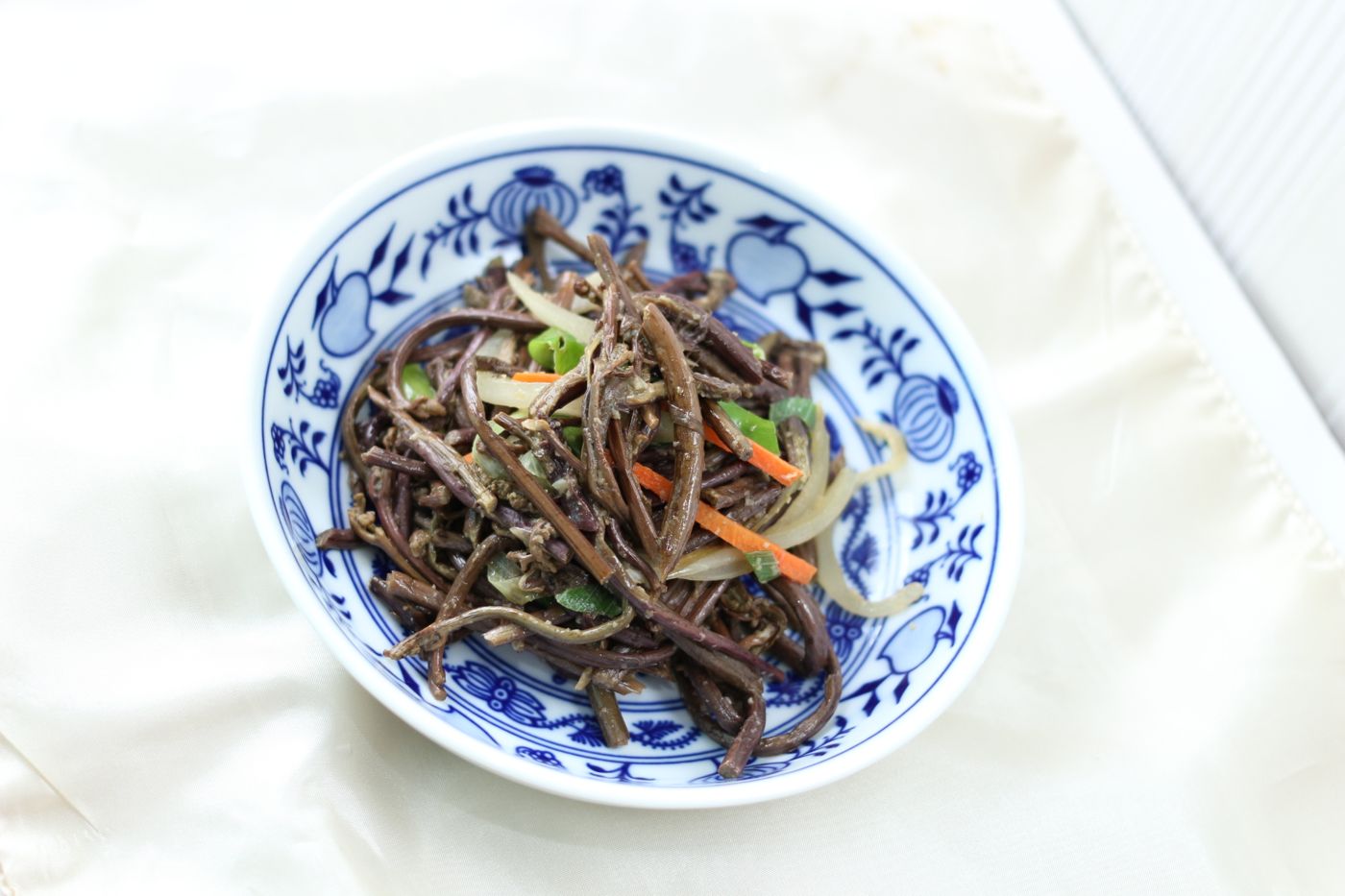 Gosari Namul고사리나물Dried bracken fern soaked, boiled and slowly stir-fried with soup soy sauce, garlic and perilla oil — chewy, earthy and central to holiday tables.
- Siraegi Namul시래기나물Dried radish greens soaked, simmered until tender and seasoned with doenjang and perilla or sesame oil — a deep, earthy winter namul.
- Gim Gui (Seasoned Roasted Laver)김구이Sheets of laver brushed with sesame or perilla oil, sprinkled with salt and toasted until crisp — eaten wrapped around spoonfuls of rice.
- Doraji Namul도라지나물Shredded bellflower root rubbed with salt to tame its bitterness, then gently stir-fried — the ivory-white member of the three-colored namul.