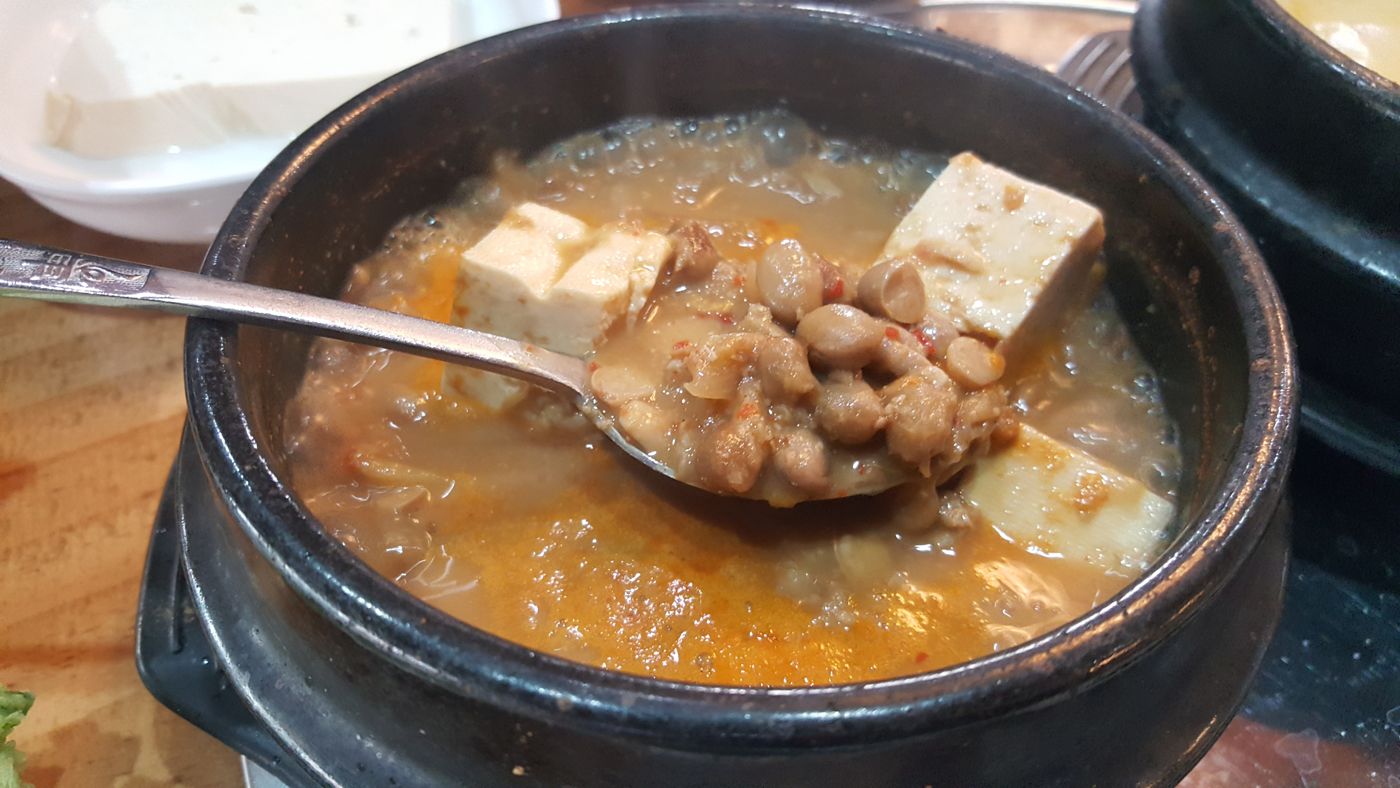
 Photo: 차차PD, CC BY 4.0, via Wikimedia Commons
Jjigae · Stews 찌개
Cheonggukjang Jjigae (Quick-Fermented Soybean Stew)
청국장찌개
Romanization: cheonggukjang-jjigae
A thick, pungent winter stew of quick-fermented whole soybeans simmered with sour kimchi, tofu and a little pork or beef — loved for its earthy depth, notorious for its smell.
- Serves
- 3
- Prep
- 15 min
- Cook
- 20 min
RegionChungcheong · Jeolla · Gyeongsang
Jump to recipeRecipe
Ingredients · Serves 3
- 120 gCheonggukjangabout 6 tbsp
- 100 gPork belly or shoulder (or beef)thinly sliced
- 150 gSour, well-fermented napa cabbage kimchichopped
- 200 gFirm or medium tofucut into 2 cm cubes
- 80 gKorean zucchini (aehobak)optional, cubed
- ¼ mediumOniondiced
- 600 mlRice-rinsing water (ssal-tteumul) or anchovy stock
- 2 clovesGarlicminced
- 1 Green chili peppersliced
- 1 tspGochugaruoptional
- 1 stalkGreen onionsliced
Method
Technique: Making Guk and Jjigae
Step 1: In an earthenware pot (ttukbaegi) or small saucepan, stir-fry the pork over medium heat until it loses its pink color, then add the kimchi and cook 2–3 minutes more.
Step 2: Pour in the rice water or stock, add the onion and zucchini, bring to a boil and simmer 8–10 minutes, until the kimchi is soft and the broth tastes rich.
Step 3: Add the tofu, garlic and chili and simmer 3 minutes.
Step 4: Lower the heat, then stir in the cheonggukjang last, mashing some beans against the side of the pot; the folk encyclopedia suggests adding it at the end rather than boiling it long. Simmer just 2 minutes more.
Step 5: Taste, adding a pinch of salt or gochugaru only if needed — the paste is usually salty. Scatter over the green onion and serve bubbling, with rice.
Origin & History
Cheonggukjang-jjigae is a stew built on cheonggukjang, whole soybeans fermented for only a few days until they turn sticky and stringy. The Encyclopedia of Korean Folk Culture describes it as a reduced, chunky stew of the paste with meat, sour kimchi and tofu, eaten across the country but especially in North Chungcheong, North Jeolla and North Gyeongsang, and with more solids in the pot than an ordinary doenjang stew.
The early cookbooks show both thrift and luxury. Lee Yong-gi's 1924 Joseon mussang sinsik yori jebeop describes pounding fermented beans with a little salt to make jeongukjang, which could be stirred into almost any soup and was praised as a farmer's relish — though, he warned, not into doenjang soup or salted-fish broth. At the other end, the 1939 Joseon yori beop simmers cheonggukjang with brisket, shank, knee cartilage, tripe, dried cod, abalone, sea cucumber and radish, and the folk encyclopedia records a split-bean version cooked by well-off Seoul households in a broth of ox feet, shank, kelp and dried pollock.
It is a cold-weather dish: the paste was traditionally made from autumn through the following spring. The fermentation is carried out by Bacillus subtilis from the beans and rice straw, which gives the stew its distinctive aroma and savory depth.
Key Ingredients
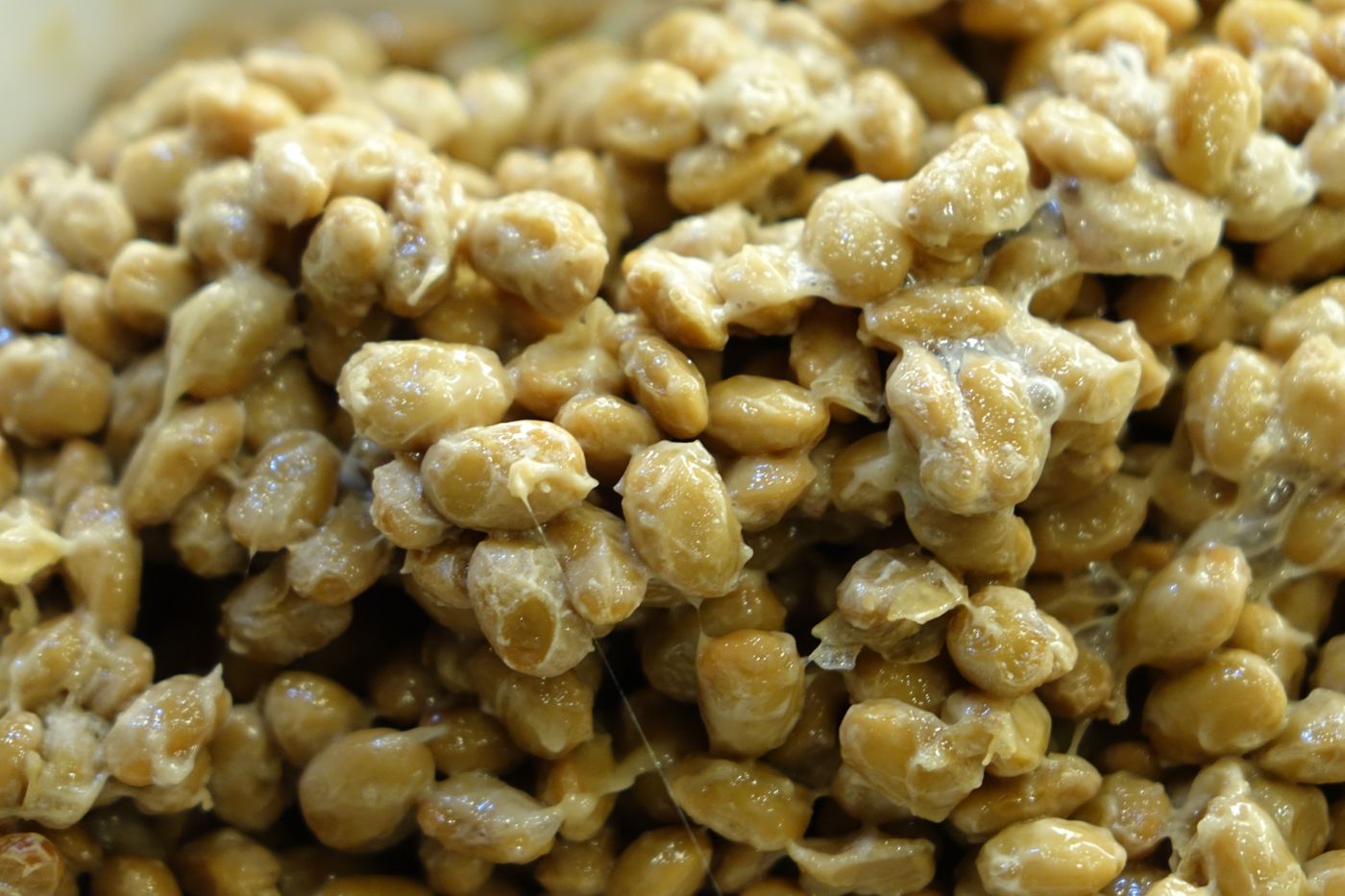 Quick-Fermented Soybean Paste청국장Whole cooked soybeans fermented for just a few days in a warm room until sticky threads form, then lightly pounded with salt. Pungent and deeply savory, it is best known as a winter stew.
 Pork (dwaeji-gogi)돼지고기Korea's most widely eaten meat, prized cut by cut: fatty belly for samgyeopsal, neck for the grill, lean legs for boiled suyuk and stir-fried jeyuk. Pork also anchors Jeju Island's feast cooking.
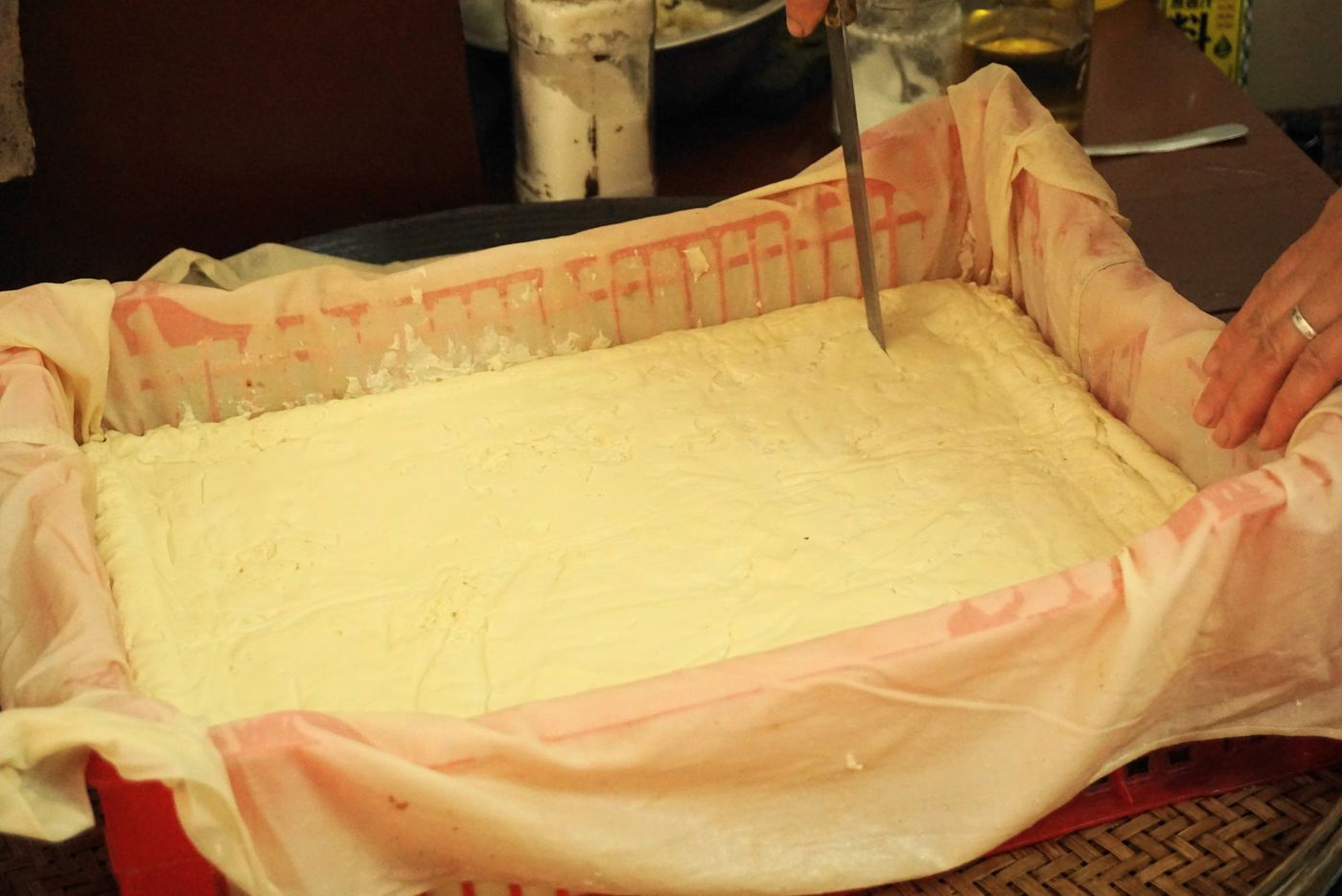 Tofu두부Fresh bean curd made by coagulating soy milk and pressing the curds. A quiet staple of Korean cooking since at least the late Goryeo period, it is pan-fried, braised in spicy soy glaze, or simmered in stews.
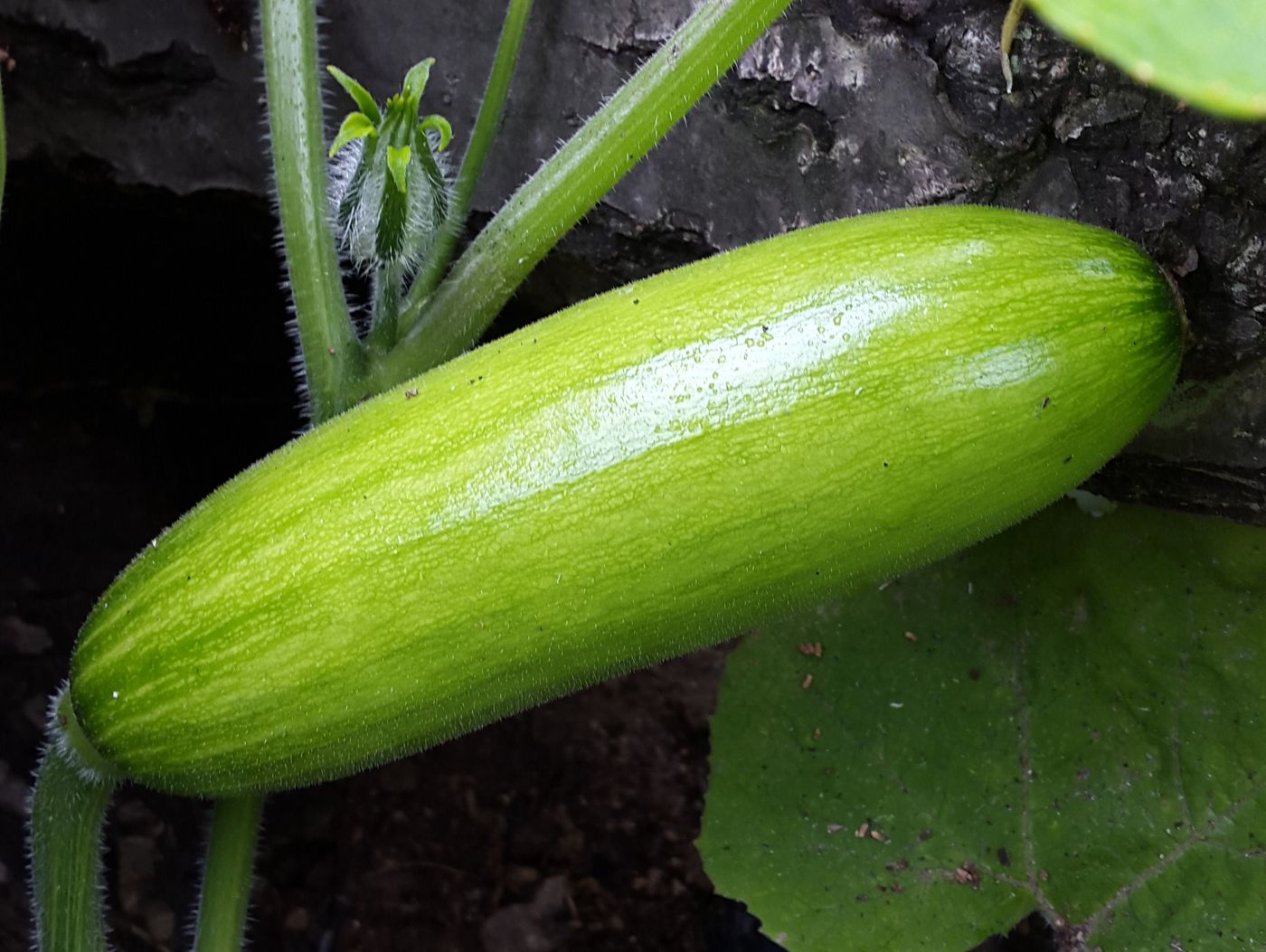 Korean zucchini애호박A pale-green young squash with thin, smooth skin and tender flesh. Sliced into rounds for hobak-jeon, sautéed as namul and added to doenjang stews.
 Yangpa (onion)양파The bulb onion, literally the "Western scallion." A latecomer to Korea, it is now everywhere: sweetening stir-fries and braises, pickled in soy sauce as yangpa-jangajji, and served raw beside grilled meat.
 Garlic마늘Used raw, minced, pickled and roasted, garlic is one of the essential aromatics of Korean food — in seasonings, marinades, kimchi and namul.
- Korean Chili Peppers (Fresh)고추Fresh Korean chili peppers, eaten green (putgochu) or red (hong-gochu): from the fiery cheongyang-gochu to the small, wrinkled, mild kkwari-gochu that is braised and stir-fried as banchan.
 Gochugaru고춧가루Korean red chili powder, made from dried red peppers ground coarse or fine. It gives kimchi, gochujang and countless banchan their color and warmth.
 Green onion파Korean green onion (pa), from thick-stemmed daepa to slender scallions — chopped into nearly every seasoning sauce, soup and kimchi, and the star of pa-kimchi.
 Rice쌀Short, round grains of japonica rice that cook up glossy, soft and gently clinging. Steamed white rice, bap, is the center of the Korean table: every banchan, soup and stew is planned to be eaten with it.
Nutrition
| Calories | ~94 kcal |
|---|---|
| Protein | ~10.1 g |
| Fat | ~4.2 g |
| Carbohydrates | ~3.8 g |
| Fiber | ~3.4 g |
| Sodium | ~484 mg |
Notable forProtein · Folate · Dietary fiber · Potassium
Scaled from the MFDS analysis of home-style cheonggukjang-jjigae (per 100 g: 47 kcal, 5.03 g protein, 2.11 g fat, 1.92 g carbohydrate, 1.7 g fiber, 242 mg sodium, 157 mg potassium, 48 µg DFE folate) to the database's 200 g serving. That serving is a small ladleful; a full bowl of this recipe is closer to 350 g, so multiply by about 1.75. Sodium depends heavily on the paste: the Korean Food Composition Table lists stew-ready cheonggukjang at about 3,080 mg sodium per 100 g. Actual values vary with ingredients, portion size and preparation.
Health Benefits
- Because the soybeans are eaten whole, the stew is a good source of plant protein, fiber, folate and potassium for relatively few calories.
- A fermented-soybean food; see fermented soybeans for what research does and does not show.
- The folk encyclopedia cites laboratory studies of anti-mutagenic activity in cheonggukjang extracts; these are cell studies, and no such effect has been shown in people.
Regional Variations
- North Jeolla: the folk encyclopedia describes the paste dissolved in anchovy broth with kimchi and onion, then tofu, green chili and garlic.
- North Chungcheong and North Gyeongsang: seasoned beef and kimchi simmered in rice-rinsing water before the paste goes in, finished with green chili, tofu, chili flakes and salt.
- Standard home version: the Hanguk eumsik daegwan method stir-fries seasoned meat, adds rice water, then chopped kimchi, the paste, tofu, garlic and green onion; radish can stand in when there is no kimchi.
- Eating it raw: fresh cheonggukjang is also wrapped in kimchi, lettuce or toasted laver, or used in dressings, rather than boiled.
Pairings
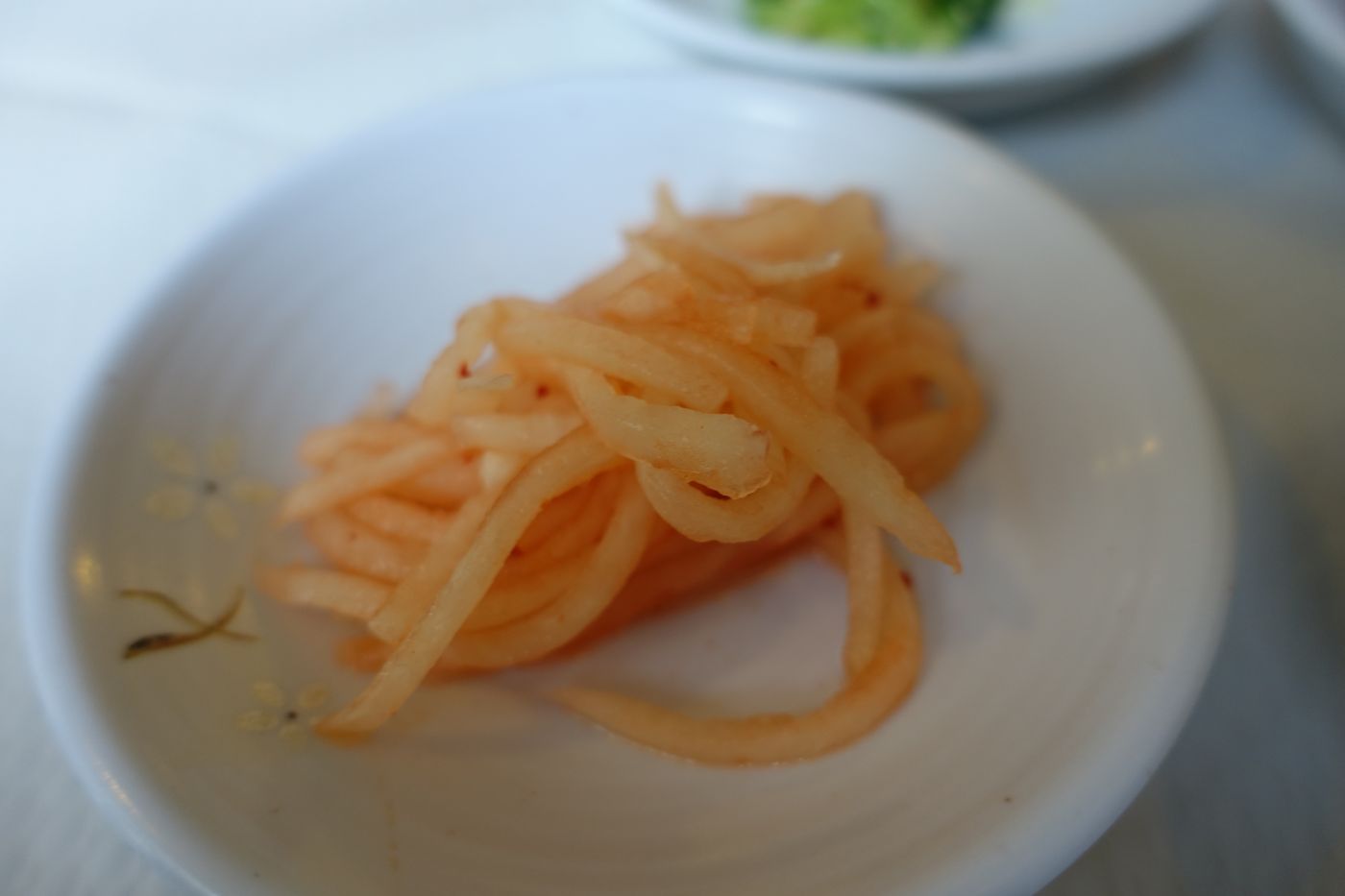 Musaengchae무생채Fine matchsticks of Korean radish dressed raw with chili flakes, a little vinegar and sugar — crisp, sweet-sharp and best made just before the meal.
 Sigeumchi Namul시금치나물Spinach blanched for a few seconds, squeezed dry and dressed with garlic, soy sauce and sesame — one of the simplest and most familiar namul.
- Gim Gui (Seasoned Roasted Laver)김구이Sheets of laver brushed with sesame or perilla oil, sprinkled with salt and toasted until crisp — eaten wrapped around spoonfuls of rice.
 Cubed Radish Kimchi깍두기Korean radish cut into neat cubes and tossed with chili, garlic and salted shrimp — crunchy, juicy and a classic partner to rich soups.
Sources
- 01청국장찌개 (Cheonggukjang-jjigae) — Encyclopedia of Korean Folk Culture (한국의식주생활사전)
- 02청국장 (Cheonggukjang) — Encyclopedia of Korean Culture
- 03청국장찌개 (Cheonggukjang-jjigae, home-style, analyzed) — MFDS K-FIND food composition database
- 04Biogenic amine reduction by food additives in Cheonggukjang, a Korean fermented soybean paste, fermented with tyramine-producing heterogeneous bacterial species — Heliyon, 2024
- 05Trends in sodium intake and major contributing food groups and dishes in Korea: KNHANES 2013–2017 (Jeong et al., Nutrition Research and Practice, 2021)
- 06Sodium reduction — World Health Organization fact sheet
Last updated