 Photo: pelican from Tokyo, Japan, CC BY-SA 2.0, via Wikimedia Commons
More dishes 기타
Japchae (Glass Noodles with Vegetables)
잡채
Romanization: japchae
Chewy sweet potato glass noodles tossed with stir-fried vegetables, mushrooms and beef in soy sauce and sesame oil — Korea's essential celebration dish.
- Serves
- 8
- Prep
- 30 min
- Cook
- 30 min
RegionSeoul & Gyeonggi · Jeolla · Northern Provinces (Hwanghae, Pyeongan, Hamgyeong)
Jump to recipeRecipe
Ingredients · Serves 8
- 200 gSweet potato glass noodles (dangmyeon)dry
- 150 gBeef (sirloin or top round)cut into thin strips
- 200 gSpinach
- 1 mediumCarrotabout 100 g, julienned
- 1 mediumOnionabout 150 g, thinly sliced
- 5 Shiitake mushroomsfresh or rehydrated, about 75 g, thinly sliced
- ½ Red bell pepperabout 80 g, thinly sliced
- 1 largeEggfor an egg-strip (jidan) garnish, optional
- 4 tbspSoy saucedivided
- 2 tbspSugardivided
- 2 tbspToasted sesame oildivided
- 3 clovesGarlicminced
- ¼ tspSaltdivided, for the vegetables
- 2 tbspNeutral cooking oilfor stir-frying
- 1 tbspToasted sesame seeds
Method
Technique: Bokkeum: Korean Stir-Frying, Blanching and Seasoning Namul
Step 1: Soak the noodles in warm water for 30 minutes while you prepare everything else. Mix the beef and mushrooms with 1 tbsp soy sauce, 1 tsp sugar, 1 tsp sesame oil and a third of the garlic.
Step 2: Blanch the spinach in boiling water for 30 seconds, rinse in cold water and squeeze dry. Season with a pinch of salt, 1 tsp sesame oil and a little garlic. Keep the water boiling for the noodles.
Step 3: If using the egg, beat it with a pinch of salt and cook it as a thin sheet in a lightly oiled pan; cool, roll and slice into thin strips.
Step 4: In a large skillet over medium-high heat, stir-fry each vegetable separately in a little oil with a pinch of salt — the onion until translucent, the carrot and bell pepper until just tender — transferring each to a large mixing bowl. Then stir-fry the beef and mushrooms until cooked through, about 3 minutes, and add them to the bowl.
Step 5: Drain the noodles and boil them for 5–6 minutes, until soft and chewy. Drain well and cut them a few times with kitchen scissors.
Step 6: Return the hot noodles to the skillet over medium heat with the remaining soy sauce, sugar and garlic, and stir for 1–2 minutes so they absorb the seasoning.
Step 7: Add the noodles to the bowl with the vegetables, beef and spinach. Add the remaining sesame oil and toss thoroughly with your hands or tongs. Taste and adjust with more soy sauce or sugar.
Step 8: Transfer to a platter and finish with the sesame seeds and egg strips. Serve warm or at room temperature.
Origin & History
The name japchae (雜菜) means "mixed vegetables," and that is what the dish originally was. The Encyclopedia of Korean Culture describes the earliest recipe, in the 17th-century cookbook Eumsik dimibang (written around 1670), as a mix of cucumber, radish, several kinds of mushroom, bean sprouts, bellflower root and other vegetables, each cut into thin strips and cooked separately, then dressed with a thickened sauce. There were no noodles at all.
Japchae also had a place at court. Joseon records mention it among foods served at royal rituals and banquets (see royal court cuisine), and it is tied to one of the more colorful stories in the official annals. The 1619 obituary of the minister Yi Chung (이충) in the Annals of Prince Gwanghae records, disapprovingly, that he won royal favor by privately sending unusual dishes to the palace, that the king waited for food from Yi's household before beginning his meals, and that a satirical verse of the time mocked him as the "japchae minister" for his remarkably flavored vegetable dish. Popular retellings often say Yi Chung invented japchae; the annals support only that his version was famous and politically useful.
Glass noodles came much later. Dangmyeon — noodles made from sweet potato or potato starch — reached Korea from China in the late Joseon period, and mass production began in 1919, when a large factory opened in Sariwon, Hwanghae Province. By the 1930s cookbooks and newspapers were listing dangmyeon as a japchae ingredient, and the noodles soon became the heart of the dish. Today japchae is a fixture of birthdays, weddings, holidays and any large gathering.
Key Ingredients
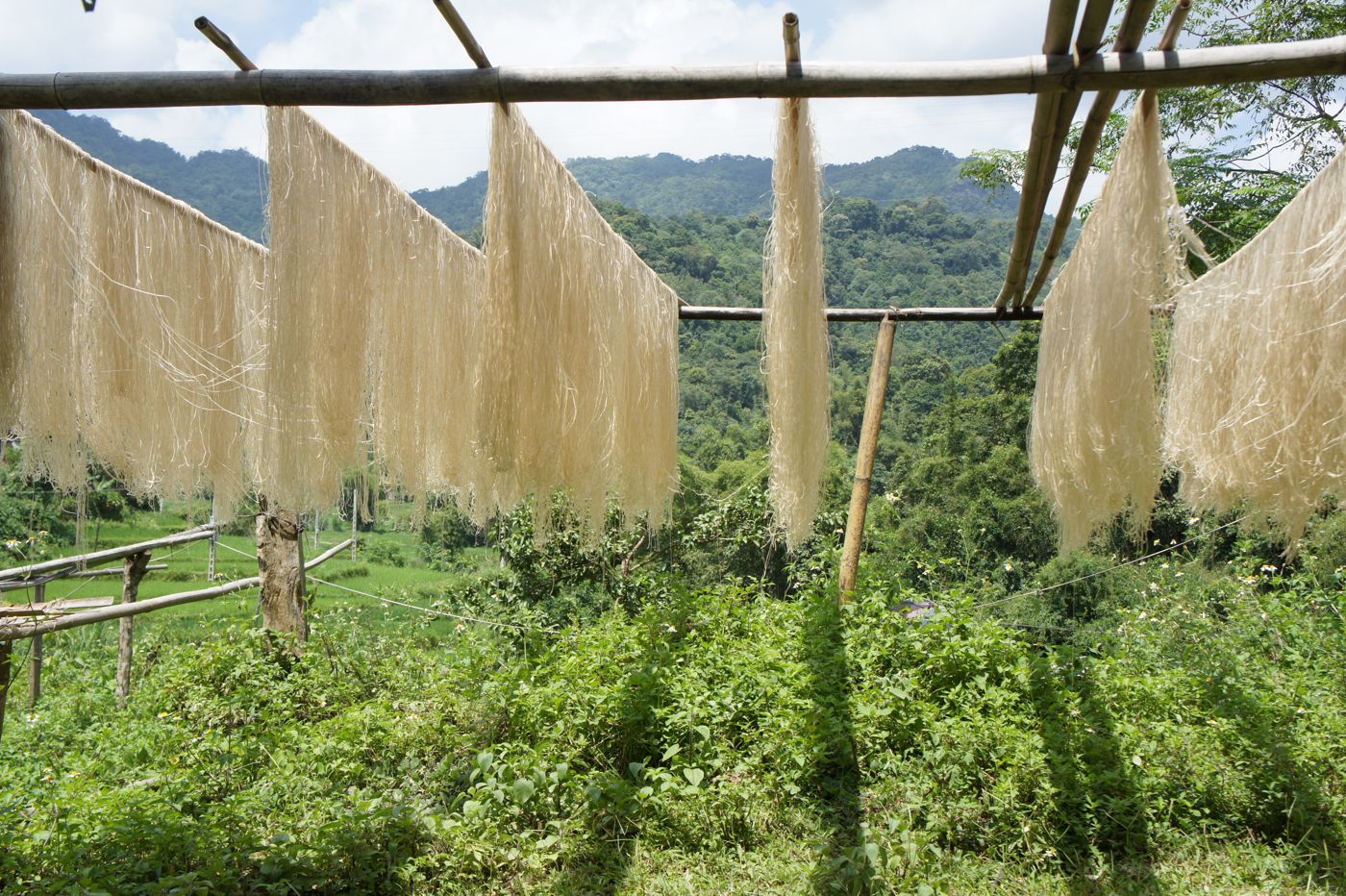 Sweet potato glass noodles당면Chewy, translucent noodles made from sweet potato starch. Introduced from China in the late Joseon period and mass-produced from 1919, they became the heart of modern japchae.
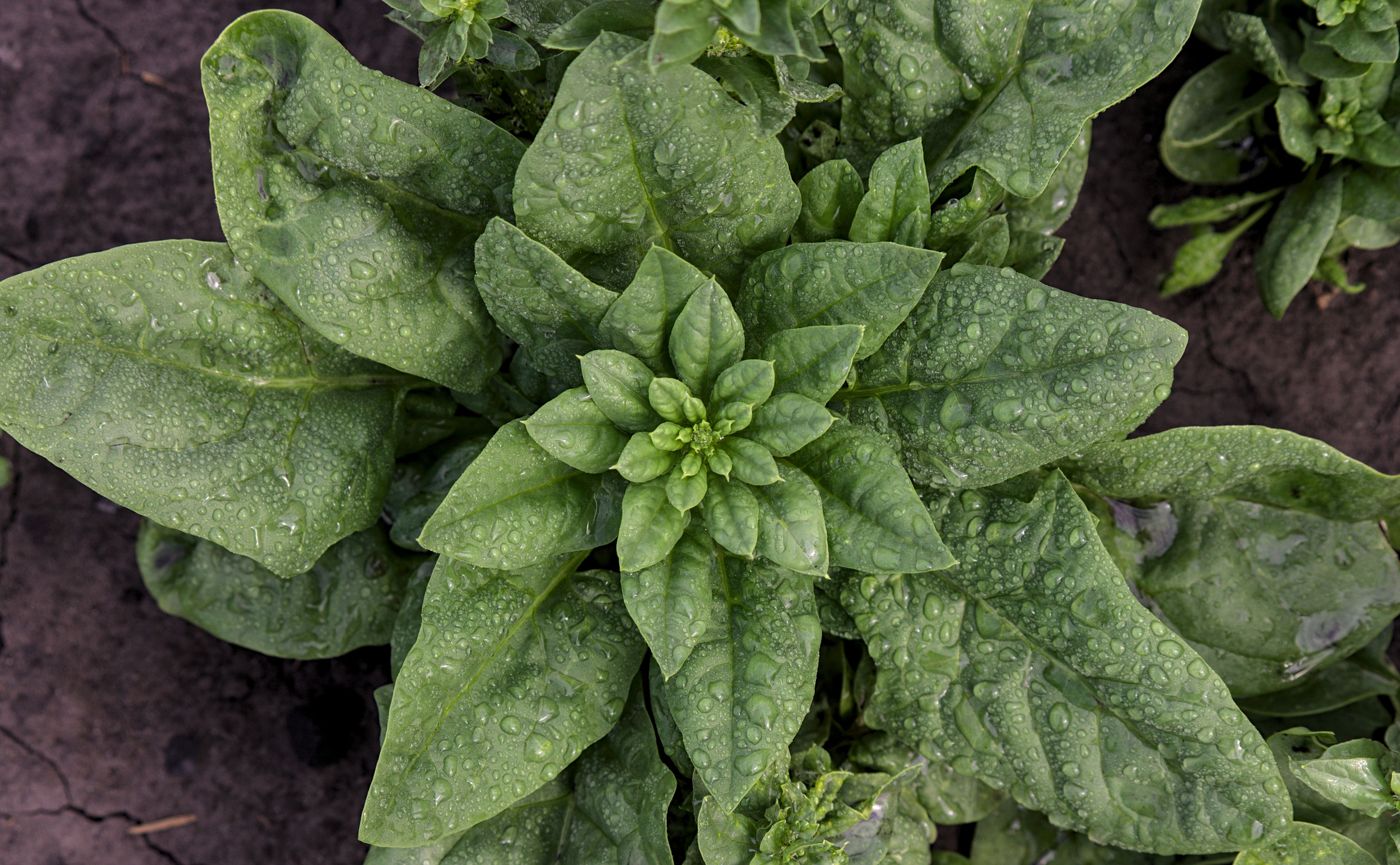 Spinach시금치Tender, deep-green spinach, most often blanched, squeezed and dressed with sesame oil as sigeumchi-namul, one of the most familiar banchan on the Korean table.
 Garlic마늘Used raw, minced, pickled and roasted, garlic is one of the essential aromatics of Korean food — in seasonings, marinades, kimchi and namul.
 Soy sauce간장Korean soy sauce, in two main kitchen forms: pale, salty guk-ganjang (soup soy sauce) brewed the traditional way from meju, and darker, sweeter jin-ganjang for braises and marinades.
 Sesame참깨Toasted sesame seeds and sesame oil (chamgireum) finish countless Korean dishes, adding a nutty aroma and gloss.
Nutrition
| Calories | ~230 kcal |
|---|---|
| Protein | ~7.2 g |
| Fat | ~9.1 g |
| Carbohydrates | ~31 g |
| Fiber | ~2 g |
| Sodium | ~565 mg |
Notable forVitamin A (as carotenoids) · Vitamin K · Vitamin C
Estimated by summing USDA FoodData Central (SR Legacy) values for the raw ingredients, divided by 8. USDA has no entry for sweet potato starch noodles, so dehydrated mung bean cellophane noodles (FDC 174258), which are also nearly pure starch, were used as a stand-in. Beef is top sirloin, lean only; spinach, carrot, onion, shiitake and red pepper are raw values, so cooking losses of vitamin C are not reflected. Most of the sodium comes from the soy sauce. Actual values vary with ingredients, portion size and preparation.
Health Benefits
- Many vegetables in one dish: spinach, carrot and red pepper make japchae a good source of vitamin A (as carotenoids), vitamin K and vitamin C.
- Balanced plate: beef, egg and mushrooms add protein and minerals, and the dish can be adjusted toward more vegetables and fewer noodles — closer to its original form.
- Naturally wheat-free noodles: dangmyeon is made from starch rather than wheat flour, though the soy sauce usually contains wheat.
Regional Variations
- Royal-court style (gungjung japchae): emphasizes finely cut vegetables, mushrooms and beef, with a smaller share of noodles; the Encyclopedia of Korean Culture notes the dish tastes best when mushrooms are plentiful and dangmyeon modest.
- Jeonju kongnamul japchae: a North Jeolla specialty with no noodles at all, built on long soybean sprouts with radish, bracken, water dropwort and carrot, dressed with vinegar and chili or mustard; traditionally made before the Lunar New Year.
- Wonsan japchae: a coastal dish from Wonsan on the east coast of present-day North Korea, combining glass noodles with octopus, clams and mussels.
- Japchae-bap: japchae served over a bowl of rice, a popular way to turn leftovers or a side dish into a meal.
Pairings
 Sigeumchi Namul시금치나물Spinach blanched for a few seconds, squeezed dry and dressed with garlic, soy sauce and sesame — one of the simplest and most familiar namul.
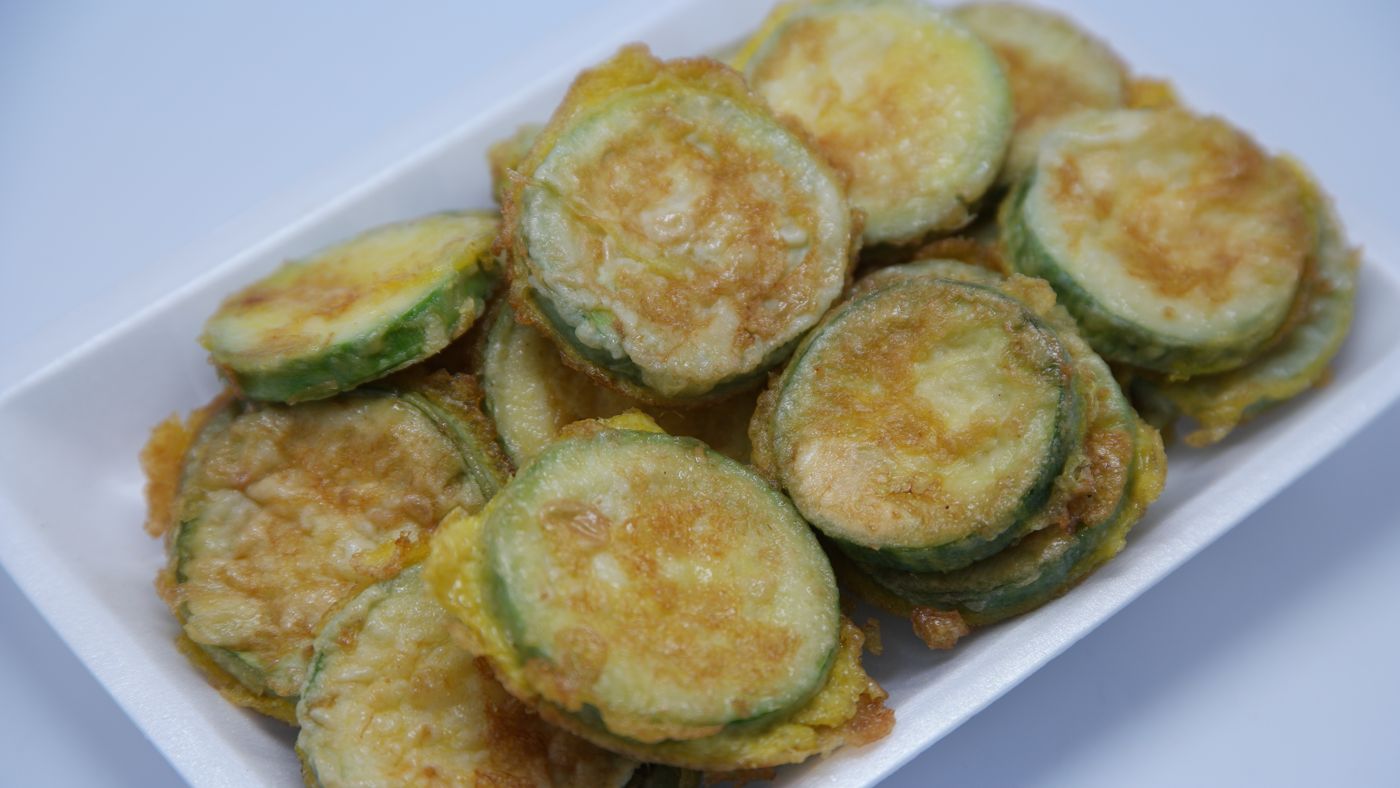 Hobak Jeon (Pan-Fried Zucchini)호박전Rounds of Korean zucchini dusted with flour, dipped in egg and pan-fried until golden — a soft, sweet jeon for holidays and everyday meals.
 Napa Cabbage Kimchi배추김치Salted napa cabbage layered with a red paste of chili, garlic, ginger and fermented seafood, then left to ripen: the kimchi most people picture first.
 Gyeran Mari (Rolled Omelet)계란말이Beaten egg cooked in thin layers and rolled into a soft, striped log, then sliced — a gentle, everyday banchan and a lunchbox classic.
Sources
- 01잡채 (Japchae) — Encyclopedia of Korean Culture
- 02당면 (Dangmyeon) — Encyclopedia of Korean Culture
- 03이충의 졸기 (Obituary of Yi Chung), Annals of Prince Gwanghae, 11th year, 3rd month, 5th day — Veritable Records of the Joseon Dynasty
- 04잡채(雜菜) — Joseon Wangjo Sillok Wiki, Academy of Korean Studies
- 05전주콩나물잡채 (Jeonju Kongnamul Japchae) — Encyclopedia of Korean Culture
- 06원산잡채 (Wonsan Japchae) — Encyclopedia of Korean Culture
Last updated