 Photo: mino park, CC0, via Wikimedia Commons
Gui · Grilled 구이
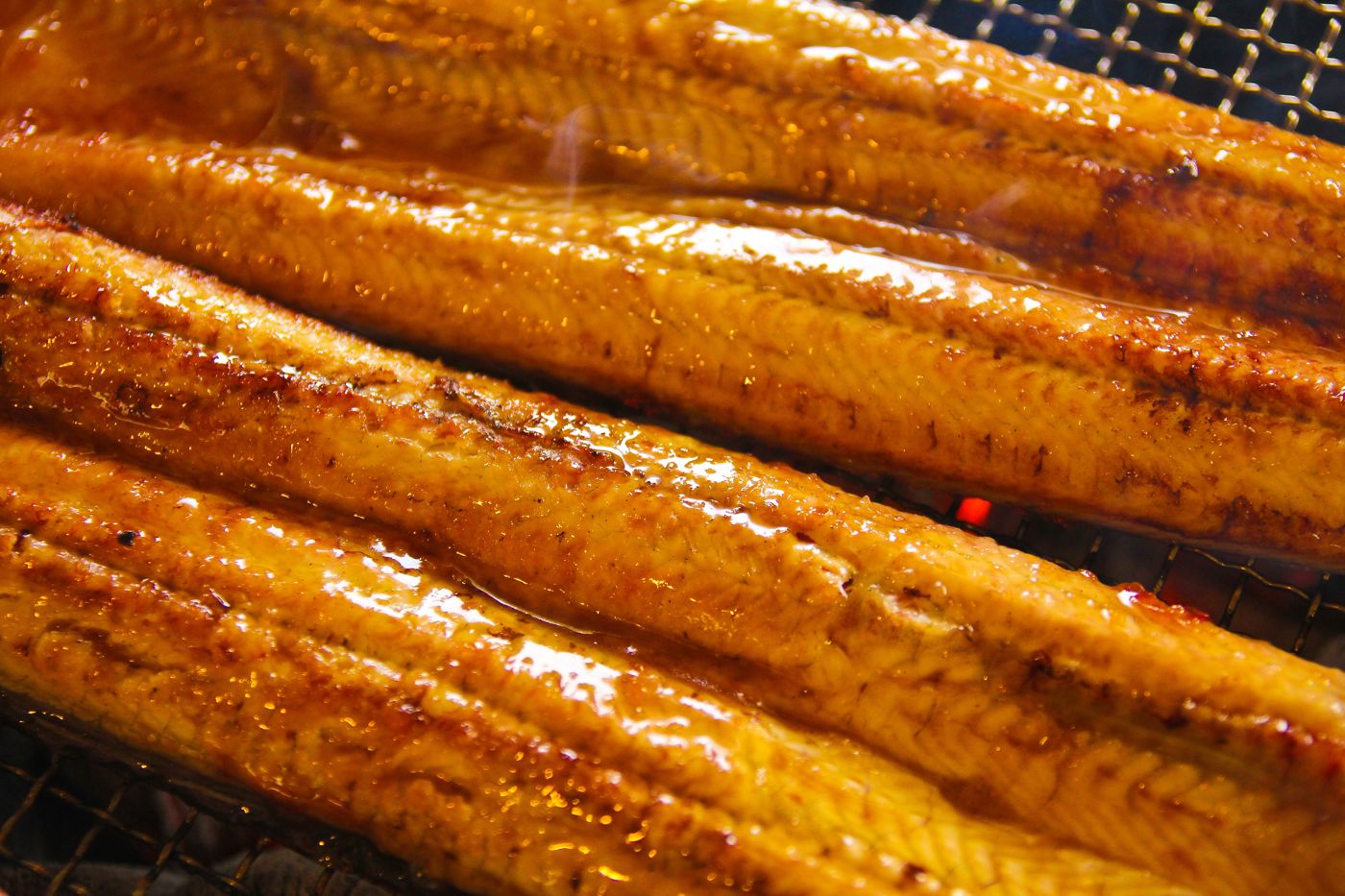
Jangeo-gui (Grilled Eel)
장어구이
Romanization: jangeo-gui
Freshwater eel grilled over a flame, then brushed with a sweet-savory soy and gochujang glaze: a rich summer stamina dish tied to Gochang's pungcheon eel.
- Serves
- 4
- Prep
- 15 min
- Cook
- 25 min
Recipe
Ingredients · Serves 4
- 400 gFreshwater eel filletscleaned and butterflied, skin on; buy from a fishmonger
- 3 tbspSoy sauce
- 2 tbspSugar
- 2 tspFresh gingergrated
- 2 tspGarlicminced
- 2 tbspRice wine (cheongju or mirin)
- 4 tbspWater
- 1 tbspGochujangoptional, for a spicier glaze
- Gingera few thin slices for serving
Method
Technique: Grilling Gui
Step 1: Pat the eel dry and cut each fillet into pieces about 12 cm long. Score the skin side lightly.
Step 2: Heat a grill or a heavy pan over medium-high heat, or use a broiler. Cook the eel skin side down first for 5 to 6 minutes, until the fat renders and the skin crisps, then turn and cook 3 to 4 minutes.
Step 3: Meanwhile, simmer the soy sauce, sugar, ginger, garlic, rice wine, water and gochujang (if using) in a small pan for 5 minutes until syrupy.
Step 4: Brush the glaze generously over the eel and return it to the heat for 1 to 2 minutes per side, until the glaze bubbles and lightly caramelizes. Repeat once or twice more, taking care it does not burn.
Step 5: Make sure the eel is cooked through and opaque. Serve hot with sliced ginger and rice.
Origin & History
Eating eel is older than the modern grill, but Korea took a long time to warm to it. A Cultural Heritage Administration feature on Gochang's pungcheon eel says eel was long avoided for its snake-like look, that Joseon-era writings and early-twentieth-century records note it was little eaten, and that eel meat was first taken up in Busan and Ulsan in the late 1930s by workers dealing with the leftover flesh after skins were taken for leather. By the 1950s grilled eel was a popular street-stall food near Busan's Jagalchi Market. The same article places the rise of grilled pungcheon eel in the 1970s, when restaurants near Seonunsa Temple began serving it, with national fame as a stamina food by the 1990s.
The name pungcheon is not a place. The same source explains that it refers to the brackish stretch of the river near Seonunsan, in Gochang, where river and tidewater meet, and the Encyclopedia of Korean Culture describes the eel as one of the area's three specialties, grilled over charcoal and traditionally enjoyed with bokbunja wine. The encyclopedia also notes concern about overfishing of the young eels once the area was made a provincial park, and the heritage article says truly wild pungcheon eels are now scarce, so many are farmed in fresh water and finished in seawater for several months.
Eel has an older medicinal reputation too. The encyclopedia's entry on the Japanese eel records that the Jasan eobo praised it as sweet and good for the body and recommended eel porridge for long-lasting diarrhea; that is a historical claim, not a modern recommendation. Korean eel farming began in 1966 in Gimhae. For the season in which eel is eaten, see boknal and summer foods and the ingredient entry for jangeo.
Key Ingredients
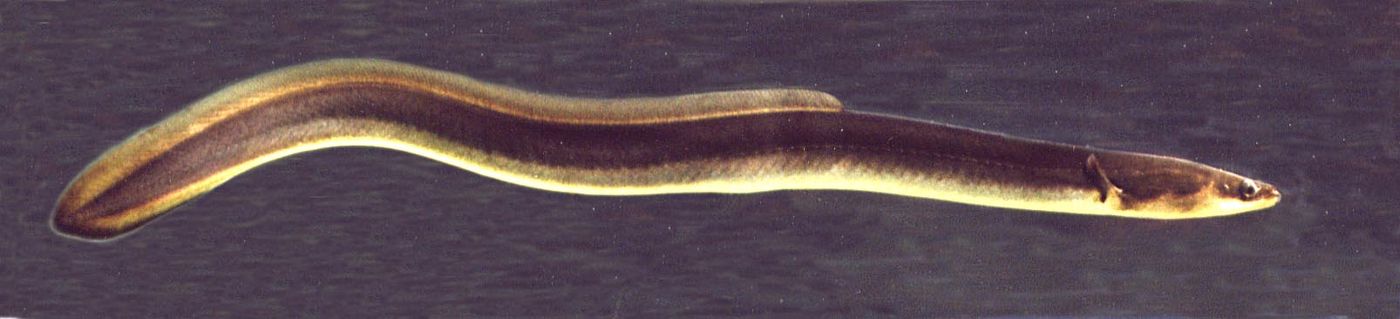 Eel (jangeo)장어Jangeo covers several long, snake-like fish: the freshwater eel grilled in Gochang and along Korean rivers, and the sea-going conger and pike conger of the south coast. All are summer stamina foods.
 Soy sauce간장Korean soy sauce, in two main kitchen forms: pale, salty guk-ganjang (soup soy sauce) brewed the traditional way from meju, and darker, sweeter jin-ganjang for braises and marinades.
 Ginger생강Fresh ginger root, used in small amounts to brighten kimchi paste and marinades and to tame the strong smells of fish and meat.
 Garlic마늘Used raw, minced, pickled and roasted, garlic is one of the essential aromatics of Korean food — in seasonings, marinades, kimchi and namul.
- Gochujang고추장Fermented red chili paste — sweet, savory and hot. Made from meju powder, glutinous rice, malt and gochugaru, it is a later addition to Korea's family of jang.
Nutrition
| Calories | ~242 kcal |
|---|---|
| Protein | ~15.1 g |
| Fat | ~17.2 g |
| Carbohydrates | ~4.4 g |
| Fiber | ~0.1 g |
| Sodium | ~436 mg |
Notable forVitamin A · Calcium
Raw Japanese eel uses the Korean Food Composition Table entry (223 kcal, 14.4 g protein, 17.1 g fat per 100 g; vitamin A 1,050 µg and calcium 157 mg). The glaze uses USDA FoodData Central values; half of the soy, sugar, ginger and garlic is counted since some glaze is left in the pan. Gochujang is left out. Actual values vary with ingredients, portion size and preparation.
Health Benefits
- High in vitamin A: the Korean Food Composition Table lists about 1,050 µg of vitamin A per 100 g of raw Japanese eel, along with calcium and thiamin.
- A rich, fatty fish: raw eel carries roughly 17 g of fat per 100 g in the same table, which makes it satisfying in small portions.
- Traditional stamina food: eel's reputation as a summer restorative is cultural; research on specific health claims is limited.
Regional Variations
- Gochang pungcheon-jangeo: the heritage article describes fillets grilled on a wire rack, then brushed with a sauce built from soy sauce, gochujang, sugar, syrup, ginger juice, garlic, cinnamon and rice wine and grilled again; the bones and head are simmered to make the sauce's broth.
- Busan street-stall style: grilled eel took hold at street stalls near Jagalchi Market in the 1950s, according to the same source.
- Farmed versus wild: because wild pungcheon eel is scarce, farm-raised eel kept in seawater for about six months is sold to recapture the wild flavor.
Pairings
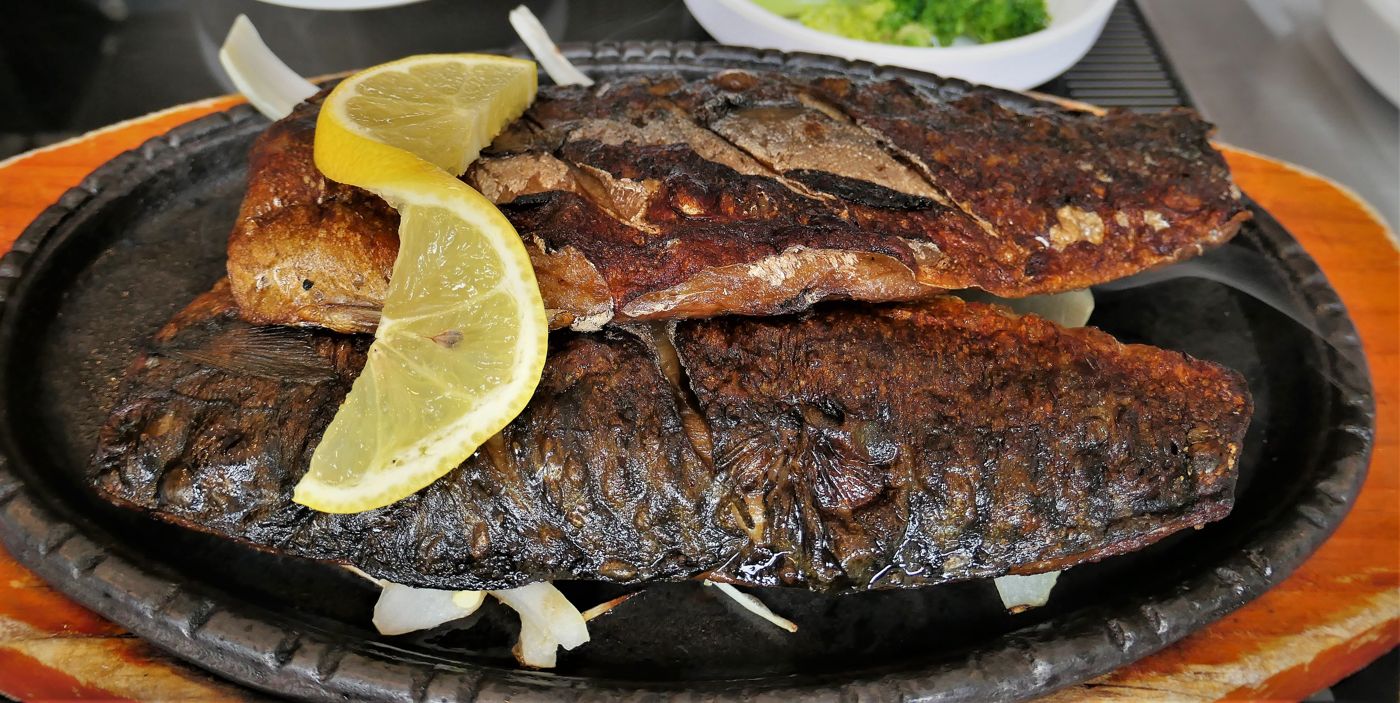 Godeungeo-gui (Grilled Mackerel)고등어구이Salted mackerel grilled or pan-fried until the skin crackles and the rich flesh flakes — one of the most common fish dishes on the Korean home table.
- Hwangtae Gui (Grilled Seasoned Dried Pollock)황태구이Winter-cured dried pollock softened, opened flat and grilled with a glossy gochujang glaze — tender, savory and a specialty of Gangwon's mountain drying yards.
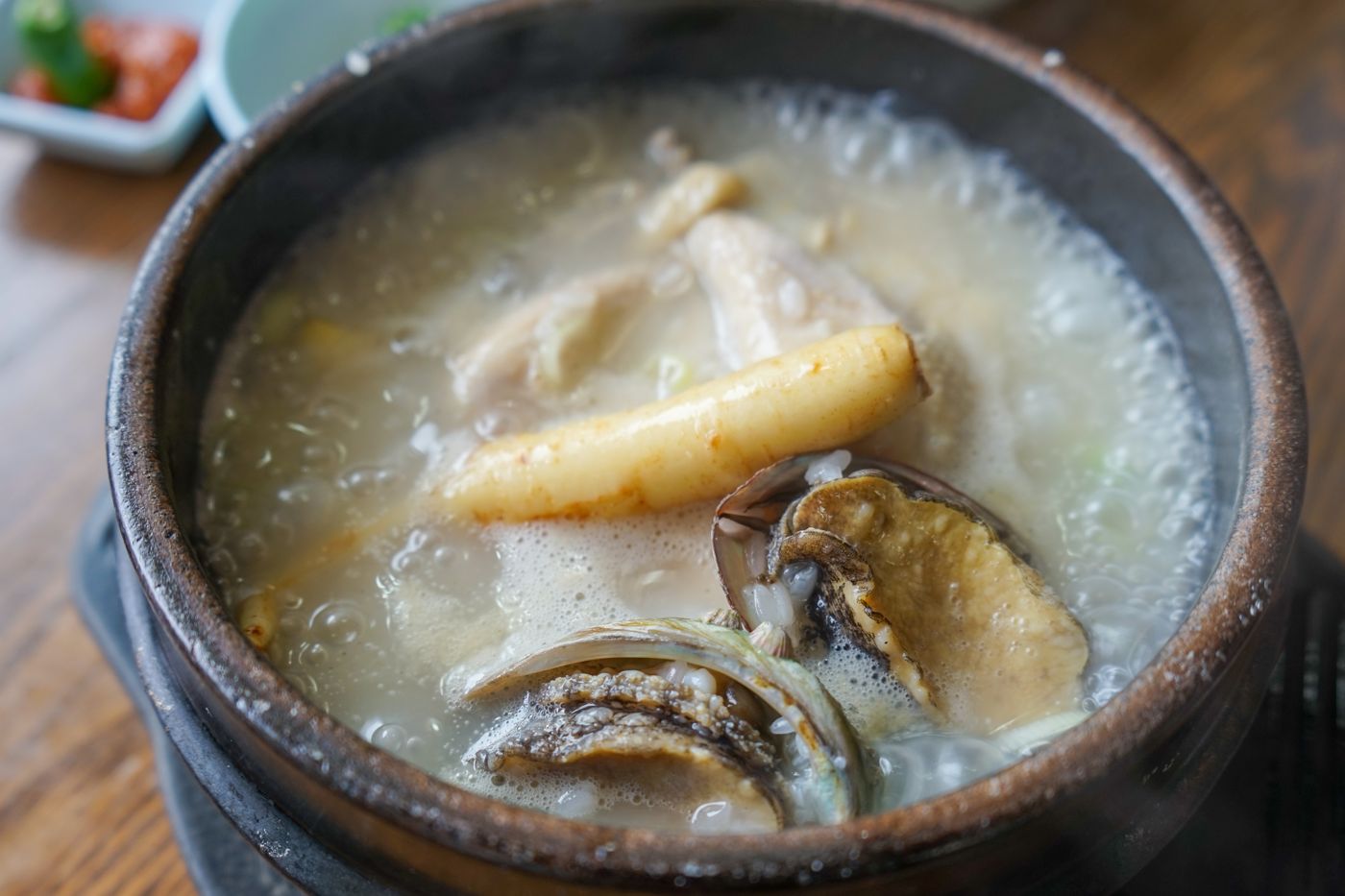 Samgyetang (Ginseng Chicken Soup)삼계탕A whole young chicken stuffed with glutinous rice, ginseng, jujubes and garlic and simmered until tender — the classic hot soup for Korea's dog days of summer.
- Sangchu Geotjeori (Fresh Lettuce Salad, Kimchi-Style)상추겉절이Tender leaf lettuce dressed at the last minute with soy sauce, chili flakes, green onion and sesame — the crisp, spicy salad served beside grilled pork.
Sources
- 01풍천장어 (Pungcheon eel) — Encyclopedia of Korean Culture
- 02뱀장어 (Japanese eel) — Encyclopedia of Korean Culture
- 03자연과 습성이 만들어낸 걸작의 진미 '고창 풍천장어' — Cultural Heritage Administration monthly (2015)
- 04Korean Food Composition Table — Japanese eel, Raw
- 05Vitamin A — MedlinePlus Medical Encyclopedia
- 06Food Allergies — U.S. Food and Drug Administration
Last updated