Jeon · Pan-fried 전
Yukjeon (Beef Jeon)
육전
Romanization: yukjeon
Thin slices of lean beef, lightly marinated, dipped in flour and egg and pan-fried — an ancestral-rite jeon that Gwangju has made into a specialty.
- Serves
- 4
- Prep
- 25 min
- Cook
- 20 min
RegionGwangju · Jeolla · Gyeongsang · Northern Provinces (Hwanghae, Pyeongan, Hamgyeong)
Jump to recipeRecipe
Ingredients · Serves 4
- 400 gLean beef (eye of round or top round)sliced 3–4 mm thick across the grain; partly freeze to slice easily
- 1½ tbspSoy sauce
- 1 tspSugar
- 1 cloveGarlicfinely minced
- 1 tbspToasted sesame oil
- ⅛ tspBlack pepper
- 40 gAll-purpose flourfor dredging; a spoonful of glutinous rice flour or starch can be mixed in
- 3 largeEggsbeaten with a pinch of salt
- 3 tbspNeutral cooking oilfor frying, in batches
- Perilla seed powder and salt, to serveoptional, Gwangju style
Method
Technique: Jeon: Pan-Frying in Flour and Egg
Step 1: Pat the beef dry with paper towel to remove surface blood. Lay the slices flat and score them lightly in a crosshatch on both sides so they stay flat when fried.
Step 2: Mix the soy sauce, sugar, garlic, sesame oil and pepper, and rub it thinly over the slices. Rest 10 minutes.
Step 3: Press each slice into the flour so it is coated evenly, shake off the excess, and dip at once into the beaten egg.
Step 4: Heat oil in a skillet over medium heat. Lay in the slices without crowding and fry 1–1½ minutes per side, until the egg is golden and the beef just cooked. Add oil between batches.
Step 5: Drain briefly and serve hot, with vinegar soy sauce or, Gwangju style, perilla salt, scallion salad and lettuce for wrapping.
Origin & History
Yukjeon, also called gogi-jeon ("meat jeon"), is lean beef sliced thin across the grain, scored, seasoned with soy sauce, garlic and sesame, then floured, dipped in egg and fried in generous oil. The Encyclopedia of Korean Folk Culture names eye of round and topside (hongdugaesal, udun) as the cuts of choice, because fat would make the coating slip.
The name has meant different things over time. The folk encyclopedia notes that a late-18th-century manuscript, Gyugon yoram, used yukjeon for a jellied dish of long-simmered meat much like jokpyeon, and an 1800s text described cooked meat dredged in starch and blanched in broth. The modern sense appears in the 1924 cookbook Joseon musang sinsik yori jebeop, whose gogi jeonyueo is beef from the rump or knee, trimmed of fat and sinew, sliced, pounded and fried — recommended as a substitute when fish jeon was not available. A 1948 book used the same name for minced beef-and-tofu patties, today's donggeurang-ttaeng.
Beef jeon has long been an offering food. The folk encyclopedia records that households in Hwanghae province never left it off holiday and memorial tables, and that slices meant for the rites were cut thicker, while those for eating were cut thin to stay tender. In Jinju, fried beef was shredded and piled on cold noodles. Today the best-known yukjeon is from Gwangju, where restaurants specialize in it: the slices are fried to order, dipped in salt mixed with ground perilla seed and wrapped in lettuce with a chili-dressed scallion salad (pajeori), sometimes with salted fish. See jeon pan-frying and jesa food.
Key Ingredients
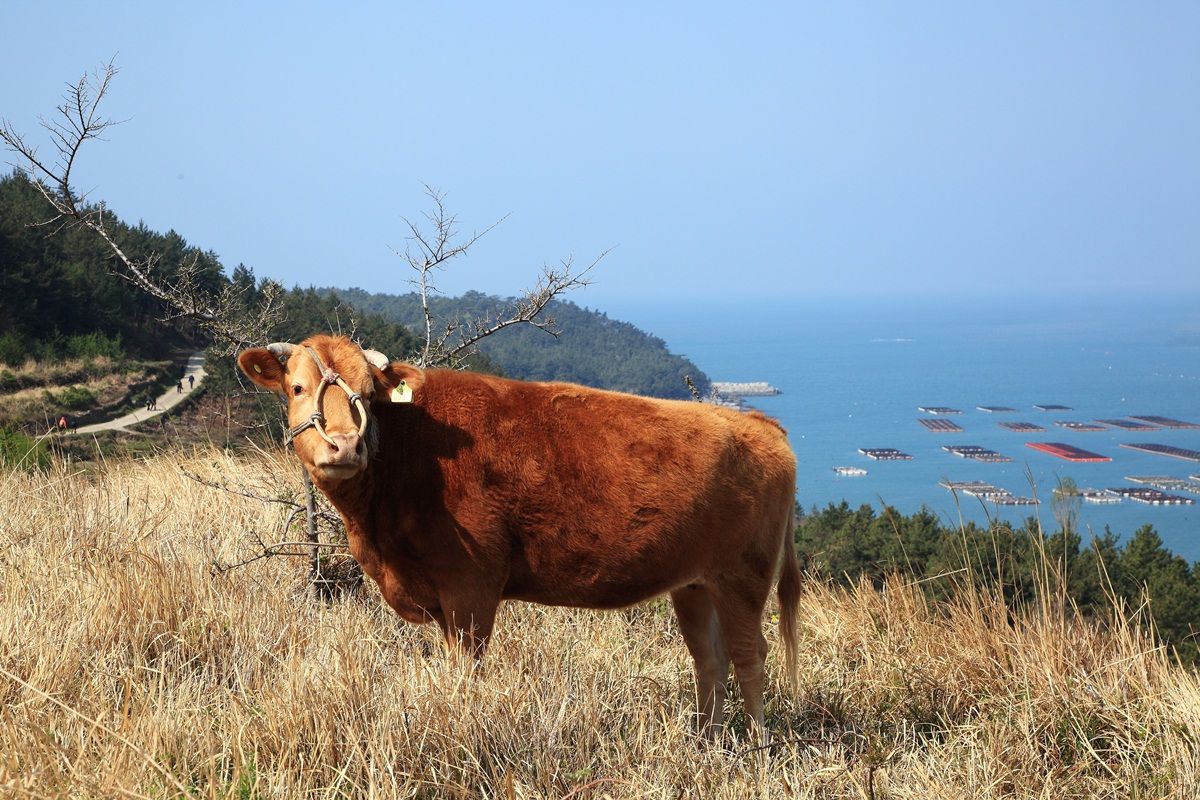 Hanu (Korean native beef)한우Beef from Korea's native cattle, most of them a warm yellow-brown, prized for rich marbling and a deep, beefy flavor. Hanu is the premium beef for grilling, braised galbi-jjim, holiday gift sets and ancestral-rite dishes.
- Egg (gyeran)계란The everyday protein of the Korean table: rolled into gyeran-mari, steamed into puffy gyeran-jjim, simmered in soy for gyeran-jangjorim, and cut into thin yellow and white ribbons of jidan to garnish soups and noodles.
 Soy sauce간장Korean soy sauce, in two main kitchen forms: pale, salty guk-ganjang (soup soy sauce) brewed the traditional way from meju, and darker, sweeter jin-ganjang for braises and marinades.
 Garlic마늘Used raw, minced, pickled and roasted, garlic is one of the essential aromatics of Korean food — in seasonings, marinades, kimchi and namul.
 Sesame참깨Toasted sesame seeds and sesame oil (chamgireum) finish countless Korean dishes, adding a nutty aroma and gloss.
- Perilla Seed Powder들깨가루Roasted perilla seeds ground to a coarse, oily powder, sold whole or hulled. Stirred into soups and stews it makes them creamy and nutty; tossed with namul it adds body and fragrance.
Nutrition
| Calories | ~290 kcal |
|---|---|
| Protein | ~29 g |
| Fat | ~16 g |
| Carbohydrates | ~8 g |
| Fiber | ~0.3 g |
| Sodium | ~485 mg |
Notable forProtein · Vitamin B12 · Zinc
Estimated by summing USDA FoodData Central (SR Legacy) values for raw eye of round (FDC 171746), whole egg (FDC 171287), flour (FDC 168894, assuming 30 g clings), soy sauce (FDC 174277), sugar, garlic, sesame oil, table salt and soybean oil (assuming 20 g absorbed), divided by 4. Excludes dipping salt, scallion salad and jeotgal, which add sodium. Actual values vary with ingredients, portion size and preparation.
Health Benefits
- Lean protein: eye of round is one of the leanest beef cuts and a good source of protein, vitamin B12, zinc and iron.
- Thin slices, small portions: a few slices go a long way on a shared table, especially with lettuce and scallion salad.
- Greens alongside: the Gwangju habit of wrapping it in lettuce with pajeori adds fresh vegetables. See ssam culture.
Regional Variations
- Gwangju yukjeon (Gwangju, Jeolla): very thin slices fried at the table or to order, eaten with perilla salt, pajeori and lettuce wraps, sometimes with salted hairtail innards or anchovy jeotgal.
- Jinju (Gyeongsang): fried beef cut into strips as a generous topping for Jinju-style naengmyeon.
- Hwanghae (northern provinces): thicker slices made for holiday and ancestral-rite tables.
- Holiday platter style: smaller pieces fried with other jeon for Seollal and Chuseok.
Pairings
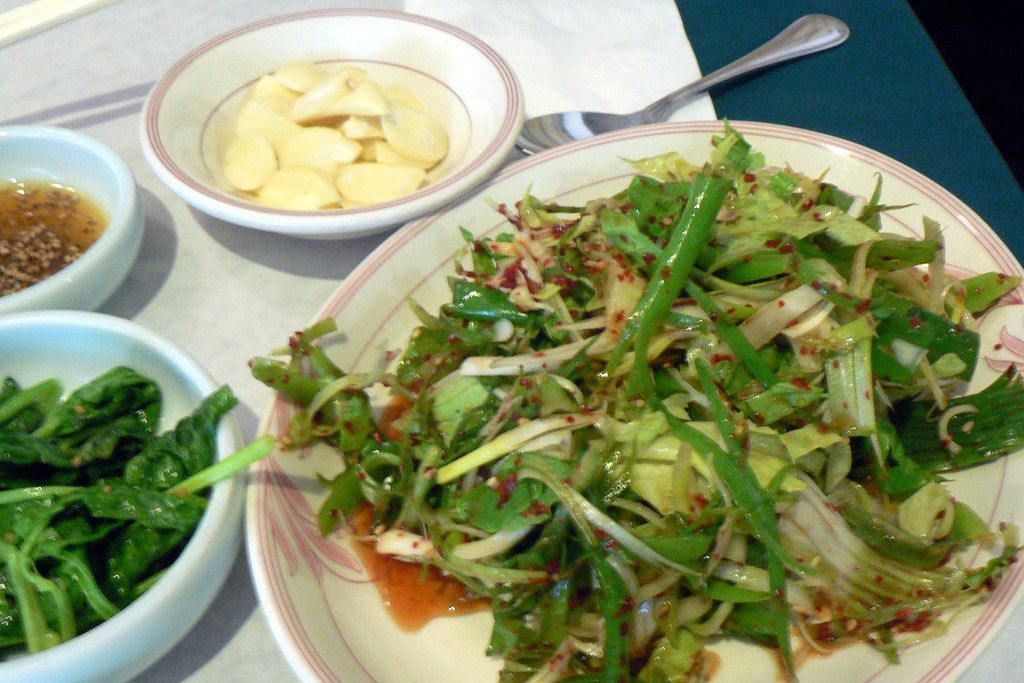 Pajeori (Green Onion Salad)파절이Fine shreds of Korean green onion tossed with chili flakes, soy sauce, vinegar and sesame oil — the sharp, bright salad that cuts the richness of grilled pork.
- Sangchu Geotjeori (Fresh Lettuce Salad, Kimchi-Style)상추겉절이Tender leaf lettuce dressed at the last minute with soy sauce, chili flakes, green onion and sesame — the crisp, spicy salad served beside grilled pork.
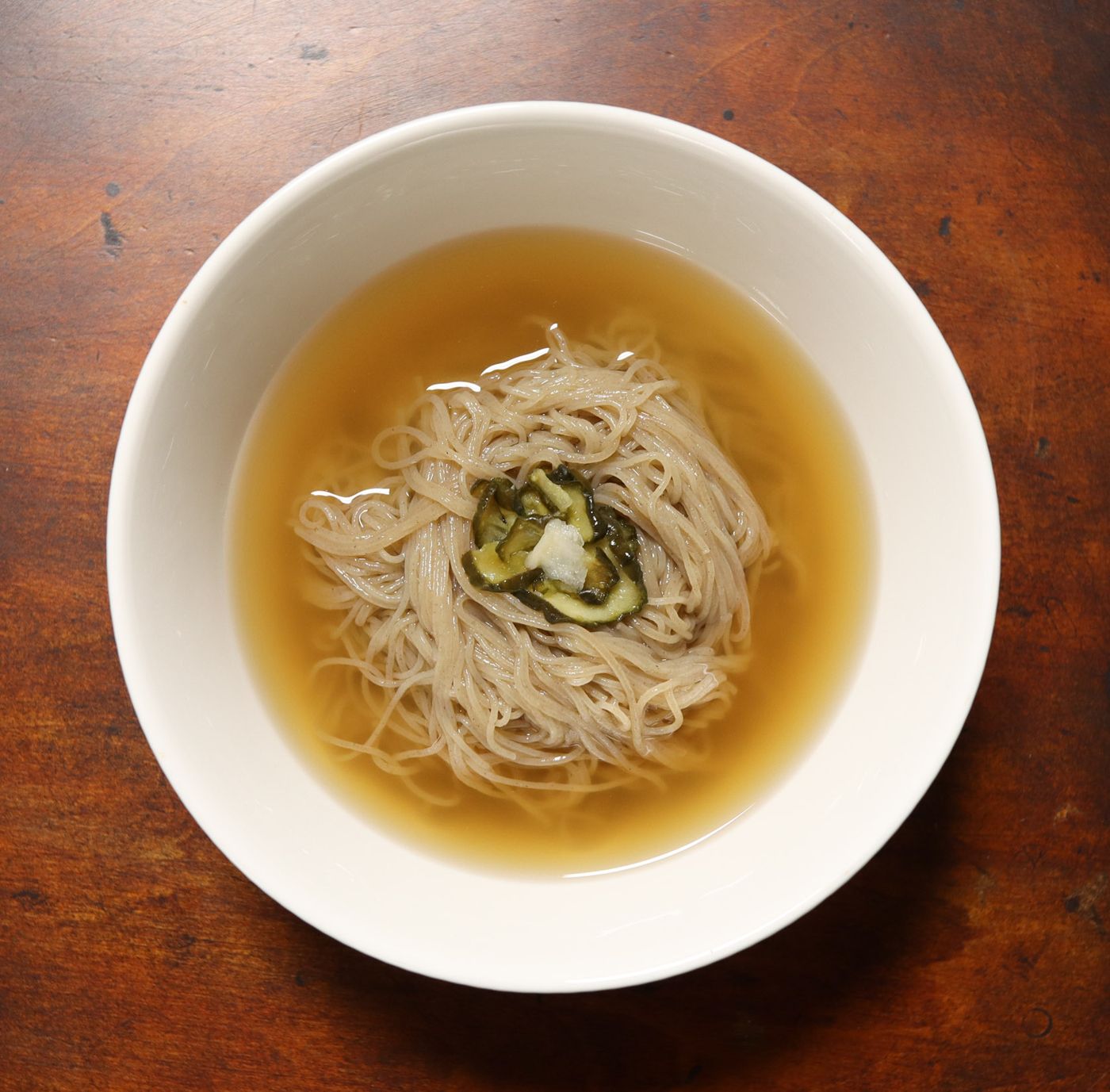 Mul-naengmyeon (Cold Buckwheat Noodles in Broth)물냉면Buckwheat noodles in an icy mix of beef broth and dongchimi, topped with sliced beef, pear, radish and egg — a Pyongyang winter dish now loved in summer.
Sources
- 01육전 (Yukjeon) — Encyclopedia of Korean Folk Culture, National Folk Museum of Korea
- 02전 (Jeon) — Encyclopedia of Korean Folk Culture, National Folk Museum of Korea
- 03Beef, round, eye of round roast, boneless, trimmed to 0" fat, choice, raw (FDC 171746) — USDA FoodData Central
- 04Safe Food Handling — U.S. Food and Drug Administration
Last updated