Kimchi 김치
Oyster Radish Kimchi
굴깍두기
Romanization: gul-kkakdugi
Cubed radish kimchi folded through with fresh raw oysters — a short-lived winter kimchi, eaten within days while the oysters are still sweet.
- Serves
- 25
- Prep
- 60 min
- Cook
- 0 min
RegionJeolla
Jump to recipeRecipe
Ingredients · Serves 25
- 1.2 kgKorean radish (mu)1 medium radish, cut into 2–2.5 cm cubes
- 30 gCoarse sea salt (cheonilyeom), non-iodizedabout 2 tbsp; plus 1 tsp for washing the oysters
- 300 gFresh shucked oysters, labeled for eating rawsmall oysters are best
- 40 gGochugaru (Korean chili flakes)about ½ cup
- 2 tbspSalted shrimp (saeujeot)finely chopped
- 2 tbspGarlicminced
- 1 tspGingerminced
- 1 tspSugar
- 50 gGreen onions or Korean chivescut in 3 cm lengths
- 30 gWater dropwort (minari)cut in 3 cm lengths; optional
Method
Technique: Making Kimchi
Step 1: Toss the radish cubes with the coarse salt and leave for 30–40 minutes, tossing once, until they bend slightly. Drain off the liquid without rinsing.
Step 2: Meanwhile, put the oysters in a bowl of cold water with 1 tsp salt and swirl gently with your fingers. Lift them out, pick off any bits of shell, and rinse in two changes of cold salted water. Drain well in a colander and keep cold.
Step 3: Toss the drained radish with the gochugaru first, until every cube is evenly red. Add the salted shrimp, garlic, ginger and sugar and mix well.
Step 4: Add the green onions, minari and oysters last, folding gently with gloved hands so the oysters do not break.
Step 5: Pack into a clean glass or food-grade container, press down lightly and refrigerate (4°C or below) right away rather than leaving it out to ferment; the radish will ripen slowly in the cold.
Step 6: It is good the next day and best within about 3–5 days. Keep refrigerated, use clean utensils, and discard if the oysters turn gray and mushy or the kimchi smells off rather than pleasantly sour.
Origin & History
Gul-kkakdugi is kkakdugi — radish cut into cubes, salted and dressed with chili, aromatics and salted seafood — with fresh oysters (gul) mixed in. The Encyclopedia of Korean Folk Culture lists it among the many kkakdugi named after the seafood that goes into them, alongside versions made with salted shrimp or pollock tripe. Because raw oysters are so perishable, it is a cold-season kimchi, made when oysters are at their best and eaten young.
Oyster kimchi itself is old. The folk encyclopedia traces seokhwa-jeo (oyster kimchi) to 18th-century household manuals such as Jeungbo sallim gyeongje, which describe salted oysters packed with thinly sliced turnip and green onion in a warm brine and eaten the next day, and to Siuijeonseo in the late 19th century, where oysters were mixed with salted cabbage, shredded chili, minari, ginger and garlic. Those older versions used no jeotgal and only a little chili, so they stayed pale; the deep-red, fish-sauce-seasoned style is modern.
The name gul-kkakdugi appears with the first printed modern cookbooks. The Encyclopedia of Korean Culture notes that Yori jebeop (1913) already gave recipes for several kinds of kkakdugi, oyster among them. In its survey of regional foods, the same encyclopedia names oyster kkakdugi as one of the characteristic kimchi of the Jeolla provinces, where it sits with bitter godeulppaegi kimchi and whole-cabbage kimchi on the winter table.
Key Ingredients
 Korean radish무A stout, heavy white radish, often tinged pale green near the top. It is cubed for kkakdugi, left whole in the clear brine of dongchimi, shredded into salads and simmered into broths.
 Sun-Dried Sea Salt천일염Coarse sea salt made by evaporating seawater with sun and wind in tidal-flat salt pans, most of it from Sinan County off Korea's southwest coast. It is the everyday salt for salting cabbage and making jang.
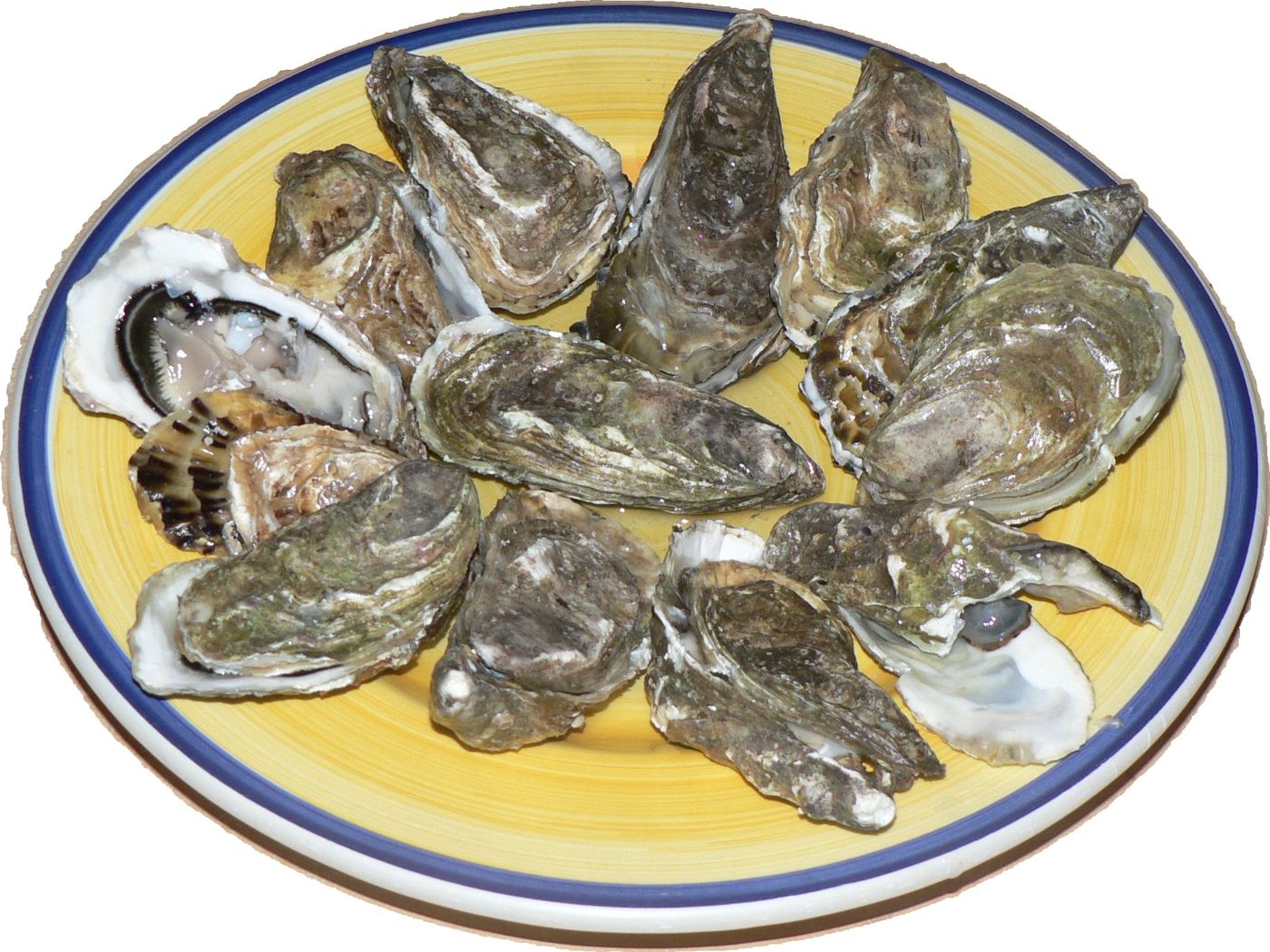 Oyster (gul)굴Plump, briny oysters, many of them grown on hanging lines in the bays around Tongyeong. Koreans eat them raw, cooked into rice, porridge, soup and pan-fried jeon, or salted with chili as eoriguljeot.
 Gochugaru고춧가루Korean red chili powder, made from dried red peppers ground coarse or fine. It gives kimchi, gochujang and countless banchan their color and warmth.
 Salted fermented shrimp새우젓Tiny shrimp packed in salt and left to ferment — a jeotgal (salted seafood) that seasons kimchi and stews and accompanies boiled pork with briny, savory depth.
 Garlic마늘Used raw, minced, pickled and roasted, garlic is one of the essential aromatics of Korean food — in seasonings, marinades, kimchi and namul.
 Ginger생강Fresh ginger root, used in small amounts to brighten kimchi paste and marinades and to tame the strong smells of fish and meat.
 Green onion파Korean green onion (pa), from thick-stemmed daepa to slender scallions — chopped into nearly every seasoning sauce, soup and kimchi, and the star of pa-kimchi.
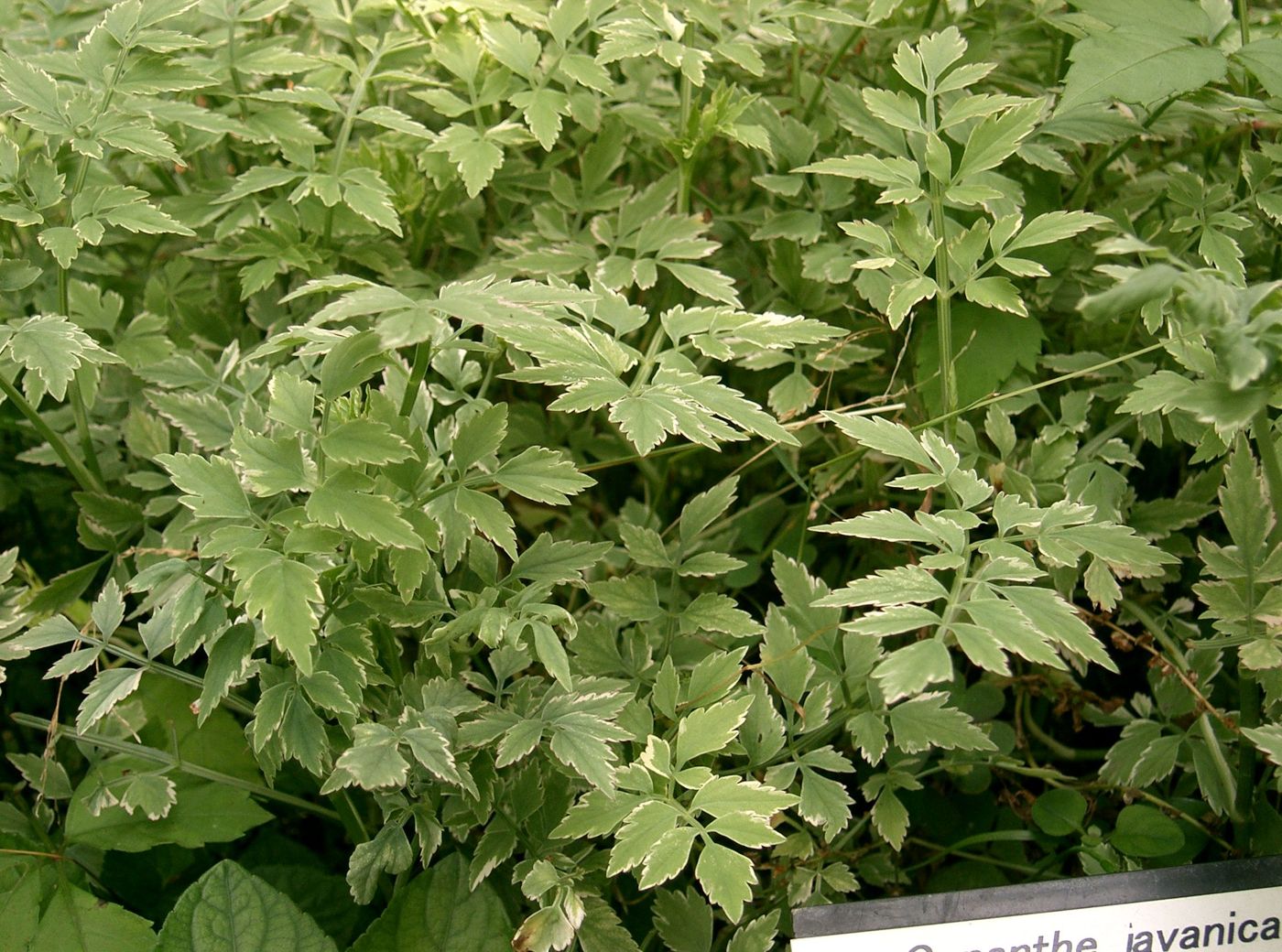 Minari (water dropwort)미나리A long-stemmed, aromatic water plant with a fresh, celery-like perfume. Blanched and dressed as minari-muchim, tucked into kimchi, wrapped into little bundles for minari-ganghoe and piled into fish stews and hot pots.
Nutrition
| Calories | ~26 kcal |
|---|---|
| Protein | ~1.3 g |
| Fat | ~0.3 g |
| Carbohydrates | ~4.6 g |
| Fiber | ~1.3 g |
| Sodium | ~272 mg |
Notable forVitamin B12 · Dietary fiber
Estimated for this recipe's ratio of 4 parts finished radish kimchi to 1 part oyster: Korean Food Composition Table “Kimchi, Kkakduki” (per 100 g: 40 kcal, 2.7 g fiber, 523 mg sodium) for the radish, plus USDA FoodData Central “Mollusks, oyster, eastern, farmed, raw” (per 100 g: 59 kcal, 5.2 g protein, 178 mg sodium, 16.2 µg vitamin B12) as a stand-in for the oysters, since the Korean table does not report sodium or B12 for raw Pacific oysters. B12 in Korean oysters may differ. Actual values vary with ingredients, portion size and preparation.
Health Benefits
- Vitamin B12 from the oysters: even a small share of oyster gives a serving an estimated 2 µg of vitamin B12 by the USDA figures used here.
- Vegetables and fiber: radish kimchi contributes about 1.3 g of fiber per serving for very few calories.
- A seasonal tradition: Korean writing on oyster kimchi has long praised oysters as mineral-rich; the dish is best thought of as a small, flavorful side rather than a significant nutrient source.
Regional Variations
- Jeolla: listed among the region's representative kimchi; typically seasoned generously with chili.
- Older, pale style: Joseon-era oyster kimchi used salt rather than jeotgal and just a little ground or threadlike chili, keeping the color light.
- With cabbage: mid-20th-century cookbooks combine oysters with salted radish and cabbage, sometimes with pear and minari.
Pairings
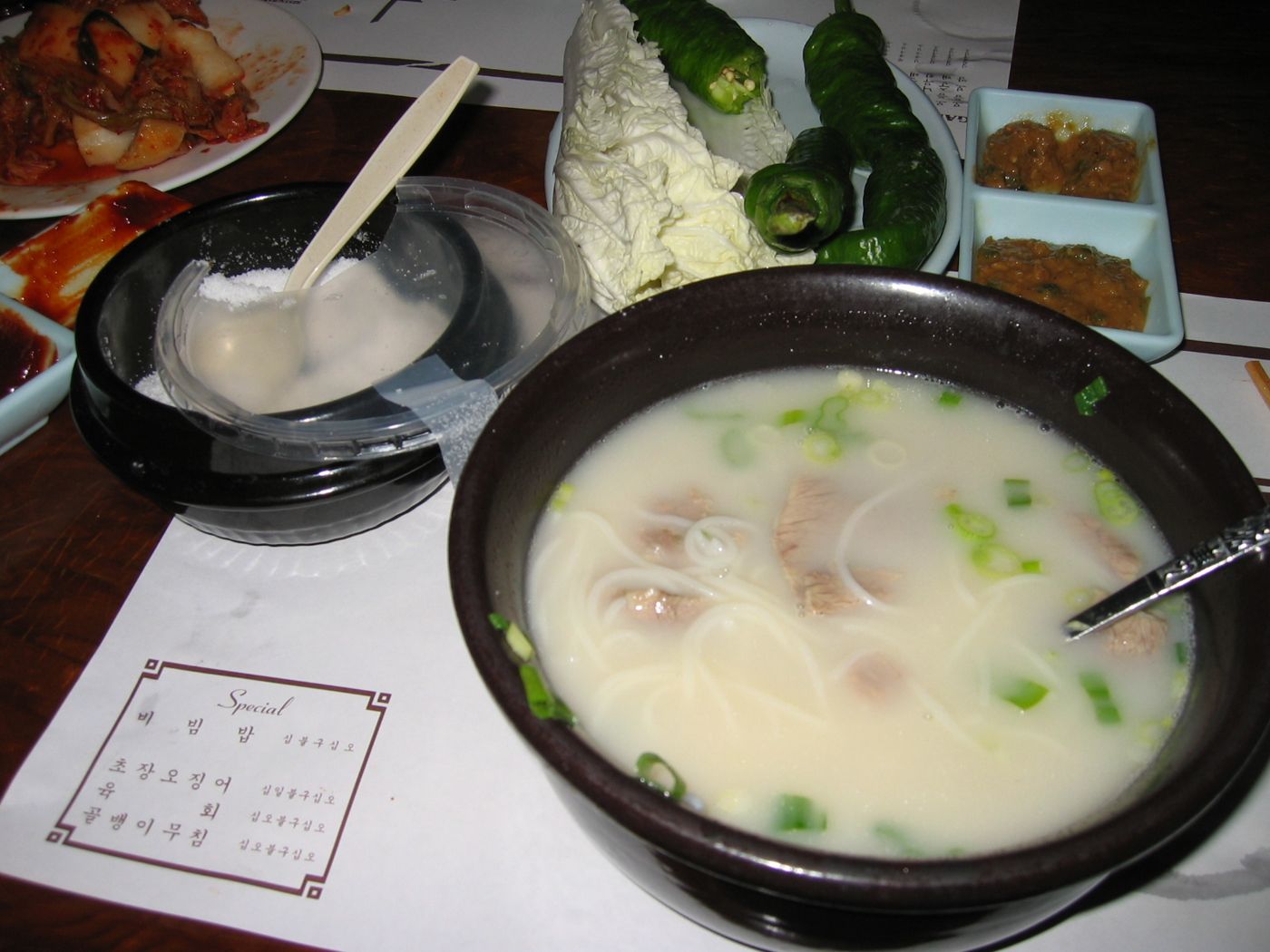 Seolleongtang (Ox Bone Soup)설렁탕Ox bones and beef simmered for hours into a milky-white broth, served unsalted over rice with sliced meat — each diner seasons it at the table.
- Gul Guk (Oyster Soup)굴국Fresh oysters dropped into a clear radish broth with tofu and green onion and cooked for barely a minute — a delicate cold-season soup of the south and west coasts.
- Kongnamul-bap (Soybean Sprout Rice)콩나물밥Rice steamed over a bed of soybean sprouts, often with a little beef, and eaten with a spoonful of soy-and-scallion sauce — a thrifty one-pot meal from Chungcheong.
Sources
- 01Korean Food Composition Table: Kimchi, Kkakduki — National Institute of Agricultural Sciences
- 02Mollusks, oyster, eastern, farmed, raw — USDA FoodData Central
- 03깍두기 - 한국민족문화대백과사전 (Encyclopedia of Korean Culture)
- 04굴김치 - 한국민속대백과사전 (Encyclopedia of Korean Folk Culture)
- 05향토음식 - 한국민족문화대백과사전 (Encyclopedia of Korean Culture: Regional foods)
- 06Norovirus infection control in Korea: points to consider — Ewha Medical Journal (2026)
Last updated