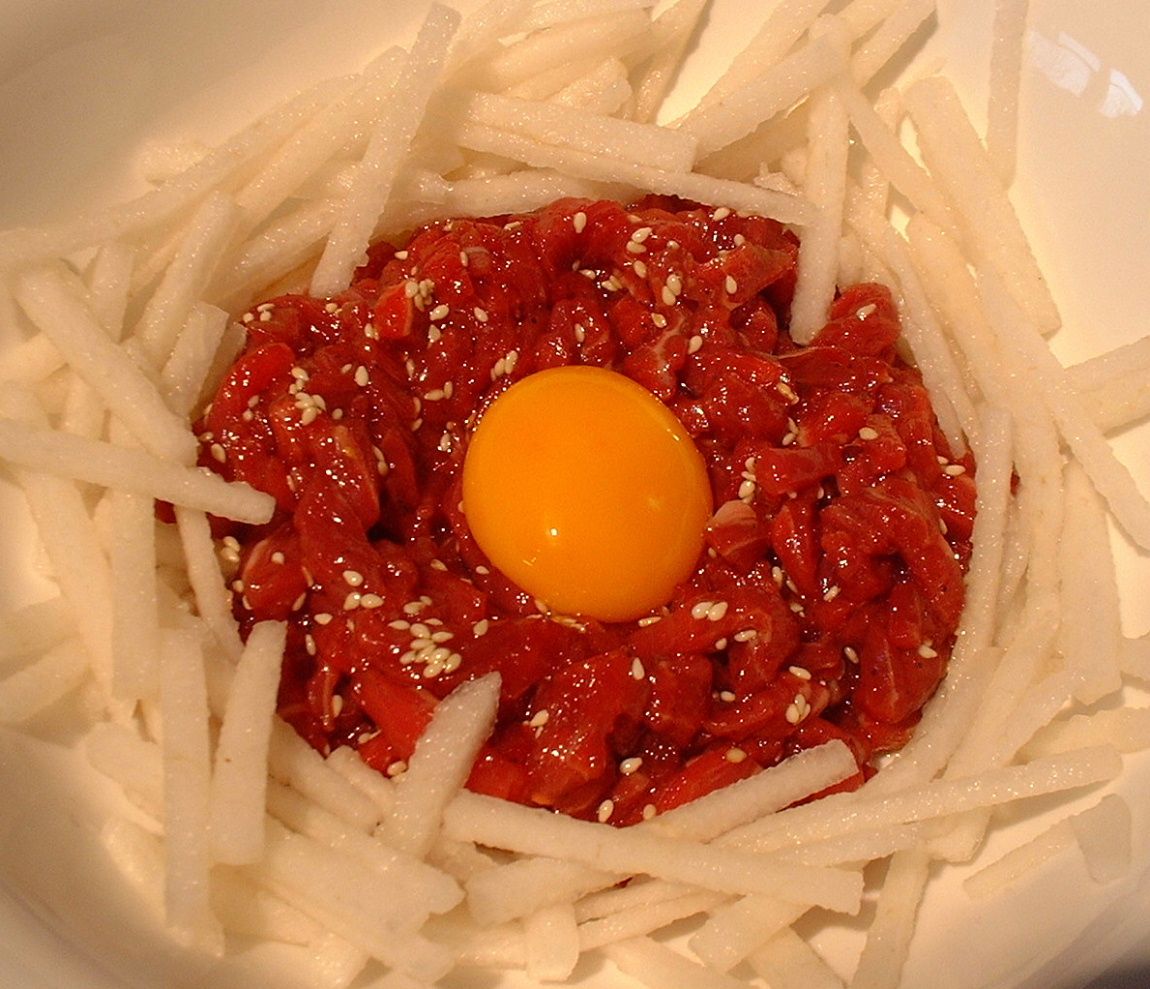
 Photo: FotoosVanRobin from Netherlands, CC BY-SA 2.0, via Wikimedia Commons
More dishes 기타
Yukhoe (Korean Seasoned Raw Beef)
육회
Romanization: yukhoe
Thinly cut raw lean beef dressed with soy, sesame oil and garlic, served over Korean pear with an egg yolk. A festive, long-standing dish that needs the freshest meat and careful handling.
- Serves
- 4
- Prep
- 20 min
- Cook
- 0 min
RegionGyeongsang · Jeolla · Seoul & Gyeonggi
Jump to recipeRecipe
Ingredients · Serves 4
- 300 gBeef top round or eye of roundvery fresh, from a butcher who knows it will be eaten raw; kept at 4 °C or colder until the last minute
- 100 gKorean pearpeeled, cut into matchsticks
- 1 tbspSoy sauce
- 2 tspSugar
- 1 tbspToasted sesame oil
- 2 clovesGarlicfinely minced
- 1 tbspGreen onionfinely chopped
- 1 tspToasted sesame seeds
- 1 pinchGround black pepper
- 2 Egg yolksvery fresh; optional (see considerations)
- 1 tbspPine nutsfor garnish
Method
Step 1: Keep the beef in the refrigerator until you are ready to cut, and chill the bowls and the cutting board you will use. Wash hands, board and knife well before and after handling raw beef.
Step 2: Trim away all fat, sinew and any dried surface edge, then cut the beef into thin strips about 3 mm × 5 cm with a very sharp knife. Work quickly and return any unused meat to the refrigerator.
Step 3: In a chilled bowl, combine soy sauce, sugar, sesame oil, garlic, green onion, sesame seeds and pepper. Toss the beef with the seasoning just before serving; do not let it sit.
Step 4: Fan the pear matchsticks on a plate. Mound the beef on top, nestle the egg yolk in the center and sprinkle with pine nuts.
Step 5: Serve immediately and eat the same day. Discard leftovers rather than saving them, and do not leave the plate at room temperature.
Origin & History
Yukhoe means, roughly, "raw meat." The Korean Food Promotion Institute's Hansik magazine suggests the habit of eating meat raw may have come from Chinese influence in the Three Kingdoms period or from the hunting customs of nomadic peoples. Late in Goryeo, it says, cattle were raised in large numbers, and nobles ate the raw flesh of many animals. Detailed methods for preparing both yukhoe and gabhoe (raw offal) appear in Joseon-dynasty works such as Siui jeonseo and the royal-feast record Jinchan uigwe. One Michelin Guide Korea feature places the earliest written records in the seventeenth century.
For most of history, the dish was a luxury. The Michelin feature explains that cattle were a state resource, slaughter was restricted, and fresh beef good enough to eat raw was hard to find, so yukhoe appeared mostly at court banquets. In the early twentieth century, slaughterhouses opened in Seoul and Jinju and meat restaurants gathered nearby; Hansik magazine ties Jinju's yukhoe bibimbap to that period. The same magazine notes that yukhoe was mainly eaten in winter and served at Seollal.
The principle has not changed: the meat has to be as fresh as possible, so that it can be eaten untreated, and it is seasoned lightly enough to keep its own taste. That same dependence on freshness is why the dish carries real food-safety questions, discussed below.
Key Ingredients
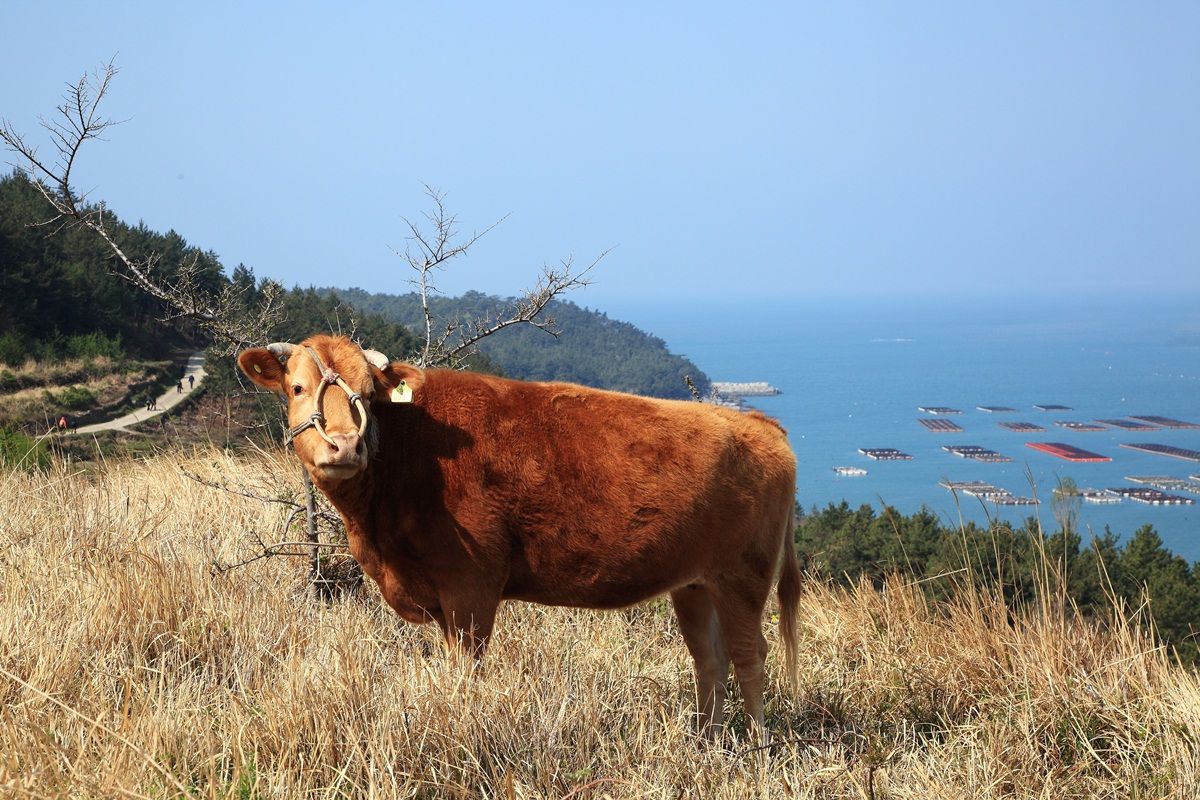 Hanu (Korean native beef)한우Beef from Korea's native cattle, most of them a warm yellow-brown, prized for rich marbling and a deep, beefy flavor. Hanu is the premium beef for grilling, braised galbi-jjim, holiday gift sets and ancestral-rite dishes.
- Korean Pear배The large, round, crisp and very juicy Korean pear (bae). Beyond eating fresh, it is grated into meat marinades and sliced into mild kimchi for natural sweetness.
 Soy sauce간장Korean soy sauce, in two main kitchen forms: pale, salty guk-ganjang (soup soy sauce) brewed the traditional way from meju, and darker, sweeter jin-ganjang for braises and marinades.
 Garlic마늘Used raw, minced, pickled and roasted, garlic is one of the essential aromatics of Korean food — in seasonings, marinades, kimchi and namul.
 Green onion파Korean green onion (pa), from thick-stemmed daepa to slender scallions — chopped into nearly every seasoning sauce, soup and kimchi, and the star of pa-kimchi.
 Sesame참깨Toasted sesame seeds and sesame oil (chamgireum) finish countless Korean dishes, adding a nutty aroma and gloss.
- Egg (gyeran)계란The everyday protein of the Korean table: rolled into gyeran-mari, steamed into puffy gyeran-jjim, simmered in soy for gyeran-jangjorim, and cut into thin yellow and white ribbons of jidan to garnish soups and noodles.
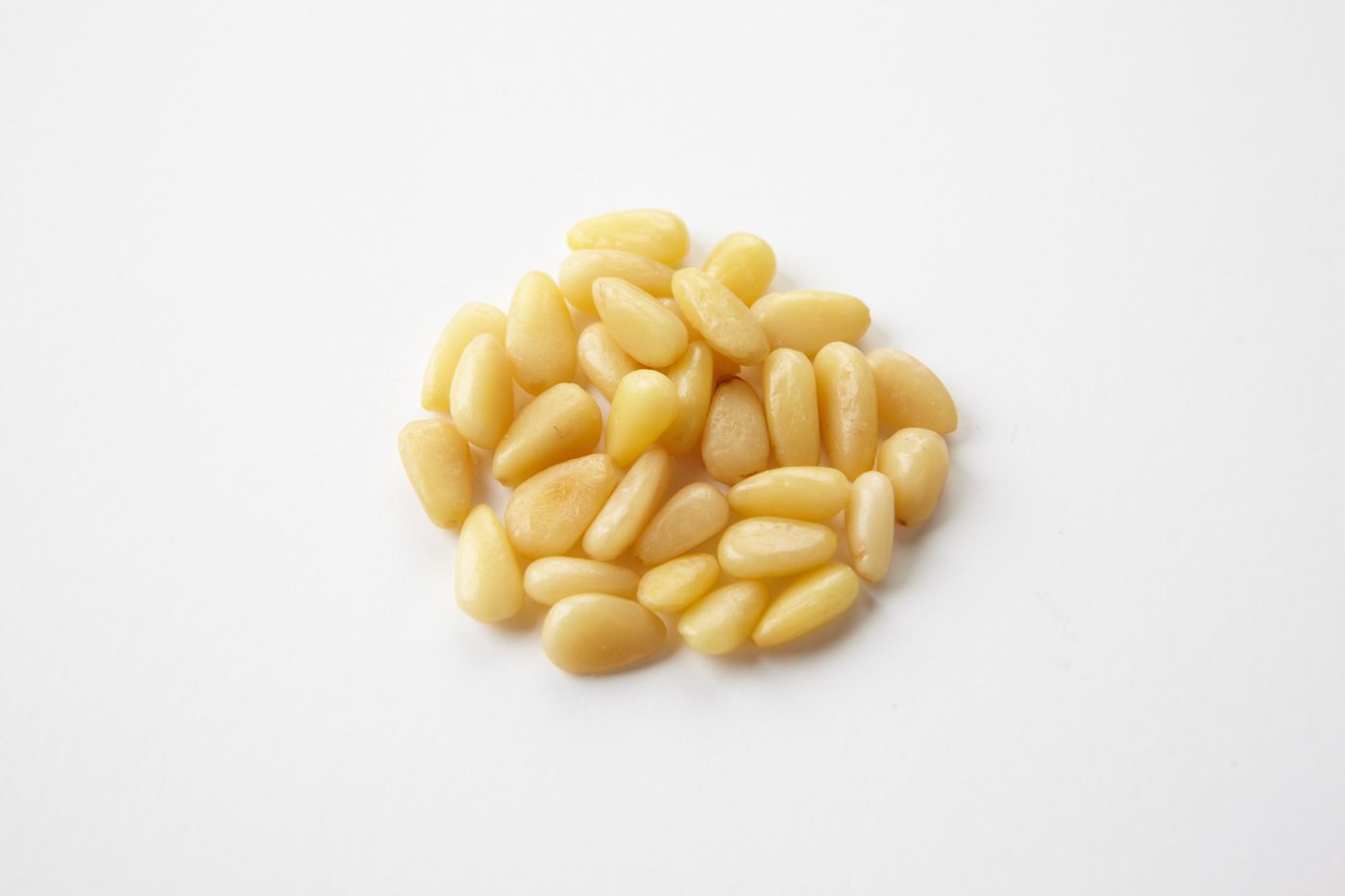 Pine nuts잣Creamy, ivory seeds of the Korean pine, scattered as a finishing garnish on punches, porridges and braises, or ground into the delicate porridge jatjuk. Gapyeong in Gyeonggi-do is the country's pine-nut capital.
Nutrition
| Calories | ~224 kcal |
|---|---|
| Protein | ~19 g |
| Fat | ~13.5 g |
| Carbohydrates | ~6.5 g |
| Fiber | ~1.2 g |
| Sodium | ~290 mg |
Notable forVitamin B12 · Zinc · Selenium
Estimated by summing USDA FoodData Central values for raw ingredients and dividing by four: beef top round, lean and fat, trimmed (FDC 169534), Asian pear (FDC 168177), egg yolk (FDC 172184), soy sauce, sugar, sesame oil, garlic, scallion, sesame seeds, pine nuts (FDC 170591) and black pepper. Beef and yolk supply roughly 2.3 µg vitamin B12, 2 mg zinc and 20 µg selenium per serving. A leaner trim and no yolk reduce the fat. Actual values vary with ingredients, portion size and preparation.
Health Benefits
- Protein and minerals: top round is a relatively lean cut. USDA lists raw top round at about 22 g protein and 2.8 mg zinc per 100 g, with vitamin B12 and selenium.
- Fruit and seasoning: the pear adds a little fiber and sweetness that balances the savory beef.
- A traditional claim to treat with care: Hansik magazine argues that raw beef retains nutrients and enzymes; the article offers no study, so treat it as a traditional view rather than evidence.
Regional Variations
- Classic style: lean top round or eye of round, cut into fine strips and garnished with Korean pear, pine nuts and egg yolk. The Michelin feature describes the traditional dressing as the lightest one, gireumjang (salt, sesame oil and roasted sesame seeds), with a vinegar-chili or vinegar-mustard sauce on the side; a sweet soy dressing is common today.
- Jeolla style: dressed with gochujang for a sweet-spicy flavor that goes well with rice; the region is also known for a chicken version. See Jeolla.
- Daegu mungtigi: mungtigi is a Gyeongsang dialect word for raw beef cut into thumb-sized chunks, seasoned with sesame oil, garlic and coarse chili powder. Compare Gyeongsang.
- Jinju yukhoe bibimbap: seasoned raw beef over rice, a regional dish said to date to the slaughterhouse years of the early twentieth century. See bibimbap.
Pairings
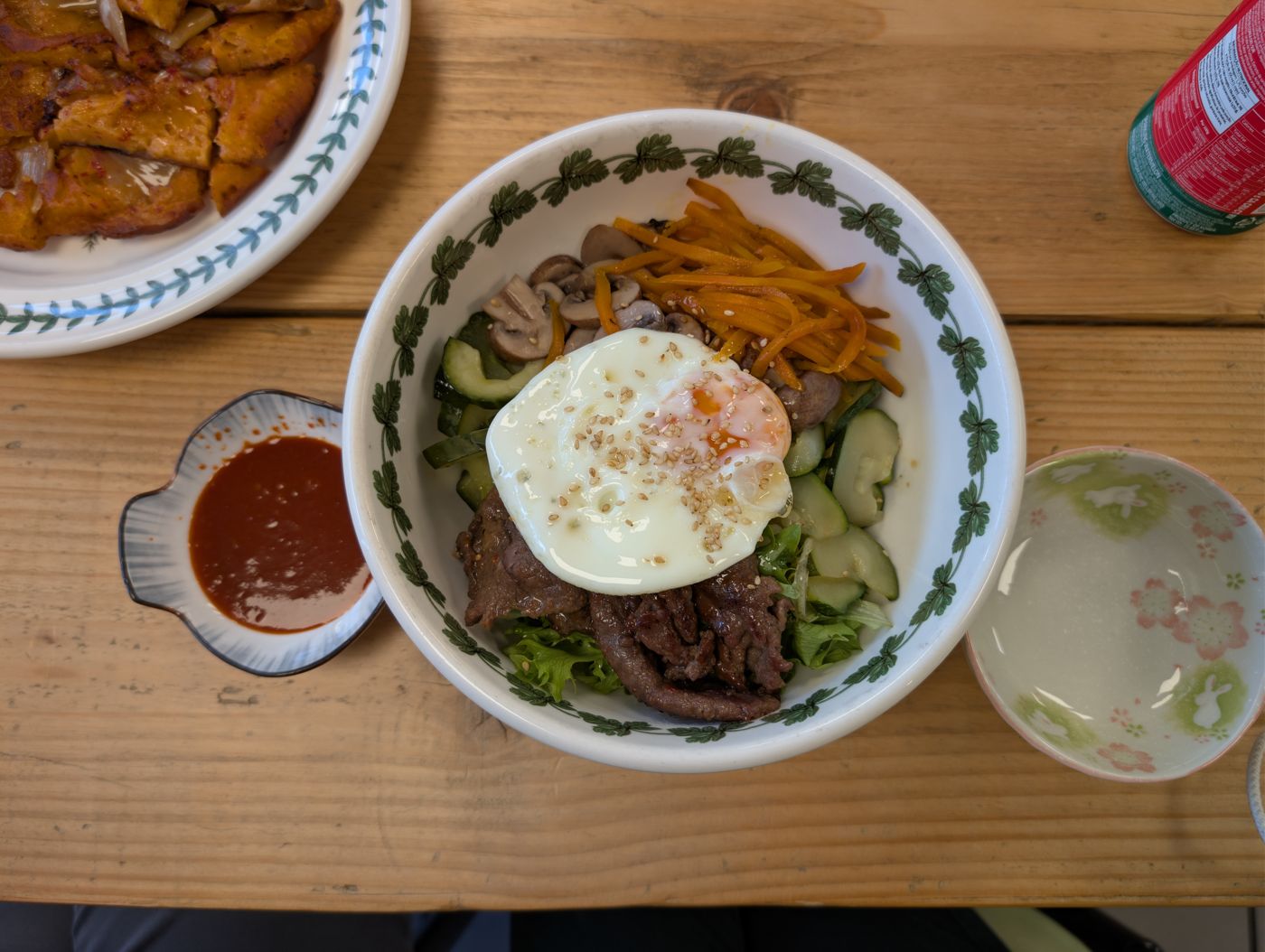 Bibimbap (Mixed Rice with Namul)비빔밥A bowl of rice topped with seasoned namul, beef and egg, mixed at the table with chili paste and sesame oil — banchan gathered into a single meal.
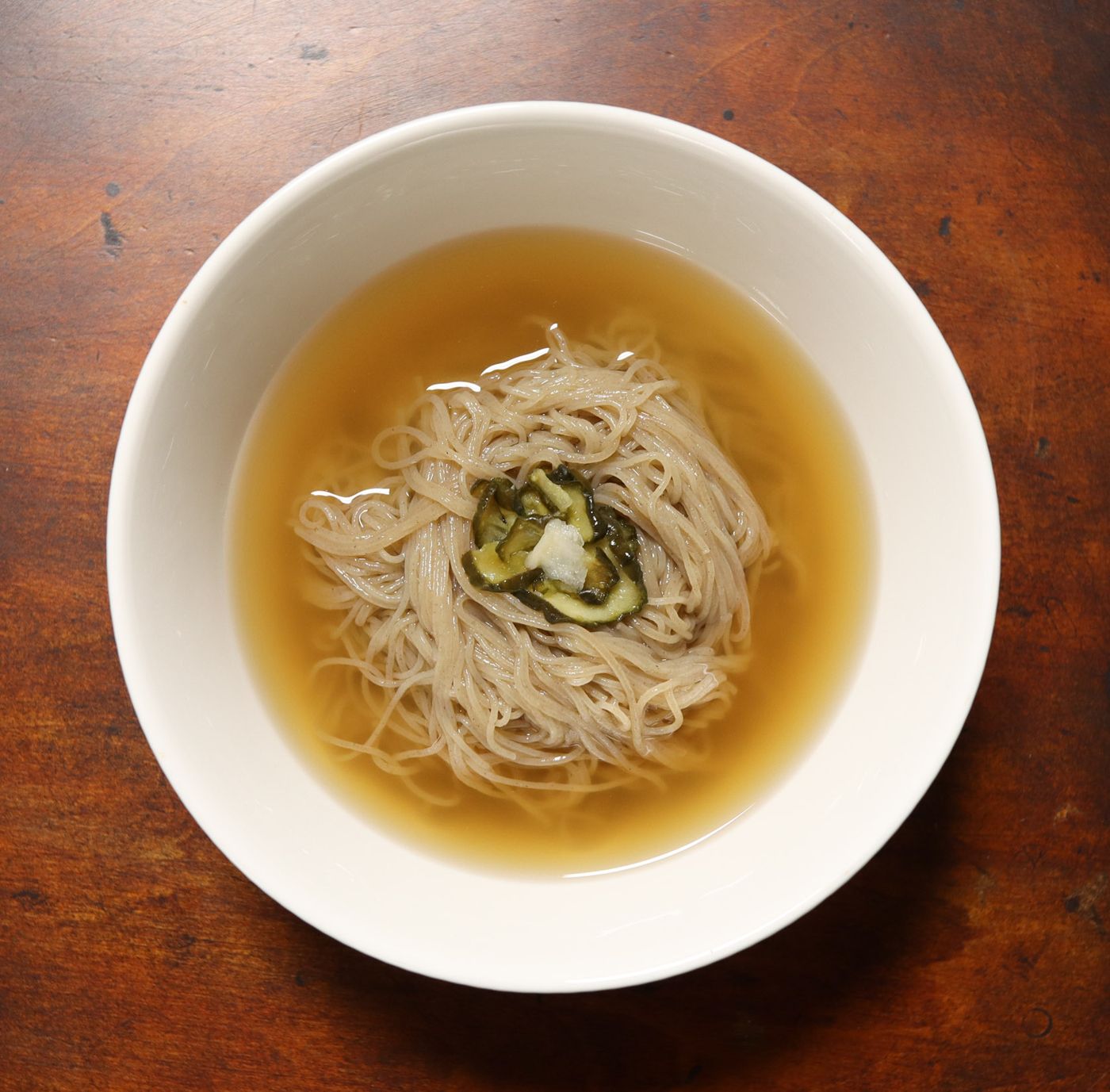 Mul-naengmyeon (Cold Buckwheat Noodles in Broth)물냉면Buckwheat noodles in an icy mix of beef broth and dongchimi, topped with sliced beef, pear, radish and egg — a Pyongyang winter dish now loved in summer.
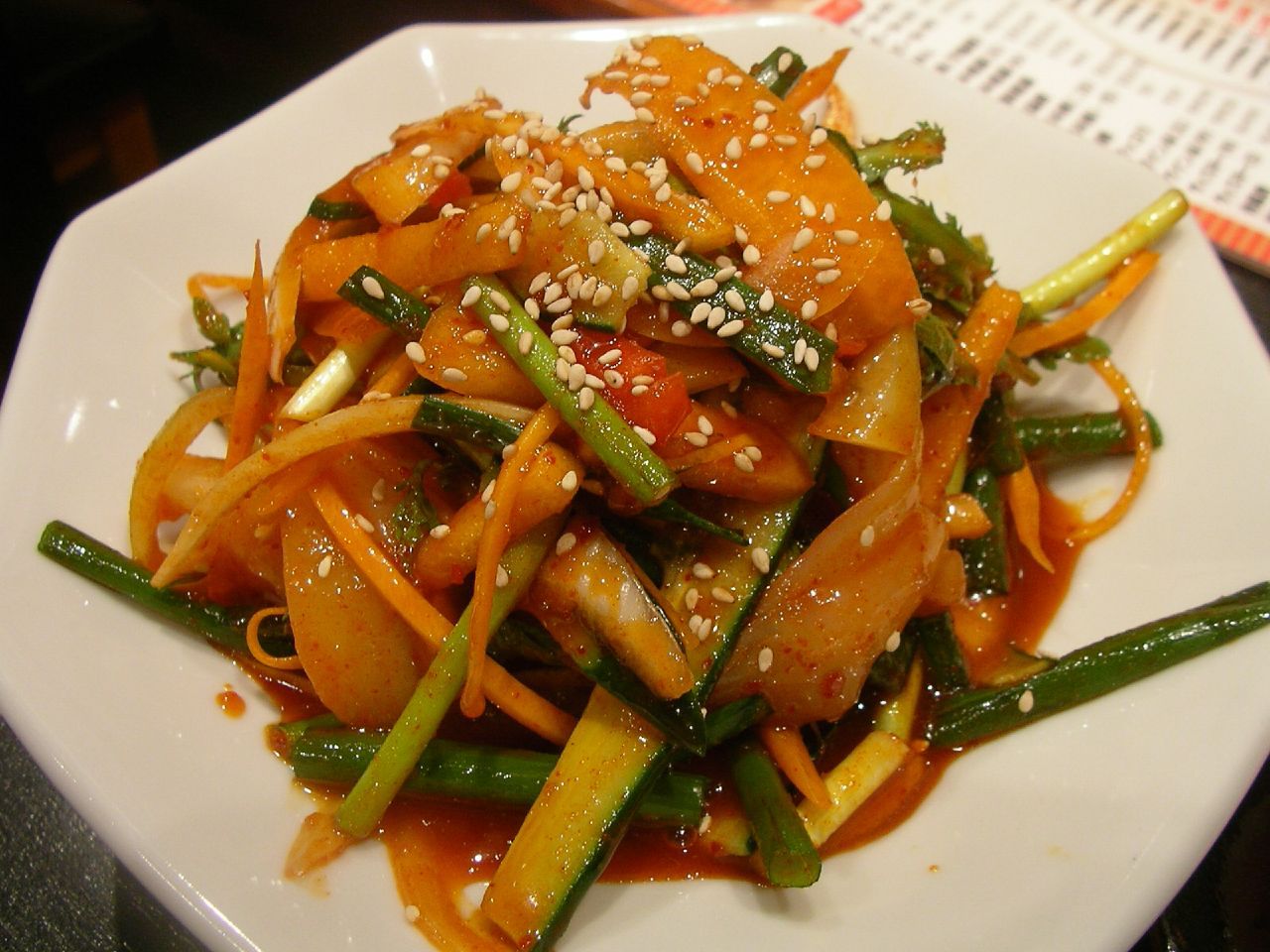 Oi Muchim오이무침Thin-sliced cucumber, briefly salted and tossed with chili flakes, vinegar and garlic — a cool, crunchy quick salad made in minutes, especially in summer.
 Napa Cabbage Kimchi배추김치Salted napa cabbage layered with a red paste of chili, garlic, ginger and fermented seafood, then left to ripen: the kimchi most people picture first.
Sources
- 01Yukhoe, A Vividly Authentic Taste — Hansik Ilgi Joeun Nal (Korean Food Promotion Institute), 2023
- 02Three Unique Yukhoe Restaurants with Regional Characteristics — Hansik Ilgi Joeun Nal (Korean Food Promotion Institute), 2023
- 03육회 (Yukhoe) feature — Michelin Guide Korea, 2022
- 04햄버거 때문인 줄 알았는데 아니었다… 여름철 환자 2배 폭증하게 만든 '이 음식' — WikiTree, July 2026
- 05About Escherichia coli Infection — Centers for Disease Control and Prevention
- 06Safe Food Handling — U.S. Food and Drug Administration
Last updated