 Photo: 최광모, CC BY-SA 4.0, via Wikimedia Commons
Kimchi 김치
Napa Cabbage Kimchi
배추김치
Romanization: baechu-kimchi
Salted napa cabbage layered with a red paste of chili, garlic, ginger and fermented seafood, then left to ripen: the kimchi most people picture first.
- Serves
- 40
- Prep
- 90 min
- Cook
- 5 min
RegionNorthern Provinces (Hwanghae, Pyeongan, Hamgyeong) · Jeolla · Gyeongsang · Chungcheong · Seoul & Gyeonggi
Jump to recipeRecipe
Ingredients · Serves 40
- 1 headNapa cabbageabout 2–2.5 kg
- 120 gCoarse sea salt (non-iodized)about ½ cup, for salting
- 1 LWaterfor dissolving part of the salt
- 2 tbspGlutinous rice flourfor the rice paste
- 240 mlWaterfor the rice paste
- 50 gGochugaru (Korean chili flakes)about ½ cup; adjust to taste
- 60 mlAnchovy fish sauce (myeolchi-aekjeot)
- 2 tbspSalted fermented shrimp (saeujeot)finely chopped
- 10 clovesGarlicabout 40 g, minced
- 1 tbspGingerminced
- 1 tspSugar
- 300 gKorean radish (mu)julienned
- 4 stalksGreen onionscut into 3 cm lengths
- 50 gGarlic chives (buchu)optional, cut into 3 cm lengths
Method
Technique: Making Kimchi
Step 1: Trim the base of the cabbage and remove any damaged outer leaves. Cut a short slit into the base, then pull the head apart by hand into halves (and quarters if large) so the leaves stay intact.
Step 2: Dissolve about one-third of the salt in the 1 L of water. Dip each section in the brine, then sprinkle the remaining salt between the leaves, concentrating it on the thick white stems. Place cut side up in a large bowl or tub.
Step 3: Let the cabbage salt for 6–8 hours (or overnight in a cool room), turning the pieces every 2 hours. It is ready when a thick stem bends without snapping.
Step 4: Meanwhile, whisk the glutinous rice flour into 240 ml water in a small pot and cook over medium heat, stirring, for 3–5 minutes until it becomes a thin, glossy paste. Let it cool completely.
Step 5: Rinse the salted cabbage three times in cold water, gently washing out the salt, and taste a stem: it should be pleasantly seasoned, not harsh. Drain cut side down for at least 30–60 minutes.
Step 6: In a large bowl, stir the cooled paste with the gochugaru, fish sauce, saeujeot, garlic, ginger and sugar. Fold in the radish, green onions and chives. Wear gloves for the next step.
Step 7: Spread the seasoning between every leaf, working from the outer leaves inward and coating the stems most generously. Fold each section in half and pack tightly into a clean glass or food-grade plastic container, pressing out air pockets and leaving about 5 cm of headspace.
Step 8: Ferment at cool room temperature (about 18–22°C) for 1–2 days, tasting daily, then refrigerate once it smells pleasantly tangy. Keep the kimchi pressed below its own juices and always use clean utensils. It will continue to sour slowly in the refrigerator; very ripe kimchi is ideal for stews and pancakes. Discard any batch that turns soft and slimy or shows surface mold.
Origin & History
Koreans were preserving vegetables in salt long before kimchi turned red. Early terms for the practice center on the idea of vegetables soaked or submerged, and the late-Goryeo scholar Yi Gyu-bo wrote of radish kept in jang for summer and turnip salted for the long winter. Through the 1600s, cookbooks such as Eumsik dimibang describe kimchi seasoned with salt and aromatics like Sichuan pepper, with no chili at all.
Chili peppers came late. The first Korean written reference is generally traced to Yi Su-gwang's Jibong yuseol (1614), which describes the plant as having arrived from Japan. It took roughly another century and a half for chili to enter kimchi in writing: the Jeungbo sallim gyeongje (1766) records recipes using ground chili, and by the late 18th century fermented seafood (jeotgal) was also being worked into the seasoning.
The cabbage itself is the newest piece. Older Korean cabbage was a loose, leafy plant; the dense, tightly headed napa cabbage that is split and stuffed today became common on Korean tables only around a century ago. Whole-head napa kimchi as we know it is therefore a fairly modern dish built on a very old habit.
It is also the centerpiece of kimjang, the late-autumn gathering in which families and neighbors make and share kimchi to last the winter. UNESCO inscribed "Kimjang, making and sharing kimchi in the Republic of Korea" on its Representative List of the Intangible Cultural Heritage of Humanity in 2013.
Key Ingredients
 Napa cabbage배추The tall, pale, tightly headed cabbage at the heart of Korea's best-known kimchi. Salted, layered with seasoning and left to ferment, it becomes baechu-kimchi; fresh, it goes into soups, wraps and quick salads.
 Gochugaru고춧가루Korean red chili powder, made from dried red peppers ground coarse or fine. It gives kimchi, gochujang and countless banchan their color and warmth.
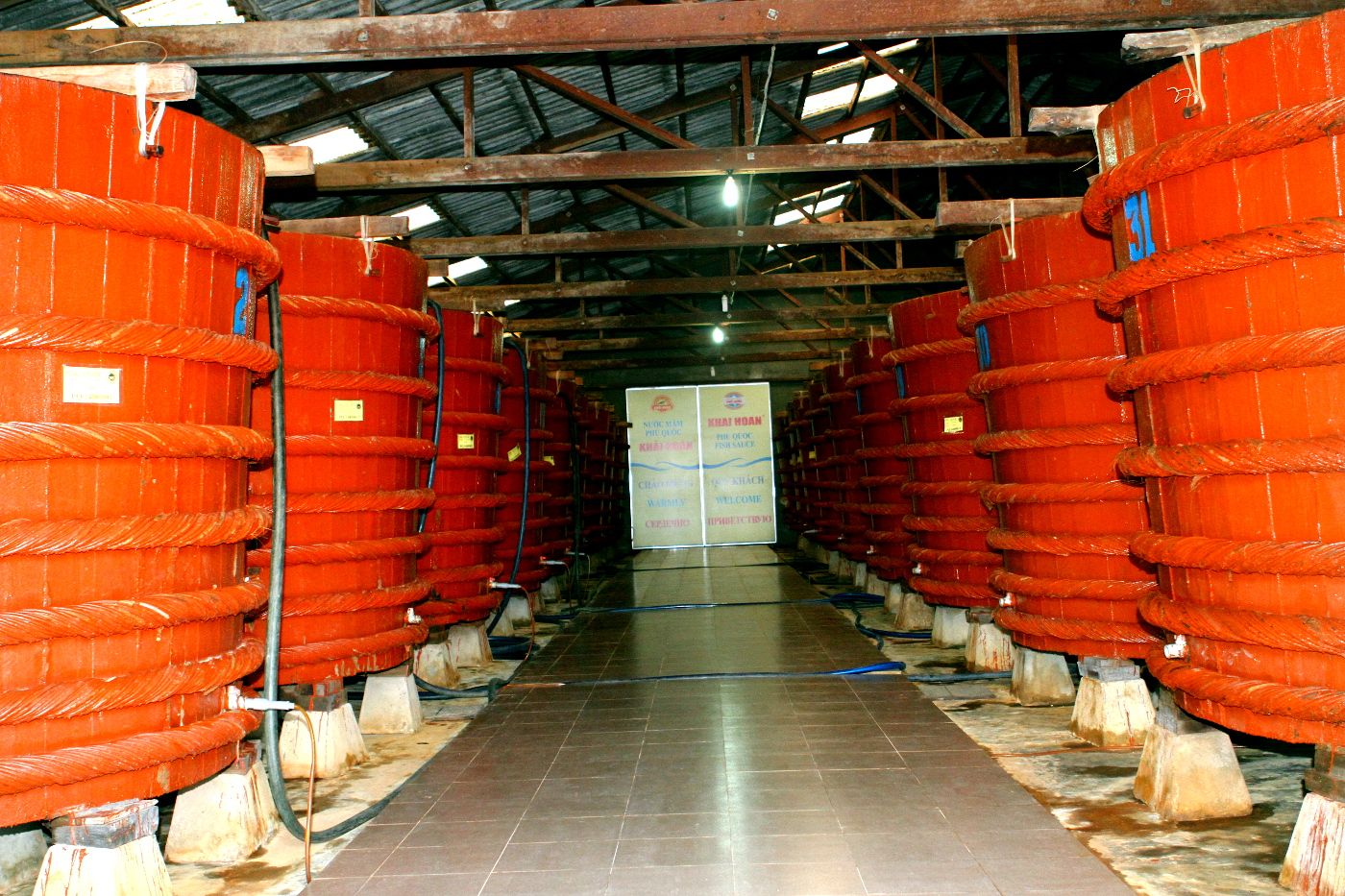 Anchovy fish sauce멸치액젓The clear amber liquid drawn from salted, fermented anchovies. A jeotgal in liquid form, it is the savory backbone of much southern-style kimchi and a quick seasoning for soups and namul.
 Salted fermented shrimp새우젓Tiny shrimp packed in salt and left to ferment — a jeotgal (salted seafood) that seasons kimchi and stews and accompanies boiled pork with briny, savory depth.
 Garlic마늘Used raw, minced, pickled and roasted, garlic is one of the essential aromatics of Korean food — in seasonings, marinades, kimchi and namul.
 Ginger생강Fresh ginger root, used in small amounts to brighten kimchi paste and marinades and to tame the strong smells of fish and meat.
 Korean radish무A stout, heavy white radish, often tinged pale green near the top. It is cubed for kkakdugi, left whole in the clear brine of dongchimi, shredded into salads and simmered into broths.
 Green onion파Korean green onion (pa), from thick-stemmed daepa to slender scallions — chopped into nearly every seasoning sauce, soup and kimchi, and the star of pa-kimchi.
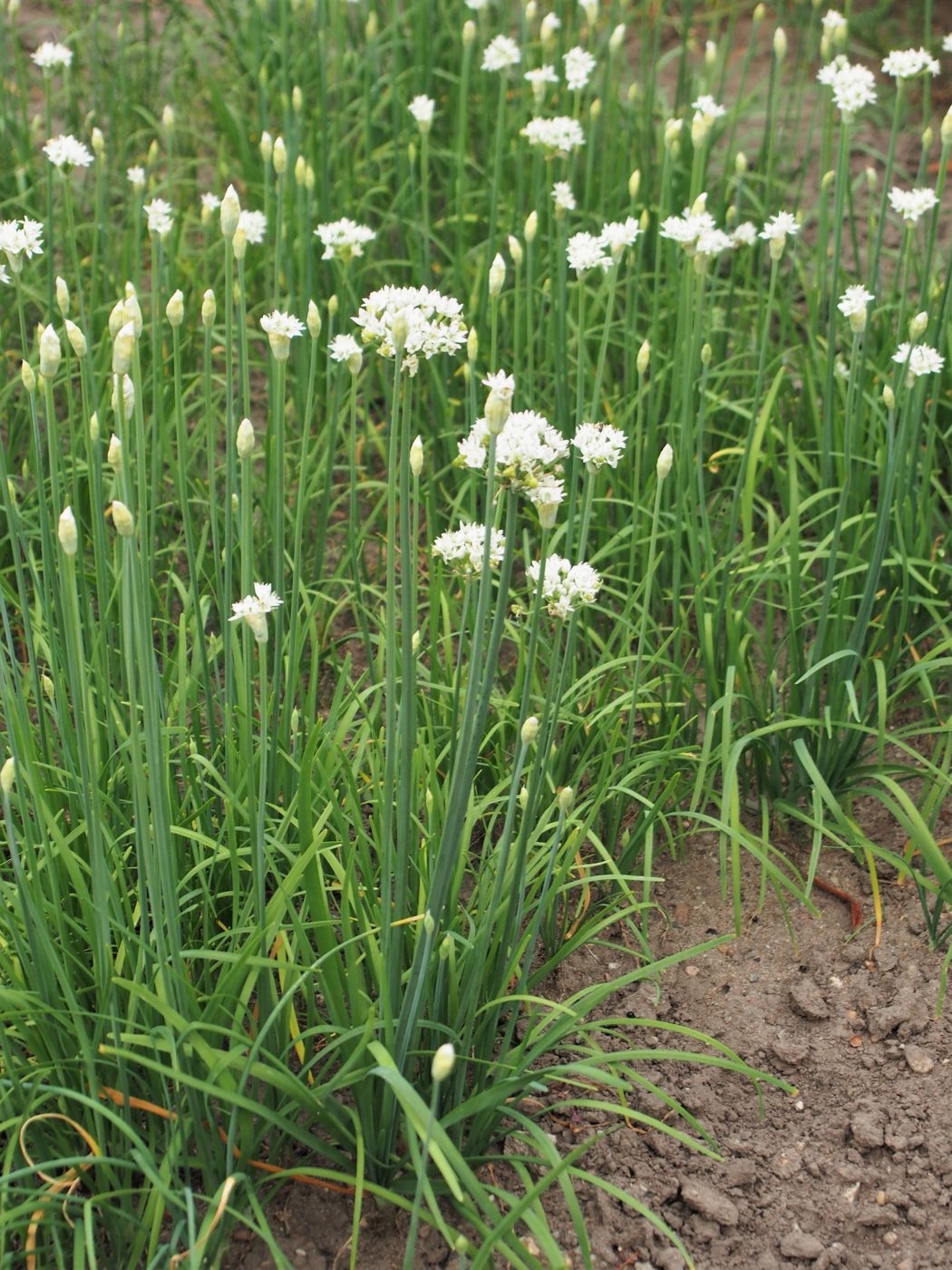 Garlic chives (buchu)부추Flat-leaved garlic chives with a bright, garlicky perfume. Tossed raw into buchu-muchim, folded into savory pancakes and tucked into cucumber kimchi.
Nutrition
| Calories | 19 kcal |
|---|---|
| Protein | 1 g |
| Fat | 0.2 g |
| Carbohydrates | 3.2 g |
| Fiber | 1.2 g |
| Sodium | 276 mg |
Notable forVitamin K · Dietary fiber
From the Korean Food Composition Table entry “Kimchi, Baechukimchi, Prepared with Kimchi cabbage” (per 100 g: 38 kcal, 551 mg sodium), scaled to the serving size. Homemade batches vary with salting and seasoning. Actual values vary with ingredients, portion size and preparation.
Health Benefits
- Vegetable-forward: kimchi is low in calories and a convenient way to add vegetables to a meal; extension guidance notes it supplies vitamins such as A and C along with various plant compounds.
- Lactic acid fermentation: the fermentation is driven by bacteria naturally present on the vegetables — notably Leuconostoc, Weissella and Lactobacillus species — so no starter culture is needed. Unpasteurized kimchi contains live microbes, though how much any particular batch benefits health is still being studied.
- Research is ongoing: a Korean case-control study published in 2021 reported a non-significant trend toward lower gastric cancer risk with moderate (rather than high) intake of pickled vegetables including kimchi; the authors called for further research. Kimchi should not be thought of as a treatment for any condition.
Regional Variations
- Northern provinces: kimchi from the colder north tends to be milder and lighter on seasoning, often with more broth; Hamgyeong cooks were known for adding lean fish such as pollock or cod for a clean, cool flavor.
- Jeolla: a rich style that uses salted yellow croaker and other jeotgal, with sesame and glutinous rice paste in the seasoning; whole-head cabbage kimchi is among the region's listed specialties.
- Gyeongsang: seasoned with anchovy jeotgal, and traditionally saltier with little broth — a practical choice for a warmer climate.
- Chungcheong: many cooks traditionally season with salt alone rather than fermented seafood sauce.
- Seoul and Gyeonggi: a varied, elaborate repertoire that includes bossam-kimchi (wrapped kimchi) and baek-kimchi (white kimchi made without chili), though regional lines have blurred as people have moved.
Pairings
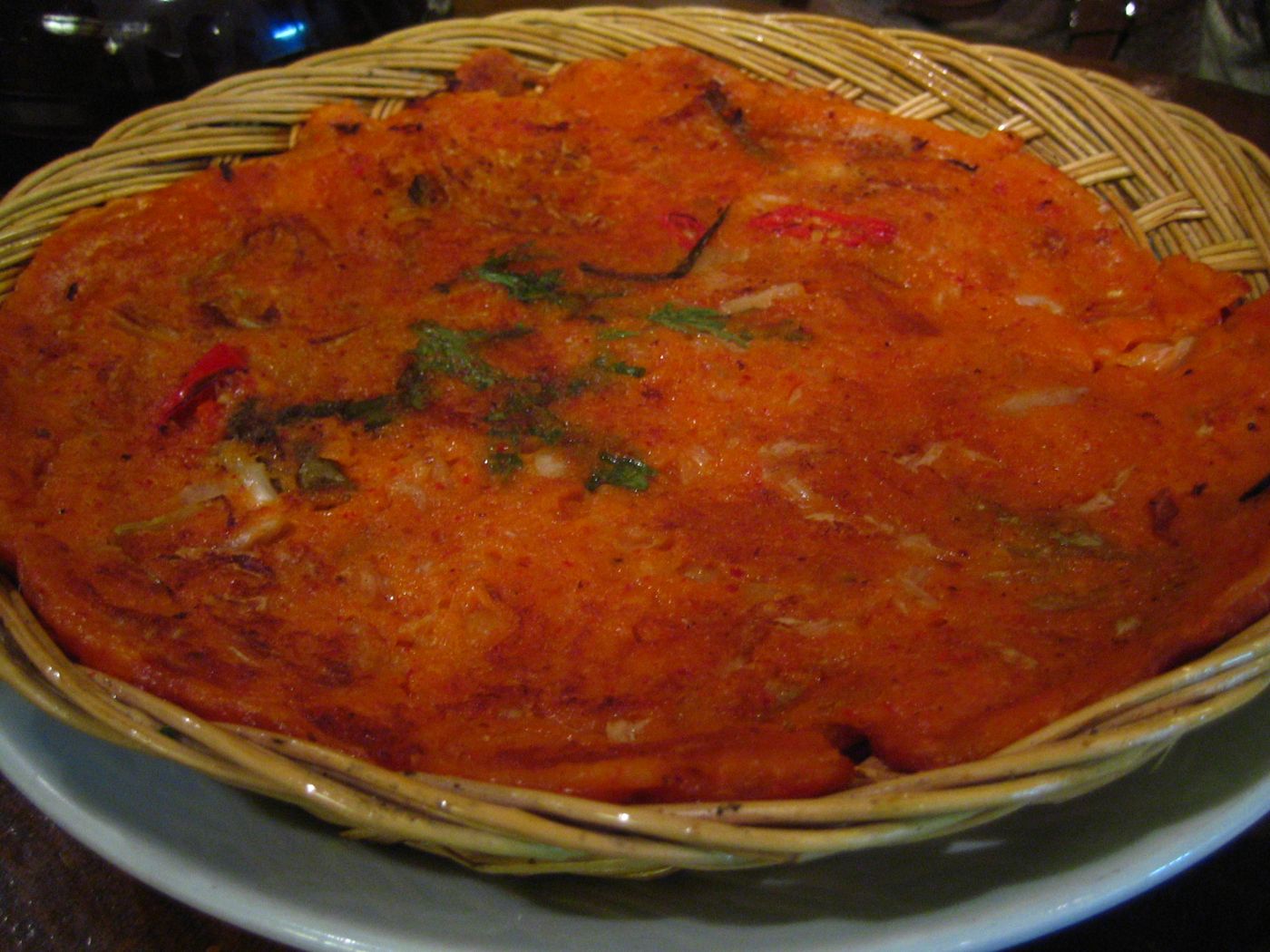 Kimchi Jeon (Kimchi Pancake)김치전Chopped, well-fermented kimchi folded into a thin flour batter and pan-fried until crisp at the edges — tangy, savory and quick to make.
 Kongnamul Muchim콩나물무침Soybean sprouts cooked under a lid until just tender, then tossed with garlic, green onion and sesame oil — crisp, nutty and on tables across Korea.
 Gyeran Jjim (Steamed Egg)계란찜Eggs whisked with water or broth and gently steamed into a silky, savory custard, often seasoned with salted shrimp and served bubbling hot.
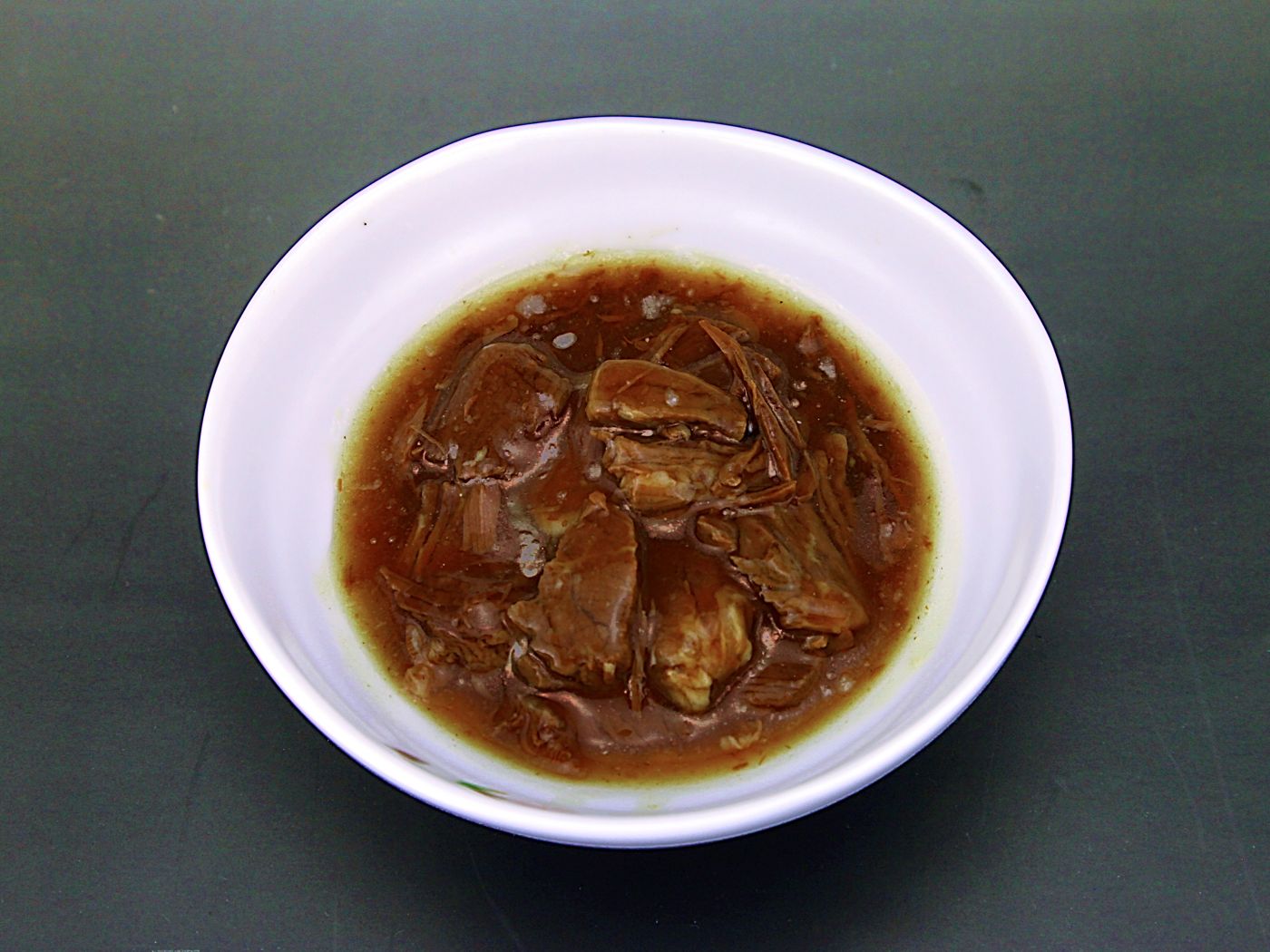 Jangjorim장조림Lean beef simmered in soy sauce until tender, then torn into strands and served in its savory broth, often with eggs, garlic and mild peppers.
Sources
- 01Korean Food Composition Table: Kimchi, Baechukimchi, Prepared with Kimchi cabbage — National Institute of Agricultural Sciences
- 02김치 - 한국민족문화대백과사전 (Encyclopedia of Korean Culture)
- 03고추 - 한국민족문화대백과사전 (Encyclopedia of Korean Culture)
- 04김치의 혁명 - 우리역사넷 (National Institute of Korean History)
- 05Kimjang, making and sharing kimchi in the Republic of Korea - UNESCO Intangible Cultural Heritage
- 06Trends in sodium intake and major contributing food groups and dishes in Korea: the Korea National Health and Nutrition Examination Survey 2013–2017 (Nutrition Research and Practice, 2021)
- 07Understanding and Making Kimchi - Colorado State University Extension (Food Smart Colorado)
Last updated