Jeotgal · Salted seafood 젓갈
Salted Anchovies
멸치젓
Romanization: myeolchi-jeot
Whole anchovies packed in heavy salt and aged for months — the south coast's kimchi jeotgal, also boned, dressed with chili and eaten with rice or in ssam.
- Serves
- 40
- Prep
- 40 min
- Cook
- 0 min
RegionGyeongsang · Jeolla · Jeju
Jump to recipeRecipe
Ingredients · Serves 40
- 1 kgVery fresh whole raw anchovieslarge anchovies, 8–12 cm
- 300 gCoarse sea salt (cheonilyeom), non-iodizedabout 30% of the fish weight, plus extra for the top layer
- 2 Fresh green and red chiliesfinely chopped, for serving
- 1 tbspGochugaru (Korean chili flakes)for serving
- 1 tbspGarlicminced, for serving
- 1 stalkGreen onionfinely chopped, for serving
- 1 tspToasted sesame seedsfor serving
Method
Technique: Making Jeotgal
Step 1: Rinse the anchovies gently in cold salted water and drain thoroughly in a colander. Do not gut them; work quickly and keep them cold.
Step 2: Sprinkle a layer of salt over the bottom of a clean crock or food-grade container. Add a layer of anchovies, scatter salt over them, and repeat, using about 300 g in total. Finish with a thick layer of salt so no fish show through.
Step 3: Cover the surface with plastic wrap pressed against the salt, then close the lid tightly to keep air out. Store in a cool, dark place (ideally below 15°C) or in the refrigerator, undisturbed, for about 6 months, until the fish are soft and the smell is savory rather than fishy.
Step 4: To serve as a side dish, take out about 100 g of the fish with clean utensils. Pull off the heads, split the bodies and lift out the backbones, then tear or chop the flesh.
Step 5: Mix with the chilies, gochugaru, garlic, green onion and sesame seeds. Serve in small amounts with rice, or as a dip for boiled pork and leafy wraps.
Step 6: Keep the rest of the batch sealed under its salt and liquid. Refrigerate any seasoned portion and eat it within about a week; discard jeotgal that smells putrid or ammoniac, or shows mold.
Origin & History
Myeolchi-jeot is anchovy (myeolchi) salted and fermented until the flesh softens and turns savory. Together with salted shrimp (saeujeot), it is one of the two jeotgal Korean cooks use most. Anchovies were caught in quantity only from the late Joseon period, and the Encyclopedia of Korean Culture notes that, perhaps for that reason, anchovy jeotgal is hard to find in old texts. The Encyclopedia of Korean Folk Culture finds anchovies in the 19th-century works Imwon gyeongjeji and Jasan eobo and dates both dried and salted anchovies to the large catches of the early 1800s.
It is the jeotgal of the south. Both encyclopedias describe Jeolla, Gyeongsang and Jeju as anchovy-jeotgal country, while Chungcheong and Hwanghae salted sand lance (kkanari) instead; the Chuja Islands are especially well known for it. In kimchi the difference is regional character: central Korea seasons with mild salted shrimp, the south with the stronger, deeper anchovy. The Encyclopedia of Korean Culture's survey of regional foods says Gyeongsang salts more anchovies than any other jeotgal.
Traditionally the fish are layered with salt in a crock, sealed under a thick white cap of salt and left in a cool place for about six months, by which time the fishy smell has given way to a rounded savor. Spring anchovies tend to go into clear fish sauce; the larger autumn fish make whole-fish jeot. The liquid that collects on top is myeolchi-aekjeot. On islands where soybeans were hard to grow, such as Geomundo, the dregs and cloudy liquid were boiled with water and salt and strained to make myeoljang, an anchovy soy sauce used in place of ganjang.
Key Ingredients
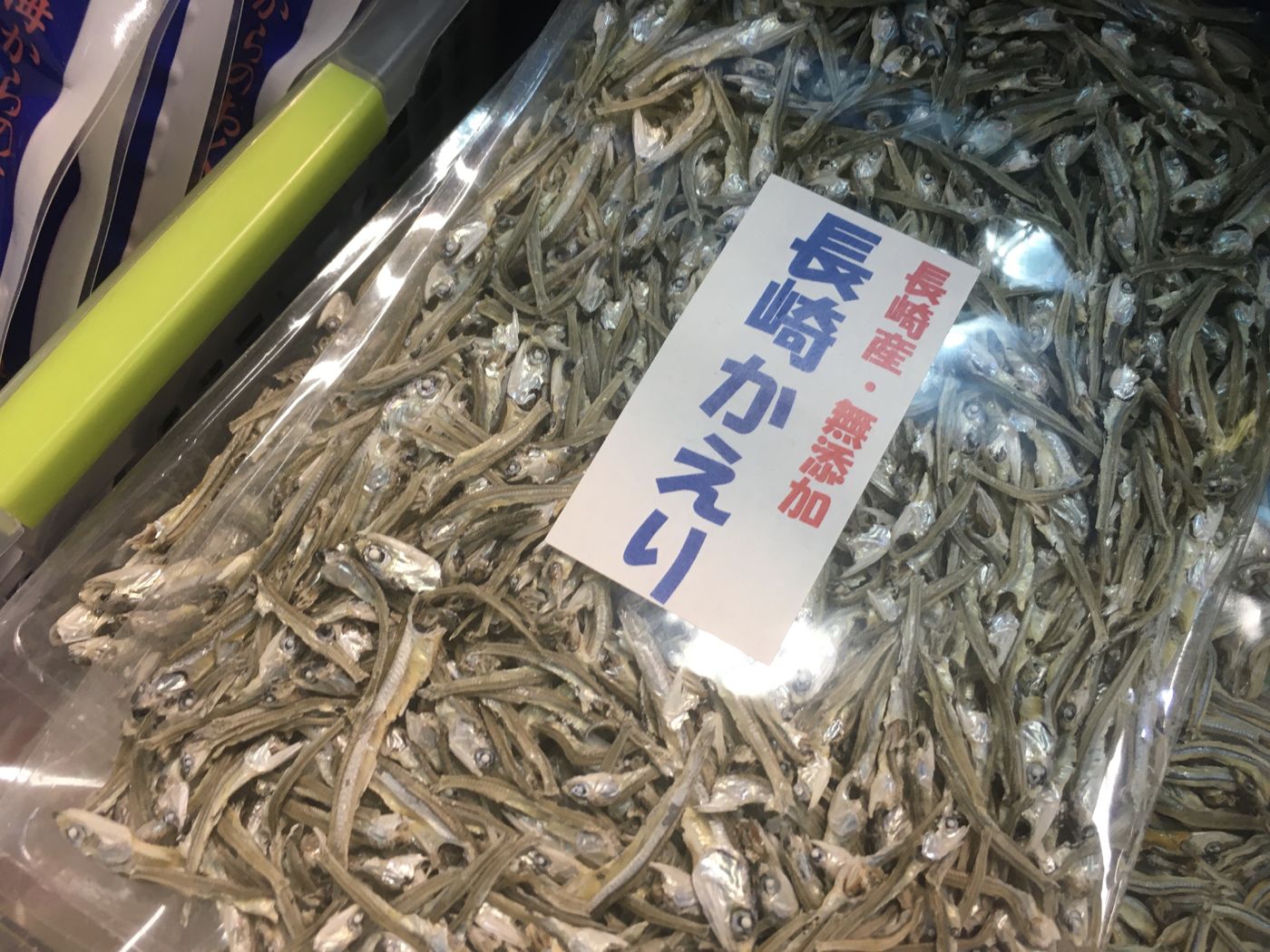 Dried anchovies멸치Small anchovies that are boiled and dried on the coast, then sorted by size. They flavor everyday broths and, stir-fried whole, become the sweet-salty side dish myeolchi-bokkeum.
 Sun-Dried Sea Salt천일염Coarse sea salt made by evaporating seawater with sun and wind in tidal-flat salt pans, most of it from Sinan County off Korea's southwest coast. It is the everyday salt for salting cabbage and making jang.
- Korean Chili Peppers (Fresh)고추Fresh Korean chili peppers, eaten green (putgochu) or red (hong-gochu): from the fiery cheongyang-gochu to the small, wrinkled, mild kkwari-gochu that is braised and stir-fried as banchan.
 Gochugaru고춧가루Korean red chili powder, made from dried red peppers ground coarse or fine. It gives kimchi, gochujang and countless banchan their color and warmth.
 Garlic마늘Used raw, minced, pickled and roasted, garlic is one of the essential aromatics of Korean food — in seasonings, marinades, kimchi and namul.
 Green onion파Korean green onion (pa), from thick-stemmed daepa to slender scallions — chopped into nearly every seasoning sauce, soup and kimchi, and the star of pa-kimchi.
 Sesame참깨Toasted sesame seeds and sesame oil (chamgireum) finish countless Korean dishes, adding a nutty aroma and gloss.
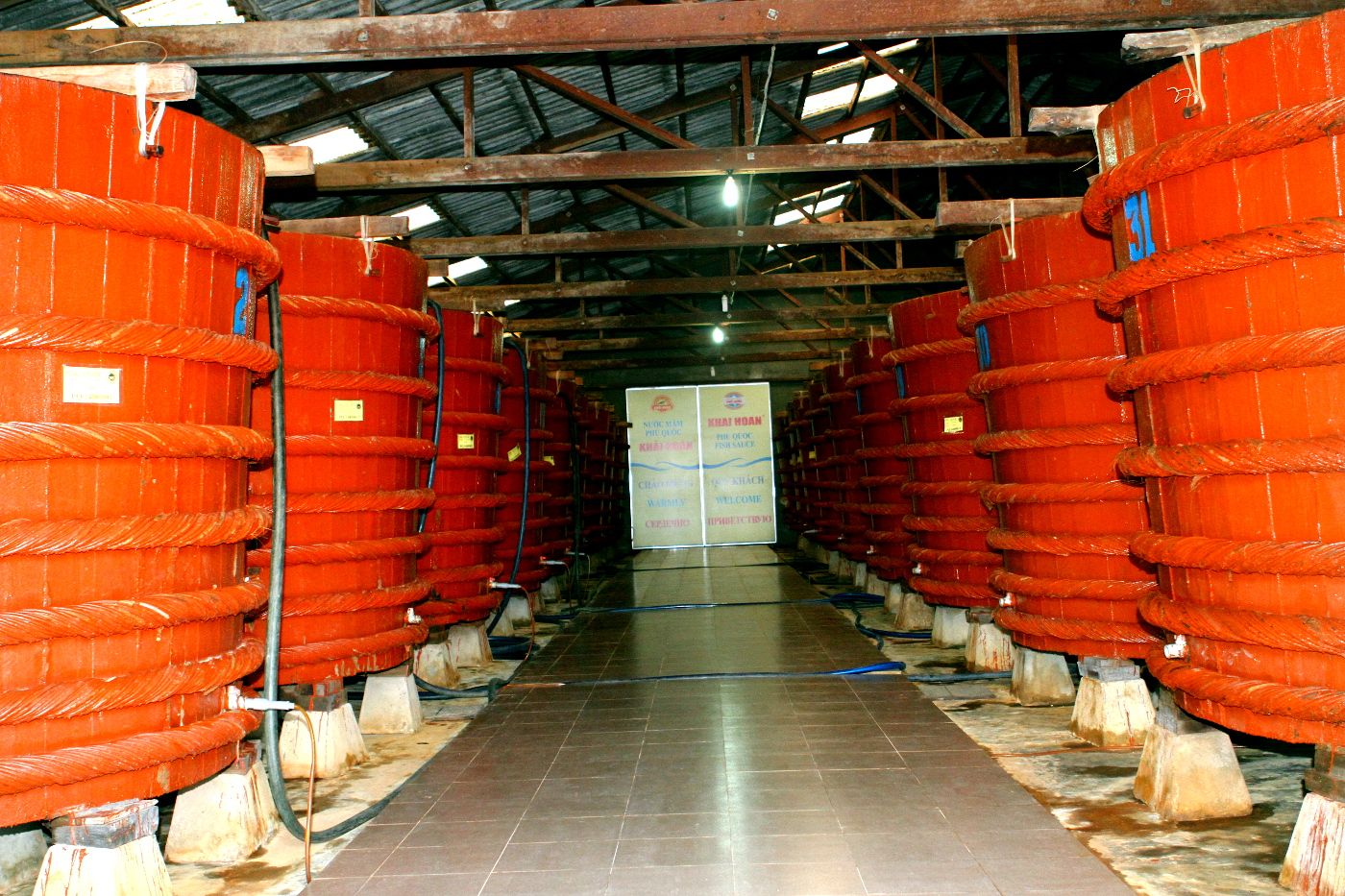 Anchovy fish sauce멸치액젓The clear amber liquid drawn from salted, fermented anchovies. A jeotgal in liquid form, it is the savory backbone of much southern-style kimchi and a quick seasoning for soups and namul.
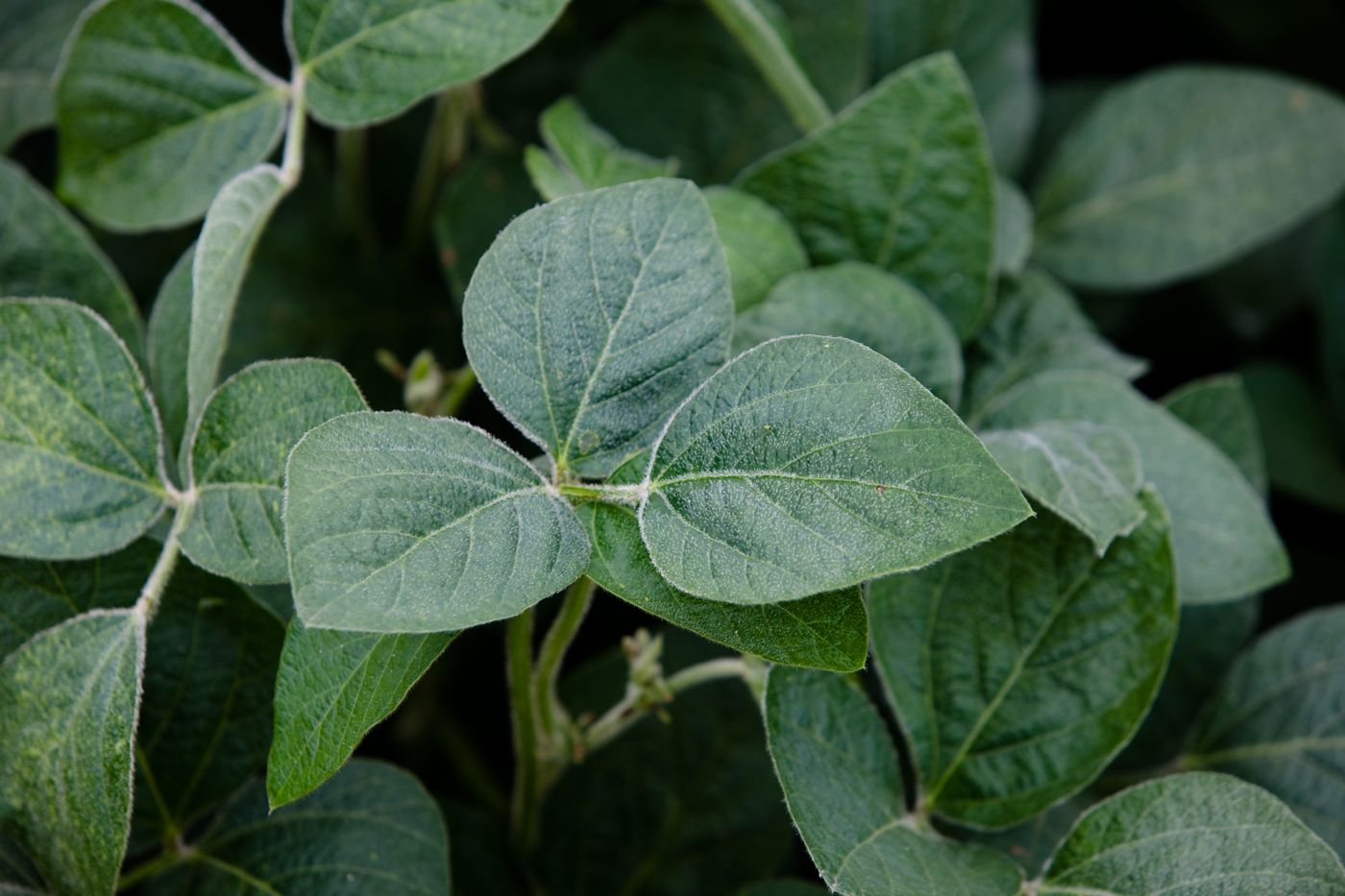 Kongnip (soybean leaves)콩잎The leaves of the soybean plant, eaten green in summer and as autumn-yellowed leaves cured in brine. In Gyeongsang they become the beloved, pungent kongnip-jangajji and kongnip-kimchi.
Nutrition
| Calories | 9 kcal |
|---|---|
| Protein | 1.1 g |
| Fat | 0.2 g |
| Carbohydrates | 0.7 g |
| Fiber | 0.3 g |
| Sodium | 667 mg |
Notable forCalcium · Vitamin B12 · Omega-3 fatty acids (DHA)
From the Korean MFDS food composition database (K-FIND) entry for home-style seasoned anchovy jeotgal (멸치젓_양념, analyzed; per 100 g: 90 kcal, 11.4 g protein, 1.6 g fat, 7.4 g carbohydrate, 2.6 g fiber, 6,667 mg sodium, 543 mg calcium, 3.4 µg vitamin B12, 33.4 µg selenium, 400 mg DHA, 118 mg cholesterol), scaled to the serving size. Korea's national fisheries institute lists plain salted anchovy at 6,210 mg sodium per 100 g. Actual values vary with ingredients, portion size and preparation.
Health Benefits
- Calcium from soft bones: in the database figures, a 10 g serving supplies about 54 mg of calcium.
- B12 and DHA in a spoonful: the same serving provides roughly 0.3 µg of vitamin B12 and about 40 mg of DHA.
- Savory depth: during fermentation the fish's own enzymes break down protein into amino acids, which is why a little anchovy jeotgal can season a whole dish.
Regional Variations
- South Gyeongsang coast: not-quite-mature anchovies are boned and seasoned as a side dish, or minced with green chili, green onion and garlic into a summer ssamjang.
- Jeju (melijeot): large spring anchovies from the Seogwipo coast, eaten year round — wrapped in soybean leaves in summer, with blanched cabbage in winter, and warmed as a dip for grilled pork belly.
- Chuja Islands: one of the best-known sources of anchovy jeotgal.
- Jeolla islands (myeoljang): anchovy soy sauce boiled and strained from the remains of the jeotgal, used for seasoning soups and namul.
Pairings
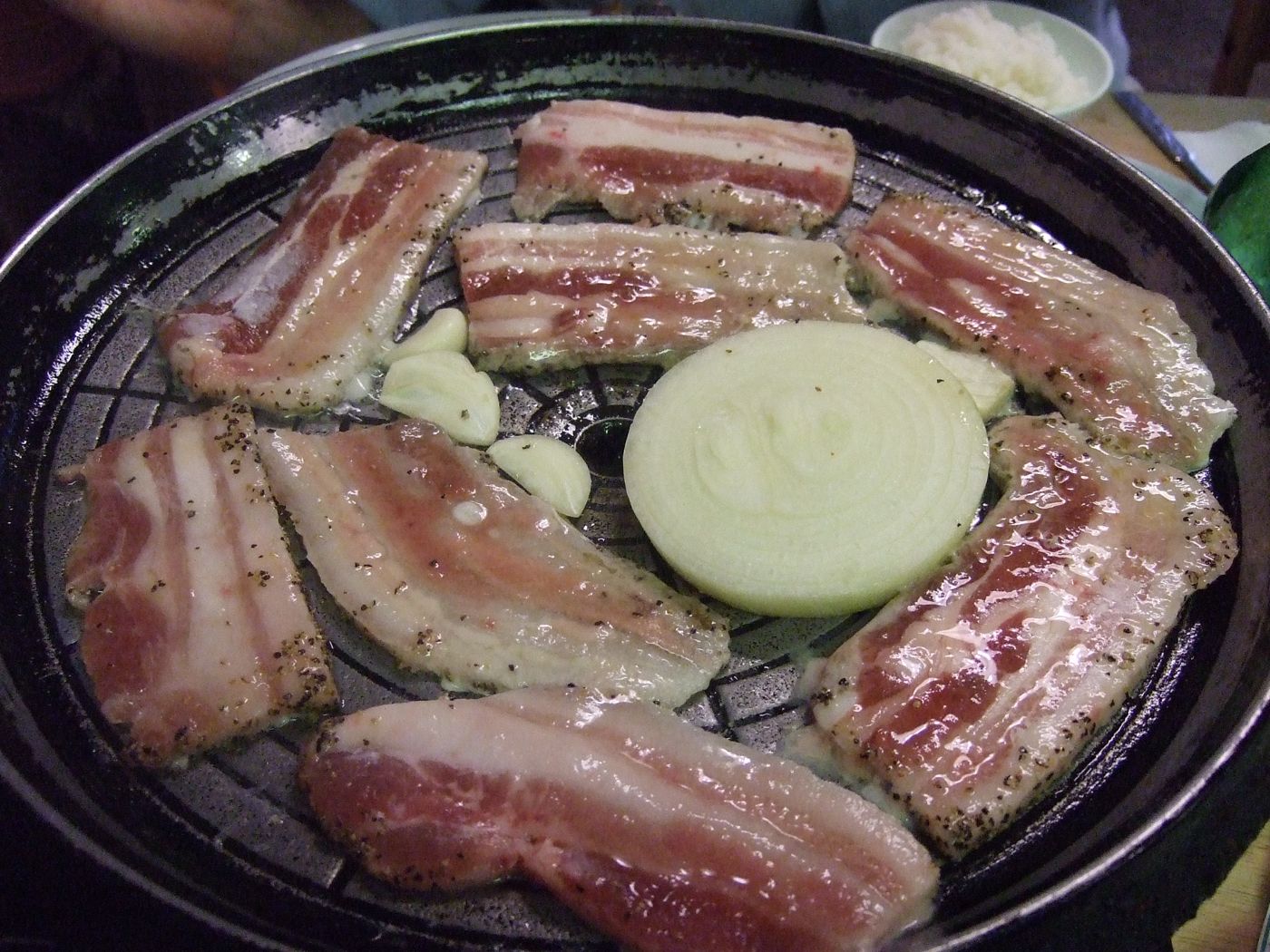 Samgyeopsal-gui (Grilled Pork Belly)삼겹살구이Thick, unseasoned slices of pork belly grilled at the table and wrapped in lettuce with garlic and ssamjang — Korea's favorite barbecue, though only since the late 1970s.
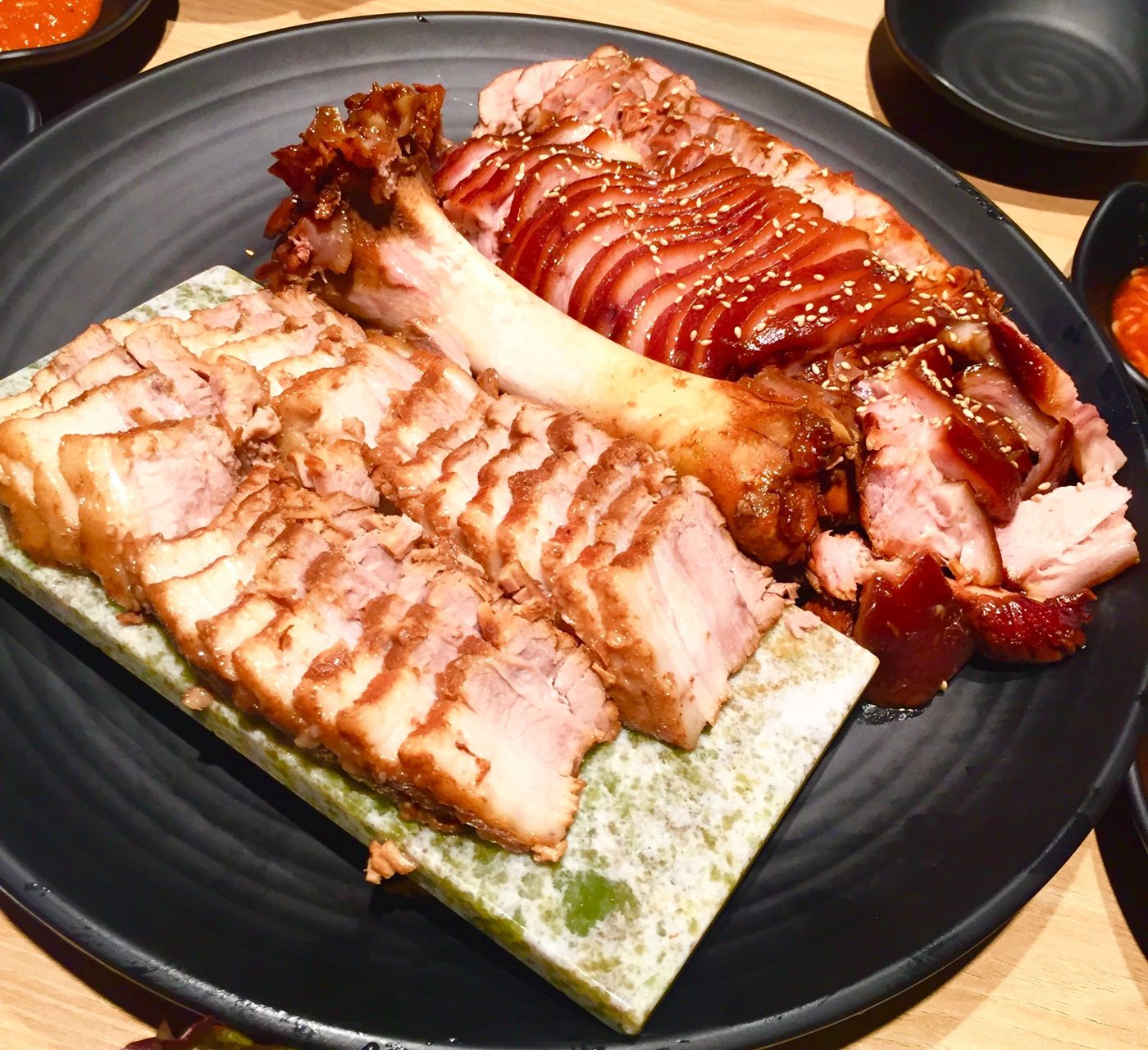 Bossam (Boiled Pork Wraps)보쌈Pork belly simmered with doenjang and aromatics, pressed and sliced, then wrapped in salted cabbage with spicy radish and salted shrimp — a feast dish built for sharing.
- Kongnamul-bap (Soybean Sprout Rice)콩나물밥Rice steamed over a bed of soybean sprouts, often with a little beef, and eaten with a spoonful of soy-and-scallion sauce — a thrifty one-pot meal from Chungcheong.
Sources
- 01멸치젓_양념 (Seasoned anchovy jeotgal) — MFDS K-FIND food composition database
- 02멸치젓 - 한국민족문화대백과사전 (Encyclopedia of Korean Culture)
- 03멸치젓 - 한국민속대백과사전 (Encyclopedia of Korean Folk Culture)
- 04향토음식 - 한국민족문화대백과사전 (Encyclopedia of Korean Culture: Regional foods)
- 05Occurrence and Reduction of Biogenic Amines in Kimchi and Korean Fermented Seafood Products — Foods (2019)
- 06Selecting and Serving Fresh and Frozen Seafood Safely - U.S. Food and Drug Administration
Last updated