Guk & Tang · Soups 국·탕
Toran Guk (Taro Soup)
토란국
Romanization: toran-guk
Parboiled taro simmered in a clear beef-and-kelp broth seasoned with soup soy sauce — a soft, gently slippery soup made for the Chuseok harvest table.
- Serves
- 4
- Prep
- 30 min
- Cook
- 40 min
RegionSeoul & Gyeonggi · Jeolla · Gyeongsang
Jump to recipeRecipe
Ingredients · Serves 4
- 400 gTaro corms (toran)peeled while wearing gloves; halve large ones
- 1 lRice-rinsing water (ssal-tteumul)for parboiling
- 1 tspSaltfor parboiling, plus more to taste
- 150 gBeef brisket or shankthinly sliced
- 1 pieceDashima (kelp)about 10 cm square
- 1.5 lWater
- 1½ tbspSoup soy sauce (guk-ganjang)
- 2 clovesGarlicminced
- 1 tspToasted sesame oil
- 1 stalkGreen onionsliced
- pinchBlack pepper
Method
Technique: Making Guk and Jjigae, Making Yuksu: Anchovy-Kelp Stock
Step 1: Wear gloves to peel the taro — the raw sap can make skin itch. Rinse the peeled corms and soak them in cold water for 10 minutes.
Step 2: Bring the rice water and 1 tsp salt to a boil, add the taro and parboil 5–7 minutes. Drain and rinse under cold water to remove the slippery coating and acrid taste, as the folk encyclopedia advises.
Step 3: Toss the beef with ½ tbsp of the soup soy sauce, the garlic and sesame oil. Stir-fry briefly in a pot until no longer red.
Step 4: Add the 1.5 liters of water and the kelp, bring to a boil and simmer 10 minutes. Lift out the kelp, cut it into small diamonds or rectangles and return it to the pot. Skim off any foam.
Step 5: Add the taro and simmer 15–20 minutes, until tender all the way through when pierced.
Step 6: Season with the remaining soup soy sauce and salt, add the green onion and pepper, and serve with rice.
Origin & History
Toran-guk (also toran-tang) is a clear soup of taro, beef and kelp, and one of the seasonal foods of Chuseok, the autumn harvest festival. Taro (toran, "egg of the earth") is harvested in the eighth lunar month, just in time. The Encyclopedia of Korean Culture and the Encyclopedia of Korean Folk Culture both point to the nineteenth-century farming song Nongga wollyeongga, whose eighth-month verse lists taro soup alongside new rice wine, early-rice songpyeon and gourd namul among the Chuseok offerings to set before the ancestral graves and share with neighbors.
Taro has a much longer history in Korea. The folk encyclopedia notes that it appears in the thirteenth-century Hyangyak gugeupbang and was probably introduced before the Goryeo period, and that Yi Gyu-bo's Dongguk Isangguk jip mentions a country taro soup. It was valued more as a famine crop than a vegetable. The eighteenth-century Jeungbo sallim gyeongje recommends quickly frying peeled taro in oil before boiling it so it doesn't fall apart, and both it and the Siuijeonseo suggest cooking the soup with chicken.
The modern festival version, as both encyclopedias describe it, parboils the taro in rice-rinsing water, simmers seasoned beef into a clear broth with a piece of kelp, cuts the kelp into diamonds or small rectangles and returns it to the pot with the taro, then seasons with soup soy sauce. It is set on the Chuseok ancestral table in Seoul and Gyeonggi; see jesa food and seasonal foods.
Key Ingredients
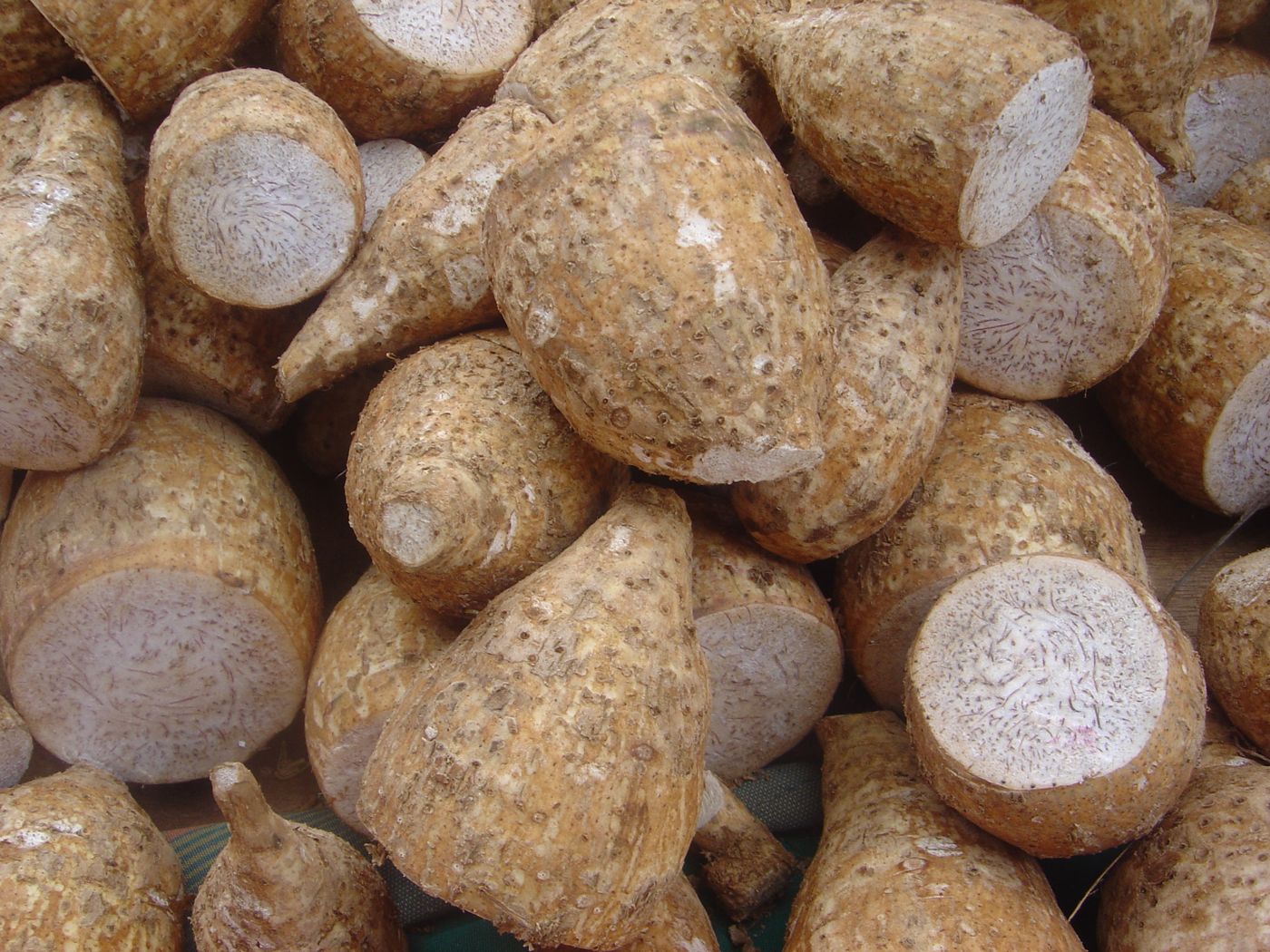 Toran (taro)토란Small, hairy brown corms with slippery white flesh, harvested just in time for Chuseok. Simmered in clear beef broth as toran-guk, they are a defining taste of the autumn harvest festival, especially in Seoul and Gyeonggi.
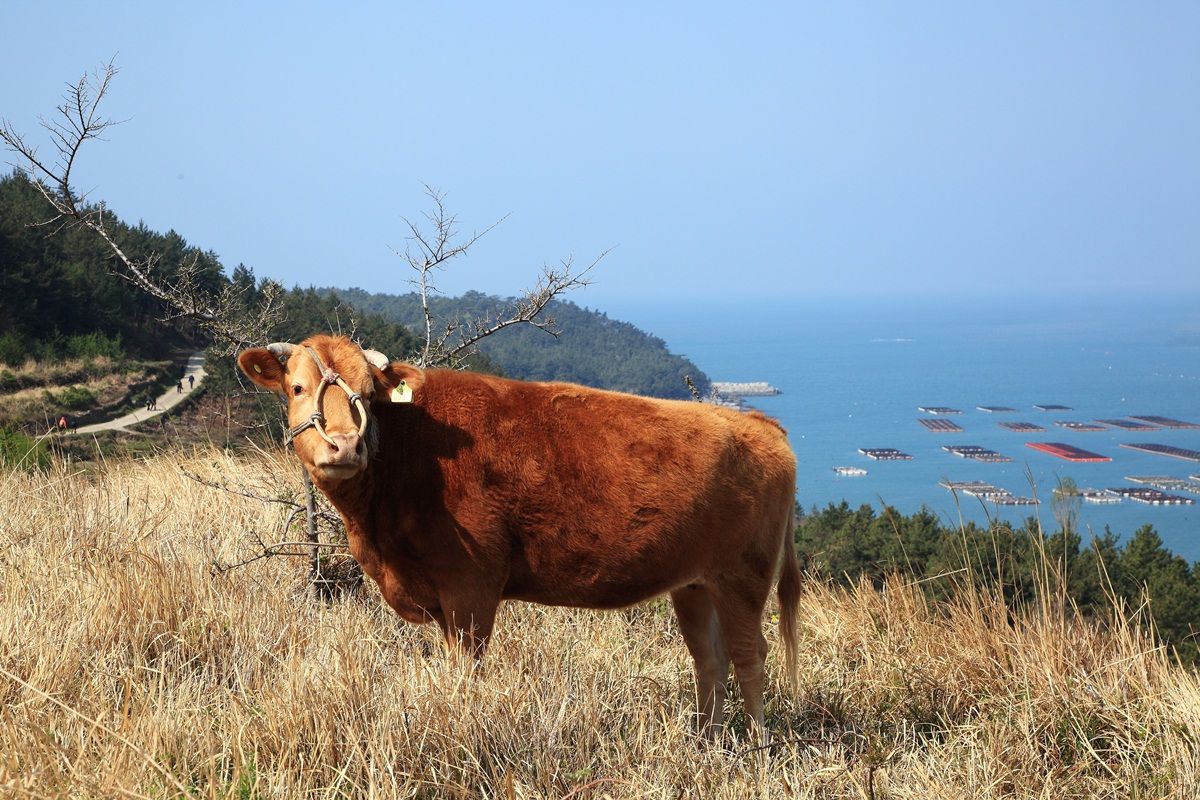 Hanu (Korean native beef)한우Beef from Korea's native cattle, most of them a warm yellow-brown, prized for rich marbling and a deep, beefy flavor. Hanu is the premium beef for grilling, braised galbi-jjim, holiday gift sets and ancestral-rite dishes.
 Dashima (dried kelp)다시마Thick, dried kelp that gives Korean broths their quiet savory depth. Beyond the stockpot it is fried into crisp twigak, simmered into soy-glazed side dishes and used as a wrap.
 Soy sauce간장Korean soy sauce, in two main kitchen forms: pale, salty guk-ganjang (soup soy sauce) brewed the traditional way from meju, and darker, sweeter jin-ganjang for braises and marinades.
 Garlic마늘Used raw, minced, pickled and roasted, garlic is one of the essential aromatics of Korean food — in seasonings, marinades, kimchi and namul.
 Green onion파Korean green onion (pa), from thick-stemmed daepa to slender scallions — chopped into nearly every seasoning sauce, soup and kimchi, and the star of pa-kimchi.
 Sesame참깨Toasted sesame seeds and sesame oil (chamgireum) finish countless Korean dishes, adding a nutty aroma and gloss.
 Rice쌀Short, round grains of japonica rice that cook up glossy, soft and gently clinging. Steamed white rice, bap, is the center of the Korean table: every banchan, soup and stew is planned to be eaten with it.
Nutrition
| Calories | ~64 kcal |
|---|---|
| Protein | ~4 g |
| Fat | ~0.5 g |
| Carbohydrates | ~10.4 g |
| Fiber | ~0.4 g |
| Sodium | ~760 mg |
Notable forPotassium
Scaled from the MFDS analysis of home-style toran-guk (per 100 g: 16 kcal, 1.00 g protein, 0.12 g fat, 2.61 g carbohydrate, 0.1 g fiber, 190 mg sodium, 109 mg potassium) to the database's 400 g serving, about 440 mg potassium. The analyzed soup is light on meat; this recipe's beef would add protein and fat. Actual values vary with ingredients, portion size and preparation.
Health Benefits
- A low-calorie soup; taro adds starch for gentle energy and is a source of potassium, which the folk encyclopedia also notes.
- The slippery coating on taro is largely galactan, a carbohydrate the folk encyclopedia identifies; parboiling removes most of it along with the acrid taste.
Regional Variations
- Seoul and Gyeonggi: the clear beef-and-kelp toran-tang, served at Chuseok and set on the ancestral table.
- Jeolla: boiled taro simmered with oysters, then thickened with ground perilla seed and soaked rice into a creamy soup seasoned with garlic and salt.
- South Gyeongsang: shrimp and clam meat go into the pot.
- North Gyeongsang and elsewhere: the folk encyclopedia notes that many regions eat the dried taro stems (torandae) instead, in yukgaejang and namul, rather than the corms.
Pairings
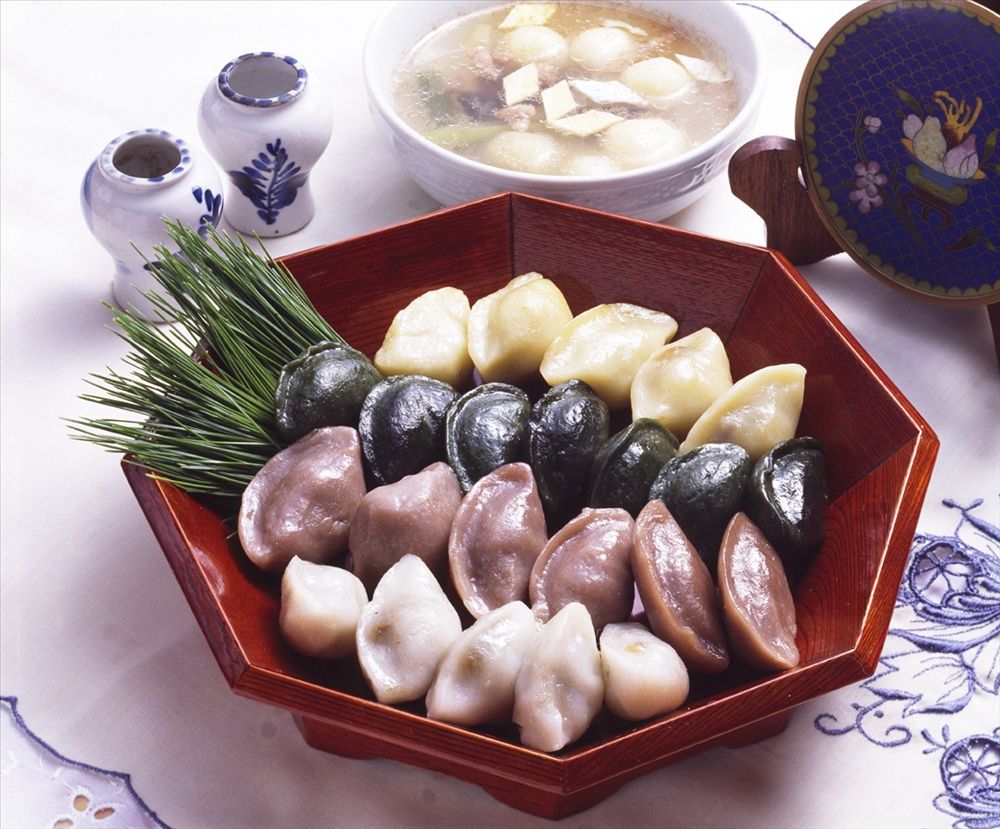 Songpyeon (Half-Moon Rice Cakes)송편Small half-moon cakes of rice dough filled with sweet sesame, beans or chestnut and steamed on a bed of pine needles — the rice cake of Chuseok, made with the new harvest.
 Japchae (Glass Noodles with Vegetables)잡채Chewy sweet potato glass noodles tossed with stir-fried vegetables, mushrooms and beef in soy sauce and sesame oil — Korea's essential celebration dish.
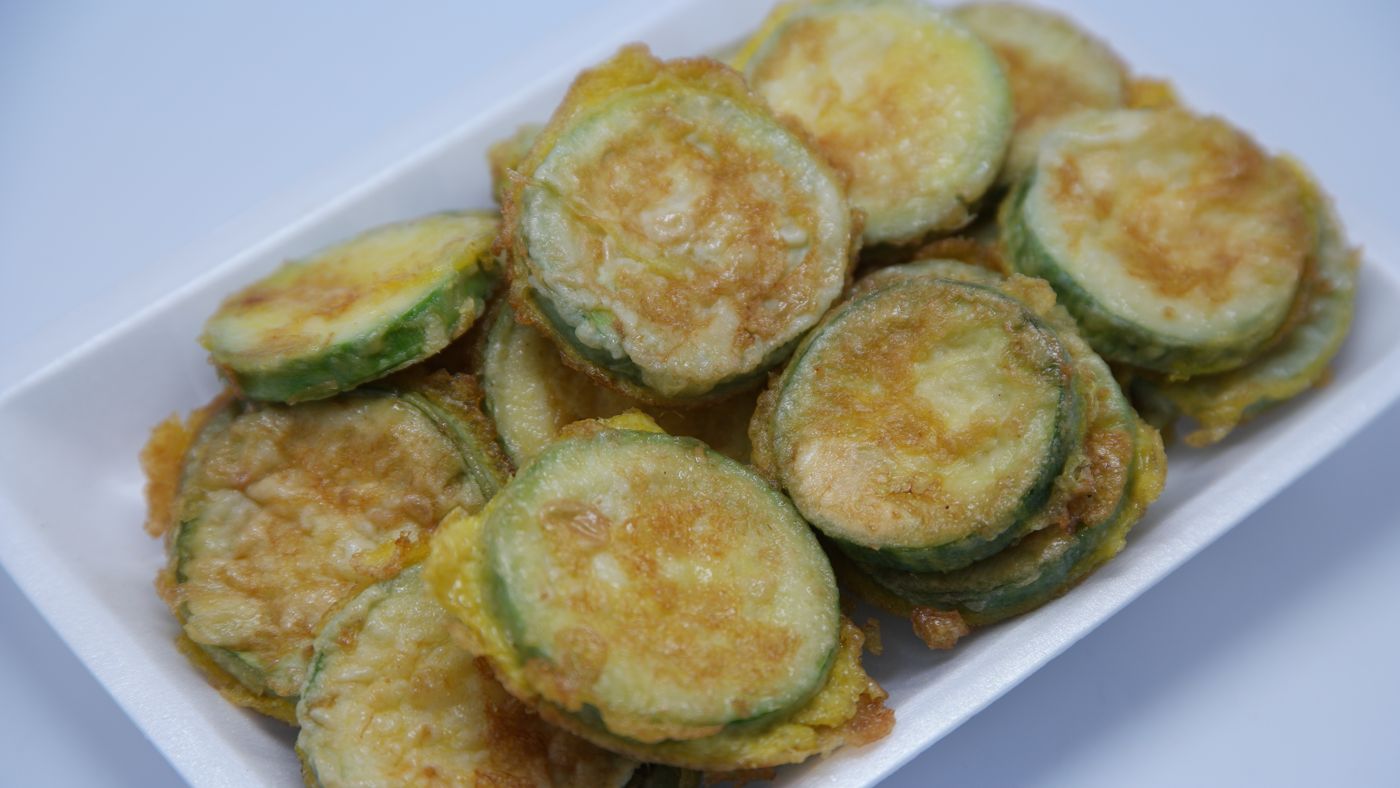 Hobak Jeon (Pan-Fried Zucchini)호박전Rounds of Korean zucchini dusted with flour, dipped in egg and pan-fried until golden — a soft, sweet jeon for holidays and everyday meals.
 Sigeumchi Namul시금치나물Spinach blanched for a few seconds, squeezed dry and dressed with garlic, soy sauce and sesame — one of the simplest and most familiar namul.
Sources
- 01토란국 (Toran-guk) — Encyclopedia of Korean Folk Culture (한국의식주생활사전)
- 02토란국 (Toran-guk) — Encyclopedia of Korean Culture
- 03토란 (Toran, taro) — Encyclopedia of Korean Folk Culture (한국의식주생활사전)
- 04Taro Roots: An Underexploited Root Crop — Nutrients, 2023
- 05토란국 (Toran-guk, home-style, analyzed) — MFDS K-FIND food composition database
- 06Trends in sodium intake and major contributing food groups and dishes in Korea: KNHANES 2013–2017 (Jeong et al., Nutrition Research and Practice, 2021)
Last updated