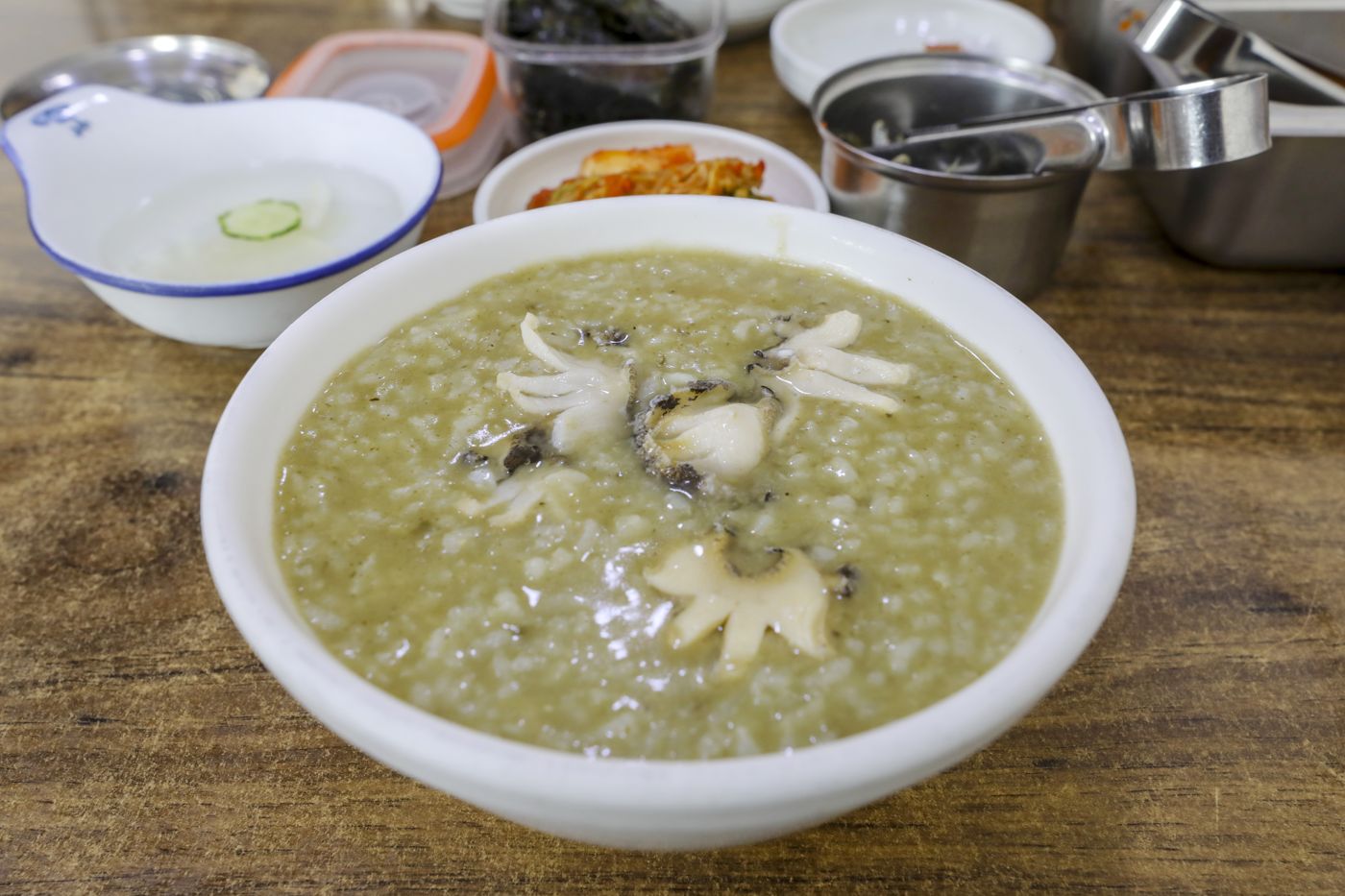
 Photo: bryan..., CC BY-SA 2.0, via Wikimedia Commons
Juk · Porridges 죽
Jeonbok-juk (Abalone Rice Porridge)
전복죽
Romanization: jeonbok-juk
Rice simmered with sliced abalone and its green viscera in sesame oil until silky — Jeju's restorative porridge for convalescents, new mothers and anyone in need of comfort.
- Serves
- 4
- Prep
- 25 min
- Cook
- 45 min
Recipe
Ingredients · Serves 4
- 4 mediumFresh abaloneabout 400 g in the shell, 240 g meat and viscera
- 180 gShort-grain white rice1 cup, soaked 1 hour
- 1½ tbspToasted sesame oildivided
- 1.4 LWater
- 1 tspSoup soy sauce (guk-ganjang) or light soy sauce
- ½ tspSaltor to taste
- 1 tspToasted sesame seedsoptional, to finish
Method
Technique: Making Juk
Step 1: Scrub the abalone with a soft brush. Slide a spoon between the shell and the meat to free it, separate the viscera, and cut away the hard mouthparts. Slice the meat thinly and press the viscera through a sieve (or mince finely).
Step 2: Drain the soaked rice. If you like a smoother porridge, crush it lightly with your hands or pulse it briefly in a food processor.
Step 3: Heat 1 tbsp sesame oil in a heavy pot over medium heat. Stir-fry the abalone slices for 1 minute, then add the rice and stir for 2–3 minutes until the grains turn translucent. Stir in the viscera.
Step 4: Pour in the water, bring to a boil, then lower the heat and simmer for 30–40 minutes, stirring often and scraping the bottom, until the grains have burst and the porridge is thick and creamy. Add a little hot water if it thickens too much.
Step 5: Season with the soy sauce and salt, finish with the remaining sesame oil and the sesame seeds, and serve hot with a mild kimchi or soy-braised beef on the side.
Origin & History
Jeonbok-juk is rice porridge cooked with fresh abalone (jeonbok). The Encyclopedia of Korean Culture describes two methods: simmering thin slices of abalone until the broth is full of flavor and then adding soaked rice, or seasoning the slices lightly with soy sauce and garlic, making a clear broth and cooking the rice in it. It suggests a ratio of about five medium abalone to a cup of rice and identifies the dish as a local specialty of Jeju, where abalone is plentiful, valued both as a restorative and as a treat.
Jeju's relationship with abalone is ancient. The Encyclopedia of Korean Folk Culture notes abalone shells and shell knives in a prehistoric midden at Gwakji, and an eighth-century wooden tag excavated at the Heijō palace in Nara, Japan, recording dried abalone from Tamna, as Jeju was then known. Under the Joseon dynasty, dried Jeju abalone was sent regularly as tribute to the court, where it appeared on ritual and royal tables. The same entry tells a harder story: in the colonial period Japanese diving boats and canneries overharvested Jeju's beds, the fine meat went elsewhere, and the viscera left over from processing were what local people put into their porridge.
That history explains Jeju's distinctive style. Island cooks insist on including the viscera (geout), which tint the porridge a pale green; women divers (haenyeo) call abalone bi, and say the softer female abalone, with green gonads, is best for porridge while the crunchier male is eaten raw. Jeonbok-juk was the classic food after childbirth, behind the island saying that a diver goes back into the sea three days after giving birth, and it is still what families carry to a parent in hospital. See postpartum food traditions, abalone and making juk.
Key Ingredients
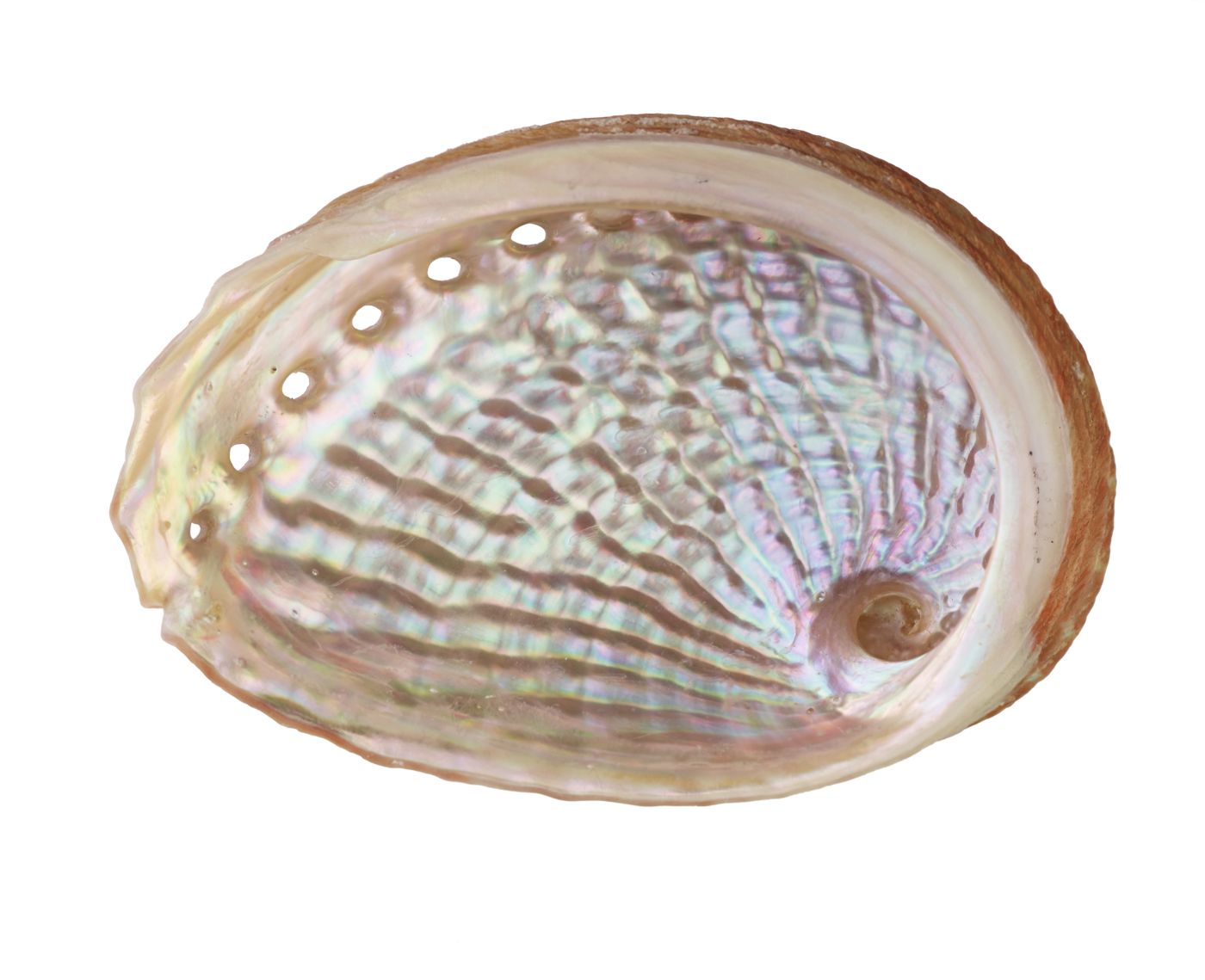 Abalone (jeonbok)전복A prized sea snail with a single pearly shell and a firm, sweet foot. Long gathered by divers and now farmed widely around Wando, it is simmered into Jeju's restorative jeonbok-juk.
 Rice쌀Short, round grains of japonica rice that cook up glossy, soft and gently clinging. Steamed white rice, bap, is the center of the Korean table: every banchan, soup and stew is planned to be eaten with it.
 Sesame참깨Toasted sesame seeds and sesame oil (chamgireum) finish countless Korean dishes, adding a nutty aroma and gloss.
 Soy sauce간장Korean soy sauce, in two main kitchen forms: pale, salty guk-ganjang (soup soy sauce) brewed the traditional way from meju, and darker, sweeter jin-ganjang for braises and marinades.
Nutrition
| Calories | ~265 kcal |
|---|---|
| Protein | ~13 g |
| Fat | ~5.2 g |
| Carbohydrates | ~39 g |
| Fiber | ~0.6 g |
| Sodium | ~540 mg |
Notable forSelenium · Protein
Estimated by summing USDA FoodData Central (SR Legacy) values for raw mixed-species abalone (FDC 174212), medium-grain white rice (FDC 168879, standing in for short-grain), sesame oil (FDC 171016), soy sauce (FDC 174277, standing in for soup soy sauce, which is saltier) and table salt (FDC 173468), divided by 4. USDA's abalone entry describes the meat; Jeju-style porridge with viscera will differ somewhat. Actual values vary with ingredients, portion size and preparation.
Health Benefits
- Easy to eat and digest: long-simmered rice porridge is soft and warm, which is why the Korean Food Promotion Institute describes jeonbok-juk as a traditional food for patients and the elderly.
- Lean protein and selenium: abalone is low in fat and a good source of protein and selenium.
- A restorative tradition: on Jeju it is the customary food after childbirth and during illness. See postpartum food traditions.
Regional Variations
- Jeju style: viscera always included, giving a pale green color and a deeper sea flavor; the softer female abalone is preferred.
- Mainland style: often made with the meat alone, so the porridge is white to beige and milder.
- Wando (Jeolla): Wando County now produces more than 70 percent of Korea's abalone, farmed in sea cages and fed on kelp and sea mustard.
- Clear-broth method: the encyclopedia's second version, abalone simmered with a little soy sauce and garlic into a light broth before the rice is added.
Pairings
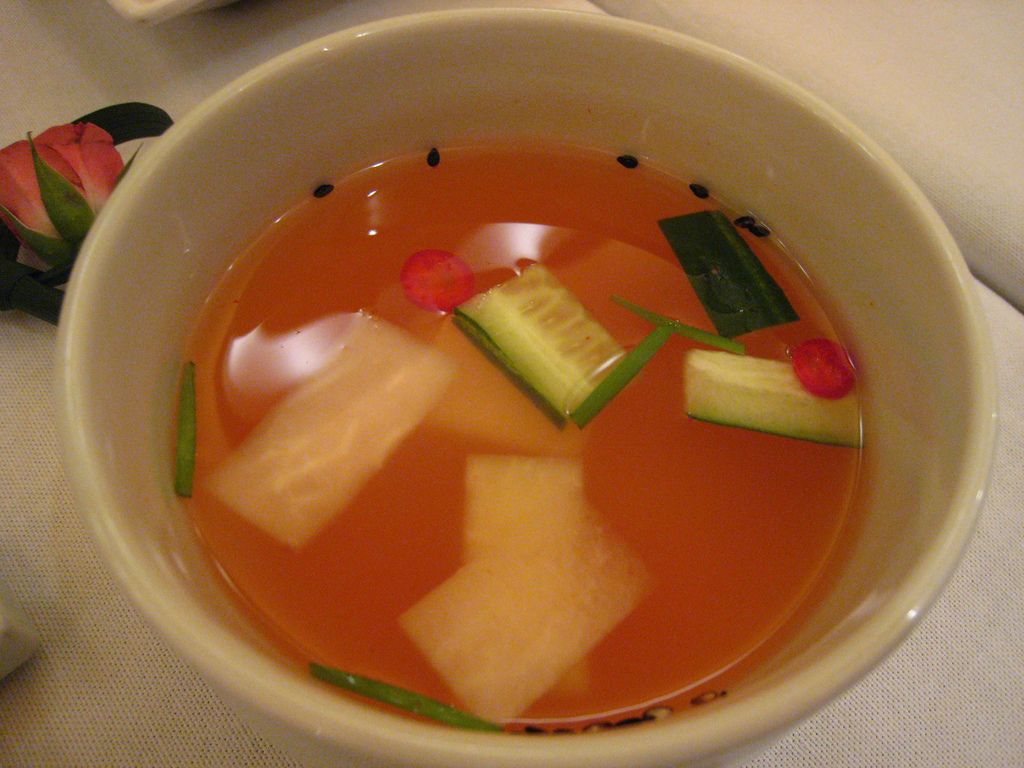 Radish and Cabbage Water Kimchi나박김치Thin squares of radish and napa cabbage in a lightly salted, pink-tinted broth — a mild, refreshing water kimchi eaten by the spoonful.
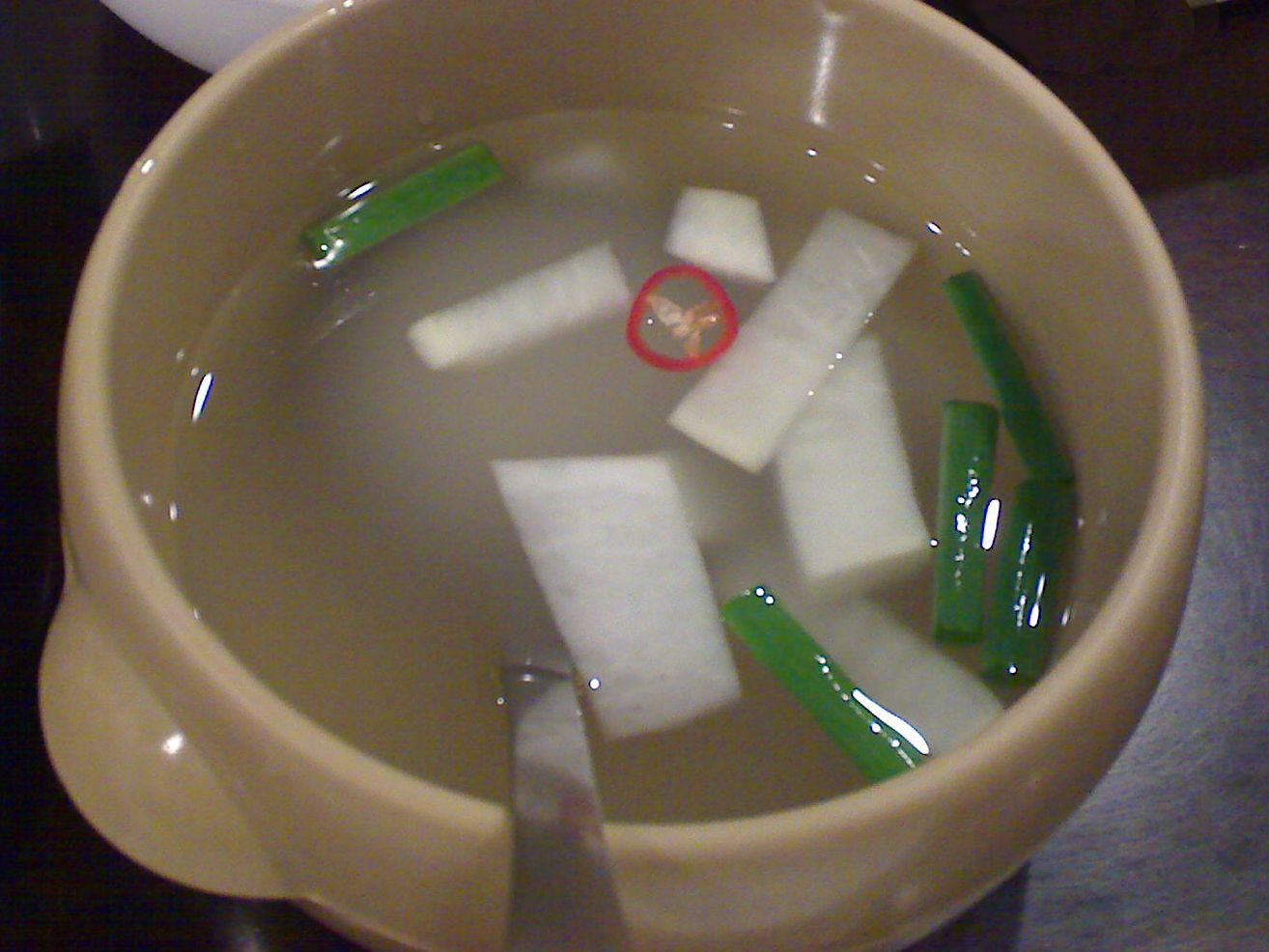 Radish Water Kimchi동치미Whole radishes steeped in a clear salt brine with pear, ginger and green chili — a winter water kimchi whose tangy broth is prized on its own.
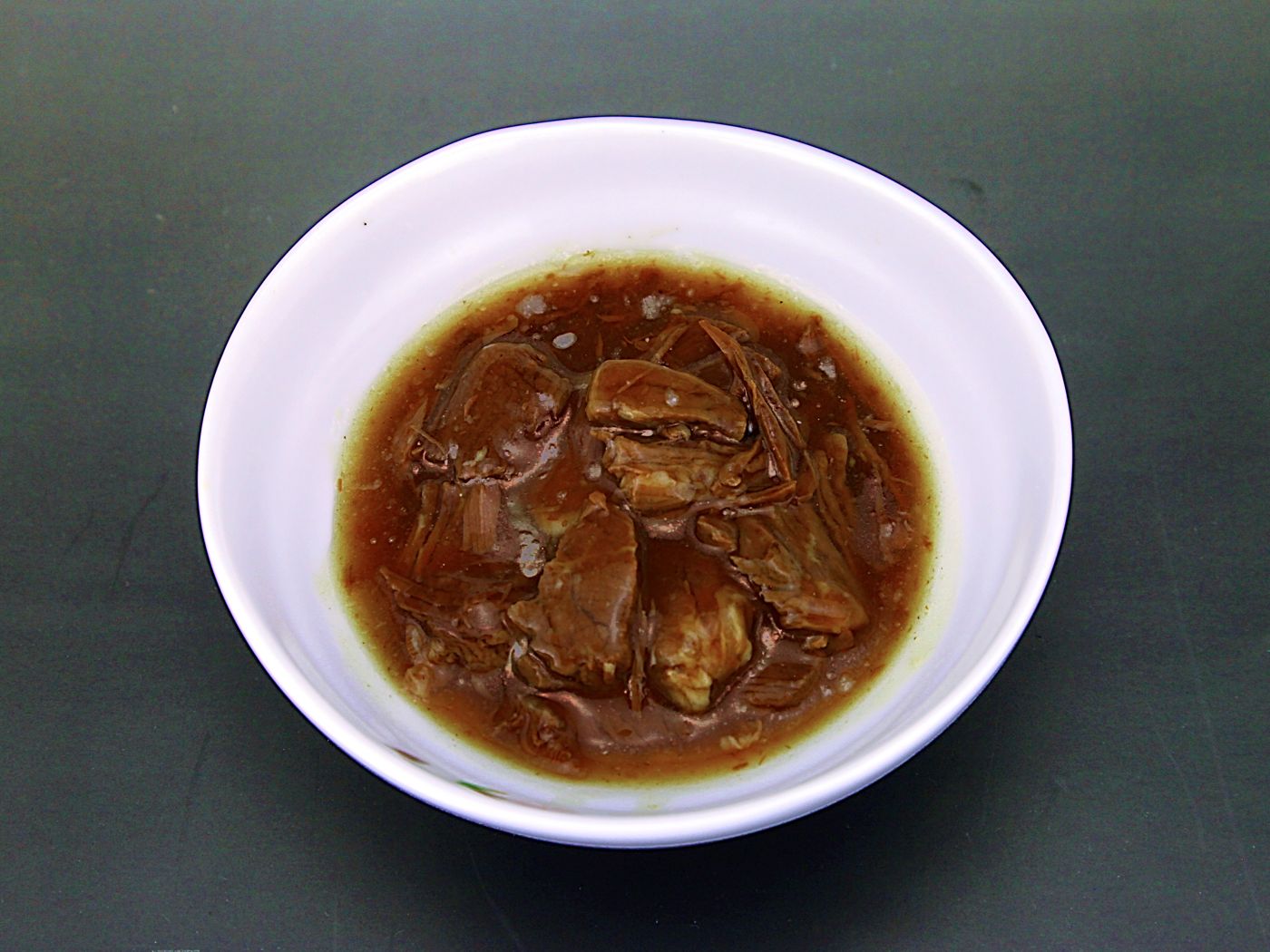 Jangjorim장조림Lean beef simmered in soy sauce until tender, then torn into strands and served in its savory broth, often with eggs, garlic and mild peppers.
Sources
- 01전복죽 (Jeonbok-juk) — Encyclopedia of Korean Culture
- 02전복죽 (Jeonbok-juk) — Encyclopedia of Korean Folk Culture: Korean Food and Dwelling Life
- 03한식이야기: 전복죽 (Korean Food Story: Abalone Porridge) — Korean Food Promotion Institute
- 04The beating heart of ASC-certified abalone farming in South Korea — Aquaculture Stewardship Council
- 05Mollusks, abalone, mixed species, raw (FDC 174212) — USDA FoodData Central
- 06식품 알레르기 유발물질 표시 강화된다 (Food allergen labeling to be strengthened, 2019) — Anti-Corruption and Civil Rights Commission of Korea
Last updated