Muchim · Dressed side dish 무침
Spicy Skate Salad
홍어회무침
Romanization: hongeo-hoe-muchim
Strips of raw or lightly fermented skate, firmed in vinegar and tossed with minari, radish and a sweet-sour gochujang dressing — Jeolla's feast-day salad.
- Serves
- 4
- Prep
- 40 min
- Cook
- 2 min
RegionJeolla · Mokpo · Naju · Gwangju · Seoul & Gyeonggi
Jump to recipeRecipe
Ingredients · Serves 4
- 300 gSkate wing (hongeo), skinned, previously frozenfresh or lightly fermented, sold for raw eating
- 100 mlVinegar (sikcho) or makgeollifor firming the skate
- 150 gKorean radish (mu)cut into thick matchsticks
- ½ tspFine saltfor the radish
- 60 gWater dropwort (minari)
- 80 gKorean pearcut into matchsticks
- 3 tbspGochujang
- 1 tbspGochugaru (Korean chili flakes)
- 2 tbspVinegar (sikcho)for the dressing
- 1½ tbspSugar
- 1 tbspGarlicminced
- ½ tspGingerminced
- 1 stalkGreen onionfinely chopped
- 1 + 1 tspToasted sesame oil and sesame seeds
Method
Technique: Preparing Hoe: Raw and Lightly Cooked Seafood
Step 1: Thaw the skate overnight in the refrigerator if frozen. Cut it into strips about 1 cm wide and 5 cm long, through the soft cartilage. For a light fermented tang, wrap the strips and refrigerate for another day before using.
Step 2: Put the skate in a bowl with the vinegar (or makgeolli) and knead it firmly with your hands for 2–3 minutes, until the flesh turns opaque and firm. Squeeze it dry in a clean cloth and discard the liquid.
Step 3: Toss the radish with the fine salt for 15 minutes, then squeeze dry. Blanch the minari for 10 seconds, rinse in cold water, squeeze and cut into 4 cm lengths.
Step 4: Stir together the gochujang, gochugaru, vinegar, sugar, garlic, ginger and green onion to make the dressing.
Step 5: Toss the skate with about two-thirds of the dressing first, then add the radish, minari and pear with the rest and mix lightly. Finish with the sesame oil and seeds.
Step 6: Serve immediately, while the vegetables are crisp. Do not leave it at room temperature for more than 2 hours; leftovers should be refrigerated and eaten the same day.
Origin & History
Hongeo-hoe-muchim is skate (hongeo) cut into strips and dressed raw, a member of the wider family of hoe-muchim — raw seafood tossed with vegetables in a spicy, sweet-sour dressing. The Encyclopedia of Korean Folk Culture finds an early relative in a 1771 compendium, Gosa sinseo, which gives a vinegar dressing of grilled green onion, ginger and pepper for raw fish, and it lists skate among the many seafoods still dressed this way today.
The Encyclopedia of Korean Culture describes it as a Jeolla regional dish. Skate from Heuksando, the island off the southwest coast, is considered the finest, and the fish is at its best in winter. Skate has a natural bite of its own and, to local taste, is even better once slightly fermented and smelling of ammonia: in Mokpo and nearby towns, fresh skate is left overnight in a crock to develop that sharpness, then skinned, cut into strips and kneaded with vinegar until firm before it is dressed. Elsewhere it is often used fresh, with salted radish and pear added for crunch.
Skate carries ceremonial weight. The folk encyclopedia records that around Naju and Gwangju no feast or ancestral rite is complete without fermented skate, and that hongeo-muchim is equally indispensable at celebrations in Incheon and Gyeonggi, near the other traditional skate grounds off Daecheongdo. With the local catch now small, much of the skate eaten in Korea is imported from Chile, Argentina and Uruguay and fermented at Yeongsanpo in Naju.
Key Ingredients
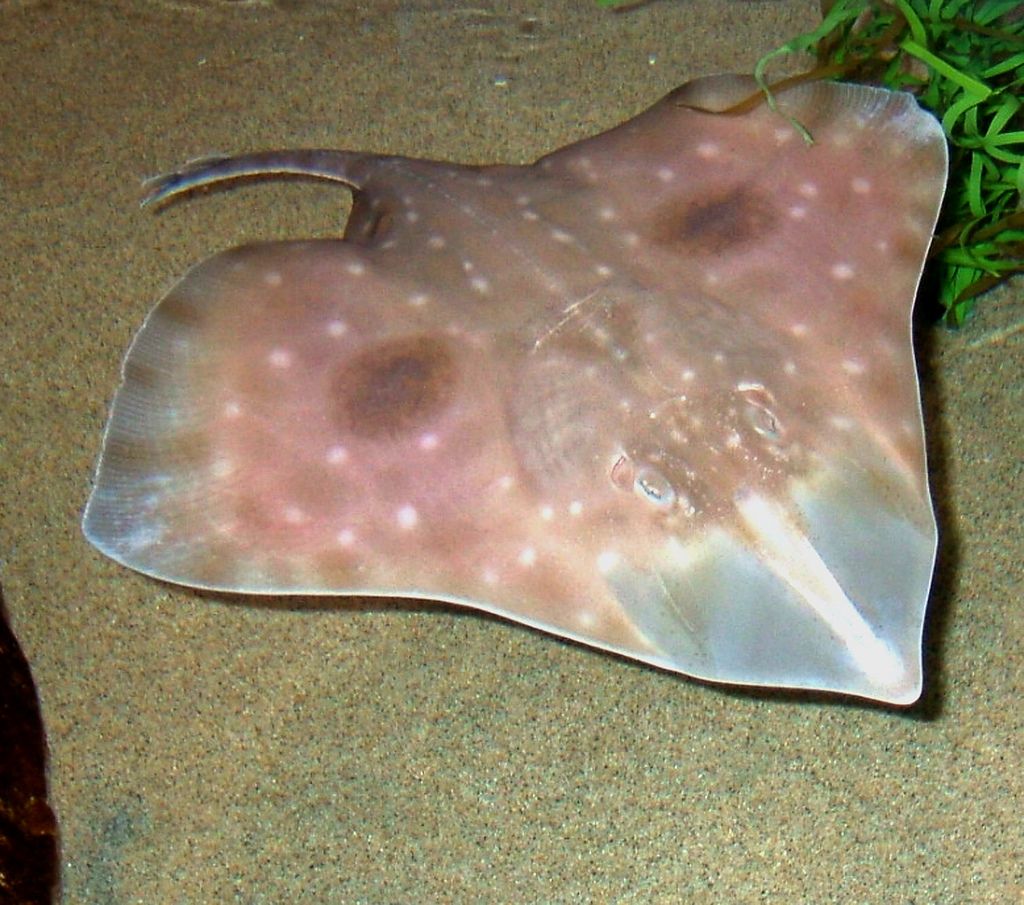 Skate (hongeo)홍어A broad, diamond-shaped ray famous in Jeolla for being eaten fermented, when its flesh gives off a sharp blast of ammonia. Fresh or fermented, hongeo is a centerpiece of southwestern feasts.
- Korean Vinegar식초Vinegar in the Korean kitchen, from naturally fermented grain and fruit vinegars, such as persimmon vinegar, to everyday brewed vinegar. It sharpens muchim, pickles and the dipping sauce chogochujang.
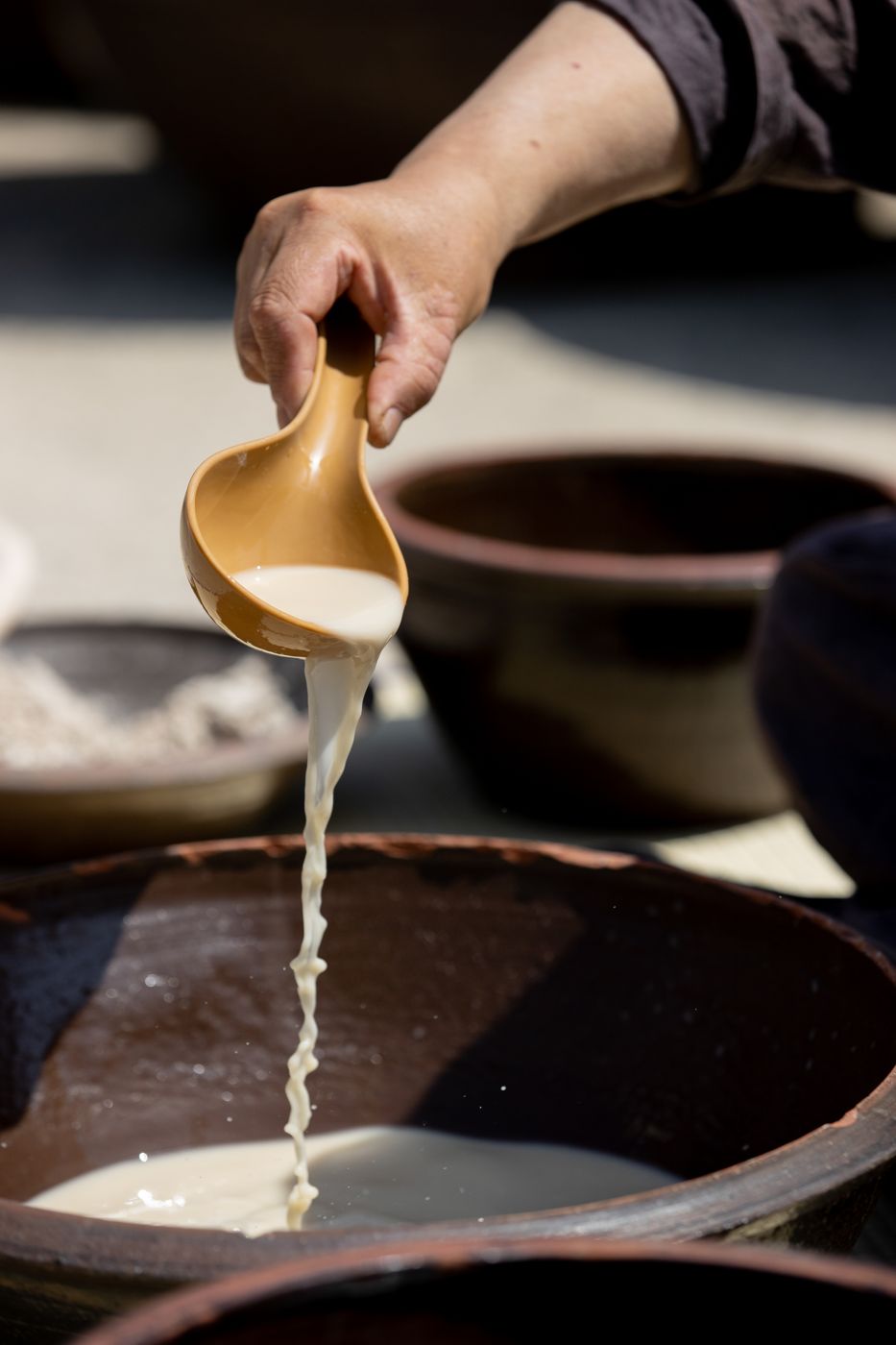 Makgeolli (Unfiltered Rice Wine)막걸리Milky, lightly fizzy Korean rice wine brewed from rice, nuruk and water and strained rather than clarified, usually around 6 to 8 percent alcohol. Drunk with jeon and kimchi, it also leavens steamed buns.
 Korean radish무A stout, heavy white radish, often tinged pale green near the top. It is cubed for kkakdugi, left whole in the clear brine of dongchimi, shredded into salads and simmered into broths.
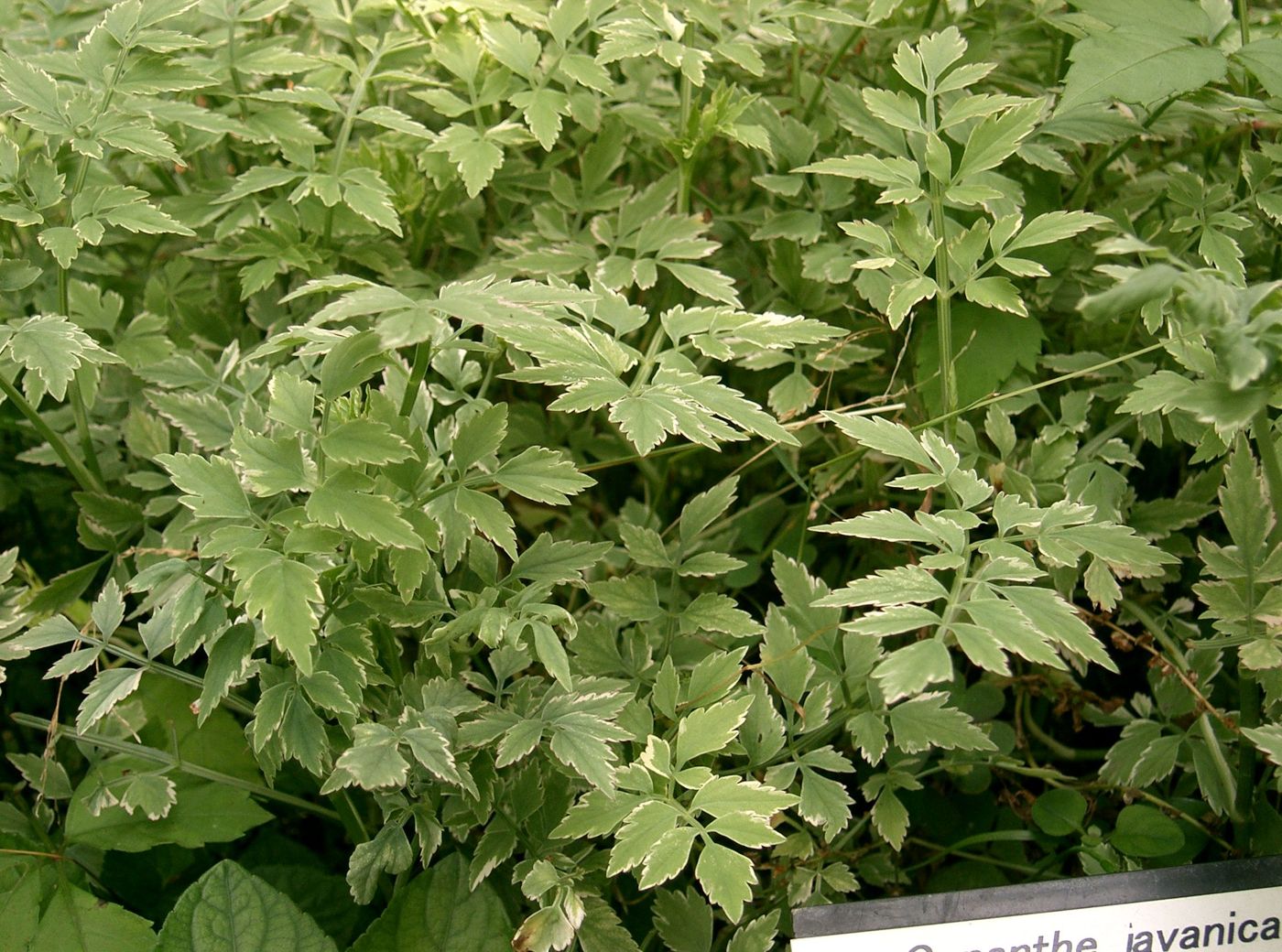 Minari (water dropwort)미나리A long-stemmed, aromatic water plant with a fresh, celery-like perfume. Blanched and dressed as minari-muchim, tucked into kimchi, wrapped into little bundles for minari-ganghoe and piled into fish stews and hot pots.
- Korean Pear배The large, round, crisp and very juicy Korean pear (bae). Beyond eating fresh, it is grated into meat marinades and sliced into mild kimchi for natural sweetness.
- Gochujang고추장Fermented red chili paste — sweet, savory and hot. Made from meju powder, glutinous rice, malt and gochugaru, it is a later addition to Korea's family of jang.
 Gochugaru고춧가루Korean red chili powder, made from dried red peppers ground coarse or fine. It gives kimchi, gochujang and countless banchan their color and warmth.
 Garlic마늘Used raw, minced, pickled and roasted, garlic is one of the essential aromatics of Korean food — in seasonings, marinades, kimchi and namul.
 Ginger생강Fresh ginger root, used in small amounts to brighten kimchi paste and marinades and to tame the strong smells of fish and meat.
 Green onion파Korean green onion (pa), from thick-stemmed daepa to slender scallions — chopped into nearly every seasoning sauce, soup and kimchi, and the star of pa-kimchi.
 Sesame참깨Toasted sesame seeds and sesame oil (chamgireum) finish countless Korean dishes, adding a nutty aroma and gloss.
Nutrition
| Calories | 79 kcal |
|---|---|
| Protein | 7.1 g |
| Fat | 1.1 g |
| Carbohydrates | 10.4 g |
| Fiber | 2.7 g |
| Sodium | 321 mg |
Notable forProtein · Calcium
From the Korean MFDS food composition database (K-FIND) entry for restaurant-style hongeo-muchim (홍어무침, analyzed; per 100 g: 99 kcal, 8.9 g protein, 13.0 g carbohydrate including 7.2 g sugars, 3.4 g fiber, 401 mg sodium, 150 mg calcium), scaled to the serving size. Actual values vary with ingredients, portion size and preparation.
Health Benefits
- Lean protein: skate is a low-fat fish; a serving supplies about 7 g of protein.
- Calcium: the soft cartilage is eaten along with the flesh; in the database figures a serving provides about 120 mg of calcium.
- Vegetables in the mix: minari, radish and pear add crunch and fiber, and the vinegared dressing keeps the dish bright rather than heavy.
Regional Variations
- Mokpo: the skate is rested overnight in a crock for a light ammonia tang, then kneaded with vinegar and dressed with blanched minari and gochujang.
- Elsewhere in Jeolla: made with fresh skate straight from the market, often with salted radish strips and slivered pear.
- Incheon and Gyeonggi: hongeo-muchim is an essential feast dish.
- Gangjaemi-muchim: a cousin made from a smaller ray, kneaded in makgeolli instead of vinegar and dressed with carrot, onion and chili.
Pairings
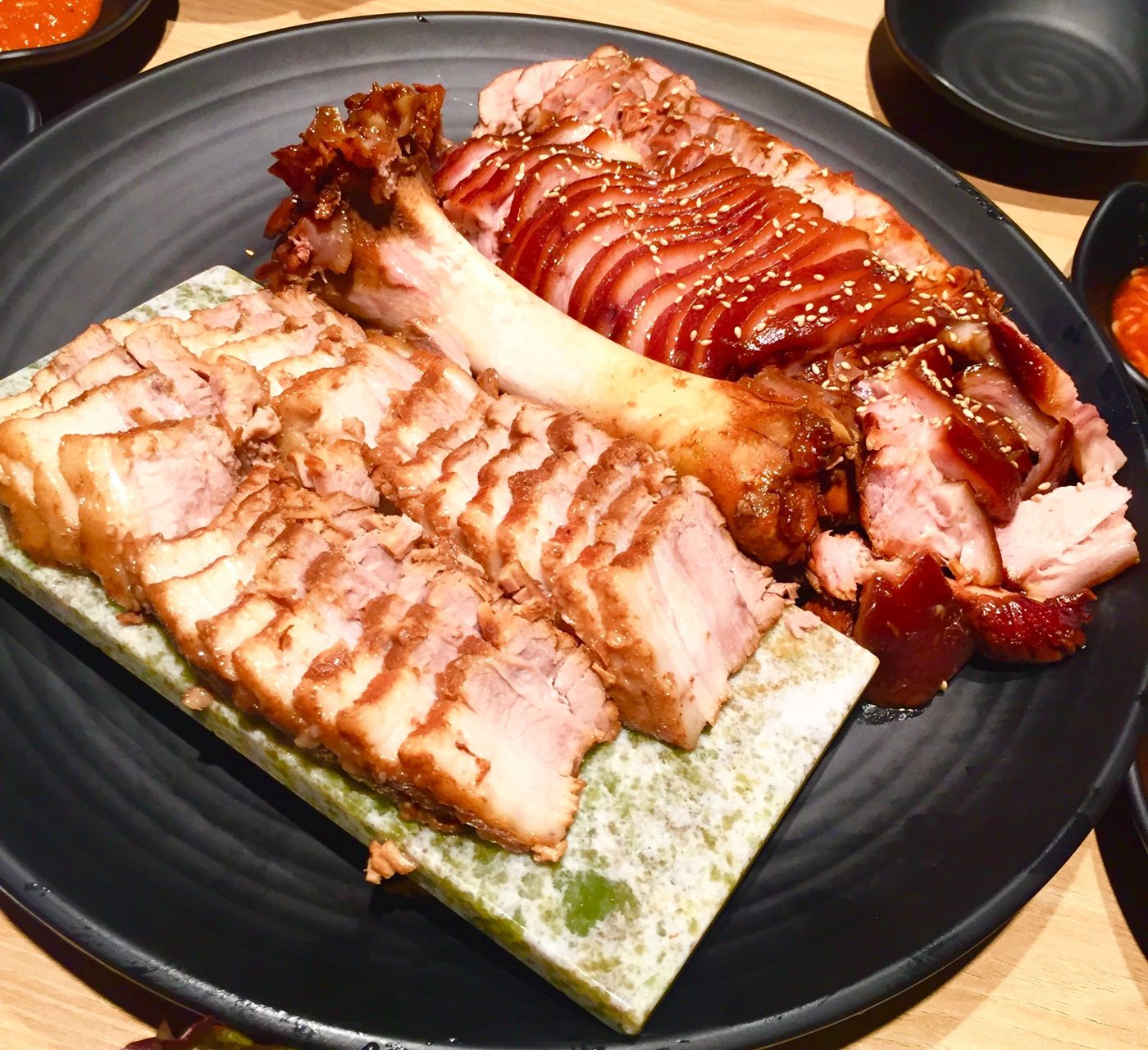 Bossam (Boiled Pork Wraps)보쌈Pork belly simmered with doenjang and aromatics, pressed and sliced, then wrapped in salted cabbage with spicy radish and salted shrimp — a feast dish built for sharing.
 Napa Cabbage Kimchi배추김치Salted napa cabbage layered with a red paste of chili, garlic, ginger and fermented seafood, then left to ripen: the kimchi most people picture first.
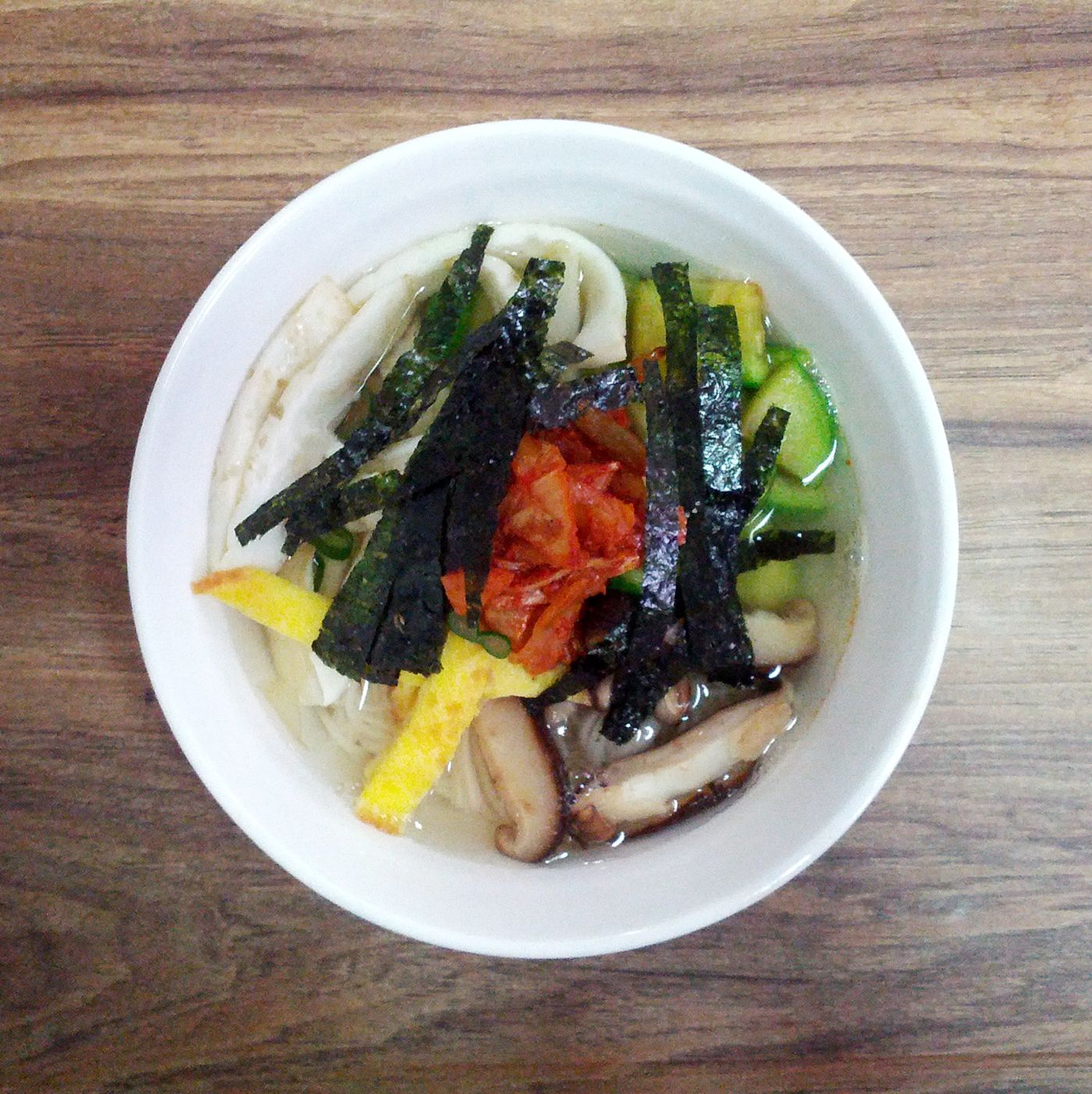 Janchi Guksu (Banquet Noodles)잔치국수Thin wheat noodles in a hot, clear anchovy or beef broth, topped with egg strips, zucchini and kimchi — the long-life noodles served at weddings and birthdays.
Sources
- 01홍어무침 (Hongeo-muchim) — MFDS K-FIND food composition database
- 02홍어회(洪魚膾) - 한국민족문화대백과사전 (Encyclopedia of Korean Culture)
- 03홍어 - 한국민속대백과사전 (Encyclopedia of Korean Folk Culture)
- 04회무침 - 한국민속대백과사전 (Encyclopedia of Korean Folk Culture)
- 05Shotgun metagenomics approach reveals the bacterial community and metabolic pathways in commercial hongeo product — Food Research International (2020)
- 06Selecting and Serving Fresh and Frozen Seafood Safely - U.S. Food and Drug Administration
Last updated