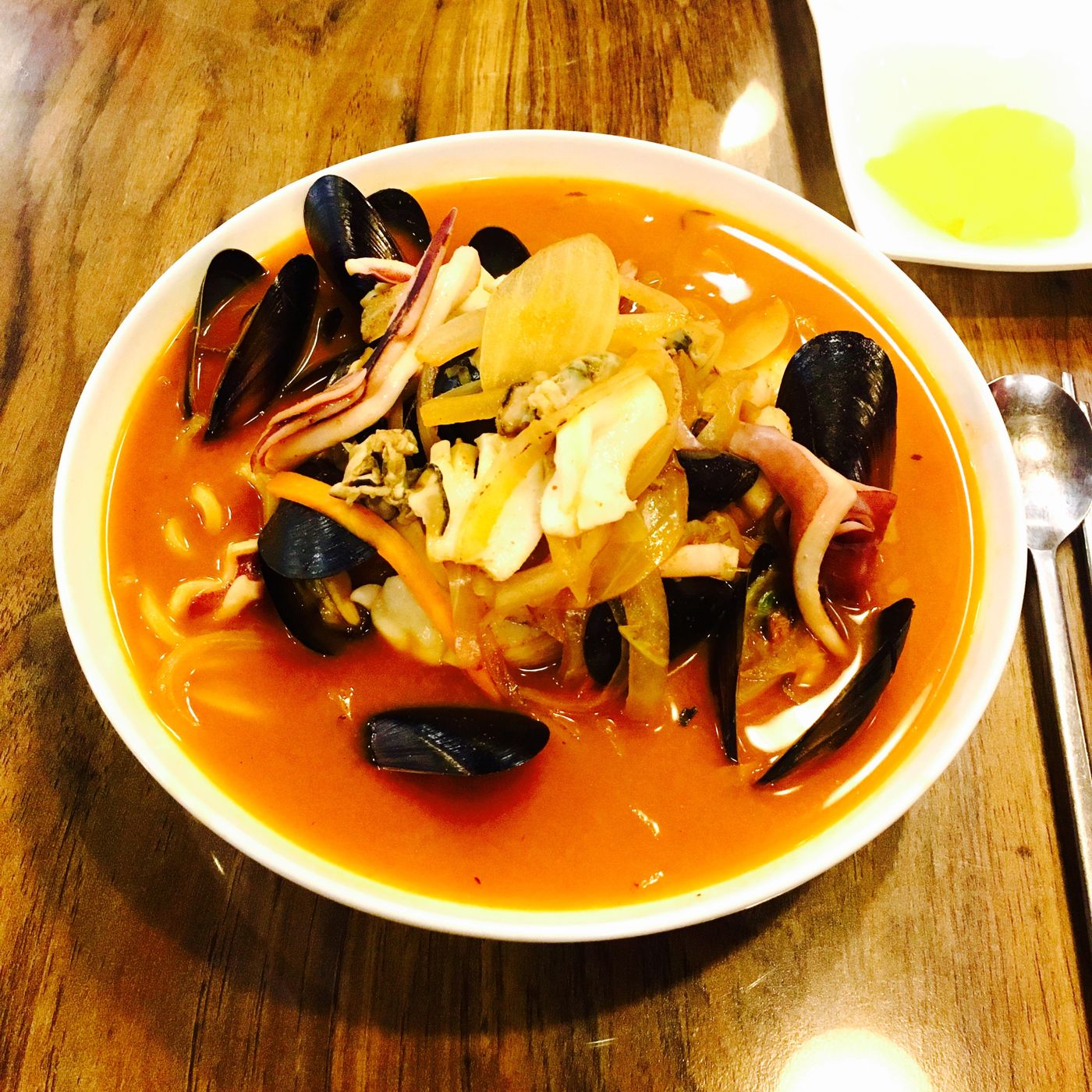
 Photo: Jungyeon, CC0, via Wikimedia Commons
Myeon · Noodles 면
Jjamppong (Spicy Seafood Noodle Soup)
짬뽕
Romanization: jjamppong
Thick wheat noodles in a fiery red broth of stir-fried pork, squid, shellfish and vegetables — the Korean-Chinese restaurant's spicy counterpart to jajangmyeon.
- Serves
- 2
- Prep
- 25 min
- Cook
- 20 min
Recipe
Ingredients · Serves 2
- 300 gFresh thick Chinese-style wheat noodlesor 200 g dried
- 80 gPork shoulderthin strips
- 100 gSquidcleaned, scored and cut into strips
- 80 gShrimppeeled and deveined
- 200 gMussels in the shellscrubbed and debearded (about 60 g meat)
- 100 gOnionsliced
- 100 gNapa cabbagebite-size pieces
- 40 gCarrotthin slices
- 60 gKorean zucchinihalf-moons
- 30 gGreen onioncut in 4 cm lengths
- 3 clovesGarlicminced (about 15 g)
- 1 tspGingerminced
- 2 tbspGochugaruabout 14 g; use less for a milder soup
- 2 tbspNeutral cooking oil
- 1 tbspSoy sauce
- 1 tbspOyster sauce
- 1 LUnsalted chicken or pork stock, or water
- ½ tspSaltto taste
- 1 tspToasted sesame oil
Method
Technique: Bokkeum: Korean Stir-Frying, Making Yuksu: Anchovy-Kelp Stock
Step 1: Prepare all the ingredients before you start; the stir-frying goes quickly. Put a large pot of water on for the noodles.
Step 2: Heat the oil in a wok or wide pot over medium heat. Add the green onion, garlic and ginger and stir for 30 seconds until fragrant, then add the pork and stir-fry until it loses its pink color.
Step 3: Turn the heat down to low, add the gochugaru and stir for 20–30 seconds so the oil turns red; don't let the chili scorch.
Step 4: Raise the heat to high. Add the onion, carrot, cabbage and zucchini and stir-fry 2 minutes until they start to wilt and char at the edges. Add the soy sauce, letting it sizzle against the hot pan.
Step 5: Pour in the stock, add the mussels and oyster sauce and bring to a boil. Add the squid and shrimp and simmer 3–4 minutes, until the mussels open (discard any that stay shut) and the seafood is just cooked. Season with salt and finish with the sesame oil.
Step 6: Meanwhile cook the noodles according to the package, drain and divide between two large bowls. Ladle the soup and seafood over the noodles and serve at once.
Origin & History
Jjamppong is made by stir-frying pork, seafood and vegetables in a very hot wok, pouring in stock and simmering briefly, then ladling the soup over boiled wheat noodles. The Encyclopedia of Korean Culture calls it, together with jajangmyeon, one of the everyday favorites of the Korean-Chinese restaurant, and records two competing origin stories. In the Korean account, Shandong Chinese living in Incheon in the late 19th century reworked their own chaomamian (炒碼麵), a soup noodle topped with stir-fried ingredients, into something sweeter and hotter for Korean customers, and the dish picked up a Japanese word meaning a jumble of different things.
In the Japanese account, the name belongs first to Nagasaki, where Chen Pingshun, founder of the Chinese restaurant Shikairo, created a mild noodle soup for poor Chinese students in the late 19th century; the encyclopedia relays the story that the name grew from the students' dialect greeting, misheard by Japanese diners. Chinese-cuisine researcher Yong Pyeong-won, writing in 2026, sets Chen's arrival in Nagasaki in 1892 and the restaurant's opening in 1899, and notes that in colonial Seoul the soup was eaten in the grander Chinese restaurants rather than as cheap street fare. The two ports thus ended up sharing one name for two quite different Chinese-style noodle soups. The wider story of this cuisine is told in Korean-Chinese food.
The red broth is newer than most diners assume. Food columnist Hwang Gwang-hae, in a 2015 Weekly Hankook piece, writes that through the 1960s the dish was usually sold as junghwa udong, "Chinese udon," and that jjamppong became established as a menu name of its own from the 1970s. Yong dates the change in color to the early 1970s, when cooks began adding gochugaru and chili oil; the older soup was pale. Hwang also links the shift to fresh and frozen seafood reaching inland restaurants once expressways were built, replacing dried seafood. See capsaicin and spicy food and noodles in Korean history.
Key Ingredients
 Pork (dwaeji-gogi)돼지고기Korea's most widely eaten meat, prized cut by cut: fatty belly for samgyeopsal, neck for the grill, lean legs for boiled suyuk and stir-fried jeyuk. Pork also anchors Jeju Island's feast cooking.
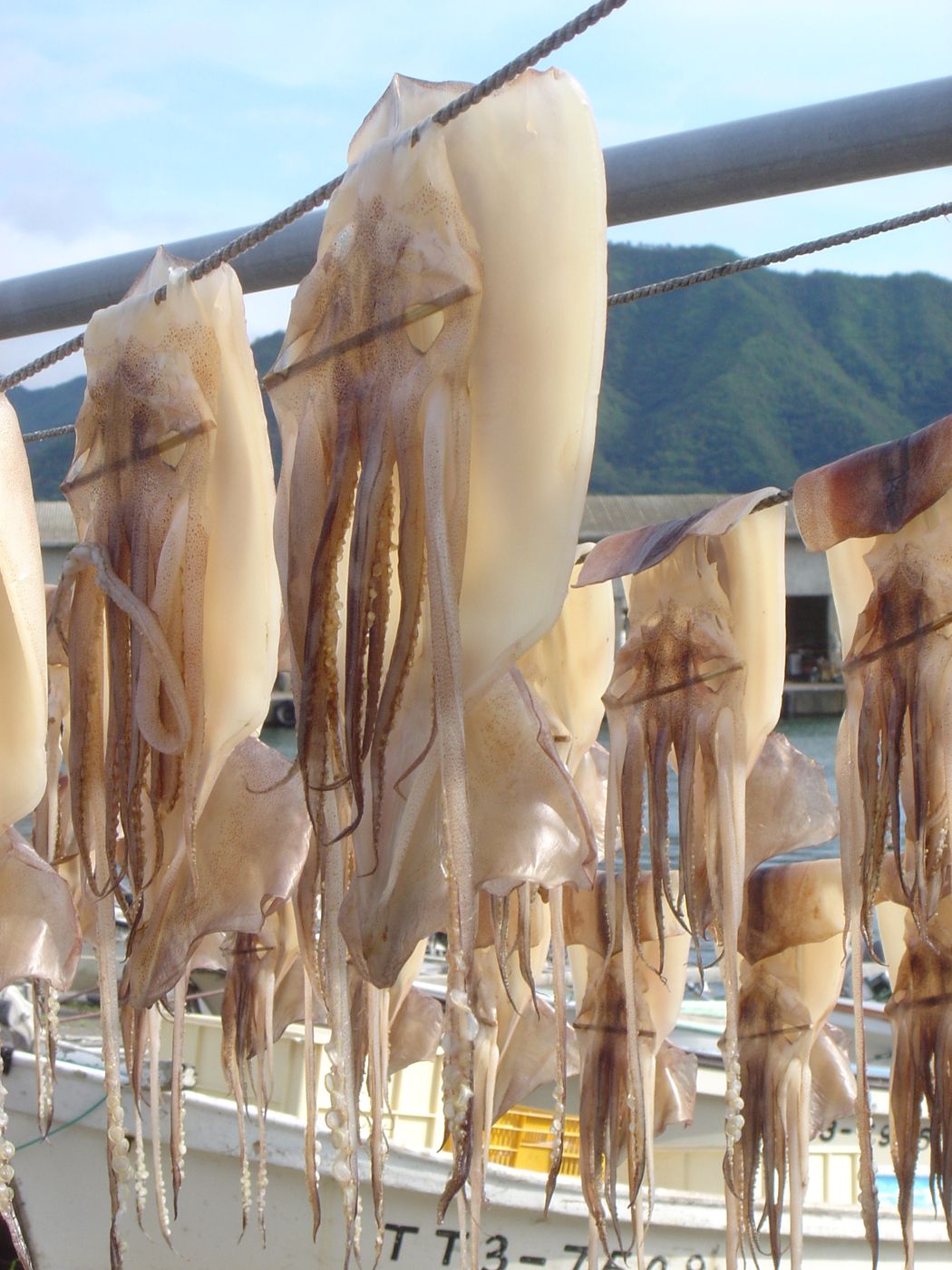 Squid오징어Fresh squid for stir-fries, pancakes and stuffed ojingeo-sundae, and dried squid — whole, sun-cured bodies or sweet-salty shredded jinmichae — that has become one of Korea's best-loved pantry foods.
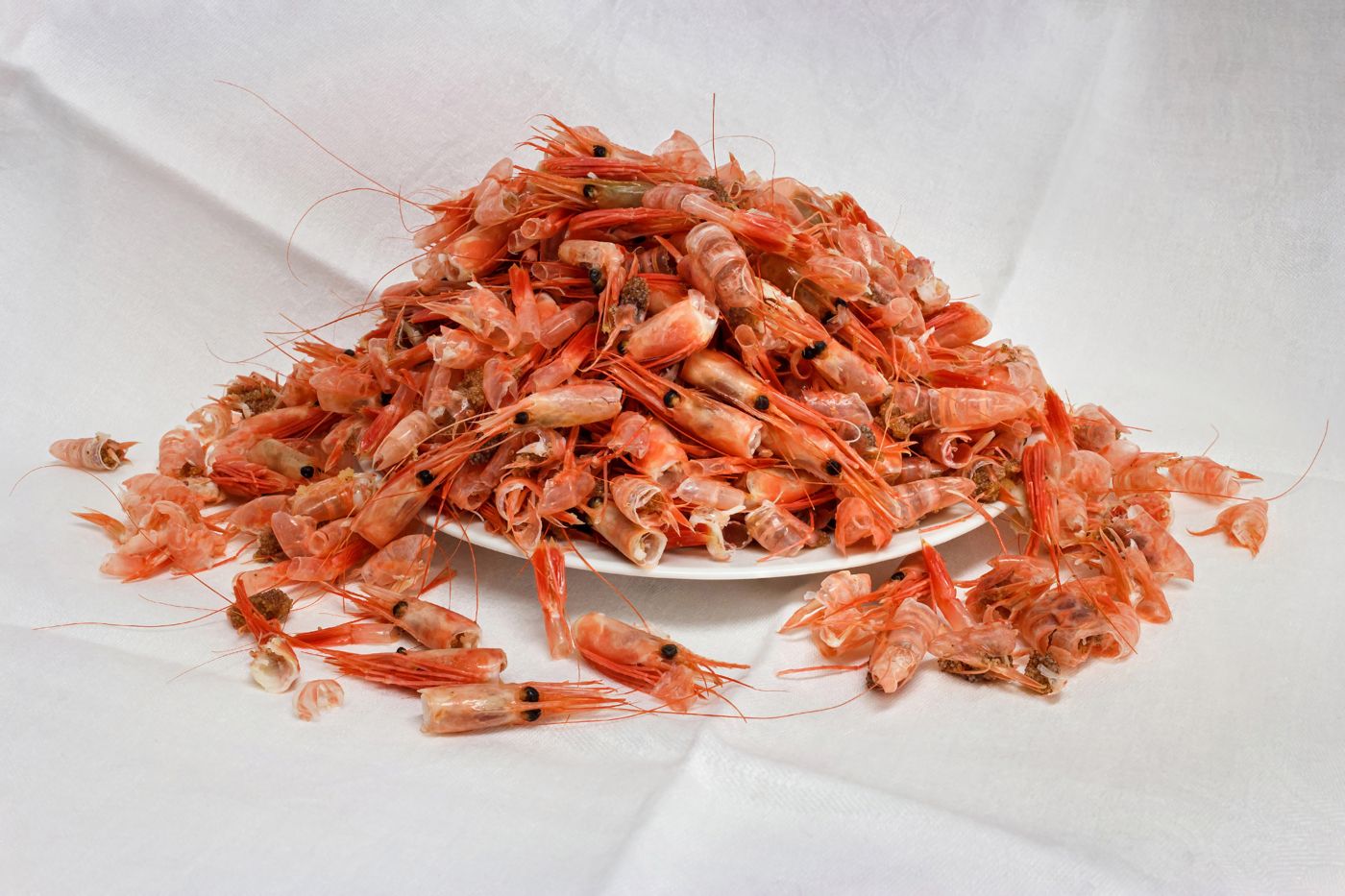 Shrimp (saeu)새우Shrimp in every size, from the tiny jeotsaeu salted to season kimchi to the large daeha. Mostly a West Sea catch, shrimp turn up across the Korean table, fresh, fried, braised and dried.
 Yangpa (onion)양파The bulb onion, literally the "Western scallion." A latecomer to Korea, it is now everywhere: sweetening stir-fries and braises, pickled in soy sauce as yangpa-jangajji, and served raw beside grilled meat.
 Napa cabbage배추The tall, pale, tightly headed cabbage at the heart of Korea's best-known kimchi. Salted, layered with seasoning and left to ferment, it becomes baechu-kimchi; fresh, it goes into soups, wraps and quick salads.
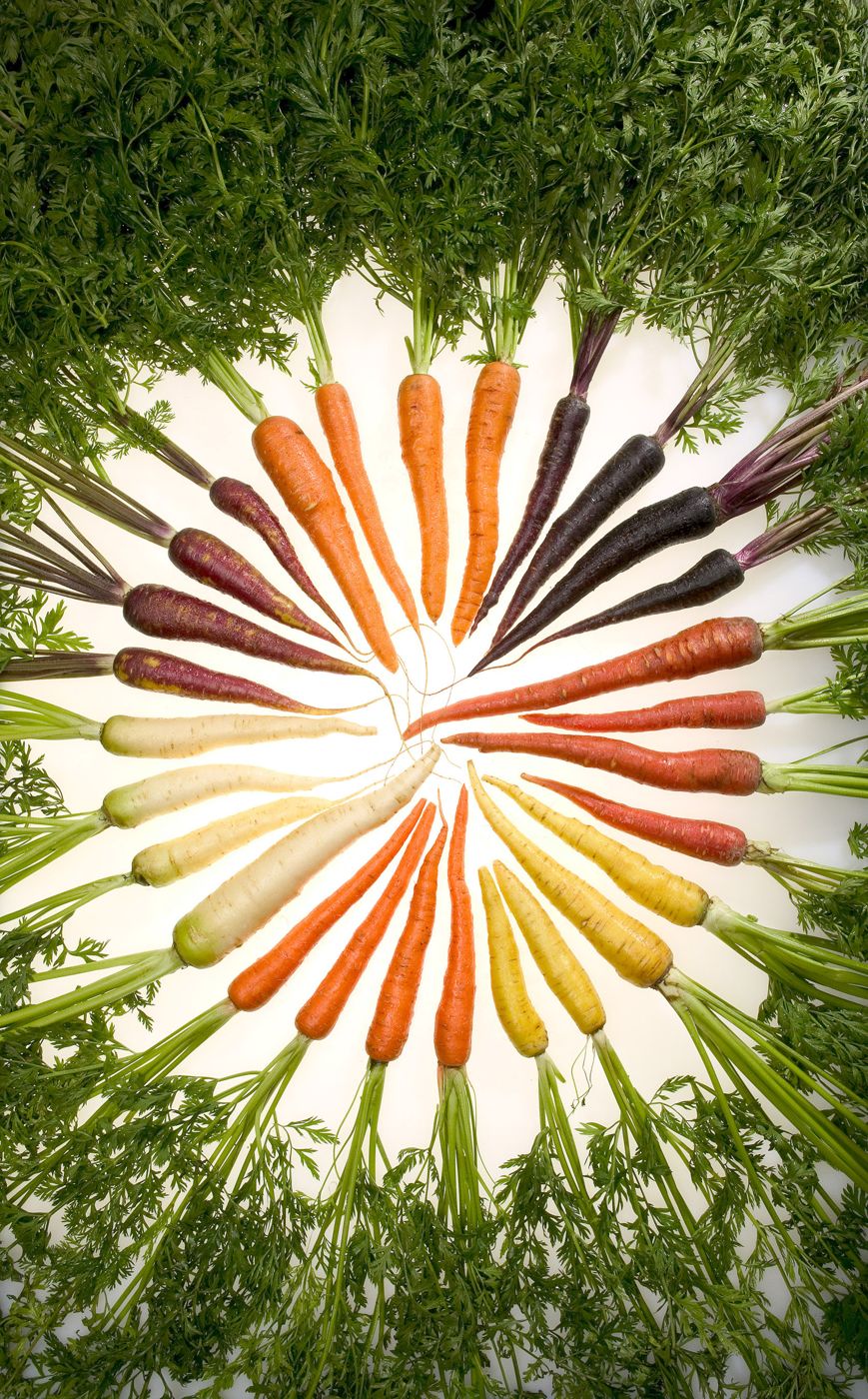 Danggeun (carrot)당근The orange root that brings color to the Korean table: julienned into japchae and gimbap, shredded into jeon batters, stir-fried with dakgalbi. Korea's sweetest winter carrots come from the volcanic fields of eastern Jeju.
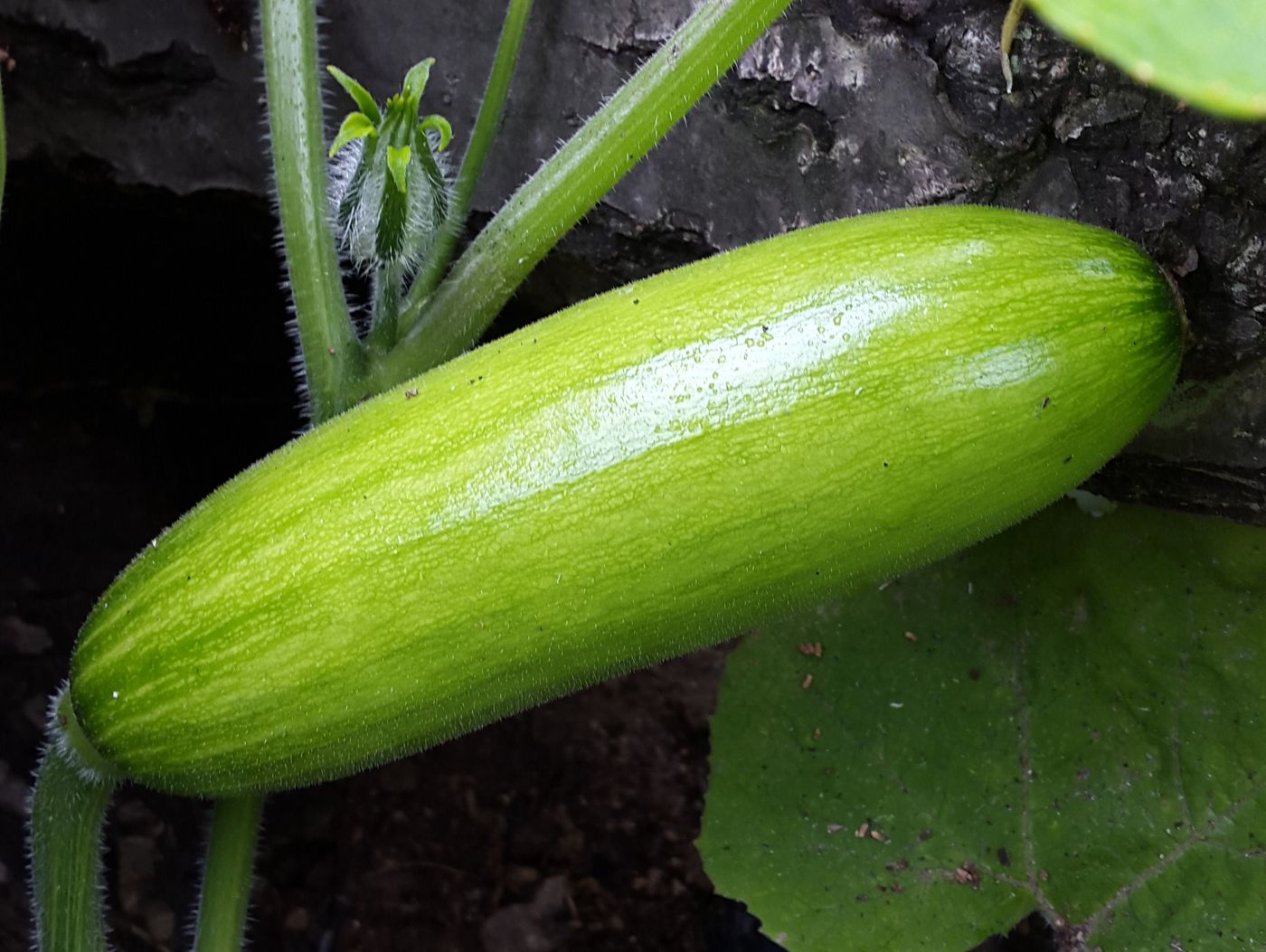 Korean zucchini애호박A pale-green young squash with thin, smooth skin and tender flesh. Sliced into rounds for hobak-jeon, sautéed as namul and added to doenjang stews.
 Green onion파Korean green onion (pa), from thick-stemmed daepa to slender scallions — chopped into nearly every seasoning sauce, soup and kimchi, and the star of pa-kimchi.
 Garlic마늘Used raw, minced, pickled and roasted, garlic is one of the essential aromatics of Korean food — in seasonings, marinades, kimchi and namul.
 Ginger생강Fresh ginger root, used in small amounts to brighten kimchi paste and marinades and to tame the strong smells of fish and meat.
 Gochugaru고춧가루Korean red chili powder, made from dried red peppers ground coarse or fine. It gives kimchi, gochujang and countless banchan their color and warmth.
 Soy sauce간장Korean soy sauce, in two main kitchen forms: pale, salty guk-ganjang (soup soy sauce) brewed the traditional way from meju, and darker, sweeter jin-ganjang for braises and marinades.
 Sesame참깨Toasted sesame seeds and sesame oil (chamgireum) finish countless Korean dishes, adding a nutty aroma and gloss.
Nutrition
| Calories | ~875 kcal |
|---|---|
| Protein | ~42 g |
| Fat | ~27 g |
| Carbohydrates | ~113 g |
| Fiber | ~6.8 g |
| Sodium | ~2760 mg |
Notable forProtein · Vitamin B12 · Selenium · Vitamin C
Estimated by summing Korean Food Composition Table values for fresh Chinese-style noodles (A0180040000a), red pepper powder (R0070000005a) and oyster sauce (R0080000009a) with USDA FoodData Central (SR Legacy) values for raw pork shoulder (FDC 167843), squid (FDC 174223), shrimp (FDC 175179), blue mussel meat (FDC 174216), onion, napa cabbage (FDC 169979), carrot, zucchini, scallions, garlic, ginger, soybean oil, soy sauce (FDC 174277), salt and sesame oil, divided by 2. Stock is treated as unsalted. The fresh noodles alone contribute about 1,100 mg sodium per serving; some of it stays in the cooking water, and leaving part of the broth lowers the sodium actually eaten. Actual values vary with ingredients, portion size and preparation.
Health Benefits
- Seafood protein: squid, shrimp and mussels supply lean protein, vitamin B12 and selenium. See seafood, omega-3 and mercury.
- A bowl full of vegetables: cabbage, onion, zucchini and carrot add vitamin C, vitamin A and some fiber.
- Chili: gochugaru brings capsaicin and carotenoids; research on capsaicin is ongoing. See capsaicin and spicy food.
Regional Variations
- Ordinary jjamppong: pork and mixed seafood — the encyclopedia lists squid, shrimp, conch and rehydrated sea cucumber — with onion, cabbage, carrot, zucchini, bamboo shoot, mushrooms and chili.
- Gul-jjamppong and samseon-jjamppong: an oyster version and a richer "three delicacies" version with more and pricier seafood, both named by the Encyclopedia of Korean Culture.
- Jeolla's jjamppong towns: Hwang describes Gunsan's jjamppong houses, rooted in the port's old Chinese community, and a "white but spicy" style in Iksan made hot with chili without turning the broth red.
Pairings
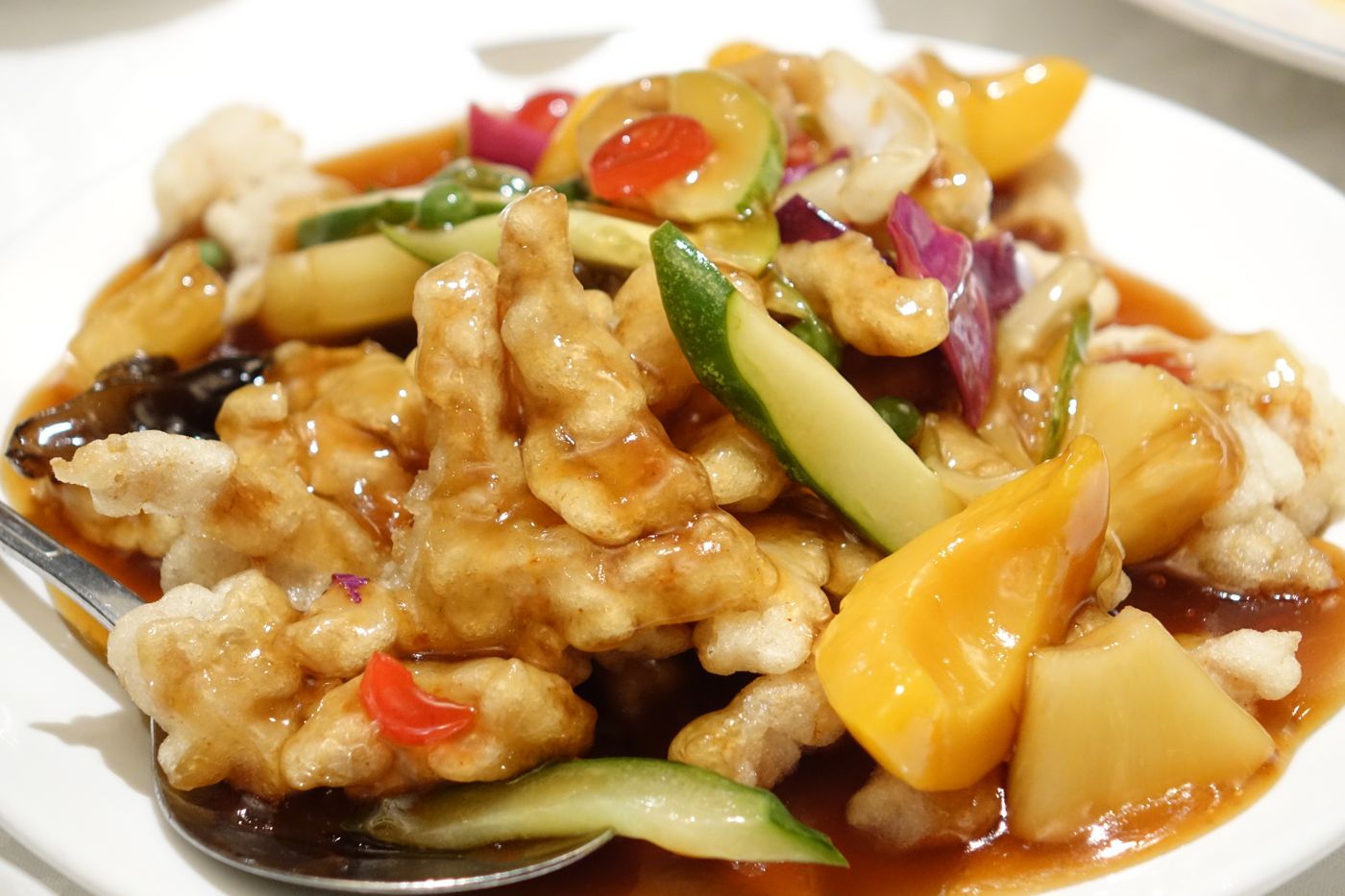 Tangsuyuk (Sweet and Sour Pork)탕수육Strips of pork in a crisp starch batter, fried twice and dressed with a glossy sweet-and-sour vegetable sauce — the shared platter of the Korean-Chinese restaurant.
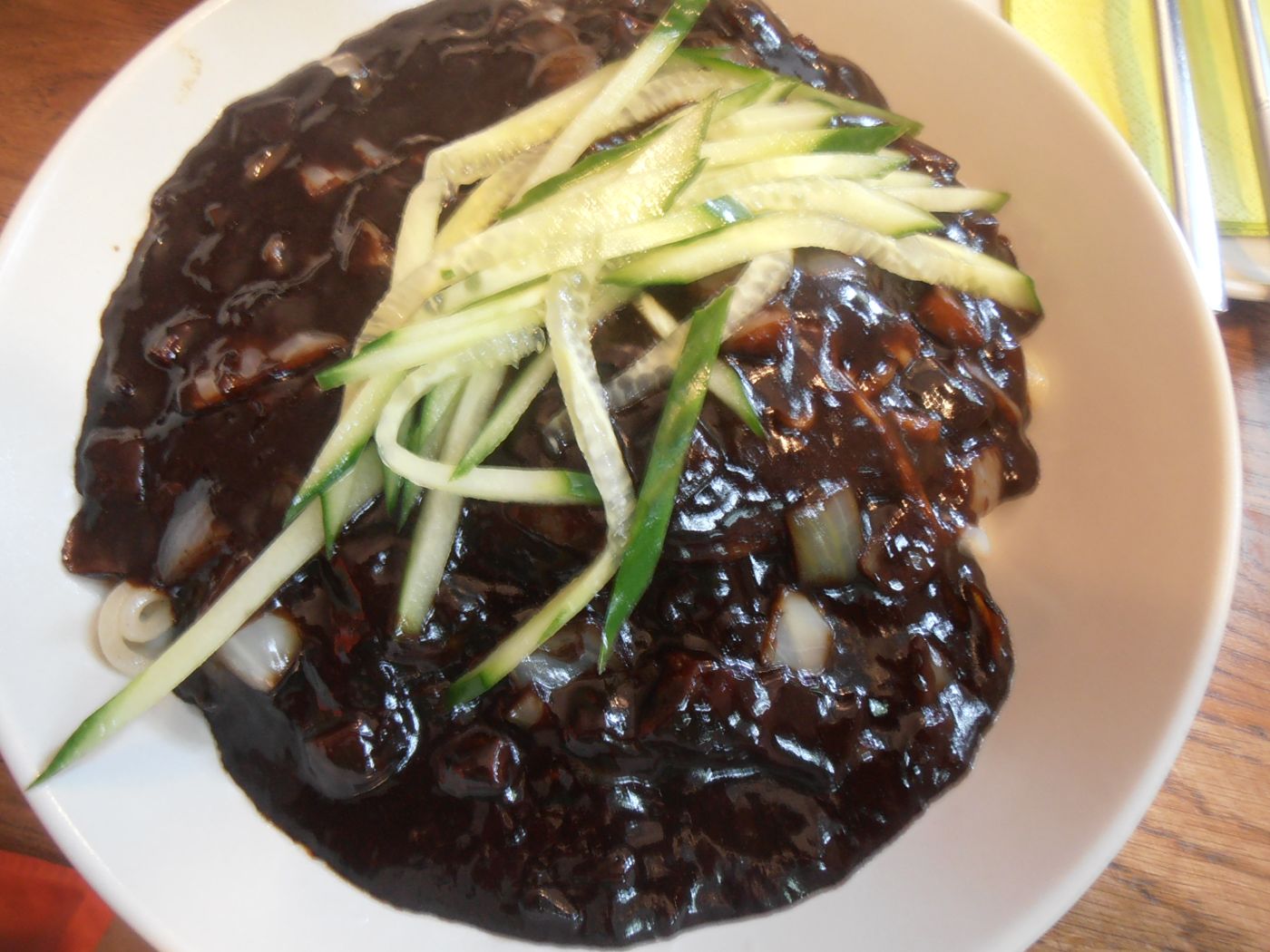 Jajangmyeon (Noodles in Black Bean Sauce)자장면Wheat noodles under a glossy sauce of chunjang fried with pork, onion and potato — the Korean-Chinese dish born among Shandong migrants in Incheon, contested origin claims and all.
 Mandu (Korean Dumplings)만두Thin wrappers folded around pork, tofu, kimchi and sprouts, then steamed or boiled — a Goryeo-era arrival from China that became a winter staple of the North.
Sources
- 01짬뽕 (炒馬麵, Jjamppong) — Encyclopedia of Korean Culture
- 02[이야기가 있는 맛집] 짬뽕 (Hwang Gwang-hae) — Weekly Hankook (2015)
- 03중화요리연구가 용평원의 중식문화이야기 ② 모던보이의 짬뽕 — Korea NGO News (2026)
- 04Chinese noodle, Wet noodle (A0180040000a) — Korean Food Composition Table
- 05Mollusks, squid, mixed species, raw (FDC 174223) — USDA FoodData Central
Last updated