 Photo: ayustety, CC BY-SA 2.0, via Wikimedia Commons
Kimchi 김치
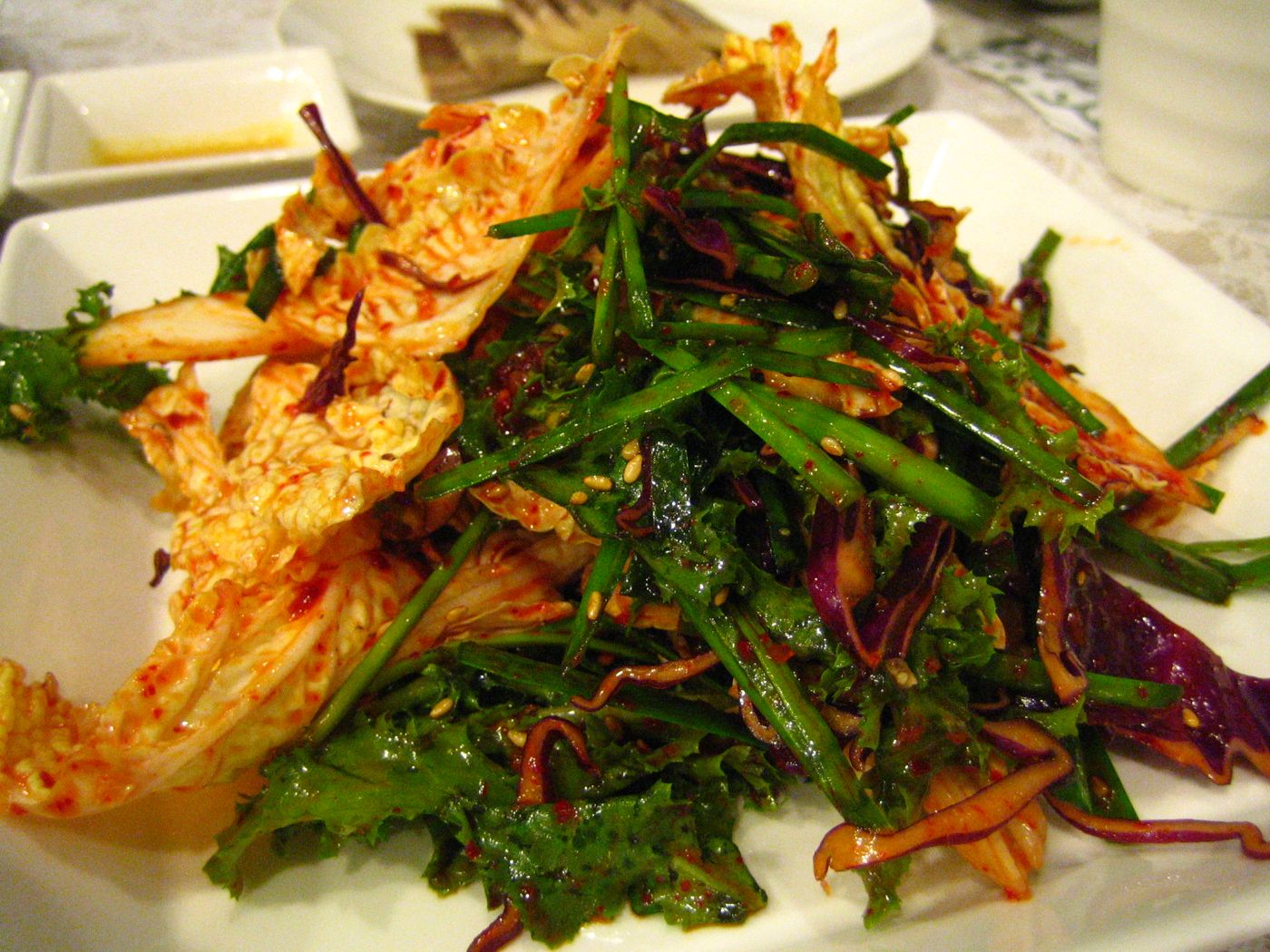
Garlic Chive Kimchi
부추김치
Romanization: buchu-kimchi
Whole garlic chives tossed with anchovy fish sauce and plenty of chili — a quick kimchi eaten fresh or ripe, known by a different name in nearly every province.
- Serves
- 15
- Prep
- 30 min
- Cook
- 3 min
RegionGyeongsang · Jeolla · Jeju
Jump to recipeRecipe
Ingredients · Serves 15
- 500 gGarlic chives (buchu)about 2 bunches
- 60 mlAnchovy fish sauce (myeolchi-aekjeot)
- 1 tbspGlutinous rice flouroptional, for the paste
- 120 mlWaterfor the paste
- 40 gGochugaru (Korean chili flakes)about ½ cup
- 1 tbspGarlicminced
- 1 tspGingerminced; optional
- ½ Onionabout 100 g, thinly sliced; optional
- 1 tspSugar
- 1 tbspToasted sesame seeds
Method
Technique: Making Kimchi
Step 1: Pick out any yellowed or broken blades and trim the root ends. Wash the chives in several changes of cold water, holding them by the white ends and handling gently so they do not bruise. Drain well in a colander.
Step 2: If using, whisk the rice flour into the water and cook over low heat for 2–3 minutes until thin and glossy; cool completely.
Step 3: Lay the chives in a large shallow bowl with the white ends together. Pour the fish sauce over the white ends and leave for 10–15 minutes, turning once, until the stems soften slightly. Pour the fish sauce off into a small bowl and keep it.
Step 4: Mix the reserved fish sauce with the rice paste, gochugaru, garlic, ginger and sugar. Add the onion and the seasoning to the chives and toss lightly with gloved hands, coating every blade without crushing them. Sprinkle with sesame seeds.
Step 5: Fold the chives into small bundles and pack into a clean container, pressing out air. Eat right away as a fresh kimchi, or leave at room temperature for about half a day and then refrigerate.
Step 6: It is best within 1–2 weeks; chives soften and sour faster than cabbage, and well-soured buchu-kimchi is good chopped into pancakes or fried rice. Use clean utensils and discard if slimy or moldy.
Origin & History
Buchu-kimchi is made from garlic chives (buchu), seasoned with anchovy fish sauce, chili, garlic and, sometimes, a little ginger and sugar. Few kimchi change names so much from region to region, because the plant itself does: the Encyclopedia of Korean Folk Culture notes that chives are buchu in Gyeonggi and Gangwon, sol across Jeolla and parts of Chungcheong and South Gyeongsang, jeongguji through most of Gyeongsang, and seuri (세우리) on Jeju. The kimchi follows suit — jeongguji-kimchi, sol-kimchi or solji, and on Jeju swiuri-jimchi or saeuri-gimchi.
Chives have long gone into kimchi. The Annals of King Sejong mention a chive pickle, and the 1766 Jeungbo sallim gyeongje and another late-Joseon compendium record chive kimchi too. In those older recipes the chives were dried briefly and layered with salt; today they are usually not salted at all, just washed and tossed with fish sauce and chili.
Because chives grow easily from spring to late autumn, buchu-kimchi is an everyday, any-season kimchi, eaten both freshly mixed and once it has turned sour. It is made nationwide but is especially loved in Gyeongsang and on Jeju. The folk encyclopedia also notes that it pairs particularly well with rich meat and fish dishes.
Key Ingredients
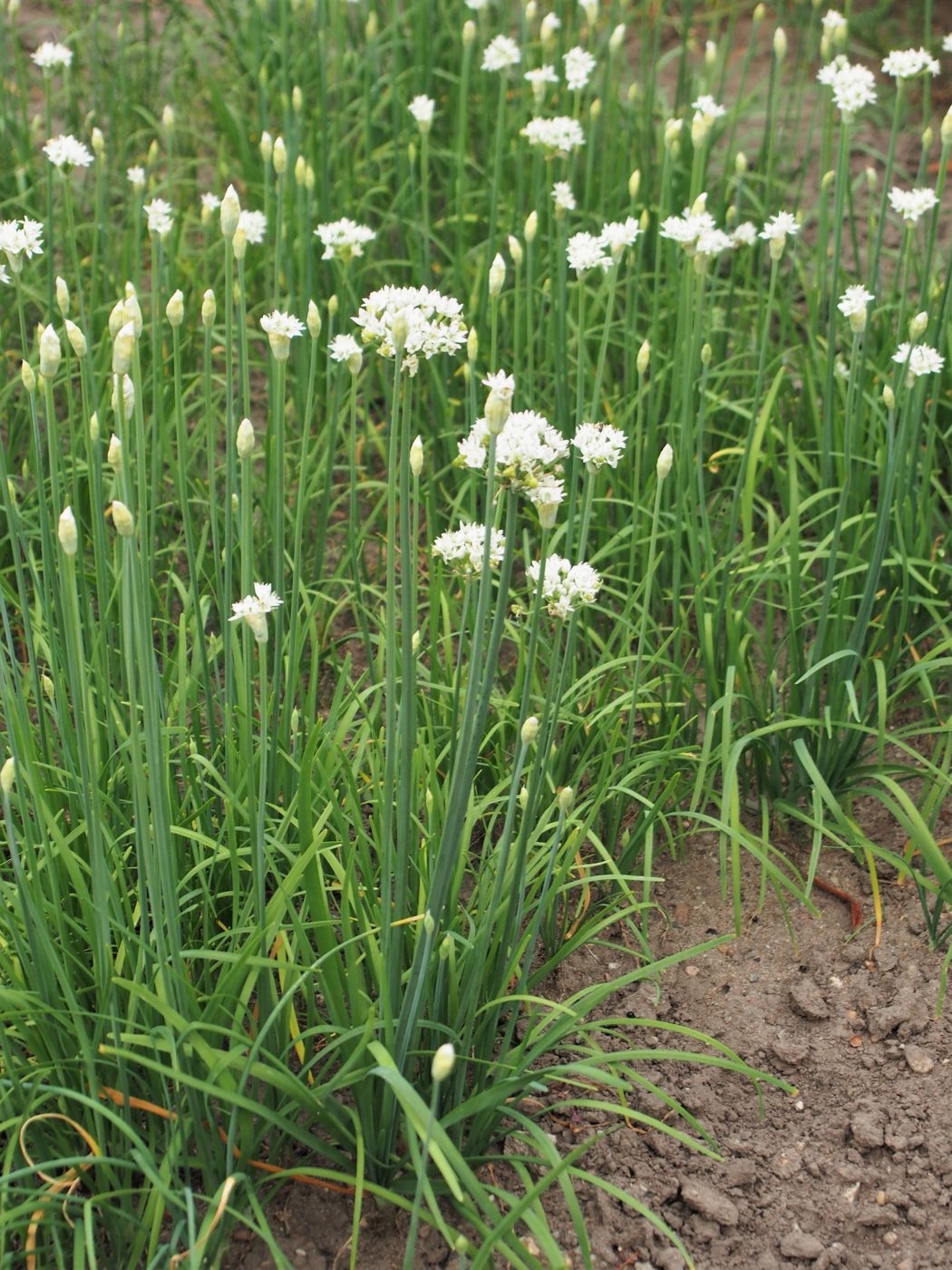 Garlic chives (buchu)부추Flat-leaved garlic chives with a bright, garlicky perfume. Tossed raw into buchu-muchim, folded into savory pancakes and tucked into cucumber kimchi.
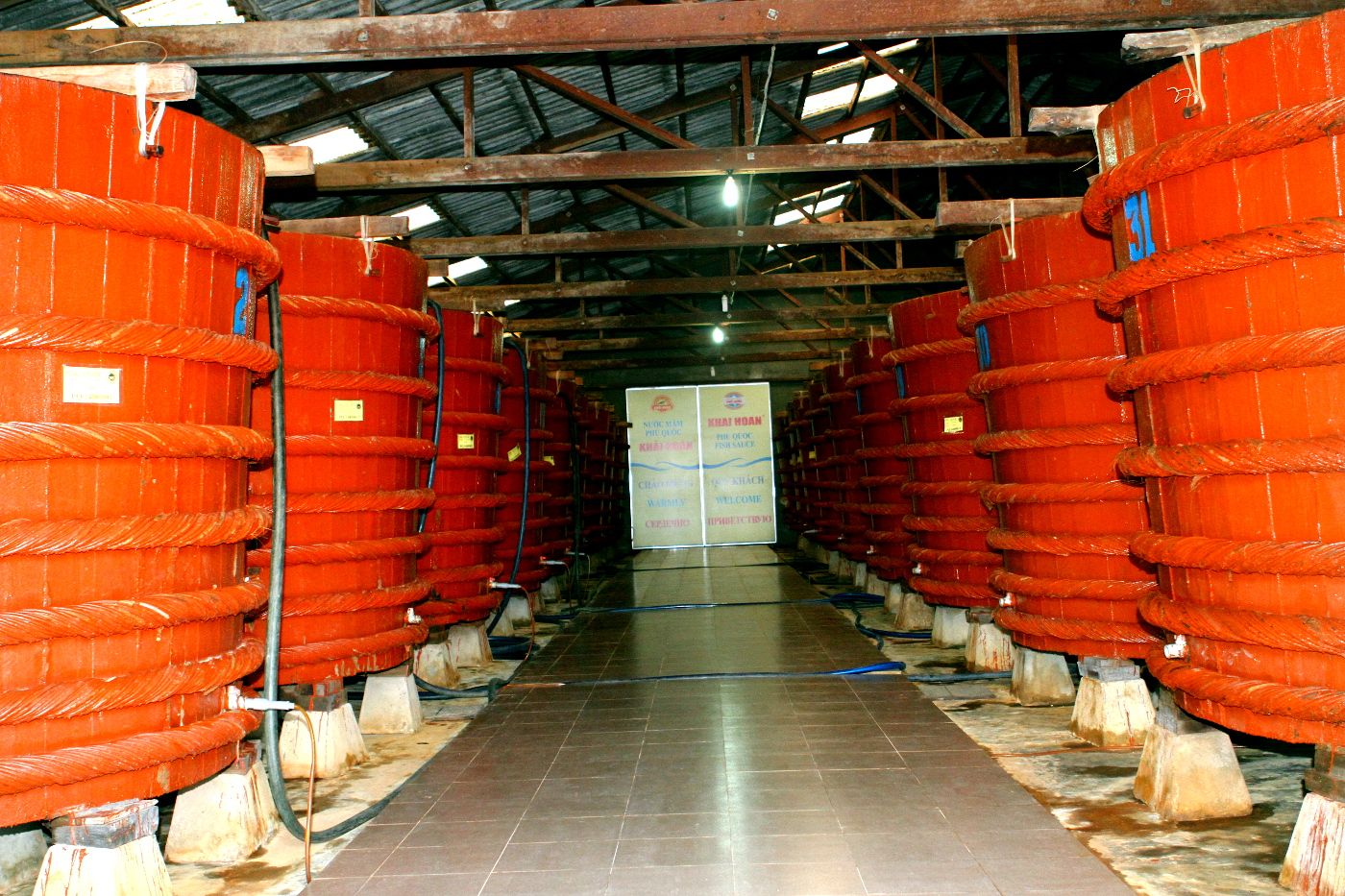 Anchovy fish sauce멸치액젓The clear amber liquid drawn from salted, fermented anchovies. A jeotgal in liquid form, it is the savory backbone of much southern-style kimchi and a quick seasoning for soups and namul.
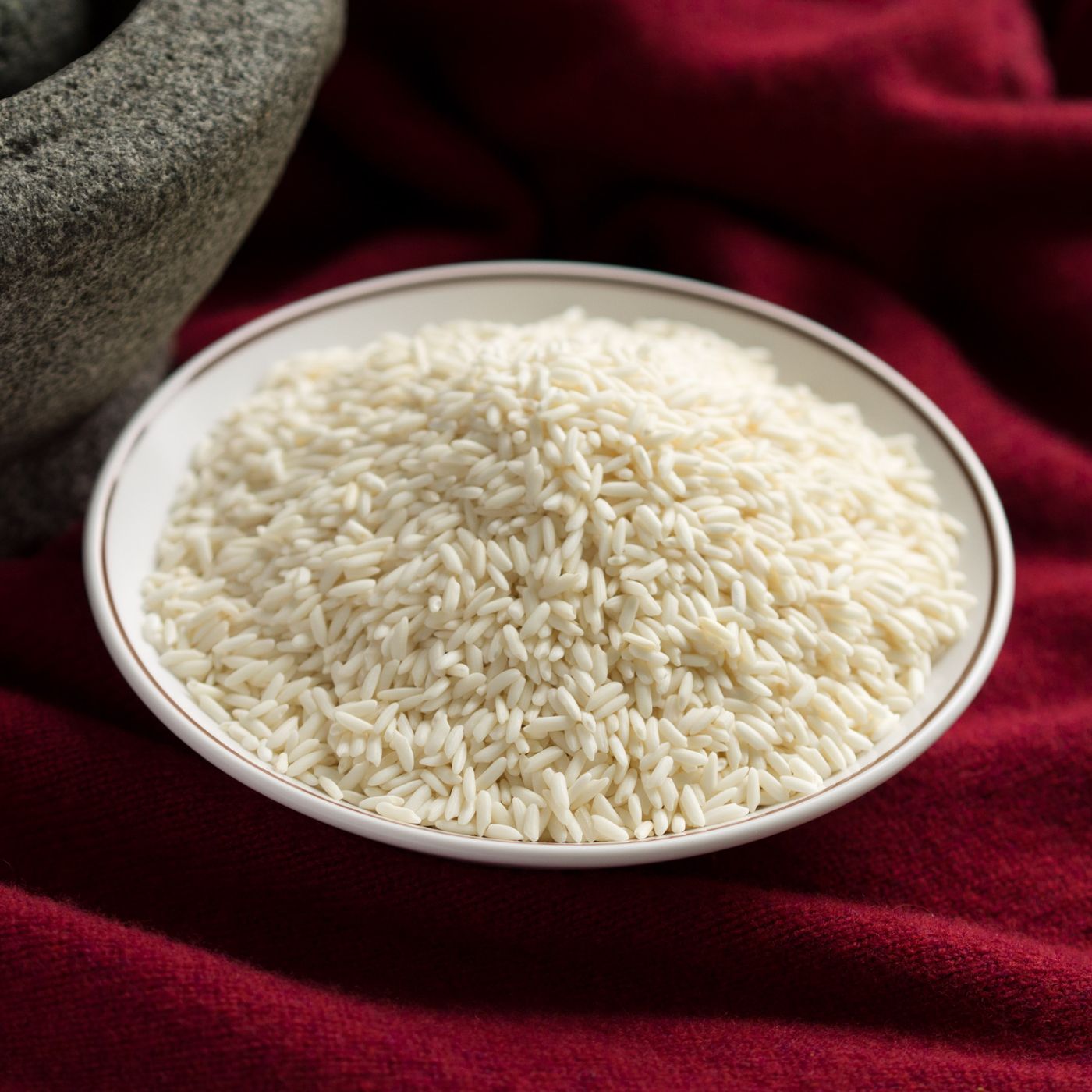 Glutinous rice (sweet rice)찹쌀Opaque, chalk-white grains of glutinous rice that steam into a chewy, elastic mass. Chapssal is the rice of festivals and comfort food: pounded into rice cakes, sweetened into yaksik, and tucked inside the chicken of samgyetang.
 Gochugaru고춧가루Korean red chili powder, made from dried red peppers ground coarse or fine. It gives kimchi, gochujang and countless banchan their color and warmth.
 Garlic마늘Used raw, minced, pickled and roasted, garlic is one of the essential aromatics of Korean food — in seasonings, marinades, kimchi and namul.
 Ginger생강Fresh ginger root, used in small amounts to brighten kimchi paste and marinades and to tame the strong smells of fish and meat.
 Sesame참깨Toasted sesame seeds and sesame oil (chamgireum) finish countless Korean dishes, adding a nutty aroma and gloss.
Nutrition
| Calories | ~30 kcal |
|---|---|
| Protein | ~1.7 g |
| Fat | ~0.6 g |
| Carbohydrates | ~5.4 g |
| Fiber | ~2.8 g |
| Sodium | ~395 mg |
Notable forVitamin K · Vitamin A · Dietary fiber
Estimated by summing Korean Food Composition Table values for the raw ingredients in this recipe (garlic chives, anchovy fish sauce, chili powder, garlic, ginger, onion, sugar, glutinous rice flour and sesame) and dividing by 15 servings, assuming all the seasoning is eaten. The table has no entry for chive kimchi itself. Actual values vary with ingredients, portion size and preparation.
Health Benefits
- A leafy allium: garlic chives contribute vitamin K, beta-carotene and a little vitamin C, and a serving of this kimchi supplies an estimated 3 g of fiber.
- Traditional regard: chives first appear in Korean writing as a medicinal plant in the Goryeo-era Hyangyak gugeupbang, and were traditionally believed to warm the body and strengthen digestion — folk beliefs rather than proven effects.
- Fermented vegetables: eaten ripe, it contains naturally occurring lactic acid bacteria; research on the health effects of fermented vegetables is ongoing.
Regional Variations
- Gyeongsang (jeongguji-kimchi): the chives are wilted in anchovy fish sauce and dressed with a generous amount of chili for a sharp, clean-tasting kimchi eaten fresh in summer.
- Jeolla (sol-kimchi): the same kimchi under the Jeolla name for chives, sol.
- Jeju (swiuri-jimchi): chive kimchi under the island's own name for the plant.
- With other vegetables: chives are also cut into short lengths to stuff oi-sobagi and mixed through cabbage and radish kimchi.
Pairings
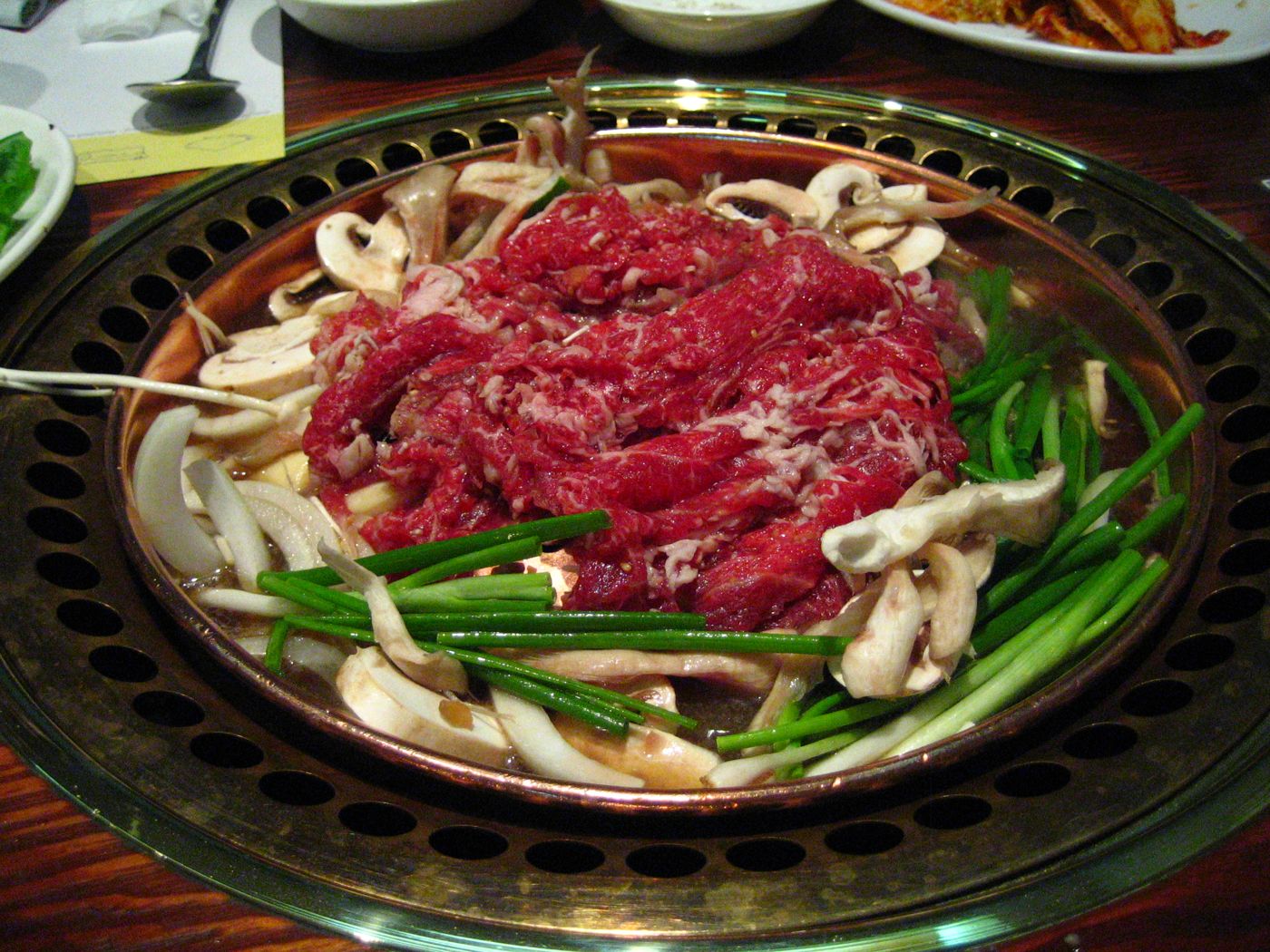 Bulgogi (Marinated Grilled Beef)불고기Thin slices of beef marinated in soy sauce, pear, garlic and sesame, then grilled or seared — descended from the court dish neobiani and Korea's best-known meat dish.
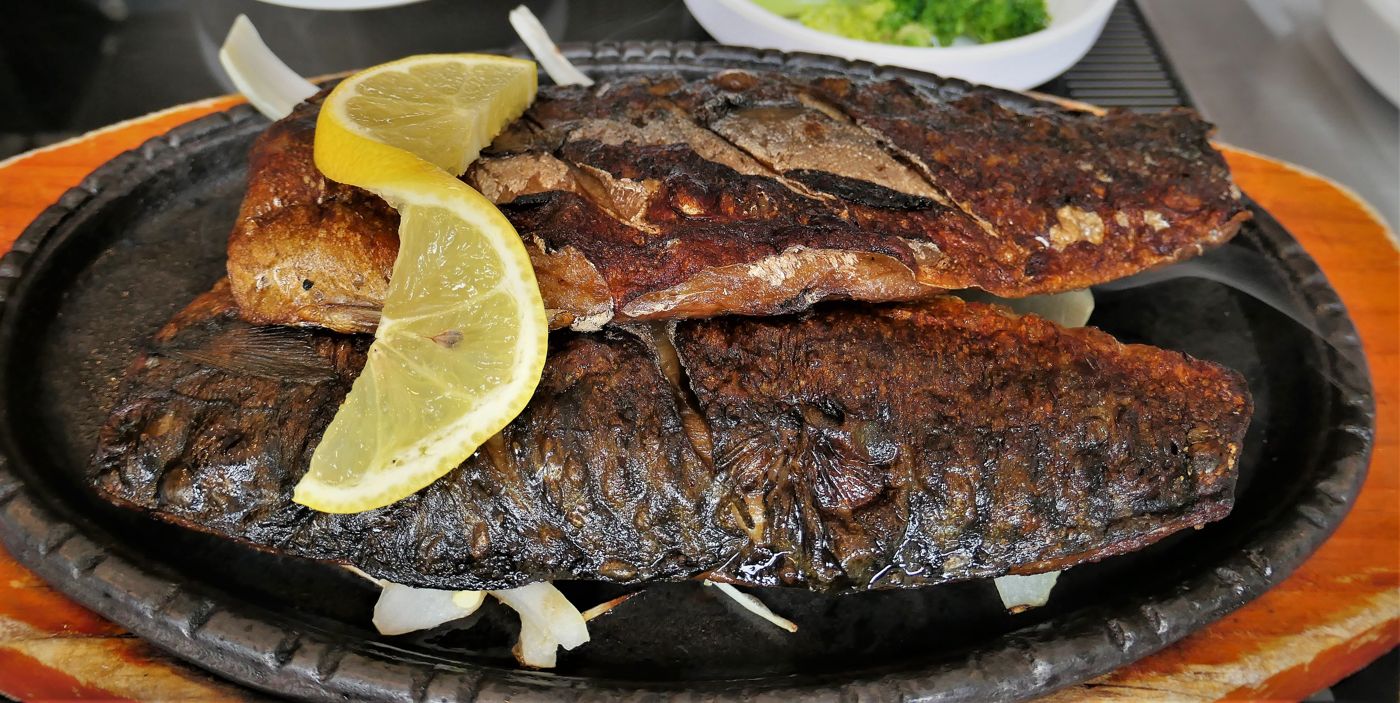 Godeungeo-gui (Grilled Mackerel)고등어구이Salted mackerel grilled or pan-fried until the skin crackles and the rich flesh flakes — one of the most common fish dishes on the Korean home table.
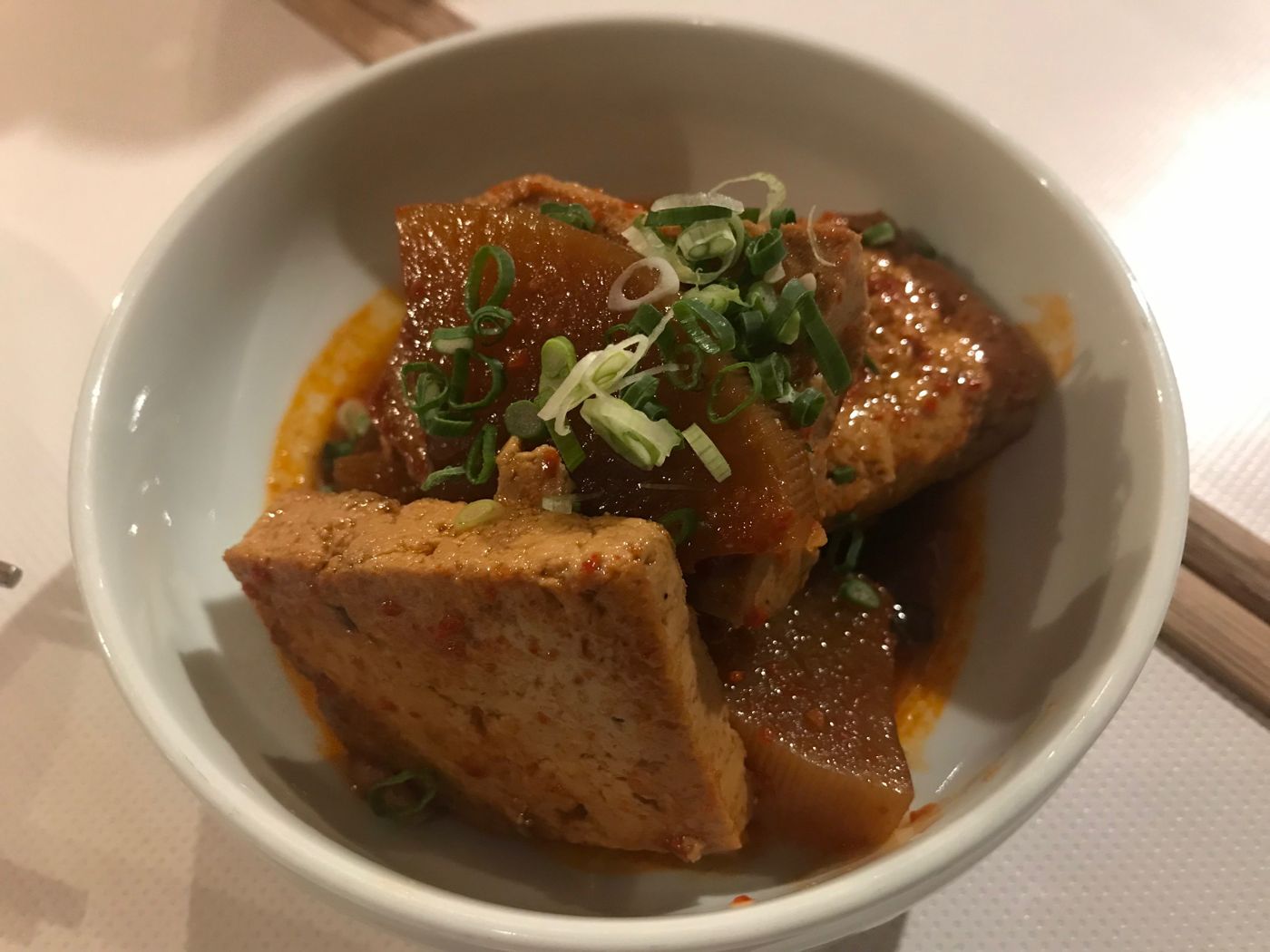 Dubu Jorim두부조림Slices of firm tofu pan-fried until golden, then simmered in a garlicky soy and chili sauce — an inexpensive, protein-rich staple of Korean home cooking.