 Photo: lazy fri13th, CC BY 2.0, via Wikimedia Commons
Kimchi 김치
Cubed Radish Kimchi
깍두기
Romanization: kkakdugi
Korean radish cut into neat cubes and tossed with chili, garlic and salted shrimp — crunchy, juicy and a classic partner to rich soups.
- Serves
- 20
- Prep
- 25 min
- Cook
- 0 min
Recipe
Ingredients · Serves 20
- 1.5 kgKorean radish (mu)about 1 large radish, peeled
- 2 tbspCoarse sea salt (non-iodized)
- 1 tbspSugar
- 4 tbspGochugaru (Korean chili flakes)
- 2 tbspAnchovy fish sauce (myeolchi-aekjeot)
- 1 tbspSalted fermented shrimp (saeujeot)finely chopped
- 4 clovesGarlicminced
- 1 tspGingerminced
- 3 stalksGreen onionschopped
Method
Technique: Making Kimchi
Step 1: Cut the radish into roughly 2 cm cubes.
Step 2: Toss the cubes with the salt and sugar in a large bowl and let them sit for 30–40 minutes, tossing once or twice, until slightly flexible. Drain off the liquid that collects, reserving 2–3 tablespoons. Do not rinse.
Step 3: Sprinkle the gochugaru over the radish and toss until every cube is evenly red; adding the chili first helps the color set.
Step 4: Add the fish sauce, saeujeot, garlic, ginger and green onions, plus a little of the reserved liquid if the mixture seems dry. Mix well with gloved hands and taste for salt.
Step 5: Pack into a clean jar, pressing down firmly and leaving 3–5 cm of headspace. Pour any seasoning left in the bowl over the top.
Step 6: Leave at cool room temperature for 1–2 days until it smells pleasantly sour, then refrigerate. Kkakdugi keeps for several weeks chilled, becoming tangier with time; discard it if the cubes turn slimy or mold appears.
Origin & History
Kkakdugi is kimchi made from Korean radish cut into small, square-edged cubes. It has gone by other names too: jeotmu (radish with salted seafood), hongjeo, and, in the royal court, songsong-i.
A popular origin story, recorded in Hong Seon-pyo's Joseon yorihak (1940), credits a princess of King Jeongjo's era — the wife of Hong Hyeon-ju — with first making the dish and presenting it to the king, after which a retired minister supposedly carried it to Gongju and spread it among ordinary households. Like many food legends it is best read as tradition rather than documented fact.
The written recipe record is later and firmer. The first cookbook preparation appears in the late-19th-century Siuijeonseo under the name jeotmu, and the 1913 Yori jebeop describes several versions. Because the dish depends on chili for its color, it belongs to the period after chili entered Korean kimchi in the 18th century.
Key Ingredients
 Korean radish무A stout, heavy white radish, often tinged pale green near the top. It is cubed for kkakdugi, left whole in the clear brine of dongchimi, shredded into salads and simmered into broths.
 Gochugaru고춧가루Korean red chili powder, made from dried red peppers ground coarse or fine. It gives kimchi, gochujang and countless banchan their color and warmth.
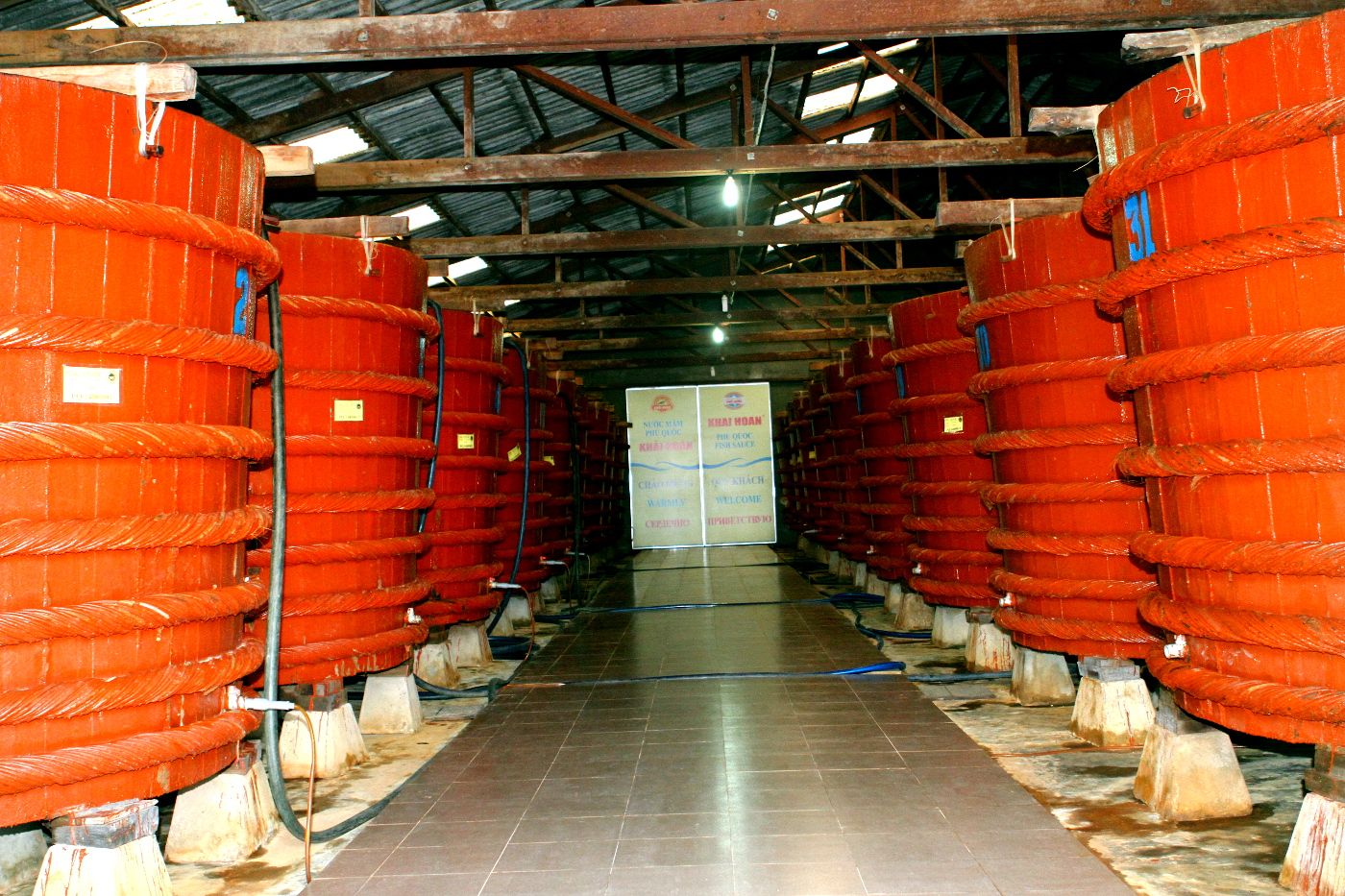 Anchovy fish sauce멸치액젓The clear amber liquid drawn from salted, fermented anchovies. A jeotgal in liquid form, it is the savory backbone of much southern-style kimchi and a quick seasoning for soups and namul.
 Salted fermented shrimp새우젓Tiny shrimp packed in salt and left to ferment — a jeotgal (salted seafood) that seasons kimchi and stews and accompanies boiled pork with briny, savory depth.
 Garlic마늘Used raw, minced, pickled and roasted, garlic is one of the essential aromatics of Korean food — in seasonings, marinades, kimchi and namul.
 Ginger생강Fresh ginger root, used in small amounts to brighten kimchi paste and marinades and to tame the strong smells of fish and meat.
 Green onion파Korean green onion (pa), from thick-stemmed daepa to slender scallions — chopped into nearly every seasoning sauce, soup and kimchi, and the star of pa-kimchi.
Nutrition
| Calories | 24 kcal |
|---|---|
| Protein | 0.8 g |
| Fat | 0.1 g |
| Carbohydrates | 5 g |
| Fiber | 1.6 g |
| Sodium | 314 mg |
Notable forDietary fiber
From the Korean Food Composition Table entry “Kimchi, Kkakduki, Prepared with cubed radish” (per 100 g: 40 kcal, 523 mg sodium), scaled to the serving size. Homemade batches vary with salting and seasoning. Actual values vary with ingredients, portion size and preparation.
Health Benefits
- Radish-based: Korean radish is low in calories and contributes vitamin C and potassium, along with a satisfying crunch.
- Fermented vegetables: like other kimchi, kkakdugi is fermented by lactic acid bacteria naturally present on the vegetables; unpasteurized versions contain live microbes, and research on their effects is ongoing.
- Balance on the table: its cool acidity is traditionally served alongside rich, mild soups and noodle dishes.
Regional Variations
- Gangneung (Gangwon): seogeori-kkakdugi adds salted pollock gills, a specialty of a coast rich in pollock and highland radish.
- Jeolla: gul-kkakdugi, made with fresh oysters, is listed among the region's kimchi.
- Other bases: the same cube-cut, chili-seasoned treatment is applied to cucumbers and other vegetables.
Pairings
 Napa Cabbage Kimchi배추김치Salted napa cabbage layered with a red paste of chili, garlic, ginger and fermented seafood, then left to ripen: the kimchi most people picture first.
 Gyeran Mari (Rolled Omelet)계란말이Beaten egg cooked in thin layers and rolled into a soft, striped log, then sliced — a gentle, everyday banchan and a lunchbox classic.
 Myeolchi Bokkeum멸치볶음Small dried anchovies stir-fried until crisp, then glazed in a sweet soy and garlic syrup — a keeping banchan found in refrigerators across Korea.
Sources
- 01Korean Food Composition Table: Kimchi, Kkakduki, Prepared with cubed radish — National Institute of Agricultural Sciences
- 02깍두기 - 한국민족문화대백과사전 (Encyclopedia of Korean Culture)
- 03김치 - 한국민족문화대백과사전 (Encyclopedia of Korean Culture)
- 04서거리깍두기 - 디지털강릉문화대전 (Encyclopedia of Korean Local Culture: Gangneung)
- 05Is my kimchi safe to eat? - Oregon State University Extension Service
Last updated