More dishes 기타
Gim Gui (Seasoned Roasted Laver)
김구이
Romanization: gim-gui
Sheets of laver brushed with sesame or perilla oil, sprinkled with salt and toasted until crisp — eaten wrapped around spoonfuls of rice.
- Serves
- 4
- Prep
- 10 min
- Cook
- 10 min
RegionJeolla
Jump to recipeRecipe
Ingredients · Serves 4
- 10 sheetsUnseasoned dried laver (gim)about 25 g; standard 19 × 21 cm sheets
- 1½ tbspToasted sesame oilor half perilla oil
- ¼ tspFine salt
Method
Step 1: Lay one sheet of gim, rough side up, on a clean board or tray. Brush it thinly and evenly with oil, then sprinkle with a very light pinch of salt.
Step 2: Lay the next sheet on top and repeat, building a stack. Leave for 5 minutes so the oil soaks in evenly.
Step 3: Heat a dry skillet over medium-low heat. Toast one sheet at a time for 5–10 seconds per side, until it turns from purplish black to dark green and becomes crisp. Take care, as it scorches quickly.
Step 4: Stack the toasted sheets and cut them with kitchen scissors into 8 or 12 rectangles.
Step 5: Serve with warm rice for wrapping. Store leftovers in an airtight container and use within a few days, before the oil goes stale.
Origin & History
Gim is laver, a thin red seaweed that Koreans have long dried into paper-like sheets. The Encyclopedia of Korean Culture gives its older names as haeui and jachae, notes that about ten of the world's roughly 80 species grow in Korean waters, and points to early records of gim as a local product in the 15th-century geographies Gyeongsang-do jiriji and Dongguk yeoji seungnam, the latter naming Taein Island near Gwangyang on the south coast.
Gim farming is the oldest form of aquaculture in Korea, according to the same entry, and several stories describe how it began: an old woman in Hadong noticing laver growing on driftwood at the mouth of the Seomjin River, or a man named Kim Yeo-ik of Taein Island who, in the reign of King Injo (1623–1649), saw laver clinging to an oak branch washed ashore and began cultivating it on staked branches. Together they suggest cultivation was under way by the mid-Joseon period. Farming spread widely along the south coast by the end of the Joseon period and expanded rapidly in the 20th century.
Gim-gui simply means "roasted gim." The encyclopedia notes that gim is brushed with sesame or perilla oil and toasted, or made into sweet-salty jaban or fried bugak. A folk custom of eating rice wrapped in gim on Jeongwol Daeboreum, the first full moon of the lunar year, was believed to brighten the eyes. Today seasoned roasted gim, cut into small rectangles, is one of the most common banchan in Korean homes and lunchboxes and is widely sold ready-made.
Key Ingredients
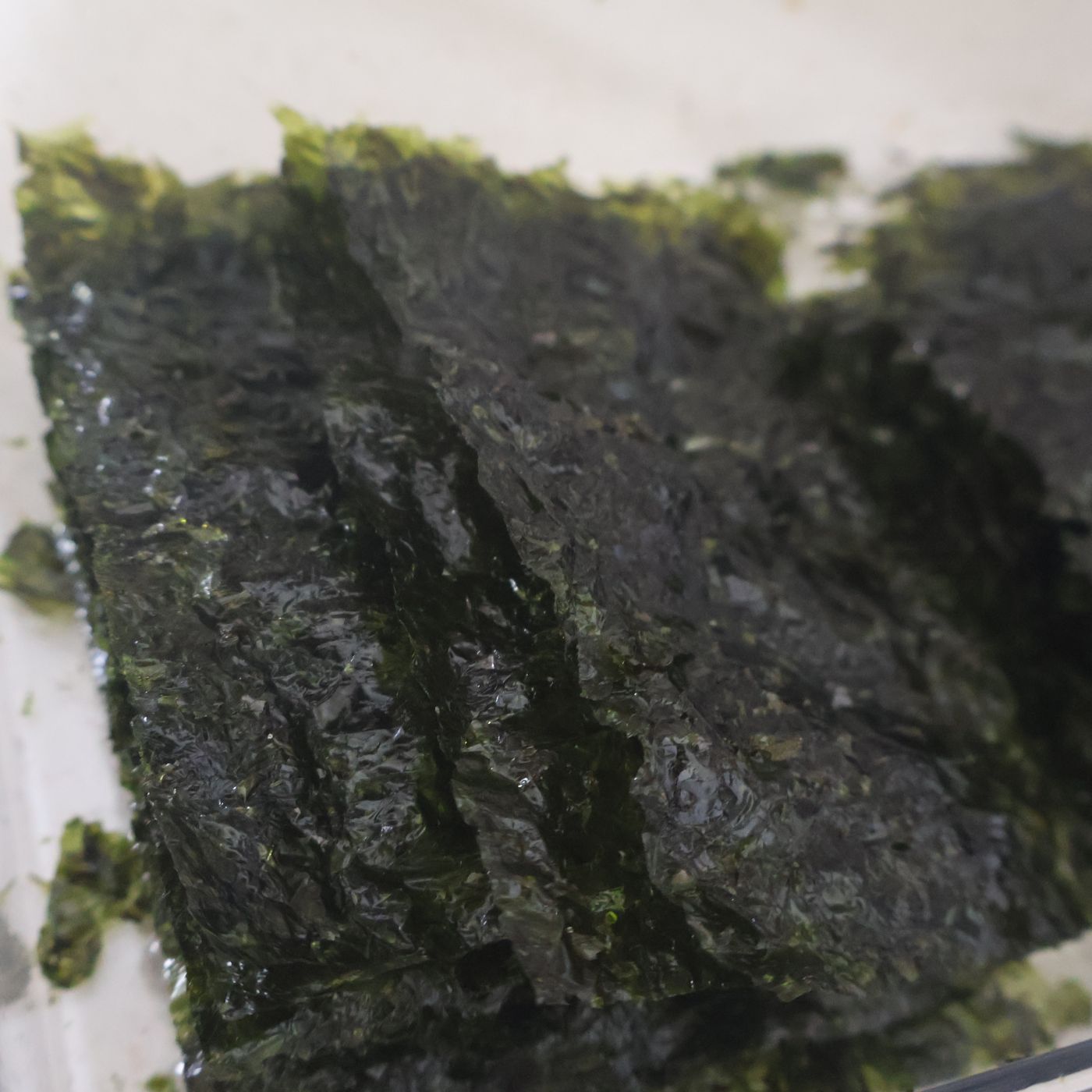 Laver (gim)김Paper-thin sheets of dried red seaweed, toasted until crisp and fragrant. Gim wraps gimbap and rice, crumbles over noodles and soups, and — brushed with oil and salt — becomes the everyday side dish gim-gui.
 Sesame참깨Toasted sesame seeds and sesame oil (chamgireum) finish countless Korean dishes, adding a nutty aroma and gloss.
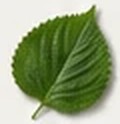 Perilla깻잎Perilla leaves have a bold, minty-herbal scent. They are eaten fresh as a wrap, pickled in soy sauce, or layered with seasoning as kkaennip-jangajji.
Nutrition
| Calories | ~55 kcal |
|---|---|
| Protein | ~2.4 g |
| Fat | ~5.2 g |
| Carbohydrates | ~2.9 g |
| Fiber | ~2.9 g |
| Sodium | ~200 mg |
Notable forVitamin K · Iodine · Vitamin A (as carotenoids) · Folate
Estimated from the Korean Food Composition Table entry for dried laver for gimbap (L0030010001a) plus USDA FoodData Central values for sesame oil (FDC 171016) and table salt, divided by 4. Assumes all the oil and salt stay on the sheets. By the same table, a serving supplies roughly 90 µg vitamin K and about 240 µg iodine; iodine in seaweed varies widely between products and harvests. Actual values vary with ingredients, portion size and preparation.
Health Benefits
- Nutrient-dense seaweed: by weight, dried laver is high in protein and fiber and supplies carotenoids (vitamin A), vitamin K, folate and other vitamins and minerals — though a serving is only a few grams.
- Iodine: laver is a natural source of iodine, a mineral needed for thyroid hormones.
- A light way to eat rice: a few sheets add savory flavor to plain rice with relatively few calories.
Regional Variations
- Oil choice: toasted sesame oil is most common; perilla oil gives a grassier, nuttier flavor, and many cooks mix the two.
- Plain toasted gim: unseasoned sheets passed quickly over a flame, eaten with a soy-based dipping sauce — a lower-sodium option.
- Gim varieties: rock laver (dolgim) is thicker and more textured, while thin, smooth sheets are standard for gimbap and roasting.
- Related dishes: gim-jaban (gim simmered or tossed with soy sauce and sugar) and gim-bugak (sheets coated in glutinous rice paste, dried and fried).
Pairings
 Gyeran Mari (Rolled Omelet)계란말이Beaten egg cooked in thin layers and rolled into a soft, striped log, then sliced — a gentle, everyday banchan and a lunchbox classic.
 Myeolchi Bokkeum멸치볶음Small dried anchovies stir-fried until crisp, then glazed in a sweet soy and garlic syrup — a keeping banchan found in refrigerators across Korea.
 Napa Cabbage Kimchi배추김치Salted napa cabbage layered with a red paste of chili, garlic, ginger and fermented seafood, then left to ripen: the kimchi most people picture first.
Sources
- 01김 (Gim) — Encyclopedia of Korean Culture
- 02Korean Food Composition Table: Laver product, For Gimbap, Dried — National Institute of Agricultural Sciences
- 03Iodine — The Nutrition Source, Harvard T.H. Chan School of Public Health
- 04Vitamin K — The Nutrition Source, Harvard T.H. Chan School of Public Health
Last updated