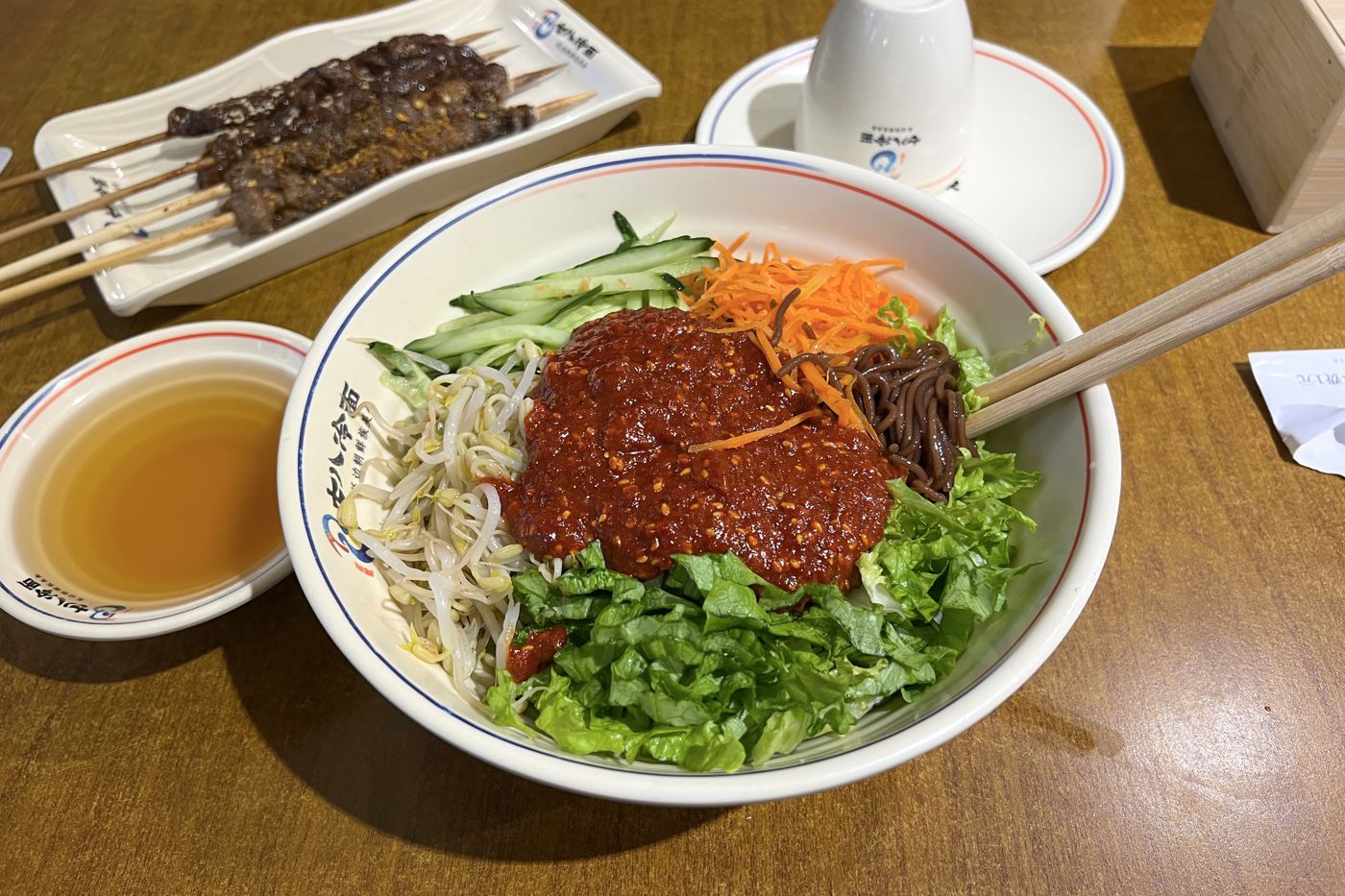
 Photo: N509FZ, CC BY-SA 4.0, via Wikimedia Commons
Myeon · Noodles 면
Bibim-naengmyeon (Spicy Mixed Cold Noodles)
비빔냉면
Romanization: bibim-naengmyeon
Chewy starch noodles tossed in a sweet, vinegary chili sauce, topped with cucumber, pear and egg — the Hamheung tradition of hoe-naengmyeon, carried south by refugees.
- Serves
- 2
- Prep
- 30 min
- Cook
- 10 min
RegionNorthern Provinces (Hwanghae, Pyeongan, Hamgyeong) · Seoul & Gyeonggi · Busan
Jump to recipeRecipe
Ingredients · Serves 2
- 200 gDried naengmyeon noodles (Hamheung style)starch-and-buckwheat noodles
- 100 gSashimi-grade flounder or skate filletoptional; thin strips
- 3 tbspGochugarufine-ground if possible
- 1 tbspGochujang
- 130 gKorean pear50 g grated for the sauce, the rest sliced thin
- 30 gOniongrated
- 2 clovesGarlicgrated
- 3 tbspSugardivided
- 4 tbspVinegardivided
- 1 tbspSoy sauce
- 1 tbspToasted sesame oil
- 1 tspToasted sesame seeds
- 80 gKorean radishthin slices, for quick pickle
- 80 gCucumberjulienned
- 1 largeEgghard-boiled and halved
- Korean mustard and extra vinegarto serve
Method
Technique: Yangnyeom: Seasoning Basics, Preparing Hoe: Raw and Lightly Cooked Seafood
Step 1: Make the sauce a few hours ahead if you can: mix the gochugaru, gochujang, grated pear and onion, garlic, 2 tbsp sugar, 2 tbsp vinegar, soy sauce, sesame oil and sesame seeds. Rest it in the fridge so the chili hydrates.
Step 2: Quick-pickle the radish: toss the slices with ½ tsp salt, 1 tbsp sugar and 1 tbsp vinegar and leave 20 minutes. If using fish, toss it with the remaining 1 tbsp vinegar for 10 minutes, drain, and mix with 1 tbsp of the sauce.
Step 3: Loosen the dried noodles by hand and boil according to the package, usually 40 seconds to 1½ minutes, stirring so they don't clump.
Step 4: Drain, then rinse under cold running water, rubbing the noodles hard between your hands to remove the starch, until they are cold and springy. Finish in iced water and drain very well.
Step 5: Twist the noodles into two bowls and spoon the sauce on top. Arrange the cucumber, pear, pickled radish, fish and half an egg around it.
Step 6: At the table, add mustard and vinegar to taste and mix everything thoroughly. Cut the long noodles with scissors if you like.
Origin & History
Bibim-naengmyeon belongs to the noodle tradition of Hamheung in South Hamgyeong Province, now in North Korea. Food historian Joo Young-ha, in the folk encyclopedia, explains that the potato, a New World crop, reached Hamgyeong by way of northeastern China in the late Joseon period, and that noodles were pressed from its starch. Two inventions of the 1930s helped: in June 1932 Kim Gyu-hong, an ironworks owner in nearby Hamju, invented a metal noodle press, and in September 1933 the Sinheung railway line opened between Hamheung and the edge of the Gaema Plateau, whose potato farms then supplied the city's noodle houses. Locals called the result nongma-guksu, from their dialect word for starch. The Encyclopedia of Korean Culture describes the noodles as tougher than ox tendon.
Hamheung served these noodles two ways: in meat broth, and as hoe-guksu, dressed with raw fish. For the latter, the folk encyclopedia says, skinned flounder or pollock was cut thick, cured in vinegar, then seasoned with soy sauce, sugar, salt and chili and piled on noodles lightly dressed with sesame oil and soy. The Encyclopedia of Korean Culture notes that northerners generally ate little spicy food, yet this dish was unusually fiery. People in Hamgyeong simply called it noodles; the name "Hamheung naengmyeon" arose in contrast to the Pyongyang-style cold noodles fashionable under colonial rule.
After the Korean War, refugees from Hamgyeong clustered around Pil-dong and Ojang-dong in Seoul, and the name spread with their restaurants. Ingredients changed in the south: sweet potato starch, mixed with buckwheat flour, replaced potato starch, and skate (hongeo), cheaper and easier to find, replaced flounder. Joo stresses that the common southern shorthand — Pyongyang means broth noodles, Hamheung means spicy mixed noodles — is a misunderstanding, since Hamheung-style shops in the south have always served both. See northern provinces and noodles in Korean history.
Key Ingredients
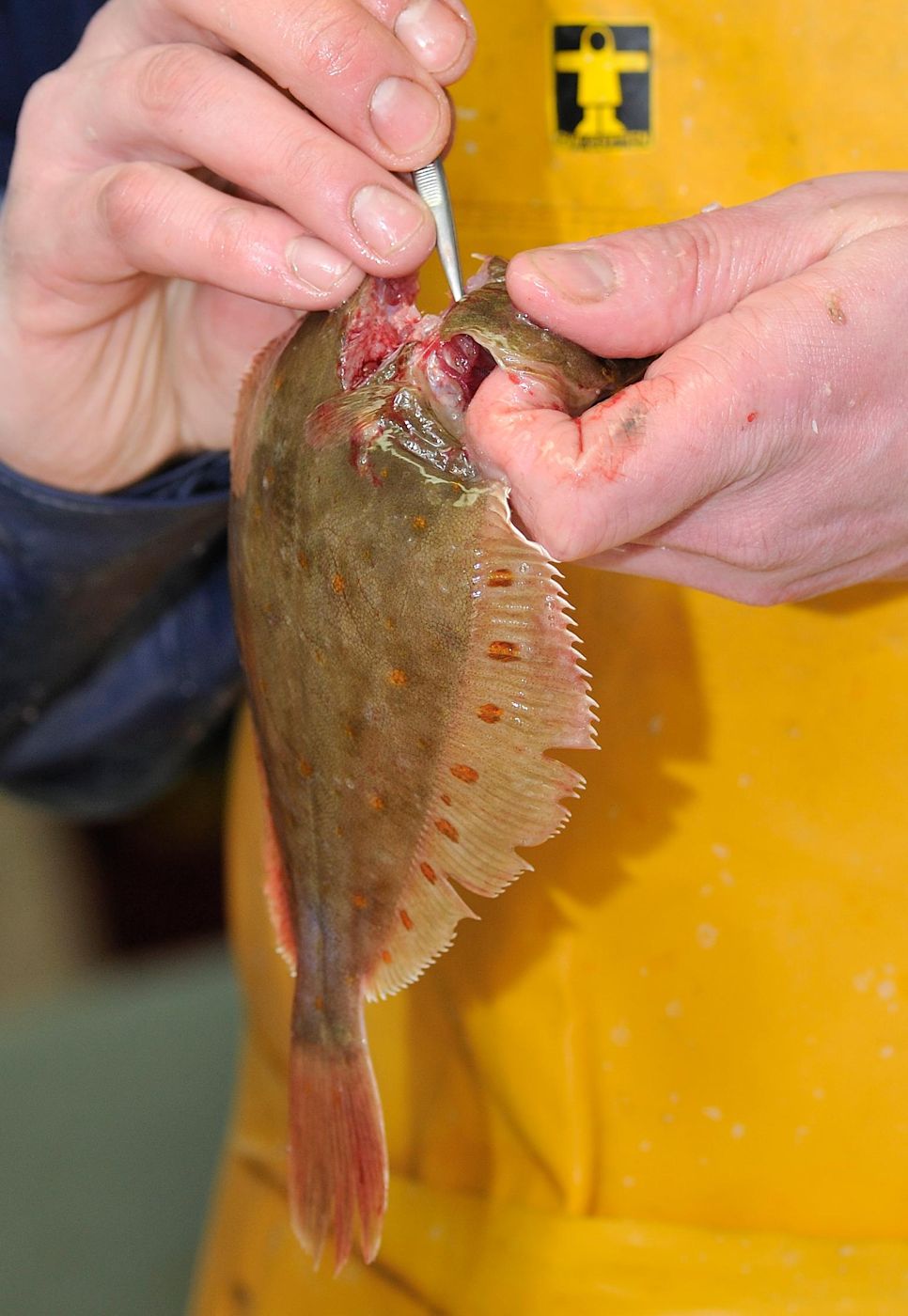 Flatfish (gajami)가자미Right-eyed flatfish of the East Sea, grilled, braised and dried, and best known in gajami-sikhae, the Hamgyeong-style flatfish fermented with millet, radish and chili.
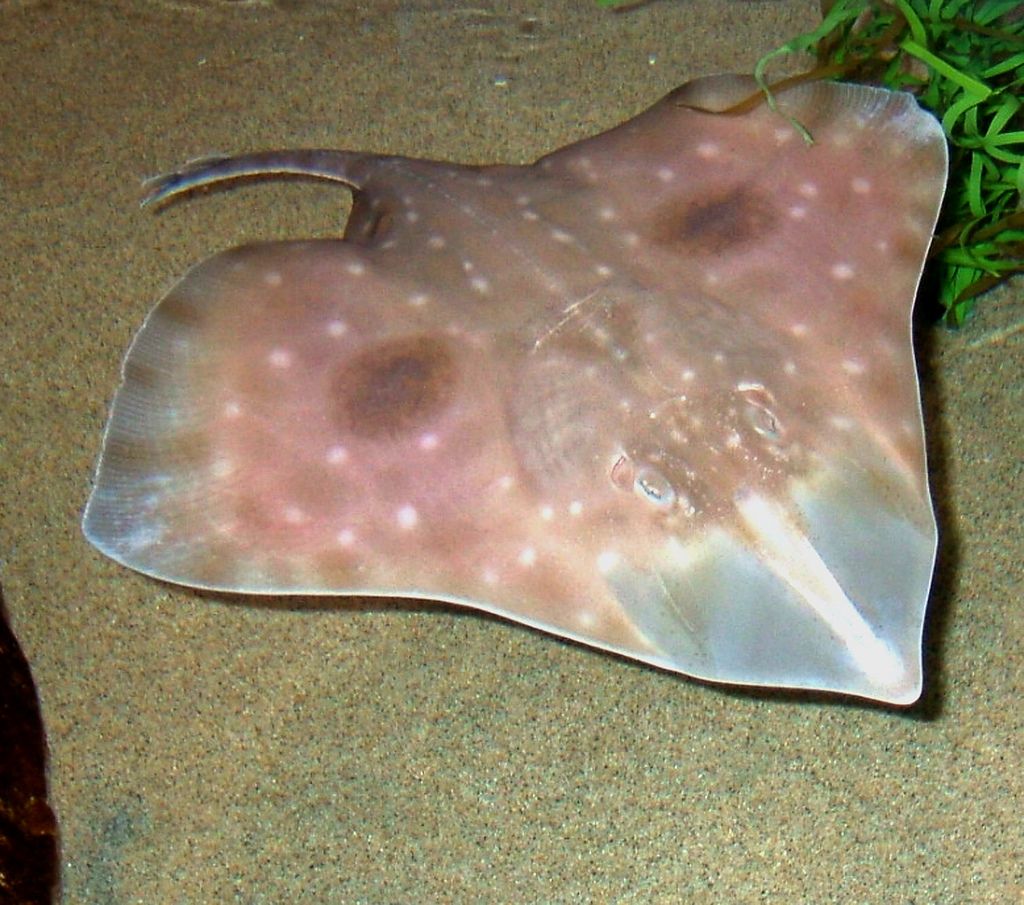 Skate (hongeo)홍어A broad, diamond-shaped ray famous in Jeolla for being eaten fermented, when its flesh gives off a sharp blast of ammonia. Fresh or fermented, hongeo is a centerpiece of southwestern feasts.
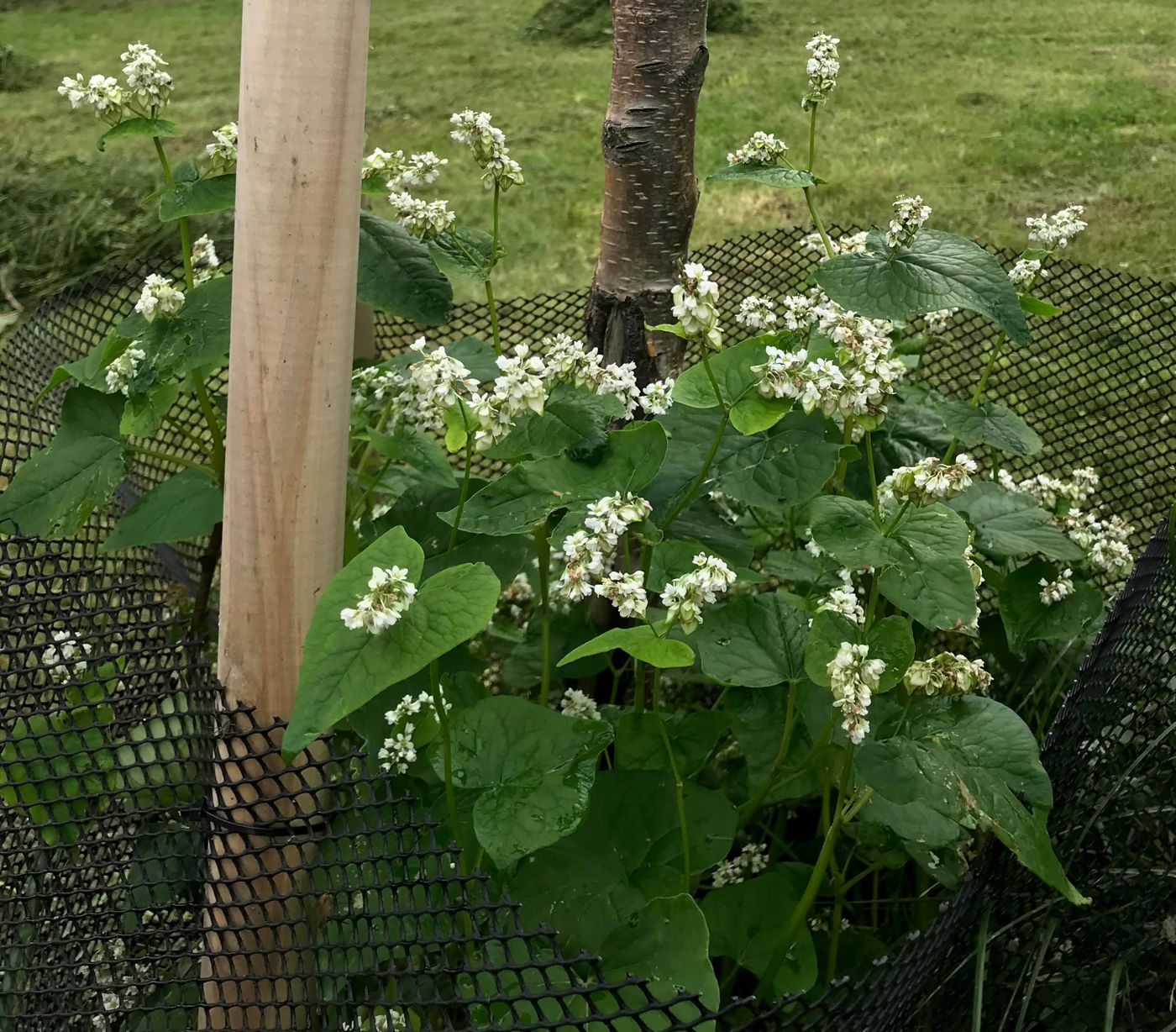 Buckwheat메밀Small, three-cornered seeds ground into a gray, earthy flour for cold noodles, makguksu and silky memil-muk. Buckwheat is the grain of Korea's cool mountain country, above all Gangwon-do.
 Gochugaru고춧가루Korean red chili powder, made from dried red peppers ground coarse or fine. It gives kimchi, gochujang and countless banchan their color and warmth.
- Gochujang고추장Fermented red chili paste — sweet, savory and hot. Made from meju powder, glutinous rice, malt and gochugaru, it is a later addition to Korea's family of jang.
- Korean Pear배The large, round, crisp and very juicy Korean pear (bae). Beyond eating fresh, it is grated into meat marinades and sliced into mild kimchi for natural sweetness.
 Yangpa (onion)양파The bulb onion, literally the "Western scallion." A latecomer to Korea, it is now everywhere: sweetening stir-fries and braises, pickled in soy sauce as yangpa-jangajji, and served raw beside grilled meat.
 Garlic마늘Used raw, minced, pickled and roasted, garlic is one of the essential aromatics of Korean food — in seasonings, marinades, kimchi and namul.
- Korean Vinegar식초Vinegar in the Korean kitchen, from naturally fermented grain and fruit vinegars, such as persimmon vinegar, to everyday brewed vinegar. It sharpens muchim, pickles and the dipping sauce chogochujang.
 Soy sauce간장Korean soy sauce, in two main kitchen forms: pale, salty guk-ganjang (soup soy sauce) brewed the traditional way from meju, and darker, sweeter jin-ganjang for braises and marinades.
 Sesame참깨Toasted sesame seeds and sesame oil (chamgireum) finish countless Korean dishes, adding a nutty aroma and gloss.
 Korean radish무A stout, heavy white radish, often tinged pale green near the top. It is cubed for kkakdugi, left whole in the clear brine of dongchimi, shredded into salads and simmered into broths.
- Cucumber오이Slender, thin-skinned Korean cucumbers, prized for their crunch. Stuffed and fermented as oi-sobagi, dressed quickly as oi-muchim, salted into oiji or floated in chilled summer soup.
- Egg (gyeran)계란The everyday protein of the Korean table: rolled into gyeran-mari, steamed into puffy gyeran-jjim, simmered in soy for gyeran-jangjorim, and cut into thin yellow and white ribbons of jidan to garnish soups and noodles.
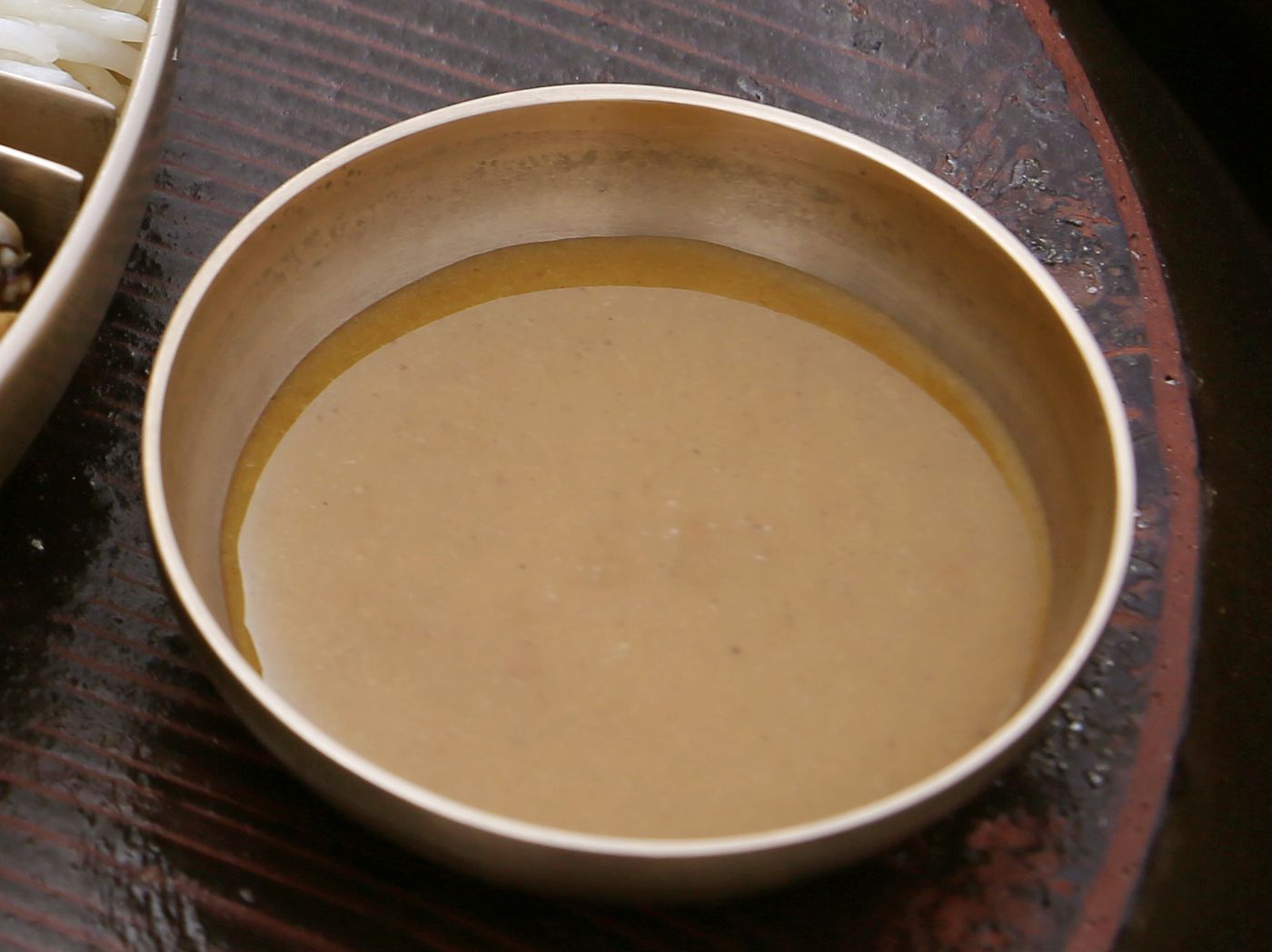 Gyeojja (Korean Mustard)겨자Korean mustard, ground from the seeds of mustard greens (gat) and mixed into a sharp, nose-tingling paste. It seasons cold noodles, dresses the mixed cold salad gyeoja-chae and sharpens dipping sauces for raw fish and boiled meat.
Nutrition
| Calories | ~685 kcal |
|---|---|
| Protein | ~24 g |
| Fat | ~13 g |
| Carbohydrates | ~117 g |
| Fiber | ~11.4 g |
| Sodium | ~2070 mg |
Notable forSelenium · Potassium · Vitamin A
Estimated by summing Korean Food Composition Table values for dried naengmyeon noodles (A0060000001a, labeled 메밀 냉면 in Korean), red pepper powder (R0070000005a) and gochujang (R0050010009a) with USDA FoodData Central (SR Legacy) values for raw flatfish (FDC 174196), Asian pear (FDC 168177), onion, garlic, sugar, distilled vinegar, soy sauce (FDC 174277), sesame oil, sesame seeds, whole egg (FDC 171287), cucumber (FDC 168409), Asian radish (FDC 168451) and salt, divided by 2. Without the fish, subtract roughly 35 kcal and 6 g protein per serving. Commercial noodle blends vary; a pure-starch noodle would be lower in protein and fiber. Actual values vary with ingredients, portion size and preparation.
Health Benefits
- Fresh crunch: cucumber, pear and radish add water, potassium and texture to a cold summer meal. See boknal and summer foods.
- Chili: a large share of gochugaru supplies carotenoids (vitamin A activity) and capsaicin. See capsaicin and spicy food.
- Lean fish: flounder or skate adds lean protein and selenium with little fat.
Regional Variations
- Hoe-naengmyeon (Seoul, Ojang-dong style): starch noodles with vinegar-cured raw skate in a fiery sauce; the folk encyclopedia says cheap skate was standard in southern Hamheung-style restaurants into the 1970s.
- Bibim-naengmyeon: the same noodles and sauce without raw fish, topped with sliced boiled beef or just egg, cucumber, pear and pickled radish.
- Hamheung nongma-guksu (northern provinces): the North Korean original, with the city's Sinheunggwan restaurant known for a version topped with pollock; in Hamheung itself the broth version uses a soybean-sesame soup, according to the Encyclopedia of Korean Culture.
- Busan milmyeon: Hamgyeong refugees in Busan blended relief wheat flour with sweet potato starch to make a noodle resembling their own, a dish known nationwide since the 2000s.
Pairings
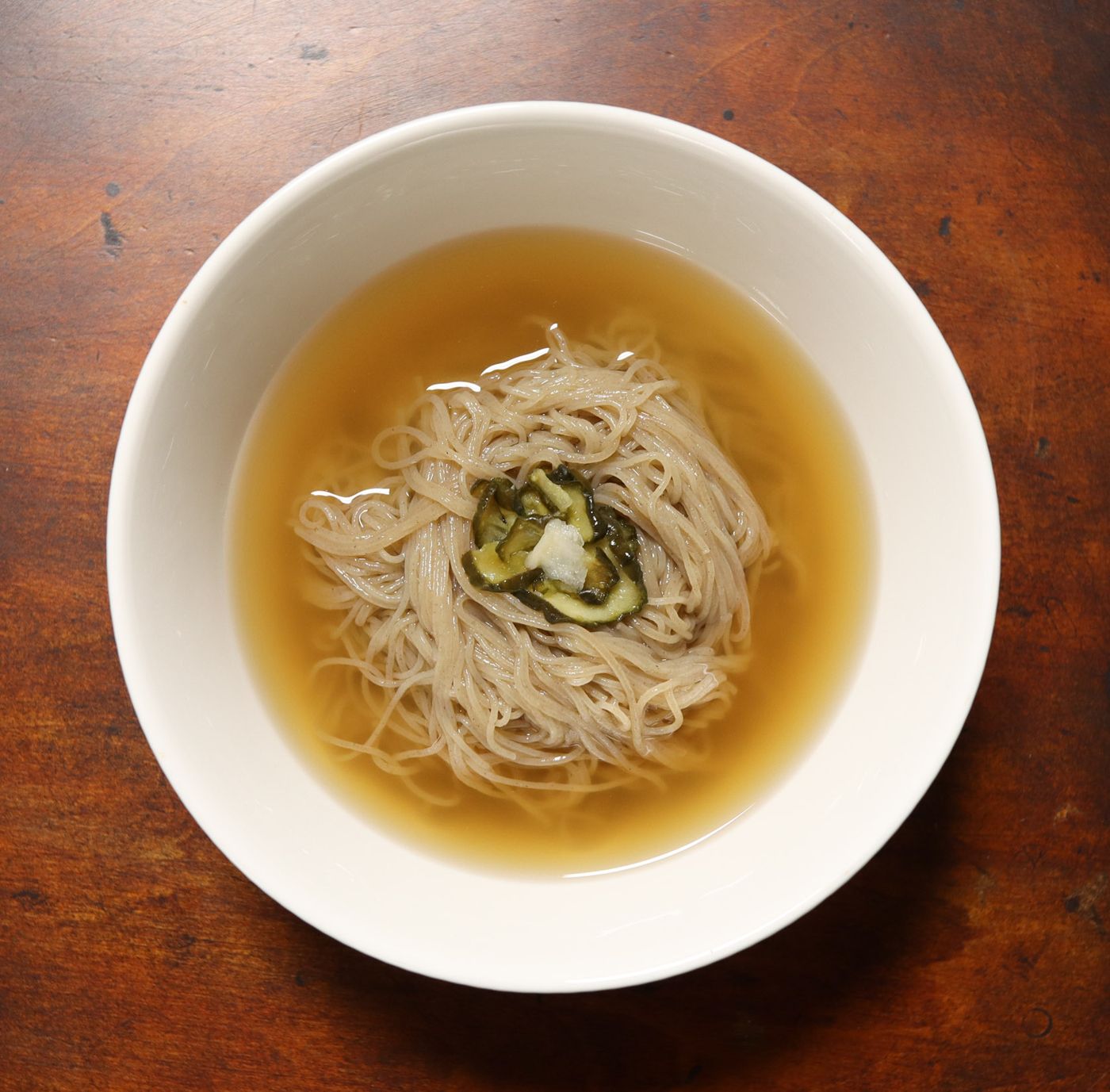 Mul-naengmyeon (Cold Buckwheat Noodles in Broth)물냉면Buckwheat noodles in an icy mix of beef broth and dongchimi, topped with sliced beef, pear, radish and egg — a Pyongyang winter dish now loved in summer.
 Mandu (Korean Dumplings)만두Thin wrappers folded around pork, tofu, kimchi and sprouts, then steamed or boiled — a Goryeo-era arrival from China that became a winter staple of the North.
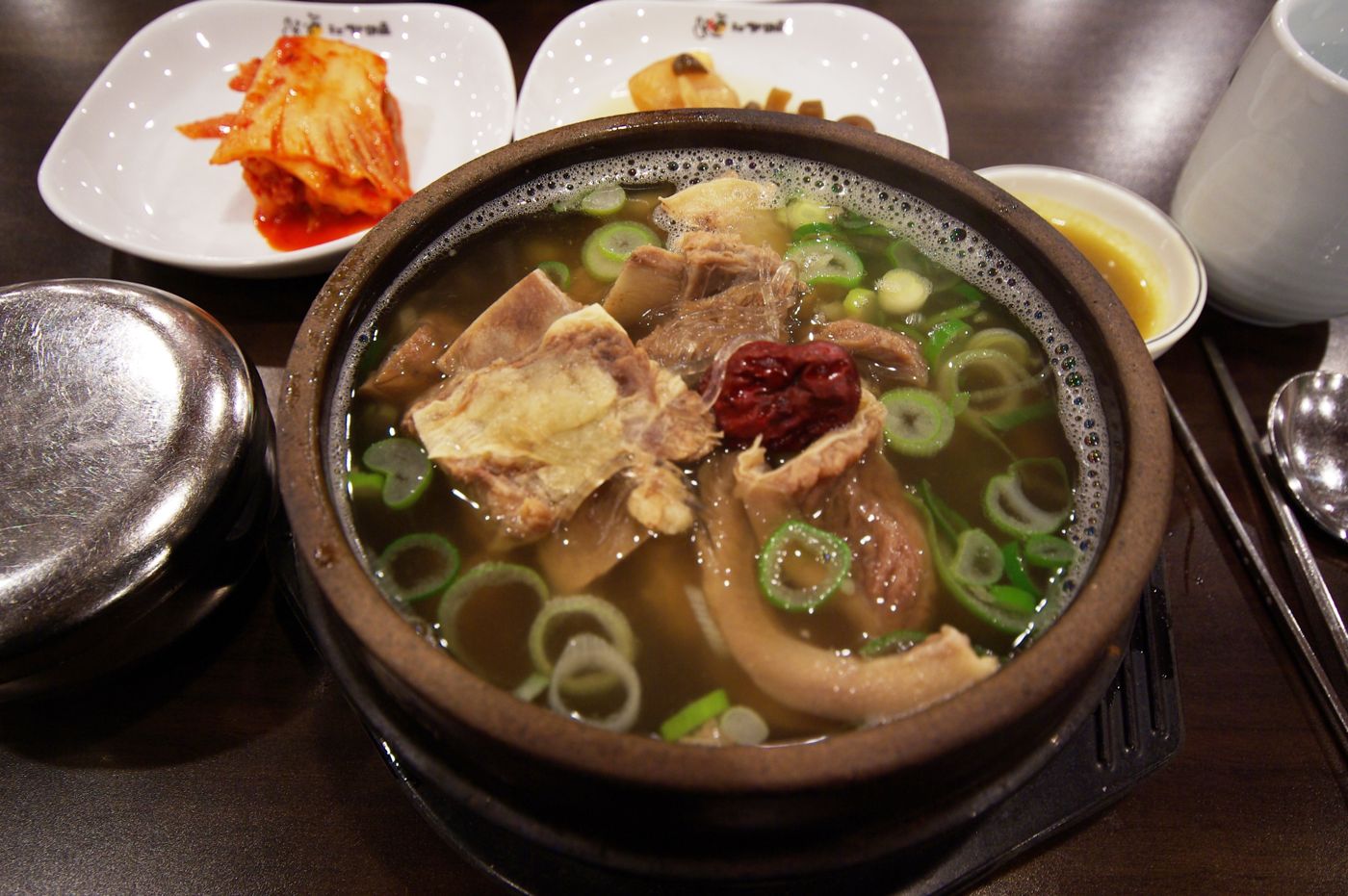 Galbitang (Beef Short Rib Soup)갈비탕Beef short ribs simmered until the meat slips from the bone, served in a clear, soy-seasoned broth with radish — a court banquet soup turned everyday restaurant bowl.
Sources
- 01함흥냉면 (Hamheung naengmyeon) — Encyclopedia of Korean Folk Culture, National Folk Museum of Korea
- 02함흥냉면 (咸興冷麵, Hamheung naengmyeon) — Encyclopedia of Korean Culture
- 03함흥 농마국수 (Hamheung nongma-guksu) — Encyclopedia of Korean Culture
- 04비빔국수 (Bibim-guksu) — Encyclopedia of Korean Culture
- 05Buckwheat noodle, Nangmyeon, Dry noodle (A0060000001a) — Korean Food Composition Table
Last updated